Hear Sylvia Plath’s Barely-Known Radio Play, Three Women

plath commandments

Image via Wiki­me­dia Com­mons

Over the years, we’ve let you hear Sylvia Plath read­ing many of her poems, all writ­ten before she took her life at the age of 30. What you like­ly haven’t heard — until today — is Three Women, one of Plath’s less­er-known pieces of writ­ing. “Orig­i­nal­ly writ­ten as a radio verse dra­ma for three voic­es,” notes The Guardian, the play “was broad­cast in 1962 on the BBC Third Pro­gramme and lat­er includ­ed in Win­ter Trees, a poet­ry col­lec­tion first pub­lished in 1971.” “With its themes of preg­nan­cy, birth, mis­car­riage and adop­tion, it per­fect­ly encap­su­lates the expe­ri­ence of becom­ing — or not becom­ing — a moth­er, includ­ing all the ecsta­sy and ter­ror of child­birth.” Below you can hear a record­ing with actress Judith Binder as the wife, Ann Bern­stein as the sec­re­tary, and Rachelle Tow­ers as the girl. The pro­gram is made avail­able on Archive.org by Paci­fi­ca Radio Archives. Find more Sylvia Plath audio in our col­lec­tion, 1,000 Free Audio Books: Down­load Great Books for Free.

If you would like to sign up for Open Culture’s free email newslet­ter, please find it here. It’s a great way to see our new posts, all bun­dled in one email, each day.

If you would like to sup­port the mis­sion of Open Cul­ture, con­sid­er mak­ing a dona­tion to our site. It’s hard to rely 100% on ads, and your con­tri­bu­tions will help us con­tin­ue pro­vid­ing the best free cul­tur­al and edu­ca­tion­al mate­ri­als to learn­ers every­where. You can con­tribute through Pay­Pal, Patre­on, and Ven­mo (@openculture). Thanks!

Relat­ed Con­tent

Hear Sylvia Plath Read 50+ of Her Dark, Com­pelling Poems

Hear Sylvia Plath Read Fif­teen Poems From Her Final Col­lec­tion, Ariel, in 1962 Record­ing

The Art of Sylvia Plath: Revis­it Her Sketch­es, Self-Por­traits, Draw­ings & Illus­trat­ed Let­ters

Sylvia Plath, Girl Detec­tive Offers a Hilar­i­ous­ly Cheery Take on the Poet’s Col­lege Years

by | Permalink | Make a Comment ( 2 ) |

A Master List of 800 Free Classic eBooks for iPad, Kindle & Other Devices

ebook-list

Maybe you’re an eBooks hold­out, a late adopter, a dis­dain­er of the book as a brand­ed “device”? I get it. Is there any­thing more ridicu­lous than putting down a book because its bat­ter­ies have run out? No amount of crow­ing about the suprema­cy of tech will make me love the smell and feel of paper less…

And yet…

With­in the charm­ing heft of print­ed books reside their lim­i­ta­tion. Trav­el­ing stu­dents, researchers, or avid read­ers must lug sev­er­al pounds of bound paper along with them on long jour­neys, or to work ses­sions at the local cof­fee shop. An eRead­er or smart­phone can hold an entire library—which one can expand ad infini­tum, it seems, on the fly.

This feature—along with the ease of copy­ing quotes and pas­sages and send­ing them across platforms—eventually sold me on the eBook as a robust sup­ple­ment to print. And if it sounds like I’m mak­ing a sales pitch, I am: for hun­dreds of free books, avail­able to read on the device of your choos­ing. Entry-lev­el Kin­dle, bud­get smart­phone, or lat­est, fan­ci­est iPad—most all will accom­mo­date the range of for­mats avail­able in our col­lec­tion of 800 Free eBooks.

Can you freely down­load the lat­est New York Times best­sellers? Not here, and I’d hope—for the sake of those hard-work­ing writers—that you’d pay to read new releas­es. Can you car­ry along with you on your next busi­ness trip or vaca­tion the works of Aris­to­tle and Freud, sev­er­al nov­els by Jane Austen and Joseph Con­rad, the mas­ter­works of Hegel, Hume, and Kant, the com­plete Shake­speare, and Proust’s mul­ti-vol­ume À la recherche du temps per­du? Quite eas­i­ly. Here’s a small sam­ple of what’s on our list:

See the full list of 800 offer­ings here. They may lack the sen­so­ry plea­sure of print, but the abil­i­ty to car­ry an entire library of clas­sic lit­er­a­ture in your pock­et has its advan­tages, to say the least. And if your trav­els include long dri­ves, you’ll also want to check out our mas­ter list of Free Audio Books.

Note: If you need help upload­ing .mobi files to your Kin­dle, you might find it use­ful to watch this video.

Relat­ed Con­tent:

Free Audio Books: Fic­tion & Lit­er­a­ture 

A Mas­ter List of 1,200 Free Cours­es From Top Uni­ver­si­ties: 40,000 Hours of Audio/Video Lec­tures

Book Read­ers Live Longer Lives, Accord­ing to New Study from Yale Uni­ver­si­ty

Josh Jones is a writer and musi­cian based in Durham, NC. Fol­low him at @jdmagness

H.P. Lovecraft’s Cthulhu in Anime: A First Glimpse

Mark it on your cal­en­dars. 2018 will bring an ani­me adap­ta­tion of the pop­u­lar card game Force of WillAn omnibus col­lec­tion of six ani­ma­tions, the film will include one short cre­at­ed by Shuhei Mori­ta, whose 2013 ani­ma­tion “Pos­ses­sions” already earned him an Acad­e­my Award nom­i­na­tion. Mori­ta’s next task–to bring to life H.P. Love­craft’s “Cthul­hu.” We’ve pre­vi­ous­ly high­light­ed Love­craft’s 1934 draw­ings of the mon­ster to which he gave lit­er­ary life in 1928. (See “The Call of Cthul­hu.”) Above, catch a very first glimpse of Mori­ta’s take on the gigan­tic octo­pus. Below, in the Relat­eds, find a good deal of mate­r­i­al on Cthulhu–drawings, radio drama­ti­za­tions and much more.

If you would like to sign up for Open Culture’s free email newslet­ter, please find it here. It’s a great way to see our new posts, all bun­dled in one email, each day.

If you would like to sup­port the mis­sion of Open Cul­ture, con­sid­er mak­ing a dona­tion to our site. It’s hard to rely 100% on ads, and your con­tri­bu­tions will help us con­tin­ue pro­vid­ing the best free cul­tur­al and edu­ca­tion­al mate­ri­als to learn­ers every­where. You can con­tribute through Pay­Pal, Patre­on, and Ven­mo (@openculture). Thanks!

via Kotaku

Relat­ed Con­tent

H.P. Lovecraft’s Mon­ster Draw­ings: Cthul­hu & Oth­er Crea­tures from the “Bound­less and Hideous Unknown”

H.P. Lovecraft’s Clas­sic Hor­ror Sto­ries Free Online: Down­load Audio Books, eBooks & More

Hear Drama­ti­za­tions of H.P. Lovecraft’s Sto­ries On His Birth­day: “The Call of Cthul­hu,” “The Dun­wich Hor­ror,” & More

Down­load Issues of “Weird Tales” (1923–1954): The Pio­neer­ing Pulp Hor­ror Mag­a­zine Fea­tures Orig­i­nal Sto­ries by Love­craft, Brad­bury & Many More

23 Hours of H.P. Love­craft Sto­ries: Hear Read­ings & Drama­ti­za­tions of “The Call of Cthul­hu,” “The Shad­ow Over Inns­mouth,” & Oth­er Weird Tales

by | Permalink | Make a Comment ( 4 ) |

When L. Frank Baum’s Wizard of Oz Series Was Banned for “Depicting Women in Strong Leadership Roles” (1928)

wizard_oz_1900_cover

We’ve reached the final stretch of the most infu­ri­at­ing, unset­tling elec­tion I’ve ever expe­ri­enced. And we find the U.S. so polar­ized  that—as The Wall Street Jour­nal chill­ing­ly demon­strates in their “Blue Feed Red Feed” feature—the left and right seem to live in two entire­ly dif­fer­ent real­i­ties. Still, one would have to work very hard on either side, I think, to deny the role sex­ism has played. One can­di­date, a known and well-doc­u­ment­ed misog­y­nist, leads mil­lions of sup­port­ers call­ing for his opponent’s death, impris­on­ment, and humil­i­a­tion. That oppo­nent, of course, hap­pens to be the first woman to run on a major par­ty tick­et in a gen­er­al elec­tion.

Do many Amer­i­cans still have a prob­lem with accept­ing women as lead­ers? I per­son­al­ly don’t think there’s much of an argu­ment there, and peo­ple who see the ques­tion as redun­dant mar­vel at how long archa­ic atti­tudes about women in pow­er have per­sist­ed. At least these days we can open­ly have the—often high­ly inflamed—conversation about sex­ism in busi­ness, enter­tain­ment, and gov­ern­ment. And we can sup­port a cul­tur­al indus­try thriv­ing on strong female char­ac­ters in fic­tion, film, and tele­vi­sion. Not so much in 1928, when the Chica­go Pub­lic Library banned The Wiz­ard of Oz, writes Kristi­na Rosen­thal at the Uni­ver­si­ty of Tul­sa Depart­ment of Spe­cial Col­lec­tions, “argu­ing that the sto­ry was ungod­ly for ‘depict­ing women in strong lead­er­ship roles.’”

First pub­lished in 1900, L. Frank Baum’s fan­ta­sy nov­el ini­ti­at­ed a series of 13 Oz-themed sequels, all of which became immense­ly pop­u­lar after MGM’s 1939 film adap­ta­tion. (You can find them all in text and audio for­mat here.) And yet, “through­out the years the books have been opposed for their pos­i­tive por­tray­als of fem­i­nin­i­ty.” Var­i­ous libraries used sim­i­lar excus­es to ban the books through­out the 50s and 60s. The Detroit pub­lic library banned the Oz books in 1957, stat­ing they had “no val­ue for chil­dren of today.” The ban remained in place until 1972. One Flori­da librar­i­an cir­cu­lat­ed a memo to her col­leagues call­ing the books “unwhole­some,” among oth­er things, and caus­ing a run on local book­stores as chil­dren des­per­ate­ly tried to find them.

Oth­er groups decid­ed that the books pro­mot­ed witch­craft in charges sim­i­lar to those levied at the Har­ry Pot­ter series. In 1986, a group of Fun­da­men­tal­ist Chris­t­ian fam­i­lies in Ten­nessee came togeth­er to remove the The Wiz­ard of Oz from their schools’ cur­ricu­lum, protest­ing “the novel’s depic­tion of benev­o­lent witch­es.” They argued, writes Rosen­thal, “that all witch­es are bad, there­fore it is ‘the­o­log­i­cal­ly impos­si­ble ‘for good witch­es to exist.” Many seek­ing to ban the books since have sim­i­lar­ly referred to their pos­i­tive depic­tions of mag­ic and “god­less super­nat­u­ral­ism,” but the Ten­nessee case stands as a land­mark in the Reli­gious Right’s liti­gious cru­sade against the gov­ern­ment. The attor­ney who rep­re­sent­ed plain­tiff Vic­ki Frost called on “every born-again Chris­t­ian to get their chil­dren out of pub­lic schools.”

It’s odd to think of whim­si­cal children’s lit­er­a­ture so seem­ing­ly innocu­ous as The Wiz­ard of Oz books as ter­ri­to­ry in the long cul­ture wars of the 20th cen­tu­ry. But as we are remind­ed every year dur­ing Banned Books Week (Sep­tem­ber 25 − Octo­ber 1, 2016), lit­er­a­ture often arous­es the ire of those incensed by change and dif­fer­ence. Yet their attempts to sup­press cer­tain books have always back­fired, mak­ing the tar­gets of their cen­sor­ship even more pop­u­lar and sought-after. If you’d like to read Baum’s Oz books now, you needn’t con­front a gate­keep­ing librar­i­an; sim­ply head over to our post on the com­plete Wiz­ard of Oz series, with free eBooks and audio books of all 14 female-cen­tric fan­ta­sy clas­sics.

via The Smith­son­ian

Relat­ed Con­tent:

800 Free eBooks for iPad, Kin­dle & Oth­er Devices

The Com­plete Wiz­ard of Oz Series, Avail­able as Free eBooks and Free Audio Books

North Car­oli­na Coun­ty Cel­e­brates Banned Book Week By Ban­ning Ralph Ellison’s Invis­i­ble Man … Then Revers­ing It

74 Free Banned Books (for Banned Books Week)

1,000 Free Audio Books: Down­load Great Books for Free

Josh Jones is a writer and musi­cian based in Durham, NC. Fol­low him at @jdmagness

J.G. Ballard’s Experimental Text Collages: His 1958 Foray into Avant-Garde Literature

text-collages-by-j-add_ms_88938_3_3a

Image by J. G. Bal­lard, via the British Library

J.G. Bal­lard became famous for his 1985 auto­bi­o­graph­i­cal nov­el Empire of the Sun (lat­er turned by Steven Spiel­berg into a major motion pic­ture). Before that, he became well-known for his con­tro­ver­sial, car-wreck-eroti­ciz­ing 1973 nov­el Crash (lat­er turned by David Cro­nen­berg into a semi-major motion pic­ture). Before that, he made cul­tur­al waves with the exper­i­men­tal 1970 col­lec­tion of “con­densed nov­els” The Atroc­i­ty Exhi­bi­tion and the both post-apoc­a­lyp­tic and psy­cho­log­i­cal Drowned World tril­o­gy of the 1960s. Go just a bit deep­er back into the Bal­lard canon and you find a work, in its way, even more dar­ing still: 1958’s Project for a New Nov­el.

“Bal­lard formed the ‘nov­el’ from sci­en­tif­ic and tech­ni­cal mate­r­i­al cut from pro­fes­sion­al lit­er­a­ture,” says the page at the British Library where you can see images of the work, the process of whose com­po­si­tion bears a resem­blance to William Bur­roughs’ famous “cut-up writ­ing” tech­nique. “Let­ters, words and sen­tence frag­ments are past­ed onto back­ing sheets with glue. Their design visu­al­ly ref­er­ences every­day media, with head­lines, body text and dou­ble-page spreads sug­gest­ing a mag­a­zine lay­out. Orig­i­nal­ly Bal­lard planned to dis­play the work on bill­boards, as if it was a pub­lic adver­tise­ment.”

Bal­lard him­self described the Project as “sam­ple pages of a new kind of nov­el, entire­ly con­sist­ing of mag­a­zine-style head­lines and lay­outs, with a delib­er­ate­ly mean­ing­less text, the idea being that the imag­i­na­tive con­tent could be car­ried by the head­lines and over­all design, so mak­ing obso­lete the need for a tra­di­tion­al text except for vir­tu­al­ly dec­o­ra­tive pur­pos­es.”

text-collages-by-j-add_ms_88938_3_3c

Image by J. G. Bal­lard, via the British Library

Employ­ment at a Lon­don chem­i­cal soci­ety jour­nal gave him access not just to pho­to­copy­ing facil­i­ties (then a rar­i­ty) but the mag­a­zine Chem­i­cal and Engi­neer­ing News, which became his basic mate­r­i­al: “I liked the styl­ish typog­ra­phy. I also like the sci­en­tif­ic con­tent, and used sto­ries to pro­vide the text of my nov­el. Curi­ous­ly enough, far from being mean­ing­less, the sci­ence news sto­ries some­how become fic­tion­al­ized by the head­ings around them.”

That quote comes from an arti­cle by Rick McGrath at jgballard.ca, who points out that “many of the char­ac­ters and con­cerns in Project have resur­faced over the years” in his sub­se­quent writ­ings such as The Atroc­i­ty Exhi­bi­tion and The Ter­mi­nal Beach: “Ballard’s ‘col­lage of things’ spawned such char­ac­ters as Coma, Kline and Xero, and such phras­es as ‘the ter­mi­nal beach’, ‘Mr F is Mr F’, ‘tho­racic drop’ ‘inter­time’ ‘T‑12’ and many more Bal­lar­dian tropes now famil­iar to his read­ers today.”

Though Bal­lard’s work remained imag­i­na­tive in a way that no oth­er writer has repli­cat­ed, he nev­er, after the Project for a New Nov­el and the pieces of 1970s fol­low-up Adver­tis­er’s Announce­ments (“ ‘ads’ in the same sense that Project For A New Nov­el is a ‘nov­el‘”), got so exper­i­men­tal again. “Fas­ci­nat­ed with the causal­i­ty of time, Ballard’s first step is to remove it. Bored with action/reaction, Bal­lard inverts it,” writes McGrath. “Unwill­ing to accept the fic­tions of the world, Bal­lard cre­ates a per­son­al real­i­ty. The result is an autop­sy report, or a box of tools, or a line­up of ser­vice sta­tion atten­dants at a police sta­tion. It’s up to you to make a kind of per­son­al sense of it all” — a bit like the mod­ern world itself.

via The Scofield

Relat­ed Con­tent:

The Very First Film of J.G. Ballard’s Crash, Star­ring Bal­lard Him­self (1971)

Sci-Fi Author J.G. Bal­lard Pre­dicts the Rise of Social Media (1977)

J.G. Bal­lard on Sen­sa­tion

William S. Bur­roughs on the Art of Cut-up Writ­ing

Based in Seoul, Col­in Mar­shall writes and broad­casts on cities and cul­ture. He’s at work on a book about Los Ange­les, A Los Ange­les Primer, the video series The City in Cin­e­ma, the crowd­fund­ed jour­nal­ism project Where Is the City of the Future?, and the Los Ange­les Review of Books’ Korea Blog. Fol­low him on Twit­ter at @colinmarshall or on Face­book.

8+ Hours of Classic Charles Dickens Stories Dramatized, Starring Orson Welles, Boris Karloff, Richard Burton & More

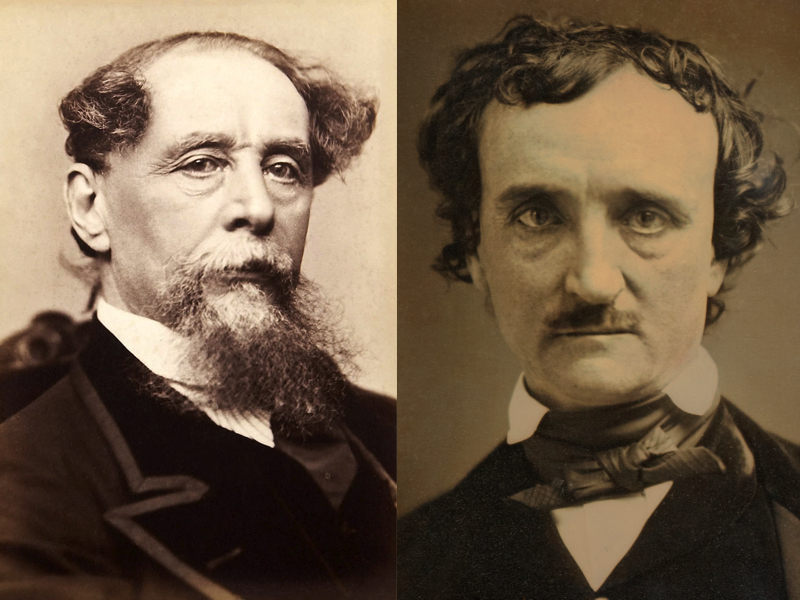
Do you know who would have under­stood our cur­rent polit­i­cal moment? Who would have known how to make sense of the naked avarice, wide­spread bul­ly­ing, dem­a­goguery, and preda­to­ry pol­i­tick­ing? Charles Dick­ens, that’s who.

The vil­lainy in Oliv­er Twist alone suf­fices to show just how well Dick­ens under­stood misog­y­ny, crim­i­nal exploita­tion, and the ways seduc­tive insin­cer­i­ty works to ensnare the vul­ner­a­ble.

As we approach the inter­minable hol­i­day sea­son, many of us will reflect on Dick­ens’ scathing indict­ment of greed in A Christ­mas Car­ol. Near­ly every­one wants a piece of Dick­ens’ pre­sumed polit­i­cal views. The Social­ist Review pro­claims “he would have been only too famil­iar with the shame­less pil­ing up of wealth, the poor strug­gling to sur­vive, the pen­ny pinch­ing of wel­fare, and the lofty con­tempt of our rulers” in the 21st cen­tu­ry.

But Dick­ens was no rev­o­lu­tion­ary. His for­eign pol­i­cy ideas “antic­i­pate Kipling’s pro­le­tar­i­an defend­ers of empire,” and he might have fit right in with the most star­ry-eyed of neo­con­ser­v­a­tives.

Was he a defend­er of free mar­ket ideals, as some allege? The idea seems implau­si­ble. Char­ac­ters like pre-redemp­tion Scrooge and Ralph Nickleby—who in, say, Ayn Rand’s hands might be cham­pi­ons of indi­vid­u­al­ism and self­ish­ness as a virtue—become in Dick­ens’ nov­els exam­ples of fright­en­ing­ly trun­cat­ed human­i­ty. Take this descrip­tion of Nick­le­by, uncle of the orphaned Nicholas:

He wore a sprin­kling of pow­der upon his head, as if to make him­self look benev­o­lent; but if that were his pur­pose, he would per­haps have done bet­ter to pow­der his coun­te­nance also, for there was some­thing in its very wrin­kles, and in his cold rest­less eye, which seemed to tell of cun­ning that would announce itself in spite of him.

This is the look of the deceit­ful, schem­ing busi­ness­man in Dick­ens: the cold eyes, the bare­ly-con­cealed mal­ice. In nov­els like Oliv­er Twist and Hard Times, Dick­ens “pro­vides a damn­ing cri­tique of indus­tri­al Eng­land of the nine­teenth cen­tu­ry” and “an indict­ment of glob­al lais­sez faire cap­i­tal­ism of the twen­ty-first cen­tu­ry.” So argues The Cop­per­field Review, in any case.

But when we read Dick­ens, we don’t do so fore­most to have our polit­i­cal views bol­stered or chal­lenged, but to expe­ri­ence the immense­ly mov­ing and enter­tain­ing plots, with their vivid­ly delin­eat­ed char­ac­ters like Ralph Nick­le­by above. These qual­i­ties have always made Dick­ens’ work trans­late beau­ti­ful­ly to the stage and screen, and also to the radio waves, where Dick­ens appeared in dra­mat­ic adap­ta­tions dur­ing the medium’s gold­en age and beyond, often in star-stud­ded pro­duc­tions.

For exam­ple, at the top of the post, you can hear a 1950 radio play of David Cop­per­field with Richard Bur­ton in the title role and Boris Karloff as “the smarmi­est creep in Dick­ens,” Uri­ah Heep. The lat­ter char­ac­ter may be one of the most obses­sive­ly described in all of the author’s works, to the point of car­i­ca­ture. And yet, writes Sam Jordi­son at The Guardian, “just as Satan gets the best lines in Par­adise Lost, Heep gets some of the best moments in David Cop­per­field.”

Fur­ther up, you can hear Orson Welles star in a 1938 pro­duc­tion of A Tale of Two Cities. This play is the third in Welles and John Houseman’s series The Mer­cury The­atre on the Air, which fea­tured Welles’ hand­picked com­pa­ny of actors. Soon spon­sored by Campbell’s Soup, the pro­gram was renamed The Camp­bell Play­house by the time Welles pro­duced an adap­ta­tion of A Christ­mas Car­ol with Lionel Bar­ry­more as Scrooge.

In the Spo­ti­fy playlist above, hear that pro­duc­tion as well as a sec­ond Welles-star­ring ver­sion of A Tale of Two Cities record­ed in 1945 for the leg­endary Lux Radio The­ater. You’ll also find Richard Burton’s David Cop­per­field and clas­sic pro­duc­tions of Great Expec­ta­tions, Oliv­er Twist, The Pick­wick Papers, The Mys­tery of Edwin Drood, and short sto­ries like “The Queer Client,” “The Sig­nal­man,” and “The Tri­al for Mur­der.” If you need Spo­ti­fy’s free soft­ware, down­load it here.

Vis­it­ing, or revis­it­ing, the Dick­en­sian world through radio plays fits in per­fect­ly with the author’s own mode of dis­sem­i­nat­ing his fic­tion: he was a show­man who loved to give read­ings of  his work “with full histri­on­ic bril­liance,” writes Simon Cal­low, “and stage-man­aged to a point of high the­atri­cal­i­ty.” And through such enter­tain­ment, he believed, he might move read­ers and audi­ences with his cri­tiques of the exploita­tive sys­tems of his day.

The playlist above will be added to our col­lec­tion, 1,000 Free Audio Books: Down­load Great Books for Free. Copies of Dick­ens’ works can be found in our col­lec­tion, 800 Free eBooks for iPad, Kin­dle & Oth­er Devices.

Relat­ed Con­tent:

An Ani­mat­ed Intro­duc­tion to the Life & Lit­er­ary Works of Charles Dick­ens

Hear Charles Dick­ens’ A Christ­mas Car­ol Read by His Great-Grand­daugh­ter in His Pre­ferred Style

Charles Dick­ens’ Hand-Edit­ed Copy of His Clas­sic Hol­i­day Tale, A Christ­mas Car­ol

Josh Jones is a writer and musi­cian based in Durham, NC. Fol­low him at @jdmagness

Explore 5,300 Rare Manuscripts Digitized by the Vatican: From The Iliad & Aeneid, to Japanese & Aztec Illustrations

vatican-iliad

Hun­dreds of years before vast public/private part­ner­ships like Google Arts & Cul­ture, the Vat­i­can served as one of the fore­most con­ser­va­tors of cul­tur­al arti­facts from around the world. In the era of the Holy Roman Empire, few of those works were avail­able to the mass­es (except­ing, of course, the city’s con­sid­er­able pub­lic archi­tec­ture and sculp­ture). But with over 500 years of his­to­ry, Vat­i­can Muse­ums and Libraries have amassed a trove of arti­facts that rival the great­est world col­lec­tions in their breadth and scope, and these have slow­ly become pub­lic over time. In 1839, for exam­ple, Pope Gre­go­ry XVI found­ed the Egypt­ian Muse­um, an exten­sive col­lec­tion of Egypt­ian and Mesopotami­an arti­facts includ­ing the famous Book of the Dead. We also have The Col­lec­tion of Mod­ern Reli­gious Art, which holds 19th and 20th cen­tu­ry impres­sion­ists, sur­re­al­ists, cubists, expres­sion­ists, etc. In-between are large pub­lic col­lec­tions from antiq­ui­ty to the Renais­sance.

codex-borgianus

When it comes to man­u­scripts, the Vat­i­can Library is no less an embar­rass­ment of rich­es. But unlike the art col­lec­tions, most of these have been com­plete­ly inac­ces­si­ble to the pub­lic due to their rar­i­ty and fragili­ty. That’s all going to change, now that ancient and mod­ern con­ser­va­tion has come togeth­er in part­ner­ships like the one the Library now has with Japan­ese com­pa­ny NTT DATA.

Their com­bined project, the Dig­i­tal Vat­i­can Library, promis­es to dig­i­tize 15,000 man­u­scripts with­in the next four years and the full col­lec­tion of over 80,000 man­u­scripts in the next decade or so, con­sist­ing of codices most­ly from the “Mid­dle Age and Human­is­tic Peri­od.” They’ve made some excel­lent progress. Cur­rent­ly, you can view high-res­o­lu­tion scans of over 5,300 man­u­scripts, from all over the world. We pre­vi­ous­ly brought you news of the Library’s dig­i­ti­za­tion of Virgil’s Aeneid. They’ve also shared a fine­ly illus­trat­ed, bilin­gual (Greek and Latin) edi­tion of its pre­de­ces­sor, The Ili­ad (top).

japanese-dance-painting

Fur­ther up, from a sim­i­lar time but very dif­fer­ent place, we see a Pre-Columbian Aztec man­u­script, equal­ly fine­ly-wrought in its hand-ren­dered intri­ca­cies. You’ll also find illus­tra­tions like the cir­ca 17th-cen­tu­ry Japan­ese water­col­or paint­ing above, and the ren­der­ing of Dante’s hell, below, from a won­der­ful, if incom­plete, series by Renais­sance great San­dro Bot­ti­cel­li (which you can see more of here). Begun in 2010, the huge-scale dig­i­ti­za­tion project has decid­ed on some fair­ly rig­or­ous cri­te­ria for estab­lish­ing pri­or­i­ty, includ­ing “impor­tance and pre­cious­ness,” “dan­ger of loss,” and “scholar’s requests.” The design of the site itself clear­ly has schol­ars in mind, and requires some deft­ness to nav­i­gate. But with sim­ple and advanced search func­tions and gal­leries of Select­ed and Lat­est Dig­i­tized Man­u­scripts on its home­page, the Dig­i­tal Vat­i­can Library has sev­er­al entry points through which you can dis­cov­er many a tex­tu­al trea­sure. As the site remarks, “the world’s cul­ture, thanks to the web, can tru­ly become a com­mon her­itage, freely acces­si­ble to all.” You can enter the col­lec­tion here.

vatican-botticelli

Relat­ed Con­tent:

1,600-Year-Old Illu­mi­nat­ed Man­u­script of the Aeneid Dig­i­tized & Put Online by The Vat­i­can

Botticelli’s 92 Illus­tra­tions of Dante’s Divine Com­e­dy

15,000 Col­or­ful Images of Per­sian Man­u­scripts Now Online, Cour­tesy of the British Library

Josh Jones is a writer and musi­cian based in Durham, NC. Fol­low him at @jdmagness

Hear 75 Free, Classic Audio Books on Spotify: Austen, Joyce, Bukowski, Kafka, Vonnegut, Poe, Shakespeare, Kerouac & More

spotify-free-audio-books

Here’s a lit­tle known tip. If you open Spo­ti­fy, click “Browse” (in the left hand nav), then scroll way down to “Word,” you will find a num­ber of free audio­book col­lec­tions–read­ings by Sylvia PlathLangston Hugh­es, and Dylan Thomas; old time crime and sci-fi dra­mas; a big H.P. Love­craft com­pendi­um and more. But that way of nav­i­gat­ing things real­ly only scratch­es the sur­face of what Spo­ti­fy has to offer.

If you rum­mage around enough, you’ll find many qual­i­ty recordings–everything from Christo­pher Lee read­ing Drac­u­la and Franken­stein, to Kurt Von­negut read­ing four of his nov­els, to a 68-hour playlist of Shakespeare’s plays being per­formed by leg­endary actors. We’ve found 75+ record­ings in recent months and grad­u­al­ly added them to our col­lec­tion, 1,000 Free Audio Books: Down­load Great Books for Free. But they seemed worth high­light­ing and call­ing to your atten­tion here.

If you need Spo­ti­fy’s free soft­ware, down­load it here. And if you find any oth­er gems, please list them in the com­ments below and we’ll add them to our list.

  • Austen, JanePride and Prej­u­diceSpo­ti­fy
  • Beck­ett, Samuel Wait­ing for Godot (The­atri­cal per­for­mance with Bert Lahr) – Spo­ti­fy
  • Bukows­ki, Charles – 4 Hours of Bukows­ki Read­ings – Spo­ti­fy
  • Bukows­ki, CharlesHostageSpo­ti­fy
  • Bukows­ki, CharlesMas­ter Col­lec­tionSpo­ti­fy
  • Bur­roughs, William S.Call Me Bur­roughs (his first spo­ken word album) – Spo­ti­fy
  • Bur­roughs, William S. – Let Me Hang You (posthu­mous album sett­ting read­ings of Naked Lunch to music) – Spo­ti­fy
  • Car­roll, Lewis – Alice’s Adven­tures in Won­der­land (Read by Sir John Giel­gud) – Spo­ti­fy
  • Car­roll, Lewis – Through the Look­ing Glass (Read by Joan Green­wood, Stan­ley Hol­loway) – Spo­ti­fy
  • Cia­r­di, JohnAs If: Poems New and Select­ed by John Cia­r­di (read by the author) –Spo­ti­fy
  • Coleridge, SamuelPoems (Read by Ralph Richard­son) – Free Spo­ti­fy
  • Collins, Bil­lyThe Best Cig­a­rette (Poet­ry col­lec­tion read by the author) – Free Spo­ti­fy
  • Collins, Bil­lySoapSpo­ti­fy
  • Conan Doyle, Arthur The Adven­tures of Sher­lock Holmes (64 Hours of Read­ings) – Spo­ti­fy
  • Dante AlighieriThe Infer­no, Can­tos I‑VIII (Read by John Cia­r­di) – Spo­ti­fy
  • Defoe, Daniel Robin­son Cru­soe (Read by Nigel Gra­ham)
  • Dick­in­son, Emi­lyPoems & Let­ters – Spo­ti­fy
  • Eliot, T.S. – The Cock­tail Par­ty (Per­formed by Alec Guin­ness & Cath­leen Nes­bitt) – Free Spo­ti­fy
  • Eliot, T.S.Old Possum’s Book of Prac­ti­cal Cats (Read by T.S. Eliot) – Spo­ti­fy playlist
  • Eliot, T.S. T.S. Eliot Read­ing Poems and Cho­rus­esSpo­ti­fy
  • Eliot T.S.T.S. Eliot Reads the Waste LandSpo­ti­fy
  • Fer­linghet­ti, Lawrence A Coney Island of the MindSpo­ti­fy
  • Frost, RobertRobert Frost Reads His Poet­ryFree Spo­ti­fy
  • Gins­berg, AllenHowlSpo­ti­fy
  • Gins­berg, Allen – First Blues: Rags, Bal­lads and Har­mo­ni­um SongsSpo­ti­fy
  • Gins­berg, AllenThe Last Word on First BluesSpo­ti­fy
  • Gins­berg, Allen The Lion for Real – Free on Spo­ti­fy
  • Gins­berg, Allen Witchi­ta Vor­tex SutraSpo­ti­fy
  • Hawthorne, Nathaniel – The Scar­let Let­terSpo­ti­fy
  • Hugo, Vic­tor – The Hunch­back of Notre Dame (Abridged ver­sion read by Christo­pher Lee) – Spo­ti­fy
  • Hesse, Her­mann – Sid­dhartha – Spo­ti­fy
  • Hitch­cock, Alfred – Alfred Hitch­cock Presents Ghost Sto­ries for Young Peo­pleSpo­ti­fy
  • Hugh­es, LangstonLangston Hugh­es Reads Langston Hugh­esSpo­ti­fy
  • Hugh­es, Langston  The Dream Keep­er and Oth­er Poems of Langston Hugh­es (Read by Hugh­es) – Spo­ti­fy
  • Hugh­es, Langston The Glo­ry of Negro His­to­rySpo­ti­fy
  • Hugh­es, LangstonThe Voice of Langston Hugh­esSpo­ti­fy
  • Joyce, James Dublin­ers – Free on Spo­ti­fy
  • Joyce, James – “The Dead” (Read by Bart Wolffe) – Spo­ti­fy
  • Kaf­ka, Franz – The Meta­mor­pho­sis – Spo­ti­fy
  • Ker­ouac, Jack4 Albums with Ker­ouac Recit­ing Poet­ry & VerseSpo­ti­fy
  • Ler­oux, Gas­tonThe Phan­tom of the Opera (Abridged ver­sion read by Christo­pher Lee) – Spo­ti­fy
  • Love­craft, H.P – The Call of of Cthul­hu & Oth­er Sto­riesSpo­ti­fy
  • Melville, Her­man – Moby-Dick (Abridged ver­sion read by Hay­ward Morse) – Spo­ti­fy
  • Miller, Arthur – Read­ings from The Cru­cible and Death of a Sales­manSpo­ti­fy
  • Nabokov, Vladimir – Vladimir Nabokov Reads from Loli­ta & Select­ed Poems – Spo­ti­fy
  • Nash, OgdenChrist­mas with Ogden NashSpo­ti­fy
  • Nash, OgdenOgden Nash Reads Ogden NashSpo­ti­fy
  • Neru­da, PabloPablo Neru­da Lee a Pablo Neru­da (in Span­ish) – Spo­ti­fy
  • Orwell, George – Ani­mal FarmSpo­ti­fy
  • Poe, Edgar AllanThe Essen­tial Edgar Allan PoeSpo­ti­fy
  • Poe, Edgar AllanThe Mask of the Red Death (Read by William S. Bur­roughs) –Spo­ti­fy
  • Prokofiev, SergeiPeter and the Wolf (Nar­rat­ed by David Bowie) – Spo­ti­fy
  • Sand­burg, CarlA Lin­coln Album: Read­ings by Carl San­durgSpo­ti­fy
  • Sand­burg, Carl The Peo­ple YesSpo­ti­fy
  • Sex­ton, AnneWhat’s ThatSpo­ti­fy
  • Schiller, Friedrich – Poet­ry of Friedrich von Schiller: Read in Ger­man by Kin­s­kiSpo­ti­fy
  • Shake­speare, William – A 68 Hour Playlist of Shakespeare’s Plays Being Per­formed by Great Actors: Giel­gud, McK­ellen & MoreFree on Spo­ti­fy
  • Shake­speare, WilliamHam­let (French trans­la­tion by Mar­cel Pag­nol) – Spo­ti­fyYouTube
  • Shake­speare, WilliamHam­let (Star­ring John Giel­gud) – Spo­ti­fy + Archive.org
  • Shake­speare, WilliamMac­beth (with Alec Guin­ness) – Free Spo­ti­fy
  • Shel­ley, Mary – Franken­stein (Abridged ver­sion read by Christophe Lee) – Spo­ti­fy
  • Shel­ley, Per­cy Bysshe Var­i­ous Poems (Read by Vin­cent Price) – Free Spo­ti­fy
  • Stein­beck, John – “The Snake” and “John­ny Bear” – Free Stream – Spo­ti­fy
  • Steven­son, Robert Louis – The Strange Case of Dr Jekyll & Mr Hyde (Read by Christo­pher Lee) – Spo­ti­fy
  • Steven­son, Robert Louis – Trea­sure Island (Read by Hans Con­ried) – Spo­ti­fy
  • Stok­er, Bram – Drac­u­la (Read by Christo­pher Lee) – Spo­ti­fy
  • Thomas, DylanDylan Thomas Reads 8 Hours of His Poet­rySpo­ti­fy
  • Thomas, Dylan An Evening with Dylan ThomasSpo­ti­fy
  • Thomas, DylanRichard Bur­ton Reads 15 Poems by Dylan Thomas – Spo­ti­fy
  • Twain, Mark – The Adven­tures of Tom SawyerSpo­ti­fy ver­sion
  • Von­negut, Kurt Slaugh­ter­house 5, Cat’s Cra­dle, Break­fast of Cham­pi­ons, Wel­come to the Mon­key House (Abridged read­ings by Von­negut) – Spo­ti­fy
  • Welles, Orson — 61 Hours of Orson Welles’ Clas­sic 1930s Radio Plays: War of the Worlds, Heart of Dark­ness & More — Spo­ti­fy
  • Wells, HG – The War of the Worlds (Read by Maxwell Caulfield) – Spo­ti­fy
  • Wilde, Oscar – The Impor­tance of Being Earnest (Per­formed by John Giel­gud) – Free
  • Woolf, Vir­ginia – The Short Sto­riesSpo­ti­fy
  • Yeats, William But­ler – William But­ler Reads His Own WorkSpo­ti­fy

Look­ing for free, pro­fes­sion­al­ly-read audio books from Audible.com? Here’s a great, no-strings-attached deal. If you start a 30 day free tri­al with Audible.com, you can down­load two free audio books of your choice. Get more details on the offer here.

Relat­ed Con­tent:

1,000 Free Audio Books: Down­load Great Books for Free

Free Online Lit­er­a­ture Cours­es

Down­load Two Har­ry Pot­ter Audio Books for Free (and Get the Rest of the Series for Cheap)

by | Permalink | Make a Comment ( 6 ) |

« Go BackMore in this category... »
Quantcast