The 100 Most Influential Photographs: Watch TIME’s Video Essays on Photos That Changed the World

We live in a cul­ture over­sat­u­rat­ed with images. Videos of vio­lence and death cir­cu­late with dis­turb­ing reg­u­lar­i­ty, only rarely ris­ing to the lev­el of mass pub­lic out­rage. Social media and news feeds bom­bard us not only with dis­tress­ing head­lines but with pho­to­graph after photograph–doctored, memed, repeat­ed, then dis­card­ed and for­got­ten. It’s impos­si­ble to do oth­er­wise than to for­get: the sheer vol­ume of visu­al infor­ma­tion most of us take in dai­ly over­whelms the brain’s abil­i­ty to sort and process.

As if insist­ing that we look and real­ly see, the judges of the Pulitzer Prize have giv­en the award for fea­ture pho­tog­ra­phy almost exclu­sive­ly to images of tragedy in recent years. In most cas­es, the con­flicts and dis­as­ters they depict have not gone away, they have only dis­ap­peared from head­line news. Whether we can say that pho­tog­ra­phy is los­ing its pow­er to move and shock us in the over­whelm­ing sea of visu­al noise is a sub­ject for a much longer med­i­ta­tion. But I can think of few recent images com­pa­ra­ble to those in the TIME 100 Pho­tographs series.

Of course the say­ing “time will tell” isn’t just a pun here: we can only know if a pho­to will have his­toric impact in hind­sight, but in near­ly all of the 100 pho­tos featured—which have been giv­en their own mini-doc­u­men­taries—the impact was imme­di­ate and gal­va­niz­ing, inspir­ing action, activism, wide­spread, sor­row, anger, appre­ci­a­tion, or awe. The emo­tion­al res­o­nance, in many cas­es, has only deep­ened over the decades.

The image of Emmett Till’s face, bat­tered into unrec­og­niz­abil­i­ty, has not lost its pow­er to shock and appall one bit. Although the spe­cif­ic con­text may now elude us, its details still mys­te­ri­ous, we can still be moved by Jeff Widener’s pho­to­graph of a defi­ant Chi­nese cit­i­zen fac­ing down the tanks in Tianan­men Square. Alber­to Korda’s 1960 por­trait of Che Gue­var­ra became not only icon­ic but a lit­er­al icon.

What will we see fifty, or 100, years from now, on the oth­er hand, in “Oscars Self­ie” (2014), by Bradley Coop­er? The pho­to seems to me an eeri­ly cheer­ful por­tent from the point-of-view of 2020, just a hand­ful of years lat­er, with its well-groomed, smil­ing, mask-less faces and lack of social dis­tanc­ing. It is an image of a gen­uine­ly sim­pler, or at least a pro­found­ly more obliv­i­ous, time. And it was also just yes­ter­day in the scale of TIME’s list, whose ear­li­est pho­to dates to almost 200 years ago and hap­pens to be the “first known per­ma­nent pho­to­graph.”

TIME itself, once a stan­dard bear­er for pho­to­jour­nal­ism, shows us how much our inter­ac­tion with pho­tog­ra­phy has changed. The so-called “turn to video” may have been most­ly hype—we con­tin­ue to read, lis­ten to pod­casts, and yes, pour over strik­ing pho­tographs obses­sive­ly. But hard­ly any­thing these days, it seems, can pass by with­out a mini-YouTube doc­u­men­tary. We may not need them to be emo­tion­al­ly moved by these pho­tographs, yet tak­en alto­geth­er, these short videos offer “an unprece­dent­ed explo­ration,” writes TIME, of how “each spec­tac­u­lar image… changed the course of his­to­ry.”

Watch all of the 21 short doc­u­men­tary videos cur­rent­ly avail­able at TIME’s YouTube chan­nel, with more, it seems, like­ly to come.

Relat­ed Con­tent: 

The Sto­ry Behind the Icon­ic Pho­to­graph of 11 Con­struc­tion Work­ers Lunch­ing 840 Feet Above New York City (1932)

The First Pho­to­graph Ever Tak­en (1826)

The First Faked Pho­to­graph (1840)

Josh Jones is a writer and musi­cian based in Durham, NC. Fol­low him at @jdmagness

How Vividly Colorized Photos Helped Introduce Japan to the World in the 19th Century

Since the mid-20th cen­tu­ry hey­day of Sony tran­sis­tor radios, the world has asso­ci­at­ed Japan with high tech­nol­o­gy. But between the mid-17th and mid-19th cen­tu­ry, the world could bare­ly asso­ciate Japan with any­thing at all. The iso­la­tion­ist pol­i­cy of sakoku, or “closed coun­try,” kept the Land of the Ris­ing Sun vir­tu­al­ly free of out­side influ­ence — espe­cial­ly West­ern reli­gious and colo­nial influ­ence — until, in 1853, the Amer­i­can Navy com­modore Matthew Per­ry rolled up in his “Black Ships” and demand­ed an open­ing of its ports. There­after, accord­ing to the Vox Dark­room video above, “for­eign­ers com­ing to Japan brought their clothes, their cul­ture, and their cam­eras.”

The cam­eras in par­tic­u­lar made it pos­si­ble for every­one around the world to final­ly get a glimpse of this mys­te­ri­ous island nation they’d pre­vi­ous­ly known only in their imag­i­na­tion. Pho­tog­ra­phy, itself an excit­ing­ly new tech­nol­o­gy at the time, rapid­ly boomed in the new­ly opened Japan as an indus­try.

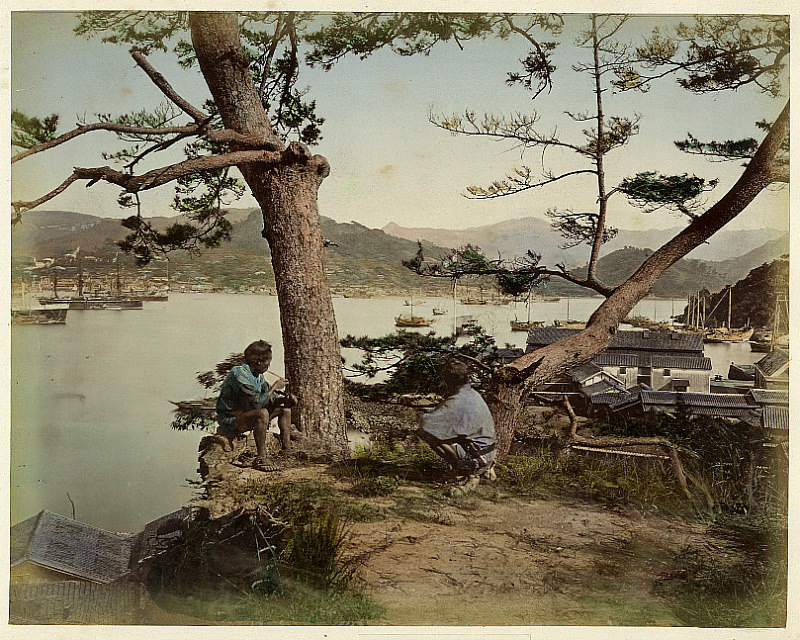
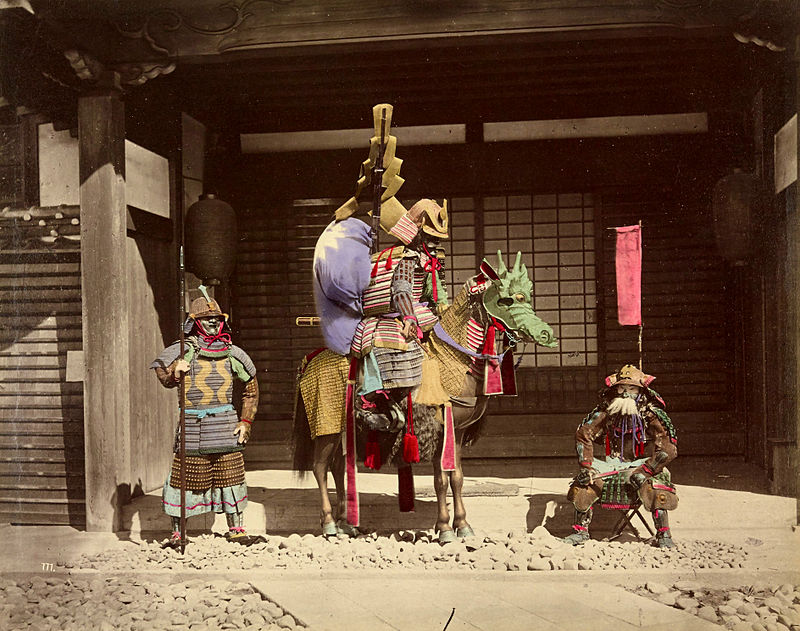
“Pho­tog­ra­phers — most­ly Euro­pean, but some Japan­ese — doc­u­ment­ed Japan’s land­scape and peo­ple, cre­at­ing col­lectible and high­ly prized images of Japan­ese cul­ture,” first in black-and-white and sub­se­quent­ly with ear­ly col­oriza­tion meth­ods. Then, as would hap­pen over and over again in sub­se­quent decades, West­ern tech­nol­o­gy and Japan­ese crafts­man­ship unit­ed to take it to the next lev­el.

An Ital­ian-British pho­tog­ra­ph­er named Felice Beato “made expert-qual­i­ty hand-col­or­ing the defin­ing char­ac­ter­is­tic of this era of Japan­ese pho­tog­ra­phy,” draw­ing on a “large body of high­ly trained arti­sans from the ukiyo‑e wood­block print indus­try.” By the time for­eign­ers began using cam­eras to cap­ture images of Japan­ese life, the Japan­ese had already been cap­tur­ing Japan­ese life with ukiyo‑e, or “pic­tures of the float­ing world,” for cen­turies. Pho­tog­ra­phers soon dis­cov­ered they could tap into the “exper­tise of patient pre­ci­sion in the appli­ca­tion of col­or on to flat images that had been in place in Japan for gen­er­a­tions.”

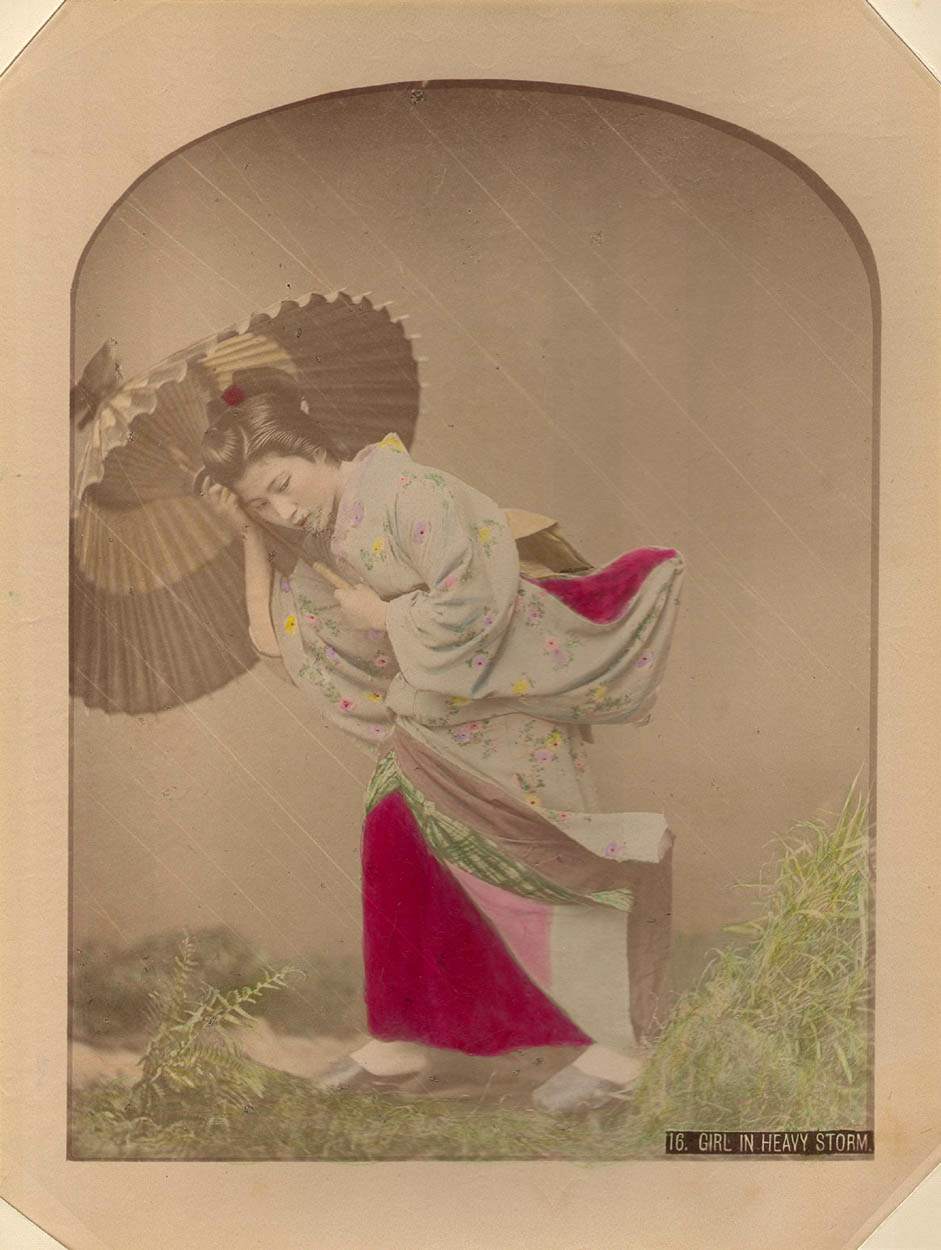
This new wave of Japan­ese “col­or” pho­tog­ra­phy stu­dios set them­selves apart with mas­ter­ful water­col­or­ing that “added to the sense of real­ism in these images, which made them even more col­lectible.” Some pho­tog­ra­phers, such as Kusak­abe Kim­bei, got even more artis­tic, “stag­ing elab­o­rate, some­times myth­ic scenes of Japan­ese cul­ture” in the stu­dio, then adding not just water­col­ors but oth­er visu­al effects: in Girl in Heavy Storm, the pho­to­graph above, “the ‘rain’ is sim­u­lat­ed by scratch­es into the glass plate neg­a­tive.” Her kimono is also pinned in places to the back­ground, all in the name of cap­tur­ing anoth­er of the indus­try’s “sup­pos­ed­ly typ­i­cal scenes of Japan­ese life.” Even when it’s right before your eyes, Japan is in the imag­i­na­tion.

Relat­ed Con­tent:

1850s Japan Comes to Life in 3D, Col­or Pho­tos: See the Stereo­scop­ic Pho­tog­ra­phy of T. Ena­mi

Hand-Col­ored 1860s Pho­tographs Reveal the Last Days of Samu­rai Japan

Hand-Col­ored Pho­tographs from 19th Cen­tu­ry Japan: 110 Images Cap­ture the Wan­ing Days of Tra­di­tion­al Japan­ese Soci­ety

Down­load Hun­dreds of 19th-Cen­tu­ry Japan­ese Wood­block Prints by Mas­ters of the Tra­di­tion

Watch Vin­tage Footage of Tokyo, Cir­ca 1910, Get Brought to Life with Arti­fi­cial Intel­li­gence

Watch Chill­ing Footage of the Hiroshi­ma & Nagasa­ki Bomb­ings in Restored Col­or

Based in Seoul, Col­in Mar­shall writes and broad­casts on cities, lan­guage, and cul­ture. His projects include the Sub­stack newslet­ter Books on Cities, the book The State­less City: a Walk through 21st-Cen­tu­ry Los Ange­les and the video series The City in Cin­e­ma. Fol­low him on Twit­ter at @colinmarshall, on Face­book, or on Insta­gram.

The Story Behind the Iconic Photograph of 11 Construction Workers Lunching 840 Feet Above New York City (1932)

Dorothea Lange’s “Migrant Moth­er”…

Nick Ut’s Pulitzer Prize-win­ning “The Ter­ror of War”…

Richard Drew’s “The Falling Man”…

Through­out the years, a num­ber of icon­ic pho­tographs have tapped into the col­lec­tive uncon­scious, shap­ing our view of his­toric events, some­times to a degree that leads to social change.

These images are not depen­dent on know­ing the sub­jects’ iden­ti­ties, though it’s always inter­est­ing when more con­text leaks out, often as the result of some seri­ous sleuthing by reporters, archivists, or oth­er inter­est­ed par­ties.

1932’s “Lunch atop a Sky­scraper (New York Con­struc­tion Work­ers Lunch­ing on a Cross­beam)” is one of the lighter-heart­ed pho­tos to cre­ate such a last­ing pub­lic impres­sion.

Eleven work­ers are depict­ed enjoy­ing their break, relax­ing on a gird­er a dizzy­ing 840-feet above New York City, unbur­dened by safe­ty har­ness­es or oth­er pro­tec­tive gear.

In the words of Rock­e­feller Cen­ter archivist Christi­na Rous­sel, who nar­rates the TIME Mag­a­zine 100 Pho­tos episode above, they are the “unsung heroes of con­struc­tion.”

The unusu­al des­ig­na­tion may lead you to rack your brains for a sung hero of con­struc­tion.

Grandpa’s cog-in-the-wheel con­tri­bu­tion to the erec­tion of an icon­ic land­mark can be a source of anec­do­tal pride for fam­i­lies, but it rarely leads to greater renown.

Loom­ing over this image is John D. Rock­e­feller, Jr, who mas­ter­mind­ed a 22 acre com­plex of 14 com­mer­cial build­ings in the Art Deco style. The project was a boost to the econ­o­my dur­ing the Great Depres­sion, employ­ing over 250,000 people—from truck­ers and quar­ry­men to glaziers and steel­work­ers and hun­dreds of oth­er jobs in between. It cre­at­ed an enor­mous amount of good­will and patri­ot­ic pride.

The Rock­e­feller orga­ni­za­tion cap­i­tal­ized on this pos­i­tive recep­tion, with a steady stream of staged pub­lic­i­ty pho­tos, includ­ing the dar­ing eleven shar­ing a nose­bleed seat on what was to become the 69th floor of the RCA Build­ing (now known as 30 Rock.)

As film crit­ic John Ander­son, review­ing the doc­u­men­tary Men at Lunch in The New York Times, wrote:

The pop­u­lar­i­ty of the pic­ture, which has been col­orized, sat­i­rized, bur­lesqued with the Mup­pets and turned into a life-size sculp­ture by Ser­gio Furnari, is part­ly about the casu­al reck­less­ness of its sub­jects: The beam on which they sit seems sus­pend­ed over an urban abyss, with the vast­ness of Cen­tral Park spread out behind them and noth­ing, seem­ing­ly below. But in fact a fin­ished floor of 30 Rock­e­feller Plaza was prob­a­bly just a few feet away.

The doc­u­men­tary helped con­firm the iden­ti­ties of sev­er­al of the men.

Irish immi­grants Mad­dy O’Shaughnessy and Son­ny Glynn hold down either end, as ver­i­fied by their sons.

William Eck­n­er, third from left, and Joe Cur­tis, third from right, were named in a sim­i­lar­ly spir­it­ed anno­tat­ed pho­to tak­en around the same time.

The man seat­ed to Cur­tis’ right may or may not be John Charles Cook of the St. Reg­is Mohawk Reser­va­tion.

The photographer’s iden­ti­ty is also debat­able. It’s most often cred­it­ed to Charles C. Ebbets but Tom Kel­ley and William Left­wich were also on hand that day, leather satchels of glass plates slung across their backs, as they, too, defied grav­i­ty, doc­u­ment­ing the com­ple­tion of archi­tect Ray­mond Hood’s mas­ter plan.

Relat­ed Con­tent:

How Dorothea Lange Shot, Migrant Moth­er, Per­haps the Most Icon­ic Pho­to in Amer­i­can His­to­ry

Yale Presents an Archive of 170,000 Pho­tographs Doc­u­ment­ing the Great Depres­sion

Yale Presents an Archive of 170,000 Pho­tographs Doc­u­ment­ing the Great Depres­sion

Ayun Hal­l­i­day is an author, illus­tra­tor, the­ater mak­er and Chief Pri­ma­tol­o­gist of the East Vil­lage Inky zine.  Fol­low her @AyunHalliday.

The Philosophy of Photography with Amir Zaki on Pretty Much Pop: A Culture Podcast #61

Amir Zaki teach­es at UC-River­side and has had his work dis­played in numer­ous gal­leries, in his recent book Cal­i­for­nia Con­crete: A Land­scape of Skateparks, and pro­filed via a short film.

Amir joins your hosts Mark Lin­sen­may­er, Eri­ca Spyres, and Bri­an Hirt to con­sid­er this com­mon act that can stretch from the mun­dane to the sub­lime. How have our var­i­ous pur­pos­es for pho­tog­ra­phy changed with the advent of dig­i­tal tech­nol­o­gy, the intro­duc­tion of social media, and the ready access to video? What deter­mines what we choose to take pic­tures of, and how does tak­ing pho­tog­ra­phy more seri­ous­ly change the way we expe­ri­ence? We touch on icon­ic and ide­al­ized images, cap­tur­ing the spe­cif­ic vs. the uni­ver­sal, wit­ness­ing vs. inter­ven­ing via pho­tog­ra­phy, and more.

A few of the arti­cles we looked at to pre­pare includ­ed:

Learn more at prettymuchpop.com. This episode includes bonus dis­cus­sion that you can only hear by sup­port­ing the pod­cast at patreon.com/prettymuchpop. This pod­cast is part of the Par­tial­ly Exam­ined Life pod­cast net­work.

Fol­low Amir on Insta­gram @amir_zaki_.

Pret­ty Much Pop: A Cul­ture Pod­cast is the first pod­cast curat­ed by Open Cul­ture. Browse all Pret­ty Much Pop posts

Behold the First Underwater Portrait in the History of Photography (Circa 1899)

The image above may at first look like a plate from a Jules Verne nov­el, or per­haps a still from one of Georges Méliès’ more fan­tas­ti­cal mov­ing pic­tures. It does indeed come from fin de siè­cle France, a time and place in which Verne, Méliès, and many oth­er imag­i­na­tive cre­ators lived and worked, but it is in fact a gen­uine under­wa­ter pho­to­graph — or rather, a gen­uine under­wa­ter por­trait, and the first exam­ple of such a thing in pho­to­graph­ic his­to­ry. Tak­en in the 1890s (most like­ly 1899) by biol­o­gist and pho­tog­ra­phy pio­neer Louis Boutan, it depicts Boutan’s Roman­ian col­league Emil Racov­itza hold­ing up a sign that reads “Pho­togra­phie Sous Marine,” or “Under­wa­ter Pho­tog­ra­phy.”

Such an out­landish con­cept could hard­ly have crossed many minds back then, and few­er still would have dreamt up prac­ti­cal ways to real­ize it. To start with the most basic of chal­lenges, there is, as David Byrne sung, water at the bot­tom of the ocean — but not a whole lot of light, espe­cial­ly com­pared to the bur­den­some require­ments of late 19th-cen­tu­ry cam­eras. This neces­si­tat­ed the devel­op­ment of what Petapix­el’s Lau­rence Bar­tone calls a “crazy under­wa­ter flash pho­tog­ra­phy rig,” one pow­er­ful enough that it “could eas­i­ly dou­ble as a bomb. The cre­ation involved an alco­hol lamp on an oxy­gen-filled bar­rel. A rub­ber bulb would then blow a puff of mag­ne­sium pow­der over the flame, cre­at­ing a flash.”

Pho­tog­ra­phy enthu­si­asts will under­stand the mag­ni­tude of Boutan’s achieve­ment (made with the help of his broth­er Auguste and a lab­o­ra­to­ry tech­ni­cian named Joseph David). Some have gone so far as to recre­ate it, an effort you can see in the Barcelona Under­wa­ter Fes­ti­val video just above. Not only are there fish and oth­er sea crea­tures swim­ming every­where, a fea­ture of the envi­ron­ment not vis­i­ble in Boutan’s orig­i­nal shot, but the re-enac­tors face the pres­sure of curi­ous passers­by, young and old, who walk through a near­by trans­par­ent under­wa­ter tun­nel, not a con­sid­er­a­tion for Boutan and his col­lab­o­ra­tors. That ground­break­ing suc­cess in under­wa­ter por­trai­ture came 54 years after a Philadel­phia chemist named Robert Cor­nelius first turned his cam­era on him­self. Has pho­to­graph­ic his­to­ry record­ed how long it took human­i­ty after Boutan’s famous pic­ture to snap the first under­wa­ter self­ie?

via Diane Doniol-Val­croze on Twit­ter

Relat­ed Con­tent:

Under­wa­ter Vol­canic Erup­tion Wit­nessed for the First Time

Reef View: Google Gives Us Stun­ning Under­wa­ter Shots of Great Coral Reefs

Sunken Films: Watch a Cin­e­mat­ic Med­i­ta­tion on Films Found on the Ocean’s Floor

See the First “Self­ie” In His­to­ry Tak­en by Robert Cor­nelius, a Philadel­phia Chemist, in 1839

The His­to­ry of Pho­tog­ra­phy in Five Ani­mat­ed Min­utes: From Cam­era Obscu­ra to Cam­era Phone

Based in Seoul, Col­in Mar­shall writes and broad­casts on cities, lan­guage, and cul­ture. His projects include the book The State­less City: a Walk through 21st-Cen­tu­ry Los Ange­les and the video series The City in Cin­e­ma. Fol­low him on Twit­ter at @colinmarshall, on Face­book, or on Insta­gram.

A New Interactive Map Shows All Four Million Buildings That Existed in New York City from 1939 to 1941

New York­ers have borne wit­ness to a notice­able uptick in the num­ber of shiny, new build­ings going up in the city over the last few years, crowd­ing the water­front, ris­ing from the ash­es of com­mu­ni­ty gar­dens and old­er, infi­nite­ly more mod­est struc­tures.

Their devel­op­ers have tak­en care to top load them with luxu­ry ameni­ties—rooftop cabanas, 24-hour fit­ness clubs, mar­ble coun­ter­tops, screen­ing rooms.

But one thing they can’t pro­vide is the sense of lived his­to­ry that imbues every old build­ing with a true sense of char­ac­ter, mys­tique, and oft-grub­by charm.

I fear that the occu­pants of these new­er build­ings won’t have near­ly as much fun as the rest of us search­ing for our cur­rent address­es on the NYC Munic­i­pal Archives’ inter­ac­tive map, above.

Every dot rep­re­sents a Works Progress Admin­is­tra­tion pho­to­graph of a New York City build­ing, snapped between 1939 and 1941 as a means of stan­dard­iz­ing the way in which prop­er­ty val­ues were assessed and record­ed.

There are 4,282,000 dots, spread out between five bor­oughs.

Does that sound dense­ly packed?

You should see it today… there’s been a lot of ver­ti­cal build.

This unas­sum­ing fuel oil plant near Brooklyn’s Gowanus Canal has giv­en way to a 430-unit build­ing boast­ing a yoga room, spin stu­dios, and valet ser­vices for those in need of dry-clean­ing, laun­dry, apart­ment clean­ing, or dog walking…though sad­ly, no on-premis­es motor oil. We find that omis­sion some­what sur­pris­ing for such a full-ser­vice res­i­den­tial devel­op­ment on the banks of a Super­fund site, whose clean up is esti­mat­ed to tip the scales at $500 mil­lion.

We also won­der what the occu­pants of the above build­ings would have made of the glassy 25-sto­ry com­plex that opened on their coor­di­nates ear­li­er this year. Is it just us, or does it seem a bit disin­gen­u­ous of its devel­op­ers to trum­pet that its loca­tion is “the epit­o­me of New York City’s authen­tic­i­ty, with over a cen­tu­ry of rich his­to­ry, where the world’s sar­to­r­i­al and culi­nary trends are born”?

(You can find us a few blocks away mut­ter­ing into our chopped liv­er at Russ and Daugh­ters, a ven­er­a­ble food shop that looks much the same today as it did in 1940, though you’ll have to con­firm with a bit of research on your own if you don’t want to take our word for it, the WPA “dot” reveal­ing lit­tle more than a man with a stick and sev­er­al mov­ing vehi­cles.)

Our final stop is one of many archi­tec­tur­al ghosts to haunt the Hud­son Yards colos­sus, the self-described “epi­cen­ter of Manhattan’s New West Side… a bea­con for cre­ative pro­fes­sion­als, a hub for fash­ion, design, com­mu­ni­ca­tions and art.” In addi­tion to a much reviled $200 mil­lion shawar­ma-shaped “3‑dimensional pub­lic space” and state of the art wine fridges, ameni­ties now include diag­nos­tic and anti­body test­ing “per­formed by top med­ical pro­fes­sion­als.”

It’s telling that in the sum­mer of 2020, prospec­tive ten­ants were offered incen­tives includ­ing two months’ free rent and a $2,000 gift card.

Proof, per­haps, that New York will con­tin­ue as it always has—a city in con­stant flux. The preva­lence of mod­ern high rise build­ings in dystopi­an fic­tion gives us pause.…

Explore the Street View of 1940s New York here.

Relat­ed Con­tent: 

Behold the New York City Street Tree Map: An Inter­ac­tive Map That Cat­a­logues the 700,000 Trees Shad­ing the Streets of New York City

New York Pub­lic Library Puts 20,000 Hi-Res Maps Online & Makes Them Free to Down­load and Use

The New York Pub­lic Library Lets You Down­load 180,000 Images in High Res­o­lu­tion: His­toric Pho­tographs, Maps, Let­ters & More

Ayun Hal­l­i­day is an author, illus­tra­tor, the­ater mak­er and Chief Pri­ma­tol­o­gist of the East Vil­lage Inky zine. Fol­low her @AyunHalliday.

Ballerina Misty Copeland Recreates the Poses of Edgar Degas’ Ballet Dancers

“I am a man of motion,” trag­ic mod­ernist bal­let dancer Vaslav Nijin­sky wrote in his famous Diary, “I am feel­ing through flesh…. I am God in a body.” Nijin­sky suf­fered the unfor­tu­nate onset of schiz­o­phre­nia after his career end­ed, but in his lucid moments, he writes of the great­est pain of his illness—to nev­er dance again. A degree of his obses­sive devo­tion seems intrin­sic to bal­let.

Misty Copeland, who titled her auto­bi­og­ra­phy Life in Motion, thinks so. “All dancers are con­trol freaks a bit,” she says. “We just want to be in con­trol of our­selves and our bod­ies. That’s just what the bal­let struc­ture, I think, kind of puts inside of you. If I’m put in a sit­u­a­tion where I am not real­ly sure what’s going to hap­pen, it can be over­whelm­ing. I get a bit anx­ious.” As Nijin­sky did, Copeland is also “forc­ing peo­ple to look at bal­let through a more con­tem­po­rary lens,” writes Stephen Mooallem in Harper’s Bazaar.

Copeland has been can­did about her strug­gles on the way to becom­ing the first African Amer­i­can woman named a prin­ci­pal dancer at the Amer­i­can Bal­let The­atre, includ­ing cop­ing with depres­sion, a leg-injury, body-image issues, and child­hood pover­ty. She is also “in the midst of the most illu­mi­nat­ing pas de deux with pop cul­ture for a clas­si­cal dancer since Mikhail Barysh­nikov went toe-to-toe with Gre­go­ry Hines in White Nights” (a ref­er­ence that may be lost on younger read­ers, but trust me, this was huge).

Like anoth­er mod­ernist artist, Edgar Degas, Copeland has rev­o­lu­tion­ized the image of the bal­let dancer. Degas’ bal­let paint­ings, “which the artist began cre­at­ing in the late 1860s and con­tin­ued mak­ing until the years before his death, in 1917, were infused with a very mod­ern sen­si­bil­i­ty. Instead of ide­al­ized visions of del­i­cate crea­tures pirou­et­ting onstage, he offered images of young girls con­gre­gat­ing, prac­tic­ing, labor­ing, danc­ing, train­ing….” He showed the unglam­orous life and work behind the cos­tumed pageantry, that is.

Pho­tog­ra­phers Ken Browar and Deb­o­rah Ory envi­sioned Copeland as sev­er­al of Degas’ dancers, pos­ing her in cou­ture dress­es in recre­ations of some of his famous paint­ings and sculp­tures. The pho­tographs are part of their NYC Dance Project, in part­ner­ship with Harper’s Bazaar. As Kot­tke points out, con­flat­ing the his­to­ries of Copeland and Degas’ dancers rais­es some ques­tions. Degas had con­tempt for women, espe­cial­ly his Parisian sub­jects, who danced in a sor­did world in which “sex work” between teenage dancers and old­er men “was a part of a ballerina’s real­i­ty,” writes author Julia Fiore (as it was too in Nijinsky’s day).

This con­text may unset­tle our view­ing, but the images also show Copeland in full con­trol of Degas’ scenes, though that’s not the way it felt, she says. “It was inter­est­ing to be on shoot and to not have the free­dom to just cre­ate like in nor­mal­ly do with my body. Try­ing to re-cre­ate what Degas did was real­ly dif­fi­cult.” Instead, she embod­ied his fig­ures as her­self. “I see a great affin­i­ty between Degas’s dancers and Misty,” says Thel­ma Gold­en, direc­tor of the Stu­dio Muse­um in Harlem. “She has knocked aside a long-stand­ing music-box stereo­type of the bal­le­ri­na and replaced it with a thor­ough­ly mod­ern, mul­ti­cul­tur­al image of pres­ence and pow­er.”

See more of Copeland’s Degas recre­ations at Harper’s Bazaar.

via Kot­tke

Relat­ed Con­tent:

Impres­sion­ist Painter Edgar Degas Takes a Stroll in Paris, 1915

Watch the 1917 Bal­let “Parade”: Cre­at­ed by Erik Satie, Pablo Picas­so & Jean Cocteau, It Pro­voked a Riot and Inspired the Word “Sur­re­al­ism”

Watch the Ser­pen­tine Dance, Cre­at­ed by the Pio­neer­ing Dancer Loie Fuller, Per­formed in an 1897 Film by the Lumière Broth­ers

Josh Jones is a writer and musi­cian based in Durham, NC. Fol­low him at @jdmagness

Istanbul Captured in Beautiful Color Images from 1890: The Hagia Sophia, Topkaki Palace’s Imperial Gate & More

Even those who know noth­ing else about Istan­bul know that it used to be called Con­stan­tino­ple. The offi­cial renam­ing hap­pened in 1930, mean­ing that the pho­tographs you see here, all of which date from around 1890, were tak­en, strict­ly speak­ing, not in Istan­bul but Con­stan­tino­ple. But under any name, and despite all the oth­er changes that have occurred over the past 130 years, the Turk­ish metrop­o­lis on the Bospho­rus remains rec­og­niz­able as the gate­way between East and West it has been through­out record­ed his­to­ry. This is thanks in part to its old­est land­marks, above all the cathe­dral-turned-mosque-turned-muse­um known as Hagia Sophia, pic­tured above.

In the 1890s Hagia Sophia was still a mosque, and as we recent­ly post­ed here, it has just this year become one again. But as a his­tor­i­cal­ly rich struc­ture even by the stan­dards of such a his­tor­i­cal­ly rich city, it will no doubt remain Istan­bul’s prime tourist attrac­tion in the 2020s, much as it must have been in the 19th cen­tu­ry.

For those who could­n’t make the trip in those days — or who could make the trip and want­ed to bring home sou­venirs that could con­vey as rich­ly as pos­si­ble what they’d seen on their trav­els — there were Pho­tocrom prints. Though not tech­ni­cal­ly a col­or pho­tog­ra­phy process, Pho­tocrom could pro­duce fair­ly con­vinc­ing images by apply­ing col­or to black-and-white pic­tures.

Hence Pho­tocrom’s use in cap­tur­ing vis­tas from the great Euro­pean cities, includ­ing Rome, Venice, and Paris, all pre­vi­ous­ly fea­tured here on Open Cul­ture. Pho­tocrom prints, explains the Library of Con­gress’ web site, “are ink-based images pro­duced through ‘the direct pho­to­graph­ic trans­fer of an orig­i­nal neg­a­tive onto litho and chro­mo­graph­ic print­ing plates,’ ” a tech­nol­o­gy that allowed for the mass pro­duc­tion of images that could then be wide­ly dis­trib­uted. Thanks to the ven­tures of licensees like the Detroit Pub­lish­ing Com­pa­ny, those on the oth­er side of the world could behold a city like Istan­bul — or rather Con­stan­tino­ple — through what looked “decep­tive­ly like col­or pho­tographs.”

The sub­jects of these prints, all of which you can view and down­load at the Library of Con­gress’ online archive, include not just Hagia Sophia but the foun­tain of Sul­tan Ahmed, Top­ka­ki Palace’s impe­r­i­al gate, and the Gala­ta Bridge (for which Leonar­do da Vin­ci him­self once sub­mit­ted a design). Oth­er pic­tures depict the city’s street life with views of the Eminönü bazaar as well as bar­bers and cooks ply­ing their trade in the open air. The col­ors and con­trasts of the Pho­tocrom process gives all of them a sense of real­i­ty more vivid, in a way, than real­i­ty itself — but as those who’ve been there know, the real­i­ty of Istan­bul is vivid enough for any­body.

Relat­ed Con­tent:

Free: Down­load Thou­sands of Ottoman-Era Pho­tographs That Have Been Dig­i­tized and Put Online

An Intro­duc­tion to Hagia Sophia: After 85 Years as a Muse­um, It’s Set to Become a Mosque Again

Rome Comes to Life in Pho­tochrom Col­or Pho­tos Tak­en in 1890: The Colos­se­um, Tre­vi Foun­tain & More

Venice in Beau­ti­ful Col­or Images 125 Years Ago: The Rial­to Bridge, St. Mark’s Basil­i­ca, Doge’s Palace & More

Paris in Beau­ti­ful Col­or Images from 1890: The Eif­fel Tow­er, Notre Dame, The Pan­théon, and More (1890)

Based in Seoul, Col­in Mar­shall writes and broad­casts on cities, lan­guage, and cul­ture. His projects include the book The State­less City: a Walk through 21st-Cen­tu­ry Los Ange­les and the video series The City in Cin­e­ma. Fol­low him on Twit­ter at @colinmarshall, on Face­book, or on Insta­gram.

« Go BackMore in this category... »
Quantcast