How Mushroom Time-Lapses Are Filmed: A Glimpse Into the Pioneering Time-Lapse Cinematography Behind the Netflix Documentary Fantastic Fungi

Mush­rooms are hav­ing a moment, thanks in part to pio­neer­ing time-lapse cin­e­matog­ra­ph­er Louie Schwartzberg’s doc­u­men­tary Fan­tas­tic Fun­gi.

Now stream­ing on Net­flix, the film has giv­en rise to a bumper crop of funghi fantat­ics, who sprang up like, well, mush­rooms, to join the exist­ing ranks of cit­i­zen sci­en­tistsculi­nary fansweek­end for­agersama­teur grow­ers, and spir­i­tu­al seek­ers.

Schwartzberg, who ear­li­er visu­al­ized pol­li­na­tion from the flower’s point of view in the Meryl Streep-nar­rat­ed Wings of Life, is a true believ­er in the pow­er of mush­rooms, cit­ing funghi’s role in soil cre­ation and health, and their poten­tial for rem­e­dy­ing a num­ber of press­ing glob­al prob­lems, as well as a host of human ail­ments.

Fan­tas­tic Funghi focus­es on sev­en pil­lars of ben­e­fits brought to the table by the fun­gal king­dom and its Inter­net-like under­ground net­work of myceli­um:

  1. Bio­di­ver­si­ty

A num­ber of projects are explor­ing the ways in which the myceli­um world can pull us back from the bring of  deser­ti­za­tion, water short­age, food short­age, bee colony col­lapsetox­ic con­t­a­m­i­nants, nuclear dis­as­ters, oil spills, plas­tic pol­lu­tion, and glob­al warm­ing.

  1. Inno­va­tion

Mush­room-relat­ed indus­tries are eager to press funghi into ser­vice as envi­ron­men­tal­ly sus­tain­able faux leatherbuild­ing mate­ri­als, pack­ag­ing, and meat alter­na­tives.

  1. Food

From fine din­ing to for­ag­ing off-the-grid, mush­rooms are prized for their culi­nary and nutri­tion­al ben­e­fits.

  1. Phys­i­cal Health and Well­ness

Will the hum­ble mush­room prove mighty enough to do an end run around pow­er­ful drug com­pa­nies as a source of inte­gra­tive med­i­cine to help com­bat dia­betes, liv­er dis­ease, inflam­ma­tion, insom­nia and cog­ni­tive decline?

  1. Men­tal Health

Researchers at Johns Hop­kinsUCLA, and NYU are run­ning clin­i­cal tri­als on the ben­e­fits of psy­che­del­ic psilo­cy­bin mush­rooms as a tool for treat­ing addic­tion, depres­sion, anx­i­ety, PTSD and sui­ci­dal ideation.

  1. Spir­i­tu­al­i­ty

Of course, there’s also a rich tra­di­tion of reli­gions and indi­vid­ual seek­ers deploy­ing mind alter­ing psy­choac­tive mush­rooms as a form of sacra­ment or a tool for plumb­ing the mys­ter­ies of life.

  1. The Arts

Direc­tor Schwartzberg under­stand­ably views mush­rooms as muse, a fit­ting sub­ject for pho­tog­ra­phy, music, film, poet­ry, art and oth­er cre­ative endeav­ors.


With regard to this final pil­lar, many view­ers may be sur­prised to learn how much of the 15 years Schwartzberg ded­i­cat­ed to cap­tur­ing the exquis­ite cycle of fun­gal regen­er­a­tion and decom­po­si­tion took place indoors.

As he explains in the Wired video above, his pre­ci­sion equip­ment excels at cap­tur­ing devel­op­ment that’s invis­i­ble to the human eye, but is no match for such nat­ur­al world dis­rup­tions as insects and wind.

Instead, he and his team built con­trolled grow­ing envi­ron­ments, where high­ly sen­si­tive time lapse cam­eras, dol­lies, timed grow lights, and more cin­e­mat­ic light­ing instru­ments could be left in place.

Set dress­ings of moss and logs, cou­pled with a very short depth of field helped to bring the Great Out­doors onscreen, with occa­sion­al chro­makeyed panora­mas of the nat­ur­al world fill­ing in the gaps.

Even in such lab-like con­di­tions, cer­tain ele­ments were nec­es­sar­i­ly left to chance. Mush­rooms grow noto­ri­ous­ly quick­ly, and even with con­stant mon­i­tor­ing and cal­cu­la­tions, there was plen­ty of poten­tial for one of his stars to miss their mark, shoot­ing out of frame.

Just one of the ways that mush­rooms and humans oper­ate on rad­i­cal­ly dif­fer­ent time­lines. The direc­tor bowed to the shrooms, return­ing to square one on the fre­quent occa­sions when a sequence got away from him.

Pro­vid­ing view­ers an immer­sive expe­ri­ence of the under­ground myceli­um net­work required high pow­ered micro­scopes, a sol­id cement floor, and a bit of movie mag­ic to finesse. What you see in the final cut is the work of CGI ani­ma­tors, who used Schwartzberg’s footage as their blue­print.

Net­flix sub­scribers can stream Fan­tas­tic Fun­gi for free.

From Octo­ber 15 — 17, film­mak­er Louie Schwartzberg is host­ing a free, vir­tu­al Fan­tas­tic Fun­gi Glob­al Sum­mit. Reg­is­ter here.

You can also browse his col­lec­tion of com­mu­ni­ty mush­room recipes and sub­mit your own, down­load Fan­tas­tic Fungi’s Stoned Ape poster, or have a ram­ble through a trove of relat­ed videos and arti­cles in the Mush Room.

Relat­ed Con­tent: 

John Cage Had a Sur­pris­ing Mush­room Obses­sion (Which Began with His Pover­ty in the Depres­sion)

Alger­ian Cave Paint­ings Sug­gest Humans Did Mag­ic Mush­rooms 9,000 Years Ago

The Gold­en Guide to Hal­lu­cino­genic Plants: Dis­cov­er the 1977 Illus­trat­ed Guide Cre­at­ed by Harvard’s Ground­break­ing Eth­nob­otanist Richard Evan Schultes

Ayun Hal­l­i­day is an author, illus­tra­tor, the­ater mak­er and Chief Pri­ma­tol­o­gist of the East Vil­lage Inky zine. Brood X Cicadas are her mush­rooms. Fol­low her @AyunHalliday.

An Illustrated History of Depeche Mode by Anton Corbijn

Last year, pho­tog­ra­ph­er Anton Cor­bi­jn released a new book, MOOD/MODE, show­cas­ing work out­side the bound­aries of the rock pho­tog­ra­phy world in which he’d made his name. But no mat­ter whom he’s pho­tograph­ing, Cor­bi­jn brings a high seri­ous­ness to the endeav­or that he explains as part of his reli­gious upbring­ing in the book’s intro­duc­tion. “My Protes­tant back­ground always marked & influ­enced my por­trait pho­tog­ra­phy. Mankind. Human­i­ty. Empa­thy,” he writes, were the ideals he absorbed as a child. Such beliefs “kept me from doing work that lacked a deep­er pur­pose.”

Cor­bi­jn grew up in a small vil­lage out­side Rot­ter­dam, Jean-Jacques Naudet writes. “His father and many oth­er male mem­bers of his fam­i­ly were pas­tors. Life was strict and sim­ple, on Sun­day every­body dressed in black. Reli­gion was omnipresent.”

He moved away to the city and began tak­ing pho­tos of the music scene at 17. But the look and feel of his ear­ly life nev­er left him. It was this aes­thet­ic that attract­ed Depeche Mode, one of Corbijn’s longest-run­ning musi­cal col­lab­o­ra­tors and a band who were no strangers to brood­ing in black and mak­ing reli­gious ref­er­ences and appeals to human­i­ty.

“We were seen as just a pop band,” says Depeche Mode’s Mar­tin Gore. “We thought that Anton had a cer­tain seri­ous­ness, a cer­tain grav­i­ty to his work, that would help us get away from that.” Cor­bi­jn first helped them refine their look in mid-80s and “was able to give the Depeche Mode sound, that we were begin­ning to cre­ate, a visu­al iden­ti­ty,” says singer Dave Gahan. That iden­ti­ty is now the sub­ject of a new book from Taschen that col­lects “over 500 pho­tographs from Anton Corbijn’s per­son­al archives,” notes the arts pub­lish­er, “some nev­er seen before, as well as stage set designs, sketch­es, album cov­ers, and per­son­al obser­va­tions” about the “world’s biggest cult band.”


Cor­bi­jn became such an inte­gral part of Depeche Mode’s suc­cess, the band con­sid­ered him “a ver­i­ta­ble unseen mem­ber of the group,” writes Post-Punk.com, medi­at­ing their image not only through pho­tog­ra­phy but also live pro­jec­tions and, of course, music videos. They were able to achieve “a kind of cult sta­tus,” says Gore in the mini-doc­u­men­tary above, which also has an inter­view with Cor­bi­jn. The pho­tog­ra­ph­er walks us through his his­to­ry with the leg­endary synth pio­neers (whom he did not like at first), begin­ning with the first image he shot of them in 1981, when founder Vince Clarke was still in the band.

Clarke leans behind Gahan’s left shoul­der, the full band framed by a stone arch. To Gahan’s right is an enor­mous cru­ci­fix. It set a tone for the work­ing rela­tion­ship to come. “There has to be an ele­ment of the per­son in the pho­to­graph,” says Cor­bi­jn of his por­trai­ture, “but there also has to be an ele­ment of the pho­tog­ra­ph­er.” It took anoth­er few years after that first shoot, he tells The Guardian, but he real­ized “how good their music and my visu­als actu­al­ly went togeth­er.… They had soul.” You can order a copy of the new book, Depeche Mode by Anton Cor­bi­jn from Taschen here.

Relat­ed Con­tent: 

A Visu­al His­to­ry of The Rolling Stones Doc­u­ment­ed in a Beau­ti­ful, 450-Page Pho­to Book by Taschen

Depeche Mode Before They Were Actu­al­ly Depeche Mode: Stream Their Ear­ly Demo Record­ings from 1980

Lost Depeche Mode Doc­u­men­tary Is Now Online: Watch Our Hob­by is Depeche Mode

Depeche Mode Releas­es a Goose­bump-Induc­ing Cov­er of David Bowie’s “Heroes”


Watch 400+ Documentaries from German Broadcaster Deutsche Welle: Art Forgery, Fashion Photography, the Mona Lisa, and More

You’re cer­tain­ly famil­iar with Nou­velle Vague, the “French new wave” that shook up world cin­e­ma in the mid-2oth cen­tu­ry. You’ve prob­a­bly also heard of Hal­lyu, the “Kore­an wave” of pop music and tele­vi­sion dra­mas (and, increas­ing­ly, films) now crash­ing across not just Asia but the West. As for Deutsche Welle, lit­er­al­ly the “Ger­man wave,” you may know the term bet­ter in its abbre­vi­at­ed form: DW, the brand of Ger­many’s pub­lic inter­na­tion­al broad­cast­er. Here on Open Cul­ture we’ve pre­vi­ous­ly fea­tured DW’s series Bauhaus World, a cel­e­bra­tion of that influ­en­tial Ger­man school of art, archi­tec­ture, and design, but it’s just one of 415 doc­u­men­taries free to watch on the DW Doc­u­men­tary Youtube chan­nel.

DW’s doc­u­men­tar­i­ans have a thor­ough­ly inter­na­tion­al man­date, as evi­denced by their pop­u­lar exam­i­na­tions of the dic­ta­to­r­i­al regime of North Korea, Bul­gar­i­a’s Roma mar­riage mar­ket, extrav­a­gant wealth in cen­tral Africa, and dire pover­ty in the Unit­ed States. You can also browse the archive through themed playlists rang­ing from pol­i­tics and eco­nom­ics to human nature and soci­ety to cul­ture and arts.

That last sec­tion, no doubt of par­tic­u­lar inter­est to Open Cul­ture read­ers, demon­strates DW’s advan­tage as a long-stand­ing broad­cast­er sit­u­at­ed in the heart of Europe. Where bet­ter to start learn­ing about Goth­ic and Romanesque cathe­drals, top elec­tron­ic dance music DJs, Mar­tin Luther and the Ref­or­ma­tion, or the truth behind the Last Sup­per and the Mona Lisa?

Even more inter­est lies in DW’s explo­rations of less­er-known top­ics like the trea­sures of Turk­menistan, fak­ery in the art world, and Berlin’s Lit­tle Hanoi. There are also pro­files of such Ger­man fig­ures as Peter Lind­bergh, the late fash­ion and adver­tis­ing pho­tog­ra­ph­er count­ed as an inspi­ra­tion by the likes of Wim Wen­ders, and Klaus-Dieter Lehmann, out­go­ing pres­i­dent of the Goethe-Insti­tut, a nat­ur­al sub­ject for DW to cov­er. Found­ed with­in a cou­ple of years of one anoth­er, both DW and the Goethe-Insti­tut take the pro­mo­tion of Ger­man cul­ture abroad as a large part of their mis­sion — and both do so in the knowl­edge that, to get oth­er soci­eties inter­est­ed in your cul­ture, you’ve got to show gen­uine inter­est in all of theirs as well. Explore the com­plete list of DW doc­u­men­taries here. And find more doc­u­men­taries online in our col­lec­tion, 4,000+ Free Movies Online: Great Clas­sics, Indies, Noir, West­erns, Doc­u­men­taries & More.

Relat­ed Con­tent:

Watch 3,000+ Films Free Online from the Nation­al Film Board of Cana­da

Watch Bauhaus World, a Free Doc­u­men­tary That Cel­e­brates the 100th Anniver­sary of Germany’s Leg­endary Art, Archi­tec­ture & Design School

Beat Club, the 1960s TV Show That Brought Rock Music to 70 Mil­lion Kids in Ger­many, Hun­gary, Thai­land, Tan­za­nia & Beyond

285 Free Doc­u­men­taries Online

Based in Seoul, Col­in Mar­shall writes and broad­casts on cities, lan­guage, and cul­ture. His projects include the Sub­stack newslet­ter Books on Cities, the book The State­less City: a Walk through 21st-Cen­tu­ry Los Ange­les and the video series The City in Cin­e­ma. Fol­low him on Twit­ter at @colinmarshall or on Face­book.

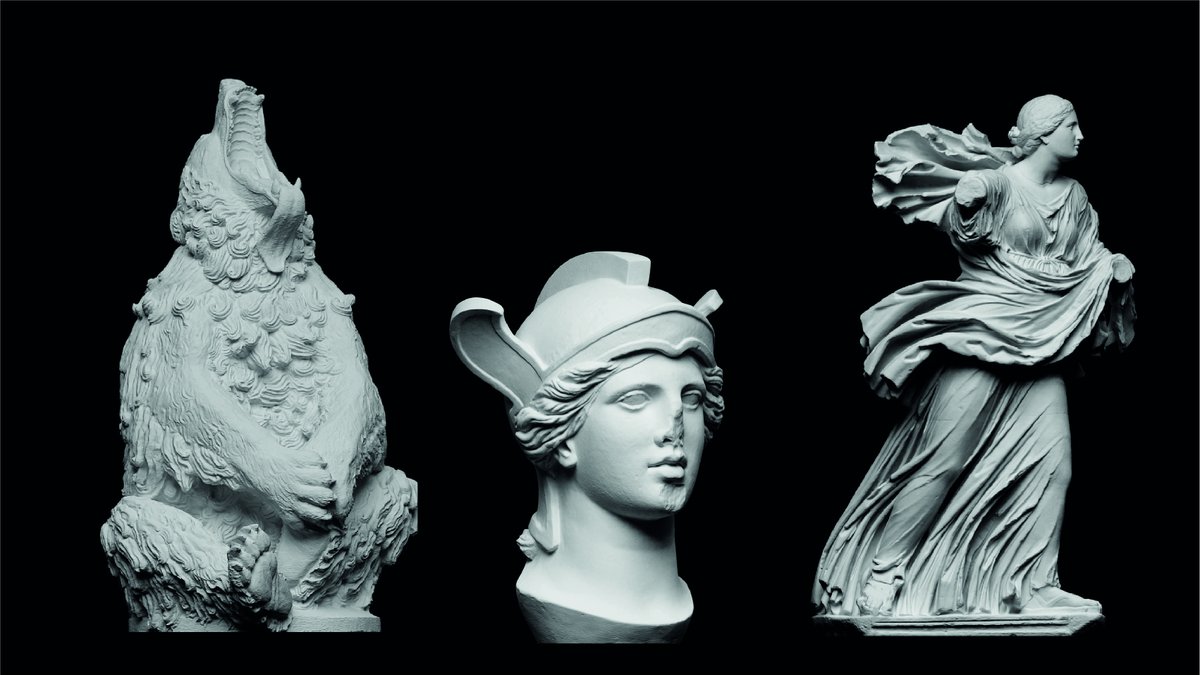
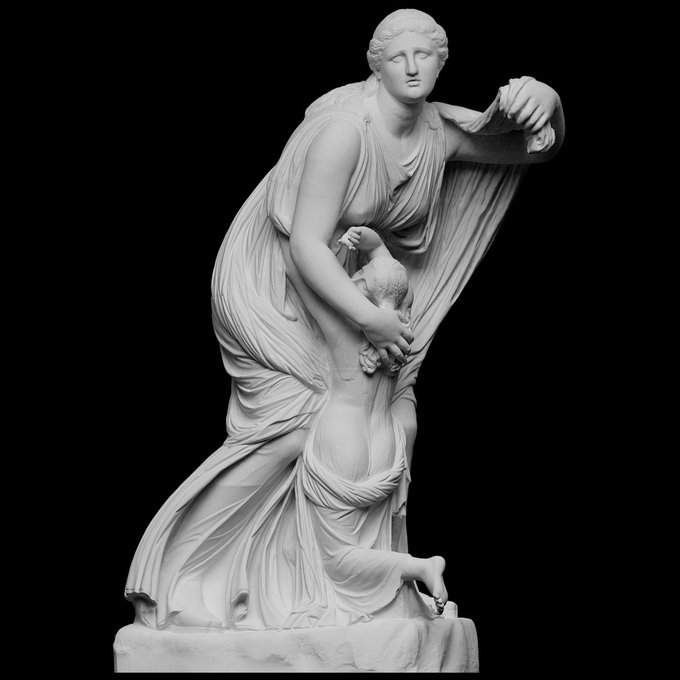
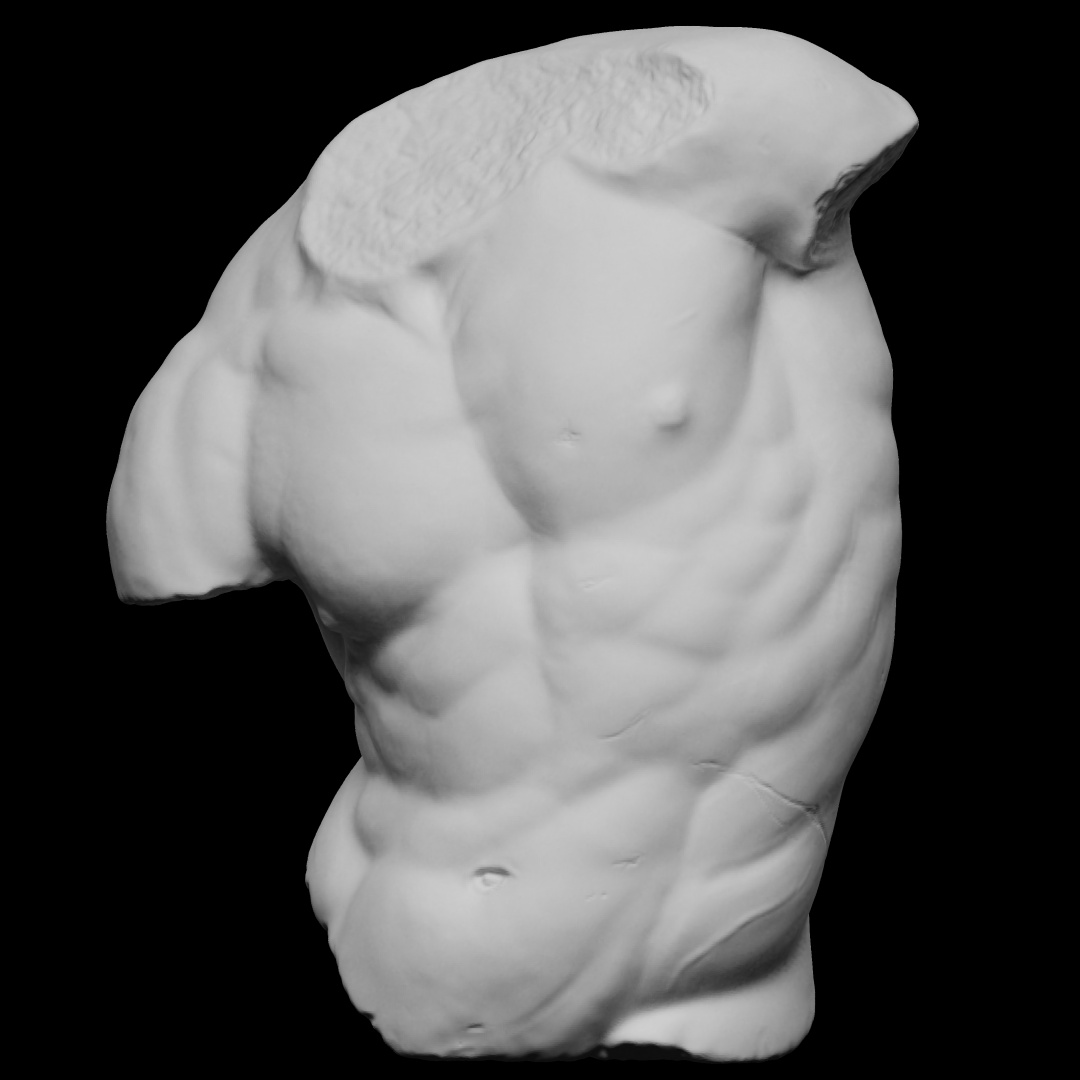
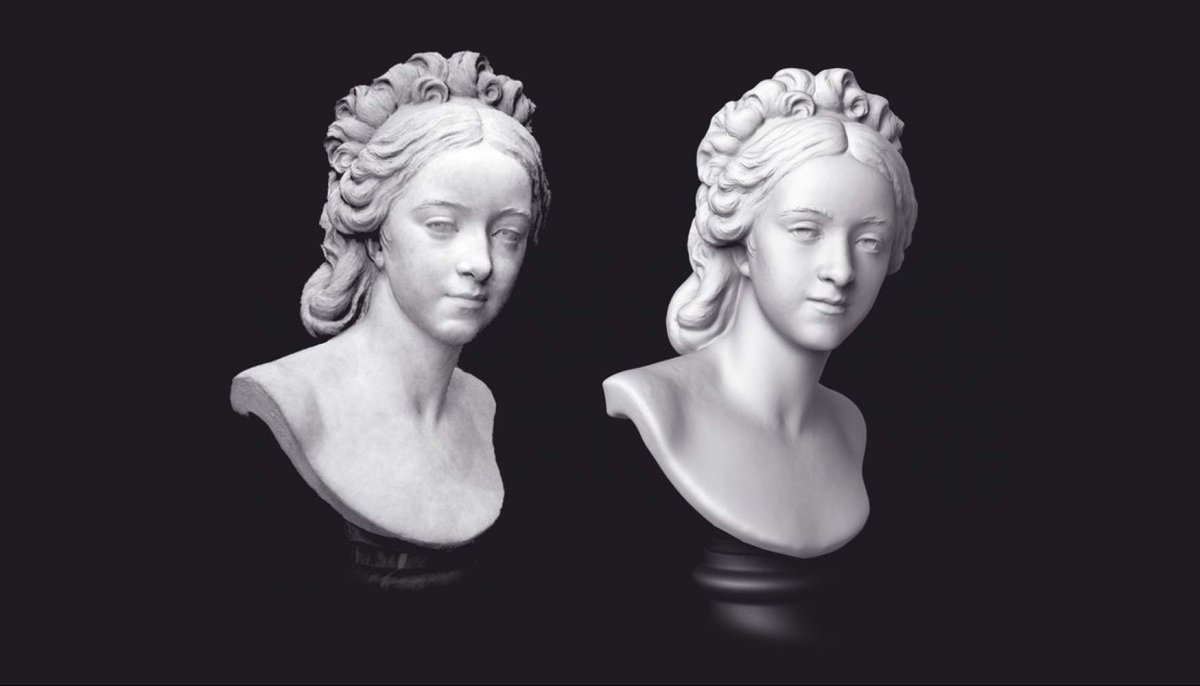
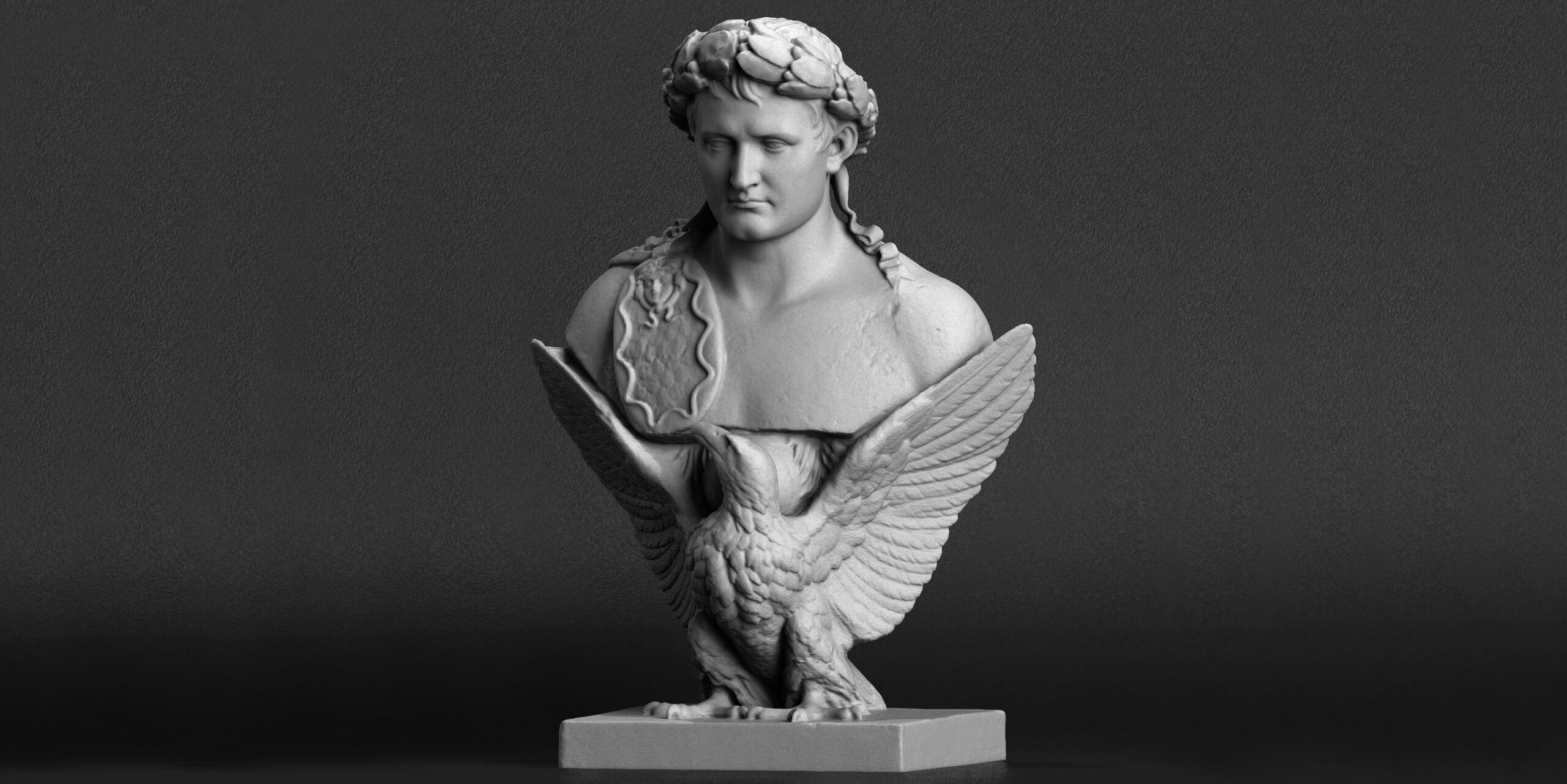
3D Print 18,000 Famous Sculptures, Statues & Artworks: Rodin’s Thinker, Michelangelo’s David & More

To recent news sto­ries about 3D print­ed gunspros­thet­ics, and homes, you can add Scan the World’s push to cre­ate “an ecosys­tem of 3D print­able objects of cul­tur­al sig­nif­i­cance.”

Items that took the ancients untold hours to sculpt from mar­ble and stone can be repro­duced in con­sid­er­ably less time, pro­vid­ed you’ve got the tech­nol­o­gy and the know-how to use it.

Since we last wrote about this free, open source ini­tia­tive in 2017, Scan the World has added Google Arts and Cul­ture to the many cul­tur­al insti­tu­tions with whom it part­ners, expand­ing both its audi­ence and the audi­ence of the muse­ums who allow items in their col­lec­tions to be scanned pri­or to 3D print­ing.


Com­mu­ni­ty con­trib­u­tors have uploaded scan data for over 18,000 sculp­tures and arti­facts onto the plat­form.

Chi­na and India are active­ly court­ing par­tic­i­pants to make some of their trea­sures avail­able.

Although Scan the World is search­able by col­lec­tion, artist, and loca­tion, with so many options, the com­mu­ni­ty blog is a great place to start.

Here you will find help­ful tips for begin­ners hop­ing to pro­duce real­is­tic look­ing skulls and sculp­tures — con­trol your tem­per­a­ture, shake your resin, and learn from your mis­takes.

Got an unreach­able object you’re itch­ing to print? Take a look at the drone pho­togram­me­try tuto­r­i­al to prep your­self for tak­ing a good scan — rotate slow­ly, remem­ber the impor­tance of light, and get up to speed on your drone by test-dri­ving it in an open loca­tion.

Keep an eye peeled for com­pe­ti­tions, like this one, which was won by a pho­to edi­tor and retouch­er with no for­mal 3‑D train­ing.

Art lovers with lit­tle incli­na­tion to crack out the 3D print­er will find inter­est­ing essays on such top­ics as the Gates of Hellscan­ning in the pan­dem­ic, and the his­to­ry of hair­styles in sculp­ture

You can also embark on a vir­tu­al tour of some of the glob­al loca­tions whose splen­dors are being scanned, pro­grammed, and ren­dered in resin.

vir­tu­al trip to Paris takes in some of the Louvre’s great­est 3‑dimensional hits: the Venus de Milo, Winged Vic­to­ry, and Psy­che Revived by Cupid’s Kiss.

(Any one of those ough­ta class up the ol’ bed­sit…)

The vir­tu­al trip to Aus­tria includes Kierling’s mon­u­ment to Franz Kaf­ka, the Beethoven memo­r­i­al in Vienna’s Heili­gen­städter Park, and Klaus Weber’s trib­ute to Hugo Rheinhold’s Dar­win­ian sculp­ture, Mon­key with Skull. (1,868 down­loads and count­ing!)

Google map awaits those who would tour the orig­i­nal fla­vor inspi­ra­tions in per­son.

Begin your explo­rations of Scan the World here, and do let us know in the com­ments if you have plans for print­ing.

Relat­ed Con­tent:

3D Scans of 7,500 Famous Sculp­tures, Stat­ues & Art­works: Down­load & 3D Print Rodin’s Thinker, Michelangelo’s David & More

The Earth Archive Will 3D-Scan the Entire World & Cre­ate an “Open-Source” Record of Our Plan­et

The British Muse­um Cre­ates 3D Mod­els of the Roset­ta Stone & 200+ Oth­er His­toric Arti­facts: Down­load or View in Vir­tu­al Real­i­ty

Ayun Hal­l­i­day is an author, illus­tra­tor, the­ater mak­er, Chief Pri­ma­tol­o­gist of the East Vil­lage Inky zine, and some­times, a French Cana­di­an bear known as L’Ourse.  Fol­low her @AyunHalliday.

Women Street Photographers: The Web Site, Instragram Account & Book That Amplify the Work of Women Artists Worldwide

It’s almost impos­si­ble not to won­der how reclu­sive artists of the past — like anony­mous street pho­tog­ra­ph­er and Chica­go nan­ny Vivian Maier — would fare in the age of Tum­blr and Insta­gram. Would Maier have become inter­net famous? Would she have post­ed any of her pho­tographs? The lit­tle we know about her makes it hard to answer the ques­tion. Maier lived a life of abstemious self-nega­tion. “She nev­er exhib­it­ed her work,” Alex Kot­lowitz writes at Moth­er Jones, “she didn’t share her pho­tos with any­one, except some of the chil­dren in her care.”

And yet, Maier was known to enjoy con­ver­sa­tions about film and the­ater with knowl­edge­able peo­ple. One sus­pects that if she had been able to stay in touch with like minds, she might have been encour­aged by a sup­port­ive com­mu­ni­ty she couldn’t find any­where else. We might imag­ine her, for exam­ple, sub­mit­ting a select few pho­tographs to Women Street Pho­tog­ra­phers, a project that began in 2017 as an Insta­gram account and has since “bur­geoned into a web­site, artist res­i­den­cy, series of exhi­bi­tions, film series, and now a book pub­lished this month by Pres­tel,” Grace Ebert writes at Colos­sal.

For women street pho­tog­ra­phers liv­ing and work­ing today, the project offers what founder Gul­nara Samoilo­va says she need­ed and couldn’t find: “I soon began to real­ize that with this plat­form, I could cre­ate every­thing I had always want­ed to receive as a pho­tog­ra­ph­er: the kinds of sup­port and oppor­tu­ni­ties that would have helped me grow dur­ing those for­ma­tive and piv­otal points on my jour­ney.” The project is inter­na­tion­al in scope, bring­ing togeth­er the work of 100 women from 31 coun­tries, “a tiny sam­pling of what’s out there.”

In her intro­duc­tion to the 224-page book, Samoilo­va describes the impor­tance of such a col­lec­tion:

Street pho­tog­ra­phy is both a record of the world and a state­ment of the artist them­selves: it is how they see the world, who they are, what cap­tures their atten­tion, and fas­ci­nates them. There’s a won­der­ful mix­ture of art and arti­fact, poet­ry and tes­ti­mo­ny that makes street pho­tog­ra­phy so appeal­ing. It’s both doc­u­men­tary and fine art at the same time, yet high­ly acces­si­ble to peo­ple out­side the pho­tog­ra­phy world.

There are Vivian Maiers around the world dri­ven to doc­u­ment their sur­round­ings, whether any­one ever sees their work or not. Maier made her pho­tographs “for all the right rea­sons,” says Chica­go artist Tony Fitz­patrick. “She made them because to not make them was impos­si­ble. She had no choice.” But per­haps she might have cho­sen to show her work if she had access to plat­forms like Women Street Pho­tog­ra­phers. We can be grate­ful for such out­lets now: they offer per­spec­tives that we can find nowhere else. Women Street Pho­tog­ra­phers will announce the win­ners of its inau­gur­al vir­tu­al exhi­bi­tion “on or around April 1.”

via Colos­sal

Relat­ed Con­tent: 

Meet Ger­da Taro, the First Female Pho­to­jour­nal­ist to Die on the Front Lines

Take a Visu­al Jour­ney Through 181 Years of Street Pho­tog­ra­phy (1838–2019)

Vivian Maier, Street Pho­tog­ra­ph­er, Dis­cov­ered

Josh Jones is a writer and musi­cian based in Durham, NC. Fol­low him at @jdmagness

A Finnish Astrophotographer Spent 12 Years Creating a 1.7 Gigapixel Panoramic Photo of the Entire Milky Way

In the final, cli­mac­tic scene of Japan­ese nov­el­ist Yasunari Kawabata’s Snow Coun­try, the Milky Way engulfs the pro­tag­o­nist — an aes­thete who keeps him­self detached from the world, a uni­ver­sal per­spec­tive over­tak­ing an insignif­i­cant indi­vid­ual.

We now know the Milky Way itself to be a minus­cule part of the whole, just one of 100 to 200 bil­lion galax­ies. But until Edwin Hub­ble’s obser­va­tions in 1924, it was thought to con­tain all the stars in exis­tence.

The Milky Way-as-uni­verse is a pow­er­ful image, and cer­tain­ly more com­pre­hen­si­ble than the uni­verse as astronomers cur­rent­ly under­stand it. Its vast­ness can’t be com­pressed into a sym­bol­ic form like the via lactea, “Milky Way,” or as the Greeks called it, galak­tikos kýk­los, “milky cir­cle.” Andy Brig­gs sum­ma­rizes just a few of the ancient myths and leg­ends:

To the ancient Arme­ni­ans, it was straw strewn across the sky by the god Vahagn. In east­ern Asia, it was the Sil­very Riv­er of Heav­en. The Finns and Esto­ni­ans saw it as the Path­way of the Birds.… Both the Greeks and the Romans saw the star­ry band as a riv­er of milk. The Greek myth said it was milk from the breast of the god­dess Hera, divine wife of Zeus. The Romans saw the riv­er of light as milk from their god­dess Ops.

A barred spi­ral galaxy spin­ning around a “galac­tic bulge” with an emp­ty cen­ter, a “mon­strous black hole,” notes Space.com, “bil­lions of times as mas­sive as the sun”… the Milky Way remains an awe­some sym­bol for a uni­verse too vast for us to hold in our minds.

Wit­ness, for exam­ple, the just-released image fur­ther up, a 1.7 gigapix­el panoram­ic pho­to of the Milky Way, from Tau­rus to Cygnus, 100,000 pix­els wide, pieced togeth­er from 234 pan­els by Finnish astropho­tog­ra­ph­er J‑P Met­savainio, who began the project all the way back in 2009. “I can hear music in this com­po­si­tion,” he writes at his site, “from high sparks and bub­bles at left to deep and mas­sive sounds at right.”

Over 12 years, and around 1250 hours of expo­sure, Michael Zhang writes at Petapix­el, Met­savainio “focused on dif­fer­ent areas and objects in the Milky Way, shoot­ing stitched mosaics of them as indi­vid­ual art­works.” As he began to knit the galac­tic clouds of stars and gasses togeth­er into a Pho­to­shop panora­ma, he dis­cov­ered a “com­plex image set which is part­ly over­lap­ping with lots of unim­aged areas between and around frames.” Over the years, he filled in the gaps, shoot­ing the “miss­ing data.” He describes his equip­ment and process in detail, for those flu­ent in the tech­ni­cal jar­gon. The rest of us can stare in silent won­der at more of Metsavainio’s work on his web­site (where you can also pur­chase prints) and Face­book, and let our­selves be over­tak­en by awe.

via Petapix­el and Kot­tke

Relat­ed Con­tent: 

NASA Releas­es a Mas­sive Online Archive: 140,000 Pho­tos, Videos & Audio Files Free to Search and Down­load

How Sci­en­tists Col­orize Those Beau­ti­ful Space Pho­tos Tak­en By the Hub­ble Space Tele­scope

Earth­rise, Apol­lo 8’s Pho­to of Earth from Space, Turns 50: Down­load the Icon­ic Pho­to­graph from NASA

Josh Jones is a writer and musi­cian based in Durham, NC. Fol­low him at @jdmagness

Alan Watts Reads “One of the Greatest Things Carl Jung Ever Wrote”

Carl Jung found­ed the field of ana­lyt­i­cal psy­chol­o­gy more than a cen­tu­ry ago, and many ref­er­ence his insights into the human mind and con­di­tion still today. Alan Watts cer­tain­ly did his bit to keep the Jun­gian flame alive, what­ev­er the out­ward dif­fer­ences between a Swiss psy­chi­a­trist and an Eng­lish inter­preter of Tao­ism, Hin­duism, and Bud­dhism, espe­cial­ly of the Zen vari­ety. Both men believed in cast­ing a wide spir­i­tu­al net, all the bet­ter to expose the com­mon core ele­ments of seem­ing­ly dis­parate ancient tra­di­tions. And in so doing they could hard­ly afford to ignore the reli­gious under­pin­nings of the Euro­pean civ­i­liza­tion, broad­ly speak­ing, from which they emerged. In fact, Watts became an ordained Epis­co­pal priest at the age of 30 — though, owing to the com­plex­i­ties of his beliefs as well as his per­son­al life, he resigned the min­istry by age 35.

But Watts’ invest­ment in cer­tain tenets of Chris­tian­i­ty endured, and he named as one of Jung’s great­est writ­ings a lec­ture deliv­ered to a Swiss cler­gy group. “Peo­ple for­get that even doc­tors have moral scru­ples and that cer­tain patient’s con­fes­sions are hard even for a doc­tor to swal­low,” begins the speech as Watts reads it aloud in the video above. “Yet the patient does not feel him­self accept­ed unless the very worst in him is accept­ed too. No one can bring this about by mere words. It comes only through reflec­tion and through the doctor’s atti­tude towards him­self and his own dark side.” To help anoth­er per­son, in oth­er words, one must first accept that per­son as he is; but to accept anoth­er per­son as he is first requires tak­ing one­self straight, less-than-admirable qual­i­ties and all.

Accord­ing to Watts, Jung him­self demon­strat­ed this rare self-aware­ness. “He knew and rec­og­nized what I some­times call the ele­ment of irre­ducible ras­cal­i­ty in him­self,” says Watts in a talk of his own pre­vi­ous­ly fea­tured here on Open Cul­ture. “He knew it so strong­ly and so clear­ly, and in a way so lov­ing­ly, that he would not con­demn the same thing in oth­ers, and would there­fore not be led into those thoughts, feel­ings, and acts of vio­lence towards oth­ers which are always char­ac­ter­is­tic of the peo­ple who project the dev­il in them­selves upon the out­side, upon some­body else, upon the scape­goat.” As Jung puts it to his cler­i­cal audi­ence, “In the sphere of social or nation­al rela­tions, the state of suf­fer­ing may be civ­il war, and this state is to be cured by the Chris­t­ian virtue of for­give­ness and love of one’s ene­mies.”

What Chris­tian­i­ty holds as true of the out­er world goes just as well, Jung argues, for the inner one. “This is why mod­ern man has heard enough about guilt and sin. He is sore­ly beset by his own bad con­science and wants, rather, to know how he is to rec­on­cile him­self with his own nature, how he is to love the ene­my in his own heart and call the wolf his broth­er.” He “does not want to know in what way he can imi­tate Christ, but in what way he can live his own indi­vid­ual life, how­ev­er mea­gre and unin­ter­est­ing it may be.” Only by being allowed to fol­low this “ego­ism” to its con­clu­sion of “com­plete iso­la­tion” can he “get to know him­self and learn what an invalu­able trea­sure is the love of his fel­low beings”; it is only “in the state of com­plete aban­don­ment and lone­li­ness that we expe­ri­ence the help­ful pow­ers of our own natures.” With­out know­ing our own natures, we can hard­ly expect even the most time-test­ed belief sys­tems to put an end to the civ­il wars inside us.

Relat­ed Con­tent:

Zen Mas­ter Alan Watts Explains What Made Carl Jung Such an Influ­en­tial Thinker

Carl Jung Explains His Ground­break­ing The­o­ries About Psy­chol­o­gy in a Rare Inter­view (1957)

Alan Watts On Why Our Minds And Tech­nol­o­gy Can’t Grasp Real­i­ty

Face to Face with Carl Jung: ‘Man Can­not Stand a Mean­ing­less Life’ (1959)

The Wis­dom of Alan Watts in Four Thought-Pro­vok­ing Ani­ma­tions

Based in Seoul, Col­in Mar­shall writes and broad­casts on cities, lan­guage, and cul­ture. His projects include the Sub­stack newslet­ter Books on Cities, the book The State­less City: a Walk through 21st-Cen­tu­ry Los Ange­les and the video series The City in Cin­e­ma. Fol­low him on Twit­ter at @colinmarshall or on Face­book.

How Norman Rockwell Used Photographs to Create His Famous Paintings: See Side-by-Side Comparisons


More than 40 years after Nor­man Rock­well’s death, the ques­tion of whether his paint­ings are real­is­tic or unre­al­is­tic remains open for debate. On one hand, crit­i­cal opin­ion has long dis­missed his Sat­ur­day Evening Post-adorn­ing visions of Amer­i­can life as sheer­est fan­ta­sy. “A lit­tle girl with a black eye, an elder­ly woman say­ing grace with her grand­son, a boy going to war: Rock­wellian scenes rep­re­sent a cer­tain sen­ti­men­tal Amer­i­ca — an ide­al Amer­i­ca, or at least Rock­well’s ide­al,” says a 2009 NPR sto­ry on his work.

On the oth­er hand, if Rock­well’s admir­ers give him a pass on this sen­ti­men­tal­i­ty, his detrac­tors often turn a blind eye to his obvi­ous tech­ni­cal mas­tery. Say what you will about his themes, the man might as well have been a cam­era.  Indeed, his process began with an actu­al cam­era. Accord­ing to that NPR piece, he “used pho­tos, tak­en by a rotat­ing cast of pho­tog­ra­phers, to make his illus­tra­tions — and all of his mod­els were neigh­bors and friends,” res­i­dents of his small town of Stock­bridge, Mass­a­chu­setts.

The cam­era­men includ­ed a Ger­man immi­grant named Clemens Kalis­ch­er: “An artist-pho­tog­ra­ph­er him­self, Kalis­ch­er was at odds with the trac­ing tech­niques and sac­cha­rine sub­ject mat­ter in Rock­well’s work. After all, Rock­well nev­er paint­ed free­hand, and almost all of his paint­ings were com­mis­sioned by mag­a­zines and adver­tis­ing com­pa­nies.”

But “although he may not have clicked the shut­ter, Rock­well direct­ed every facet of every com­po­si­tion,” as you can see by exam­in­ing his paint­ings and ref­er­ence pho­tos togeth­er, fea­tured as they’ve been on sites like Petapix­el.

At Google Arts & Cul­ture, you can scroll through a short exhi­bi­tion of Rock­well’s late work on race rela­tions in Amer­i­ca that reveals how he had not just one but many pho­tographs tak­en as source mate­r­i­al for each paint­ing, which he would then com­bine into a sin­gle image. This qua­si-cin­e­mat­ic “edit­ing” process brings to mind the “sto­ry­board­ing” of Edward Hop­per, who stands along­side Rock­well as one of the most Amer­i­can painters of the 20th cen­tu­ry.

But while Hop­per gave artis­tic form to the coun­try’s alien­ation, Rock­well — whom his­to­ry has­n’t remem­bered as a par­tic­u­lar­ly hap­py man — cre­at­ed an “Amer­i­can sanc­tu­ary oth­ers wished to share.” And though nei­ther Hop­per nor Rock­well’s Amer­i­ca may ever have exist­ed, they were craft­ed from the pieces of Amer­i­can life the artists found every­where around them.

via Petapix­el/Messy­Nessy

Relat­ed Con­tent:

Nor­man Rock­well Illus­trates Mark Twain’s Tom Sawyer & Huck­le­ber­ry Finn (1936–1940)

NASA Enlists Andy Warhol, Annie Lei­bovitz, Nor­man Rock­well & 350 Oth­er Artists to Visu­al­ly Doc­u­ment America’s Space Pro­gram

Nor­man Rockwell’s Type­writ­ten Recipe for His Favorite Oat­meal Cook­ies

Edward Hopper’s Cre­ative Process: The Draw­ing & Care­ful Prepa­ra­tion Behind Nighthawks & Oth­er Icon­ic Paint­ings

Yale Launch­es an Archive of 170,000 Pho­tographs Doc­u­ment­ing the Great Depres­sion

Based in Seoul, Col­in Mar­shall writes and broad­casts on cities, lan­guage, and cul­ture. His projects include the Sub­stack newslet­ter Books on Cities, the book The State­less City: a Walk through 21st-Cen­tu­ry Los Ange­les and the video series The City in Cin­e­ma. Fol­low him on Twit­ter at @colinmarshall or on Face­book.

« Go BackMore in this category... »
Quantcast