Organized Chaos!: Watch 33 Videos Showing How Saturday Night Live Gets Made Each Week

Who do you think of when you think of Sat­ur­day Night Live?

The orig­i­nal cast? 

Cre­ator Lorne Michaels?

Who­ev­er host­ed last week’s episode?

What about the guy who makes and holds the cue cards?

Wal­ly Fer­esten is just one of the back­stage heroes to be cel­e­brat­ed in Cre­at­ing Sat­ur­day Night Live, a fas­ci­nat­ing look at how the long-run­ning tele­vi­sion sketch show comes togeth­er every week.

Like many of those inter­viewed Fer­esten is more or less of a lif­er, hav­ing come aboard in 1990 at the age of 25.

He esti­mates that he and his team of 8 run through some 1000 14” x 22” cards cards per show. Teleprompters would save trees, but the pos­si­bil­i­ty of tech­ni­cal issues dur­ing the live broad­cast presents too big of a risk.

This means that any last minute changes, includ­ing those made mid-broad­cast, must be han­dled in a very hands on way, with cor­rec­tions writ­ten in all caps over care­ful­ly applied white painter’s tape or, worst case sce­nario, on brand new cards.

(After a show wraps, its cards enjoy a sec­ond act as drop­cloths for the next week’s paint­ed sets.)

Near­ly every sketch requires three sets of cue cards, so that the cast, who are rarely off book due to the fre­quent changes, can steal glances to the left, right and cen­ter.

As the depart­ment head, Fer­esten is part­nered with each week’s guest host, whose lines are the only ones to be writ­ten in black. Bet­ty White, who host­ed in 2010 at the age of 88, thanked him in her 2011 auto­bi­og­ra­phy.

Sure­ly that’s worth his work-relat­ed arthrit­ic shoul­der, and the recur­rent night­mares in which he arrives at Stu­dio 8H just five min­utes before show­time to find that all 1000 cue cards are blank.

Cos­tumes have always been one of Sat­ur­day Night Live’s flashiest plea­sures, run­ning the gamut from Cone­heads and a rap­ping Cup o’Soup to an immac­u­late recre­ation of the white pantsuit in which Vice Pres­i­dent Kamala Har­ris deliv­ered her vic­to­ry speech a scant 3 hours before the show aired.

“A cos­tume has a job,” wardrobe super­vi­sor Dale Richards explains:

It has to tell a sto­ry before (the actors) open their mouth…as soon as it comes on cam­era, it should give you so much back­sto­ry.

And it has to cleave to some sort of real­i­ty and truth­ful­ness, even in a sketch as out­landish as 2017’s Hen­ri­et­ta & the Fugi­tive, star­ring host Ryan Gosling as a detec­tive in a film noir style romance. The gag is that the dame is a chick­en (cast mem­ber Aidy Bryant.)

Richards cites actress Bette Davis as the inspi­ra­tion for the chick­en’s look:


Because you’re not going to believe it if the detec­tive couldn’t actu­al­ly fall in love with her. She has to be very fem­i­nine, so we gave her Bette Davis bangs and long eye­lash­es and a beau­ti­ful bon­net, so the under­pin­nings were very much like an actress in a movie, although she did have a chick­en cos­tume on.

The num­ber of quick cos­tume changes each per­former must make dur­ing the live broad­cast helps deter­mine the sketch­es’ run­ning order.

Some of the break­neck trans­for­ma­tions are han­dled by Richards’ sis­ter, Don­na, who once beat the clock by pig­gy­back­ing host Jen­nifer Lopez across the stu­dio floor to the chang­ing area where a well-coor­di­nat­ed crew swished her out of her open­ing monologue’s skintight dress and sky­scraper heels and into her first cos­tume.

That’s one exam­ple of the sort of traf­fic the 4‑person crane cam­era crew must bat­tle as they hur­tle across the stu­dio to each new set. Cam­era oper­a­tor John Pin­to com­mands from atop the crane’s coun­ter­bal­anced arm.

Those swoop­ing crane shots of the musi­cal guests, open­ing mono­logue and good­nights (see below) are a Sat­ur­day Night Live tra­di­tion, a part of its icon­ic look since the begin­ning.

Get to know oth­er back­stage work­ers and how they con­tribute to this week­ly high wire act in a 33 episode Cre­at­ing Sat­ur­day Night playlist, all on dis­play below:

- Ayun Hal­l­i­day is the Chief Pri­ma­tol­o­gist of the East Vil­lage Inky zine and author, most recent­ly, of Cre­ative, Not Famous: The Small Pota­to Man­i­festo.  Fol­low her @AyunHalliday.

Relat­ed Con­tent 

When John Belushi Booked the Punk Band Fear on SNL, And They Got Banned from the Show: A Short Doc­u­men­tary

The Stunt That Got Elvis Costel­lo Banned From Sat­ur­day Night Live

Sat­ur­day Night Live’s Very First Sketch: Watch John Belushi Launch SNL in Octo­ber, 1975

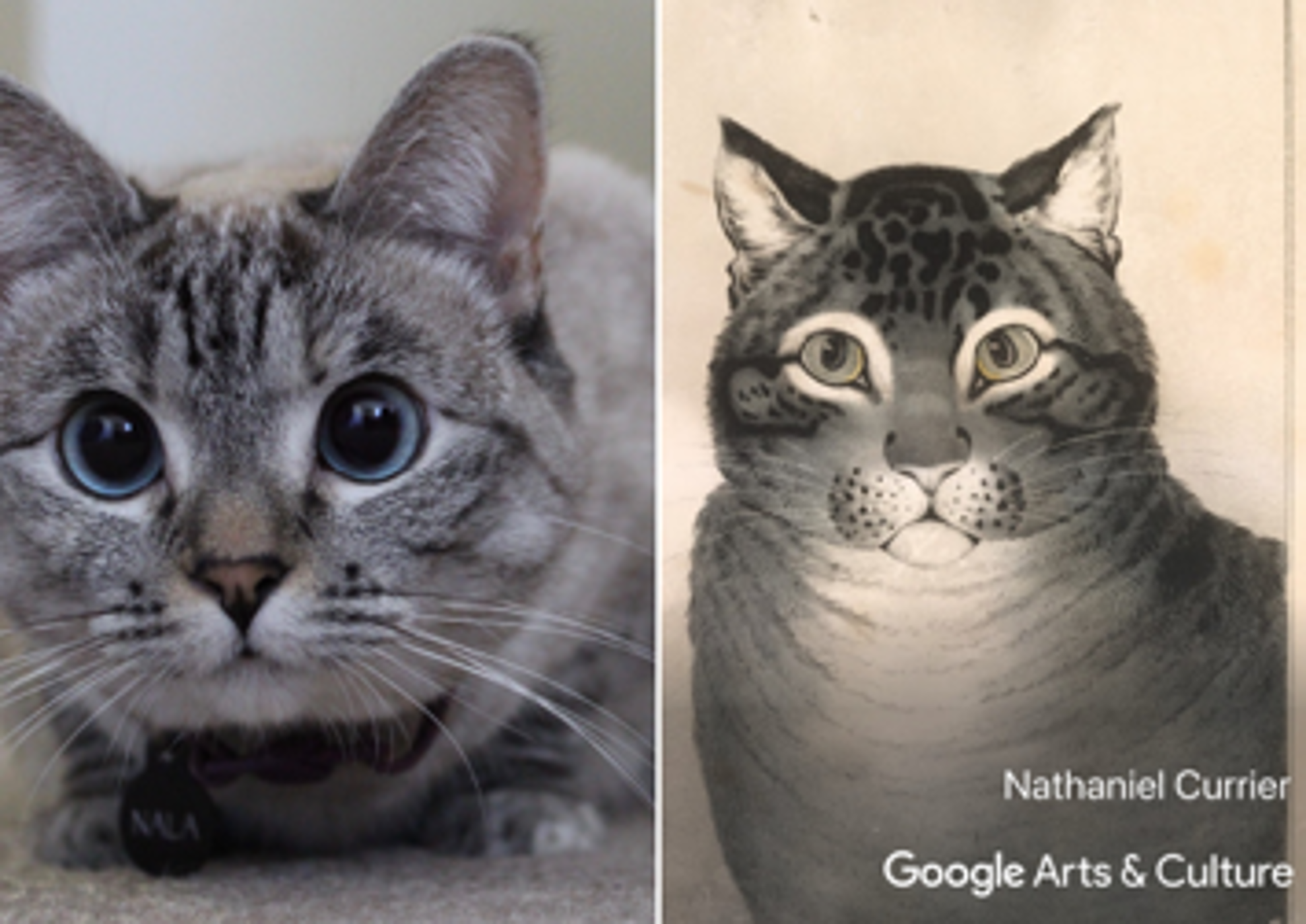
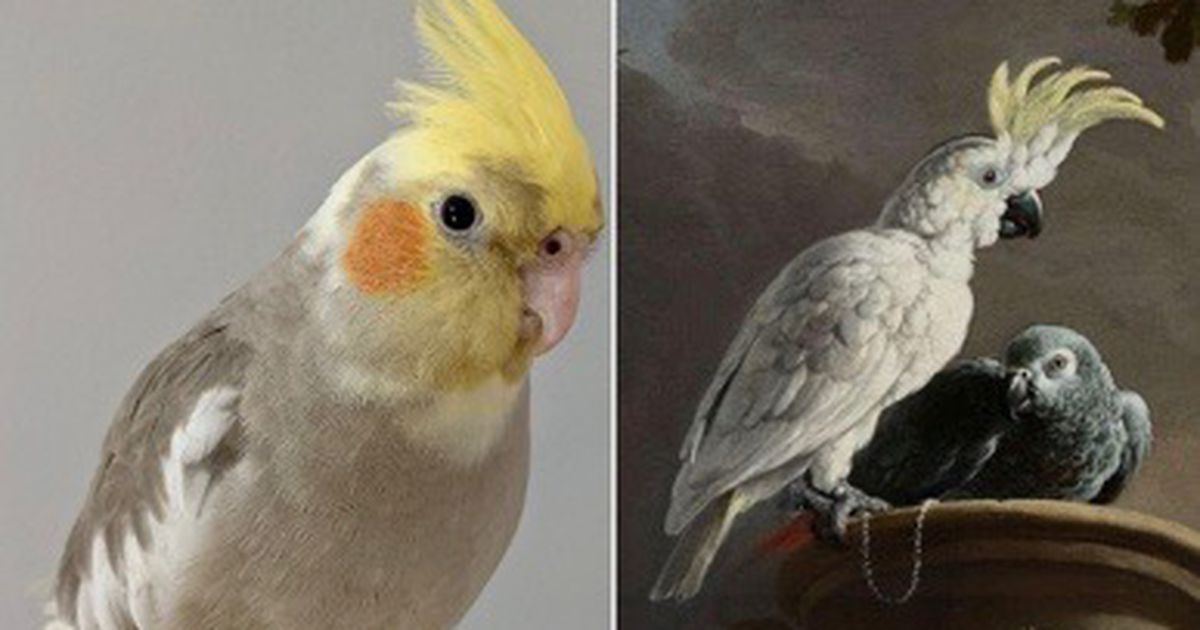
Google App Uses Machine Learning to Discover Your Pet’s Look Alike in 10,000 Classic Works of Art


Does your cat fan­cy her­self a 21st-cen­tu­ry incar­na­tion of Bastet, the Egypt­ian God­dess of the Ris­ing Sun, pro­tec­tor of the house­hold, aka The Lady of Slaugh­ter?

If so, you should def­i­nite­ly per­mit her to down­load the Google Arts & Cul­ture app on your phone to take a self­ie using the Pet Por­traits fea­ture.

Remem­ber all the fun you had back in 2018 when the Art Self­ie fea­ture mis­took you for William II, Prince of Orange or the woman in “Jacob Cor­nelisz. van Oost­sa­nen Paint­ing a Por­trait of His Wife”?

Sure­ly your pet will be just as excit­ed to let a machine-learn­ing algo­rithm trawl tens of thou­sands of art­works from Google Arts & Culture’s part­ner­ing muse­ums’ col­lec­tions, look­ing for dop­pel­gängers.

Or maybe it’ll just view it as one more exam­ple of human fol­ly, if a far less­er evil than our predilec­tion for pet cos­tumes.

Should your pet wish to know more about the art­works it resem­bles, you can tap the results to explore them in depth.

Dogs, fish, birds, rep­tiles, hors­es, and rab­bits can play along too, though any­one hail­ing from the rodent fam­i­ly will find them­selves shut out.

Mash­able reports that “upload­ing a stock image of a mouse returned draw­ings of wolves.”

We can’t blame your pet snake for fum­ing.

Dit­to your Viet­namese Pot-bel­lied pig.

Though your pet fer­ret prob­a­bly doesn’t need an app (or a crys­tal ball) to know what its result would be. Bet­ter than an ermine col­lar, any­way…


If your pet is game and falls with­in Pet Por­traits approved species para­me­ters, here are the steps to fol­low:

  1. Launch the Google Arts & Cul­ture app and select the Cam­era but­ton. Scroll to the Pet Por­traits option.
  2. Have your pet take a self­ie. (Or alter­na­tive­ly, upload a saved image.)
  3. Give the app a few sec­onds (or min­utes) to return mul­ti­ple results with sim­i­lar­i­ty per­cent­ages.

Down­load the Google Arts & Cul­ture app here.

- Ayun Hal­l­i­day is the Chief Pri­ma­tol­o­gist of the East Vil­lage Inky zine and author, most recent­ly, of Cre­ative, Not Famous: The Small Pota­to Man­i­festo.  Fol­low her @AyunHalliday.

Relat­ed Con­tent:

Google’s Free App Ana­lyzes Your Self­ie and Then Finds Your Dop­pel­ganger in Muse­um Por­traits

Con­struct Your Own Bayeux Tapes­try with This Free Online App

A Gallery of 1,800 Gigapix­el Images of Clas­sic Paint­ings: See Vermeer’s Girl with the Pearl Ear­ring, Van Gogh’s Star­ry Night & Oth­er Mas­ter­pieces in Close Detail

Mystical Photographs Taken Inside a Cello, Double Bass & Other Instruments

All images by Adri­an Bor­da

“If God had designed the orches­tra,” remarks a char­ac­ter in Rick Moody’s Hotels of North Amer­i­ca, “then the cel­lo was His great­est accom­plish­ment.” I couldn’t agree more. The cel­lo sounds sub­lime, looks state­ly… even the word cel­lo evokes regal poise and grace. If orches­tral instru­ments were chess pieces, the cel­lo would be queen: shape­ly and dig­ni­fied, prime mover on the board, majes­tic in sym­phonies, quar­tets, cham­ber pop ensem­bles, post rock bands….

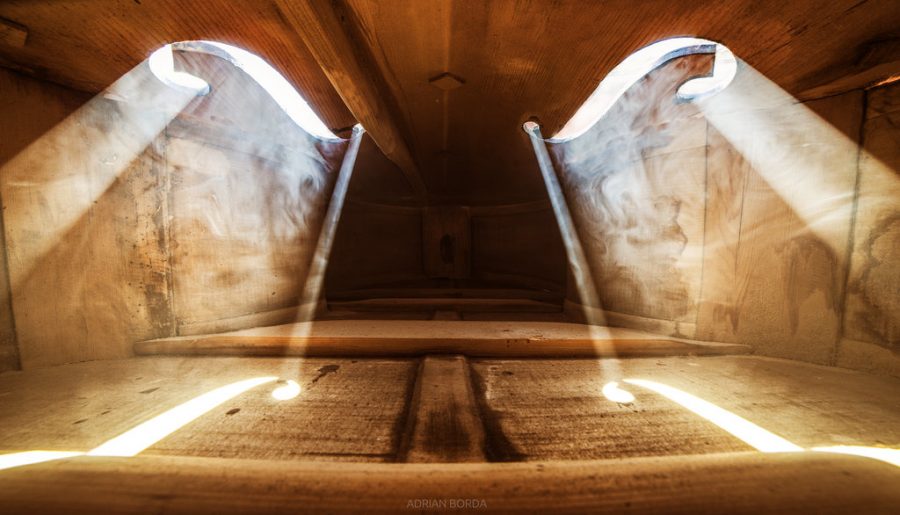
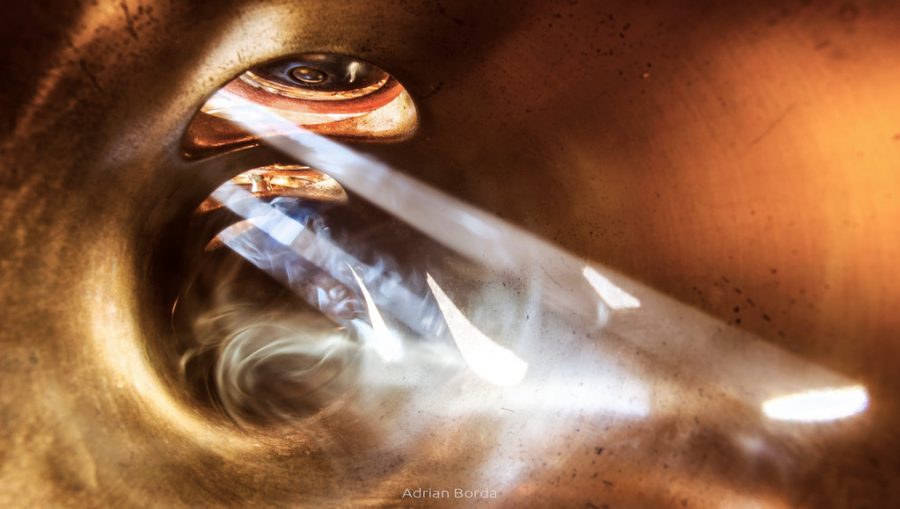
With all its many son­ic and aes­thet­ic charms, I didn’t imag­ine it was pos­si­ble to love the cel­lo more. Then I saw Roman­ian artist Adri­an Bor­da’s mag­nif­i­cent pho­tos tak­en from inside one. The pho­to above, Bor­da tells us at his Deviant Art page, was tak­en from inside “a very old French cel­lo made in Napoleon’s times.” It looks like the bel­ly of the HMS Vic­to­ry mat­ed with the nave of Chartres Cathe­dral. The light descend­ing through the f‑holes seems of some divine ori­gin.

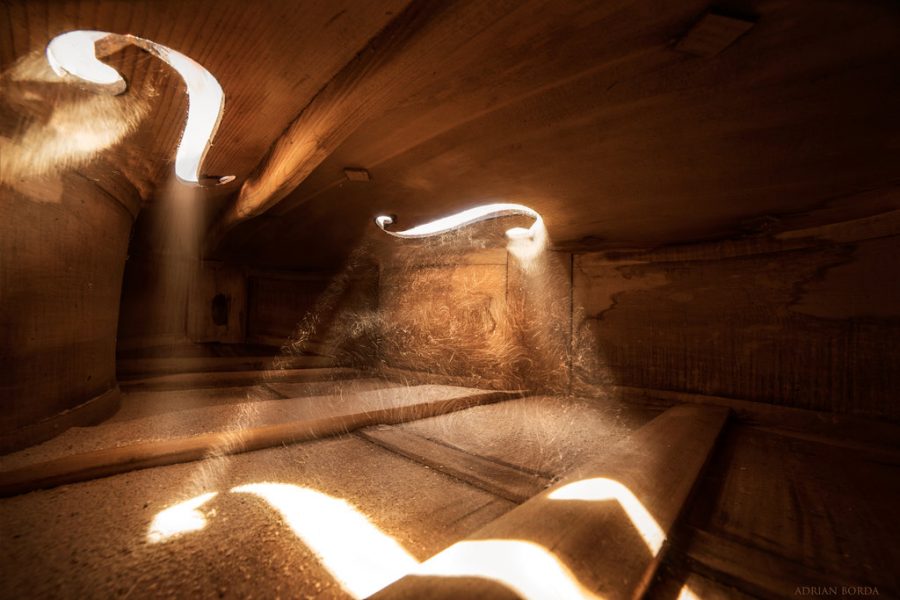
Bor­da has also tak­en pho­tos from inside an old dou­ble bass (above), as well as a gui­tar, sax, and piano. The stringed orches­tral instru­ments, he says, yield­ed the best results. He was first inspired by a 2009 ad cam­paign for the Berlin­er Phil­har­moniker that “cap­tured the insides of instru­ments,” writes Twist­ed Sifter, “reveal­ing the hid­den land­scapes with­in.” With­out any sense of how the art direc­tor cre­at­ed the images, Bor­da set about exper­i­ment­ing with meth­ods of his own.

He was lucky enough to have a luthi­er friend who had a con­tra­bass open for repairs. Lat­er he trav­eled to Amiens, where he found the French cel­lo, also open. “To achieve these shots,” Twist­ed Sifter notes, “Bor­da fit a Sony NEX‑6 cam­era equipped with a Samyang 8mm fish­eye lens inside the instru­ment and then used a smart remote so he could pre­view the work­flow on his phone.” Depend­ing on the angle and the play of light with­in the instru­ment, the pho­tos can look eerie, somber, omi­nous, or angelic—mirroring the cello’s expres­sive range.

Bor­da gives the cel­lo inte­ri­or shot above the per­fect title “A Long, Lone­ly Time….” Its play of smoke and light is ghost­ly noir. His pho­to below, of the inside of a sax­o­phone, pulls us into a haunt­ed, alien tun­nel. If you want to know what’s on the oth­er side, con­sid­er the strange sur­re­al­ist worlds of Borda’s main gig as a sur­re­al­ist painter of warped fan­tasies and night­mares. Unlike these pho­tos, his paint­ings are full of lurid, vio­lent col­or, but they are also filled with mys­te­ri­ous musi­cal motifs. See more of Bor­da’s inte­ri­or instru­ment pho­tos at Deviant Art and Twister Sifter.

Note: An ear­li­er ver­sion of this post appeared on our site in 2018.

Relat­ed Con­tent:

Watch a Luthi­er Birth a Cel­lo in This Hyp­not­ic Doc­u­men­tary

Why Vio­lins Have F‑Holes: The Sci­ence & His­to­ry of a Remark­able Renais­sance Design

Hear the Amati “King” Cel­lo, the Old­est Known Cel­lo in Exis­tence (c. 1560)

Josh Jones is a writer and musi­cian based in Durham, NC. Fol­low him at @jdmagness

by | Permalink | Make a Comment ( 1 ) |

Why the U.S. Photographed Its Own World War II Concentration Camps (and Commissioned Photographs by Dorothea Lange)

Dur­ing World War II, the Unit­ed States put thou­sands and thou­sands of its own cit­i­zens into con­cen­tra­tion camps. The wartime intern­ment of Japan­ese Amer­i­cans is a well-known his­tor­i­cal event, and also an unusu­al­ly well-doc­u­ment­ed one — not just in the sense of hav­ing been doc­u­ment­ed copi­ous­ly, but also with excep­tion­al pow­er and artistry. Much of that owes to the astute pho­to­graph­ic observ­er of ear­ly 20th-cen­tu­ry Amer­i­ca Dorothea Lange, who had already won acclaim for her Great Depres­sion-sym­bol­iz­ing Migrant Moth­er.

Pub­lished in 1936, Migrant Moth­er was tak­en under the aus­pices of the U.S. Reset­tle­ment Admin­is­tra­tion and Farm Secu­ri­ty Admin­is­tra­tion. In 1941, Lange aban­doned a Guggen­heim Fel­low­ship to throw in with anoth­er gov­ern­ment orga­ni­za­tion, the War Relo­ca­tion Author­i­ty, and turn her lens on the interned. “After Japan’s bomb­ing of the U.S. navy base at Pearl Har­bor, a sur­prise attack that left over 2,000 Amer­i­cans dead, Japan­ese Amer­i­cans became tar­gets of vio­lence and increased sus­pi­cion,” says the nar­ra­tor of the Vox Dark­room video above. Fear­ing the emer­gence of a “fifth col­umn,” the gov­ern­ment arranged the relo­ca­tion of 120,000 Japan­ese Amer­i­cans who had been liv­ing on the west coast into remote camps.

“The Roo­sevelt admin­is­tra­tion want­ed to frame the removal as order­ly, humane, and above all, nec­es­sary.” Hence the cre­ation of the WRA, a depart­ment charged with han­dling the removal, “and more impor­tant­ly, doc­u­ment­ing it, through pro­pa­gan­da films, pam­phlets and news pho­tographs.” The project could hard­ly have made a more pres­ti­gious hire than Lange, who pro­ceed­ed to pho­to­graph “the rapid changes hap­pen­ing in Japan­ese Amer­i­can com­mu­ni­ties, includ­ing Japan­ese-owned farms and busi­ness­es shut­ting down.” Her work (see var­i­ous exam­ples here) cap­tured the final days, even hours, of an estab­lished mul­ti-gen­er­a­tional soci­ety about to be dis­man­tled by the mass evac­u­a­tion.

The Army dis­ap­proved of the nar­ra­tive cre­at­ed by Lange’s can­did pho­tos, many of which were seized and impound­ed. The offend­ing images depict­ed armed U.S. sol­diers over­see­ing the removal process, “tem­po­rary pris­ons used while the con­cen­tra­tion camps were built,” food lines at the assem­bly cen­ters, and Japan­ese Amer­i­cans in U.S. mil­i­tary uni­form. Releas­ing Lange from the pro­gram after just four months, the WRA kept most of her pho­tos out of the pub­lic eye. They stayed out of it until a series of exhi­bi­tions in the 1970s, which revealed the true nature of the con­cen­tra­tion camps. That term is most asso­ci­at­ed with the Holo­caust, to whose sheer destruc­tion of human­i­ty the Japan­ese Amer­i­can intern­ment can­not, of course, be com­pared. But as Lange’s pho­tographs show, just hav­ing the moral high ground over Nazi Ger­many is noth­ing to brag about.

Relat­ed Con­tent:

The Dorothea Lange Dig­i­tal Archive: Explore 600+ Pho­tographs by the Influ­en­tial Pho­tog­ra­ph­er (Plus Neg­a­tives, Con­tact Sheets & More)

478 Dorothea Lange Pho­tographs Poignant­ly Doc­u­ment the Intern­ment of the Japan­ese Dur­ing WWII

Ansel Adams, Dorothea Lange, Clem Albers & Fran­cis Stewart’s Cen­sored Pho­tographs of a WWII Japan­ese Intern­ment Camp

How Dorothea Lange Shot Migrant Moth­er, Per­haps the Most Icon­ic Pho­to in Amer­i­can His­to­ry

Dr. Seuss Draws Anti-Japan­ese Car­toons Dur­ing WWII, Then Atones with Hor­ton Hears a Who!

Based in Seoul, Col­in Mar­shall writes and broad­casts on cities and cul­ture. His projects include the book The State­less City: a Walk through 21st-Cen­tu­ry Los Ange­les and the video series The City in Cin­e­ma. Fol­low him on Twit­ter at @colinmarshall or on Face­book.

A 110-Year-Old Book Illustrated with Photos of Kittens & Cats Taught Kids How to Read


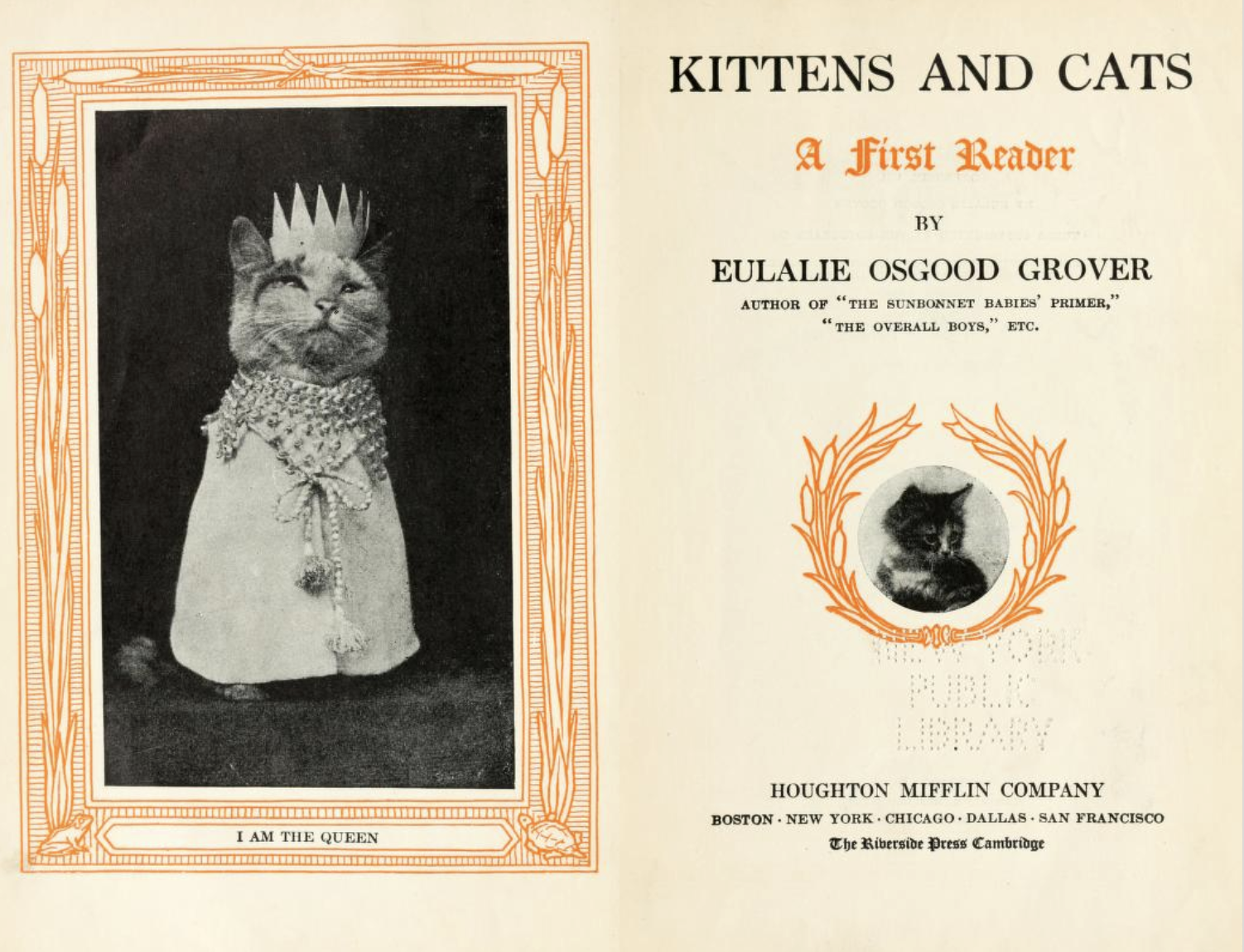
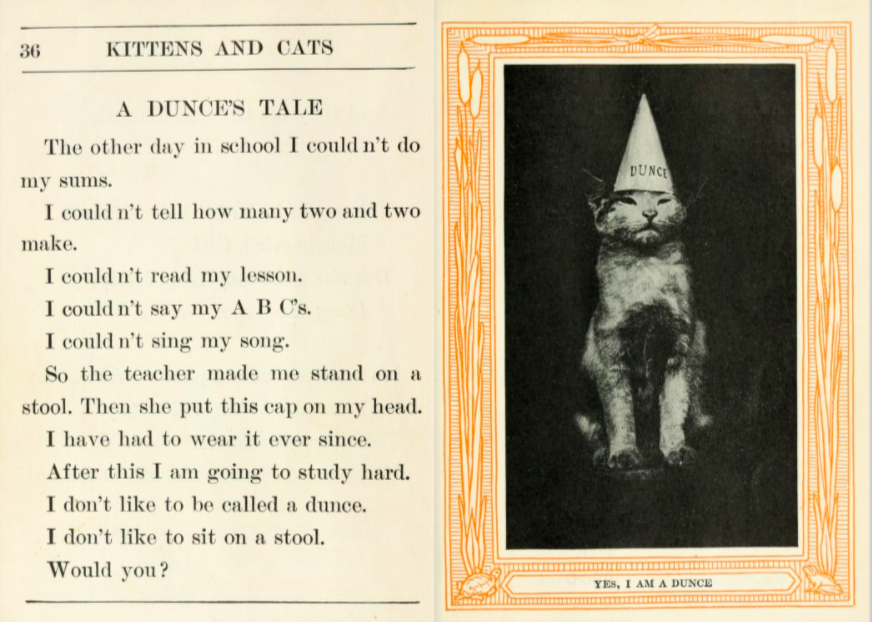
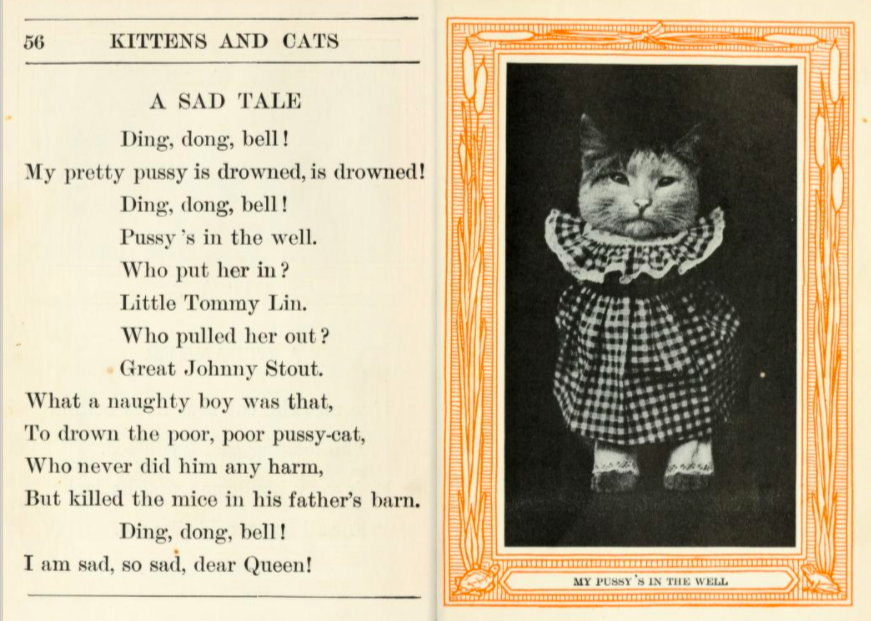
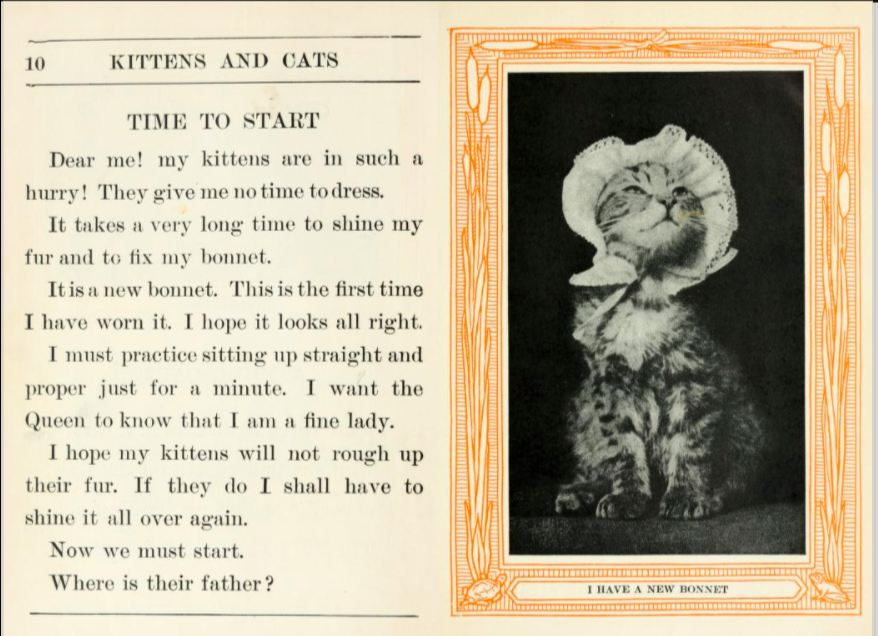
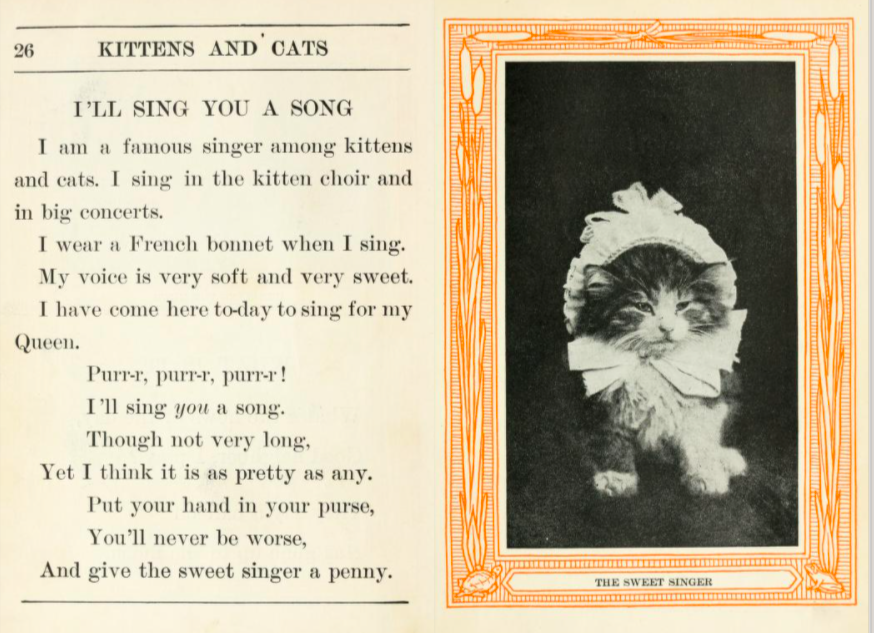
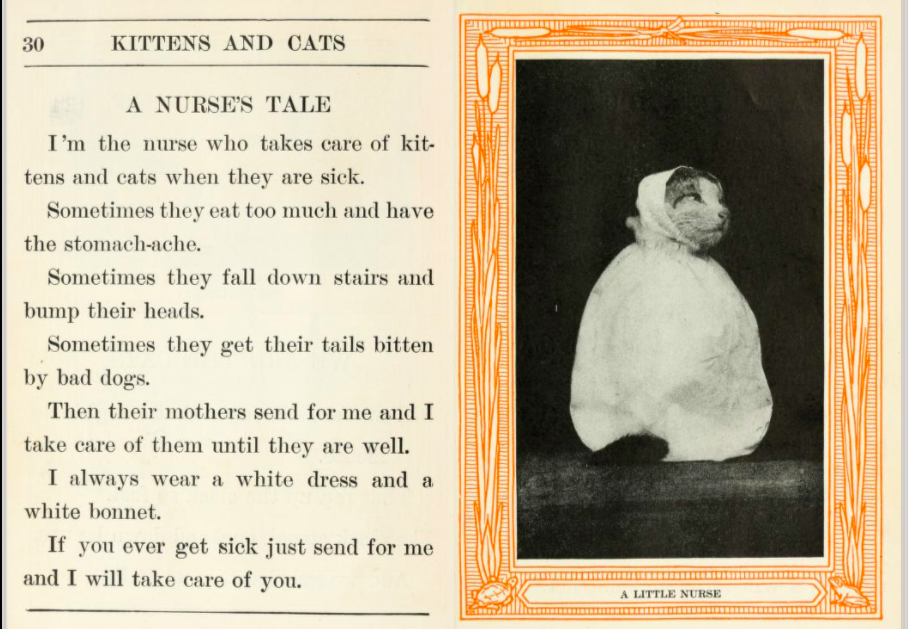
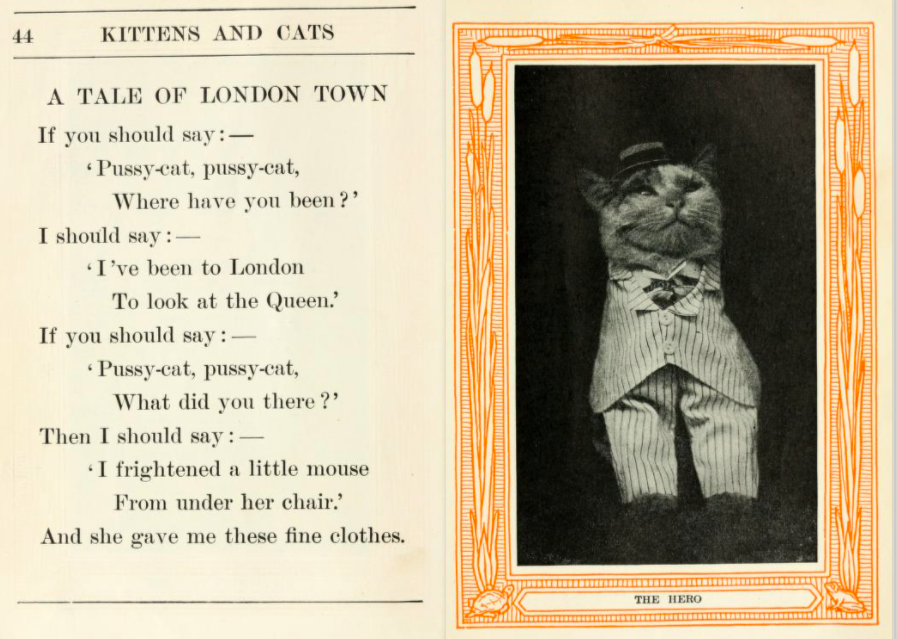
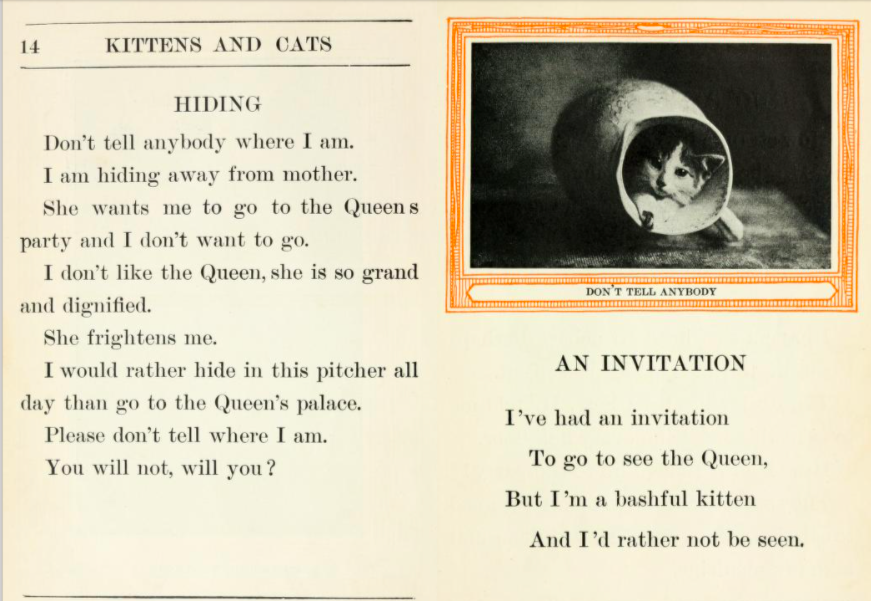
Unlike our 21st-cen­tu­ry cat memes and oth­er such online feline-based enter­tain­ments, children’s author Eulalie Osgood Grover’s 1911 work, Kit­tens and Cats: A First Read­er was intend­ed to edu­cate.

Its relat­ed poems will almost cer­tain­ly strike those of us whose under­stand­ing of feline atti­tude has been shaped by LOL­CatsGrumpy Cat, the exis­ten­tial Hen­ri, Talk­ing Kit­ty Cat’s acer­bic Sylvester, and the mor­dant 1970s TV spokescat Mor­ris as sweet to the point of sick­ly. But it boasts six hun­dred vocab­u­lary words, a rhyme struc­ture that pro­motes read­ing aloud, and a note to teach­ers with sug­ges­tions for class­room activ­i­ties.

Grover explained how her feline cast of char­ac­ters would win over even the most reluc­tant read­er, inspir­ing “much the same delight to the lit­tle read­er of juve­nile fic­tion, as do adven­ture and romance to the grown-up read­er”:

In one respect kit­tens take prece­dence over dolls. They are alive. They must be treat­ed kind­ly. They will not bear the abuse and neglect giv­en to many beau­ti­ful dolls. They demand atten­tion and com­pan­ion­ship, and they return a real devo­tion in return for kind­ness and care. There­fore we love them and espe­cial­ly do our chil­dren love them and delight in sto­ries of them.

The loose­ly struc­tured sto­ry con­cerns a grand par­ty thrown by the Queen of the Cats. Fol­low­ing some breath­less prepa­ra­tions, the guests take turns intro­duc­ing them­selves to her majesty, though unlike T.S. Eliot’s Old Possum’s Book of Prac­ti­cal Cats (1939), there’s not much that could be cob­bled into a hit musi­cal.

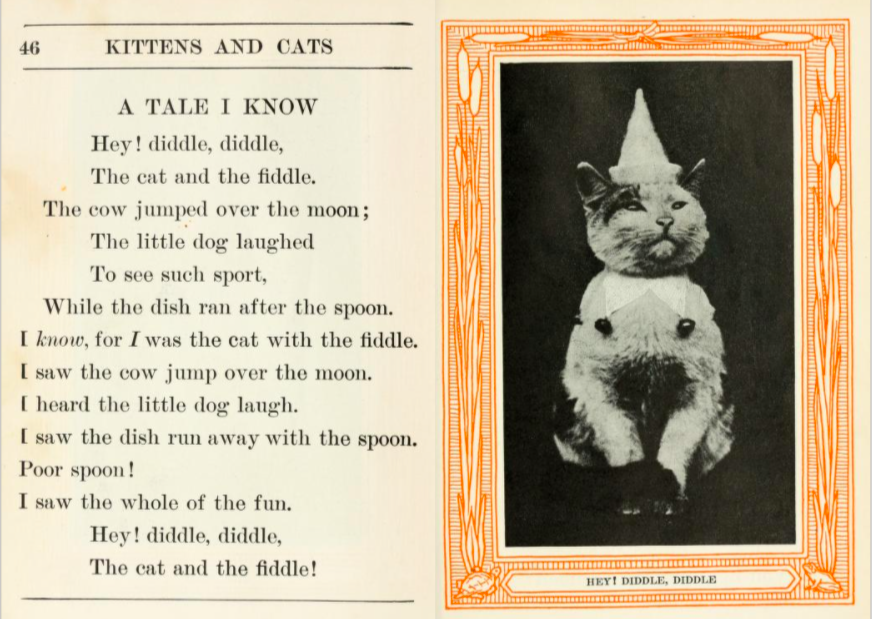
Grover flesh­es out the nar­ra­tive with call­backs to a num­ber of cat-rich nurs­ery rhymes — Hick­o­ry Dick­o­ry DockThree Lit­tle Kit­tensHey Did­dle Did­dleAs I Was Going to St. IvesDing Dong Bell

One lace-bon­net­ed char­ac­ter is rem­i­nis­cent of Tom Kit­ten’s moth­er, Mrs. Tabitha Twitchit, and her unsuc­cess­ful attempts to wran­gle her ram­bunc­tious off­spring into cloth­ing fit for “fine com­pa­ny,” though the wit falls some­what short of Beat­rix Potter’s.

Head­gear abounds, as do restric­tive buntings that must’ve been a great help when deal­ing with unco­op­er­a­tive mod­els and long expo­sures.

Although the pho­tog­ra­ph­er is uncred­it­ed, the images are like­ly the work of Har­ry Whit­ti­er Frees, a “pio­neer of the anthro­po­mor­phic kit­ten pho­to­graph genre” as per the New York Dai­ly News. In his intro­duc­tion to his far more ambi­tious­ly posed 1915 work, The Lit­tle Folks of Ani­mal Land, Frees allud­ed to his process:

The dif­fi­cul­ties of pos­ing kit­tens and pup­pies for pic­tures of this kind have been over­come only by the exer­cise of great patience and invari­able kind­ness. My lit­tle mod­els receive no espe­cial train­ing, and after their dai­ly per­for­mance before the cam­era they enjoy noth­ing more than a good frol­ic about the stu­dio.

That’s a pleas­ant thought, though his­to­ri­an and post­card col­lec­tor Mary L. Wei­gley tells a some­what dif­fer­ent tale in an arti­cle for Penn­syl­va­nia Her­itage, describ­ing how only 3/10 of his neg­a­tives could be pub­lished, and his work was so “chal­leng­ing, time-con­sum­ing and nerve-wrack­ing” that he took 9 months out of every year to recu­per­ate.

Cats!

Down­load a free copy of Eulalie Osgood Grover’s Kit­tens and Cats here.

via Pub­lic Domain Review

Relat­ed Con­tent:

An Ani­mat­ed His­to­ry of Cats: How Over 10,000 Years the Cat Went from Wild Preda­tor to Sofa Side­kick

Why Humans Are Obsessed with Cats

GPS Track­ing Reveals the Secret Lives of Out­door Cats

Ayun Hal­l­i­day is an author, illus­tra­tor, the­ater mak­er and Chief Pri­ma­tol­o­gist of the East Vil­lage Inky zine.  Fol­low her @AyunHalliday.

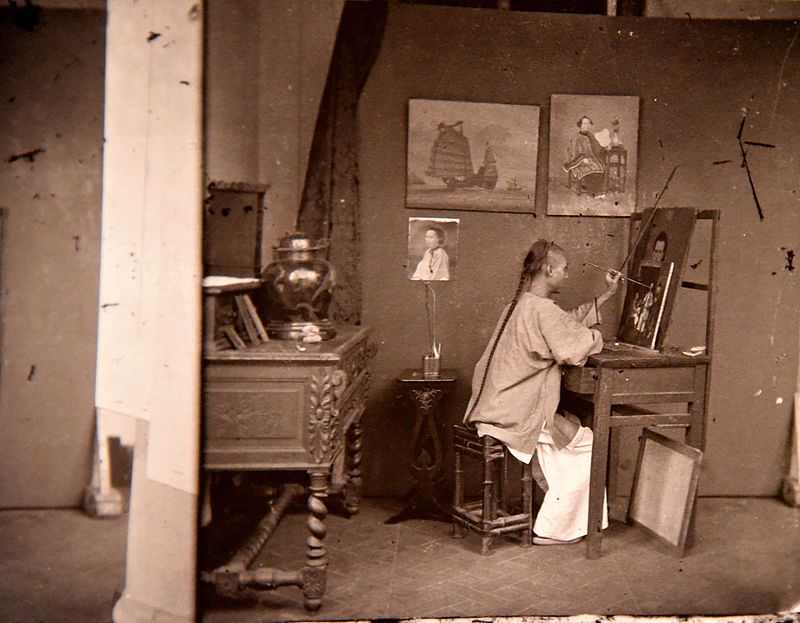
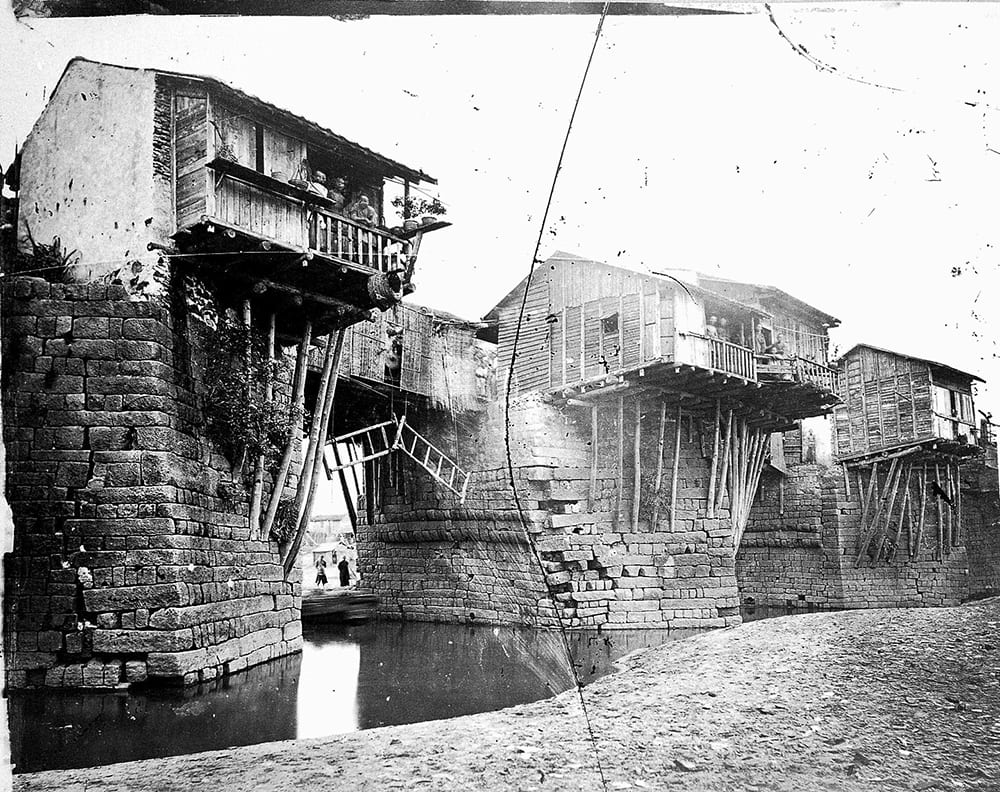
Behold the Photographs of John Thomson, the First Western Photographer to Travel Widely Through China (1870s)

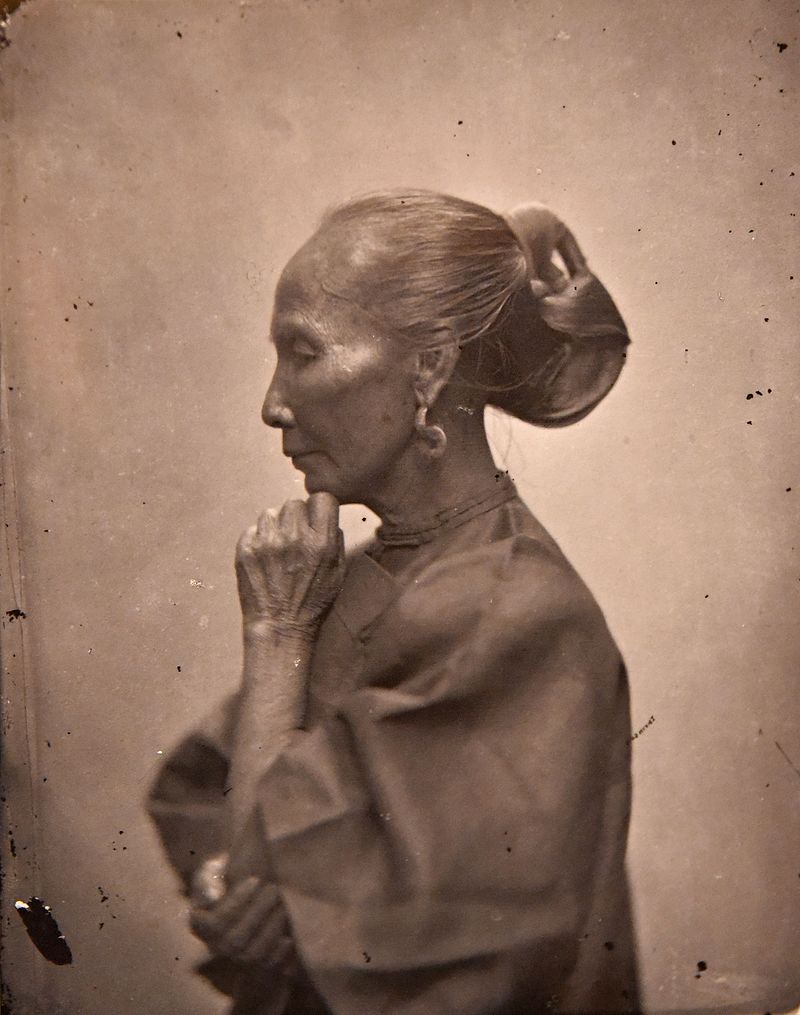
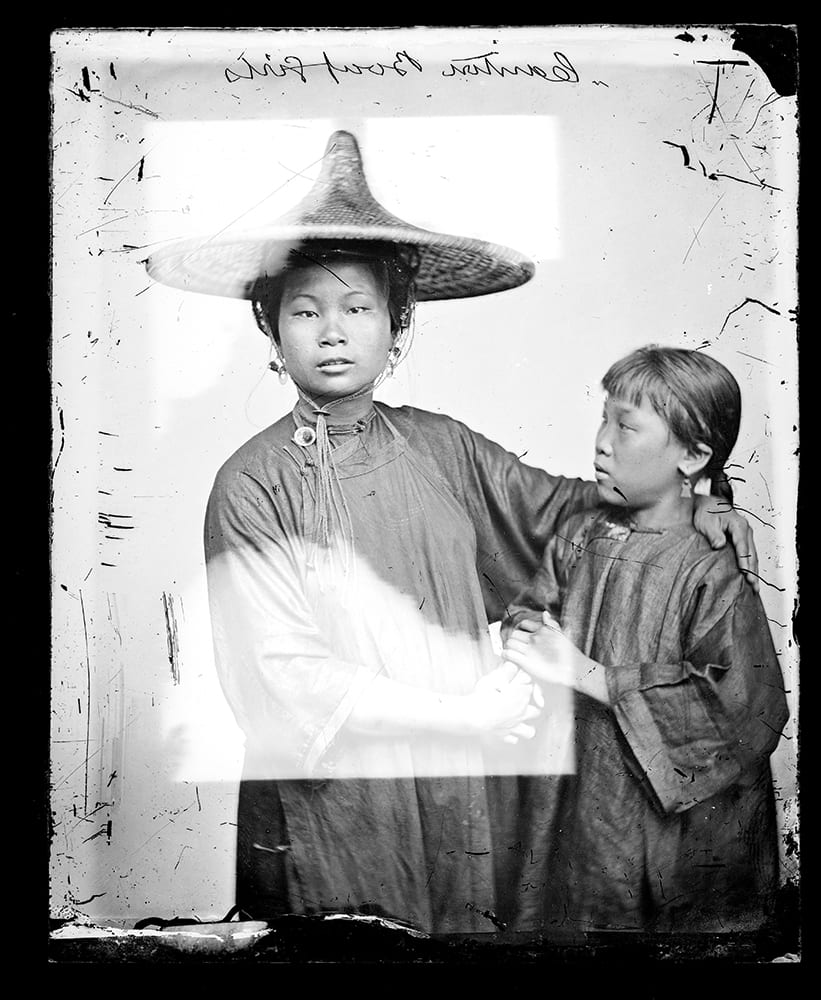
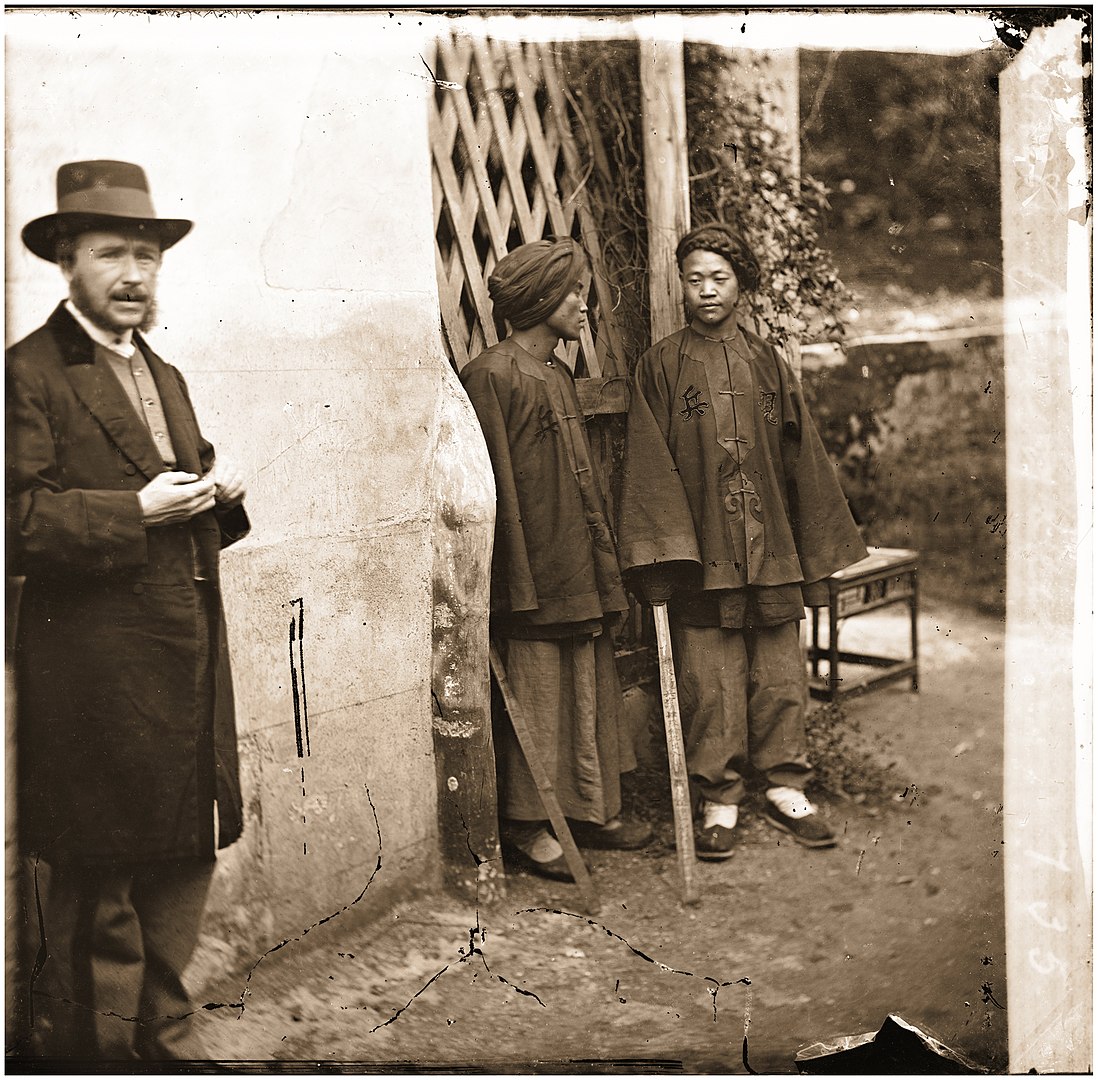
In the ear­ly 1860s, a few West­ern­ers had seen Chi­na — but near­ly all of them had seen it for them­selves. The still-new medi­um of pho­tog­ra­phy had yet to make images of every­where avail­able to view­ers every­where else, which meant an oppor­tu­ni­ty for trav­el­ing prac­ti­tion­ers like John Thom­son. “The son of a tobac­co spin­ner and shop­keep­er,” says BBC.com, ” he was appren­ticed to an Edin­burgh opti­cal and sci­en­tif­ic instru­ment man­u­fac­tur­er where he learned the basics of pho­tog­ra­phy.”

In 1862 Thom­son sailed from Lei­th “with a cam­era and a portable dark room. He set up in Sin­ga­pore before explor­ing the ancient civ­i­liza­tions of Chi­na, Thai­land — then known as Siam — and Cam­bo­dia.” It is for his exten­sive pho­tog­ra­phy of Chi­na in the late 1860s and ear­ly 1870s that he’s best known today.

First lav­ish­ly pub­lished in a series of books titled Illus­tra­tions of Chi­na and Its Peo­ple (now avail­able to read free online at the Yale Uni­ver­si­ty Library: vol­ume one, vol­ume two, vol­ume three, vol­ume four), they now con­sti­tute some of the ear­li­est and rich­est direct visu­al records of Chi­nese land­scapes, cityscapes, and soci­ety as they were in the late 19th cen­tu­ry.

“The first West­ern pho­tog­ra­ph­er to trav­el wide­ly through the length and breadth of Chi­na,” Thom­son brought his cam­era on jour­neys “far more exten­sive than those under­tak­en by most West­ern­ers of his gen­er­a­tion,” extend­ing “beyond the rel­a­tive com­fort and safe­ty of the coastal treaty ports.” Those words come from schol­ar of the 19th-cen­tu­ry Allen Hock­ley, whose five-part visu­al essay “John Thom­son’s Chi­na” at MIT Visu­al­iz­ing Cul­tures pro­vides a detailed overview and his­tor­i­cal con­tex­tu­al­iza­tion of Thom­son’s work in Asia.

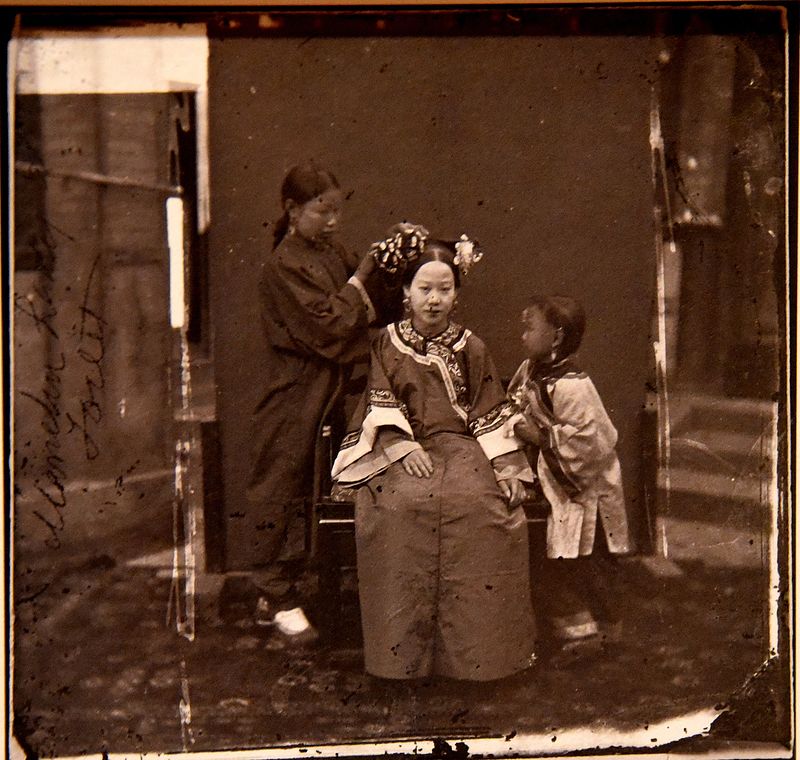
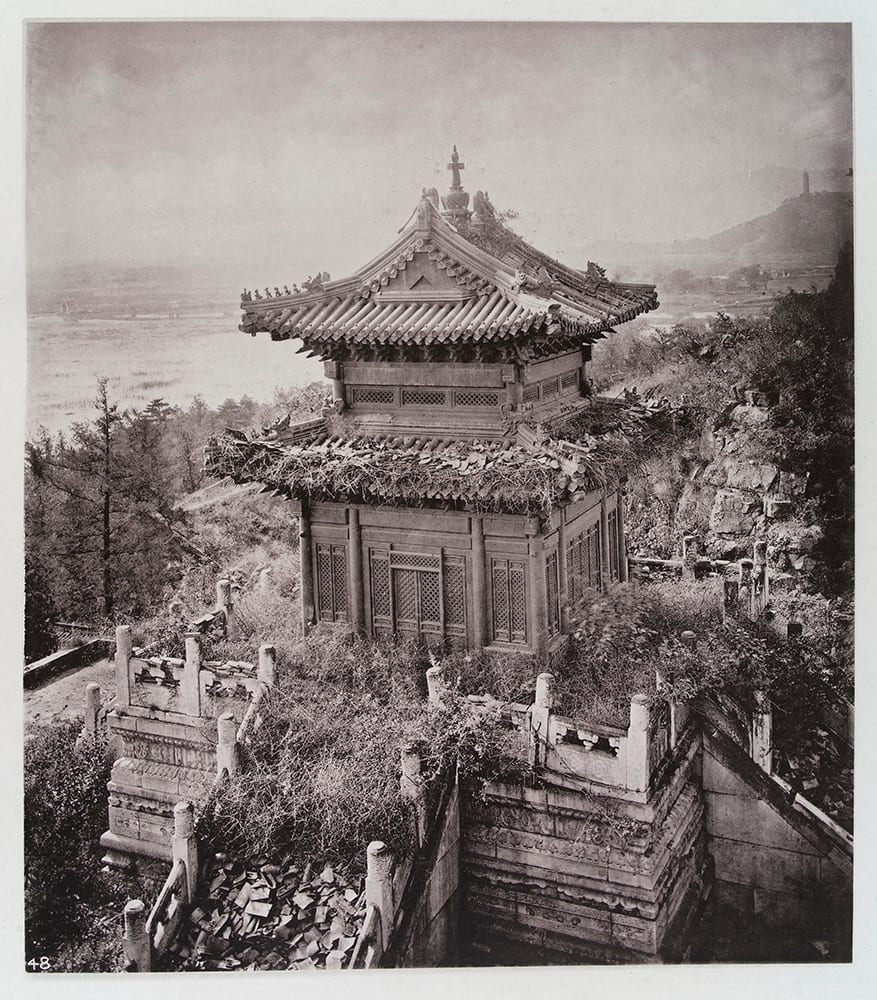
Thom­son’s pho­tographs, writes Hock­ley, “fall into two broad cat­e­gories: scenic views and types. Views encom­passed both nat­ur­al land­scapes and built envi­ron­ments. They could be panoram­ic, tak­ing in large swaths of scenery, or they might high­light spe­cif­ic nat­ur­al phe­nom­e­na or indi­vid­ual struc­tures.”

Types “focused on the man­ners and cus­toms of Chi­nese peo­ple and tend­ed to high­light the defin­ing fea­tures of gen­der, age, class, eth­nic­i­ty, and occu­pa­tion.” A cen­tu­ry and a half lat­er, both Thom­son’s views and types have giv­en schol­ars in a vari­ety of dis­ci­plines much to dis­cuss.

“It is clear from his com­men­tary to Illus­tra­tions of Chi­na that, how­ev­er sym­pa­thet­ic he was towards Chi­nese peo­ple, he could often be supe­ri­or and high-hand­ed,” writes Andrew Hiller at Visu­al­iz­ing Chi­na. “If Thom­son nev­er sought to ques­tion the valid­i­ty of Britain’s pres­ence, his atti­tude towards Chi­na was ambiva­lent. Whilst crit­i­cal of what he saw as the cor­rup­tion and obfus­ca­tion of Qing offi­cials, he nev­er­the­less could see the country’s poten­tial.”

Thom­son also helped oth­ers to see that poten­tial — or at least those who could afford to buy his books, whose prices matched the qual­i­ty of their pro­duc­tion. But today, thanks to online archives like His­tor­i­cal Pho­tographs of Chi­na and Well­come Col­lec­tion, they’re free for every­one to behold. Chi­na itself has become much more acces­si­ble since Thom­son’s day, of course, but it’s famous­ly a much dif­fer­ent place than it was 25 years ago, let alone 150 years ago. The land through which he trav­eled — and of which he took so many of the very ear­li­est pho­tographs — is now infi­nite­ly less acces­si­ble to us than it ever was to his fel­low West­ern­ers of the 19th cen­tu­ry.

Hear a lec­ture on Thom­son’s pho­tog­ra­phy in Chi­na from the Uni­ver­si­ty of Lon­don here.

via Flash­bak

Relat­ed Con­tent:

Col­or­ful Wood Block Prints from the Chi­nese Rev­o­lu­tion of 1911: A Gallery of Artis­tic Pro­pa­gan­da Posters

The World’s Old­est Mul­ti­col­or Book, a 1633 Chi­nese Cal­lig­ra­phy & Paint­ing Man­u­al, Now Dig­i­tized and Put Online

Hand-Col­ored Pho­tographs from 19th Cen­tu­ry Japan: 110 Images Cap­ture the Wan­ing Days of Tra­di­tion­al Japan­ese Soci­ety

How Vivid­ly Col­orized Pho­tos Helped Intro­duce Japan to the World in the 19th Cen­tu­ry

1850s Japan Comes to Life in 3D, Col­or Pho­tos: See the Stereo­scop­ic Pho­tog­ra­phy of T. Ena­mi

Based in Seoul, Col­in Mar­shall writes and broad­casts on cities, lan­guage, and cul­ture. His projects include the Sub­stack newslet­ter Books on Cities, the book The State­less City: a Walk through 21st-Cen­tu­ry Los Ange­les and the video series The City in Cin­e­ma. Fol­low him on Twit­ter at @colinmarshall or on Face­book.

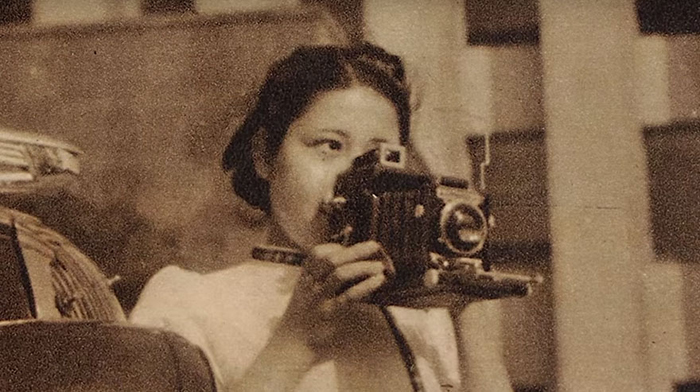
Meet Tsuneko Sasamoto, Japan’s First Female Photojournalist and Now, at 107, Japan’s Oldest Living Photojournalist

You should nev­er become lazy. It’s essen­tial to remain pos­i­tive about your life and nev­er give up. You need to push your­self and stay aware, so you can move for­ward. 

– Tsuneko Sasamo­to

Sound advice whether one is inter­est­ed in sus­tain­ing a cre­ative prac­tice or remain­ing vig­or­ous as one ages.

Pho­tog­ra­ph­er Tsuneko Sasamo­to is an excel­lent poster child for both. Born in Tokyo in 1914, short­ly after the begin­ning of the first World War, she is Japan’s first female pho­to­jour­nal­ist and — at 107, its old­est liv­ing pho­to­jour­nal­ist.

Her tra­di­tion­al father thwart­ed her hopes of becom­ing a painter, but ear­ly encoun­ters with a black-and-white film by Man Ray and the work of Mar­garet Bourke-White sug­gest­ed that pho­tog­ra­phy might prove a sim­i­lar­ly ful­fill­ing path.

By 1940, she was able to par­lay a job as a part-time illus­tra­tor on the local news pages at Tokyo Nichinichi Shim­bun (now known as the Mainichi Shim­bun) into a pro­ba­tion­ary gig as a shoot­er, though as a young woman, she was con­strained by gen­der expec­ta­tions.

Unlike her male coun­ter­parts, she was not allowed to doc­u­ment WWII at the front. Instead, she was charged with spe­cial inter­est sto­ries of a patri­ot­ic nature and por­traits of diplo­mat­ic envoys. She deeply resent­ed her pro­fes­sion­al­ly man­dat­ed uni­form — skirts and heels that occa­sion­al­ly ham­pered her from get­ting the shot.

Her ambi­tion ben­e­fit­ed from a stub­born­ly defi­ant streak. An arti­cle in The Japan Times details how she weath­ered dis­crim­i­na­to­ry com­ments, resist­ed male fam­i­ly mem­bers’ scripts, and, in 1947, piped up to ask Gen­er­al Dou­glas MacArthur, Supreme Com­man­der of the Allied Pow­ers, if he would grant her a redo when her cam­era mal­func­tioned at the rib­bon cut­ting cer­e­mo­ny he was attend­ing.

Oth­er sub­jects from her eight decades-long career:

Stu­dent pro­test­ers

The wives of coal min­ers who were on strike against the then-largest coal mine in Japan

Young women train­ing to be geisha

The Impe­r­i­al Fam­i­ly

Social­ist Par­ty head Inejiro Asanu­ma the day before his 1960 assas­si­na­tion

A who’s who of Japan­ese nov­el­ists, poets, and artists

The 2011 earth quake and tsuna­mi

And, for her exhib­it 100 Women at the Japan­ese Cam­era Indus­try Insti­tute, she includ­ed some notable sur­vivors of the Mei­ji and ear­ly Showa eras, such as Queen of the Blues, Noriko Awaya. As Sasamo­to recalled:

I pho­tographed her toward the end of her life when she was in her eight­ies and bedrid­den. I was one of the few allowed to see her at that time, I think because I was born in the Taisho era (1912–26) and she felt I could under­stand her…. She kept telling me, ‘I am not for­mi­da­ble.’

Short­ly after turn­ing 100, Sasamo­to weighed in on dig­i­tal cam­eras — their lighter weight made them easy to car­ry around, but their func­tions were dif­fi­cult to under­stand.

As for her health reg­i­men: main­tain­ing con­tact with fam­i­ly and friends, a dai­ly piece of choco­late, a glass of red wine every night, and way more red meat than rec­om­mend­ed.

Relat­ed Con­tent:

Meet Ger­da Taro, the First Female Pho­to­jour­nal­ist to Die on the Front Lines

Women Street Pho­tog­ra­phers: The Web Site, Instra­gram Account & Book That Ampli­fy the Work of Women Artists World­wide

Vis­it a New Dig­i­tal Archive of 2.2 Mil­lion Images from the First Hun­dred Years of Pho­tog­ra­phy

Ayun Hal­l­i­day is an author, illus­tra­tor, the­ater mak­er and Chief Pri­ma­tol­o­gist of the East Vil­lage Inky zine.  Fol­low her @AyunHalliday.

Is the Famous Photo of Lee Harvey Oswald Posing with the Gun Used to Kill JFK a Fake?: 3D Forensic Analysis Reveals the Answer

As long as the 20th cen­tu­ry remains in liv­ing mem­o­ry, the assas­si­na­tion of Pres­i­dent John F. Kennedy will con­tin­ue to draw pub­lic inter­est. A great many Amer­i­cans feel they still haven’t heard the “whole sto­ry” behind what hap­pened on Novem­ber 22, 1963; a few have ded­i­cat­ed their lives to find­ing out, grow­ing less inclined to accept the pos­si­bil­i­ty of a lone gun­man the deep­er they get into the doc­u­ments. But that gun­man, Lee Har­vey Oswald, does fig­ure direct­ly into some of the mate­r­i­al held up as evi­dence of a con­spir­a­cy. Take the “back­yard pho­tos” that depict him pos­ing with what was ulti­mate­ly found to be the very gun used to kill JFK.

Such images would seem strong­ly to impli­cate Oswald in the assas­si­na­tion, and the War­ren Com­mis­sion seems to have regard­ed them in just that way. But for near­ly six decades now, some the­o­rists have argued that the back­yard pho­tos are fake — an idea that began with Oswald him­self, who before his own assas­si­na­tion insist­ed that he’d nev­er seen them in his life, and that some­one had “super­im­posed” his face onto anoth­er body.

The Vox video above lays out the main ele­ments of one par­tic­u­lar pic­ture that have been called repeat­ed­ly into ques­tion: the angles of the shad­ows, the shape of Oswald’s chin, the length of the gun, and Oswald’s unusu­al pos­ture.

“In the 1960s and 1970s, foren­sic experts tried just about every­thing to test the authen­tic­i­ty of this pho­to,” says the video’s nar­ra­tor. They could­n’t find any evi­dence of fak­ery, but they did­n’t have the 21st-cen­tu­ry tech­nol­o­gy at the com­mand of the UC Berke­ley School of Infor­ma­tion’s Hany Farid, a well-known spe­cial­ist in the analy­sis of dig­i­tal images. Farid and a team of researchers recon­struct­ed Oswald’s body and weapon­ry (though not the copies of The Mil­i­tant and The Work­er, two ide­o­log­i­cal­ly opposed news­pa­pers, he bran­dished in his oth­er hand) and found that every­thing added up, from the seem­ing­ly mis­aligned shad­ows cast by the sun to the sta­bil­i­ty of his odd stance. If there was indeed a con­spir­a­cy to kill JFK, then, it was­n’t a con­spir­a­cy of pro­to-Pho­to­shop­pers.

Relat­ed Con­tent:

2,800 JFK Assas­si­na­tion Doc­u­ments Just Released by the Nation­al Archives

Novem­ber 22, 1963: Watch Errol Mor­ris’ Short Doc­u­men­tary About the Kennedy Assas­si­na­tion

The Exis­ten­tial­ism Files: How the FBI Tar­get­ed Camus, and Then Sartre After the JFK Assas­si­na­tion

Noam Chom­sky on Com­mem­o­rat­ing the JFK Assas­si­na­tion: It “Would Impress Kim Il-Sung”

Long Before Pho­to­shop, the Sovi­ets Mas­tered the Art of Eras­ing Peo­ple from Pho­tographs — and His­to­ry Too

Why the Sovi­ets Doc­tored Their Most Icon­ic World War II Vic­to­ry Pho­to, “Rais­ing a Flag Over the Reich­stag”

Based in Seoul, Col­in Mar­shall writes and broad­casts on cities, lan­guage, and cul­ture. His projects include the Sub­stack newslet­ter Books on Cities, the book The State­less City: a Walk through 21st-Cen­tu­ry Los Ange­les and the video series The City in Cin­e­ma. Fol­low him on Twit­ter at @colinmarshall or on Face­book.

« Go BackMore in this category... »
Quantcast