A New Interactive Map Shows All Four Million Buildings That Existed in New York City from 1939 to 1941

New York­ers have borne wit­ness to a notice­able uptick in the num­ber of shiny, new build­ings going up in the city over the last few years, crowd­ing the water­front, ris­ing from the ash­es of com­mu­ni­ty gar­dens and old­er, infi­nite­ly more mod­est struc­tures.

Their devel­op­ers have tak­en care to top load them with luxu­ry ameni­ties—rooftop cabanas, 24-hour fit­ness clubs, mar­ble coun­ter­tops, screen­ing rooms.

But one thing they can’t pro­vide is the sense of lived his­to­ry that imbues every old build­ing with a true sense of char­ac­ter, mys­tique, and oft-grub­by charm.

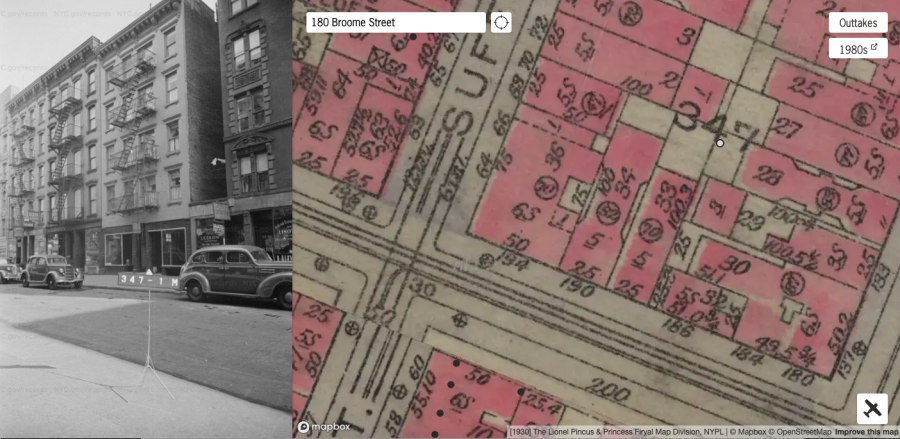
I fear that the occu­pants of these new­er build­ings won’t have near­ly as much fun as the rest of us search­ing for our cur­rent address­es on the NYC Munic­i­pal Archives’ inter­ac­tive map, above.

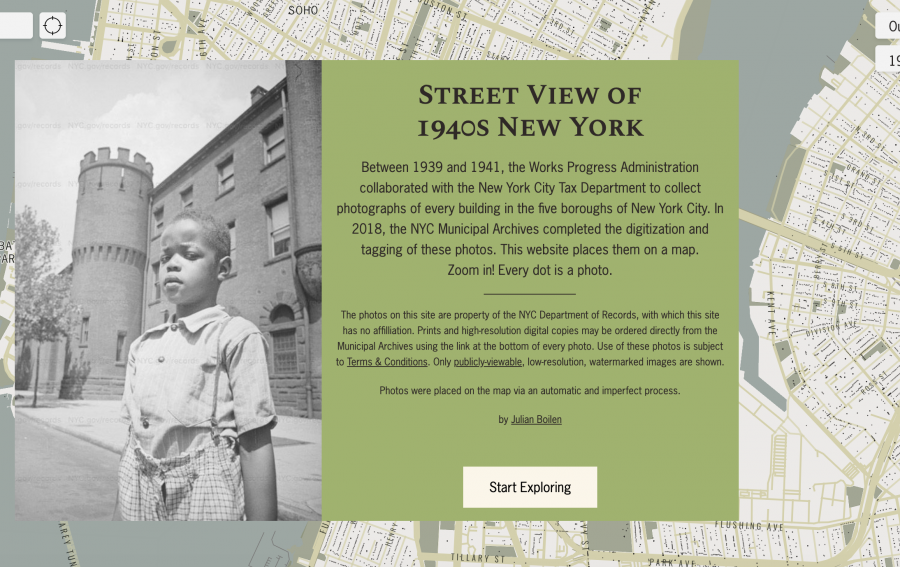
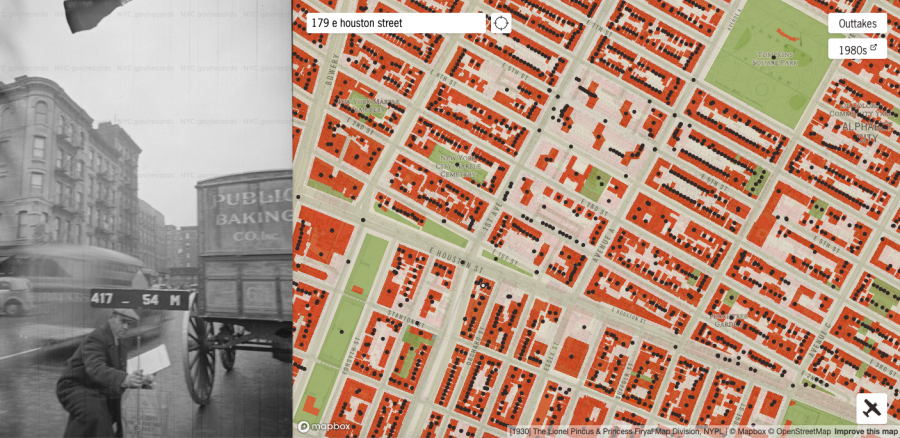
Every dot rep­re­sents a Works Progress Admin­is­tra­tion pho­to­graph of a New York City build­ing, snapped between 1939 and 1941 as a means of stan­dard­iz­ing the way in which prop­er­ty val­ues were assessed and record­ed.

There are 4,282,000 dots, spread out between five bor­oughs.

Does that sound dense­ly packed?

You should see it today… there’s been a lot of ver­ti­cal build.

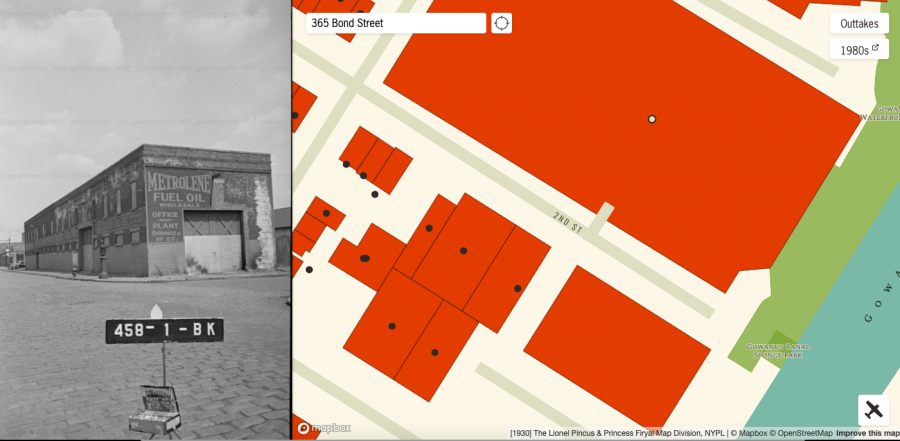
This unas­sum­ing fuel oil plant near Brooklyn’s Gowanus Canal has giv­en way to a 430-unit build­ing boast­ing a yoga room, spin stu­dios, and valet ser­vices for those in need of dry-clean­ing, laun­dry, apart­ment clean­ing, or dog walking…though sad­ly, no on-premis­es motor oil. We find that omis­sion some­what sur­pris­ing for such a full-ser­vice res­i­den­tial devel­op­ment on the banks of a Super­fund site, whose clean up is esti­mat­ed to tip the scales at $500 mil­lion.

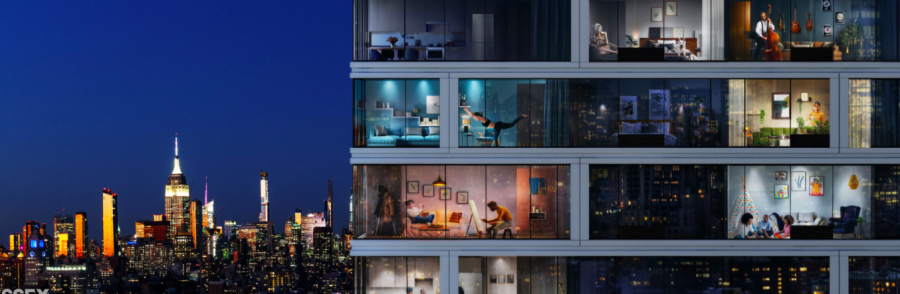
We also won­der what the occu­pants of the above build­ings would have made of the glassy 25-sto­ry com­plex that opened on their coor­di­nates ear­li­er this year. Is it just us, or does it seem a bit disin­gen­u­ous of its devel­op­ers to trum­pet that its loca­tion is “the epit­o­me of New York City’s authen­tic­i­ty, with over a cen­tu­ry of rich his­to­ry, where the world’s sar­to­r­i­al and culi­nary trends are born”?

(You can find us a few blocks away mut­ter­ing into our chopped liv­er at Russ and Daugh­ters, a ven­er­a­ble food shop that looks much the same today as it did in 1940, though you’ll have to con­firm with a bit of research on your own if you don’t want to take our word for it, the WPA “dot” reveal­ing lit­tle more than a man with a stick and sev­er­al mov­ing vehi­cles.)

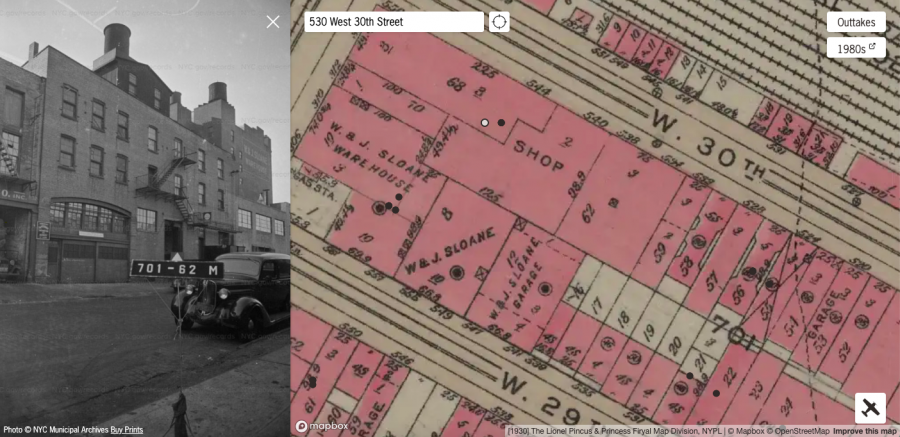
Our final stop is one of many archi­tec­tur­al ghosts to haunt the Hud­son Yards colos­sus, the self-described “epi­cen­ter of Manhattan’s New West Side… a bea­con for cre­ative pro­fes­sion­als, a hub for fash­ion, design, com­mu­ni­ca­tions and art.” In addi­tion to a much reviled $200 mil­lion shawar­ma-shaped “3‑dimensional pub­lic space” and state of the art wine fridges, ameni­ties now include diag­nos­tic and anti­body test­ing “per­formed by top med­ical pro­fes­sion­als.”

It’s telling that in the sum­mer of 2020, prospec­tive ten­ants were offered incen­tives includ­ing two months’ free rent and a $2,000 gift card.

Proof, per­haps, that New York will con­tin­ue as it always has—a city in con­stant flux. The preva­lence of mod­ern high rise build­ings in dystopi­an fic­tion gives us pause.…

Explore the Street View of 1940s New York here.

Relat­ed Con­tent: 

Behold the New York City Street Tree Map: An Inter­ac­tive Map That Cat­a­logues the 700,000 Trees Shad­ing the Streets of New York City

New York Pub­lic Library Puts 20,000 Hi-Res Maps Online & Makes Them Free to Down­load and Use

The New York Pub­lic Library Lets You Down­load 180,000 Images in High Res­o­lu­tion: His­toric Pho­tographs, Maps, Let­ters & More

Ayun Hal­l­i­day is an author, illus­tra­tor, the­ater mak­er and Chief Pri­ma­tol­o­gist of the East Vil­lage Inky zine. Fol­low her @AyunHalliday.
Ballerina Misty Copeland Recreates the Poses of Edgar Degas’ Ballet Dancers

“I am a man of motion,” trag­ic mod­ernist bal­let dancer Vaslav Nijin­sky wrote in his famous Diary, “I am feel­ing through flesh…. I am God in a body.” Nijin­sky suf­fered the unfor­tu­nate onset of schiz­o­phre­nia after his career end­ed, but in his lucid moments, he writes of the great­est pain of his illness—to nev­er dance again. A degree of his obses­sive devo­tion seems intrin­sic to bal­let.

Misty Copeland, who titled her auto­bi­og­ra­phy Life in Motion, thinks so. “All dancers are con­trol freaks a bit,” she says. “We just want to be in con­trol of our­selves and our bod­ies. That’s just what the bal­let struc­ture, I think, kind of puts inside of you. If I’m put in a sit­u­a­tion where I am not real­ly sure what’s going to hap­pen, it can be over­whelm­ing. I get a bit anx­ious.” As Nijin­sky did, Copeland is also “forc­ing peo­ple to look at bal­let through a more con­tem­po­rary lens,” writes Stephen Mooallem in Harper’s Bazaar.

Copeland has been can­did about her strug­gles on the way to becom­ing the first African Amer­i­can woman named a prin­ci­pal dancer at the Amer­i­can Bal­let The­atre, includ­ing cop­ing with depres­sion, a leg-injury, body-image issues, and child­hood pover­ty. She is also “in the midst of the most illu­mi­nat­ing pas de deux with pop cul­ture for a clas­si­cal dancer since Mikhail Barysh­nikov went toe-to-toe with Gre­go­ry Hines in White Nights” (a ref­er­ence that may be lost on younger read­ers, but trust me, this was huge).

Like anoth­er mod­ernist artist, Edgar Degas, Copeland has rev­o­lu­tion­ized the image of the bal­let dancer. Degas’ bal­let paint­ings, “which the artist began cre­at­ing in the late 1860s and con­tin­ued mak­ing until the years before his death, in 1917, were infused with a very mod­ern sen­si­bil­i­ty. Instead of ide­al­ized visions of del­i­cate crea­tures pirou­et­ting onstage, he offered images of young girls con­gre­gat­ing, prac­tic­ing, labor­ing, danc­ing, train­ing….” He showed the unglam­orous life and work behind the cos­tumed pageantry, that is.

Pho­tog­ra­phers Ken Browar and Deb­o­rah Ory envi­sioned Copeland as sev­er­al of Degas’ dancers, pos­ing her in cou­ture dress­es in recre­ations of some of his famous paint­ings and sculp­tures. The pho­tographs are part of their NYC Dance Project, in part­ner­ship with Harper’s Bazaar. As Kot­tke points out, con­flat­ing the his­to­ries of Copeland and Degas’ dancers rais­es some ques­tions. Degas had con­tempt for women, espe­cial­ly his Parisian sub­jects, who danced in a sor­did world in which “sex work” between teenage dancers and old­er men “was a part of a ballerina’s real­i­ty,” writes author Julia Fiore (as it was too in Nijinsky’s day).

This con­text may unset­tle our view­ing, but the images also show Copeland in full con­trol of Degas’ scenes, though that’s not the way it felt, she says. “It was inter­est­ing to be on shoot and to not have the free­dom to just cre­ate like in nor­mal­ly do with my body. Try­ing to re-cre­ate what Degas did was real­ly dif­fi­cult.” Instead, she embod­ied his fig­ures as her­self. “I see a great affin­i­ty between Degas’s dancers and Misty,” says Thel­ma Gold­en, direc­tor of the Stu­dio Muse­um in Harlem. “She has knocked aside a long-stand­ing music-box stereo­type of the bal­le­ri­na and replaced it with a thor­ough­ly mod­ern, mul­ti­cul­tur­al image of pres­ence and pow­er.”

See more of Copeland’s Degas recre­ations at Harper’s Bazaar.

via Kot­tke

Relat­ed Con­tent:

Impres­sion­ist Painter Edgar Degas Takes a Stroll in Paris, 1915

Watch the 1917 Bal­let “Parade”: Cre­at­ed by Erik Satie, Pablo Picas­so & Jean Cocteau, It Pro­voked a Riot and Inspired the Word “Sur­re­al­ism”

Watch the Ser­pen­tine Dance, Cre­at­ed by the Pio­neer­ing Dancer Loie Fuller, Per­formed in an 1897 Film by the Lumière Broth­ers

Josh Jones is a writer and musi­cian based in Durham, NC. Fol­low him at @jdmagness

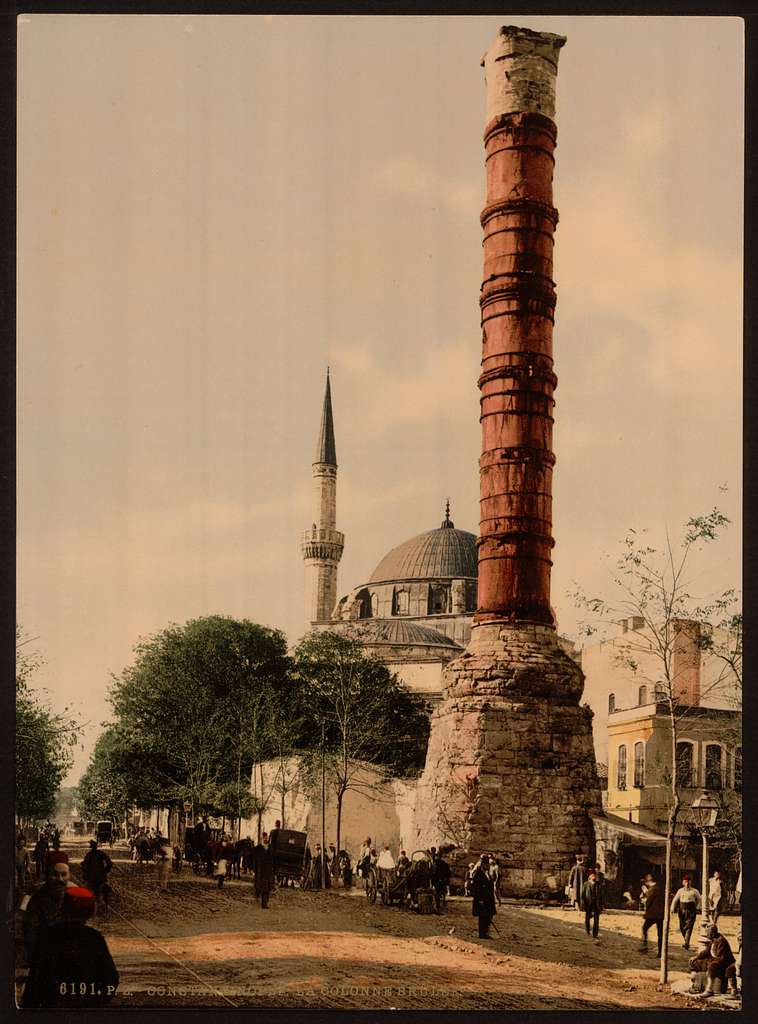
Istanbul Captured in Beautiful Color Images from 1890: The Hagia Sophia, Topkaki Palace’s Imperial Gate & More

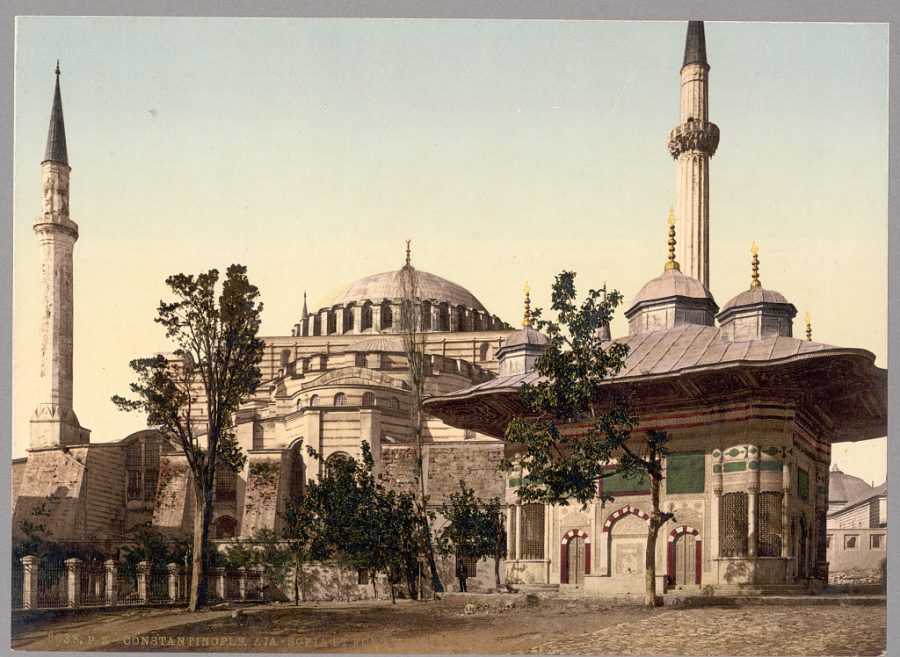
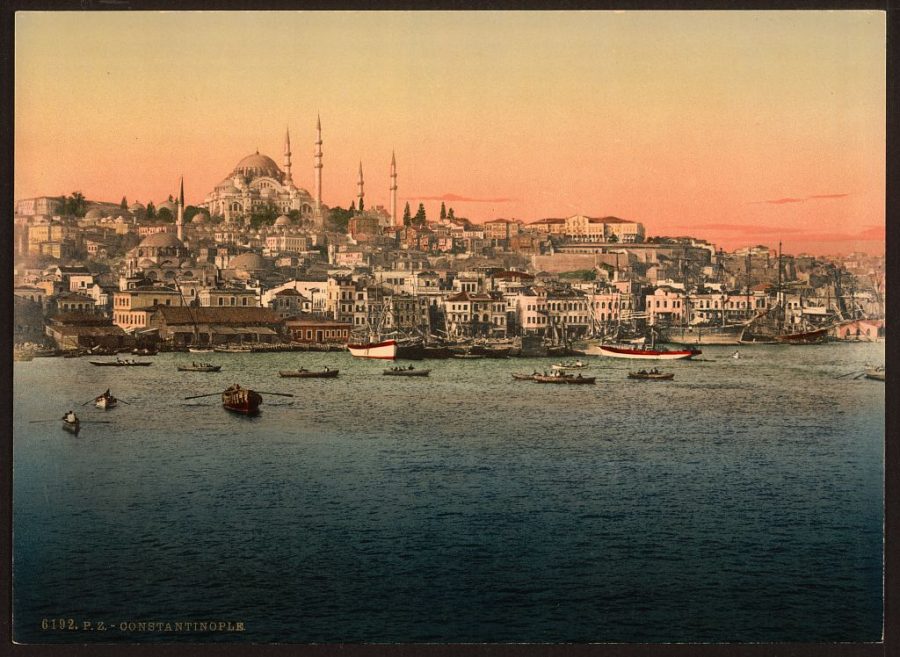
Even those who know noth­ing else about Istan­bul know that it used to be called Con­stan­tino­ple. The offi­cial renam­ing hap­pened in 1930, mean­ing that the pho­tographs you see here, all of which date from around 1890, were tak­en, strict­ly speak­ing, not in Istan­bul but Con­stan­tino­ple. But under any name, and despite all the oth­er changes that have occurred over the past 130 years, the Turk­ish metrop­o­lis on the Bospho­rus remains rec­og­niz­able as the gate­way between East and West it has been through­out record­ed his­to­ry. This is thanks in part to its old­est land­marks, above all the cathe­dral-turned-mosque-turned-muse­um known as Hagia Sophia, pic­tured above.

In the 1890s Hagia Sophia was still a mosque, and as we recent­ly post­ed here, it has just this year become one again. But as a his­tor­i­cal­ly rich struc­ture even by the stan­dards of such a his­tor­i­cal­ly rich city, it will no doubt remain Istan­bul’s prime tourist attrac­tion in the 2020s, much as it must have been in the 19th cen­tu­ry.

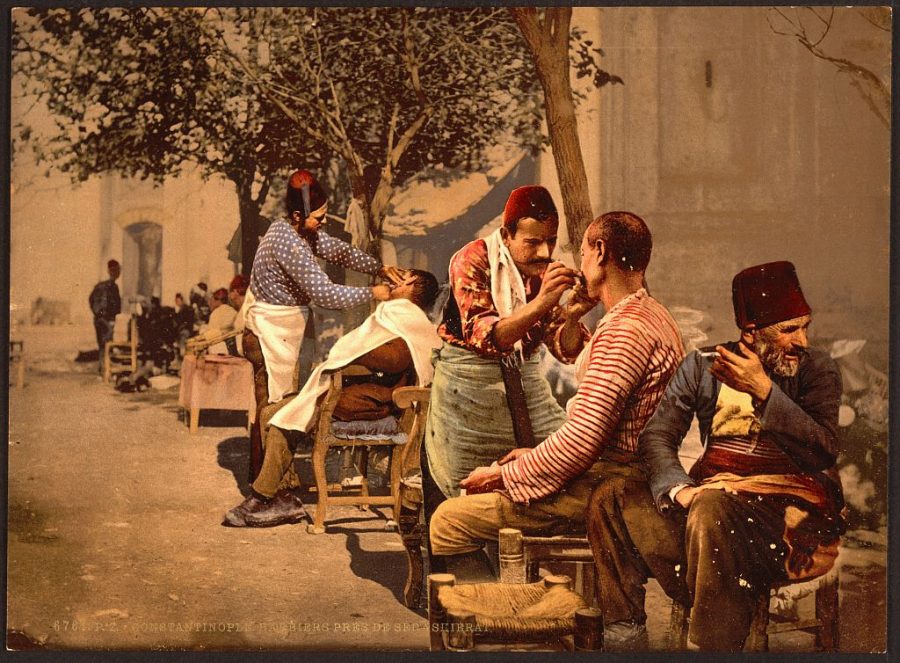
For those who could­n’t make the trip in those days — or who could make the trip and want­ed to bring home sou­venirs that could con­vey as rich­ly as pos­si­ble what they’d seen on their trav­els — there were Pho­tocrom prints. Though not tech­ni­cal­ly a col­or pho­tog­ra­phy process, Pho­tocrom could pro­duce fair­ly con­vinc­ing images by apply­ing col­or to black-and-white pic­tures.

Hence Pho­tocrom’s use in cap­tur­ing vis­tas from the great Euro­pean cities, includ­ing Rome, Venice, and Paris, all pre­vi­ous­ly fea­tured here on Open Cul­ture. Pho­tocrom prints, explains the Library of Con­gress’ web site, “are ink-based images pro­duced through ‘the direct pho­to­graph­ic trans­fer of an orig­i­nal neg­a­tive onto litho and chro­mo­graph­ic print­ing plates,’ ” a tech­nol­o­gy that allowed for the mass pro­duc­tion of images that could then be wide­ly dis­trib­uted. Thanks to the ven­tures of licensees like the Detroit Pub­lish­ing Com­pa­ny, those on the oth­er side of the world could behold a city like Istan­bul — or rather Con­stan­tino­ple — through what looked “decep­tive­ly like col­or pho­tographs.”

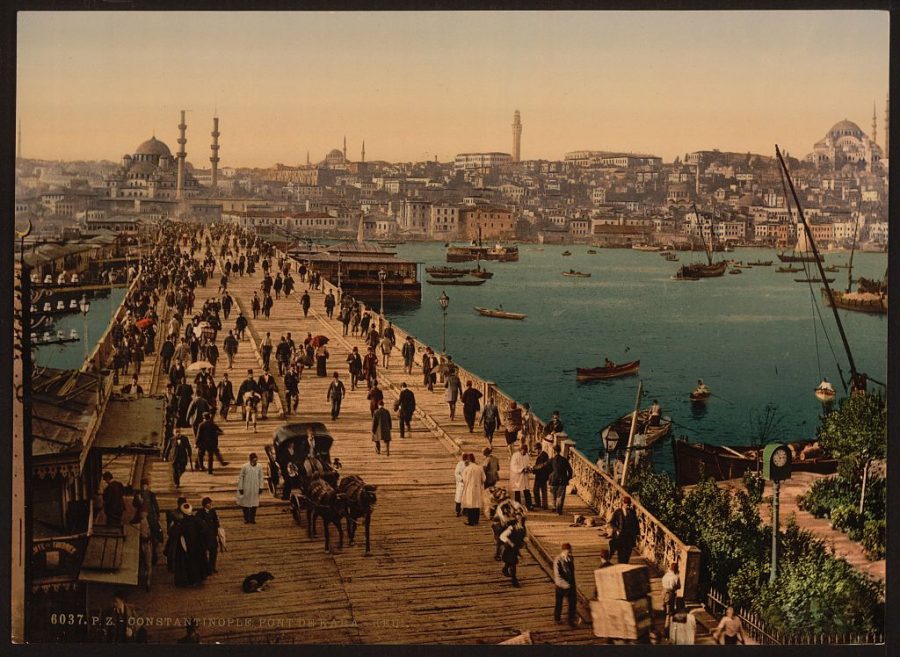
The sub­jects of these prints, all of which you can view and down­load at the Library of Con­gress’ online archive, include not just Hagia Sophia but the foun­tain of Sul­tan Ahmed, Top­ka­ki Palace’s impe­r­i­al gate, and the Gala­ta Bridge (for which Leonar­do da Vin­ci him­self once sub­mit­ted a design). Oth­er pic­tures depict the city’s street life with views of the Eminönü bazaar as well as bar­bers and cooks ply­ing their trade in the open air. The col­ors and con­trasts of the Pho­tocrom process gives all of them a sense of real­i­ty more vivid, in a way, than real­i­ty itself — but as those who’ve been there know, the real­i­ty of Istan­bul is vivid enough for any­body.

Relat­ed Con­tent:

Free: Down­load Thou­sands of Ottoman-Era Pho­tographs That Have Been Dig­i­tized and Put Online

An Intro­duc­tion to Hagia Sophia: After 85 Years as a Muse­um, It’s Set to Become a Mosque Again

Rome Comes to Life in Pho­tochrom Col­or Pho­tos Tak­en in 1890: The Colos­se­um, Tre­vi Foun­tain & More

Venice in Beau­ti­ful Col­or Images 125 Years Ago: The Rial­to Bridge, St. Mark’s Basil­i­ca, Doge’s Palace & More

Paris in Beau­ti­ful Col­or Images from 1890: The Eif­fel Tow­er, Notre Dame, The Pan­théon, and More (1890)

Based in Seoul, Col­in Mar­shall writes and broad­casts on cities, lan­guage, and cul­ture. His projects include the book The State­less City: a Walk through 21st-Cen­tu­ry Los Ange­les and the video series The City in Cin­e­ma. Fol­low him on Twit­ter at @colinmarshall, on Face­book, or on Insta­gram.

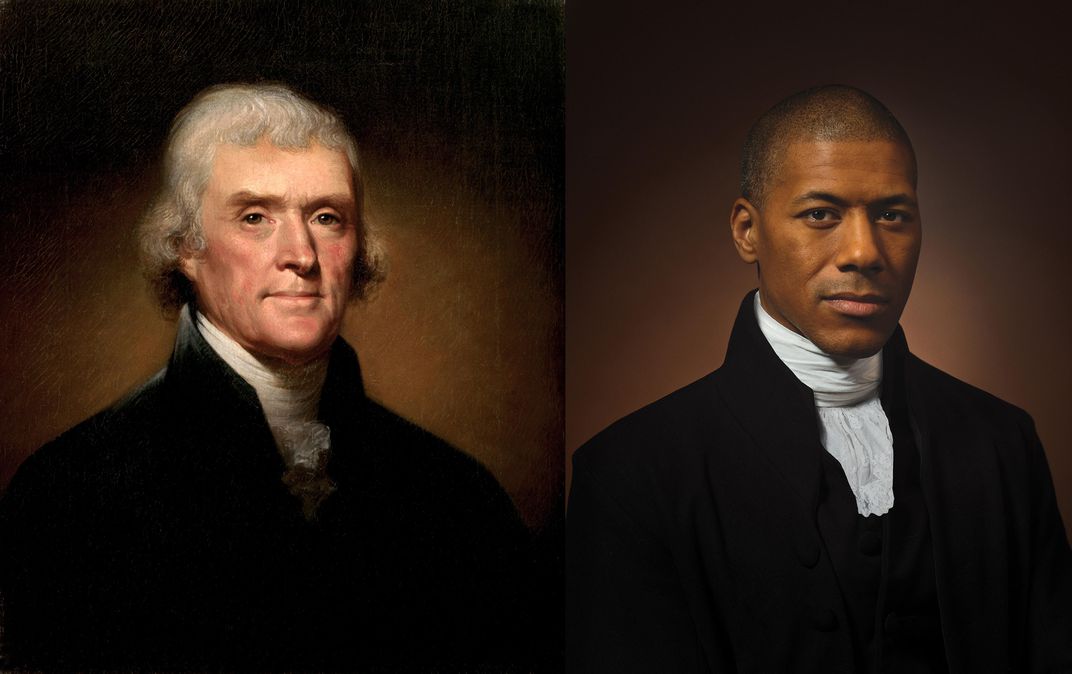
Thomas Jefferson’s Great-Great-Great-Great-Great-Great Grandson Poses for a Presidential Portrait

We hold these truths to be self-evi­dent: that all men are cre­at­ed equal; that they are endowed by their Cre­ator with cer­tain unalien­able rights; that among these are life, lib­er­ty and the pur­suit of hap­pi­ness…  —Thomas Jef­fer­son, 3rd Pres­i­dent of the Unit­ed States of Amer­i­ca

He was a bril­liant man who preached equal­i­ty, but he didn’t prac­tice it. He owned peo­ple. And now I’m here because of it. —Shan­non LaNier, co-author of Jefferson’s Chil­dren: The Sto­ry of One Amer­i­can Fam­i­ly

Many of the Amer­i­can par­tic­i­pants in pho­tog­ra­ph­er Drew Gard­ner’s ongo­ing Descen­dants project agreed to tem­porar­i­ly alter their usu­al appear­ance to height­en the his­toric resem­blance to their famous ances­tors, adopt­ing Eliz­a­beth Cady Stanton’s lace cap and sausage curls or Fred­er­ick Dou­glass’ swept back mane.

Actor and tele­vi­sion pre­sen­ter Shan­non LaNier sub­mit­ted to an uncom­fort­able, peri­od-appro­pri­ate neck­wrap, tugged into place with the help of some dis­creet­ly placed paper­clips, but skipped the wig that would have brought him into clos­er vis­i­ble align­ment with an 1800 por­trait of his great-great-great-great-great-great-great-grand­fa­ther, Thomas Jef­fer­son.

“I didn’t want to become Jef­fer­son,” states LaNier, whose great-great-great-great-great-great-great-grand­moth­er, Sal­ly Hem­ings, was writ­ten out of the nar­ra­tive for most of our country’s his­to­ry.

An enslaved half-sis­ter of Jefferson’s late wife, Martha, Hem­ings was around six­teen when she bore Jefferson’s first child, as per the mem­oir of her son, Madi­son, from whom LaNier is also direct­ly descend­ed.

She has been por­trayed onscreen by actors Car­men Ejo­go and Thandie New­ton (and Maya Rudolph in an icky Sat­ur­day Night Live skit.)

But there are no pho­tographs or paint­ed por­traits of her, nor any sur­viv­ing let­ters or diary entries. Just two accounts in which she is described as attrac­tive and light-skinned, and some polit­i­cal car­toons that paint an unflat­ter­ing pic­ture.

The mys­tery of her appear­ance might make for an inter­est­ing com­pos­ite por­trait should the Smith­son­ian, who com­mis­sioned Gardner’s series, seek to entice all of LaNier’s female and female-iden­ti­fy­ing cousins from the Hem­ings line to pose.

While LaNier was aware of his con­nec­tion to Jef­fer­son from ear­li­est child­hood, his peers scoffed and his moth­er had to take the mat­ter up with the prin­ci­pal after a teacher told him to sit down and stop lying. As he recalled in an inter­view:

When they didn’t believe me, it became one of those things you stop shar­ing because, you know, peo­ple would make fun of you and then they’d say, “Yeah, and I’m relat­ed to Abra­ham Lin­coln.”

His fam­i­ly pool expand­ed when Jefferson’s great-great-great-great-grand­son, jour­nal­ist Lucian King Truscott IVwhose fifth great-grand­moth­er was Martha Jef­fer­sonissued an open invi­ta­tion to Hem­ings’ descen­dants to be his guests at a 1999 fam­i­ly reunion at Mon­ti­cel­lo.

It would be anoth­er 20 years before the Thomas Jef­fer­son Foun­da­tion and Mon­ti­cel­lo tour guides stopped fram­ing Hem­ings’ inti­mate con­nec­tion to Jef­fer­son as mere tat­tle.

Now vis­i­tors can find an exhib­it ded­i­cat­ed to her life, both online and in the recent­ly reopened house-muse­um.

Truscott laud­ed the move in an essay on Salon, pub­lished the same week that a year­book pho­to of Vir­ginia Gov­er­nor Ralph Northam in black­face pos­ing next to a fig­ure in KKK robes began to cir­cu­late:

Mon­ti­cel­lo is com­mit­ting an act of equal­i­ty by telling the sto­ry of slave life there, and by exten­sion, slave life in Amer­i­ca. When my cousins in the Hem­ings fam­i­ly stand up and proud­ly say, we are descen­dants of Thomas Jef­fer­son, they are com­mit­ting an act of equal­i­ty…. The pho­to­graph you see here is a pic­ture of who we are as Amer­i­cans. One day, a pho­to­graph of two cousins, one black and one white, will not be seen as unusu­al. One day, acts of equal­i­ty will out­weigh acts of racism. Until that day, how­ev­er, Shan­non and I will keep fight­ing for what’s right. And one day, we will win.

Watch a video of Jef­fer­son descen­dant Shan­non Lanier’s ses­sion with pho­tog­ra­ph­er Drew Gard­ner here.

See more pho­tos from Gardner’s Descen­dents project here.

Read his­to­ri­an Annette Gor­don-Reed’s New York Times op-ed on the com­pli­cat­ed Hem­ings-Jef­fer­son con­nec­tion here.

via Petapix­el

Relat­ed Con­tent: 

John Trumbull’s Famous 1818 Paint­ing Dec­la­ra­tion of Inde­pen­dence Vir­tu­al­ly Defaced to Show Which Found­ing Fathers Owned Slaves

Meet “Found­ing Moth­er” Mary Katharine God­dard, First Female Post­mas­ter in the U.S. and Print­er of the Dec­la­ra­tion of Inde­pen­dence

Hamil­ton Mania Inspires the Library of Con­gress to Put 12,000 Alexan­der Hamil­ton Doc­u­ments Online

Ayun Hal­l­i­day is an author, illus­tra­tor, the­ater mak­er and Chief Pri­ma­tol­o­gist of the East Vil­lage Inky zine.  Fol­low her @AyunHalliday.
How the “First Photojournalist,” Mathew Brady, Shocked the Nation with Photos from the Civil War

In her 1938 essay “Three Guineas,” Vir­ginia Woolf won­dered “whether when we look at the same pho­tographs we feel the same things.” Woolf half-hoped that gris­ly images of the dead from the Span­ish Civ­il War might help put an end to the spread­ing glob­al con­flict. She rec­og­nized, writes Susan Son­tag in Regard­ing the Pain of Oth­ers, photography’s abil­i­ty “to viv­i­fy the con­dem­na­tion of war” and to “bring home, for a spell, a por­tion of its real­i­ty to those who have no expe­ri­ence of war at all.”

Math­ew Brady, the man cred­it­ed as the “father of pho­to­jour­nal­ism,” had no such lofty ambi­tions at the begin­ning of the Civ­il War. At first, he offered to pho­to­graph sol­diers before they left for the bat­tle­field, to pre­serve their pre-war image for pos­ter­i­ty should they not return. (He cyn­i­cal­ly adver­tised his ser­vices with the line, “You can­not tell how soon it may be too late.”) Brady was already a suc­cess­ful pho­tog­ra­ph­er and had tak­en por­traits of Abra­ham Lin­coln, Andrew Jack­son, Daniel Web­ster, and Edgar Allan Poe.

Hav­ing stud­ied under Samuel Morse, who brought the daguerreo­type tech­nique to the U.S., Brady opened his first stu­dio in New York in 1844 and became high­ly sought after. He might have safe­ly wait­ed out the war in the city, oper­at­ing a thriv­ing busi­ness, but, as he remem­bered lat­er, “I had to go. A spir­it in my feet said ‘Go,’ and I went.” Brady took his peti­tion all the way to Lin­coln, who approved it on the con­di­tion that Brady finance the doc­u­men­ta­tion him­self. “At his own expense,” notes the Amer­i­can Bat­tle­field Trust, “he orga­nized a group of pho­tog­ra­phers and staff to fol­low the troops as the first field-pho­tog­ra­phers.”

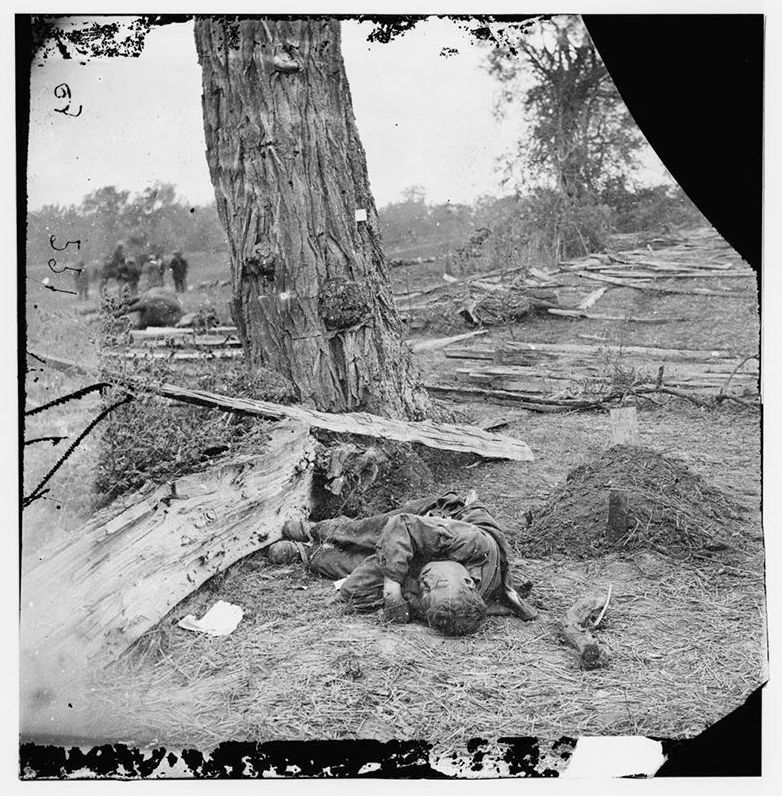
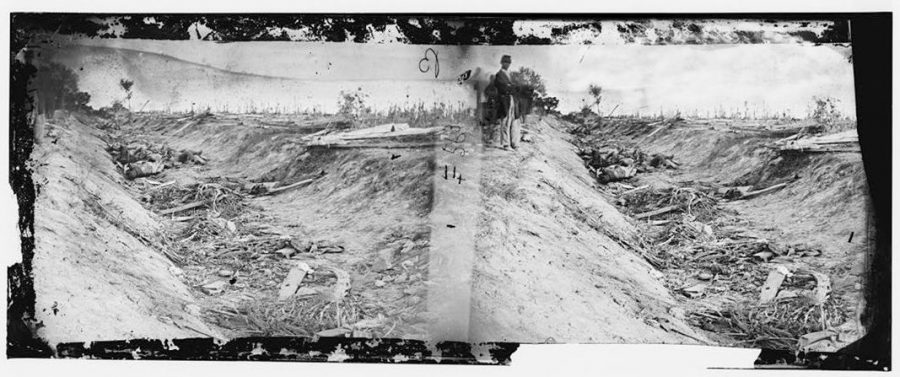
Soon after, “in 1862, Brady shocked the nation when he dis­played the first pho­tographs of the car­nage of the war in his New York Stu­dio in an exhib­it enti­tled ‘The Dead of Anti­etam.’ These images, pho­tographed by Alexan­der Gard­ner and James F. Gib­son, were the first to pic­ture a bat­tle­field before the dead had been removed and the first to be dis­trib­uted to a mass pub­lic.” The New York Times respond­ed as Woolf would sev­en­ty-six years lat­er, writ­ing of the pho­tos:

Mr. Brady has done some­thing to bring home to us the ter­ri­ble real­i­ty and earnest­ness of war. If he has not brought bod­ies and laid them in our door-yards and along the streets, he has done some­thing very like it.

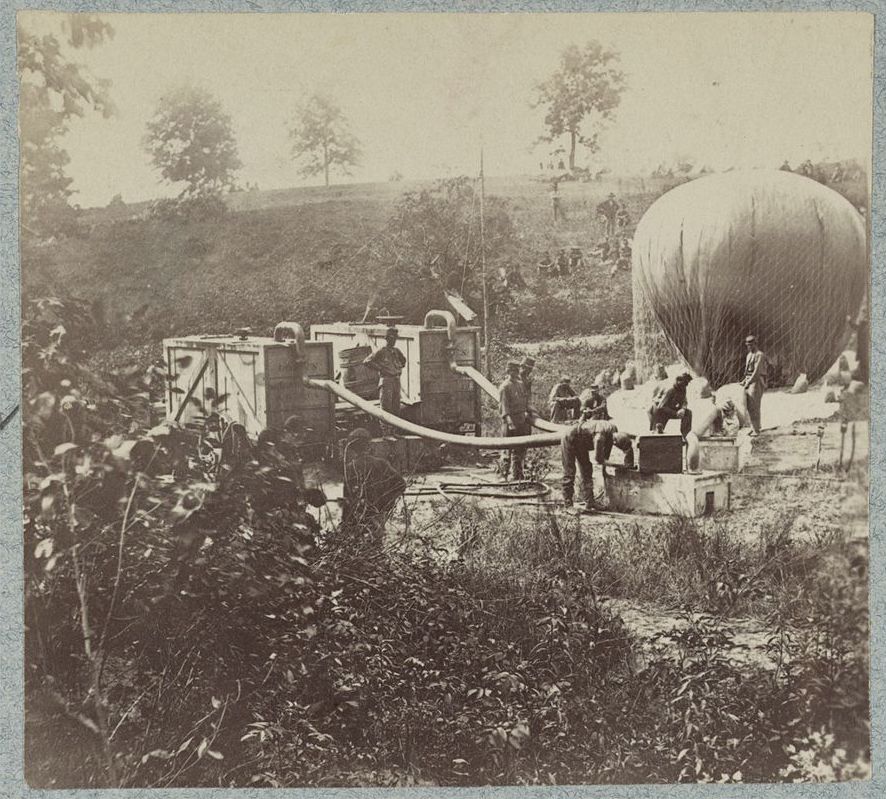
Shocked the nation may have been, but the war dragged on three more years. Brady and his team not only pho­tographed the dead—they cap­tured every­thing from hot-air bal­loons to pon­toon bridges to breast­works to win­ter huts and wag­on trains. Brady went bank­rupt fund­ing the mak­ing of over 10,000 plates, many of them har­row­ing depic­tions of the war’s bru­tal­i­ty, before the U.S. gov­ern­ment final­ly bought them for $25,000.

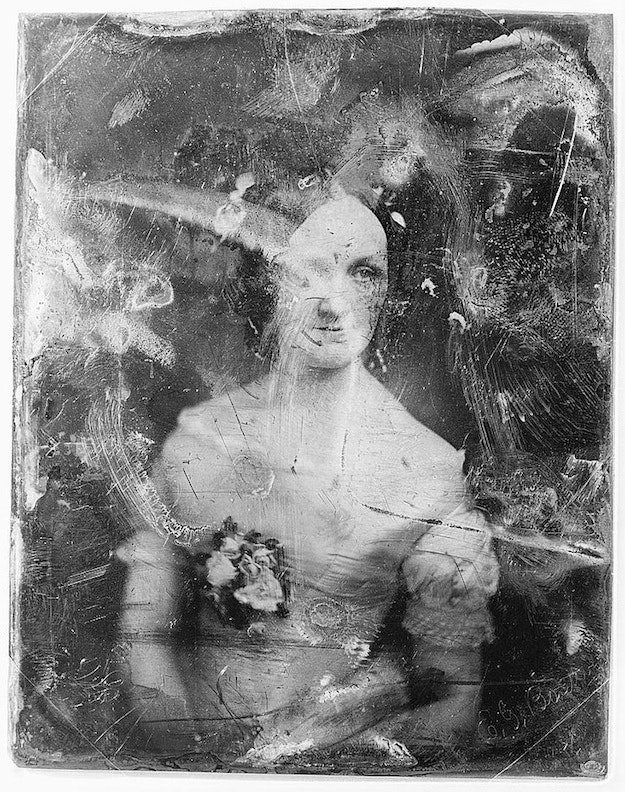
The Pub­lic Domain Review has anoth­er har­row­ing col­lec­tion of Brady’s daguerreo­types—por­traits he took before the war that have decayed and dis­tort­ed, as have a great many of Brady’s pho­tos of the war dead. These images “were extreme­ly sen­si­tive to scratch­es, dust, hair, etc, and par­tic­u­lar­ly the rub­bing of the glass cov­er if they glue hold­ing it in place dete­ri­o­rat­ed.” Despite pho­tog­ra­phers’ promis­es to the con­trary, “this fix­ing” of the image for pos­ter­i­ty “was far from per­ma­nent.” See more of Brady’s Civ­il War pho­tographs at the Nation­al Archives.

Relat­ed Con­tent: 

The His­to­ry of the U.S. Civ­il War Visu­al­ized Month by Month and State by State, in an Info­graph­ic from 1897

Eerie 19th Cen­tu­ry Pho­tographs of Ghosts: See Images from the Long, Strange Tra­di­tion of “Spir­it Pho­tog­ra­phy”

The Civ­il War & Recon­struc­tion: A Free Course from Yale Uni­ver­si­ty

Josh Jones is a writer and musi­cian based in Durham, NC. Fol­low him at @jdmagness

An Emotional Journey into the Heart of August Sander’s Iconic Photograph, “Three Farmers on Their Way to a Dance”

The por­trait is your mir­ror. It’s you.August Sander

A pic­ture is worth a thou­sand words, and com­pelling por­traits that speak elo­quent­ly to a crit­i­cal moment in his­to­ry often earn many more than that.

Author John Green’s thought­ful Art Assign­ment inves­ti­ga­tion into Three Farm­ers on Their Way to a DanceAugust Sanders’ 1914 pho­to­graph, taps into our need to inter­pret what we’re look­ing at.

The descrip­tive title (the piece is alter­na­tive­ly referred to as Young Farm­ers) offers some clues, as does the date.

The sub­jects’ youth and location—a remote vil­lage in the Ger­man Westerwald—suggest, cor­rect­ly as it turns out, that they would soon be bound for what Green terms “anoth­er dance,” WWI.

Green has learned far more about the peo­ple in his favorite pho­to since he cov­ered it in a 2‑minute seg­ment for his vlog­broth­ers chan­nel below.

Much of the short­er video’s nar­ra­tion car­ries over to the Art Assign­ment script, but this time, Green has the help of “a com­mu­ni­ty of prob­lem solvers” who con­tributed research that fleshed out the nar­ra­tive.

We now know the young farm­ers’ iden­ti­ties, actu­al occu­pa­tions, what they did in the war, and their even­tu­al fate.

Dit­to their con­nec­tion to pho­tog­ra­ph­er Sanders, who lugged his equip­ment on foot to the remote moun­tain path the friends would be trav­el­ing in fin­ery made pos­si­ble by the Sec­ond Indus­tri­al Rev­o­lu­tion.

A con­sum­mate sto­ry­teller, Greene makes a meal out of what he has learned.

It would pro­vide the basis for a hel­lu­va book…though here anoth­er author has beat­en Green to the punch. Richard Pow­ers’ nov­el, also titled Three Farm­ers on Their Way to a Dance, was a Nation­al Book Crit­ics Cir­cle Award Final­ist in 1985.

Relat­ed Con­tent: 

The First Pho­to­graph Ever Tak­en (1826)

Take a Visu­al Jour­ney Through 181 Years of Street Pho­tog­ra­phy (1838–2019)

See the First Pho­to­graph of a Human Being: A Pho­to Tak­en by Louis Daguerre (1838)

Ayun Hal­l­i­day is an author, illus­tra­tor, the­ater mak­er and Chief Pri­ma­tol­o­gist of the East Vil­lage Inky zine.  Here lat­est project is an ani­ma­tion and a series of free down­load­able posters, encour­ag­ing cit­i­zens to wear masks in pub­lic and wear them prop­er­ly. Fol­low her @AyunHalliday.
Nikon Offers Free Online Photography Courses in April

A quick heads up. Through the end of April, Nikon has made its cur­ricu­lum of online pho­tog­ra­phy cours­es free. Nor­mal­ly priced at $15-$50 per course, this 10-course offer­ing cov­ers Fun­da­men­tals of Pho­tog­ra­phy, Dynam­ic Land­scape Pho­tog­ra­phy, Macro Pho­tog­ra­phy, Pho­tograph­ing Chil­dren and Pets, and more. Sign up for the cours­es here.

If you would like to sup­port the mis­sion of Open Cul­ture, con­sid­er mak­ing a dona­tion to our site. It’s hard to rely 100% on ads, and your con­tri­bu­tions will help us con­tin­ue pro­vid­ing the best free cul­tur­al and edu­ca­tion­al mate­ri­als to learn­ers every­where. You can con­tribute through Pay­Pal, Patre­on, and Ven­mo (@openculture). Thanks!

via The Verge

Relat­ed Con­tent:

Annie Lei­bovitz Teach­es Pho­tog­ra­phy in Her First Online Course

Take a Free Course on Dig­i­tal Pho­tog­ra­phy from Stan­ford Prof Marc Lev­oy

Learn Dig­i­tal Pho­tog­ra­phy with Har­vard University’s Free Course

1,700 Free Online Cours­es from Top Uni­ver­si­ties

by | Permalink | Make a Comment ( 2 ) |

David Bowie’s Rise as Ziggy Stardust Documented in a New 300-Page Photo Book

Great rock pho­tog­ra­phers of the sev­en­ties often cap­tured their sub­jects at their mood­i­est, as in Pen­nie Smith’s pen­sive tour pho­tos of the Clash, or Kevin Cum­mins’ stark, some­times explo­sive pho­tos of Joy Divi­sion. These were bands best shot in black and white. Punk looked back to the rock of the fifties in its high-con­trast sim­plic­i­ty. But the ear­ly sev­en­ties belonged to glam—or, more accu­rate­ly, belonged to Zig­gy Star­dust, a char­ac­ter who demand­ed to be cap­tured in full-col­or.

Mick Rock was just the pho­tog­ra­ph­er to frame the alien space rock opera in bril­liant reds, greens, and blues. Zig­gy was sev­er­al parts T‑Rex swag­ger and riffage, Sun Ra out­er-space per­sona, Lind­say Kemp kabu­ki mime, and Bauhaus-inspired cos­tum­ing.

Get­ting all of this in his shots of Bowie as Zig­gy earned Rock the nick­name “the man who shot the sev­en­ties.” His “career took off along­side Bowie’s,” writes Kris­ten Richard at Men­tal Floss, “and between 1972 and 1973, Rock was the musician’s go-to pho­tog­ra­ph­er and video­g­ra­ph­er.”

More than that, Rock is almost as respon­si­ble for Zig­gy Star­dust’s rise as Bowie him­self, giv­en the way his pho­tos spread the mythos through print media of the time and became icon­ic dig­i­tal images that still define Bowie’s career. When we think of Zig­gy Star­dust, it’s more than like­ly we are think­ing of an image shot by Mick Rock. Bowie’s “cre­ative part­ner” com­piled his pho­tographs in 2015, “with Bowie’s bless­ing,” and they will soon be pub­lished in a new, 300-page book by Taschen.

“You’ll find pho­tographs of Bowie both on stage and behind the scenes,” Richard notes, “giv­ing fans an up-close look at the trans­for­ma­tive performer’s life on the road as he honed his dar­ing new per­sona.” That per­sona upend­ed what it meant to be a rock star, and opened doors for oth­ers to push into new per­for­ma­tive ter­ri­to­ry. “Rock’s glam imagery toyed with the idea of mas­culin­i­ty,” writes Christo­pher Mosley of a recent exhi­bi­tion in Dal­las. For exam­ple, the pho­tog­ra­ph­er “avoid­ed a tough-guy image with the group Queen by encour­ag­ing singer Fred­die Mer­cury to pose in a man­ner sim­i­lar to that of an old still of Ger­man silent film star, Mar­lene Diet­rich.”

Nei­ther Mer­cury nor Bowie need­ed per­mis­sion to chal­lenge rock’s het­ero­nor­ma­tiv­i­ty, but Rock drew out of them the per­fect pos­es to turn their stage per­sonas into super­heroes. No rock star before Bowie had ever looked so gor­geous­ly oth­er­world­ly, an image we remem­ber thanks in large part to Mick Rock. Order a copy of The Rise of David Bowie, 1972–1973 here.

Relat­ed Con­tent: 

Stream David Bowie’s Com­plete Discog­ra­phy in a 19-Hour Playlist: From His Very First Record­ings to His Last

David Bowie Picks His 12 Favorite David Bowie Songs: Lis­ten to Them Online

David Bowie Became Zig­gy Star­dust 48 Years Ago This Week: Watch Orig­i­nal Footage

Josh Jones is a writer and musi­cian based in Durham, NC. Fol­low him at @jdmagness

« Go BackMore in this category... »
Quantcast