Neil deGrasse Tyson Ponders the Big Question “Does the Universe Have a Purpose” in a Simple Animation

The Tem­ple­ton Foun­da­tion asked some heavy-hit­ter thinkers to answer the ques­tion, “Does the Uni­verse Have a Pur­pose”. Some said “Yes” and “Cer­tain­ly.” Oth­ers con­clud­ed “Unlike­ly” and “No.” Neil deGrasse Tyson — astro­physi­cist, direc­tor of the Hay­den Plan­e­tar­i­um, and pop­u­lar­iz­er of sci­ence — gave an answer that falls tech­ni­cal­ly in the “Not Cer­tain” camp.

Above, you can watch a video where Tyson reads his answer aloud, and the mak­ers of Minute Physics pro­vide the rudi­men­ta­ry ani­ma­tion. One thing astro­physi­cists have is a knack for putting things into a deep­er con­text, often mak­ing “big” human ques­tions look remark­ably small (if not some­what absurd). Carl Sagan did it remark­ably well in his famous ‘The Pale Blue Dot’ speech. And Tyson picks up right where Sagan left off.

We still live in a world where, despite Coper­ni­cus, we think the world revolves essen­tial­ly around us. And, to the extent that that’s true, some will find Tyson’s data points dis­ori­ent­ing. Oth­ers might won­der whether we should angst so much about the ques­tions we peren­ni­al­ly ask in the first place. I guess I am kind of there today.

Relat­ed Con­tent:

Neil deGrasse Tyson Lists 8 (Free) Books Every Intel­li­gent Per­son Should Read

Carl Sagan’s Under­grad Read­ing List: 40 Essen­tial Texts for a Well-Round­ed Thinker

Carl Sagan Writes a Let­ter to 17-Year-Old Neil deGrasse Tyson (1975)

Free Online Astron­o­my Cours­es, part of our larg­er col­lec­tion, 1,700 Free Online Cours­es from Top Uni­ver­si­ties

by | Permalink | Make a Comment ( 8 ) |

The Big Ideas of Stephen Hawking Explained with Simple Animation

Full dis­clo­sure: On my 7th grade report card, a sym­pa­thet­ic sci­ence teacher tem­pered a shock­ing­ly low grade with a hand­writ­ten note to my par­ents. Some­thing to the effect of it being her opin­ion that my inter­est in the­ater would, ulti­mate­ly, serve me far bet­ter than any infor­ma­tion she was attempt­ing to ram through my skull.

Thank you, Miss Coop­er, for your com­pas­sion and excep­tion­al fore­sight.

There are times, though, when I do wish I was just a teen­sy bit bet­ter informed about cer­tain buzzy sci­en­tif­ic the­o­ries. Hank Green’s infor­ma­tion-packed sci­ence Crash Cours­es are help­ful to a degree, but he talks so damn fast, I often have the sen­sa­tion of stum­bling stu­pid­ly behind…

Which I am, but still…

Alok Jha, the author and ITV Sci­ence Cor­re­spon­dent who nar­rates the brief ani­mat­ed guide to some of Stephen Hawking’s big ideas, takes things at a more encour­ag­ing pace. His deliv­ery reminds me of Alain de Bot­ton’s, and that alone is enough to sooth me into believ­ing I stand a chance of some­what grasp­ing such quan­tum con­cepts as black holes, grav­i­ta­tion­al sin­gu­lar­i­ties, and Hawk­ing radi­a­tion.

As long as I don’t lose myself in non-sci­en­tif­ic flour­ish­es like the cat in a box anchor­ing some of Hawking’s equa­tions or a sweet homage to ET, I may be able to keep hold of this tiger’s tail. Or at least nod with some­thing resem­bling inter­est, the next time a sci­ence-obsessed teen is shar­ing his or her pas­sion…

The video above come from The Guardian’s Ani­ma­tions and Explain­ers video series. And it was cre­at­ed by Scriberia, a Lon­don ani­ma­tion stu­dio.

via Brain Pick­ings

Relat­ed Con­tent:

Stephen Hawking’s Uni­verse: A Visu­al­iza­tion of His Lec­tures with Stars & Sound

Watch A Brief His­to­ry of Time, Errol Mor­ris’ Film About the Life & Work of Stephen Hawk­ing

Carl Sagan, Stephen Hawk­ing & Arthur C. Clarke Dis­cuss God, the Uni­verse, and Every­thing Else

Free Online Physics Cours­es

Free Online Astron­o­my Cours­es

Ayun Hal­l­i­day is an author, home­school­er, and Chief Pri­ma­tol­o­gist of the East Vil­lage Inky zine. Fol­low her @AyunHalliday

Animated Introductions to Quantum Mechanics: From Schrödinger’s Cat to Heisenberg’s Uncertainty Principle

If you nev­er quite got a hang of quan­tum mechan­ics, you can take anoth­er run at it by watch­ing four ani­mat­ed Ted-Ed primers, cre­at­ed by Chad Orzel, Asso­ciate Pro­fes­sor in the Depart­ment of Physics and Astron­o­my at Union Col­lege. He’s also the author of How to Teach Quan­tum Physics to Your Dog. In Par­ti­cles and waves: The cen­tral mys­tery of quan­tum mechan­ics (above), Orzel briefly traces the con­cep­tu­al devel­op­ment of quan­tum mechan­ics, high­light­ing the con­tri­bu­tions of physi­cists like Max PlanckNiels Bohr and Louis de Broglie.

Next up, Orzel tack­les the famous thought exper­i­ment known as Schrödinger’s cat, devised, of course, by the Nobel-prize win­ning Aus­tri­an physi­cist Erwin Schrödinger in 1935. For anoth­er primer on this top­ic, you should also check out this les­son pre­sent­ed by Six­ty Sym­bols, a web site spe­cial­iz­ing in physics and astron­o­my videos host­ed by The Uni­ver­si­ty of Not­ting­ham. The two remain­ing videos in Orzel’s series appear below.

Ein­stein’s bril­liant mis­take: Entan­gled states

What is the Heisen­berg Uncer­tain­ty Prin­ci­ple?

via Ted-ED

Relat­ed Con­tent:

64 Free Online Physics Cours­es

The Feyn­man Lec­tures on Physics, The Most Pop­u­lar Physics Book Ever Writ­ten, Now Com­plete­ly Online

Albert Ein­stein Reads ‘The Com­mon Lan­guage of Sci­ence’ (1941)

“Do Sci­en­tists Pray?”: A Young Girl Asks Albert Ein­stein in 1936. Ein­stein Then Responds.

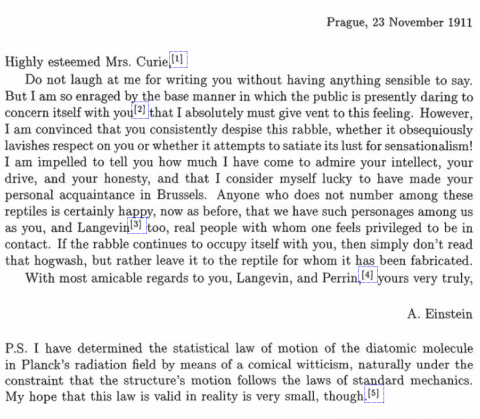
New Archive Puts 1000s of Einstein’s Papers Online, Includ­ing This Great Let­ter to Marie Curie

by | Permalink | Make a Comment ( 1 ) |

Digital Einstein: Princeton Web Site Puts 1000s of Einstein’s Papers Online

digital einstein

Last Fri­day saw the launch of The Dig­i­tal Ein­stein Papers. Host­ed by Prince­ton Uni­ver­si­ty Press, the web site gives web users free, online access to the The Col­lect­ed Papers of Albert Ein­stein.

To date, 13 vol­umes of Ein­stein’s writ­ing (or 7,000 pages from 2,900 doc­u­ments) have been pub­lished, and they all now appear in elec­tron­ic for­mat on the Dig­i­tal Ein­stein site. Even­tu­al­ly, a total of 30,000 doc­u­ments will get uploaded to the dig­i­tal col­lec­tion.

The ini­tial trove fea­tures, says Prince­ton Uni­ver­si­ty Press, “the writ­ings and cor­re­spon­dence of Albert Ein­stein (1879–1955) from his youth [through] 1923.” And it includes things like: Einstein’s love let­ters, the note­book in which he worked out the gen­er­al the­o­ry of rel­a­tiv­i­ty, and this gem of a let­ter (found by Vox) where Ein­stein coun­seled Marie Curie on how to deal with the trolls of last cen­tu­ry.

einstein curie trolls

The texts are all pre­sent­ed in the orig­i­nal lan­guage in which they were writ­ten. Many have in-depth Eng­lish lan­guage anno­ta­tions, and gen­er­al­ly read­ers can tog­gle to an Eng­lish lan­guage trans­la­tion of the doc­u­ments.

As we not­ed in 2012, a sep­a­rate online archive of Ein­stein’s papers lives on a web site host­ed by the Hebrew Uni­ver­si­ty of Jerusalem. Cours­es on Ein­stein can be found in our col­lec­tion of Free Online Cours­es, and impor­tant texts by Ein­stein can be down­loaded from our Free eBooks col­lec­tion.

via NYTimes/Vox

If you would like to sup­port the mis­sion of Open Cul­ture, con­sid­er mak­ing a dona­tion to our site. It’s hard to rely 100% on ads, and your con­tri­bu­tions will help us con­tin­ue pro­vid­ing the best free cul­tur­al and edu­ca­tion­al mate­ri­als to learn­ers every­where. You can con­tribute through Pay­Pal, Patre­on, and Ven­mo (@openculture). Thanks!

Relat­ed Con­tent:

64 Free Online Physics Cours­es

The Feyn­man Lec­tures on Physics, The Most Pop­u­lar Physics Book Ever Writ­ten, Now Com­plete­ly Online

Albert Ein­stein Reads ‘The Com­mon Lan­guage of Sci­ence’ (1941)

“Do Sci­en­tists Pray?”: A Young Girl Asks Albert Ein­stein in 1936. Ein­stein Then Responds.

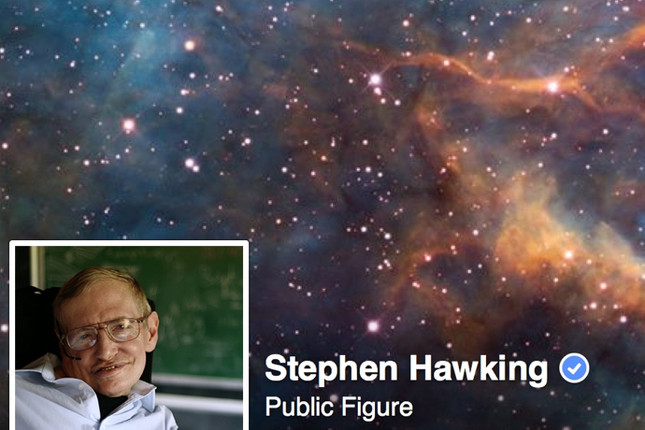
Stephen Hawking Starts Posting on Facebook: Join His Quest to Explain What Makes the Universe Exist

hawking on fb

I have no idea whether there’s intel­li­gent life out there in the uni­verse. But we can at least con­firm that there’s a lit­tle intel­li­gent life on Face­book, see­ing that Stephen Hawk­ing, the world’s best known the­o­ret­i­cal physi­cist, began post­ing there yes­ter­day. His first sta­tus update reads:

I have always won­dered what makes the uni­verse exist. Time and space may for­ev­er be a mys­tery, but that has not stopped my pur­suit. Our con­nec­tions to one anoth­er have grown infi­nite­ly and now that I have the chance, I’m eager to share this jour­ney with you. Be curi­ous, I know I will for­ev­er be.

Wel­come, and thank you for vis­it­ing my Face­book Page. ‑SH

Join his offi­cial Face­book page here. And find/like the offi­cial Open Cul­ture page here, where we make it easy to share our dai­ly cul­tur­al posts with your fam­i­ly and friends.

Relat­ed Con­tent:

Carl Sagan, Stephen Hawk­ing & Arthur C. Clarke Dis­cuss God, the Uni­verse, and Every­thing Else

A Brief His­to­ry of Time: Errol Morris’s Film of Stephen Hawk­ing

Stephen Hawking’s Uni­verse: A Visu­al­iza­tion in Stars and Sound

Free Online Physics Cours­es

Free Online Astron­o­my Cours­es

by | Permalink | Make a Comment ( 28 ) |

Oxford Scientist Explains the Physics of Playing Electric Guitar Solos

You’ve heard it before. A pow­er bal­lad from the 1970s or 1980s is play­ing and there, smack in the mid­dle, is a face-melt­ing gui­tar solo that seems to go all over the place before blow­ing your mind with sheer awe­some­ness. Think Jimi Hen­drix. Think Eric Clap­ton. And espe­cial­ly think Eddie Van Halen. Unlike the piano, which can only play dis­crete notes, the gui­tar can, in the hands of some­one like Sir Eddie, bend notes. It’s a qual­i­ty that recalls the human voice, and it’s most like­ly what has made the elec­tric gui­tar the go-to instru­ment for pop­u­lar music over the past 50 years.

Enter Dr. David Grimes of Oxford Uni­ver­si­ty. While by day he might be work­ing out math­e­mat­i­cal mod­els of oxy­gen dis­tri­b­u­tion to help improve can­cer treat­ment, by night he, too, likes to shred on his elec­tric gui­tar. So, at some point along the line, he decid­ed to apply a lit­tle sci­en­tif­ic rig­or to the instru­ment he loves. “I want­ed to under­stand what it was about these gui­tar tech­niques that allows you to manip­u­late pitch,” he said in an inter­view.

In the name of sci­ence, Grimes was forced to make some pret­ty bru­tal sac­ri­fices. “I took one of my old­est gui­tars down to the engi­neer­ing lab at Dublin City Uni­ver­si­ty to one of the peo­ple I knew there and explained that I want­ed to strip it down to do this exper­i­ment. We had to accu­rate­ly bend the strings to dif­fer­ent extents and mea­sure the fre­quen­cy pro­duced. He was a musi­cian too and looked at me with abject hor­ror. But we both knew it need­ed to be done – We put some nails into my gui­tar for sci­ence.’

Grimes end­ed up writ­ing an aca­d­e­m­ic paper on the top­ic called “String The­o­ry — The Physics of String-Bend­ing and Oth­er Elec­tric Gui­tar Tech­niques.” “It turns out it’s actu­al­ly rea­son­ably straight­for­ward,’ said Grimes. “It’s an exper­i­ment a decent physics under­grad­u­ate could do, and a cool way of study­ing some basic physics prin­ci­ples. It’s also poten­tial­ly use­ful to string man­u­fac­tur­ers and dig­i­tal instru­ment mod­ellers.”

You can read Grime’s paper here or, if your idea of fun does not include wad­ing through a lot of com­plex equa­tions, you can watch the brief video pre­sen­ta­tion above on his research. And below is a ridicu­lous­ly sweet gui­tar solo from Van Halen. While you watch pon­der the total­ly awe­some physics involved.

via Oxford Uni­ver­si­ty

Jonathan Crow is a Los Ange­les-based writer and film­mak­er whose work has appeared in Yahoo!, The Hol­ly­wood Reporter, and oth­er pub­li­ca­tions. You can fol­low him at @jonccrow. And check out his blog Veep­to­pus, fea­tur­ing one new draw­ing of a vice pres­i­dent with an octo­pus on his head dai­ly.  The Veep­to­pus store is here.

Relat­ed Con­tent:

Take First-Class Phi­los­o­phy Cours­es Any­where with Free Oxford Pod­casts

The Physics of Guin­ness Beer Demys­ti­fied

The (Beau­ti­ful) Physics of Adding Cream to Your Cof­fee

The Physics of Cof­fee Rings Final­ly Explained

The Physics of the Bike

The Feynman Lectures on Physics, The Most Popular Physics Book Ever Written, Now Completely Online

feynman textbook1

Image by Tamiko Thiel, via Wiki­me­dia Com­mons

Last fall, we let you know that Cal­tech and The Feyn­man Lec­tures Web­site joined forces to cre­ate an online edi­tion of The Feyn­man Lec­tures on Physics. They start­ed with Vol­ume 1. And now they’ve fol­lowed up with Vol­ume 2 and Vol­ume 3, mak­ing the col­lec­tion com­plete.

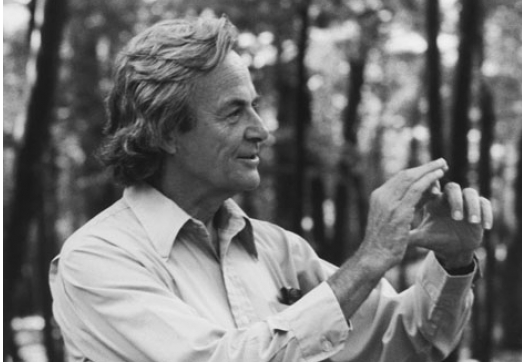
First pre­sent­ed in the ear­ly 1960s at Cal­tech by the Nobel Prize-win­ning physi­cist Richard Feyn­man, the lec­tures were even­tu­al­ly turned into a book by Feyn­man, Robert B. Leighton, and Matthew Sands. The text went on to become arguably the most pop­u­lar physics book ever writ­ten, sell­ing more than 1.5 mil­lion copies in Eng­lish, and get­ting trans­lat­ed into a dozen lan­guages.

The new online edi­tion makes The Feyn­man Lec­tures on Physics avail­able in HTML5. The text “has been designed for ease of read­ing on devices of any size or shape,” and you can zoom into text, fig­ures and equa­tions with­out degra­da­tion. Dive right into the lec­tures here. And if you’d pre­fer to see Feyn­man (as opposed to read Feyn­man), we would encour­age you to watch ‘The Char­ac­ter of Phys­i­cal Law,’ Feynman’s  sev­en-part lec­ture series record­ed at Cor­nell in 1964.

The Feyn­man Lec­tures on Physics is now list­ed in our col­lec­tions of Free eBooks and Free Text­books.

Pho­to­graph by Tom Har­vey. Copy­right © Cal­i­for­nia Insti­tute of Tech­nol­o­gy.

via Metafil­ter

Relat­ed Con­tent:

Free Online Physics Cours­es (part of our larg­er col­lec­tion, 1,700 Free Online Cours­es from Top Uni­ver­si­ties)

Free Physics Text­books

‘The Char­ac­ter of Phys­i­cal Law’: Richard Feynman’s Leg­endary Course Pre­sent­ed at Cor­nell, 1964

by | Permalink | Make a Comment ( 13 ) |

Neil deGrasse Tyson, High School Wrestling Team Captain, Invented a Physics-Based Wrestling Move

tyson wrestle

We know that Neil deGrasse Tyson was some­thing of a wun­derkind dur­ing his high school years. If you’re an OC reg­u­lar, you’ve read all about how Carl Sagan per­son­al­ly recruit­ed Tyson to study with him at Cor­nell. Deft­ly, polite­ly, the young Tyson declined and went to Har­vard.

There’s per­haps anoth­er side of the pre­co­cious Tyson you might not know as much about. The ath­let­ic side. While a stu­dent at The Bronx High School of Sci­ence, Tyson (class of 1976) wore bas­ket­ball sneak­ers belong­ing to the Knick­’s Walt “Clyde” Fra­zier. He ran an impres­sive 4:25 mile. And he cap­tained the school’s wrestling team, dur­ing which time he con­jured up a new-fan­gled wrestling move. In pro­fes­sion­al wrestling, Ric Flair had the dread­ed Fig­ure Four Leg Lock, and Jim­my Snu­ka, a dev­as­tat­ing Super­fly Splash. Tyson? He had the feared “Dou­ble Tidal Lock.” He explains and demon­strates the physics-based move in the video below, orig­i­nal­ly record­ed at the Uni­ver­si­ty of Indi­anapo­lis.

Relat­ed Con­tent:

When Samuel Beck­ett Drove Young André the Giant to School: A True Sto­ry

Andy Warhol’s One Minute of Pro­fes­sion­al Wrestling Fame (1985)

The Ulti­mate War­rior, Pro­fes­sion­al Wrestler & Philoso­pher, Cre­at­ed a Glos­sary of World Philoso­phies

Neil deGrasse Tyson Lists 8 (Free) Books Every Intel­li­gent Per­son Should Read

Free Online Physics Cours­es

by | Permalink | Make a Comment ( 1 ) |

« Go BackMore in this category... »
Quantcast