How Hunter S. Thompson Gave Birth to Gonzo Journalism: Short Film Revisits Thompson’s Seminal 1970 Piece on the Kentucky Derby


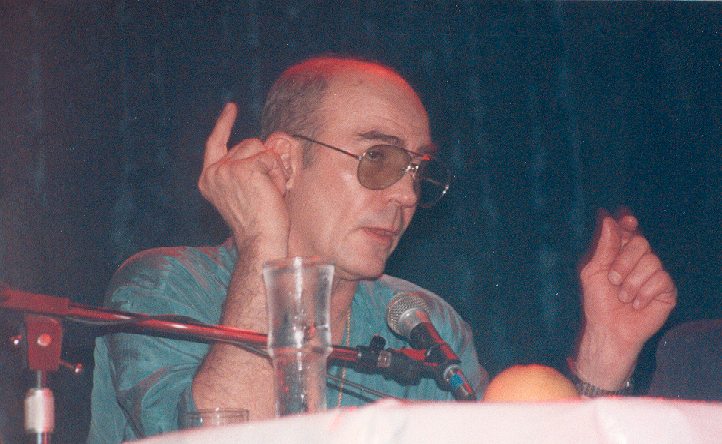
“In 1970, Hunter S. Thomp­son went to the Ken­tucky Der­by, and he changed sports jour­nal­ism and broad­cast­ing for­ev­er.” Or so claims his­to­ri­an Dou­glas Brink­ley, the oft-imi­tat­ed but nev­er repli­cat­ed writer’s lit­er­ary execu­tor, in the short Gonzo @ the Der­by. Direct­ed by Michael G. Rat­ner and first com­mis­sioned by ESP­N’s 30 for 30, the thir­teen-minute doc­u­men­tary tells the sto­ry of how, hav­ing made his name with a book on the Hel­l’s Angels, the 33-year-old, Louisville-born Thomp­son took a gig with the rebel­lious and short-lived Scan­lan’s Month­ly to go back to his home­town and report on its famous horse race — and how he almost inad­ver­tent­ly defined a whole new kind of jour­nal­ism as a result.

As the 1960s turned into the 1970s, the Unit­ed States looked like a coun­try in seri­ous tur­moil: “Every­thing seemed to be com­ing unglued in Amer­i­ca,” says Brink­ley. “Kent State and the Black Pan­thers and the rebel­lion that’s going on around the nation, and yet here is this old-fash­ioned Ken­tucky Der­by fes­ti­val going on.” The late War­ren Hinck­le III, who edit­ed Scan­lan’s, had one ques­tion: “Who went to these damn things?” And so Thomp­son, described here by for­mer Rolling Stone man­ag­ing edi­tor John Walsh as “the quin­tes­sen­tial out­sider who likes to make him­self the quin­tes­sen­tial insid­er,” went — with nei­ther press cre­den­tials nor reser­va­tions — to find out the answer.

Thomp­son did not, as every fan knows, find out alone. Scan­lan’s also flew in, all the way from Eng­land, an illus­tra­tor by the name of Ralph Stead­man. When Thomp­son and Stead­man man­aged to meet amid the gre­gar­i­ous chaos of Der­by-time Louisville, nei­ther man could have known how inex­tri­ca­bly the cul­ture would soon asso­ciate their work, the for­mer’s fever­ish, impres­sion­is­tic yet hyper­sen­si­tive prose and the lat­ter’s untamed-look­ing, dis­tinc­tive­ly mon­strous art­work. Both of them found their voic­es in pre­sent­ing real­i­ty not as it was, but as grim­ly height­ened as it could feel to them, and both, giv­en the era, occa­sion­al­ly did so with the aid of mind-alter­ing sub­stances.

At the Ken­tucky Der­by, how­ev­er, they stuck to alco­hol — as did, if you believe Thomp­son’s report­ing, all the rest of the atten­dees, and in an at once hel­la­cious­ly debauch­er­ous and sin­is­ter­ly gen­teel way at that. “Unlike most of the oth­ers in the press box, we did­n’t give a hoot in hell what was hap­pen­ing on the track,” he writes in the final prod­uct of he and Stead­man’s trip, “The Ken­tucky Der­by Is Deca­dent and Depraved.” (Find it in the col­lec­tion, The Great Shark Hunt: Strange Tales from a Strange Time.) “We had come there to watch the real beasts per­form.” Yet even as they gazed, backs to the hors­es, upon the sheer grotes­querie of what Brink­ley calls “the white South­ern pow­er elite,” they real­ized that they, too, amid their blus­ter­ing fak­ery, half-remem­bered alter­ca­tions, and near-con­stant bing­ing, had become beast­ly them­selves.

After all that, Thomp­son, back in New York to write up the sto­ry, feared that he did­n’t have a sto­ry at all. In des­per­a­tion, he told not of what hap­pened at the 1970 Ken­tucky Der­by but of how he and Stead­man expe­ri­enced the 1970 Ken­tucky Der­by, leav­ing plen­ty of room for spec­u­la­tion, remem­brance, artis­tic license, and unver­i­fi­able mad­ness that even­tu­al­ly devolves into the raw notes he scrib­bled amid the storm of high-soci­ety South­ern squalor. Could he have pos­si­bly sus­pect­ed what a potent com­bi­na­tion that and Stead­man’s illus­tra­tions (described as “sketched with eye­brow pen­cil and lip­stick”) would make? Bill Car­doso, then edi­tor of the Boston Globe, under­stood its pow­er when he first read the arti­cle, even coin­ing a word to describe it: “This is it, this is pure Gonzo. If this is a start, keep rolling.”

The short doc­u­men­tary, “Gonzo @ the Der­by,” will be added to our list of Free Online Doc­u­men­taries, a sub­set of our col­lec­tion, 4,000+ Free Movies Online: Great Clas­sics, Indies, Noir, West­erns, Doc­u­men­taries & More.

Relat­ed Con­tent:

How Hunter S. Thomp­son — and Psilo­cy­bin — Influ­enced the Art of Ralph Stead­man, Cre­at­ing the “Gonzo” Style

Hunter S. Thomp­son Gets in a Gun­fight with His Neigh­bor & Dis­pens­es Polit­i­cal Wis­dom: “In a Democ­ra­cy, You Have to Be a Play­er”

Hunter S. Thomp­son Gets Con­front­ed by The Hell’s Angels: Where’s Our Two Kegs of Beer? (1967)

Play­ing Golf on LSD With Hunter S. Thomp­son: Esquire Edi­tor Remem­bers the Odd­est Game of Golf

Hunter S. Thompson’s Har­row­ing, Chem­i­cal-Filled Dai­ly Rou­tine

Hunter S. Thomp­son, Exis­ten­tial­ist Life Coach, Gives Tips for Find­ing Mean­ing in Life

Read 10 Free Arti­cles by Hunter S. Thomp­son That Span His Gonzo Jour­nal­ist Career (1965–2005)

Based in Seoul, Col­in Mar­shall writes and broad­casts on cities and cul­ture. He’s at work on a book about Los Ange­les, A Los Ange­les Primer, the video series The City in Cin­e­ma, the crowd­fund­ed jour­nal­ism project Where Is the City of the Future?, and the Los Ange­les Review of Books’ Korea Blog. Fol­low him on Twit­ter at @colinmarshall or on Face­book.

Inspiration from Charles Bukowski: You Might Be Old, Your Life May Be “Crappy,” But You Can Still Make Good Art

Now more than ever, there’s tremen­dous pres­sure to make it big while you’re young.

Pity the 31-year-old who fails to make it onto a 30-under-30 list…

The soon-to-grad­u­ate high school­er passed over for YouTube star­dom…

The great hordes who creep into mid­dle age with­out so much as a TED Talk to their names…

Social media def­i­nite­ly mag­ni­fies the sen­sa­tion that an unac­cept­able num­ber of our peers have been grant­ed first-class cab­ins aboard a ship that’s sailed with­out us. If we weren’t so demor­al­ized, we’d sue Insta­gram for cre­at­ing the impres­sion that every­one else’s #Van­Life is lead­ing to book deals and pro­files in The New York­er.

Don’t despair, dear read­er. Charles Bukows­ki is about to make your day from beyond the grave.

In 1993, at the age of 73, the late writer and self-described “spoiled old toad,” took a break from record­ing the audio­book of Run With the Hunt­ed to reflect upon his “crap­py” life.

Some of these thoughts made it into Drew Christie’s ani­ma­tion, above, a reminder that the smoothest road isn’t always nec­es­sar­i­ly the rich­est one.

In ser­vice of his ill-pay­ing muse, Bukows­ki logged decades in unglam­orous jobs —dish­wash­er, truck­driv­er and loader, gas sta­tion atten­dant, stock boy, ware­house­man, ship­ping clerk, park­ing lot atten­dant, Red Cross order­ly, ele­va­tor oper­a­tor, and most noto­ri­ous­ly, postal car­ri­er and clerk. These gigs gave him plen­ty of mate­r­i­al, the sort of real world expe­ri­ence that eludes those upon whom lit­er­ary fame and for­tune smiles ear­ly.

(His alco­holic mis­ad­ven­tures pro­vid­ed yet more mate­r­i­al, earn­ing him such hon­orifics as the ”poet lau­re­ate of L.A. lowlife” and “enfant ter­ri­ble of the Meat School poets.”)

One might also take com­fort in hear­ing a writer as prodi­gious as Bukows­ki reveal­ing that he didn’t hold him­self to the sort of dai­ly writ­ing reg­i­men that can be dif­fi­cult to achieve when one is jug­gling day jobs, stu­dent loans, and/or a fam­i­ly. Also appre­ci­at­ed is the far-from-cur­so­ry nod he accords the ther­a­peu­tic ben­e­fits that are avail­able to all those who write, regard­less of any pub­lic or finan­cial recog­ni­tion:

Three or four nights out of sev­en. If I don’t get those in, I don’t act right. I feel sick. I get very depressed. It’s a release. It’s my psy­chi­a­trist, let­ting this shit out. I’m lucky I get paid for it. I’d do it for noth­ing. In fact, I’d pay to do it. Here, I’ll give you ten thou­sand a year if you’ll let me write. 

Relat­ed Con­tent:

4 Hours of Charles Bukowski’s Riotous Read­ings and Rants

Hear 130 Min­utes of Charles Bukowski’s First-Ever Record­ed Read­ings (1968)

Rare Record­ings of Bur­roughs, Bukows­ki, Gins­berg & More Now Avail­able in a Dig­i­tal Archive Cre­at­ed by the Mary­land Insti­tute Col­lege of Art (MICA)

Ayun Hal­l­i­day is an author, illus­tra­tor, the­ater mak­er and Chief Pri­ma­tol­o­gist of the East Vil­lage Inky zine.  Fol­low her @AyunHalliday.

David Mamet Teaches Dramatic Writing in a New Online Course

FYI: If you sign up for a Mas­ter­Class course by click­ing on the affil­i­ate links in this post, Open Cul­ture will receive a small fee that helps sup­port our oper­a­tion.

David Mamet, one of Amer­i­ca’s pre­em­i­nent play­wrights and screen­writ­ers, is now offer­ing an online course on Dra­mat­ic Writ­ing over at Mas­ter­Class. Fea­tur­ing 26 video lessons and a down­load­able work­book, the course will take you through Mamet’s “process for turn­ing life’s strangest moments into dra­mat­ic art. He’ll teach you the rules of dra­ma, the nuances of dia­logue, and the skills to devel­op your own voice and cre­ate your mas­ter­piece.” The cost is $90. It’s not every day that you can get inside the cre­ative process of the Pulitzer Prize-win­ning writer of Glen­gar­ry Glen Ross. So per­haps it’s mon­ey well spent. (If you want to give this course as a gift, just click here.)

As we’ve pre­vi­ous­ly men­tioned, Mas­ter­Class has enlist­ed oth­er accom­plished fig­ures to teach cours­es on their craft–eg, Steve Mar­tin does com­e­dyWern­er Her­zog, film­mak­ingAaron Sorkin, screen­writ­ingChristi­na Aguil­era, singing, and Frank Gehry, archi­tec­ture, to name a few. You can browse their com­plete list of cours­es here. And, for $180, you can now get a year-long pass to all Mas­ter­class cours­es.

If you’re look­ing for free cours­es, check out our col­lec­tion, 1,700 Free Online Cours­es from Top Uni­ver­si­ties.

If you would like to sign up for Open Culture’s free email newslet­ter, please find it here. It’s a great way to see our new posts, all bun­dled in one email, each day.

If you would like to sup­port the mis­sion of Open Cul­ture, con­sid­er mak­ing a dona­tion to our site. It’s hard to rely 100% on ads, and your con­tri­bu­tions will help us con­tin­ue pro­vid­ing the best free cul­tur­al and edu­ca­tion­al mate­ri­als to learn­ers every­where. You can con­tribute through Pay­Pal, Patre­on, and Ven­mo (@openculture). Thanks!

by | Permalink | Make a Comment ( 1 ) |

How Quentin Tarantino Creates Suspense in His Favorite Scene, the Tension-Filled Opening Moments of Inglourious Basterds

We all have a favorite Quentin Taran­ti­no scene, but the direc­tor of Pulp Fic­tionKill BillThe Hate­ful Eight, and oth­er movies that can seem made out of noth­ing but mem­o­rable scenes also has one of his own. “My favorite thing I think I’ve ever writ­ten is the scene at the French farm­house at the begin­ning of Inglou­ri­ous Bas­ter­ds,” Busi­ness Insid­er quotes him as say­ing in a pan­el at San Diego Com­ic-Con. “The scene Taran­ti­no refers to is the very first one of his bru­tal World War II epic” where­in “SS Colonel Hans Lan­da (Christoph Waltz) arrives at a remote dairy farm in France that is sus­pect­ed of hid­ing Jew­ish peo­ple. Lan­da sits down with the farmer (Denis Meno­chet) and ques­tions him about the where­abouts of the Drey­fus fam­i­ly.” A “tense and sneaky psy­cho­log­i­cal mind game” ensues.

You can learn exact­ly what makes those open­ing twen­ty min­utes such a minia­ture mas­ter­piece in the Lessons from the Screen­play video above. Draw­ing from psy­cho­log­i­cal research on the nature of ten­sion and sus­pense, series cre­ator Michael Tuck­er high­lights cer­tain “key com­po­nents of ten­sion expe­ri­ences,” includ­ing uncer­tain­ty, insta­bil­i­ty, and a lack of con­trol, and shows how Taran­ti­no uses them to height­en the ten­sion as much as pos­si­ble through­out these sev­en­teen min­utes.

“It’s like the sus­pense is a rub­ber band,” Taran­ti­no says in a Char­lie Rose inter­view clip includ­ed in the video, “and I’m just stretch­ing it and stretch­ing it and stretch­ing it to see how far it can stretch.”

Taran­ti­no also uses a suite of tech­niques that movie­go­ers have come to asso­ciate specif­i­cal­ly with him, such as long stretch­es of dia­logue that go off on extend­ed tan­gents (“Part of my plan,” he says in anoth­er inter­view clip, “is to bury it in so much minu­tia about noth­ing that you don’t real­ize you’re being told an impor­tant plot point until it becomes impor­tant”), the charged con­sump­tion of food and drink, and the poten­tial for car­nage at any moment. “The fact that the audi­ence is aware they’re watch­ing a Taran­ti­no film adds to the sus­pense,” says Tuck­er. “We know there will be con­se­quences, and that Taran­ti­no has no qualms about show­ing vio­lence.” And after the tour de force of its open­ing, the movie still has well over two hours of pure Taran­tin­ian cin­e­ma to go.

Relat­ed Con­tent:

The Films of Quentin Taran­ti­no: Watch Video Essays on Pulp Fic­tion, Reser­voir Dogs, Kill Bill & More

Watch 34 of Quentin Tarantino’s Visu­al Ref­er­ences to Cit­i­zen Kane, Blade Run­ner, 8 1/2 & Oth­er Great Films

The Pow­er of Food in Quentin Tarantino’s Films

Decod­ing the Screen­plays of The Shin­ing, Moon­rise King­dom & The Dark Knight: Watch Lessons from the Screen­play

Based in Seoul, Col­in Mar­shall writes and broad­casts on cities and cul­ture. He’s at work on a book about Los Ange­les, A Los Ange­les Primer, the video series The City in Cin­e­ma, the crowd­fund­ed jour­nal­ism project Where Is the City of the Future?, and the Los Ange­les Review of Books’ Korea Blog. Fol­low him on Twit­ter at @colinmarshall or on Face­book.

Hamilton’s Lin-Manuel Miranda Creates a 19-Song Playlist to Help You Get Over Writer’s Block

Pho­to by Steve Jurvet­son, via Flickr Com­mons

Last year we alert­ed you to a short doc about authors and their rela­tion­ship with writer’s block. Many were philo­soph­i­cal. Oth­ers like Philipp Mey­er dis­missed it: ““I don’t think writer’s block actu­al­ly exists,” he said. “It’s basi­cal­ly inse­cu­ri­ty.”

How seri­ous­ly you take it or how ter­ri­bly it affects you, we have a Spo­ti­fy playlist cre­at­ed by Lin-Manuel Miran­da of Hamil­ton fame called “Write Your Way Out.”

He revealed the playlist on his Twit­ter feed on March 20 with an apol­o­gy that the mix took longer to make than expect­ed. It is a mix, he said, “about writ­ing, songs that fea­ture great writ­ing, and every­thing in between.” Like his oth­er mix­es, he’s think­ing about us, that kind­ly Mr. Miran­da.

The eclec­tic mix begins with “Hap­py Birth­day Dar­ling” from Bright Lights Big City (“Now when you write my son, make the choice, find your voice, look down deep in your heart”), then fea­tures Eng­lish-lan­guage hip hop from the Hamil­ton Mix­tape (Nas’ “Wrote My Way Out”) and Span­ish-lan­guage hip hop from Calle 13 (“Aden­tro”), folk clas­sics (Joni Mitchell’s “Chelsea Morn­ing”, Bob Dylan’s “My Back Pages”), even some jaun­ty pop from Vam­pire Week­end (“Oxford Com­ma”) and Sara Bareilles (“Love Song”). He ends with Raúl Esparza­’s bal­lad “Why” from the musi­cal Tick, Tick, BOOM!, which clos­es the mix with a paean to the healthy addic­tion of cre­ativ­i­ty. (“I make a vow, right here and now / I’m gonna spend my time this way,” he sings.)

And don’t wor­ry if you don’t have Spo­ti­fy (which you can down­load here). He’s list­ed the tracks on his Twit­ter post too.

It’s nice to know that Miran­da fussed over this selec­tion like one used to do back in the days of cas­sette tapes. Does that mean he has a crush on all of us?

via Nerdist

Relat­ed Con­tent:

8 Writ­ers on How to Face Writer’s Block and the Blank Page: Mar­garet Atwood, Jonathan Franzen, Joyce Car­ol Oates & More

A Clever Super­cut of Writ­ers Strug­gling with Writer’s Block in 53 Films: From Bar­ton Fink to The Roy­al Tenen­baums

How Famous Writ­ers Deal With Writer’s Block: Their Tips & Tricks

Ray Brad­bury Gives 12 Pieces of Writ­ing Advice to Young Authors (2001)

Ted Mills is a free­lance writer on the arts who cur­rent­ly hosts the artist inter­view-based FunkZone Pod­cast and is the pro­duc­er of KCR­W’s Curi­ous Coast. You can also fol­low him on Twit­ter at @tedmills, read his oth­er arts writ­ing at tedmills.com and/or watch his films here.

How to Tell a Good Story, as Explained by George Saunders, Ira Glass, Ken Burns, Scott Simon, Catherine Burns & Others

All of us instinc­tive­ly respond to sto­ries. This has both pos­i­tive and neg­a­tive effects, but if we don’t under­stand it about our­selves, we’ve won’t ful­ly under­stand why peo­ple believe what they believe and do what they do. Even giv­en the deep human attach­ment to nar­ra­tive, can we clear­ly explain what a sto­ry is, or how to tell one? Acclaimed author George Saun­ders has giv­en the sub­ject a great deal of thought, some of which he lets us in on in the short film above, which Josh Jones pre­vi­ous­ly wrote about here on Open Cul­ture. “A good sto­ry,” he tells us, says “at many dif­fer­ent lev­els, ‘We’re both human beings. We’re in this crazy sit­u­a­tion called life that we don’t real­ly under­stand. Can we put our heads togeth­er and con­fer about it at a very high, non-bull­shit­ty lev­el?’ ”

At this point in his career, Saun­ders has tried out that approach to sto­ry using numer­ous dif­fer­ent tech­niques and in a vari­ety of dif­fer­ent con­texts, most recent­ly in his new nov­el Lin­coln in the Bar­do, which takes place in the after­math of the assas­si­na­tion of the tit­u­lar six­teenth Pres­i­dent of the Unit­ed States. Few liv­ing cre­ators under­stand the appeal of Amer­i­can his­to­ry as a trove of sto­ry mate­r­i­al bet­ter than Ken Burns, author of long-form doc­u­men­taries like JazzBase­ball, and The Civ­il War, who finds that its “good guys have seri­ous flaws and the vil­lains are very com­pelling.”

And though he osten­si­bly works with only the facts, he acknowl­edges that “all sto­ry is manip­u­la­tion,” some of it desir­able manip­u­la­tion and some of it not so much, with the chal­lenge of telling the dif­fer­ence falling to the sto­ry­teller him­self.

“The com­mon sto­ry,” Burns says, “is ‘one plus one equals two.’ We get it. But all sto­ries — the real, gen­uine sto­ries — are about one and one equal­ing three.” Where his math­e­mat­i­cal for­mu­la for sto­ry­telling empha­sizes the impor­tance of the unex­pect­ed, the one offered by Andrew Stan­ton, direc­tor of Pixar films like Find­ing NemoWALL‑E, and John Carter, empha­sizes the impor­tance of a “well-orga­nized absence of infor­ma­tion.” In the TED Talk just above  (which opens with a poten­tial­ly NSFW joke), he sug­gests always giv­ing the audi­ence “two plus two” instead of four, encour­ag­ing the audi­ence to do the sat­is­fy­ing work of putting the details of the sto­ry togeth­er them­selves while nev­er let­ting them real­ize they’re doing any work at all.

“Dra­ma is antic­i­pa­tion min­gled with uncer­tain­ty,” said the play­wright William Archer. Stan­ton quotes it in his talk, and the notion also seems to under­lie the views on sto­ry­telling held by This Amer­i­can Life cre­ator Ira Glass. In the inter­view above, he describes the process of telling a sto­ry as recount­ing a sequence of actions, of course, but also con­tin­u­al­ly throw­ing out ques­tions and answer­ing them all along the way, oscil­lat­ing between actions in the sto­ry and moments of reflec­tion on those actions which cast a lit­tle light on their mean­ing — a form sure­ly famil­iar to any­one who’s heard so much as a seg­ment of his radio show. And how do you become as skilled as he and his team at telling sto­ries? Do what he did: tell a huge num­ber of them, telling and telling and telling until you devel­op the killer instinct to mer­ci­less­ly sep­a­rate the tru­ly com­pelling ones from the rest.

Glass illus­trates the ben­e­fits of his lessons by play­ing some tape of a news report he pro­duced ear­ly in his career, high­light­ing all the ways in which he failed to tell its sto­ry prop­er­ly. He turned out to be cut out for some­thing slight­ly dif­fer­ent than straight-up report­ing, a job of which reporters like Scott Simon of Nation­al Pub­lic Radio’s Week­end Edi­tion have made an art. Simon takes his sto­ry­telling process apart in three and a half min­utes in the video just above: beyond pro­vid­ing such essen­tials as a strong begin­ning, vivid details, and a point lis­ten­ers can take away, he says, you’ve also got to con­sid­er the way you deliv­er the whole pack­age. Ide­al­ly, you’ll tell your sto­ry in “short, breath­able sec­tions,” which cre­ates an over­all rhythm for the audi­ence to fol­low, whether they’re sit­ting on the barstool beside you or tuned in on the oth­er side of the world.

What else does a good sto­ry need? Con­flict. Ten­sion. The feel­ing of “see­ing two oppos­ing forces col­lide.” Hon­esty. Grace. The ring of truth. All these qual­i­ties and more come up in the Atlantic’s “Big Ques­tion” video above, which asks a vari­ety of nota­bles to name the most impor­tant ele­ment of a good sto­ry. Respon­ders include House of Cards writer and pro­duc­er Beau Willimon, The Moth artis­tic direc­tor Cather­ine Burns, PBS pres­i­dent Paula Kerg­er, and for­mer Dis­ney CEO Michael Eis­ner. Since humans have told sto­ries since we first began, as Saun­ders put it, con­fer­ring about this crazy sit­u­a­tion called life, all man­ner of sto­ry­telling rules, tips, and tricks have come and gone, but the core prin­ci­ples have remained the same. As to whether we now under­stand life any bet­ter… well, isn’t that one of those unan­swered ques­tions that keeps us on the edge of our seats?

Relat­ed Con­tent:

George Saun­ders Demys­ti­fies the Art of Sto­ry­telling in a Short Ani­mat­ed Doc­u­men­tary

Ira Glass, the Host of This Amer­i­can Life, Breaks Down the Fine Art of Sto­ry­telling

Ken Burns on the Art of Sto­ry­telling: “It’s Lying Twen­ty-Four Times a Sec­ond”

Kurt Vonnegut’s 8 Tips on How to Write a Good Short Sto­ry

Kurt Von­negut Dia­grams the Shape of All Sto­ries in a Master’s The­sis Reject­ed by U. Chica­go

Pixar & Khan Acad­e­my Offer a Free Online Course on Sto­ry­telling

John Berg­er (RIP) and Susan Son­tag Take Us Inside the Art of Sto­ry­telling (1983)

Based in Seoul, Col­in Mar­shall writes and broad­casts on cities and cul­ture. He’s at work on a book about Los Ange­les, A Los Ange­les Primer, the video series The City in Cin­e­ma, the crowd­fund­ed jour­nal­ism project Where Is the City of the Future?, and the Los Ange­les Review of Books’ Korea Blog. Fol­low him on Twit­ter at @colinmarshall or on Face­book.

How Cormac McCarthy Became a Copy-Editor for Scientific Books and One of the Most Influential Articles in Economics

Cre­ative Com­mons image via Wiki­me­dia Com­mons

I first came to know the work of Cor­mac McCarthy through the 1973 nov­el Child of God, a por­trait of a ter­ri­fy­ing­ly alien­at­ed lon­er who becomes a ser­i­al killer. The book so immers­es read­ers in the dank, claus­tro­pho­bic world of its pro­tag­o­nist, Lester Bal­lard, that one can almost smell the dirt and rot­ting flesh. Next, I read Blood Merid­i­an, McCarthy’s psy­che­del­i­cal­ly bru­tal epic about a mer­ce­nary band of scalp hunters who mas­sa­cred Native Amer­i­cans in the mid-nine­teenth cen­tu­ry South­west. In McCarthy’s avalanche of prose—which lacks com­mas, apos­tro­phes, quo­ta­tion marks, and most every oth­er mark of punctuation—long pas­sages of grim death and car­nage become hal­lu­ci­na­to­ry trance-induc­ing incan­ta­tions.

It’s nev­er a good idea to iden­ti­fy an author too close­ly with their fic­tion; the most dis­turbing­ly effec­tive works of hor­ror and mad­ness have very often been designed by writ­ers of the high­est emo­tion­al sen­si­tiv­i­ty and crit­i­cal intel­li­gence. This is cer­tain­ly the case with McCarthy, whose work plumbs the deep­est exis­ten­tial abysses. Nev­er­the­less, I har­bored cer­tain anx­ious expec­ta­tions of him, unsure if he was a writer I’d ever actu­al­ly want to meet. So like many oth­ers, I was more than a lit­tle puz­zled by McCarthy’s deci­sion to give his first and only TV inter­view in 2007 on Oprah Win­frey’s wild­ly pop­u­lar plat­form.

But among the many things we learned from their pleas­ant con­ver­sa­tion is that McCarthy doesn’t care much for lit­er­ary soci­ety. He doesn’t like writ­ers so much as he loves writ­ing and think­ing, of all kinds. He spends most of his time with sci­en­tists, keeping—as we not­ed in a post last week—an office at a think tank called the San­ta Fe Insti­tute and doing most of his writ­ing there on a noisy old type­writer. While devel­op­ing rela­tion­ships with physi­cists, McCarthy took an inter­est in their writ­ing, and vol­un­teered to copy-edit sev­er­al sci­en­tif­ic books. He over­hauled the prose in physi­cist Lawrence Krauss’s Quan­tum Man, a biog­ra­phy of Richard Feyn­man, promis­ing, says Krauss, that he “could excise all the excla­ma­tion points and semi­colons, both of which he said have no place in lit­er­a­ture.”

In 2005, McCarthy read the man­u­script of the Har­vard physi­cist Lisa Randall’s first book, Warped Pas­sages: Unrav­el­ing the Mys­ter­ies of the Universe’s Hid­den Dimen­sions. He “gave it a good copy-edit,” Ran­dall said, and “real­ly smoothed the prose.” Lat­er he did the same for her sec­ond book, Knock­ing on Heaven’s Door. Dur­ing that expe­ri­ence, she notes, “we had some nice con­ver­sa­tions about the mate­r­i­al. In fact, I saw a quote where he used a physics exam­ple I had giv­en in response to a ques­tion about truth and beau­ty.”

Per­haps McCarthy sees this avo­ca­tion as a chal­lenge and an oppor­tu­ni­ty to learn. Per­haps he’s also doing research for his own work. His lat­est project, The Pas­sen­ger, includes a char­ac­ter who is a Los Alam­os physi­cist. But what about anoth­er, sur­pris­ing­ly out-of-the-blue edi­to­r­i­al job he took on in 1996? Before he applied his aus­ter­i­ties to Krauss and Randall’s work, he received an arti­cle from the­o­ret­i­cal econ­o­mist and friend W. Bri­an Arthur. The piece, sched­uled to be pub­lished in the Har­vard Busi­ness Review, was titled “Increas­ing Returns and the New World of Busi­ness.”

After mail­ing McCarthy the arti­cle, Arthur called and asked him how he liked it. “There was a silence on the line,” he tells Rick Tet­zeli in an inter­view for Fast Com­pa­ny, “and then he said, ‘Would you be inter­est­ed in some edi­to­r­i­al help on that?’” The two spent four hours going over the writ­ing. “Let’s say the piece was bet­ter for all the hours Cor­mac and I spent por­ing over every sen­tence,” Arthur says, not­ing that his edi­tor called in a “slight pan­ic” after hear­ing about the col­lab­o­ra­tion. You can read the full arti­cle here. It’s “a lot punchi­er and more sharply word­ed than you might expect, giv­en its sub­ject mat­ter,” writes The Onion’s A.V. Club. It also con­tains a lot more punc­tu­a­tion than we might expect, giv­en its copy-edi­tor’s phi­los­o­phy.

“Increas­ing Returns and the New World of Busi­ness” became one of Har­vard Busi­ness Review’s “most influ­en­tial arti­cles” Tet­zeli writes. “Even now, the the­o­ry of increas­ing returns is as impor­tant as ever: it’s at the heart of the suc­cess of com­pa­nies such as Google, Face­book, Uber, Ama­zon, and Airbnb.” Did McCarthy’s encounter with Arthur’s the­o­ry appear in his lat­er fic­tion? Who knows. Per­haps where Arthur’s vision of eco­nom­ic growth pre­dict­ed the mas­sive tech giants to come, McCarthy’s keen mind saw the ever-increas­ing prof­its of busi­ness savvy drug car­tels like those in No Coun­try for Old Men and his Rid­ley Scott col­lab­o­ra­tion The Coun­selor.

via The A.V. Club

Relat­ed Con­tent:

Cor­mac McCarthy Explains Why He Worked Hard at Not Work­ing: How 9‑to‑5 Jobs Lim­it Your Cre­ative Poten­tial      

Cor­mac McCarthy’s Three Punc­tu­a­tion Rules, and How They All Go Back to James Joyce

Wern­er Her­zog and Cor­mac McCarthy Talk Sci­ence and Cul­ture

Josh Jones is a writer and musi­cian based in Durham, NC. Fol­low him at @jdmagness

Cormac McCarthy Explains Why He Worked Hard at Not Working: How 9‑to‑5 Jobs Limit Your Creative Potential

Last sum­mer, a rumor cir­cu­lat­ed that Cor­mac McCarthy, one of America’s most beloved liv­ing writ­ers, had passed away. In the midst of a dev­as­tat­ing year for famous artists and their fans, the announce­ment appeared on Twit­ter, but it “was, in fact, a hoax.” As McCarthy’s publisher—recently merged jug­ger­naut Pen­guin Ran­dom House—con­firmed, the author of such mod­ern clas­sics as Blood Merid­i­an, All the Pret­ty Hors­es, and No Coun­try for Old Men “is alive and well and still doesn’t care about Twit­ter.” The lit­er­ary com­mu­ni­ty is bet­ter off not only for McCarthy’s good health, but for his dis­re­gard of what may be the most fiendish­ly dis­tract­ing social media plat­form of them all. He is still hard at work, on a nov­el called The Pas­sen­ger, ten­ta­tive­ly slat­ed for release this year.

You can hear excerpts of The Pas­sen­ger read in the dim, shaky video below, from an event in 2015 at the San­ta Fe Insti­tute, an inde­pen­dent sci­en­tif­ic think tank where McCarthy keeps an office and where he has plied a sec­ondary trade as a copy-edi­tor for sci­ence-themed books, includ­ing Quan­tum Man, physi­cist Lawrence Krauss’s biog­ra­phy of Richard Feyn­man. (McCarthy’s “knowl­edge of physics and maths,” writes Ali­son Flood at The Guardian, is said to exceed “that of many pro­fes­sion­als in the field.”) McCarthy’s lat­est work seems like a depar­ture for him.


His ear­li­er nov­els mined the rich­ness of South­ern Goth­ic and West­ern tra­di­tions, and “have sub­tly woven in sci­ence,” writes Babak Dowlat­shahi at Newsweek. But The Pas­sen­ger “will place sci­ence in the fore­ground.” San­ta Fe Insti­tute pres­i­dent David Krakauer calls it “full-blown Cor­mac 3.0—a math­e­mat­i­cal [and] ana­lyt­i­cal nov­el.”

So we know Cor­mac McCarthy is a genius, but how is it that he found the time to become a Pulitzer Prize, Nation­al Book Award, and Guggen­heim and MacArthur Fel­low­ship-win­ning nov­el­ist and, on the side, a stu­dent of the­o­ret­i­cal physics and math? His secret involves more than stay­ing off Twit­ter. As McCarthy tells Oprah Win­frey in the video at the top of the post, excerpt­ed from his first tele­vi­sion inter­view ever in 2007, he has made his work the cen­tral focus of his life, to the exclu­sion of every­thing else, includ­ing mon­ey and pub­lic adu­la­tion from fans and admir­ers. For exam­ple, he answers a ques­tion about why he turned down lucra­tive speak­ing engage­ments with, “I was busy. I had oth­er things to do.”

It’s not that I don’t like things, I mean some things are very nice, but they cer­tain­ly take a dis­tant sec­ond place to being able to live your life and being able to do what you want to do. I always knew that I didn’t want to work.

How did he pull off not work­ing? “You have to be ded­i­cat­ed… I thought, ‘you’re just here once, life is brief and to have to spend every day of it doing what some­body else wants you to do is not the way to live it.’” McCarthy doesn’t “have any advice for any­body” about how to avoid the dai­ly grind, except, he says, “if you’re real­ly ded­i­cat­ed, you can prob­a­bly do it.” As Oprah puts it, “you have worked at not work­ing?” To which he replies, “absolute­ly, it’s the num­ber one pri­or­i­ty.”

Lest we imme­di­ate­ly dis­miss McCarthy’s phi­los­o­phy as clue­less­ness or priv­i­lege, we should bear in mind that he will­ing­ly endured extreme and “tru­ly, tru­ly bleak” pover­ty to keep work­ing at not working—or work­ing, rather, on the work he want­ed to do. There’s a bit more to becom­ing a mul­ti­ple award-win­ning nov­el­ist and MacArthur “Genius” than sim­ply avoid­ing the 9‑to‑5. But McCarthy sug­gests that unless artists make their own work their first pri­or­i­ty, and mate­r­i­al com­fort and eco­nom­ic secu­ri­ty a “dis­tant sec­ond,” they may nev­er tru­ly find out what they’re capa­ble of.

Relat­ed Con­tent:

Charles Bukows­ki Rails Against 9‑to‑5 Jobs in a Bru­tal­ly Hon­est Let­ter (1986)

The Employ­ment: A Prize-Win­ning Ani­ma­tion About Why We’re So Dis­en­chant­ed with Work Today

Cor­mac McCarthy’s Three Punc­tu­a­tion Rules, and How They All Go Back to James Joyce

Wern­er Her­zog and Cor­mac McCarthy Talk Sci­ence and Cul­ture

Wern­er Her­zog Reads From Cor­mac McCarthy’s All the Pret­ty Hors­es

Josh Jones is a writer and musi­cian based in Durham, NC. Fol­low him at @jdmagness

« Go BackMore in this category... »
Quantcast