Lynda Barry’s Illustrated Syllabus & Homework Assignments from Her New UW-Madison Course, “Making Comics”
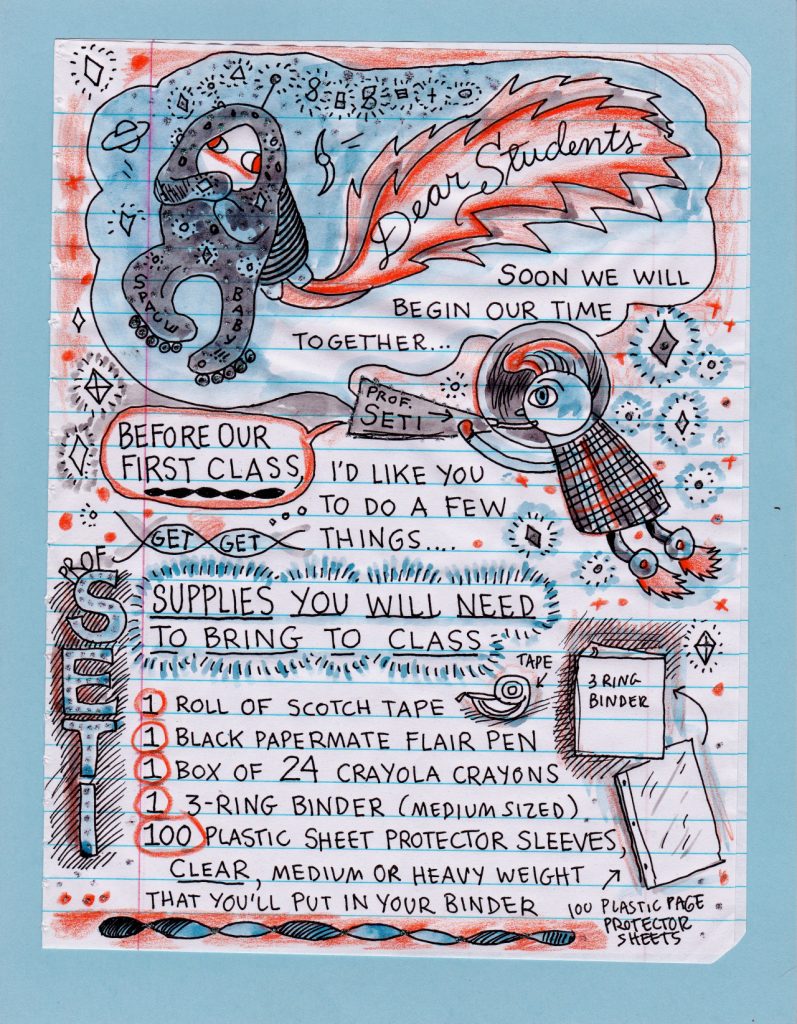
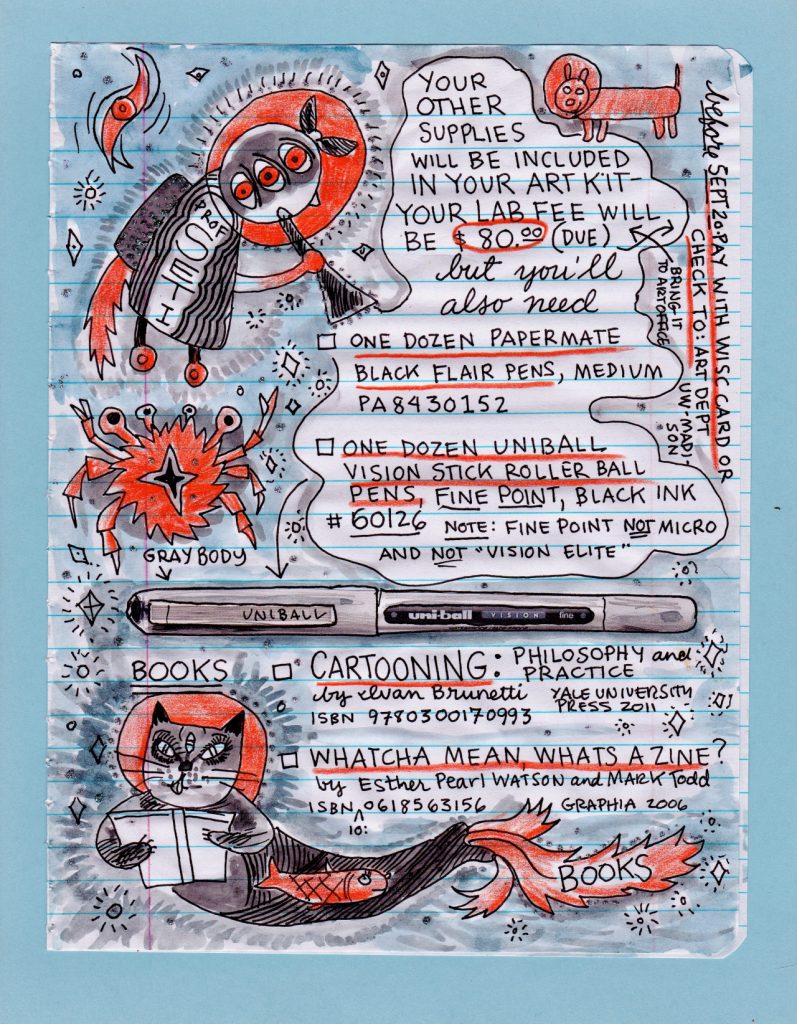
Cartoonist turned educator Lynda Barry is again permitting the world at large to freely audit one of her fascinating University of Wisconsin-Madison classes via her Tumblr. (To get to the start of the class, click here and then scroll down the page until you reach the syllabus, then start working your way backwards.)
The topic this fall is “Graphic Vices, Graphic Virtues: Making Comics,” a subject with which Barry is intimately acquainted. In the professor’s own words, this class is “a(n academically rigorous) blast!”
As in previous classes, the syllabus, above, spells out a highly specialized set of required supplies, including a number of items rarely called for at the college level.
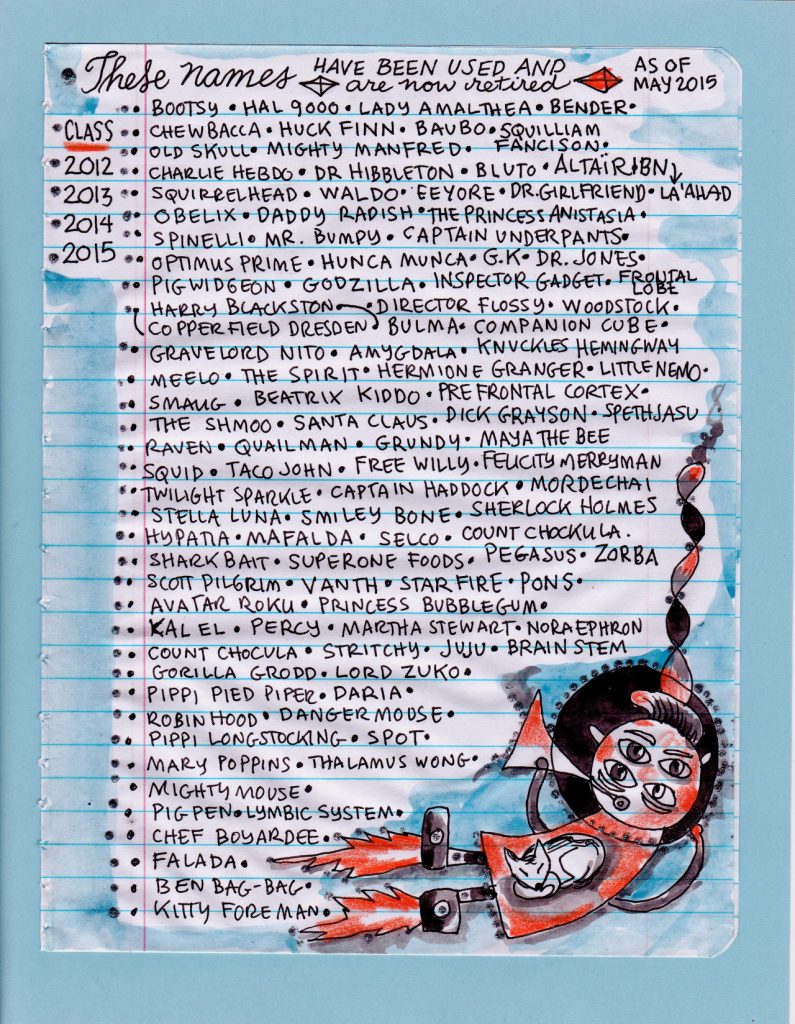
It’s become a time honored tradition for Barry’s students to adopt new names by which to refer to each other in-class, something they’ll enjoy hearing spoken aloud. For “Making Comics,” Barry is flying under the handle Professor SETI (as in “search for extraterrestrial intelligence”), telling the class that “images are the ETI in SETI.”
The students have responded with the following handles: Chef Boyardee, Ginger, Lois Lane, Rosie the Riveter, Regina Phalange, Arabella, Snoopy, Skeeter, Tigger, Arya Stark, Nala, Nostalgia, Akira, Lapus Lazuli, The Buffalo,Mr. November, The Short Giraffe, Nicki Minaj, Neko, Vincent Brooks, Regular Sized Rudy, and Zef.
(Sounds like a rough and ready crew. What name would you choose, and why?)

As usual, Barry draws inspiration from the dizzying bounty of images available on the net, bombarding her pupils with findings such as the lobed teeth of the crab-eater seal, above.
Science and music remain pet subjects–Afrofuturist bandleader Sun Ra serves as class oracle this go round.


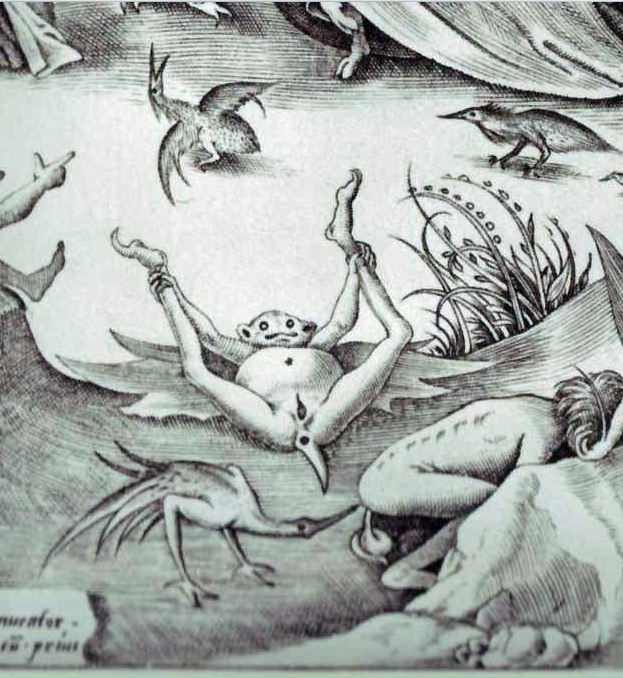
Professor SETI keeps the “graphic vice” of the class’ official title front and center with assignments pertaining to the 7 deadly sins, asking students to examine modern equivalents of the horrors depicted by Heronimus Bosch above and 16th-century engraver Pieter van der Heyden, below.
What to do with all of these images? Draw them, of course! As Barry tells her students:
Drawing is a language. It’s hard to understand what that really means until you’ve ‘spoken’ and ‘listened’ to it enough in a reliable regular way like the reliable regular way we will have together this semester.
That’s an important definition for those lacking confidence in their drawing abilities to keep in mind. Barry may revere the inky blacks of comics legend Jaime Hernandez, but she’s also a devotee of the wild, unbridled line that may be a beginner’s truest expression. (Stick figures, however, “don’t cut it.”) To her way of thinking, everyone is capable of communicating fluently in visual language. The current crop of student work reveals a range of training and natural talent, but all are worthy when viewed through Barry’s lens.
The teacher’s philosophy is the binding element here, but don’t fret if you are unable to take the class in person:
We rarely speak directly about the work we do in our class though we look at it together. We stare at it and sometimes it makes us laugh or we silently point out some part of it to the classmate beside us. To be able to speak this unspoken language we need to practice seeing (hearing) the way it talks.
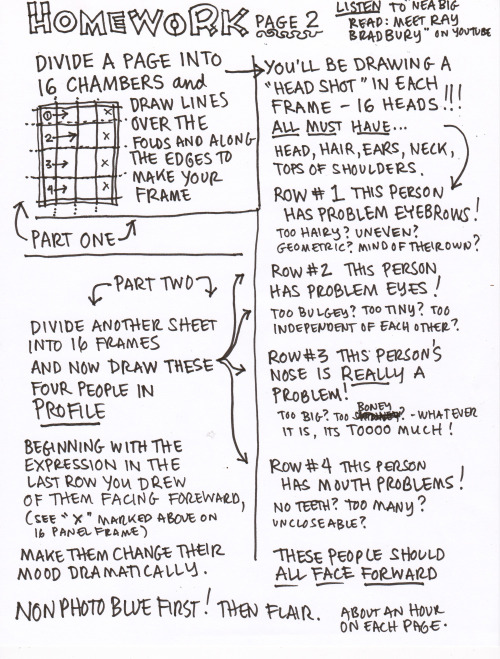
That earlier-alluded-to rigor is no joke. Daily diary comics, 3 minute self portraits on index cards, pages folded to yield 16 frames in need of filling, and found images copied while listening to prescribed music, lectures, and readings are a constant, non-negotiable expectation of all participants. Her methodology may sound goose‑y but it’s far from loose‑y.
In other words, if you want to play along, prepare to set aside a large chunk of time to complete her weekly assignments with the vigor demanded of non-virtual students.

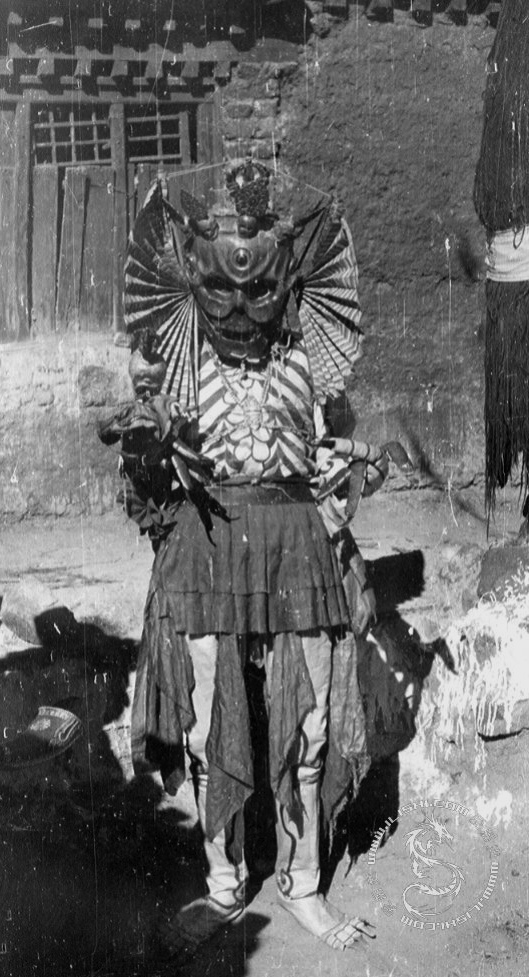
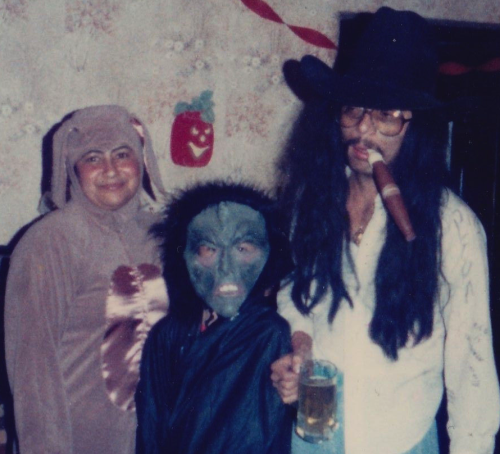
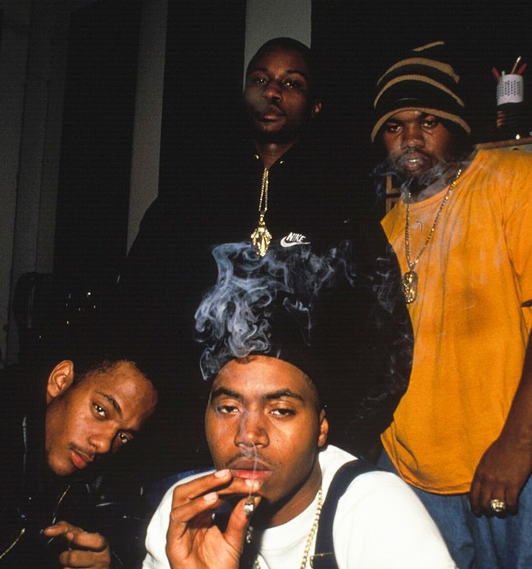
Those who aren’t able to commit to going the distance at this time can reconstruct the class later. Barry leaves both the assignments and examples of student work on her Tumblr for perpetuity. (You can see an example here.) For now, try completing the 20 minute exercise using the assigned image above, or by choosing from one of her “extra credit” images, below:
Set timer for three minutes and begin this drawing using a yellow color pencil. Try to draw as much of the drawing as you can in three minutes. You can draw fast, and in a messy way, The important thing is to get as much covered as you can in three minutes. You can color things in if you like. Look for the darkest areas of the photo and color those in.
Set a timer for another three minutes and using your non-dominant hand, draw with orange or color pencil to draw the entire drawing again, drawing right on top of the first drawing layer. The lines don’t have to match or be right on top of each other, you can change your mind as you add this layer. You can move a bit to the right rather than try to draw directly onto the first set of lines.
Set a timer for another 3 minutes and use a red pencil and draw it again, using you dominant hand, adding another layer to the drawing. Again, you don’t have to follow your original lines. Just draw on top of them.
Set a timer for another 3 minutes and use a dark green pencil to draw the entire drawing one more time on top of all the others.
Set a timer for 8 minutes and use a dark blue pencil to draw it one more time.
Spend the last 8 minutes inking the image in with your uniball pen. Remember that solid black is the very last thing you’d do given your time limit. You want to make sure to draw all the parts of the picture first.



Related Content:
Cartoonist Lynda Barry Shows You How to Draw Batman in Her UW-Madison Course, “Making Comics”
Watch Lynda Barry’s Graduation Speech; Give a Shout Out to the Teachers Who Changed Your Life
1,700 Free Online Courses from Top Universities
Ayun Halliday is an author, illustrator, and Chief Primatologist of the East Village Inky zine. Follow her @AyunHalliday
Read More...300 Kate Bush Impersonators Pay Tribute to Kate Bush’s Iconic “Wuthering Heights” Video
Heathcliff, it’s me–Cathy.
(and 300 Kate Bush impersonators…)
Let (us) in-a-your windo-o-ow!
I will never forget my first hearing of singer-songwriter Kate Bush’s “ Wuthering Heights.” My college boyfriend was a fan, but nothing he told me in advance prepared me for the shocking lunatic squeak of that voice.
Was that how Emily Brontë conceived of her otherworldly Gothic heroine, Catherine Earnshaw?
Surely no.
Had such an unholy screech issued from the lips of Merle Oberon in the 1939 film adaptation, Lawrence Olivier would have bolted for the moors…
It’s an acquired taste, but a lasting one. Bush’s debut single, written on a full moon night at the tender age of 18, has become a classic in its own right. (SPOILER: its life span has proved longer than Heathcliff’s).
It’s weird, tragic, compelling… just like the novel that inspired it.
It’s also perennially ripe for parody. Not just because of the voice. Two music videos Bush released seal that deal.
The UK version, above, features the sort of over-the-top theatrics rarely displayed outside the privacy of bedroom mirrors, as Bush pirouettes, cartwheels, and emotes in a gauzy white frock.
(Some young teens of my acquaintance nailed that one at summer camp, with little more than white bed sheets and fifteen minutes of advance preparation.)
When it came time for the American release, below, Bush painted her nails, rouged her lips, and took to the great outdoors in a bright red gown and tights, below.
Comedian Noel Fielding camped his way through that version in 2011, raising money for charity with a nearly 30-year-old reference.
But for sheer numbers, nothing trumps the Shambush! stunt at the top of the page. In May, 2013, the self-proclaimed “ludicrous performance troupe” invited all interested Bush fans to join them in a Brighton park to recreate the famous video en masse. (Gowns and wigs were available onsite.)
More than 300 participants heeded the call, allowing Shambush! to achieve its goal of setting the world’s record for the most number of people dressed as Kate Bush. (As one of the organizers pointed out, they would’ve set the world’s record even if it had only been the three of them.)
What a wonderful, ridiculous moment in music history to be a part of!
For those inspired to recreate the madness with their own crew, Shambush! breaks down (and names) some of the most iconic moves in an instructional video, below.
Related Content:
2009 Kate Bush Documentary Dubs Her “Queen of British Pop”
Ai Weiwei’s Parody of ‘Gangnam Style’
Ayun Halliday is an author, illustrator, and Chief Primatologist of the East Village Inky zine. Follow her @AyunHalliday
Read More...Great Depression Cooking: Get Budget-Minded Meals from the Online Cooking Show Created by 93-Year-Old Clara Cannucciari
“The Depression was not fun,” the late YouTube star, Clara Cannucciari, states in the very first episode of her Great Depression Cooking web series, above. Her first recipe—Pasta with Peas—would likely give your average urbane foodie hives, as would her knife skills, but Clara, who started making these videos when she was 93, takes obvious satisfaction in the outcome.
Her filmmaker grandson Christopher Cannucciari wisely kept Clara in her own kitchen, rather than relocating her to a more sanitized kitchen set. Her plastic paper towel holder, linoleum lined cabinets, and teapot-shaped spoon rest kept things real for several years worth of step-by-step, low budget, mostly vegetarian recipes.
Her fruit-and-gingham ceramic salt and pepper shakers remained consistent throughout.
How many television chefs can you name who would allow the camera crew to film the stained tinfoil lining the bottom of their ovens?
Nonagenarian Clara apparently had nothing to hide. Each episode includes a couple of anecdotes about life during the Great Depression, the period in which she learned to cook from her thrifty Italian mother.
She initially disliked being filmed, agreeing to the first episode only because that was grandson Christopher’s price for shooting a pre-need funeral portrait she desired. She turned out to be a natural. Her celebrity eventually led to a cookbook (Clara’s Kitchen: Wisdom, Memories, and Recipes from the Great Depression), as well as a video wherein she answered viewer questions with characteristic frankness.
To what did she attribute her youthful appearance?
Clean living and large quantities of olive oil (poured from a vessel the size and shape of a coffee pot).
How to avoid another Great Depression?
“At my age, I don’t really care,” Clara admitted, “But for the younger generation it’s bad.” In the worst case scenario, she counsels sticking together, and not wishing for too much. The Depression, as we’ve mentioned, was not fun, but she got through it, and so, she implies, would you.
The series can be enjoyed on the strength of Clara’s personality alone, but Great Depression Cooking has a lot to offer college students, undiscovered artists, and other fledgling chefs.
Her recipes may not be professionally styled, but they’re simple, nutritious, and undeniably cheap (especially Dandelion Salad).
Homemade Pizza—Clara’s favorite—is the antithesis of a 99¢ slice.
The tight belts of the Great Depression did not preclude the occasional treat like holiday biscotti or Italian Ice.
Those on a lean Thanksgiving budget might consider making Clara’s Poor Man’s Feast: lentils and rice, thinly sliced fried steak, plain salad and bread.
Right up until her final, touching appearance below at the age of 96, her hands were nimble enough to shell almonds, purchased that way to save money, though cracking also put her in a holiday mood. Foodies who shudder at Pasta with Peas should find no fault with her wholesome recipe for her mother’s homemade tomato sauce (and by extension, paste).
You can watch all of Clara’s video’s on the Great Depression Cooking channel. Or find Seasons 1 and 2 below.
Season 1:
Season 2:
Season 3:
Related Content:
Science & Cooking: Harvard’s Free Course on Making Cakes, Paella & Other Delicious Food
MIT Teaches You How to Speak Italian & Cook Italian Food All at Once (Free Online Course)
Ayun Halliday is an author, illustrator, and Chief Primatologist of the East Village Inky zine. She recently co-authored a comic about epilepsy with her 18-year-old daughter. Follow her @AyunHalliday
Read More...Punk & Heavy Metal Music Makes Listeners Happy and Calm, Not Aggressive, According to New Australian Study
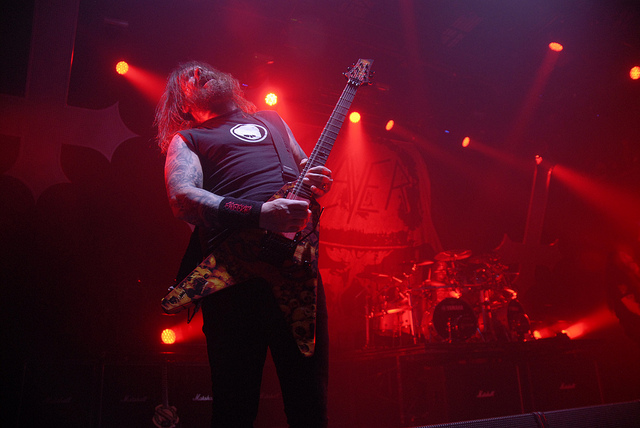
Creative Commons photo by Metal Chris
In My Day, so much of the music we listened to seemed angrier, more raucous and unruly—more aggressive and plainly evil—than music today. Not that I have any hard evidence for these assertions; customarily none is required for an In My Day rant. But I submit to you this: all that musical rage, in my opinion, was a good thing.
And it seems at least in this case, I can substantiate my opinion with science. This past summer, we reported on a study done by researchers at Humboldt State, Ohio State, UC Riverside, and UT Austin showing that kids who listened to heavy metal in the 80s were “significantly happier in their youth and better adjusted currently than either middle-aged or current college-age youth comparison groups.” Despite heated debates in the 80s and 90s over objectionable lyrical content in both popular and alternative music (remember the “Cop Killer” controversy?), researchers concluded that angry rock didn’t turn people into alienated maniacs. Instead, they found, “participation in fringe style cultures may enhance identity development in troubled youth.”
Now, even more recent research into the effects of angry hardcore punk and metal on the psyches of young people seems to confirm these results and further suggest that aggressive music has a paradoxically calming effect. In a study titled “Extreme metal music and anger processing,” University of Queensland psychologists Leah Sharman and Genevieve Dingle describe how they subjected “39 extreme music listeners aged 18–34 years of age” to “anger induction,” during which time, writes Consequence of Sound, “they talked about such irritating things as relationships, money, and work.” Once the test subjects were good and stressed, Sharman and Dingle had them listen either to a “random assignment” of “extreme music from their own playlist” for ten minutes or to ten minutes of silence.
As university publication UQ News summarizes, “In contrast to previous studies linking loud and chaotic music to aggression and delinquency,” this study “showed listeners mostly became inspired and calmed” by their metal. “The music helped them explore the full gamut of emotion they felt,” says Sharman, “but also left them feeling more active and inspired.” The researchers also provide a brief history of what they call “extreme music” and define it in terms of several genres and subgenres:
Following the rise of punk and heavy metal, a range of new genres and subgenres surfaced. Hardcore, death metal, emotional/emotional-hardcore (emo), and screamo appeared throughout the 1980s, gradually becoming more a part of mainstream culture. Each of these genres and their subgenres are socio-politically charged and, as mentioned earlier, are characterized by heavy and powerful sounds with expressive vocals.
“At the forefront of [the] controversy surrounding extreme music,” they write, “is the prominence of aggressive lyrics and titles.” In additional experiments, Sharman and Dingle found that “violent lyrics” did increase “participants’ state hostility,” but the effect was fleeting. Against prevailing assumptions that angry-sounding, aggressive music causes or correlates with depression, violence, self-harm, substance abuse, or suicide, the Queensland researchers found exactly the opposite—that “extreme music” alleviated listeners’ “angst and aggression,” made them happier, calmer, and better able to cope with the anger-inducing stressors that surround us all.
Related Content:
1980s Metalhead Kids Are All Right: New Study Suggests They Became Well-Adjusted Adults
New Research Shows How Music Lessons During Childhood Benefit the Brain for a Lifetime
The Neuroscience of Drumming: Researchers Discover the Secrets of Drumming & The Human Brain
This is Your Brain on Jazz Improvisation: The Neuroscience of Creativity
Josh Jones is a writer and musician based in Durham, NC. Follow him at @jdmagness
Read More...Hear the Writing of French Theorists Jacques Derrida, Jean Baudrillard & Roland Barthes Sung by Poet Kenneth Goldsmith
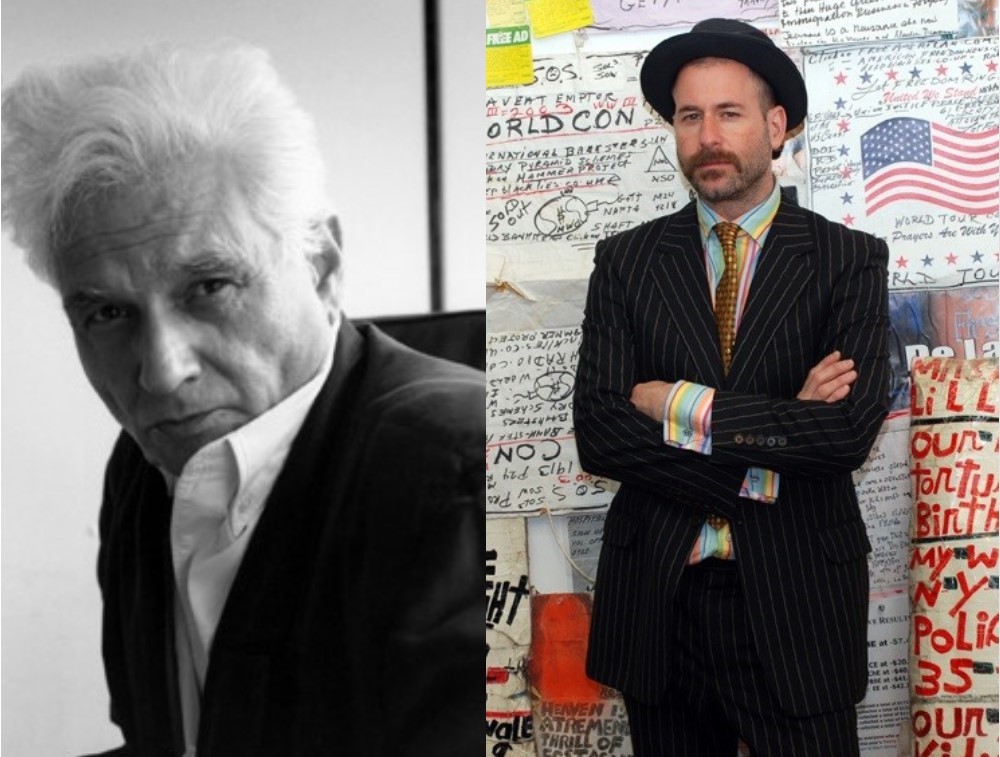
Jacques Derrida, Jean Baudrillard, Roland Barthes… to my freshman ears, the names of these French theorists sounded like passwords to an occult world of strange and forbidding ideas. I started college in the mid-90s, when English departments gleefully claimed poststructuralism as their birthright. Academic campaigns against the fuzzy logic of these thinkers had not yet gathered much steam, though conservative culture warriors were already on the warpath against postmodernism. Very shortly after my introduction to French poststructuralist thought, analytical positivists launched formidable campaigns to banish critical theory to the margins.
The backlash against obscurantist theory made a good case, with public shamings like the “Sokal Hoax” and Philosophy and Literature’s Bad Writing Contest. Such displays made the work of many European philosophers and their adherents seem indeed—as Noam Chomsky said of Derrida, Slavoj Žižek, and Jacques Lacan—like so much vacuous “posturing.” But as potent as these critiques may be, I’ve never cared much for them; they seem to miss the point of more creative kinds of theory, which is not, I think (as philosophy professor Eric Schwitzgebel alleges) “intellectual authoritarianism and cowardice,” but instead an exploratory attempt to expand the rigid boundaries of language and cognition, and to enact the meanderings of discursive thought in prose that captures its “errantry” (to take a term from Martiniquan poet, novelist, and academic Edouard Glissant.)
In any case, the debate was not new at all, but only a later iteration of the old Continental/Analytic divide that has long pitted exponents of Anglophone clarity against the sometimes awkward prose of thinkers like Kant and Hegel. And I happen to think that Kant, Hegel, and, yes, even later Continentals like Derrida—despite the deliberate obscurity of their writing—are interesting thinkers who deserve to be read. They even deserve to be sung, badly, by poets—namely by conceptual poet Kenneth Goldsmith, who is also founding editor of Ubuweb, senior editor of PennSound, and onetime host of a radio show on gloriously weird, free-form radio station WFMU.
With his natty sense of style and serious appreciation for absurdity, Goldsmith has sung to listeners the work of Walter Benjamin, Ludwig Wittgenstein, and Sigmund Freud; he has given us an avant-garde musical rendition of Harry Potter; and he has turned selections of Theodor Adorno’s grim Minima Moralia into 80s hardcore punk. Now, we bring you more of Goldsmith’s musical interventions: his goofball singing of Derrida over an icy minimalist composition by Anton Webern (top); of Baudrillard over a lounge-pop instrumental by Francis Lai (middle); and of Roland Barthes over the Allman Brothers (above).
As an added bonus, if you can call it that, hear Goldsmith warble Marxist theorist Frederic Jameson over Coltrane, just above. Do these ridiculous musical exercises make these thinkers any easier to digest? I doubt it. But they do seem to say to the many haters of critical theory and postmodern French philosophy, “hey, lighten up, will ya?”
Related Content:
Noam Chomsky Slams Žižek and Lacan: Empty ‘Posturing’
John Searle on Foucault and the Obscurantism in French Philosophy
30 Minutes of Harry Potter Sung in an Avant-Garde Fashion by UbuWeb’s Kenneth Goldsmith
Theodor Adorno’s Critical Theory Text Minima Moralia Sung as Hardcore Punk Songs
Josh Jones is a writer and musician based in Durham, NC. Follow him at @jdmagness
Read More...An Animated Kurt Vonnegut Visits NYU, Riffs, Rambles, and Blows the Kids’ Minds (1970)
Kurt Vonnegut never graduated from college, but that didn’t stop him from visiting college classrooms, or from giving commencement speeches (nine of which were published last year in a volume called If This Isn’t Nice, What Is?: Advice to the Young). If you’ve experienced a Vonnegut speech, you know he had a tendency to riff and ramble. But he also entertained and educated. Above, the latest video from Blank on Blank captures the essence of a Vonnegut classroom visit, animating a talk the author gave to a class at NYU on November 8, 1970. Topics include: the paranoia that goes into writing and the exhaustion it brings about, his childhood in Indiana, the death of his parents, and his odd concept for a new short story called “The Big Space Fuc%,” which features a warhead filled with sperm. It leaves the kids a little stunned.
The full talk originally aired on WBAI 99.5 FM New York and now resides in the Pacifica Radio Archives. You can listen to the full, unedited tape below.
Looking for free, professionally-read audio books from Audible.com? For example, John Malkovich reading Breakfast of Champions? Or James Franco reading Slaughterhouse-Five? Here’s a great, no-strings-attached deal. If you start a 30 day free trial with Audible.com, you can download two free audio books of your choice. Get more details on the offer here.
Related Content:
Kurt Vonnegut Diagrams the Shape of All Stories in a Master’s Thesis Rejected by U. Chicago
Hear Kurt Vonnegut Read Slaughterhouse-Five,Cat’s Cradle & Other Novels
Kurt Vonnegut Creates a Report Card for His Novels, Ranking Them From A+ to D
Read More...New Video Game Inspired by 20 Haruki Murakami Stories Is Coming Your Way: Help Kickstart It
Back in grade school, I got into the genre of computer games known as “graphic adventures,” narrative experiences — and often quite elaborate ones — through which the player guides the protagonist with points and clicks: games like Maniac Mansion, Space Quest, Mean Streets, Zak McCracken and the Alien Mindbenders. In college I got into the writing of Haruki Murakami, the international superstar of Japanese literature specializing in the kind of stories that, in his words, have undergone “a kind of magical baptism to link the world on this side with the world on the other side.” More recently, I’ve cultivated an interest in projects crowdfunded on platforms like Kickstarter. At long last, someone has come up with a creation that unites all three: Memoranda, a Murakami-inspired graphic adventure now raising its budget on Kickstarter.
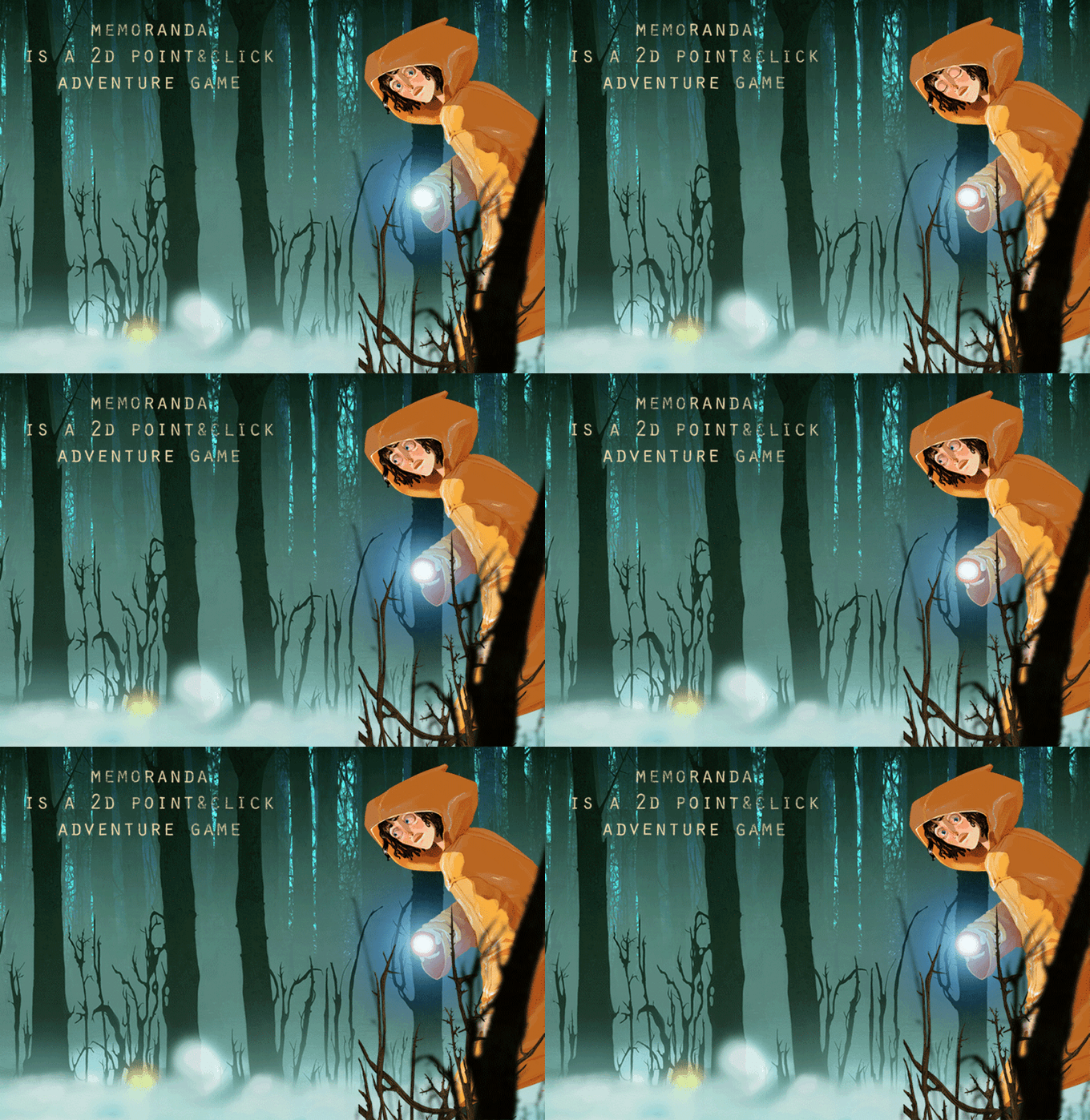
“Three years ago I sat down with a friend to brainstorm for making a game,” writes one of Memoranda’s developers. Murakami’s work “had inspired us profoundly and we thought that the vague, surrealistic reality of his fictional world would have a great potential for being turned into something visual and could lead to the creation of odd characters, an essential element in game design.” This led to a “script inspired by more than 20 stories by Murakami” involving a little town (which has “European-like architecture but that doesn’t mean it belongs to somewhere in Europe”) “where there are both laptops and bamboo water clocks,” a cast of characters from “a WWII surviving soldier to an elephant taking shelter in a man’s house hoping to become human,” and a protagonist “who little by little realizes she is forgetting her own name.”
Kickstarter has proven a viable financing medium for a new wave of graphic adventure games, some of them by the creators of the old wave: Tim Schafer, known for Maniac Mansion’s beloved sequel Day of the Tentacle, raised $3.3 million for what would become Broken Age, and Space Quest masterminds Scott Murphy and Mark Crowe more recently reunited to raise over $500,000 for SpaceVenture. Memoranda, by comparison, requires no more than a shoestring, and, with ten days to go in its funding drive, it has already raised more than the $13,695 requested by Bit Byterz, its Vancouver-based Iranian developers (how’s that for a demonstration of Murakami’s global appeal?). But you can still contribute at its Kickstarter page, and as a reward could get a copy of the game, its soundtrack, a digital art book, or even — enthusiasts of Murakami tropes, take note — the inclusion of your own cat in the story. No game company ever offered me that in grade school.
You can watch a trailer for Memoranda above.
via Flavorwire
Related Content:
Haruki Murakami Lists the Three Essential Qualities For All Serious Novelists (And Runners)
Haruki Murakami’s Passion for Jazz: Discover the Novelist’s Jazz Playlist, Jazz Essay & Jazz Bar
A Photographic Tour of Haruki Murakami’s Tokyo, Where Dream, Memory, and Reality Meet
Colin Marshall writes elsewhere on cities, language, Asia, and men’s style. He’s at work on a book about Los Angeles, A Los Angeles Primer, the video series The City in Cinema, and the crowdfunded journalism project Where Is the City of the Future? Follow him on Twitter at @colinmarshall or on Facebook.
Read More...Hear Sylvia Plath Read 50+ of Her Dark, Compelling Poems
No matter how casual a relationship you’ve had with 20th-century American poetry, you’ve heard the name Sylvia Plath. Maybe you’ve already dared to experience her dark but compelling literary world, or maybe you just know a few of the basic elements of her life and career: her autobiographical novel The Bell Jar, her famously harrowing poetry collection Ariel, her stormy marriage to British poet laureate Ted Hughes, her death by her own hand at the age of thirty. But what better day than today, the 83rd anniversary of Plath’s birth, to get better acquainted with her work?
And what better way than to hear that work read in Plath’s own voice? Sure, you could just pick up one of the many yellowed mass-market paperback copies of Ariel you see on bookshelves all across America and plunge in, but you might first consider turning to our archives, which contain a 2013 post in which we featured Plath reading fifteen poems that would appear in the Ariel collection that, published two years after her death (“left sitting on the kitchen table to be found along with her body,” noted Josh Jones), would raise her poetic reputation to new heights. You can hear the first part of these readings, recorded in 1962, at the top of this post, and the rest at this original post.
We might feel lucky that, in her short life, she left even those performances for posterity, but there’s more: last year, we featured Sylvia Plath reading her poetry, the 1977 record released by pioneering pre-audiobook label Caedmon which contains 23 poems Plath committed to tape as early as 1959. Find all of the readings here.
If these two audio collections give you a taste for the poet biographer Carl Rollyson called “the Marilyn Monroe of modern literature,” have a listen to Credo Records’ album Sylvia Plath, which offers some material you’ll have heard alongside some you won’t have. Having listened to all this, you’ll hardly associate the adjective “celebratory” with Plath’s work — but that doesn’t mean that, on what would have been her 83rd birthday, poetry-lovers can’t celebrate it.
If you would like to support the mission of Open Culture, consider making a donation to our site. It’s hard to rely 100% on ads, and your contributions will help us continue providing the best free cultural and educational materials to learners everywhere. You can contribute through PayPal, Patreon, and Venmo (@openculture). Thanks!
Related Content:
Hear Sylvia Plath Read Fifteen Poems From Her Final Collection, Ariel, in 1962 Recording
The Art of Sylvia Plath: Revisit Her Sketches, Self-Portraits, Drawings & Illustrated Letters
Sylvia Plath Reads Her Poetry: 23 Poems from the Last 6 Years of Her Life
Sylvia Plath, Girl Detective Offers a Hilariously Cheery Take on the Poet’s College Years
Colin Marshall writes elsewhere on cities, language, Asia, and men’s style. He’s at work on a book about Los Angeles, A Los Angeles Primer, the video series The City in Cinema, and the crowdfunded journalism project Where Is the City of the Future? Follow him on Twitter at @colinmarshall or on Facebook.
Read More...Watch Behind-the-Scenes Footage From Freddie Mercury’s Final Video Performance
However you feel about Brian May and Roger Taylor of Queen reforming recently under the band’s name with American Idol runner-up Adam Lambert on vocals, the band has stated on several occasions that they never intended to replace Freddie Mercury. “[Lambert] interprets the songs the way he interprets them which is wonderful,” May has remarked, “We wanted him to be himself.” Fair enough. But even if Queen had wanted to replace Mercury after his death from AIDS complications in 1991, the task would have proved impossible. No one sounds like Freddie Mercury, no one commands a stage like he did, and no one writes like him either, with his unique mix of raunchy, funny, quirky, candid, and deeply heartfelt lyricism.
“Mother Love,” the last song Mercury recorded—at the band’s Montreux studio—contains some of the most painful of Mercury’s lyrics, an expression of his desire “for peace before I die.” In what we can’t help but hear in hindsight as a direct reference to his illness, Mercury sings, “My body’s aching, but I can’t sleep… I’m coming home to my sweet / Mother love.” The inherent pathos of “Mother Love,” pervades the posthumously-released 1995 album Made in Heaven, but the song that most seemed to define Freddie Mercury immediately after his death is also a rumination on mortality. Shot through with nostalgia, remorse, and expressions of the brevity of life, “These Are the Days of Our Lives”—from Innuendo, the last album the band released during Mercury’s lifetime—laments, “you can’t turn back the clock, you can turn back the tide.” Longing for childhood lost, Mercury sings, “the rest of my life’s been just a show.” Maybe so, but what a show it was, even in the band’s final video, above, shot in black-and-white to hide Mercury’s frail condition.
At the top of the post, you can see behind-the-scenes footage of Mercury from the “These Are the Days of Our Lives” video shoot, discovered, writes The Independent, “during a five-year trawl through the Queen archives by Rhys Thomas, the comedy actor,” who co-produced the BBC Two documentary, Queen: Days of Our Lives. “The footage of Freddie in his final video,” says Thomas, “is shocking. He is so frail, he needs two hands to hold a champagne glass. But he knows he is being filmed and wants to show people what he was going through.” Brian May remembers Mercury spending “hours and hours in make-up sorting himself out so it’d be OK. He actually says a kind of goodbye in the video.”
A consummate performer to the end, Mercury was determined to work until he couldn’t, recording new material until days before his death. In the full-color film from the “These Are the Days of Our Lives” shoot, we see him studying and critiquing footage of himself, fully engaged in the creation of what he likely knew would be his final performance. He had certainly come a long way from the shy schoolboy he was before Queen brought him international celebrity and acclaim. In the poignant video above, we see what is likely the first footage of the young man then known as Freddie Bulsara. The film shows Mercury in 1964—the year his family migrated to England from Zanzibar—with school mates at Isleworth Polytechnic (new West Thames College). It would be another six years before Mercury would meet May and Taylor and form the band that defined the rest of the days of his life.
Related Content:
Freddie Mercury, Live Aid (1985)
Queen Documentary Pays Tribute to the Rock Band That Conquered the World
The Making of Queen and David Bowie’s 1981 Hit “Under Pressure”: Demos, Studio Sessions & More
Josh Jones is a writer and musician based in Durham, NC. Follow him at @jdmagness
Read More...Free Course: An Introduction to the Art of the Italian Renaissance
In 43 lectures, Dr. Vida Hull offers an introduction to the art of the Italian Renaissance. Packed with slides of great paintings, the lectures (all streamable above or available individually here), cover painters like Masaccio and Botticelli, Titian, da Vinci, Raphael, Michelangelo and more. Hull, who taught the course at East Tennessee State, earned her Ph.D. at Bryn Mawr College. Her course has been added to the Art History section of our collection, 1,700 Free Online Courses from Top Universities.
If you would like to support the mission of Open Culture, consider making a donation to our site. It’s hard to rely 100% on ads, and your contributions will help us continue providing the best free cultural and educational materials to learners everywhere. You can contribute through PayPal, Patreon, and Venmo (@openculture). Thanks!
Related Content:
Discover 100 Great Works of Art with Videos Created by Khan Academy & Google Art Project
The Rijksmuseum Puts 125,000 Dutch Masterpieces Online, and Lets You Remix Its Art
The History of Western Architecture: From Ancient Greece to Rococo (A Free Online Course)
Read More...Support Us
We're hoping to rely on loyal readers, rather than erratic ads. Please click the Donate button and support Open Culture. You can use Paypal, Venmo, Patreon, even Crypto! We thank you!

About Us

Open Culture scours the web for the best educational media. We find the free courses and audio books you need, the language lessons & educational videos you want, and plenty of enlightenment in between.
Advertise With Us
FREE UPDATES!
GET OUR DAILY EMAIL
Get the best cultural and educational resources on the web curated for you in a daily email. We never spam. Unsubscribe at any time.
FOLLOW ON SOCIAL MEDIA
Open Culture editor Dan Colman scours the web for the best educational media. He finds the free courses and audio books you need, the language lessons & movies you want, and plenty of enlightenment in between.
Advertise With Us

