Building Your Resilience: Finding Meaning in Adversity–Take a Free & Timely Course Online
The Great Courses has made available a free and rather timely course–Building Your Resilience: Finding Meaning in Adversity. Divided into 24 lectures and taught by Molly Birkholm, the course gets introduced with the following text:
Recent research shows that we grow into our best and most joyful selves not when we avoid our problems but when we embrace them, confident that we are resilient enough to work through them to an appropriate resolution. Our problems are an important part of our path.
Resilience is our ability to physically, emotionally, and mentally bounce back from adverse circumstances. Without it, we would be down for the count every time we ran into a problem. Stuck in traffic and late for a meeting? It’s your resilience that allows you to make the necessary phone calls and keep moving forward, confident that you can handle this stressful situation as it evolves. Without it, you’d make a U‑turn and give up. Recovering from the flu or recent surgery? It’s your resilience that helps you take care of yourself appropriately and look forward to a better future. Our capacity to thrive in life depends directly on our resilience.
Sharing her own fascinating journey, as well as the latest research by neurologists and psychologists, trauma specialist Molly Birkholm shows us how to gauge our current level of resilience and improve from there. In Building Your Resilience: Finding Meaning in Adversity, you’ll learn how all of our challenges—from everyday stresses to life-altering traumas—can bring wisdom and growth. In 17 fascinating classes and 7 “hands-on” practice sessions, you’ll learn about and experience the process of building the inner calm and clarity of mind that create greater resilience. With Ms. Birkholm’s warm and optimistic demeanor, you’ll feel her encouragement every step of the way as you move toward building your best and most fulfilling life.
Watch all 24 lectures above, or over on YouTube. Building Your Resilience: Finding Meaning in Adversity will be added to our collection, 1,700 Free Online Courses from Top Universities.
Find more courses in The Great Courses catalogue here.
If you would like to support the mission of Open Culture, consider making a donation to our site. It’s hard to rely 100% on ads, and your contributions will help us continue providing the best free cultural and educational materials to learners everywhere. You can contribute through PayPal, Patreon, and Venmo (@openculture). Thanks!
Related Content:
Positive Psychology: A Free Course from Harvard University
Read More...Masterclass Is Running a “Buy One, Share One Free” Deal (Until the End of the Weekend)

FYI: Masterclass is running a Buy One, Share One Free through this weekend.
Here’s the gist: If you buy an All-Access pass to their 80+ courses, you will receive another All-Access Pass to give to someone else at no additional charge. An All-Access pass costs $180, and lasts one year. For that fee, you–and a family member or friend–can watch courses created by Annie Leibovitz, Neil Gaiman, Malcolm Gladwell, Werner Herzog, Martin Scorsese, David Mamet, Jane Goodall, Margaret Atwood, Helen Mirren, Herbie Hancock, Alice Waters, Billy Collins and so many more. If you’re thinking this sounds like a pretty good way to get through quarantine, we’d have to agree. The deal is available now.
Note: If you sign up for a MasterClass course by clicking on the links in this post, Open Culture will receive a small fee that helps support our operation.
Read More...Robert Fripp Releases Free Ambient Music to Get You Through the Lockdown: Enjoy “Music for Quiet Moments”
King Crimson’s master guitarist Robert Fripp has had a career long reputation as an autocrat, and exacting, difficult taskmaster. He’s named an album, a band, and a record company “Discipline.” Drummer Bill Bruford once described him as an “an amalgam of Stalin, Gandhi and the Marquis de Sade,” according to The Telegraph.
But recently, there’s been some activity on Fripp’s social media that can only be described as “silly.” In lockdown with his wife of 34 years, singer and actor Toyah Wilcox, we’ve seen them shimmying to the Twist on Easter Sunday:
They dressed up as bees and ran around their Worcestershire garden:
And performed a ballet with stuffed unicorns set to Ravel’s Bolero:
Very silly indeed. But there is some music being made during all this madness, as can be heard at the top of this post.
Last Friday, Fripp dropped the first in a 50-track series, Music for Quiet Moments. These ambient pieces will be drawn from all different years of the guitarist’s career, and will appear on most streaming platforms (including YouTube and Spotify), one a week, every Friday.
“My own quiet moments,” he says in a blog post announcement, “over fifty-one years of being a touring player, have been mostly in public places where, increasingly, a layer of noise has intentionally overlaid and saturated the sonic environment.” He continues: “Some of these Soundscapes are inward-looking, reflective. Some move outwards, with affirmation. Some go nowhere, simply being where they are.”
David Singleton, producer and Fripp’s business partner, added “a year at home without touring offers the chance to listen for the first time in many cases to existing live recordings.”
The cover art for the first track features sculpture from Fripp’s garden by artist Althea Wynne. (You may not see it at first, but the sculpture is a take on Manet’s Le Déjeuner sur l’herbe.)
By the way, Fripp’s online diary is just as thorough and fascinating as the man himself, as well as revealing the soppy ol’ romantic whenever he describes his wife. It’s very endearing…another word I bet you didn’t expect to pop up in this post.
As of this writing, his latest entry offers a preview of Music for Quiet Moments #2:
Quiet Moments 2 is a sonic meditation on dying, loss and accepting, disguised as looping; so it is better equipped and able to go out and present itself in public; so more likely to escape the expectation and quality of attention that would otherwise undermine the reflection/event were it formally billed as Meditation On Loss, Grieving & An Acceptance Of Suffering As Both Necessary & Inevitable In The Human Condition.
Boy. That’s a show I’d avoid.
But it just might be what we need right now.
Related Content:
Peter Gabriel’s First Solo Concert, Post-Genesis: Hear the Complete Audio Recording (1977)
Talking Heads Live in Rome, 1980: The Concert Film You Haven’t Seen
David Bowie’s “Heroes” Delightfully Performed by the Ukulele Orchestra of Great Britain
Ted Mills is a freelance writer on the arts who currently hosts the Notes from the Shed podcast and is the producer of KCRW’s Curious Coast. You can also follow him on Twitter at @tedmills, and/or watch his films here.
Read More...A Virtual Tour Inside the Hayao Miyazaki’s Studio Ghibli Museum
Let us pray that organization expert Marie Kondo never comes within spitting distance of A Boy’s Room, part of the Studio Ghibli museum’s Where a Film is Born installation.
It’s not likely that every single item in the massive (and no doubt well dusted) collection of books, postcards, hand tools, pictures, figurines, and other assorted tchotchkes pictured above sparks joy, but the suggestion is that any one of them might prove the gateway to a fantastical tale, such as those spun by the museum’s executive director, master animator Hayao Miyazaki:
The room seems to belong to someone who was sketching at the desk just a few minutes ago. The room is filled with books and toys. The walls are all covered with illustrations and sketches. Hanging from the ceiling are a model of an airplane and a model of a Pteranodon. It’s a place where the owner of the room has stored his favorite things. This room provides lots of inspiration for what will go on to the blank piece of paper on the desk to become the origin of an actual film.
The Museum, which announced it would delay its reopening out of ongoing concerns related to social distancing during the COVID-19 crisis, recently shared some brief video tours of the Miyazaki-designed space, perhaps all the more magical for being empty.
One lucky viewer, who had trekked to the Tokyo suburb of Mitaka for an in-person visit, recalled the experience of actually being in A Boy’s Room:
Open up the drawers in this room, take the books off shelves to look at them, touch things, look through trunks—you might find little secrets to be discovered. One time I took an art book from the shelf and one of the employees came over to me. I was expecting to get reprimanded, but instead she kindly guided me over to a couch so that I could read the book. Miyazaki took care to design the space to be friendly to the exploratory nature of children, making sure that they could play unobstructed. It’s one of the reasons why you aren’t allowed to take photos inside—he didn’t want parents interrupting their experience to pose for photos they could care less about.
That philosophy is enacted throughout the museum. Kids can climb all over a life-size plush recreation of My Neighbor Totoro’s cat bus, but would-be Instagrammers are S.O.L.
A peek at the Space of Wonder room reveals Thumbelina-sized characters from My Neighbor Totoro, Nausicaä of the Valley of the Wind, and Kiki’s Delivery Service frolicking in a fresco of fruit, flowers, and vines.
The architectural elements are a particular treat, and suggest that there’s serious bank to be made, should Miyazaki ever consider extending the brand into a theme park-style hotel. (Something tells us he won’t.)
Once having seen a photo essay featuring some of the fancy refreshments others have enjoyed there, the tour of the empty Straw Hat Café does underwhelm a bit. Those cute little plates are just calling out for a slice of strawberry shortcake…
We’re unsure if museum staffers will be releasing more videos during their downtime, though we’re hopeful, especially since several in-person visitors have noted that the museum’s toilets are pretty noteworthy.
That said we’d happily settle for some of the short films that screen in the museum’s Saturn Theater.
You can follow the Museum’s YouTube channel just in case.
Meanwhile, here is Miyazaki’s manifesto detailing the kind of museum he wanted to make, right down to the café and the gift shop:
A museum that is interesting and which relaxes the soul
A museum where much can be discovered
A museum based on a clear and consistent philosophy
A museum where those seeking enjoyment can enjoy, those seeking to ponder can ponder, and those seeking to feel can feel
A museum that makes you feel more enriched when you leave than when you entered!To make such a museum, the building must be…
Put together as if it were a film
Not arrogant, magnificent, flamboyant, or suffocating
Quality space where people can feel at home, especially when it’s not crowded
A building that has a warm feel and touch
A building where the breeze and sunlight can freely flow throughThe museum must be run in such a way that…
Small children are treated as if they were grown-ups
Visitors with disabilities are accommodated as much as possible
The staff can be confident and proud of their work
Visitors are not controlled with predetermined courses and fixed directions
It is suffused with ideas and new challenges so that the exhibits do not get dusty or old, and that investments are made to realize that goalThe displays will be…
Not only for the benefit of people who are already fans of Studio Ghibli
Not a procession of artwork from past Ghibli films as if it were “a museum of the past”
A place where visitors can enjoy by just looking, can understand the artists’ spirits, and can gain new insights into animationOriginal works and pictures will be made to be exhibited at the museum
A project room and an exhibit room will be made, showing movement and life
(Original short films will be produced to be released in the museum!)
Ghibli’s past films will be probed for understanding at a deeper levelThe café will be…
An important place for relaxation and enjoyment
A place that doesn’t underestimate the difficulties of running a museum café
A good café with a style all its own where running a café is taken seriously and done rightThe museum shop will be…
Well-prepared and well-presented for the sake of the visitors and running the museum
Not a bargain shop that attaches importance only to the amount of sales
A shop that continues to strive to be a better shop
Where original items made only for the museum are foundThe museum’s relation to the park is…
Not just about caring for the plants and surrounding greenery but also planning for how things can improve ten years into the future
Seeking a way of being and running the museum so that the surrounding park will become even lusher and better, which will in turn make the museum better as well!This is what I expect the museum to be, and therefore I will find a way to do it.
This is the kind of museum I don’t want to make!
A pretentious museum
An arrogant museum
A museum that treats its contents as if they were more important than people
A museum that displays uninteresting works as if they were significant
Related Content:
Ayun Halliday is an author, illustrator, theater maker and Chief Primatologist of the East Village Inky zine. Here latest project is a series of free downloadable posters, encouraging citizens to wear masks in public and wear them properly. Follow her @AyunHalliday.
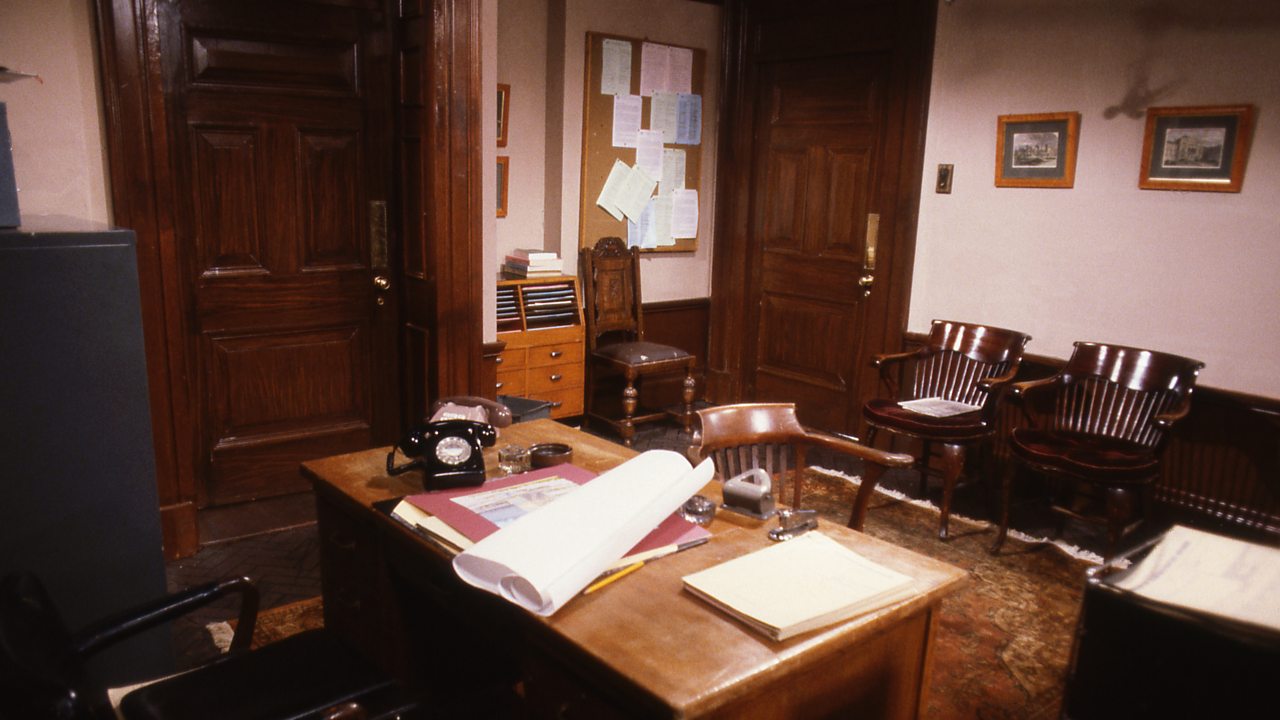
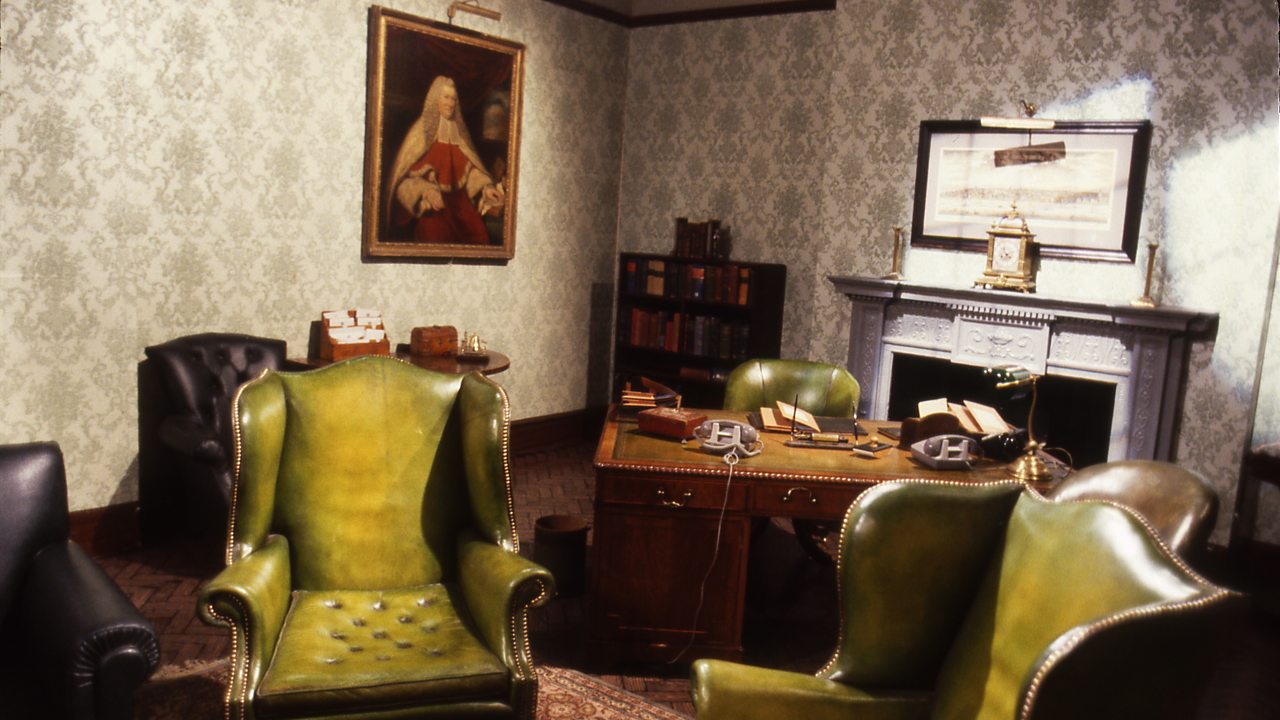
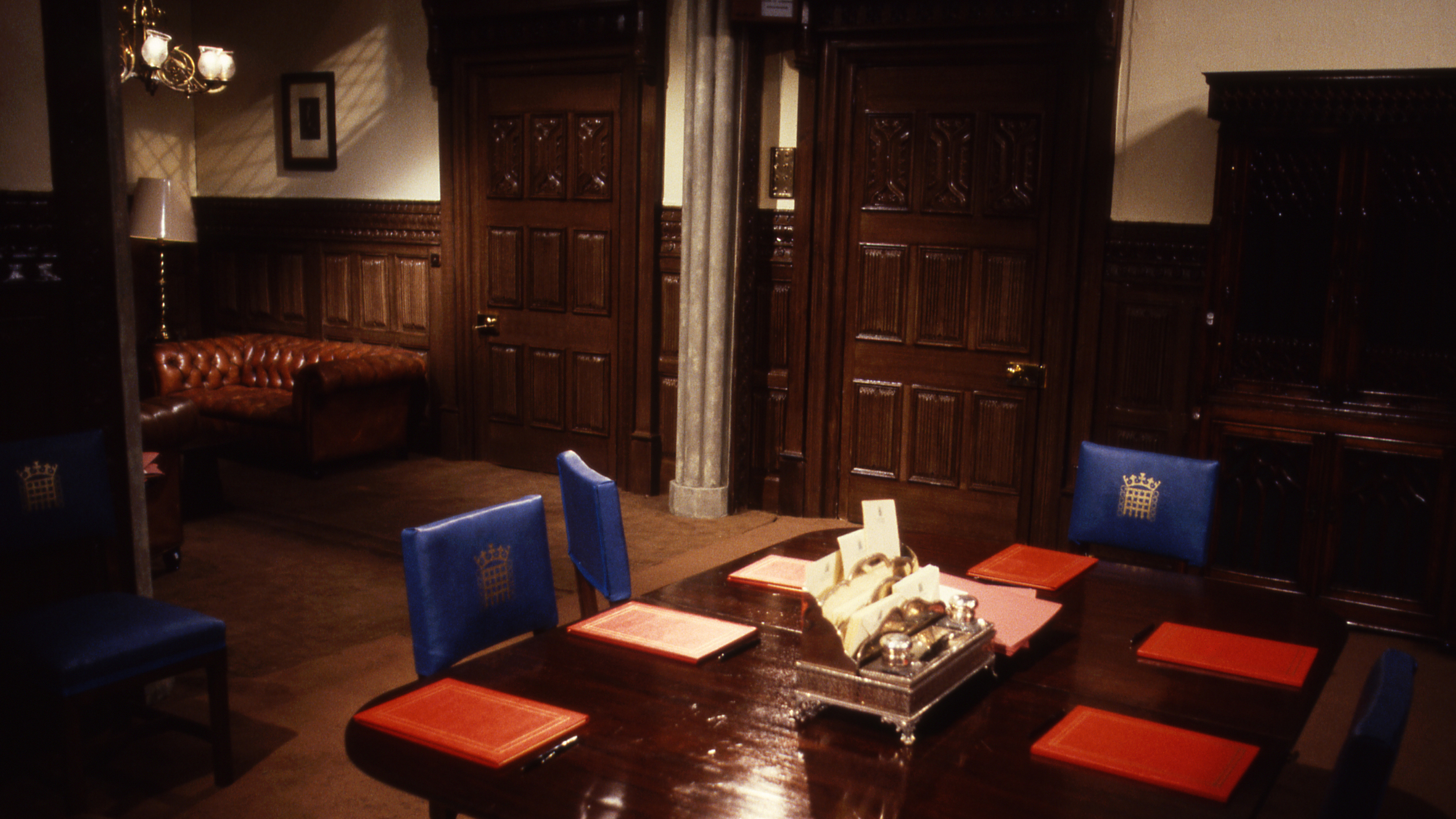
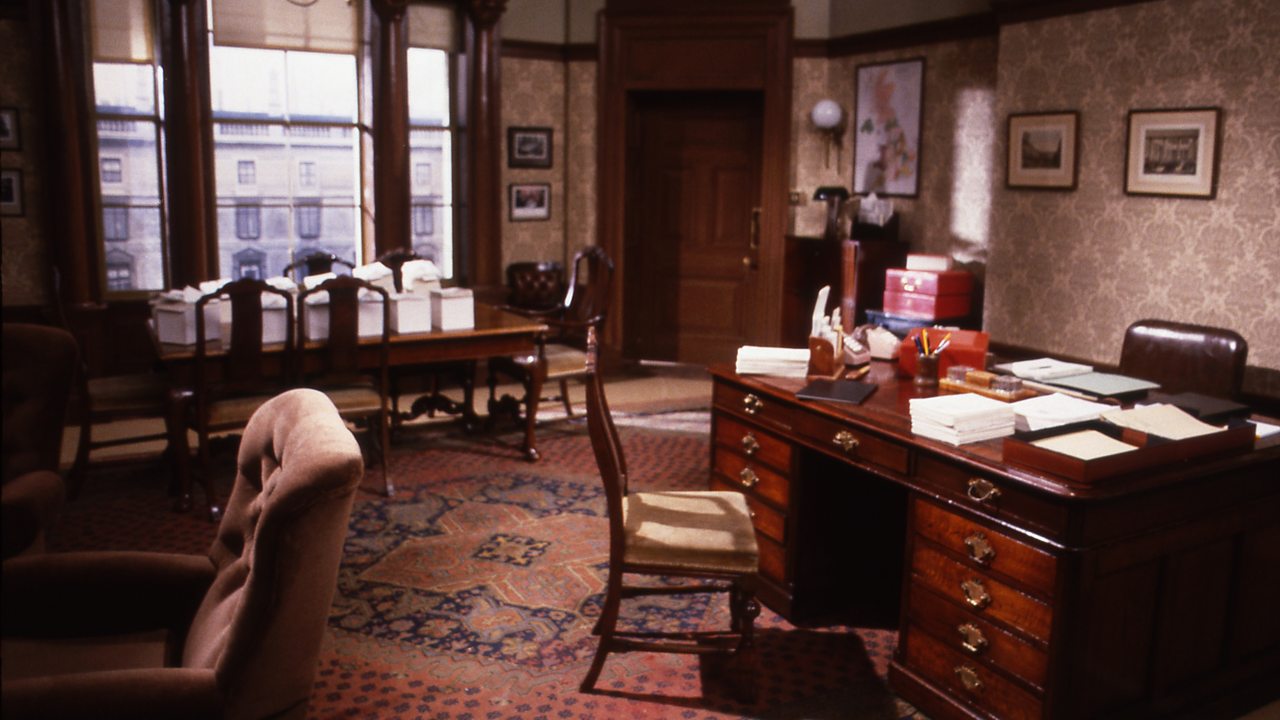
Read More...Download Free Doctor Who Backgrounds for Virtual Meetings (Plus Many Other BBC TV Shows)

Enthusiasm for British television is a force of nature. That goes even more so for British television fandom outside Britain. All of us have known someone, or indeed been someone, who shifted their cultural allegiances wholesale after watching a single episode of, say, Monty Python’s Flying Circus. But even that hugely influential comedy series commands only low-intensity worldwide devotion when set alongside Doctor Who, which has aired on the BBC in one form or another since 1963. One can express one’s membership in the global Doctor Who fandom in many ways, now including, in this period of all-digital professional and social interaction, one’s choice of virtual backgrounds on Zoom or other videoconferencing software.

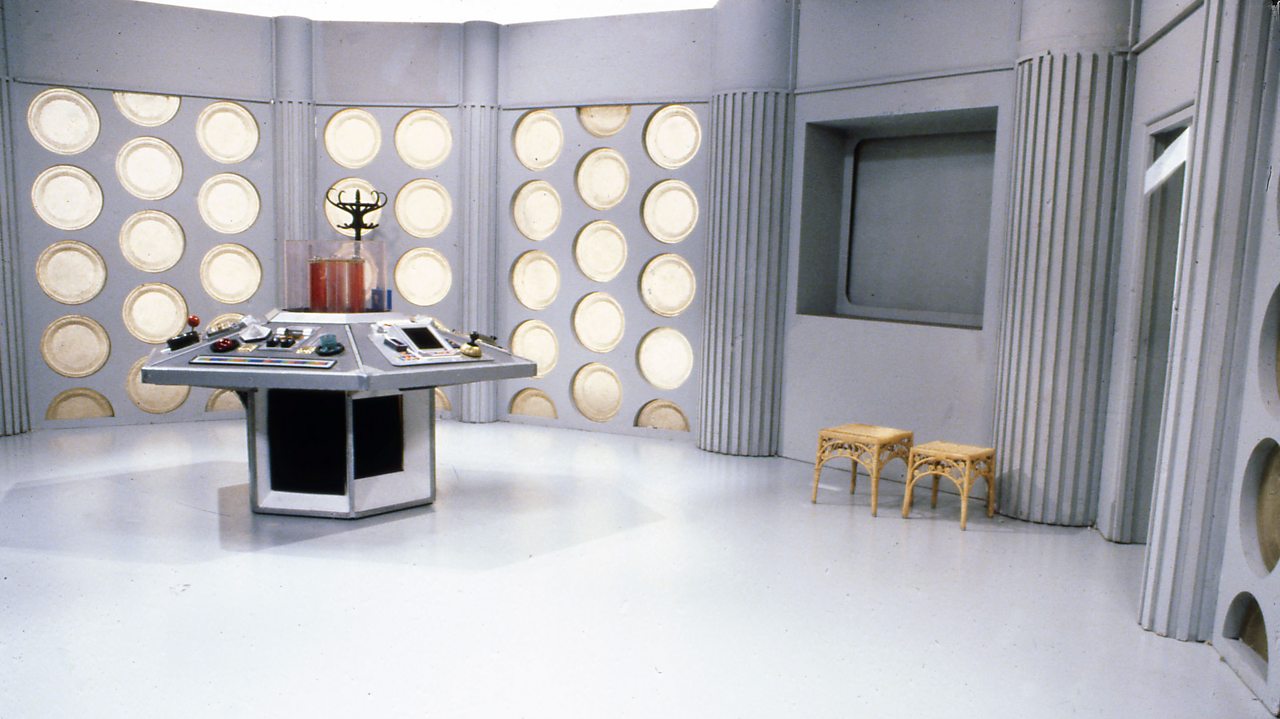
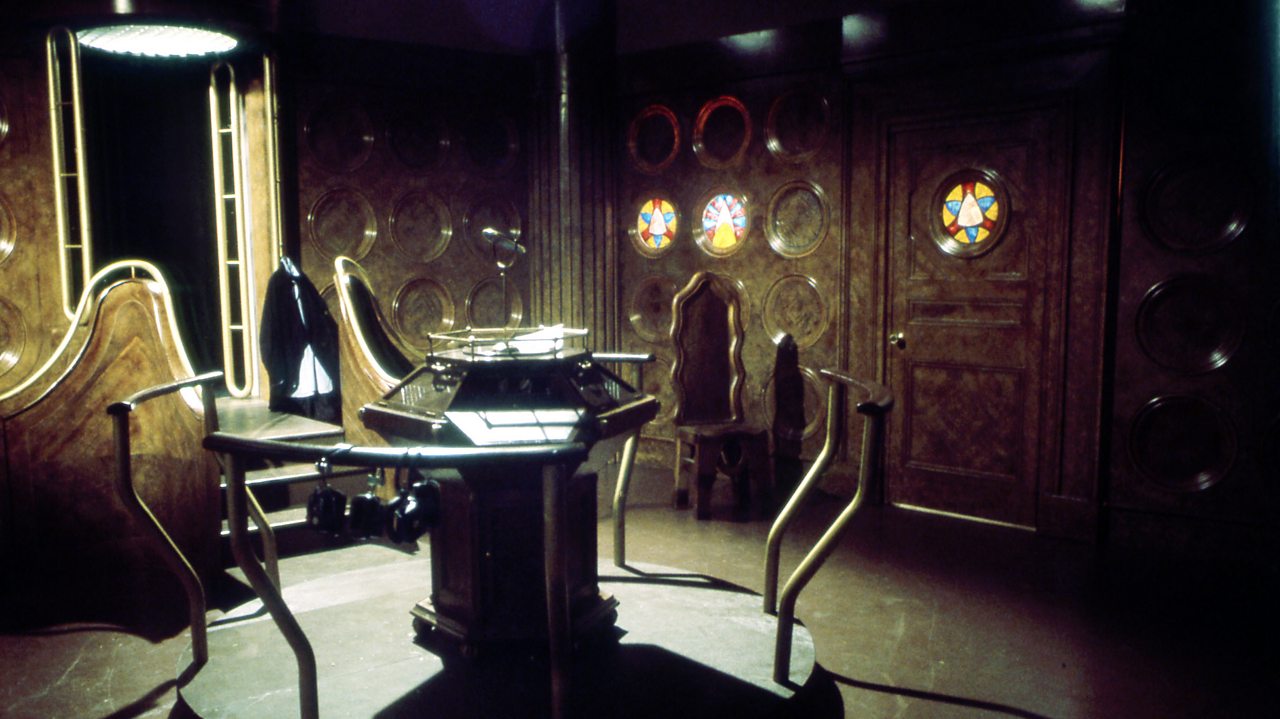
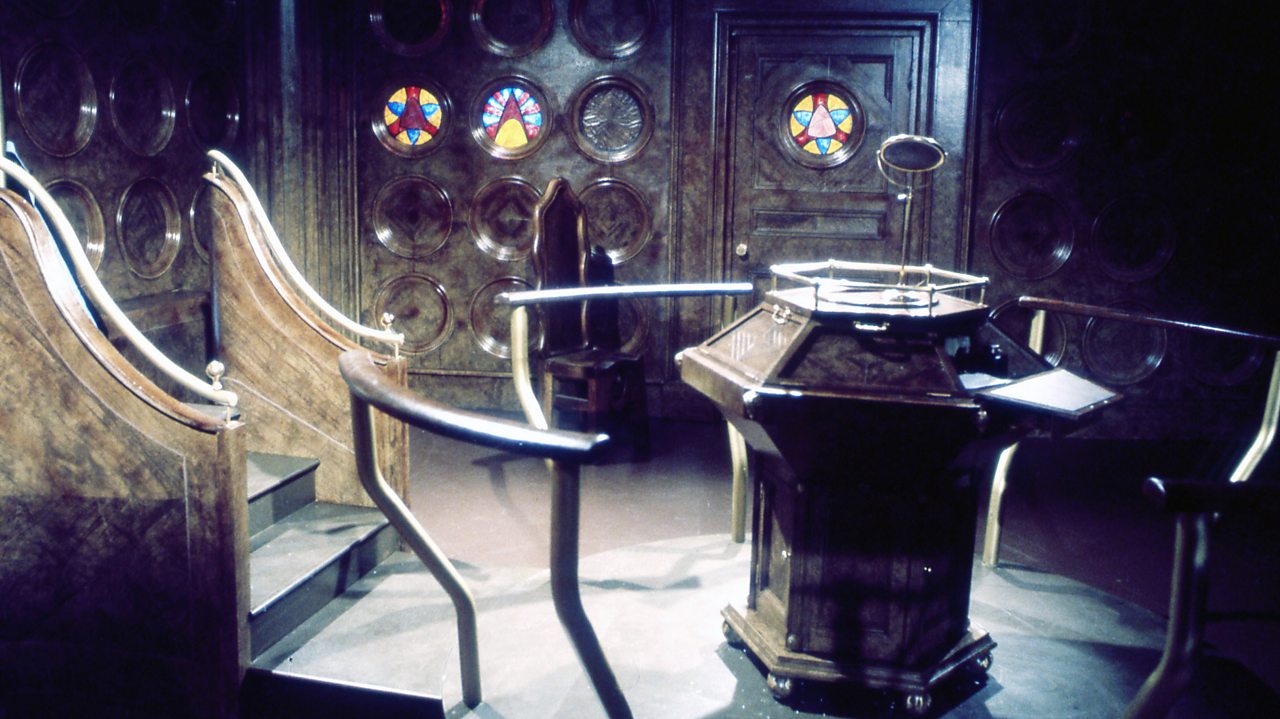
You can, in other words, make a call from inside the TARDIS. The expansive interior of the Doctor’s time-traveling space ship — which, as fans know, materializes in different lands and eras as a humble London police box — is just one of the free virtual backgrounds now offered by the BBC.
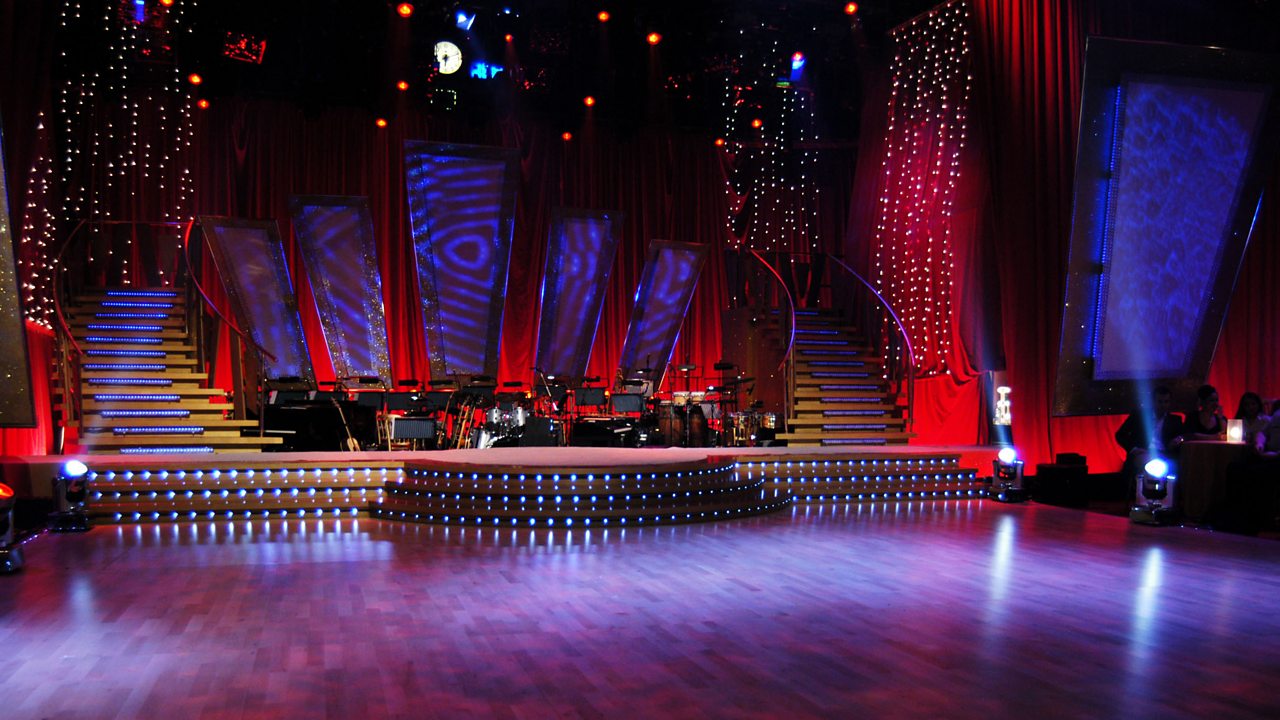
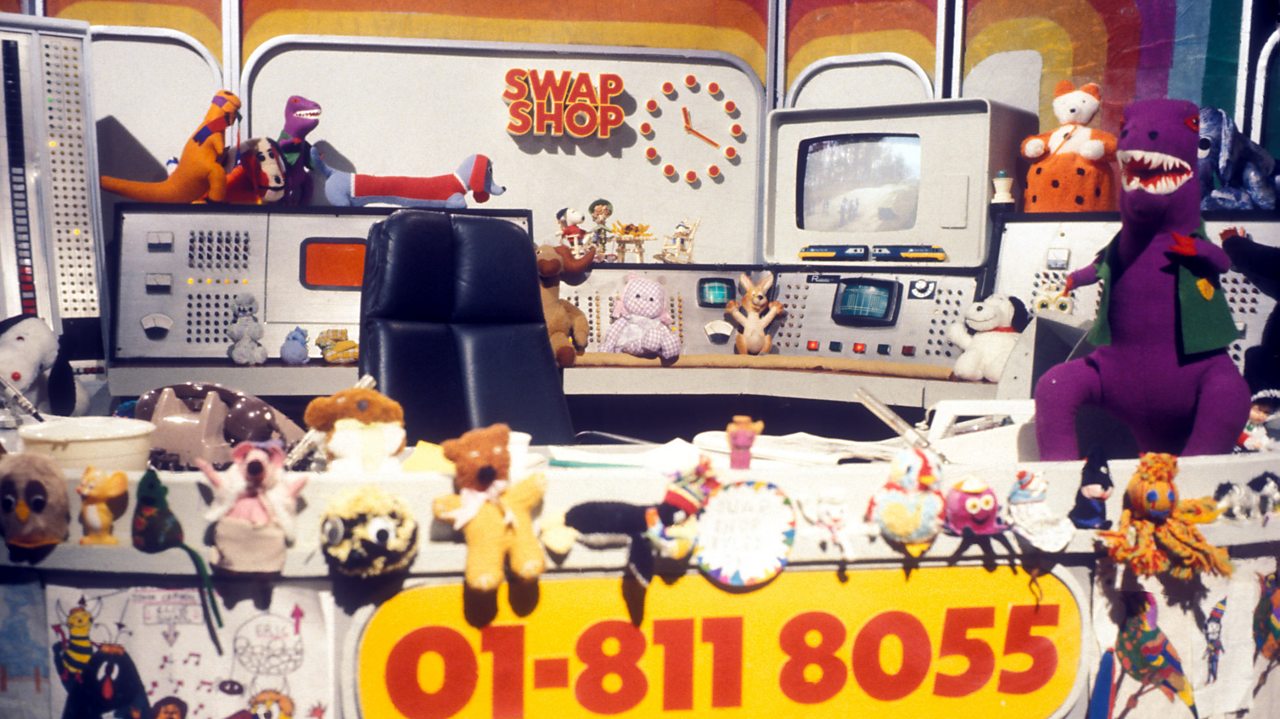
In fact, they’ve made available not just one TARDIS background but six: the 1980 version, the 1983 version, two views of the 2019 version, and two views of it as it appeared in the 1976 serial-within-the-series The Masque of Mandragora. If none of this means anything to you, you might consider browsing the BBC’s other virtual-background categories, which feature empty sets from the network’s other science-fiction productions as well as its sitcoms, light-entertainment programs, children’s shows, and sports broadcasts.
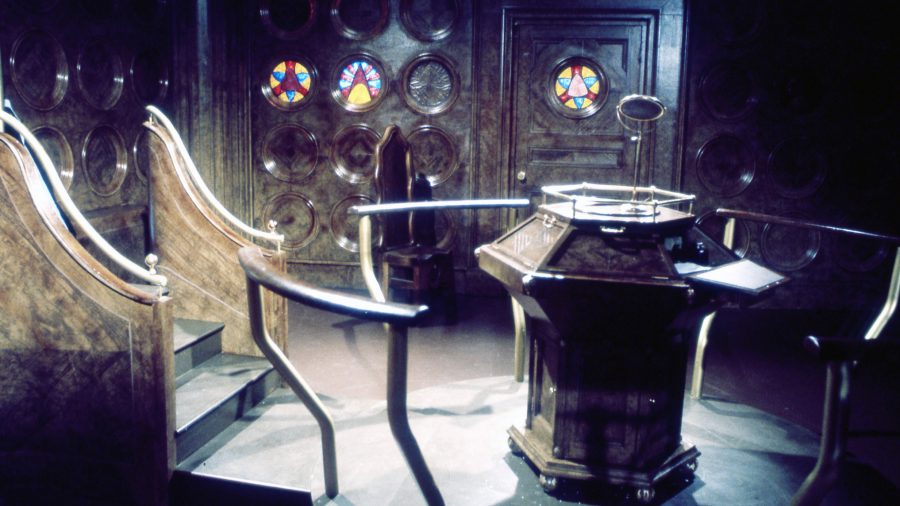
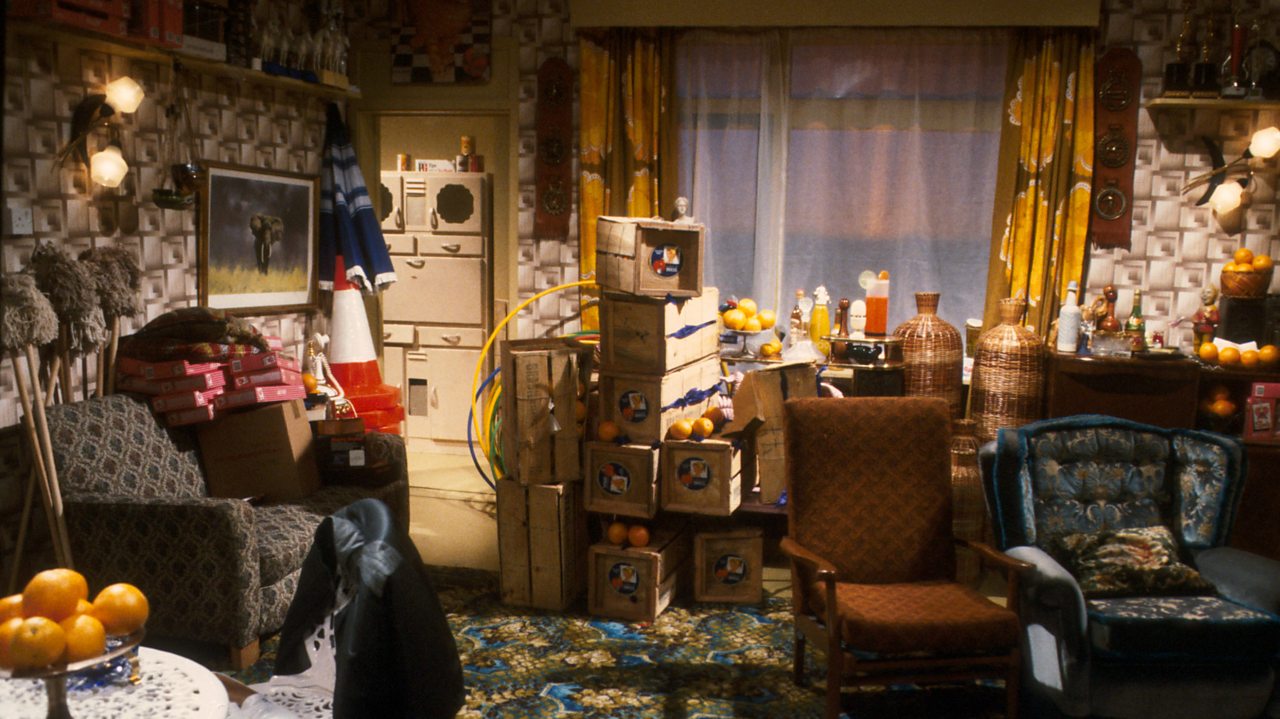
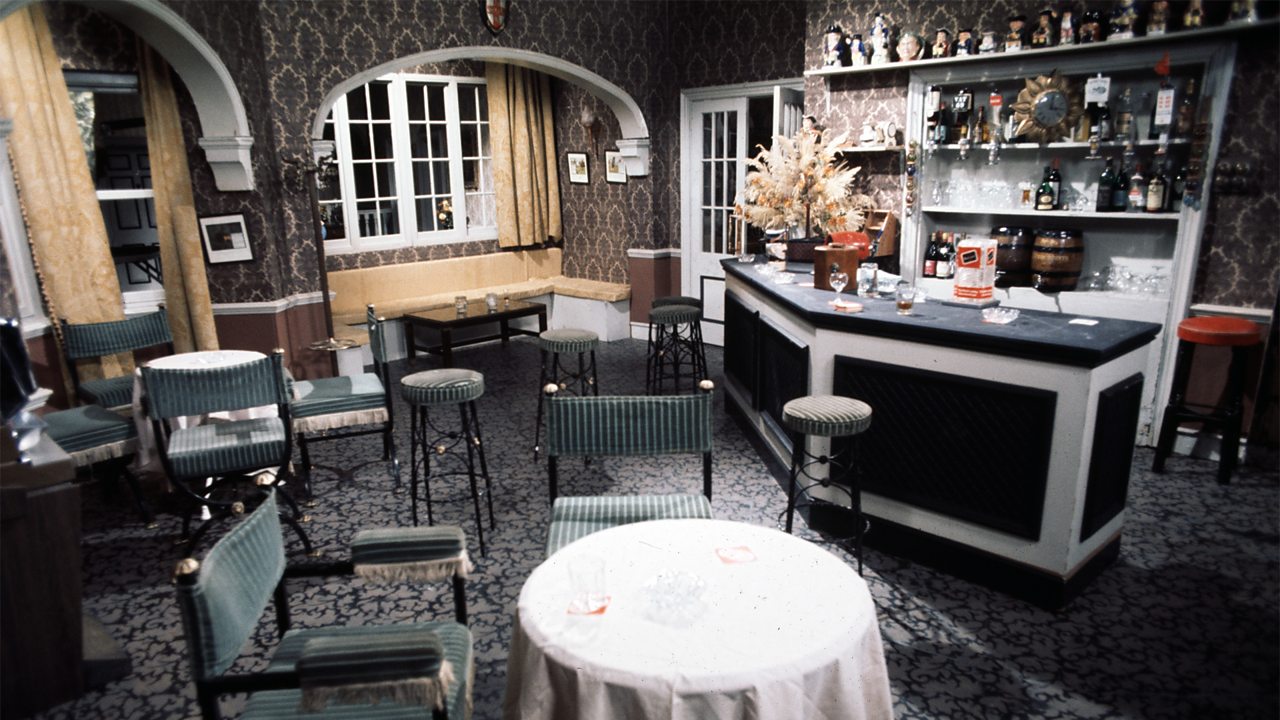
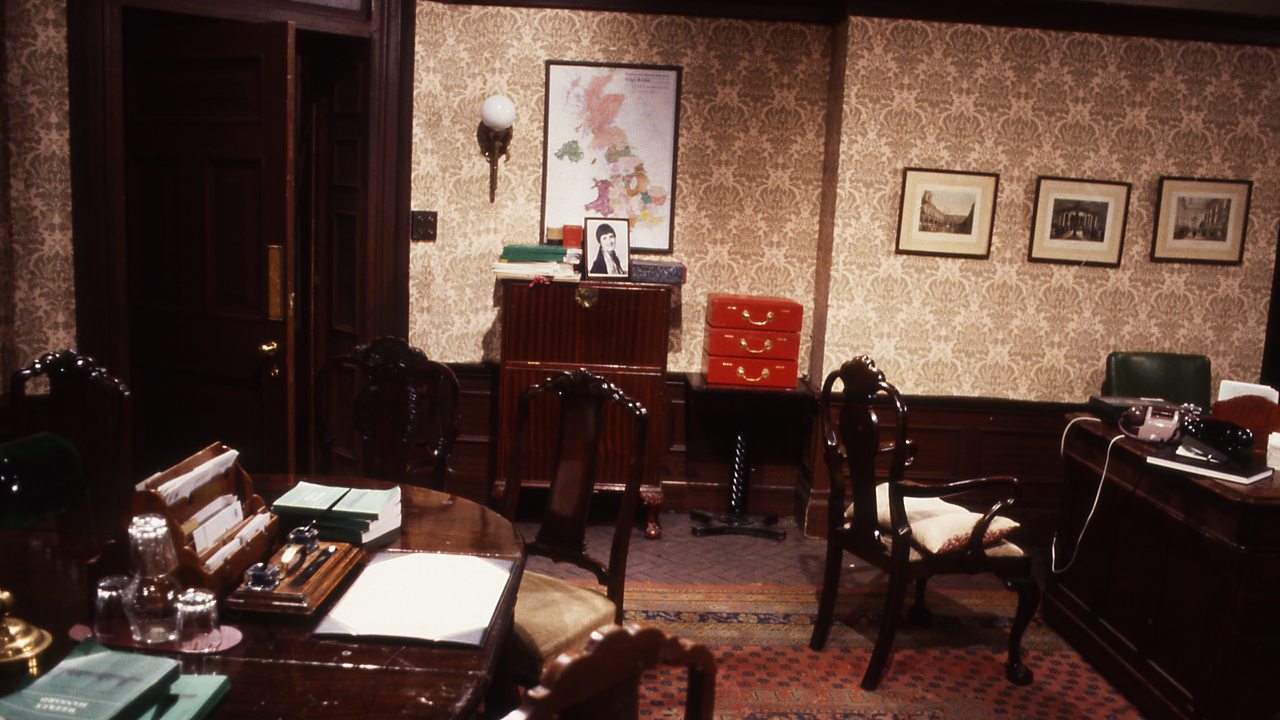
No Brits will be surprised at the presence of an entire category of backgrounds from the long-running soap opera EastEnders: the laundrette, the Branning Brothers car lot, and of course the Queen Victoria pub. But non-Brits will probably opt to make their video calls from familiar places created for more widely traveled programs, like the dining room at Fawlty Towers or Eddy and Patsy’s wine-filled refrigerator. Personally, I yield to none — or at least to no other American — in my appreciation of Yes Minister, a political satire that has only grown more incisive over the decades; I’d surely make my calls from one of the five Whitehall office sets the BBC has put up. Browsing its complete selection of virtual backgrounds, even the most obsessive British-TV aficionados will come across sets from shows of which they’ve never even heard. Luckily, many of us now have the time to binge-watch them all.
Related Content:
BritBox Now Streaming Now Streaming 550 Episodes Doctor Who and Many Other British TV Shows
30 Hours of Doctor Who Audio Dramas Now Free to Stream Online
Customize Your Zoom Virtual Background with Free Works of Art
Based in Seoul, Colin Marshall writes and broadcasts on cities, language, and culture. His projects include the book The Stateless City: a Walk through 21st-Century Los Angeles and the video series The City in Cinema. Follow him on Twitter at @colinmarshall, on Facebook, or on Instagram.
Read More...The Earliest Known Motion Picture, 1888’s Roundhay Garden Scene, Restored with Artificial Intelligence
No image is more closely associated with the birth of the motion picture than a train pulling into the French coastal town of La Ciotat. Captured by cinema pioneers Auguste and Louis Lumière, the 50-second clip frightened the audience at its first screening in 1896, who thought a real locomotive was hurtling toward them — or so the legend goes. Those early viewers may simply have felt a technological astonishment we can no longer muster today, and certainly not in response to such a mundane sight. That goes double for the slightly shorter and older Lumière Brothers production La Sortie de l’Usine Lumière a Lyon. Though it depicts nothing more than workers leaving a factory at the end of the day, it has long been referred to as “the first real motion picture ever made.”
That qualifier “real,” of course, hints at the existence of a predecessor. Whereas La Sortie de l’Usine Lumière a Lyon premiered in 1895, Louis Le Prince’s Roundhay Garden Scene dates to 1888. With its runtime under two seconds, this depiction of a moment in the life of four figures, a younger man and woman and an older man and woman, would even by the standards of the Lumière Brothers’ day barely count as a movie at all.
Equally disqualifying is its low frame rate: just seven to twelve per second (which one it is has been a matter of some dispute), which strikes our eyes more as a rapid sequence of still photographs than as continuous motion. Even so, it must have been a thrill of a result for Le Prince, an England-based French artist-inventor who had been developing his motion-photography system in secrecy since early in the decade.
We now have a clearer sense of the action captured in Roundhay Garden Scene thanks to the efforts Youtube-based film restorationist Denis Shiryaev, who’s used neural networks to bring the historic film more fully to life. Taking a scan of Le Prince’s original paper film, Shiryaev “manually cut this scan into individual frames and centered each image in the frame,” he says in the video at the top of the post. He then “added a stabilization algorithm and applied an aggressive face recognition neural network in order to add more details to the faces.” There followed adjustments for consistency in brightness, damage repairs, and the work of “an ensemble of neural networks” to upscale the footage to as high a resolution as possible, interpolating as many frames as possible. We may feel startled by the lifelike quality of the result in much the same way as 19th-century viewers by the Lumière Brothers’ train — which, as we’ve previously featured here on Open Culture, has also received the Shiryaev treatment.
Related Content:
Watch Scenes from Czarist Moscow Vividly Restored with Artificial Intelligence (May 1896)
Watch AI-Restored Film of Laborers Going Through Life in Victorian England (1901)
Based in Seoul, Colin Marshall writes and broadcasts on cities, language, and culture. His projects include the book The Stateless City: a Walk through 21st-Century Los Angeles and the video series The City in Cinema. Follow him on Twitter at @colinmarshall, on Facebook, or on Instagram.
Read More...Star Trek: World-Building Over Generations—Pretty Much Pop: A Culture Podcast #42

The world-wide Tribble infestation and Star Trek: Picard dropping make this an apt time to address our most philosophical sci-fi franchise. 44 years of thought experiments (with photon torpedoes!) about what it is to be human should have taught us something, and Brian Hirt, Erica Spyres, and Mark Linsenmayer along with Drew Jackson (Erica’s husband) reflect on what makes a Star Trek story, world building over generations in Gene Roddenberry’s land, canon you don’t remember vs. something that just hasn’t been shown on screen, Trek vs. Wars, and step-children like The Orville and Galaxy Quest.
We have gathered a heap of articles for further cogitation:
- “Star Trek Picard: 5 Things Trekkies Loved (& 5 Things They Hated)” by Tim Buckler
- “Is There Any Hope for Picard?” by Angelica Jade Bastién
- “How many Picards are there?” by Anthony Pascale
- “How Picard Fits Into the Star Trek Timeline” by Eliana Docterman (Read more about the timeline on Wikipedia.)
- “Discovery’s Michael Burnham Obsession Is Hurting Star Trek Canon” by Dusty Stowe
- “Why Michael Burnham is Great and ‘Star Trek: Discovery’ is Not” by Christina Escobar
- “Hear Me Out: JJ Abrams’ Star Trek Movies Are Better Than His Star Wars Films” by Sean O’Connell
- “Report: Paramount Eyes Chris Pine To Reboot ‘The Saint’ As They Await Noah Hawley’s Star Trek Script” at trekmovie.com
- “Quentin Tarantino Clarifies—Then Confuses—The Timeline For His Star Trek Project” by Anthony Pascale
- “Star Trek 4 Has Some Big Hurdles To Overcome” by Dusty Stowe
- “10 Strange Star Trek Timeline Continuity Errors” by Liam Horn
For some suggested episodes to catch up on, there are lists online recommending those from the original series and from the franchise overall. There are also fan creations like these original series episodes, a Star Trek musical, and of course the Improvised Star Trek podcast. For some relevant words from Rod Roddenberry, check out episode 55 of the Mission Log podcast.
Learn more at prettymuchpop.com. This episode includes bonus discussion that you can only hear by supporting the podcast at patreon.com/prettymuchpop. This podcast is part of the Partially Examined Life podcast network.
Pretty Much Pop: A Culture Podcast is the first podcast curated by Open Culture. Browse all Pretty Much Pop posts or start with the first episode.
Read More...
Juilliard Students & the New York Philharmonic Perform Ravel’s Bolero While Social Distancing in Quarantine
Like everyone else in COVID-19 isolation, Juilliard students are itching to get out and play. For them, the desire is a little more of an imperative. Without meeting and rehearsing together, these dedicated artists at the beginning of their careers can’t hone their skills. “In normal times,” writes Benjamin Sosland at the Juilliard Journal, “Juilliard’s halls are buzzing with collaborations: string quartets, jazz ensembles, and singers rehearsing in practice rooms on the fourth floor; dancers creating new choreography on the third floor; HP students embellishing bass lines together in Room 554, the main harpsichord studio; actors doing ensemble work in the legendary Room 301.”
Social distancing has been a sacrifice for these artists, but rather than give it up, they’ve made the best of things with the edited collaboration just above, Bolero Juilliard. It’s easy to lose sight of the fact that this is a collage of individual performances, even though that’s exactly what we see before our eyes.
The movements are so well choreographed, the performances so pitch perfectly timed, that we suspend our disbelief. We do not hear the flubbed lines, missed cues, sour notes, and cracked jokes that must happen at even the highest levels of performance. But you too would put your best foot forward if you knew you’d be performing (in a sense) with such illustrious Juilliard alumni as Yo-Yo Ma, Laura Linney, Patti Lupone, and Itzhak Perlman, all of whom make an appearance.
“Proposed by [Juilliard] President Damian Woetzel and under the artistic leadership of choreographer… Larry Keigwin,” Sosland reports, the virtual collaboration brings together “dancers, instrumentalists, singers, actors, and alumni” in a version of an in-person piece Keigwin has staged in 14 cities around the U.S. over the past several years. Maurice Ravel’s Bolero is itself “a particularly collaborative composition in that it passes the melodic theme through a series of solos,” Grace Ebert writes at Colossal. “The sequential performances highlight the distinct tones and sounds of each instrument, whether it be a flute, violin, or the anomalous saxophone.”
It is a piece that directly expresses the experience of playing together in isolation, which is perhaps why the New York Philharmonic also chose to play Bolero, together while apart in a video tribute to “the healthcare workers on the front lines of the COVID-19 crisis.” Without the intense choreography and painstaking montage effects of Bolero Juilliard, the video doesn’t sustain the illusion that these musicians are actually playing together, but close your eyes and you may imagine you’re in the audience, listening to them from the stage instead of from their homes. It’s something these musicians clearly do joyfully, out of gratitude and love of their art… and also probably because it’s how they’ll have to play together for the foreseeable future.
via Kottke
Related Content:
Hear a 1930 Recording of Boléro, Conducted by Ravel Himself
The Met Opera Streaming Free Operas Online to Get You Through COVID-19
Metallica Is Putting Free Concerts Online: 6 Now Streaming, with More to Come
Josh Jones is a writer and musician based in Durham, NC. Follow him at @jdmagness
Read More...3D Interactive Globes Now Online: Spin Through an Archive of Globes from the 17th and 18th Century
“The archive presents 3D models of 11 globes — a subset of the library’s historic maps collection — that can be rotated and zoomed into for greater detail at every angle,” writes Hyperallergic’s Sarah Rose Sharp. She points to one in particular, “stunning 1602 celestial globe by Dutch cartographer Willem Janszoon Blaeu, first produced in 1602. In addition to representing the constellations as their fantastic and mythological namesakes, it identifies a nova in the constellation of Cygnus which Blaeu had personally observed in 1600.”
The British Library’s digital collection boasts several such “celestial globes,” which chart the sky rather than the Earth. However few of us have ever turned a celestial globe by hand, we can now do it virtually. If 1602 seems a bit too vintage, give a digital spin to the others from 1700, 1728, and 1783.
Back on land, these globes feature not just “fantastic creatures,” Sharp writes, but “charming archaic conceptions of the oceans — the ‘Atalantick Ocean’ in the 1730 Richard Cushee terrestrial globe, or the ‘Ethipoic Ocean’ in the 1783 terrestrial globe by G. Wright and W. Bardin.” In Chushee, Wright and Bardin’s times, few globe-users, or indeed globe-makers, would have had the chance to see much of those vast bodies of water for themselves. Of course, with the current state of pandemic lockdown in so many countries, few of us are taking transoceanic journeys even today. If you’re dreaming about the rest of the world, spend some time with the British Library’s 3D-modeled globes on Sketchfab — where you’ll also find the Rosetta Stone and Bust of Nefertiti among other artifacts previously featured here on Open Culture — and get your hands on an idea of how humanity imagined it in centuries past.
Related Content:
Enchanting Video Shows How Globes Were Made by Hand in 1955: The End of a 500-Year Tradition
Why Making Accurate World Maps Is Mathematically Impossible
The Strikingly Beautiful Maps & Charts That Fired the Imagination of Students in the 1880s
Download 91,000 Historic Maps from the Massive David Rumsey Map Collection
Based in Seoul, Colin Marshall writes and broadcasts on cities, language, and culture. His projects include the book The Stateless City: a Walk through 21st-Century Los Angeles and the video series The City in Cinema. Follow him on Twitter at @colinmarshall, on Facebook, or on Instagram.
Read More...Drive-In Concerts and Even Raves Are Becoming the Rage in Europe
If we are to remain socially distant in the coming months of the pandemic—and nearly every reputable health expert says we should—at least 21st century technology has prepared us for life lived in isolation. If we insist on going out, we may see a 20th century innovation become even more popular. The drive-in theater has returned as a safe venue for movies, concerts, and even raves, at least in Denmark, where the city of Aarhus recently staged a drive-in concert by singer-songwriter Mads Langer. “500 tickets sold out in minutes,” reports Forbes. “The following day, the stage became a drive-in cinema” showing Star Wars Episode IX.
The first in a series, the drive-in shows are part of a larger trend in Europe. Promoters in Lithuania have launched similar events outside Vilnius. And if you’re wondering what a drive-in rave looks like, wonder no more—Germany held the first of many a few days back.
Does it look like a precursor to the world of Mad Max: Fury Road? As some commenters have suggested, enough events like these around the world might be just what we need to accelerate desertification. But it’s a fun idea, with undeniably nostalgic built-in branding.
Drive-in theaters are distinctly tied to teenage romances of the 1950s and environmentally monstrous vehicles large enough for very comfortable double dates. Their origins are less romantic than the stereotype. “The first patented drive-in was opened on June 6, 1933 by Richard Hollingshead in New Jersey,” notes the New York Film Academy. “He created it as a solution for people unable to comfortably fit into smaller movie theater seats after creating a mini drive-in for his mother. Appealing to families, Hollingshead advertised his drive-in as a place where ‘The whole family is welcome, regardless of how noisy the children are.’”
Peak time at the drive-in rave in Germany pic.twitter.com/GLXStx5k63
— Mixmag (@Mixmag) May 2, 2020
It is unlikely many parents today would sit through a drive-in show with noisy children, when everyone can stay home with their own private screen. But for Matt Langer fan Signe Nygaard, a parent and former gymnast, the drive-in made a dream come true. The singer invited her onstage. “A few years ago,” she says, “I was supposed to dance at a convention where Mads Langer sang live, but I couldn’t because I was pregnant. Now I finally got the chance.” There will be feelgood stories in the pandemic, but I do hope they stayed six feet apart.
Related Content:
Free: Austin City Limits Opens Up Video Archives During COVID-19 Pandemic
Soothing, Uplifting Resources for Parents & Caregivers Stressed by the COVID-19 Crisis
Josh Jones is a writer and musician based in Durham, NC. Follow him at @jdmagness
Read More...Support Us
We're hoping to rely on loyal readers, rather than erratic ads. Please click the Donate button and support Open Culture. You can use Paypal, Venmo, Patreon, even Crypto! We thank you!

About Us

Open Culture scours the web for the best educational media. We find the free courses and audio books you need, the language lessons & educational videos you want, and plenty of enlightenment in between.
Advertise With Us

FREE UPDATES!
GET OUR DAILY EMAIL
Get the best cultural and educational resources on the web curated for you in a daily email. We never spam. Unsubscribe at any time.
FOLLOW ON SOCIAL MEDIA

Open Culture editor Dan Colman scours the web for the best educational media. He finds the free courses and audio books you need, the language lessons & movies you want, and plenty of enlightenment in between.
Advertise With Us