Japanese Artist Creates Bookshelf Dioramas That Magically Transport You Into Tokyo’s Back Alleys
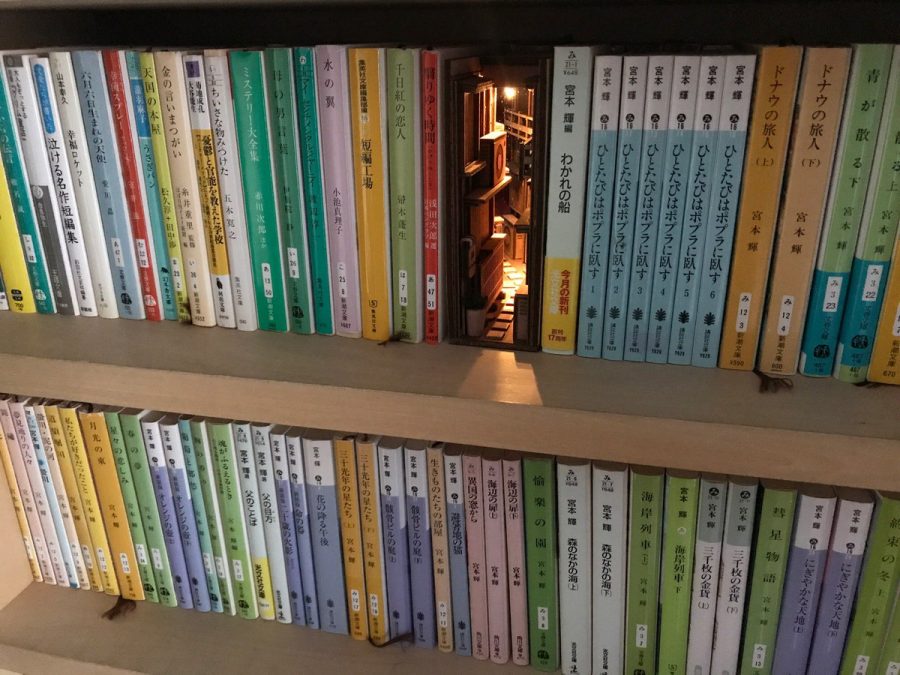
Should you find yourself in a Japanese city, spend time not on the Starbucks- and McDonald’s-lined boulevards but on the back streets that wind in all directions behind them. Or better yet, head into the back alleys branching off those streets, those half-hidden spaces that offer the most evocative glimpses of life in urban Japan by far. Only there can you find passage into the wonderfully idiosyncratic businesses tucked into the corners of the city, from bars and restaurants to coffee shops and of course bookstores. Those bookstores have long occupied Japan’s back alleys, but now an artist by the name of Monde has brought the back alleys onto bookshelves.

Monde’s handcrafted wooden bookend dioramas, which you can see on his Twitter feed as well as in a Buzzfeed Japan article about them, replicate the back alleys of his hometown of Tokyo. They do it in miniature, and down to the smallest detail — even the electric lights that illuminate the real thing at night.
Scaled to the height of not just a book but a small Japanese paperback, the likes of which fill those back-alley bookstores from floor to ceiling, they’re designed to slot right into bookshelves, providing a welcoming street scene to those browsing through their own or others’ volumes in the same way that the actual alleys they model come as a pleasant surprise to passersby on the main streets.

Tokyo has become a beloved city to Japanese and non-Japanese alike for countless reasons, but who can doubt the appeal of the way it combines the feeling of small-town life in its many neighborhoods that together make for a megacity scale? Monde’s dioramas capture the distinctive mixture of domesticity and density in the capital’s back alleys, reflecting the narrowness of the spaces in form and their somehow organically manmade nature — stepping stones, potted-plant gardens, and all the small pieces of infrastructure that have accumulated to support life in the homes of so many — in content. Though Tokyo has for decades been regarded, especially from the West, as a place of thorough hypermodernity, its alleys remind us that within the sometimes overwhelming present exists a mixture of eras that feel timeless — just like the content of a well-curated bookshelf.

via Twisted Sifter
Related Content:
A Photographic Tour of Haruki Murakami’s Tokyo, Where Dream, Memory, and Reality Meet
Based in Seoul, Colin Marshall writes and broadcasts on cities, language, and culture. His projects include the book The Stateless City: a Walk through 21st-Century Los Angeles and the video series The City in Cinema. Follow him on Twitter at @colinmarshall or on Facebook.
Read More...The Solar System Quilt: In 1876, a Teacher Creates a Handcrafted Quilt to Use as a Teaching Aid in Her Astronomy Class
Dedicated teachers often go well beyond the call of duty, sacrificing large amounts of free time for the betterment of their classrooms and their pupils.
Any teacher who’s ever paid for supplies out of their own pocket, then spent the weekend constructing an elaborate bulletin board display, will appreciate the herculean efforts of Sarah Ellen Harding Baker.
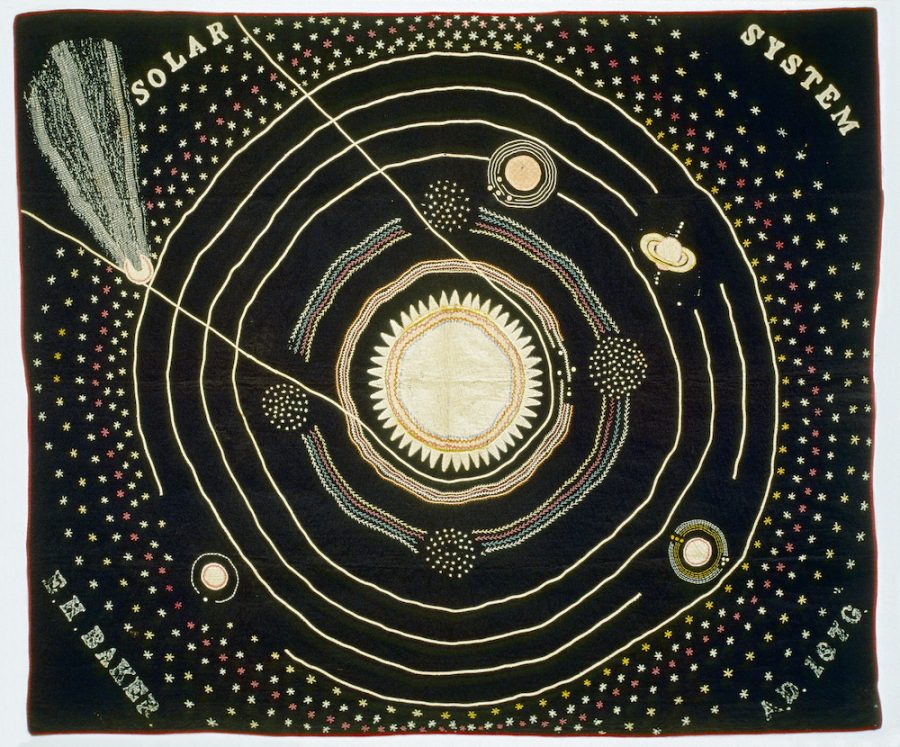
Baker, a teacher and astronomer in Cedar County, Iowa, is rumored to have spent 7 years embroidering a beautiful appliquéd quilt to use as a visual aid in lectures.
Finished in 1876, the quilt is large enough that even a near-sighted student could see its planets and moons from the back row.
Orbits are indicated with silken threads against a black background.

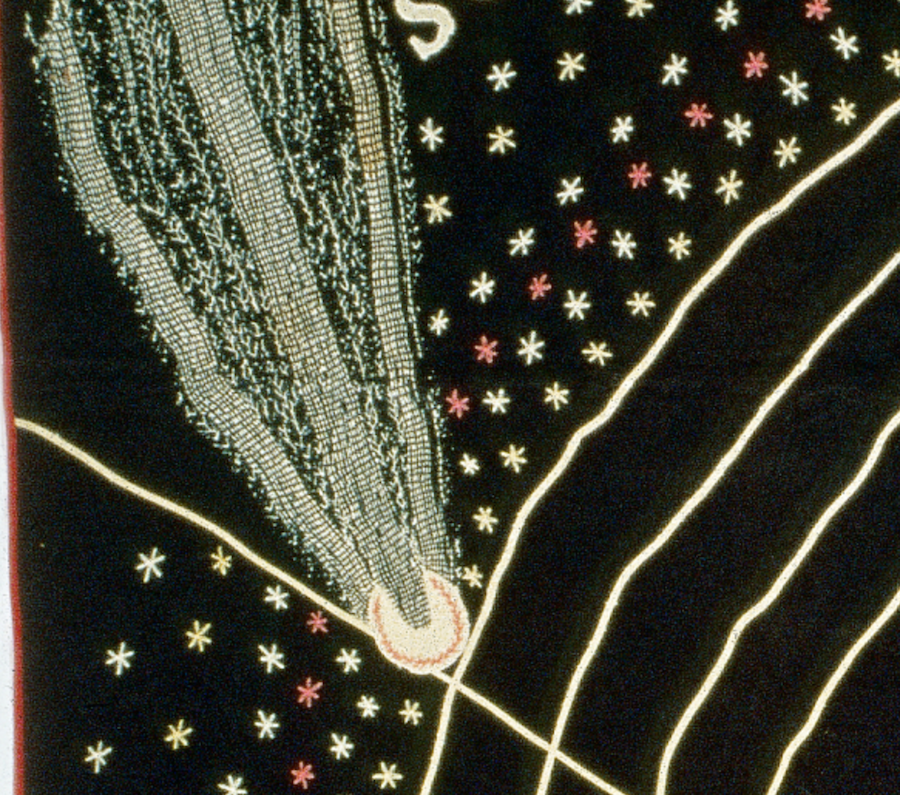
A comet in the upper left is thought to be Halley’s Comet, whose last appearance would have been in 1835, 12 years before Baker’s birth.
The Smithsonian National Museum of American History, where Baker’s quilt is housed, notes that astronomy was deemed an acceptable interest for 19th-century women, which may explain the number of celestial-themed quilts that date to the period.
Author and quilt historian Barbara Brackman includes a few on her Material Culture blog, while her Historically Modern blog visits some more recent examples, including one that makes use of a stars-and-earth hot-iron transfer published in Good Housekeeping magazine, to accompany an article celebrating the winners of its 1939 World of Tomorrow Quilt Contest.
Baker got just ten years out of her quilt before succumbing to tuberculosis at the age of 39, the mother of 7 children, 5 of whom survived her.
Related Content:
The Ancient Astronomy of Stonehenge Decoded
Too Big for Any Museum, AIDS Quilt Goes Digital Thanks to Microsoft
Watch Nina Paley’s “Embroidermation,” a New, Stunningly Labor-Intensive Form of Animation
Ayun Halliday is an author, illustrator, theater maker and Chief Primatologist of the East Village Inky zine. Join her in NYC this December for the 10th anniversary production of Greg Kotis’ apocalyptic holiday tale, The Truth About Santa, and the next monthly installment of her book-based variety show, Necromancers of the Public Domain. Follow her @AyunHalliday.
Read More...Masterclass Is Running a Special “Buy One, Give One Free” Deal: It Gives You & Family Member/Friend Access to Their Complete Course Catalog

A quick fyi: Masterclass is running a Buy One, Give One Free special until November 26 at 11:59:59 PM PST.
Here’s the gist: If you buy an All-Access pass to their 45 courses, you will receive another All-Access Pass to give to someone else at no additional charge. An All-Access pass costs $180, and lasts one year. For that fee, you–and a family member or friend–can watch courses created by Annie Leibovitz, Werner Herzog, Martin Scorsese, David Mamet, Jane Goodall, Margaret Atwood, Helen Mirren, Martin Scorsese, Herbie Hancock, Alice Waters and so many more. If you’re thinking this sounds like a pretty good holiday present, I’d have to agree.
Note: If you sign up for a MasterClass course by clicking on the affiliate links in this post, Open Culture will receive a small fee that helps support our operation.
Read More...Psilocybin Could Soon Be a Legal Treatment for Depression: Johns Hopkins Professor, Roland Griffiths, Explains How Psilocybin Can Relieve Suffering
Much of the recent scientific research into psychedelics has picked up where researchers left off in the mid-20th century, before LSD, psilocybin, and other psychoactive drugs became countercultural means of consciousness expansion, and then banned, illegal substances the government sought to control. Scientists from several fields studied psychedelics as treatments for addiction, depression, and anxiety, and end-of-life care. These applications were conceived and tested several decades ago.
Now, thanks to some serious investment from high-profile institutions like Johns Hopkins University, and thanks to changing government attitudes toward psychoactive drugs, it may be possible for psilocybin, the active ingredient in “magic mushrooms,” to get legal approval for therapy in a clinical setting by 2021. “For the first time in U.S. history,” Shelby Hartman reports at Rolling Stone, “a psychedelic drug is on the fast track to getting approved for treating depression by the federal government.”


As Michael Pollan has detailed in his latest book, How to Change Your Mind, the possibilities for psilocybin and other such drugs are vast. “But before the Food and Drug Administration can be petitioned to reclassify it,” Brittany Shoot notes at Fortune, the drug “first has to clear phase III clinical trials. The entire process is expected to take about five years.” In the TEDMED video above, you can see Roland R. Griffiths, Professor of Psychiatry and Behavioral Sciences at Johns Hopkins, discuss the ways in which psilocybin, “under supported conditions, can occasion mystical-type experiences associated with enduring positive changes in attitudes and behavior.”
The implications of this research span the fields of ethics and medicine, psychology and religion, and it’s fitting that Dr. Griffiths leads off with a statement about the compatibility of spirituality and science, supported by a quote from Einstein, who said “the most beautiful and profound emotion we can experience is the sensation of the mystical. It’s the source of all true science.” But the work Griffiths and others have been engaged in is primarily practical in nature—though it does not at all exclude the mystical—like finding effective means to treat depression in cancer patients, for example.
“Sixteen million Americans suffer from depression and approximately one-third of them are treatment resistant,” Hartman writes. “Depression is also an epidemic worldwide, affecting 300 million people around the world.” Psychotropic drugs like psilocybin, LSD, and MDMA (which is not classified as a psychedelic), have been shown for a long time to work for many people suffering from severe mental illness and addictions.
Although such drugs present some potential for abuse, they are not highly addictive, especially relative to the flood of opioids on the legal market that are currently devastating whole communities as people use them to self-medicate. It seems that what has most prevented psychedelics from being researched and prescribed has as much or more to do with long-standing prejudice and fear as it does with a genuine concern for public health. (And that’s not even to mention the financial interests who exert tremendous pressure on drug policy.)
But now, Hartman writes, “it appears [researchers] have come too far to go back—and the federal government is finally recognizing it, too.” Find out why this research matters in Dr. Griffiths’ talk, Pollan’s book, the Multidisciplinary Association for Psychedelic Studies, and some of the posts we’ve linked to below.
Related Content:
Josh Jones is a writer and musician based in Durham, NC. Follow him at @jdmagness
Read More...The Illustrated Version of “Alice’s Restaurant”: Watch Arlo Guthrie’s Thanksgiving Counterculture Classic
Alice’s Restaurant. It’s now a Thanksgiving classic, and something of a tradition around here. Recorded in 1967, the 18+ minute counterculture song recounts Arlo Guthrie’s real encounter with the law, starting on Thanksgiving Day 1965. As the long song unfolds, we hear all about how a hippie-bating police officer, by the name of William “Obie” Obanhein, arrested Arlo for littering. (Cultural footnote: Obie previously posed for several Norman Rockwell paintings, including the well-known painting, “The Runaway,” that graced a 1958 cover of The Saturday Evening Post.) In fairly short order, Arlo pleads guilty to a misdemeanor charge, pays a $25 fine, and cleans up the thrash. But the story isn’t over. Not by a long shot. Later, when Arlo (son of Woody Guthrie) gets called up for the draft, the petty crime ironically becomes a basis for disqualifying him from military service in the Vietnam War. Guthrie recounts this with some bitterness as the song builds into a satirical protest against the war: “I’m sittin’ here on the Group W bench ’cause you want to know if I’m moral enough to join the Army, burn women, kids, houses and villages after bein’ a litterbug.” And then we’re back to the cheery chorus again: “You can get anything you want, at Alice’s Restaurant.”
We have featured Guthrie’s classic during past years. But, for this Thanksgiving, we give you the illustrated version. Happy Thanksgiving to everyone who plans to celebrate the holiday today.
If you would like to support the mission of Open Culture, consider making a donation to our site. It’s hard to rely 100% on ads, and your contributions will help us continue providing the best free cultural and educational materials to learners everywhere. You can contribute through PayPal, Patreon, and Venmo (@openculture). Thanks!
Related Content:
William S. Burroughs Reads His Sarcastic “Thanksgiving Prayer” in a 1988 Film By Gus Van Sant
Marilyn Monroe’s Handwritten Turkey-and-Stuffing Recipe
William Shatner Raps About How to Not Kill Yourself Deep Frying a Turkey
F. Scott Fitzgerald’s 13 Tips for What to Do with Your Leftover Thanksgiving Turkey
Read More...The Impossibly Cool Album Covers of Blue Note Records: Meet the Creative Team Behind These Iconic Designs
If you stepped into a record store in the 1950s and 60s, you would likely be drawn almost immediately to a Blue Note release—whether or not you were a fan of jazz or had heard of the artist or even the label. “If you went to those record stores,” says Estelle Caswell in the Vox Earworm video above, “it probably wasn’t the sound of Blue Note that immediately caught your attention. It was their album covers.”
Now those designs are hallowed jazz iconography, with their “bold typography, two tone photography, and minimal graphic design.” Of course, it should go without saying that the sound of Blue Note is as distinctive and essential as its look, thanks to its founders’ musical vision, the faultless ear of producer and engineer Rudy Van Gelder, and the roster of unbelievably great musicians the label recruited and recorded.
But back to those covers….
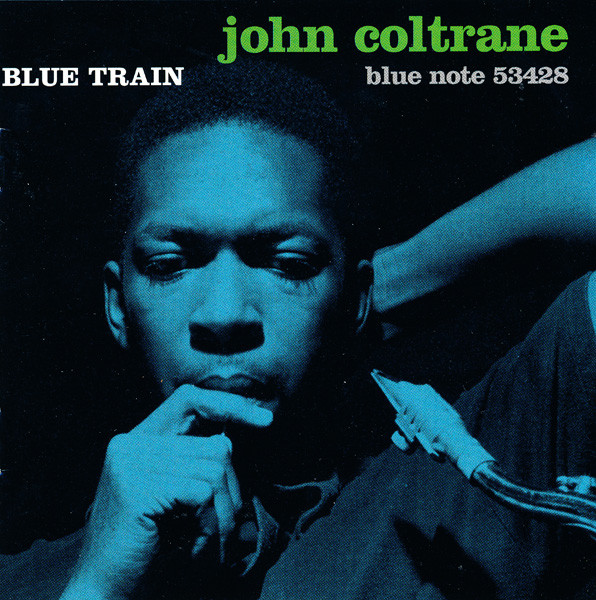
“Their bold use of color, intimate photography, and meticulously placed typography came to define the look of jazz” in the hard bop era, and thus, defined the look of cool, a “refined sophistication” vibrating with restless, sultry, smoky, classy, moody energy. The rat pack had nothing on Blue Note. Their covers “have today become an epitome of graphic hip,” writes Robin Kinross at Eye magazine. (And lest we fetishize the covers at the expense of their contents, Kinross makes sure to add that they “are no more than the visible manifestation of an organic whole.”)
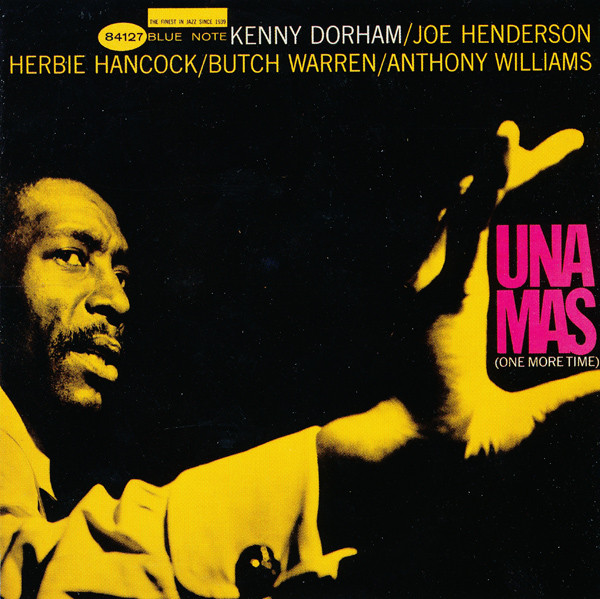
Flip over any one of those beautifully-designed Blue Note records from, say, 1955 to 65, the label’s peak years, and you’ll find two names credited for almost all of their designs: photographer Francis Wolff and graphic designer Reid Miles. Wolff, says producer and Blue Note archivist Michael Cuscuna in the Earworm video, shot almost every Blue Note session from “the minute he arrived.”
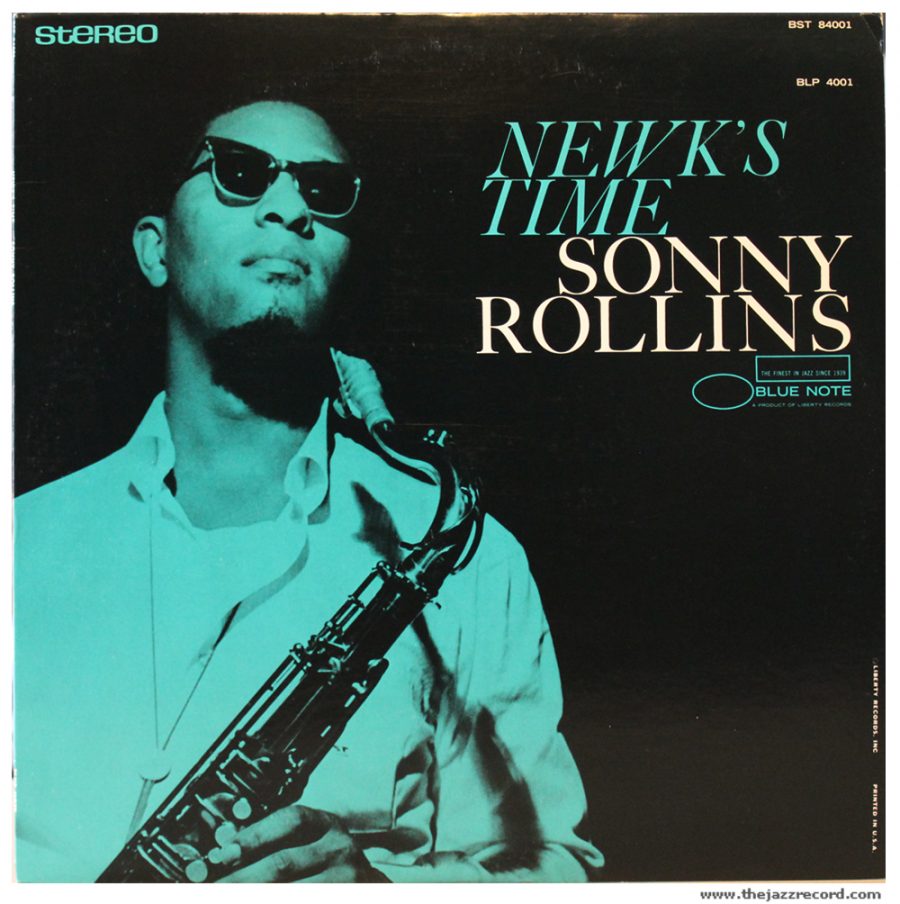
“One of the most impressive, and shocking things” about Wolff’s photo shoots, “was that the average success rate of those photos was really extraordinary. He was like the jazz artist of photography in that he could nail it immediately.” Once Wolff filled a contact sheet with great shots, it next came to Miles to select the perfect one—and the perfect crop—for the album cover. These saturated portraits turned Blue Note artists into immortal heroes of hip.
But Reid’s experiments with typography, “inspired by the ever present Swiss lettering style that defined 20th century graphic design,” notes Vox, provided such an important element that the lettering sometimes edged out the photography, such as in the cover of Joe Henderson’s In ‘n Out, which features only a tiny portrait of the artist in the upper left-hand corner, nestled in the dot of a lower-case “i.”
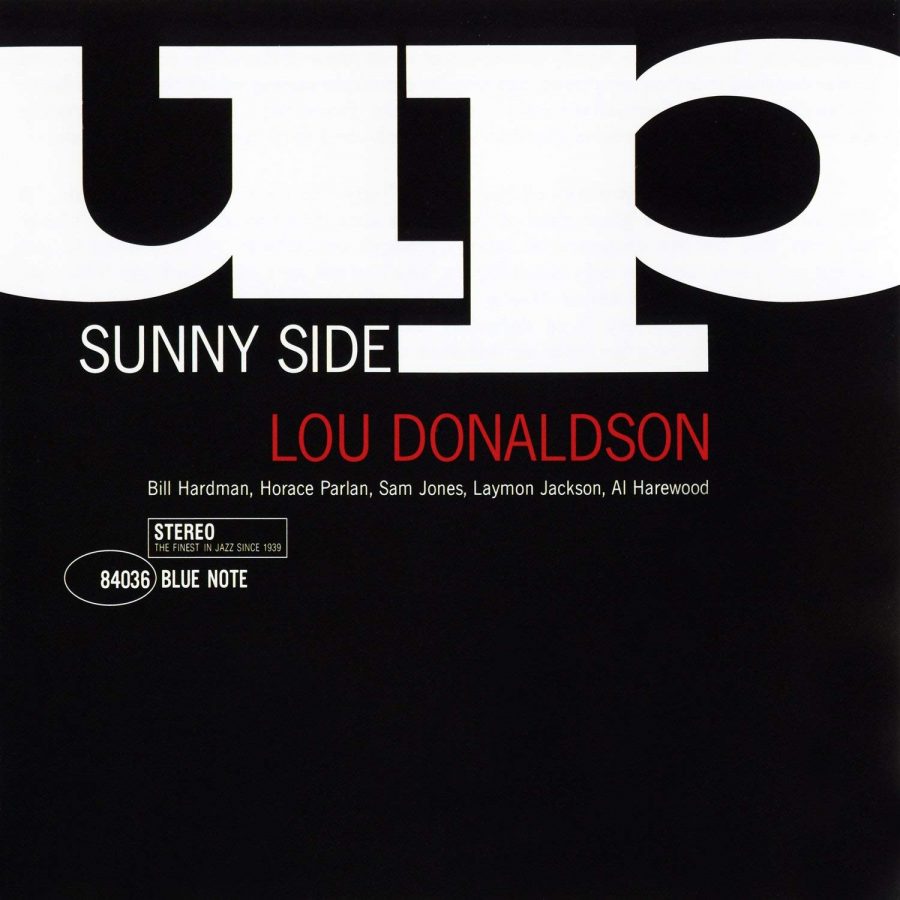
Miles pushed the exclamation point to absurd lengths on Jackie McLean’s It’s Time, which again relegates the artist’s photo to a tiny square in the corner while the rest of the cover is taken up with bold, black “!!!!!!!!!!!”s over a white background. It’s “startlingly getting your attention,” Cuscuna comments. On Lou Donaldson’s Sunny Side Up, Miles dispenses with photography altogether, for a striking black and white design that makes the title seem like it might up and float away.
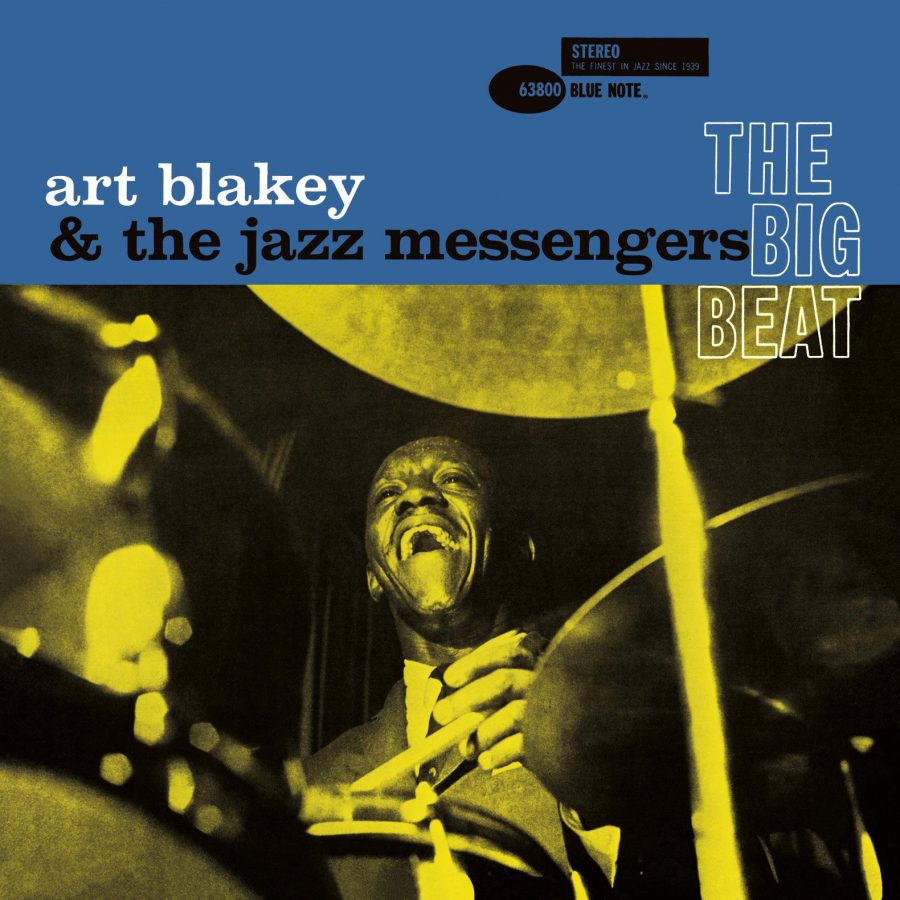
But Miles’ type-centric covers, though excellent, are not what we usually associate with the classic Blue Note look. The synthesis of Wolff’s impeccable photographic instincts and Miles’ surgically keen eye for framing, color, and composition combined to give us the pensive, mysterious Coltrane on Blue Train, the impossibly cool Sonny Rollins on the cover of Newk’s Time, the totally, wildly in-the-moment Art Blakey on The Big Beat, and so, so many more.
Reid Miles had the rare talent only the best art directors possess, says Cuscuna: the ability to “create a look for a record that was highly individual but also that fit into a stream that gave the label a look.” Learn more about his work with Wolff in Robin Kinross’s essay, see many more classic Blue Note album covers here, and make sure to listen to the music behind all that brilliant graphic design in this huge, streaming discography of Blue Note recordings. To view them in print format, see the definitive book, The Cover Art of Blue Note Records: The Collection.
Related Content:
The Groundbreaking Art of Alex Steinweiss, Father of Record Cover Design
Josh Jones is a writer and musician based in Durham, NC. Follow him at @jdmagness
Read More...The Making of “Bohemian Rhapsody”: Take a Deep Dive Into the Iconic Song with Queen’s 2002 Mini Documentary
Despite being fraught with production difficulties, an absent director, and a critical quibbling over its sexuality politics, Bohemian Rhapsody, the biopic of Freddie Mercury and Queen, has been doing very well at the box office. And though it has thrust Queen’s music back into the spotlight, has it even really gone away?
The song itself, the 6 minute epic “Bohemian Rhapsody,” was the top of the UK singles charts for nine weeks upon its release and hasn’t been forgotten since. It’s part of our collective DNA, but with a certain caveat…it’s notoriously difficult to cover. It is so finely constructed that it can’t be deconstructed, leaving artists to stand in the shadow of Mercury’s delivery. Brian May, in the above video, gives credit to Axl Rose for getting close to the powerful high registers of Mercury, but even that was a kind of karaoke. And let’s not even talk about Kanye West’s stab at it.
So it’s a good time to check in with this 45 minute-long mini-doc on the making of the song, which took the band into the stratosphere. Produced in 2002 for the band’s Greatest Hits DVD, it features guitarist Brian May and drummer Roger Taylor. The first part is on the writing of the song, the second part on the making of the music video, and the third, the bulk of the doc, on the production.
Don’t expect any explanation of the subject matter of the song–as May says, Mercury would have shrugged off any interpretation and dismissed any search for depth. And while Mercury always took care over his lyrics, the power is all there in the music.
As for the video, that came about from necessity, as the band wanted to be on Top of the Pops and tour at the same time. By using their rehearsal stage at Elstree studios for the performance footage and a side area for the choral/close-up segments, they made a strangely iconic video. (Who doesn’t think of Queen’s four members arranged in a diamond when those vocals start up?). The two main effects were a prism lens on the camera and video feedback, all done live.
The last part is fascinating and a deep dive into the mix. Brian May, alongside studio engineer Justin Shirley Smith, play just the piano, bass, and drums from the song at first. Mercury was a self-taught pianist who played “like a drummer,” with a metronome in his head, says May.
The guitarist also isolates his various guitar parts, including the harmonics during the opening ballad portion, the “shivers down my spine” sound made by scraping the strings, and the famous solo, which he wrote as a counterpoint to Mercury’s melody. It’s geekery of the highest order, but it’s for a song that deserves such attention.
Inside The Rhapsody will be added to our collection of Free Documentaries, a subset of our collection, 4,000+ Free Movies Online: Great Classics, Indies, Noir, Westerns, Documentaries & More.
Related Content:
What Made Freddie Mercury the Greatest Vocalist in Rock History? The Secrets Revealed in a Short Video Essay
Hear Freddie Mercury & Queen’s Isolated Vocals on Their Enduring Classic Song, “We Are The Champions”
Ted Mills is a freelance writer on the arts who currently hosts the artist interview-based FunkZone Podcast and is the producer of KCRW’s Curious Coast. You can also follow him on Twitter at @tedmills, read his other arts writing at tedmills.com and/or watch his films here.
Read More...How to Write a Bestselling Page Turner: Learn from The Da Vinci Code Author Dan Brown’s New Masterclass
“Dan Brown visited my English class,” remembers the New Yorker’s Joshua Rothman. “It happened in the spring of 1998,” five years before Brown hit the bigtime with The Da Vinci Code, a thriller best known for its colossal sales numbers. “None of us had heard of Brown, or of his book” — his debut novel, Digital Fortress — “and we were annoying, arty little snooty-snoots. Why would we want to talk with the author of a ‘techno-thriller’ about computer hackers?” But the class’ attitude didn’t stop Brown from sharing the writing wisdom he had to offer, delivered in the form of such guidelines (in Rothman’s memory) as “Set your story in an exotic location,” “Make your characters interesting people with secrets,” “Have lots of plot twists,” and “End each chapter with a cliffhanger.”
At the time, Rothman didn’t understand why Brown would come to his class to “give a bunch of arty high-school kids advice about how to write cheesy thrillers.” But now, as a professional writer himself, Rothman realizes “why Brown’s advice was so practical,” and what it had to teach them about the practical considerations, even rigors, of “how to write for a living.”
Though he doesn’t mention any of his classmates growing up to become the kind of novelists Brown is, a great many others dream of such a writing life, few of whom ever had the chance to benefit from a classroom visit by the man himself. But they can now enroll in “Dan Brown Teaches Writing Thrillers,” a new course from online education company Masterclass whose trailer you can watch above.
Any fan of Brown’s writing — or the blockbuster movies that have been made out of it — knows that, as far as exotic locations, characters with secrets, plot twists, and cliffhangers go, he has hardly abandoned his principles. His Masterclass covers all of those aspects in depth and more besides, from “The Anatomy of a Thriller” to “Creating Heroes and Villains” to “Creating Suspense” to “Protecting Your Process.” Brown also devotes two sections to research, which he once called in a Goodreads question-and-answer session “the most overlooked facet of writing a successful page turner.” If any living writer knows how to come up with a successful page turner, Brown does, and unlike in his novels themselves, he certainly doesn’t seem inclined to bury the secret under layers of history, symbolism, conspiracy, and murder. You can enroll in Brown’s new thriller-writing class (which runs $90) here. You can also pay $180 to get an annual pass to all of Masterclass’ courses.
FYI: If you sign up for a MasterClass course by clicking on the affiliate links in this post, Open Culture will receive a small fee that helps support our operation.
Related Content:
Margaret Atwood Offers a New Online Class on Creative Writing
Judy Blume Now Teaching an Online Course on Writing
Stephen King’s 20 Rules for Writers
Based in Seoul, Colin Marshall writes and broadcasts on cities, language, and culture. His projects include the book The Stateless City: a Walk through 21st-Century Los Angeles and the video series The City in Cinema. Follow him on Twitter at @colinmarshall or on Facebook.
Read More...Free: Download 15,000+ Free Golden Age Comics from the Digital Comic Museum
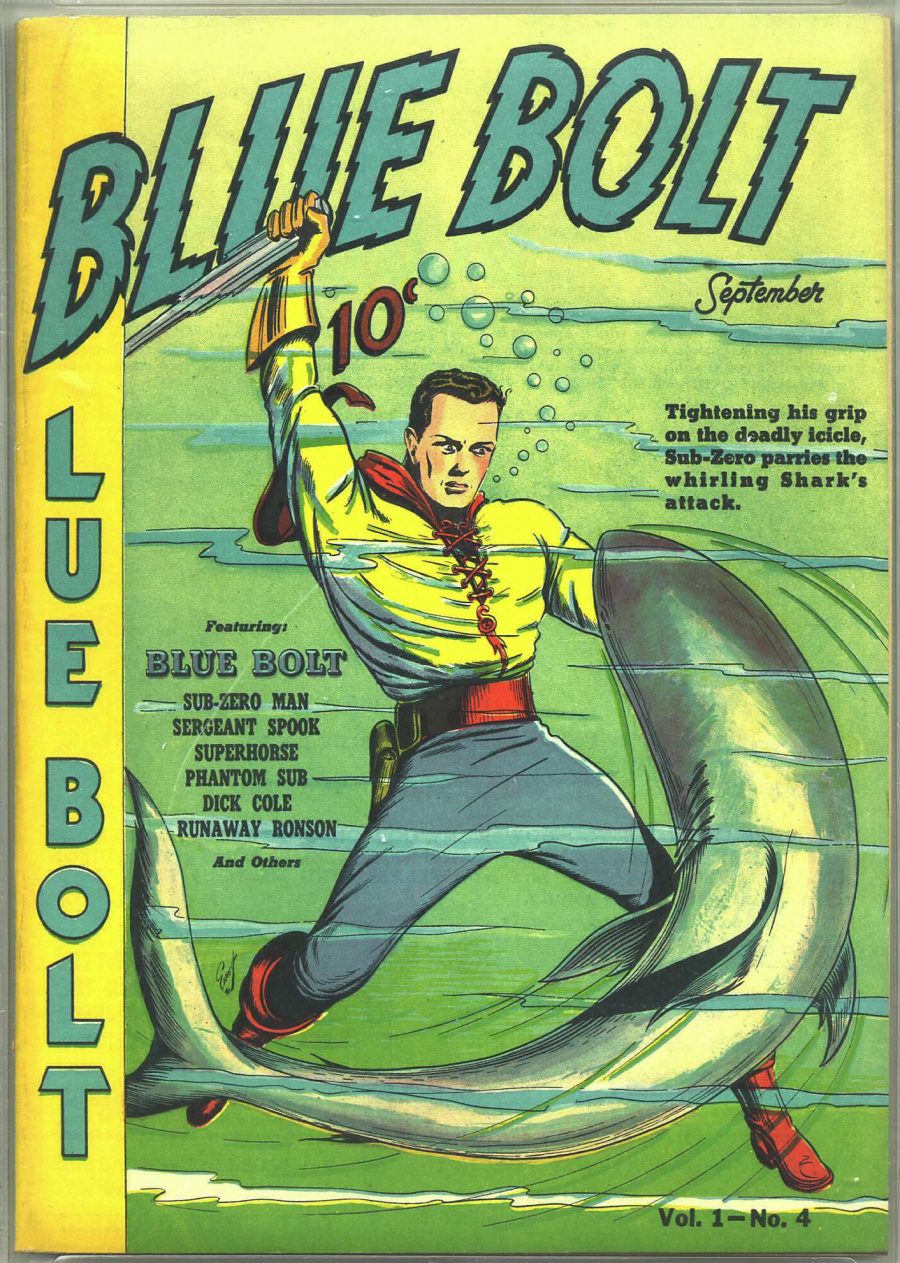
The Digital Comic Museum offers free access to hundreds of pre-1959 comic books, uploaded by users who often offer historical research and commentary alongside high-quality scans.
The site’s moderators and administrators are particularly careful to avoid posting non-public-domain comics (a complicated designation, as described in this forum thread). The resulting archive is devoid of many familiar comic-book characters, like those from Marvel, D.C., or Disney.
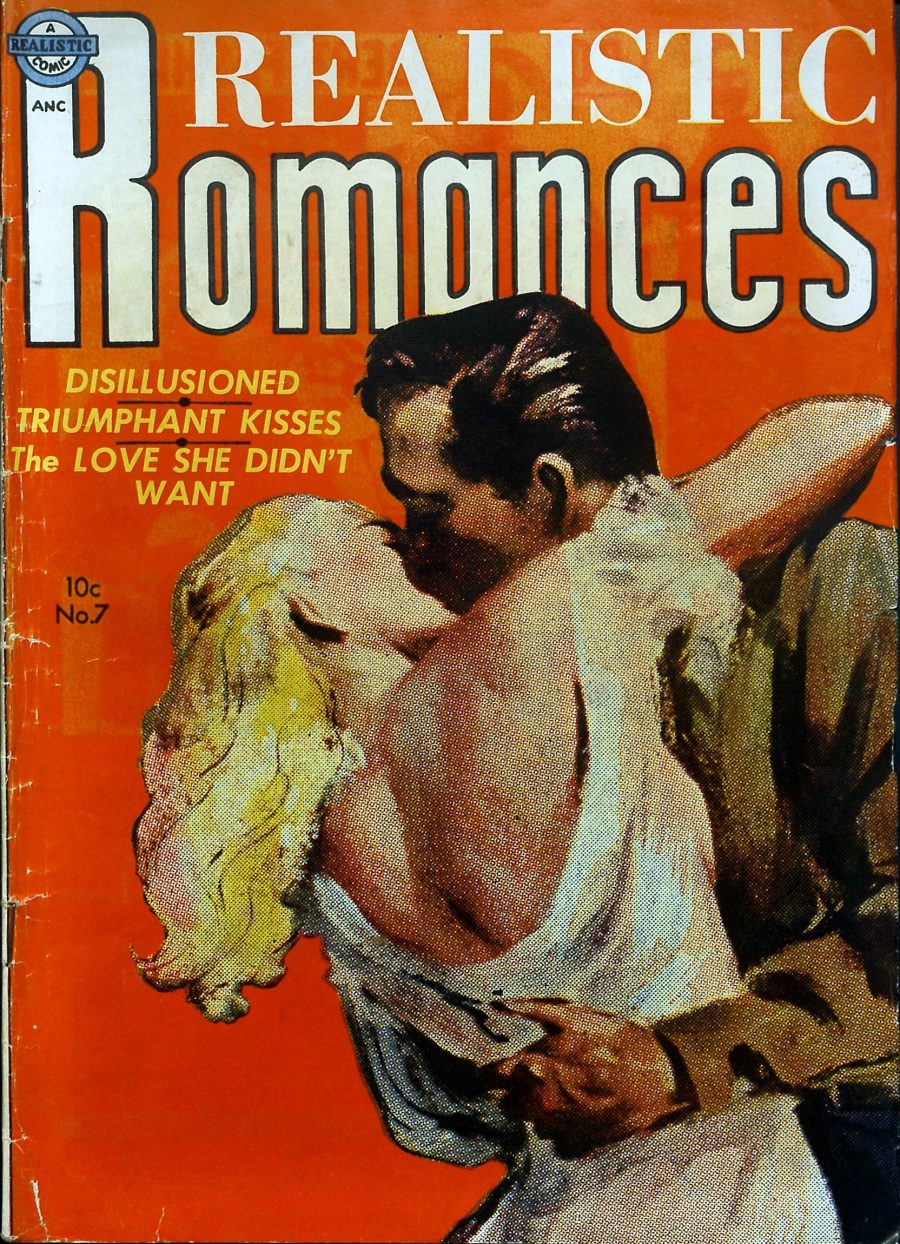
On the other hand, because of this restriction, the archive offers an interesting window into the themes of lesser-known comics in the Golden Age—romance, Westerns, combat, crime, supernatural and horror. The covers of the romance comics are great examples of popular art.
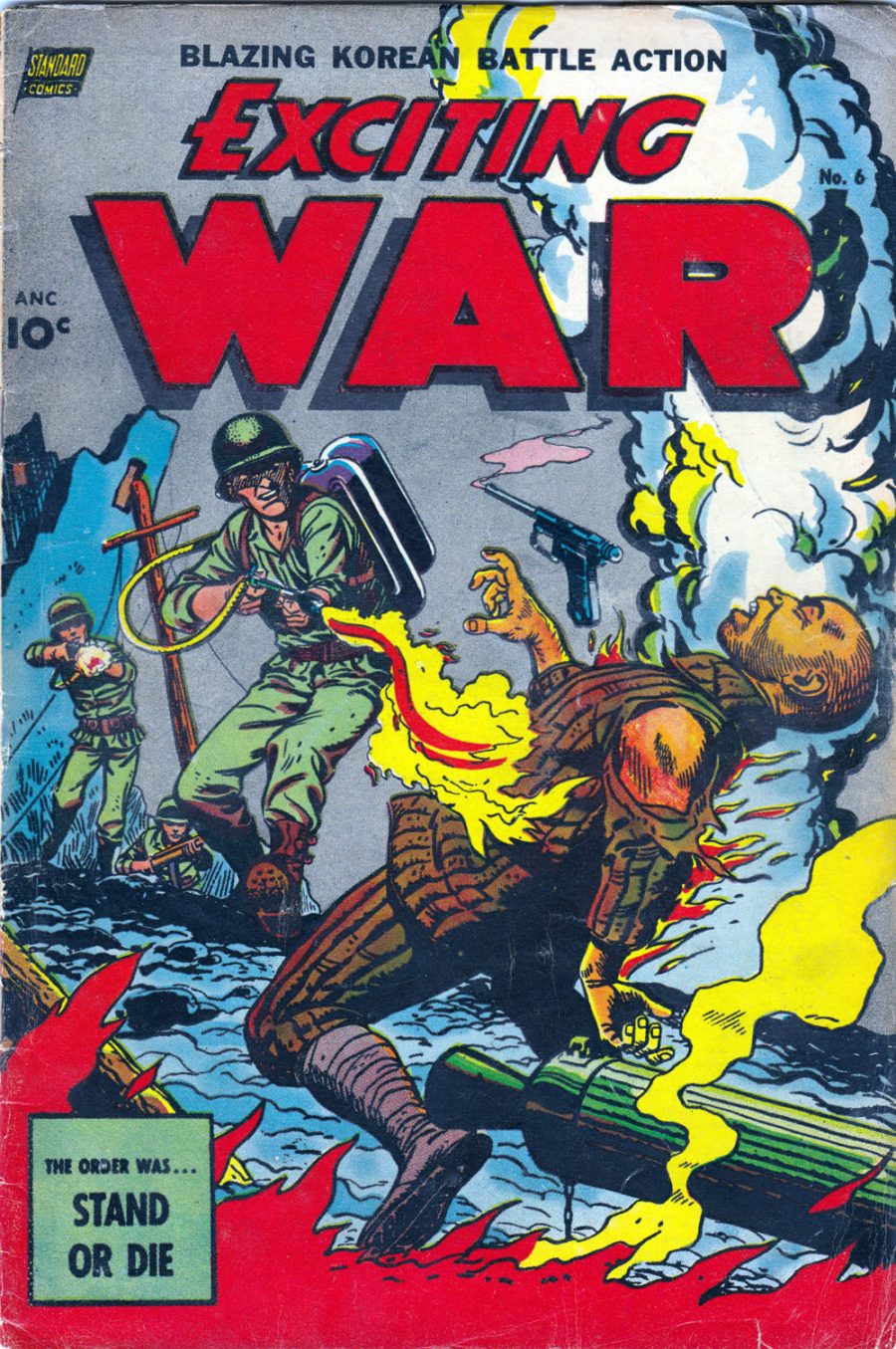
Interested in understanding how homefront American culture reflected fighting in World War II and Korea, and the anxieties of the Cold War? The archive is full of titles like “Fighting Yank” (or “Warfront”) that trade on true stories of past combat and present-day engagements. Many, like these “Atomic Attack” books from the early 1950s, have a distinctive Cold War flavor, with science-fictional imaginings of futuristic combat. (“See how the war of 1972 will be fought! The war that YOU, yourself, might have to take part in…”)
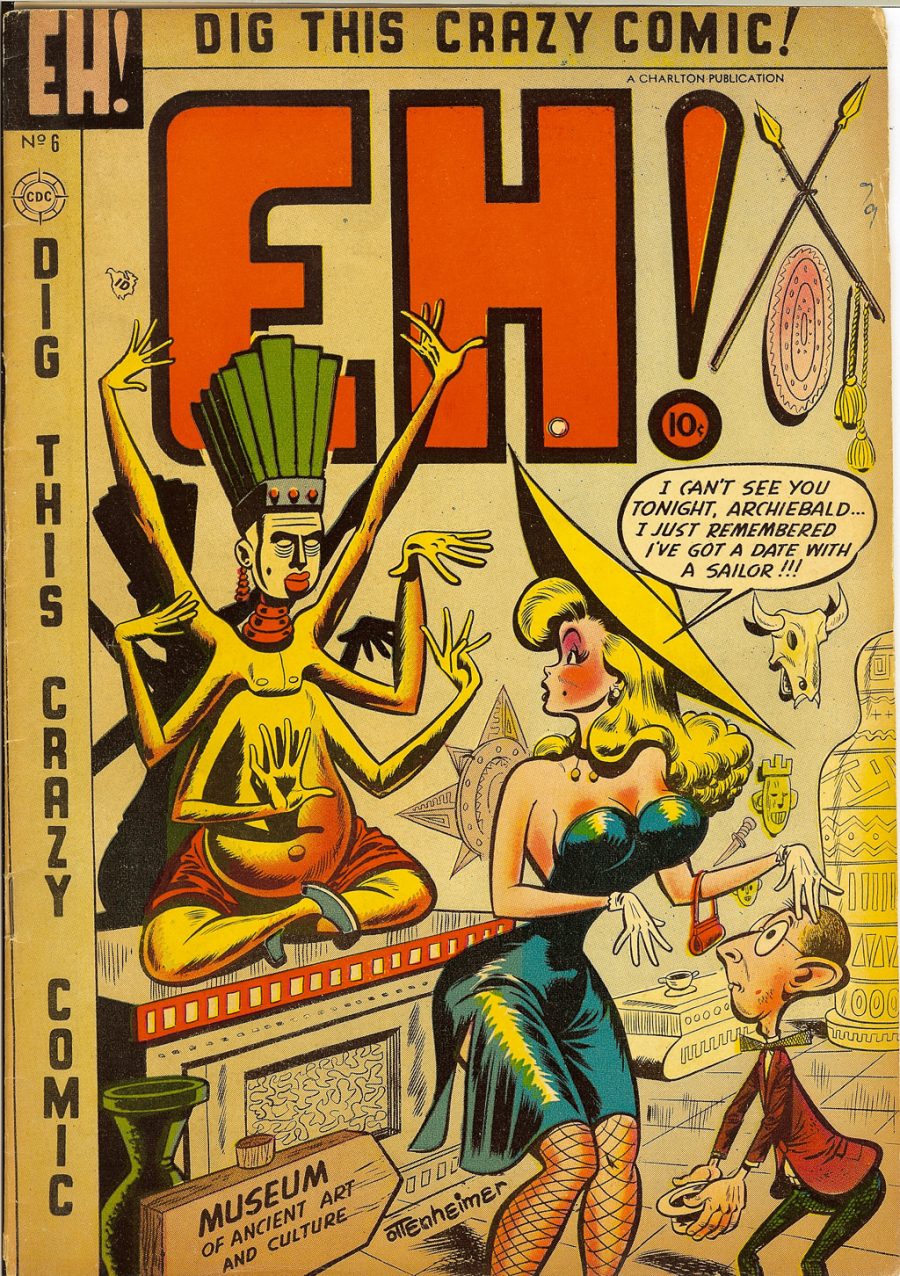
The museum holds some unexpected and forgotten titles, like the Mad Magazine knock-off “Eh.” Here you can see how looking at a comic that wasn’t successful enough to have a lasting legacy (and, therefore, a renewed copyright) can be enlightening in and of itself. What subjects did “Eh” cover that Mad might have avoided?
The DCM asks users to register and log in before downloading comic files. Registration is free, and—for now—there’s no limit on the number of titles you can download. You can enter the archive here.
When you’re there, make sure you visit the site’s ever-growing collection of those notorious ‘Pre-Code’ Horror comics of the 50s. Also see the Archives and Collections area where artists of note have been given their own individual spotlight.
Note: An earlier version of this post appeared on our site in March, 2013.
If you would like to support the mission of Open Culture, consider making a donation to our site. It’s hard to rely 100% on ads, and your contributions will help us continue providing the best free cultural and educational materials to learners everywhere. You can contribute through PayPal, Patreon, and Venmo (@openculture). Thanks!
Related Content:
Free Comic Books Turn Kids Onto Physics: Start with the Adventures of Nikola Tesla
Rebecca Onion is a writer and academic living in Philadelphia. She runs Slate.com’s history blog, The Vault. Follow her on Twitter: @rebeccaonion.
Read More...The Psychedelic 1970s Animations of Keiichi Tanaami: A Music Video for John Lennon’s “Oh Yoko!,” Surreal Tributes to Elvis & Marilyn Monroe, and More
If you want to see the West as you’ve never seen it before, go to Japan. Since the end of the Second World War, there have been few big Western phenomena in which Japanese creators have not taken an interest, then turned around and made their own. One of the most powerful imaginations among those creators belongs to Keiichi Tanaami, who came of age surrounded by the likes of Mickey Mouse and Elvis after doing much of his growing up amid the chaos and devastation of war. Born in 1936 and still active today, he’s produced a body of work whose earliest pieces go back to the 1950s, and even the variety of media he’s used — illustration, graphic design, paintings, comics, animation — can barely contain his ever-expanding vision, a mixture of pop culture and and symbolic iconography drawn from America, Japan, and deep down in his own psyche.
“A magazine that is packed to the brim with human interests and desires bears a strong resemblance to who I am as a person,” Tanaami once wrote, a description reflected by his current work as well as that of previous eras. Take these short animated films, three of which come from the early 1970s — an auspicious time indeed for his brand of psychedelia to break through in the West.
In 1971’s Good-Bye Marilyn, Tanaami pays tribute to perhaps the most iconic woman America has ever produced; that same year’s Good-Bye Elvis and USA draws its inspiration from quite possibly America’s most iconic man. Tanami makes use of the imagery of Marilyn Monroe and Elvis Presley in a way no other artist has, though he was hardly alone in his fascination with the very fascination those figures commanded: Andy Warhol, for instance, also got artistic mileage out of them.
It was Warhol who showed Tanaami how artists of their sensibility could make a career. Tanaami first saw Warhol’s work on a trip to New York City in 1967. “Warhol was in the process of shifting from commercial illustrator to artist, and I both witnessed and experienced firsthand his tactics, his method of incision into the art world,” Tanaami once recalled. “He used contemporary icons as motifs in his works and for his other activities put together media such as films, newspapers and rock bands.” In 1975, after becoming the first art director of the Japanese edition of Playboy, he returned to New York to visit the magazine’s head office and took a side trip to Warhol’s Factory and took in what Warhol and his collaborators had been up to with experimental film. But Tanaami had already been making serious inroads into that field himself, as evidenced by the two aforementioned shorts as well as his 1973 animation of John Lennon’s “Oh, Yoko!” — a kind of early music video — up top.
Few artists of any nationality have hybridized the thoroughly commercial and the deeply personal as Tanaami, who got his start in advertising and not long thereafter was designing the covers for Japanese editions of albums by Jefferson Airplane and The Monkees. But as he also said in a recent Hypebeast interview, “a lot of my work is driven by old memories of the past, especially the fear that I felt as a child during the several wars that took place. The fear I felt seeing a person dying. But then there’s also the good feelings I have from playing as a child. I integrate all aspects of my mind and memories into my work.” You can see other examples of it at Ubuweb, and Tanaami’s 2013 animation Adventures in Beauty Wonderland above shows how that integration has continued, taking as it does just as much from traditional Japanese symbols and design motifs as it does from the work of Lewis Carroll — a characteristically thrilling and elaborate aesthetic journey, all of it commissioned by the cosmetics company Sephora.
Related Content:
Psychedelic Animation Takes You Inside the Mind of Stephen Hawking
Based in Seoul, Colin Marshall writes and broadcasts on cities, language, and culture. His projects include the book The Stateless City: a Walk through 21st-Century Los Angeles and the video series The City in Cinema. Follow him on Twitter at @colinmarshall or on Facebook.
Read More...Support Us
We're hoping to rely on loyal readers, rather than erratic ads. Please click the Donate button and support Open Culture. You can use Paypal, Venmo, Patreon, even Crypto! We thank you!

About Us

Open Culture scours the web for the best educational media. We find the free courses and audio books you need, the language lessons & educational videos you want, and plenty of enlightenment in between.
Advertise With Us

FREE UPDATES!
GET OUR DAILY EMAIL
Get the best cultural and educational resources on the web curated for you in a daily email. We never spam. Unsubscribe at any time.
FOLLOW ON SOCIAL MEDIA

Open Culture editor Dan Colman scours the web for the best educational media. He finds the free courses and audio books you need, the language lessons & movies you want, and plenty of enlightenment in between.
Advertise With Us


