Peter Singer on Greed & Wall Street Excesses

Peter Singer, an Aus­tralian-born philoso­pher who teach­es at Prince­ton, cre­at­ed the ani­mal rights move­ment back in the 1970s, and, more recent­ly, launched a cam­paign to end world pover­ty. One can’t con­tem­plate pover­ty with­out also con­sid­er­ing greed, and that brings us to the clip above. Inter­viewed in 2009, Singer sug­gests that greed dri­ves us bio­log­i­cal­ly (as does social col­lab­o­ra­tion for­tu­nate­ly). Greed helps us sur­vive and inno­vate. But there is also a point where it becomes point­less and patho­log­i­cal, and that’s what we have wit­nessed in the finan­cial world. Greed brought us Bernie Mad­off. But it has also brought us (my infer­ences) bankers who cre­ate a cat­a­stro­phe one year and take record bonus­es the next. And it has brought us to the point where  our coun­try has dan­ger­ous­ly slipped off of its demo­c­ra­t­ic moor­ings. Lloyd Blank­fein, this clip is for you. Thanks Ted for send­ing this one along.

Look­ing for free phi­los­o­phy cours­es? Vis­it the Phi­los­o­phy sec­tion of our Free Course col­lec­tion.

by | Permalink | Make a Comment ( 2 ) |

Voltaire & the Lisbon Earthquake of 1755

The lines below are tak­en from Voltaire’s “Poème sur le désas­tre de Lis­bonne,” writ­ten in response to the Lis­bon earth­quake of 1755. Then, as now, there’s a lit­tle wis­dom here for those (hint: Pat Robert­son) inclined to infer moral supe­ri­or­i­ty from the suf­fer­ing of oth­ers.

What crime, what sin, had those young hearts con­ceived
That lie, bleed­ing and torn, on moth­er’s breast?
Did fall­en Lis­bon deep­er drink of vice
Than Lon­don, Paris, or sun­lit Madrid?
In these men dance; at Lis­bon yawns the abyss.
Tran­quil spec­ta­tors of your broth­ers’ wreck,
Unmoved by this repel­lent dance of death,
Who calm­ly seek the rea­son of such storms,
Let them but lash your own secu­ri­ty;
Your tears will min­gle freely with the flood.

Note: Pat Robert­son’s con­tro­ver­sial remarks con­tained one basic his­tor­i­cal fact, and it was wrong. He assert­ed that the Haitians brought dis­as­ter upon them­selves when they broke free from “Napoleon III.” Robert­son got the wrong guy here. It was­n’t Napoleon Lite (1808–1873). It was Napoleon Bona­parte (1769–1821) who coopt­ed the French Rev­o­lu­tion 50 years ear­li­er and tried to impose his will on Haiti. But, what­ev­er…

via The Sun Times

I Have a Dream

For MLK’s birth­day, we bring back the full “I Have a Dream” speech, deliv­ered at The Lin­coln Memo­r­i­al on August 28, 1963. Sev­en­teen elo­quent and brave min­utes that changed the world and made it a bet­ter place.

by | Permalink | Make a Comment ( 1 ) |

Rod Serling: Where Do Ideas Come From? (1972)

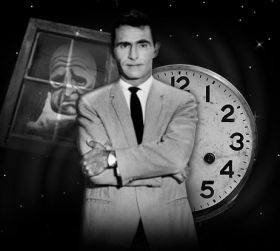
Rod Ser­ling, the Amer­i­can screen­writer & tele­vi­sion pro­duc­er best known for The Twi­light Zone, field­ed ques­tions from stu­dents about the whole art of writ­ing for tele­vi­sion. In the clip above, he gives a rather dra­mat­ic response to the ques­tion, “Where do ideas come from?” (They come from the Earth… They’re in the air. And, to put them on paper, you bleed!) If you keep watch­ing, the con­ver­sa­tion with Ser­ling con­tin­ues for a good while.

This con­tri­bu­tion was sent to us by Elan, who dates the clip to around 1972. You can always write us and sug­gest a link here.

If you would like to sign up for Open Culture’s free email newslet­ter, please find it here. It’s a great way to see our new posts, all bun­dled in one email, each day.

If you would like to sup­port the mis­sion of Open Cul­ture, con­sid­er mak­ing a dona­tion to our site. It’s hard to rely 100% on ads, and your con­tri­bu­tions will help us con­tin­ue pro­vid­ing the best free cul­tur­al and edu­ca­tion­al mate­ri­als to learn­ers every­where. You can con­tribute through Pay­Pal, Patre­on, and Ven­mo (@openculture). Thanks!

by | Permalink | Make a Comment ( 3 ) |

The Beatles as Teens (1957)

We take you back to The Bea­t­les (who were still The Quar­ry­men) in 1957. George Har­ri­son is 14, John Lennon is 16, and Paul McCart­ney is 15. Ringo is not yet in the pic­ture. Then, on a rather relat­ed note, check out Jim­my Page, 13, Play­ing Gui­tar on a BBC Tal­ent Show in 1957.

by | Permalink | Make a Comment ( 3 ) |

What Would MLK Say About the USA Today?

What would Mar­tin Luther King Jr. think about Amer­i­ca in 2010? Few would know bet­ter than Clay­borne Car­son, the Stan­ford his­to­ri­an who directs the Mar­tin Luther King, Jr. Research and Edu­ca­tion Insti­tute. In this talk, Car­son describes MLK’s like­ly thoughts about Amer­i­ca dur­ing the Great Reces­sion. King cared deeply about eco­nom­ic jus­tice, and it’s clear that King would­n’t have looked unam­biva­lent­ly upon the inequal­i­ties that the finan­cial melt­down made so glar­ing­ly obvi­ous. Next week, the U.S. will cel­e­brate King’s birth­day and bankers will col­lect their record-set­ting bonus­es …

Note: Clay­borne Car­son is cur­rent­ly hold­ing Open Office Hours on Stan­ford’s Face­book Page. Be sure to vis­it. Also, Pro­fes­sor Car­son has taught an online course that you can freely down­load. It’s called African-Amer­i­can His­to­ry: Mod­ern Free­dom Strug­gle, and you can find it on YouTube and iTunes. It’s also the first course that appears in our col­lec­tion of Free Cours­es.

B- Classic Movies Now Online

If you get your kicks from uber kitschy B- films, then we’ve got a lit­tle some­thing for you. AMC has launched a new site called B- Minus Clas­sics, which we have added to our grow­ing col­lec­tion of Free Movies Online. (Our list now con­tains 125 free clas­sic movies, and numer­ous sites where you can watch free movies online). AMC describes its new site as:

Your new go-to site for B‑movies by the likes of John Car­pen­ter (Dark Star) and Roger Cor­man (Saga of the Viking Women). Now online and in full screen, watch unsung clas­sics like Asy­lum by Psy­cho screen­writer Robert Block or Cor­ri­dors of Blood with the inim­itable Christo­pher Lee. Want to see inter­na­tion­al icons before they made it big? Check out Raquel Welch in A Swingin’ Sum­mer or kung fu king Son­ny Chi­ba in Ter­ror Beneath the Sea. Look­ing for the unex­pect­ed? How about The Ruth­less Four, a spaghet­ti West­ern star­ring Klaus Kin­s­ki. Now updat­ed with even more B‑movies fea­tur­ing femmes fatales (The Cat Girl), jun­gle adven­tures (Curse of the Voodoo) and talk­ing ven­tril­o­quist’s dum­mies (Dev­il Doll). What­ev­er your B‑movie taste, BMC has got you cov­ered.

Thanks to @brainkpicker for flag­ging this new col­lec­tion.

Vladimir Horowitz Plays Mozart Back in the USSR


Vladimir Horowitz, one of the great pianists of the 20th cen­tu­ry, left Rus­sia to set­tle in the Unit­ed States in 1939. But, once the Cold War thawed, he famous­ly returned home and played before rapt audi­ences. What we have here, I believe, is Horowitz play­ing Mozart’s Sonata in C Major dur­ing a 1986 recital Moscow. A beau­ti­ful piece. For good mea­sure, I’ve also added Horowitz play­ing Chopin’s 2nd Piano Sonata at the White House. Both clips have been added to our YouTube favorites.

by | Permalink | Make a Comment ( 3 ) |

Two Gentlemen of Lebowski

Take the Coen Broth­ers’ 1998 cult film, The Big Lebows­ki, and put it in Shake­speare­an verse, and what do you get? Two Gen­tle­men of Lebowski as writ­ten by Adam Bertoc­ci. It begins:

In wayfarer’s worlds out west was once a man,
A man I come not to bury, but to praise.
His name was Geof­frey Lebows­ki called, yet
Not called, except­ing by his kin.
That which we call a knave by any oth­er name
Might bowl just as sweet. Lebows­ki, then,
Did call him­self ‘the Knave’, a name that I,
Your hum­ble cho­rus, would not self-apply
In home­lands mine; but, then, this Knave was one
From whom sense was a bur­den to extract,
And of the arid vale in which he dwelt,
Also dis­like in sen­si­bil­i­ty;
May­hap the very search for sense reveals
The rea­son that it striketh me as most
Int’resting, yea, inspir­ing me to odes.

The Wall Street Jour­nal has more on this cre­ative bit that has gone viral dur­ing the past week, and will be soon per­formed on stage in NYC. See Kottke.org for more on that.

The Neurons That Shaped Civilization

TED recent­ly took its show to India, and one of the more inter­est­ing pre­sen­ta­tions fea­tured neu­ro­sci­en­tist Vilaya­nur Ramachan­dran (UCSD) explain­ing how mir­ror neu­rons, a recent­ly dis­cov­ered sys­tem in the brain, “allow us to learn com­plex social behav­iors, some of which formed the foun­da­tions of human civ­i­liza­tion,” and also helped us evolve as a species. Good stuff. You can find more TED India Talks here.

by | Permalink | Make a Comment ( 2 ) |

Stanford Releases New iPhone App Development Course

Last year, Stan­ford Uni­ver­si­ty gave iPhone own­ers around the world a boost when it released a free iPhone App Devel­op­ment course (find it on iTunes). Mil­lions have since down­loaded the lec­tures, and many new iPhone apps have been cre­at­ed as a result. (Part­ly thanks to this course, we devel­oped our own Free iPhone App that gives you mobile access to our edu­ca­tion­al media col­lec­tions — free audio books, free uni­ver­si­ty cours­es, free lan­guage lessons, etc. Get our app here.)

This week, Stan­ford has start­ed rolling out a new App Devel­op­ment course (get it in video on iTunes), one adapt­ed to the new iPhone oper­at­ing sys­tem that Apple released last sum­mer. Two lec­tures have been released so far. More will get rolled out on a week­ly basis. Please note, these cours­es also appear in our col­lec­tion of Com­put­er Sci­ence Cours­es, a sub­set of our larg­er col­lec­tion of Free Cours­es from lead­ing uni­ver­si­ties.


  • Great Lectures

  • Sign up for Newsletter

  • About Us

    Open Culture scours the web for the best educational media. We find the free courses and audio books you need, the language lessons & educational videos you want, and plenty of enlightenment in between.


    Advertise With Us

  • Archives

  • Search

  • Quantcast