Fritz Lang’s Metropolis Restored with a Soundtrack Featuring Freddie Mercury, Adam Ant & Pat Benatar

At the 1984 Cannes Film Fes­ti­val, dis­co trail­blaz­er and Oscar-win­ning com­pos­er Gior­gio Moroder unveiled a restored ver­sion of Fritz Lang’s 1927 silent epic Metrop­o­lis — the first time that the ground­break­ing movie had been restored since it pre­miered. Though Moroder labored for years with some of the lead­ing archivists in the world to cre­ate the most com­plete ver­sion of the film to date, his adap­ta­tion also stream­lined the movie’s sto­ry­line, added sound effects, col­orized the movie’s mono­chrome pic­ture and, most con­tro­ver­sial­ly, added a synth pop sound­track fea­tur­ing music by Pat Benatar, Bil­ly Squier, Adam Ant and Fred­die Mer­cury. You can watch it above.

The result­ing film, as you might expect, is a pro­found­ly odd col­li­sion between pop and art. Lang’s pun­gent imagery exists uneasi­ly along­side Moroder’s MTV treat­ment. Crit­ic Thomas Elsaess­er in his BFI book­let on the movie called Moroder’s ver­sion “some­where between a remake and a post-mod­ern appro­pri­a­tion.” And though the songs are uni­form­ly cringe-induc­ing – to say that they didn’t age well is a big under­state­ment — Moroder’s ver­sion still works.

The rea­son that Lang’s movie influ­enced film­mak­ers from George Lucas to Ter­ry Gilliam to Stan­ley Kubrick is because of its visu­al bril­liance, not because of its sto­ry. The script, penned by Lang’s wife and future Nazi Par­ty pro­pa­gan­dist, Thea von Har­bou, is stuffed full of allu­sions to Franken­stein and Ger­man folk­tales along with plen­ty of maudlin melo­dra­ma. But Lang’s high mod­ernist visu­als – evok­ing both the Bauhaus move­ment and Hen­ry Ford’s new brand of indus­tri­al­ism – tran­scend­ed the movie’s sto­ry, becom­ing a last­ing vision of total­i­tar­i­an dystopia.

In 2010, a painstak­ing­ly researched “com­plete” ver­sion of Metrop­o­lis came out, clock­ing in at almost three hours. It might be an achieve­ment of film preser­va­tion but, com­pared to Moroder’s ver­sion, it shows how bloat­ed and mean­der­ing Von Harbou’s script was. Moroder’s more svelte ver­sion might be cheesy, but at least it’s fun. The great film crit­ic Pauline Kael described Lang’s movie as “a won­der­ful, stu­pe­fy­ing fol­ly.” Moroder’s ver­sion is a fol­ly on top of a fol­ly.

Relat­ed Con­tent: 

Metrop­o­lis Restored: Watch a New Ver­sion of Fritz Lang’s Mas­ter­piece

Fritz Lang’s “Licen­tious, Pro­fane, Obscure” Noir Film, Scar­let Street (1945)

Free Film Noir Movies (34 Films in Total)

Jonathan Crow is a Los Ange­les-based writer and film­mak­er whose work has appeared in Yahoo!, The Hol­ly­wood Reporter, and oth­er pub­li­ca­tions. You can fol­low him at @jonccrow. And check out his blog Veep­to­pus, fea­tur­ing pic­tures of vice pres­i­dents with octo­pus­es on their heads.

Experience James Joyce’s Ulysses in Virtual Reality, Using the Oculus Rift Headset

If, like Vir­ginia Woolf, you could nev­er read James Joyce’s Ulysses from start to fin­ish, then here’s anoth­er way to expe­ri­ence the mod­ernist clas­sic. Vir­tu­al­ly rather than tex­tu­al­ly. Accord­ing to The Cre­ator’s Project, “an Irish film­mak­er named Eoghan Kid­ney is design­ing a vir­tu­al real­i­ty video game that uses an Ocu­lus Rift head­set to put the play­er in the shoes of Stephen Dedalus as he mean­ders through Dublin on June 16th, 1904.”  On his Fun­dit page and in the video above, Mr. Kid­ney (not to be con­fused with Leopold Bloom’s burnt kid­ney break­fast) gives us an exam­ple of how the “In Ulysses” project will work:

My “In Ulysses” project is anoth­er way of expe­ri­enc­ing the book — this time, using the vir­tu­al for­mat. It will be a vir­tu­al real­i­ty videogame that will allow a user to inhab­it the char­ac­ters of Ulysses and expe­ri­ence the den­si­ty of Joyce’s lan­guage in a fun and acces­si­ble way.…

As a user of “In Ulysses” walks along a vir­tu­al Sandy­mount Strand, the book will be read to them — they will hear Stephen’s thoughts as they are writ­ten — but these thoughts will then be illus­trat­ed around the user in real-time using tex­tu­al anno­ta­tions, images and links. A user can stop walk­ing (there­fore stop­ping Stephen walk­ing) and explore these illus­tra­tions, gain­ing insight into the book and adding to the enjoy­ment of it.

“In Ulysses” has already raised €4000, enough to fund its pro­to­type. No tar­get date for its release has been announced. And, from what I can tell, the con­sumer ver­sion of the Ocu­lus Rift won’t be released until next year. So, like any good read­er of Ulysses, you’ll need to have a lit­tle patience.

H/T Eric O.

Relat­ed Con­tent:

Find Ulysses in our col­lec­tions of Free eBooks and Free Audio Books

Vir­ginia Woolf Writes About Joyce’s Ulysses, “Nev­er Did Any Book So Bore Me,” and Quits at Page 200

Read Joyce’s Ulysses Line by Line, for the Next 22 Years, with Frank Delaney’s Pod­cast

Read Ulysses Seen, A Graph­ic Nov­el Adap­ta­tion of James Joyce’s Clas­sic

James Joyce Reads From Ulysses and Finnegans Wake In His Only Two Record­ings (1924/1929)

Watch World War I Unfold in a 6 Minute Time-Lapse Film: Every Day From 1914 to 1918

World War I began 100 years ago, on 28 July 1914. The ini­tial trig­ger, the assas­si­na­tion of Arch­duke Franz Fer­di­nand of Aus­tria, pro­duced some­thing of a “domi­no effect,” where Euro­pean pow­ers, bound by pre-exist­ing inter­na­tion­al alliances, chose sides and fell rather obvi­ous­ly into a cat­a­stroph­ic war. It start­ed as a Euro­pean war, pit­ting Allied pow­ers against Cen­tral pow­ers. But, soon enough, it became inter­na­tion­al, involv­ing a long list of coun­tries from Africa, North and South Amer­i­ca, Asia, and Aus­trala­sia. The trench war­fare that became such an impor­tant part of World War I ensured that the bat­tle lines moved ever so slow­ly, at least until the final stages of the war. That grind­ing qual­i­ty gets cap­tured remark­ably well by Emper­or­Tiger­star’s lat­est YouTube video, “World War I: Every Day,” which shows “the chang­ing front lines of World War I every day from Aus­tria-Hun­gary’s dec­la­ra­tion of war to the armistice of Novem­ber 11, 1918.” It also includes the chang­ing front lines in Africa and the Pacif­ic. (A leg­end, below, will help you sort out the var­i­ous dif­fer­ent play­ers.) When you’re done watch­ing “World War I: Every Day” (above), you’ll per­haps want to spend time with Emper­or­Tiger­star’s pre­vi­ous video, “World War II in Europe: Every Day,” which doc­u­ments an even blood­i­er war unfold­ing at a dra­mat­ic pace.

Leg­end:

Maroon = Cen­tral Pow­ers and annexed lands.
Bur­gundy = Areas mil­i­tar­i­ly occu­pied by the Cen­tral Pow­ers.
Red = Cen­tral Pow­er pup­pet or client states.
Brown = Cen­tral Pow­ers in an armistice.
Pink = Cen­tral Pow­er gains for that day.
Dark blue = Allied pow­ers.
Blue = Cen­tral Pow­ered lands mil­i­tar­i­ly occu­pied by the Allies.
Blue-grey = Allied pow­ers in an armistice.
Light blue = Allied gains for that day.

Relat­ed Con­tent:

Watch World War II Rage Across Europe in a 7 Minute Time-Lapse Film: Every Day From 1939 to 1945

Down­load 78 Free Online His­to­ry Cours­es: From Ancient Greece to The Mod­ern World

British Actors Read Poignant Poet­ry from World War I

Frank W. Buck­les, The Last U.S. Vet­er­an of World War I

by | Permalink | Make a Comment ( 4 ) |

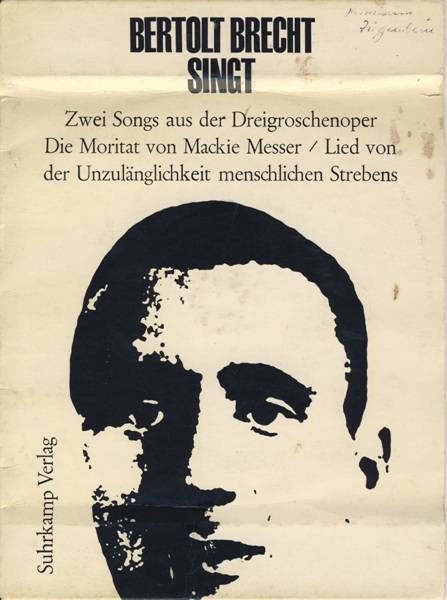
Bertolt Brecht Sings “Mack the Knife” in a 1929 Recording

brecht sings

Since 2008, a record­ing has been mak­ing the rounds on YouTube of Bertolt Brecht singing ‘Die Mori­tat von Mack­ie Mess­er,’ or what’s more com­mon­ly known as “Mack the Knife” in Eng­lish, a song Kurt Weill and Brecht com­posed for The Three­pen­ny Opera, which pre­miered in Berlin in 1928. The Brecht record­ing dates back to 1929, and, accord­ing to Discogs, it was released in 1960 on a 7‑inch Ger­man album called Bertolt Brecht Singt. Below, you can hear Brecht make his way through the tune. The clip comes accom­pa­nied by a quirky, new ani­mat­ed video cre­at­ed by the stu­dio Qual­i­ty Schnal­li­ty, Inc.

“Mack the Knife” has, of course, been cov­ered by count­less artists over the years. Bob­by Darin sang per­haps the most famous, swing­ing ver­sion in 1958. There are also clas­sic ver­sions by Louis Arm­strong, Frank Sina­tra, and Ella Fitzger­ald, not to men­tion more con­tem­po­rary ones by Lyle Lovett, The Psy­che­del­ic Furs, The Young Gods, Nick Cave, and Mar­i­anne Faith­full. Did we miss one of your favorites?

If you would like to sup­port the mis­sion of Open Cul­ture, con­sid­er mak­ing a dona­tion to our site. It’s hard to rely 100% on ads, and your con­tri­bu­tions will help us con­tin­ue pro­vid­ing the best free cul­tur­al and edu­ca­tion­al mate­ri­als to learn­ers every­where. You can con­tribute through Pay­Pal, Patre­on, and Ven­mo (@openculture). Thanks!

via WFMU

Relat­ed Con­tent:

The Clean­est Record­ings of 1920s Louis Arm­strong Songs You’ll Ever Hear

Bertolt Brecht Tes­ti­fies Before the House Un-Amer­i­can Activ­i­ties Com­mit­tee (1947)

by | Permalink | Make a Comment ( 8 ) |

Learn How Crayons Are Made, Courtesy of 1980s Videos by Sesame Street and Mr. Rogers

Some things are dif­fi­cult to improve upon. Take crayons. The new gen­er­a­tion may be clam­or­ing for shades like “man­go tan­go” and “jazzber­ry jam” but the actu­al tech­nol­o­gy appears unchanged since Sesame Street detailed the process in the ear­ly 80s, in the love­ly, non ver­bal doc­u­men­tary above. Not a prod­uct place­ment in sight, I might add, though few can mis­take that famil­iar green and gold box.

Those who pre­fer a bit more expla­na­tion might pre­fer Fred Rogers’ hyp­not­ic step-by-step guide, play­ing in per­pe­tu­ity on Pic­ture Pic­ture.

By the time the indus­try’s giant goril­la got around to weigh­ing in, the wood­en col­lec­tion box­es and ana­log coun­ters had been replaced, but oth­er­wise, it’s still busi­ness as usu­al on the ol’ cray­on-man­u­fac­tur­ing floor. Don’t expect to find the recipe for the “secret pro­pri­etary blend of pig­ments and oth­er ingre­di­ents” any time soon. Just know they’re capa­ble of crank­ing out 8500 crayons per minute. For those play­ing along at home, that’s enough to encir­cle the globe 6 times per cal­en­dar year, with a full third owing their exis­tence to solar ener­gy.

There’s a Home­land Secu­ri­ty-ish vibe to some of the dia­logue, but the Life of an Amer­i­can Cray­on, above, does our native assem­bly lines proud. Proud­er than the Amer­i­can slaugh­ter­house, any­way, or some oth­er fac­to­ry floors, I could name. The work­ers seem con­tent enough to stay in their posi­tions for decades, hap­pi­ly declar­ing alle­giance to this or that hue.

Relat­ed Con­tent:

Philip Glass Com­pos­es for Sesame Street (1979)

Mr. Rogers Intro­duces Kids to Exper­i­men­tal Elec­tron­ic Music by Bruce Haack & Esther Nel­son (1968)

How Ani­mat­ed Car­toons Are Made: Watch a Short, Charm­ing Primer from 1919

Ayun Hal­l­i­day is an author, home­school­er, and Chief Pri­ma­tol­o­gist of the East Vil­lage Inky zine. Fol­low her @AyunHalliday


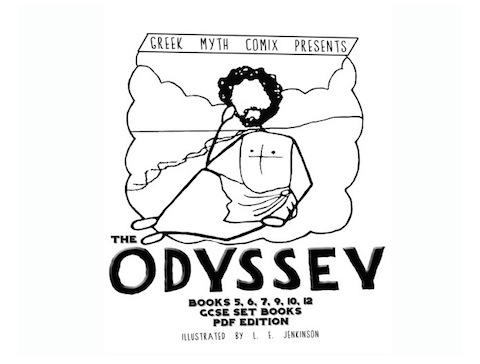
Greek Myth Comix Presents Homer’s Iliad & Odyssey Using Stick-Man Drawings

OdysseyComixmain2

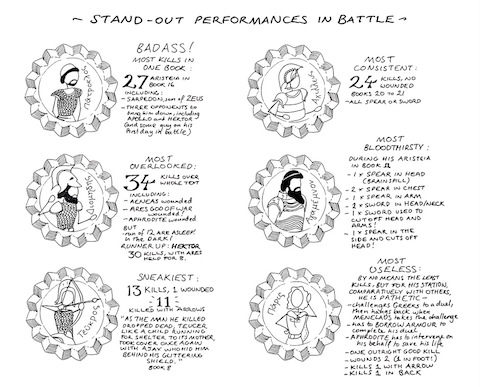
The next time some know-it-all moral­ist blames any num­ber of social ills on vio­lent video games or action films, ask them if they’d rather kids stick to the clas­sics. When they invari­ably reply in the affir­ma­tive, you can smug­ly direct their atten­tion to Greek Myth Comix’s aston­ish­ing info­graph­ic detail­ing the mul­ti­tude of grue­some killings in the Ili­ad. Homer’s epic unflinch­ing­ly describes, for exam­ple, in graph­ic detail, the death of Lycon, who in Book 16 has a sword thrust through his neck: “noth­ing held but a piece of skin, and from that, Lycon’s head dan­gled down.” And if you’ve held on to your lunch, you may be inter­est­ed to know the gris­ly cir­cum­stances of the oth­er two can­di­dates for “grimmest death.” Just below, see a sec­tion of the com­ic cel­e­brat­ing “stand out per­for­mances in bat­tle.” Can Zack Snyder’s King Leonidas match kills with Homer’s Achilles? Only one way to find out….

IliadStandouts

The Ili­ad graph­ic is great fun—as well as a suc­cinct way to ren­der mod­ern scolds speechless—but Greek Myth Comix doesn’t stop there… Oh no! Fans of Homer’s Odyssey will not be dis­ap­point­ed; Books 5–7, and much of 9, 10, and 12 also get the “comix” treat­ment. The art­work is admit­ted­ly crude, but the text comes from a much more author­i­ta­tive source than 300, no dis­re­spect to Frank Miller. Lau­ren Jenk­in­son is a “Clas­si­cal Civil­i­sa­tion and Lit­er­a­ture teacher, writer and, appar­ent­ly, artist,” and her online adap­ta­tions are intend­ed pri­mar­i­ly to help stu­dents pass their GCSE (OCR), the British sec­ondary exams whose near­est equiv­a­lent in the States might per­haps be the SATs.

homeric-hero-1

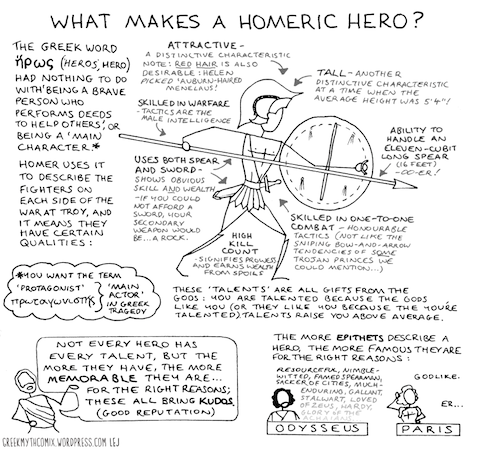
But Greek Myth Comix won’t only appeal to strug­gling stu­dents in the British Isles. Edu­ca­tors will find much to love here, as will lovers of mythol­o­gy in gen­er­al. Online access to the site is free, and you can pur­chase copies of the comix in PDF—either indi­vid­u­al­ly, in bulk, or in poster-size res­o­lu­tion. The site’s full archive has oth­er good­ies like the above, “What Makes a Home­r­ic Hero?” And with such recent updates, no doubt Greek Myth Comix has much more in store for those strug­gling to enjoy or under­stand Homer’s bloody-mind­ed epics, and those who sim­ply love their myths in com­ic form as well as ancient lyric.

via HolyKaw

Relat­ed Con­tent:

The His­to­ry of Eco­nom­ics & Eco­nom­ic The­o­ry Explained with Comics, Start­ing with Adam Smith

What’s Next for the Large Hadron Col­lid­er? PhD Comics Intro­duces the Search for Extra Dimen­sions

A Short His­to­ry of Amer­i­ca, Accord­ing to the Irrev­er­ent Com­ic Satirist Robert Crumb

Josh Jones is a writer and musi­cian based in Durham, NC. Fol­low him at @jdmagness

Ubu Roi: Alfred Jarry’s Scandalous Play Strikingly Adapted for Television (1965)

“Mer­dre,” the very first word spo­ken in Alfred Jar­ry’s Ubu Roi, needs no intro­duc­tion. When it first opened — and closed — on stage in 1896, it did­n’t have to do much more than that to get its audi­ence worked up. As soon as this hyper-vul­gar satire of the pow­er­ful came to its delib­er­ate­ly undra­mat­ic end, a “riot” broke out, his­to­ry books invari­ably note. Some­thing in Jar­ry’s tale of the sav­age, infan­tile, and all-desir­ing roy­al­ty of the title touched a nerve, and the Sur­re­al­ist and The­atre of the Absurd move­ments that fol­lowed would strive to keep on touch­ing it. But the strange, low-mind­ed Ubu Roi and its sequels would, while no longer liable to prompt fisticuffs, retain a kind of pow­er over the next cen­tu­ry and beyond. That lega­cy is vis­i­ble even in French polit­i­cal dis­course, where the insult “Ubuesque” tends to get thrown around to describe a cer­tain impul­sive, self-sat­is­fy­ing kind of pub­lic fig­ure.

Jean-Christo­pher Aver­ty’s tele­vi­sion pro­duc­tion of Ubu Roi above first aired in 1965. Its con­tent, pre­sum­ably by then famil­iar enough to the view­ing audi­ence, no longer shocked, but its aes­thet­ic choic­es still look strik­ing today. “I can almost guar­an­tee you will nev­er see anoth­er film that looks even remote­ly like this,” says The Sick, the Strange, and the Awful. It “dis­pels any types of cam­era pan­ning, zooms and even mov­ing the cam­era at all,” plac­ing, “at any one time, three, four, six dif­fer­ent mini-scenes onscreen, all inter­act­ing with each oth­er in bizarre ways. Char­ac­ters will pass things to each oth­er, and the item will change size depend­ing on where the cam­era is. It’s visu­al­ly dis­ori­en­tat­ing, and cool as hell.” The sim­ply attired char­ac­ters against back­grounds reduced to their most basic ele­ments (when not just a black void) retain the the­atri­cal­i­ty of the mate­r­i­al, but it all comes togeth­er visu­al­ly with the kind of opti­cal effects that had only recent­ly become pos­si­ble. Jar­ry’s dar­ing pre­saged the era of any­thing-goes the­atre; only nat­ur­al that his work would go on to explore the lim­it­less visu­al pos­si­bil­i­ties opened at the dawn of the video age. But if it start­ed any riots in mid­dle-class French liv­ing rooms, his­to­ry has left them unrecord­ed.

Relat­ed Con­tent:

David Lynch Presents the His­to­ry of Sur­re­al­ist Film (1987)

Watch Dreams That Mon­ey Can Buy, a Sur­re­al­ist Film by Man Ray, Mar­cel Duchamp, Alexan­der Calder, Fer­nand Léger & Hans Richter

Un Chien Andalou: Revis­it­ing Buñuel and Dalí’s Sur­re­al­ist Film

The Hearts of Age: Orson Welles’ Sur­re­al­ist First Film (1934)

Man Ray and the Ciné­ma Pur: Four Sur­re­al­ist Films From the 1920s

Col­in Mar­shall hosts and pro­duces Note­book on Cities and Cul­ture and writes essays on cities, lan­guage, Asia, and men’s style. He’s at work on a book about Los Ange­les, A Los Ange­les Primer. Fol­low him on Twit­ter at @colinmarshall or on Face­book.

The Touching Moment When Nicholas Winton (RIP) Met the Children He Saved During the Holocaust

Note: This post was orig­i­nal­ly pub­lished on July 27, 2014. Mr. Win­ton sad­ly passed away today (7/1/2015). He was 106 years old. Read his obit­u­ary, which doc­u­ments his amaz­ing deeds, here.

Pro­cras­ti­na­tors take note.

Some teens of my acquain­tance have been agi­tat­ing for a meet­ing with a Holo­caust sur­vivor. These encoun­ters, com­mon enough in my child­hood, are grow­ing less so as those with first­hand knowl­edge enter their gold­en years. Bear in mind that Eva Lavi, the youngest per­son named on Oskar Schindler’s List, is now 76.

Sir Nicholas Win­ton is def­i­nite­ly an inspir­ing fig­ure, and not just for his remark­able longevi­ty. From late 1938 until the start of the war, he man­aged to res­cue 669 Czech children—most of them Jews.

Win­ton made no pub­lic men­tion of his hero­ics, until 1988, when the BBC obtained his res­cue scrap­book and used it to coor­di­nate a mas­sive live on-air sur­prise dur­ing the pro­gram That’s Life (see above).

I plan on using the 60 Min­utes episode below to intro­duce my teen friends—most of whom stout­ly declare they’d have hid­den Anne Frank with­out a sec­ond thought—to a man whose actions speak loud­er than words.

via Holy Kaw

Relat­ed Con­tent:

Mem­o­ry of the Camps (1985): The Holo­caust Doc­u­men­tary that Trau­ma­tized Alfred Hitch­cock, and Remained Unseen for 40 Years

Alice Herz-Som­mer, the Old­est Holo­caust Sur­vivor (Thanks to the Pow­er of Music), Dies at 110

Rudolf Braz­da, Last Man to Wear the Pink Tri­an­gle Dur­ing the Holo­caust, Tells His Sto­ry

Anne Frank: The Only Exist­ing Video Now Online

Ayun Hal­l­i­day is an author, home­school­er, and Chief Pri­ma­tol­o­gist of the East Vil­lage Inky zine. Fol­low her @AyunHalliday

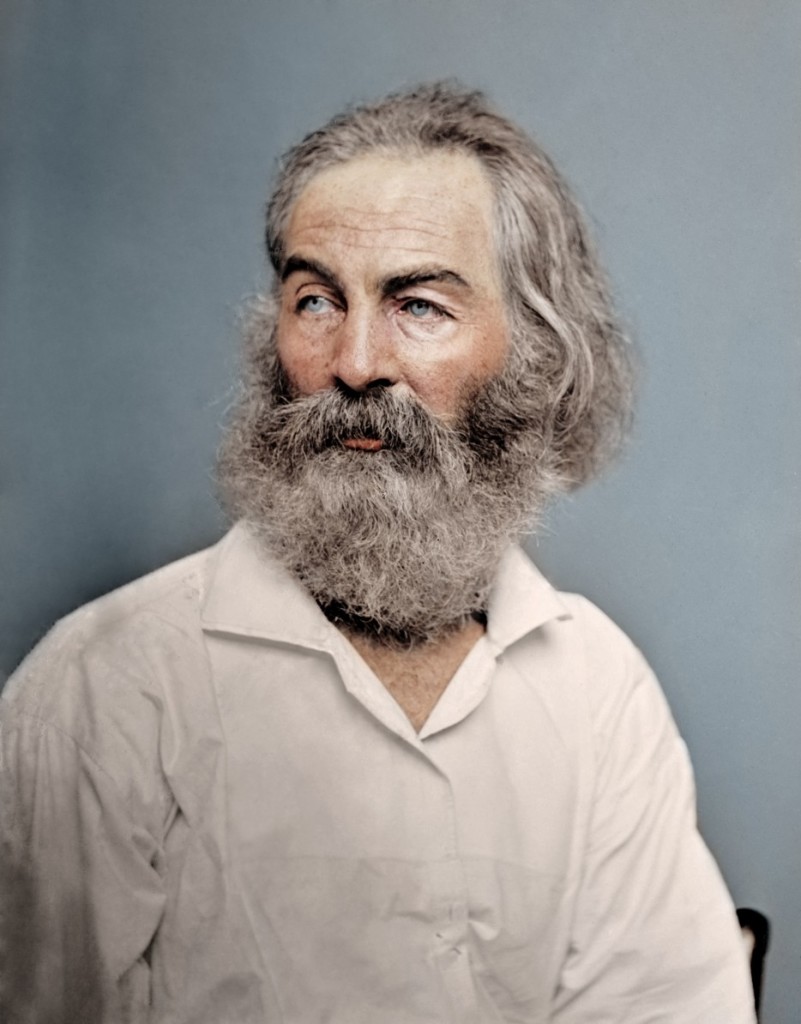
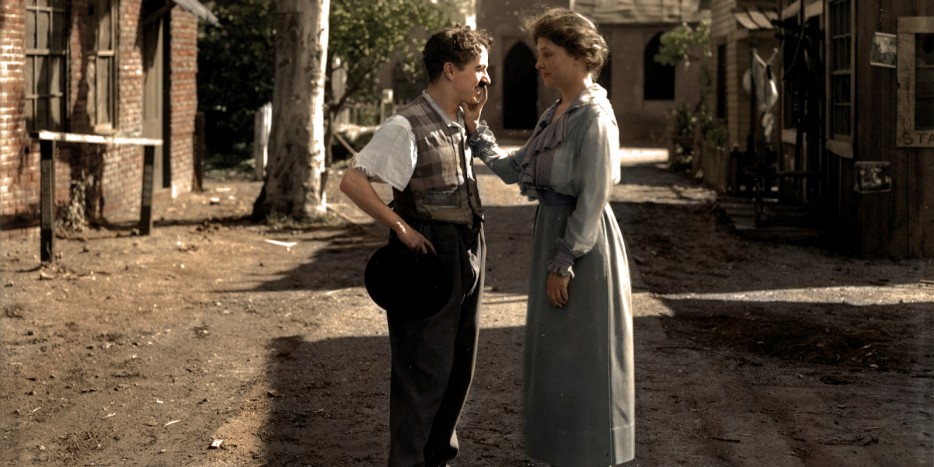
Colorized Photos Bring Walt Whitman, Charlie Chaplin, Helen Keller & Mark Twain Back to Life

whitman color

When dis­co pio­neer Gior­gio Moro­doer released a col­orized ver­sion of Fritz Lang’s Metrop­o­lis – fea­tur­ing a sound­track with Bil­ly Squier, Pat Benatar and Adam Ant, no less – film purists every­where howled with dis­be­lief at how the film’s moody black and white had been turned into East­er egg pinks and blues. It felt like a gim­mick and, worse, it just didn’t look real.

Col­oriza­tion has come a long way since then. In the hands of the right Pho­to­shop wiz­ard — like artist Dana Keller — a col­orized pho­to­graph of, say, the Okla­homa dust bowl or turn-of-the-cen­tu­ry Coney Island gives view­ers the chill of the uncan­ny. Peo­ple and things that have long since depart­ed this world sud­den­ly seem vital and alive. It makes that for­eign coun­try called the past feel eeri­ly famil­iar.

Above is a pic­ture of poet Walt Whit­man. His trade­mark long hair and Karl Marx beard would look right at home in cer­tain cor­ners of Port­land. Apart from that, there is both a sen­si­tiv­i­ty and fero­cious­ness about this pic­ture. Whit­man def­i­nite­ly looks like he’s capa­ble of deliv­er­ing a bar­bar­ic yawp. You can see what the pic­ture looked like in its orig­i­nal black and white here.

chaplin and keller color

This pho­to­graph of Helen Keller draw­ing a hand over Char­lie Chap­lin’s face from 1919 looks like it could be a still from an upcom­ing Oscar bait biopic. In fact the pic­ture was tak­en in Hol­ly­wood while Keller was on one of her speak­ing tours. (See orig­i­nal here.)

twain color

Like­wise with this por­trait (orig­i­nal here) of Mark Twain. You can almost hear him make some pithy com­ment like “A pho­to­graph is a most impor­tant doc­u­ment, and there is noth­ing more damn­ing to go down to pos­ter­i­ty than a sil­ly, fool­ish smile caught and fixed for­ev­er.” As you can see from the pic­ture, Twain didn’t take that risk, opt­ing for more of a whiskery scowl.

goebbels color

This pic­ture of Joseph Goebbels (orig­i­nal) star­ing down a Jew­ish pho­tog­ra­ph­er is sim­ply ter­ri­fy­ing. It’s the sort of death stare com­mon among psy­cho-killers, death row inmates and, appar­ent­ly, Nazi pro­pa­gan­da min­is­ters.

burger color

And this pic­ture of a hum­ble burg­er flip­per from 1938 is so crisp that it looks like it might have been tak­en yes­ter­day.

If you have an hour to kill, you can see many, many more col­orized pics from the past over at Inspire 52.

A big H/T to Natal­ie W. G.  for send­ing these our way.

Relat­ed Con­tent:

Hand-Col­ored Pho­tographs of 19th Cen­tu­ry Japan

1923 Pho­to of Claude Mon­et Col­orized: See the Painter in the Same Col­or as His Paint­ings

Mark Twain Writes a Rap­tur­ous Let­ter to Walt Whit­man on the Poet’s 70th Birth­day (1889)

Mar­i­lyn Mon­roe Reads Walt Whitman’s Leaves of Grass (1952)

Jonathan Crow is a Los Ange­les-based writer and film­mak­er whose work has appeared in Yahoo!, The Hol­ly­wood Reporter, and oth­er pub­li­ca­tions. You can fol­low him at @jonccrow. And check out his art blog Veep­to­pus.

Above LA: A Top-Down Timelapse View of the Great Megacity

Chris Pritchard tells us: “Above LA show­cas­es the often unseen beau­ty of Los Ange­les from above. It was shot on hill­tops, moun­tains, and high-rise rooftops around the city and fea­tures a num­ber of day to night tran­si­tions and rare weath­er. My goal was to cap­ture the depth, beau­ty, and move­ment of a vast and bustling megac­i­ty from a new angle, and encour­age peo­ple to get out and expe­ri­ence their envi­ron­ments in new ways. I nev­er thought I’d appre­ci­ate this city so much until I spent count­less hours star­ing at it from high above.” You can learn more about Above LA over at Chris’ blog here.

Why R.E.M.‘s 1991 Out of Time May Be the “Most Politically Important Album” Ever

Raise your hand if you bought your first music on cas­sette tapes. No, not those detourned objects of nos­tal­gia cir­ca 2013, but the “this is the lat­est tech­nol­o­gy and that’s that” kin­da thing. Okay, you in the back there, remem­ber when the CD came to town? Yeah, and remem­ber those box­es—all that ridicu­lous pack­ag­ing, with the long card­board box twice as long as the prod­uct? What was that all about? The rest of you, keep up: It was a dif­fer­ent time. Okay, since we all still know what vinyl looks like when hand­some­ly placed on store shelves (maybe you’ve seen this at your local Urban Out­fit­ters), we know that record sleeves are big and square and CD cas­es are small and square. And the prob­lem for those record stores when the CDs came to replace tapes—but not the pre­cious vinyl—was that the main dis­plays were for the big squares, and the stores didn’t wan­na change ‘em. Thus the long CD box: two of them side by side equaled the area of one record.

Prob­lem solved? Not for spoil­sports like R.E.M. who (you in the back, remem­ber?) released that album Green in ’88 and went on end­less­ly about “think glob­al, act local” enviro—blah blah. Why they cared so much about the lives of shade-giv­ing, wish-grant­i­ng trees I’ll nev­er know, but they did, and it both­ered them, these waste­ful box­es. So, enter Tip­per Gore. Wait, what? Who? How? A short his­to­ry: Some time ago, Al Gore’s wife Tip­per and many oth­ers were upset by raunchy lyrics—espe­cial­ly by the 2 Live Crew fellows—and lob­bied for those “Parental Advi­so­ry” stick­ers to get stuck on explic­it CDs, and some music was cen­sored, and Gore and her coali­tion of most­ly right-wing friends found a con­ve­nient boogey­man in pop­u­lar music. (Are you googling? It’s spelled “PMRC”). A lot of this agi­ta­tion over explic­it lyrics came from gen­uine­ly con­cerned par­ents. A lot of it came from polit­i­cal oppor­tunists and peo­ple who like using leg­is­la­tion to enforce their reli­gious moral­i­ty.

REM_LONGBOX_PHOTO-back-e1405991556428-1024x479

Where in Stipe’s name is this going? It ties togeth­er through one man, Jeff Gold, Warn­er Brother’s exec dur­ing the release of the band’s 1991 album Out of Time. Gold need­ed the long box for this CD, and he want­ed the then-new Rock the Vote project to reg­is­ter mil­lions of young music buy­ers, who would then, he rea­soned, vote out the pols who did the cen­sor­ship. Gold and Rock the Vote founder and Vir­gin records co-founder Jeff Ayeroff con­vinced the band to do the long box thing by mak­ing half the box a Rock the Vote peti­tion for the Motor Vot­er Bill, which would allow vot­ers to reg­is­ter through their local DMV. And that, accord­ing to radio show 99% Invis­i­ble, is how REM became the face of Rock the Vote and the Motor Vot­er Bill in 1993. Mar­ket­ing! And envi­ron­men­tal­ism. See that sen­si­tive activist at the top of the post? That’s Michael Stipe mak­ing a Rock the Vote pitch. See that pic­ture above? (Click to embiggen.) That’s the dor­sal side of Out of Time’s CD long box pack­age. The card at the bot­tom address­es itself to the young record buyer’s Sen­a­tor. It says,

Dear Sen­a­tor:

I sup­port the Motor Vot­er Bill. Accord­ing to the U.S. Cen­sus, in the last pres­i­den­tial elec­tion 78% of 18–29 year olds who were reg­is­tered to vote vot­ed. We aren’t as apa­thet­ic as some peo­ple think. It’s just that the laws make it hard for many of us to reg­is­ter.

I hope I can say my Sen­a­tor sup­ports the Motor Vot­er Bill.

Your Con­stituent

In no small part because of R.E.M.’s lob­by­ing, the Motor Vot­er Bill was passed. Many did not like it then and do not like it now. They say it encour­ages vot­er fraud, which you might think would be ram­pant and com­plete­ly out of con­trol by now, but is not in the least. In any case, the law remains unrea­son­ably con­tro­ver­sial, as do many, many laws that make it eas­i­er for all kinds of cit­i­zens to vote. But you prob­a­bly know that sto­ry already.

For more on why Out of Time is pos­si­bly “the most polit­i­cal­ly impor­tant album of all time,” lis­ten to the first episode of new pod­cast Pitch below, and vis­it their site for a tran­script of their detailed inter­view with Jeffs Gold and Ayeroff. And for Stipe’s sake, get your­self reg­is­tered and get to the polls this Novem­ber.

via 99% Invis­i­ble

Relat­ed Con­tent:

Film­mak­er Errol Mor­ris Gives Us “11 Excel­lent Rea­sons Not to Vote?”

Take The Near Impos­si­ble Lit­er­a­cy Test Louisiana Used to Sup­press the Black Vote (1964)

Three Pub­lic Ser­vice Announce­ments by Frank Zap­pa: Vote, Brush Your Teeth, and Don’t Do Speed

Josh Jones is a writer and musi­cian based in Durham, NC. Fol­low him at @jdmagness


  • Great Lectures

  • About Us

    Open Culture scours the web for the best educational media. We find the free courses and audio books you need, the language lessons & educational videos you want, and plenty of enlightenment in between.


    Advertise With Us

  • Archives

  • Search

  • Quantcast