What Books Do Writers Teach?: Zadie Smith and Gary Shteyngart’s Syllabi from Columbia University

zadie_smith

Many, if not, most writ­ers teach—whether lit­er­a­ture, com­po­si­tion, or cre­ative writing—and exam­in­ing what those writ­ers teach is an espe­cial­ly inter­est­ing exer­cise because it gives us insight not only into what they read, but also what they read close­ly and care­ful­ly, again and again, in order to inform their own work and demon­strate the craft as they know it to stu­dents. Let’s take two case stud­ies: exem­plars of con­tem­po­rary lit­er­ary fic­tion, both of whom teach at Colum­bia Uni­ver­si­ty. I’ll leave it to you to draw your own con­clu­sions about what their syl­labi show us about their process.

First up, we have Zadie Smith, author of White Teeth and, most recent­ly, NW: A Nov­el. In 2009, Smith lent her lit­er­ary sen­si­bil­i­ties to the teach­ing of a week­ly fic­tion sem­i­nar called “Sense and Sen­si­bil­i­ty,” for which we have the full book­list of 15 titles she assigned to stu­dents. See the list below and make of it what you will:

Brief Inter­views with Hideous Men, David Fos­ter Wal­lace
Catholics, Bri­an Moore
The Com­plete Sto­ries, Franz Kaf­ka
Crash, J.G. Bal­lard
An Exper­i­ment in Love, Hilary Man­tel
Mod­ern Crit­i­cism and The­o­ry: A Read­er, David Lodge
The Screw­tape Let­ters, C.S. Lewis
My Loose Thread, Den­nis Coop­er
The Prime of Miss Jean Brodie, Muriel Spark
The Los­er, Thomas Bern­hard
The Book of Daniel, E.L. Doc­torow
A Room with a View, E.M. Forster
Read­er’s Block, David Mark­son
Pnin, Vladimir Nabokov
The Qui­et Amer­i­can, Gra­ham Greene

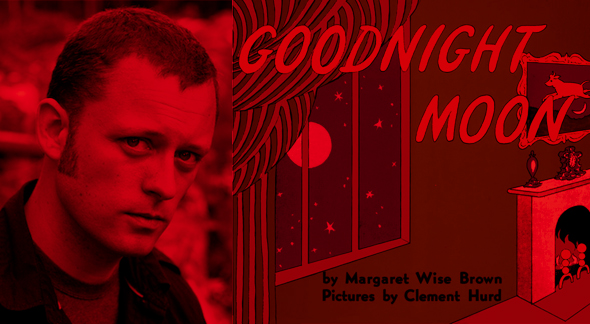
Smith’s list trends some­what sur­pris­ing­ly white male. She includes not a few “writer’s writers”—Kafka, J.G. Bal­lard, and of course, Nabokov, who also turns up as a favorite for anoth­er Russ­ian expat writer and author of Absur­dis­tan, Gary Shteyn­gart. In a Barnes and Noble author pro­file, Shteyn­gart lists two of Nabokov’s books—Pnin and Loli­ta—among his ten all-time favorites. Also on his list are Saul Bellow’s Her­zog and Philip Roth’s Portnoy’s Com­plaint. All three authors appear in a 2013 Colum­bia course Shteyn­gart teach­es called “The Hys­ter­i­cal Male,” a class specif­i­cal­ly designed, it seems, to exam­ine the neu­ro­sis of the white (or Jew­ish) male writer. With char­ac­ter­is­tic dark humor, he describes his course thus:

The 20th Cen­tu­ry has been a com­plete dis­as­ter and the 21st cen­tu­ry will like­ly be even worse. In response to the hope­less­ness of the human con­di­tion in gen­er­al, and the prospects for the North Amer­i­can and British male in par­tic­u­lar, the con­tem­po­rary male nov­el­ist has been howl­ing angri­ly for quite some time. This course will exam­ine some of the results, from Roth’s Port­noy and Bellow’s Her­zog to Mar­tin Amis’s John Self, tak­ing side trips into the unre­li­able insan­i­ty of Nabokov’s Charles Kin­bote, the mud­dled senil­i­ty of Morde­cai Richler’s Bar­ney Panof­sky and the some­what qui­eter des­per­a­tion of David Gates’s Jerni­gan. We will exam­ine the strate­gies behind first-per­son hys­te­ria and con­trast with the alter­nate third- and first-per­son meshugas of Bruce Wagner’s I’ll Let You Go. What gives vital­i­ty to the male hys­ter­i­cal hero? How should humor be bal­anced with pathos? Why are so many pro­tag­o­nists (and authors) of Jew­ish or Anglo extrac­tion? How have ear­ly male hys­ter­ics giv­en rise to the “hys­ter­i­cal real­ism” as out­lined by crit­ic James Wood? Is the shout­ing, sweaty male the per­fect rep­re­sen­ta­tion of our dis­as­trous times, or is a dose of sane intro­spec­tion need­ed to make sense of the world around us? How does the change from ear­ly to late hys­ter­i­cal nov­els reflect our progress from an entire­ly male-dom­i­nat­ed world to a most­ly male-dom­i­nat­ed one? Do we still need to be read­ing this stuff? 

I would haz­ard to guess that Shteyn­gart’s answer to the last ques­tion is “yes.”

Relat­ed Con­tent:

David Fos­ter Wallace’s 1994 Syl­labus: How to Teach Seri­ous Lit­er­a­ture with Light­weight Books

Don­ald Barthelme’s Syl­labus High­lights 81 Books Essen­tial for a Lit­er­ary Edu­ca­tion

W.H. Auden’s 1941 Lit­er­a­ture Syl­labus Asks Stu­dents to Read 32 Great Works, Cov­er­ing 6000 Pages

The Book Trail­er as Self-Par­o­dy: Stars Gary Shteyn­gart with James Fran­co Cameo

Josh Jones is a writer and musi­cian based in Durham, NC. Fol­low him at @jdmagness

Watch Family Planning, Walt Disney’s 1967 Sex Ed Production, Starring Donald Duck

In 1951, Carl Djeras­si, a chemist work­ing in an obscure lab in Mex­i­co City, cre­at­ed the first prog­es­terone pill. Lit­tle did he know that, a decade lat­er, 1.2 mil­lion women would be “on the Pill” in Amer­i­ca, exer­cis­ing unprece­dent­ed con­trol over their repro­duc­tive rights. By 1967, that num­ber would reach 12.5 mil­lion women world­wide.

It was for­tu­itous tim­ing, see­ing that the post-war glob­al pop­u­la­tion was start­ing to surge. It took 125 years (1800–1925) for the glob­al pop­u­la­tion to move from one bil­lion to two bil­lion (see his­tor­i­cal chart), but only 35 years (1925–1960) for that num­ber to reach three bil­lion. Non-prof­its like the Pop­u­la­tion Coun­cil were found­ed to think through emerg­ing pop­u­la­tion ques­tions, and by the mid-1960s, they began pub­lish­ing a peer-reviewed jour­nal called Stud­ies in Fam­i­ly Plan­ning and also work­ing with Walt Dis­ney to pro­duce a 10-minute edu­ca­tion­al car­toon. You can watch Fam­i­ly Plan­ning above.

Even­tu­al­ly trans­lat­ed into 25 lan­guages, the film avoids any­thing sex­u­al­ly explic­it. The fam­i­ly plan­ning advice is vague at best and, per­verse­ly but not sur­pris­ing­ly, only male char­ac­ters get a real voice in the pro­duc­tion. But lest you think that Dis­ney was break­ing any real ground here, let me remind you of its more dar­ing for­ay into sex-ed films two decades pri­or. That’s when it pro­duced The Sto­ry of Men­stru­a­tion (1946)a more sub­stan­tive film shown to 105 mil­lion stu­dents across the US.

You can find Fam­i­ly Plan­ning and The Sto­ry of Men­stru­a­tion housed in the Ani­ma­tion sec­tion of our col­lec­tion, 4,000+ Free Movies Online: Great Clas­sics, Indies, Noir, West­erns, Doc­u­men­taries & More.

Relat­ed Con­tent:

No Women Need Apply: A Dis­heart­en­ing 1938 Rejec­tion Let­ter from Dis­ney Ani­ma­tion

How Walt Dis­ney Car­toons Are Made

Don­ald Duck Wants You to Pay Your Tax­es (1943)

Walt Dis­ney Presents the Super Car­toon Cam­era (1957)


by | Permalink | Make a Comment ( 11 ) |

The Tale of the Fox: Watch Ladislas Starevich’s Animation of Goethe’s Great German Folktale (1937)

Johann Wolf­gang von Goethe — the very name bespeaks lit­er­ary mas­tery of the widest range. Not only did this best-known of all eigh­teenth- and — nine­teenth-cen­tu­ry Ger­man writ­ers reach into poet­ry, the nov­el, the mem­oir, auto­bi­og­ra­phy, crit­i­cism, sci­ence, phi­los­o­phy, and even pol­i­tics, but he did a bit of inter­pre­ta­tion of clas­sic folk­tales as well. The Faust and Sor­rows of Young Werther author wrote a par­tic­u­lar­ly last­ing ren­di­tion of the adven­tures of Rey­nard the Fox, a trick­ster from medieval Euro­pean myth. Had Goethe him­self lived into the 20th cen­tu­ry to expe­ri­ence the gold­en age of pup­pet ani­ma­tion, I feel cer­tain his artis­tic man­date would have com­pelled him to film a ver­sion of The Tale of the Fox. Alas, the lit­er­ary leg­end passed away in 1832, leav­ing the job, near­ly a cen­tu­ry lat­er, to Russ­ian ani­ma­tor Ladis­las Stare­vich (also spelled Wla­dys­law Starewicz).

Hav­ing pio­neered the form of pup­pet ani­ma­tion with his 1912 film The Beau­ti­ful Lukani­da, Stare­vich remains well-known among ani­ma­tion enthu­si­asts for shoot­ing his pic­tures with ani­mals play­ing the pro­tag­o­nists, or bugs, or seem­ing­ly what­ev­er he hap­pened to have at hand. The Tale of the Fox, by con­trast, pre­sent­ed him with a com­par­a­tive­ly vast set of resources. Pro­duced in Paris over eigh­teen months in 1929 and 1930, the 65-minute ani­mat­ed fea­ture, Stare­vich’s first and only the sixth ever made in the world at the time, tells the sto­ry of Rey­nard the Fox’s attempts to live his life of tom­fool­ery even as the lion king of this ani­mal king­dom strug­gles to bring him to jus­tice. When, sev­en years after com­plet­ing pho­tog­ra­phy, the film still lacked music, Ger­many’s Nation­al Social­ist gov­ern­ment, no doubt swollen with their ver­sion of Teu­ton­ic pride at see­ing an adap­ta­tion of an adap­ta­tion penned by a Ger­man icon, pro­vid­ed a score and arranged for a Berlin pre­miere. But try not to think about that. Con­cen­trate instead on the ani­ma­tion style used here by Stare­vich which, though he shot in stop-motion and used pup­pets, sure­ly resem­bles no stop-motion ani­ma­tion or pup­pet show you’ve ever seen.

via Bib­liok­lept

Relat­ed Con­tent:

Two Beau­ti­ful­ly-Craft­ed Russ­ian Ani­ma­tions of Chekhov’s Clas­sic Children’s Sto­ry “Kash­tan­ka”

18 Ani­ma­tions of Clas­sic Lit­er­ary Works: From Pla­to and Shake­speare, to Kaf­ka, Hem­ing­way and Gaiman

Mikhail Bulgakov’s The Mas­ter and Mar­gari­ta, Ani­mat­ed in Two Min­utes

The Mas­cot, Pio­neer­ing Stop Ani­ma­tion from Wla­dys­law Starow­icz

Col­in Mar­shall hosts and pro­duces Note­book on Cities and Cul­ture and writes essays on lit­er­a­ture, film, cities, Asia, and aes­thet­ics. He’s at work on a book about Los Ange­lesA Los Ange­les Primer. Fol­low him on Twit­ter at @colinmarshall.

Watch an Animation of Shaun Tan’s All-Ages Picture Book The Lost Thing

What would you do if you crossed paths with a jin­gling lost thing whose oven-shaped body, crus­ta­ceous claws, and fleshy ten­ta­cles would seem right at home in Hierony­mus Bosch’s Gar­den of Earth­ly Delights?

Scream? Run? Release your bow­els?

The anony­mous nar­ra­tor of The Lost Thing, a fif­teen-minute ani­ma­tion born of Shaun Tan’s all-ages pic­ture book, attempts, instead, to iden­ti­fy it empir­i­cal­ly through care­ful obser­va­tion, cal­i­brat­ed mea­sure­ment, and con­trolled exper­i­men­ta­tion. When the sci­en­tif­ic approach fails, he assumes respon­si­bil­i­ty for his strange find, lead­ing it through a clank­ing, grimy land­scape where san­i­ta­tion crews deflate beach balls with pointy sticks after the joy­less hol­i­day crowds are dismissed—a vision of steam­punk in defeat.

We’re loathe to hit you with any more spoil­ers. Suf­fice it to say that this is a fine exam­ple of inno­v­a­tive­ly adapt­ed source mate­r­i­al, and that even­tu­al­ly our sto­ic hero—voiced by British-born Aus­tralian com­ic Tim Minchin—and his charge arrive in a land­scape that should cause the inhab­i­tants of the Island of Mis­fit Toys to stop moon­ing over San­ta.

You will find The Lost Thing list­ed in the Ani­ma­tion sec­tion of our col­lec­tion of Free Movies Online.

Relat­ed Con­tent:

Watch a Whim­si­cal Ani­ma­tion of Ita­lo Calvino’s Short Sto­ry “The Dis­tance of the Moon”

Watch Ani­ma­tions of Oscar Wilde’s Children’s Sto­ries “The Hap­py Prince” and “The Self­ish Giant”

Hard­er Than It Looks: How to Make a Great Stop Motion Ani­ma­tion

Ayun Hal­l­i­day picks all man­ner of jet­sam off the curbs of her Brook­lyn neigh­bor­hood. Fol­low her @AyunHalliday

John Searle Makes A Forceful Case for Studying Consciousness, Where Everything Else Begins

Con­scious­ness is the sin­gle most impor­tant aspect of our lives, says philoso­pher John Sear­le. Why? “It’s a nec­es­sary con­di­tion on any­thing being impor­tant in our lives,” he says. “If you care about sci­ence, phi­los­o­phy, music, art — what­ev­er — it’s no good if you are a zom­bie or in a coma.”

Sear­le is one of today’s pre­em­i­nent philoso­phers of mind. Author of the famous “Chi­nese Room” argu­ment against the pos­si­bil­i­ty of true arti­fi­cial intel­li­gence, Sear­le has been a per­sis­tent thorn in the side of those who would reduce con­scious­ness to com­pu­ta­tion, or con­flate it with behav­ior. Despite its intrin­si­cal­ly sub­jec­tive nature, con­scious­ness is an irre­ducible bio­log­i­cal phe­nom­e­non, he says, “as much sub­ject to sci­en­tif­ic analy­sis as any oth­er phe­nom­e­non in biol­o­gy, or for that mat­ter the rest of sci­ence.”

Sear­le made his remarks at the May 3 TEDx con­fer­ence at CERN — the Euro­pean Orga­ni­za­tion for Nuclear Research — near Gene­va, Switzer­land. The video above gives a thought-pro­vok­ing overview of his basic con­clu­sions about con­scious­ness, but to delve deep­er into Sear­le’s phi­los­o­phy of mind — and also his phi­los­o­phy of lan­guage and soci­ety — see our ear­li­er post about his online Berke­ley lec­tures: “Phi­los­o­phy with John Sear­le: Three Free Cours­es.”

Relat­ed con­tent:

John Sear­le on Fou­cault and the Obscu­ran­tism in French Phi­los­o­phy

What Do Most Philoso­phers Believe? A Wide-Rang­ing Sur­vey Project Gives Us Some Idea

Down­load 90 Free Phi­los­o­phy Cours­es and Start Liv­ing the Exam­ined Life

Virginia Woolf’s Handwritten Suicide Note: A Painful and Poignant Farewell (1941)

handwriting-virginia-woolf-10921544-600-870

It seems like a very mor­bid and inhu­man prac­tice to treat the sui­cide note as a piece of lit­er­a­ture, even if the author of said note is a writer as famous as Vir­ginia Woolf. And yet, why not? I can antic­i­pate all sorts of eth­i­cal objec­tions hav­ing to do with decen­cy, and I share some of those sen­ti­ments. Let us not for­get, how­ev­er, that death has often been a lit­er­ary occa­sion: the long tra­di­tion of record­ed last words ranges from deathbed con­fes­sions to the strange­ly the­atri­cal genre of the gal­lows speech (see Socrates, Anne Boleyn, or John Brown). Like those unfor­get­table fig­ures of his­to­ry, Vir­ginia Woolf’s last script­ed words are pored over by lay read­ers and schol­ars alike (see, for exam­ple, pages on Woolf’s final words from Smith Col­lege and Yale).

Woolf’s death, in March of 1941, occa­sioned the third of her sui­cide let­ters, and yes, it feels unseem­ly to linger over her last piece of prose. Per­haps it is the mode of death, sui­cide still being a soci­etal taboo, thought of as trag­ic even when it’s under­tak­en calm­ly and ratio­nal­ly by some­one ready to leave this world. And in many cas­es, espe­cial­ly those involv­ing men­tal ill­ness, death seems so need­less, so extreme. Such was the case with Woolf, who drowned her­self after a long strug­gle with what would prob­a­bly be called today bipo­lar dis­or­der. Her sui­cide note, writ­ten to her hus­band Leonard, is a haunt­ing and beau­ti­ful doc­u­ment, in all its unadorned sin­cer­i­ty behind which much tur­moil and anguish lie. See a scan of the hand­writ­ten note at the top, and read the full tran­script below. Direct­ly above, you can hear a dra­mat­ic read­ing of Woolf’s note, such a wrench­ing mis­sive because it is not a farewell to the world at large, but rather to a trust­ed friend and lover.

Dear­est,

I feel cer­tain I am going mad again. I feel we can’t go through anoth­er of those ter­ri­ble times. And I shan’t recov­er this time. I begin to hear voic­es, and I can’t con­cen­trate. So I am doing what seems the best thing to do. You have giv­en me the great­est pos­si­ble hap­pi­ness. You have been in every way all that any­one could be. I don’t think two peo­ple could have been hap­pi­er till this ter­ri­ble dis­ease came. I can’t fight any longer. I know that I am spoil­ing your life, that with­out me you could work. And you will I know. You see I can’t even write this prop­er­ly. I can’t read. What I want to say is I owe all the hap­pi­ness of my life to you. You have been entire­ly patient with me and incred­i­bly good. I want to say that — every­body knows it. If any­body could have saved me it would have been you. Every­thing has gone from me but the cer­tain­ty of your good­ness. I can’t go on spoil­ing your life any longer.

I don’t think two peo­ple could have been hap­pi­er than we have been.

Relat­ed Con­tent:

Vir­ginia Woolf and Friends Dress Up as “Abyssin­ian Princes” and Fool the British Roy­al Navy (1910)

Watch Pat­ti Smith Read from Vir­ginia Woolf, and Hear the Only Sur­viv­ing Record­ing of Woolf’s Voice

“A Haunt­ed House” by Vir­ginia Woolf

Find Works by Vir­ginia Woolf in Our Col­lec­tions of Free Audio Books and Free eBooks.

Josh Jones is a writer and musi­cian based in Durham, NC. Fol­low him at @jdmagness

Did Hollywood Movies Studios “Collaborate” with Hitler During WW II? Historian Makes the Case

As any­one who watch­es the His­to­ry Chan­nel can tell you, sto­ries about the Sec­ond World War still fas­ci­nate. Sto­ries about Nazi Ger­many specif­i­cal­ly seem to fas­ci­nate more than they ever have before. Com­bine that with the cur­rent Amer­i­can desire to gaze upon the dark side of its own once-beloved insti­tu­tions, and Har­vard his­to­ri­an Ben Urwand may have a hit on his hands when his book The Col­lab­o­ra­tion: Hol­ly­wood’s Pact with Hitler comes out next month. (Read an excerpt here.) Emory Uni­ver­si­ty his­to­ri­an Deb­o­rah Lip­stadt uses an even more apt term: “I think what this guy has found could be a block­buster.” She is quot­ed in an arti­cle by the New York Times’ Jen­nifer Schuessler on Urwand, his dis­cov­er­ies, and his book. “On page after page,” Schuessler writes, “[Urwand] shows stu­dio boss­es, many of them Jew­ish immi­grants, cut­ting films scene by scene to suit Nazi offi­cials; pro­duc­ing mate­r­i­al that could be seam­less­ly repur­posed in Nazi pro­pa­gan­da films; and, accord­ing to one doc­u­ment, help­ing to finance the man­u­fac­ture of Ger­man arma­ments.”

As if Urwand’s find­ings about these deals between Hol­ly­wood stu­dios and the Third Reich won’t cause enough of a stir by them­selves, his per­spec­tive on them has already fired up an aca­d­e­m­ic con­tro­ver­sy. Schuessler quotes Bran­deis’ Thomas P. Doher­ty as call­ing Urwand’s use of the word “col­lab­o­ra­tion” a “slan­der” and men­tions, by con­trast, Uni­ver­si­ty of South­ern Cal­i­for­nia his­to­ry pro­fes­sor Steven J. Ross’ forth­com­ing book which tells “the lit­tle-known sto­ry of an exten­sive anti-Nazi spy ring that began oper­at­ing in Los Ange­les in 1934, financed by the very stu­dio boss­es who were cut­ting films to sat­is­fy Nazi offi­cials.” You can read a fuller cri­tique of Urwand’s argu­ments from Doher­ty at the Hol­ly­wood Reporter. At the top, you can watch that pub­li­ca­tion’s brief con­ver­sa­tion with Urwand him­self, in which he explains and defends his use of the word “col­lab­o­ra­tion” — which, he says, the Hol­ly­wood exec­u­tives in ques­tion used them­selves. Final­ly, just above, you can hear more from Urwand in Har­vard Uni­ver­si­ty Press’ clip about The Col­lab­o­ra­tion. As with most mod­ern research into World War II, the book no doubt rais­es more his­tor­i­cal and moral ques­tions than we can answer, though I do doubt that any­one who reads it will ever watch pic­tures from Hol­ly­wood’s Gold­en Age in quite the same way again.

Relat­ed Con­tent:

Redis­cov­ered: The First Amer­i­can Anti-Nazi Film, Banned by U.S. Cen­sors and For­got­ten for 80 Years

Rare 1940 Audio: Thomas Mann Explains the Nazis’ Ulte­ri­or Motive for Spread­ing Anti-Semi­tism

The Mak­ing of a Nazi: Disney’s 1943 Ani­mat­ed Short

The Nazis’ 10 Con­trol-Freak Rules for Jazz Per­form­ers: A Strange List from World War II

Col­in Mar­shall hosts and pro­duces Note­book on Cities and Cul­ture and writes essays on lit­er­a­ture, film, cities, Asia, and aes­thet­ics. He’s at work on a book about Los Ange­lesA Los Ange­les Primer. Fol­low him on Twit­ter at @colinmarshall.

10 Essential Tips for Making Great Coffee at Home

Perfect-Coffee-Cover

Michael Haft and Har­ri­son Suarez went to col­lege togeth­er, served in the Marines in Afghanistan, then, after return­ing home, stum­bled upon the world of spe­cial­ty cof­fee and began “an obses­sive quest to brew the per­fect cup.” That quest result­ed in the pub­li­ca­tion of an inter­ac­tive dig­i­tal book designed for the iPad. Per­fect Cof­fee at Home ($4.99) uses illus­tra­tions, inter­ac­tive graph­ics, videos and a sound­track to make the tuto­r­i­al “an immer­sive expe­ri­ence.” But you don’t need to foot the bill or have an iPad to improve your cof­fee mak­ing skills.

Over at The Atlantic, Haft and Suarez gave some free advice last week, pub­lish­ing an arti­cle where they, among oth­er things, enu­mer­at­ed 10 essen­tial tips for mak­ing cof­fee. They boiled things down to this:

  1. Buy good cof­fee beans. Prefer­ably whole beans, sus­tain­ably farmed, and roast­ed with­in the past few weeks.
  2. Grind your cof­fee just before brew­ing. They say, “it’s the num­ber one thing you can do to improve your cof­fee at home.”
  3. Store your cof­fee prop­er­ly. Keep the cof­fee in an air­tight con­tain­er, away from sun­light. Try to avoid freez­ing the beans, unless they’re going to linger for more than two weeks.
  4. Use a good amount of cof­fee, and the right pro­por­tion of cof­fee to water. The ide­al is what they call “The Gold­en Ratio,” 17.42 units of water to 1 unit of cof­fee.
  5. Find the right grind size for your cof­fee beans and aim for a uni­form grind.
  6. Con­trol the tem­per­a­ture of your water. Keep it some­where between 195 and 202 degrees. Boil­ing water can sour the cof­fee.
  7. If you get real­ly skilled, you can agi­tate the cof­fee dur­ing the brew­ing to con­trol the taste.
  8. Focus on tech­nique. And once you learn the right tech­nique, make sure you’re pre­cise and con­sis­tent.
  9. Use qual­i­ty tools. Buy the right bean grinder and cof­fee mak­er. Make a good invest­ment in your cof­fee drink­ing future.
  10. When exper­i­ment­ing with the brew­ing process, adjust only one vari­able at a time so you can accu­rate­ly track results.

The Atlantic arti­cle offers more detail than what we’ve high­light­ed above. So we’d encour­age you to give “How to Make Per­fect Cof­fee” a read. You can also find short video primers on the Haft & Suarez YouTube Chan­nel. If you have your own great cof­fee mak­ing tips, def­i­nite­ly share them with us in the com­ments sec­tions below. We want to know!

Relat­ed Con­tent:

A Short, Ani­mat­ed Look at What’s Inside Your Aver­age Cup of Cof­fee

“The Vertue of the COFFEE Drink”: An Ad for London’s First Cafe Print­ed Cir­ca 1652

Black Cof­fee: Doc­u­men­tary Cov­ers the His­to­ry, Pol­i­tics & Eco­nom­ics of the “Most Wide­ly Tak­en Legal Drug”

The Physics of Cof­fee Rings Final­ly Explained

The His­to­ry of Cof­fee and How It Trans­formed Our World

by | Permalink | Make a Comment ( 9 ) |

Fritz Lang’s M (1931)

When Jean-Luc Godard asked the Aus­tri­an film­mak­er Fritz Lang in 1961 to name his great­est film, the one most like­ly to last, Lang did not hes­i­tate.

M,” he said.

Made in 1931, near the end of the Weimar Repub­lic, M is Lang’s bril­liant link between silent film and talkies, and between Ger­man Expres­sion­ism and what would even­tu­al­ly be called Film Noir. It tells the sto­ry of a Berlin soci­ety caught up in hys­te­ria over a series of child mur­ders, and of the mas­sive mobi­liza­tion — by police and crim­i­nals alike — to catch the killer.

The Hun­gar­i­an actor Peter Lorre plays Hans Beck­ert, the men­tal­ly dis­turbed mur­der­er. Lorre worked on the film in the day­time while per­form­ing onstage in Bertolt Brecht’s pro­duc­tion of Mann ist Mann in the evenings. His strik­ing per­for­mance in M would cat­a­pult him to inter­na­tion­al star­dom.


The script was writ­ten by Lang and his wife, Thea Von Har­bou. It was inspired by a series of mass mur­ders, cul­mi­nat­ing in a sen­sa­tion­al case of ser­i­al child killings in Düs­sel­dorf. In a 1931 arti­cle, Lang wrote:

The epi­dem­ic series of mass mur­ders of the last decade with their man­i­fold and dark side effects had con­stant­ly absorbed me, as unap­peal­ing as their study may have been. It made me think of demon­strat­ing, with­in the frame­work of a film sto­ry, the typ­i­cal char­ac­ter­is­tics of this immense dan­ger for the dai­ly order and the ways of effec­tive­ly fight­ing them. I found the pro­to­type in the per­son of the Düs­sel­dorf ser­i­al mur­der­er and I also saw how here the side effects exact­ly repeat­ed them­selves, i.e. how they took on a typ­i­cal form. I have dis­tilled all typ­i­cal events from the pletho­ra of mate­ri­als and com­bined them with the help of my wife into a self-con­tained film sto­ry. The film M should be a doc­u­ment and an extract of facts and in that way an authen­tic rep­re­sen­ta­tion of a mass mur­der com­plex.

Although M was not a great box office suc­cess when it was released in Ger­many in 1931, the film grad­u­al­ly grew in stature and is now firm­ly estab­lished as one of the mas­ter­pieces of 20th cen­tu­ry cin­e­ma. The bril­liance of the film’s nar­ra­tive struc­ture, its clas­sic visu­al images (the killer’s shad­ow appear­ing on a poster announc­ing a reward for his cap­ture, a child’s bal­loon caught in a pow­er line, Lor­re’s bulging eyes as he dis­cov­ers a chalk “M” on his shoul­der) and its inven­tive use of sound, for exam­ple in the ser­i­al killer’s omi­nous whistling of Grieg’s Peer Gynt, have made M one of the most stud­ied and imi­tat­ed films ever made.

In 1959 M was re-released in trun­cat­ed form, and for sev­er­al decades after­ward audi­ences were shown a bad­ly altered 89-minute ver­sion. A restora­tion project was mount­ed in the 1990s. The 109-minute ver­sion above, a result of that project, is clos­er to Lang’s orig­i­nal film. It’s now housed in our col­lec­tion, 4,000+ Free Movies Online: Great Clas­sics, Indies, Noir, West­erns, Doc­u­men­taries & More

Relat­ed con­tent:

Fritz Lang’s “Licen­tious, Pro­fane, Obscure” Noir Film, Scar­let Street (1945)

Free Film Noir Movies

A Radio Play Based on Pink Floyd’s The Dark Side of the Moon. Coming Monday. Watch the Trailer.

This year, Pink Floy­d’s mas­ter­ful prog rock album The Dark Side of the Moon turns 40. Yes, 40. Explor­ing themes rang­ing from con­flict and greed, to men­tal ill­ness and the pass­ing of time, The Dark Side of the Moon has “every­thing you’d ever want … : Grand, trans­port­ing melodies, synapse-rip­ping synth exper­i­ments and sound col­lages, intri­cate musi­cian­ship, state-of-the-art stu­dio sound and John Lennon-meets-Thom Yorke lyrics like ‘The lunatic is on the grass/Remembering games and daisy chains and laughs/Got to keep the loonies on the path.’ ” Or, so that’s how Rolling Stone mag­a­zine sums up the album that it now ranks 43rd on its list of “The 500 Great­est Albums of All Time.”

Next Mon­day, BBC Radio 2 will hon­or Pink Floy­d’s mag­num opus with a new radio dra­ma from leg­endary play­wright Sir Tom Stop­pard. Appar­ent­ly Stop­pard (who co-wrote the screen­plays for Brazil and Shake­speare in Love) first con­sid­ered writ­ing a play based on the album back in 1973. Now, some 40 years lat­er, he has “trans­formed the Pink Floyd clas­sic into a psy­che­del­ic mash-up of Kant­ian phi­los­o­phy, epic rock and John Prescott sound­bites,” writes The Inde­pen­dent. To get you ready for Dark­side, as the play will be called, Aard­man Ani­ma­tions has cre­at­ed a three-minute trail­er that evokes themes from the album and play. Says the direc­tor Dar­ren Dubic­ki:

I spent time absorb­ing the rich detail from the Pink Floyd album, their art and the dra­ma script. What was fun­da­men­tal­ly impor­tant to us was that we retained a con­sis­tent visu­al tone that echoed the imagery cre­at­ed over the years for the band. The insane­ly sur­re­al and pow­er­ful art­work cre­at­ed by Storm Thorg­er­son and Hipg­no­sis has always had a strong dis­tor­tion on real­i­ty. Their sense of space and twist­ed con­text make for some uncom­fort­ably beau­ti­ful art. This tone has been con­sis­tent for decades and we want­ed to hon­our this with our con­tem­po­rary dig­i­tal, and ana­logue, slant on the style.

You can watch the trail­er above, and find some won­der­ful Pink Floyd mate­r­i­al in the sec­tion below.

Relat­ed Con­tent:

Pink Floyd’s David Gilmour Sings Shakespeare’s Son­net 18

Watch Pink Floyd Plays Live in the Ruins of Pom­peii (1972)

Pink Floyd’s Roger Waters Per­forms The Wall at the Berlin Wall (1990)

by | Permalink | Make a Comment ( 2 ) |

Robert Crumb Illustrates Philip K. Dick’s Infamous, Hallucinatory Meeting with God (1974)

CrumbExperienceofPKD

“I saw God,” Fat states, and Kevin and I and Sher­ri state, “No, you just saw some­thing like God, exact­ly like God.” And hav­ing spoke, we do not stay to hear the answer, like jest­ing Pilate, upon his ask­ing, “What is truth?”

–Philip K. Dick, VALIS

In the months of Feb­ru­ary and March, 1974, Philip K. Dick met God, or some­thing like God, or what he thought was God, at least, in a hal­lu­ci­na­to­ry expe­ri­ence he chron­i­cled in sev­er­al obses­sive­ly dense diaries that recent­ly saw pub­li­ca­tion as The Exe­ge­sis of Philip K. Dick, a work of deeply per­son­al theo-philo­soph­i­cal reflec­tion akin to Carl Jung’s The Red Book. What­ev­er it was he encountered—Dick was nev­er too dog­mat­ic about it—he end­ed up refer­ring to it as Zebra, or by the acronym VALIS, Vast Active Liv­ing Intel­li­gence Sys­tem, also the title of a nov­el detail­ing the expe­ri­ences of one very PKD-like char­ac­ter with the improb­a­ble name of “Horselover Fat.”

LSD-trig­gered psy­chot­ic break, gen­uine reli­gious expe­ri­ence, or some­thing else entire­ly, what­ev­er Dick’s encounter meant, he didn’t let the oppor­tu­ni­ty to turn it into art slip by him, and nei­ther did out­sider car­toon­ist and PKD fan Robert Crumb. In issue #17 of the under­ground comix mag­a­zine Weirdo, Crumb nar­rat­ed and illus­trat­ed Dick’s meet­ing with a divine intel­li­gence in the appro­pri­ate­ly titled “The Reli­gious Expe­ri­ence of Philip K. Dick.” It was even­tu­al­ly col­lect­ed in the edi­tion, The Weirdo Years by R. Crumb: 1981-’93. (See the com­ic in motion in the awk­ward, ama­teur video above.) The com­ic quotes direct­ly from Dick’s telling of the event, which began with a wis­dom tooth extrac­tion and was ulti­mate­ly trig­gered by a gold­en Chris­t­ian fish sym­bol worn around the neck of a phar­ma­ceu­ti­cal deliv­ery girl. Most PKD fans will be famil­iar with the sto­ry, whether they treat it as gospel or not, but to see it illus­trat­ed with such empa­thet­ic inten­si­ty by Crumb is tru­ly a treat.

If you only know Crumb as the cre­ator of las­civ­i­ous Rube­nesque women and schlub­by, drug­gy horn­dog hip­sters (like Fritz the Cat), you may be sur­prised by these emo­tion­al­ly real­ist illus­tra­tions. If you know Crumb’s more seri­ous work, like his take on the book of Gen­e­sis, you won’t. In either case, fans of Dick, Crumb, or—most likely—both, won’t want to miss this.

Relat­ed Con­tent:

Down­load 14 Great Sci-Fi Sto­ries by Philip K. Dick as Free Audio Books and Free eBooks

Philip K. Dick Pre­views Blade Run­ner: “The Impact of the Film is Going to be Over­whelm­ing” (1981)

The Con­fes­sions of Robert Crumb: A Por­trait Script­ed by the Under­ground Comics Leg­end Him­self (1987)

Josh Jones is a writer and musi­cian based in Durham, NC. Fol­low him at @jdmagness


  • Great Lectures

  • Sign up for Newsletter

  • About Us

    Open Culture scours the web for the best educational media. We find the free courses and audio books you need, the language lessons & educational videos you want, and plenty of enlightenment in between.


    Advertise With Us

  • Archives

  • Search

  • Quantcast