Why Cartoon Characters Wear Gloves: A Curious Trip Through the History of Animation

It’s rare for Dis­ney to over­look a mar­ket­ing oppor­tu­ni­ty. For years, Mouse Ears were the film studio’s theme park sou­venir of choice, but recent­ly the gift shops have start­ed stock­ing white four-fin­gered gloves too.

Per­haps not the most sen­si­ble choice for dip­ping into a buck­et of jalapeño pop­pers or a $6 Mick­ey Pret­zel with Cheese Sauce, but the gloves have unde­ni­able reach when it comes to car­toon his­to­ry. Bugs Bun­ny wears them. So does Woody Wood­peck­er, Tom (though not Jer­ry), and Bet­ty Boop’s anthro­po­mor­phic dog­gie pal, Bim­bo.

As Vox’s Estelle Caswell points out above, the choice to glove Mick­ey and his ear­ly 20th-cen­tu­ry car­toon brethren was born of prac­ti­cal­i­ty. The lim­it­ed palette of black and white ani­ma­tion meant that most ani­mal char­ac­ters had black bodies—their arms dis­ap­peared against every inky expanse.

It also pro­vid­ed artists with a bit of relief, back when ani­ma­tion meant end­less hours of labor over hand drawn cells. Puffy gloves aren’t just a com­i­cal cap­per to bendy rub­ber hose limbs. They’re also way eas­i­er to draw than real­is­tic pha­langes.

As Walt Dis­ney him­self explained:

We did­n’t want him to have mouse hands, because he was sup­posed to be more human. So we gave him gloves. Five Fin­gers looked like too much on such a lit­tle fig­ure, so we took one away. That was just one less fin­ger to ani­mate.

Caswell digs deep­er than that, unearthing a sur­pris­ing cul­tur­al com­par­i­son. White gloves were a stan­dard part of black­face per­form­ers’ min­strel show cos­tumes. Audi­ences who packed the­aters for tour­ing min­strel shows were the same peo­ple lin­ing up for Steam­boat Willie.

Com­ic ani­ma­tion has evolved both visu­al­ly and in terms of con­tent over its near hun­dred year his­to­ry, but ani­ma­tors have a ten­den­cy to revere the his­to­ry of their pro­fes­sion.

Thus­ly do South Park’s ani­ma­tors bestow spot­less white gloves upon Mr. Han­key the Christ­mas Poo.

“Amer­i­ca’s favorite cat and mouse team,” the Simp­sons’  Itchy and Scratchy, mete out their hor­rif­i­cal­ly vio­lent pun­ish­ment in pris­tine white gloves.

Clear­ly some things are worth pre­serv­ing…

Relat­ed Con­tent:

The Dis­ney Car­toon That Intro­duced Mick­ey Mouse & Ani­ma­tion with Sound (1928)

Disney’s 12 Time­less Prin­ci­ples of Ani­ma­tion Demon­strat­ed in 12 Ani­mat­ed Primers

Free Ani­mat­ed Films: From Clas­sic to Mod­ern 

Ayun Hal­l­i­day is an author, illus­tra­tor, the­ater mak­er and Chief Pri­ma­tol­o­gist of the East Vil­lage Inky zine, appear­ing onstage in New York City through June 26 in Paul David Young’s Faust 3. Fol­low her @AyunHalliday.

Langston Hughes Creates a List of His 100 Favorite Jazz Recordings: Hear 80+ of Them in a Big Playlist

Image by The Library of Con­gress, via Wiki­me­dia Com­mons

“Langston Hugh­es was nev­er far from jazz,” writes Rebec­ca Gross at the NEA’s Art Works Blog. “He lis­tened to it at night­clubs, col­lab­o­rat­ed with musi­cians from Monk to Min­gus, often held read­ings accom­pa­nied by jazz com­bos, and even wrote a children’s book called The First Book of Jazz.” The 1955 book is a strik­ing visu­al arti­fact, with illus­tra­tions by Cliff Roberts made to resem­ble jazz album cov­ers of the peri­od. Though writ­ten in sim­ple prose, it has much to rec­om­mend it to adults, despite its some­what forced—literally—upbeat tone. “The book is very patri­ot­ic,” we not­ed in an ear­li­er post, “a fact dic­tat­ed by Hugh­es’ recent [1953] appear­ance before Sen­a­tor McCarthy’s Sub­com­mit­tee, which exon­er­at­ed him on the con­di­tion that he renounce his ear­li­er sym­pa­thies for the Com­mu­nist Par­ty and get with a patri­ot­ic pro­gram.”

Ear­li­er state­ments on music had been more can­did and close to the heart: “jazz to me is one of the inher­ent expres­sions of Negro life in Amer­i­ca,” Hugh­es wrote in a 1926 essay, “The Negro Artist and the Racial Moun­tain”—“the eter­nal tom-tom beat­ing in the Negro soul—the tom-tom of revolt against weari­ness in a white world, a world of sub­way trains, and work, work, work; the tom-tom of joy and laugh­ter, and pain swal­lowed in a smile.”

The sweet bit­ter­ness of these sen­ti­ments may lie fur­ther beneath the sur­face thir­ty years lat­er in The First Book of Jazz, but the children’s intro­duc­tion to that thor­ough­ly orig­i­nal African-Amer­i­can form made it clear. “For Hugh­es,” as Cross writes, “jazz was a way of life,” even when life was con­strained by red scare repres­sion.

Hugh­es invites his read­ers, of all ages, to share his pas­sion, not only through his care­ful his­to­ry and expla­na­tions of key jazz ele­ments, but also through a list of rec­om­men­da­tions in an appen­dix: “100 of My Favorite Record­ings of Jazz, Blues, Folk Songs, and Jazz-Influ­enced Per­for­mances.” (View them in a larg­er for­mat here: Page 1Page 2.) In this playlist below, you can hear 81 of Hugh­es’ selec­tions: clas­sic New Orleans jazz from Louis Arm­strong, blues from Bessie Smith, “jazz-influ­enced” clas­si­cal from George Gersh­win, bebop from Thelo­nious Monk, swing from Count Basie, gui­tar gospel from Sis­ter Roset­ta Tharpe, and much more from Son­ny Ter­ry, Tom­my Dorsey, Char­lie Park­er, Mem­phis Min­nie, Bil­lie Hol­i­day, and oh so many more artists who moved the Harlem Renais­sance poet to put “jazz into words” as he wrote in “Jazz as Com­mu­ni­ca­tion,” an essay pub­lished the fol­low­ing year. If you need Spo­ti­fy’s free soft­ware, down­load it here.

For Hugh­es, jazz was a broad cat­e­go­ry that embraced all black Amer­i­can music—not only the blues, rag­time, and swing but also, by the mid-fifties, rock and roll, which he believed, would “no doubt be washed back half for­got­ten into the sea of jazz” in years to come. But what­ev­er the future held for jazz, Hugh­es had no doubt it would be “what you call preg­nant,” and as fer­tile as its past.

“Poten­tial papas and mamas of tomorrow’s jazz are all known,” he con­cludes in his 1956 essay. “But THE papa and THE mama—maybe both—are anony­mous. But the child will com­mu­ni­cate. Jazz is a heartbeat—its heart­beat is yours. You will tell me about its per­spec­tives when you get ready.” Just above, see Hugh­es recite the poem “Weary Blues” with jazz band accom­pa­ni­ment in a CBC appear­ance from 1958.

Relat­ed Con­tent:

Langston Hugh­es Presents the His­to­ry of Jazz in an Illus­trat­ed Children’s Book (1955)

Watch Langston Hugh­es Read Poet­ry from His First Col­lec­tion, The Weary Blues (1958)

The Cry of Jazz: 1958’s High­ly Con­tro­ver­sial Film on Jazz & Race in Amer­i­ca (With Music by Sun Ra)

Josh Jones is a writer and musi­cian based in Durham, NC. Fol­low him at @jdmagness

Willie Nelson & Ray Charles Sing a Moving Duet “Seven Spanish Angels”: A Beautiful Bridge That Crosses Musical & Racial Divides

Hav­ing grown up in Geor­gia sur­round­ed by blues, gospel, and coun­try music—and hav­ing stud­ied the clas­si­cal com­posers when he was learn­ing piano—Ray Charles was bound to become a poly­math of musi­cal gen­res. He is often cred­it­ed with cre­at­ing soul music, but a less remem­bered but equal­ly impor­tant part of his career was record­ing one of the first major crossover records, 1962’s Mod­ern Sounds in Coun­try and West­ern Music. The record execs at ABC-Para­mount under­stand­ably thought it would be career sui­cide, but Charles, who had a con­tract that gave him cre­ative con­trol (and own­er­ship of his mas­ter tapes), insist­ed. It went on to be both a com­mer­cial and crit­i­cal suc­cess, cre­at­ing racial and genre bridges dur­ing the Civ­il Rights Move­ment.

So the above video of Willie Nel­son per­form­ing a duet with Charles was not the odd­i­ty that it may first seem. The two record­ed “Sev­en Span­ish Angels” for the former’s Half Nel­son album of duets, and the sin­gle would go on to be the most suc­cess­ful of Charles’ coun­try releas­es, reach­ing the top of the coun­try charts in 1985.

The song has become a favorite coun­try cov­er, and judg­ing by the YouTube com­ments is a favorite at funer­als, see­ing that it’s a tale of an out­law cou­ple pledg­ing their love and going out shootin’. (That is, it’s good for hon­or­ing devot­ed cou­ples, not for crim­i­nal par­ents. But we’re not here to judge.)

The 1984 TV spe­cial from which this excerpt came was filmed at the Austin Opry House, and fea­tured Charles on five more songs with Nel­son, includ­ing “Geor­gia on My Mind” and “I Can’t Stop Lov­ing You.”

And although he didn’t write “Geor­gia on My Mind” (Hoagy Carmichael did), Charles’ name is syn­ony­mous with the well-loved soul num­ber. That being said, Willie Nelson’s cov­er of the song reached high­er in the charts in 1978, a kind of thank you to Charles for his coun­try work.

After this 1984 video, the two would duet nine years lat­er for Willie Nelson’s 60th birth­day cel­e­bra­tion where they once again sang “Sev­en Span­ish Angels,” a tes­ta­ment to their long friend­ship.

Relat­ed Con­tent:

Willie Nel­son and His Famous Gui­tar: The Tale of Trig­ger: Watch the Short Film Nar­rat­ed by Woody Har­rel­son

Willie Nelson–Young, Clean-Shaven & Wear­ing a Suit–Sings Ear­ly Hits at the Grand Ole Opry (1962)

Ani­mat­ed Inter­view: The Great Ray Charles on Being Him­self and Singing True

Ted Mills is a free­lance writer on the arts who cur­rent­ly hosts the FunkZone Pod­cast. You can also fol­low him on Twit­ter at @tedmills, read his oth­er arts writ­ing at tedmills.com and/or watch his films here.
Sigourney Weaver Stars in a New Experimental Sci-Fi Film: Watch “Rakka” Free Online

South African–Canadian film direc­tor Neill Blomkamp recent­ly launched Oats Stu­dios, a new film project devot­ed to cre­at­ing exper­i­men­tal short films. And now comes their very first pro­duc­tion, a short film called “Rak­ka.” Star­ring Sigour­ney Weaver, “Rak­ka” takes us inside the after­math of an alien inva­sion some­time in the year 2020. The Verge right­ly notes that “Rak­ka” isn’t “a con­ven­tion­al short film. Instead, it’s a series of scenes depict­ing var­i­ous points of view. Some scenes show what the aliens are doing to human­i­ty; oth­ers track a resis­tance move­ment led by Weaver, and an escaped pris­on­er named Amir.” The new short runs 21 min­utes and is stream­ing free on YouTube. ” Watch it above, and to learn about the mak­ing of “Rak­ka” and Oats Stu­dios, read this inter­view over at Car­toon Brew.

“Rak­ka” will be added to our col­lec­tion: 4,000+ Free Movies Online: Great Clas­sics, Indies, Noir, West­erns, Doc­u­men­taries & More.

If you would like to sign up for Open Culture’s free email newslet­ter, please find it here. It’s a great way to see our new posts, all bun­dled in one email, each day.

If you would like to sup­port the mis­sion of Open Cul­ture, con­sid­er mak­ing a dona­tion to our site. It’s hard to rely 100% on ads, and your con­tri­bu­tions will help us con­tin­ue pro­vid­ing the best free cul­tur­al and edu­ca­tion­al mate­ri­als to learn­ers every­where. You can con­tribute through Pay­Pal, Patre­on, and Ven­mo (@openculture). Thanks!

Relat­ed Con­tent:

Philo­soph­i­cal, Sci-Fi Clay­ma­tion Film Answers the Time­less Ques­tion: Which Came First, the Chick­en or the Egg? 

Watch the First Russ­ian Sci­ence Fic­tion Film, Aeli­ta: Queen of Mars (1924) 

240 Hours of Relax­ing, Sleep-Induc­ing Sounds from Sci-Fi Video Games: From Blade Run­ner to Star Wars

by | Permalink | Make a Comment ( 3 ) |

24,000 Vintage Cartoons from the Library of Congress Illustrate the History of This Modern Art Form (1780–1977)

His­tor­i­cal­ly speak­ing, what we call car­toons began as arti­facts of print cul­ture, and as such, of moder­ni­ty. Before the wide­spread avail­abil­i­ty of print­ed texts, the word “car­toon” referred to a sketch, an artist’s mock-up of a greater work. The word lit­er­al­ly meant “a very large sheet of paper,” since Renais­sance car­tones “were the same size as the intend­ed paint­ing and were cre­at­ed to trans­fer the image,” as one art his­to­ri­an notes (with some very ele­gant exam­ples). So when and how did the car­toon become short­hand for illus­trat­ed com­ic edi­to­ri­als?

Not until the late 18th cen­tu­ry, though the ori­gins of the form are often traced to anoth­er Ital­ian art, the car­i­catu­ra, satir­i­cal doo­dles favored by such mas­ters as Leonar­do da Vin­ci and Gian Loren­zo Berni­ni.

These, writes the Car­toon Muse­um, “were tech­ni­cal exer­cis­es in vir­tu­os­i­ty with the dar­ing aim of defin­ing the essence of a per­son in a few deft strokes of the pen.” Like the work of board­walk car­i­ca­tur­ists, we asso­ciate the con­tem­po­rary car­toon with deft essen­tial­iz­ing, but rarely with high art.

Yet when car­toons as we know them began pro­lif­er­at­ing, illus­tra­tors pro­duced very high-qual­i­ty work. Many, like Eng­lish engraver William Hog­a­rth—“regard­ed as the father of British car­i­ca­ture… and of the com­ic strip”—are well-known as fine artists. Oth­ers, like James Gill­ray, the most influ­en­tial car­toon­ist of the peri­od next to Hog­a­rth, com­bined fine draughts­man­ship with the Ital­ian love of exag­ger­a­tion and the use of word bub­bles. Gill­ray, who freely sat­i­rized fig­ures like George III and Napoleon (above)—is one of many promi­nent car­toon­ists rep­re­sent­ed in the Library of Congress’s dig­i­tal col­lec­tions of vin­tage car­toons, which, tak­en togeth­er, is com­prised of about 24,000 images.

The work of Gill­ray, George Cruik­shank, and oth­er famous car­toon artists of the “gold­en Geor­gian age” (1770–1820) appears in a British Col­lec­tion that show­cas­es “approx­i­mate­ly 9,000 prints” high­light­ing “British polit­i­cal life, soci­ety, fash­ion, man­ners, and the­ater.” Most of the Library’s Amer­i­can Col­lec­tion begins when the Geor­gian peri­od ends, around 1830, when U.S. illus­tra­tors par­tic­i­pat­ed in furi­ous debates over slav­ery, the expand­ing nation’s colo­nial wars and, of course, the Civ­il War. In the 1864 car­toon above, “Colum­bia, wear­ing a lib­er­ty cap and a skirt made of an Amer­i­can flag, demands, ‘Mr. Lin­coln, give me back my 500,000 sons,’” to which the car­i­ca­ture of Lin­coln responds with a visu­al and rhetor­i­cal shrug.

The Swann Col­lec­tion of Car­i­ca­ture and Car­toon takes us well into the 20th cen­tu­ry with 2,085 “draw­ings, prints, and paint­ings relat­ed to the art of car­i­ca­ture, car­toon, and illus­tra­tion, span­ning the years 1780 to 1977” and encom­pass­ing mag­a­zine illus­tra­tions like Rus­sell Patterson’s “Where there’s smoke there’s fire” at the top, and polit­i­cal car­toons, com­ic book art, and com­ic strips like the four-frame Bat­man com­ic above from 1966. A larg­er col­lec­tion of Car­toon Draw­ings col­lects “9,000 orig­i­nal draw­ings for edi­to­r­i­al car­toons, car­i­ca­tures, and com­ic strips span­ning the late 1700s to the present.”

Final­ly, the Herblock Col­lec­tion con­tains “the bulk of the 14,000 orig­i­nal ink and graphite draw­ings… from 1946 through 2001, when Herblock [Her­bert L. Block] worked for the Wash­ing­ton Post,” as well as 1,300 images from his days at the Chica­go Dai­ly News. (See a slideshow here of select­ed car­toons through­out the artist’s career.) Many of the issues in these draw­ings now seem for­got­ten or obscure. Some, like his Nixon car­toons, are new­ly rel­e­vant to our times. As we look through these archives, that phe­nom­e­non repeats itself over the course of two-hun­dred years of car­toon­ing. Fash­ions and tastes may change, but some of the tan­gled cir­cum­stances of British and Amer­i­can pol­i­tics have remained remark­ably con­sis­tent.

Relat­ed Con­tent:

Down­load Over 22,000 Gold­en & Sil­ver Age Com­ic Books from the Com­ic Book Plus Archive

Read The Very First Com­ic Book: The Adven­tures of Oba­di­ah Old­buck (1837)

Japan­ese Car­toons from the 1920s and 30s Reveal the Styl­is­tic Roots of Ani­me

How Ani­mat­ed Car­toons Are Made: A Vin­tage Primer Filmed Way Back in 1919

Josh Jones is a writer and musi­cian based in Durham, NC. Fol­low him at @jdmagness

Bill Gates Recommends Five Books for Summer 2017

Sum­mer just offi­cial­ly got under­way. So that means it’s time for Bill Gates, once again, to serve up a new Sum­mer Read­ing List. This list will help you “think deep­er about what it means to tru­ly con­nect with oth­er peo­ple and to have pur­pose in your life.” Or “what it’s like to grow up out­side the main­stream: as a child of mixed race in apartheid South Africa, as a young man try­ing to escape his impov­er­ished life in rur­al Appalachia, or as the son of a peanut farmer in Plains, Geor­gia.”

So, with no fur­ther ado, here’s Bill Gates’ five rec­om­mend­ed reads for the sum­mer. In what fol­lows, this is all Bill speak­ing:

Born a Crime, by Trevor Noah. As a long­time fan of The Dai­ly Show, I loved read­ing this mem­oir about how its host honed his out­sider approach to com­e­dy over a life­time of nev­er quite fit­ting in. Born to a black South African moth­er and a white Swiss father in apartheid South Africa, he entered the world as a bira­cial child in a coun­try where mixed race rela­tion­ships were for­bid­den. Much of Noah’s sto­ry of grow­ing up in South Africa is trag­ic. Yet, as any­one who watch­es his night­ly mono­logues knows, his mov­ing sto­ries will often leave you laugh­ing.

The Heart, by Maylis de Keran­gal. While you’ll find this book in the fic­tion sec­tion at your local book­store, what de Keran­gal has done here in this explo­ration of grief is clos­er to poet­ry than any­thing else. At its most basic lev­el, she tells the sto­ry of a heart trans­plant: a young man is killed in an acci­dent, and his par­ents decide to donate his heart. But the plot is sec­ondary to the strength of its words and char­ac­ters. The book uses beau­ti­ful lan­guage to con­nect you deeply with peo­ple who may be in the sto­ry for only a few min­utes.…

Hill­bil­ly Ele­gy, by J.D. Vance. The dis­ad­van­taged world of poor white Appalachia described in this ter­rif­ic, heart­break­ing book is one that I know only vic­ar­i­ous­ly. Vance was raised large­ly by his lov­ing but volatile grand­par­ents, who stepped in after his father aban­doned him and his moth­er showed lit­tle inter­est in par­ent­ing her son. Against all odds, he sur­vived his chaot­ic, impov­er­ished child­hood only to land at Yale Law School. While the book offers insights into some of the com­plex cul­tur­al and fam­i­ly issues behind pover­ty, the real mag­ic lies in the sto­ry itself and Vance’s brav­ery in telling it.

Homo Deus, by Yuval Noah Harari. I rec­om­mend­ed Harari’s pre­vi­ous book Sapi­ens in last summer’s read­ing list, and this provoca­tive fol­low-up is just as chal­leng­ing, read­able, and thought-pro­vok­ing. Homo Deus argues that the prin­ci­ples that have orga­nized soci­ety will under­go a huge shift in the 21st cen­tu­ry, with major con­se­quences for life as we know it. So far, the things that have shaped society—what we mea­sure our­selves by—have been either reli­gious rules about how to live a good life, or more earth­ly goals like get­ting rid of sick­ness, hunger, and war. What would the world be like if we actu­al­ly achieved those things? I don’t agree with every­thing Harari has to say, but he has writ­ten a smart look at what may be ahead for human­i­ty.

A Full Life, by Jim­my Carter. Even though the for­mer Pres­i­dent has already writ­ten more than two dozen books, he some­how man­aged to save some great anec­dotes for this quick, con­densed tour of his fas­ci­nat­ing life. I loved read­ing about Carter’s improb­a­ble rise to the world’s high­est office. The book will help you under­stand how grow­ing up in rur­al Geor­gia in a house with­out run­ning water, elec­tric­i­ty, or insu­la­tion shaped—for bet­ter and for worse—his time in the White House. Although most of the sto­ries come from pre­vi­ous decades, A Full Life feels time­ly in an era when the public’s con­fi­dence in nation­al polit­i­cal fig­ures and insti­tu­tions is low.

via Gates Notes

Relat­ed Con­tent:

29 Lists of Rec­om­mend­ed Books Cre­at­ed by Well-Known Authors, Artists & Thinkers: Jorge Luis Borges, Pat­ti Smith, Neil DeGrasse Tyson, David Bowie & More

100 Nov­els All Kids Should Read Before Leav­ing High School

Bill Gates Lists His Favorite Books of 2016

5 Books Bill Gates Wants You to Read This Sum­mer

by | Permalink | Make a Comment ( 1 ) |

Blade Runner 2049’s New Making-Of Featurette Gives You a Sneak Peek Inside the Long-Awaited Sequel

All of us who excit­ed­ly write about Blade Run­ner 2049, the upcom­ing sequel to Blade Run­ner, have at some point described the film as “long-await­ed.” Since the orig­i­nal came out in 1982, that makes a cer­tain lit­er­al sense, but the wait has­n’t stretched to 35 years with­out cause. As Blade Run­ner rose high­er and high­er in stature, fol­low­ing it up prop­er­ly grew into a more and more daunt­ing chal­lenge. But now, as Blade Run­ner 2049 approach­es its Octo­ber release, the prospect that this most respect­ed of all sci­ence-fic­tion movies will have its con­tin­u­a­tion feels more real than ever — and it will feel even more real than that after you watch the short mak­ing-of fea­turette above.

Philip K. Dick, the pro­lif­ic author of Blade Run­ner’s source mate­r­i­al, a nov­el called Do Androids Dream of Elec­tric Sheep?, rec­og­nized imme­di­ate­ly how impor­tant the film would become. But its direc­tor Rid­ley Scott admits that he “could nev­er have imag­ined how icon­ic it would still be” today.

Though he did­n’t return to direct Blade Run­ner 2049, ced­ing the chair to Sicario and Arrival direc­tor Denis Vil­leneuve and tak­ing on the role of pro­duc­er instead, he does make quite a few appear­ances in this fea­turette as a kind of pre­sid­ing spir­it. “Blade Run­ner rev­o­lu­tion­ized the way we view sci­ence fic­tion,” says Vil­leneuve. “I’ve nev­er felt that much pres­sure on my shoul­ders — think­ing that Rid­ley Scott will see this movie.”

But more than any­thing the cast and film­mak­ers have to say, Blade Run­ner fans will savor the video’s glimpses of the new pic­ture’s aes­thet­ic, clear­ly both mod­eled after and delib­er­ate­ly made dif­fer­ent from that of the orig­i­nal. As the title makes obvi­ous, the sto­ry takes place thir­ty years after Blade Run­ner’s 2019, and just as things have changed in our world, so they’ve changed in its world — not least in the form of a Kore­an influ­ence that has its found its way in with the Japan­ese and Chi­nese ones that so char­ac­ter­ized Blade Run­ner’s future Los Ange­les. “Defin­ing this was like walk­ing on a knife’s edge,” says pro­duc­tion design­er Den­nis Gassner, “rid­ing the line between the orig­i­nal film and what we’re doing now.”

If you’d like to com­pare the build-up to Blade Run­ner 2049 with the build-up to Blade Run­ner, have a look at its own thir­teen-minute pro­mo­tion­al fea­turette above. Made well before the time of the mod­ern inter­net, let alone mod­ern inter­net videos, this 16-mil­lime­ter film pro­duc­tion, which fea­tured Scott, “visu­al futur­ist” Syd Mead, and spe­cial effects artist Dou­glas Trum­bull, cir­cu­lat­ed by mak­ing the screen­ing rounds sci-fi, fan­ta­sy, and even hor­ror con­ven­tions all across Amer­i­ca. Few movies, let alone sequels, have built up as much antic­i­pa­tion as Blade Run­ner 2049 has, and even few­er have such a lega­cy to live up to. At least the film­mak­ers can rest assured that, if the crit­ics don’t hap­pen to like it, well, they did­n’t like the first one either.

Relat­ed Con­tent:

The Offi­cial Trail­er for Rid­ley Scott’s Long-Await­ed Blade Run­ner Sequel Is Final­ly Out

Philip K. Dick Pre­views Blade Run­ner: “The Impact of the Film is Going to be Over­whelm­ing” (1981)

The Blade Run­ner Pro­mo­tion­al Film

Blade Run­ner is a Waste of Time: Siskel & Ebert in 1982

The Art of Mak­ing Blade Run­ner: See the Orig­i­nal Sketch­book, Sto­ry­boards, On-Set Polaroids & More

How Rid­ley Scott’s Blade Run­ner Illu­mi­nates the Cen­tral Prob­lem of Moder­ni­ty

Based in Seoul, Col­in Mar­shall writes and broad­casts on cities and cul­ture. He’s at work on the book The State­less City: a Walk through 21st-Cen­tu­ry Los Ange­les, the video series The City in Cin­e­ma, the crowd­fund­ed jour­nal­ism project Where Is the City of the Future?, and the Los Ange­les Review of Books’ Korea Blog. Fol­low him on Twit­ter at @colinmarshall or on Face­book.

Free eBooks with Modern Typography & Nice Formatting, All “Carefully Produced for the True Book Lover”

If you look through our col­lec­tion of 800+ Free eBooks, you will find many pub­lic domain texts pre­sent­ed by providers like Project Guten­berg and Archive.org. Pret­ty soon, we’ll have to add texts from Stan­dard eBooks, a vol­un­teer-dri­ven project that dig­i­tizes books while plac­ing an empha­sis on design and typog­ra­phy. Here’s how they describe their mis­sion:

While there are plen­ty of places where you can down­load free and accu­rate­ly-tran­scribed pub­lic domain ebooks, we feel the qual­i­ty of those ebooks can often be great­ly improved.

For exam­ple, Project Guten­berg, a major pro­duc­er of pub­lic-domain ebooks, hosts epub and Kin­dle files that some­times lack basic typo­graph­ic neces­si­ties like curly quotes; some of those ebooks are auto­mat­i­cal­ly gen­er­at­ed and can’t take full advan­tage of mod­ern eread­er tech­nol­o­gy like pop­up foot­notes or pop­up tables of con­tents; they some­times lack niceties like cov­er images and title pages; and the qual­i­ty of indi­vid­ual ebook pro­duc­tions varies great­ly.

Archival sites like the Inter­net Archive (and even Project Guten­berg, to some extent) painstak­ing­ly pre­serve entire texts word-for-word, includ­ing orig­i­nal typos and ephemera that are of lim­it­ed inter­est to mod­ern read­ers: every­thing includ­ing cen­turies-old pub­lish­ing marks, adver­tise­ments for long-van­ished pub­lish­ers, author bios, deeply archa­ic spellings, and so on. Some­times all you get is a scan of the actu­al book pages. That’s great for researchers, archivists, and spe­cial-inter­est read­ers, but not that great for casu­al, mod­ern read­ers.

The Stan­dard Ebooks project dif­fers from those etext projects in that we aim to make free pub­lic domain ebooks that are care­ful­ly type­set, cleaned of ancient and irrel­e­vant ephemera, take full advan­tage of mod­ern eread­ing tech­nol­o­gy, are for­mat­ted accord­ing to a detailed style guide, and that are each held to a stan­dard of qual­i­ty and inter­nal con­sis­ten­cy. Stan­dard Ebooks include care­ful­ly cho­sen cov­er art based on pub­lic domain art­work, and are pre­sent­ed in an attrac­tive way on your ebook­shelf. For tech­ni­cal­ly-inclined read­ers, Stan­dard Ebooks con­form to a rig­or­ous cod­ing style, are com­plete­ly open source, and are host­ed on Github, so any­one can con­tribute cor­rec­tions or improve­ments eas­i­ly and direct­ly with­out hav­ing to deal with baroque forums or opaque process­es.

All of the ebooks in the Stan­dard eBooks col­lec­tion “are thought to be in the pub­lic domain in the Unit­ed States.” You can cur­rent­ly down­load 103 texts–for exam­ple titles like Jane Austen’s Pride and Prej­u­dice, Mary Shel­ley’s Franken­stein, short fic­tion by Philip K. Dick, and Niet­zsche’s Beyond Good and Evil. (See the full col­lec­tion here.) They offer ver­sions spe­cial­ly designed for the Kin­dle and Kobo, but also the more uni­ver­sal epub for­mat. If you’d like to pitch in and help Stan­dard eBooks dig­i­tize more aes­thet­i­cal­ly-pleas­ing books, get more infor­ma­tion here.

If you would like to sign up for Open Culture’s free email newslet­ter, please find it here. It’s a great way to see our new posts, all bun­dled in one email, each day.

If you would like to sup­port the mis­sion of Open Cul­ture, con­sid­er mak­ing a dona­tion to our site. It’s hard to rely 100% on ads, and your con­tri­bu­tions will help us con­tin­ue pro­vid­ing the best free cul­tur­al and edu­ca­tion­al mate­ri­als to learn­ers every­where. You can con­tribute through Pay­Pal, Patre­on, and Ven­mo (@openculture). Thanks!

via Metafil­ter

Relat­ed Con­tent:

800 Free eBooks for iPad, Kin­dle & Oth­er Devices 1,000 Free Audio Books: Down­load Great Books for Free

135 Free Phi­los­o­phy eBooks

Down­load 243 Free eBooks on Design, Data, Soft­ware, Web Devel­op­ment & Busi­ness from O’Reilly Media

Down­load 464 Free Art Books from The Met­ro­pol­i­tan Muse­um of Art

Read 700 Free eBooks Made Avail­able by the Uni­ver­si­ty of Cal­i­for­nia Press

by | Permalink | Make a Comment ( 1 ) |

2,000-Year-Old Manuscript of the Ten Commandments Gets Digitized: See/Download “Nash Papyrus” in High Resolution

How old is the Torah, the first five books of the Hebrew Bible? As with most such ques­tions about dis­put­ed reli­gious texts, it depends on whom you ask. Many con­ser­v­a­tive Jew­ish and Chris­t­ian scholars—or “maximalists”—have long accept­ed the text as con­tain­ing gen­uine his­tor­i­cal records, and dat­ed them as ear­ly as pos­si­ble. Mod­ern crit­i­cal schol­ars, the “min­i­mal­ists,” informed by arche­ol­o­gy, have made strong empir­i­cal cas­es against his­toric­i­ty, and date the texts much lat­er.

These debates can become high­ly spec­u­la­tive the fur­ther back schol­ars attempt to push the Bib­li­cal ori­gins. One has to take cer­tain claims on faith. As far as the tex­tu­al evi­dence goes, the ear­li­est com­plete man­u­scripts we have are the so-called “Masoret­ic Text,” copied, edit­ed, and dis­sem­i­nat­ed between the 7th and 10th cen­turies CE. But we have frag­ments that date back over two thou­sand years, dis­cov­ered in the Qum­ran Caves among the Dead Sea Scrolls in the mid-twen­ti­eth cen­tu­ry. Pri­or to their dis­cov­ery, the old­est known frag­ment was known as the “Nash Papyrus,” which dates from the sec­ond cen­tu­ry, BCE.

Pur­chased from an Egypt­ian antiq­ui­ties deal­er in 1902 by Egyp­tol­o­gist Dr. Wal­ter Llewl­lyn Nash and donat­ed to the Cam­bridge Uni­ver­si­ty Library the fol­low­ing year, the papyrus con­tains a com­pos­ite of the two dif­fer­ent ver­sions of the Ten Com­mand­ments, from Exo­dus 20 and Deuteron­o­my 5, and the She­ma, a prayer from Deuteron­o­my 6. In 2012, the Nash Papyrus was dig­i­tized, “one of the lat­est trea­sures of human­i­ty,” report­ed Reuters, “to join Isaac Newton’s note­books, the Nurem­berg Chron­i­cle and oth­er rare texts as part of the Cam­bridge Dig­i­tal Library.”

“It has been sug­gest­ed,” notes the Cam­bridge descrip­tion of the ancient man­u­script, “that it is, in fact, from a phy­lac­tery (tefill­in, used in dai­ly prayer).” But the papyrus’ actu­al ori­gins are uncer­tain, though it “was said to have come from the Fayyum,” a city near Cairo. And while the Nash Papyrus may not resolve any debates about the Torah’s ori­gins, its open acces­si­bil­i­ty is a boon for schol­ars grap­pling with the ques­tions. As uni­ver­si­ty librar­i­an Anne Jarvis said upon its dig­i­tal release, the “age and del­i­ca­cy” of the man­u­script make it “sel­dom able to be viewed” in per­son. The leaf papyrus is, as the Cam­bridge Dig­i­tal Library notes, full of holes, “bare­ly leg­i­ble” and com­posed of “four sep­a­rate pieces fixed togeth­er.”

At the library site, users can see it in high res­o­lu­tion, zoom­ing in very close­ly to any area they choose. You can also down­load the image, embed it, or share it on social media. And if that gets your ancient Bib­li­cal engines run­ning, you can then see dig­i­tal Dead Sea Scroll man­u­scripts of the Ten Com­mand­ments here and get an up close look at many oth­er texts from that ancient trea­sure trove—as well as learn about them in a free online Rut­gers course—here.

Relat­ed Con­tent:

Google Dig­i­tizes Ancient Copies of the Ten Com­mand­ments and Gen­e­sis

Google Puts The Dead Sea Scrolls Online (in Super High Res­o­lu­tion)

Har­vard Presents Two Free Online Cours­es on the Old Tes­ta­ment

Josh Jones is a writer and musi­cian based in Durham, NC. Fol­low him at @jdmagness

Carl Sagan Sent Music & Photos Into Space So That Aliens Could Understand Human Civilization (Even After We’re Gone)

A pop­u­lar thought exper­i­ment asks us to imag­ine an advanced alien species arriv­ing on Earth, not in an H.G. Wells-style inva­sion, but as advanced, bemused, and benev­o­lent observers. “Wouldn’t they be appalled,” we won­der, “shocked, con­fused at how back­ward we are?” It’s a pure­ly rhetor­i­cal device—the sec­u­lar equiv­a­lent of tak­ing a “god’s eye view” of human fol­ly. Few peo­ple seri­ous­ly enter­tain the pos­si­bil­i­ty in polite com­pa­ny. Unless they work at NASA or the SETI pro­gram.

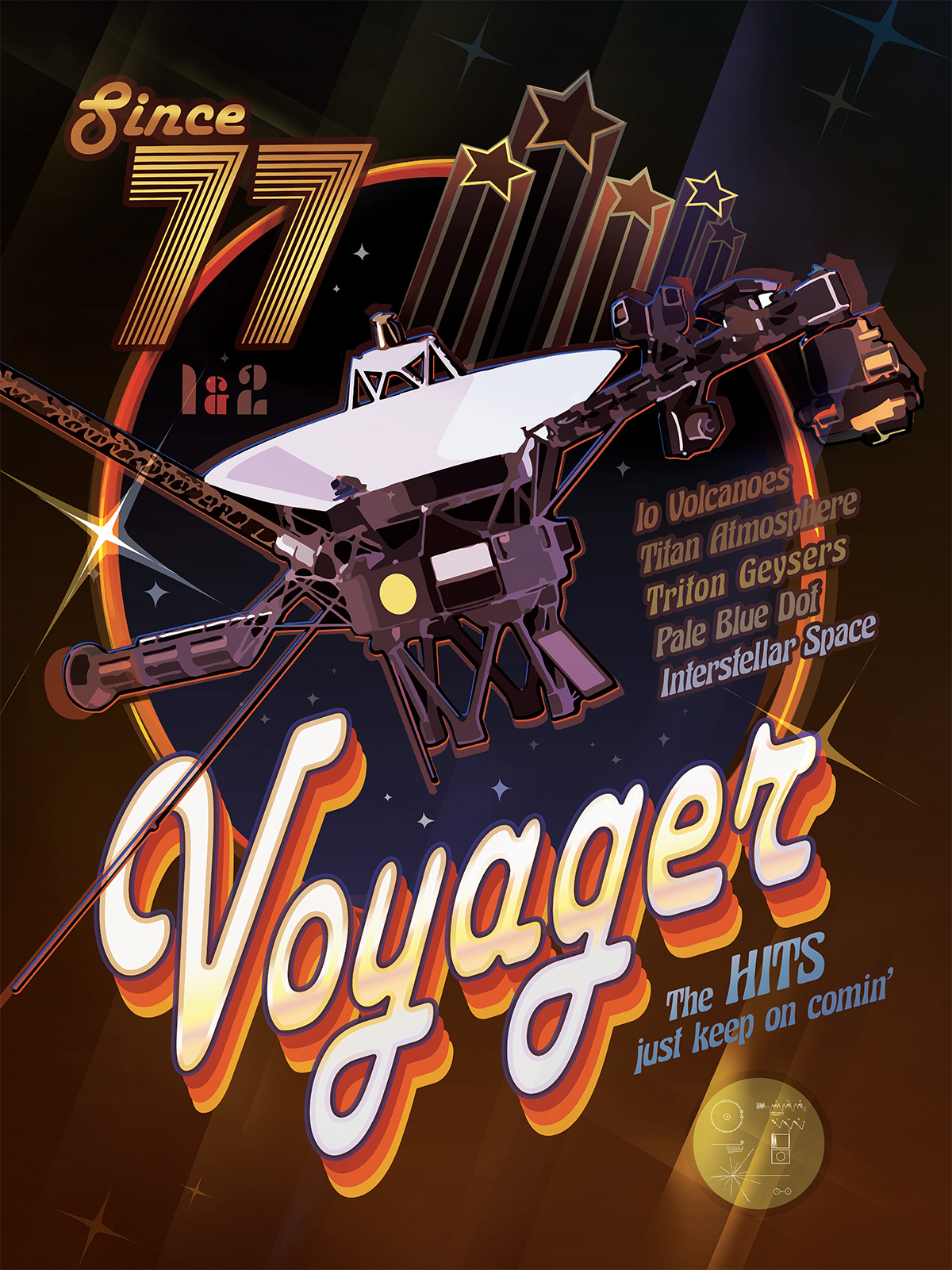
In 1977, upon the launch­ing of Voy­ager 1 and Voy­ager 2, a com­mit­tee work­ing under Carl Sagan pro­duced the so-called “Gold­en Records,” actu­al phono­graph­ic LPs made of cop­per con­tain­ing “a col­lec­tion of sounds and images,” writes Joss Fong at Vox, “that will prob­a­bly out­last all human arti­facts on Earth.” While they weren’t prepar­ing for a vis­i­ta­tion on Earth, they did—relying not on wish­ful think­ing but on the con­tro­ver­sial Drake Equa­tion—ful­ly expect that oth­er tech­no­log­i­cal civ­i­liza­tions might well exist in the cos­mos, and assumed a like­li­hood we might encounter one, at least via remote.

Sagan tasked him­self with com­pil­ing what he called a “bot­tle” in “the cos­mic ocean,” and some­thing of a time cap­sule of human­i­ty. Over a year’s time, Sagan and his team col­lect­ed 116 images and dia­grams, nat­ur­al sounds, spo­ken greet­ings in 55 lan­guages, print­ed mes­sages, and musi­cal selec­tions from around the world–things that would com­mu­ni­cate to aliens what our human civ­i­liza­tion is essen­tial­ly all about. The images were encod­ed onto the records in black and white (you can see them all in the Vox video above in col­or). The audio, which you can play in its entire­ty below, was etched into the sur­face of the record. On the cov­er were etched a series of pic­to­graph­ic instruc­tions for how to play and decode its con­tents. (Scroll over the inter­ac­tive image at the top to see each sym­bol explained.)

Fong out­lines those con­tents, writ­ing, “any aliens who come across the Gold­en Record are in for a treat.” That is, if they are able to make sense of it and don’t find us hor­ri­bly back­ward. Among the audio selec­tions are greet­ings from then-UN Sec­re­tary Gen­er­al Kurt Wald­heim, whale songs, Bach’s Bran­den­berg Con­cer­to No. 2 in F, Sene­galese per­cus­sion, Abo­rig­ine songs, Peru­vian pan­pipes and drums, Nava­jo chant, Blind Willie Johnson’s “Dark Was the Night” (play­ing in the Vox video), more Bach, Beethoven, and “John­ny B. Goode.” Chal­lenged over includ­ing “ado­les­cent” rock and roll, Sagan replied, “there are a lot of ado­les­cents on the plan­et.” The Bea­t­les report­ed­ly want­ed to con­tribute “Here Comes the Sun,” but their record com­pa­ny wouldn’t allow it, pre­sum­ably fear­ing copy­right infringe­ment from aliens.

Also con­tained in the space­far­ing archive is a mes­sage from then-pres­i­dent Jim­my Carter, who writes opti­misti­cal­ly, “We are a com­mu­ni­ty of 240 mil­lion human beings among the more than 4 bil­lion who inhab­it plan­et Earth. We human beings are still divid­ed into nation states, but these states are rapid­ly becom­ing a sin­gle glob­al civ­i­liza­tion.” The mes­sages on Voy­agers 1 and 2, Carter fore­casts, are “like­ly to sur­vive a bil­lion years into our future, when our civ­i­liza­tion is pro­found­ly altered and the sur­face of the Earth may be vast­ly changed.” The team chose not to include images of war and human cru­el­ty.

We only have a few years left to find out whether either Voy­ager will encounter oth­er beings. “Incred­i­bly,” writes Fong, the probes “are still com­mu­ni­cat­ing with Earth—they aren’t expect­ed to lose pow­er until the 2020s.” It seems even more incred­i­ble, forty years lat­er, when we con­sid­er their prim­i­tive tech­nol­o­gy: “an 8‑track mem­o­ry sys­tem and onboard com­put­ers that are thou­sands of times weak­er than the phone in your pock­et.”

The Voy­agers were not the first probes sent to inter­stel­lar space. Pio­neer 10 and 11 were launched in 1972 and 1973, each con­tain­ing a Sagan-designed alu­minum plaque with a few sim­ple mes­sages and depic­tions of a nude man and woman, an addi­tion that scan­dal­ized some puri­tan­i­cal crit­ics. NASA has since lost touch with both Pio­neers, but you may recall that in 2006, the agency launched the New Hori­zons probe, which passed by Plu­to in 2015 and should reach inter­stel­lar space in anoth­er thir­ty years.

Per­haps due to the lack of the depart­ed Sagan’s involve­ment, the lat­est “bot­tle” con­tains no intro­duc­tions. But there is time to upload some, and one of the Gold­en Record team mem­bers, Jon Lomberg, wants to do just that, send­ing a crowd­sourced “mes­sage to the stars.” Lomberg’s New Horizon’s Mes­sage Ini­tia­tive is a “glob­al project that brings the peo­ple of the world togeth­er to speak as one.” The lim­i­ta­tions of ana­log tech­nol­o­gy have made the Gold­en Record selec­tions seem quite nar­row from our data-sat­u­rat­ed point of view. The new mes­sage might con­tain almost any­thing we can imag­ine. Vis­it the pro­jec­t’s site to sign the peti­tion, donate, and con­sid­er, just what would you want an alien civ­i­liza­tion to hear, see, and under­stand about the best of human­i­ty cir­ca 2017?

via Ezra Klein/Vox

Relat­ed Con­tent:

Carl Sagan Presents a Mini-Course on Earth, Mars & What’s Beyond Our Solar Sys­tem: For Kids and Adults (1977)

NASA Releas­es a Mas­sive Online Archive: 140,000 Pho­tos, Videos & Audio Files Free to Search and Down­load

NASA’s New Online Archive Puts a Wealth of Free Sci­ence Arti­cles Online

Josh Jones is a writer and musi­cian based in Durham, NC. Fol­low him at @jdmagness

London in Vivid Color 125 Years Ago: See Trafalgar Square, the British Museum, Tower Bridge & Other Famous Landmarks in Photocrom Prints

“When a man is tired of Lon­don,” Samuel John­son so famous­ly said, “he is tired of life.” Of course, P.J. O’Rourke lat­er added that “he might just be tired of shab­by, sad crowds, low-income hous­ing that looks worse than the weath­er, and tat­too-faced, spike-haired pea brains on the dole,” but then, every­one expe­ri­ences the Eng­lish cap­i­tal a bit dif­fer­ent­ly. John­son’s Lon­don, the Lon­don of the eigh­teenth cen­tu­ry, looks to some like a city at its zenith; oth­ers might even think the same about the Lon­don O’Rourke made fun of in the 1980s. Every era in Lon­don is a gold­en age to some­one.

Today, we offer a vivid glimpse into anoth­er dis­tinct peri­od in Lon­don his­to­ry, the late nine­teenth cen­tu­ry, by way of the Library of Con­gress’ col­lec­tion of pho­tocrom prints. A few years ago we fea­tured images of Venice cap­tured with the same col­orized-pho­tog­ra­phy process, which pro­duced what the Library of Con­gress describes as ink-based images made with “the direct pho­to­graph­ic trans­fer of an orig­i­nal neg­a­tive onto litho and chro­mo­graph­ic print­ing plates.”

They may “look decep­tive­ly like col­or pho­tographs,” but “when viewed with a mag­ni­fy­ing glass the small dots that com­prise the ink-based pho­to­me­chan­i­cal image are vis­i­ble. The pho­to­me­chan­i­cal process per­mit­ted mass pro­duc­tion of the vivid col­or prints.”

The late nine­teenth and ear­ly twen­ti­eth cen­tu­ry saw the emer­gence of a robust mar­ket for pho­tocrom prints, “sold at tourist sites and through mail order cat­a­logs to globe trot­ters, arm­chair trav­el­ers, edu­ca­tors, and oth­ers to pre­serve in albums or put on dis­play.” Hence, per­haps, the focus on Lon­don sites of touris­tic appeal: Tow­er Bridge, Trafal­gar Square, the British Muse­um, and even the ful­ly out­fit­ted “Yeo­man of the Guard” you see just above. But print also (and by appear­ances more cor­rect­ly) describes him as a “Beefeater,” the pop­u­lar name for the dif­fer­ent body of cer­e­mo­ni­al tow­er guardians the Yeomen Warders of Her Majesty’s Roy­al Palace and Fortress the Tow­er of Lon­don, and Mem­bers of the Sov­er­eign’s Body Guard of the Yeo­man Guard Extra­or­di­nary. (Got that?)

You can browse, and in var­i­ous for­mats down­load, the 33 images in the Library of Con­gress’ Lon­don pho­tocrom print col­lec­tion here. They all date from between 1890 and 1900, as do the near­ly 1000 images in their Eng­land pho­tocrom print col­lec­tion, whose loca­tions extend far beyond Lon­don. Go to Eng­land today and you’ll notice how much has changed in the past 125 or so years, of course, but how much has­n’t. Grum­bling being some­thing of a nation­al sport over there, espe­cial­ly in Lon­don, the trav­el­er hears no end of com­plaints about how the city and coun­try have gone to the dogs, but can also take some com­fort in the fact that, even back in the pic­turesque pho­tocrom era, peo­ple were air­ing all the same gripes.

Relat­ed Con­tent:

Prize-Win­ning Ani­ma­tion Lets You Fly Through 17th Cen­tu­ry Lon­don

1927 Lon­don Shown in Mov­ing Col­or

Lon­don Mashed Up: Footage of the City from 1924 Lay­ered Onto Footage from 2013

2,000 Years of London’s His­tor­i­cal Devel­op­ment, Ani­mat­ed in 7 Min­utes

Venice in Beau­ti­ful Col­or Images 125 Years Ago: The Rial­to Bridge, St. Mark’s Basil­i­ca, Doge’s Palace & More

Based in Seoul, Col­in Mar­shall writes and broad­casts on cities and cul­ture. He’s at work on the book The State­less City: a Walk through 21st-Cen­tu­ry Los Ange­les, the video series The City in Cin­e­ma, the crowd­fund­ed jour­nal­ism project Where Is the City of the Future?, and the Los Ange­les Review of Books’ Korea Blog. Fol­low him on Twit­ter at @colinmarshall or on Face­book.


  • Great Lectures

  • Sign up for Newsletter

  • About Us

    Open Culture scours the web for the best educational media. We find the free courses and audio books you need, the language lessons & educational videos you want, and plenty of enlightenment in between.


    Advertise With Us

  • Archives

  • Search

  • Quantcast