The Complete Star Wars “Filmumentary”: A 6‑Hour, Fan-Made Star Wars Documentary, with Behind-the-Scenes Footage & Commentary

Who owns Star Wars, George Lucas or the fans?

The short answer now, of course, is… Dis­ney… and maybe J.J. Abrams. Giv­en the explo­sion of fran­chis­ing and mer­chan­dis­ing begun by the com­ing tidal wave of new Star Wars films under Disney’s aegis, it will some­day be dif­fi­cult to con­vince young­sters that things were ever oth­er­wise.

But in my day [insert old man wag­ging fin­ger here] the crit­i­cal debate was between Lucas and the fans. I’m pret­ty sure the fans won. The world-build­ing of Star Wars will out­last its cre­ator and its first cou­ple gen­er­a­tions of devot­ed view­ers, and the grand tra­di­tion of Star Wars fan films—begun almost imme­di­ate­ly after the first Star Wars’ release with the fond par­o­dy “Hard­ware Wars”—will live on. Star Wars fan films even have their own annu­al awards pro­gram.

There are many micro-gen­res of Star Wars fan film: Ani­me, Silent, Crowd-sourced, Action Fig­ure, etc. Today we bring you per­haps the best exam­ple in the Doc­u­men­tary cat­e­go­ry, a “Com­plete Fil­mu­men­tary” by film­mak­er Jamie Ben­ning. Although pre­sent­ed here in order of the first three Star Wars movies, this stel­lar exam­ple of fan craft and devo­tion actu­al­ly began in 2006 with the film right above, Build­ing Empire, which offers over two hours of “video clips, audio from cast and crew, alter­nate angles, recon­struct­ed scenes, text facts and insights into the devel­op­ment and cre­ation of The Empire Strikes Back.

Next, in 2007, came Return­ing to Jedi, anoth­er exhaus­tive pre­sen­ta­tion of out­takes, behind-the-scenes moments, audio com­men­tary, tech­ni­cal details, and triv­ia from the first trilogy’s final film. Final­ly, in 2011, Ben­ning com­plet­ed his fan doc­u­men­tary tril­o­gy with Star Wars Begins at the top. “If you’ve nev­er seen the delet­ed scenes of Jab­ba the Hutt or Big­gs Dark­lighter on Tatooine, or heard David Prowse say­ing Vader’s dia­logue,” says the film’s press release, “then you will get a real kick out of this. Many reviews and com­ments have cen­tered on the fact that it’s like watch­ing your favourite movie but from an entire­ly dif­fer­ent per­spec­tive.”

It’s also at times like watch­ing what Star Wars might look like in an alter­nate uni­verse. Some delet­ed scenes and ear­ly demo footage show us plot points and char­ac­ters we nev­er knew exist­ed. In Star Wars Begins, for exam­ple, we see an ear­ly black and white silent edit, known as the “Lost Cut,” and fea­tur­ing a droid named “Tread­well” who resem­bles Short Circuit’s John­ny 5. As fan films demon­strate, again and again into seem­ing eter­ni­ty, the Star Wars uni­verse is infi­nite­ly malleable—despite con­stant bick­er­ing over canon—and offers end­less rich­es for imag­i­na­tive plun­der. And for that we’ll always have the films’ orig­i­nal cre­ators to thank. Benning’s painstak­ing­ly-edit­ed doc­u­men­taries show us the incred­i­ble amount of work that went into build­ing the world of Star Wars, a world that shows no signs of ever com­ing to an end.

Jen­ning’s fil­mu­men­taries will be added to our list of Free Doc­u­men­taries, a sub­set of our col­lec­tion 4,000+ Free Movies Online: Great Clas­sics, Indies, Noir, West­erns, Doc­u­men­taries & More.

via Men­tal Floss

Relat­ed Con­tent:

The Mak­ing of The Empire Strikes Back Show­cased on Long-Lost Dutch TV Doc­u­men­tary

Joseph Camp­bell and Bill Moy­ers Break Down Star Wars as an Epic, Uni­ver­sal Myth

Hard­ware Wars: The Moth­er of All Star Wars Fan Films (and the Most Prof­itable Short Film Ever Made)

Star Wars Uncut: The Epic Fan Film

Frei­heit, George Lucas’ Short Stu­dent Film About a Fatal Run from Com­mu­nism (1966)

Josh Jones is a writer and musi­cian based in Durham, NC. Fol­low him at @jdmagness

Adam Savage’s Animated Lesson on the Simple Ideas That Lead to Great Scientific Discoveries

Edu­ca­tor, indus­tri­al design fab­ri­ca­tor and Myth Busters cohost Adam Sav­age is dri­ven by curios­i­ty.

Sci­ence gets his wheels turn­ing faster than the notched disc Hip­poly­te Fizeau used to mea­sure the speed of light in 1849.

In his TED-Ed talk on how sim­ple ideas lead to sci­en­tif­ic dis­cov­er­ies, above, Sav­age zips across the cen­turies to share the work of three game chang­ers — Fizeau, Eratos­thenes, and Richard Feyn­man (one of the de fac­to patron saints of sci­ence-relat­ed TED talks).

I found it dif­fi­cult to wrap my head around the sheer quan­ti­ties of infor­ma­tion Sav­age shoe­horns into the sev­en minute video, giv­ing sim­i­lar­ly vol­u­ble and omniv­o­rous math­mu­si­cian Vi Hart a run for her mon­ey. Clear­ly, he under­stands exact­ly what he’s talk­ing about, where­as I had to take the review quiz in an attempt to retain just a bit of this new-to-me mate­r­i­al.

I’m glad he glossed over Feynman’s child­hood fas­ci­na­tion with iner­tia in order to spend more time on the less­er known of his three sub­jects. Lit­tle Feynman’s obser­va­tion of his toy wag­on is charm­ing, but the Nobel Prize winner’s life became an open book to me with Jim Otta­viani and Leland Myrick’s excel­lent graph­ic biog­ra­phy. What’s left to dis­cov­er?

How about Eratos­thenes? I’d nev­er before heard of the Alexan­dri­an librar­i­an who cal­cu­lat­ed the Earth­’s cir­cum­fer­ence with aston­ish­ing accu­ra­cy around 200 BC. (It helped that he was good at math and geog­ra­phy, the lat­ter of which he invent­ed.) Inspi­ra­tion fuels the arts, much as it does sci­ence, and I’d like to learn more about him.

Dit­to Fizeau, whom Sav­age describes as a less sexy sci­en­tif­ic swash­buck­ler than method­i­cal fact check­er, which is what he was doing when he wound up crack­ing the speed of light in 1849. Two cen­turies ear­li­er Galileo used lanterns to deter­mine that light trav­els at least ten times faster than sound. Fizeau put Galileo’s num­ber to the test, exper­i­ment­ing with his notched wheel, a can­dle, and mir­rors and ulti­mate­ly set­ting the speed of light at a much more accu­rate 313,300 Km/s. Today’s mea­sure­ment of 299792.458 km/s was arrived at using tech­nol­o­gy unthink­able even a few decades ago.

Per­son­al­ly, I would nev­er think to mea­sure the speed of light with some­thing that sounds like a zoetrope, but I might write a play about some­one who did.

Relat­ed Con­tent:

Neil deGrasse Tyson Deliv­ers the Great­est Sci­ence Ser­mon Ever

The Feyn­man Lec­tures on Physics, The Most Pop­u­lar Physics Book Ever Writ­ten, Now Com­plete­ly Online

Sam Har­ris: Sci­ence Can Answer Moral Ques­tions

Ayun Hal­l­i­day is an author, illus­tra­tor, and Chief Pri­ma­tol­o­gist of the East Vil­lage Inky zine. Her play, Fawn­book, opens in New York City lat­er this fall. Fol­low her @AyunHalliday

As Benevolent Dictator, Vladimir Nabokov Would Abolish Muzak & Bidets: What Would Make Your List?

nabokov abolish

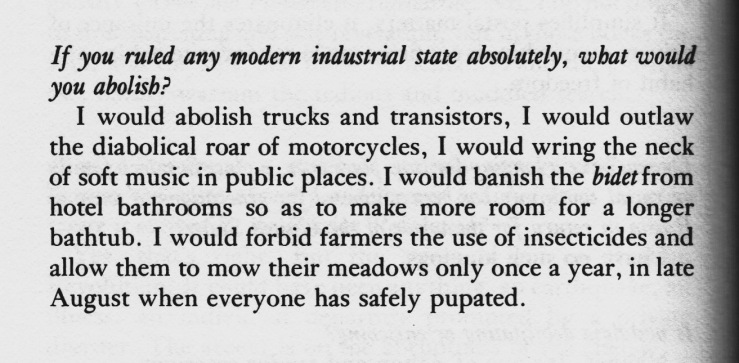
In 1969, the BBC’s James Moss­man con­duct­ed an exten­sive inter­view with Vladimir Nabokov, which was first pub­lished in a mag­a­zine called The Lis­ten­er, and lat­er in a book enti­tled Strong Opin­ionsSome of Moss­man­’s ques­tions were seri­ous: “You’ve said that you’ve explored time’s prison and have found no way out. Are you still explor­ing…? Some were lighter: “Why do you live in hotels?” (Answer here.) And still oth­er ques­tions fell some­where in between, like: “If you ruled any mod­ern indus­tri­al state absolute­ly, what would you abol­ish?” It turns out that loud nois­es, muzak, bidets, and insec­ti­cides made the great nov­el­ist and lep­i­dopter­ist’s list.

Which rais­es the ques­tion, if allowed to play benev­o­lent dic­ta­tor for a day, what would you oblit­er­ate? Me? I’d prob­a­bly start with almost any­thing like­ly to appear in today’s Bill­board Top 5 — dreck that’s not too far from muzak.

via Bib­liok­lept

Relat­ed Con­tent:

Vladimir Nabokov Names the Great­est (and Most Over­rat­ed) Nov­els of the 20th Cen­tu­ry

Vladimir Nabokov’s Delight­ful But­ter­fly Draw­ings

Vladimir Nabokov Cre­ates a Hand-Drawn Map of James Joyce’s Ulysses

Vladimir Nabokov Makes Edi­to­r­i­al Tweaks to Franz Kafka’s Novel­la The Meta­mor­pho­sis

Hear 150 Tracks Highlighting Brian Eno’s Career as a Musician, Composer & Producer & Stream His 2015 John Peel Lecture

How does “non-musi­cian” musi­cian, for­mer Roxy Music mem­ber, Talk­ing Heads, U2, and Cold­play pro­duc­er, and visu­al artist Bri­an Eno define art itself? “Every­thing that you don’t have to do.” He has expand­ed elo­quent­ly on that sim­ple but high­ly clar­i­fy­ing notion in speech and writ­ing many times over the past cou­ple of decades, and this past Sun­day he made it the intel­lec­tu­al cen­ter­piece of the fifth annu­al John Peel Lec­ture, a series named for the influ­en­tial BBC DJ and whose past speak­ers have includ­ed Pete Town­shend, Bil­ly Bragg, Char­lotte Church, and Iggy Pop.

You can hear Eno’s intro­duc­tion to his talk at the top of the post, stream the talk itself with­in the next 25 days at the BBC’s site, and read a tran­script here. All of the John Peel Lec­tur­ers so far have dis­cussed the rela­tion­ship between music and wider human cul­ture, and Eno has plen­ty of sto­ries to tell about his own career in both music and the wider cul­tur­al realm: the impor­tance of his time in art school, how he fell into per­form­ing with Roxy Music, how a relax­ation of the band’s “strict non-drug” pol­i­cy result­ed in one “hilar­i­ous­ly chaot­ic” per­for­mance, and how John Peel him­self pre­miered his first album with Robert Fripp on the radio — by acci­den­tal­ly play­ing it back­ward.

All this will inspire even the most Eno-famil­iar fan to revis­it the man’s cat­a­log of record­ed works, which you can eas­i­ly do with the Spo­ti­fy playlist “Touched by the Hand of Eno,” fea­tur­ing “150 tracks hand­picked from 150 albums/EPs/singles that cred­it Eno as com­pos­er, instru­men­tal­ist, vocal­ist, mix­ing engi­neer, or pro­duc­er, sort­ed in chrono­log­i­cal order.” (If you need to down­load Spo­ti­fy’s free soft­ware, you’ll find it here.) The playlist includes cuts from Eno’s own albums, of course, but also those of Roxy Music, Gen­e­sis, Ultra­vox, David Bowie, Talk­ing Heads, U2, Depeche Mode, Lau­rie Ander­son, Cold­play, and many more. And after you’ve vir­tu­al­ly flipped through these selec­tions from Eno’s body of work, you can watch Eno flip through phys­i­cal selec­tions from Peel’s library of records just above. Sure, you don’t have to do any of this — if any­one can explain to you why you should, Eno can.

Relat­ed Con­tent:

Jump Start Your Cre­ative Process with Bri­an Eno’s “Oblique Strate­gies”

Revis­it the Radio Ses­sions and Record Col­lec­tion of Ground­break­ing BBC DJ John Peel

Bri­an Eno Lists 20 Books for Rebuild­ing Civ­i­liza­tion & 59 Books For Build­ing Your Intel­lec­tu­al World

Lis­ten to “Bri­an Eno Day,” a 12-Hour Radio Show Spent With Eno & His Music (Record­ed in 1988)

When Bri­an Eno & Oth­er Artists Peed in Mar­cel Duchamp’s Famous Uri­nal

Prof. Iggy Pop Deliv­ers the BBC’s 2014 John Peel Lec­ture on “Free Music in a Cap­i­tal­ist Soci­ety”

Col­in Mar­shall writes else­where on cities, lan­guage, Asia, and men’s style. He’s at work on a book about Los Ange­les, A Los Ange­les Primer, the video series The City in Cin­e­maand the crowd­fund­ed jour­nal­ism project Where Is the City of the Future? Fol­low him on Twit­ter at @colinmarshall or on Face­book.

The Night Ed Sullivan Scared a Nation with the Apocalyptic Animated Short, A Short Vision (1956)

On May 27, 1956, mil­lions of Amer­i­cans tuned in to The Ed Sul­li­van Show, expect­ing the usu­al vari­ety of come­di­ans, tal­ents and musi­cal guests. What they weren’t pre­pared for was a short ani­mat­ed film that Sul­li­van intro­duced thus­ly:

Just last week you read about the H‑bomb being dropped. Now two great Eng­lish writ­ers, two very imag­i­na­tive writ­ers — I’m gonna tell you if you have young­sters in the liv­ing room tell them not to be alarmed at this ‘cause it’s a fan­ta­sy, the whole thing is ani­mat­ed — but two Eng­lish writ­ers, Joan and Peter Foldes, wrote a thing which they called “A Short Vision” in which they won­dered what might hap­pen to the ani­mal pop­u­la­tion of the world if an H‑bomb were dropped. It’s pro­duced by George K. Arthur and I’d like you to see it. It is grim, but I think we can all stand it to real­ize that in war there is no win­ner.

And with that, he screened the hor­rif­ic bit of ani­ma­tion you can watch above. At the height of the atom­ic age, this film was a short sharp shock. Its vision of a nuclear holo­caust is told in the style of a fable or sto­ry­book, with both ani­mals and humans wit­ness­ing their last moments on earth, and end­ing with the extin­guish­ing of a tiny flame. The most­ly sta­t­ic art work is all the more effec­tive when faces melt into skulls.

A Short Vision

Many chil­dren didn’t leave the room of course, and the web­site Conel­rad has a won­der­ful in-depth his­to­ry of that night and col­lect­ed mem­o­ries from peo­ple who were trau­ma­tized by the short as a child. One child’s hair–or rather a small sec­tion of his hair–turned white from fright.

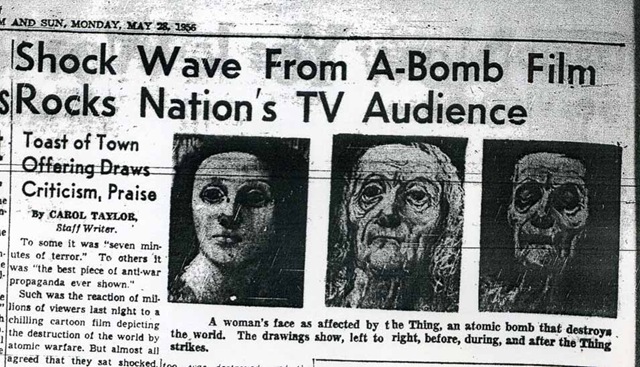
It was as for­ma­tive a moment as The Day After would be to chil­dren of the ‘80s. The papers the next day report­ed on the short in sala­cious detail (“Shock Wave From A‑Bomb Film Rocks Nation’s TV Audi­ence”) and Sul­li­van not only defend­ed his deci­sion, but showed the film again on June 10.

The film was cre­at­ed by mar­ried cou­ple Peter and Joan Foldes, and shot for lit­tle mon­ey in their kitchen on a makeshift ani­ma­tion table. Peter was a Hun­gar­i­an immi­grant who had stud­ied at the Slade School of Art and the Court­laud Insti­tute and appren­ticed with John Halas where he learned ani­ma­tion.

(Halas is best known for the ani­mat­ed fea­ture ver­sion of Orwell’s Ani­mal Farm.)

A Short Vision would go on in Sep­tem­ber of that year to win best exper­i­men­tal film at the 17th Venice Film Fes­ti­val. (Peter Foldes would lat­er make anoth­er dis­turb­ing and award-win­ning short called Hunger.)

Once so shock­ing, A Short Vision fell out of cir­cu­la­tion. But a gen­er­a­tion grew up remem­ber­ing that they had seen some­thing hor­rif­ic on tele­vi­sion that night (in black and white, not the col­or ver­sion above.) For a time, it was hard to find a men­tion of the film on IMDB and a dam­aged edu­ca­tion­al print was one of the few copies cir­cu­lat­ing around. For­tu­nate­ly the British Film Insti­tute has made a pris­tine copy avail­able of this impor­tant Cold War doc­u­ment.

What we want to know is this: Did Steven Spiel­berg see this movie that Sun­day night in 1956? He would have been 10 years old.

A Short Vision will be added to the Ani­ma­tion sec­tion of our col­lec­tion, 4,000+ Free Movies Online: Great Clas­sics, Indies, Noir, West­erns, Doc­u­men­taries & More.

via A Wast­ed Life

Relat­ed con­tent:

Dick Van Dyke, Paul Lyn­de & the Orig­i­nal Cast of Bye Bye Birdie Appear on The Ed Sul­li­van Show (1961)

Ani­mat­ed Films Made Dur­ing the Cold War Explain Why Amer­i­ca is Excep­tion­al­ly Excep­tion­al

Dizzy Gille­spie Wor­ries About Nuclear & Envi­ron­men­tal Dis­as­ter in Vin­tage Ani­mat­ed Films

Ted Mills is a free­lance writer on the arts who cur­rent­ly hosts the FunkZone Pod­cast. You can also fol­low him on Twit­ter at @tedmills, read his oth­er arts writ­ing at tedmills.com and/or watch his films here.

It’s Banned Books Week: Listen to Allen Ginsberg Read His Famously Banned Poem, “Howl,” in San Francisco, 1956

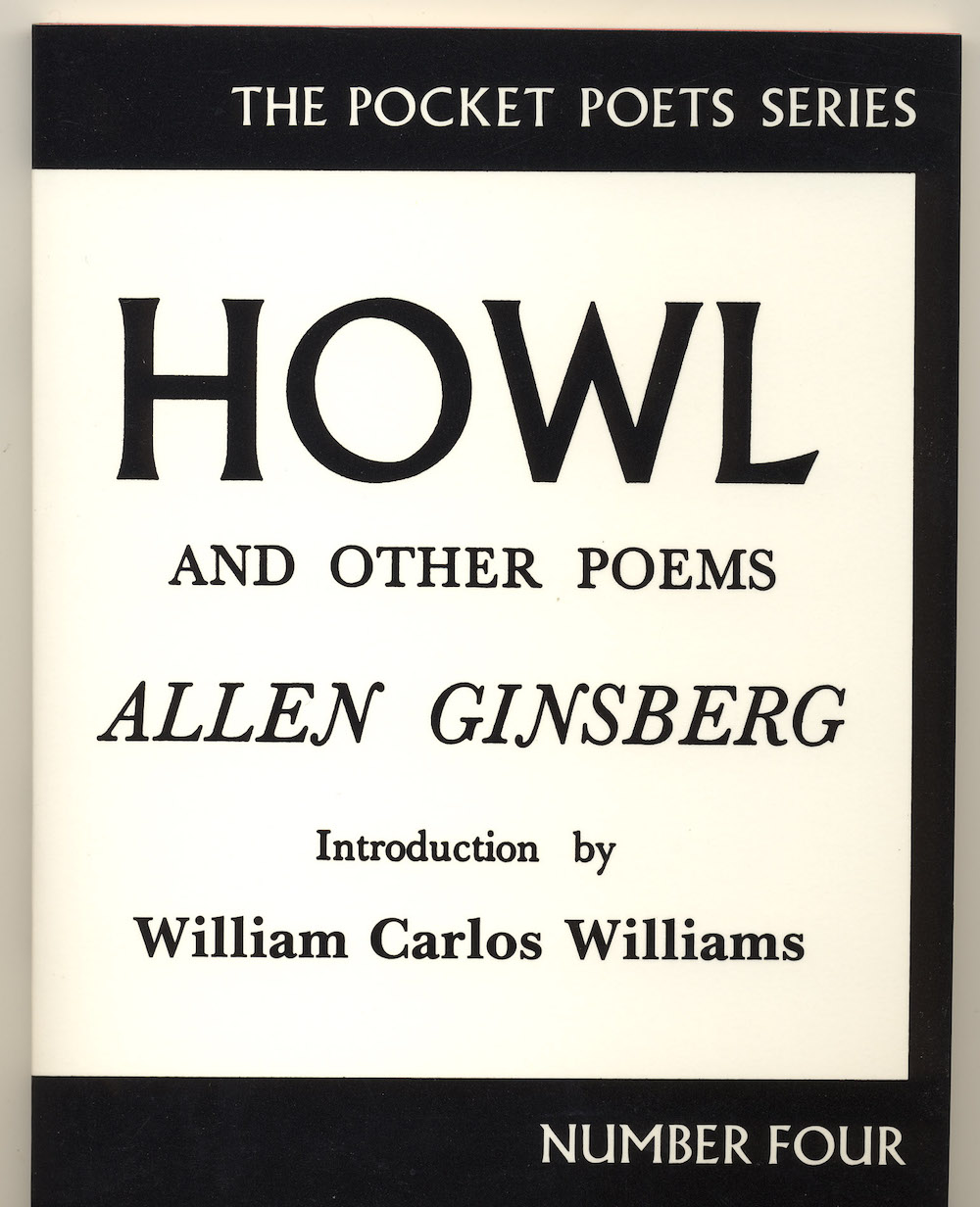
Howl Cover

Accord­ing to Ruth Gra­ham in Slate, Banned Books Week is a “crock,” an unnec­es­sary pub­lic   indul­gence since “there is basi­cal­ly no such thing as a ‘banned book’ in the Unit­ed States in 2015.” And though the aware­ness-rais­ing week’s spon­sor, the Amer­i­can Library Asso­ci­a­tion, has shift­ed its focus to book cen­sor­ship in class­rooms, most of the chal­lenges posed to books in schools are sil­ly and eas­i­ly dis­missed. Yet, some oth­er cas­es, like that of Perse­po­lisMar­jane Satrapi’s graph­ic nov­el mem­oir of her Iran­ian child­hood dur­ing the revolution—are not. The book was pulled from Chica­go Pub­lic School class­rooms (but not from libraries) in 2013.

Even now, teach­ers who wish to use the book in class­es must com­plete “sup­ple­men­tal train­ing.” The osten­si­bly objec­tion­able con­tent in the book is no more graph­ic than that in most his­to­ry text­books, and it’s easy to make the case that Perse­po­lis and oth­er chal­lenged mem­oirs and nov­els that offer per­spec­tives from oth­er coun­tries, cul­tures, or polit­i­cal points of view have inher­ent edu­ca­tion­al val­ue. One might be tempt­ed to think that school offi­cials pulled the book for oth­er rea­sons. Per­haps we need Banned Books Week after all.

Anoth­er, per­haps fuzzi­er, case of a “banned” book—or poem—from this year involves a high school teacher’s fir­ing over his class­room read­ing of Allen Gins­berg’s porno­graph­ic poem “Please Mas­ter.” The case of “Please Mas­ter” should put us in mind of a once banned book writ­ten by Gins­berg: epic Beat jere­mi­ad “Howl.” When the poem’s pub­lish­er, Lawrence Fer­linghet­ti, attempt­ed to import British copies of the poem in 1957, the books were seized by cus­toms, then he and his busi­ness part­ner were arrest­ed and put on tri­al for obscen­i­ty. After writ­ers and aca­d­e­mics tes­ti­fied to the poem’s cul­tur­al val­ue, the judge vin­di­cat­ed Fer­linghet­ti, and “Howl.”

But the tri­al demon­strat­ed at the time that the gov­ern­ment reserved the right to seize books, stop their pub­li­ca­tion and sale, and keep mate­r­i­al from the read­ing pub­lic if it so chose. As with this year’s dust-up over “Please Mas­ter,” the agents who con­fis­cat­ed “Howl” sup­pos­ed­ly object­ed to the sex­u­al con­tent of Gins­berg’s poem (and like­ly the homo­sex­u­al con­tent espe­cial­ly). But that rea­son­ing could also have been cov­er for oth­er objec­tions to the poem’s polit­i­cal con­tent. “Howl,” after all, was very sub­ver­sive in its day, and in a way served as a kind of man­i­festo against the sta­tus quo. It had a “cat­a­clysmic impact,” writes Fred Kaplan, “not just on the lit­er­ary world but on the broad­er soci­ety and cul­ture.”

We’ve fea­tured var­i­ous read­ings of “Howl” in the past, and if you’ve some­how missed hear­ing those, nev­er heard the poem read at all, or nev­er read the poem your­self, then con­sid­er dur­ing this Banned Books Week tak­ing the time to read it and hear it read—by the poet him­self. You can hear the first record­ed read­ing by Gins­berg, in 1956 at Port­land’s Reed Col­lege. You can hear anoth­er impas­sioned Gins­berg read­ing from 1959. And above, hear Gins­berg read the poem in 1956, in San Fran­cis­co, where it was first pub­lished and where it stood tri­al.

You can also hear Gins­berg fan James Franco—who played the poet in a film called Howlread the poem over a visu­al­ly strik­ing ani­ma­tion of its vivid imagery. And if Gins­berg isn’t your thing, con­sid­er check­ing out the ALA’s list of chal­lenged or banned books for 2014–2015. (I could cer­tain­ly rec­om­mend Perse­po­lis.) While pro­hibit­ing books from the class­room may seem a far cry from gov­ern­ment cen­sor­ship, Banned Books Week reminds us that many peo­ple still find cer­tain kinds of books deeply threat­en­ing, and should push us to ask why that is.

Relat­ed Con­tent:

High School Teacher Reads Allen Ginsberg’s Explic­it Poem “Please Mas­ter” and Los­es His Job

The First Record­ing of Allen Gins­berg Read­ing “Howl” (1956)

Allen Gins­berg Reads His Famous­ly Cen­sored Beat Poem, Howl (1959)

James Fran­co Reads a Dream­i­ly Ani­mat­ed Ver­sion of Allen Ginsberg’s Epic Poem ‘Howl’

Find great poems in our col­lec­tion, 800 Free eBooks for iPad, Kin­dle & Oth­er Devices

Josh Jones is a writer and musi­cian based in Durham, NC. Fol­low him at @jdmagness

Aubrey Beardsley’s Macabre Illustrations of Edgar Allan Poe’s Short Stories (1894)

Aubrey_Beardsley_-_Edgar_Poe_2

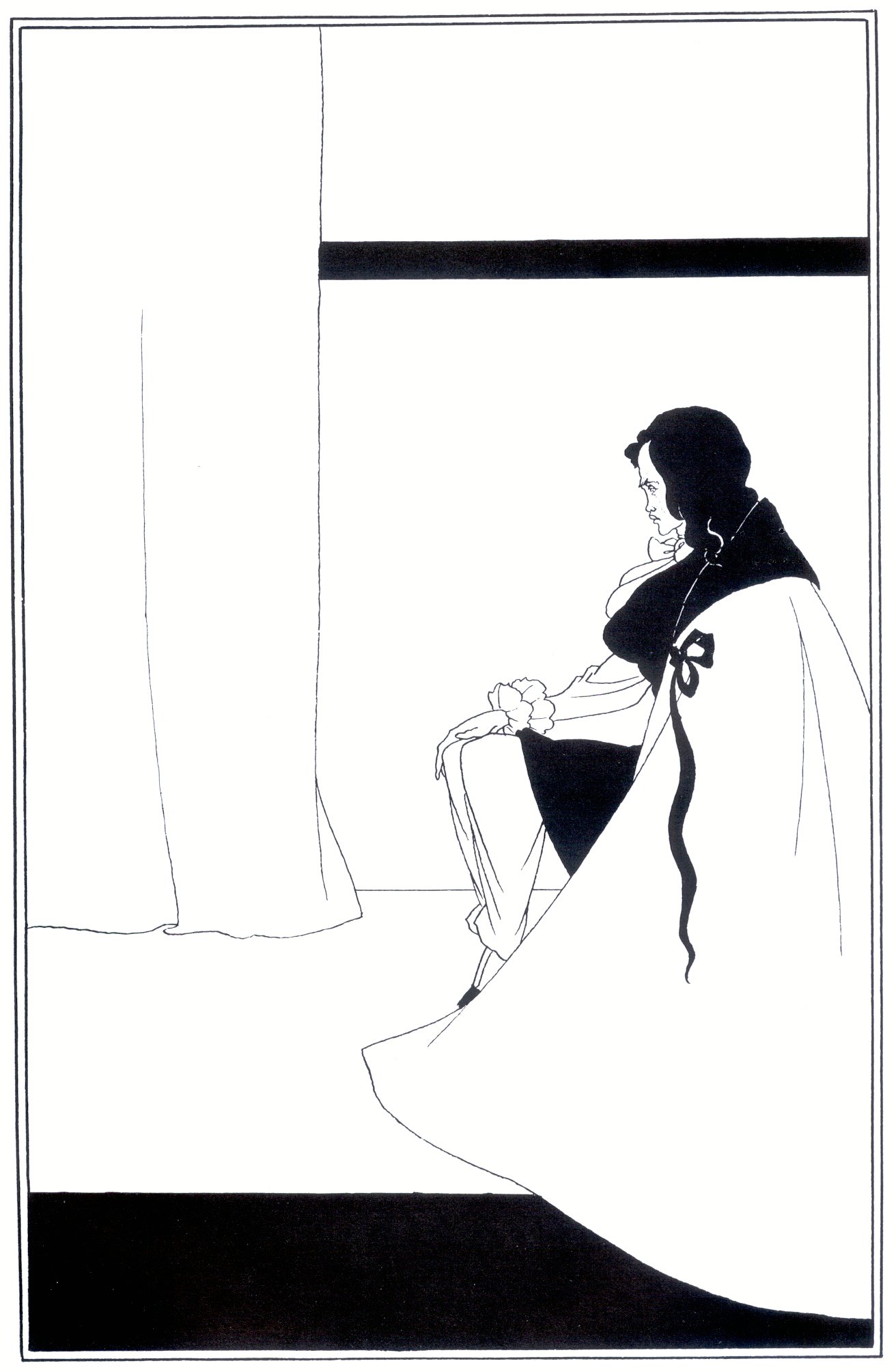
Ear­li­er this month, we fea­tured Oscar Wilde’s scan­dalous play Salome as illus­trat­ed by Aubrey Beard­s­ley in 1894. Though Beard­s­ley’s short life and career would end a scant four years lat­er at the age of 25, the illus­tra­tor still had more than enough time to devel­op a clear and bold, yet elab­o­rate and even deca­dent style, still imme­di­ate­ly rec­og­niz­able and deeply influ­en­tial today.

Aubrey_Beardsley_-_Edgar_Poe_3

He also man­aged to visu­al­ize an impres­sive­ly wide range of mate­r­i­al, one that includes — in the very same year — the trans­gres­sive­ly wit­ty writ­ing of Oscar Wilde as well as the ground­break­ing­ly macabre writ­ings of Edgar Allan Poe.

Aubrey_Beardsley_-_Edgar_Poe_1

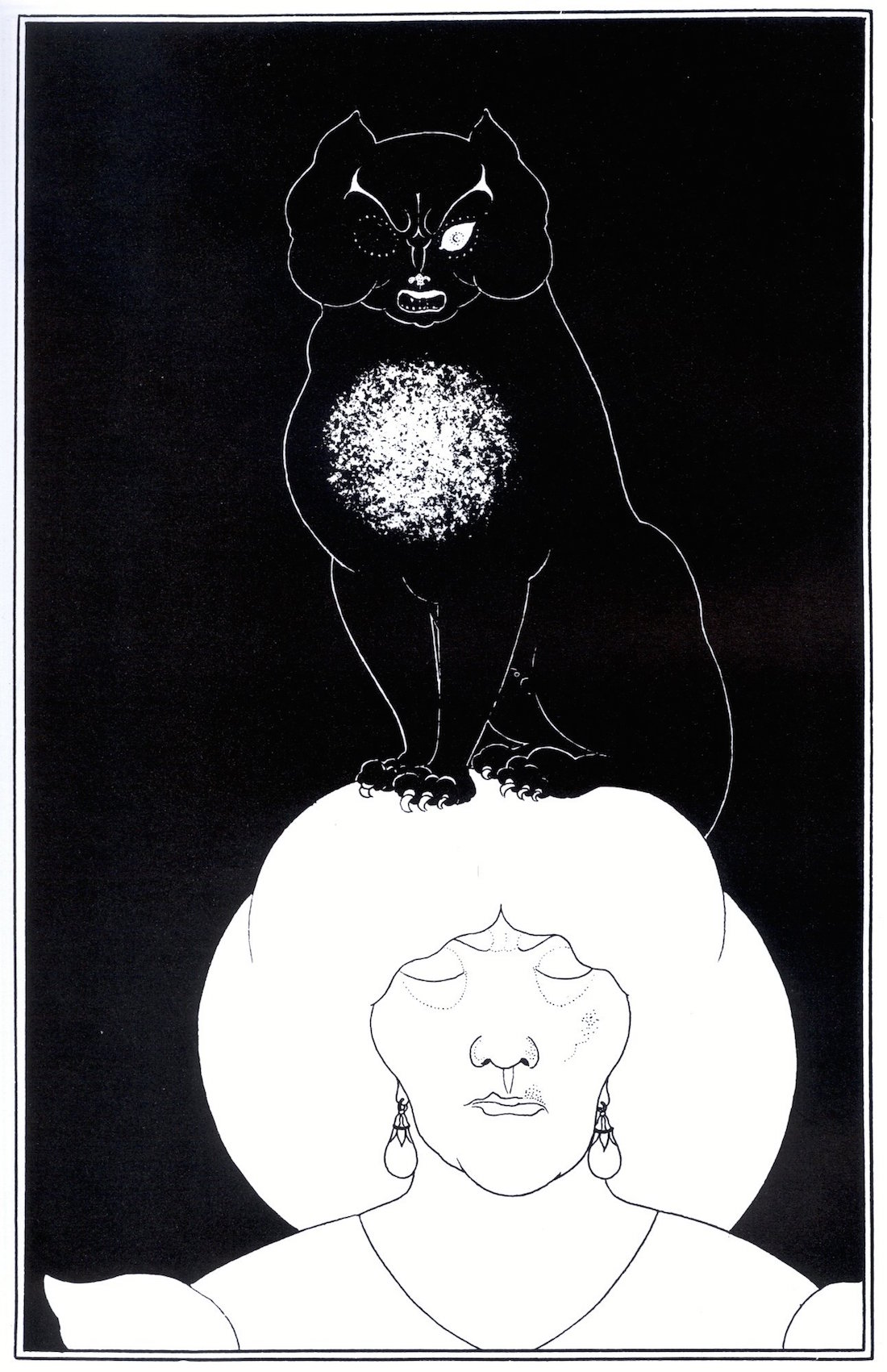
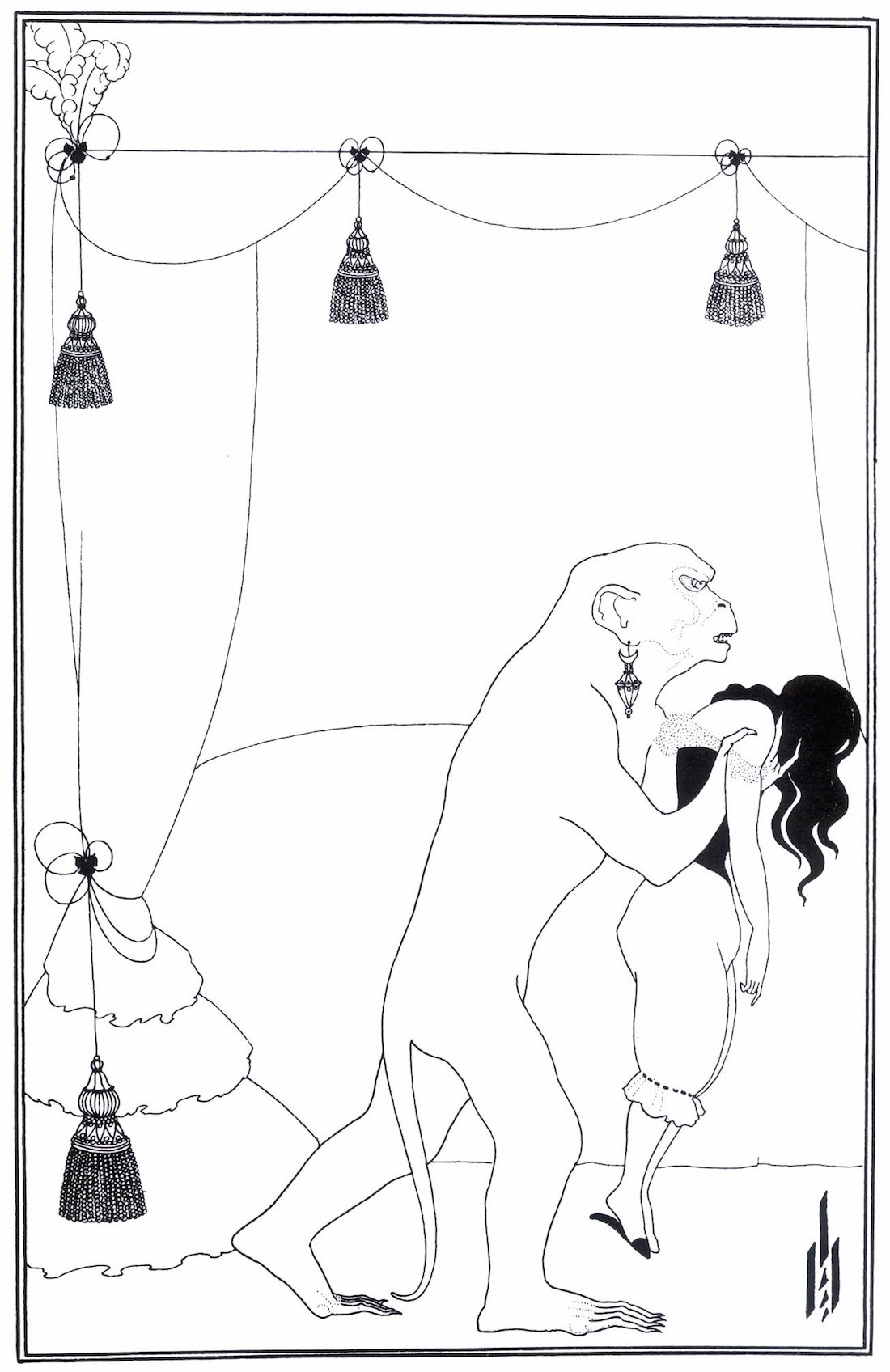
“Aubrey Beardsley’s four Poe illus­tra­tions were com­mis­sioned by Her­bert S. Stone and Com­pa­ny, Chica­go, in 1894 as embell­ish­ment for a mul­ti-vol­ume col­lec­tion of the author’s works,” writes artist and design­er John Coulthart. “The Black Cat (above) is jus­ti­fi­ably the most repro­duced of these.” The Lit­er­ary Archive blog argues that “what Beardsley’s illus­tra­tions do tell us of is that Poe’s sto­ries are not sta­t­ic, but liv­ing works that each new gen­er­a­tion gets to expe­ri­ence in [its] own way,” and that they “give us a glimpse into a slight deca­dence and goth­ic-ness still pre­ferred in hor­ror at the time (a giant orang­utan envelopes the girl in his arms—King Kong any­one?)”

Aubrey_Beardsley_-_Edgar_Poe_4

They also remind us that “our taste for creepi­ness, for hear­ing tales about the dark­er side of human life, hasn’t changed appre­cia­bly in over 150 years.” If the Amer­i­can author and the Eng­lish illus­tra­tor would seem to make for odd lit­er­ary and artis­tic bed­fel­lows, well, there­in lies the appeal: when one strong cre­ative sen­si­bil­i­ty comes up against anoth­er, things can well go off in the kind of rich­ly bizarre direc­tions you see hint­ed at in the images here.

If you’d like to own a piece of this odd chap­ter in the his­to­ry of illus­trat­ed texts, keep your eye on Sothe­by’s — you’ll only have to come up with between 4,000 and 6,000 pounds.

via The Paris Review

Relat­ed Con­tent:

Oscar Wilde’s Play Salome Illus­trat­ed by Aubrey Beard­s­ley in a Strik­ing Mod­ern Aes­thet­ic (1894)

Gus­tave Doré’s Splen­did Illus­tra­tions of Edgar Allan Poe’s “The Raven” (1884)

5 Hours of Edgar Allan Poe Sto­ries Read by Vin­cent Price & Basil Rath­bone

Col­in Mar­shall writes else­where on cities, lan­guage, Asia, and men’s style. He’s at work on a book about Los Ange­les, A Los Ange­les Primer, the video series The City in Cin­e­maand the crowd­fund­ed jour­nal­ism project Where Is the City of the Future? Fol­low him on Twit­ter at @colinmarshall or on Face­book.

Hear Ray Bradbury’s Beloved Sci-Fi Stories as Classic Radio Dramas

Ray_Bradbury_(1975)_-cropped-

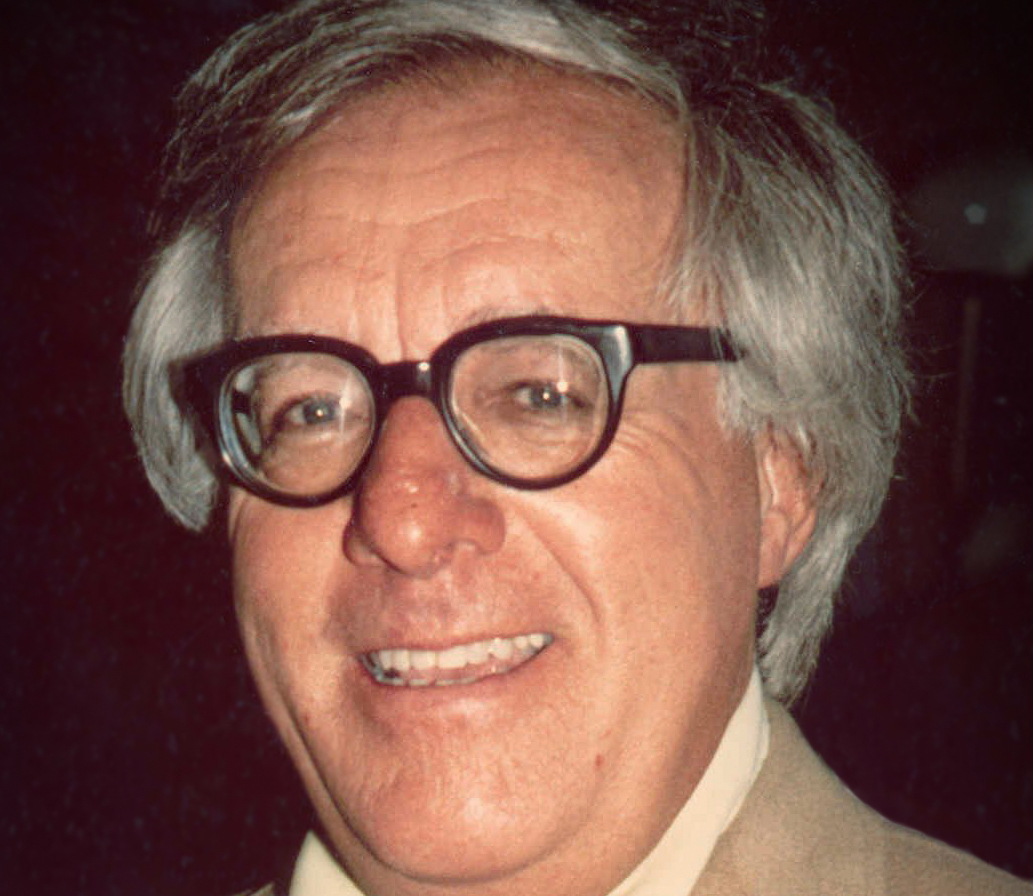
Image by Alan Light released under Cre­ative Com­mons license.

When he passed away in 2012, sci­ence fic­tion mas­ter Ray Brad­bury left us with a num­ber of instant­ly quotable lines. There are apho­risms like “You don’t have to burn books to destroy a cul­ture. Just get peo­ple to stop read­ing them.” There are more humor­ous, but no less mem­o­rable lines he deliv­ers in his advice to writ­ers, such as, “writ­ing is not a seri­ous busi­ness… I want you to envy me my joy.” A seem­ing­ly end­less source of wis­dom and enthu­si­asm, Bradbury’s cre­ative forces seemed in no dan­ger of wan­ing in his lat­er years as he gave impas­sioned talks and inter­views well into his 70s and 80 and his work received renewed appre­ci­a­tion. As one writer declared in 2001, “Ray Brad­bury is on fire!”

Of course Bradbury’s been hot since the fifties. That head­line alludes to his clas­sic 1953 nov­el of futur­is­tic book-burn­ing, Fahren­heit 451, which you’ve like­ly read if you’ve read any Brad­bury at all. Or per­haps you’re famil­iar with Bradbury’s non-sci-fi nov­el of child­hood lost, Dan­de­lion Wine? Both are excel­lent books well-deserv­ing of the awards and praise heaped upon them. But if they’re all you know of Ray Brad­bury, you’re seri­ous­ly miss­ing out.

Brad­bury began his career as a writer of short sci-fi and hor­ror sto­ries that excel in their rich­ness of lan­guage and care­ful plot­ting. So imag­i­na­tive is his work that it war­rant­ed adap­ta­tion into a star-stud­ded tele­vi­sion series, The Ray Brad­bury The­ater. And before that vehi­cle brought Bradbury’s bril­liance into people’s homes, many of those same sto­ries appeared in radio plays pro­duced by shows like NBC’s Dimen­sion X and X Minus One.

From the lat­ter pro­gram, at the top, we bring you Mars is Heav­en!, a dis­turb­ing 1948 tale of inter­stel­lar decep­tion. “When the first space rock­et lands on Mars,” begins the announc­er, “what will we find? Only the ruins of a dead, desert­ed plan­et, or will there be life?” Per­ti­nent ques­tions indeed. Brad­bury spec­u­lat­ed for decades about the mean­ing of Mars. “The Mar­t­ian Chron­i­cles,” adapt­ed above by Dimen­sion X, used a sto­ry about col­o­niza­tion of the plan­et as an alle­go­ry for humanity’s avarice and fol­ly. Hear many more Dimen­sion X radio plays from The Mar­t­ian Chron­i­cles col­lec­tion here, and also the sto­ry, “There Will Come Soft Rains.”

The year after 1950’s The Mar­t­ian Chron­i­cles came 1951’s The Illus­trat­ed Man, a col­lec­tion of shorts that includ­ed the trag­ic, lost-in-space tale “Kalei­do­scope,” dra­ma­tized above by Mind Webs, a series from Madi­son, Wis­con­sin that ran from the 70s through the mid-90s. Though pro­duced well after the gold­en age of radio dra­ma, the series nonethe­less man­aged to per­fect­ly cap­ture the engross­ing sound of that spe­cial­ized form—with omi­nous music, and a bari­tone-voiced nar­ra­tor with some seri­ous voice-act­ing chops.

While region­al pro­duc­tions like Mind Webs have kept the radio dra­ma fires burn­ing in the U.S., the BBC has con­tin­ued to pro­duce high-qual­i­ty radio adap­ta­tions on a larg­er scale. In 1991, they took on eight sto­ries from anoth­er fifties Brad­bury col­lec­tion, The Gold­en Apples of the Sun. The two hour pro­duc­tion dra­ma­tized the title sto­ry and the tales “Hail and Farewell,” “The Fly­ing Machine,” “The Fruit at the Bot­tom of the Bowl,” “A Sound of Thun­der,” “The Mur­der­er,” “The April Witch,” and “The Foghorn.” You can hear them just above. Or stream and down­load the com­plete audio at the Inter­net Archive.

Relat­ed Con­tent:

1,000 Free Audio Books: Down­load Great Books for Free

X Minus One: More Clas­sic 1950s Sci-Fi Radio from Asi­mov, Hein­lein, Brad­bury & Dick

Dimen­sion X: The 1950s Sci­Fi Radio Show That Dra­ma­tized Sto­ries by Asi­mov, Brad­bury, Von­negut & More

Ray Brad­bury Gives 12 Pieces of Writ­ing Advice to Young Authors (2001)

Hear Radio Dra­mas of Isaac Asimov’s Foun­da­tion Tril­o­gy & 7 Clas­sic Asi­mov Sto­ries

Josh Jones is a writer and musi­cian based in Durham, NC. Fol­low him at @jdmagness

« Go BackMore in this category... »
Quantcast