When a Modern Director Makes a Fake Old Movie: A Video Essay on David Fincher’s Mank

As of this writ­ing, Mank is David Fincher’s newest movie — but also, in a sense, his old­est. With Net­flix mon­ey behind him, he and his col­lab­o­ra­tors spared seem­ing­ly no expense in re-cre­at­ing the look and feel of a nine­teen-for­ties film using the advanced dig­i­tal tech­nolo­gies of the twen­ty-twen­ties. The idea was not just to tell the sto­ry of Cit­i­zen Kane scriptwriter Her­man J. Mankiewicz, but to make the two pic­tures seem like con­tem­po­raries. As Fincher’s pro­duc­tion design­er Don­ald Gra­ham Burt once put it, the direc­tor “want­ed the movie to be like you were in a vault and came across Cit­i­zen Kane and next to it was Mank.”

Cin­e­maS­tix cre­ator Dan­ny Boyd quotes Burt’s remarks in the video essay above, “When a Mod­ern Direc­tor Makes a Fake Old Movie.” After estab­lish­ing Fincher’s sig­na­ture use of com­put­er-gen­er­at­ed imagery to cre­ate not large-scale spec­ta­cles but rel­a­tive­ly sub­tle and often peri­od-accu­rate details, Boyd explains the exten­sive dig­i­tal manip­u­la­tion involved in “aging” Mank.

Fincher’s artists added clouds, dust, “the gleam of vin­tage lamps,” grain and scratch­es, “lat­er­al wob­bling,” and much else besides. The cin­e­matog­ra­phy itself pays con­stant homage to Cit­i­zen Kane’s then-ground­break­ing angles and cam­era moves, even employ­ing â€śold-school tech­niques that dig­i­tal pho­tog­ra­phy and a decent film bud­get have made increas­ing­ly obso­lete” such as shoot­ing day-for-night.

And yet, as most of the com­ments below Boy­d’s video point out, the result of these con­sid­er­able efforts falls short of con­vinc­ing. Maybe it’s all the shades of gray between its blacks and whites; maybe it’s the smooth­ness of every­thing, includ­ing the cam­era moves; maybe it’s all the mod­ern act­ing. (As the New York­er’s Richard Brody puts it, “Our actors are of their time, and can hard­ly rep­re­sent the past with­out invest­ing it with the atti­tudes of our own day, which is why most new peri­od pieces seem either thin or unin­ten­tion­al­ly iron­ic.”) If any film­mak­er could over­come all these chal­lenges, it would sure­ly be one with Fincher’s back­ground in visu­al effects, fas­ci­na­tion with Old Hol­ly­wood, and noto­ri­ous per­fec­tion­ism. For all its suc­cess in oth­er respects, Mank proves that one can no more make old movies than old friends.

Relat­ed con­tent:

What Makes Cit­i­zen Kane a Great Film: 4 Video Essays Revis­it Orson Welles’ Mas­ter­piece on the 80th Anniver­sary of Its Pre­miere

How Did David Finch­er Become the Kubrick of Our Time? A New, 3.5 Hour Series of Video Essays Explains

Fight Club Came Out 20 Years Ago Today: Watch Five Video Essays on the Film’s Phi­los­o­phy and Last­ing Influ­ence

David Fincher’s Five Finest Music Videos: From Madon­na to Aero­smith

Based in Seoul, Col­in Mar­shall writes and broad­casts on cities, lan­guage, and cul­ture. His projects include the Sub­stack newslet­ter Books on Cities, the book The State­less City: a Walk through 21st-Cen­tu­ry Los Ange­les and the video series The City in Cin­e­ma. Fol­low him on Twit­ter at @colinmarshall or on Face­book.

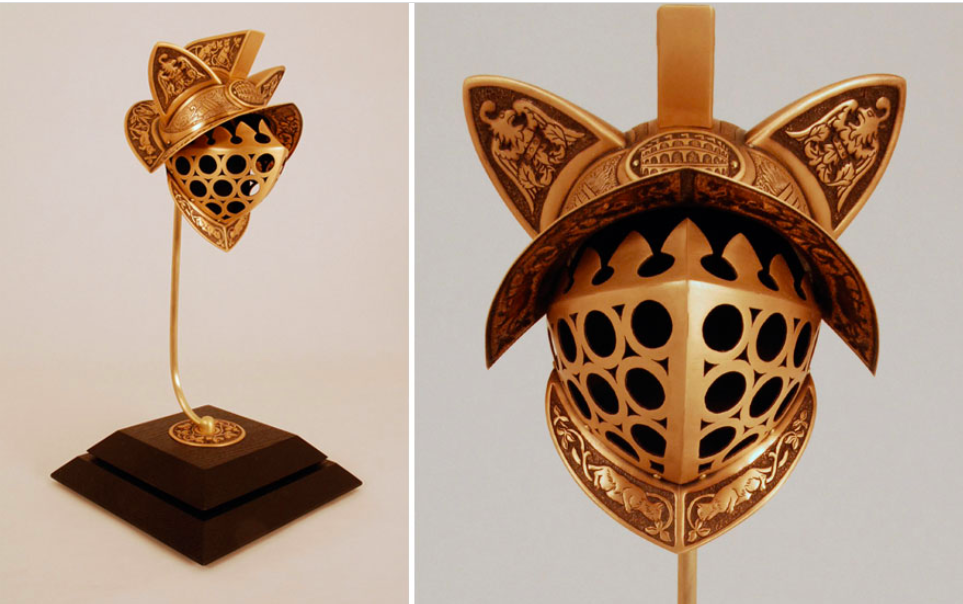
Artist Makes Astonishing Armor for Cats & Mice

As a child, Jeff De Boer, the son of a sheet met­al fab­ri­ca­tor, was fas­ci­nat­ed by the Euro­pean plate armor col­lec­tion in Calgary’s Glen­bow Muse­um:

There was some­thing mag­i­cal or mys­ti­cal about that emp­ty form, that con­tained some­thing. So what would it con­tain? A hero? Do we all con­tain that in our­selves?

After grad­u­at­ing from high school wear­ing a par­tial suit of armor he con­struct­ed for the occa­sion, De Boer com­plet­ed sev­en full suits, while major­ing in jew­el­ry design at the Alber­ta Col­lege of Art and Design.

A sculp­ture class assign­ment pro­vid­ed him with an excuse to make a suit of armor for a cat. The artist had found his niche.

Using steel, sil­ver, brass, bronze, nick­el, cop­per, leather, fiber, wood, and his del­i­cate jew­el­ry mak­ing tools, DeBoer became the cats’ armor­er, spend­ing any­where from 50 to 200 hours pro­duc­ing each increas­ing­ly intri­cate suit of feline armor.  A noble pur­suit, but one that inad­ver­tent­ly cre­at­ed an “imbal­ance in the uni­verse”:

The only way to fix it was to do the same for the mouse.

“The suit of armor is a trans­for­ma­tion vehi­cle. It’s some­thing that only the hero would wear,” De Boer notes.

Fans of David Petersen’s Mouse Guard series will need no con­vinc­ing, though no real mouse has had the mis­for­tune to find its way inside one of his aston­ish­ing, cus­tom-made cre­ations.

Not even a taxi­dermy spec­i­men, he revealed on the Mak­ing, Our Way pod­cast:

It’s not an alto­geth­er bad idea. The only rea­son I don’t do it is that hol­low suit of armor like you might see in a muse­um, your imag­i­na­tion will make it do a mil­lion things more than if you stick a mouse in it will ever do. I have put armor on cats. I can tell you, it’s noth­ing like what you think it’s going to be. It’s not a very good expe­ri­ence for the cat. It does not ful­fill any fan­tasies about a cat wear­ing a suit of armor.


Though cats were his entry point, De Boer’s sym­pa­thies seem aligned with the under­dog — er, mice. Equip­ping hum­ble, hypo­thet­i­cal crea­tures with exquis­ite­ly wrought, his­tor­i­cal pro­tec­tive gear is a way of push­ing back against being per­ceived dif­fer­ent­ly than one wish­es to be.

Accept­ing an Hon­orary MFA from his alma mater ear­li­er this year, he described an armored mouse as a metaphor for his “ongo­ing cat and mouse rela­tion­ship with the world of fine art…a mis­chie­vous, rebel­lious being who dares to com­pete on his own terms in a world ruled by the cool cats.”

Each tiny piece is pre­ced­ed by painstak­ing research and many ref­er­ence draw­ings, and may incor­po­rate spe­cial mate­ri­als like the Japan­ese silk haori-himo cord lac­ing the shoul­der plates to the body armor of a Samu­rai mouse fam­i­ly.

Addi­tion­al cre­ations have ref­er­enced Mon­go­lian, glad­i­a­tor, cru­sad­er, and Sara­cen styles — this last per­fect for a Per­sian cat.

“I mean, “Why not?” he asks in his TED‑x Talk,Village Idiots & Inno­va­tion, below.

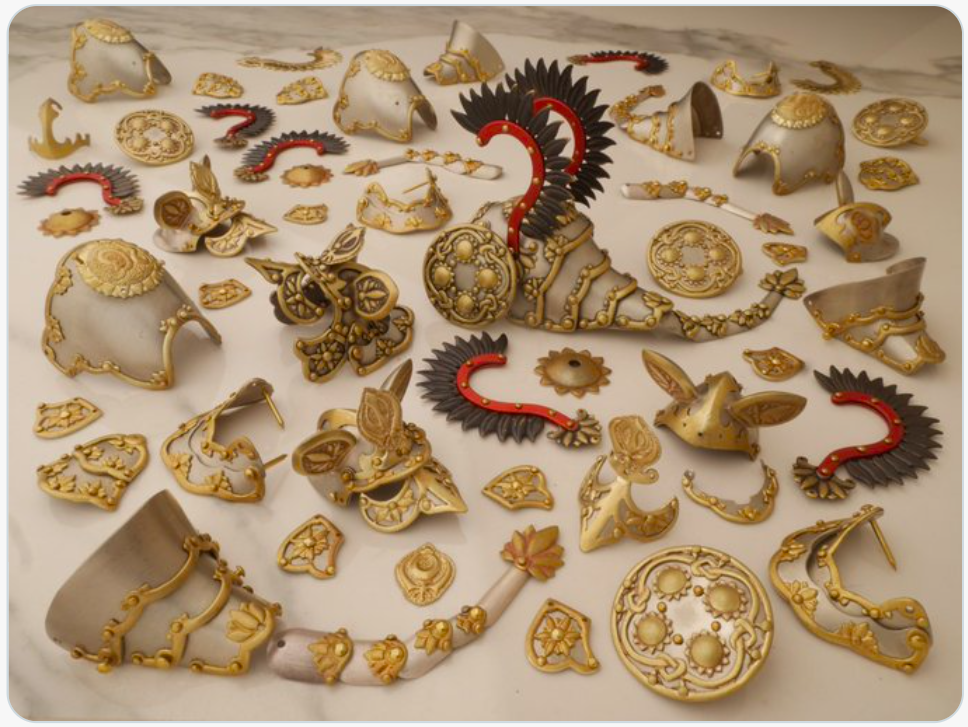
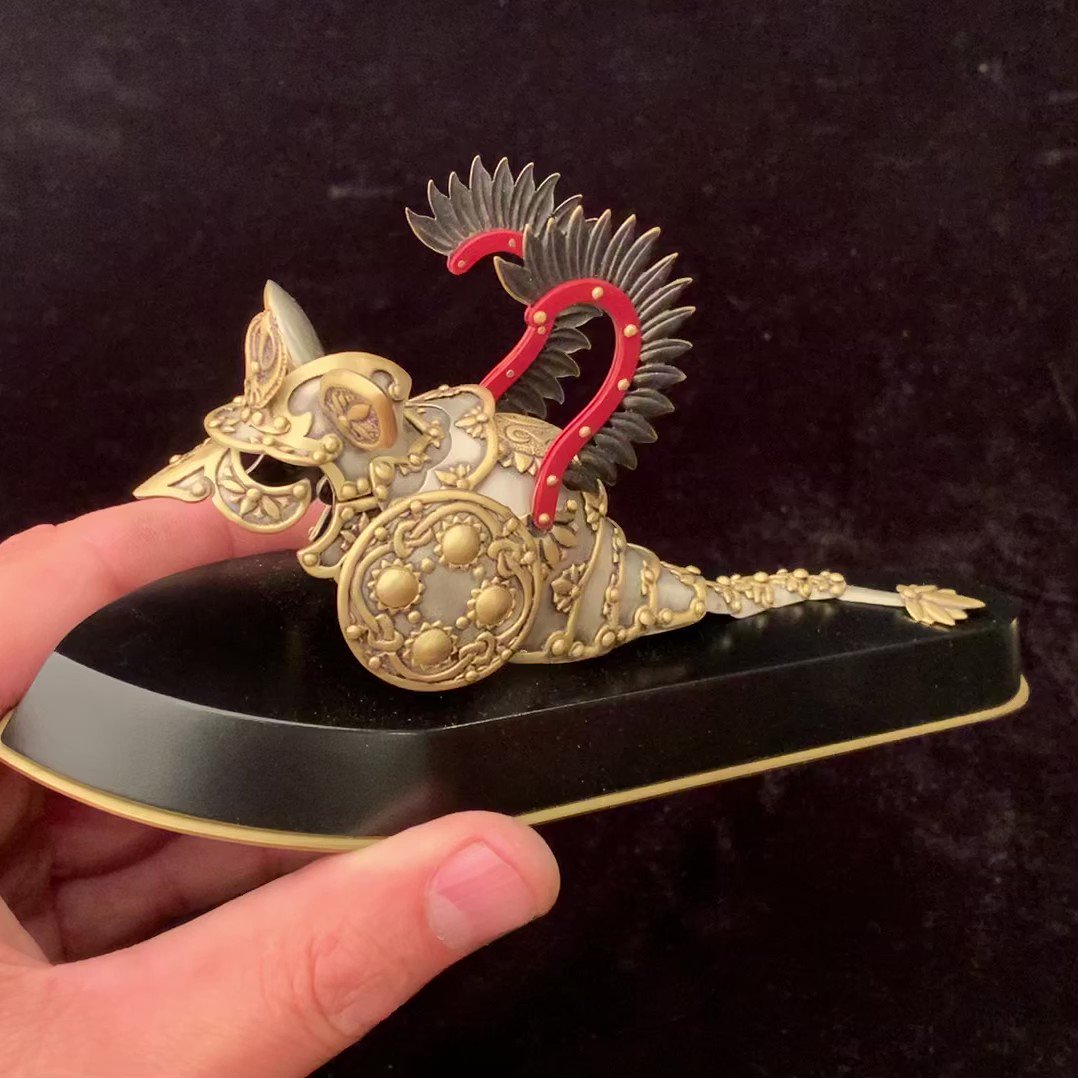
His lat­est work com­bines ele­ments of Maratha and Hus­sar armor in a ver­i­ta­ble puz­zle of minus­cule pieces.

See more of Jeff De Boer’s cat and mouse armor on his Insta­gram.

Relat­ed Con­tent 

What’s It Like to Fight in 15th Cen­tu­ry Armor?: A Sur­pris­ing Demon­stra­tion

Cats in Medieval Man­u­scripts & Paint­ings

A Record Store Designed for Mice in Swe­den, Fea­tur­ing Albums by Mouse Davis, Destiny’s Cheese, Dol­ly Pars­ley & More

- Ayun Hal­l­i­day is the Chief Pri­ma­tol­o­gist of the East Vil­lage Inky zine and author, most recent­ly, of Cre­ative, Not Famous: The Small Pota­to Man­i­festo. Fol­low her @AyunHalliday.

Why Goya Made His Haunting “Black Paintings” at the End of His Life

Though most of us see Fran­cis­co Goy­a’s Sat­urno devo­ran­do a su hijo, or Sat­urn Devour­ing His Son, at least every few months, we were nev­er meant to see it all. The same is true of all four­teen of the so-called “Black Paint­ings,” which Goya exe­cut­ed late in his life on the walls of his vil­la out­side Madrid. They now hang at the Pra­do where, as one tour guide put it to the Guardian’s Stephen Phe­lan, “some peo­ple can hard­ly even look at them.” When vis­i­tors enter the room that con­tains these often grim and bizarre visions, “they are always sur­prised. I don’t think I’ve ever seen a vis­i­tor whose expres­sion hasn’t changed.”

What could have moved Goya to cre­ate such paint­ings? In the new Great Art Explained video essay above, gal­lerist and Youtu­ber James Payne lays out the rel­e­vant fac­tors in Goy­a’s life and the tur­bu­lent soci­ety in which he lived. His Enlight­en­ment views and pen­chant for brazen satire drew sus­pi­cion, as did his will­ing­ness to paint for French and pro-French clients dur­ing that coun­try’s occu­pa­tion of Spain.

At the age of 72 he end­ed up putting him­self into a kind of coun­try­side exile, tak­ing up res­i­dence in an estate called the Quin­ta del Sor­do (the “Vil­la of the Deaf,” and suit­ably enough, since Goya him­self hap­pened to have lost his hear­ing by that point).

It was in the Quin­ta del Sor­do, and indeed on it, that Goya (or, accord­ing to cer­tain the­o­ries, Goy­a’s son) set his artis­tic world­view free to real­ize its most grotesque and jaun­diced forms. Even apart from Sat­urn’s act of can­ni­bal­is­tic fil­i­cide, Phe­lan writes, “a humanoid bil­ly goat in a monk­ish cas­sock bleats a satan­ic ser­mon to a gasp­ing con­gre­ga­tion of witch­es. A des­per­ate­ly expres­sive lit­tle dog appears to plead for res­cue, sub­merged up to its neck in a mud-col­ored mire beneath a gloomy, void-like fir­ma­ment of neg­a­tive space.” Known as El Per­ro, or The Dog, that last art­work is one of the most beloved in Spain — and, in its ascetic way, the most haunt­ing Black Paint­ing of all.

Relat­ed con­tent:

The Most Dis­turb­ing Paint­ing: A Close Look at Fran­cis­co Goya’s Sat­urn Devour­ing His Son

Euro­pean Paint­ings: From Leonar­do to Rem­brandt to Goya — A Free Online Course from the Uni­ver­si­dad Car­los III de Madrid (UC3M)

Art Lovers Rejoice! New Goya and Rem­brandt Data­bas­es Now Online

The Pra­do Muse­um Dig­i­tal­ly Alters Four Mas­ter­pieces to Strik­ing­ly Illus­trate the Impact of Cli­mate Change

Great Art Explained: Watch 15-Minute Intro­duc­tions to Great Works by Warhol, Rothko, Kahlo, Picas­so & More

Based in Seoul, Col­in Mar­shall writes and broad­casts on cities, lan­guage, and cul­ture. His projects include the Sub­stack newslet­ter Books on Cities, the book The State­less City: a Walk through 21st-Cen­tu­ry Los Ange­les and the video series The City in Cin­e­ma. Fol­low him on Twit­ter at @colinmarshall or on Face­book.

Lizzo Plays James Madison’s Priceless, 200-Year-Old Crystal Flute

In the annals of mod­ern pop­u­lar music, one does not find a sur­feit of flautists. Tim Weis­berg, in part­ner­ship with singer-song­writer Dan Fogel­berg, did score a mod­est his or two in the sev­en­ties. More incon­gru­ous­ly, Jethro Tul­l’s Ian Ander­son set his band apart with his deci­sion to take up the flute not long before their ear­li­est per­for­mances. But today, out­side the realm of orches­tral music, there is sure­ly no high­er-pro­file flautist than Liz­zo. Though best known as a pop singer, she con­tin­ues to put to use the flute skills she honed at the Uni­ver­si­ty of Hous­ton, with­out which she would­n’t have been able to han­dle a pre­cious piece of Amer­i­can his­to­ry.

Last month, writes the Library of Con­gress’ April Slay­ton, one of that insti­tu­tion’s librar­i­ans Car­la Hay­den “saw that the one and only Liz­zo was com­ing to D.C. for a con­cert.” Giv­en that “the Library has the world’s largest flute col­lec­tion,” Hay­den took the oppor­tu­ni­ty to point out that fact to the pop star on Twit­ter. “One of about 1,700 flutes in the col­lec­tion, she teased, is the crys­tal flute made for Pres­i­dent James Madi­son by Claude Lau­rent — a price­less instru­ment that Dol­ley Madi­son res­cued from the White House in April 1814 as the British entered Wash­ing­ton, DC dur­ing the War of 1812.. Might she want to drop by and play a few bars?”

Indeed she did, with results you can see in the video above: at the Library itself, Liz­zo tries out one of the col­lec­tion’s many flutes; then she plays the crys­tal flute itself on onstage at Capi­tol One Are­na, hav­ing been hand­ed it by the instru­men­t’s own secu­ri­ty detail. “It’s like play­ing out of a wine glass,” she tells her thrilled audi­ence. One won­ders if the com­par­i­son would ever have occurred to its first own­er: “It’s not clear if Madi­son did much with the flute oth­er than admire it,” Slay­ton writes, “but it became a fam­i­ly heir­loom and an arti­fact of the era.” Now it has become a unit­ing sym­bol of Amer­i­can cul­ture past and present: how­ev­er for­ward-look­ing the Found­ing Fathers were, we can safe­ly say they nev­er imag­ine twerk­ing.

The Library of Con­gress has post­ed pic­tures of Liz­zo’s vis­it on Flickr. See them here.

Relat­ed con­tent:

But­ter­fly Lands on Flutist’s Face Dur­ing Flute Com­pe­ti­tion: The Show Must Go On

Hear the World’s Old­est Instru­ment, the “Nean­derthal Flute,” Dat­ing Back Over 43,000 Years

Hear a 9,000 Year Old Flute — the World’s Old­est Playable Instru­ment — Get Played Again

The Flute of Shame: Dis­cov­er the Instrument/Device Used to Pub­licly Humil­i­ate Bad Musi­cians Dur­ing the Medieval Peri­od

The Library of Con­gress Makes 25 Mil­lion Records From Its Cat­a­log Free to Down­load

Based in Seoul, Col­in Mar­shall writes and broad­casts on cities, lan­guage, and cul­ture. His projects include the Sub­stack newslet­ter Books on Cities, the book The State­less City: a Walk through 21st-Cen­tu­ry Los Ange­les and the video series The City in Cin­e­ma. Fol­low him on Twit­ter at @colinmarshall or on Face­book.

« Go Back
Quantcast