The Entire Archives of Radical Philosophy Go Online: Read Essays by Michel Foucault, Alain Badiou, Judith Butler & More (1972–2022)

On a seem­ing­ly dai­ly basis, we see attacks against the intel­lec­tu­al cul­ture of the aca­d­e­m­ic human­i­ties, which, since the 1960s, have opened up spaces for left­ists to devel­op crit­i­cal the­o­ries of all kinds. Attacks from sup­pos­ed­ly lib­er­al pro­fes­sors and cen­trist op-ed colum­nists, from well-fund­ed con­ser­v­a­tive think tanks and white suprema­cists on col­lege cam­pus tours. All rail against the evils of fem­i­nism, post-mod­ernism, and some­thing called “neo-Marx­ism” with out­sized agi­ta­tion.

For stu­dents and pro­fes­sors, the onslaughts are exhaust­ing, and not only because they have very real, often dan­ger­ous, con­se­quences, but because they all attack the same straw men (or “straw peo­ple”) and refuse to engage with aca­d­e­m­ic thought on its own terms. Rarely, in the exas­per­at­ing pro­lif­er­a­tion of cranky, cher­ry-picked anti-acad­e­mia op-eds do we encounter peo­ple actu­al­ly read­ing and grap­pling with the ideas of their sup­posed ide­o­log­i­cal neme­ses.

Were non-aca­d­e­m­ic crit­ics to take aca­d­e­m­ic work seri­ous­ly, they might notice that debates over “polit­i­cal cor­rect­ness,” “thought polic­ing,” “iden­ti­ty pol­i­tics,” etc. have been going on for thir­ty years now, and among left intel­lec­tu­als them­selves. Con­trary to what many seem to think, crit­i­cism of lib­er­al ide­ol­o­gy has not been banned in the acad­e­my. It is absolute­ly the case that the human­i­ties have become increas­ing­ly hos­tile to irre­spon­si­ble opin­ions that dehu­man­ize peo­ple, like emer­gency room doc­tors become hos­tile to drunk dri­ving. But it does not fol­low there­fore that one can­not dis­agree with the estab­lish­ment, as though the Uni­ver­si­ty sys­tem were still behold­en to the Vat­i­can.

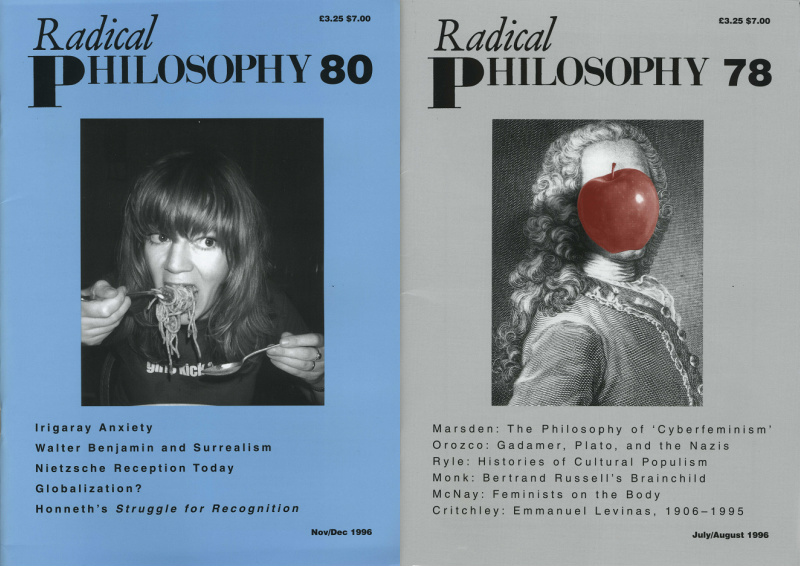
Under­stand­ing this requires work many peo­ple are unwill­ing to do, either because they’re busy and dis­tract­ed or, per­haps more often, because they have oth­er, bad faith agen­das. Should one decide to sur­vey the philo­soph­i­cal debates on the left, how­ev­er, an excel­lent place to start would be Rad­i­cal Phi­los­o­phy, which describes itself as a “UK-based jour­nal of social­ist and fem­i­nist phi­los­o­phy.” Found­ed in 1972, in response to “the wide­ly-felt dis­con­tent with the steril­i­ty of aca­d­e­m­ic phi­los­o­phy at the time,” the jour­nal was itself an act of protest against the cul­ture of acad­e­mia.

Rad­i­cal Phi­los­o­phy has pub­lished essays and inter­views with near­ly all of the big names in aca­d­e­m­ic phi­los­o­phy on the left—from Marx­ists, to post-struc­tural­ists, to post-colo­nial­ists, to phe­nom­e­nol­o­gists, to crit­i­cal the­o­rists, to Laca­ni­ans, to queer the­o­rists, to rad­i­cal the­olo­gians, to the prag­ma­tist Richard Rorty, who made argu­ments for nation­al pride and made sev­er­al cri­tiques of crit­i­cal the­o­ry as an illib­er­al enter­prise. The full range of rad­i­cal crit­i­cal the­o­ry over the past 45 years appears here, as well as con­trar­i­an respons­es from philoso­phers on the left.

Rorty was hard­ly the only one in the journal’s pages to cri­tique cer­tain promi­nent trends. Soci­ol­o­gists Pierre Bour­dieu and Loic Wac­quant launched a 2001 protest against what they called “a strange Newspeak,” or “NewLib­er­al­S­peak” that includ­ed words like “glob­al­iza­tion,” “gov­er­nance,” “employ­a­bil­i­ty,” “under­class,” “com­mu­ni­tar­i­an­ism,” “mul­ti­cul­tur­al­ism” and “their so-called post­mod­ern cousins.” Bour­dieu and Wac­quant argued that this dis­course obscures “the terms ‘cap­i­tal­ism,’ ‘class,’ ‘exploita­tion,’ ‘dom­i­na­tion,’ and ‘inequal­i­ty,’” as part of a “neolib­er­al rev­o­lu­tion,” that intends to “remake the world by sweep­ing away the social and eco­nom­ic con­quests of a cen­tu­ry of social strug­gles.”

One can also find in the pages of Rad­i­cal Phi­los­o­phy philoso­pher Alain Badiou’s 2005 cri­tique of “demo­c­ra­t­ic mate­ri­al­ism,” which he iden­ti­fies as a “post­mod­ernism” that “rec­og­nizes the objec­tive exis­tence of bod­ies alone. Who would ever speak today, oth­er than to con­form to a cer­tain rhetoric? Of the sep­a­ra­bil­i­ty of our immor­tal soul?” Badiou iden­ti­fies the ide­al of max­i­mum tol­er­ance as one that also, para­dox­i­cal­ly, “guides us, irre­sistibly” to war. But he refus­es to counter demo­c­ra­t­ic materialism’s max­im that “there are only bod­ies and lan­guages” with what he calls “its for­mal oppo­site… ‘aris­to­crat­ic ide­al­ism.’” Instead, he adds the sup­ple­men­tary phrase, “except that there are truths.”

Badiou’s polemic includes an oblique swipe at Stal­in­ism, a cri­tique Michel Fou­cault makes in more depth in a 1975 inter­view, in which he approv­ing­ly cites phe­nom­e­nol­o­gist Merleau-Ponty’s “argu­ment against the Com­mu­nism of the time… that it has destroyed the dialec­tic of indi­vid­ual and history—and hence the pos­si­bil­i­ty of a human­is­tic soci­ety and indi­vid­ual free­dom.” Fou­cault made a case for this “dialec­ti­cal rela­tion­ship” as that “in which the free and open human project con­sists.” In an inter­view two years lat­er, he talks of pris­ons as insti­tu­tions “no less per­fect than school or bar­racks or hos­pi­tal” for repress­ing and trans­form­ing indi­vid­u­als.

Foucault’s polit­i­cal phi­los­o­phy inspired fem­i­nist and queer the­o­rist Judith But­ler, whose argu­ments inspired many of today’s gen­der the­o­rists, and who is deeply con­cerned with ques­tions of ethics, moral­i­ty, and social respon­si­bil­i­ty. Her Adorno Prize Lec­ture, pub­lished in a 2012 issue, took up Theodor Adorno’s chal­lenge of how it is pos­si­ble to live a good life in bad cir­cum­stances (under fas­cism, for example)—a clas­si­cal polit­i­cal ques­tion that she engages through the work of Orlan­do Pat­ter­son, Han­nah Arendt, Lud­wig Wittgen­stein, and Hegel. Her lec­ture ends with a dis­cus­sion of the eth­i­cal duty to active­ly resist and protest an intol­er­a­ble sta­tus quo.

You can now read for free all of these essays and hun­dreds more at the Rad­i­cal Phi­los­o­phy archive, either on the site itself or in down­load­able PDFs. The jour­nal, run by an ‘Edi­to­r­i­al Col­lec­tive,” still appears three times a year. The most recent issue fea­tures an essay by Lars T. Lih on the Russ­ian Rev­o­lu­tion through the lens of Thomas Hobbes, a detailed his­tor­i­cal account by Nathan Brown of the term “post­mod­ern,” and its inap­plic­a­bil­i­ty to the present moment, and an essay by Jami­la M.H. Mas­cat on the prob­lem of Hegelian abstrac­tion.

If noth­ing else, these essays and many oth­ers should upend facile notions of left­ist aca­d­e­m­ic phi­los­o­phy as dom­i­nat­ed by “post­mod­ern” denials of truth, moral­i­ty, free­dom, and Enlight­en­ment thought, as doc­tri­naire Stal­in­ism, or lit­tle more than thought polic­ing through dog­mat­ic polit­i­cal cor­rect­ness. For every argu­ment in the pages of Rad­i­cal Phi­los­o­phy that might con­firm cer­tain read­ers’ bias­es, there are dozens more that will chal­lenge their assump­tions, bear­ing out Foucault’s obser­va­tion that “phi­los­o­phy can­not be an end­less scruti­ny of its own propo­si­tions.”

Enter the Rad­i­cal Phi­los­o­phy archive here.

Note: This post was orig­i­nal­ly pub­lished on our site in March, 2018.

Relat­ed Con­tent:

Intro­duc­ing Ergo, the New Open Phi­los­o­phy Jour­nal

His­to­ry of Mod­ern Phi­los­o­phy: A Free Online Course 

On the Pow­er of Teach­ing Phi­los­o­phy in Pris­ons

Josh Jones is a writer and musi­cian based in Durham, NC. Fol­low him at @jdmagness

How to Predict What the World Will Look Like in 2122: Insights from Futurist Peter Schwartz

“It’s very easy to imag­ine how things go wrong,” says futur­ist Peter Schwartz in the video above. “It’s much hard­er to imag­ine how things go right.” So he demon­strat­ed a quar­ter-cen­tu­ry ago with the Wired mag­a­zine cov­er sto­ry he co-wrote with Peter Ley­den, “The Long Boom.” Made in the now tech­no-utopi­an-seem­ing year of 1997, its pre­dic­tions of “25 years of  pros­per­i­ty, free­dom, and a bet­ter envi­ron­ment for a whole world” have since become objects of ridicule. But in the piece Schwartz and Ley­den also pro­vide a set of less-desir­able alter­na­tive sce­nar­ios whose details — a new Cold War between the U.S. and Chi­na, cli­mate change-relat­ed dis­rup­tions in the food sup­ply, an “uncon­trol­lable plague” — look rather more pre­scient in ret­ro­spect.

The intel­li­gent futur­ist, in Schwartz’s view, aims not to get every­thing right. “It’s almost impos­si­ble. But you test your deci­sions against mul­ti­ple sce­nar­ios, so you make sure you don’t get it wrong in the sce­nar­ios that actu­al­ly occur.” The art of “sce­nario plan­ning,” as Schwartz calls it, requires a fair­ly deep root­ed­ness in the past.

His own life is a case in point: born in a Ger­man refugee camp in 1946, he even­tu­al­ly made his way to a place then called Stan­ford Research Insti­tute. “It was the ear­ly days that became Sil­i­con Val­ley. It’s where tech­nol­o­gy was accel­er­at­ing. It was one of the first thou­sand peo­ple online. It was the era when LSD was still being used as an explorato­ry tool. So every­thing around me was the future being born,” and he could hard­ly have avoid­ed get­ting hooked on the future.

That addic­tion remains with Schwartz today: most recent­ly, he’s been fore­cast­ing the shape of work to come for Sales­force. The key ques­tion, he real­ized, “was not what did I think about the future, but what did every­body else think about the future?” And among “every­body else,” he places spe­cial val­ue on the abil­i­ties of those pos­sessed of imag­i­na­tion, col­lab­o­ra­tive abil­i­ty, and “ruth­less curios­i­ty.” As for the great­est threat to sce­nario plan­ning, he names “fear of the future,” call­ing it “one of the worst prob­lems we have today.” There will be more set­backs, more “wars and pan­ics and pan­demics and so on.” But “the great arc of human progress, and the gain of pros­per­i­ty, and a bet­ter life for all, that will con­tin­ue.” Despite all he’s seen – and indeed, because of all he’s seen — Peter Schwartz still believes in the long boom.

Relat­ed con­tent:

In 1997, Wired Mag­a­zine Pre­dicts 10 Things That Could Go Wrong in the 21st Cen­tu­ry: “An Uncon­trol­lable Plague,” Cli­mate Cri­sis, Rus­sia Becomes a Klep­toc­ra­cy & More

Pio­neer­ing Sci-Fi Author William Gib­son Pre­dicts in 1997 How the Inter­net Will Change Our World

In 1922, a Nov­el­ist Pre­dicts What the World Will Look Like in 2022: Wire­less Tele­phones, 8‑Hour Flights to Europe & More

In 1926, Niko­la Tes­la Pre­dicts the World of 2026

M.I.T. Com­put­er Pro­gram Pre­dicts in 1973 That Civ­i­liza­tion Will End by 2040

Why Map­mak­ers Once Thought Cal­i­for­nia Was an Island

Based in Seoul, Col­in Mar­shall writes and broad­casts on cities, lan­guage, and cul­ture. His projects include the Sub­stack newslet­ter Books on Cities, the book The State­less City: a Walk through 21st-Cen­tu­ry Los Ange­les and the video series The City in Cin­e­ma. Fol­low him on Twit­ter at @colinmarshall or on Face­book.

John Oliver’s Show on World-Class Art Museums & Their Looted Art: Watch It Free Online

From John Oliv­er comes a com­ic take on a seri­ous subject–how West­ern muse­ums have often built their col­lec­tions, espe­cial­ly in antiq­ui­ties, through loot­ing art from col­o­nized nations. In this 34 minute episode, Oliv­er dis­cuss­es “some of the world’s most pres­ti­gious muse­ums, why they con­tain so many stolen goods, [and] the mar­ket that con­tin­ues to ille­gal­ly trade antiq­ui­ties.” It’s one of the lat­est episodes from HBO’s Last Week Tonight with John Oliv­er.

If you would like to sup­port the mis­sion of Open Cul­ture, con­sid­er mak­ing a dona­tion to our site. It’s hard to rely 100% on ads, and your con­tri­bu­tions will help us con­tin­ue pro­vid­ing the best free cul­tur­al and edu­ca­tion­al mate­ri­als to learn­ers every­where. You can con­tribute through Pay­Pal, Patre­on, and Ven­mo (@openculture). Thanks!

Relat­ed Con­tent 

The British Muse­um is Full of Loot­ed Arti­facts

Take a Vir­tu­al Real­i­ty Tour of the World’s Stolen Art

Lis­ten to Last Seen, a True-Crime Pod­cast That Takes You Inside an Unsolved, $500 Mil­lion Art Heist

When Ger­man Per­for­mance Artist Ulay Stole Hitler’s Favorite Paint­ing & Hung it in the Liv­ing Room of a Turk­ish Immi­grant Fam­i­ly (1976)

When Pablo Picas­so and Guil­laume Apol­li­naire Were Accused of Steal­ing the Mona Lisa (1911)

by | Permalink | Make a Comment ( 2 ) |

How Plants Move in a 24-Hour Period

Neat to watch. Learn more about how plants move over on this Penn State web site.

If you would like to sup­port the mis­sion of Open Cul­ture, con­sid­er mak­ing a dona­tion to our site. It’s hard to rely 100% on ads, and your con­tri­bu­tions will help us con­tin­ue pro­vid­ing the best free cul­tur­al and edu­ca­tion­al mate­ri­als to learn­ers every­where. You can con­tribute through Pay­Pal, Patre­on, and Ven­mo (@openculture). Thanks!

Behold a 21st-Century Medieval Castle Being Built with Only Tools & Materials from the Middle Ages

Con­struc­tion sites are hives of spe­cial­ized activ­i­ty, but there’s no par­tic­u­lar train­ing need­ed to fer­ry 500 lbs of stone sev­er­al sto­ries to the masons wait­ing above. All you need is the sta­mi­na for a few steep flights and a medieval tread­wheel crane or “squir­rel cage.”

The tech­nol­o­gy, which uses sim­ple geom­e­try and human exer­tion to hoist heavy loads, dates to ancient Roman times.

Retired in the Vic­to­ri­an era, it has been res­ur­rect­ed and is being put to good use on the site of a for­mer sand­stone quar­ry two hours south of Paris, where the cas­tle of an imag­i­nary, low rank­ing 13th-cen­tu­ry noble­man began tak­ing shape in 1997.

There’s no typo in that time­line.

Château de Guéde­lon is an immer­sive edu­ca­tion­al project, an open air exper­i­men­tal arche­ol­o­gy lab, and a high­ly unusu­al work­ing con­struc­tion site.

With a project time­line of 35 years, some 40 quar­rypeo­ple, stone­ma­sons, wood­cut­ters, car­pen­ters, tilers, black­smiths, rope mak­ers and carters can expect anoth­er ten years on the job.

That’s longer than a medieval con­struc­tion crew would have tak­en, but unlike their 21st-cen­tu­ry coun­ter­parts, they did­n’t have to take fre­quent breaks to explain their labors to the vis­it­ing pub­lic.

A team of arche­ol­o­gists, art his­to­ri­ans and castel­lol­o­gists strive for authen­tic­i­ty, eschew­ing elec­tric­i­ty and any vehi­cle that does­n’t have hooves.

Research mate­ri­als include illu­mi­nat­ed man­u­scripts, stained glass win­dows, finan­cial records, and exist­ing cas­tles.

The 1425-year-old Can­ter­bury Cathe­dral has a non-repro­duc­tion tread­mill crane stored in its rafters, as well as a levers and pul­leys activ­i­ty sheet for young vis­i­tors that notes that oper­at­ing a “human tread­mill” was both gru­el­ing and dan­ger­ous:

Philoso­pher John Stu­art Mill wrote that they were “unequalled in the mod­ern annals of legal­ized tor­ture.”

Good call, then, on the part of Guédelon’s lead­er­ship to allow a few anachro­nisms in the name of safe­ty.

Guédelon’s tread­mill cranes, includ­ing a dou­ble drum mod­el that piv­ots 360º to deposit loads of up to 1000 lbs wher­ev­er the stone­ma­sons have need of them, have been out­fit­ted with brakes. The walk­ers inside the wood­en wheels wear hard hats, as are the over­seer and those mon­i­tor­ing the brakes and the cra­dle hold­ing the stones.

The onsite work­er-edu­ca­tors may be garbed in peri­od-appro­pri­ate loose-fit­ting nat­ur­al fibers, but rest assured that their toes are steel-rein­forced.

Château de Guéde­lon guide Sarah Pre­ston explains the rea­son­ing:

Obvi­ous­ly, we’re not try­ing to dis­cov­er how many peo­ple were killed or injured in the 13th-cen­tu­ry.

Learn more about Château de Guéde­lon, includ­ing how you can arrange a vis­it, here.

Explore the his­to­ry of tread­mill cranes here.

And see how the Château de Guéde­lon has housed Ukrain­ian refugees here.

via The Kids Should See This

Relat­ed Con­tent 

The Medieval City Plan Gen­er­a­tor: A Fun Way to Cre­ate Your Own Imag­i­nary Medieval Cities

A Medieval Book That Opens Six Dif­fer­ent Ways, Reveal­ing Six Dif­fer­ent Books in One

Behold the Medieval Wound Man: The Poor Soul Who Illus­trat­ed the Injuries a Per­son Might Receive Through War, Acci­dent or Dis­ease

- Ayun Hal­l­i­day is the Chief Pri­ma­tol­o­gist of the East Vil­lage Inky zine and author, most recent­ly, of Cre­ative, Not Famous: The Small Pota­to Man­i­festo. Fol­low her @AyunHalliday.

1950s Pulp Comic Adaptations of Ray Bradbury Stories Getting Republished

Grow­ing up, there was always a spe­cial trans­gres­sive thrill in read­ing EC Comics, espe­cial­ly titles like Tales from the Crypt, The Vault of Hor­ror, and The Haunt of Fear. That must have been even truer when they were first pub­lished in the nine­teen-fifties than it was when they were reprint­ed in the nine­teen-nineties, the peri­od in which I myself thrilled to their dis­tinc­tive mix­ture of grotes­querie, sug­ges­tive­ness, moral­ism, and dark humor. By no means above indulging in either shock or schlock val­ue, the pub­lish­ers EC Comics also knew lit­er­ary val­ue when they saw it: in the work of Ray Brad­bury, for exam­ple, to which they paid the ulti­mate trib­ute by swip­ing.

“EC Comics writer-edi­tor Al Feld­stein com­bined two sci­ence-fic­tion sto­ries he’d read into a sin­gle tale, adapt­ed it into the comics form, and assigned it to artist Wal­ly Wood,” writes J. L. Bell at Oz and Ends, appar­ent­ly “work­ing on the belief that steal­ing from two sto­ries at once wasn’t pla­gia­rism but research.”

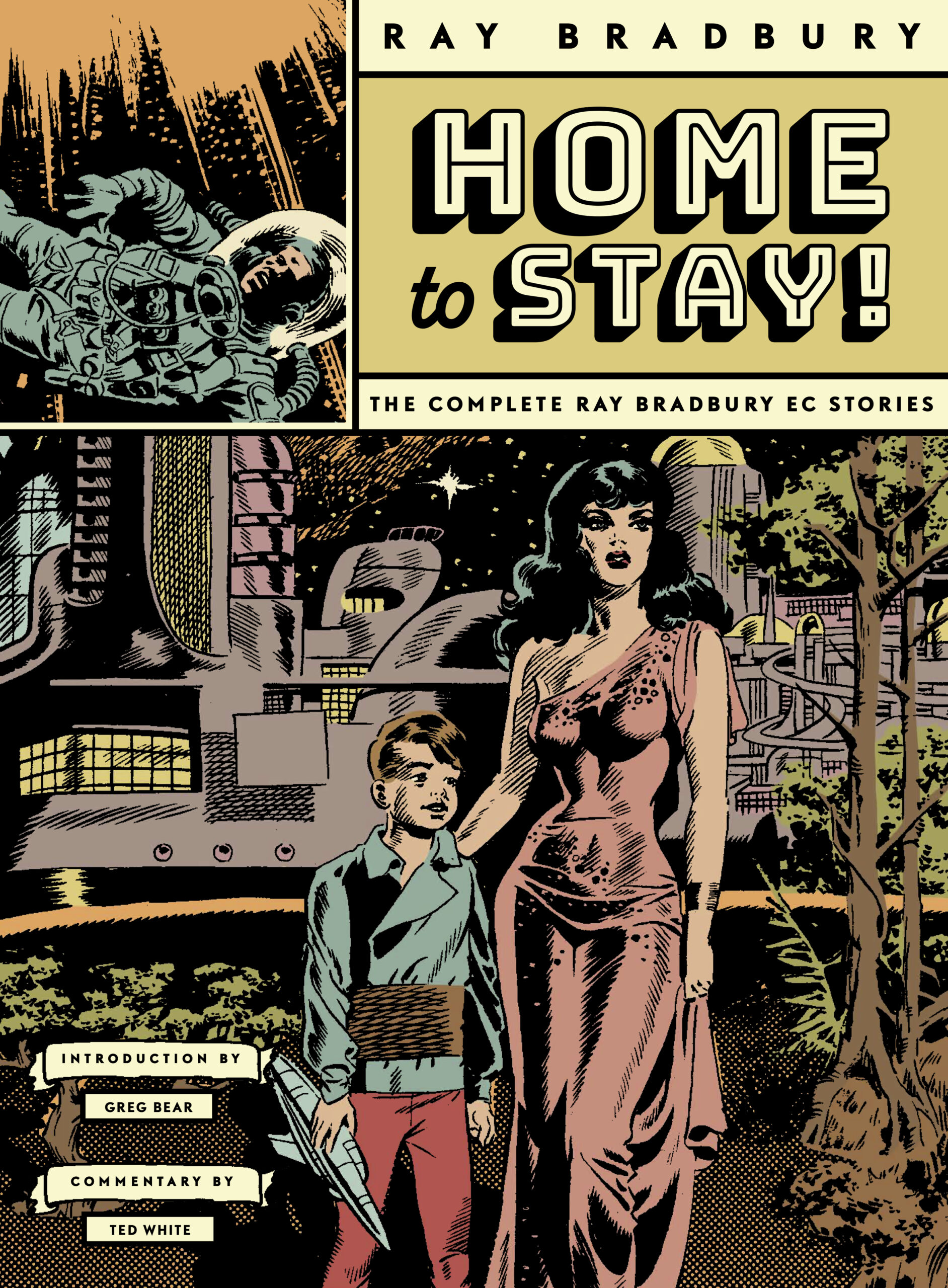
Brad­bury’s response came swift­ly: “You have not as of yet sent on the check for $50.00 to cov­er the use of sec­ondary rights on my two sto­ries THE ROCKET MAN and KALEIDOSCOPE which appeared in your WEIRD-FANTASY May-June ’52, #13, with the cov­er-all title of HOME TO STAY,” he wrote to EC. “I feel this was prob­a­bly over­looked in the gen­er­al con­fu­sion of office-work, and look for­ward to your pay­ment in the near future.”

Brad­bury’s “reminder” result­ed in not just pay­ment but a series of legit­i­mate adap­ta­tions there­after. His oth­er sto­ries to get the EC treat­ment include “A Sound of Thun­der,” “Mars Is Heav­en,” and the clas­sic “There Will Come Soft Rains…” All of these sto­ries are includ­ed in Fan­ta­graph­ics’ new sin­gle-vol­ume Home to Stay!: The Com­plete Ray Brad­bury EC Sto­ries, which you can see reviewed in this video. The book includes not just the 35 orig­i­nal com­ic-book sto­ries (one of which you can read free here), but also “essays by lead­ing schol­ars, EC experts, some big-name fans,” says the review­er, whose chan­nel EC Fan-Addict reveals him to be no casu­al enthu­si­ast him­self. Gen­er­a­tions of kids have found in EC comics a gate­way to “high­er” read­ing mate­r­i­al, Brad­bury and much else besides, but those who get the taste for EC’s light­heart­ed grim­ness and earnest irony nev­er real­ly lose it.

You can pick up a copy of Home to Stay!: The Com­plete Ray Brad­bury EC Sto­ries here. It will be offi­cial­ly released on Octo­ber 18.

via Boing­Bo­ing

Relat­ed con­tent:

The Essen­tial Brad­bury: The 25 Finest Sto­ries by the Beloved Writer

Sovi­et Ani­ma­tions of Ray Brad­bury Sto­ries: ‘Here There Be Tygers’ & ‘There Will Come Soft Rain’

Hear Ray Bradbury’s Beloved Sci-Fi Sto­ries as Clas­sic Radio Dra­mas

Down­load Issues of Weird Tales (1923–1954): The Pio­neer­ing Pulp Hor­ror Mag­a­zine Fea­tures Orig­i­nal Sto­ries by Love­craft, Brad­bury & Many More

Dis­cov­er the First Hor­ror & Fan­ta­sy Mag­a­zine, Der Orchideen­garten, and Its Bizarre Art­work (1919–1921)

Based in Seoul, Col­in Mar­shall writes and broad­casts on cities, lan­guage, and cul­ture. His projects include the Sub­stack newslet­ter Books on Cities, the book The State­less City: a Walk through 21st-Cen­tu­ry Los Ange­les and the video series The City in Cin­e­ma. Fol­low him on Twit­ter at @colinmarshall or on Face­book.

Why Monet Painted The Same Haystacks 25 Times

In the nine­teen-twen­ties, as George Orwell remem­bers it, “Paris was invad­ed by such a swarm of artists, writ­ers, stu­dents, dilet­tan­ti, sight-seers, debauchees and plain idlers as the world has prob­a­bly nev­er seen. In some quar­ters of the town the so-called artists must actu­al­ly have out­num­bered the work­ing pop­u­la­tion.” Along stretch­es of the Seine, “it was almost impos­si­ble to pick one’s way between the sketch­ing-stools.” Legit­i­mate or oth­er­wise, these artists were gen­uine descen­dants of Claude Mon­et, at least in the sense that the lat­ter pio­neered paint­ing en plein air, dis­till­ing art direct­ly from the world all around him.

“When artists had to grind their own pig­ments or buy paints con­tained in frag­ile pig blad­ders,” says Evan “Nerd­writer” Puschak in the video essay above, “it was much eas­i­er to work in a stu­dio. The advent of tubes of paint, like these flex­i­ble zinc tubes invent­ed by John Rand in 1841, in which the paint would not dry out, enabled a porta­bil­i­ty that made out­door paint­ing easy and fea­si­ble.” As usu­al in moder­ni­ty, a devel­op­ment in tech­nol­o­gy enabled a devel­op­ment in cul­ture, but to show what kind of pos­si­bil­i­ties had been opened up took an artist of rare vision as well as rare brazen­ness: more specif­i­cal­ly, an artist like Mon­et.

“Obsessed, most of all, with light and col­or, and the ways they reg­is­ter in the human mind,” Mon­et “reject­ed the pop­u­lar con­ven­tions of his time, which pri­or­i­tized line, col­or, and blend­ed brush­strokes that con­cealed the artist’s hand in favor of sev­er­al short, thick appli­ca­tions of sol­id col­or placed side by side, large­ly unblend­ed.” His paint­ings, which we now cred­it with launch­ing the Impres­sion­ist move­ment, show us not so much col­ors as “col­or rela­tion­ships that seem to change and vibrate as your eye scans across the can­vas.” But then, so does real life, whose con­stant­ly chang­ing light ensures that “every few min­utes, we expe­ri­ence a sub­tly dif­fer­ent col­or palette.”

For Puschak, nowhere is Mon­et’s artis­tic enter­prise more clear­ly demon­strat­ed than in the so-called “Haystacks.” The series con­sists of 25 paint­ings depict­ing just what that name sug­gests (and which, belong­ing to Mon­et’s neigh­bor in Giverny, were well placed to catch his eye), each paint­ed at a dif­fer­ent time of day. Each image rep­re­sents Mon­et’s attempt to cap­ture the light col­ors just as he per­ceived them at a par­tic­u­lar moment, straight from nature. Tak­en togeth­er, they con­sti­tute “maybe the defin­i­tive expres­sion of the Impres­sion­ist move­ment” — as well as a reminder that, haystack or water lily, we nev­er tru­ly set eyes on the same thing twice.

You can now pur­chase a copy of the Nerd­writer’s new book, Escape into Mean­ing: Essays on Super­man, Pub­lic Bench­es, and Oth­er Obses­sions.

Relat­ed con­tent:

Monet’s Water Lilies: How World War I Inspired Mon­et to Paint His Final Mas­ter­pieces & Cre­ate “the World’s First Art Instal­la­tion”

How to Paint Water Lilies Like Mon­et in 14 Min­utes

Rare 1915 Film Shows Claude Mon­et at Work in His Famous Gar­den at Giverny

1923 Pho­to of Claude Mon­et Col­orized: See the Painter in the Same Col­or as His Paint­ings

1,540 Mon­et Paint­ings in a Two Hour Video

A Quick Six Minute Jour­ney Through Mod­ern Art: How You Get from Manet’s 1862 Paint­ing, “The Lun­cheon on the Grass,” to Jack­son Pol­lock 1950s Drip Paint­ings

Based in Seoul, Col­in Mar­shall writes and broad­casts on cities, lan­guage, and cul­ture. His projects include the Sub­stack newslet­ter Books on Cities, the book The State­less City: a Walk through 21st-Cen­tu­ry Los Ange­les and the video series The City in Cin­e­ma. Fol­low him on Twit­ter at @colinmarshall or on Face­book.

When a Modern Director Makes a Fake Old Movie: A Video Essay on David Fincher’s Mank

As of this writ­ing, Mank is David Fincher’s newest movie — but also, in a sense, his old­est. With Net­flix mon­ey behind him, he and his col­lab­o­ra­tors spared seem­ing­ly no expense in re-cre­at­ing the look and feel of a nine­teen-for­ties film using the advanced dig­i­tal tech­nolo­gies of the twen­ty-twen­ties. The idea was not just to tell the sto­ry of Cit­i­zen Kane scriptwriter Her­man J. Mankiewicz, but to make the two pic­tures seem like con­tem­po­raries. As Fincher’s pro­duc­tion design­er Don­ald Gra­ham Burt once put it, the direc­tor “want­ed the movie to be like you were in a vault and came across Cit­i­zen Kane and next to it was Mank.”

Cin­e­maS­tix cre­ator Dan­ny Boyd quotes Burt’s remarks in the video essay above, “When a Mod­ern Direc­tor Makes a Fake Old Movie.” After estab­lish­ing Fincher’s sig­na­ture use of com­put­er-gen­er­at­ed imagery to cre­ate not large-scale spec­ta­cles but rel­a­tive­ly sub­tle and often peri­od-accu­rate details, Boyd explains the exten­sive dig­i­tal manip­u­la­tion involved in “aging” Mank.

Fincher’s artists added clouds, dust, “the gleam of vin­tage lamps,” grain and scratch­es, “lat­er­al wob­bling,” and much else besides. The cin­e­matog­ra­phy itself pays con­stant homage to Cit­i­zen Kane’s then-ground­break­ing angles and cam­era moves, even employ­ing “old-school tech­niques that dig­i­tal pho­tog­ra­phy and a decent film bud­get have made increas­ing­ly obso­lete” such as shoot­ing day-for-night.

And yet, as most of the com­ments below Boy­d’s video point out, the result of these con­sid­er­able efforts falls short of con­vinc­ing. Maybe it’s all the shades of gray between its blacks and whites; maybe it’s the smooth­ness of every­thing, includ­ing the cam­era moves; maybe it’s all the mod­ern act­ing. (As the New York­er’s Richard Brody puts it, “Our actors are of their time, and can hard­ly rep­re­sent the past with­out invest­ing it with the atti­tudes of our own day, which is why most new peri­od pieces seem either thin or unin­ten­tion­al­ly iron­ic.”) If any film­mak­er could over­come all these chal­lenges, it would sure­ly be one with Fincher’s back­ground in visu­al effects, fas­ci­na­tion with Old Hol­ly­wood, and noto­ri­ous per­fec­tion­ism. For all its suc­cess in oth­er respects, Mank proves that one can no more make old movies than old friends.

Relat­ed con­tent:

What Makes Cit­i­zen Kane a Great Film: 4 Video Essays Revis­it Orson Welles’ Mas­ter­piece on the 80th Anniver­sary of Its Pre­miere

How Did David Finch­er Become the Kubrick of Our Time? A New, 3.5 Hour Series of Video Essays Explains

Fight Club Came Out 20 Years Ago Today: Watch Five Video Essays on the Film’s Phi­los­o­phy and Last­ing Influ­ence

David Fincher’s Five Finest Music Videos: From Madon­na to Aero­smith

Based in Seoul, Col­in Mar­shall writes and broad­casts on cities, lan­guage, and cul­ture. His projects include the Sub­stack newslet­ter Books on Cities, the book The State­less City: a Walk through 21st-Cen­tu­ry Los Ange­les and the video series The City in Cin­e­ma. Fol­low him on Twit­ter at @colinmarshall or on Face­book.

« Go BackMore in this category... »
Quantcast