Hannah Arendt Explains How Propaganda Uses Lies to Erode All Truth & Morality: Insights from The Origins of Totalitarianism

Image by Bernd Schwabe, via Wiki­me­dia Com­mons

At least when I was in grade school, we learned the very basics of how the Third Reich came to pow­er in the ear­ly 1930s. Para­mil­i­tary gangs ter­ror­iz­ing the oppo­si­tion, the incom­pe­tence and oppor­tunism of Ger­man con­ser­v­a­tives, the Reich­stag Fire. And we learned about the crit­i­cal impor­tance of pro­pa­gan­da, the delib­er­ate mis­in­form­ing of the pub­lic in order to sway opin­ions en masse and achieve pop­u­lar sup­port (or at least the appear­ance of it). While Min­is­ter of Pro­pa­gan­da Joseph Goebbels purged Jew­ish and left­ist artists and writ­ers, he built a mas­sive media infra­struc­ture that played, writes PBS, “prob­a­bly the most impor­tant role in cre­at­ing an atmos­phere in Ger­many that made it pos­si­ble for the Nazis to com­mit ter­ri­ble atroc­i­ties against Jews, homo­sex­u­als, and oth­er minori­ties.”

How did the minor­i­ty par­ty of Hitler and Goebbels take over and break the will of the Ger­man peo­ple so thor­ough­ly that they would allow and par­tic­i­pate in mass mur­der? Post-war schol­ars of total­i­tar­i­an­ism like Theodor Adorno and Han­nah Arendt asked that ques­tion over and over, for sev­er­al decades after­ward. Their ear­li­est stud­ies on the sub­ject looked at two sides of the equa­tion. Adorno con­tributed to a mas­sive vol­ume of social psy­chol­o­gy called The Author­i­tar­i­an Per­son­al­i­ty, which stud­ied indi­vid­u­als pre­dis­posed to the appeals of total­i­tar­i­an­ism. He invent­ed what he called the F‑Scale (“F” for “fas­cism”), one of sev­er­al mea­sures he used to the­o­rize the Author­i­tar­i­an Per­son­al­i­ty Type.

Arendt, on the oth­er hand, looked close­ly at the regimes of Hitler and Stal­in and their func­tionar­ies, at the ide­ol­o­gy of sci­en­tif­ic racism, and at the mech­a­nism of pro­pa­gan­da in fos­ter­ing “a curi­ous­ly vary­ing mix­ture of gulli­bil­i­ty and cyn­i­cism with which each mem­ber… is expect­ed to react to the chang­ing lying state­ments of the lead­ers.” So she wrote in her 1951 Ori­gins of Total­i­tar­i­an­ism, going on to elab­o­rate that this “mix­ture of gulli­bil­i­ty and cyn­i­cism… is preva­lent in all ranks of total­i­tar­i­an move­ments”:

In an ever-chang­ing, incom­pre­hen­si­ble world the mass­es had reached the point where they would, at the same time, believe every­thing and noth­ing, think that every­thing was pos­si­ble and noth­ing was true… The total­i­tar­i­an mass lead­ers based their pro­pa­gan­da on the cor­rect psy­cho­log­i­cal assump­tion that, under such con­di­tions, one could make peo­ple believe the most fan­tas­tic state­ments one day, and trust that if the next day they were giv­en irrefutable proof of their false­hood, they would take refuge in cyn­i­cism; instead of desert­ing the lead­ers who had lied to them, they would protest that they had known all along that the state­ment was a lie and would admire the lead­ers for their supe­ri­or tac­ti­cal clev­er­ness.

Why the con­stant, often bla­tant lying? For one thing, it func­tioned as a means of ful­ly dom­i­nat­ing sub­or­di­nates, who would have to cast aside all their integri­ty to repeat out­ra­geous false­hoods and would then be bound to the leader by shame and com­plic­i­ty. “The great ana­lysts of truth and lan­guage in pol­i­tics”—writes McGill Uni­ver­si­ty polit­i­cal phi­los­o­phy pro­fes­sor Jacob T. Levy—includ­ing “George Orwell, Han­nah Arendt, Vaclav Havel—can help us rec­og­nize this kind of lie for what it is.… Say­ing some­thing obvi­ous­ly untrue, and mak­ing your sub­or­di­nates repeat it with a straight face in their own voice, is a par­tic­u­lar­ly star­tling dis­play of pow­er over them. It’s some­thing that was endem­ic to total­i­tar­i­an­ism.”

Arendt and oth­ers rec­og­nized, writes Levy, that “being made to repeat an obvi­ous lie makes it clear that you’re pow­er­less.” She also rec­og­nized the func­tion of an avalanche of lies to ren­der a pop­u­lace pow­er­less to resist, the phe­nom­e­non we now refer to as “gaslight­ing”:

The result of a con­sis­tent and total sub­sti­tu­tion of lies for fac­tu­al truth is not that the lie will now be accept­ed as truth and truth be defamed as a lie, but that the sense by which we take our bear­ings in the real world—and the cat­e­go­ry of truth ver­sus false­hood is among the men­tal means to this end—is being destroyed.

The epis­te­mo­log­i­cal ground thus pulled out from under them, most would depend on what­ev­er the leader said, no mat­ter its rela­tion to truth. “The essen­tial con­vic­tion shared by all ranks,” Arendt con­clud­ed, “from fel­low trav­el­er to leader, is that pol­i­tics is a game of cheat­ing and that the ‘first com­mand­ment’ of the move­ment: ‘The Fuehrer is always right,’ is as nec­es­sary for the pur­pos­es of world pol­i­tics, i.e., world-wide cheat­ing, as the rules of mil­i­tary dis­ci­pline are for the pur­pos­es of war.”

“We too,” writes Jef­frey Isaacs at The Wash­ing­ton Post, “live in dark times”—an allu­sion to anoth­er of Arendt’s sober­ing analy­ses—“even if they are dif­fer­ent and per­haps less dark.” Arendt wrote Ori­gins of Total­i­tar­i­an­ism from research and obser­va­tions gath­ered dur­ing the 1940s, a very spe­cif­ic his­tor­i­cal peri­od. Nonethe­less the book, Isaacs remarks, “rais­es a set of fun­da­men­tal ques­tions about how tyran­ny can arise and the dan­ger­ous forms of inhu­man­i­ty to which it can lead.” Arendt’s analy­sis of pro­pa­gan­da and the func­tion of lies seems par­tic­u­lar­ly rel­e­vant at this moment. The kinds of bla­tant lies she wrote of might become so com­mon­place as to become banal. We might begin to think they are an irrel­e­vant sideshow. This, she sug­gests, would be a mis­take.

Note: An ear­li­er ver­sion of this post appeared on our site in 2017.

Relat­ed Con­tent:

The Ori­gins of the Word “Gaslight­ing”: Scenes from the 1944 Film Gaslight

Han­nah Arendt Explains Why Democ­ra­cies Need to Safe­guard the Free Press & Truth … to Defend Them­selves Against Dic­ta­tors and Their Lies

Han­nah Arendt’s Orig­i­nal Arti­cles on “the Banal­i­ty of Evil” in the New York­er Archive

Enter the Han­nah Arendt Archives & Dis­cov­er Rare Audio Lec­tures, Man­u­scripts, Mar­gin­a­lia, Let­ters, Post­cards & More

Han­nah Arendt Dis­cuss­es Phi­los­o­phy, Pol­i­tics & Eich­mann in Rare 1964 TV Inter­view

Josh Jones is a writer and musi­cian based in Durham, NC. Fol­low him at @jdmagness

The New Herbal: A Masterpiece of Renaissance Botanical Illustrations Gets Republished in a Beautiful 900-Page Book

We’ve all have heard of the fuch­sia, a flower (or genus of flow­er­ing plant) native to Cen­tral and South Amer­i­ca but now grown far and wide. Though even the least botan­i­cal­ly lit­er­ate among us know it, we may have occa­sion­al trou­ble spelling its name. The key is to remem­ber who the fuch­sia was named for: Leon­hart Fuchs, a Ger­man physi­cian and botanist of the six­teenth cen­tu­ry. More than 450 years after his death, Fuchs is remem­bered as not just the name­sake of a flower, but as the author of an enor­mous book detail­ing the vari­eties of plants and their med­i­c­i­nal uses. His was a land­mark achieve­ment in the form known as the herbal, exam­ples of which we’ve fea­tured here on Open Cul­ture from ninth- and eigh­teenth-cen­tu­ry Eng­land.

But De His­to­ria Stir­pi­um Com­men­tarii Insignes, as this work was known upon its ini­tial 1542 pub­li­ca­tion in Latin, has worn uncom­mon­ly well through the ages. Or rather, Fuchs’ per­son­al, hand-col­ored orig­i­nal has, com­ing down to us in 2022 as the source for Taschen’s The New Herbal. “A mas­ter­piece of Renais­sance botany and pub­lish­ing,” accord­ing to the pub­lish­er, the book includes “over 500 illus­tra­tions, includ­ing the first visu­al record of New World plant types such as maize, cac­tus, and tobac­co.”

Buy­ers also have their choice of Eng­lish, Ger­man, and French edi­tions, each with its own trans­la­tions of Fuchs’ “essays describ­ing the plants’ fea­tures, ori­gins, and med­i­c­i­nal pow­ers.” (You can also read a Dutch ver­sion of the orig­i­nal online at Utrecht Uni­ver­si­ty Library Spe­cial Col­lec­tions.)

Nat­u­ral­ly, some of the infor­ma­tion con­tained in these near­ly five-cen­tu­ry-old sci­en­tif­ic writ­ings will be a bit dat­ed at this point, but the appeal of the illus­tra­tions has nev­er dimmed. “Fuchs pre­sent­ed each plant with metic­u­lous wood­cut illus­tra­tions, refin­ing the abil­i­ty for swift species iden­ti­fi­ca­tion and set­ting new stan­dards for accu­ra­cy and qual­i­ty in botan­i­cal pub­li­ca­tions.” Over 500 of them go into the book: “Weigh­ing more than 10 pounds,” writes Colos­sal’s Grace Ebert, “the near­ly 900-page vol­ume is an ode to Fuchs’ research and the field of Renais­sance botany, detail­ing plants like the leafy gar­den bal­sam and root-cov­ered man­drake.”

Taschen’s repro­duc­tions of these works of botan­i­cal art look to do jus­tice to Leon­hart Fuchs’ lega­cy, espe­cial­ly in the bril­liance of their col­ors. It’s enough to rein­force the assump­tion that the man has received trib­ute not just through fuch­sia the flower but fuch­sia the col­or as well. But such a dual con­nec­tion turns out to be in doubt: the col­or’s name derives from rosani­line hydrochlo­ride, also known as fuch­sine, orig­i­nal­ly a trade name applied by its man­u­fac­tur­er Renard frères et Franc. The name fus­chine, in turn, derives from fuchs, the Ger­man trans­la­tion of renard. The New Herbal is, of course, a work of botany rather than lin­guis­tics, but it should nev­er­the­less stim­u­late in its behold­ers an aware­ness of the inter­con­nec­tion of knowl­edge that fired up the Renais­sance mind.

via Colos­sal

Relat­ed con­tent:

Two Mil­lion Won­drous Nature Illus­tra­tions Put Online by The Bio­di­ver­si­ty Her­itage Library

Dis­cov­er Emi­ly Dickinson’s Herbar­i­um: A Beau­ti­ful Dig­i­tal Edi­tion of the Poet’s Col­lec­tion of Pressed Plants & Flow­ers Is Now Online

A Beau­ti­ful 1897 Illus­trat­ed Book Shows How Flow­ers Become Art Nou­veau Designs

His­toric Man­u­script Filled with Beau­ti­ful Illus­tra­tions of Cuban Flow­ers & Plants Is Now Online (1826)

A Curi­ous Herbal: 500 Beau­ti­ful Illus­tra­tions of Med­i­c­i­nal Plants Drawn by Eliz­a­beth Black­well in 1737 (to Save Her Fam­i­ly from Finan­cial Ruin)

1,000-Year-Old Illus­trat­ed Guide to the Med­i­c­i­nal Use of Plants Now Dig­i­tized & Put Online

Based in Seoul, Col­in Mar­shall writes and broad­casts on cities, lan­guage, and cul­ture. His projects include the Sub­stack newslet­ter Books on Cities, the book The State­less City: a Walk through 21st-Cen­tu­ry Los Ange­les and the video series The City in Cin­e­ma. Fol­low him on Twit­ter at @colinmarshall or on Face­book.

Paula Cole Discusses Songwriting: Stream the Nakedly Examined Music Interview Online

This week’s Naked­ly Exam­ined Music pod­cast fea­tures the Gram­my-win­ning singer-song­writer Paula Cole. After back­ing Peter Gabriel in the ear­ly 90s on his Secret World tour, she had major hits with “I Don’t Want to Wait” (lat­er the theme song of Daw­son’s Creek) and “Where Have All the Cow­boys Gone.” She has released ten stu­dio albums since 1994.

On this pod­cast, you’ll hear four full songs with dis­cus­sions of their details: “Blues in Gray” from Rev­o­lu­tion (2019), “Father” from 7 (2015), and “Hush, Hush, Hush” from This Fire (1996), plus “Steal Away/Hidden in Plain Sight” from Amer­i­can Quilt (2021). Intro: “I Don’t Want to Wait,” also from This Fire. For more, see paulacole.com.

After her hit-mak­ing, her style took a rather sharp turn with the 1999 Amen album; here’s “I Believe in Love,” a dis­co tune from that. Her Rev­o­lu­tion album has some much more direct­ly polit­i­cal songs like its title track. She’s done some jazz and folk cov­ers with her recent Amer­i­can Quilt and Bal­lads album, like this tune. Here she is live in 1998 and a more recent stripped-down appear­ance. She can still sing “I Don’t Want to Wait” with pret­ty much the same tone, and in fact the ver­sion used to intro­duce the pod­cast is the artist’s re-record­ing, not the orig­i­nal.

Pho­to by Ebru Yildiz. Inter­view edit­ing by Tyler His­lop of Pix­el­box Media.

Naked­ly Exam­ined Music is a pod­cast host­ed by Mark Lin­sen­may­er, who also hosts The Par­tial­ly Exam­ined Life Phi­los­o­phy Pod­cast, Pret­ty Much Pop: A Cul­ture Pod­cast, and Phi­los­o­phy vs. Improv. He releas­es music under the name Mark Lint.

Haruki Murakami’s Five Favorite Books

Image bySo­ci­ety for Cul­ture, Art and Inter­na­tion­al Coop­er­a­tion Adli­gat, via Wiki­me­dia Com­mons

You could say that Haru­ki Muraka­mi is a Japan­ese writer. And giv­en that he was born in Japan to Japan­ese par­ents, grew up in Japan, and lives in Japan still today, you’d have geog­ra­phy, cul­ture, and biol­o­gy on your side. Yet Alfred Birn­baum, one of Murakami’s own Eng­lish trans­la­tors, has called him “an Amer­i­can writer who hap­pens to write in Japan­ese.” To under­stand how this could be requires a con­sid­er­a­tion of not just Murakami’s writ­ing, but the writ­ers whose books inspired him. Take the hard-boiled nov­el­ist Ray­mond Chan­dler, whose The Long Good­bye appears on the list of Murakami’s five favorite books just post­ed at Lit­er­ary Hub.

“I have trans­lat­ed all the nov­els of Ray­mond Chan­dler,” Muraka­mi once said. “I like his style so much. I have read The Long Good­bye five or six times.” He must have read it for the first time in Kobe, where he grew up in the 1950s and 60s, and whose book­stores offered an abun­dance of pulp fic­tion left behind by depart­ing U.S. mil­i­tary per­son­nel. Chan­dler’s would have been one of the lit­er­ary voic­es he inter­nal­ized before sit­ting down to write his own first nov­el, Hear the Wind Sing, using the high­ly unusu­al method of begin­ning the sto­ry in Eng­lish, or what Eng­lish he com­mand­ed. He then trans­lat­ed this Philip Marlov­ian exper­i­ment back into Japan­ese, begin­ning a lit­er­ary career of four decades and count­ing.

A trans­la­tor when not writ­ing his own fic­tion, Muraka­mi has also ren­dered in his native lan­guage F. Scott Fitzger­ald’s The Great Gats­by, per­haps the most sym­bol­i­cal­ly Amer­i­can nov­el of them all. Lit­er­ary Hub quotes him as say­ing that “had it not been for Fitzgerald’s nov­el, I would not be writ­ing the kind of lit­er­a­ture I am today (indeed, it is pos­si­ble that I would not be writ­ing at all, although that is nei­ther here or there).” His prose is also the medi­um through which many Japan­ese read­ers have expe­ri­enced J.D. Salinger’s The Catch­er in the Rye: “I enjoyed it when I was sev­en­teen, so I decid­ed to trans­late it. I remem­bered it as being fun­ny, but it’s dark and strong. I must have been dis­turbed when I was young.”

None of Murakami’s top five books are Japan­ese, but not all of them Amer­i­can. The list also includes Franz Kafka’sThe Cas­tle, anoth­er book he encoun­tered as a Kobe teenag­er: “It gave me a tremen­dous shock. The world Kaf­ka described in that book was so real and so unre­al at the same time that my heart and soul seemed torn into two pieces.” Though the two writ­ers have their styl­is­tic dif­fer­ences, “so real and so unre­al at the same time” could just as well describe what­ev­er genre it is that Muraka­mi has invent­ed and con­tin­ues to advance today. “Most writ­ers get weak­er and weak­er as they age,” he once said, “but Dos­to­evsky didn’t. He kept get­ting big­ger and greater. He wrote The Broth­ers Kara­ma­zov in his late fifties.” Muraka­mi is now in his ear­ly sev­en­ties, but who — even among those famil­iar with his inspi­ra­tions — would dare pre­dict what sort of nov­el he’ll give us next?

via Lit­er­ary Hub

Relat­ed con­tent:

Haru­ki Muraka­mi Trans­lates The Great Gats­by, the Nov­el That Influ­enced Him Most

David Fos­ter Wallace’s Sur­pris­ing List of His 10 Favorite Books, from C.S. Lewis to Tom Clan­cy

Bruce Spring­steen Lists 20 of His Favorite Books: The Books That Have Inspired the Song­writer & Now Mem­oirist

Stephen King Cre­ates a List of His 10 Favorite Nov­els

Philip Roth (RIP) Cre­ates a List of the 15 Books That Influ­enced Him Most

The Books Samuel Beck­ett Read and Real­ly Liked (1941–1956)

Based in Seoul, Col­in Mar­shall writes and broad­casts on cities, lan­guage, and cul­ture. His projects include the Sub­stack newslet­ter Books on Cities, the book The State­less City: a Walk through 21st-Cen­tu­ry Los Ange­les and the video series The City in Cin­e­ma. Fol­low him on Twit­ter at @colinmarshall or on Face­book.

The Psychology of Messiness & Creativity: Study Shows How a Messy Desk and Creative Work Go Hand in Hand

Image via Wiki­me­dia Com­mons

You may have come into con­tact at some point with Tracey Emin’s My Bed, an art instal­la­tion that repro­duces her pri­vate space dur­ing a time when she spent four days as a shut-in in 1998, “heart­bro­ken”: the bed’s unmade, the bed­side strewn with cig­a­rettes, moc­casins, a bot­tle of booze, food, and “what appears to be a six­teen year old con­dom”…. If you were savvy enough to be Tracey Emin in 1998—and none of us were—you would have sold that messy room for over four mil­lion dol­lars last year at a Christie’s auc­tion. I doubt anoth­er buy­er of that cal­iber will come along for a knock-off, but this doesn’t mean the mess­es we make while slob­bing around our own homes are with­out their own, intan­gi­ble, val­ue.

Those mess­es, in fact, may be seedbeds of cre­ativ­i­ty, con­firm­ing a cliché as per­sis­tent as the one about doc­tors’ hand­writ­ing, and per­haps as accu­rate. It seems a messy desk, room, or stu­dio may gen­uine­ly be a mark of genius at work. Albert Ein­stein for exam­ple, writes Elite Dai­ly, had a desk that “looked like a spite­ful ex-girl­friend had a mis­sion to destroy his work­space.” Ein­stein respond­ed to crit­i­cism of his work habits by ask­ing, “If a clut­tered desk is a sign of a clut­tered mind, then what are we to think of an emp­ty desk?”

Mark Twain also had a messy desk, “per­haps even more clut­tered than that of Albert Ein­stein.” To find out whether the messi­ness trait’s rela­tion to cre­ativ­i­ty is sim­ply an “urban leg­end” or not, Kath­leen Vohs (a researcher at the Uni­ver­si­ty of Min­neso­ta’s Carl­son School of Man­age­ment) and her col­leagues con­duct­ed a series of exper­i­ments in both tidy and unruly spaces with 188 adults giv­en tasks to choose from.

Vohs describes her find­ings in the New York Times, con­clud­ing that messi­ness and cre­ativ­i­ty are at least very strong­ly cor­re­lat­ed, and that “while clean­ing up cer­tain­ly has its ben­e­fits, clean spaces might be too con­ven­tion­al to let inspi­ra­tion flow.” But there are trade-offs. Read about them in Vohs’ paper—“Phys­i­cal Order Pro­duces Healthy Choic­es, Gen­eros­i­ty, and Con­ven­tion­al­i­ty, Where­as Dis­or­der Pro­duces Cre­ativ­i­ty.” And just above, see Vohs’ co-author Joe Red­den, Assis­tant Pro­fes­sor of Mar­ket­ing at the Uni­ver­si­ty of Minnesota’s Carl­son School of Man­age­ment, dis­cuss the team’s fas­ci­nat­ing results. If con­duct­ing such an exper­i­ment on your­self, it might be best to do so in a space that’s all your own, though, like the rest of us, you’re too late to cre­ative­ly turn the mess you make into lucra­tive con­cep­tu­al art.

Below, as a bonus, you can watch Tracey Emin talk about the dark emo­tion­al place from which My Bed emerged.

Note: An ear­li­er ver­sion of this post appeared on our site in 2015.

Relat­ed Con­tent:

Albert Ein­stein Tells His Son The Key to Learn­ing & Hap­pi­ness is Los­ing Your­self in Cre­ativ­i­ty (or “Find­ing Flow”)

Why You Do Your Best Think­ing In The Show­er: Cre­ativ­i­ty & the “Incu­ba­tion Peri­od”

John Cleese’s Phi­los­o­phy of Cre­ativ­i­ty: Cre­at­ing Oases for Child­like Play

Josh Jones is a writer and musi­cian based in Durham, NC. Fol­low him at @jdmagness

by | Permalink | Make a Comment ( 1 ) |

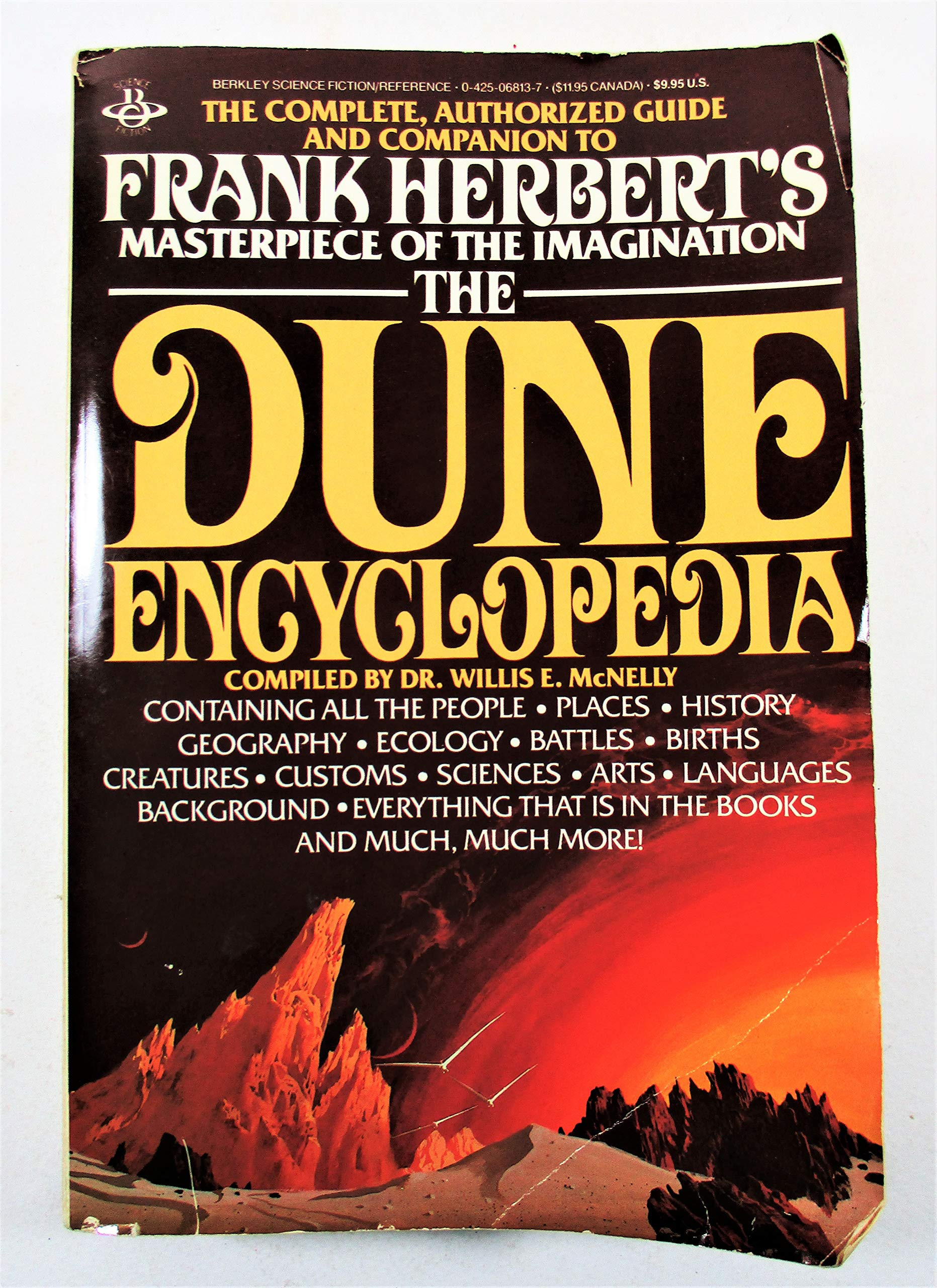
The Dune Encyclopedia: The Controversial, Definitive Guide to the World of Frank Herbert’s Sci-Fi Masterpiece (1984)


When David Lynch’s Hol­ly­wood ver­sion of Dune opened in the­aters in 1984, Uni­ver­sal Stu­dios dis­trib­uted a print­ed a glos­sary to keep its audi­ences from get­ting con­fused. They got con­fused any­way, in part because of the film’s hav­ing been hol­lowed out in edit­ing, and in part because the sheer elab­o­rate­ness of Frank Her­bert’s alter­nate real­i­ty pos­es poten­tial­ly insur­mount­able chal­lenges to faith­ful adap­ta­tion. Even many of the orig­i­nal Dune nov­els’ read­ers need­ed more help than a cou­ple pages of def­i­n­i­tions could offer. Luck­i­ly for them, the same year that saw the release of Lynch’s Dune also saw the pub­li­ca­tion of The Dune Ency­clo­pe­dia, autho­rized by Her­bert him­self.

“Here is a rich back­ground (and fore­ground) for the Dune Chron­i­cles, includ­ing schol­ar­ly bypaths and amus­ing side­lights,” Her­bert writes in the book’s intro­duc­tion. “Some of the con­tri­bu­tions are sure to arouse con­tro­ver­sy, based as they are on ques­tion­able sources.” He could­n’t have known how right he was. Today The Dune Ency­clo­pe­dia stands as what Inverse’s Ryan Britt calls “the most con­tro­ver­sial Dune book ever”; long out of print, it may well also be the most expen­sive, with a cur­rent Ama­zon price of $1,300 in hard­cov­er and $833 in paper­back. (You can also find it online, at the Inter­net Archive.)

Still, The Dune Ency­clo­pe­dia has its appre­ci­a­tors, not least the direc­tor of the lat­est (and most suc­cess­ful) cin­e­mat­ic attempt to real­ize Her­bert’s vision. As Brit tells it, “an anony­mous (though pre­vi­ous­ly reli­able) source stat­ed that Denis Vil­leneuve is a big fan of The Dune Ency­clo­pe­dia. But when he tried to plant ref­er­ences to the book in the new film, his ‘hand was slapped by the estate.’ ” The rea­son seems to involve the Ency­clo­pe­dia’s con­flicts with the nov­els: not those writ­ten by Her­bert him­self but, accord­ing to the Dune Wiki, “the lat­er two pre­quel trilo­gies and sequel duol­o­gy writ­ten after Frank Her­bert’s death by Bri­an Her­bert (Frank Her­bert’s son) and Kevin J. Ander­son, which they state com­plete the orig­i­nal series.”

Though co-signed by the The Dune Ency­clo­pe­dia’s main author, lit­er­ary schol­ar Willis E. McNel­ly, Bri­an Her­bert and Kevin J. Ander­son­’s let­ter declar­ing the work’s de-can­on­iza­tion omits the fact “that the Ency­clo­pe­dia is and always was a fal­li­ble in-uni­verse doc­u­ment that open­ly mis­rep­re­sents known his­to­ry and adds his­tor­i­cal embell­ish­ments.” It is, in oth­er words, a book about Dune as well as a part of Dune. Not every book in our real­i­ty offers a per­fect­ly true account of his­to­ry, of course, and the same holds for the real­i­ty Frank Her­bert cre­at­ed. This form implies the con­tin­u­ing pos­si­bil­i­ty of expand­ing Dune’s lit­er­ary uni­verse by writ­ing the books that exist with­in it, not just ency­clo­pe­dias and scrip­ture but, say epic sci-fi nov­els as well. What fan, after all, would­n’t want to read the Dune of Dune?

Relat­ed con­tent:

Why You Should Read Dune: An Ani­mat­ed Intro­duc­tion to Frank Herbert’s Eco­log­i­cal, Psy­cho­log­i­cal Sci-Fi Epic

Rare Book Fea­tur­ing the Con­cept Art for Jodorowsky’s Dune Goes Up for Auc­tion (1975)

The Dune Graph­ic Nov­el: Expe­ri­ence Frank Herbert’s Epic Sci-fi Saga as You’ve Nev­er Seen It Before

The Glos­sary Uni­ver­sal Stu­dios Gave Out to the First Audi­ences of David Lynch’s Dune (1984)

The Dune Col­or­ing & Activ­i­ty Books: When David Lynch’s 1984 Film Cre­at­ed Count­less Hours of Pecu­liar Fun for Kids

The Ency­clo­pe­dia of Sci­ence Fic­tion: 17,500 Entries on All Things Sci-Fi Are Now Free Online

Based in Seoul, Col­in Mar­shall writes and broad­casts on cities, lan­guage, and cul­ture. His projects include the Sub­stack newslet­ter Books on Cities, the book The State­less City: a Walk through 21st-Cen­tu­ry Los Ange­les and the video series The City in Cin­e­ma. Fol­low him on Twit­ter at @colinmarshall or on Face­book.

When Eartha Kitt Spoke Truth to Power at a 1968 White House Luncheon

Actress Eartha Kitt amassed dozens of stage and screen cred­its, but is per­haps most fond­ly remem­bered for her icon­ic turn as Cat­woman in the Bat­man TV series, a role she took over from white actress Julie New­mar.

The pro­duc­ers con­grat­u­lat­ed them­selves on this “provoca­tive, off-beat” cast­ing, exec­u­tives at net­work affil­i­ates in South­ern states expressed out­rage, and Kit­t’s 9‑year-old daugh­ter, Kitt Shapiro,  under­stood that her moth­er’s new gig was a “real­ly big deal.”

As Shapiro recalled to Clos­er Week­ly:

This was 1967, and there were no women of col­or at that time wear­ing skintight body­suits, play­ing oppo­site a white male with sex­u­al ten­sion between them! She knew the impor­tance of the role and she was proud of it. She real­ly is a part of his­to­ry. She was one of the first real­ly beau­ti­ful black women — her, Lena Horne, Dorothy Dan­dridge — who were allowed to be sexy with­out being stereo­typed. It does take a vil­lage, but I do think she helped blaze a trail.

Eartha Kitt was a trail­blaz­er in oth­er ways too.

Cat­woman vs. the White House, direc­tor Scott Caloni­co’s short doc­u­men­tary for the New York­er (above), uses vin­tage pho­tos, clip­pings and footage to relate how Kitt dis­rupt­ed a White House lun­cheon the month after her Bat­man debut, tak­ing Pres­i­dent Lyn­don B. John­son to task over the hard­ships faced by work­ing par­ents.

John­son was clear­ly under the impres­sion that he was swing­ing by the White House Fam­i­ly Din­ing Room as a favor to his wife, Lady Bird, who was host­ing 50 guests for the Women Doers’ Lun­cheon. The theme of the lun­cheon was “What Cit­i­zens Can Do to Help Insure Safe Streets.”

Chair­man of the Nation­al Coun­cil on the Arts Roger Stevens had sug­gest­ed that Kitt or actress Ruby Dee would be fine addi­tions to the guest list in recog­ni­tion for their activism with urban youth.

As Janet Mez­za­ck details in her Pres­i­den­tial Stud­ies Quar­ter­ly arti­cle, “With­out Man­ners You Are Noth­ing”: Lady Bird John­son, Eartha Kitt, and The Women Doers’ Lun­cheon of Jan­u­ary 18, 1968, Kitt had an impres­sive track record of vol­un­teerism.

She taught dance to Black chil­dren who could not afford lessons, tes­ti­fied before the House Gen­er­al Sub­com­mit­tee on Edu­ca­tion on behalf of the DC youth-led Rebels with a Cause, and estab­lished a non-prof­it orga­ni­za­tion in Watts where under­priv­i­leged youth stud­ied tra­di­tion­al African and mod­ern dance and “learned about per­son­al­i­ty devel­op­ment, poise, groom­ing, dic­tion, and phys­i­cal fit­ness.”

She was being vet­ted for a seat on Pres­i­dent John­son’s Cit­i­zens Advi­so­ry Board on Youth Oppor­tu­ni­ty, chaired by Vice Pres­i­dent Hubert Humphrey.

Sure­ly, a dream guest!

Mez­za­ck writes:


Hav­ing select­ed Kitt as a guest for the upcom­ing lun­cheon, FBI clear­ance checks were con­duct­ed on her and oth­er prospec­tive guests at the White House. The FBI cleared her through nor­mal chan­nels. Because of pre­vi­ous embar­rass­ing sit­u­a­tions involv­ing enter­tain­ers invit­ed to White House func­tions, inquiries also were made of Roger Stevens office to deter­mine if Kitt would “do any­thing to embar­rass” the White House, “and the answer was no.”

Call it embar­rass­ment for a good cause.

John­son was unpre­pared for spon­ta­neous inter­ac­tion as hard hit­ting as Kitt’s, when she stood up to say:

Mr. Pres­i­dent, you asked about delin­quen­cy across the Unit­ed States, which we are all inter­est­ed in and that’s why we’re here today. But what do we do about delin­quent par­ents? The par­ents who have to go to work, for instance, who can’t spend the time with their chil­dren that they should. This is, I think, our main prob­lem. What do we do with the chil­dren then, when the par­ents are off work­ing?

Fum­bling for an answer, John­son inti­mat­ed that the male pol­i­cy­mak­ers behind recent Social Secu­ri­ty Amend­ments that could off­set costs of day­care were “real­ly not the best judges of how to han­dle chil­dren.”

Per­haps Miss Kitt would like to take her con­cerns with the oth­er women in atten­dance?

Under­stand­ably, Kitt seethed, and con­tin­ued the con­ver­sa­tion by con­fronting the First Lady over the war in Viet­nam.

Direc­tor Caloni­co tog­gles between Kitt’s rec­ol­lec­tions of the exchange and excerpts from Mrs. Johnson’s White House audio diary, cob­bling togeth­er a recon­struc­tion that is sure­ly faith­ful to the spir­it of the thing, if not exact­ly word for word:

Kit­t’s words as recalled by Mrs. John­son:

You send the best in this coun­try off to be shot and maimed. They rebel in the street. They will take pot and get high. They don’t want to go to school because they’re going to be snatched off from their moth­ers to be shot in Viet­nam.

Kit­t’s words as recalled by the speak­er her­self:

Mrs. John­son, you are a moth­er too, although you have had daugh­ters and not sons. I am a moth­er and I know the feel­ing of hav­ing a baby come out of my gut. I have a baby and then you send him off to war. No won­der the kids rebel and take pot, and Mrs. John­son, in case you don’t under­stand the lin­go, that’s mar­i­jua­na.

That last com­ment seems fun­ny now, and Calan­i­co can’t resist infus­ing fur­ther dark humor with a shot of a masked Kitt tool­ing around in Catwoman’s campy Kit­ty­car as the actress describes how the White House can­celled her ride home from the lun­cheon.

The next day’s news­pa­pers were full of emo­tion­al­ly charged reports as to how Kitt’s remarks had left the host­ess “stunned to tears” — a descrip­tion both par­tic­i­pants resist­ed.

With­in weeks, North Viet­nam launched the Tet Offen­sive, and John­son announced he would not seek reelec­tion.

Mean­while Kitt’s out­spo­ken­ness at the lun­cheon cast an instan­ta­neous chill on her career, state­side.

She spent the next decade per­form­ing in Europe, unaware that the CIA had opened a file on her, com­pil­ing infor­ma­tion from con­fi­den­tial sources in Paris and New York City as to her “loose morals.”

Her response to the most out­ra­geous alle­ga­tions in that file should make life­long fans of fem­i­nists who were bare­ly out of dia­pers when Halle Berry slipped into Catwoman’s skintight paja­mas.

Caloni­co is right to punc­tu­ate this with Kitt’s tri­umphant growl.

- Ayun Hal­l­i­day is the Chief Pri­ma­tol­o­gist of the East Vil­lage Inky zine and author, most recent­ly, of Cre­ative, Not Famous: The Small Pota­to Man­i­festo.  Fol­low her @AyunHalliday.

David Byrne Answers the Internet’s Burning Questions About David Byrne

Is David Byrne the same as he ever was? Where is David Byrne’s big suit? Did David Byrne design bike racks? Above, David Byrne answers burn­ing (or, per­haps bet­ter said, Byrne-ing) ques­tions about him­self. This video comes from the WIRED Auto­com­plete Inter­view series, where famous peo­ple answer the inter­net’s most searched ques­tions about them­selves. Enjoy!

If you would like to sign up for Open Culture’s free email newslet­ter, please find it here. It’s a great way to see our new posts, all bun­dled in one email, each day.

If you would like to sup­port the mis­sion of Open Cul­ture, con­sid­er mak­ing a dona­tion to our site. It’s hard to rely 100% on ads, and your con­tri­bu­tions will help us con­tin­ue pro­vid­ing the best free cul­tur­al and edu­ca­tion­al mate­ri­als to learn­ers every­where. You can con­tribute through Pay­Pal, Patre­on, and Ven­mo (@openculture). Thanks!

Relat­ed Con­tent 

David Byrne’s Unusu­al Forms of Visu­al Art: Bike Racks, Cor­po­rate Signs & Pow­er­point Pre­sen­ta­tions

How David Byrne and Bri­an Eno Make Music Togeth­er: A Short Doc­u­men­tary

David Byrne: How Archi­tec­ture Helped Music Evolve

David Byrne Launch­es the “Rea­sons to Be Cheer­ful” Web Site: A Com­pendi­um of News Meant to Remind Us That the World Isn’t Actu­al­ly Falling Apart

« Go BackMore in this category... »
Quantcast