The Surprising Map of Plants: A New Animation Shows How All the Different Plants Relate to Each Other

Are pinecones relat­ed to pineap­ples? This was the unex­pect­ed ques­tion with which my wife con­front­ed me as we woke up this morn­ing. As luck would have it, Dominic Wal­li­man has giv­en us an enter­tain­ing way to check: just a few days ago he released his Map of Plants, through which he gives a guid­ed tour in the video from his Youtube chan­nel Domain of Sci­ence. Here on Open Cul­ture, we’ve pre­vi­ous­ly fea­tured Wal­li­man’s maps of biol­o­gy, chem­istry, med­i­cine, quan­tum physics, quan­tum com­put­ing, and doom, all of which may seem more com­plex and daunt­ing than the rel­a­tive­ly famil­iar plant king­dom.

But if you com­pare the Map of Plants to Wal­li­man’s pre­vi­ous cre­ations, down­load­able from his Flickr account, you’ll find that it takes quite a dif­fer­ent shape — and, unsur­pris­ing­ly, a more organ­ic one.

It’s a help to any­one’s under­stand­ing that Wal­li­man shot sec­tions of his explana­to­ry video at the Roy­al Botan­ic Gar­dens, Kew, which affords him the abil­i­ty to illus­trate the species involved with not just his draw­ings, but also real-life spec­i­mens, start­ing at the bot­tom of the “evo­lu­tion­ary tree” with hum­ble algae. From there on, he works his way up to land plants and bryophytes (most­ly moss­es), vas­cu­lar plants and ferns, and then seed plants and gym­nosperms (like conifers and Gink­go).

It is in this sec­tion, about six and a half min­utes in, that Wal­li­man comes to pinecones, men­tion­ing — among oth­er notable char­ac­ter­is­tics — that they come in both male and female vari­eties. But he only reach­es pineap­ples six or so min­utes there­after, hav­ing passed through fun­gi, lichens, angiosperms, and flow­ers. Belong­ing to the mono­cots (or mono­cotyle­dons), a group that also includes lilies, orchids, and bananas, the pineap­ple sits just about on the exact oppo­site end of the Map of Plants from the pinecone. The sim­i­lar­i­ty of their names stems from sev­en­teenth-cen­tu­ry colonists in the new world encoun­ter­ing pineap­ples for the first time and regard­ing them as very large pinecones — an asso­ci­a­tion vis­i­bly refut­ed by Wal­li­man’s map, but for­ev­er pre­served in the lan­guage nev­er­the­less.

Relat­ed con­tent:

1,100 Del­i­cate Draw­ings of Root Sys­tems Reveals the Hid­den World of Plants

The New Herbal: A Mas­ter­piece of Renais­sance Botan­i­cal Illus­tra­tions Gets Repub­lished in a Beau­ti­ful 900-Page Book

Behold 900+ Mag­nif­i­cent Botan­i­cal Col­lages Cre­at­ed by a 72-Year-Old Wid­ow, Start­ing in 1772

Behold an Inter­ac­tive Online Edi­tion of Eliz­a­beth Twining’s Illus­tra­tions of the Nat­ur­al Orders of Plants (1868)

The Bio­di­ver­si­ty Her­itage Library Makes 150,000 High-Res Illus­tra­tions of the Nat­ur­al World Free to Down­load

Björk Takes You on a Jour­ney into the Vast King­dom of Mush­rooms with the New Doc­u­men­tary Fun­gi: Web of Life

Based in Seoul, Col­in Marshall writes and broad­casts on cities, lan­guage, and cul­ture. His projects include the Sub­stack newslet­ter Books on Cities, the book The State­less City: a Walk through 21st-Cen­tu­ry Los Ange­les and the video series The City in Cin­e­ma. Fol­low him on Twit­ter at @colinmarshall or on Face­book.

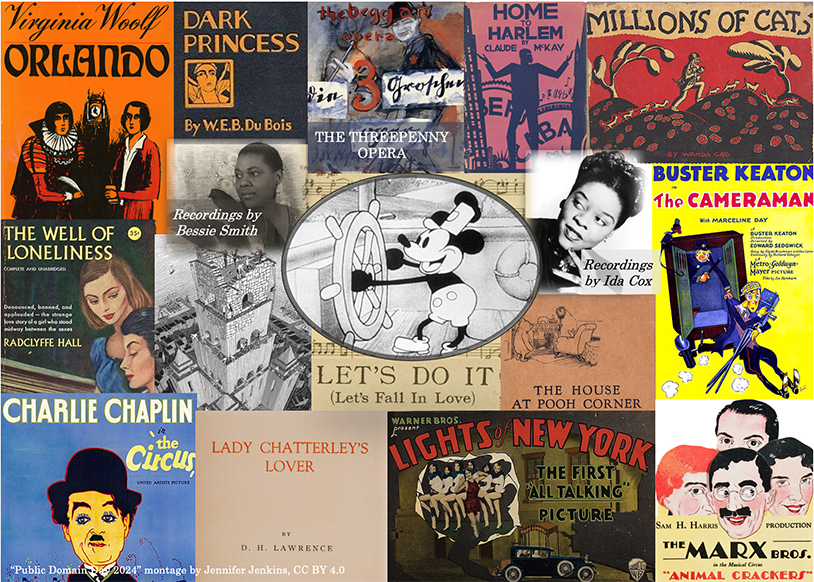
What’s Entering the Public Domain in 2024: Enjoy Classic Works by Virginia Woolf, Charlie Chaplin, Buster Keaton, D. H. Lawrence, Bertolt Brecht & More

More than thir­ty years after it was first pri­vate­ly pub­lished in 1928, Lady Chat­ter­ley’s Lover became the sub­ject of the most famous obscen­i­ty tri­al in Eng­lish his­to­ry. Though the ulti­mate deci­sion of R v Pen­guin Books Ltd in favor of the pub­lish­er opened a cul­tur­al flood­gate in that coun­try, the nov­el was also sub­ject to bans else­where, includ­ing the Unit­ed States and Japan. Near­ly a cen­tu­ry after D. H. Lawrence wrote Lady Chat­ter­ley’s Lover — and a world apart as regards atti­tudes about pub­lic moral­i­ty — it can be some­what dif­fi­cult to under­stand what all the fuss was about. But now that the book has entered the pub­lic domain in the Unit­ed States, it could poten­tial­ly be made artis­ti­cal­ly and social­ly dan­ger­ous again.

The same could be said of a num­ber of oth­er notable works of lit­er­a­ture, from Vir­ginia Woolf’s sex-switch­ing satire Orlan­do to Bertolt Brecht’s piece of rev­o­lu­tion­ary the­ater Die Dreigroschenop­er (known in trans­la­tion as The Three­pen­ny Opera) to a cul­tur­al phe­nom­e­non-spawn­ing sto­ry like J. M. Bar­rie’s Peter Pan; or the Boy Who Would­n’t Grow Up.

These and oth­ers are named on this year’s Pub­lic Domain Day post by Jen­nifer Jenk­ins, direc­tor of the Duke Cen­ter for the Study of the Pub­lic Domain. If not for mul­ti­ple exten­sions of copy­right law, she notes, all of them would have orig­i­nal­ly gone pub­lic domain in 1984, and we would now have almost four decades’ worth of addi­tion­al cre­ations rein­ter­pret­ing, re-imag­in­ing, and re-using them. Still, “bet­ter late than nev­er!”

At this point in his­to­ry, the arti­facts freed for any­one’s use aren’t just writ­ten works, but also films, musi­cal com­po­si­tions, and even actu­al sound record­ings. These include clas­sic Dis­ney car­toons Steam­boat Willie and Plane Crazy, which intro­duced the world to a cer­tain Mick­ey Mouse; live-action movies from major film­mak­ers, like Char­lie Chap­lin’s The Cir­cus and Carl Theodor Drey­er’s The Pas­sion of Joan of Arc; and such songs with broad cul­tur­al foot­prints as “Yes! We Have No Bananas,” “When You’re Smil­ing,” and “Mack the Knife” — or rather “Die Mori­tat von Mack­ie Mess­er,” in the orig­i­nal Ger­man from Die Dreigroschenop­er. Alas, those of us who want to do our own thing with Bob­by Dar­in’s ver­sion will have to wait until Feb­ru­ary of 2067.

Relat­ed Con­tent:

An Ear­ly Ver­sion of Mick­ey Mouse Enters the Pub­lic Domain on Jan­u­ary 1, 2024

What’s Enter­ing the Pub­lic Domain in 2023: Fritz Lang’s Metrop­o­lis, Vir­ginia Woolf’s To the Light­house, Franz Kafka’s Ameri­ka & More

The Dis­ney Car­toon That Intro­duced Mick­ey Mouse & Ani­ma­tion with Sound (1928)

John Waters Reads Steamy Scene from Lady Chatterley’s Lover for Banned Books Week (NSFW)

The British Library Dig­i­tizes Its Col­lec­tion of Obscene Books (1658–1940)

Bertolt Brecht Sings ‘Mack the Knife’ From The Three­pen­ny Opera (1929)

Watch Online: The Pas­sion of Joan of Arc by Carl Theodor Drey­er (1928)

Based in Seoul, Col­in Marshall writes and broad­casts on cities, lan­guage, and cul­ture. His projects include the Sub­stack newslet­ter Books on Cities, the book The State­less City: a Walk through 21st-Cen­tu­ry Los Ange­les and the video series The City in Cin­e­ma. Fol­low him on Twit­ter at @colinmarshall or on Face­book.

The Great Gatsby Explained: How F. Scott Fitzgerald Indicted & Endorsed the American Dream (1925)

When The Great Gats­by was first pub­lished, it flopped; near­ly a cen­tu­ry lat­er, its place at the pin­na­cle of Amer­i­can lit­er­a­ture is almost uni­ver­sal­ly agreed upon. Of the objec­tors, many no doubt remem­ber too vivid­ly hav­ing to answer essay ques­tions about the mean­ing of the green light on the Buchanans’ dock. Per­haps “the most debat­ed sym­bol in the his­to­ry of Amer­i­can lit­er­a­ture,” it tends to be inter­pret­ed simul­ta­ne­ous­ly as “Gats­by’s love for Daisy, mon­ey, and the Amer­i­can dream,” as James Payne puts it in his new Great Books Explained video above. Exam­ined more close­ly, “what it may sug­gest is that the Amer­i­can dream’s most un-dis­cussed qual­i­ty is its inac­ces­si­bil­i­ty.”

“Fitzger­ald felt that the Amer­i­can dream has lost its way,” Payne says. “Base­ball, Amer­i­ca’s pas­time and the purest of games, had been cor­rupt­ed by the Black Sox game fix­ing of 1919, a real-life scan­dal men­tioned in The Great Gats­by. Fitzger­ald used it as an alle­go­ry of Amer­i­ca: if base­ball is cor­rupt, then we are real­ly in trou­ble.”

Hence Gats­by’s ulti­mate dis­cov­ery that Daisy, the woman for whom he had whol­ly rein­vent­ed him­self (in that quin­tes­sen­tial­ly Amer­i­can way), falls so far short of what he’d imag­ined; hence how Gats­by’s own “clas­sic rags-to-rich­es sto­ry” is “com­pli­cat­ed by the fact that he made his mon­ey in boot­leg­ging.” In the end, “the Amer­i­can dream only belongs to estab­lish­ment fig­ures,” those “who were born into it. Every­one’s class is fixed, just like the World Series.”

Though not well-received in its day, The Great Gats­by offered a pre­mo­ni­tion of dis­as­ter ahead that sub­se­quent­ly came true in both the Amer­i­can econ­o­my and Fitzger­ald’s per­son­al life. But even in the book, “despite his fear that Amer­i­ca is lost, he still offers hope.” Hence the vivid qua­si-opti­mism of the clos­ing lines about how “Gats­by believed in the green light, the orgas­tic future that year by year recedes before us,” which frames Amer­i­cans as “boats against the cur­rent, borne back cease­less­ly into the past” — a pas­sage whose inter­pre­ta­tion teach­ers are always liable to demand. If you hap­pen to be a stu­dent your­self, sav­ing Payne’s video in hopes of a quick and easy A on your Eng­lish lit exam, know that there are few more time-hon­ored tech­niques in pur­suit of the Amer­i­can dream than look­ing for short­cuts.

Relat­ed con­tent:

Free: The Great Gats­by & Oth­er Major Works by F. Scott Fitzger­ald

T. S. Eliot, Edith Whar­ton & Gertrude Stein Tell F. Scott Fitzger­ald That Gats­by is Great, While Crit­ics Called It a Dud (1925)

The Great Gats­by Is Now in the Pub­lic Domain and There’s a New Graph­ic Nov­el

83 Years of Great Gats­by Book Cov­er Designs: A Pho­to Gallery

Haru­ki Muraka­mi Trans­lates The Great Gats­by, the Nov­el That Influ­enced Him Most

The Wire Breaks Down The Great Gats­by, F. Scott Fitzgerald’s Clas­sic Crit­i­cism of Amer­i­ca (NSFW)

Based in Seoul, Col­in Marshall writes and broad­casts on cities, lan­guage, and cul­ture. His projects include the Sub­stack newslet­ter Books on Cities, the book The State­less City: a Walk through 21st-Cen­tu­ry Los Ange­les and the video series The City in Cin­e­ma. Fol­low him on Twit­ter at @colinmarshall or on Face­book.

An Early Version of Mickey Mouse Enters the Public Domain on January 1, 2024

Hap­py New Year!

We can now “do to Dis­ney what Dis­ney did to the great works of the pub­lic domain before him,” accord­ing to Har­vard law pro­fes­sor and pub­lic domain expert, Lawrence Lessig, hailed by The New York­er as “the most impor­tant thinker on intel­lec­tu­al prop­er­ty in the Inter­net era.”

On Jan­u­ary 1, Mick­ey Mouse and his con­sort, Min­nie, wrig­gled free of their cre­ator’s iron fist for the first time in cor­po­rate his­to­ry, as their debut per­for­mance in Steam­boat Willie entered the pub­lic domain along with thou­sands of oth­er 1928 worksLady Chat­ter­ley’s Lover, All Qui­et on the West­ern Front, and The House at Pooh Cor­ner to name but a star­ry few.

Dis­ney has been noto­ri­ous­ly pro­tec­tive of its con­trol over its spokesmouse, suc­cess­ful­ly push­ing Con­gress to adopt the Son­ny Bono Copy­right Exten­sion Act of 1998, which kept the public’s mitts off of Steam­boat Willie, and, more to the point, Mick­ey Mouse, for 25 years beyond the terms of the Copy­right Act of 1976.

But now our day has come…

Don’t be shy!

Dig in!

Dis­ney always did.

As Lessig remarked in a 2003 lec­ture at Prince­ton Uni­ver­si­ty:

Walt Dis­ney embraced the free­dom to take, change and return ideas from our pop­u­lar cul­ture. The rip, mix and burn cul­ture of the Inter­net is Dis­ney-famil­iar.

Cin­derel­la, Snow White, Pinoc­chio — Uncle Walt knew how to take lib­er­ties and make mon­ey with cap­ti­vat­ing source mate­r­i­al, a tra­di­tion that con­tin­ued through such lat­er car­toon block­busters as The Lit­tle Mer­maid and Dis­ney’s Snow Queen update, Frozen.

Steam­boat Willie was­n’t con­jured from thin air either. Its plot and title char­ac­ter were inspired by Buster Keaton’s Steam­boat Bill, released two months before Disney’s ani­mat­ed short went into pro­duc­tion.

A few caveats for those eager to take a crack at the Mouse…

Steam­boat Willie’s new­found pub­lic domain sta­tus doesn’t give you carte blanche to mess around with Mick­ey and Min­nie in all their many forms.

Stick to the music-lov­ing black-and-white trick­ster with rub­ber­hose arms, but­ton-trimmed short-shorts, and the dis­tinct­ly rodent-like tail that went by the way­side for Mickey’s appear­ance in 1941’s The Lit­tle Whirl­wind.

Nor can Steam­boat Willie-era Mick­ey become your new logo. Plop the char­ac­ter down in new nar­ra­tives, yes. Use him in a rec­og­niz­able way for pur­pos­es of adver­tis­ing unre­lat­ed prod­ucts, no.

Mis­lead view­ers into think­ing your mash up is Dis­ney-approved at your own risk. A Dis­ney spokesper­son told CNN:

We will, of course, con­tin­ue to pro­tect our rights in the more mod­ern ver­sions of Mick­ey Mouse and oth­er works that remain sub­ject to copy­right, and we will work to safe­guard against con­sumer con­fu­sion caused by unau­tho­rized uses of Mick­ey and our oth­er icon­ic char­ac­ters.

Don’t think they don’t mean it.

Author Robert Thomp­son, the found­ing direc­tor of Syra­cuse University’s Bleier Cen­ter for Tele­vi­sion and Pop­u­lar Cul­ture told The Guardian that even though “the orig­i­nal Mick­ey isn’t the one we all think of and have on our T‑shirts or pil­low­cas­es up in the attic some­place,” the com­pa­ny is hyper­vig­i­lant about pro­tect­ing its assets:

Sym­bol­i­cal­ly of course, copy­right is impor­tant to Dis­ney and it has been very care­ful about their copy­rights to the extent that laws have changed to pro­tect them. This is the only place I know that some obscure high school in the mid­dle of nowhere can put on The Lion King and the Dis­ney copy­right peo­ple show up.

Per­haps your best bet is to make sure your work skews toward satire or par­o­dy, a la the infa­mous hor­ror film Win­nie the Pooh: Blood and Hon­ey, which cap­i­tal­ized on author A.A. Milne’s 1926 book, Win­nie the Pooh’s entrance into the pub­lic domain, while traf­fick­ing in some famil­iar char­ac­ter design. Dis­ney ulti­mate­ly let it slide.

Fumi Games is already poised to take a sim­i­lar gam­ble with MOUSE, a blood-soaked, “grit­ty, jazz-fueled shoot­er” set to drop in 2025:

If you’re not yet ready to take the plunge, Mickey’s pals Plu­to and Don­ald Duck will join him in the pub­lic domain lat­er this decade, so don your think­ing caps and mark your cal­en­dars.

For a more in-depth look at the ways you can — and can­not — use Steam­boat Willie-era Mick­ey Mouse in your own work, Duke Uni­ver­si­ty’s Cen­ter for the Study of the Pub­lic Domain sup­plies a very thor­ough guide here.

Relat­ed Con­tent 

The Dis­ney Car­toon That Intro­duced Mick­ey Mouse & Ani­ma­tion with Sound (1928)

Mick­ey Mouse In Viet­nam: The Under­ground Anti-War Ani­ma­tion from 1968, Co-Cre­at­ed by Mil­ton Glaser

“Evil Mick­ey Mouse” Invades Japan in a 1934 Japan­ese Ani­me Pro­pa­gan­da Film

– Ayun Hal­l­i­day is the Chief Pri­ma­tol­o­gist of the East Vil­lage Inky zine and author of Cre­ative, Not Famous: The Small Pota­to Man­i­festo. Her vari­ety show, Necro­mancers of the Pub­lic Domain, returns to New York City on Feb­ru­ary 29, 2024. Fol­low her @AyunHalliday.

The Top 10 New Year’s Resolutions Read by Bob Dylan

From 2006 to 2009, Bob Dylan host­ed the Theme Time Radio Hour on Sir­ius Satel­lite Radio. Each show fea­tured “an eclec­tic mix of songs, from a wide vari­ety of musi­cal gen­res, … along with Dylan’s on-air thoughts and com­men­tary inter­spersed with phone calls, email read­ings, con­tri­bu­tions from spe­cial guests and an array of clas­sic radio IDs, jin­gles and pro­mos from the past.” That eclec­tic mix also gave us this: Dylan read­ing, in his dis­tinc­tive, quirky way, a list of the most oft-cit­ed New Year’s Res­o­lu­tions, ones that we annu­al­ly make and some­times break. Sound famil­iar? Wel­come to 2024!

If you would like to sign up for Open Culture’s free email newslet­ter, please find it here. It’s a great way to see our new posts, all bun­dled in one email, each day.

If you would like to sup­port the mis­sion of Open Cul­ture, con­sid­er mak­ing a dona­tion to our site. It’s hard to rely 100% on ads, and your con­tri­bu­tions will help us con­tin­ue pro­vid­ing the best free cul­tur­al and edu­ca­tion­al mate­ri­als to learn­ers every­where. You can con­tribute through Pay­Pal, Patre­on, and Ven­mo (@openculture). Thanks!

Relat­ed Con­tent:

Anto­nio Gram­sci Writes a Col­umn, “I Hate New Year’s Day” (Jan­u­ary 1, 1916)

Woody Guthrie Cre­ates a Doo­dle-Filled List of 33 New Year’s Res­o­lu­tions (1943): Beat Fas­cism, Write a Song a Day, and Keep the Hop­ing Machine Run­ning

Mark Twain Knocks New Year’s Res­o­lu­tions: They’re a “Harm­less Annu­al Insti­tu­tion, Of No Par­tic­u­lar Use to Any­body”

« Go Back
Quantcast