A Virtual Tour of Ancient Athens: Fly Over Classical Greek Civilization in All Its Glory

If we seek to under­stand West­ern civ­i­liza­tion, we must look back not just to Rome, but also to Athens. And today, thanks to com­put­er-gen­er­at­ed imagery informed by his­tor­i­cal research, we can look not just to those cities, but at them — or at least at con­vinc­ing dig­i­tal recon­struc­tions, but from angles their actu­al inhab­i­tants could scarce­ly have imag­ined. A few years ago, we fea­tured here on Open Cul­ture the Youtube chan­nel Ancient Athens 3D for its recon­struc­tions of indi­vid­ual struc­tures like the Tem­ples of Ilis­sos and Hep­haes­tus. Its more recent video above offers a twelve-minute vir­tu­al tour of all clas­si­cal Athens in the fifth cen­tu­ry BC, the height of ancient Greek civ­i­liza­tion.

In that peri­od, accord­ing to the video, Athens “was the cen­ter of the arts, the­ater, phi­los­o­phy, and democ­ra­cy.” In the city “great mon­u­ments of archi­tec­ture were built and were large­ly asso­ci­at­ed with the Athen­ian gen­er­al Per­i­cles.”

It was Per­i­cles who led the city-state dur­ing the first two years of the Pelo­pon­nesian War, the con­flict in which Athens would even­tu­al­ly fall to Spar­ta in 404 BC — a defeat that had almost, but not quite come to the city at the moment Ancient Athens 3D cre­ator Dim­itris Tsalka­nis brings it back to life. He includes every­thing from the Acrop­o­lis and the Ago­ra to the Olympieion and the Sacred Gate, all look­ing as if they’ll stand for­ev­er.

Nor does Tsalka­nis ignore even bet­ter-known clas­si­cal Greek build­ings like the Parthenon, whose detailed recon­struc­tion, inside and out, also appears in its own video just above. Com­mis­sioned by Per­i­cles, built on the Acrop­o­lis, and ded­i­cat­ed to the god­dess Athena, “patroness of the city of Athens,” the build­ing remains “a sym­bol of ancient Greece, democ­ra­cy, and West­ern civ­i­liza­tion” near­ly two and half mil­len­nia after its con­struc­tion, and more than two cen­turies after the Earl of Elgin had its mythol­o­gy-depict­ing mar­bles sent off to Eng­land. You can still see them at the British Muse­um (at least for now), and for that mat­ter you can still vis­it the Parthenon itself in Athens — or at least the ruins there­of, whol­ly untouched by dig­i­tal mag­ic.

Relat­ed con­tent:

Explore Ancient Athens 3D, a Dig­i­tal Recon­struc­tion of the Greek City-State at the Height of Its Influ­ence

What Ancient Greece Real­ly Looked Like: See Recon­struc­tions of the Tem­ple of Hadri­an, Curetes Street & the Foun­tain of Tra­jan

How Ancient Greek Stat­ues Real­ly Looked: Research Reveals Their Bold, Bright Col­ors and Pat­terns

Watch Art on Ancient Greek Vas­es Come to Life with 21st Cen­tu­ry Ani­ma­tion

What Did Ancient Greek Music Sound Like?: Lis­ten to a Recon­struc­tion That’s ‘100% Accu­rate’

An 8‑Minute Ani­mat­ed Flight Over Ancient Rome

Based in Seoul, Col­in Marshall writes and broad­casts on cities, lan­guage, and cul­ture. His projects include the Sub­stack newslet­ter Books on Cities, the book The State­less City: a Walk through 21st-Cen­tu­ry Los Ange­les and the video series The City in Cin­e­ma. Fol­low him on Twit­ter at @colinmarshall or on Face­book.

An Architect Demystifies the Art Deco Design of the Iconic Chrysler Building (1930)

The Chrysler Build­ing was once the tallest struc­ture in the world — a hey­day that end­ed up last­ing less than a year. The loss of that glo­ri­ous title owed to the com­ple­tion of the Empire State Build­ing, twelve blocks away, in 1931. But it was all in the spir­it of the game, the Chrysler Build­ing hav­ing itself one-upped its close com­peti­tor 40 Wall Street (then called the Bank of Man­hat­tan Trust Build­ing) by installing a non-func­tion­al spire atop its sig­na­ture crown at the last moment. But how­ev­er much of a tri­umph it rep­re­sent­ed, that moment was poor­ly timed: the very next day would bring the Wall Street Crash of 1929, har­bin­ger of the Great Depres­sion. The sub­se­quent decade would inspire lit­tle pub­lic favor for extrav­a­gant mon­u­ments in the Big Apple.

Yet com­pared to the life of a tow­er, eco­nom­ic cycles are short indeed. By now the Chrysler Build­ing has seen the Unit­ed States of Amer­i­ca through a fair few ups and downs, only gain­ing appre­ci­a­tion all the while. Removed from its imme­di­ate his­tor­i­cal con­text, we can more keen­ly appre­ci­ate archi­tect William Van Alen’s elab­o­rate yet ele­gant Art Deco design.

In the Archi­tec­tur­al Digest video above, archi­tect Michael Wyet­zn­er takes us on a tour of that design, explain­ing how each of its fea­tures works with the oth­ers to make an endur­ing visu­al impact. Some, like the gleam­ing over­sized radi­a­tor-cap gar­goyles, impress with sheer brazen­ness; oth­ers, like the Native Amer­i­can-derived pat­terns that repeat in var­i­ous loca­tions at var­i­ous scales, take a more prac­ticed eye to iden­ti­fy.

Despite hav­ing been sur­passed in height over and over again, the Chrysler Build­ing remains a sine qua non of under­stand­ing the New York sky­scraper. Hence its appear­ance at the very begin­ning of “Why New York’s Sky­scrap­ers Keep Chang­ing Shape” from The B1M. We’ve pre­vi­ous­ly fea­tured that chan­nel here on Open Cul­ture for its inves­ti­ga­tion of why there are so few sky­scrap­ers in Europe; in New York, how­ev­er, the ambi­tious­ly tall build­ing has become some­thing like a force of nature, tamed only tem­porar­i­ly even by cri­sis or dis­as­ter. Some have used the COVID-19 pan­dem­ic to declare an end of the office build­ing, even the end of the city, and much like ear­ly in the Depres­sion, sky­scrap­ers now under con­struc­tion reflect the pri­or­i­ties of a pre­vi­ous real­i­ty. Yet the 92-year-old Chrysler Build­ing con­tin­ues to inspire us today, and to that extent, we still live in the world that made it.

Relat­ed con­tent:

An Intro­duc­tion to the Chrysler Build­ing, New York’s Art Deco Mas­ter­piece, by John Malkovich (1994)

New York’s Lost Sky­scraper: The Rise and Fall of the Singer Tow­er

Watch the Build­ing of the Empire State Build­ing in Col­or: The Cre­ation of the Icon­ic 1930s Sky­scraper From Start to Fin­ish

How the World Trade Cen­ter Was Rebuilt: A Visu­al Explo­ration of a 20-Year Project

A Whirl­wind Archi­tec­tur­al Tour of the New York Pub­lic Library — “Hid­den Details” and All

Famous Archi­tects Dress as Their Famous New York City Build­ings (1931)

Based in Seoul, Col­in Marshall writes and broad­casts on cities, lan­guage, and cul­ture. His projects include the Sub­stack newslet­ter Books on Cities, the book The State­less City: a Walk through 21st-Cen­tu­ry Los Ange­les and the video series The City in Cin­e­ma. Fol­low him on Twit­ter at @colinmarshall or on Face­book.

How to Make Roman Concrete, One of Human Civilization’s Longest-Lasting Building Materials

More than a mil­len­ni­um and a half after its fall, we still look back with won­der on the accom­plish­ments of the ancient Roman Empire. Few ele­ments of its lega­cy impress us as much as its built envi­ron­ment — or in any case, what’s left of its built envi­ron­ment. Still, the fact that any­thing remains at all of the struc­tures built by the Romans tells us that they were doing some­thing right: specif­i­cal­ly, they were doing con­crete right. Just how they made that aston­ish­ing­ly durable build­ing mate­r­i­al has been a sub­ject of research even in recent years, and we even fea­tured it here on Open Cul­ture back in 2017. But could we make Roman con­crete today?

Such is the task of Shawn Kel­ly, host of the Youtube chan­nel Cor­po­ral’s Cor­ner, in the video above. Using mate­ri­als like vol­canic ash, pumice and lime­stone, he makes a brick that looks more than sol­id enough to go up against any mod­ern con­crete.

As of this writ­ing, this sim­ple video has racked up more than three mil­lion views, a num­ber that reflects our endur­ing fas­ci­na­tion with the ques­tion of how the ancient Romans cre­at­ed their world — as well as the ques­tion addressed in the high­er-tech Prac­ti­cal Engi­neer­ing video below, “Was Roman Con­crete Bet­ter?”

The fact of the mat­ter is that, despite pos­sess­ing tech­nolo­gies the Romans could hard­ly have imag­ined, their con­crete lasts longer than ours. Why that should be the case comes down, in large part, to water: we put a great deal more of it into our con­crete than the Romans did, in order to pour it more cheap­ly and eas­i­ly. But this makes it more frag­ile and sub­ject to dete­ri­o­ra­tion over time (as seen in the ear­ly dilap­i­da­tion of cer­tain Bru­tal­ist build­ings), even despite our use of chem­i­cal addi­tives and steel rein­force­ment. Roman con­crete was also mixed with sea­wa­ter, which caused the for­ma­tion of crys­tals with­in the mate­r­i­al that actu­al­ly strength­ened it as it aged — thus cement­ing, as one wag in the com­ments puts it, the Romans’ place in his­to­ry.

If you would like to sign up for Open Culture’s free email newslet­ter, please find it here. It’s a great way to see our new posts, all bun­dled in one email, each day.

If you would like to sup­port the mis­sion of Open Cul­ture, con­sid­er mak­ing a dona­tion to our site. It’s hard to rely 100% on ads, and your con­tri­bu­tions will help us con­tin­ue pro­vid­ing the best free cul­tur­al and edu­ca­tion­al mate­ri­als to learn­ers every­where. You can con­tribute through Pay­Pal, Patre­on, and Ven­mo (@openculture). Thanks!

Relat­ed con­tent:

How Did the Romans Make Con­crete That Lasts Longer Than Mod­ern Con­crete? The Mys­tery Final­ly Solved

The Roman Roads and Bridges You Can Still Trav­el Today

How Did Roman Aque­ducts Work?: The Most Impres­sive Achieve­ment of Ancient Rome’s Infra­struc­ture, Explained

The Beau­ty & Inge­nu­ity of the Pan­theon, Ancient Rome’s Best-Pre­served Mon­u­ment: An Intro­duc­tion

Roman Archi­tec­ture: A Free Course from Yale

Based in Seoul, Col­in Mar­shall writes and broad­casts on cities, lan­guage, and cul­ture. His projects include the Sub­stack newslet­ter Books on Cities, the book The State­less City: a Walk through 21st-Cen­tu­ry Los Ange­les and the video series The City in Cin­e­ma. Fol­low him on Twit­ter at @colinmarshall or on Face­book.

The Roman Roads and Bridges You Can Still Travel Today

Rare indeed is the ancient-his­to­ry buff who has nev­er dreamed of walk­ing the roads of the Roman Empire. But unlike many long­ings stoked by inter­est in the dis­tant past, that one can actu­al­ly be ful­filled. As explained in the video above from Youtube chan­nel Intrigued Mind, a fair few Roman roads remain in exis­tence today, albeit only in sec­tions, and most­ly ruined ones at that. “Like oth­er incred­i­ble mon­u­ments that still stand, as if to prove the pow­er of the Roman Empire, there are a sur­pris­ing num­ber of Roman roads still in use today,” some con­vert­ed into mod­ern high­ways, but “many still paved with their orig­i­nal cob­ble­stones.”

Of all such roads, none has more impor­tance than the Via Appia, or Appi­an Way, whose con­struc­tion began back in 312 BC. “The first long road out­side of the greater city of Rome that was­n’t Etr­uscan,” it “allowed Romans to make their first major con­quest” and begin their mighty empire’s “con­quest of the world.” With­out under­stand­ing the sto­ried Via Appia, none of us can tru­ly under­stand Roman his­to­ry. But to grasp the con­text of the Roman Empire, we can hard­ly ignore the even old­er roads like the Via Domi­tia, which was “the road Han­ni­bal used to invade Italy, 100 years before the Romans claimed it” — not to men­tion an impor­tant set­ting in the Greek myth of Her­a­cles.

You can still cross one of the Via Domi­ti­a’s bridges, the Pont Julien in the south of France. In that same coun­try stand the more-or-less intact Pont Fla­vian, orig­i­nal­ly built along the Via Julia Augus­ta, and the Pont du Gard, the most famous and ele­gant Roman aque­duct of them all. Nor should enthu­si­asts of Roman infra­struc­ture miss the Alcan­tara Bridge in Spain, the Man­fred Bridge in Ger­many, or the ruins of Tra­jan’s Bridge — made into ruins delib­er­ate­ly, by Tra­jan’s suc­ces­sor Hadri­an — in Roma­nia. The most seri­ous among them will also want to go as far as the Mid­dle East and trav­el the Via Maris, which con­nect­ed Egypt to Syr­ia, and the remains of the bridge across Cae­sar’s Dam in Iran.

Iran belonged, of course, not to the Roman Empire but the Per­sian one. But “leg­end has it that the Per­sian emper­or cap­tured the Roman emper­or and forced him to use his army to build the dam and the beau­ti­ful bridge to cross it.” All was fair, it seems, in the expan­sion and con­flict of ancient empires, and the ruins scat­tered across their vast for­mer ter­ri­to­ries tes­ti­fy to that. Though much less tech­no­log­i­cal­ly advanced than, say, mod­ern free­way sys­tems, the Roman roads that sur­vive have proven sur­pris­ing­ly robust, a phe­nom­e­non exam­ined in the video just above by his­to­ry Youtu­ber Told in Stone — a Chicagoan, inci­den­tal­ly, who acknowl­edges that the Via Appia has nev­er had to take a Windy City win­ter.

Relat­ed con­tent:

The First Tran­sit Map: a Close Look at the Sub­way-Style Tab­u­la Peutin­ge­ri­ana of the 5th-Cen­tu­ry Roman Empire

How Did the Romans Make Con­crete That Lasts Longer Than Mod­ern Con­crete? The Mys­tery Final­ly Solved

How Did Roman Aque­ducts Work?: The Most Impres­sive Achieve­ment of Ancient Rome’s Infra­struc­ture, Explained

The Roads of Ancient Rome Visu­al­ized in the Style of Mod­ern Sub­way Maps

The Roman Roads of Britain Visu­al­ized as a Sub­way Map

Based in Seoul, Col­in Mar­shall writes and broad­casts on cities, lan­guage, and cul­ture. His projects include the Sub­stack newslet­ter Books on Cities, the book The State­less City: a Walk through 21st-Cen­tu­ry Los Ange­les and the video series The City in Cin­e­ma. Fol­low him on Twit­ter at @colinmarshall or on Face­book.

How Did They Build the Great Pyramid of Giza?: An Animated Introduction

The Great Pyra­mid of Giza is a mir­a­cle of geom­e­try, con­struc­tion, and plan­ning ahead.

Pharaoh Khu­fu’s rel­a­tive — like­ly nephew — Hemienu, was put in charge of the project as soon as Khu­fu suc­ceed­ed his father, Pharaoh Sne­feru cir­ca 2550 B.C.E.

Hemienu, an engi­neer, priest and magi­cian whose hon­orifics includ­ed Mem­ber of the Elite, Vizier, King’s Seal-Bear­er, Priest of Bastet, Priest of Shes­me­tet, High Priest of Thoth, and, most impor­tant­ly, Over­seer of All Con­struc­tion Projects of the King, picked wise­ly when choos­ing the Great Pyra­mid’s site  - a rocky plateau on the Nile’s west bank made for a far stur­dier foun­da­tion than shift­ing sands.

His­to­ri­an Soraya Field Fio­rio’s ani­mat­ed TED-Ed les­son, above, details how the 25,000 work­ers who took 20 years to make Hemienu’s vision a real­i­ty were not enslaved labor, as they have so often been por­trayed — a rumor start­ed by Greek his­to­ri­an Herodotus — but rather, ordi­nary Egypt­ian cit­i­zens ful­fill­ing a peri­od of manda­to­ry gov­ern­ment ser­vice.

Some toiled on the admin­is­tra­tive end or in a sup­port capac­i­ty, while oth­ers got to spend ten hours a day haul­ing lime­stone on mas­sive cedar sleds.

A team of 500 ham­mered out the Pyramid’s gran­ite sup­port beams using dolerite rocks, a task so time con­sum­ing that Hemienu put them to work imme­di­ate­ly, antic­i­pat­ing that it would take them 12 years to pro­duce the nec­es­sary mate­ri­als.

Con­struc­tion sched­ules are always an iffy bet, but Hemienu had the added stress of know­ing that Khu­fu could take his leave well before his glo­ri­ous, gold­en tipped tomb was ready to receive him.

This is why there are three bur­ial cham­bers with­in the Great Pyra­mid. The last and grand­est of these, known as the King’s Cham­ber, is an impres­sive pink gran­ite room at the heart of pyra­mid, where its roof sup­ports over four hun­dred tons of mason­ry. An enor­mous red gran­ite sar­coph­a­gus weigh­ing well over 3 tons is locat­ed in the mid­dle of this cham­ber, but alas, the lid has been ajar for cen­turies.

Khu­fu is not with­in.

What became of him is a mys­tery, but if Scoo­by-Doo taught us any­thing of val­ue in our pre-TED-Ed child­hood, it’s that mys­ter­ies exist to be solved.

Sev­er­al years ago, an inter­na­tion­al team of archi­tects and sci­en­tists Egypt sur­veyed the Great Pyra­mid and its Giza neigh­bors at sun­rise and sun­set, using infrared ther­mog­ra­phy, which seemed to indi­cate the exis­tence of an as yet unex­plored cham­ber.

TED-Ed’s les­son plan directs those inter­est­ed in plumb­ing these and oth­er mys­ter­ies fur­ther to the Nation­al Geo­graph­ic doc­u­men­tary, Unlock­ing the Great Pyra­mid and Egyp­tol­o­gist Bob Brier’s book, The Secret of the Great Pyra­mid: How One Man’s Obses­sion Led to the Solu­tion of Ancient Egypt’s Great­est Mys­tery, both of which are root­ed in the work of French archi­tect Jean-Pierre Houdin, below.

Relat­ed Con­tent 

Who Built the Egypt­ian Pyra­mids & How Did They Do It?: New Arche­o­log­i­cal Evi­dence Busts Ancient Myths

Take a 3D Tour Through Ancient Giza, Includ­ing the Great Pyra­mids, the Sphinx & More

What the Great Pyra­mid of Giza Would’ve Looked Like When First Built: It Was Gleam­ing, Reflec­tive White

A Drone’s Eye View of the Ancient Pyra­mids of Egypt, Sudan & Mex­i­co

Pyra­mids of Giza: Ancient Egypt­ian Art and Archaeology–a Free Online Course from Har­vard

- Ayun Hal­l­i­day is the Chief Pri­ma­tol­o­gist of the East Vil­lage Inky zine and author, most recent­ly, of Cre­ative, Not Famous: The Small Pota­to Man­i­festo. Fol­low her @AyunHalliday.

Behold a 21st-Century Medieval Castle Being Built with Only Tools & Materials from the Middle Ages

Con­struc­tion sites are hives of spe­cial­ized activ­i­ty, but there’s no par­tic­u­lar train­ing need­ed to fer­ry 500 lbs of stone sev­er­al sto­ries to the masons wait­ing above. All you need is the sta­mi­na for a few steep flights and a medieval tread­wheel crane or “squir­rel cage.”

The tech­nol­o­gy, which uses sim­ple geom­e­try and human exer­tion to hoist heavy loads, dates to ancient Roman times.

Retired in the Vic­to­ri­an era, it has been res­ur­rect­ed and is being put to good use on the site of a for­mer sand­stone quar­ry two hours south of Paris, where the cas­tle of an imag­i­nary, low rank­ing 13th-cen­tu­ry noble­man began tak­ing shape in 1997.

There’s no typo in that time­line.

Château de Guéde­lon is an immer­sive edu­ca­tion­al project, an open air exper­i­men­tal arche­ol­o­gy lab, and a high­ly unusu­al work­ing con­struc­tion site.

With a project time­line of 35 years, some 40 quar­rypeo­ple, stone­ma­sons, wood­cut­ters, car­pen­ters, tilers, black­smiths, rope mak­ers and carters can expect anoth­er ten years on the job.

That’s longer than a medieval con­struc­tion crew would have tak­en, but unlike their 21st-cen­tu­ry coun­ter­parts, they did­n’t have to take fre­quent breaks to explain their labors to the vis­it­ing pub­lic.

A team of arche­ol­o­gists, art his­to­ri­ans and castel­lol­o­gists strive for authen­tic­i­ty, eschew­ing elec­tric­i­ty and any vehi­cle that does­n’t have hooves.

Research mate­ri­als include illu­mi­nat­ed man­u­scripts, stained glass win­dows, finan­cial records, and exist­ing cas­tles.

The 1425-year-old Can­ter­bury Cathe­dral has a non-repro­duc­tion tread­mill crane stored in its rafters, as well as a levers and pul­leys activ­i­ty sheet for young vis­i­tors that notes that oper­at­ing a “human tread­mill” was both gru­el­ing and dan­ger­ous:

Philoso­pher John Stu­art Mill wrote that they were “unequalled in the mod­ern annals of legal­ized tor­ture.”

Good call, then, on the part of Guédelon’s lead­er­ship to allow a few anachro­nisms in the name of safe­ty.

Guédelon’s tread­mill cranes, includ­ing a dou­ble drum mod­el that piv­ots 360º to deposit loads of up to 1000 lbs wher­ev­er the stone­ma­sons have need of them, have been out­fit­ted with brakes. The walk­ers inside the wood­en wheels wear hard hats, as are the over­seer and those mon­i­tor­ing the brakes and the cra­dle hold­ing the stones.

The onsite work­er-edu­ca­tors may be garbed in peri­od-appro­pri­ate loose-fit­ting nat­ur­al fibers, but rest assured that their toes are steel-rein­forced.

Château de Guéde­lon guide Sarah Pre­ston explains the rea­son­ing:

Obvi­ous­ly, we’re not try­ing to dis­cov­er how many peo­ple were killed or injured in the 13th-cen­tu­ry.

Learn more about Château de Guéde­lon, includ­ing how you can arrange a vis­it, here.

Explore the his­to­ry of tread­mill cranes here.

And see how the Château de Guéde­lon has housed Ukrain­ian refugees here.

via The Kids Should See This

Relat­ed Con­tent 

The Medieval City Plan Gen­er­a­tor: A Fun Way to Cre­ate Your Own Imag­i­nary Medieval Cities

A Medieval Book That Opens Six Dif­fer­ent Ways, Reveal­ing Six Dif­fer­ent Books in One

Behold the Medieval Wound Man: The Poor Soul Who Illus­trat­ed the Injuries a Per­son Might Receive Through War, Acci­dent or Dis­ease

- Ayun Hal­l­i­day is the Chief Pri­ma­tol­o­gist of the East Vil­lage Inky zine and author, most recent­ly, of Cre­ative, Not Famous: The Small Pota­to Man­i­festo. Fol­low her @AyunHalliday.

What It’s Like to Work in Frank Lloyd Wright’s Iconic Office Building

Frank Lloyd Wright, who drew so much inspi­ra­tion from the wide open spaces of mid­dle Amer­i­ca, designed just two high-rise build­ings. The sec­ond, com­plet­ed late in his long career, was 1956’s Price Tow­er in Bartlesville, Okla­homa. The first opened six years before that, as an addi­tion to one of his already-famous projects. That was the head­quar­ters of S. C. John­son & Son, bet­ter known as John­son Wax, in Racine, Wis­con­sin. Seen at a dis­tance, the Research Tow­er stands out as the sig­nal fea­ture of the com­plex, but it’s the ear­li­er Admin­is­tra­tion Build­ing that offered the world a glimpse of the future of work.

The Admin­is­tra­tion Build­ing’s con­struc­tion fin­ished in 1939. Back then, says Vox’s Phil Edwards (him­self an estab­lished Wright fan) in the video above, “offices were small and cramped, or pri­vate. This build­ing had a spa­cious cen­tral room instead, meant to encour­age the spread of ideas.” Such a con­cept may sound famil­iar — per­haps all too famil­iar — to any­one who’s ever worked in what we now call an “open-plan office.” But it was dar­ing at the time, and it seems that no archi­tect has ever imple­ment­ed it quite as strik­ing­ly again. What oth­er office makes you “feel like you’re under­wa­ter, that you’re in, maybe, a lily pond”?

That descrip­tion comes from archi­tect and Wright schol­ar Jonathan Lip­man, one of the experts Edwards con­sults on his own pil­grim­age to John­son Wax Head­quar­ters. He want­ed to spend some time work­ing there him­self, some­thing eas­i­ly arranged since S. C. John­son has by now moved most of its oper­a­tions into oth­er facil­i­ties. But how­ev­er sat­is­fy­ing it feels to sit in the shade of Wright’s “den­dri­form columns” sprout­ing through­out the Great Work­room, the expe­ri­ence proves unsat­is­fy­ing. “It was­n’t a real thing with­out any peo­ple around,” Edwards says, “with­out the ener­gy of being in that office.”

Wright spoke of his inten­tions to cre­ate “as inspir­ing a place to work in as any cathe­dral ever was to wor­ship in.” Today, amid the silent absence of typ­ists on the ground floor and man­agers on the mez­za­nine, the Admin­is­tra­tion Build­ing must feel holi­er than ever. The space exudes a mag­nif­i­cent lone­li­ness, and open­ing a Mac­Book to log into Slack sure­ly inten­si­fies the lone­li­ness rather than the mag­nif­i­cence. “In 1939, this was the future of work,” Edwards says. “These big cor­po­rate cam­pus­es, the Googles and Metas and Ama­zons: they owe a debt to this cam­pus here.” But for the increas­ing­ly many liv­ing the remote-work life, even those twen­ty-first-cen­tu­ry big-tech head­quar­ters have begun to seem like tem­ples from a pass­ing era.

Relat­ed con­tent:

A Vir­tu­al Tour of Frank Lloyd Wright’s Lost Japan­ese Mas­ter­piece, the Impe­r­i­al Hotel in Tokyo

12 Famous Frank Lloyd Wright Hous­es Offer Vir­tu­al Tours: Hol­ly­hock House, Tal­iesin West, Falling­wa­ter & More

Build Wood­en Mod­els of Frank Lloyd Wright’s Great Build­ing: The Guggen­heim, Uni­ty Tem­ple, John­son Wax Head­quar­ters & More

When Frank Lloyd Wright Designed a Dog­house, His Small­est Archi­tec­tur­al Cre­ation (1956)

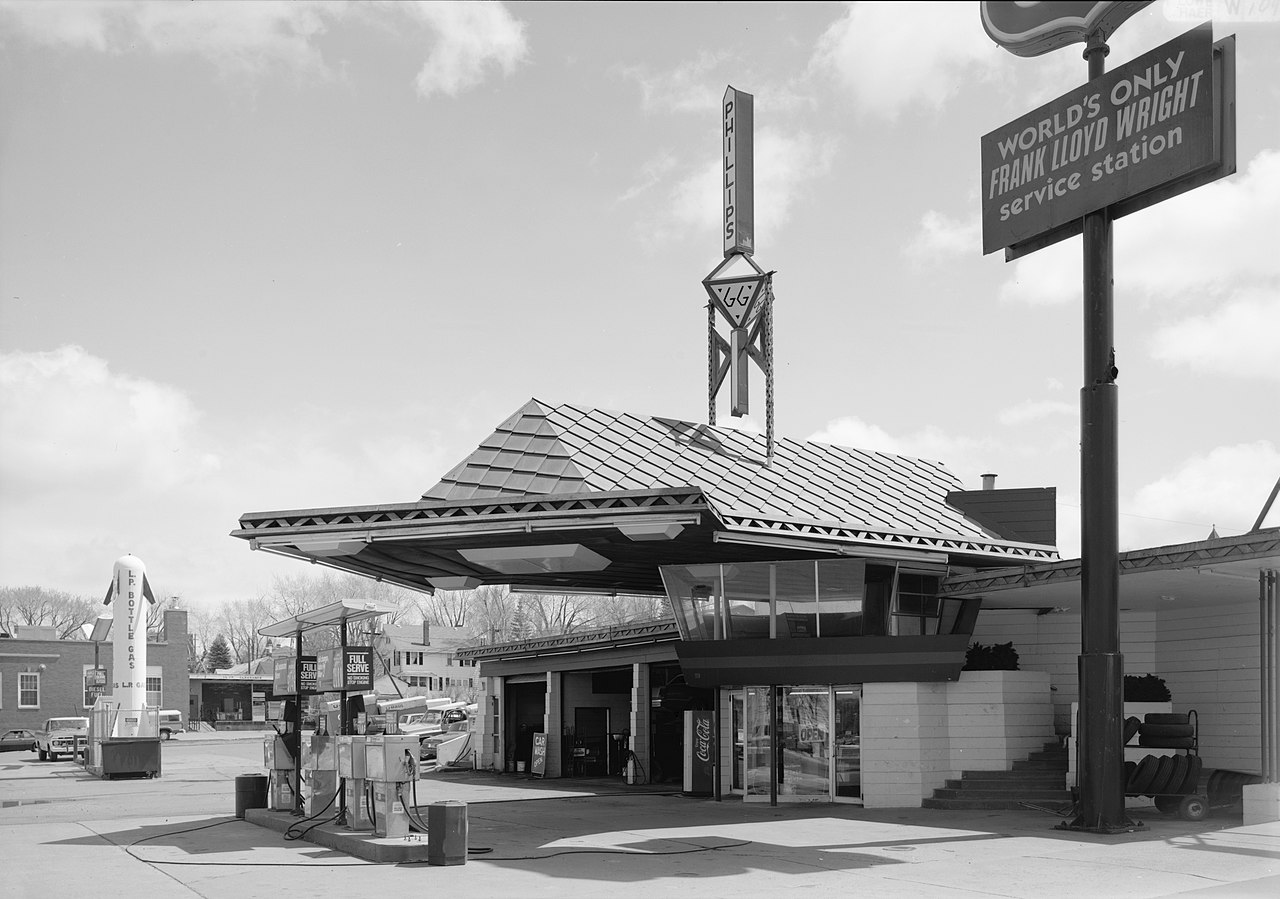
The Mod­ernist Gas Sta­tions of Frank Lloyd Wright and Mies van der Rohe

When the Indi­ana Bell Build­ing Was Rotat­ed 90° While Every­one Worked Inside in 1930 (by Kurt Vonnegut’s Archi­tect Dad)

Based in Seoul, Col­in Mar­shall writes and broad­casts on cities, lan­guage, and cul­ture. His projects include the Sub­stack newslet­ter Books on Cities, the book The State­less City: a Walk through 21st-Cen­tu­ry Los Ange­les and the video series The City in Cin­e­ma. Fol­low him on Twit­ter at @colinmarshall or on Face­book.

How the World Trade Center Was Rebuilt: A Visual Exploration of a 20-Year Project

The World Trade Cen­ter was not at first a beloved work of archi­tec­ture, but over time it set­tled into its place on the New York sky­line, gain­ing wide accep­tance as an icon of the city. Its destruc­tion on Sep­tem­ber 11, 2001 great­ly inten­si­fied that sym­bol­ic pow­er, espe­cial­ly as expressed by the image of Minoru Yamasak­i’s Twin Tow­ers. But as long­time New York­ers (or at least long­time Low­er Man­hat­tan­ites) remem­ber, the WTC con­sist­ed of more than a pair of sky­scrap­ers. Dat­ing from Amer­i­ca’s era of “urban renew­al,” with its ambi­tions of build­ing cities with­in cities, it also incor­po­rat­ed sev­er­al short­er office build­ings, a hotel, and an under­ground shop­ping mall.

In oth­er words, the WTC was a com­plex — which also hap­pens to be just the adjec­tive to describe the prop­er­ty-rights sit­u­a­tion in the wake of its dev­as­ta­tion. Talk of the imper­a­tive to rebuild began very soon indeed after Sep­tem­ber 11, but orga­niz­ing a rise from the ash­es was, pre­dictably, eas­i­er said than done. As explained in “How the World Trade Cen­ter Was Rebuilt,” the video essay above from Youtube chan­nel Neo, the Port Author­i­ty of New York and New Jer­sey first had to re-acquire the leas­es from all the dif­fer­ent major ten­ants involved. And then there was the task of nego­ti­at­ing with Lar­ry Sil­ver­stein.

Hav­ing devel­oped the orig­i­nal 7 World Trade Cen­ter build­ing in 1980, Sil­ver­stein long had his eye on the whole she­bang. He final­ly man­aged to sign a 99-year lease-pur­chase agree­ment on the com­plex on July 24, 2001 — sure­ly one of this cen­tu­ry’s sig­nal cas­es of bad tim­ing. But he did jump into the task of rebuild­ing as soon as pos­si­ble, com­plet­ing the new 7 World Trade Cen­ter just five years lat­er. Accord­ing to the sto­ry told in the video, it would hard­ly be an exag­ger­a­tion to char­ac­ter­ize the project of rede­vel­op­ing the WTC site as a grudge match between Sil­ver­stein and the Port Author­i­ty, with their duel­ing visions of the prop­er way to fill that high­ly-charged space.

That project con­tin­ues still today, just over two decades after the ter­ror­ist attacks that brought the Twin Tow­ers down. David Childs’ 1776-foot-tall “twist­ing glass mono­lith” One World Trade Cen­ter opened in 2014, but the much-delayed Ronald O. Perel­man Per­form­ing Arts Cen­ter at the World Trade Cen­ter is still under con­struc­tion, as is the new 2 World Trade Cen­ter. With its recent com­ple­tion, San­ti­a­go Cala­trava’s St. Nicholas Greek Ortho­dox Church joins his exist­ing World Trade Cen­ter Trans­porta­tion Hub. Topped by a struc­ture called the Ocu­lus, designed (if not flaw­less­ly) to open to the sky once a year on Sep­tem­ber 11, that strik­ing tran­sit com­plex also includes an expan­sive West­field shop­ping mall: a jux­ta­po­si­tion of mem­o­ry and com­merce with pow­er of its own as a sym­bol of twen­ty-first cen­tu­ry Amer­i­ca.

Relat­ed con­tent:

Watch the Build­ing of the Empire State Build­ing in Col­or: The Cre­ation of the Icon­ic 1930s Sky­scraper From Start to Fin­ish

New York’s Lost Sky­scraper: The Rise and Fall of the Singer Tow­er

Watch the Com­plete­ly Unsafe, Ver­ti­go-Induc­ing Footage of Work­ers Build­ing New York’s Icon­ic Sky­scrap­ers

Watch a Time­lapse Video Show­ing the Cre­ation of New York City’s Sky­line: 1500 to Present

When The Who Saved New York City After 9/11: Watch Their Cathar­tic Madi­son Square Gar­den Set (Octo­ber 20, 2001)

Based in Seoul, Col­in Mar­shall writes and broad­casts on cities, lan­guage, and cul­ture. His projects include the Sub­stack newslet­ter Books on Cities, the book The State­less City: a Walk through 21st-Cen­tu­ry Los Ange­les and the video series The City in Cin­e­ma. Fol­low him on Twit­ter at @colinmarshall, on Face­book, or on Insta­gram.

« Go BackMore in this category... »
Quantcast