160,000 Pages of Glorious Medieval Manuscripts Digitized: Visit the Bibliotheca Philadelphiensis

We might think we have a gen­er­al grasp of the peri­od in Euro­pean his­to­ry immor­tal­ized in theme restau­rant form as “Medieval Times.” After all, writes Amy White at Medievalists.net, “from tat­toos to video games to Game of Thrones, medieval iconog­ra­phy has long inspired fas­ci­na­tion, imi­ta­tion and ven­er­a­tion.” The mar­ket for sword­play, armor, quests, and sor­cery has nev­er been so crowd­ed.

But whether the his­tor­i­cal peri­od we call medieval (a word derived from medi­um aevum, or “mid­dle age”) resem­bled the mod­ern inter­pre­ta­tions it inspired presents us with anoth­er ques­tion entirely—a ques­tion inde­pen­dent and pro­fes­sion­al schol­ars can now answer with free, easy ref­er­ence to “high-res­o­lu­tion images of more than 160,000 pages of Euro­pean medieval and ear­ly mod­ern codices”: rich­ly illu­mi­nat­ed (and ama­teur­ish­ly illus­trat­ed) man­u­scripts, musi­cal scores, cook­books, and much more.

The online project, called Bib­lio­the­ca Philadel­phien­sis, hous­es its dig­i­tal col­lec­tion at the Inter­net Archive and rep­re­sents “vir­tu­al­ly all of the hold­ings of PACSCL [Philadel­phia Area Con­sor­tium of Spe­cial Col­lec­tions Libraries],” a wealth of doc­u­ments from Prince­ton, Bryn Mawr, Vil­lano­va, Swarth­more, and many more col­lege and uni­ver­si­ty libraries, as well as the Amer­i­can Philo­soph­i­cal Soci­ety, Nation­al Archives at Philadel­phia, and oth­er august insti­tu­tions of high­er learn­ing and con­ser­va­tion.

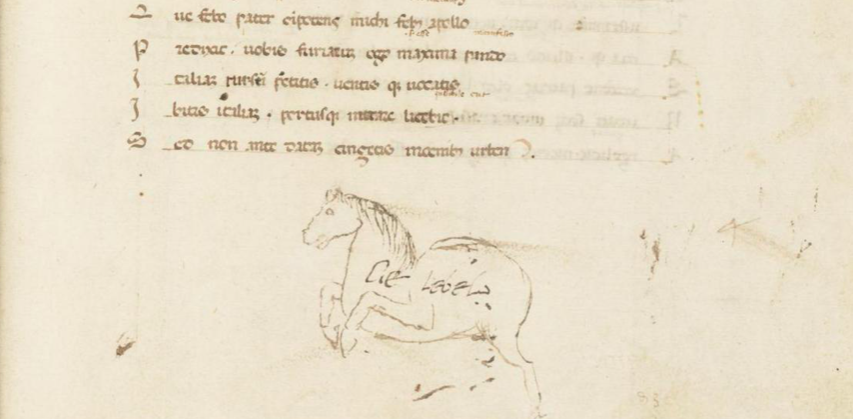
Lehigh Uni­ver­si­ty “con­tributed 27 man­u­scripts amount­ing to about 5,000 pages,” writes White, includ­ing “a 1462 hand­writ­ten copy of Virgil’s Aeneid with pen­ciled sketch­es in the mar­gins” (see above). There are man­u­scripts from that peri­od like the Ital­ian Trac­ta­tus de mal­efici­is (Trea­tise on evil deeds), a legal com­pendi­um from 1460 with “thir­ty-one mar­gin­al draw­ings in ink” show­ing “var­i­ous crimes (both delib­er­ate and acci­den­tal) being com­mit­ted, from sword-fights and mur­ders to hunt­ing acci­dents and a hang­ing.”

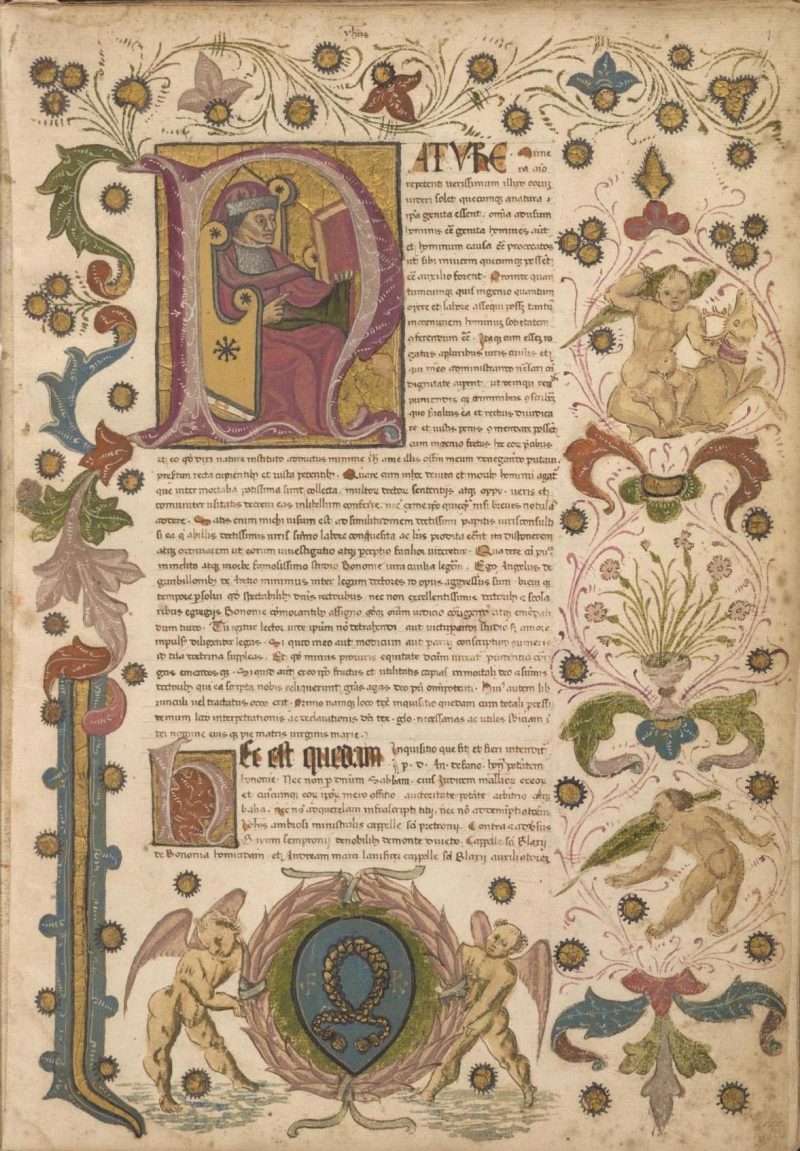
The Trac­ta­tus’ draw­ings “do not appear to be the work of a pro­fes­sion­al artist,” the notes point out, though it also con­tains pages, like the image at the top, show­ing a trained illu­mi­na­tor’s hand. The Bib­lio­the­ca Philadel­phien­sis archive includes 15th and 16th-cen­tu­ry recipes and extracts on alche­my, med­ical texts, and copi­ous Bibles and books of prayer and devo­tion. There is a 1425 edi­tion of Chaucer’s Can­ter­bury Tales in Mid­dle Eng­lish (lack­ing the pro­logue and sev­er­al tales).

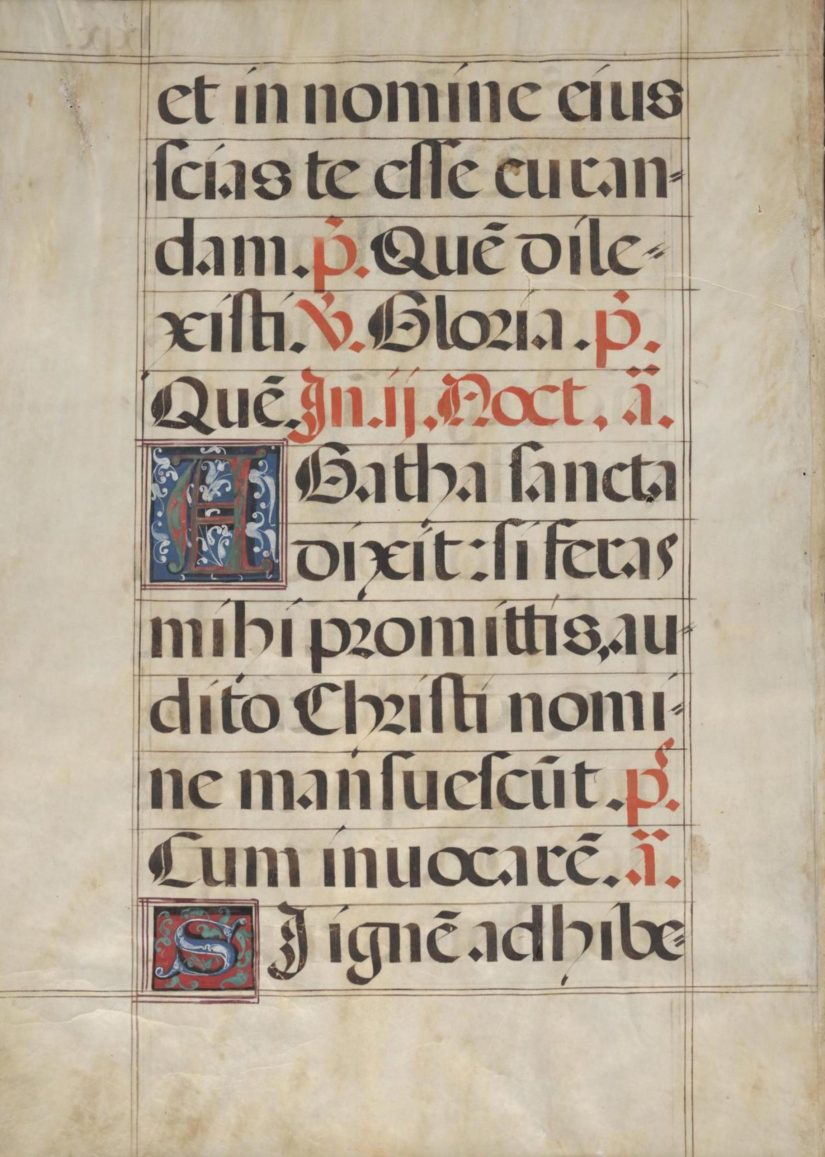
These may all seem of recent vin­tage, rel­a­tive­ly speak­ing, for a medieval archive, but the col­lec­tion reach­es back to the 9th cen­tu­ry, with hun­dreds of doc­u­ments, like the 1000 AD music man­u­script above, from a far ear­li­er time. “Users can view, down­load and com­pare man­u­scripts in near­ly micro­scop­ic detail,” notes White. “It is the nation’s largest region­al online col­lec­tion of medieval man­u­scripts,” a col­lec­tion schol­ars can draw on for cen­turies to come to learn what life was real­ly like—at least for the few who could read and write—in Medieval Times.

via Medievalists.net

Relat­ed Con­tent: 

Why Knights Fought Snails in Illu­mi­nat­ed Medieval Man­u­scripts

800 Illu­mi­nat­ed Medieval Man­u­scripts Are Now Online: Browse & Down­load Them Cour­tesy of the British Library and Bib­lio­thèque Nationale de France

The Medieval Mas­ter­piece, the Book of Kells, Is Now Dig­i­tized & Put Online

A Free Yale Course on Medieval His­to­ry: 700 Years in 22 Lec­tures

Josh Jones is a writer and musi­cian based in Durham, NC. Fol­low him at @jdmagness

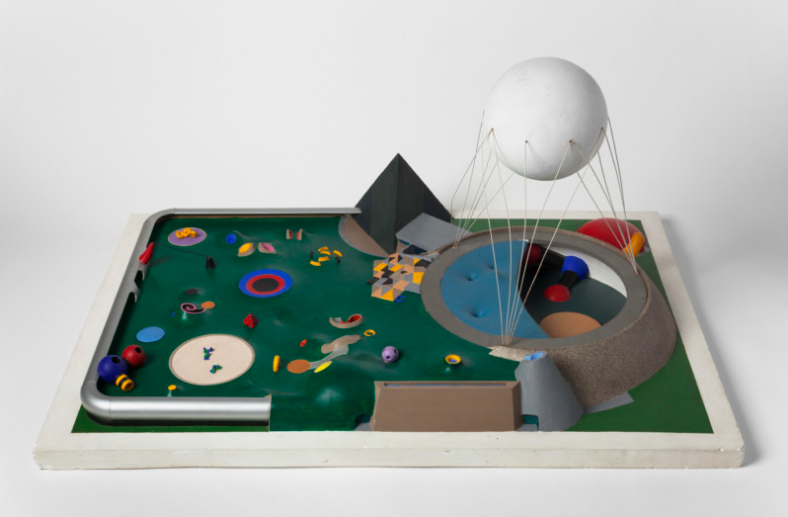
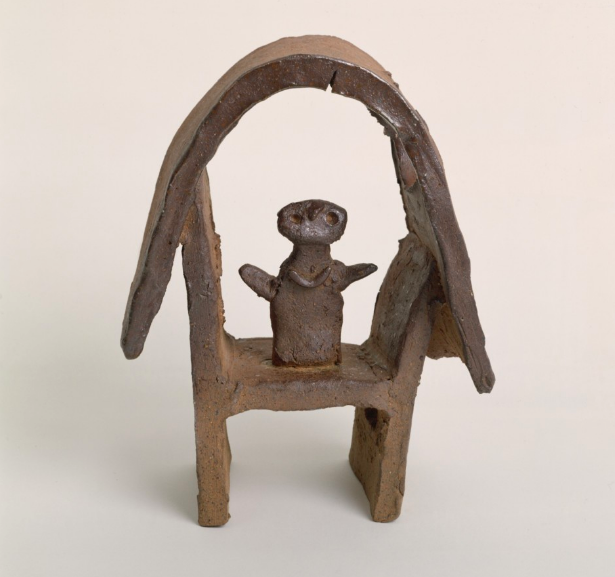
The Isamu Noguchi Museum Puts Online an Archive of 60,000 Photographs, Manuscripts & Digitized Drawings by the Japanese Sculptor

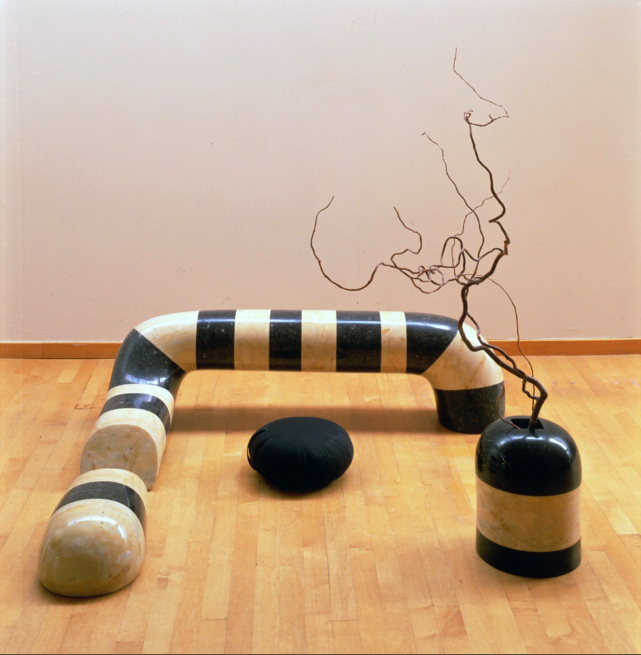
No mat­ter how unfa­mil­iar you may be with the work of Isamu Noguchi, you’re like­ly to have encoun­tered it, quite pos­si­bly more than once, in the form of a Noguchi table. Designed in the 1940s for the Her­man Miller fur­ni­ture com­pa­ny (in a cat­a­log that also includ­ed the work of George Nel­son, Paul Lás­zló, and Charles Eames of the epony­mous chair), it shows off Noguchi’s dis­tinc­tive aes­thet­ic as well as many of his most acclaimed sculp­tures, set designs, and pub­lic spaces. That aes­thet­ic could only have arisen from a sin­gu­lar artis­tic life like Noguchi’s, which began in Los Ange­les where he was born to an Amer­i­can moth­er and a Japan­ese father, and soon start­ed cross­ing back and forth across both the Pacif­ic and the Atlantic: a child­hood spent around Japan, school­ing and appren­tice­ship back in the U.S., a Guggen­heim Fel­low­ship in Paris, peri­ods of study in Chi­na and Japan — and all that before age 30.

Now, thanks to the Noguchi Muse­um, we can take a clos­er look at not just the Noguchi table but all the fruits of Noguchi’s long work­ing life, which began in the 1910s and con­tin­ued until his death in the 1980s. (He exe­cut­ed his first notable work, the design of the gar­den for his moth­er’s house in Chi­gasa­ki, at just eight years old.)

The insti­tu­tion that bears his name recent­ly dig­i­tized and made avail­able 60,000 archival pho­tographs, man­u­scripts, and dig­i­tized draw­ings, and also launched a dig­i­tal cat­a­logue raison­né designed to be updat­ed with dis­cov­er­ies still to come about Noguchi’s life and work. “The com­ple­tion of a mul­ti­year project, the archive now fea­tures 28,000 pho­tographs doc­u­ment­ing the artist’s works, exhi­bi­tions, var­i­ous stu­dios, per­son­al pho­tographs, and influ­en­tial friends and col­leagues,” writes Hyper­al­ler­gic’s Alis­sa Guz­man. “The wealth of imagery is over­whelm­ing and also sur­pris­ing, bring­ing atten­tion to works we might not often asso­ciate with Noguchi.”

Indeed, as the pro­jec­t’s man­ag­ing edi­tor Alex Ross tells Guz­man, the research process revealed “sev­er­al sig­nif­i­cant art­works which were assumed to have been lost or destroyed,” as well as “pre­vi­ous­ly unat­trib­uted pieces that the archive is now able to con­firm as works by Noguchi.” The dif­fi­cul­ty of con­firm­ing the authen­tic­i­ty of cer­tain works speaks to the pro­tean qual­i­ty of Noguchi’s art that goes hand-in-hand with its dis­tinc­tive­ness, a bal­ance struck by few major artists of any era. And though quite a few of Noguchi’s cre­ations (and not just the table) have been described as time­less, no oth­er body of work reflects quite so clear­ly the inter­min­gling of East and West – a West that includ­ed the Old World as well as the New — that, hav­ing begun on eco­nom­ic and social lev­els, reached the aes­thet­ic one in the cen­tu­ry through which Noguchi lived. Explore his cat­a­logue raison­né, and you may find that, no mat­ter what part of the world you’re from, you have more expe­ri­ence with Noguchi’s work than you thought.

via Hyper­al­ler­gic

Relat­ed Con­tent:

3D Scans of 7,500 Famous Sculp­tures, Stat­ues & Art­works: Down­load & 3D Print Rodin’s Thinker, Michelangelo’s David & More

The Get­ty Dig­i­tal Archive Expands to 135,000 Free Images: Down­load High Res­o­lu­tion Scans of Paint­ings, Sculp­tures, Pho­tographs & Much Much More

Down­load 2,500 Beau­ti­ful Wood­block Prints and Draw­ings by Japan­ese Mas­ters (1600–1915)

Down­load Vin­cent van Gogh’s Col­lec­tion of 500 Japan­ese Prints, Which Inspired Him to Cre­ate “the Art of the Future”

Based in Seoul, Col­in Mar­shall writes and broad­casts on cities, lan­guage, and cul­ture. His projects include the book The State­less City: a Walk through 21st-Cen­tu­ry Los Ange­les and the video series The City in Cin­e­ma. Fol­low him on Twit­ter at @colinmarshall or on Face­book.

The Internet Archive Is Digitizing & Preserving Over 100,000 Vinyl Records: Hear 750 Full Albums Now

There seems to be wide­spread agreement—something spe­cial was lost in the rushed-to-mar­ket move from phys­i­cal media to dig­i­tal stream­ing. We have come to admit that some old­er musi­cal tech­nolo­gies can­not be improved upon. Musi­cians, pro­duc­ers, engi­neers spend thou­sands to repli­cate the sound of old­er ana­log record­ing tech­nol­o­gy, with all its quirky, incon­sis­tent oper­a­tion. And fans buy record play­ers and vinyl records in sur­pris­ing­ly increas­ing num­bers to hear the warm and fuzzy char­ac­ter of their sound.

Neil Young, who has relent­less­ly crit­i­cized every aspect of dig­i­tal record­ing, has dis­missed the resur­gence of the LP as a “fash­ion state­ment” giv­en that most new albums released on vinyl are dig­i­tal mas­ters. But buy­ers come to vinyl with a range of expec­ta­tions, writes Ari Her­stand at Dig­i­tal Music News: “Vinyl is an entire expe­ri­ence. Won­der­ful­ly tac­tile…. When we stare at our screens for the major­i­ty of our days, it’s nice to look at art that doesn’t glow and isn’t the size of my hand.” Vinyl can feel and look as good as it sounds (when prop­er­ly engi­neered).

While shiny, dig­i­tal­ly mas­tered vinyl releas­es pop up in big box stores every­where, the real musi­cal wealth lies in the past—in thou­sands upon thou­sands of LPs, 45s, 78s—relics of “the only con­sumer play­back for­mat we have that’s ful­ly ana­log and ful­ly loss­less,” says vinyl mas­ter­ing engi­neer Adam Gon­salves. Few insti­tu­tions can afford to store thou­sands of phys­i­cal albums, and many rar­i­ties and odd­i­ties exist in van­ish­ing­ly few­er copies. Their crack­le and hiss may be for­ev­er lost with­out the inter­ven­tion of dig­i­tal preser­va­tion­ists like the Inter­net Archive.

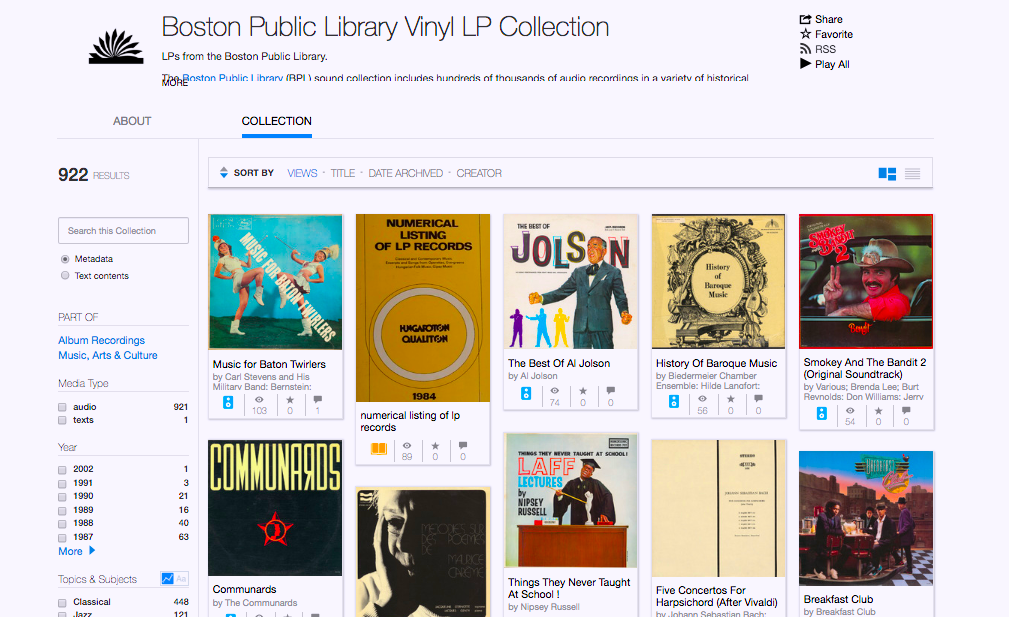
The Archive is “now expand­ing its dig­i­ti­za­tion project to include LPs,” reports Faye Lessler on the organization’s blog. This will come as wel­come news to cul­tur­al his­to­ri­ans, ana­log con­ser­va­tion­ists, and vinyl enthu­si­asts of all kinds, who will most­ly agree that dig­i­ti­za­tion is far bet­ter than extinc­tion, though the tac­tile and visu­al plea­sures may be irre­place­able. The Archive has focused its efforts on the over 100,000 audio record­ings from the Boston Pub­lic Library’s col­lec­tion, “in order to pre­vent them from dis­ap­pear­ing for­ev­er when the vinyl is bro­ken, warped, or lost.”

“These record­ings exist in a vari­ety of his­tor­i­cal for­mats, includ­ing wax cylin­ders, 78 rpms, and LPs,” though the project is cur­rent­ly focused on the lat­ter. “They span musi­cal gen­res includ­ing  clas­si­cal, pop, rock, and jazz, and con­tain obscure record­ings like this album of music for baton twirlers, and this record of radio’s all-time great­est bloop­ers.” The method of rapid­ly con­vert­ing the arti­facts at the rate of ten LPs per hour (which you can read more about at the Archive blog) serves as a tes­ta­ment to what dig­i­tal tech­nol­o­gy does best—using machine learn­ing and meta­da­ta to auto­mate the archival process and cre­ate exten­sive, search­able data­bas­es of cat­a­logue infor­ma­tion.

Cur­rent­ly, the project has uploaded 1,180 record­ings to its site, “but some of the albums are only avail­able in 30 sec­ond snip­pets due to rights issues,” Lessler points out. Browse the “Unlocked Record­ings” cat­e­go­ry to hear 750 dig­i­tized LPs avail­able in full: these include a record­ing of Gian Car­lo Menot­ti’s bal­let The Uni­corn, the Gor­gon, and the Man­ti­core, fur­ther up; The Beget­ting of the Pres­i­dent, above, a satire of Nixon’s rise to pow­er as Bib­li­cal epic, read by Orson Welles in his King of Kings’ voice; and Tchaikovsky’s Piano Con­cer­to no. 1 in B‑flat minor, played by Van Cliburn, below.

The range and vari­ety cap­tured in this collection—from fire­works sound effects to Elton John’s sec­ond, self-titled album to clas­sic Pearl Bai­ly to 80s new wave band The Com­mu­nards to Andres Segovia play­ing Bach to the Smokey and the Ban­dit 2 soundtrack—will out­last copy­right restric­tions. And they will leave behind an exten­sive record, no pun intend­ed, of the LP: “our pri­ma­ry musi­cal medi­um for over a gen­er­a­tion,” says the Archive’s spe­cial projects direc­tor CR Saik­ley, “wit­ness to the birth of both Rock & Roll and Punk Rock… inte­gral to our cul­ture from the 1950s to the 1980s.” Vinyl remains the most revered of musi­cal for­mats for good reason—reasons future gen­er­a­tions will dis­cov­er, at least vir­tu­al­ly, for them­selves some­day.

via Kot­tke

Relat­ed Con­tent:

How Vinyl Records Are Made: A Primer from 1956

An Inter­ac­tive Map of Every Record Shop in the World

25,000+ 78RPM Records Now Pro­fes­sion­al­ly Dig­i­tized & Stream­ing Online: A Trea­sure Trove of Ear­ly 20th Cen­tu­ry Music

Josh Jones is a writer and musi­cian based in Durham, NC. Fol­low him at @jdmagness

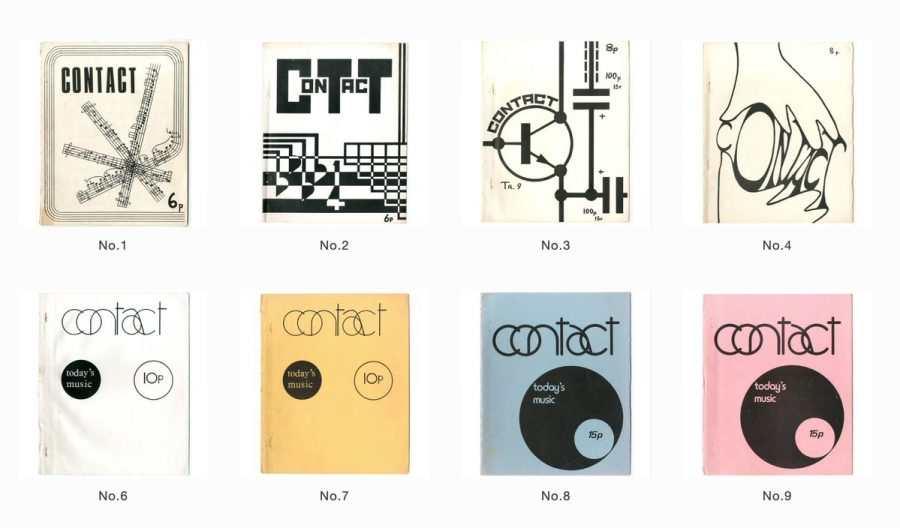
The Entire Archive of Contact: A Journal for Contemporary Music Has Been Digitized and Put Online

FYI on a new dig­i­ti­za­tion project:

“Con­tact: A Jour­nal for Con­tem­po­rary Music was active from 1971–1990 and inde­pen­dent­ly pub­lished by its edi­tors. As with many inde­pen­dent print pub­li­ca­tions of that era, this has meant that, for read­ers and researchers oper­at­ing in a con­tem­po­rary dig­i­tal land­scape, the rich­ness of its resource has been all but inac­ces­si­ble. In recog­ni­tion of this sit­u­a­tion, in the years 2016–2019, the entire jour­nal was digi­tised and made avail­able over the course of a three-year research project..”

Con­tact’s basic inten­tions – as set out ful­ly in the first issue, dat­ed Spring 1971 – were to pro­mote informed dis­cus­sion of 20th-cen­tu­ry music in gen­er­al and the music of our own time in par­tic­u­lar. Among the orig­i­nal con­cerns of the founders of the mag­a­zine were that pop­u­lar musics, jazz and con­tem­po­rary folk music should play a part in our scheme. In the ear­li­er days, espe­cial­ly, we con­tin­u­al­ly sought for good writ­ing in these fields, as well as con­tri­bu­tions on ‘seri­ous’ music.”

Enter the Con­tact online archive here

via @ide­o­forms

If you would like to sup­port the mis­sion of Open Cul­ture, con­sid­er mak­ing a dona­tion to our site. It’s hard to rely 100% on ads, and your con­tri­bu­tions will help us con­tin­ue pro­vid­ing the best free cul­tur­al and edu­ca­tion­al mate­ri­als to learn­ers every­where. You can con­tribute through Pay­Pal, Patre­on, and Ven­mo (@openculture). Thanks!


Libraries & Archivists Are Digitizing 480,000 Books Published in 20th Century That Are Secretly in the Public Domain

Image by Jason “Textfiles” Scott, via Wiki­me­dia Com­mons

All books in the pub­lic domain are free. Most books in the pub­lic domain are, by def­i­n­i­tion, on the old side, and a great many aren’t easy to find in any case. But the books now being scanned and uploaded by libraries aren’t quite so old, and they’ll soon get much eas­i­er to find. They’ve fall­en through a loop­hole because their copy­right-hold­ers nev­er renewed their copy­right, but until recent­ly the tech­nol­o­gy was­n’t quite in place to reli­ably iden­ti­fy and dig­i­tal­ly store them.

Now, though, as Vice’s Karl Bode writes, “a coali­tion of archivists, activists, and libraries are work­ing over­time to make it eas­i­er to iden­ti­fy the many books that are secret­ly in the pub­lic domain, dig­i­tize them, and make them freely avail­able online to every­one.” These were pub­lished between 1923 and 1964, and the goal of this dig­i­ti­za­tion project is to upload all of these sur­pris­ing­ly out-of-copy­right books to the Inter­net Archive, a glimpse of whose book-scan­ning oper­a­tion appears above.

“His­tor­i­cal­ly, it’s been fair­ly easy to tell whether a book pub­lished between 1923 and 1964 had its copy­right renewed, because the renew­al records were already dig­i­tized,” writes Bode. “But prov­ing that a book hadn’t had its copy­right renewed has his­tor­i­cal­ly been more dif­fi­cult.” You can learn more about what it takes to do that from this blog post by New York Pub­lic Library Senior Prod­uct Man­ag­er Sean Red­mond, who first crunched the num­bers and esti­mat­ed that 70 per­cent of the titles pub­lished over those 41 years may now be out of copy­right: “around 480,000 pub­lic domain books, in oth­er words.”

The first impor­tant stage is the con­ver­sion of copy­right records into the XML for­mat, a large part of which the New York Pub­lic Library has recent­ly com­plet­ed. Bode also men­tions a soft­ware devel­op­er and sci­ence fic­tion author named Leonard Richard­son who has writ­ten Python scripts to expe­dite the process (includ­ing a match­ing script to iden­ti­fy poten­tial­ly non-renewed copy­rights in the Inter­net Archive col­lec­tion) and a bot that iden­ti­fies new­ly dis­cov­ered secret­ly pub­lic-domain books dai­ly. Richard­son him­self under­scores the neces­si­ty of vol­un­teers to take on tasks like seek­ing out a copy of each such book, “scan­ning it, proof­ing it, then putting out HTML and plain-text edi­tions.”

This work is now hap­pen­ing at Amer­i­can libraries and among vol­un­teers from orga­ni­za­tions like Project Guten­berg. The Inter­net Archive’s Jason Scott has also pitched in with his own resources, recent­ly putting out a call for more help on the “very bor­ing, VERY BORING (did I men­tion bor­ing)” project of deter­min­ing “which books are actu­al­ly in the pub­lic domain to either sur­face them on or help make a hitlist.” Of course, many more obvi­ous­ly stim­u­lat­ing tasks exist even in the realm of dig­i­tal archiv­ing. But then, each secret­ly pub­lic-domain book iden­ti­fied, found, scanned, and uploaded brings human­i­ty’s print and dig­i­tal civ­i­liza­tions one step clos­er togeth­er. What­ev­er comes out of that union, it cer­tain­ly won’t be bor­ing.

via Vice

Relat­ed Con­tent:

Pub­lic Domain Day Is Final­ly Here!: Copy­right­ed Works Have Entered the Pub­lic Domain Today for the First Time in 21 Years

11,000 Dig­i­tized Books From 1923 Are Now Avail­able Online at the Inter­net Archive

British Library to Offer 65,000 Free eBooks

Down­load for Free 2.6 Mil­lion Images from Books Pub­lished Over Last 500 Years on Flickr

Free: You Can Now Read Clas­sic Books by MIT Press on Archive.org

The Library of Con­gress Launch­es the Nation­al Screen­ing Room, Putting Online Hun­dreds of His­toric Films

Based in Seoul, Col­in Mar­shall writes and broad­casts on cities, lan­guage, and cul­ture. His projects include the book The State­less City: a Walk through 21st-Cen­tu­ry Los Ange­les and the video series The City in Cin­e­ma. Fol­low him on Twit­ter at @colinmarshall or on Face­book.

How Marion Stokes, an Activist Librarian, Recorded 30 Years of TV News on 70,000 Video Tapes: It’s All Now Being Digitized and Put Online

“Noth­ing is more impor­tant than tele­vi­sion,” said J.D. Salinger (as imper­son­at­ed, that is, in an episode of Bojack Horse­man). A pas­sive, paci­fy­ing medium—“cool,” as Mar­shall McLuhan called it—TV has also long been an easy tar­get for pun­dit­ry, for many decades before the per­pe­tra­tor du jour, video games. Tele­vi­sion spread igno­rance, was “the drug of the nation,” said Michael Fran­ti, ped­dled fake heroes on “chan­nel zero,” said Pub­lic Ene­my, and would lead to an “elec­tri­cal re-trib­al­iza­tion of the West,” McLuhan pre­dict­ed (and fur­ther explained in this inter­view).

Mar­i­on Stokes set out to do more than any of the men above who made pro­nounce­ments about tele­vi­sion. She ded­i­cat­ed her life to pre­serv­ing the evi­dence, tap­ing tele­vi­sion news for over 33 years, from 1979 “until the day she died,” writes the Inter­net Archive, who now hold Stokes’ “unique 71k+ video cas­sette col­lec­tion” and intend to dig­i­tize all of it. Stokes “was a fierce­ly pri­vate African Amer­i­can social jus­tice cham­pi­on, librar­i­an, polit­i­cal rad­i­cal, TV pro­duc­er, fem­i­nist, Apple Com­put­er super-fan and col­lec­tor like few oth­ers.”

She “ques­tioned the media’s moti­va­tions and rec­og­nized the insid­i­ous inten­tion­al spread of dis­in­for­ma­tion…. Ms. Stokes was alarmed. In a pri­vate her­culean effort, she took on the chal­lenge of inde­pen­dent­ly pre­serv­ing the news record of her times in its most per­va­sive and per­sua­sive form—TV.” She also pre­served three decades of tele­vised cri­tiques of tele­vi­sion. She began mak­ing her archive at the begin­ning of the Iran Hostage Cri­sis on Novem­ber 14, 1979. “She hit record and nev­er stopped,” her son Michael Metelits says in Recorder: The Mar­i­on Stokes Project, “a new­ly released doc­u­men­tary,” reports Atlas Obscu­ra, “about [Stokes] and the archival project that became her life’s work.”

In one remark­able exam­ple of TV cri­tique, at the top, we see William Davi­don, pro­fes­sor of Physics at Haver­ford Col­lege, decry­ing tele­vi­sion for spread­ing igno­rance, social irre­spon­si­bil­i­ty, and pas­sive con­sump­tion, mak­ing peo­ple unable to par­tic­i­pate in the polit­i­cal process. The round­table dis­cus­sion took place on a 1968 episode of Input. A lit­tle over a year lat­er, writes the Inter­net Archive, Davi­don “would take an action of great social con­se­quence,” break­ing into an FBI field office with sev­en oth­ers and steal­ing the evi­dence that “revealed COINTELPRO.” (They were nev­er caught, and Davidon’s role only came out posthu­mous­ly.)

Then known as Mar­i­on Metelits, Stokes co-pro­duced Input, a local Philadel­phia Sun­day morn­ing talk show, with her future hus­band John S. Stokes Jr., and both of them appear on the pro­gram above (both cred­it­ed as rep­re­sent­ing the Well­springs Ecu­meni­cal Cen­ter). The con­ver­sa­tion ranges wide­ly, with Ms. Metelits and Davi­don spirit­ed­ly defend­ing “human poten­tial” against too-rigid sys­tems of clas­si­fi­ca­tion and manip­u­la­tion. There are a few dozen more episodes of Input cur­rent­ly at the Inter­net Archive, with pan­els fea­tur­ing aca­d­e­mics, activists, and cler­gy (such as the episode explain­ing, sort of, the “Well­springs Ecu­meni­cal Cen­ter.”)

It’s a hard-hit­ting, con­tro­ver­sial show for a local broad­cast, and it gives us a detailed view of a range of both pop­u­lar and rad­i­cal posi­tions of the time, includ­ing Stokes’, which we can learn more about in the jour­nals, notes, lists, news­pa­per and mag­a­zine clip­pings, pam­phlets, leaflets, hand­bills, and more she col­lect­ed since 1960, many of which have also been dig­i­tized at the Inter­net Archive. Stokes backed her views with action. She was “sur­veilled by the gov­ern­ment for her ear­ly polit­i­cal activism,” Atlas Obscu­ra writes, and “attempt­ed to defect to Cuba” with her first hus­band Melvin Metelits. She kept her record­ing project pri­vate, “eschewed Tivo” and “nev­er sent an email in her life.”

She also made a small for­tune in Apple stock, which fund­ed her project and “the mas­sive stor­age space she required as the sole force behind it.” Stokes left us no doubt as to why she doc­u­ment­ed thir­ty years of TV news. But those doc­u­ments get to speak for themselves—or they will, at least. Stokes record­ed far more than her own pro­gram, three decades more. And the Inter­net Archive is cur­rent­ly “endeav­or­ing to help make sure” the entire col­lec­tion “is dig­i­tized and made avail­able online to every­one, for­ev­er, for free.”

If tele­vi­sion had, and maybe still has, the pow­er ascribed to it by its many astute crit­ics, then Mar­i­on Stokes’ painstak­ing archive offers an invalu­able means of under­stand­ing how we got to where we are, if not how to change course. Stokes’ col­lec­tion, and the doc­u­men­tary about her life, show “how the news was going to evolve into an addic­tion,” as Owen Gleiber­man writes at Vari­ety. The project took over her life and frac­tured her rela­tion­ships. “Even if you’re obsessed with the inac­cu­ra­cy of TV news, it has still entrapped you, like a two-way mir­ror that won’t let you see the oth­er side.” If the medi­um is the mes­sage, the oth­er side might always be more tele­vi­sion.

via Atlas Obscu­ra

Relat­ed Con­tent:

Hear Mar­shall McLuhan’s The Medi­um is the Mas­sage (1967)

5 Ani­ma­tions Intro­duce the Media The­o­ry of Noam Chom­sky, Roland Barthes, Mar­shall McLuhan, Edward Said & Stu­art Hall

New Archive Makes Avail­able 800,000 Pages Doc­u­ment­ing the His­to­ry of Film, Tele­vi­sion & Radio

Josh Jones is a writer and musi­cian based in Durham, NC. Fol­low him at @jdmagness

Harvard Gives Free Online Access to 40 Million Pages of U.S. Case Law: Explore 6.4 Million Cases Dating Back to 1658

There was a time—a strange time in pop cul­ture his­to­ry, I’ll grant—when legal dra­mas were every­where in tele­vi­sion, pop­u­lar fic­tion, and film. Next to the barn-burn­ing court­room set pieces in A Few Good Men and A Time to Kill, for exam­ple, scenes of lawyers por­ing over case law with loos­ened ties, high heels kicked off, and mar­ti­nis and scotch­es in hand were ren­dered with max­i­mum dra­mat­ic ten­sion, despite the fact that case law is a nigh unread­able jum­ble of jar­gon, cita­tions, archa­ic dic­tion and syn­tax, etc… any­thing but brim­ming with cin­e­mat­ic poten­tial.

Do law stu­dents and legal schol­ars dis­agree with this assess­ment? It’s beside the point, many might say. The cen­turies-old web of case law—reinforcing, con­tra­dict­ing, over­turn­ing, cre­at­ing pat­terns and structures—is the very stuff the law is made of.

It’s a ref­er­en­tial tra­di­tion, and when most of the doc­u­ments are in the hands of only a few peo­ple, only those peo­ple under­stand why the law works the way it does. The rest of us are left to won­der why the legal sys­tem is so Byzan­tine and incom­pre­hen­si­ble. Real life rarely has the clar­i­ty of a sat­is­fy­ing court­room dra­ma.

Last year, The Har­vard Crim­son report­ed a seem­ing­ly rev­o­lu­tion­ary shift in that dynam­ic, when Har­vard Law’s Caselaw Access Project “dig­i­tized more than 40 mil­lion pages of U.S. state, fed­er­al, and ter­ri­to­r­i­al case law doc­u­ments from the Law School library,” dat­ing back to 1658.  The Crim­son issued one caveat: the full data­base is acces­si­ble to the pub­lic, but “users are lim­it­ed to five hun­dred full case texts per day.” Plan your intense, scotch-soaked all-nighters accord­ing­ly.

Is this altru­ism, civic duty, a move in the right direc­tion of free­ing pub­licly fund­ed research for pub­lic use?  Sev­er­al Har­vard Law fac­ul­ty have said as much. “Case law is the prod­uct of pub­lic resources poured into our court sys­tem,” writes Pro­fes­sor I. Glenn Cohen. “It’s great that the pub­lic will now have bet­ter access to it.” It is indeed, Pro­fes­sor Christo­pher T. Bavitz says: “If we want to ensure that peo­ple have access to jus­tice, that means that we have to ensure that they have access to cas­es. The text of cas­es is the law.”

The law is not a set of abstract prin­ci­ples, the­o­ries, or rules, in oth­er words, but a series of his­tor­i­cal exam­ples, woven togeth­er into a social nar­ra­tive. Machines can ana­lyze data from The Caselaw Access Project far faster and more effi­cient­ly than any human, giv­ing us broad­er views of legal his­to­ry and prece­dent, and great­ly expand­ing pub­lic under­stand­ing of the sys­tem. Harvard’s Library Inno­va­tion Lab has itself already cre­at­ed sev­er­al apps for just this pur­pose.

There’s Cal­i­for­nia Word­clouds, which shows the most-used words in Cal­i­for­nia caselaw between 1852 and 2015, and Witch­craft in Caselaw, which does what it says, with an inter­ac­tive map of all appear­ances of witch­craft in cas­es across the coun­try. There’s “Fun Stuff” too, like a Caselaw Lim­er­ick Gen­er­a­tor, a visu­al data­base that ana­lyzes col­ors in case law, and “Gavel­fury,” which ana­lyzes “all instances of ‘!,’” giv­ing us gems like “Do you remem­ber if it was mur­der!” from Bowl­ing v. State, 229 Ark. 876 (Dec. 22, 1958).

One new graph­ing tool, His­tor­i­cal Trends, announced in June, makes it easy for users to “visu­al­ize word usage in court opin­ions over time,” writes the Library Inno­va­tion Lab. (Exam­ples include com­par­ing the “fre­quen­cy of ‘com­pen­sato­ry dam­ages’ and ‘puni­tive dam­ages’ in New York and Cal­i­for­nia” and com­par­ing “pri­va­cy” with “pub­lic­i­ty.”) Any­one can build their own data visu­al­iza­tion using their own search terms. (Learn how and get start­ed here.) Case law may nev­er be glam­orous, exact­ly, or fun to read, but it may be far more inter­est­ing, and empow­er­ing, than we imag­ine.

Be aware that the Caselaw Access Project could still find ways to restrict or mon­e­tize access, for a short time, at least. “The project was fund­ed part­ly through a part­ner­ship with Rav­el, a legal ana­lyt­ics start­up found­ed by two Stan­ford Law School stu­dents,” reports the Crim­son. The com­pa­ny “earned ‘some com­mer­cial rights’ through March 2024 to charge for greater access to files.” The start­up has issued no word on whether this will hap­pen. In the mean­time, pub­lic inter­est legal schol­ars may wish to do their own dig­ging through this trove of caselaw to bet­ter under­stand the public’s right to infor­ma­tion of all kinds.

Relat­ed Con­tent:

Bound by Law?: Free Com­ic Book Explains How Copy­right Com­pli­cates Art

Pos­i­tive Psy­chol­o­gy: A Free Course from Har­vard Uni­ver­si­ty

Har­vard Launch­es a Free Online Course to Pro­mote Reli­gious Tol­er­ance & Under­stand­ing

Josh Jones is a writer and musi­cian based in Durham, NC. Fol­low him at @jdmagness

The Library of Congress Digitizes Over 16,000 Pages of Letters & Speeches from the Women’s Suffrage Movement, and You Can Help Transcribe Them

“Democ­ra­cy may not exist,” Astra Tay­lor declares in the title of her new book, “but we’ll miss it when it’s gone.” This inher­ent para­dox, she argues, is not fatal, but a ten­sion with which each era’s demo­c­ra­t­ic move­ments must wres­tle, in messy strug­gles against inevitable oppo­si­tion. “Per­fect democ­ra­cy… may not in fact exist and nev­er will, but that doesn’t mean we can’t make progress toward it, or that what there is of it can’t dis­ap­pear.”

Tay­lor is upfront about “democracy’s dark his­to­ry, from slav­ery and colo­nial­ism to facil­i­tat­ing the emer­gence of fas­cism.” But she is equal­ly cel­e­bra­to­ry of its successes—moments when those who were denied rights mar­shaled every means at their dis­pos­al, from lob­by­ing cam­paigns to con­fronta­tion­al direct action, to win the vote and bet­ter the lives of mil­lions. For all its imper­fec­tions, the women’s suf­frage move­ment of the 19th and ear­ly 20th cen­tu­ry did just that.

It did so—even before elec­tron­ic mass com­mu­ni­ca­tion systems—by build­ing inter­na­tion­al activist net­works and form­ing nation­al asso­ci­a­tions that took high­ly-vis­i­ble action for decades until the 19th Amend­ment passed in 1920. We can learn how this all came about from the sources them­selves, through the “let­ters, speech­es, news­pa­per arti­cles, per­son­al diaries, and oth­er mate­ri­als from famed suf­frag­ists like Susan B. Antho­ny and Eliz­a­beth Cady Stan­ton.”

So reports Men­tal Floss, describ­ing the Library of Con­gress’ dig­i­tal col­lec­tion of suf­frag­ist papers, which includes dozens of famous and less famous activist voic­es. In one exam­ple of both inter­na­tion­al coop­er­a­tion and inter­na­tion­al ten­sion, Car­rie Chap­man Catt, Anthony’s suc­ces­sor (see a pub­lished excerpt of one of her speech­es below), describes her expe­ri­ence at the Con­gress of the Inter­na­tion­al Woman Suf­frage Alliance in Rome. “A more unpromis­ing place for a Con­gress I nev­er saw,” she wrote, dis­mayed. Maybe despite her­self she reveals that the dif­fer­ences might have been cul­tur­al: “The Ital­ian women could not com­pre­hend our dis­ap­proval.”

The frac­tious, often dis­ap­point­ing, rela­tion­ships between the larg­er inter­na­tion­al women’s suf­frage move­ment, the African Amer­i­can women’s suf­frage move­ment, and most­ly male Civ­il Rights lead­ers in the U.S. are rep­re­sent­ed by the diaries. let­ters, note­books, and speech­es of Mary Church Ter­rell, “a founder of the Nation­al Asso­ci­a­tion of Col­ored Women. These doc­u­ments shed light on minori­ties’ labo­ri­ous suf­frage strug­gles and her own deal­ings with Civ­il Rights fig­ures like W.E.B. Du Bois.” (Ter­rell became an activist in 1892 and lived to fight against Jim Crow seg­re­ga­tion in the ear­ly 1950s.)

The col­lec­tion includes “some 16,000 his­toric papers relat­ed to the women’s rights move­ment alone.” All of them have been dig­i­tal­ly scanned, and if you’re eager to dig into this for­mi­da­ble archive, you’re in luck. The Library of Con­gress is ask­ing for help tran­scrib­ing so that every­one can read these pri­ma­ry sources of demo­c­ra­t­ic his­to­ry. So far, reports Smith­son­ian, over 4200 doc­u­ments have been tran­scribed, as part of a larg­er, crowd­sourced project called By the Peo­ple, which has pre­vi­ous­ly tran­scribed papers from Abra­ham Lin­coln, Clara Bar­ton, Walt Whit­man, and oth­ers.

Rather than focus­ing on an indi­vid­ual, this project is inclu­sive of what is arguably the main engine of democ­ra­cy: large-scale social movements—paradoxically the most demo­c­ra­t­ic means of claim­ing indi­vid­ual rights. Enter the impres­sive dig­i­tal col­lec­tion “Suf­frage: Women Fight for the Vote” here, and, if you’re moved by civic duty or schol­ar­ly curios­i­ty, sign up to tran­scribe.

via Men­tal Floss

Relat­ed Con­tent:  

The Women’s Suf­frage March of 1913: The Parade That Over­shad­owed Anoth­er Pres­i­den­tial Inau­gu­ra­tion a Cen­tu­ry Ago

Odd Vin­tage Post­cards Doc­u­ment the Pro­pa­gan­da Against Women’s Rights 100 Years Ago

The Library of Con­gress Makes Thou­sands of Fab­u­lous Pho­tos, Posters & Images Free to Use & Reuse

Josh Jones is a writer and musi­cian based in Durham, NC. Fol­low him at @jdmagness.

« Go BackMore in this category... »
Quantcast