Two Cats Keep Trying to Get Into a Japanese Art Museum … and Keep Getting Turned Away: Meet the Thwarted Felines, Ken-chan and Go-chan

Pag­ing direc­tor Hayao Miyaza­ki.

A com­pelling sub­ject for a fea­ture length ani­ma­tion is hang­ing around the slid­ing glass doors of Hiroshi­ma Prefecture’s Onomichi City Muse­um of Art.

In June of 2016, a black tom­cat start­ed show­ing up at the muse­um on the reg­u­lar, for rea­sons unknown.

Those open to the sort of nar­ra­tive whim­sy at which Miyaza­ki excels might choose to believe that the beast was drawn by a cat-themed exhib­it of work by not­ed wildlife pho­tog­ra­ph­er and film­mak­er Mit­sua­ki Iwa­go, a por­tion of which would have been vis­i­ble to him through the mod­ern building’s large glass win­dows.

What­ev­er his rea­sons, the cat, Ken-chan, whose own­ers run a near­by restau­rant, was refused entry by a white-gloved secu­ri­ty guard and oth­er staffers, whose efforts to send him on his way start­ed blow­ing up the Inter­net short­ly after his first appear­ance.

Even­tu­al­ly, Ken-chan start­ed bring­ing back-up in the form of a well-man­nered orange tom­cat the muse­um staff dubbed Go-chan.

Their vis­its have proved to be a boon for both the small muse­um and the city they call home.

The New York Pub­lic Library has its lions.

Boston’s Pub­lic Gar­den has its ducks.

Onomichi and its small art muse­um have Ken-chan and Go-chan, whose Inter­net fame is quick­ly out­pac­ing the sup­ply of com­mem­o­ra­tive tote bags, below.

Ten­der heart­ed fans bom­bard the museum’s Twit­ter account with requests to grant the feline pair entry, but the muse­um brass is wise­ly pri­or­i­tiz­ing dra­mat­ic ten­sion over con­sum­ma­tion.

Mean­while, offi­cials in Zelenograd­sk, a Russ­ian resort town boast­ing both a cat muse­um and giant cat street mon­u­ment have invit­ed Ken-chan, Go-chan, and muse­um staff to be their guests in March, for a cat-cen­tric hol­i­day cel­e­bra­tion.

For now, Ken-chan and Go-chan are stick­ing close to home, alter­nate­ly enter­tain­ing and dis­ap­point­ing vis­i­tors who show up, cam­era in hand, hop­ing to catch them in the act.

Arm­chair trav­el­ers can enjoy a cat’s eye view tour of Onomichi, thanks to Google Street View-style 360-degree cam­era tech­nol­o­gy.

And pho­tog­ra­ph­er Iwa­go shares some pro advice for any­one seek­ing to cap­ture feline sub­jects:

…male cats are eas­i­er to pho­to­graph. Male cats seem to have more lat­i­tude and leisure in their lives. Because females do things such as raise the kit­tens, they con­cen­trate more on what goes on around them. Because males are out on patrol, it is more like­ly that you will encounter them. Because they have the free time, they’ll let you hang out and pho­to­graph them.

Depend­ing on the cat, there are a num­ber of ways to get a cat’s atten­tion. For exam­ple, when it’s start­ing to get dark out, you need to use a low­er shut­ter speed. How­ev­er, this means that the cat will be blur­ry if it moves. To avoid this, in such sit­u­a­tions, I say to the cat, ‘Stop, hold your breath!’ At that instant, when the cat is frozen, I snap the pic­ture. When you speak out to a cat, they get the mes­sage. That said, you can also get shots of good cat body lan­guage by let­ting them roam freely. They don’t need to be look­ing at the cam­era.

Even a cell­phone cam­era is enough. How­ev­er, if you don’t have a tele­pho­to lens, you’re going to have to get close to the cat you’re pho­tograph­ing. Due to this, it might be good to use a sin­gle-lens reflex (SLR) cam­era if you are pho­tograph­ing out­side. How­ev­er, if you are pho­tograph­ing the cat you live at home with, a big cam­era may prove intim­i­dat­ing. To avoid this prob­lem, it is nec­es­sary to reg­u­lar­ly put your cam­era in a place that the cat can see. It is good to start snap­ping pic­tures only after your cat has got­ten over its fear of cam­eras. If you use a flash to pho­to­graph cats indoors, their hair will look spiky and lose its soft­ness. There­fore, I rec­om­mend avoid­ing a flash. I also rec­om­mend not using a tri­pod, con­sid­er­ing the line of sight will become too high. When I am pho­tograph­ing cats, I kneel down so that I am at the same eye line as they are. It’s as if I’m crawl­ing for­ward into bat­tle.

Fol­low the Onomichi City Muse­um of Art on Twit­ter to keep up with Ken-chan and Go-chan.

via The Guardian/Hyper­al­ler­gic

Relat­ed Con­tent:

Insane­ly Cute Cat Com­mer­cials from Stu­dio Ghi­b­li, Hayao Miyazaki’s Leg­endary Ani­ma­tion Shop

Medieval Cats Behav­ing Bad­ly: Kit­ties That Left Paw Prints … and Peed … on 15th Cen­tu­ry Man­u­scripts

Free Enter­tain­ment for Cats and Dogs: Videos of Birds, Squir­rels & Oth­er Thrills

Ayun Hal­l­i­day is an author, illus­tra­tor, the­ater mak­er and Chief Pri­ma­tol­o­gist of the East Vil­lage Inky zine.  Join her in NYC this Decem­ber for the 10th anniver­sary pro­duc­tion of Greg Kotis’ apoc­a­lyp­tic hol­i­day tale, The Truth About San­ta, and the next month­ly install­ment of her book-based vari­ety show, Necro­mancers of the Pub­lic Domain. Fol­low her @AyunHalliday.

Japanese Artist Creates Bookshelf Dioramas That Magically Transport You Into Tokyo’s Back Alleys

Should you find your­self in a Japan­ese city, spend time not on the Star­bucks- and McDon­ald’s-lined boule­vards but on the back streets that wind in all direc­tions behind them. Or bet­ter yet, head into the back alleys branch­ing off those streets, those half-hid­den spaces that offer the most evoca­tive glimpses of life in urban Japan by far. Only there can you find pas­sage into the won­der­ful­ly idio­syn­crat­ic busi­ness­es tucked into the cor­ners of the city, from bars and restau­rants to cof­fee shops and of course book­stores. Those book­stores have long occu­pied Japan’s back alleys, but now an artist by the name of Monde has brought the back alleys onto book­shelves.

Mon­de’s hand­craft­ed wood­en book­end dio­ra­mas, which you can see on his Twit­ter feed as well as in a Buz­zfeed Japan arti­cle about them, repli­cate the back alleys of his home­town of Tokyo. They do it in minia­ture, and down to the small­est detail — even the elec­tric lights that illu­mi­nate the real thing at night.

Scaled to the height of not just a book but a small Japan­ese paper­back, the likes of which fill those back-alley book­stores from floor to ceil­ing, they’re designed to slot right into book­shelves, pro­vid­ing a wel­com­ing street scene to those brows­ing through their own or oth­ers’ vol­umes in the same way that the actu­al alleys they mod­el come as a pleas­ant sur­prise to passers­by on the main streets.

Tokyo has become a beloved city to Japan­ese and non-Japan­ese alike for count­less rea­sons, but who can doubt the appeal of the way it com­bines the feel­ing of small-town life in its many neigh­bor­hoods that togeth­er make for a megac­i­ty scale? Mon­de’s dio­ra­mas cap­ture the dis­tinc­tive mix­ture of domes­tic­i­ty and den­si­ty in the cap­i­tal’s back alleys, reflect­ing the nar­row­ness of the spaces in form and their some­how organ­i­cal­ly man­made nature — step­ping stones, pot­ted-plant gar­dens, and all the small pieces of infra­struc­ture that have accu­mu­lat­ed to sup­port life in the homes of so many — in con­tent. Though Tokyo has for decades been regard­ed, espe­cial­ly from the West, as a place of thor­ough hyper­moder­ni­ty, its alleys remind us that with­in the some­times over­whelm­ing present exists a mix­ture of eras that feel time­less — just like the con­tent of a well-curat­ed book­shelf.

via Twist­ed Sifter

Relat­ed Con­tent:

Watch Japan­ese Wood­work­ing Mas­ters Cre­ate Ele­gant & Elab­o­rate Geo­met­ric Pat­terns with Wood

Mes­mer­iz­ing GIFs Illus­trate the Art of Tra­di­tion­al Japan­ese Wood Join­ery — All Done With­out Screws, Nails, or Glue

“Tsun­doku,” the Japan­ese Word for the New Books That Pile Up on Our Shelves, Should Enter the Eng­lish Lan­guage

The Toky­oi­ter: Artists Pay Trib­ute to the Japan­ese Cap­i­tal with New York­er-Style Mag­a­zine Cov­ers

A Pho­to­graph­ic Tour of Haru­ki Murakami’s Tokyo, Where Dream, Mem­o­ry, and Real­i­ty Meet

Based in Seoul, Col­in Mar­shall writes and broad­casts on cities, lan­guage, and cul­ture. His projects include the book The State­less City: a Walk through 21st-Cen­tu­ry Los Ange­les and the video series The City in Cin­e­ma. Fol­low him on Twit­ter at @colinmarshall or on Face­book.

The Impossibly Cool Album Covers of Blue Note Records: Meet the Creative Team Behind These Iconic Designs

If you stepped into a record store in the 1950s and 60s, you would like­ly be drawn almost imme­di­ate­ly to a Blue Note release—whether or not you were a fan of jazz or had heard of the artist or even the label. “If you went to those record stores,” says Estelle Caswell in the Vox Ear­worm video above, “it prob­a­bly wasn’t the sound of Blue Note that imme­di­ate­ly caught your atten­tion. It was their album cov­ers.”

Now those designs are hal­lowed jazz iconog­ra­phy, with their “bold typog­ra­phy, two tone pho­tog­ra­phy, and min­i­mal graph­ic design.” Of course, it should go with­out say­ing that the sound of Blue Note is as dis­tinc­tive and essen­tial as its look, thanks to its founders’ musi­cal vision, the fault­less ear of pro­duc­er and engi­neer Rudy Van Gelder, and the ros­ter of unbe­liev­ably great musi­cians the label recruit­ed and record­ed.

But back to those cov­ers….

“Their bold use of col­or, inti­mate pho­tog­ra­phy, and metic­u­lous­ly placed typog­ra­phy came to define the look of jazz” in the hard bop era, and thus, defined the look of cool, a “refined sophis­ti­ca­tion” vibrat­ing with rest­less, sul­try, smoky, classy, moody ener­gy. The rat pack had noth­ing on Blue Note. Their cov­ers “have today become an epit­o­me of graph­ic hip,” writes Robin Kin­ross at Eye mag­a­zine. (And lest we fetishize the cov­ers at the expense of their con­tents, Kin­ross makes sure to add that they “are no more than the vis­i­ble man­i­fes­ta­tion of an organ­ic whole.”)

Flip over any one of those beau­ti­ful­ly-designed Blue Note records from, say, 1955 to 65, the label’s peak years, and you’ll find two names cred­it­ed for almost all of their designs: pho­tog­ra­ph­er Fran­cis Wolff and graph­ic design­er Reid Miles. Wolff, says pro­duc­er and Blue Note archivist Michael Cus­cu­na in the Ear­worm video, shot almost every Blue Note ses­sion from “the minute he arrived.”

“One of the most impres­sive, and shock­ing things” about Wolff’s pho­to shoots, “was that the aver­age suc­cess rate of those pho­tos was real­ly extra­or­di­nary. He was like the jazz artist of pho­tog­ra­phy in that he could nail it imme­di­ate­ly.” Once Wolff filled a con­tact sheet with great shots, it next came to Miles to select the per­fect one—and the per­fect crop—for the album cov­er. These sat­u­rat­ed por­traits turned Blue Note artists into immor­tal heroes of hip.

But Reid’s exper­i­ments with typog­ra­phy, “inspired by the ever present Swiss let­ter­ing style that defined 20th cen­tu­ry graph­ic design,” notes Vox, pro­vid­ed such an impor­tant ele­ment that the let­ter­ing some­times edged out the pho­tog­ra­phy, such as in the cov­er of Joe Henderson’s In ‘n Out, which fea­tures only a tiny por­trait of the artist in the upper left-hand cor­ner, nes­tled in the dot of a low­er-case “i.”

Miles pushed the excla­ma­tion point to absurd lengths on Jack­ie McLean’s It’s Time, which again rel­e­gates the artist’s pho­to to a tiny square in the cor­ner while the rest of the cov­er is tak­en up with bold, black “!!!!!!!!!!!”s over a white back­ground. It’s “star­tling­ly get­ting your atten­tion,” Cus­cu­na com­ments. On Lou Donaldson’s Sun­ny Side Up, Miles dis­pens­es with pho­tog­ra­phy alto­geth­er, for a strik­ing black and white design that makes the title seem like it might up and float away.

But Miles’ type-cen­tric cov­ers, though excel­lent, are not what we usu­al­ly asso­ciate with the clas­sic Blue Note look. The syn­the­sis of Wolff’s impec­ca­ble pho­to­graph­ic instincts and Miles’ sur­gi­cal­ly keen eye for fram­ing, col­or, and com­po­si­tion com­bined to give us the pen­sive, mys­te­ri­ous Coltrane on Blue Train, the impos­si­bly cool Son­ny Rollins on the cov­er of Newk’s Time, the total­ly, wild­ly in-the-moment Art Blakey on The Big Beat, and so, so many more.

Reid Miles had the rare tal­ent only the best art direc­tors pos­sess, says Cus­cu­na: the abil­i­ty to “cre­ate a look for a record that was high­ly indi­vid­ual but also that fit into a stream that gave the label a look.” Learn more about his work with Wolff in Robin Kinross’s essay, see many more clas­sic Blue Note album cov­ers here, and make sure to lis­ten to the music behind all that bril­liant graph­ic design in this huge, stream­ing discog­ra­phy of Blue Note record­ings. To view them in print for­mat, see the defin­i­tive book, The Cov­er Art of Blue Note Records: The Col­lec­tion.

Relat­ed Con­tent:

Stream a 144-Hour Discog­ra­phy of Clas­sic Jazz Record­ings from Blue Note Records: Miles Davis, Art Blakey, John Coltrane, Ornette Cole­man & More

The Ground­break­ing Art of Alex Stein­weiss, Father of Record Cov­er Design

Enter the Cov­er Art Archive: A Mas­sive Col­lec­tion of 800,000 Album Cov­ers from the 1950s through 2018

Josh Jones is a writer and musi­cian based in Durham, NC. Fol­low him at @jdmagness

The Psychedelic 1970s Animations of Keiichi Tanaami: A Music Video for John Lennon’s “Oh Yoko!,” Surreal Tributes to Elvis & Marilyn Monroe, and More

If you want to see the West as you’ve nev­er seen it before, go to Japan. Since the end of the Sec­ond World War, there have been few big West­ern phe­nom­e­na in which Japan­ese cre­ators have not tak­en an inter­est, then turned around and made their own. One of the most pow­er­ful imag­i­na­tions among those cre­ators belongs to Kei­ichi Tanaa­mi, who came of age sur­round­ed by the likes of Mick­ey Mouse and Elvis after doing much of his grow­ing up amid the chaos and dev­as­ta­tion of war. Born in 1936 and still active today, he’s pro­duced a body of work whose ear­li­est pieces go back to the 1950s, and even the vari­ety of media he’s used — illus­tra­tion, graph­ic design, paint­ings, comics, ani­ma­tion — can bare­ly con­tain his ever-expand­ing vision, a mix­ture of pop cul­ture and and sym­bol­ic iconog­ra­phy drawn from Amer­i­ca, Japan, and deep down in his own psy­che.

“A mag­a­zine that is packed to the brim with human inter­ests and desires bears a strong resem­blance to who I am as a per­son,” Tanaa­mi once wrote, a descrip­tion reflect­ed by his cur­rent work as well as that of pre­vi­ous eras. Take these short ani­mat­ed films, three of which come from the ear­ly 1970s — an aus­pi­cious time indeed for his brand of psy­che­delia to break through in the West.


In 1971’s Good-Bye Mar­i­lyn, Tanaa­mi pays trib­ute to per­haps the most icon­ic woman Amer­i­ca has ever pro­duced; that same year’s Good-Bye Elvis and USA draws its inspi­ra­tion from quite pos­si­bly Amer­i­ca’s most icon­ic man. Tana­mi makes use of the imagery of Mar­i­lyn Mon­roe and Elvis Pres­ley in a way no oth­er artist has, though he was hard­ly alone in his fas­ci­na­tion with the very fas­ci­na­tion those fig­ures com­mand­ed: Andy Warhol, for instance, also got artis­tic mileage out of them.

It was Warhol who showed Tanaa­mi how artists of their sen­si­bil­i­ty could make a career. Tanaa­mi first saw Warhol’s work on a trip to New York City in 1967. “Warhol was in the process of shift­ing from com­mer­cial illus­tra­tor to artist, and I both wit­nessed and expe­ri­enced first­hand his tac­tics, his method of inci­sion into the art world,” Tanaa­mi once recalled. “He used con­tem­po­rary icons as motifs in his works and for his oth­er activ­i­ties put togeth­er media such as films, news­pa­pers and rock bands.” In 1975, after becom­ing the first art direc­tor of the Japan­ese edi­tion of Play­boy, he returned to New York to vis­it the mag­a­zine’s head office and took a side trip to Warhol’s Fac­to­ry and took in what Warhol and his col­lab­o­ra­tors had been up to with exper­i­men­tal film. But Tanaa­mi had already been mak­ing seri­ous inroads into that field him­self, as evi­denced by the two afore­men­tioned shorts as well as his 1973 ani­ma­tion of John Lennon’s “Oh, Yoko!” — a kind of ear­ly music video — up top.

Few artists of any nation­al­i­ty have hybridized the thor­ough­ly com­mer­cial and the deeply per­son­al as Tanaa­mi, who got his start in adver­tis­ing and not long there­after was design­ing the cov­ers for Japan­ese edi­tions of albums by Jef­fer­son Air­plane and The Mon­kees. But as he also said in a recent Hype­beast inter­view, “a lot of my work is dri­ven by old mem­o­ries of the past, espe­cial­ly the fear that I felt as a child dur­ing the sev­er­al wars that took place. The fear I felt see­ing a per­son dying. But then there’s also the good feel­ings I have from play­ing as a child. I inte­grate all aspects of my mind and mem­o­ries into my work.” You can see oth­er exam­ples of it at Ubuweb, and Tanaami’s 2013 ani­ma­tion Adven­tures in Beau­ty Won­der­land above shows how that inte­gra­tion has con­tin­ued, tak­ing as it does just as much from tra­di­tion­al Japan­ese sym­bols and design motifs as it does from the work of Lewis Car­roll — a char­ac­ter­is­ti­cal­ly thrilling and elab­o­rate aes­thet­ic jour­ney, all of it com­mis­sioned by the cos­met­ics com­pa­ny Sepho­ra.

Relat­ed Con­tent:

Watch “The Mid­night Par­a­sites,” a Sur­re­al Japan­ese Ani­ma­tion Set in the World of Hierony­mus Bosch’s The Gar­den of Earth­ly Delights (1972)

Japan­ese Com­put­er Artist Makes “Dig­i­tal Mon­dri­ans” in 1964: When Giant Main­frame Com­put­ers Were First Used to Cre­ate Art

Japan­ese Priest Tries to Revive Bud­dhism by Bring­ing Tech­no Music into the Tem­ple: Attend a Psy­che­del­ic 23-Minute Ser­vice

Psy­che­del­ic Ani­ma­tion Takes You Inside the Mind of Stephen Hawk­ing

Watch HD Ver­sions of The Bea­t­les’ Pio­neer­ing Music Videos: “Hey Jude,” “Pen­ny Lane,” “Rev­o­lu­tion” & More

Based in Seoul, Col­in Mar­shall writes and broad­casts on cities, lan­guage, and cul­ture. His projects include the book The State­less City: a Walk through 21st-Cen­tu­ry Los Ange­les and the video series The City in Cin­e­ma. Fol­low him on Twit­ter at @colinmarshall or on Face­book.

Classic Radiohead Songs Re-Imagined as a Sci-Fi Book, Pulp Fiction Magazine & Other Nostalgic Artifacts

When we first checked in with artist and screen­writer Todd Alcott, he was immor­tal­iz­ing the work of stars who hit their stride in the 70s and 80s, as high­ly con­vinc­ing pulp nov­el and mag­a­zine cov­ers inspired by their most famous songs and lyrics. David Bowie’s “Young Amer­i­cans” yields an East of Eden-like blonde cou­ple reclin­ing in the grass. Talk­ing Heads’ “Life Dur­ing Wartime” becomes an erot­i­cal­ly vio­lent, or vio­lent­ly erot­ic, mag­a­zine that ain’t fool­ing around.

Next, we took a look at Alcott’s series of pulp cov­ers drawn from the work of Mr. Bob Dylan, bona fide god­fa­ther of clas­sic rock, a peri­od that gets a lion’s share of cov­ers in Alcott’s imag­i­na­tive Etsy rack, along­side oth­er new wave and punk bands like The Clash, The Smiths, and Joy Divi­sion. Look­ing at these devot­ed trib­utes to musi­cal giants of yore, ren­dered in ador­ing trib­utes to an even ear­li­er era’s aes­thet­ic, pro­duces the kind of “of course!” reac­tion that makes Alcott’s work so enjoy­able.

After all, pulp mag­a­zines and books are per­haps as respon­si­ble for the coun­ter­cul­ture as LSD, with their proud­ly sexy pos­es, over­heat­ed teen fan­tasies, and bondage gear. (Prince gets his own series, a true joy.) But Alcott has moved on to a crop of artists who first appeared in the 90s class of alter­na­tive bands—from PJ Har­vey, to Fiona Apple, to Nir­vana, to Neu­tral Milk Hotel, to, as you can see here, Radio­head, the most long-lived and inno­v­a­tive stars of the era.

How well does Alcot­t’s approach work with artists who hit the scene when pulp fic­tion turned into Pulp Fic­tion, appro­pri­at­ed in a wink­ing, exple­tive-filled splat­ter-fest that didn’t, tech­ni­cal­ly, require its audi­ence to know any­thing about pulp fic­tion? You’ll notice that Alcott has tak­en a nov­el approach to the con­cept in many cas­es (reimag­in­ing PJ Harvey’s “This is Love!” as a 50s grind­house flick, anoth­er genre that has been heav­i­ly Taran­ti­no-ized).

He con­verts Radiohead’s “Kid A” into that most trea­sured pub­li­ca­tion for futon-surf­ing hip­sters cir­ca 2000, the IKEA cat­a­log. “Video­tape” man­i­fests in lit­er­al fash­ion as one of the oughties’ many objects of con­sumer elec­tron­ics nos­tal­gia, the 120-minute VHS. And “Myx­o­mato­sis,” from 2003’s Hail to the Thief, appears as a 1970s cat book, an arti­fact many Radio­head fans at the turn of the mil­len­ni­um might trea­sure as both an iron­ic Tum­blr goof and a poignant reminder of child­hood.

The Radio­head series does not ful­ly aban­don the pulp look—“Karma Police,” for exam­ple, gets the detec­tive mag­a­zine treat­ment. But it does lean more heav­i­ly on lat­er-20th cen­tu­ry pro­duc­tions, like the 70s sci-fi cov­er of “Para­noid Android,” clear­ly inspired by Michael Crichton’s West­world. Moon-Shaped Pool’s “Burn the Witch,” on the oth­er hand, looks like a clas­sic 50s Ham­mer Hor­ror poster, but with a nod to Robin Hardy’s 1973 Wick­er Man. (Both Crich­ton and Hardy have like­wise been re-imag­ined for audi­ences who may nev­er have seen the orig­i­nals.)

Per­haps the least inter­est­ing of Alcott’s riffs on the Radio­head cat­a­log, “Jig­saw Falling into Place,” goes right for the obvi­ous, though its idyl­lic, Bob Ross-like scene strikes a dis­so­nant chord in illus­trat­ing a song that ref­er­ences closed cir­cuit cam­eras and sawn-off shot­guns. Speak­ing of obvi­ous, maybe it seemed too on the nose to turn “Creep” into creepy pulp erot­i­ca. Still, I won­der how Alcott resist­ed. View and pur­chase in hand­made print form all of Alcott’s songs-as-book cov­ers, etc. at Etsy.

Relat­ed Con­tent:

Songs by David Bowie, Elvis Costel­lo, Talk­ing Heads & More Re-Imag­ined as Pulp Fic­tion Book Cov­ers

Clas­sic Songs by Bob Dylan Re-Imag­ined as Pulp Fic­tion Book Cov­ers: “Like a Rolling Stone,” “A Hard Rain’s A‑Gonna Fall” & More

7 Rock Album Cov­ers Designed by Icon­ic Artists: Warhol, Rauschen­berg, Dalí, Richter, Map­plethor­pe & More

Josh Jones is a writer and musi­cian based in Durham, NC. Fol­low him at @jdmagness

Download 586 Free Art Books from The Metropolitan Museum of Art

Met 1

You could pay $118 on Ama­zon for the Met­ro­pol­i­tan Muse­um of Art’s cat­a­log The Art of Illu­mi­na­tion: The Lim­bourg Broth­ers and the Belles Heures of Jean de France, Duc de Berry. Or you could pay $0 to down­load it at Met­Pub­li­ca­tions, the site offer­ing “five decades of Met Muse­um pub­li­ca­tions on art his­to­ry avail­able to read, down­load, and/or search for free.”

If that strikes you as an obvi­ous choice, pre­pare to spend some seri­ous time brows­ing Met­Pub­li­ca­tions’ col­lec­tion of free art books and cat­a­logs.

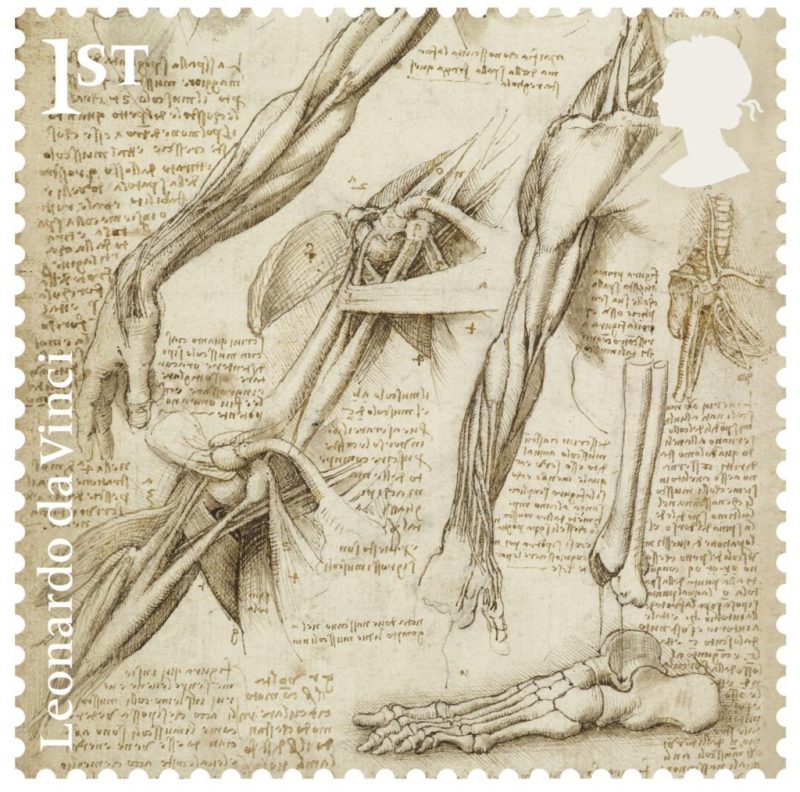
You may remem­ber that we fea­tured the site a few years ago, back when it offered 397 whole books free for the read­ing, includ­ing Amer­i­can Impres­sion­ism and Real­ism: The Paint­ing of Mod­ern Life, 1885–1915; Leonar­do da Vin­ci: Anatom­i­cal Draw­ings from the Roy­al Library; and Wis­dom Embod­ied: Chi­nese Bud­dhist and Daoist Sculp­ture in The Met­ro­pol­i­tan Muse­um of Art

But the Met has kept adding to their dig­i­tal trove since then, and, as a result, you can now find there no few­er than 586 art cat­a­logs and oth­er books besides. Those sit along­side the 400,000 free art images the muse­um put online last year.

met museum free art books

So have a look at Met­Pub­li­ca­tions’ cur­rent col­lec­tion and you’ll find you now have unlim­it­ed access to such lush as well as artis­ti­cal­ly, cul­tur­al­ly, and his­tor­i­cal­ly var­ied vol­umes as African IvoriesChess: East and West, Past and PresentMod­ern Design in The Met­ro­pol­i­tan Muse­um of Art, 1890–1990; Vin­cent Van Gogh: The Draw­ings; French Art Deco; or even a guide to the muse­um itself (vin­tage 1972).

Since I haven’t yet turned to art col­lec­tion — I sup­pose you need mon­ey for that — these books don’t nec­es­sar­i­ly make me cov­et the vast sweep of art­works they depict and con­tex­tu­al­ize. But they do make me wish for some­thing even less prob­a­ble: a time machine so I could go back and see all these exhibits first­hand.

Note: This is an updat­ed ver­sion of a post that orig­i­nal­ly appeared on our site in March 2015.

Relat­ed Con­tent:

1.8 Mil­lion Free Works of Art from World-Class Muse­ums: A Meta List of Great Art Avail­able Online

Down­load Over 250 Free Art Books From the Get­ty Muse­um

2,000+ Archi­tec­ture & Art Books You Can Read Free at the Inter­net Archive

The Met­ro­pol­i­tan Muse­um of Art Puts 400,000 High-Res Images Online & Makes Them Free to Use

The Guggen­heim Puts 109 Free Mod­ern Art Books Online

800 Free eBooks for iPad, Kin­dle & Oth­er Devices

Based in Seoul, Col­in Mar­shall writes and broad­casts on cities, lan­guage, and cul­ture. His projects include the book The State­less City: a Walk through 21st-Cen­tu­ry Los Ange­les and the video series The City in Cin­e­ma. Fol­low him on Twit­ter at @colinmarshall or on Face­book.

Watch “The Midnight Parasites,” a Surreal Japanese Animation Set in the World of Hieronymus Bosch’s The Garden of Earthly Delights (1972)

Hierony­mus Bosch’s bizarre paint­ings might have looked per­fect­ly ordi­nary to his con­tem­po­raries, argues Stan­ley Meisler in “The World of Bosch.” Mod­ern view­ers may find this very hard to believe. We approach Bosch through lay­ers of Freudi­an inter­pre­ta­tion and Sur­re­al­ist appre­ci­a­tion. We can­not help “regard­ing the scores of bizarre monsters”—allegories for sins and pun­ish­ments far more leg­i­ble in 15th-cen­tu­ry Netherlands—“as a kind of dark and cru­el com­ic relief.”

While Bosch might have intend­ed his work as seri­ous ser­mo­niz­ing, it is impos­si­ble for us to inhab­it the medieval con­scious­ness of his time and place. There’s just no get­ting around the fact that Bosch is real­ly weird—weird­er even (or more imag­i­na­tive­ly alle­gor­i­cal) than near­ly any oth­er artist of his time. In some very impor­tant ways, he belongs to a 20th-cen­tu­ry aes­thet­ic of post-Freudi­an dream log­ic as much as he belonged to pecu­liar medieval visions of heav­en and hell.

Bosch “described ter­ri­ble, unbear­able holo­causts crush­ing mankind for its sins,” writes Meisler, visions that seemed both stranger and more famil­iar in the wake of so many man-made holo­causts whose absur­di­ties defy rea­son. What mod­ern hor­rors does famed Japan­ese ani­ma­tor Yōji Kuri invoke in his psy­che­del­ic 1972 film “The Mid­night Par­a­sites,” above, a sur­re­al­ist short set in the world of Bosch?

Dan­ger­ous Minds’ Paul Gal­lagher describes the plot, such as it is:

Here Kuri imag­ines what would life might be like if we all lived in Bosch’s paint­ing “Gar­den of Earth­ly Delights.” It’s a basi­cal­ly shit and death or rather a cycle of life where blue fig­ures live and die; eat shit and shit gold; are skew­ered, and devoured; are regur­gi­tat­ed and reborn to car­ry on the cycle once again.

Kuri’s satir­i­cal vision, in films long favored by counter-cul­tur­al audi­ences, has “bite,” writes Ani­ma­tion World Network’s Chris Robin­son: “he helped lift Japan­ese ani­ma­tion out of decades of cozy nar­ra­tive car­toons into a new era of graph­ic and con­cep­tu­al exper­i­men­ta­tion. His films mock and shock, attack­ing tech­nol­o­gy, pop­u­la­tion expan­sion, monot­o­ny of mod­ern soci­ety… Wit­ness­ing the sur­ren­der of Japan dur­ing WW2, the dev­as­ta­tion of his coun­try fol­lowed by the quick rise of West­ern inspired mate­ri­al­ist cul­ture and ram­pant con­sump­tion, Kuri, like many of his col­leagues at the time, ques­tioned the state and direc­tion of his soci­ety and world.”

His cre­ative appro­pri­a­tion of Bosch, “dark, dirty, odd­ly beau­ti­ful, with a groovy sound­track,” Gal­lagher writes, may not, as Meisler wor­ries of many mod­ern takes, get Bosch wrong at all. Though the Dutch artist’s sym­bol­ism may nev­er be comprehensible—or any­thing less than hallucinatory—to us mod­erns, Kuri’s half-play­ful reimag­in­ing uses Boschi­an fig­ures for some seri­ous mor­al­iz­ing, show­ing us a hell world gov­erned by grave laps­es and cru­el­ties Bosch could nev­er have imag­ined.

via Dan­ger­ous Minds

Relat­ed Con­tent:

Fig­ures from Hierony­mus Bosch’s “The Gar­den of Earth­ly Delights” Come to Life as Fine Art Piñatas

Hierony­mus Bosch Fig­urines: Col­lect Sur­re­al Char­ac­ters from Bosch’s Paint­ings & Put Them on Your Book­shelf

Take a Vir­tu­al Tour of Hierony­mus Bosch’s Bewil­der­ing Mas­ter­piece The Gar­den of Earth­ly Delights

Josh Jones is a writer and musi­cian based in Durham, NC. Fol­low him at @jdmagness

A Japanese Illustrated History of America (1861): Features George Washington Punching Tigers, John Adams Slaying Snakes & Other Fantastic Scenes

“George Wash­ing­ton (with bow and arrow) pic­tured along­side the God­dess of Amer­i­ca”

Though I’m Amer­i­can myself, I always learn the most about Amer­i­ca when I look out­side it. When I want to hear my home­land described or see it reflect­ed, I seek out the per­spec­tive of any­one oth­er than my fel­low Amer­i­cans. Giv­en that I live in Korea, such per­spec­tives aren’t hard to come by, and every day here I learn some­thing new — real or imag­ined — about the Unit­ed States. But Japan, the next coun­try over to the east, has a longer and arguably rich­er tra­di­tion of Amer­i­ca-describ­ing. And judg­ing by Osanae­to­ki Bankokubanashi (童絵解万国噺), an 1861 book by writer Kana­ga­ki Robun and artist Uta­gawa Yoshi­to­ra, it cer­tain­ly has a more fan­tas­ti­cal one. “Here is George Wash­ing­ton (with bow and arrow) pic­tured along­side the God­dess of Amer­i­ca,” writes his­to­ri­an of Japan Nick Kapur in a Twit­ter thread fea­tur­ing selec­tions from the book.

“George Wash­ing­ton defend­ing his wife ‘Car­ol’ from a British offi­cial”

His­to­ry does record Wash­ing­ton hav­ing prac­ticed archery in his youth, among oth­er pop­u­lar sports of the day, and the image of the God­dess of Amer­i­ca does look like a faint­ly Japan­ese ver­sion of Colum­bia, the his­tor­i­cal female per­son­i­fi­ca­tion of the Unit­ed States.

The next image Kaur posts shows Christo­pher Colum­bus report­ing his dis­cov­ery of Amer­i­ca to Queen Isabel­la of Spain. “So far, kin­da nor­mal,” but then comes a bit of artis­tic license: a scene from the Amer­i­can Rev­o­lu­tion in which we see “George Wash­ing­ton defend­ing his wife ‘Car­ol’ from a British offi­cial named ‘Asura’ (same char­ac­ters as the Bud­dhist deity).” Oth­er illus­trat­ed events from ear­ly Amer­i­can his­to­ry include “Wash­ing­ton’s “sec­ond-in-com­mand” John Adams bat­tling an enor­mous snake,” “the incred­i­bly jacked Ben­jamin Franklin fir­ing a can­non that he holds in his bare hands, while John Adams directs him where to fire,” and “George Wash­ing­ton straight-up punch­ing a tiger.”

“George Wash­ing­ton straight-up punch­ing a tiger”

The found­ing of the Unit­ed States, as Kana­ga­ki and Uta­gawa saw it, seems to have required the defeat of many a fear­some beast, includ­ing a giant snake that eats Adams’ moth­er and against which Adams must then team up with an eagle to slay. What truth we can find here may be metaphor­i­cal in nature: even in the mid-19th cen­tu­ry, the world still saw Amer­i­ca as a vast, wild con­ti­nent just wait­ing to enrich those brave and strong enough to sub­due it. Glob­al inter­est in the still-new repub­lic also ran par­tic­u­lar­ly high at that time, as evi­denced by the pop­u­lar­i­ty of pub­li­ca­tions like Alex­is de Toc­queville’s Democ­ra­cy in Amer­i­ca (which still offers an insight­ful out­sider’s per­spec­tive on Amer­i­ca), first pub­lished in 1835 and 1840.

“Togeth­er, John Adams and the eagle kill the enor­mous snake that ate his Mom. The pow­er of team­work!!!”

Japan, long a closed coun­try, had also begun to take a keen inter­est in the out­side world: Amer­i­can Com­modore Matthew Per­ry and his war­ships, filled with tech­nol­o­gy then unimag­in­able to the Japan­ese, had arrived in 1853 with an intent to open Japan’s ports to trade. In 1868 the Mei­ji Restora­tion would con­sol­i­date impe­r­i­al rule in the coun­try and open it to the world, but Osanae­to­ki Bankokubanashi, which you can read in its entire­ty in dig­i­tized form at Wase­da Unver­si­ty’s web site, came out sev­en years before that. At that time, the likes of Kana­ga­ki and Uta­gawa, rely­ing on sec­ond-hand sources, could still thrill their coun­try­men — none of whom had any more direct expe­ri­ence of Amer­i­ca than they did — with tales of the grotesque crea­tures, vile oppres­sors, hero­ic rebels, and guid­ing god­dess­es to be found just on the oth­er side of the Pacif­ic Ocean.

For more images, see Nick Kapur’s twit­ter stream here.

Relat­ed Con­tent:

What Hap­pens When a Japan­ese Wood­block Artist Depicts Life in Lon­don in 1866, Despite Nev­er Hav­ing Set Foot There

A Won­der­ful­ly Illus­trat­ed 1925 Japan­ese Edi­tion of Aesop’s Fables by Leg­endary Children’s Book Illus­tra­tor Takeo Takei

Down­load Hun­dreds of 19th-Cen­tu­ry Japan­ese Wood­block Prints by Mas­ters of the Tra­di­tion

Hand-Col­ored Pho­tographs from 19th Cen­tu­ry Japan: 110 Images Cap­ture the Wan­ing Days of Tra­di­tion­al Japan­ese Soci­ety

Vin­tage 1930s Japan­ese Posters Artis­ti­cal­ly Mar­ket the Won­ders of Trav­el

Based in Seoul, Col­in Mar­shall writes and broad­casts on cities, lan­guage, and cul­ture. His projects include the book The State­less City: a Walk through 21st-Cen­tu­ry Los Ange­les and the video series The City in Cin­e­ma. Fol­low him on Twit­ter at @colinmarshall or on Face­book.

« Go BackMore in this category... »
Quantcast