Introducing the New PEN America Digital Archive: 1,500 Hours of Audio & Video Featuring 2,200 Eminent Writers

Image via Pen.Org

The recent­ly launched PEN Amer­i­ca Dig­i­tal Archive is an Aladdin’s cave of lit­er­ary trea­sures. An incred­i­ble amount of cul­tur­al pro­gram­ming has grown up around the orga­ni­za­tion’s com­mit­ment to cham­pi­oning writ­ers’ civ­il liberties–over 1,500 hours worth of audio and visu­al files.

Delve into this free, search­able archive for pre­vi­ous­ly inac­ces­si­ble lec­tures, read­ings, and dis­cus­sions fea­tur­ing the lead­ing writ­ers, intel­lec­tu­als, and artists of the last 50 years. Many of these New York City-based events were planned in response to the oppres­sion and hard­ship suf­fered by fel­low writ­ers around the world.

Feel­ing over­whelmed by this all-you-can-eat buf­fet for the mind? The archivists have your back with fea­tured col­lec­tions–an assort­ment of rau­cous, polit­i­cal con­ver­sa­tions from the 1986 PEN World Con­gress and a thir­ty year ret­ro­spec­tive of Toni Mor­ri­son.

We are lucky that Nobel Prize-win­ner Mor­ri­son, a vig­or­ous cul­tur­al observ­er and crit­ic, still walks among us. Also, that the archive affords us a chance to spend qual­i­ty time with so many great lit­er­ary emi­nences who no longer do:

John Stein­beck reads excerpts of The Grapes of Wrath and his short sto­ries, “The Snake,” “John­ny Bear,”  and “We’re Hold­ing Our Own.”

Jerzy Kosin­s­ki dis­cuss­es teach­ing, and the auto­bi­o­graph­i­cal ele­ments of his con­tro­ver­sial 1965 nov­el, The Paint­ed Bird.

Madeleine L’En­gle con­sid­ers myth, sci­ence, faith, and the con­nec­tion between art and fear.

Saul Bel­low tack­les how intel­lec­tu­als influ­ence and use tech­nol­o­gy, a par­tic­u­lar­ly inter­est­ing top­ic in light of the dystopi­an fiction’s cur­rent pop­u­lar­i­ty.

Nadine Gordimer relives the pub­li­ca­tion, ban­ning and swift unban­ning of her polit­i­cal his­tor­i­cal nov­el, Burg­er’s Daugh­ter.

Susan Son­tag uses a PEN Inter­na­tion­al Con­gress press con­fer­ence to draw atten­tion to ways in which the host coun­try, Korea, was falling short in regard to free­dom of expres­sion.

Gwen­dolyn Brooks reveals the back­sto­ry on her poems, includ­ing “The Lovers of the Poor,” and “We Real Cool.”

Begin your adven­tures in the PEN Amer­i­ca Dig­i­tal Archive here.

via Elec­tric Lit­er­a­ture

Relat­ed Con­tent:

Free Speech Bites: Nigel War­bur­ton, Host of Phi­los­o­phy Bites, Cre­ates a Spin Off Pod­cast Ded­i­cat­ed to Free­dom of Expres­sion

Great Writ­ers on Free Speech and the Envi­ron­ment

Penn Sound: Fan­tas­tic Audio Archive of Mod­ern & Con­tem­po­rary Poets

Ayun Hal­l­i­day is an author, illus­tra­tor, the­ater mak­er and Chief Pri­ma­tol­o­gist of the East Vil­lage Inky zine.  Fol­low her @AyunHalliday.

Alice’s Adventures in Wonderland, Illustrated by Salvador Dalí in 1969, Finally Gets Reissued

On can­vas and paper, Sal­vador Dalí cre­at­ed appar­ent­ly non­sen­si­cal real­i­ties that nev­er­the­less oper­at­ed accord­ing to log­ic all their own; in writ­ing, Lewis Car­roll, author of Alice’s Adven­tures in Won­der­land, did the very same. It thus only makes sense, despite their dif­fer­ences in nation­al­i­ty and sen­si­bil­i­ty as well as their bare­ly over­lap­ping life spans, that their artis­tic worlds — one with its grotesque­ly mis­shapen objects, obscure sym­bols, and haunt­ing­ly emp­ty vis­tas, the oth­er full of word­play, whim­sy, and math­e­mat­ics — would one day col­lide. It hap­pened in 1969, when an edi­tor at Ran­dom House com­mis­sioned the mas­ter sur­re­al­ist to cre­ate illus­tra­tions for an exclu­sive edi­tion of Car­rol­l’s time­less sto­ry for the house­’s book-of-the-month club.

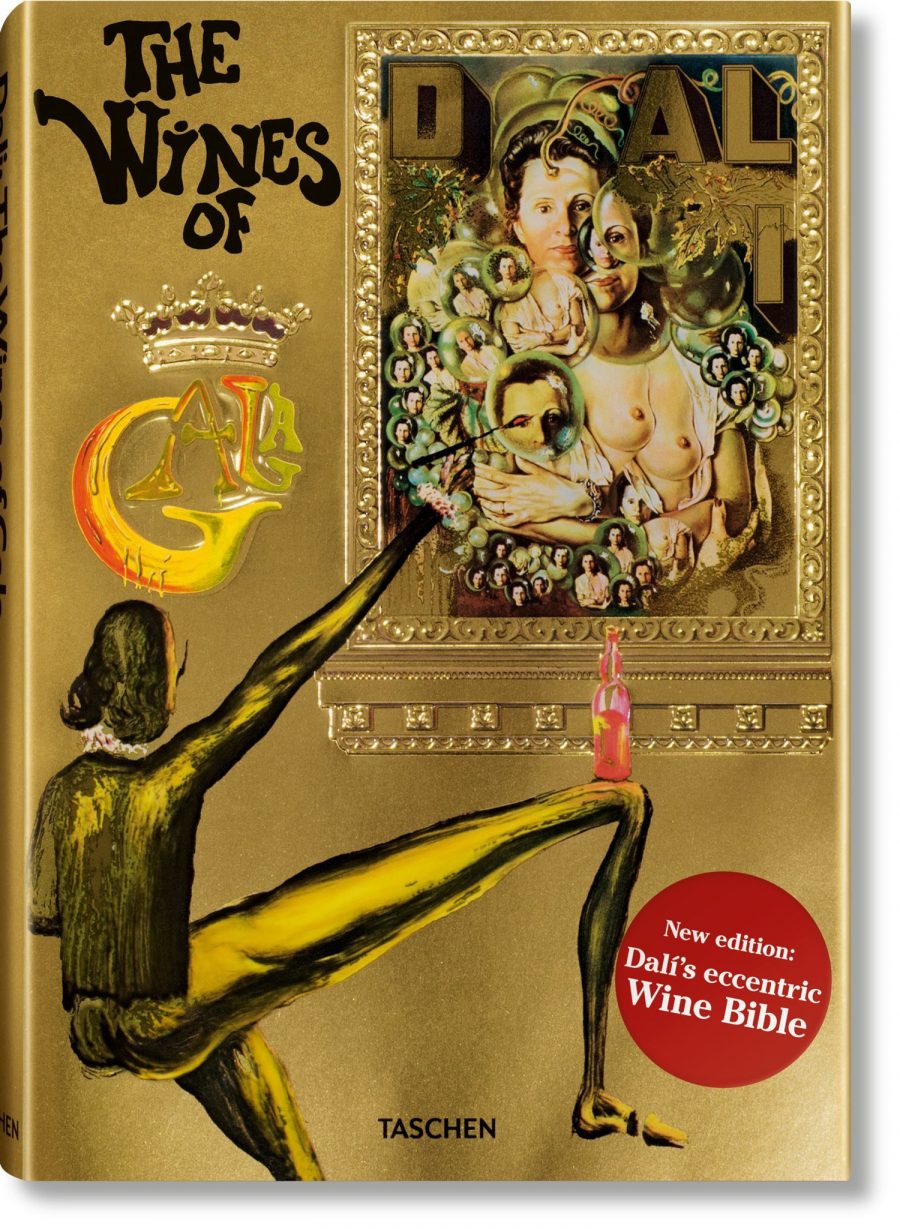
“Dalí cre­at­ed twelve heli­ogravures — a fron­tispiece, which he signed in every copy from the edi­tion, and one illus­tra­tion for each chap­ter of the book,” writes Brain Pick­ings’ Maria Popo­va. “For more than half a cen­tu­ry, this unusu­al yet organ­ic cross-pol­li­na­tion of genius remained an almost myth­ic arti­fact, reserved for col­lec­tors and schol­ars,” until Prince­ton Uni­ver­si­ty Press saw fit to reprint it for Alice’s Adven­tures in Won­der­land’s 150th anniver­sary (much as Taschen recent­ly reis­sued Dalí’s bizarre cook­book Les Din­ers de Gala).  Sweet­en­ing the deal still fur­ther, they’ve includ­ed essays by math­e­mati­cian and Dalí col­lab­o­ra­tor Thomas Ban­choff as well as Lewis Car­roll Soci­ety of North Amer­i­ca pres­i­dent Mark Burstein.

“Although the out­ra­geous­ness of Rev­erend Charles Lutwidge Dodg­son, who came up with the pen name Lewis Car­roll in 1856, was limned with­in a con­ven­tion­al fairy tale,” writes Burstein, “the sur­re­al­ists delib­er­ate­ly sought out­rage and provo­ca­tion in their art and lives and ques­tioned the nature of real­i­ty. For both Car­roll and the sur­re­al­ists, what some call mad­ness could be per­ceived by oth­ers as wis­dom.” He describes sur­re­al­is­m’s ini­tial objec­tive as mak­ing “acces­si­ble to art the realms of the uncon­scious, the irra­tional, and the imag­i­nary, and its influ­ence soon went far beyond the visu­al arts and lit­er­a­ture, embrac­ing music, film, the­ater, phi­los­o­phy, and pop­u­lar cul­ture. As have the Alice books.” And with so many realms of the uncon­scious, the irra­tional, and the imag­i­nary left to explore, this inter­sec­tion of Car­roll and Dalí’s dif­fer­ent yet com­pat­i­ble meth­ods of explo­ration should hold more appeal than ever.

You can find copies of the Prince­ton reis­sue of Dalí’s Alice’s Adven­tures in Won­der­land here.

Relat­ed Con­tent:

The Tarot Card Deck Designed by Sal­vador Dalí

Sal­vador Dalí’s 1973 Cook­book Gets Reis­sued: Sur­re­al­ist Art Meets Haute Cui­sine

Sal­vador Dalí’s Avant-Garde Christ­mas Cards

Behold Lewis Carroll’s Orig­i­nal Hand­writ­ten & Illus­trat­ed Man­u­script for Alice’s Adven­tures in Won­der­land (1864)

See Ralph Steadman’s Twist­ed Illus­tra­tions of Alice’s Adven­tures in Won­der­land on the Story’s 150th Anniver­sary

Based in Seoul, Col­in Mar­shall writes and broad­casts on cities and cul­ture. He’s at work on the book The State­less City: a Walk through 21st-Cen­tu­ry Los Ange­les, the video series The City in Cin­e­ma, the crowd­fund­ed jour­nal­ism project Where Is the City of the Future?, and the Los Ange­les Review of Books’ Korea Blog. Fol­low him on Twit­ter at @colinmarshall or on Face­book.

The World’s Oldest Multicolor Book, a 1633 Chinese Calligraphy & Painting Manual, Now Digitized and Put Online

We think of Johannes Gutenberg’s print­ing press (cir­ca 1440) to have begun the era of the print­ed book, since his inven­tion allowed for mass pro­duc­tion of books on a scale unheard of before. But we must date the inven­tion of print­ing itself much earlier—nearly 600 years earlier—to the Chi­nese method of xylog­ra­phy, a form of wood­block print­ing. Also used in Japan and Korea, this ele­gant method allowed for the repro­duc­tion of hun­dreds of books from the 9th cen­tu­ry to the time of Guten­berg, most of them Bud­dhist texts cre­at­ed by monks. In the 11th cen­tu­ry, writes Eliz­a­beth Paler­mo at Live Sci­ence, a Chi­nese peas­ant named Bi Sheng (Pi Sheng) devel­oped the world’s first mov­able type.” The tech­nol­o­gy may have also arisen inde­pen­dent­ly in the 14th cen­tu­ry Yuan Dynasty and in Korea around the same time.

Despite these inno­va­tions, xylog­ra­phy remained the pri­ma­ry method of print­ing in Asia. The “daunt­ing task” of cast­ing the thou­sands of char­ac­ters in Chi­nese, Japan­ese, and Kore­an “may have made wood­blocks seem like a more effi­cient option for print­ing these lan­guages.” This still-labor-inten­sive process pro­duced books and illus­tra­tions for sev­er­al cen­turies, a good many of them incred­i­ble works of art in their own right.

In 1633, a Chi­nese print­er named Hu Zhengyan invent­ed a tech­nique known as douban, a form of poly­chrome xylog­ra­phy that led to the cre­ation of the world’s old­est mul­ti­col­or print­ed book, Shi zhu zhai shu hua pu (Man­u­al of Cal­lig­ra­phy and Paint­ing), con­tain­ing, per­haps, writes Cam­bridge Uni­ver­si­ty Library, “the most beau­ti­ful set of prints ever made.” And now thanks to Cam­bridge, the man­u­al has been care­ful­ly dig­i­tized and made avail­able online.

Pub­lished by Hu Zhengyan’s Ten Bam­boo Stu­dio in Nan­jiang, this man­u­al for teach­ers con­tains 138 pages of mul­ti­col­or prints by fifty dif­fer­ent artists and cal­lig­ra­phers and 250 pages of accom­pa­ny­ing text. “The method” that pro­duced the stun­ning arti­fact “involves the use of mul­ti­ple print­ing blocks which suc­ces­sive­ly apply dif­fer­ent coloured inks to the paper to repro­duce the effect of water­colour paint­ing.” Kept untouched in Cambridge’s “most secure vaults,” the book was unsealed for the first time just a cou­ple years ago. “What sur­prised us,” remarked Charles Aylmer, head of the Library’s Chi­nese Depart­ment, “was the amaz­ing fresh­ness of the images, as if they had nev­er been looked at for over 300 years.”

The 17th cen­tu­ry copy is “unique in being com­plete, in per­fect con­di­tion and in its orig­i­nal bind­ing.” (Anoth­er, incom­plete, copy was acquired in 2014 by the Hunt­ing­ton Library in San Mari­no, CA.) The book con­tains many “detailed instruc­tions on brush tech­niques,” writes CNN, “but its phe­nom­e­nal beau­ty has meant from the out­set that it has held a greater posi­tion” than oth­er such man­u­als. Like anoth­er gor­geous mul­ti­col­or paint­ing text­book, the Man­u­al of the Mus­tard Seed Gar­den, made in 1679, this text had a sig­nif­i­cant impact on the arts in both Chi­na and Japan, “where it inspired a whole new branch of print­ing.”

Con­sid­ered “one of the most his­tor­i­cal­ly and artis­ti­cal­ly impor­tant illus­trat­ed books of 17th cen­tu­ry Chi­nese wood­block art,” notes Liesl Brad­ner at the L.A. Times, Hu Zhengyan’s text reflects a time when lit­er­a­cy lev­els were ris­ing. Along with them came “increas­ing con­sumer demand for the print­ed word and images, which ush­ered in a gold­en era of Chi­nese pic­to­r­i­al paint­ing.” You can page through dig­i­tal scans of the entire book, from cov­er to cov­er, at the Uni­ver­si­ty of Cambridge’s Dig­i­tal Library. Note: There are 388 pages in total. Click on the arrows at the top of this page to move through the text.

via MetaFil­ter

Relat­ed Con­tent:

Behold the Mas­ter­piece by Japan’s Last Great Wood­block Artist: View Online Tsukio­ka Yoshitoshi’s One Hun­dred Aspects of the Moon (1885)

Down­load 2,500 Beau­ti­ful Wood­block Prints and Draw­ings by Japan­ese Mas­ters (1600–1915)

An Epic Retelling of the Great Chi­nese Nov­el Romance of the Three King­doms: 110 Free Episodes and Count­ing

Josh Jones is a writer and musi­cian based in Durham, NC. Fol­low him at @jdmagness

Hunter S. Thompson Chillingly Predicts the Future, Telling Studs Terkel About the Coming Revenge of the Economically & Technologically “Obsolete” (1967)

Image  via Wiki­me­dia Com­mons

Half a cen­tu­ry ago, Hunter S. Thomp­son got his big jour­nal­is­tic break with a book called Hel­l’s Angels: The Strange and Ter­ri­ble Saga of the Out­law Motor­cy­cle Gangs. In it he pro­vid­ed a curi­ous and fear­ful pub­lic with a look into the inner work­ings of one of the most out­ward­ly men­ac­ing social move­ments of the day, based on knowl­edge gained not by mere­ly observ­ing the Hel­l’s Angels but by get­ting on a hog and spend­ing a year as a qua­si-mem­ber him­self. This gave him oppor­tu­ni­ty both to devel­op what would become his style of “gonzo jour­nal­ism” in the long form and to catch an ear­ly glimpse of big­ger trou­ble ahead in Amer­i­ca.

“To see the Hell’s Angels as care­tak­ers of the old ‘indi­vid­u­al­ist’ tra­di­tion ‘that made this coun­try great’ is only a pain­less way to get around see­ing them for what they real­ly are,” Thomp­son writes in that book, call­ing them “the first wave of a future that noth­ing in our his­to­ry has pre­pared us to cope with. The Angels are pro­to­types. Their lack of edu­ca­tion has not only ren­dered them com­plete­ly use­less in a high­ly tech­ni­cal econ­o­my, but it has also giv­en them the leisure to cul­ti­vate a pow­er­ful resent­ment… and to trans­late it into a destruc­tive cult which the mass media insists on por­tray­ing as a sort of iso­lat­ed odd­i­ty” des­tined for extinc­tion.

Studs Terkel, after read­ing that pas­sage out loud in a 1967 inter­view with Thomp­son (stream it online here), calls it “the key” to the entire book. “Here we have tech­nol­o­gy, we have the com­put­er, we have labor-sav­ing devices,” he says to Thomp­son, but we also “have the need for more and more col­lege edu­ca­tion for almost any kind of job, and we have this tremen­dous mass of young who find them­selves obso­lete.” But Thomp­son replies that the real con­se­quences have only start­ed to man­i­fest: “The peo­ple who are being left out and put behind won’t be obvi­ous for years. Christ only knows what’ll hap­pen in, say, 1985 — a mil­lion Hel­l’s Angels. They won’t be wear­ing the col­ors; they’ll be peo­ple who are just look­ing for vengeance because they’ve been left behind.”

The Angels, wrote Susan McWilliams in a much-cir­cu­lat­ed Nation piece late last year, “were clunky and out­classed and scorned, just like the Harley-David­sons they chose to dri­ve.” And “just as there was no ratio­nal way to defend Harleys against for­eign-made chop­pers, the Angels saw no ratio­nal grounds on which to defend their own skills or loy­al­ties against the emerg­ing new world order of the late 20th cen­tu­ry.” The result? An “eth­ic of total retal­i­a­tion. The Angels, rather than grace­ful­ly accept­ing their place as losers in an increas­ing­ly tech­ni­cal, intel­lec­tu­al, glob­al, inclu­sive, pro­gres­sive Amer­i­can soci­ety, stuck up their fin­gers at the whole enter­prise. If you can’t win, you can at least scare the bejeesus out of the guy wear­ing the medal.”

Six years lat­er, Terkel invit­ed Thomp­son back into his stu­dio for anoth­er inter­view (click here to lis­ten) that fol­lowed straight on from the first. Osten­si­bly there to talk about Thomp­son’s book Fear and Loathing on the Cam­paign Trail ’72 (which fol­lowed his best-known work, Fear and Loathing in Las Vegas), the two, hav­ing cracked open a beer, get into what the Studs Terkel Radio Archive blog describes as “the sense of sur­re­al­ism in ‘real’ life,” which becomes “a very seri­ous con­ver­sa­tion about the direc­tion in which our coun­try was head­ing. After Thomp­son recount­ed his expe­ri­ence of talk­ing to Richard Nixon about foot­ball” — the only sub­ject per­mit­ted — “Studs responds, ‘Isn’t this what we’re faced with now? … That fan­ta­sy and fact become one.’ ”

What’s a reporter to do in such an envi­ron­ment? Terkel seems to see in Thomp­son the per­fect kind of “sub­jec­tive” jour­nal­ist, one “who can make lit­er­al what is psy­chic in our lives,” for a time that has lost its own objec­tiv­i­ty. “Has there ever been any such thing as objec­tive jour­nal­ism?” he asks. “It’s prob­a­bly the high­est kind of jour­nal­ism, if you can do it.” Thomp­son replies. “Nobody I know has ever done it, and I don’t have time to learn it.” But the dis­tinc­tive suite of jour­nal­is­tic skills he did pos­sess primed him to per­ceive cer­tain real­i­ties — and per­ceive them with a dis­tinc­tive vivid­ness — that have only become more real in the decades since. What, for instance, did he learn from cov­er­ing the 1972 pres­i­den­tial cam­paign? “Pow­er cor­rupts… but it’s also a fan­tas­tic high.”

Relat­ed Con­tent:

New Ani­ma­tion: Hunter S. Thomp­son Talks with Studs Terkel About the Hell’s Angels & The Out­law Life

Hunter S. Thomp­son Gets Con­front­ed by The Hell’s Angels: Where’s Our Two Kegs of Beer? (1967)

Hunter S. Thompson’s Con­spir­a­to­r­i­al 9/11 Inter­view: “The Pub­lic Ver­sion of the News is Nev­er Real­ly What Hap­pened”

Hunter S. Thomp­son Gets in a Gun­fight with His Neigh­bor & Dis­pens­es Polit­i­cal Wis­dom: “In a Democ­ra­cy, You Have to Be a Play­er”

Read 18 Lost Sto­ries From Hunter S. Thompson’s For­got­ten Stint As a For­eign Cor­re­spon­dent

Read 11 Free Arti­cles by Hunter S. Thomp­son That Span His Gonzo Jour­nal­ist Career (1965–2005)

Based in Seoul, Col­in Mar­shall writes and broad­casts on cities and cul­ture. He’s at work on the book The State­less City: a Walk through 21st-Cen­tu­ry Los Ange­les, the video series The City in Cin­e­ma, the crowd­fund­ed jour­nal­ism project Where Is the City of the Future?, and the Los Ange­les Review of Books’ Korea Blog. Fol­low him on Twit­ter at @colinmarshall or on Face­book.

Stream a 24 Hour Playlist of Charles Dickens Stories, Featuring Classic Recordings by Laurence Olivier, Orson Welles & More

Chil­dren, cast off your fin­ger­less mitts and gath­er round the mer­ci­ful­ly cold hearth for some old timey, sea­son­al­ly inap­pro­pri­ate lis­ten­ing.

Spo­ti­fy has pulled togeth­er 67 Charles Dick­ens audio clas­sics into a mas­sive playlist for your sum­mer­time lis­ten­ing enjoy­ment–near­ly 24 hours worth. That should last the long cross-coun­try dri­ve to see grand­ma.

Big goril­las like Oliv­er Twist and Great Expec­ta­tions fig­ure promi­nent­ly. Sir Lau­rence Olivi­er, prepar­ing to step into the part of Mr. Micaw­ber, calls David Cop­per­field “a nov­el which I think must be almost the most famous ever writ­ten.”

Still true half a cen­tu­ry lat­er? Imma­te­r­i­al. Olivier’s use of “I think” and “almost” leaves room enough for a sort of genial, gen­er­al agree­ment.

Some of the intro­duc­tions give unin­ten­tion­al­ly hilar­i­ous added val­ue, such as host Frank Craven’s attempt to con­tex­tu­al­ize a Lux Radio The­ater pre­sen­ta­tion star­ring Orson Welles as Syd­ney Car­ton in A Tale of Two Cities excerpt. The author’s work was often pub­lished in ser­i­al form, he tells lis­ten­ers:

Records tell us of how crowds thronged the wards of New York City to receive news of their favorite hero­ine or hero. For already, the names of Dick­ens’ char­ac­ters were house­hold words, as much, I imag­ine, as Lux Toi­let Soap is a house­hold word through­out Amer­i­ca today, and for very much the same reason–the abil­i­ty to find approval among peo­ple of all kinds of ages and every walk of life, not only among women who are anx­ious to pre­serve their love­li­ness but with every mem­ber of the fam­i­ly, young and old. Lux Toi­let Soap is quick to make friends and to keep them. 

How dis­ap­point­ed the spon­sors must’ve been that in the whole of A Tale of Two Cities, there’s not a sin­gle ref­er­ence to soap. (For the record, Oliv­er Twist has one and David Cop­per­field has two…)

Less­er known treats include Emlyn Williams, a Welsh actor who spent three decades per­form­ing as Dick­ens in a tour­ing solo show, read­ing “Mr. Chops,” a tale of a cir­cus dwarf, ill used by soci­ety. Dick­ens him­self per­formed the sto­ry on his pop­u­lar lec­ture tours. More recent­ly actor Simon Cal­low mined it for a one man show. Stur­dy mate­r­i­al.

The 24-hour playlist (the first one above) will be added to our list of Free Audio Books. If you need to down­load Spo­ti­fy’s free soft­ware, grab it here.

Relat­ed Con­tent:

An Ani­mat­ed Intro­duc­tion to Charles Dick­ens’ Life & Lit­er­ary Works

8+ Hours of Clas­sic Charles Dick­ens Sto­ries Dra­ma­tized, Star­ring Orson Welles, Boris Karloff, Richard Bur­ton & More

Charles Dar­win & Charles Dick­ens’ Four-Hour Work Day: The Case for Why Less Work Can Mean More Pro­duc­tiv­i­ty

Ayun Hal­l­i­day is an author, illus­tra­tor, the­ater mak­er and Chief Pri­ma­tol­o­gist of the East Vil­lage Inky zine.  Fol­low her @AyunHalliday.

An 8‑Hour Marathon Reading of 500 Emily Dickinson Poems

It’s unlike­ly that reclu­sive poet Emi­ly Dick­in­son would have want­ed much fuss made over her birth­day while still alive to cel­e­brate it.

But with the lady safe­ly ensconced in Amherst’s West Cemetery’s plot 53 for more than a cen­tu­ry, fans can observe the day in the man­ner they see fit.

The Library of Con­gress’ Poet­ry and Lit­er­a­ture Cen­ter threw in with the Fol­ger Library in cel­e­bra­tion of her 184th, invit­ing poet­ry lovers to the free marathon read­ing of her work, above (and below).

Poet Eleanor Hegin­both­am cit­ed Dickinson’s let­ter to her edi­tor, abo­li­tion­ist Thomas Went­worth Hig­gin­son–“Are you too deeply occu­pied to say if my verse is alive?”–before prim­ing the break­fast crowd on what they should expect from the 8 hour marathon:

We’re just going to have a day with no dis­cus­sion beyond… And it will be frus­trat­ing that we can’t ask ques­tions, we can’t stop and say, “Oh, my good­ness.  Let’s do that one over again.”  We’re just going to read and read and read.  And from this moment on, the voice of Emi­ly Dick­in­son, through those of you in this room, that’s the only voice we’re going to hear, and won’t that be fun?

Yes, though you may want to pack a nutri­tious snack to keep your ener­gy up. The read­ing slots were secured by means of an online sign up sheet, and while such egal­i­tar­i­an­ism is laud­able, it does not nec­es­sar­i­ly con­fer per­for­mance chops on the inex­pe­ri­enced.

Nat­u­ral­ly, there are stand outs.

Mar­i­anne Noble, Asso­ciate Pro­fes­sor of Lit­er­a­ture at Amer­i­can Uni­ver­si­ty, is a high­light with Poem 75, (2:36:40, above). Her Emi­ly Rocks t‑shirt is pret­ty rad too.

Pro­fes­sor Hegin­both­am is anoth­er sort of treat with Poem 416, 30 min­utes and 40 sec­onds into the sec­ond video, below.

All told, the vol­un­teer read­ers held the podi­um for 8 hours, mak­ing it through 500 poems, slight­ly less than a third of the poet’s out­put.

A tran­script of the event, with the read­ers’ names record­ed before their cho­sen vers­es can be found here.

Sin­gle tick­ets for the Fol­ger’s 2017 Emi­ly Dick­in­son Birth­day Trib­ute, co-host­ed by poet and  fem­i­nist lit­er­ary crit­ic, San­dra M. Gilbert, go on sale August 1.

This marathon read­ing of Dick­in­son’s poems will be added to our col­lec­tion, 1,000 Free Audio Books: Down­load Great Books for Free.

Relat­ed Con­tent:

The Online Emi­ly Dick­in­son Archive Makes Thou­sands of the Poet’s Man­u­scripts Freely Avail­able

The Sec­ond Known Pho­to of Emi­ly Dick­in­son Emerges

Bill Mur­ray Reads Poet­ry at a Con­struc­tion Site: Emi­ly Dick­in­son, Bil­ly Collins & More

Ayun Hal­l­i­day is an author, illus­tra­tor, the­ater mak­er and Chief Pri­ma­tol­o­gist of the East Vil­lage Inky zine.  Dis­cuss Emi­ly Dick­in­son with her infor­mal­ly at Pete’s Mini Zine­fest in Brook­lyn this Sat­ur­day. Fol­low her @AyunHalliday.

Behold Lewis Carroll’s Original Handwritten & Illustrated Manuscript for Alice’s Adventures in Wonderland (1864)

Almost exact­ly 155 years ago, Lewis Car­roll told three young sis­ters a sto­ry. He’d come up with it to enliv­en a long boat trip up the Riv­er Thames, and one of the chil­dren aboard, a cer­tain Alice Lid­dell, enjoyed it so much that she insist­ed that Car­roll com­mit it to paper. Thus, so the leg­end has it, was Alice’s Adven­tures in Won­der­land born, although Lewis Car­roll, then best known as Oxford math­e­mat­ics tutor Charles Lutwidge Dodg­son, had­n’t tak­en up his famous pen name yet, and when he did write down Alice’s Adven­tures in Won­der­land, it took its first form as Alice’s Adven­tures Under Ground. You can read that hand­writ­ten man­u­script, com­plete with illus­tra­tions.

Car­roll pre­sent­ed the fic­tion­al Alice’s name­sake with the man­u­script, accord­ing to the British Library, as an ear­ly Christ­mas present in 1864. When his friends encour­aged him to pub­lish it, he per­formed a few revi­sions, “remov­ing some of the fam­i­ly ref­er­ences includ­ed for the amuse­ment of the Lid­dell chil­dren,” adding a cou­ple of chap­ters (the beloved Cheshire Cat and the Mad Hatter’s tea par­ty being among their new mate­r­i­al), and enlist­ing John Ten­niel, a Punch mag­a­zine car­toon­ist known for his illus­tra­tions of Aesop’s Fables, to cre­ate pro­fes­sion­al art to accom­pa­ny it. The result, reti­tled Alice’s Adven­tures in Won­der­land, came out in 1865 and has nev­er gone out of print.

Though Ten­niel’s vivid ren­der­ings of Alice and the eccen­tric char­ac­ters she encoun­ters have remained defin­i­tive, plen­ty of oth­er artists, includ­ing Sal­vador Dalí and Ralph Stead­man, have attempt­ed the sure­ly almost irre­sistible chal­lenge of illus­trat­ing Car­rol­l’s high­ly imag­i­na­tive sto­ry. But today, says Skid­more Col­lege pro­fes­sor Cather­ine J. Gold­en at The Vic­to­ri­an Web, “crit­ics have reeval­u­at­ed Carroll’s car­i­ca­ture-style illus­tra­tion. Car­roll expert­ly inter­twines his hand­writ­ten text with his pic­tures to advance the growth motif. His con­cep­tion of the mouse’s ‘tale’ shaped like an actu­al mouse’s ‘tail’ is an excel­lent exam­ple of emblem­at­ic verse.”

Ten­niel, Gold­en argues, “essen­tial­ly refash­ioned with real­ism and improved upon many of Carroll’s sketchy or anatom­i­cal­ly incor­rect illus­tra­tions, adding domes­tic inte­ri­ors and land­scapes that appealed to mid­dle-class con­sumers of the 1860s.” Even “late twen­ti­eth-cen­tu­ry graph­ic nov­el adap­ta­tions of Alice in Won­der­land recall many of Carroll’s inven­tive designs as well as those of Ten­niel,” which gives Car­rol­l’s orig­i­nal man­u­script more claim to hav­ing pro­vid­ed the visu­al basis, not just the tex­tu­al one, for the fol­low­ing cen­tu­ry and a half of sequels offi­cial and unof­fi­cial, as well as adap­ta­tions, reen­vi­sion­ings, and reimag­in­ings of this “Christ­mas gift to a dear child in mem­o­ry of a sum­mer day.”

You can view Carroll’s orig­i­nal man­u­script, com­plete with illus­tra­tions, here.

Relat­ed Con­tent:

Alice’s Adven­tures in Won­der­land Read by Sir John Giel­gud: A Great Way to Cel­e­brate the Novel’s 150th Anniver­sary

Lewis Carroll’s Pho­tographs of Alice Lid­dell, the Inspi­ra­tion for Alice in Won­der­land

Pho­to of the Real Alice in Won­der­land Cir­ca 1862

See Ralph Steadman’s Twist­ed Illus­tra­tions of Alice’s Adven­tures in Won­der­land on the Story’s 150th Anniver­sary

The First Film Adap­ta­tion of Alice in Won­der­land (1903)

Lewis Carroll’s Clas­sic Sto­ry, Alice’s Adven­tures in Won­der­land, Told in Sand Ani­ma­tion

When Aldous Hux­ley Wrote a Script for Disney’s Alice in Won­der­land

Based in Seoul, Col­in Mar­shall writes and broad­casts on cities and cul­ture. He’s at work on the book The State­less City: a Walk through 21st-Cen­tu­ry Los Ange­les, the video series The City in Cin­e­ma, the crowd­fund­ed jour­nal­ism project Where Is the City of the Future?, and the Los Ange­les Review of Books’ Korea Blog. Fol­low him on Twit­ter at @colinmarshall or on Face­book.

The Splendid Book Design of the 1946 Edition of Gibbon’s Decline and Fall of the Roman Empire

decline of roman empire

In 1929, the book pub­lish­er George Macy found­ed The Lim­it­ed Edi­tions Club (LEC), an imprint tasked with pub­lish­ing fine­ly illus­trat­ed lim­it­ed edi­tions of clas­sic books. In the years to come, Macy worked with artists like Matisse and Picas­so, and pho­tog­ra­phers like Edward West­on, to pro­duce books with artis­tic illus­tra­tions on their inner pages. And some­times The Lim­it­ed Edi­tions Club even turned its design focus to oth­er parts of the book. Take for exam­ple this 1946 edi­tion of Edward Gib­bon’s The Decline and Fall of the Roman Empire and its pret­ty amaz­ing spine design.

Cre­at­ed by Clarence P. Hor­nung, the design cap­tures the essence of Gib­bon’s clas­sic, show­ing Roman pil­lars pro­gres­sive­ly crum­bling as your eyes move from Vol­ume 1 to Vol­ume 7. George Macy lat­er called the col­lec­tion, which also fea­tures illus­tra­tions by the great 18th-cen­tu­ry print­mak­er Gio­van­ni Bat­tista Pirane­si, “the most her­culean labor of our career.”

Find more infor­ma­tion about this 1946 edi­tion here. Or, if you have deep pock­ets, pur­chase a copy here.

Note: an ear­li­er ver­sion of this post appeared on our site in June 2015.

If you would like to sign up for Open Culture’s free email newslet­ter, please find it here. It’s a great way to see our new posts, all bun­dled in one email, each day.

If you would like to sup­port the mis­sion of Open Cul­ture, con­sid­er mak­ing a dona­tion to our site. It’s hard to rely 100% on ads, and your con­tri­bu­tions will help us con­tin­ue pro­vid­ing the best free cul­tur­al and edu­ca­tion­al mate­ri­als to learn­ers every­where. You can con­tribute through Pay­Pal, Patre­on, and Ven­mo (@openculture). Thanks!

Relat­ed Con­tent:

700 Free eBooks for iPad, Kin­dle & Oth­er Devices

630 Free Audio Books: Down­load Great Books for Free

The His­to­ry of Rome in 179 Pod­casts

Free Cours­es in Ancient His­to­ry, Lit­er­a­ture & Phi­los­o­phy

Rome Reborn: Take a Vir­tu­al Tour Through Ancient Rome, 320 C.E.

« Go BackMore in this category... »
Quantcast