How to Read Books That Challenge Your Mind: Advice from Robert Greene, Author of The 48 Laws of Power

If you’ve fall­en out of the habit of read­ing books, you’re cer­tain­ly not alone. Con­sid­er how often posts cir­cu­late on social media (itself a big part of the prob­lem) about stud­ies show­ing a rapid increase in the num­ber of peo­ple who don’t even get one book read per year. How best to get back on the lit­er­ary wag­on? You might try going straight for the hard stuff, as it were, by tak­ing on a nov­el like Moby-Dick. But that, accord­ing to the view artic­u­lat­ed in the video above by The 48 Laws of Pow­er author Robert Greene, would be like step­ping back into the gym after years away and try­ing to bench press 300 pounds. Rather than start­ing with Melville’s mas­ter­piece, build your way up to it — but once you get to it, you’ve got to fin­ish it.

“You want to train your­self to fin­ish books, and not con­stant­ly be going from one to anoth­er to anoth­er,” Greene says, and that holds even for those you may not enjoy. “When I read a book that I hate, that is bor­ing, and I make myself read all the way through, I kind of take angry notes about it: God, this is ridicu­lous, this is so stu­pid, I hate this, this guy does­n’t know what he’s talk­ing about. You can react to the book, you can have a dia­logue with it, but you want to be able to have the patience to get through a 400- 500, 600-page book.” To return to the weight-train­ing anal­o­gy, a short­er book to start could be “kind of easy, and it could be in a sub­ject that inter­ests you,” but upon fin­ish­ing it, you should “choose some­thing that’s a lit­tle bit dif­fi­cult and a lit­tle bit com­pli­cat­ed.”

The idea is delib­er­ate­ly to choose books that chal­lenge you, a qual­i­ty that does­n’t come from length alone. If one gives you an impres­sion that “it’s not how you feel polit­i­cal­ly about the world, it’s not how you feel spir­i­tu­al­ly about the world, it’s some­thing that’s a lit­tle bit out­side what you would nor­mal­ly encounter,” take it as a sign that you should read it. Approach­ing the mat­ter from the oth­er direc­tion, Greene also advis­es not to “just choose things that you think are enter­tain­ing and fun, because that’s going to make you lazy, and it’s going to make you weak, and it’s going to make you always look for things that are enter­tain­ing, fun, and dis­tract­ing.” An air­port-thriller-heavy diet may work for Mal­colm Glad­well, but it’s unlike­ly to work for you.

As an exam­ple of a chal­leng­ing read, Greene points to any of Robert Caro’s four bio­graph­i­cal vol­umes about U.S. Pres­i­dent Lyn­don B. John­son, one of which runs to well over 1,000 pages. He could also have sug­gest­ed Caro’s ear­li­er The Pow­er Bro­ker: Robert Moses and the Fall of New York, one of those books — along­side not just Moby-Dick, but also the Bible, UlyssesWar and Peace, and even Pride and Prej­u­dice — that even many seri­ous read­ers only pre­tend to have made it through, or indeed start­ed. What­ev­er the mate­r­i­al you use, Greene says, “I beg you to train your mind like you train your body, to go through some­thing that’s a lit­tle more dif­fi­cult, a lit­tle more chal­leng­ing, that’s going to take some time for you. That’s the way to devel­op the habit of want­i­ng to read, and to have the patience to read more books.” No pain, no gain, as the body­builders say; bear that in mind when you get to Melville’s dis­tilled course on cetol­ogy.

Relat­ed con­tent:

How to Read Five Books Per Month & Become a Seri­ous Read­er: Tips from Deep Work Author Cal New­port

20 Books Peo­ple Pre­tend to Read (and Now Your Con­fes­sions?)

How to Read Many More Books in a Year: Watch a Short Doc­u­men­tary Fea­tur­ing Some of the World’s Most Beau­ti­ful Book­stores

5 Books You Can Read Again .… and Again and Again: Here’s Our Picks, Now Yours

7 Tips for Read­ing More Books in a Year

The Nature of Human Stu­pid­i­ty Explained by The 48 Laws of Pow­er Author Robert Greene

Based in Seoul, Col­in Marshall writes and broad­casts on cities, lan­guage, and cul­ture. He’s the author of the newslet­ter Books on Cities as well as the books 한국 요약 금지 (No Sum­ma­riz­ing Korea) and Kore­an Newtro. Fol­low him on the social net­work for­mer­ly known as Twit­ter at @colinmarshall.

How to Rescue a Wet, Damaged Book: A Handy Visual Primer

How to save those wet, dam­aged books? The ques­tion has to be asked. Above, you can watch a visu­al primer from the Syra­cuse Uni­ver­si­ty Libraries—peo­ple who know some­thing about tak­ing care of books. It con­tains a series of tips, some intu­itive, some less so, that will give you a clear action plan the next time water and paper meet.

If you would like to sign up for Open Culture’s free email newslet­ter, please find it here. It’s a great way to see our new posts, all bun­dled in one email, each day.

If you would like to sup­port the mis­sion of Open Cul­ture, con­sid­er mak­ing a dona­tion to our site. It’s hard to rely 100% on ads, and your con­tri­bu­tions will help us con­tin­ue pro­vid­ing the best free cul­tur­al and edu­ca­tion­al mate­ri­als to learn­ers every­where. You can con­tribute through Pay­Pal, Patre­on, and Ven­mo (@openculture). Thanks!

Relat­ed Con­tent:

How an Art Con­ser­va­tor Com­plete­ly Restores a Dam­aged Paint­ing: A Short, Med­i­ta­tive Doc­u­men­tary

Watch a 106-Year-Old Wiz­ard of Oz Book Get Mag­i­cal­ly Restored … By Cut­ting the Book’s Spine, Wash­ing Pages & Recol­or­ing Illus­tra­tions

Watch a Japan­ese Crafts­man Lov­ing­ly Bring a Tat­tered Old Book Back to Near Mint Con­di­tion

Watch 52,000 Books Get­ting Reshelved at The New York Pub­lic Library in a Short, Time­lapse Film

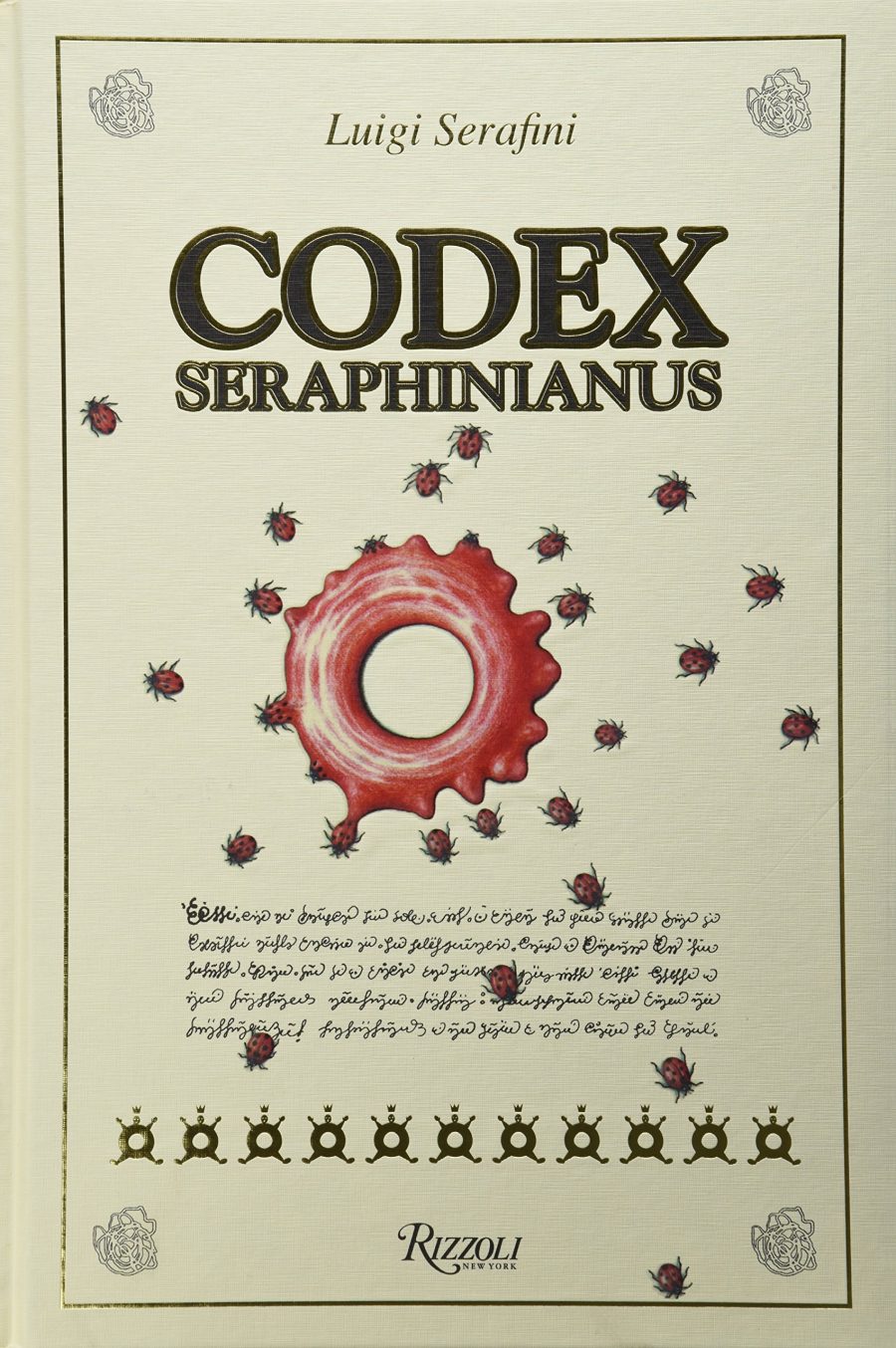
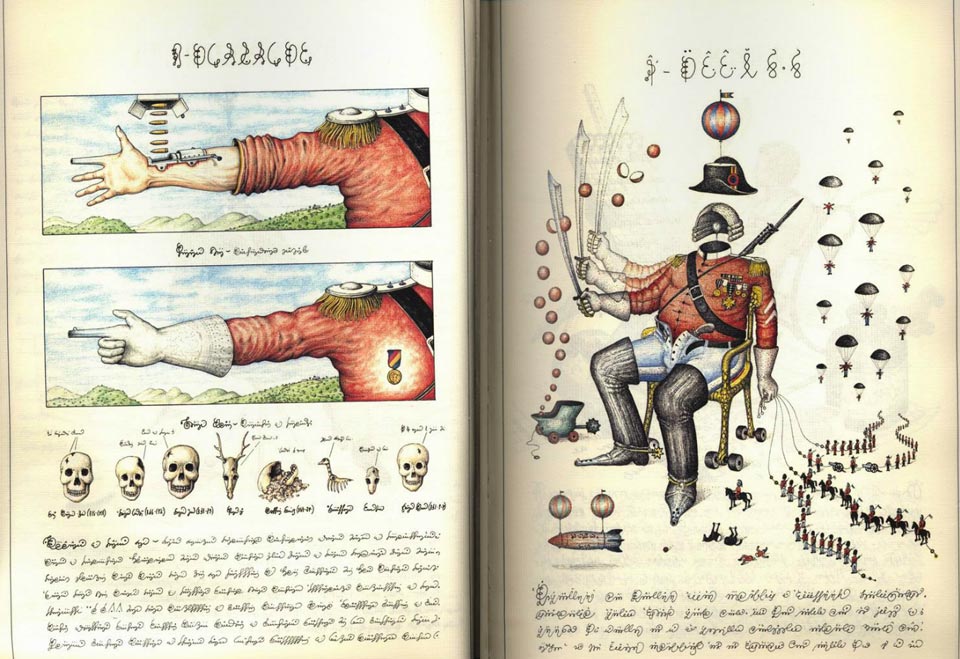
An Introduction to the Codex Seraphinianus, the Strangest Book Ever Published

Imag­ine you could talk to Hierony­mus Bosch, the authors of the Book of Rev­e­la­tion, or of the Voyn­ich Man­u­script—a bizarre 15th cen­tu­ry text writ­ten in an uncrack­able code; that you could solve cen­turies-old mys­ter­ies by ask­ing them, “what were you think­ing?” You might be dis­ap­point­ed to hear them say, as does Lui­gi Ser­afi­ni, author and illus­tra­tor of the Codex Seraphini­anus, “At the end of the day [it’s] sim­i­lar to the Rorschach inkblot test. You see what you want to see. You might think it’s speak­ing to you, but it’s just your imag­i­na­tion.”

If you were a long­time devo­tee of an intense­ly sym­bol­ic, myth­ic text, you might refuse to believe this. It must mean some­thing, fans of the Codex have insist­ed since the book’s appear­ance in 1981.

It shares many sim­i­lar­i­ties with the Voyn­ich Man­u­script, save its rel­a­tive­ly recent vin­tage and liv­ing author: both the Seraphini­anus and the Voyn­ich seem to be com­pendi­ums of an oth­er­world­ly nat­ur­al sci­ence and art, and both are writ­ten in a whol­ly invent­ed lan­guage.

Ser­afi­ni tells Wired he thinks Voyn­ich is a fake. “The Holy Roman Emper­or Rudolf II loved ancient man­u­scripts; some­body swin­dled him and spread the rumor that it was orig­i­nal. The idea of made-up lan­guages is not new at all.” As for his own made-up lan­guage in the Codex, he avers, “I always said that there is no mean­ing behind the script; it’s just a game.” But it is not a hoax. Though he hasn’t mind­ed the mon­ey from the book’s cult pop­u­lar­i­ty, he cre­at­ed the book, he says, “try­ing to reach out to my fel­low peo­ple, just like blog­gers do.” It is, he says, “the prod­uct of a gen­er­a­tion that chose to con­nect and cre­ate a net­work, rather than kill each oth­er in wars like their fathers did.”

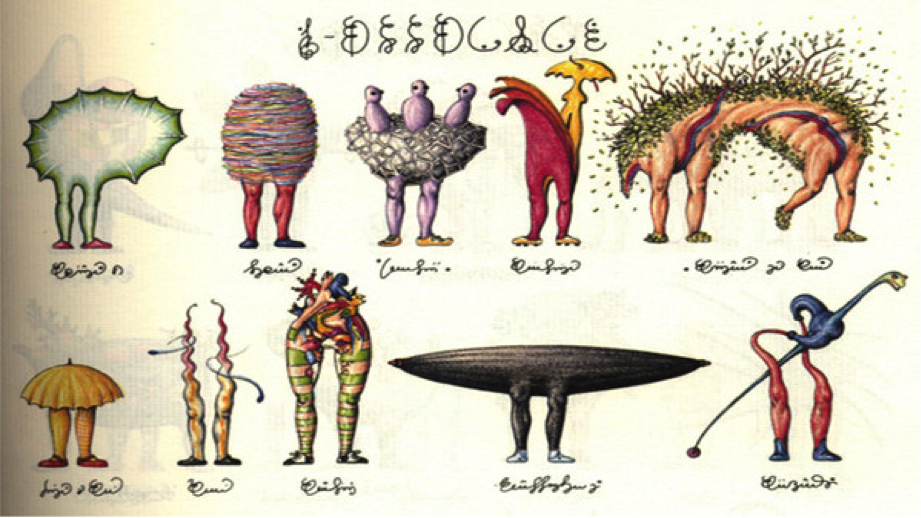
The Codex, writes Abe Books, who made the short video review above, is “essen­tial­ly an ency­clo­pe­dia about an alien world that clear­ly reflects our own, each chap­ter appears to deal with key facets of this sur­re­al place, includ­ing flo­ra, fau­na, sci­ence, machines, games and archi­tec­ture.” That’s only a guess giv­en the unin­tel­li­gi­ble lan­guage.

The illus­tra­tions seem to draw from Bosch, Leonar­do da Vin­ci, and the medieval trav­el­ogue as much as from the sur­re­al­ism of con­tem­po­rary Euro­pean artists like Fan­tas­tic Plan­et ani­ma­tor René Laloux.

Ser­afi­ni has been delight­ed to see an exten­sive inter­net com­mu­ni­ty coa­lesce around the book, and has had his fun with it. He “now states,” writes Dan­ger­ous Minds, “that a stray white cat that joined him while he cre­at­ed the Codex in Rome in the 1970s was actu­al­ly the real author, tele­path­i­cal­ly guid­ing Ser­afi­ni as he drew and ‘wrote.’” You can now, thanks to a recent, rel­a­tive­ly afford­able edi­tion pub­lished by Riz­zoli, pur­chase your copy of the Codex. Buy now, I’d say. First edi­tions of the book now fetch upwards of $6000, and its pop­u­lar­i­ty shows no sign of slow­ing.

Note: An ear­li­er ver­sion of this post appeared on our site in 2017.

Relat­ed Con­tent:  

A Dig­i­tal Archive of Hierony­mus Bosch’s Com­plete Works: Zoom In & Explore His Sur­re­al Art

Explore a Dig­i­tized Edi­tion of the Voyn­ich Man­u­script, “the World’s Most Mys­te­ri­ous Book”

Carl Jung’s Hand-Drawn, Rarely-Seen Man­u­script The Red Book

The Foot-Lick­ing Demons & Oth­er Strange Things in a 1921 Illus­trat­ed Man­u­script from Iran

Josh Jones is a writer and musi­cian based in Durham, NC. 

by | Permalink | Make a Comment ( 1 ) |

An Introduction to Outsider Artist Henry Darger and His Bizarre 15,000-Page Illustrated Masterwork

The expres­sion “Don’t quit your day job” is often used as an insult, imply­ing that the recip­i­en­t’s cre­ative skills aren’t up to attract­ing a career-sup­port­ing audi­ence. But it can also be prac­ti­cal advice in cer­tain cas­es, espe­cial­ly those of artists pos­sessed of a sen­si­bil­i­ty too par­tic­u­lar and strange to bear direct expo­sure to the mar­ket­place. So it was with Hen­ry Darg­er, who delib­er­ate­ly passed his 81 years in near-absolute obscu­ri­ty, work­ing increas­ing­ly menial jan­i­to­r­i­al jobs by day and, when not attend­ing one of his five dai­ly mass­es, obsess­ing over his art the rest of the time. That art took var­i­ous forms, most notably The Sto­ry of the Vivian Girls, in What is Known as the Realms of the Unre­al, of the Glandeco–Angelinian War Storm, Caused by the Child Slave Rebel­lion, which has been described as the longest work of fic­tion ever writ­ten — and the strangest.

As described in the video above from Fredrik Knud­sen (and in the 2004 fea­ture-length doc­u­men­tary In the Realms of the Unre­al), its 15,145 pages relate the adven­tures of a set of immac­u­late­ly vir­tu­ous lit­tle girls against the back­drop of an apoc­a­lyp­tic, ultra-vio­lent reli­gious war. When Darg­er’s land­lords dis­cov­ered the work after his death, they also turned up a vari­ety of draw­ings, paint­ings, and col­lages, many of them at least oblique­ly relat­ed to the sto­ry.

Against back­drops alter­nate­ly idyl­lic and har­row­ing, the Vivian girls often appear naked, some­times bewil­der­ing­ly out­fit­ted with male gen­i­talia. Though clear­ly com­posed with­out for­mal train­ing of any kind, Darg­er’s visu­al com­po­si­tions demon­strate an askew kind of pro­fi­cien­cy, or at least a kind of stag­ger­ing evo­lu­tion over the course of decades. What­ev­er the appeal of his work, there’s nev­er been an artist like him. Nor could there be, giv­en the high­ly spe­cif­ic stretch of his­to­ry occu­pied by his long yet rigid­ly bound­ed life.

Not long after Darg­er’s birth in the Chica­go of 1892, the death of his moth­er fol­lowed by the inca­pac­i­ta­tion of his father plunged him into a child­hood of Dick­en­sian-sound­ing hard­ship, spent in insti­tu­tions with names like the Illi­nois Asy­lum for Fee­ble-Mind­ed Chil­dren. An aggriev­ed lon­er seem­ing­ly afflict­ed by what we would now call men­tal health dif­fi­cul­ties from the start, he took a kind of refuge in the fan­ta­sy coher­ing in his head, one shaped equal­ly by mass print media phe­nom­e­na like Win­nie Win­kle and Lit­tle Annie Rooney, Civ­il War pho­tographs, and ultra-devout Catholi­cism. Since his posthu­mous dis­cov­ery and ele­va­tion to the sta­tus of the ulti­mate “out­sider artist,” there’s been no end of spec­u­la­tion about his per­son­al habits, sex­u­al pro­cliv­i­ties, and state of mind. But with all such ques­tions beyond res­o­lu­tion, we can, for the moment, leave the last word to the artist him­self: “It’s bet­ter to be a suck­er who makes some­thing than a wise guy who is too cau­tious to make any­thing at all.”

Relat­ed Con­tent:

Meet Hen­ry Darg­er, the Most Famous of Out­sider Artists, Who Died in Obscu­ri­ty, Leav­ing Behind Hun­dreds of Unseen Fan­ta­sy Illus­tra­tions and a 15,000-Page Nov­el

The Artistry of the Men­tal­ly Ill: The 1922 Book That Pub­lished the Fas­ci­nat­ing Work of Schiz­o­phrenic Patients, and Influ­enced Paul Klee, Wass­i­ly Kandin­sky & Oth­er Avant Garde Artists

Japan­ese Artist Has Drawn Every Meal He’s Eat­en for 32 Years: Behold the Deli­cious Illus­tra­tions of Itsuo Kobayashi

Explore a Dig­i­tized Edi­tion of the Voyn­ich Man­u­script, “the World’s Most Mys­te­ri­ous Book”

A Short Video Intro­duc­tion to Hilma af Klint, the Mys­ti­cal Female Painter Who Helped Invent Abstract Art

Lewis Carroll’s Pho­tographs of Alice Lid­dell, the Inspi­ra­tion for Alice in Won­der­land

Based in Seoul, Col­in Marshall writes and broad­casts on cities, lan­guage, and cul­ture. He’s the author of the newslet­ter Books on Cities as well as the books 한국 요약 금지 (No Sum­ma­riz­ing Korea) and Kore­an Newtro. Fol­low him on the social net­work for­mer­ly known as Twit­ter at @colinmarshall.

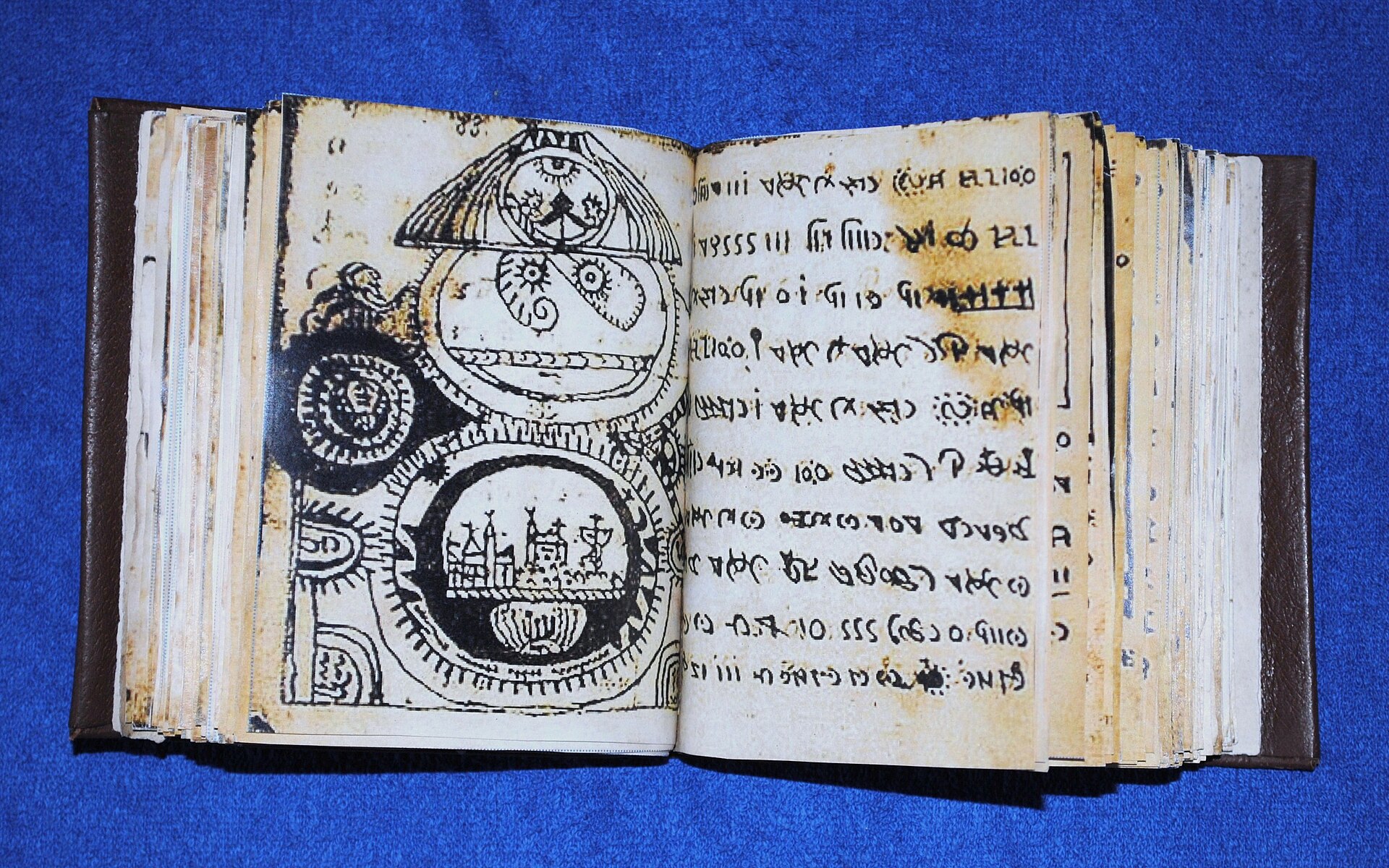
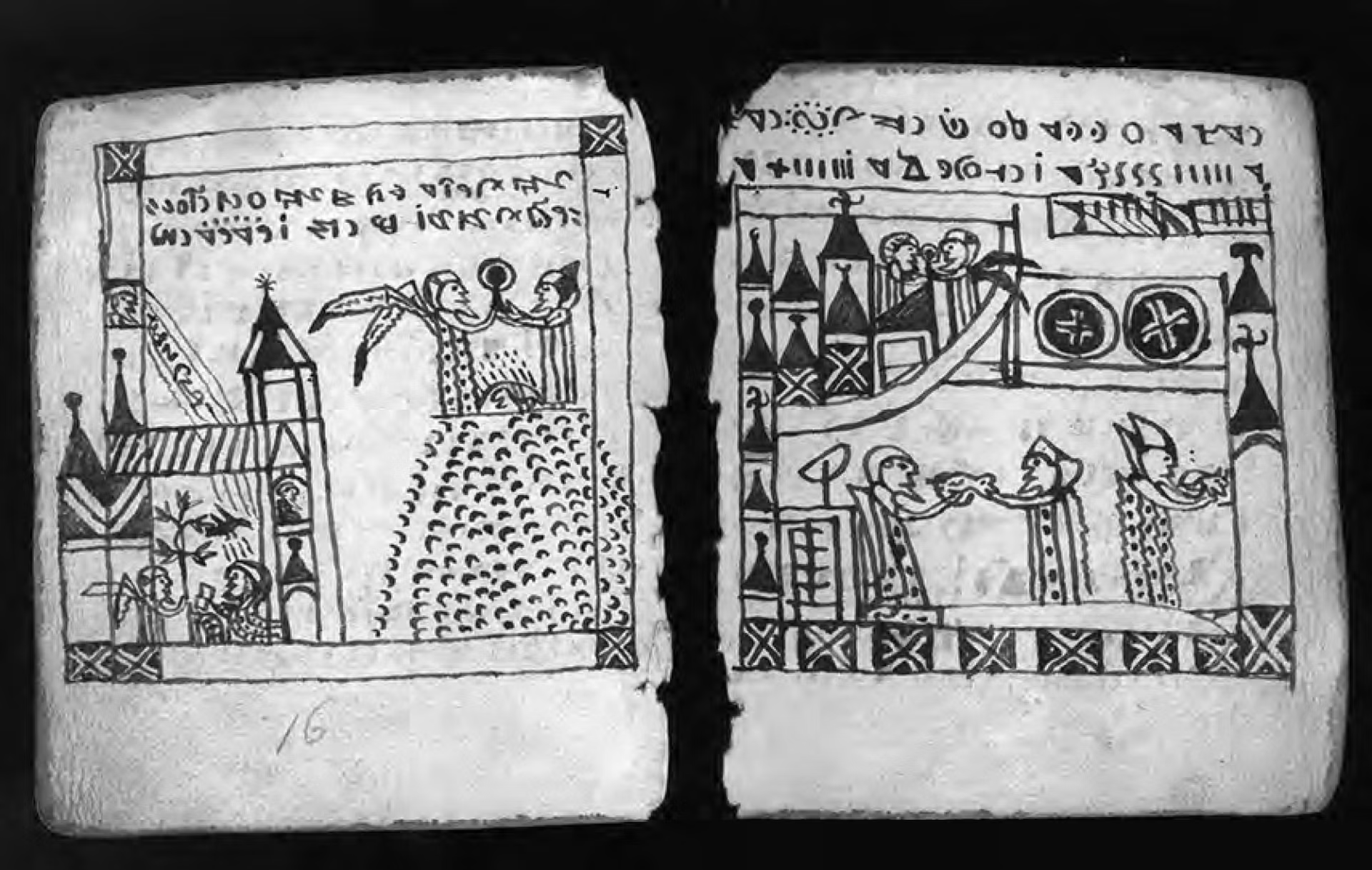
The Rohonc Codex: Hungary’s Mysterious Manuscript That No One Can Read

Image by Klaus Schmeh, via Wiki­me­dia Com­mons

Mag­yar, which is spo­ken and writ­ten in Hun­gary, ranks among the hard­est Euro­pean lan­guages to learn. (The U.S. For­eign Ser­vice Insti­tute puts it in the sec­ond-to-high­est lev­el, accom­pa­nied by the dread­ed aster­isk label­ing it as “usu­al­ly more dif­fi­cult than oth­er lan­guages in the same cat­e­go­ry.”) But once you mas­ter its vow­el har­mo­ny sys­tem, its def­i­nite and indef­i­nite con­ju­ga­tion, and its eigh­teen gram­mat­i­cal cas­es, among oth­er noto­ri­ous fea­tures, you can final­ly enjoy the work of writ­ers like Nobel Lau­re­ates Imre Kertész and Lás­zló Krasz­na­horkai in the orig­i­nal. Alas, no degree of mas­tery will be much help if you want to under­stand a much old­er — and, in its way, much more noto­ri­ous — Hun­gar­i­an text, the Rohonc Codex.

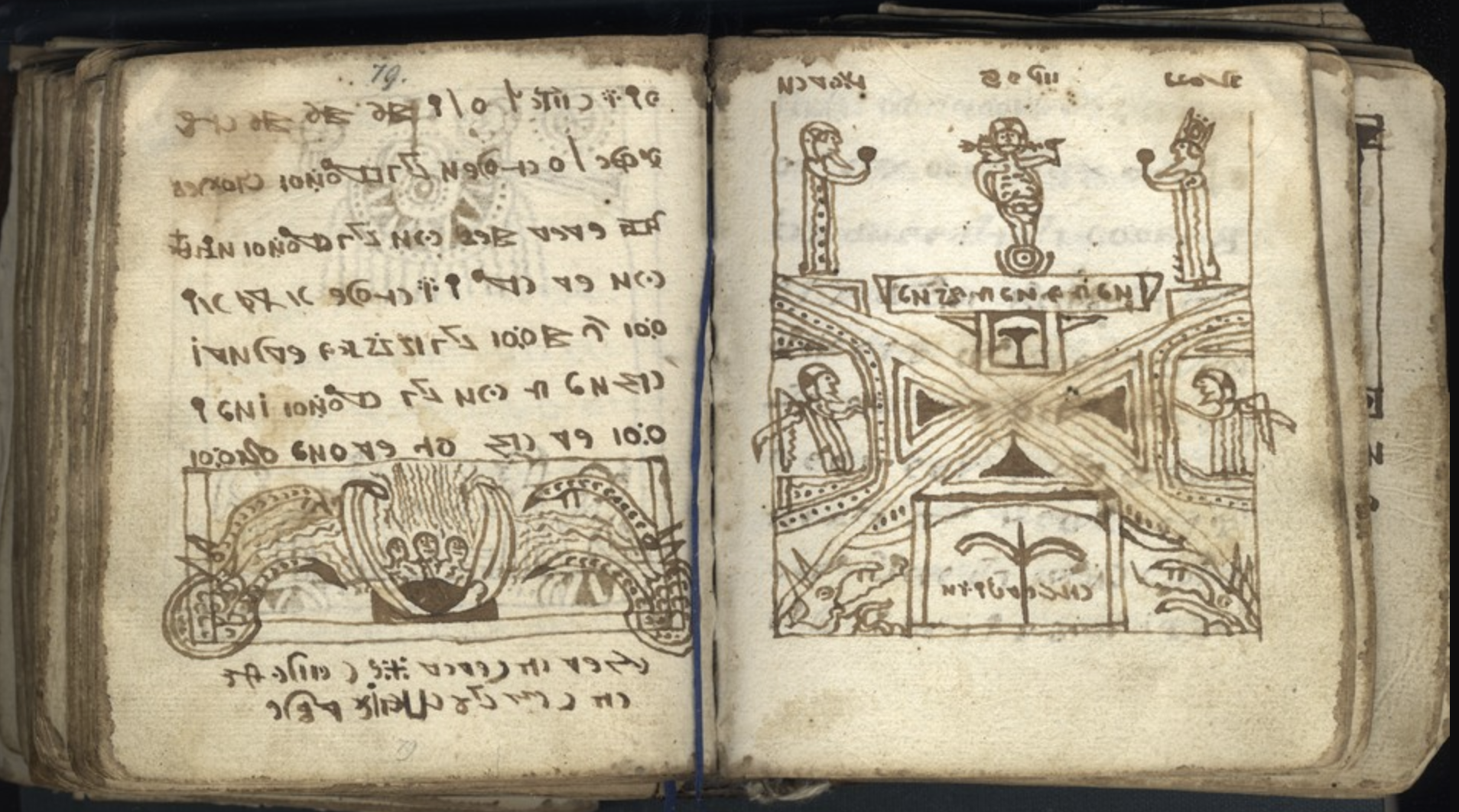
“Lit­tle is known about this book before it was bequeathed to the Hun­gar­i­an Acad­e­my of Sci­ences in 1838,” writes The Art News­pa­per’s Gar­ry Shaw. “Its 448 pages bear illus­tra­tions cov­er­ing Bib­li­cal themes and an as yet unread­able text, writ­ten using around 150 dif­fer­ent sym­bols.”

Like the famous­ly cryp­tic Voyn­ich Man­u­script, much cov­ered here on Open Cul­ture, “there has been much spec­u­la­tion over what lan­guage, if any, is encod­ed — rang­ing from old Hun­gar­i­an to San­skrit, or even a spe­cial­ly invent­ed one — as well as debate over the book’s ori­gin and date of cre­ation.” Most col­or­ful­ly, some attribute it to the noto­ri­ous nine­teenth-cen­tu­ry forg­er Sámuel Literáti Nemes.

Down­load this PDF scan of the Rohonc Codex, and you can behold for your­self both its often charm­ing­ly sim­ple medieval-style illus­tra­tions — many of which exhib­it a mix­ture of Chris­t­ian, Pagan, and Mus­lim sym­bol­ism — and the fiendish­ly reg­u­lar-look­ing script against which gen­er­a­tions of would-be deci­pher­ers have banged their heads. Here in the twen­ty-twen­ties, per­haps arti­fi­cial intel­li­gence can do its part, as has been attempt­ed with the Voyn­ich Man­u­script, to build upon ear­li­er analy­ses. One of those, con­duct­ed in the ear­ly nine­teen-sev­en­ties, deter­mined that, what­ev­er the lan­guage in which the Rohonc Codex was writ­ten, it shows no traces of case end­ings. To enthu­si­asts of bizarre man­u­scripts, that dis­cov­ery prob­a­bly means lit­tle, but to stu­dents of Mag­yar, noth­ing could come as a greater relief.

Relat­ed Con­tent:

Explore a Dig­i­tized Edi­tion of the Voyn­ich Man­u­script, “the World’s Most Mys­te­ri­ous Book”

An Intro­duc­tion to the Voyn­ich Man­u­script, the World’s Most Mys­te­ri­ous Book

The Strangest Books in the World: Dis­cov­er The Madman’s Library, a Cap­ti­vat­ing Com­pendi­um of Pecu­liar Books & Man­u­scripts

An Intro­duc­tion to the Codex Seraphini­anus, the Strangest Book Ever Pub­lished

Solv­ing a 2,500-Year-Old Puz­zle: How a Cam­bridge Stu­dent Cracked an Ancient San­skrit Code

The Foot-Lick­ing Demons & Oth­er Strange Things in a 1921 Illus­trat­ed Man­u­script from Iran

Based in Seoul, Col­in Marshall writes and broad­casts on cities, lan­guage, and cul­ture. He’s the author of the newslet­ter Books on Cities as well as the books 한국 요약 금지 (No Sum­ma­riz­ing Korea) and Kore­an Newtro. Fol­low him on the social net­work for­mer­ly known as Twit­ter at @colinmarshall.

What’s Entering the Public Domain in 2026: Faulkner’s As I Lay Dying, All Quiet on the Western Front, Betty Boop & More

Though it isn’t the kind of thing one hears dis­cussed every day, seri­ous Dis­ney fans do tend to know that Goofy’s orig­i­nal name was Dip­py Dawg. But how many of the non-obses­sive know that Mick­ey’s faith­ful pet Plu­to was first called Rover? (We pass over in dig­ni­fied silence the qua­si-philo­soph­i­cal ques­tion of why the for­mer dog is humanoid and the lat­ter isn’t.) It is Rover, as dis­tinct from Plu­to, who pass­es into the pub­lic domain this new year, one of a cast of now-lib­er­at­ed char­ac­ters includ­ing Blondie and Dag­wood as well as Bet­ty Boop — who, upon mak­ing her debut in Fleis­ch­er Stu­dios’ Dizzy Dish­es of 1930, has a some­what canoid appear­ance her­self. You can see them all in the video above from Duke Uni­ver­si­ty’s Cen­ter for the Study of the Pub­lic Domain, with much more infor­ma­tion avail­able in their blog post mark­ing this year’s “Pub­lic Domain Day.”

The year 1930, write the Cen­ter’s Jen­nifer Jenk­ins and James Boyle, was one “of detec­tives, jazz, speakeasies, and icon­ic char­ac­ters step­ping onto the cul­tur­al stage — many of whom have been locked behind copy­right for near­ly a cen­tu­ry.”

Nov­els that come avail­able this year include William Faulkn­er’s As I Lay Dying, Dashiell Ham­met­t’s The Mal­tese Fal­con, and Agatha Christie’s The Mur­der at the Vic­arage; among the films are Lewis Mile­stone’s Best Pic­ture-win­ning All Qui­et on the West­ern Front, Vic­tor Heer­man’s Marx Broth­ers pic­ture Ani­mal Crack­ers, and Luis Buñuel and Sal­vador Dalí’s L’Âge d’Or. In music, com­po­si­tions like “I Got Rhythm” and “Embrace­able You” by the Gersh­win Broth­ers as well as record­ings like “Nobody Knows the Trou­ble I’ve Seen” by Mar­i­an Ander­son and “Sweet Geor­gia Brown” by Ben Bernie and His Hotel Roo­sevelt Orches­tra have also, at long last, gone pub­lic.

Reflec­tion on some of these works them­selves sug­gests some­thing about the impor­tance of the pub­lic domain. With the title of Cakes and Ale, anoth­er book in this year’s crop, Som­er­set Maugh­am makes ref­er­ence to “a clas­sic pub­lic domain work, in this case Shakespeare’s Twelfth Night”; so, for that mat­ter, does Faulkn­er, giv­en that the line “as I lay dying” comes from the Odyssey. “To tell new sto­ries, we draw from old­er ones,” write Jenk­ins and Boyle. “One work of art inspires anoth­er — that is how the pub­lic domain feeds cre­ativ­i­ty.” Today, we’re free to take explic­it inspi­ra­tion for our own work from Nan­cy Drew, “Just a Gigo­lo,” Blondie, Mon­dri­an’s Com­po­si­tion with Red, Blue, and Yel­low, Hitch­cock­’s Mur­der!, and much else besides. And by all means use Rover, but if you also want to bring in Dip­py Dawg, you’re going to have to wait until 2028.

Relat­ed Con­tent:

What’s Enter­ing the Pub­lic Domain in 2025: Hemingway’s A Farewell to Arms, Faulkner’s The Sound and the Fury, Ear­ly Hitch­cock Films, Tintin and Pop­eye Car­toons & More

The Harlem Jazz Singer Who Inspired Bet­ty Boop: Meet the Orig­i­nal Boop-Oop-a-Doop, “Baby Esther”

Car­toon­ists Draw Their Famous Car­toon Char­ac­ters While Blind­fold­ed (1947)

Watch Restored Ver­sions of Clas­sic Fleis­ch­er Car­toons on Youtube, Fea­tur­ing Bet­ty Boop, Koko the Clown & Oth­ers

Vin­tage Audio: William Faulkn­er Reads From As I Lay Dying

16 Free Hitch­cock Movies Online

Based in Seoul, Col­in Marshall writes and broad­casts on cities, lan­guage, and cul­ture. His projects include the Sub­stack newslet­ter Books on Cities and the book The State­less City: a Walk through 21st-Cen­tu­ry Los Ange­les. Fol­low him on the social net­work for­mer­ly known as Twit­ter at @colinmarshall.

J. R. R. Tolkien Admitted to Disliking Dune “With Some Intensity” (1966)

One can eas­i­ly imag­ine a read­er enjoy­ing both The Lord of the Rings and Dune. Both of those works of epic fan­ta­sy were pub­lished in the form of a series of long nov­els begin­ning in the mid-twen­ti­eth cen­tu­ry; both cre­ate elab­o­rate worlds of their own, right down to details of ecol­o­gy and lan­guage; both seri­ous­ly (and these days, unfash­ion­ably) con­cern them­selves with the theme of what con­sti­tutes hero­ic action; both have even inspired mul­ti­ple big-bud­get Hol­ly­wood spec­ta­cles. The read­er equal­ly ded­i­cat­ed to the work of J. R. R. Tolkien and Frank Her­bert turns out to be a more elu­sive crea­ture than we may expect, but per­haps that should­n’t sur­prise us, giv­en Tolkien’s own atti­tude toward Dune.

“It is impos­si­ble for an author still writ­ing to be fair to anoth­er author work­ing along the same lines,” Tolkien wrote in 1966 to a fan who’d sent him a copy of Her­bert’s book, which had come out the year before. “In fact I dis­like DUNE with some inten­si­ty, and in that unfor­tu­nate case it is much the best and fairest to anoth­er author to keep silent and refuse to com­ment.”

That lack of elab­o­ra­tion has, if any­thing, only stoked the curios­i­ty of Lord of the Rings and Dune enthu­si­asts alike, as evi­denced by this thread from a few years ago on the r/tolkienfans sub­red­dit. Was it the mate­ri­al­ism and Machi­avel­lian­ism implic­it in Dune’s world­view? The pre­pon­der­ance of invent­ed names and coinages that sure­ly would­n’t meet the ety­mo­log­i­cal stan­dard of an Oxford lin­guist?

Maybe it was the aris­to­crat­ic iso­la­tion — a kind of anti-fel­low­ship — of its pro­tag­o­nist Paul Atrei­des, who comes to pos­sess the equiv­a­lent of Tolkien’s Ring of Pow­er. “In Dune, Paul will­ing­ly takes the (metaphor­i­cal) ring and wields it,” writes Evan Ama­to at The Cul­tur­ist. “He leads, trans­forms, and con­quers. The uni­verse bends to his vision. He suf­fers for it, yes, and ques­tions it, but he nev­er tru­ly rejects the call to rule. Con­trast this with the world of Mid­dle-earth, where all Tolkien’s heroes do the oppo­site. When Fro­do offers the Ring to Aragorn, he refus­es. Even Sam­wise, hum­ble as he is, feels the surge of the Ring’s pow­er, and lets it go.” Assum­ing he man­aged to get through the first Dune nov­el, Tolkien could hard­ly have approved of the nar­ra­tive’s moral arc. Whether his or Her­bert’s vision puts up the more real­is­tic alle­go­ry for human­i­ty’s lot is anoth­er mat­ter entire­ly.

Relat­ed Con­tent:

J. R. R. Tolkien Expressed a “Heart­felt Loathing” for Walt Dis­ney and Refused to Let Dis­ney Stu­dios Adapt His Work

Frank Her­bert Explains the Ori­gins of Dune (1969)

When the Nobel Prize Com­mit­tee Reject­ed The Lord of the Rings: Tolkien “Has Not Mea­sured Up to Sto­ry­telling of the High­est Qual­i­ty” (1961)

Why You Should Read Dune: An Ani­mat­ed Intro­duc­tion to Frank Herbert’s Eco­log­i­cal, Psy­cho­log­i­cal Sci-Fi Epic

J. R. R. Tolkien Writes & Speaks in Elvish, a Lan­guage He Invent­ed for The Lord of the Rings

Based in Seoul, Col­in Marshall writes and broad­casts on cities, lan­guage, and cul­ture. His projects include the Sub­stack newslet­ter Books on Cities and the book The State­less City: a Walk through 21st-Cen­tu­ry Los Ange­les. Fol­low him on the social net­work for­mer­ly known as Twit­ter at @colinmarshall.


Brian Eno’s Book & Music Recommendations

If you’re a reg­u­lar lis­ten­er, you know that Ezra Klein wraps up his pod­cast inter­views with a famil­iar ques­tion: what three books would you rec­om­mend to the audi­ence? When Klein inter­viewed Bri­an Eno in Octo­ber, the pro­duc­er had these three books to offer.

First up was Print­ing and the Mind of Man, a cat­a­log from an exhi­bi­tion held at the British Muse­um in 1963. “It was about the his­to­ry of print­ing, but actu­al­ly, the book is about the most impor­tant books in the West­ern canon and the impact that they had when they were released.” “It’s such a fas­ci­nat­ing book because you real­ly start to under­stand where the big, fun­da­men­tal ideas that made West­ern cul­ture came from.”

Next came A Pat­tern Lan­guage by the archi­tect Christo­pher Alexan­der. “It’s real­ly a book about habi­tat, about what makes spaces wel­com­ing and fruit­ful, or hos­tile and bar­ren.” Eno has returned to the book again and again over the years. “Over the course of my life, I’ve bought, I would say, 60 copies of that book because I always give it to any­one who is about to ren­o­vate a house or about to build a house. It’s a great read, and you would love it.”

His third rec­om­men­da­tion was Naples ’44, a war diary kept by Nor­man Lewis, a British intel­li­gence offi­cer sent to Naples dur­ing World War II. “He kept a diary, and this is the most fab­u­lous diary you’ll ever read. It’s just hilar­i­ous­ly fun­ny, deeply mov­ing, and total­ly confusing—and you real­ize that Naples was, like, anoth­er plan­et.”

Under­stand­ably, Klein couldn’t let the inter­view end with­out also ask­ing what albums influ­enced Eno most. In response, Eno offered The Rur­al Blues, a series of record­ings of Black Amer­i­can music from the 1920s, 30s, and 40s. It’s the same music that lat­er inspired pop and rock musi­cians in Eng­land when Eno came of age. He also point­ed to the Vel­vet Underground’s self-titled third album, call­ing it a “beau­ti­ful, beau­ti­ful record, beau­ti­ful­ly con­tro­ver­sial in many ways.” He then added: “In fact, prob­a­bly with­out that record, I wouldn’t have been a pop musi­cian.” Many oth­er musi­cians have said the same.

And final­ly, despite being an athe­ist, Eno select­ed a gospel record­ing act known as The Con­sol­ers, best known for their 1955 track “Give Me My Flow­ers.” You can lis­ten to more of their great­est hits here.

Along­side his musi­cal and lit­er­ary influ­ences, Eno recent­ly shared his own ideas in the book What Art Does: An Unfin­ished The­o­ry.

Relat­ed Con­tent 

Bri­an Eno on the Loss of Human­i­ty in Mod­ern Music

A 6‑Hour Time-Stretched Ver­sion of Bri­an Eno’s Music For Air­ports: Med­i­tate, Relax, Study

Bri­an Eno Cre­ates a List of 20 Books That Could Rebuild Civ­i­liza­tion

Jump Start Your Cre­ative Process with Bri­an Eno’s “Oblique Strate­gies” Deck of Cards (1975)

Bri­an Eno Lists the Ben­e­fits of Singing: A Long Life, Increased Intel­li­gence, and a Sound Civ­i­liza­tion

by | Permalink | Make a Comment ( 1 ) |

More in this category... »
Quantcast