Learn to Sing the Harmonies of Famous Beatles Songs with Master Harmonist Galeazzo Frudua

A recent Metafil­ter post intro­duces us to Galeaz­zo Frud­ua, a musi­cian from Bologna, Italy who, “pos­sess­es an uncan­ni­ly good ear for har­mo­ny, and has pro­duced a series of videos that painstak­ing­ly and expert­ly ana­lyze and demon­strate for you the vocal har­monies employed in var­i­ous Bea­t­les songs.” These detailed tuto­ri­als, writes the Metafil­ter poster, are made all the more watch­able by Frud­u­a’s “per­cep­tive com­men­tary, capa­ble singing voice, unas­sum­ing man­ner, impres­sive video edit­ing skills and, hey, his charm­ing Ital­ian accent.”

In his first tuto­r­i­al, for “Nowhere Man” (above), Frud­ua begins by intro­duc­ing “Lennon voice”: “Lennon voice is very sim­ple, and it goes like this.” And, hand­i­ly, flaw­less­ly, it does. Frud­ua, who seems to be record­ing in the back of a restau­rant, match­es the tone of Lennon, McCart­ney, and Harrison’s har­monies sep­a­rate­ly and togeth­er impres­sive­ly. He par­tic­u­lar­ly favors Rub­ber Soul. Hear his “In My Life” below. He calls it “one of the best per­for­mances ever of John Lennon in the Bea­t­les” as well as “a fan­tas­tic cam­pus on learn­ing how to sing.”

Anec­do­tal­ly, hav­ing worked with choir singers, opera singers, and a capel­la singers, I can say that Frudua’s abil­i­ty is not par­tic­u­lar­ly rare but is the effect of con­stant prac­tice. One Metafil­ter poster puts it well: “It’s not hard if you have a bit of an ear, and some expe­ri­ence.… Har­monies are a kind of lan­guage. Spend some time learn­ing the gram­mar and a few phras­es and it can open up quick­ly.” Frudua’s not only a mas­ter of vocal har­mo­ny, he’s also an expert luthi­er and builds cus­tom gui­tars for dozens of Ital­ian artists. In his break­down below of “You Nev­er Give Me Your Mon­ey,” the intro to the Abbey Road med­ley, Frud­ua takes on a par­tic­u­lar­ly dif­fi­cult har­mo­ny, as he explains in great detail in his care­ful intro­duc­tion to the song’s har­mon­ic gram­mar. He tells us we can use this tuto­r­i­al “as a guide for your Bea­t­les’ trib­ute band or repro­duce them in your home record­ing.” You may do those things if you wish. Or you could watch Frud­ua do them bet­ter. See his full series here.

Relat­ed Con­tent:

Hear the Iso­lat­ed Vocal Tracks for The Bea­t­les’ Cli­mac­tic 16-Minute Med­ley on Abbey Road

John Lennon’s Raw, Soul-Bar­ing Vocals From the Bea­t­les’ ‘Don’t Let Me Down’ (1969)

Decon­struct­ing The Mas­ter Track of The Bea­t­les’ “Sgt. Pepper’s Lone­ly Hearts Club Band”

Josh Jones is a writer and musi­cian based in Durham, NC. Fol­low him at @jdmagness.

Famous Philosophers Imagined as Action Figures: Plunderous Plato, Dangerous Descartes & More

toyaristotle

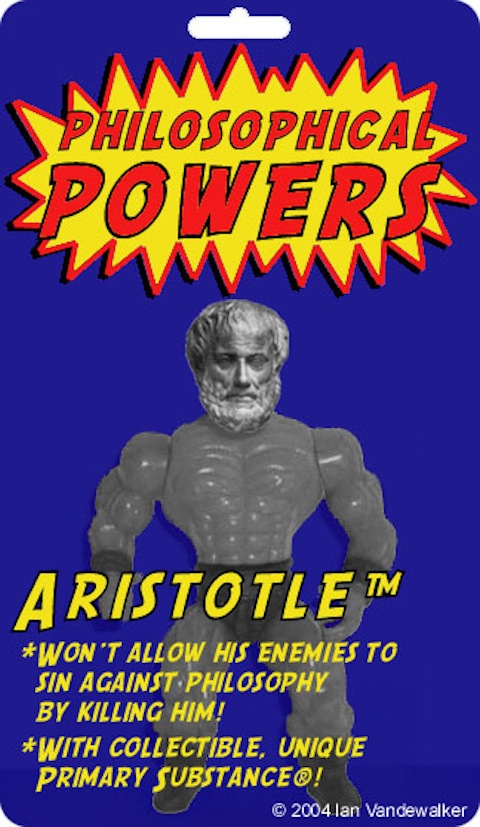
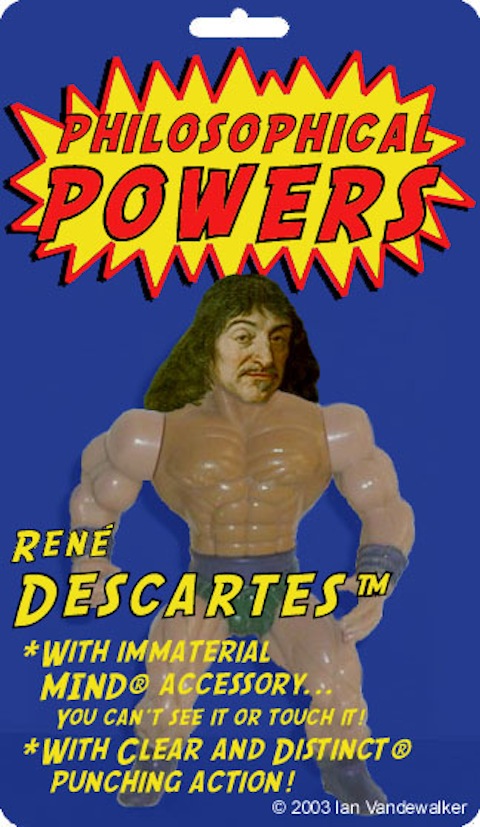
Amer­i­cans do not live in a cul­ture that val­ues phi­los­o­phy. I could go on about the deep veins of anti-intel­lec­tu­al­ism that run under the coun­try like fault lines or nat­ur­al gas deposits, but I won’t. Let’s just say that we favor more obvi­ous dis­plays of prowess: feats of strength, agili­ty, and phys­i­cal vio­lence, for exam­ple, of the super­hero vari­ety. With this fact in mind, first-year grad­u­ate stu­dent Ian Van­de­walk­er decid­ed he “want­ed to do some­thing that would bring a dis­ci­pline that is often seen as dif­fi­cult, eso­teric, and even irrel­e­vant, into new light—especially in the eyes of young peo­ple.” Remem­ber­ing a poster he once saw of “an action fig­ure of Adam Smith with Invis­i­ble Hand action,” Van­de­walk­er decid­ed he would com­bine his own love of toys and phi­los­o­phy into a philoso­pher action fig­ure series he called “Philo­soph­i­cal Pow­ers!” Here are just a few of Vandewalker’s cre­ations, designed some­what like pro­fes­sion­al wrestlers, with their var­i­ous leagues and range of epi­thets.

He begins at the tra­di­tion­al begin­ning, with fig­ures of “Plun­der­ous Pla­to” and “Arro­gant Aris­to­tle” (above), “The Angry Ancients.” Aris­to­tle, known as the “peri­patet­ic” philoso­pher, has only one pow­er: “walk­ing.” His qual­i­ty is attest­ed by a rather cir­cu­lar syl­lo­gism: “All Philo­soph­i­cal Pow­ers fig­ures are total­ly awe­some. This toy is a Philo­soph­i­cal Pow­ers fig­ure. There­fore, this toy is total­ly awe­some.” Like much of Aristotle’s deduc­tive rea­son­ing, the argu­ment is air­tight, pro­vid­ed one accept the truth of its premis­es.

toydescartes

In the cat­e­go­ry of “Con­tu­me­lious Con­ti­nen­tal Ratio­nal­ists,” who began the revolt against those Aris­totelian “Mer­ci­less Medievals,” we have “Dan­ger­ous Descartes.” René Decartes may have claimed to doubt everything—every prin­ci­ple that Aris­to­tle took for granted—but he fell prey to his own errors, hence his action figure’s weak­ness, the “Carte­sian cir­cle.” Decartes’ method of doubt pro­duced its own brand of dual­is­tic cer­tain­ty about his own exis­tence as a “think­ing thing,” and the exis­tence of God, hence “cer­tain­ty” is one of his action figure’s strengths.

toyhegel

Skip­ping ahead over a cen­tu­ry, we have the lone fig­ure in “The Abom­inable Absolute Ide­al­ist” series, “Hate­ful Hegel.” Hegel is the ulti­mate sys­tem­atiz­er whose embrace of con­tra­dic­tion can seem mad­den­ing­ly inco­her­ent, unless we believe his meta­physic of “Absolute Spir­it.” Giv­en his dialec­tic of every­thing, Hegel’s pow­er is that “he is infi­nite.” His weak­ness? “He is finite,” of course. Giv­en Hegel’s tele­o­log­i­cal the­o­ry of his­to­ry, peo­ple who pur­chase his action fig­ure “can expect them to become more and more valu­able as time pass­es.”

toywittgenstein

The most amus­ing of “The Antag­o­nis­tic Ana­lyt­ic Philoso­phers” is Lud­wig Wittgen­stein, who was him­self an amus­ing­ly eccen­tric indi­vid­ual. Known for his ter­ri­ble tem­per, which would often dri­ve him to ver­bal­ly abuse and strike those poor stu­dents who couldn’t grasp his abstruse con­cepts, “Vin­dic­tive Wittgen­stein” has the pow­er of “pok­er wield­ing abil­i­ty.” His weak­ness, nat­u­ral­ly, is his “teach­ing abil­i­ty.” I par­tic­u­lar­ly like the “notes” sec­tion of the fig­ure’s descrip­tion:

Wittgen­stein fig­ures come in two vari­a­tions: the ear­ly mod­el’s record­ed mes­sages include non­sense about lan­guage being a “pic­ture” of the world, while the lat­er mod­el’s mes­sages include non­sense about games and their “fam­i­ly resem­blances” to one anoth­er. It’s fun to com­mu­ni­cate! (Doll does not actu­al­ly com­mu­ni­cate. Chil­dren who claim that Wittgen­stein fig­ures talk to them with their own “pri­vate lan­guage” are mis­tak­en or lying and should be severe­ly beat­en by their teach­ers.)

You can see the whole set at the Philo­soph­i­cal Pow­ers site. It is prob­lem­at­ic that we only get dead white men rep­re­sent­ed, but this is not sole­ly the fault of Van­de­walk­er but also a prob­lem of his­to­ry and the tra­di­tion­al aca­d­e­m­ic his­to­ry of ideas. One would hope that the con­cept is clever enough that it might make phi­los­o­phy appeal­ing to peo­ple who find it dull or unap­proach­able. That may be too lofty a goal, but these fig­ures are sure to amuse the already philo­soph­i­cal­ly-inclined, and per­haps spur them on to learn more.

Relat­ed Con­tent:

10th Graders Draw Pic­tures Imag­in­ing Philoso­phers at Work

The Dai­ly Habits of High­ly Pro­duc­tive Philoso­phers: Niet­zsche, Marx & Immanuel Kant

What Do Most Philoso­phers Believe? A Wide-Rang­ing Sur­vey Project Gives Us Some Idea

Philoso­pher Por­traits: Famous Philoso­phers Paint­ed in the Style of Influ­en­tial Artists

Down­load 90 Free Phi­los­o­phy Cours­es and Start Liv­ing the Exam­ined Life

Josh Jones is a writer and musi­cian based in Durham, NC. Fol­low him at @jdmagness

Crash Course on Literature: Watch John Green’s Fun Introductions to Gatsby, Catcher in the Rye & Other Classics

As a pre­teen, I steered clear of “young adult” fic­tion, a form I resent­ful­ly sus­pect­ed would try too hard to teach me lessons. Then again, if I’d had a young adult nov­el­ist like John Green — not far out of ado­les­cence him­self when I entered the YA demo­graph­ic — per­haps I’d have active­ly hoped for a les­son or two. While Green has earned a large part of his fame writ­ing nov­els like Look­ing for Alas­kaAn Abun­dance of Kather­ines, and The Fault in Our Stars, a siz­able chunk of his renown comes from his pro­lif­ic way with inter­net videos, espe­cial­ly of the edu­ca­tion­al vari­ety, which also demon­strate his pos­ses­sion of seri­ous teach­ing acu­men. Last year we fea­tured his 40-week Crash Course in World His­to­ry, and today we offer you his col­lec­tion of crash cours­es in Eng­lish lit­er­a­ture. At the top, you’ll find its first les­son, the sev­en-minute “How and Why We Read.” Green, in the same jokey, enthu­si­as­tic onscreen per­sona as before, fol­lows up his world his­to­ry course by remind­ing us of the impor­tance of writ­ing as a mark­er of civ­i­liza­tion, and then reveals his per­son­al per­spec­tive as a writer: “I don’t want to get all lib­er­al art­sy on you, but I do want to make this clear: for me, sto­ries are about com­mu­ni­ca­tion. We did­n’t invent gram­mar so that your life would be mis­er­able in grade school as you attempt­ed to learn what the Márquez a prepo­si­tion is. By the way, on this pro­gram I will be insert­ing names of my favorite writ­ers when I would oth­er­wise insert curse words.”

Those lines give you a sense of Green’s tone, as well as his objec­tive. If you felt mis­er­able not just study­ing gram­mar in grade school but study­ing actu­al lit­er­a­ture in high school, these lessons may well revi­tal­ize a few of the clas­sics with which you could­n’t engage in the class­room. Just above, we have Green’s crash course on F. Scott Fitzger­ald’s The Great Gats­by (part one, part two) which, ear­ly on, gets inter­rupt­ed by a famil­iar-look­ing young objec­tor: “Mr. Green, I hate every­thing about this stu­pid col­lec­tion of first-world prob­lems pass­ing for a nov­el, but my hatred of that Willa Cather-ing los­er Daisy Buchanan burns with the fire of a thou­sand suns.” This draws a groan from our host: “Ugh, me from the past. Here’s the thing: you’re not sup­posed to like Daisy Buchanan, at least not in the uncom­pli­cat­ed way you like, say, cup­cakes. I don’t know where you got the idea the qual­i­ty of a nov­el should be judged by the lik­a­bil­i­ty of its char­ac­ters, but let me sub­mit to you that Daisy Buchanan does­n’t have to be lik­able to be inter­est­ing. Fur­ther­more, most of what makes her unlik­able — her sense of enti­tle­ment, her lim­it­ed empa­thy, her inabil­i­ty to make dif­fi­cult choic­es — are the very things that make you unlik­able.” Green knows that many of us, no mat­ter how lit­er­ate, still fall back into the dis­ad­van­ta­geous read­ing strate­gies for which we set­tled in high school. He does his enter­tain­ing utmost to cor­rect them while explor­ing the deep­er themes of not just Gats­by, but oth­er such oft-assigned (and oft-ruined-for-kids) works as Romeo and Juli­et (part one, part two), the poet­ry of Emi­ly Dick­in­son, and, below, The Catch­er in the Rye (part one, part two):

A Crash Course on Lit­er­a­ture will be added to our handy col­lec­tion: 200 Free Kids Edu­ca­tion­al Resources: Video Lessons, Apps, Books, Web­sites & More

Relat­ed Con­tent:

A Crash Course in World His­to­ry

The 55 Strangest, Great­est Films Nev­er Made (Cho­sen by John Green)

Free Lit­er­a­ture Cours­es

Study Finds That Read­ing Tol­stoy & Oth­er Great Nov­el­ists Can Increase Your Emo­tion­al Intel­li­gence

Col­in Mar­shall hosts and pro­duces Note­book on Cities and Cul­ture and writes essays on lit­er­a­ture, film, cities, Asia, and aes­thet­ics. He’s at work on a book about Los Ange­lesA Los Ange­les Primer. Fol­low him on Twit­ter at @colinmarshall.

Alan Lomax’s Music Archive Houses Over 17,400 Folk Recordings From 1946 to the 1990s

The work of folk­lorists and musi­col­o­gists like Alan Lomax, Stet­son Kennedy, and Har­ry Smith has long been revered in coun­ter­cul­tur­al com­mu­ni­ties and libraries; and it occa­sion­al­ly reach­es main­stream audi­ences in, for exam­ple, the Coen Brother’s 2000 film Oh Broth­er, Where Art Thou? and its atten­dant sound­track, or the playlists of purists on col­lege radio and NPR. But their record­ings are much more than his­tor­i­cal nov­el­ties.

Archives like Lomax’s Asso­ci­a­tion for Cul­tur­al Equi­ty—which we’ve fea­tured before—help remind us of our ori­gins as much as bot­tom-up accounts like Howard Zinn’s A People’s His­to­ry of the Unit­ed States. Lomax and his col­leagues believed that folk art and music infuse and renew “high” art and pro­vide bul­warks against the cyn­i­cal des­ti­tu­tion of mass-mar­ket com­mer­cial media that can seem so dead­en­ing and inescapable.

That is not to say that notions of authen­tic­i­ty aren’t fraught with their own prob­lems of exploita­tion. Approach­ing folk art as tourists, we can demean it and our­selves. But the prob­lem is less, I think, one of gen­tri­fi­ca­tion than of neglect: it’s sim­ply far too easy to lose touch, a much-remarked-upon irony of the age of social net­work­ing. Lomax under­stood this. He found­ed ACE “to explore and pre­serve the world’s expres­sive tra­di­tions with human­is­tic com­mit­ment and sci­en­tif­ic engage­ment.” The orga­ni­za­tion resides at NYC’s Hunter Col­lege and, since Lomax’s retire­ment in 1996, has been over­seen by his daugh­ter, Anna Lomax Wood. Through an arrange­ment with the Library of Con­gress, which hous­es the orig­i­nals, ACE has access to all of Lomax’s col­lec­tion of field record­ings and can dis­sem­i­nate them online to the pub­lic. Lomax’s asso­ci­a­tion has also long been active in repa­tri­at­ing record­ed arti­facts to libraries and archives in their places of ori­gin, giv­ing local com­mu­ni­ties access to cul­tur­al his­to­ries that may oth­er­wise be lost to them.

Lomax under­scored the sig­nif­i­cance of his organization’s name in a 1972 essay enti­tled “An Appeal for Cul­tur­al Equi­ty,” in which he lays out the impor­tance of pre­serv­ing cul­tur­al diver­si­ty against the “oppres­sive dull­ness and psy­chic dis­tress” imposed upon “those areas where cen­tral­ized music indus­tries, exploit­ing the star sys­tem and con­trol­ling the com­mu­ni­ca­tion sys­tem, put the local musi­cian out of work and silence folk song.” Are we any more improved forty years lat­er for the shock­ing monop­o­liza­tion of mass media in the hands of a few con­glom­er­ates? I’d answer unequiv­o­cal­ly no but for one impor­tant qual­i­fi­ca­tion: mass media in the form of open online archives allows us unprece­dent­ed access to, for exam­ple, the awe­some late-sev­en­ties film of R.L. Burn­side (top), who like many Mis­sis­sip­pi Delta blues­men before him, would only achieve recog­ni­tion much lat­er in life. Or we can see native North Car­olin­ian Cas Wallin (above) sing a ver­sion of folk song “Pret­ty Saro” in 1982, a song Bob Dylan record­ed and only recent­ly released. Then there’s one of my favorites, “Make Me A Pal­let On Your Floor,” picked and sung below by Mis­sis­sip­pi­an Sam Chatmon—a song played and record­ed by count­less black and white blues and coun­try artists like Mis­sis­sip­pi John Hurt and Gillian Welch.

These and thou­sands of oth­er exam­ples from the ACE archive bring musi­col­o­gists, his­to­ri­ans, folk­lorists, activists, edu­ca­tors, and every­one else clos­er to Lomax’s ideal—that we “learn how we can put our mag­nif­i­cent mass com­mu­ni­ca­tions tech­nol­o­gy at the ser­vice of each and every branch of the human fam­i­ly.” The ACE cat­a­log con­tains over 17,400 dig­i­tal files, begin­ning with Lomax’s first tape record­ings in 1946, to his dig­i­tal work in the 90s. The archive includes songs, sto­ries, jokes, ser­mons, inter­views and oth­er audio arti­facts from the Amer­i­can South, Appalachia, the Caribbean, and many more locales. The archive fea­tures record­ings from famous names like Woody Guthrie and Lead Bel­ly but pri­mar­i­ly con­sists of folk music from anony­mous folk, rep­re­sent­ing a vari­ety of lan­guages and eth­nic­i­ties. And the archive is ever-expand­ing as it con­tin­ues to dig­i­tize rare record­ings, and to upload vin­tage film, like the videos above, to its YouTube chan­nel.

Relat­ed Con­tent:

Leg­endary Folk­lorist Alan Lomax: ‘The Land Where the Blues Began’

Woody Guthrie at 100: Cel­e­brate His Amaz­ing Life with a BBC Film

Hear Zora Neale Hurston Sing the Bawdy Prison Blues Song “Uncle Bud” (1940)

Josh Jones is a writer and musi­cian based in Durham, NC. Fol­low him at @jdmagness

Watch Dating Dos and Don’ts: An Old-School Instructional Guide to Teenage Romance (1949)

From the mid-1940s to the mid-1970s, Coro­net Instruc­tion­al Media, that for­mi­da­ble fac­to­ry of class­room edu­ca­tion­al films, taught Amer­i­ca’s school­child­ren how to study, how to land a job, how to per­form their soci­etal and fil­ial duties, how to bathe. Cer­tain gen­er­a­tions no doubt retain vivid mem­o­ries, fond or oth­er­wise, of such 16-mil­lime­ter stand­bys as Good Eat­ing HabitsJoan Avoids a ColdAre You Pop­u­lar? and Com­mu­nism. In 1949, Coro­net came up with a short sub­ject rather clos­er to the eter­nal inter­ests of the teenag­er: Dat­ing: Do’s and Don’ts. This twelve-minute film, direct­ed Gilbert Altschul with the assis­tance of Reuben Hill, Research Pro­fes­sor of Fam­i­ly Life at the Uni­ver­si­ty of North Car­oli­na, nav­i­gates the gar­den of fork­ing paths formed by all the choic­es, from ide­al­ly gen­tle­man-like to poten­tial­ly dis­as­trous, that con­front young Woody on his very first date.

Who, for instance, should Woody ask to join him at Cen­tral High­’s Hi-Teen Car­ni­val? “Whose com­pa­ny would you enjoy?” asks the voice-of-mid­cen­tu­ry-author­i­ty nar­ra­tor.” “Well, one thing you can con­sid­er is looks. Woody thought of Jan­ice, and how good-look­ing she was. He real­ly had to rate to date some­body like her.” Still: “It’s too bad Jan­ice always acts so supe­ri­or and bored. She’d make a fel­low feel awk­ward and infe­ri­or.” Per­haps the more ground­ed Bet­ty? “And yet, it just does­n’t seem as if she’d be much fun. What about Anne? She knows how to have a good time.” Even 64 years on, I dare­say fel­lows would still do well to cleave to the Annes of the world. But giv­en how far the pen­du­lum of sex­u­al pol­i­tics has swung since Coro­net’s hey­day, oth­er pieces of of Dat­ing: Do’s and Don’ts advice seems more quaint than cur­rent. For a more mod­ern per­spec­tive, see also How to Be a “Mr. Good-Date,” a Looney Tunes par­o­dy star­ring Bugs Bun­ny as the hope­ful suit­or Reg­gie Geran­de­vu and Elmer Fudd as the pro­tec­tive home­own­er of whom he runs afoul.

When you’re done watch­ing Dat­ing: Do’s and Don’ts, don’t miss Coro­net’s 1951 sequel of sorts “Going Steady.”

Relat­ed Con­tent:

The Sto­ry Of Men­stru­a­tion: Walt Disney’s Sex Ed Film from 1946

Duck and Cov­er, or: How I Learned to Elude the Bomb

How to Spot a Com­mu­nist Using Lit­er­ary Crit­i­cism: A 1955 Man­u­al from the U.S. Mil­i­tary

Col­in Mar­shall hosts and pro­duces Note­book on Cities and Cul­ture and writes essays on lit­er­a­ture, film, cities, Asia, and aes­thet­ics. He’s at work on a book about Los Ange­lesA Los Ange­les PrimerFol­low him on Twit­ter at @colinmarshall.

Death of An Adjunct: A Sobering, True Story

DuquesneChapel

The Pitts­burgh Post-Gazette ran a sad and galling sto­ry yes­ter­day about Mary Mar­garet Vojtko who died of a heart attack at the age of 83. At the time of her death, Daniel Kova­lik writes:

She was receiv­ing radi­a­tion ther­a­py for the can­cer that had just returned to her, she was liv­ing near­ly home­less because she could not afford the upkeep on her home, which was lit­er­al­ly falling in on itself, and now, she explained, she had received anoth­er indig­ni­ty — a let­ter from Adult Pro­tec­tive Ser­vices telling her that some­one had referred her case to them say­ing that she need­ed assis­tance in tak­ing care of her­self.

Vojtko had end­ed up in pover­ty after spend­ing 25 years work­ing as an adjunct pro­fes­sor of French at Duquesne Uni­ver­si­ty, a Catholic school locat­ed in Pitts­burgh, Pa. Until she was ter­mi­nat­ed last spring, she worked “on a con­tract basis from semes­ter to semes­ter, with no job secu­ri­ty, no ben­e­fits and with a salary of between $3,000 and just over $3,500 per three-cred­it course.” When teach­ing three class­es a semes­ter and two dur­ing the sum­mer, Vojtko nev­er earned more than $25,000 a year. (A pit­tance com­pared to the pay pack­age of Duques­ne’s pres­i­dent — report­ed­ly about $700,000 per year in salary and ben­e­fits.) Mean­while, Duquesne thwart­ed attempts by adjuncts to union­ize, claim­ing that the school should have a reli­gious exemp­tion.

As Kova­lik goes on to note: “Adjuncts now make up well over 50 per­cent of the fac­ul­ty at col­leges and uni­ver­si­ties.” And that sta­tis­tic is bound to increase. You can — and should — read the full sto­ry at the Post-Gazette. Read Death of an Adjunct here.

via @stevesilberman

by | Permalink | Make a Comment ( 5 ) |

Train Your Brain This Fall with Free Online Courses, eBooks, Audio Books, Language Lessons & More

bigstock-Brain-2819159

For years now, the buzz­word “Neu­ro­plas­tic­i­ty” has crossed the lips of many major thinkers in psy­chol­o­gy, neu­rol­o­gy, and edu­ca­tion­al the­o­ry. Maybe, as some allege, it is a “dirty word”—vague and in need of spe­cif­ic clar­i­fi­ca­tion. Maybe. But the con­texts in which it aris­es point to an impor­tant idea: that we are capa­ble of learn­ing new things, all the time, at any stage of life, and that those new learn­ing expe­ri­ences change and renew our brains in ways we can’t pre­dict or imag­ine. So today, for those stu­dents return­ing to school and those life­long learn­ers for whom every sea­son beck­ons with new oppor­tu­ni­ties to acquire new skills and knowl­edge, we present to you our col­lec­tions of free online cours­es, books, films, lan­guage lessons, text­books, and oth­er resources to exer­cise your neu­ro­plas­tic mind.

Free Online Cours­es: This list brings togeth­er over 750 free online cours­es from lead­ing uni­ver­si­ties, includ­ing Stan­ford, Yale, MIT, UC Berke­ley, Oxford and more. These cours­es range across all dis­ci­plines – his­to­ry, physics, phi­los­o­phy, psy­chol­o­gy and beyond. Most all of these cours­es are avail­able in audio, and rough­ly 75% are avail­able in video. In total, you will find over 2o,000 hours of free lec­tures from world-class insti­tu­tions here.

Free MOOCs: What­ev­er you’re into (phi­los­o­phy?, behav­ioral eco­nom­ics?, music his­to­ry?), you’ll like­ly find a MOOC (Mas­sive Open Online Course) to suit you in our list of class­es from lead­ing uni­ver­si­ties. Many MOOCs offer cer­tifi­cates of com­ple­tion (though rarely course cred­its that will actu­al­ly trans­fer to uni­ver­si­ties). 125 MOOCs will be launch­ing between now and the end of Octo­ber. See our com­plete list.

Free Lan­guage Lessons: Per­haps learn­ing a new lan­guage is high on your list this fall. Well, here is a great way to do it. Take your pick of 46 lan­guages includ­ing, Span­ish, French, Ital­ian, Man­darin, Eng­lish, Russ­ian, Dutch, even Finnish, Yid­dish and Esperan­to. The lessons are all free and ready to down­load.

Free Audio Books: What bet­ter way to spend your free time than lis­ten­ing to some of the great­est books ever writ­ten? Our col­lec­tion 1,000 Free Audio Books: Down­load Great Books for Free includes works by Arthur Conan Doyle, James Joyce, Jane Austen, Edgar Allan Poe, George Orwell and more recent writ­ers — Ita­lo Calvi­no, Vladimir Nabokov, Ray­mond Carv­er, etc. You can down­load these clas­sic books straight to your gagdets, then lis­ten as you go.

[Note: If you’re look­ing for a con­tem­po­rary book, you can down­load one free audio book from Audible.com. Find details on Audi­ble’s no-strings-attached deal here.]

Free eBooks: You have always want­ed to read the great works. And now is your chance. When you dive into our col­lec­tion of 800 Free eBooks for iPad, Kin­dle & Oth­er Devices you will find great works by some clas­sic writ­ers (Dick­ens, Dos­to­evsky, Shake­speare and Tol­stoy) and more mod­ern writ­ers (F. Scott Fitzger­ald, Philip K. Dick, Isaac Asi­mov, and Kurt Von­negut). The col­lec­tion also gives you access to the 51-vol­ume Har­vard Clas­sics.

Free Text­books: We have scoured the web and pulled togeth­er a list of 150 Free Text­books. It’s a great resource par­tic­u­lar­ly if you’re look­ing to learn math, com­put­er sci­ence or physics on your own. There might be a dia­mond in the rough here for you.

Free K‑12 Resources: Par­ents, teach­ers, and young stu­dents seek­ing excel­lent free online edu­ca­tion­al resources, look no fur­ther. We’ve gath­ered free apps, qual­i­ty YouTube chan­nels; test prep mate­ri­als; and free web resources in aca­d­e­m­ic sub­jects like lit­er­a­ture, his­to­ry, sci­ence and com­put­ing.

Free Movies: With a click of a mouse, or a tap of your touch screen, you will have access to 500 great movies. The col­lec­tion hosts many clas­sics, west­erns, indies, doc­u­men­taries, silent films and film noir favorites. It fea­tures work by some of our great direc­tors (Alfred Hitch­cock, Orson Welles, Andrei Tarkovsky and David Lynch) and per­for­mances by cin­e­ma leg­ends: John Wayne, Jack Nichol­son, Audrey Hep­burn, Char­lie Chap­lin, and beyond. On this one page, you will find thou­sands of hours of cin­e­ma bliss.

Enjoy stretch­ing your brains in new and inter­est­ing ways this sea­son.

Enter E.O. Wilson’s Encyclopedia of Life: Free Access to All The World’s Knowledge About Life

One of the trea­sures of our time, biol­o­gist E.O. Wil­son, the folksy and bril­liant author of two Pulitzer Prize-win­ning books and the world’s lead­ing author­i­ty on ants, is 84 years old and retired from his pro­fes­sor­ship at Har­vard. But even in retire­ment he came up with one of the most inno­v­a­tive new sci­en­tif­ic resources avail­able today: the Ency­clo­pe­dia of Life, a net­worked ency­clo­pe­dia of all the world’s knowl­edge about life.

Six years ago Wil­son announced his vision for such a project while accept­ing the 2007 TED Prize. He expressed a wish for a col­lab­o­ra­tive tool to cre­ate an infi­nite­ly expand­able page for each species—all 1.9 mil­lion known so far—where sci­en­tists around the world can con­tribute text and images.

Wilson’s dream came true, not long after he announced it, and the EOL was so pop­u­lar right away that it had to go off-line for a spell to expand its capac­i­ty to han­dle the traf­fic. The site was redesigned to be more acces­si­ble and to encour­age con­tri­bu­tions from users. It’s vision: to con­tin­ue to dynam­i­cal­ly cat­a­log every liv­ing species, as research is com­plet­ed, and to include the rough­ly 20,000 new species dis­cov­ered every year.

Wilson’s vision is man­i­fest in a fun and well-designed site use­ful for edu­ca­tors, aca­d­e­mics, and any curi­ous per­son with access to the Inter­net.

Search for a species or just browse. Each EOL tax­on­o­my page fea­tures a detailed overview of the species, research, arti­cles and media. Media can be fil­tered by images, video, and sound. There are 66 dif­fer­ent pieces of media about Tas­man­ian Dev­ils, for exam­ple. A group of Tassies, as they’re known, get pret­ty dev­il­ish over their din­ner in this video, con­tributed by an Aus­tralian Ph.D. stu­dent.

As E.O. Wil­son so elo­quent­ly puts it, the EOL has the poten­tial to inspire oth­ers to search for life, to under­stand it, and, most impor­tant­ly, to pre­serve it.

Relat­ed Con­tent:

E.O. Wilson’s Olive Branch: The Cre­ation

Cen­tral Intel­li­gence: From Ants to the Web

Free Biol­o­gy Cours­es

Kate Rix writes about dig­i­tal media and edu­ca­tion. Fol­low her on Twit­ter.

« Go BackMore in this category... »
Quantcast