50+ Free Charlie Chaplin Films Online

A few things to know about Char­lie Chap­lin. He starred in over 80 films, reel­ing off most dur­ing the silent film era. In 1914 alone, he act­ed in 40 films, then anoth­er 15 in 1915. By the 1920s, Chap­lin had emerged as the first larg­er-than-life movie star and direc­tor, if not the most rec­og­niz­able per­son in the world. Thanks to YouTube, you can watch 50+ Chap­lin films on the web. Above, you will find a Chap­lin mini-film fes­ti­val that brings togeth­er four movies shot in 1917: The Adven­tur­er, The Cure, Easy Street and The Immi­grant. And then below you’ll find 50+ oth­er films arranged in a neat list. Many can be oth­er­wise found in our col­lec­tion, 4,000+ Free Movies Online: Great Clas­sics, Indies, Noir, West­erns, Doc­u­men­taries & More.

  • A Bur­lesque On Car­men — Free — Orig­i­nal two-reel par­o­dy of Bizet’s Car­men by Char­lie Chap­lin. Also stars Leo White & Edna Pur­viance. (1915)
  • A Busy Day — Free — Chap­lin plays a wife jeal­ous of her hus­band’s inter­est in anoth­er woman, played by Phyl­lis Allen. On her way to attack the cou­ple, the wife inter­rupts the set of a film, knock­ing over a film direc­tor, played by Mack Sen­nett, and a police­man, played by Bil­ly Gilbert. (1914)
  • A Day’s Plea­sure — Free — “Chap­lin’s fourth film for First Nation­al Films. It was cre­at­ed at the Chap­lin Stu­dio. It was a quick­ly made two-reel­er to help fill a gap while work­ing on his first fea­ture The Kid. It is about a day out­ing with his wife and the kids and things don’t go smooth­ly.” (1919)
  • A Dog’s Life — Free – This endear­ing short Chap­lin film tells the sto­ry of under­dogs, human and canine, suc­ceed­ing despite the odds. (1918)
  • A Fair Exchange — Free — Orig­i­nal­ly released as Get­ting Acquaint­ed, the film’s plot has been sum­ma­rized as fol­lows: “Char­lie and his wife are walk­ing in the park when they encounter Ambrose and his wife. The part­ners become fond of their coun­ter­parts and begin chas­ing each oth­er around. A police­man look­ing for a pro­fes­sion­al Don Juan becomes involved, as does a Turk.” (1914)
  • A Film John­nie - Free — Char­lie goes to the movie and falls in love with a girl on the screen. (1914)
  • A Night in the Show — Free — Chap­lin played two roles: one as Mr. Pest and one as Mr. Row­dy. The film was cre­at­ed from Chap­lin’s stage work from a play called Mum­ming Birds. (1915)
  • A Night Out — Free — “After a vis­it to a pub, Char­lie and Ben cause a ruckus at a posh restau­rant. Char­lie lat­er finds him­self in a com­pro­mis­ing posi­tion at a hotel with the head wait­er’s wife.” (1915)
  • A Woman — Free — This Chap­lin film starts with Char­lie meet­ing Edna (Edna Pur­viance) and her par­ents in a park; the moth­er is played by Mar­ta Gold­en and the father by Charles Ins­ley. (1915)
  • Behind the Screen – Free – A short film writ­ten and direct­ed by Chap­lin, the film is long on slap­stick, but it also gets into themes deal­ing with gen­der bend­ing and homo­sex­u­al­i­ty. (1916)
  • Between Show­ers - Free — A short Key­stone film from 1914 star­ring Char­lie Chap­lin, Ford Ster­ling, and Emma Bell Clifton.
  • By the Sea — Free — “It is windy at a bathing resort. After fight­ing with one of the two hus­bands, Char­lie approach­es Edna while the two hus­bands them­selves fight over ice cream. Dri­ven away by her hus­band, Char­lie turns to the oth­er’s wife.” (1915)
  • Caught in a Cabaret — Free —  Char­lie is a clum­sy wait­er in a cheap cabaret, suf­fer­ing the strict orders from his boss. He’ll meet a pret­ty girl in the park, pre­tend­ing to be a fan­cy ambas­sador, despite the jeal­ousy of her fiancée. (1914)
  • Char­lie Shang­haied — Free — Char­lie Chap­lin and his Tramp char­ac­ter gets shang­haied by crooks. (1915)
  • Char­lie’s Recre­ation — Free — Out of cos­tume, Char­lie is a clean-shaven dandy who, some­what drunk, vis­its a dance hall. There the wardrobe girl has three rival admir­ers: the band leader, one of the musi­cians, and now Char­lie. (1914).
  • Char­lotte et Le Man­nequin — Free — Also known as Mabel’s Mar­ried Life, the film’s plot is sum­ma­rized as fol­lows: “Accost­ed by a mash­er in the park and unable to moti­vate hus­band Char­lie into tak­ing action, Mabel gets him a box­ing man­nequin to sharp­en his fight­ing skills.” (1914)
  • Cru­el Cru­el Love - Free — Chap­lin plays a rich, upper-class gen­tle­man whose romance is endan­gered when his girl­friend over­sees him being embraced by a maid. (1914)
  • Face on a Bar­room Floor — Free — “The plot is a satire derived from Hugh Antoine D’Ar­cy’s poem of the same title. The painter courts Madeleine but los­es to the wealthy client who sits for his por­trait. The despair­ing artist draws the girl’s por­trait on the bar­room floor and gets tossed out. Years lat­er he sees her, her hus­band and their horde of chil­dren. Unrec­og­nized by her, Char­lie shakes off his trou­bles and walks off into the future.” (1914)
  • Gen­tle­men of Nerve — Free — “Mabel and her beau go to an auto race and are joined by Char­lie and his friend. As Char­lie’s friend is attempt­ing to enter the race­way through a hole, the friend gets stuck and a police­man shows up. Char­lie sprays the police­man with soda until [his] friends makes it through the hole. In the grand­stand, Mabel aban­dons her beau for Char­lie. Both Char­lie’s friend and Mabel’s are arrest­ed and hauled away.” (1914)
  • His Favorite Pas­time — Free — Char­lie gets drunk in the bar. He steps out­side, meets a pret­ty woman, tries to flirt with her, only to retreat after the wom­an’s father returns. (1914)
  • His New Job — Free — “Char­lie is try­ing to get a job in a movie. After caus­ing dif­fi­cul­ty on the set he is told to help the car­pen­ter. When one of the actors does­n’t show, Char­lie is giv­en a chance to act but instead enters a dice game. When he does final­ly act he ruins the scene, wrecks the set and tears the skirt from the star.” (1915)
  • His Pre­his­toric Past — Free — “Char­lie dreams he is in the stone age. There King Low-Brow rules a harem of wives. Char­lie, in skins and a bowler, falls in love with the king’s favorite wife, Sum-Babee. Dur­ing a hunt­ing trip the king is pushed over a cliff. Char­lie pro­claims him­self king, but Ku-Ku dis­cov­ers the real king alive. They return to find Char­lie and Sum- Babee togeth­er.” (1914)
  • His Tryst­ing Place — Free — “Char­lie’s wife sends him to the store for a baby bot­tle with milk. Else­where, Ambrose offers to post a love let­ter for a woman in his board­ing house. The two men meet at a restau­rant and each takes the oth­er’s coat by mis­take. Char­lie’s wife thinks he has a lover; Ambrose’s believes he has an ille­git­i­mate child.” (1914)
  • In the Park — Free — “A tramp steals a girl’s hand­bag, but when he tries to pick Char­lie’s pock­et los­es his cig­a­rettes and match­es. He res­cues a hot dog man from a thug, but takes a few with his walk­ing stick. When the thief tries to take some of Char­lie’s sausages, Char­lie gets the hand­bag. The hand­bag makes its way from per­son to per­son to its own­er, who is angry with her boyfriend who did­n’t pro­tect her in the first place. The boyfriend decides to throw him­self in the lake in despair, so Char­lie helps him out.” (1915)
  • Kid Auto Races at Venice – Free – It’s the first film in which Char­lie Chap­lin’s icon­ic “Lit­tle Tramp” char­ac­ter makes his appear­ance. (1914)
  • Laugh­ing Gas - Free — Film star­ring Chap­lin is some­times known as “Busy Lit­tle Den­tist”, “Down and Out”, “Laffing Gas”, “The Den­tist”, and “Tun­ing His Ivories”.
  • Mabel’s Busy Day — Free — “A hot­dog girl gives one to a police­man who then allows her into a race track. While oth­er cus­tomers swipe her hot­dogs, Char­lie runs off with the whole box, pre­tend­ing to sell them while actu­al­ly giv­ing them away. She calls her police­man who bat­tles Char­lie.” (1914)
  • Mabel’s Strange Predica­ment — Free — Watch lots and lots of high jinks go down in a hotel. (1914)
  • Mak­ing a Liv­ing — Free – Pre­mier­ing on Feb­ru­ary 2, 1914, Mak­ing a Liv­ing marks the first film appear­ance by Char­lie Chap­lin.
  • Musi­cal Tramps — Free — “Char­lie and his part­ner are to deliv­er a piano to 666 Prospect St. and repos­sess one from 999 Prospect St. They con­fuse the address­es. The dif­fi­cul­ties of deliv­er­ing the piano by mule cart, and most of the spe­cif­ic gags, appeared lat­er in Lau­rel and Hardy’s ‘The Music Box’.” (1914)
  • One A.M. — Free — The first silent film Char­lie Chap­lin starred in alone. (1916)
  • Police — Free — “Police was Char­lie Chap­lin’s 14th released film from Essanay. It was made at the Majes­tic Stu­dio in Los Ange­les. Char­lie play­ing an ex-con­vict finds life on the out­side not to his lik­ing and leads him to break­ing into a home with anoth­er thief (Wes­ley Rug­gles). Edna Pur­viance plays the girl liv­ing in the home who tries to change him.” (1916)
  • Shoul­der Arms — Free — Char­lie is a boot camp pri­vate who has a dream of being a hero who goes on a dar­ing mis­sion behind ene­my lines. (1918)
  • Sun­ny­side — Free — “Char­lie works on a farm from 4am to late at night. He gets his food on the run (milk­ing a cow into his cof­fee, hold­ing an chick­en over the fry­ing pan to get fried eggs). He loves the neigh­bor’s daugh­ter Edna but is dis­liked by her father. He rides a cow into a stream and is kicked off. Uncon­scious, he dreams of a nymph dance. Back in real­i­ty a city slick­er is hurt in a car crash and is being cared for by Edna. When Char­lie is reject­ed after attempt­ing to imi­tate the slick­er, the result is ambiguous–either trag­ic or a hap­py end­ing. Crit­ics have long argued as to whether the final scene is real or a dream.” (1919)
  • The Bank — Free — “Char­lie does every­thing but an effi­cient job as jan­i­tor. Edna buys her fiance, the cashier, a birth­day present. Char­lie thinks “To Charles with Love” is for him. He presents her a rose which she throws in the garbage. Depressed, Char­lie dreams of a bank rob­bery and his hero­ic role in sav­ing the man­ag­er and Edna … but it is only a dream.”
  • The Bond — Free — A pro­pa­gan­da film cre­at­ed and fund­ed by Chap­lin for the­atri­cal release to help sell U.S. Lib­er­ty Bonds dur­ing World War I. (1918)
  • The Cham­pi­on — Free — “Walk­ing along with his bull­dog, Char­lie finds a “good luck” horse­shoe just as he pass­es a train­ing camp adver­tis­ing for a box­ing part­ner “who can take a beat­ing.” After watch­ing oth­ers lose, Char­lie puts the horse­shoe in his glove and wins. The train­er pre­pares Char­lie to fight the world cham­pi­on. A gam­bler wants Char­lie to throw the fight. He and the train­er’s daugh­ter fall in love.” (1915)
  • The Count — Free — The Count was Char­lie Chap­lin’s 5th film for Mutu­al Films. Co-star­ring Eric Camp­bell and Edna Pur­viance, it is a sto­ry about Char­lie and his boss find­ing an invi­ta­tion to a par­ty from a real Count. (1916)
  • The Fatal Mal­let — Free — Three men will fight for the love of a charm­ing girl. Char­lie will play dirty, throw­ing bricks to his con­tender, and using a huge ham­mer to hurt one of them. But a pre­co­cious kid will be the fourth suit­or in dis­cord. (1914)
  • The Fire­man — Free — Char­lie Chaplin’s sec­ond short for Mutu­al con­tin­ued his focus on gags and situations—as the title sug­gests, Chap­lin plays the role of an inept fire­fight­er. (1916)
  • The Floor­walk­er — Free — “The Floor­walk­er was Char­lie Chap­lin’s first Mutu­al Film Com­pa­ny made in 1916. It starred Chap­lin as a cus­tomer in a depart­ment store who finds out the man­ag­er is steal­ing mon­ey from the store. It was not­ed for the first ‘run­ning stair­case’ used in films.” (1916)
  • The Good for Noth­ing — Free — Made at the Key­stone Stu­dios, the film involves Chap­lin tak­ing care of a man in a wheel­chair. (1914)
  • The Immi­grant — Free — Chap­lin, in the role of the Tramp char­ac­ter, plays an immi­grant com­ing to the Unit­ed States. He gets accused of theft while on a voy­age across the Atlantic Ocean. (1917)
  • The Kid - Free — The Kid is a 1921 Amer­i­can silent com­e­dy-dra­ma film writ­ten, pro­duced, direct­ed and star­ring Char­lie Chap­lin, and fea­tures Jack­ie Coogan as his foundling baby, adopt­ed son and side­kick. This was Chap­lin’s first full-length film as a direc­tor. (1921)
  • The Knock­out — Free —  Char­lie Chap­lin’s sev­en­teenth film for Key­stone Stu­dios. Chap­lin only has a small role, and Fat­ty Arbuck­le takes up the main role. (1914)
  • The Land­la­dy’s Pet — Free — Oth­er­wise known as The Star Board­er, the film turns around this theme: A brat’s mag­ic lantern show expos­es an indis­creet moment between a land­la­dy and her star board­er. (1914)
  • The Mas­quer­ad­er — Free — “Char­lie is an actor in a film stu­dio. He mess­es up sev­er­al scenes and is tossed out. Return­ing dressed as a lady, he charms the direc­tor. Even so, Char­lie nev­er makes it into film, wind­ing up at the bot­tom of a well.” (1914)
  • The New Jan­i­tor — Free — “Char­lie is jan­i­tor for a firm the man­ag­er of which receives a threat­en­ing note about his gam­bling debts. He throws a buck­et of water out the win­dow which lands on his boss and costs him his job. The boss, attempt­ing to steal the mon­ey heeds from the office safe, is caught by his sec­re­tary and Char­lie comes to save her and the mon­ey. He is briefly accused of being the thief but ulti­mate­ly tri­umphs.” (1914)
  • The Pawn­shop – Free – Rich in slap­stick, The Pawn­shop was one of Chap­lin’s more pop­u­lar movies for Mutu­al Film, the pro­duc­er of many fine Chap­lin come­dies. (1916)
  • The Prop­er­ty Man — Free — “Char­lie has trou­ble with actors’ lug­gage and con­flicts over who gets the star’s dress­ing room. There are fur­ther dif­fi­cul­ties with fre­quent scene changes, wrong entries and a fire­man’s hose. At one point he jug­gles an ath­lete’s sup­posed weights. The humor is still rough: he kicks an old­er assis­tant in the face and allows him to be run over by a truck.” (1914)
  • The Rink – Free – The Rink, Chap­lin’s 8th film for Mutu­al Films, show­cas­es the actor’s roller skat­ing abil­i­ties. (1916)
  • The Rival Mash­ers — Free — “Char­lie and a rival vie for the favors of their land­la­dy. In the park they each fall dif­fer­ent girls, though Char­lie’s has a male friend already. Char­lie con­sid­ers sui­cide, is talked out of it by a police­man, and lat­er throws his girl’s friend into the lake. Fright­ened, the girls go off to a movie. Char­lie shows up there and flirts with them. Lat­er both rivals sub­sti­tute them­selves for the girls and attack the unwit­ting Char­lie. In an audi­ence-wide fight, Char­lie is tossed from the screen.” (1914)
  • The Rounders — Free — Writes IMDB: “Two drunks live in the same hotel. One beats his wife, the oth­er is beat­en by his. They go off and get drunk togeth­er. They try to sleep in a restau­rant using tables as beds and are thrown out. They lie down in a row boat which fills with water, drown­ing them (a fate appar­ent­ly bet­ter than going home to their wives).” (1914)
  • The Tramp - Free — The film made Chap­lin’s great Tramp char­ac­ter famous. (1915)
  • The Vagabond — Free — A silent film by Char­lie Chap­lin that co-starred Edna Pur­viance, Eric Camp­bell, Leo White and Lloyd Bacon, with Chap­lin appear­ing as The Tramp. The British Film Insti­tute calls it the “piv­otal work” of his Mutu­al peri­od – “and his most touch­ing.” (1916)
  • Tillie’s Punc­tured Romance – Free – Among oth­er things, the film is notable for being the last film that Chap­lin did­n’t write or direct by him­self. (1914)
  • Triple Trou­ble — Free — “As Colonel Nutt is exper­i­ment­ing with explo­sives, a new jan­i­tor is join­ing his house­hold. The inept jan­i­tor pro­ceeds to make life dif­fi­cult for the rest of the staff. Mean­while, a for­eign agent arrives at the house in hopes of get­ting Col. Nut­t’s lat­est inven­tion. The inven­tor throws him out, so the agent then employs a thug to get the for­mu­la. When police head to the Nutt home to start an inves­ti­ga­tion, a com­pli­cat­ed fra­cas ensues.” (1918)
  • Twen­ty Min­utes of Love — Free — IMDB sum­ma­rizes thus­ly: “Char­lie is hang­ing around in the park, find­ing prob­lems with a jeal­ous suit­or, a man who thinks that Char­lie has robbed him of a watch, a police­man and even a lit­tle boy, all because our friend can’t stop snoop­ing.” (1914)
  • Work — Free — “Char­lie and his boss have dif­fi­cul­ties just get­ting to the house they are going to wall­pa­per. The house­hold­er is angry because he can’t get break­fast and his wife is scream­ing at the maid as they arrive. The kitchen gas stove explodes, and Char­lie offers to fix it. The wife’s secret lover arrives and is passed off as the work­ers’ super­vi­sor, but the hus­band does­n’t buy this and fires shots. The stove explodes vio­lent­ly, destroy­ing the house.” (1915)

Most of the quot­ed sum­maries above were writ­ten by Ed Stephan on IMDB.

Note: An ear­li­er ver­sion of this post appeared on our site in 2011. Some of the links and text have been updat­ed.

Relat­ed Con­tent 

When Char­lie Chap­lin Entered a Chap­lin Look-Alike Con­test & Came in 20th Place

What Would the World of Char­lie Chap­lin Look Like in Col­or?: Watch a Col­or­ful­ly Restored Ver­sion of A Night at the Show (1915)

The Char­lie Chap­lin Archive Opens, Putting Online 30,000 Pho­tos & Doc­u­ments from the Life of the Icon­ic Film Star

Char­lie Chap­lin Gets Strapped into a Dystopi­an “Rube Gold­berg Machine,” a Fright­ful Com­men­tary on Mod­ern Cap­i­tal­ism

Char­lie Chap­lin Films a Scene Inside a Lion’s Cage in 200 Takes
The Invisible Horror of The Shining: How Music Makes Stanley Kubrick’s Iconic Film Even More Terrifying

Inex­plic­a­ble as it may sound to read­ers of this site, there are movie-lovers who claim not to enjoy the work of Stan­ley Kubrick. But even his most stead­fast non-appre­ci­a­tors have to hand it to him for The Shin­ing, his 1980 Stephen King adap­ta­tion wide­ly con­sid­ered one of the scari­est — quite pos­si­bly the scari­est – film ever made. The visu­al rea­sons for its effec­tive­ness well beyond the core audi­ence of Kubrick enthu­si­asts are many, and they’ve been much scru­ti­nized by twen­ty-first-cen­tu­ry video essay­ists. But as explained in the Kap­tain Kris­t­ian video above, a sig­nif­i­cant por­tion of the hor­ror of The Shin­ing is invis­i­ble. That is, we don’t see it, but hear it; or rather, what we hear great­ly inten­si­fies what we see.

One tech­nique pow­er­ful­ly employed in the film has the incon­gru­ous name of “Mick­ey Mou­s­ing.” Named after the man­ner in which clas­sic car­toons were scored in tight syn­chrony with the move­ments of their char­ac­ters, it had fall­en into dis­use by the nine­teen-sev­en­ties, when a sub­tler cin­e­mat­ic style pre­vailed.

For The Shin­ing, Kubrick and musi­cal edi­tor Gor­don Stain­forth chose to revive it, assem­bling scenes to pieces of music like Béla Bartók’s “Music for Strings, Per­cus­sion and Celes­ta” so as to height­en not just shock moments, but also to deep­en the sense of dread that per­vades the movie from its open­ing moments. So tight does the cor­re­spon­dence feel between The Shin­ing’s music and its char­ac­ters’ actions that it comes as a sur­prise that most of the film was shot with­out what we hear on the sound­track play­ing on the set; some scenes weren’t even intend­ed to have music at all before edit­ing.

Stain­forth has said that the over­all idea was to use “music as fate”: for exam­ple, the “big chords” that accom­pa­ny the title cards announc­ing the day of the week, which por­tend “a dooms­day of judg­ment com­ing ever clos­er.” When next you watch The Shin­ing, pay atten­tion to the cues, and notice just how close­ly they’re asso­ci­at­ed in your mem­o­ry with — and how much more fright­en­ing they’re made by — their accom­pa­ny­ing images: Jack danc­ing through the ball­room filled with jazz-age ghosts, Dan­ny turn­ing a cor­ner and see­ing the pal­lid twins, the blood flow­ing out of the ele­va­tor, Wendy lock­ing eyes with the man in the bear suit. But then, I sus­pect that last one would be scary no mat­ter what was on the sound­track.

Relat­ed Con­tent:

Free Doc­u­men­tary View from the Over­look: Craft­ing The Shin­ing Looks at How Kubrick Made “the World’s Scari­est Movie”

How Stan­ley Kubrick Adapt­ed Stephen King’s The Shin­ing into a Cin­e­mat­ic Mas­ter­piece

A Kubrick Schol­ar Dis­cov­ers an Eerie Detail in The Shin­ing That’s Gone Unno­ticed for More Than 40 Years

Stan­ley Kubrick’s Anno­tat­ed Copy of Stephen King’s The Shin­ing

Decod­ing the Screen­plays of The Shin­ing, Moon­rise King­dom & The Dark Knight: Watch Lessons from the Screen­play

The Clas­si­cal Music in Stan­ley Kubrick’s Films: Lis­ten to a Free Four-Hour Playlist

Based in Seoul, Col­in Marshall writes and broad­casts on cities, lan­guage, and cul­ture. His projects include the Sub­stack newslet­ter Books on Cities and the book The State­less City: a Walk through 21st-Cen­tu­ry Los Ange­les. Fol­low him on the social net­work for­mer­ly known as Twit­ter at @colinmarshall.

Every Wes Anderson Movie, Explained by Wes Anderson

That Wes Ander­son is per­haps the most assid­u­ous mak­er of short films today becomes clear when you look close­ly at his recent work. The four adap­ta­tions of “The Won­der­ful World of Hen­ry Sug­ar” and three oth­er Roald Dahl sto­ries he made for Net­flix were pre­sent­ed as a sin­gle anthol­o­gy film; his slight­ly ear­li­er fea­ture The French Dis­patch did­n’t hide the essen­tial sep­a­rate­ness of its sto­ries, each one based on an arti­cle for a fic­tion­al­ized ver­sion of the New York­er. Though both Ander­son­’s fans and crit­ics read­i­ly note the increas­ing­ly elab­o­rate con­struc­tions of his pic­tures, it’s worth remem­ber­ing that his career began with a sim­ple short: the thir­teen-minute black-and-white ver­sion of Bot­tle Rock­et that would evolve into his first full-length work.

Ander­son tells the sto­ry of not just that first fea­ture but also the twelve that would fol­low in the new video from Van­i­ty Fair above, men­tion­ing details even ded­i­cat­ed Ander­so­ni­ans may not know. The orig­i­nal, “very, very, very long” Bot­tle Rock­et script got a severe cut­ting under the guid­ance of Hol­ly­wood pro­duc­er James L. Brooks. Loca­tions for Rush­more were scout­ed based on whether move­ments through them could prop­er­ly be chore­o­graphed to cer­tain British Inva­sion songs.

Ander­son promised the late Gene Hack­man that he’d have a “good time” on The Roy­al Tenen­baums, a promise that went not-quite-ful­filled. When he hired Seu Jorge to sing David Bowie songs for The Life Aquat­ic, he did­n’t know he was already a pop singer in Brazil. When talk­ing to him about The Dar­jeel­ing Lim­it­ed, peo­ple tend to call it “The Dar­jeel­ing Express.”

Many of these rec­ol­lec­tions have to do with his inspi­ra­tions, which for The Dar­jeel­ing Lim­it­ed were spe­cif­ic sub­con­ti­nen­tal films like Jean Renoir’s The Riv­er, Louis Malle’s Phan­tom India, and Satya­jit Ray’s Apu tril­o­gy. Moon­rise King­dom was made pos­si­ble when Ander­son, long res­i­dent in France, came to “see Amer­i­ca like some for­eign coun­try.” Writ­ing The French Dis­patch, he looked to the New York­er as it was under its con­trast­ing first edi­tors, Harold Ross and William Shawn. Aster­oid City orig­i­nat­ed as a kind of trib­ute to the Actors Stu­dio in the nine­teen-fifties. He describes his lat­est pic­ture The Phoeni­cian Scheme as hav­ing been inspired by the work of Luis Buñuel and writ­ten for Beni­cio del Toro, who plays a tycoon out of a “nine­teen-fifties Ital­ian movie” sub­ject to “Bib­li­cal visions” dur­ing his fre­quent brush­es with death. “I haven’t had the moment where I don’t know what I want to do next,” Ander­son says at the end of the video. As sure as film­go­ers may feel that they know just what to expect from him, he sure­ly has many more sur­pris­es in store for us.

Relat­ed con­tent:

Wes Ander­son Explains How He Writes and Directs Movies, and What Goes Into His Dis­tinc­tive Film­mak­ing Style

A Com­plete Col­lec­tion of Wes Ander­son Video Essays

Why Do Wes Ander­son Movies Look Like That?

Wes Ander­son Explains How He Built Aster­oid City, the Fic­tion­al Amer­i­can Desert Town in His New Film

Wes Anderson’s Break­through Film Rush­more Revis­it­ed in Five Video Essays: It Came Out 20 Years Ago Today

Wes Anderson’s First Short Film: The Black-and-White, Jazz-Scored Bot­tle Rock­et (1992)

Based in Seoul, Col­in Marshall writes and broad­casts on cities, lan­guage, and cul­ture. His projects include the Sub­stack newslet­ter Books on Cities and the book The State­less City: a Walk through 21st-Cen­tu­ry Los Ange­les. Fol­low him on the social net­work for­mer­ly known as Twit­ter at @colinmarshall.

Wim Wenders’ New Short Film Reminds Europe of the Lessons of World War II

World War II offi­cial­ly end­ed on Sep­tem­ber 2, 1945. It fol­lowed, by less than three weeks, an equal­ly momen­tous event, at least in the eyes of cinephiles: the birth of Wim Wen­ders. Though soon to turn 80 years old, Wen­ders has remained both pro­duc­tive and capa­ble of draw­ing great crit­i­cal acclaim. Wit­ness, for exam­ple, his Tokyo-set 2023 film Per­fect Days, which made it to the run­ning for both the Palme d’Or and a Best Inter­na­tion­al Fea­ture Film Acad­e­my Award. Back on V‑J Day, it sure­ly would’ve been dif­fi­cult to imag­ine a Japan­ese-Ger­man co-pro­duc­tion seri­ous­ly com­pet­ing for the most pres­ti­gious prizes in cin­e­ma — even one direct­ed by a known Amer­i­caphile.

Wen­ders has long worked at reveal­ing inter­sec­tions of his­to­ry and cul­ture. Seen today, Wings of Desire seems for all the world to express the spir­it about to be lib­er­at­ed by the fall of the Sovi­et Union, but by Wen­ders’ own admis­sion, nobody work­ing on the movie would have cred­it­ed the idea of the Berlin Wall com­ing down any time in the fore­see­able future.

In his new short film “The Keys to Free­dom,” he com­mem­o­rates the 80th anniver­sary of the Sec­ond World War’s con­clu­sion by pay­ing a vis­it to a school in Reims. Comman­deered for the secret all-night meet­ing in which Ger­man gen­er­als signed the doc­u­ments con­firm­ing their coun­try’s total sur­ren­der to the Allies, it host­ed the end of what Wen­ders called “the dark­est peri­od in the his­to­ry of Europe.”

Clos­ing up the tem­po­rary head­quar­ters, Allied com­man­der-in-chief Dwight D. Eisen­how­er returned its keys to the may­or of Reims, say­ing, “These are the keys to the free­dom of the world.” As much as these words move Wen­ders, he also fears that, even as the Rus­sia-Ukraine war roils on, younger gen­er­a­tions of Euro­peans no longer grasp their mean­ing. Born into soci­eties pro­tect­ed by the Unit­ed States, they nat­u­ral­ly take peace for grant­ed. “We have to be aware of the fact that Uncle Sam isn’t doing our job for very much longer, and we might have to defend this free­dom our­selves,” Wen­ders explains in a New York Times inter­view. The end of World War II marked the begin­ning of the so-called “Amer­i­can cen­tu­ry.” If that cen­tu­ry is well and tru­ly draw­ing to its close, who bet­ter to observe it than Wen­ders?

Relat­ed con­tent:

Wim Wen­ders Explains How Polaroid Pho­tos Ignite His Cre­ative Process and Help Him Cap­ture a Deep­er Kind of Truth

Wim Wen­ders Cre­ates Ads to Sell Beer (Stel­la Artois), Pas­ta (Bar­il­la), and More Beer (Car­ling)

Film­mak­er Wim Wen­ders Explains How Mobile Phones Have Killed Pho­tog­ra­phy

36 Artists Give Advice to Young Cre­ators: Wim Wen­ders, Jonathan Franzen, Lydia Davis, Pat­ti Smith, David Byrne, Umber­to Eco & More

Wern­er Herzog’s New Nov­el The Twi­light World Tells the Sto­ry of the WWII Japan­ese Sol­dier Who Famous­ly Refused to Sur­ren­der

Based in Seoul, Col­in Marshall writes and broad­casts on cities, lan­guage, and cul­ture. His projects include the Sub­stack newslet­ter Books on Cities and the book The State­less City: a Walk through 21st-Cen­tu­ry Los Ange­les. Fol­low him on the social net­work for­mer­ly known as Twit­ter at @colinmarshall.

Ridley Scott’s Cinematic TV Commercials: An 80-Minute Compilation Spanning 1968–2023

“In the future, e‑mail will make the writ­ten word a thing of the past,” declares the nar­ra­tion of a 1999 tele­vi­sion com­mer­cial for Orange, the French tele­com giant. “In the future, we won’t have to trav­el; we’ll meet on video. In the future, we won’t need to play in the wind and rain; com­put­er games will pro­vide all the fun we need. And in the future, man won’t need woman, and woman won’t need man.” Not in our future, the voice has­tens to add, speak­ing for Orange’s cor­po­rate vision: a bit of irony to those of us watch­ing here in 2025, who could be for­giv­en for think­ing that the pre­dic­tions lead­ing up to it just about sum up the progress of the twen­ty-first cen­tu­ry so far. Nor will it sur­prise us to learn that the spot was direct­ed by Rid­ley Scott, that cin­e­mat­ic painter of dystopi­an sheen.

Bleak futures con­sti­tute just one part of Scot­t’s adver­tis­ing port­fo­lio. Watch above through the fea­ture-length com­pi­la­tion of his com­mer­cials (assem­bled by the YouTube chan­nel Shot, Drawn & Cut), and you’ll see dens of Croe­san wealth, deep-sea expe­di­tions, the trench­es of the Great War, the wastes of the Aus­tralian out­back, acts of Cold War espi­onage, a dance at a neon-lined nine­teen-fifties din­er, and the arrival of space aliens in small-town Amer­i­ca — who turn out just to be stop­ping by for a Pep­si.

Not that Scott is a brand loy­al­ist: that he did a good deal of work for Amer­i­ca’s sec­ond-biggest soda brand, some of them not just Mia­mi Vice-themed but star­ring Don John­son him­self, did­n’t stop him from also direct­ing a Coca-Cola spot fea­tur­ing Max Head­room. The decade was, of course, the nine­teen eight­ies, at the begin­ning of which Scott made his most endur­ing mark as a visu­al styl­ist with Blade Run­ner.

A series of spots for Bar­clays bank (whose indict­ments of com­put­er­ized ser­vice now seem pre­scient about our fast-approach­ing AI-“assisted” real­i­ty) hew so close­ly to the Blade Run­ner aes­thet­ic that they might as well have been part of the same pro­duc­tion. But of Scot­t’s dystopi­an adver­tise­ments, none are more cel­e­brat­ed than the Super Bowl spec­ta­cle for the Apple Mac­in­tosh in which a ham­mer-throw­er smash­es a Nine­teen Eighty-Four-style dic­ta­tor-on-video. The com­pi­la­tion also includes a less wide­ly remem­bered com­mer­cial for the Mac­in­tosh’s tech­ni­cal­ly inno­v­a­tive but com­mer­cial­ly failed pre­de­ces­sor, the Apple Lisa. So asso­ci­at­ed did Scott become with cut­ting-edge tech­nol­o­gy that it’s easy to for­get that he rose up through the adver­tis­ing world of his native Britain by mak­ing big impacts, over and over, for down­right quaint brands: Hov­is bread, McDougal­l’s pas­try mix, Find­us frozen fish pies.

It may seem a con­tra­dic­tion that Scott, long prac­ti­cal­ly syn­ony­mous with the large-scale Hol­ly­wood genre block­buster, would have start­ed out by craft­ing such nos­tal­gia-suf­fused minia­tures. And it would take an inat­ten­tive view­er indeed not to note that the man who over­saw the defin­i­tive cin­e­mat­ic vision of a men­ac­ing Asia-inflect­ed urban dystopia would go on to make com­mer­cials for the Sony Mini­Disc and the Nis­san 300ZX. It all makes more sense if you take Scot­t’s artis­tic inter­ests as hav­ing less to do with cul­ture and more to do with bureau­cra­cy, archi­tec­ture, machin­ery, and oth­er such sys­tems in which human­i­ty is con­tained: so nat­ur­al a fit for the realm of adver­tis­ing that it’s almost a sur­prise he’s made fea­tures at all. And indeed, he con­tin­ues to do ad work, bring­ing movie-like grandeur to mul­ti-minute pro­mo­tions for brands like Hen­nessy and Turk­ish Air­lines — each one intro­duced as “a Rid­ley Scott film.”

Relat­ed con­tent:

Rid­ley Scott Demys­ti­fies the Art of Sto­ry­board­ing (and How to Jump­start Your Cre­ative Project)

See Rid­ley Scott’s 1973 Bread Com­mer­cial — Vot­ed England’s Favorite Adver­tise­ment of All Time

Watch Rid­ley Scott’s Con­tro­ver­sial Nis­san Sports Car Ad That Aired Only Once, Dur­ing the Super Bowl (1990)

Rid­ley Scott on the Mak­ing of Apple’s Icon­ic “1984” Com­mer­cial, Aired on Super Bowl Sun­day in 1984

Watch The Jour­ney, the New Rid­ley Scott Short Film Teased Dur­ing the Super Bowl

Rid­ley Scott Walks You Through His Favorite Scene from Blade Run­ner

Based in Seoul, Col­in Marshall writes and broad­casts on cities, lan­guage, and cul­ture. His projects include the Sub­stack newslet­ter Books on Cities and the book The State­less City: a Walk through 21st-Cen­tu­ry Los Ange­les. Fol­low him on the social net­work for­mer­ly known as Twit­ter at @colinmarshall.

How Led Zeppelin, Pink Floyd & Jethro Tull Financed the Making Monty Python and the Holy Grail

Mon­ty Python and the Holy Grail isn’t a big-bud­get spec­ta­cle, and nobody knew that bet­ter than the Pythons them­selves. Neces­si­ty being the moth­er of inven­tion, they turned the pro­jec­t’s finan­cial con­straints into one of its many sources of humor, fash­ion­ing mem­o­rable gags out of every­thing from coconut shells sub­sti­tut­ing for hors­es to the sud­den shut­down of film­ing that ends the “sto­ry.” But, as explained in the Canned His­to­ry video above, putting togeth­er even the mod­est sum with which they had to work was hard­ly a straight­for­ward endeav­or. Turned down by stu­dios, the Pythons sought out the only financiers like­ly to pos­sess both suf­fi­cient wealth and suf­fi­cient belief in an absur­dist TV com­e­dy troupe mak­ing their first prop­er film: rock stars.

This was the mid-nine­teen-sev­en­ties, recall, when a group with a few hit albums could find them­selves mak­ing, quite lit­er­al­ly, more mon­ey than they knew what to do with. Such was the case with Pink Floyd, for exam­ple, after releas­ing The Dark Side of the Moon in 1973.

Mon­ty Python, for their part, had put out not only three sea­sons of their BBC series Mon­ty Python’s Fly­ing Cir­cus, but also a vari­ety of pur­chasable goods like books and LPs. The lat­ter made them the music-indus­try con­nec­tions that they could use to enlist the likes of not just the Floyd, but also Led Zep­pelin, Jethro Tull, as well as record labels like Island, Charis­ma, and Chrysalis. As Eric Idle tweet­ed much lat­er, Zep­pelin con­tributed £31,500, Pink Floy­d’s com­pa­ny £21,000, and Jethro Tul­l’s Ian Ander­son £6,300: £627,000 in more recent val­ue, or near­ly $850,000 in U.S. dol­lars.

Alto­geth­er, Mon­ty Python and the Holy Grail’s bud­get came to £282,035 in 1974 pounds: by no means a king’s ran­som, but just enough to put togeth­er a com­ic take on Arthuri­an leg­end. No more con­ven­tion­al investors than the Pythons were con­ven­tion­al film­mak­ers, the rock stars and oth­er music-indus­try fig­ures involved made no vis­its to the set, nor offered any “notes” on the work in progress. One sus­pects that they were hap­py just to sup­port a Mon­ty Python project, and even more so to receive the tax break offered for films pro­duced in the U.K. In the event, of course, they all made their mon­ey back many times over, with a cut of the Broad­way musi­cal adap­ta­tion Spa­malot to boot. The film’s imme­di­ate and out­sized suc­cess can’t have been far from the mind of George Har­ri­son — that great ene­my of the tax­man — when Idle called him up a few years lat­er, ask­ing for the mon­ey to make Life of Bri­an.

Relat­ed Con­tent:

Stream Online Mon­ty Python and the Holy Grail Free on Its 50th Anniver­sary

Based in Seoul, Col­in Marshall writes and broad­casts on cities, lan­guage, and cul­ture. His projects include the Sub­stack newslet­ter Books on Cities and the book The State­less City: a Walk through 21st-Cen­tu­ry Los Ange­les. Fol­low him on the social net­work for­mer­ly known as Twit­ter at @colinmarshall.

60 Free Film Noir Movies You Can Watch Online, Including Classics by John Huston, Orson Welles & Fritz Lang

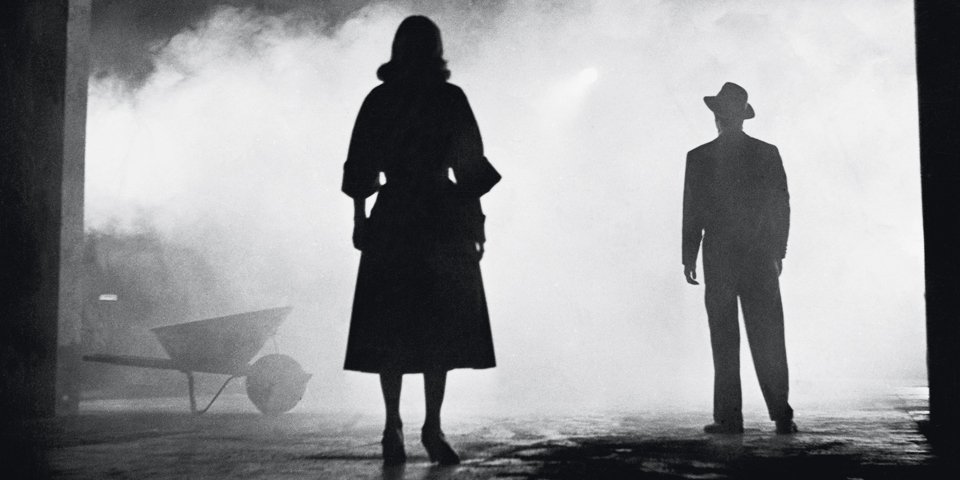
Dur­ing the 1940s and 50s, Hol­ly­wood entered a “noir” peri­od, pro­duc­ing riv­et­ing films based on hard-boiled fic­tion. These films were set in dark loca­tions and shot in a black & white aes­thet­ic that fit like a glove. Hard­ened men wore fedo­ras and for­ev­er smoked cig­a­rettes. Women played the femme fatale role bril­liant­ly. Love was the surest way to death. All of these ele­ments fig­ured into what Roger Ebert calls “the most Amer­i­can film genre” in his short Guide to Film Noir.

If you head over to this list of Noir Films, you can find 60 films from the noir genre, includ­ing some clas­sics by John Hus­ton, Orson Welles, Fritz Lang and Ida Lupino. The list also fea­tures some cin­e­mat­ic leg­ends like Humphrey Bog­a­rt, Peter Lorre, Bar­bara Stan­wyck, Edward G. Robin­son, and even Frank Sina­tra. Hope the col­lec­tion helps you put some noir enter­tain­ment into 2025!

If you would like to sup­port the mis­sion of Open Cul­ture, con­sid­er mak­ing a dona­tion to our site. It’s hard to rely 100% on ads, and your con­tri­bu­tions will help us con­tin­ue pro­vid­ing the best free cul­tur­al and edu­ca­tion­al mate­ri­als to learn­ers every­where. You can con­tribute through Pay­Pal, Patre­on, and Ven­mo (@openculture). Thanks!

Relat­ed Con­tent 

The 5 Essen­tial Rules of Film Noir

The Essen­tial Ele­ments of Film Noir Explained in One Grand Info­graph­ic

Roger Ebert Lists the 10 Essen­tial Char­ac­ter­is­tics of Noir Films

by | Permalink | Make a Comment ( 6 ) |

Watch Pablo Picasso’s Creative Process Unfold in Real-Time: Rare Footage Shows Him Creating Drawings of Faces, Bulls & Chickens

Pablo Picas­so was born not long before the inven­tion of the motion pic­ture. With a dif­fer­ent set of incli­na­tions, he might have become one of the most dar­ing pio­neers of that medi­um. Instead, as we know, he mas­tered and then prac­ti­cal­ly rein­vent­ed the much old­er art form of paint­ing. That said, cin­e­ma did seem to have been fas­ci­nat­ed by both Picas­so’s work and the man him­self. He made a cameo appear­ance in Jean Cocteau’s Tes­ta­ment of Orpheus in 1960, a few years after play­ing the title role in Hen­ri-Georges Clouzot’s doc­u­men­tary Le Mys­tère Picas­so. The short clip from the lat­ter above shows how Picas­so could cre­ate an expres­sive face with just a few strokes of a pen.

By the time he made Le Mys­tère Picas­so, Clouzot was already well estab­lished as a direc­tor of ele­vat­ed genre films, hav­ing just made Le salaire de la peur or (The Wages of Fear) and Les dia­boliques (or Dia­bolique), which would turn out to be one of his defin­ing works.

To film­go­ers fol­low­ing his career, it may have come as a sur­prise to see him fol­low those up with a doc­u­men­tary about a painter: a genius, yes, but one whose work had already seemed famil­iar. But Clouzot took as his task not telling the sto­ry of Les Demoi­selles d’Av­i­gnon or Three Musi­cians or Guer­ni­ca, but cap­tur­ing Picas­so (whom he’d known since his teenage years) in the act of cre­at­ing new works of art — works nev­er to be seen except on film.

That was the idea, in any case; though most of the 20 paint­ings and draw­ings cre­at­ed just for Le Mys­tère Picas­so were destroyed, some weren’t. One such sur­vivor, a chick­en-turned-dev­il­ish-vis­age that emerges in one of the film’s more tense sequences (an inter­sec­tion of Clouzot and Picas­so’s artis­tic instincts), was actu­al­ly restored a few years ago for inclu­sion in the Roy­al Acad­e­my of Arts’ exhi­bi­tion Picas­so and Paper. He could also work on glass, as evi­denced by the clip just above from Vis­it to Picas­so, a 1949 doc­u­men­tary short by the Bel­gian film­mak­er Paul Hae­saerts. In it he paints — in less than 30 sec­onds, with the cam­era run­ning just on the oth­er side of the pane — an evoca­tive image of a bull, demon­strat­ing that, no mat­ter how ful­ly he was embraced by the Fran­coph­o­ne world, a Spaniard he remained.

Relat­ed Con­tent:

Thou­sands of Pablo Picasso’s Works Now Avail­able in a New Dig­i­tal Archive

What Makes Picasso’s Guer­ni­ca a Great Paint­ing?: Explore the Anti-Fas­cist Mur­al That Became a World­wide Anti-War Sym­bol

Pablo Picasso’s Mas­ter­ful Child­hood Paint­ings: Pre­co­cious Works Paint­ed Between the Ages of 8 and 15

14 Self-Por­traits by Pablo Picas­so Show the Evo­lu­tion of His Style: See Self-Por­traits Mov­ing from Ages 15 to 90

Pablo Picas­so Pos­es as Pop­eye (1957)

Based in Seoul, Col­in Marshall writes and broad­casts on cities, lan­guage, and cul­ture. His projects include the Sub­stack newslet­ter Books on Cities and the book The State­less City: a Walk through 21st-Cen­tu­ry Los Ange­les. Fol­low him on the social net­work for­mer­ly known as Twit­ter at @colinmarshall.

« Go Back — More in this category... »
Quantcast

