The Pentagon Created a Plan to Defend the US Against a Zombie Apocalypse: Read It Online

For keen observers of pop cul­ture, the flood­tide of zom­bie films and tele­vi­sion series over the past sev­er­al years has seemed like an espe­cial­ly omi­nous devel­op­ment. As social unrest spreads and increas­ing num­bers of peo­ple are uproot­ed from their homes by war, cli­mate cat­a­stro­phe, and, now, COVID-relat­ed evic­tion, one won­ders how advis­able it might have been to prime the pub­lic with so many sce­nar­ios in which heroes must fight off hordes of infec­tious dis­ease car­ri­ers? Zom­bie movies seem intent, after all, on turn­ing not only the dead but also oth­er liv­ing humans into objects of ter­ror.

Zom­bies them­selves have a com­pli­cat­ed his­to­ry; like many New World mon­sters, their ori­gins are tied to slav­ery and colo­nial­ism. The first zom­bies were not flesh-eat­ing can­ni­bals; they were peo­ple robbed of free­dom and agency by Voodoo priests, at least in leg­ends that emerged dur­ing the bru­tal twen­ty-year Amer­i­can occu­pa­tion of Haiti in the ear­ly 20th cen­tu­ry. The first fea­ture-length Hol­ly­wood zom­bie film, 1932’s White Zom­bie, was based on occultist and explor­er William Seabrook’s 1929 book The Mag­ic Island and starred Bela Lugosi as a Hait­ian Voodoo mas­ter named “Mur­der,” who enslaves the hero­ine and turns her into an instru­ment of his will.

Sub­tle the film is not, but no zom­bie film ever war­rant­ed that adjec­tive. Zom­bie enter­tain­ment induces max­i­mum fear of a relent­less Oth­er, detached, after White Zom­bie, from its Hait­ian con­text, so that the undead horde can stand in for any kind of inva­sion. The genre’s his­to­ry may go some way toward explain­ing why the U.S. gov­ern­ment has an offi­cial zom­bie pre­pared­ness plan, called CONOP 8888. The doc­u­ment was writ­ten in April 2011 by junior mil­i­tary offi­cers at the U.S. Strate­gic Com­mand (USSTRATCOM), as a train­ing exer­cise to for­mu­late a non­spe­cif­ic inva­sion con­tin­gency plan.

Despite the use of a “fic­ti­tious sce­nario,” CONOP 8888 explic­it­ly states that it “was not actu­al­ly designed as a joke.” And “indeed, it’s not,” All that’s Inter­est­ing assures us, quot­ing the fol­low­ing from the plan’s intro­duc­tion:

Zom­bies are hor­ri­bly dan­ger­ous to all human life and zom­bie infec­tions have the poten­tial to seri­ous­ly under­mine nation­al secu­ri­ty and eco­nom­ic activ­i­ties that sus­tain our way of life. There­fore hav­ing a pop­u­la­tion that is not com­posed of zom­bies or at risk from their malign influ­ence is vital to U.S. and Allied Nation­al Inter­ests.

Sub­sti­tute “zom­bies” with any out­group and the ver­biage sounds alarm­ing­ly like the rhetoric of state ter­ror. The plan, as you might expect, details a mar­tial law sce­nario, not­ing that “U.S. and inter­na­tion­al law reg­u­late mil­i­tary oper­a­tions only inso­far as human and ani­mal life are con­cerned. There are almost no restric­tions on hos­tile actions… against path­o­gen­ic life forms, organ­ic-robot­ic enti­ties, or ‘tra­di­tion­al’ zom­bies,’” what­ev­er that means.

This all seems dead­ly seri­ous, until we get to the reports’ sub­sec­tions, which detail sce­nar­ios such as “Evil Mag­ic Zom­bies (EMZ),” “Space Zom­bies (SZ),” “Veg­e­tar­i­an Zom­bies (VZ),” and “Chick­en Zom­bies (CZ)” (in fact, “the only proven class of zom­bie that actu­al­ly exists”). It’s fas­ci­nat­ing to see a mil­i­tary doc­u­ment absorb the many com­ic per­mu­ta­tions of the genre, from George Romero’s sub­ver­sive satires to Pride and Prej­u­dice and Zom­bies. No mat­ter how fun­ny zom­bies are, how­ev­er, the genre seems to require hor­rif­ic vio­lence, gore, and siege-like sur­vival­ism as key the­mat­ic ele­ments.

Tufts Uni­ver­si­ty pro­fes­sor Daniel W. Drezn­er, author of The­o­ries of Inter­na­tion­al Pol­i­tics and Zom­bies, has read the Pentagon’s zom­bie plan close­ly and dis­cov­ered some seri­ous prob­lems (and not only with its zom­bie clas­si­fi­ca­tion sys­tem). While the plan assumes the neces­si­ty of “bar­ri­cad­ed counter-zom­bie oper­a­tions,” it also admits that “USSTRATCOM forces do not cur­rent­ly hold enough con­tin­gency stores (food, water) to sup­port” such oper­a­tions for even 30 days. “So… maybe 28 days lat­er,” Drezn­er quips, sup­plies run out? (We’ve all seen what hap­pens next….) Also, alarm­ing­ly, the plan is “trig­ger-hap­py about nuclear weapons,” adding the pos­si­bil­i­ty of radi­a­tion poi­son­ing to the like­li­hood of starv­ing (or being eat­en by the starv­ing).

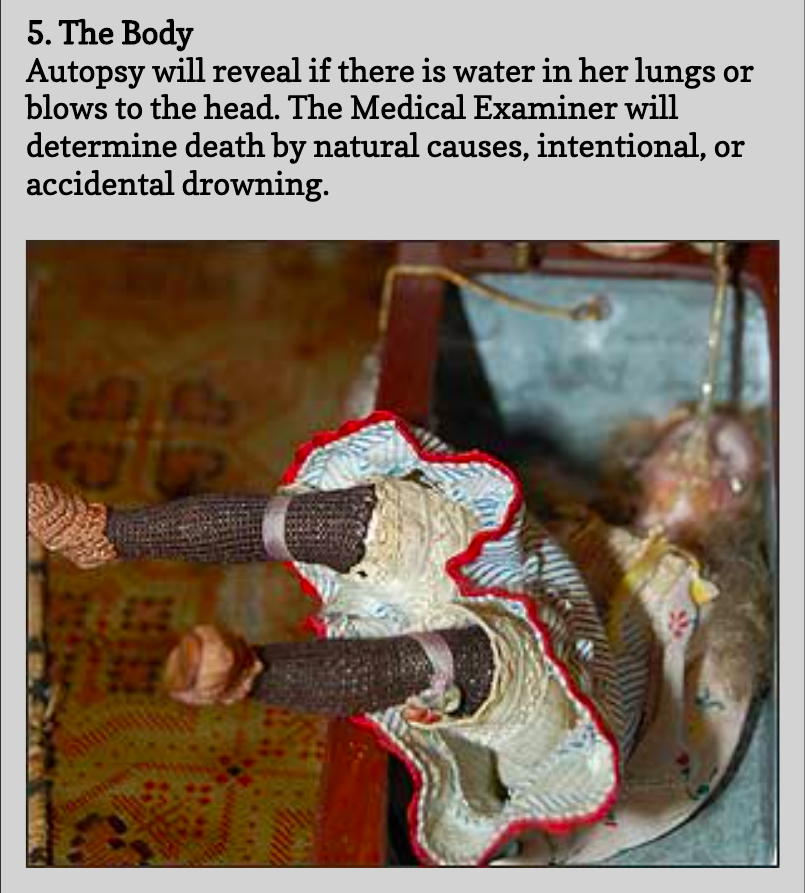
It turns out, then, that just as in so many mod­ern zom­bie sto­ries, the zom­bies may not actu­al­ly be the worst thing about a zom­bie apoc­a­lypse. Not to be out­done, the CDC decid­ed to cap­i­tal­ize on the zom­bie craze—rather late, we must say—releas­ing their own mate­ri­als for a zom­bie pan­dem­ic online in 2018. These include enter­tain­ing blogs, a poster (above), and a graph­ic nov­el full of use­ful dis­as­ter pre­pared­ness tips for ordi­nary cit­i­zens. The cam­paign might be judged in poor taste in the COVID era, but the agency assures us, in the event of a zom­bie apoc­a­lypse, “Nev­er Fear—CDC is Ready.” I leave it to you, dear read­er, to decide how com­fort­ing this promise sounds in 2020.

via Messy­Nessy

Relat­ed Con­tent:

Where Zom­bies Come From: A Video Essay on the Ori­gin of the Hor­ri­fy­ing, Satir­i­cal Mon­sters

How to Sur­vive the Com­ing Zom­bie Apoc­a­lypse: An Online Course by Michi­gan State

Watch Night of the Liv­ing Dead, the Sem­i­nal Zom­bie Movie, Free Online

Josh Jones is a writer and musi­cian based in Durham, NC. Fol­low him at @jdmagness

Sounds of the Forest: A Free Audio Archive Gathers the Sounds of Forests from All Over the World

Some of my fond­est mem­o­ries are of hik­ing the Olympic Nation­al For­est in Wash­ing­ton State and the forests of the Shenan­doah Val­ley in Vir­ginia, seek­ing the kind of silence one can only find in busy ecosys­tems full of birds, insects, wood­land crea­tures, rustling leaves, etc. This expe­ri­ence can be trans­for­ma­tive, a full immer­sion in what acoustic ecol­o­gist Gor­don Hemp­ton calls a “nat­ur­al acoustic sys­tem,” the end­less inter­play of calls and respons­es that evolved to har­mo­nize over mil­len­nia.

Trag­i­cal­ly, human noise pol­lu­tion encroach­es on the acoustic space of such refuges, and cli­mate change may irrev­o­ca­bly alter their nature. But they will be pre­served, in dig­i­tal record­ings at least, thanks in part to the efforts of a project called Sounds of the For­est, which has been doc­u­ment­ing the preg­nant silences of forests around the world and has so far col­lect­ed audio files from six con­ti­nents, with west­ern Europe most heav­i­ly rep­re­sent­ed.

The Sounds of the For­est library, acces­si­ble via its inter­ac­tive map or Sound­cloud page, “will form an open source library,” the project announces, “to be used by any­one to lis­ten to and cre­ate from.”

Nature lovers can con­tribute their own record­ings, help­ing to fill in the many remain­ing areas on the map with­out rep­re­sen­ta­tion. “Vis­it a wood­land,” the project rec­om­mends, “recharge under the canopy and record your sounds of the for­est.” The site gives spe­cif­ic instruc­tions for how to upload audio file sub­mis­sions.

Sounds of the For­est came out of the annu­al Tim­ber Fes­ti­val, an inter­na­tion­al gath­er­ing in the UK’s Nation­al For­est, which is the “bold­est envi­ron­men­tal­ly-led regen­er­a­tion project: the cre­ation of England’s first new for­est in a thou­sand years… an imag­i­na­tive and ambi­tious state­ment of sus­tain­able devel­op­ment.” When the pan­dem­ic scut­tled plans for an in-per­son 2020 Tim­ber Fes­ti­val, orga­niz­ers con­ceived of the sound files as a way to bring the world togeth­er in a vir­tu­al for­est gath­er­ing. They are also for­ag­ing mate­r­i­al for next year’s fest, in which “select­ed artists will be respond­ing to the sounds that are gath­ered, cre­at­ing music, audio, art­work or some­thing else incred­i­ble.”

If you can’t make it to Tim­ber Fes­ti­val 2021 next sum­mer, or to your for­est refuge of choice this autumn, you can still immerse your­self in the restora­tive sounds of forests world­wide. Open the sound map, click on a file, close your eyes, and imag­ine your­self in Nel­son Lakes Nation­al Park in New Zealand, Yasuni Nation­al Park at night in Ecuador, or Chernyaevsky For­est in Rus­sia. Expe­ri­enc­ing the busy silences of nature brings us back to ourselves—or to the ancient parts of our­selves that once also har­mo­nized with the nat­ur­al world.


via Kot­tke

Relat­ed Con­tent:

How to Find Silence in a Noisy World

The British Library’s “Sounds” Archive Presents 80,000 Free Audio Record­ings: World & Clas­si­cal Music, Inter­views, Nature Sounds & More

Free: Down­load the Sub­lime Sights & Sounds of Yel­low­stone Nation­al Park

10 Hours of Ambi­ent Arc­tic Sounds Will Help You Relax, Med­i­tate, Study & Sleep

Josh Jones is a writer and musi­cian based in Durham, NC. Fol­low him at @jdmagness

Bronze Age Britons Turned Bones of Dead Relatives into Musical Instruments & Ornaments

Image via the Wilt­shire Muse­um

The bur­ial rites of ancient and exot­ic peo­ples can seem out­landish to us, but there’s noth­ing par­tic­u­lar­ly nor­mal about the funer­al tra­di­tions in the Unit­ed States and the UK, where corpses are sent off to pro­fes­sion­al under­tak­ers and made to look alive before they’re sealed in box­es and buried or turned into piles of ash.

Andrea Den­Hoed at The New York­er refers to the prac­tice of Tibetan Bud­dhist sky buri­als, in which “bod­ies are rit­u­al­ly dis­sect­ed and left in the open to be con­sumed by vul­tures” and of the Tora­jans of Indone­sia, who “have a rit­u­al called Ma’Nene, in which bod­ies are dis­in­terred, dressed in new clothes, and car­ried in a parade around the vil­lage.” These rites seem almost to mock our west­ern fears of death.

Inno­va­tions on the funer­al dis­place us fur­ther from the body. Den­Hoed writes, in 2016, of the then-rel­a­tive­ly rare expe­ri­ence of attend­ing a funer­al over Skype, now com­mon­place by virtue of bleak neces­si­ty. It’s hard to say if high-tech mourn­ing rit­u­als like turn­ing human remains into playable vinyl records brings us clos­er to accept­ing dead bod­ies, but they cer­tain­ly bring us clos­er to an ances­tral pre­his­toric past when at least some Bronze Age Britons turned the bones of their dead into musi­cal instru­ments.

Is it any more macabre than turn­ing rel­a­tives into dia­monds? Who’s to say. The researchers who made this dis­cov­ery, Dr. Thomas Booth and Joan­na Brück, pub­lished their find­ings in the jour­nal Antiq­ui­ty under the tongue-in-cheek title “Death is not the end: radio­car­bon and his­to-tapho­nom­ic evi­dence for the cura­tion and excar­na­tion of human remains in Bronze Age Briton.”

What’s that now? Through radio­car­bon-dat­ing, the researchers, in oth­er words, were able to deter­mine that ancient peo­ple who lived between 2500–600 BC “were keep­ing and curat­ing body parts, bones and cre­mat­ed remains” of peo­ple they knew well, some­times exhum­ing and rit­u­al­ly re-bury­ing the remains in their homes, or just keep­ing them around for a cou­ple gen­er­a­tions.

“It’s indica­tive of a broad­er mind­set where the line between the liv­ing and the dead was more blurred than it is today,” Booth tells The Guardian. “There wasn’t a mind­set that human remains go in the ground and you for­get about them. They were always present among the liv­ing.” This is hard­ly strange. The incred­i­ble amount of loss peo­ple will feel after COVID-19 will like­ly bring a pro­lif­er­a­tion of such rit­u­als.

The find mak­ing head­lines is a human thigh bone “that had been carved into a whis­tle” Josh Davis writes at the British Nat­ur­al His­to­ry Muse­um, and buried with anoth­er adult male. “When dat­ed, it revealed that the thigh bone came from a per­son who prob­a­bly lived around the same date as the man that it was buried with, mean­ing it is like­ly that it was some­one that they knew in life, or were fair­ly close to.”

There doesn’t seem to be any sug­ges­tion that this was a com­mon or wide­spread prac­tice, but it’s not that dis­sim­i­lar to wear­ing the remains of the dead as jew­el­ry. “The Romans did it,” notes Glenn McDon­ald at Nation­al Geo­graph­ic, “The Per­sians did it. The Maya did it.” And the Vic­to­ri­ans, also, wore the remains of their dead, 4,000 years after their ancient ances­tors. “The tech­nolo­gies change,” says McDon­ald, “but the basic human expe­ri­ence” of death, loss, and mourn­ing remains the same.

The thigh bone whis­tle is on dis­play at the Wilt­shire Muse­um in the UK.

Relat­ed Con­tent: 

Hear the World’s Old­est Instru­ment, the “Nean­derthal Flute,” Dat­ing Back Over 43,000 Years

Hear a 9,000 Year Old Flute—the World’s Old­est Playable Instrument—Get Played Again

Lis­ten to the Old­est Song in the World: A Sumer­ian Hymn Writ­ten 3,400 Years Ago

Josh Jones is a writer and musi­cian based in Durham, NC. Fol­low him at @jdmagness

Watch Home Movies Starring Salvador Dali, Henri Matisse, Igor Stravinsky, Gertrude Stein, Colette & Other Early 20th Century Luminaries

Léonide Mas­sine may not be not the most famous name to grace socialite Eliz­a­beth Fuller Chapman’s home movies.

In terms of 21st cen­tu­ry name brand recog­ni­tion, he def­i­nite­ly lags behind art world heav­ies Sal­vador DaliMar­cel DuchampCon­stan­tin Brân­cușiHen­ri Matisse, com­pos­er Igor Stravin­sky, nov­el­ist Colette, play­wright Thorn­ton Wilder, the ever-for­mi­da­ble poet and col­lec­tor Gertrude Stein, and her long­time com­pan­ion Alice B. Tok­las. Such were the lumi­nar­ies in Mrs. Chapman’s cir­cle.

But in terms of sheer on-cam­era charis­ma, the Bal­lets Russ­es dancer and chore­o­g­ra­ph­er def­i­nite­ly steals the col­lec­tive show, above, cur­rent­ly on exhib­it as part of the Muse­um of Mod­ern Art’s Pri­vate Lives Pub­lic Spaces, an exhib­it explor­ing home movies as an art form.

Massine’s unbri­dled al fres­co hip-twirling, pranc­ing, and side kicks (pre­ced­ed by a slow-motion run at 1:55) exist in stark con­trast with Matisse’s stiff dis­com­fort in the same set­ting (11:11) One need not be a skilled lipread­er to guess the tone of the com­men­tary Mrs. Chapman’s 16mm cam­era was not equipped to cap­ture.

Stein (12:00), whose force­ful per­son­al­i­ty was the stuff of leg­end, appears relaxed at the sum­mer home she and Tok­las shared in Bilignin, but also hap­py to posi­tion their stan­dard poo­dle, Bas­ket, as the cen­ter of atten­tion.

Georges Braque (14:50), the intro­vert­ed Father of Cubism, clings grate­ful­ly to his palette as he stands before a large can­vas in his stu­dio, and appears just as wary in anoth­er clip at 20:10.

The Sur­re­al­ist Dali (21:50), as extro­vert­ed as Braque was retir­ing, takes a dif­fer­ent approach to his palette, engag­ing with it as a sort of com­ic prop. Dit­to his wife-to-be, Gala, and a paint­ed porce­lain bust he once acces­sorized with an inkwell, a baguette, and a zoetrope strip.

Dali serves up some seri­ous Tik-Tok vibes, but we have a hunch Colette’s strug­gles with her friend, pianist Misia Sert’s semi-tame mon­key (4:35), would rack up more likes.

As the cura­tors of the MoMA exhi­bi­tion note:

Chap­man Films is immense­ly pop­u­lar in the Film Study Cen­ter for the rare and inti­mate glimpses of their lives it pro­vides, from a time when the famous were not read­i­ly acces­si­ble. Yes, there were gos­sip columns, fan mag­a­zines, and juicy exposés in the 1930s and ‘40s, but many notable fig­ures care­ful­ly curat­ed their pub­lic per­sonas. We know these fig­ures through their paint­ings, music, or words, not their faces, so to see them at all—let alone in real life, doing every­day things—is remark­able.

Also charm­ing is the fresh­ness of their inter­ac­tions with Chapman’s camera—many of her sub­jects were celebri­ties, but their fame was in no way teth­ered to the ubiq­ui­ty of smart phones. Hard to go viral in 16mm, decades before YouTube.

Though danc­ing, as Mas­sine, and his close sec­ond Serge Lifar (8:50) make plain, is an excel­lent way to hold our atten­tion.

Relat­ed Con­tent:

Sal­vador Dalí Explains Why He Was a “Bad Painter” and Con­tributed “Noth­ing” to Art (1986)

Vin­tage Film: Watch Hen­ri Matisse Sketch and Make His Famous Cut-Outs (1946)

Gertrude Stein Recites ‘If I Told Him: A Com­plet­ed Por­trait of Picas­so’

Ayun Hal­l­i­day is an author, illus­tra­tor, the­ater mak­er and Chief Pri­ma­tol­o­gist of the East Vil­lage Inky zine. Fol­low her @AyunHalliday.

The Wine Windows of Renaissance Florence Dispense Wine Safely Again During COVID-19

Every­thing old is new again and Tuscany’s buchette del vino—wine windows—are def­i­nite­ly rolling with the times.

As Lisa Har­vey ear­li­er report­ed in Atlas Obscu­rabuchette del vino became a thing in 1559, short­ly after Cosi­mo I de’ Medici decreed that Flo­rence-dwelling vine­yard own­ers could bypass tav­erns and wine mer­chants to sell their prod­uct direct­ly to the pub­lic. Wealthy wine fam­i­lies eager to pay less in tax­es quick­ly fig­ured out a workaround that would allow them to take advan­tage of the edict with­out requir­ing them to actu­al­ly open their palace doors to the rab­ble:

Any­one on the street could use the wood­en or met­al knock­er … and rap on a wine win­dow dur­ing its open hours. A well-respect­ed, well-paid ser­vant, called a can­ti­niere and trained in prop­er­ly pre­serv­ing wine, stood on the oth­er side. The can­ti­niere would open the lit­tle door, take the customer’s emp­ty straw-bot­tomed flask and their pay­ment, refill the bot­tle down in the can­ti­na (wine cel­lar), and hand it back out to the cus­tomer on the street.

Sev­en­ty years fur­ther on, these lit­er­al holes-in-the-walls served as a means of con­tact­less deliv­ery for post-Renais­sance Ital­ians in need of a drink as the sec­ond plague pan­dem­ic raged.

Schol­ar Francesco Rondinel­li (1589–1665) detailed some of the extra san­i­ta­tion mea­sures put in place in the ear­ly 1630s:

A met­al pay­ment col­lec­tion scoop replaced hand-to-hand exchange

Imme­di­ate vine­gar dis­in­fec­tion of all col­lect­ed coins

No exchange of emp­ty flasks brought from home

Cus­tomers who insist­ed on bring­ing their own reusable bot­tles could do self-serve refills via a met­al tube, to pro­tect the essen­tial work­er on the oth­er side of the win­dow.

Sound famil­iar?

After cen­turies of use, the win­dows died out, falling vic­tim to flood, WWII bomb­ings, fam­i­ly relo­ca­tions, and archi­tec­tur­al ren­o­va­tion.

The nov­el coro­n­avirus pan­dem­ic has def­i­nite­ly played a major role in putting wine win­dows back on the public’s radar, but Babae, a casu­al year-old restau­rant gets cred­it for being the first to reac­ti­vate a dis­used buchet­ta del vino for its intend­ed pur­pose, sell­ing glass­es of red for a sin­gle hour each day start­ing in August 2019.

Now sev­er­al oth­er authen­tic buchette have returned to ser­vice, with menus expand­ed to accom­mo­date serv­ings of ice cream and cof­fee.

Giv­en this suc­cess, per­haps they’ll take a cue from Japan’s 4.6 mil­lion vend­ing machines, and begin dis­pens­ing an even wider array of items.

They may even take a page from the past, and send some of the mon­ey they take in back out, along with food and yes—wine—to sus­tain needy mem­bers of the com­mu­ni­ty.

The Buchette del Vino Asso­ci­azi Cul­tur­ale cur­rent­ly lists 146 active and inac­tive wine win­dows in Flo­rence and the sur­round­ing regions, accom­pa­ny­ing their find­ings with pho­tos and arti­cles of his­tor­i­cal rel­e­vance.

Via Atlas Obscu­ra

Relat­ed Con­tent: 

Quar­an­tined Ital­ians Send a Mes­sage to Them­selves 10 Days Ago: What They Wish They Knew Then

Ital­ians’ Night­ly Sin­ga­longs Prove That Music Soothes the Sav­age Beast of Coro­n­avirus Quar­an­tine & Self-Iso­la­tion

A Free Course from MIT Teach­es You How to Speak Ital­ian & Cook Ital­ian Food All at Once

Ayun Hal­l­i­day is an author, illus­tra­tor, the­ater mak­er and Chief Pri­ma­tol­o­gist of the East Vil­lage Inky zine.  Fol­low her @AyunHalliday.
Get the Ancient Roman Look: A Hair & Makeup Video Tutorial

Remem­ber ear­ly April, when we threw our­selves into the Get­ty Chal­lenge, turn­ing our­selves into his­toric art recre­ations in lieu of climb­ing the walls?

Seems like ages ago, doesn’t it, that you wrapped a show­er cur­tain around your head and rifled through the but­ton box, rabid to make your­self into a mas­ter­piece.

While it’s not accu­rate to say we’ve col­lec­tive­ly set­tled into a new nor­mal, many of us have accept­ed that cer­tain alter­ations to our every­day lives will be pro­longed if our every­day lives are to pro­ceed.

First it was depress­ing.

Now it’s just bor­ing (with the occa­sion­al thrum of anx­i­ety).

Per­haps it’s time to shake things up a bit, and Crows Eye Pro­duc­tions’ tuto­r­i­al on achiev­ing an Ancient Roman look using mod­ern hair and beau­ty prod­ucts, above, is an excel­lent place to start.

While Crows Eye spe­cial­izes in build­ing his­tor­i­cal­ly accu­rate peri­od dress from the unmen­tion­able out, it’s worth not­ing that styl­ist Liv Free takes a few lib­er­ties, adding a bit of mas­cara and lip­stick despite a dearth of evi­dence that Roman women enhanced their lips or lash­es.

She also uses curl­ing irons, pony­tail hold­ers, and a hair donut to cre­ate a crown of ringlets and braids.

If you’re a stick­ler for authen­tic­i­ty who won’t be able to live with your­self if you’re not sewn into your hair style with a bone nee­dle, you may be bet­ter off con­sult­ing the YouTube chan­nel of hair arche­ol­o­gist Janet Stephens.

But, if your goal is mere­ly to wow your co-work­ers with a full-on Fla­vian Dynasty look dur­ing your next Zoom call, by all means grab some pale lead-free foun­da­tion, some expend­able Hot Buns, and some light blush.

Don’t wor­ry that you’ll appear too done up. Free notes that Roman women of both high and low birth were devot­ed to make­up, but in def­er­ence to their men, lim­it­ed them­selves to the nat­ur­al look.

That’s a tad anachro­nis­tic, huh?

These days, any­one who wants to remake them­selves in the image of Empress Domi­tia Long­i­na should feel free to take a crack at it, irre­spec­tive of gen­der, race, or extra hands to help with the parts of the hair­style you can can’t see in the mir­ror (or a Zoom win­dow).

Once we have mas­tered our new look, we can see about anoth­er muse­um chal­lenge. Here’s some inspi­ra­tion to get us start­ed.

Relat­ed Con­tent:

How a Bal­ti­more Hair­dress­er Became a World-Renowned “Hair Archae­ol­o­gist” of Ancient Rome

Roman Stat­ues Weren’t White; They Were Once Paint­ed in Vivid, Bright Col­ors

How to Bake Ancient Roman Bread Dat­ing Back to 79 AD: A Video Primer

Ayun Hal­l­i­day is an author, illus­tra­tor, the­ater mak­er and Chief Pri­ma­tol­o­gist of the East Vil­lage Inky zine. Fol­low her @AyunHalliday.

New Digital Archive Opens Access to Thousands of Digitized African American Funeral Programs (1886–2019)

Funer­al rites, buri­als, and oth­er rit­u­als are held near-uni­ver­sal­ly sacred, not only due to reli­gious and cul­tur­al beliefs about death: We pre­serve our con­nec­tion to our ances­tors through the records of their births and deaths. For many Black Amer­i­cans in the U.S. south, grief and loss have been com­pound­ed by cen­turies of vio­lence and tragedy, but funer­als have still tend­ed to be “cel­e­bra­tions of life” rather than mourn­ful events, says Derek Mosley, archivist at the Auburn Avenue Research Library on African Amer­i­can Cul­ture and His­to­ry.” African Amer­i­can “funer­al pro­grams tend to reflect that,” and there­fore offer a wealth of infor­ma­tion for his­to­ri­ans and geneal­o­gists as well as fam­i­ly mem­bers.

Mosley is a con­trib­u­tor to a new dig­i­tal archive that “cur­rent­ly boasts more than 11,500 dig­i­tized pages and is expect­ed to grow as more pro­grams are con­tributed.” These his­tor­i­cal doc­u­ments date from between 1886 to 2019, though “most of the pro­grams are from ser­vices dur­ing the late twen­ti­eth and ear­ly twen­ty-first cen­turies,” notes the Dig­i­tal Library of Geor­gia, who hous­es the col­lec­tion. “A major­i­ty of the pro­grams are from church­es in the Atlanta, Geor­gia area, with a few pro­grams from oth­er states such as South Car­oli­na, Ten­nessee, Flori­da, Michi­gan, New Jer­sey, and New York, among oth­ers.”

The archive offers an incred­i­ble resource for peo­ple look­ing for infor­ma­tion about rel­a­tives. For researchers “these doc­u­ments also rep­re­sent a gold mine of archival infor­ma­tion,” Nora McGreevy writes at Smith­son­ian, includ­ing “birth and death dates, pho­tos, lists of rel­a­tives, nick­names, maid­en names, res­i­dences, church names, and oth­er clues that can help reveal the sto­ries of the deceased.”

In many cas­es, those sto­ries were lost when Jim Crow, pover­ty, and rede­vel­op­ment dis­placed fam­i­lies and erased bur­ial sites. The col­lec­tion, says Mosley, offers “a pub­lic space for lega­cy.”

It is a way for local his­to­ri­ans to recov­er impor­tant com­mu­ni­ty fig­ures. One pro­gram, for Dr. J.W.E. Lin­der, “who died in 1939,” Atlas Obscu­ra’s Matthew Taub writes, “and whose memo­r­i­al ser­vice was held in 1940” informs us that the deceased was the son of “Con­gress­man George W. Lin­der, of the Geor­gia House of Rep­re­sen­ta­tives dur­ing the Recon­struc­tion Peri­od.” In the pro­gram for Judge Austin Thomas Walden, who died in 1965, we learn that he served as the first munic­i­pal judge in Geor­gia since Recon­struc­tion. His bene­dic­tion was deliv­ered by the Rev­erend Mar­tin Luther King Sr. and he received trib­utes from the May­or of Atlanta, the Pres­i­dent of More­house Col­lege, and the office of Pres­i­dent John­son.

Such pil­lars of the com­mu­ni­ty can be found among a host of pro­grams memo­ri­al­iz­ing ordi­nary, every­day peo­ple. The descrip­tions in the funer­al lit­er­a­ture open fas­ci­nat­ing win­dows onto their lives and their extend­ed fam­i­ly con­nec­tions. Mrs. Julia Burton’s pro­gram from 1960, for exam­ple, tells us she was born on the plan­ta­tion where her par­ents were like­ly enslaved. Her obit­u­ary not only describes her many clubs and her char­ac­ter as “a well-informed per­son in many areas,” but also lists the names of her hus­band and son, three grand­daugh­ters, two grand­sons, two sis­ters, and two brothers—invaluable infor­ma­tion for peo­ple search­ing for rel­a­tives.

“The chal­lenge for African Amer­i­can geneal­o­gy and fam­i­ly research con­tin­ues to be the lack of free access to his­tor­i­cal infor­ma­tion that can enable us to the tell the sto­ries of those who have come before us,” remarks Tam­my Ozi­er, pres­i­dent of the Atlanta Chap­ter of the Afro-Amer­i­can His­tor­i­cal and Genealog­i­cal Soci­ety. “This mon­u­men­tal col­lec­tion helps to close the gap.” As it grows, it will like­ly come to rep­re­sent greater geo­graph­i­cal areas around the coun­try. For now, the rough­ly 3300 dig­i­tized funer­al pro­grams, some a sin­gle page, some elab­o­rate, full-col­or pro­duc­tions, focus on an area to which thou­sands of fam­i­lies around the coun­try can trace their lin­eage, and to which many may find their way back through pub­lic archives like this one.

via Atlas Obscu­ra

Relat­ed Con­tent:

Mas­sive New Data­base Will Final­ly Allow Us to Iden­ti­fy Enslaved Peo­ples and Their Descen­dants in the Amer­i­c­as

The Names of 1.8 Mil­lion Eman­ci­pat­ed Slaves Are Now Search­able in the World’s Largest Genealog­i­cal Data­base, Help­ing African Amer­i­cans Find Lost Ances­tors

Take Free Cours­es on African-Amer­i­can His­to­ry from Yale and Stan­ford: From Eman­ci­pa­tion, to the Civ­il Rights Move­ment, and Beyond

Josh Jones is a writer and musi­cian based in Durham, NC. Fol­low him at @jdmagness

Artists Give Advice to the Young: Words of Wisdom from Andrei Tarkovsky, Patti Smith, Laurie Anderson, John Cleese & Many More

When Rain­er Maria Rilke began cor­re­spond­ing with a poet­i­cal­ly inclined 19-year-old mil­i­tary-acad­e­my cadet named Franz Xaver Kap­pus, he inad­ver­tent­ly found­ed a genre. After Rilke’s death, Kap­pus pub­lished the mis­sives the two had exchanged in the 1900s as the book Let­ters to a Young Poet, a title to which estab­lished old­er artists giv­ing advice to aspir­ing younger ones have paid homage ever since. Here in the 21st cen­tu­ry, of course, their words of advice don’t usu­al­ly come writ­ten in let­ters. They aren’t even lim­it­ed to one-to-one cor­re­spon­dence: now such words of wis­dom can eas­i­ly be broad­cast to every young per­son in the world with rel­a­tive ease. For the young artist, the chal­lenge thus has shift­ed from seek­ing advice to seek­ing out the right advice.

Hence the roundups we’ve post­ed here on Open Cul­ture of offer­ings like “Advice to the Young,” a Youtube series from Den­mark’s Louisiana Muse­um of Mod­ern Art. In 2016 we high­light­ed its videos of cre­ators who suc­ceed­ed in shap­ing the cul­ture with­out much in the way of com­pro­mise to their idio­syn­crat­ic visions: Lau­rie Ander­son, Daniel Lanois, David, Byrne, Pat­ti Smith, Umber­to Eco, Mari­na Abramović.

In 2018 we fea­tured an update on fur­ther advice to the young offered by writ­ers like Jonathan Franzen and Lydia Davis, film­mak­ers like Wim Wen­ders, and artists like Ed Ruscha. The Louisiana Chan­nel, which has con­tin­ued to add new clips of advice from an ever-widen­ing range of fig­ures, has since uploaded sage coun­sel from the likes of pho­tog­ra­ph­er and film­mak­er Anton Cor­bi­jn, dis­si­dent artist Ai Wei­wei, and Trainspot­ting author Irvine Welsh.

As Welsh puts it, “The most impor­tant thing I would say to any­body who’s doing any­thing” — writ­ing, music, art, what have you — is to “do it with exu­ber­ance, because that will come across.” Long­time Open Cul­ture read­ers may remem­ber Andrei Tarkovsky (an artist who in most respects seems to have occu­pied an entire­ly sep­a­rate world from Welsh’s) hav­ing tak­en that idea fur­ther: young film­mak­ers should­n’t “sep­a­rate their work, their movie, their film, from the life they live,” and indeed should accept that their art requires “sac­ri­fic­ing of your­self. You should belong to it, it should­n’t belong to you.” He also advis­es young peo­ple of any incli­na­tion that they “should learn to be alone and try to spend as much time as pos­si­ble by them­selves” — per­haps the only mode in which they can stay true to their own per­cep­tions and moti­va­tions.

“I think many writ­ers are led into a com­pro­mise in their basic rela­tion­ship to truth in their mate­r­i­al,” says Rachel Cusk, author of the recent “Out­line Tril­o­gy” of nov­els and much oth­er fic­tion and non-fic­tion besides, in her Louisiana Chan­nel video. “You get a lot fur­ther by stick­ing to your guns.” But where do you find that mate­r­i­al in the first place?

John Cleese answers that straight­for­ward­ly in the Big Think inter­view clip just above: “I sug­gest at the start that you steal, or bor­row — or as the artists would say, ‘are influ­enced by’ — any­thing that you think is real­ly good and real­ly fun­ny, and which appeals to you. If you study that and try to repro­duce it in some way, then it’ll have your own stamp on it.” Only then can you devel­op your own style. Or, to return to the needs of young poets of the world, you could take the advice of no less cel­e­brat­ed a pre­de­ces­sor in the art than Walt Whit­man: “Don’t write poet­ry.”

Relat­ed Con­tent:

21 Artists Give “Advice to the Young:” Vital Lessons from Lau­rie Ander­son, David Byrne, Umber­to Eco, Pat­ti Smith & More

Great Film­mak­ers Offer Advice to Young Direc­tors: Taran­ti­no, Her­zog, Cop­po­la, Scors­ese, Ander­son, Felli­ni & More

Ven­er­a­ble Female Artists, Musi­cians & Authors Give Advice to the Young: Pat­ti Smith, Lau­rie Ander­son & More

Based in Seoul, Col­in Mar­shall writes and broad­casts on cities, lan­guage, and cul­ture. His projects include the book The State­less City: a Walk through 21st-Cen­tu­ry Los Ange­les and the video series The City in Cin­e­ma. Fol­low him on Twit­ter at @colinmarshall, on Face­book, or on Insta­gram.

« Go BackMore in this category... »
Quantcast