10 Must-Read Dystopian Novels: Our Readers’ Picks

we dystopia

While not all sci­ence fic­tion is dystopian—far from it—a ques­tion does arise when the sub­ject of that most pes­simistic of gen­res comes up: is all dystopi­an lit­er­a­ture sci­ence fic­tion? In a post a cou­ple days ago, we brought you five of Antho­ny Burgess’s favorite dystopi­an nov­els, a list that would seem to answer with a resound­ing No. For one thing, Burgess includes what we might count as his­tor­i­cal fic­tion on his list—Norman Mailer’s The Naked and the Dead. Is Orwell’s 1984 sci­ence fic­tion? It makes more sense, per­haps, to call it polit­i­cal satire, or “spec­u­la­tive fic­tion,” the term dystopi­an nov­el­ist Mar­garet Atwood prefers.

In the intro­duc­tion to her essay col­lec­tion In Other Worlds, Atwood defines “spec­u­la­tive fic­tion” as “real­is­tic and plau­si­ble” where­as sci­ence fic­tion con­tains more fan­tas­tic ele­ments. Hair­split­ting maybe, but for Atwood it means that dystopias—at least her dystopias—are not sim­ply philo­soph­i­cal thought exper­i­ments divorced from lived real­i­ty, like much utopi­an fic­tion. They are pro­jec­tions, and at times imag­i­na­tive tran­scrip­tions, of the present, show­ing us what may already be hap­pen­ing right under our noses, or what might be right around the cor­ner.

As Burgess wrote of 1984, “It is pos­si­ble to say that the ghast­ly future Orwell fore­told has not come about sim­ply because he fore­told it: we were warned in time.” In oth­er words—the total­i­tar­i­an future Orwell fore­saw was entire­ly pos­si­ble in Eng­land and Amer­i­ca, and need­less to say, already large­ly a real­i­ty in places like Stalin’s Sovi­et Union and cur­rent-day North Korea. In our Burgess post, we asked our read­ers to name their favorite dystopi­an nov­els (or films). How­ev­er we define dystopia—as dark futur­ist fan­ta­sy, sci-fi, or “spec­u­la­tive fic­tion” about nasty things on the verge of com­ing to pass, we’ll nev­er lack for exam­ples.

The list of nov­els below below offers a range of futur­is­tic tales, some more real­is­tic and plau­si­ble, some more fan­tas­tic. Like Burgess, read­ers had a broad def­i­n­i­tion of “dystopi­an” as a genre. I was sur­prised, how­ev­er, that no one men­tioned any of Atwood’s excel­lent nov­els, so I’ll throw in both Oryx and Crake and The Handmaid’s Tale as my picks.


Relat­ed Con­tent:

A Clock­work Orange Author Antho­ny Burgess Lists His Five Favorite Dystopi­an Nov­els: Orwell’s 1984, Huxley’s Island & More

Hux­ley to Orwell: My Hell­ish Vision of the Future is Bet­ter Than Yours (1949)

Hear Ray Bradbury’s Clas­sic Sci-Fi Sto­ry Fahren­heit 451 as a Radio Dra­ma

Josh Jones is a writer and musi­cian based in Durham, NC. Fol­low him at @jdmagness


11 Essential Feminist Books: A Reading List by The New York Public Library

We now find our­selves about a third of the way through March, more inter­est­ing­ly known as Wom­en’s His­to­ry Month, a time filled with occa­sions to round up and learn more about the cre­ations and accom­plish­ments of women through the cen­turies. And “who bet­ter to hon­or this March than his­to­ry’s influ­en­tial fem­i­nists?” writes Lynn Lobash on the New York Pub­lic Library’s web­site.

We’ve pre­vi­ous­ly fea­tured trea­sures from the New York Pub­lic Library, includ­ing art postersmapsrestau­rant menusthe­ater ephemera, and a host of dig­i­tized high-res­o­lu­tion images. Today it’s time to high­light one of the many rec­om­mend­ed read­ing lists that the NYPL’s librar­i­ans reg­u­lar­ly cre­ate for the read­ing pub­lic. “Know Your Fem­i­nisms”–a book list “essen­tial for under­stand­ing the his­to­ry of fem­i­nism and the wom­en’s rights movement”–could eas­i­ly be used in a Fem­i­nism 101 course. It runs chrono­log­i­cal­ly, begin­ning with these ten vol­umes (the quot­ed descrip­tions come from Lynn Lobash):

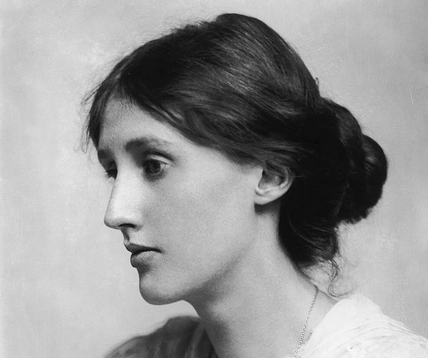
  • A Room of One’s Own by Vir­ginia Woolf (1929). “This essay exam­ines the ques­tion of whether a woman is capa­ble of pro­duc­ing work on par with Shake­speare. Woolf asserts that ‘a woman must have mon­ey and a room of her own if she is to write fic­tion.’ ”
  • The Sec­ond Sex by Simone de Beau­voir (1949). “A major work of fem­i­nist phi­los­o­phy, the book is a sur­vey of the treat­ment of women through­out his­to­ry.”
  • The Fem­i­nine Mys­tique by Bet­ty Friedan (1963). “Friedan exam­ines what she calls ‘the prob­lem that has no name’ – the gen­er­al sense of malaise among women in the 1950s and 1960s.”
  • Les Guéril­lères by Monique Wit­tig (1969). “An imag­in­ing of an actu­al war of the sex­es in which women war­riors are equipped with knives and guns.”
  • The Female Eunuch by Ger­maine Greer (1970). “Greer makes the argu­ment that women have been cut off from their sex­u­al­i­ty through (a male con­ceived) con­sumer soci­ety-pro­duced notion of the ‘nor­mal’ woman.”
  • Sex­u­al Pol­i­tics by Kate Mil­lett (1970). “Based on her PhD dis­ser­ta­tion, Millett’s book dis­cuss­es the role patri­archy (in the polit­i­cal sense) plays in sex­u­al rela­tions. To make her argu­ment, she (unfa­vor­ably) explores the work of D.H Lawrence, Hen­ry Miller, and Sig­mund Freud, among oth­ers.”
  • Sis­ter Out­sider by Audre Lorde (1984). “In this col­lec­tion of essays and speech­es, Lorde address­es sex­ism, racism, black les­bians, and more.”
  • The Beau­ty Myth by Nao­mi Wolf (1990). “Wolf explores “nor­ma­tive stan­dards of beau­ty” which under­mine women polit­i­cal­ly and psy­cho­log­i­cal­ly and are prop­a­gat­ed by the fash­ion, beau­ty, and adver­tis­ing indus­tries.”
  • Gen­der Trou­ble by Judith But­ler (1990). “Influ­en­tial in fem­i­nist and queer the­o­ry, this book intro­duces the con­cept of ‘gen­der per­for­ma­tiv­i­ty’ which essen­tial­ly means, your behav­ior cre­ates your gen­der.”
  • Fem­i­nism is for every­body by bell hooks (2000). “Hooks focus­es on the inter­sec­tion of gen­der, race, and the sociopo­lit­i­cal.”

To see the very newest books the NYPL has put in this par­tic­u­lar canon, the lat­est of which came out just last year, take a look at the com­plete list on their site. There you’ll also find “Well Done, Sis­ter Suf­fragette!,” a short­er col­lec­tion of five books on his­to­ry’s fight­ers for wom­en’s rights: the slave-turned-ora­tor Sojourn­er Truth, activist Eliz­a­beth Cady Stan­ton, social reformer Susan B. Antho­ny, nine­teenth amend­ment-pro­mot­er Alice Paul, and rad­i­cal Catholic jour­nal­ist Dorothy Day.

Note: You can down­load Glo­ria Steinem’s recent auto­bi­og­ra­phy, My Life on the Road, as a free audio­book if you sign up for Audible.com’s free tri­al pro­gram. It’s nar­rat­ed by Debra Winger and Steinem her­self.  Learn more about Audible’s free tri­al pro­gram here.

Relat­ed Con­tent:

Simone de Beau­voir Explains “Why I’m a Fem­i­nist” in a Rare TV Inter­view (1975)

Simone de Beau­voir Tells Studs Terkel How She Became an Intel­lec­tu­al and Fem­i­nist (1960)

The First Fem­i­nist Film, Ger­maine Dulac’s The Smil­ing Madame Beudet (1922)

The Fem­i­nist The­o­ry of Simone de Beau­voir Explained with 8‑Bit Video Games (and More)

100,000+ Won­der­ful Pieces of The­ater Ephemera Dig­i­tized by The New York Pub­lic Library

Food­ie Alert: New York Pub­lic Library Presents an Archive of 17,000 Restau­rant Menus (1851–2008)

New York Pub­lic Library Puts 20,000 Hi-Res Maps Online & Makes Them Free to Down­load and Use

The New York Pub­lic Library Lets You Down­load 180,000 Images in High Res­o­lu­tion: His­toric Pho­tographs, Maps, Let­ters & More

Down­load 2,000 Mag­nif­i­cent Turn-of-the-Cen­tu­ry Art Posters, Cour­tesy of the New York Pub­lic Library

Based in Seoul, Col­in Mar­shall writes and broad­casts on cities, lan­guage, and style. He’s at work on a book about Los Ange­les, A Los Ange­les Primer, the video series The City in Cin­e­ma, the crowd­fund­ed jour­nal­ism project Where Is the City of the Future?, and the Los Ange­les Review of Books’ Korea Blog. Fol­low him on Twit­ter at @colinmarshall or on Face­book.

Free: Read All of George Orwell’s War Diaries Online (1938–1942)

Orwell ID Card

Jour­nal­ist, essay­ist, and nov­el­ist Eric Blair, bet­ter known as George Orwell, has the dis­tinc­tion of writ­ing not just one, but two of the most well-known cau­tion­ary nov­els about total­i­tar­i­an gov­ern­ments: 1984 and Ani­mal Farm. You’ve like­ly read at least one of them, per­haps both, and you’ve like­ly seen either or both of the film adap­ta­tions based on these books. Were this the total­i­ty of Orwell’s lega­cy, it would sure­ly be secure for many decades to come—and per­haps many hun­dreds of years. Who knows how our descen­dants will remem­ber us; but whether they man­age to ful­ly tran­scend author­i­tar­i­an­ism or still wres­tle with it many gen­er­a­tions lat­er, the name of Orwell may for­ev­er be asso­ci­at­ed with its threat­en­ing rise.

And yet, had Orwell nev­er writ­ten a word of fic­tion­al prose, we would prob­a­bly still invoke his name as an impor­tant jour­nal­is­tic wit­ness to the 20th century’s blood­i­est con­flicts over fas­cism. He direct­ly par­tic­i­pat­ed in the Span­ish Civ­il War, fight­ing with the Marx­ist resis­tance group POUM (Par­tido Obrero de Unifi­cación Marx­ista). The hor­rif­ic takeover of Spain by Fran­cis­co Fran­co, with help from Hitler’s Luft­waffe, par­al­leled the Nazi’s grad­ual takeover of West­ern Europe, and the expe­ri­ence changed not only Orwell’s out­look, but that of Euro­peans gen­er­al­ly. As he wrote in his per­son­al account of the war, Homage to Cat­alo­nia, “Peo­ple then had some­thing we haven’t got now. They didn’t think of the future as some­thing to be ter­ri­fied of….”

Eileen Orwell ID Card

Orwell’s tour of duty in Spain end­ed in 1937 when he was shot in the throat; lat­er he and his wife Eileen were charged with “rabid Trot­sky­ism” by pro-Sovi­et Span­ish com­mu­nists. The Orwells retired to Moroc­co to recu­per­ate. There, Orwell began keep­ing a diary, which he main­tained until 1942, chron­i­cling his impres­sions and expe­ri­ences through­out the war years as he and Eileen made their way out of Moroc­co and back to Eng­land. You can fol­low their jour­neys in a Google Maps project here. And you can read all of Orwell’s diary entries at the web­site of The Orwell Prize, “Britain’s most pres­ti­gious prize for polit­i­cal writ­ing.” The Prize site began blog­ging Orwell’s entries in 2008—70 years to the day after the first entry—and con­tin­ued in “real time” there­after until 2012.

The first entries reveal lit­tle, show­ing us “a large­ly unknown Orwell, whose great curios­i­ty is focused on plants, ani­mals, wood­work,” and oth­er domes­tic con­cerns. Then, from about Sep­tem­ber, 1938 on, we see “the Orwell whose polit­i­cal obser­va­tions and crit­i­cal think­ing have enthralled and inspired gen­er­a­tions since his death in 1950. Whether writ­ing about the Span­ish Civ­il War or sloe gin, gera­ni­ums or Ger­many, Orwell’s per­cep­tive eye and rebel­lion against the ‘gramo­phone mind’ he so despised are obvi­ous.” These diaries—post­ed with explana­to­ry footnotes—preserve a keen eye­wit­ness to his­to­ry, one who had been test­ed in war and seen first­hand the dan­ger fas­cism posed. Orwell’s expe­ri­ences gave him mate­r­i­al for the nov­els for which we best remem­ber him. And his per­son­al and jour­nal­is­tic accounts give us a grip­ping first­hand por­trait of life under the threat of Nazi vic­to­ry.

Start read­ing Orwell’s War Diaries, begin­ning with the last one, at the Orwell Prize site. Along with the diaries them­selves, you’ll find con­tex­tu­al arti­cles and an image gallery with scanned clip­pings and doc­u­ments like the 1938 ID cards for George and Eileen Orwell, above.

Orwell’s War Diaries will be added to our col­lec­tion, 800 Free eBooks for iPad, Kin­dle & Oth­er Devices.

Relat­ed Con­tent:

George Orwell’s Five Great­est Essays (as Select­ed by Pulitzer-Prize Win­ning Colum­nist Michael Hiltzik)

George Orwell Explains in a Reveal­ing 1944 Let­ter Why He’d Write 1984

George Orwell’s Final Warn­ing: Don’t Let This Night­mare Sit­u­a­tion Hap­pen. It Depends on You! 

Clock­work Orange Author Antho­ny Burgess Lists His Five Favorite Dystopi­an Nov­els: Orwell’s 1984, Huxley’s Island & More

Josh Jones is a writer and musi­cian based in Durham, NC. Fol­low him at @jdmagness

A Clockwork Orange Author Anthony Burgess Lists His Five Favorite Dystopian Novels: Orwell’s 1984, Huxley’s Island & More

1984-loi_Renseignement_adoptée

From Sir Thomas More’s 1516 philo­soph­i­cal nov­el Utopia to Dis­ney’s 2016 adult-friend­ly kids’ movie Zootopia, the genre of the “-top­ia” has been remark­ably durable. Tak­ing Pla­to’s Repub­lic as their mod­el, the first utopi­an fic­tions flour­ished in an opti­mistic age, when polit­i­cal phi­los­o­phy imag­ined a per­fect union between gov­ern­ment and sci­ence. Such fic­tion por­trayed most­ly har­mo­nious, high-func­tion­ing civ­i­liza­tions as con­trasts to real, imper­fect societies—and yet, as mod­ern indus­try began to threat­en human well-being and for­mer­ly ide­al­ized forms of gov­ern­ment acquired a tyran­ni­cal hue, the genre began to project into the future not hopes of free­dom, ease, and plen­ty but rather fears of mass suf­fer­ing, impris­on­ment, and mis­rule. In place of utopias, moder­ni­ty gave us dystopias, ter­ri­fy­ing fic­tions of a hell­ish future birthed by war, total­i­tar­i­an rule, gross eco­nom­ic inequal­i­ty, and mis­ap­plied tech­nolo­gies.

Before John Stu­art Mill coined the word “dystopia” in 1868, pes­simistic post-Enlight­en­ment thinker Jere­my Ben­tham cre­at­ed an ear­li­er, per­haps even scari­er, word, “caco­topia,” the “imag­ined seat of the worst gov­ern­ment.” This was the term favored by Antho­ny Burgess, author of one of the most unset­tling dystopi­an nov­els of the last cen­tu­ry, A Clock­work Orange. Depict­ing a chaot­ic future Eng­land filled with extreme crim­i­nal vio­lence and an unnerv­ing gov­ern­ment solu­tion, the nov­el can be read as either, writes Ted Gioia, “a look into the moral­i­ty of an indi­vid­ual, or as an inquiry into the moral­i­ty of the State.” It seems to me that this dual focus marks a cen­tral fea­ture of much suc­cess­ful dystopi­an fic­tion: despite its thor­ough­ly grim and pes­simistic nature, the best rep­re­sen­ta­tives of the genre present us with human char­ac­ters who have some agency, how­ev­er lim­it­ed, and who can choose to revolt from the oppres­sive con­di­tions (and usu­al­ly fail in the attempt) or to ful­ly acqui­esce and remain com­plic­it.

The rebel­lion of a sin­gle non-con­formist gen­er­al­ly forms the basis of con­flict in dystopi­an fic­tion, as we’ve seen in recent, pop­ulist iter­a­tions like The Hunger Games series and their more deriv­a­tive coun­ter­parts. And yet, in most clas­sic dystopi­an nov­els, the hero remains an anti-hero—or an un-hero, rather: unex­cep­tion­al, unim­por­tant, and gen­er­al­ly unno­ticed until he or she decides to cross a line. A few of Burgess’s own favorites of the genre rough­ly fol­low this clas­sic for­mu­la, includ­ing Orwell’s 1984. In the short list below, Burgess com­ments on five works of dystopi­an fic­tion he held in par­tic­u­lar­ly high regard. Two of them, Aldous Hux­ley’s Island and Rus­sell Hoban’s Rid­dley Walk­er, break the mold, and show us two oppo­site extremes of civ­i­liza­tions per­fect­ed, and com­plete­ly anni­hi­lat­ed, by West­ern progress. Burgess’s first choice, Nor­man Mail­er’s The Naked and the Dead seems not to fit at all, being an account of past atroc­i­ties rather than a spec­u­la­tive look into the future.

Nev­er­the­less, Burgess seems will­ing to stretch the bound­aries of what we typ­i­cal­ly think of as dystopi­an fic­tion in order to include books that offer, as Mail­er’s nov­el has it, “a pre­view of the future.” See Burgess’s picks below, and read excerpts from his com­men­tary on these five nov­els. You can read his full descrip­tions at The Inter­na­tion­al Antho­ny Burgess Foun­da­tion web­site.

The futil­i­ty of war is well pre­sent­ed. The island to be cap­tured has no strate­gic impor­tance. The spir­it of revolt among the men is stirred by an acci­dent: the patrol stum­bles into a hor­nets’ nest and runs away, drop­ping weapons and equip­ment, the naked leav­ing the dead behind them. An impulse can con­tain seeds of human choice: we have not yet been turned entire­ly into machines. Mailer’s pes­simism was to come lat­er — in The Deer Park and Bar­bary Shore and An Amer­i­can Dream — but here, with men grant­i­ng them­selves the pow­er to opt out of the col­lec­tive sui­cide of war, there is a heart­en­ing vision of hope. This is an aston­ish­ing­ly mature book for a twen­ty-five-year-old nov­el­ist. It remains Mailer’s best, and cer­tain­ly the best war nov­el to emerge from the Unit­ed States.

This is one of the few dystopi­an or caco­topi­an visions which have changed our habits of thought. It is pos­si­ble to say that the ghast­ly future Orwell fore­told has not come about sim­ply because he fore­told it: we were warned in time. On the oth­er hand, it is pos­si­ble to think of this nov­el as less a prophe­cy than the com­ic join­ing togeth­er of two dis­parate things — an image of Eng­land as it was in the imme­di­ate post-war era, a land of gloom and short­ages, and the bizarrely impos­si­ble notion of British intel­lec­tu­als tak­ing over the gov­ern­ment of the coun­try (and, for that mat­ter, the whole of the Eng­lish-speak­ing world).

Jael 97 is facial­ly over­priv­i­leged: her beau­ty must be reduced to a drab norm. But, like the heroes and hero­ines of all caco­topi­an nov­els, she is an eccen­tric. See­ing for the first time the west tow­er of Ely Cathe­dral, one of the few lofty struc­tures left unflat­tened by the war, she expe­ri­ences a trans­port of ecsta­sy and wish­es to cher­ish her beau­ty. Her revolt against the regime results in no bru­tal reim­po­si­tion of con­for­mi­ty — only in the per­sua­sions of sweet rea­son. This is no Orwellian future. It is a world inca­pable of the dynam­ic of tyran­ny. Even the weath­er is always cool and grey, with no room for either fire or ice. The state mot­to is ‘Every val­ley shall be exalt­ed.’ This is a bril­liant pro­jec­tion of ten­den­cies already appar­ent in the post-war British wel­fare state but, because the book lacks the expect­ed hor­rors of caco­topi­an fic­tion, it has met less appre­ci­a­tion than Nine­teen Eighty-Four.

Nobody is sci­en­tif­i­cal­ly con­di­tioned to be hap­py: this new world is real­ly brave. It has learned a great deal from East­ern reli­gion and phi­los­o­phy, but it is pre­pared to take the best of West­ern sci­ence, tech­nol­o­gy and art. The peo­ple them­selves are a sort of ide­al Eurasian race, equipped with fine bod­ies and Hux­leyan brains, and they have read all the books that Hux­ley has read.

All this sounds like an intel­lec­tu­al game, a hope­less dream in a founder­ing world, but Hux­ley was always enough of a real­ist to know that there is a place for opti­mism. Indeed, no teacher can be a pes­simist, and Hux­ley was essen­tial­ly a teacher. In Island the good life is even­tu­al­ly destroyed by a bru­tal, stu­pid, mate­ri­al­is­tic young raja who wants to exploit the island’s min­er­al resources.

Eng­land… after nuclear war, is try­ing to orga­nize trib­al cul­ture after the total destruc­tion of a cen­tral­ized indus­tri­al civ­i­liza­tion. The past has been for­got­ten, and even the art of mak­ing fire has to be relearned. The nov­el is remark­able not only for its lan­guage but for its cre­ation of a whole set of rit­u­als, myths and poems. Hoban has built a whole world from scratch.

Burgess’s list gives us such a small sam­pling of dystopi­an fic­tion, and with so many clas­sic and con­tem­po­rary exam­ples about, it’s tempt­ing to add to his list (one won­ders why he choos­es Hux­ley’s Island and not Brave New World). There’s no rea­son why we can’t. If you’re so inclined, tell us your favorite dystopi­an nov­els, or films, in the com­ments, with a brief descrip­tion of their mer­its.

H/T to one of our fans on our Face­book page, John B.

Relat­ed Con­tent:

Vladimir Nabokov Names the Great­est (and Most Over­rat­ed) Nov­els of the 20th Cen­tu­ry

David Fos­ter Wallace’s Sur­pris­ing List of His 10 Favorite Books, from C.S. Lewis to Tom Clan­cy

Stephen King’s Top 10 All-Time Favorite Books

Josh Jones is a writer and musi­cian based in Durham, NC. Fol­low him at @jdmagness

Jean-Paul Sartre on How American Jazz Lets You Experience Existentialist Freedom & Transcendence

In Jean-Paul Sartre’s 1938 philo­soph­i­cal nov­el Nau­sea, which he con­sid­ered one of his finest works of fic­tion or oth­er­wise, the strick­en pro­tag­o­nist Antoine Roquentin cures his exis­ten­tial hor­ror and sick­ness with jazz—specifically with an old record­ing of the song “Some of These Days.” Which record­ing? We do not know. “I only wish Sartre had been more spe­cif­ic about the names of the musi­cians on the date,” writes crit­ic Ted Gioia in a new­ly pub­lished essay, “I would love to hear the jazz record that trumps Freud, cures the ill, and solves exis­ten­tial angst.”

The song was first record­ed in 1911 by a Ukran­ian-Jew­ish singer named Sophie Tuck­er, who made her name with it, and was writ­ten by a black Cana­di­an named Shel­ton Brooks. But Sartre’s hero refers to the singer as an African-Amer­i­can, or as “the Negress,” and to its writer as “a Jew with Black eye­brows.” Was this a mix-up? Or did Sartre refer to anoth­er of the hun­dreds of record­ings of the song? (Per­haps Ethel Waters, below?). Or, this being a work of fic­tion, and Roquentin him­self a failed writer, are these iden­ti­fi­ca­tions made up in his imag­i­na­tion?

In his descrip­tion of the record­ing, Roquentin reduces the singer and com­pos­er to two broad types: the jazz singing “Negress” and the “Jew”—“a clean-shaven Amer­i­can with thick black eye­brows,” who sits in a “New York sky­scraper.”

This stereo­typ­ing cre­ates what Miria­ma Young calls “an objec­ti­fi­ca­tion of the voice and the per­sona behind it.” In the nov­el­’s strange­ly hap­py end­ing, Roquentin recov­ers his dis­in­te­grat­ing self by attach­ing it to these name­less, sta­t­ic fig­ures, who are as rep­e­ti­tious as the record play­ing over and over on the phono­graph, and who are them­selves some­how “saved” by the music.

Sartre,” James Don­ald argues, “still believed in the redemp­tive pow­er of art.” In the last men­tion of the record, Roquentin asks to hear “the Negress sing…. She sings. So two of them are saved: the Jew and the Negress. Saved.” And yet, rather than dis­cov­er­ing in the music a redemp­tive authen­tic­i­ty, argues Don­ald, Sartre’s use of jazz in Nau­sea is more like Al Jol­son’s in The Jazz Singer, a “cre­ative act of mis­hear­ing and ven­tril­o­quism,” or a “gen­er­a­tive inau­then­tic­i­ty.”

Sartre’s ear­ly con­cep­tion of “the redemp­tive pow­er of art” depend­ed on such inau­then­tic­i­ty; “the work of art is an irre­al­i­ty,” he writes in 1940 in The Imag­i­nary: A Phe­nom­e­no­log­i­cal Psy­chol­o­gy of the Imag­i­na­tion. As in Roquentin’s diary, writes Adnan Menderes, or the nov­el itself, “in a work of art the here-and-now exis­tence of human being could be shown as inter­wo­ven in nec­es­sary rela­tions. But in con­trast to the work of art, in the real world the exis­tence of human being is con­tin­gent and for this very rea­son it is free.” It is that very free­dom and con­tin­gency out in the world, the inabil­i­ty to ground him­self in real­i­ty, that pro­duces Roquentin’s nau­sea and the exis­ten­tial­ist’s cri­sis. And it is the jazz record­ing’s “irre­al­i­ty” that resolves it.

Sartre’s use of the racial­ized types of “Negress” and “Jew” as foils for the com­pli­cat­ed, trou­bled Euro­pean psy­che is rem­i­nis­cent of  Camus’ lat­er use of “the Arab” in The Stranger. Though he crit­i­cal­ly explored issues of racism and anti-Semi­tism at length in his lat­er writ­ing, he was per­haps not immune to the prim­i­tivist tropes that dom­i­nat­ed Euro­pean mod­ernism and that, for exam­ple, made Josephine Bak­er famous in Paris. (“The white imag­i­na­tion sure is some­thing when it comes to blacks,” Bak­er her­self once weari­ly observed.) But these types are them­selves unre­al, like the work of art, pro­jec­tions of Roquentin’s imag­i­na­tive search for solid­i­ty in the exot­ic oth­er­ness of jazz. Near­ly ten years after the pub­li­ca­tion of Nau­sea, Sartre wrote of the pull jazz had on him in a short, tongue-in-cheek essay called “I Dis­cov­ered Jazz in Amer­i­ca,” which Michel­man describes as “like an anthro­pol­o­gist describ­ing an alien cul­ture.”

In the 1947 essay, Sartre writes of the music he hears at “Nick­’s bar, in New York” as “dry, vio­lent, piti­less. Not gay, not sad, inhu­man. The cru­el screech of a bird of prey.” The music is ani­mal­is­tic, imme­di­ate, and strange, unlike Euro­pean for­mal­ism: “Chopin makes you dream, or Andre Claveau,” writes Sartre, “But not the jazz at Nick’s. It fas­ci­nates.” Like Roquentin’s record­ing, the Nick­’s Bar jazz band is “speak­ing to the best part of you, to the tough­est, to the freest, to the part which wants nei­ther melody nor refrain, but the deaf­en­ing cli­max of the moment.”

Gioia rec­om­mends that we aban­don Theodor Adorno as the go-to Euro­pean aca­d­e­m­ic ref­er­ence for jazz writ­ing (I’d agree!) and instead refer to Sartre. But I’d be hes­i­tant to rec­om­mend this descrip­tion. Jazz, impro­visato­ry or oth­er­wise, does extra­or­di­nary things with melody and refrain, tear­ing apart tra­di­tion­al song struc­tures and putting them back togeth­er. (See, for exam­ple, Dizzy Gille­spie’s “Salt Peanuts” from 1947, above.) But it does not aban­don musi­cal form alto­geth­er in a sus­tained, form­less “cli­max of the moment,” as Sartre’s sex­u­al­ized phrase alleges.

Yet in this new jazz—the crash­ing, chaot­ic bebop so unlike the croon­ing big band and show tunes Sartre admired in the 30s—it would be easy for the enthu­si­ast to hear only cli­max. This music excit­ed Sartre very much, writes Gioia; he “called jazz ‘the music of the future’ and made an effort to get to know Miles Davis and Char­lie Park­er [above and below], and lis­ten to John Coltrane,” though “his writ­ings on the sub­ject are more atmos­pher­ic than ana­lyt­i­cal.”

With humor and vivid descrip­tion, Sartre’s essay does a won­der­ful job of con­vey­ing his expe­ri­ence of hear­ing live jazz as an amused and over­awed out­sider, though he seems to have some dif­fi­cul­ty under­stand­ing exact­ly what the music is on terms out­side his excitable emo­tion­al response. “The whole crowd shouts in time,” writes Sartre, “you can’t even hear the jazz, you watch some men on a band­stand sweat­ing in time, you’d like to spin around, to howl at death, to slap the face of the girl next to you.”

Per­haps what Sartre heard, expe­ri­enced, and felt in live bebop was what he had always want­ed to hear in record­ed jazz, an ana­logue to his own philo­soph­i­cal yearn­ings. In an arti­cle on one of his major influ­ences, Husserl, writ­ten the year after the pub­li­ca­tion of Nau­sea, Sartre describes the way we “dis­cov­er our­selves” as “out­side, in the world, among oth­ers,” not “in some hid­ing place.” Strong emo­tions, “hatred, love, fear, sympathy—all those famous ‘sub­jec­tive reac­tions that were float­ing in the mal­odor­ous brine of the mind…. They are sim­ply ways of dis­cov­er­ing the world.”

We come to authen­tic exis­tence, writes Sartre—using a phrase that would soon resound in Jack Ker­ouac’s com­ing exis­ten­tial appro­pri­a­tion of jazz—“on the road, in the town, in the midst of the crowd, a thing among things, a human among humans.” In this way, Gioia spec­u­lates, Sartre like­ly “saw jazz as the musi­cal man­i­fes­ta­tion of the exis­ten­tial free­dom he described in his philo­soph­i­cal texts.” Sartre may have mis­read the for­mal dis­ci­pline of jazz, but he describes hear­ing it live, among a sweat­ing, throb­bing crowd, as an authen­tic expe­ri­ence of free­dom, unlike the record­ing that saves Roquentin through rep­e­ti­tion and “irre­al­i­ty.” In both cas­es, how­ev­er, Sartre finds in jazz a means of tran­scen­dence.

via frac­tious fic­tion

Relat­ed Con­tent:

Philoso­pher Jacques Der­ri­da Inter­views Jazz Leg­end Ornette Cole­man: Talk Impro­vi­sa­tion, Lan­guage & Racism (1997)

Lovers and Philoso­phers — Jean-Paul Sartre & Simone de Beau­voir Togeth­er in 1967

Jazz ‘Hot’: The Rare 1938 Short Film With Jazz Leg­end Djan­go Rein­hardt

Josh Jones is a writer and musi­cian based in Durham, NC. Fol­low him at @jdmagness


Walter Benjamin’s 13 Oracular Writing Tips

benjamin writing tips

Image by Wal­ter Ben­jamin Archiv, via Wiki­me­dia Com­mons

The prob­a­bil­i­ty of Wal­ter Ben­jamin’s name com­ing up in your aver­age MFA work­shop, or fic­tion writ­ers’ group of any kind, like­ly approach­es zero. But head over to a name-your-crit­i­cal-polit­i­cal-lit­er­ary-the­o­ry class and I’d be sur­prised not to hear it dropped at least once, if not half a dozen times. Ben­jamin, after all, men­tored or befriend­ed the first gen­er­a­tion Frank­furt School, Han­nah Arendt, Bertolt Brecht, Leo Strauss, and near­ly every oth­er twen­ti­eth-cen­tu­ry Ger­man intel­lec­tu­al who escaped the Nazis. Trag­i­cal­ly, Ben­jamin him­self did not fare so well. It has long been believed that he killed him­self rather than face Nazi cap­ture. Anoth­er the­o­ry spec­u­lates that Stal­in had him mur­dered.

Since his death, the leg­end of Ben­jamin as a kind of het­ero­dox Marx­ist prophet—an image he fos­tered with his embrace of Jew­ish mysticism—has grown and grown. And yet, despite his rar­i­fied aca­d­e­m­ic pedi­gree, I main­tain that writ­ers of all kinds, from the most pedan­tic to the most vis­cer­al, can learn much from him.

Ben­jamin did not strict­ly con­fine him­self to the arcane tex­tu­al analy­sis and lit­er­ary-the­o­log­i­cal hermeneu­tics for which he’s best known; he spent most of his career work­ing as a free­lance crit­ic and jour­nal­ist, writ­ing almost casu­al trav­el­ogues, per­son­al rem­i­nis­cences of Weimar Berlin, and approach­able essays on a vari­ety of sub­jects. For a few years, he even wrote and pre­sent­ed pop­u­lar radio broad­casts for young adults—acting as a kind of “Ger­man Ira Glass for teens.”

And, like so many writ­ers before and since, Ben­jamin once issued a list of “writer’s tips”—or, as he called it, “The Writer’s Tech­nique in Thir­teen The­ses,” part of his 1928 trea­tise One-Way Street, one of only two books pub­lished in his life­time. In Ben­jam­in’s hands, that well-worn, well mean­ing, but often less than help­ful genre becomes a series of orac­u­lar pro­nounce­ments that can seem, at first read, com­i­cal, super­sti­tious, or puz­zling­ly idio­syn­crat­ic. But read them over a few times. Then read them again. Like all of his writ­ing, Ben­jam­in’s sug­ges­tions, some of which read like com­mand­ments, oth­ers like Niet­zschean apho­risms, reveal their mean­ings slow­ly, illu­mi­nat­ing the pos­tures, atti­tudes, and phys­i­cal and spir­i­tu­al dis­ci­plines of writ­ing in sur­pris­ing­ly humane and astute ways.

The Writer’s Tech­nique in Thir­teen The­ses:

  1. Any­one intend­ing to embark on a major work should be lenient with him­self and, hav­ing com­plet­ed a stint, deny him­self noth­ing that will not prej­u­dice the next.
  2. Talk about what you have writ­ten, by all means, but do not read from it while the work is in progress. Every grat­i­fi­ca­tion pro­cured in this way will slack­en your tem­po. If this regime is fol­lowed, the grow­ing desire to com­mu­ni­cate will become in the end a motor for com­ple­tion.
  3. In your work­ing con­di­tions avoid every­day medi­oc­rity. Semi-relax­ation, to a back­ground of insipid sounds, is degrad­ing. On the oth­er hand, accom­pa­ni­ment by an etude or a cacoph­o­ny of voic­es can become as sig­nif­i­cant for work as the per­cep­ti­ble silence of the night. If the lat­ter sharp­ens the inner ear, the for­mer acts as a touch­stone for a dic­tion ample enough to bury even the most way­ward sounds.
  4. Avoid hap­haz­ard writ­ing mate­ri­als. A pedan­tic adher­ence to cer­tain papers, pens, inks is ben­e­fi­cial. No lux­u­ry, but an abun­dance of these uten­sils is indis­pens­able.
  5. Let no thought pass incog­ni­to, and keep your note­book as strict­ly as the author­i­ties keep their reg­is­ter of aliens.
  6. Keep your pen aloof from inspi­ra­tion, which it will then attract with mag­net­ic pow­er. The more cir­cum­spect­ly you delay writ­ing down an idea, the more mature­ly devel­oped it will be on sur­ren­der­ing itself. Speech con­quers thought, but writ­ing com­mands it.
  7. Nev­er stop writ­ing because you have run out of ideas. Lit­er­ary hon­our requires that one break off only at an appoint­ed moment (a meal­time, a meet­ing) or at the end of the work.
  8. Fill the lacu­nae of inspi­ra­tion by tidi­ly copy­ing out what is already writ­ten. Intu­ition will awak­en in the process.
  9. Nul­la dies sine lin­ea [‘No day with­out a line’] — but there may well be weeks.
  10. Con­sid­er no work per­fect over which you have not once sat from evening to broad day­light.
  11. Do not write the con­clu­sion of a work in your famil­iar study. You would not find the nec­es­sary courage there.
  12. Stages of com­po­si­tion: idea — style — writ­ing. The val­ue of the fair copy is that in pro­duc­ing it you con­fine atten­tion to cal­lig­ra­phy. The idea kills inspi­ra­tion, style fet­ters the idea, writ­ing pays off style.
  13. The work is the death mask of its con­cep­tion.

via Clar­i­on 18/Brain­Pick­ings

Relat­ed Con­tent:

Wal­ter Benjamin’s Radio Plays for Kids (1929–1932)

Umber­to Eco Dies at 84; Leaves Behind Advice to Aspir­ing Writ­ers

David Ogilvy’s 1982 Memo “How to Write” Offers 10 Pieces of Time­less Advice

Josh Jones is a writer and musi­cian based in Durham, NC. Fol­low him at @jdmagness

Hear Harold Bloom Read From Three Sublime American Authors: Herman Melville, Emily Dickinson & Hart Crane

Before Shake­speare, lit­er­ary char­ac­ters most­ly remained sta­t­ic, rep­re­sent­ing types rather than psy­cho­log­i­cal­ly real human beings. At least accord­ing to crit­ic and Yale aca­d­e­m­ic Harold Bloom, who pub­lished a gar­gan­tu­an book—Shake­speare: The Inven­tion of the Human—to prove that “in Shake­speare, char­ac­ters devel­op rather than unfold, and they devel­op because they recon­ceive them­selves.” Shake­speare, in oth­er words, invent­ed psy­cho­log­i­cal real­ism: that dynamism of char­ac­ter we rec­og­nize as one of the hall­marks of lit­er­a­ture. Great books give us fic­tion­al peo­ple we believe in, suf­fer with, feel we know inti­mate­ly when we’ve lived long with their sto­ries.

For Bloom, Shake­speare’s char­ac­ters often change because “they over­hear them­selves talk­ing, whether to them­selves or to oth­ers. Self-over­hear­ing is their roy­al road to indi­vid­u­al­ism.” When we look for­ward a cou­ple hun­dred years, we find Her­man Melville reach­ing for Shake­speare­an heights of tragedy and bom­bast in Moby Dick, his Ahab as out­sized and unfor­get­table a char­ac­ter as Lear, Mac­beth, or Richard II.

But does Ahab change? Per­haps only in that he grows more vehe­ment­ly sin­gle-mind­ed (and unsta­ble) as the nov­el pro­gress­es, though his pur­pose nev­er wavers from begin­ning to fate­ful end.

We can see Ahab’s inten­si­fi­ca­tion guid­ed by the self-over­hear­ing of his many crazed speeches—to his crew, him­self, the whale, no one in par­tic­u­lar. In the speech Bloom reads at the top of the post, Ahab address­es the pure­ly elemental—St. Elmo’s fire—in Chap­ter 119, “The Can­dles,” assert­ing his self­hood against the sub­lime indif­fer­ence of nature. “In the midst of the per­son­i­fied imper­son­al,” Ahab shouts at the lumi­nous phe­nom­e­non, “a per­son­al­i­ty stands here.” In his crit­i­cal book on Melville, Bloom inter­prets this speech as a Gnos­tic ser­mon, but we can just as well see it as a man­i­fest refin­ing of Ahab’s con­scious sense of him­self as an avatar of vengeance, ani­mat­ed against the world, though it seems not to rec­og­nize in him or any­one else the spe­cial­ness of per­son­al­i­ty and its many lists of griev­ances.

The Melville read­ing, and the two above—from Hart Crane’s The Bridge and Emi­ly Dick­in­son’s “There’s a Cer­tain Slant of Light”—come to us from Ran­dom House, pub­lish­er of Bloom’s lat­est crit­i­cal opus, The Dae­mon Knows, a study, as his sub­ti­tle states, of “Lit­er­ary Great­ness and the Amer­i­can Sub­lime.” As in near­ly all of his pop­u­lar crit­i­cal books, in this most recent one, Bloom traces lit­er­ary genealo­gies. And while all three of these Amer­i­can greats dis­tant­ly descend from Shake­speare, “here,” writes Cyn­thia Ozick in her New York Times review, Bloom “invokes the pri­ma­cy of Emer­son as ger­mi­nat­ing ances­tor.”

Emer­son, writes Bloom, “is the foun­tain of the Amer­i­can will to know the self and its dri­ve for sub­lim­i­ty.” As Bloom has inter­pret­ed the West­ern Canon for over half a century—serving as its self-appoint­ed spokesman time and again—the great dri­ve of lit­er­a­ture since the Renais­sance accords with the ancient com­mand to know thy­self… or, fail­ing that, invent thy­self.

Relat­ed Con­tent:

Harold Bloom Cre­ates a Mas­sive List of Works in The “West­ern Canon”: Read Many of the Books Free Online

Harold Bloom Recites ‘Tea at the Palaz of Hoon’ by Wal­lace Stevens

Harold Bloom on the Ghast­ly Decline of the Human­i­ties (and on Obama’s Poet­ry)

Josh Jones is a writer and musi­cian based in Durham, NC. Fol­low him at @jdmagness

Californium: New Video Game Lets You Experience the Surreal World of Philip K. Dick

Did Philip K. Dick fore­see the future, or did he help invent it? While many of his visions belong more to the realm of the para­nor­mal than the sci­ence-fic­tion­al, it’s cer­tain­ly the case that the world we inhab­it increas­ing­ly resem­bles a pas­tiche of Dick­’s hyper­re­al, post­mod­ern tech­no-dystopias.

Dick wrote about how the shiny, pop-art sur­faces of moder­ni­ty con­ceal worlds with­in worlds, none of them more—or less—real than any oth­er, and it’s easy to imag­ine why his char­ac­ters come unhinged when con­front­ed with one vir­tu­al trap­door after anoth­er, their sense of self and object per­ma­nence dis­in­te­grat­ing. But for Dick, this expe­ri­ence was not sim­ply a fic­tion­al device, but a part of his lived psy­cho­log­i­cal real­i­ty: from his drug use, to his many failed mar­riages, to his para­noid anti-author­i­tar­i­an­ism, to his life-alter­ing mys­ti­cal encounter….

And now, thanks to the very Dick­ian phe­nom­e­non of first-per­son com­put­er games, you too can expe­ri­ence the hal­lu­ci­na­to­ry life of a down-and-out sci-fi scribe in 1960s Berke­ley whose mind gets invad­ed by an alien intel­li­gence. The new game, Cal­i­forni­um—devel­oped by Dar­jeel­ing and Nova Productions—puts you inside the world of writer Elvin Green, whose life, writes Moth­er­board, “is an amal­gam of real ele­ments from Dick­’s life… and numer­ous events and themes that run through his work.”

For legal rea­sons, the devel­op­ers could not use Dick­’s name nor the titles of his nov­els, but “nev­er­the­less,” the game “is shap­ing up to be one of the most fit­ting trib­utes to the 20th cen­tu­ry’s infa­mous tech­no-prophet.” At the top of the post, watch a trail­er for the game, and just above, Youtu­ber Many a True Nerd walks through a com­pre­hen­sive tour of the game’s archi­tec­ture, with some live­ly com­men­tary. If you’re con­vinced you’d like to spend some time in this col­or­ful­ly addled alter­nate dimen­sion, head on over to the game’s web­site to down­load it for your­self.

Relat­ed Con­tent:

Philip K. Dick Takes You Inside His Life-Chang­ing Mys­ti­cal Expe­ri­ence

Hear 6 Clas­sic Philip K. Dick Sto­ries Adapt­ed as Vin­tage Radio Plays

Philip K. Dick Makes Off-the-Wall Pre­dic­tions for the Future: Mars Colonies, Alien Virus­es & More (1981)

Josh Jones is a writer and musi­cian based in Durham, NC. Fol­low him at @jdmagness

« Go BackMore in this category... »
Quantcast