75 Years of CIA Maps Now Declassified & Made Available Online

russian-front-review

Satel­lite-con­nect­ed devices do all the hard work of nav­i­ga­tion for us: plan jour­neys, plot dis­tances, tell us where we are and where we’re going. The age of the high­ly skilled car­tog­ra­ph­er may be com­ing to an end. But in the past few hun­dred years—since Euro­pean states began carv­ing the world between them—the win­ners of colo­nial con­tests, World War bat­tles, and Cold War skir­mish­es were often those who had the best maps. In addi­tion to their indis­pens­able role in sea­far­ing and bat­tle strat­e­gy, “good maps,” writes Dan­ny Lewis at Smith­son­ian, have been “an inte­gral part of the trade­craft of espi­onage.”

The CIA will tell you as much… or they will now, at least, since they’ve declas­si­fied decades of once-secret maps from the days when they “relied on geo­g­ra­phers and car­tog­ra­phers for plan­ning and exe­cut­ing oper­a­tions around the world” rather than on “dig­i­tal map­ping tech­nolo­gies and satel­lite images.”

Now cel­e­brat­ing its 75th anniver­sary, the CIA’s Car­tog­ra­phy Cen­ter boasts of “a long, proud his­to­ry of ser­vice to the Intel­li­gence Com­mu­ni­ty,” at the Agency’s friend­ly web­site; “Since 1941, the Car­tog­ra­phy Cen­ter maps have told the sto­ries of post-WWII recon­struc­tion, the Suez cri­sis, the Cuban Mis­sile cri­sis, the Falk­lands War, and many oth­er impor­tant events in his­to­ry.”

ussr-gross-national-product

What­ev­er noble or nefar­i­ous roles the Agency may have played in these and hun­dreds of oth­er events, we can now see–thanks to this new online gallery at Flickr–what pres­i­dents, Direc­tors, and field agents saw when they planned their actions, begin­ning with the country’s first “non-depart­men­tal intel­li­gence orga­ni­za­tion,” the COI (Office of the Coor­di­na­tor of Infor­ma­tion). Once the U.S. entered WWII, it became the Office of Strate­gic Ser­vices (OSS). The Car­tog­ra­phy Center’s first chief, Arthur Robin­son, was only 26 and a grad­u­ate stu­dent in geog­ra­phy when COI direc­tor William Dono­van recruit­ed him to lead the orga­ni­za­tion. The office rapid­ly expand­ed dur­ing the war, and by 1943, “geo­g­ra­phers and car­tog­ra­phers amassed what would be the largest col­lec­tion of maps in the world.”

cuban-missiles-1962

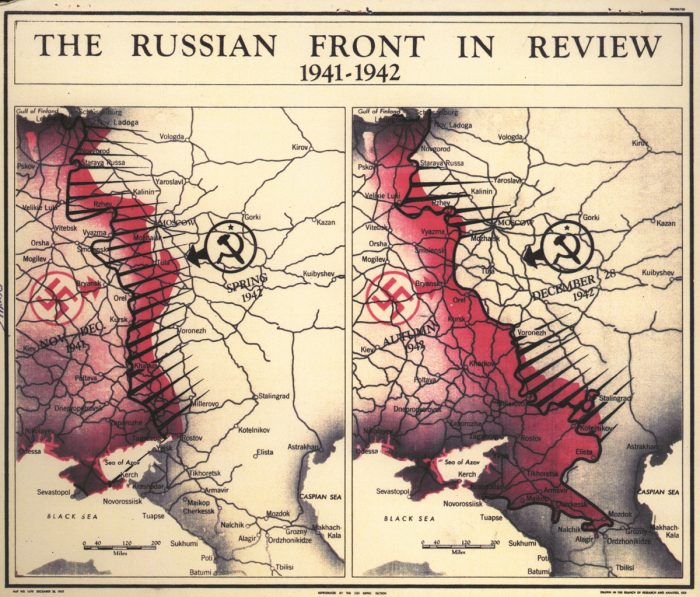
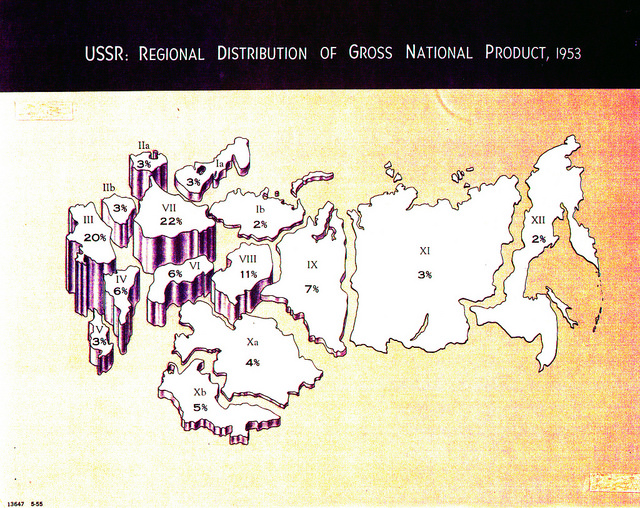
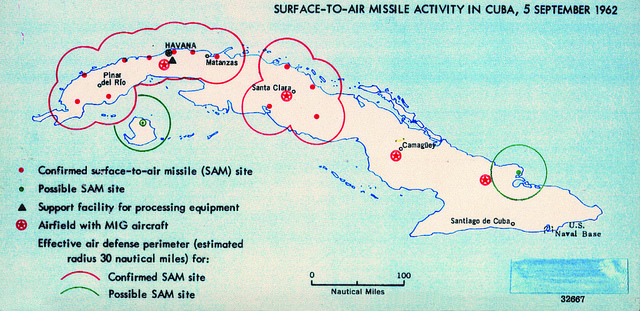
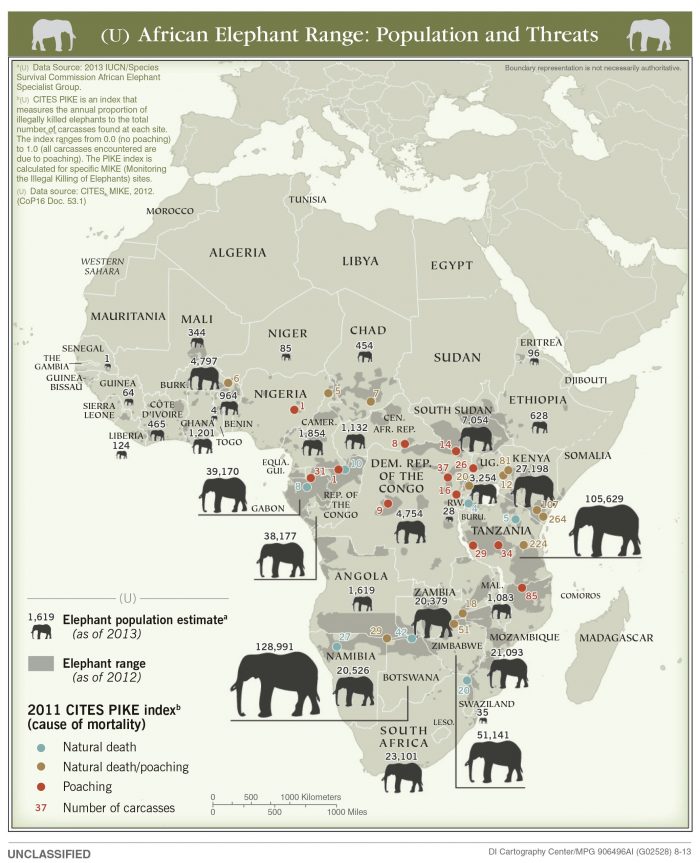
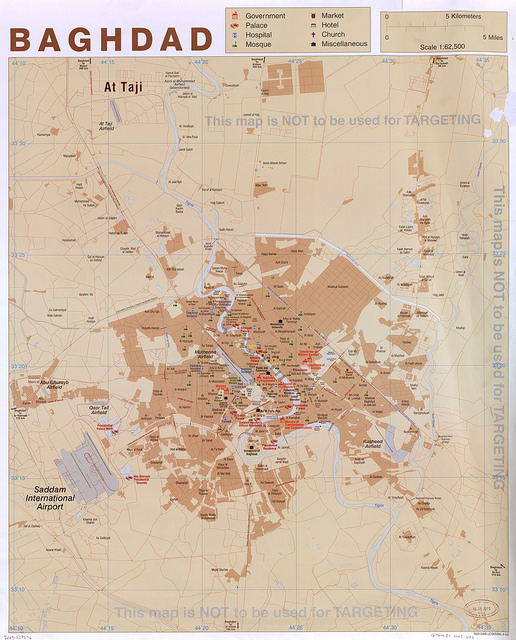
In the ear­ly for­ties, “map lay­ers were draft­ed by hand using pen and ink on translu­cent acetate sheets mount­ed on large Strath­more boards.” These drafts were typ­i­cal­ly four times larg­er than the print­ed maps them­selves, one of which you can see at the top of the post, “The Russ­ian Front in Review.” In the fifties, “improved effi­cien­cy in map com­pi­la­tion and con­struc­tion” pro­duced visu­al­ly strik­ing doc­u­ments like that fur­ther up from 1955, “USSR: Region­al Dis­tri­b­u­tion of Gross Nation­al Prod­uct.” Not a map, but what we would call an info­graph­ic, this image shows how the Car­tog­ra­phy Cen­ter per­formed ser­vices far in excess of the usu­al map app—visualizing threats to the U.S. from Cuban sur­face-to-air mis­sile sites in 1962 (above) and threats to the African ele­phant pop­u­la­tion from poach­ers in 2013 (below). Fur­ther down, you can see a 2003 map of Bagh­dad, with the omi­nous­ly non-threat­en­ing note print­ed at the top and right, “This map is NOT to be used for TARGETING.”

african-elephant-range

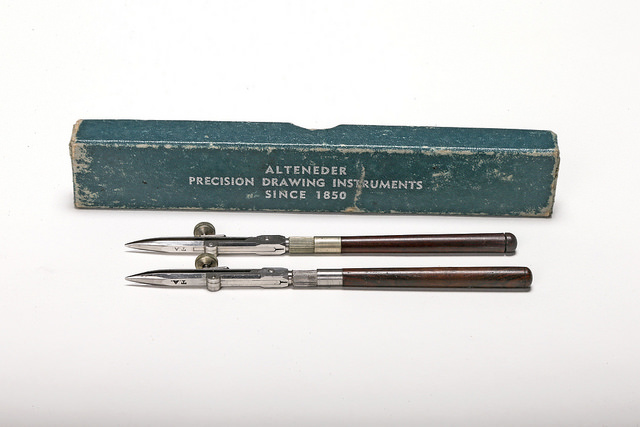
These maps and many more can be found at the CIA Car­tog­ra­phy Flickr account, which has a cat­e­go­ry for each decade since the 1940s. Each map is down­load­able in low to high res­o­lu­tion scans. In addi­tion, one cat­e­go­ry, “Car­tog­ra­phy Tools,” fea­tures high-qual­i­ty pho­tog­ra­phy of vin­tage draughtsman’s instru­ments, all of them, like the Ger­man-made ink pens fur­ther down, sym­bols of the painstak­ing hand­i­craft map­mak­ing once required. While we can prob­a­bly draw any num­ber of polit­i­cal lessons or his­tor­i­cal the­ses from a deep analy­sis of this deep state archive, what it seems to ask of us first and fore­most is that we con­sid­er car­tog­ra­phy as not only a use­ful dis­ci­pline but as a fine art.

baghdad-2003

As the Car­tog­ra­phy Center’s first direc­tor put it, “a map should be aes­thet­i­cal­ly pleas­ing, thought-pro­vok­ing, and com­mu­nica­tive.” Giv­en these stan­dards we might see how cur­rent tech­nol­o­gy, for all its tremen­dous ease of use and unde­ni­able util­i­ty, might improve by look­ing to maps of the past. Vis­it the CIA’s flickr gallery here.

drawing-instruments

via Smith­son­ian

Relat­ed Con­tent:

Free: Nation­al Geo­graph­ic Lets You Down­load Thou­sands of Maps from the Unit­ed States Geo­log­i­cal Sur­vey

New York Pub­lic Library Puts 20,000 Hi-Res Maps Online & Makes Them Free to Down­load and Use

19th Cen­tu­ry Maps Visu­al­ize Measles in Amer­i­ca Before the Mir­a­cle of Vac­cines

Josh Jones is a writer and musi­cian based in Durham, NC. Fol­low him at @jdmagness
Why Making Accurate World Maps Is Mathematically Impossible

Jorge Luis Borges once wrote of an empire where­in “the Art of Car­tog­ra­phy attained such Per­fec­tion that the map of a sin­gle Province occu­pied the entire­ty of a City, and the map of the Empire, the entire­ty of a Province.” Still unsat­is­fied, “the Car­tog­ra­phers Guilds struck a Map of the Empire whose size was that of the Empire, and which coin­cid­ed point for point with it.” But pos­ter­i­ty, when they lost their ances­tors’ obses­sion for car­tog­ra­phy, judged “that vast Map was Use­less, and not with­out some Piti­less­ness was it, that they deliv­ered it up to the Inclemen­cies of Sun and Win­ters.” With that enor­mous map, in all its sin­gu­lar accu­ra­cy, cast out, small­er, imper­fect ones pre­sum­ably won the day again.

With that well-known sto­ry “On Exac­ti­tude in Sci­ence,” Borges illus­trat­ed the idea that all maps are wrong by imag­in­ing the pre­pos­ter­ous­ness of a tru­ly cor­rect one. The Vox video “Why All World Maps Are Wrong” cov­ers some of the same ter­ri­to­ry, as it were, first illus­trat­ing that idea by slit­ting open an inflat­able globe and try­ing, futile­ly, to get the result­ing plas­tic mess to lie flat.

“That right there is the eter­nal dilem­ma of map­mak­ers,” says the host in voiceover as the strug­gle con­tin­ues onscreen. “The sur­face of a sphere can­not be rep­re­sent­ed as a plane with­out some form of dis­tor­tion.” As a result, all of human­i­ty’s paper maps of the world–which in the task of turn­ing the sur­face of a sphere into a flat plane need to use a tech­nique called “projection”–distort geo­graph­i­cal real­i­ty by def­i­n­i­tion.

The Mer­ca­tor pro­jec­tion has, since its inven­tion by six­teenth-cen­tu­ry Flem­ish car­tog­ra­ph­er Ger­ar­dus Mer­ca­tor, pro­duced the most wide­ly-seen world maps. (If you grew up in Amer­i­ca, you almost cer­tain­ly spent a lot of time star­ing at Mer­ca­tor maps in the class­room.) But we hard­ly live under the lim­i­ta­tions of his day, nor those of the 1940s when Borges imag­ined his land-sized map. In our 21st cen­tu­ry, the satel­lite-based Glob­al Posi­tion­ing Sys­tem has “wiped out the need for paper maps as a means of nav­i­gat­ing both the sea and the sky,” but even so, “most web map­ping tools, like Google Maps, use the Mer­ca­tor” due to its “abil­i­ty to pre­serve shape and angles,” which “makes close-up views of cities more accu­rate.”

On the scale of a City, in more Bor­ge­sian words — and prob­a­bly on the scale of a Province and even the Empire — Mer­ca­tor pro­jec­tion still works just fine. “But the fact remains that there’s no right pro­jec­tion. Car­tog­ra­phers and math­e­mati­cians have cre­at­ed a huge library of avail­able pro­jec­tions, each with a new per­spec­tive on the plan­et, and each use­ful for a dif­fer­ent task.” You can com­pare and con­trast a few of them for your­self here, or take a clos­er look of some of the Mer­ca­tor pro­jec­tion’s size dis­tor­tions (mak­ing Green­land, for exam­ple, look as big as the whole of Africa) here. These chal­lenges and oth­ers have kept the Dis­ci­plines of Geog­ra­phy, unlike in Borges’ world, busy even today.

Relat­ed Con­tent:

The His­to­ry of Car­tog­ra­phy, the “Most Ambi­tious Overview of Map Mak­ing Ever,” Now Free Online

New York Pub­lic Library Puts 20,000 Hi-Res Maps Online & Makes Them Free to Down­load and Use

Browse & Down­load 1,198 Free High Res­o­lu­tion Maps of U.S. Nation­al Parks

Down­load 67,000 His­toric Maps (in High Res­o­lu­tion) from the Won­der­ful David Rum­sey Map Col­lec­tion

Free: Nation­al Geo­graph­ic Lets You Down­load Thou­sands of Maps from the Unit­ed States Geo­log­i­cal Sur­vey

Based in Seoul, Col­in Mar­shall writes and broad­casts on cities and cul­ture. He’s at work on a book about Los Ange­les, A Los Ange­les Primer, the video series The City in Cin­e­ma, the crowd­fund­ed jour­nal­ism project Where Is the City of the Future?, and the Los Ange­les Review of Books’ Korea Blog. Fol­low him on Twit­ter at @colinmarshall or on Face­book.

Browse & Download 1,198 Free High Resolution Maps of U.S. National Parks

haleakala-3d-visitor-center-map

I can­not, and do not wish to, imag­ine the U.S. with­out its Nation­al Park sys­tem. The sale and/or despo­li­a­tion of this more than 80 mil­lion acres of moun­tain, for­est, stream, ocean, geyser, cav­ern, canyon, and every oth­er nat­ur­al for­ma­tion North Amer­i­ca con­tains would dimin­ish the coun­try immea­sur­ably. “Nation­al parks,” wrote nov­el­ist Wal­lace Steg­n­er, “are the best idea we ever had. Absolute­ly Amer­i­can, absolute­ly demo­c­ra­t­ic, they reflect us at our best rather than our worst.”

redwood-range-map

Stegner’s quote—which gave Ken Burns’ Nation­al Parks doc­u­men­tary its subtitle–can sound overop­ti­mistic when we study the parks’ his­to­ry. Though not offi­cial­ly des­ig­nat­ed until the 20th cen­tu­ry, the idea stretch­es back to 1851, when a bat­tal­ion, intent on find­ing and destroy­ing an Indi­an vil­lage, also found Yosemite. Named for what the sol­diers thought was the tribe they killed and burned, the word actu­al­ly trans­lates as “they are killers.”

West­ward expan­sion and the annex­a­tion of Hawaii have left us many sober­ing sto­ries like that of Yosemite’s “dis­cov­ery.” And dur­ing their devel­op­ment in the ear­ly- to mid-20th cen­tu­ry, the parks often required the mass dis­place­ment of peo­ple, many of whom had lived on the land for decades—or cen­turies. But despite the bloody his­to­ry, the cre­ation of these sanc­tu­ar­ies has pre­served much of the country’s embar­rass­ment of nat­ur­al beau­ty and irre­place­able bio­di­ver­si­ty for a cen­tu­ry now. (The Nation­al Park Ser­vice cel­e­brat­ed its 100th anniver­sary just this past August.)

dry-tortugas-map

The Nation­al Park Ser­vice and its allies have act­ed as bul­warks against pri­va­teers who would turn places like Yosemite into pro­hib­i­tive­ly expen­sive resorts, and per­haps fell the ancient Red­wood Nation­al forests or blast away the Smokey Moun­tains. Instead, the parks remain “absolute­ly demo­c­ra­t­ic,” open to all Amer­i­cans and inter­na­tion­al vis­i­tors, the pride of con­ser­va­tion­ists, sci­en­tists, hik­ers, bird watch­ers, and nature-lovers of all kinds. Giv­en the sprawl­ing, ide­al­is­tic, and vio­lent his­to­ry of the Nation­al Parks, it may be fair to say that these nat­ur­al pre­serves reflect the coun­try at both its worst and its best. And in that sense, they are indeed “absolute­ly Amer­i­can.”

cumberland-gap-wilderness-road-map

There are many ways to expe­ri­ence the Nation­al Parks with­out long car rides or flights across the coun­try or the world, though none of them can match the awe and grandeur of the real thing. Ansel Adams pho­tographed the parks reli­gious­ly, and in 1941 received a com­mis­sion from the Nation­al Parks Ser­vice (NPS) to cre­ate a pho­to mur­al. World War II scrapped the project, but the 200 plus pho­tos he took are all freely avail­able online. The NPS has also made avail­able 100,000 pho­tographs, blue­prints, and draw­ings of the Nation­al Parks through­out their his­to­ry with its Open Parks Net­work.

grand-canyon-south-rim-map

We can add to these already incred­i­ble free resources the online project Nation­al Parks Maps. Begun in 2013 by Col­orado park ranger Matt Hol­ly, the site cur­rent­ly hosts “1,198 free high-res­o­lu­tion nation­al park maps to view, save, and down­load.” Hol­ly cre­at­ed the site for pure­ly prac­ti­cal rea­sons. “I’ve always found it time-con­sum­ing to vis­it each park’s web page and use an embed­ded map view­er or mud­dle through the web­site to find a nice print­able map,” he writes. “So I’ve done the dirty work for you.”

death-valley-national-park-map

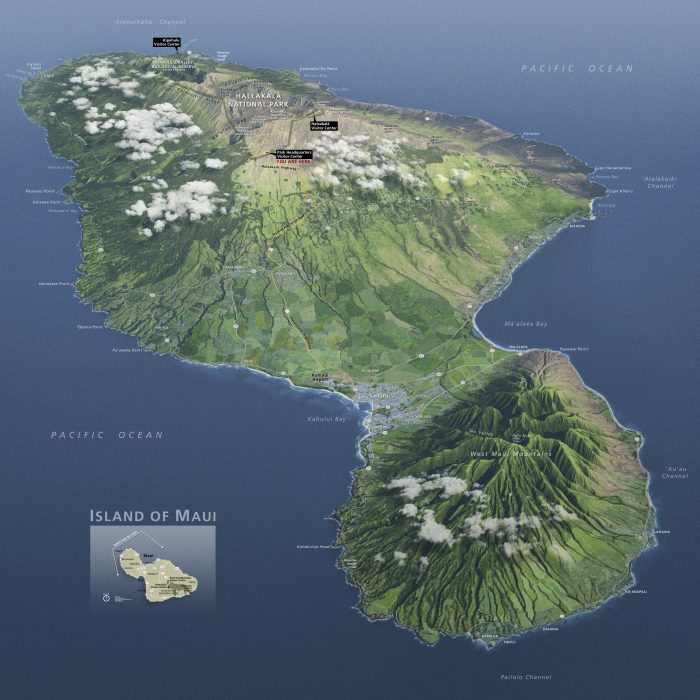
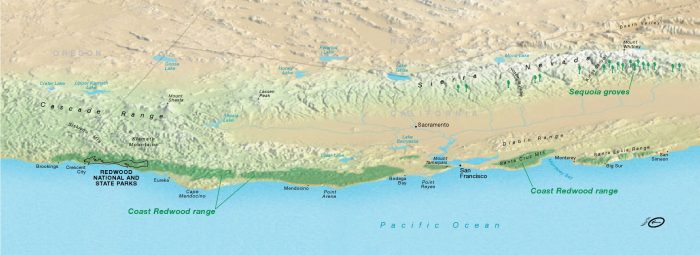
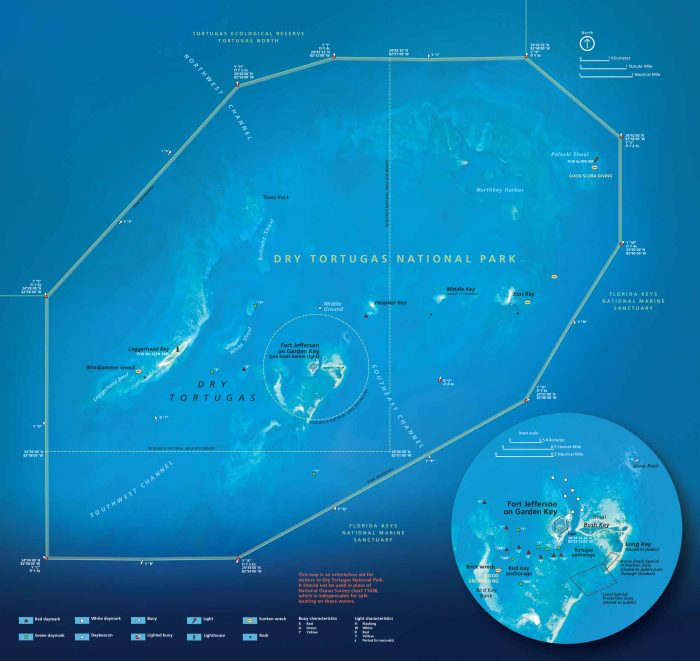
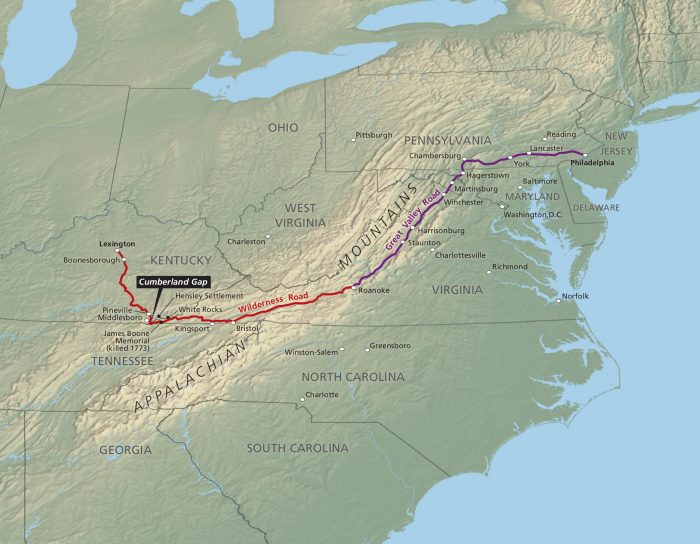
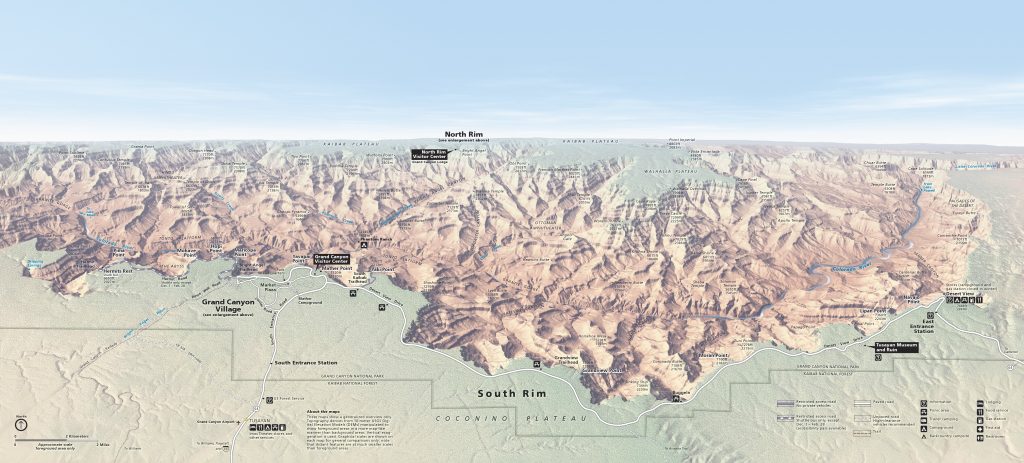
That said, we find this col­lec­tion is filled with aes­thet­ic plea­sures, and no small num­ber of geo­graph­i­cal and his­tor­i­cal curiosi­ties. At the top see a 3D map of Hawaii’s Haleakala Nation­al Park, with a “stun­ning overview of Maui.” Below it, see a map of “the range of the Coast Red­wood, stretch­ing from south­ern Ore­gon to south of Big Sur.” (Red­wood Nation­al and State Parks appear as a tiny area on the left, just below the Ore­gon state bor­der.) Fur­ther down is a bright blue aer­i­al map of Florida’s Dry Tor­tu­gas Nation­al Park, and below it, a map of the his­tor­i­cal Wilder­ness Road through the Cum­ber­land Gap, the “path of the famous road used by set­tlers to reach Ken­tucky.” Plus, then the South­ern Rim of the Grand Canyon.

alcatraz-cellhouse-map

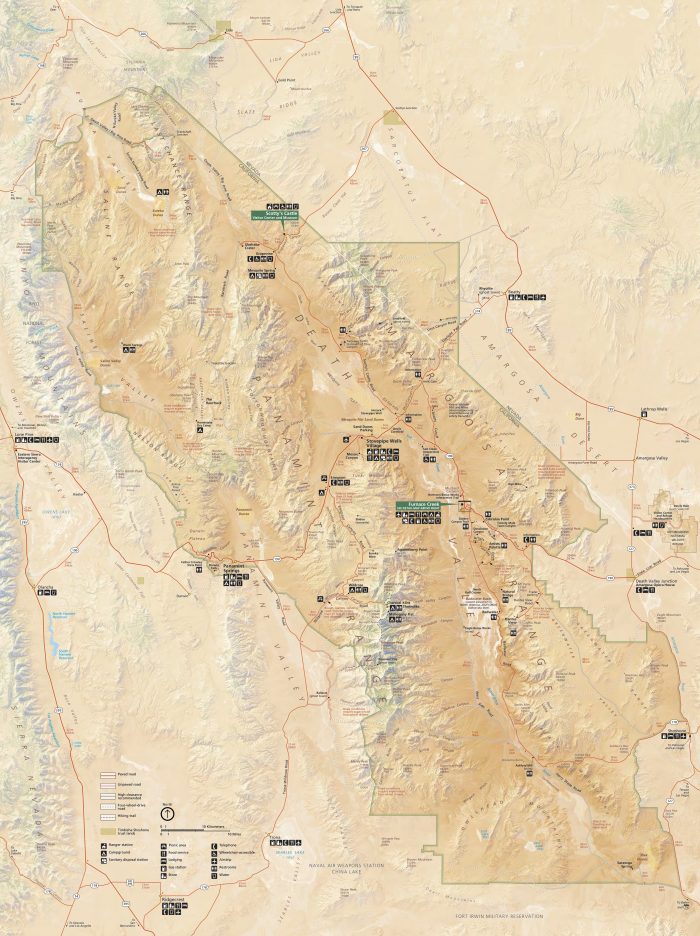
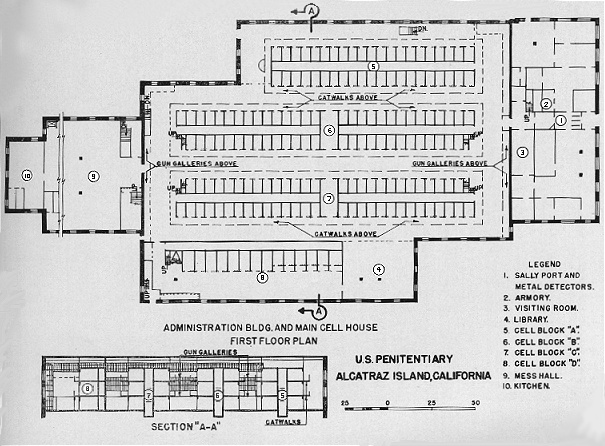
Fur­ther up, see a map of Death Val­ley, and just above, a floor plan of the U.S. Pen­i­ten­tiary on Alca­traz Island. This tiny sam­pling of the more than one-thou­sand maps at Holly’s Nation­al Parks Maps site shows just some of the nat­ur­al (and man-made) won­ders the Nation­al Parks Ser­vice stew­ards. For more, vis­it the site, where you can browse by state or alpha­bet­i­cal­ly by park. Hol­ly has also uploaded brochures and trail and lodg­ing maps, and includ­ed links to oth­er resources as well as gifts and prints. The site more than accom­plish­es its prac­ti­cal pur­pose of cen­tral­iz­ing all the car­to­graph­ic info trav­el­ers might need. But it also makes an implic­it case for the Nation­al Parks by show­ing us how well they have kept intact the country’s defin­ing fea­tures, which will, one hopes, still be here long after we are gone.

via Men­tal Floss

Relat­ed Con­tent:

Yosemite Nation­al Park in All of Its Time-Lapse Splen­dor

226 Ansel Adams Pho­tographs of Great Amer­i­can Nation­al Parks Are Now Online

Down­load 100,000 Pho­tos of 20 Great U.S. Nation­al Parks, Cour­tesy of the U.S. Nation­al Park Ser­vice

Josh Jones is a writer and musi­cian based in Durham, NC. Fol­low him at @jdmagness
The History of Europe: 5,000 Years Animated in a Timelapse Map

If you’re an Open Cul­ture old timer, you know the work of EmperorTigerstar–a Youtu­ber who spe­cial­izes (to quote myself) “in doc­u­ment­ing the unfold­ing of world his­tor­i­cal events by stitch­ing togeth­er hun­dreds of maps into time­lapse films”. We’ve pre­vi­ous­ly fea­tured his “map ani­ma­tions” of the U.S. Civ­il War (1861–1865), World War I (1914–1918), and World War II (1939–1945) and also the His­to­ry of Rome. This week, the map ani­ma­tor released The His­to­ry of Europe: Every Year. In ten min­utes, he takes us from The Minoan civ­i­liza­tion that arose on the Greek island of Crete (3650 to 1400 BC), down to our mod­ern times. About 5,000 years of his­to­ry gets cov­ered before you can boil a pot of pas­ta. Enjoy.

If you would like to sign up for Open Culture’s free email newslet­ter, please find it here. It’s a great way to see our new posts, all bun­dled in one email, each day.

If you would like to sup­port the mis­sion of Open Cul­ture, con­sid­er mak­ing a dona­tion to our site. It’s hard to rely 100% on ads, and your con­tri­bu­tions will help us con­tin­ue pro­vid­ing the best free cul­tur­al and edu­ca­tion­al mate­ri­als to learn­ers every­where. You can con­tribute through Pay­Pal, Patre­on, and Ven­mo (@openculture). Thanks!

Relat­ed Con­tent:

The Rise & Fall of the Romans: Every Year Shown in a Time­lapse Map Ani­ma­tion (753 BC ‑1479 AD)

Ani­mat­ed Map Lets You Watch the Unfold­ing of Every Day of the U.S. Civ­il War (1861–1865)

Watch World War I Unfold in a 6 Minute Time-Lapse Film: Every Day From 1914 to 1918

Watch World War II Rage Across Europe in a 7 Minute Time-Lapse Film: Every Day From 1939 to 1945

by | Permalink | Make a Comment ( 2 ) |

A Map of Chicago’s Gangland: A Cheeky, Cartographic Look at Al Capone’s World (1931)

lgganglandmap

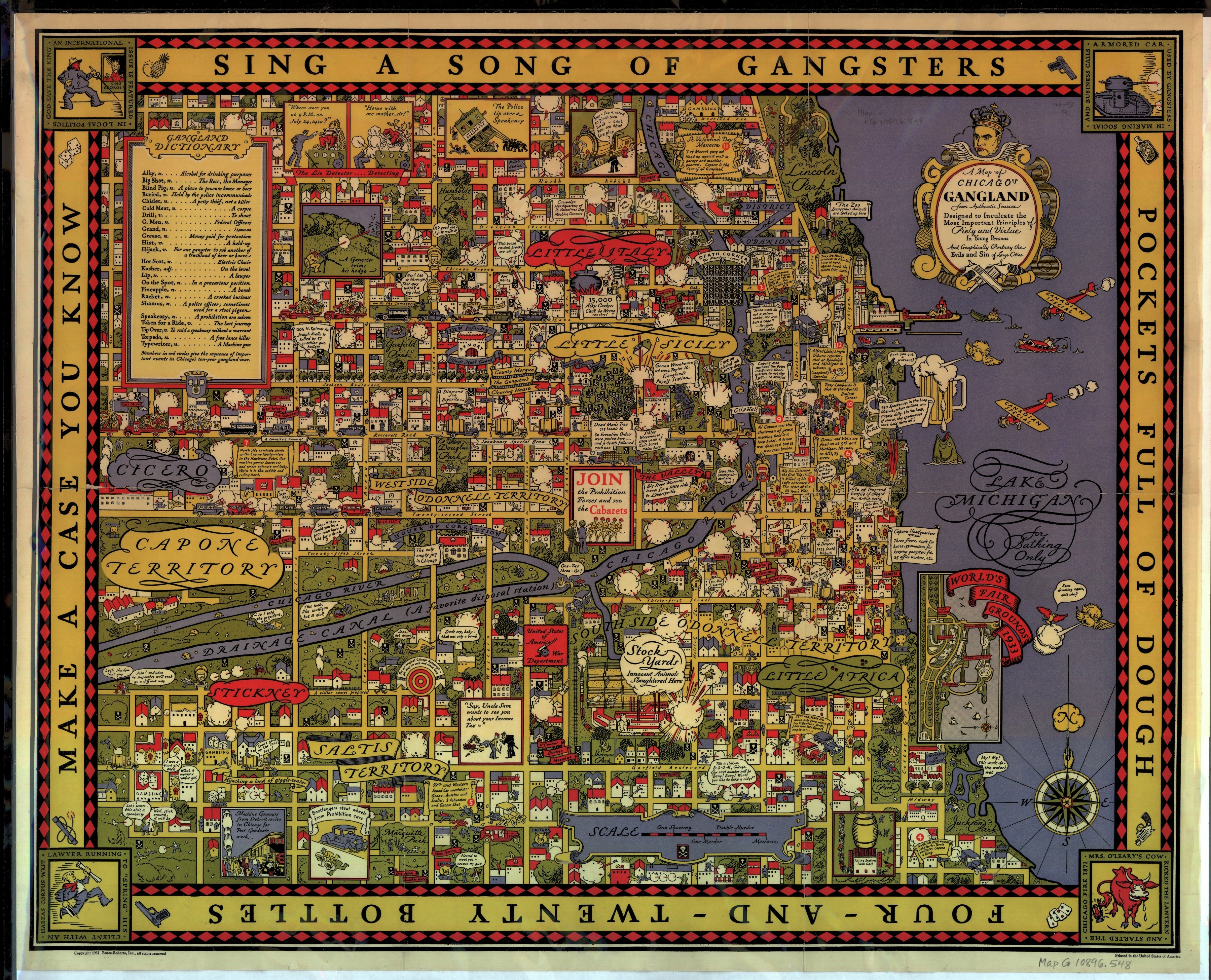
Mod­ern day Chicagoland gang activ­i­ty does not inspire quip­py car­toon “won­der maps.” Back when Al Capone ruled Chicago’s under­world, the pub­lic viewed gang­sters with movie mag­a­zine breath­less­ness. Their vio­lent crimes and glam­orous lifestyles sold news­pa­pers and movie tick­ets.

Today? Gangs­ta rap—a genre not known for its whimsy—glorifies the hard­core exis­tence of kids whom the sys­tem has failed, trapped in a cycle of pover­ty, com­pound­ing the social prob­lems that were heaped on them at birth. 

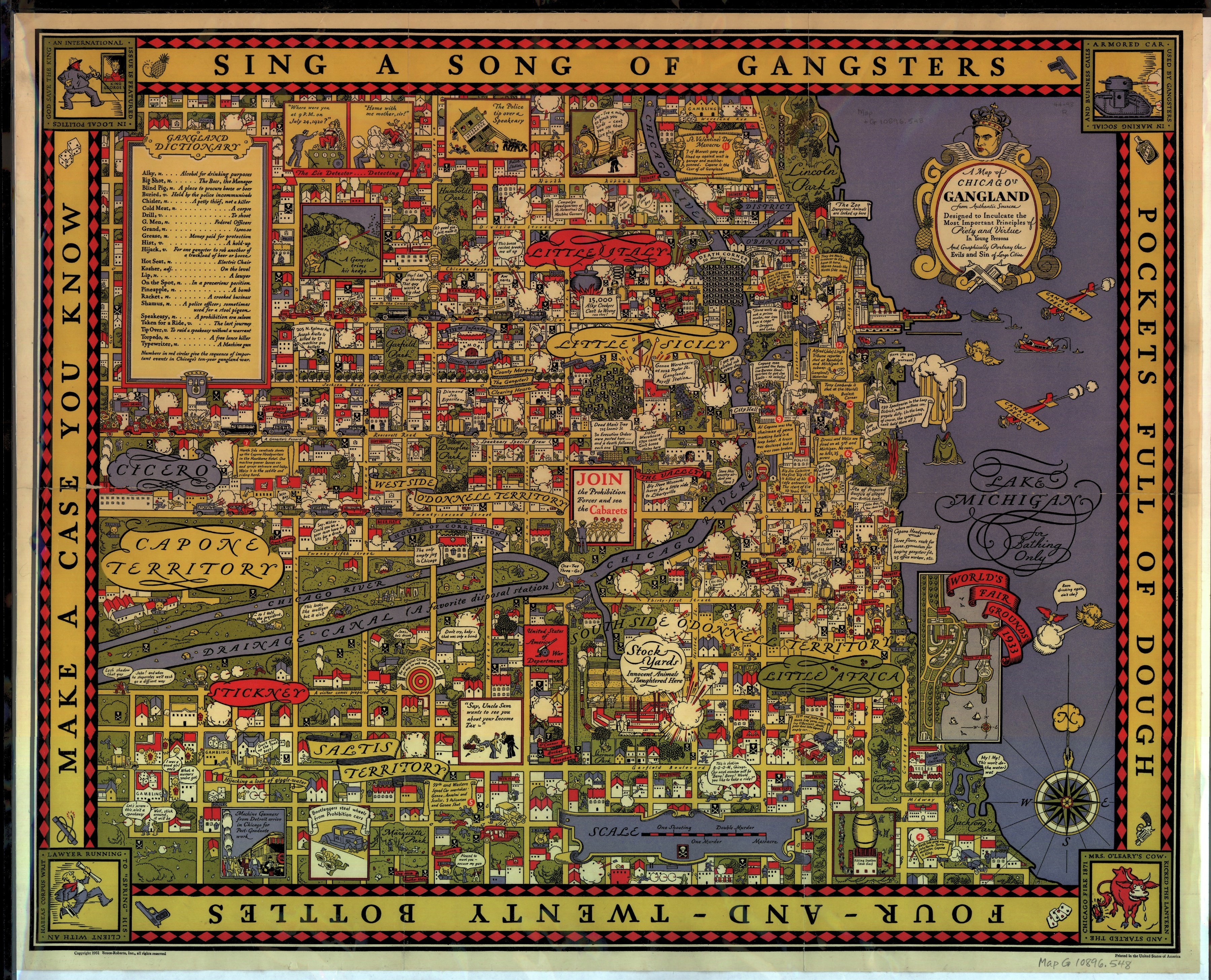
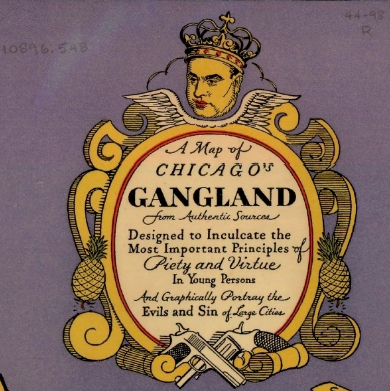
But back to 1931, the year Capone was sent to prison for tax eva­sion, and local firm Bruce-Roberts pub­lished Chicago’s Gang­land map, above, from “authen­tic sources.”

As any civic mind­ed reformer knows, the best way to “incul­cate the most impor­tant prin­ci­ples of piety and virtue in young per­sons” is to pack all “the evils and sin of large cities” into some­thing resem­bling a large-scale com­ic book. 

gangland-screen-shot-1

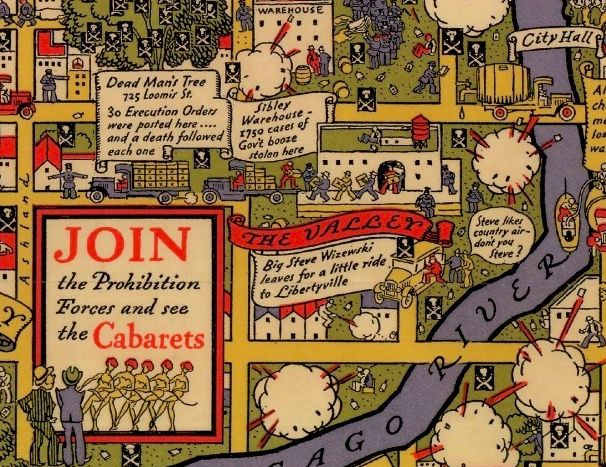
If the 30 exe­cu­tion orders post­ed on Dead Man’s Tree doesn’t scare ‘em straight, per­haps 1750 cas­es of gov­ern­ment booze and some scant­i­ly clad danc­ing girls will!

gangland-screen-shot-2

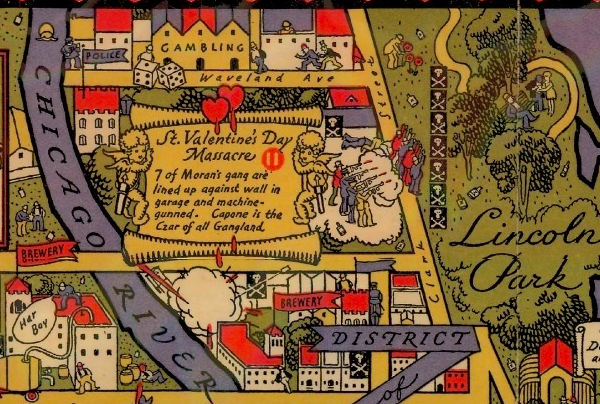
Nat­u­ral­ly, the site of 1929’s Saint Valentine’s Day Mas­sacre gets star treat­ment, with a graph­ic depic­tion guar­an­teed to stir the imag­i­na­tion far more than a vis­it to the actu­al site itself.

gangland-screen-shot-3

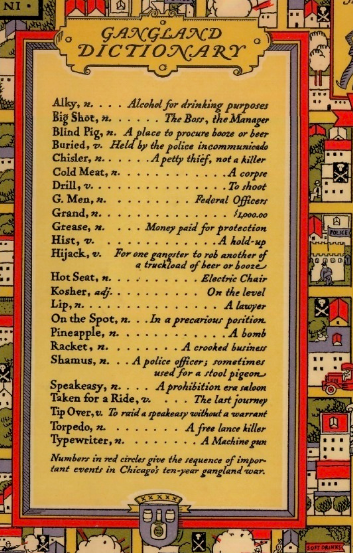
The pub­lish­er thought­ful­ly includ­ed a Gang­land Dic­tio­nary to fur­ther incul­cate the impres­sion­able youth and explain the pres­ence of two pineap­ples in the car­touche

gangland-screen-shot-4

Click here to view the map in a larg­er for­mat. Then zoom in to explore this light­heart­ed spin on Chicago’s wicked past in greater detail. The moral instruc­tion con­tin­ues in the form of poster-sized repro­duc­tions whose sale ben­e­fits Chicago’s New­ber­ry Library.

via Slate

Relat­ed Con­tent:

“The Won­der­ground Map of Lon­don Town,” the Icon­ic 1914 Map That Saved the World’s First Sub­way Sys­tem

A Won­der­ful Archive of His­toric Tran­sit Maps: Expres­sive Art Meets Pre­cise Graph­ic Design

Down­load 67,000 His­toric Maps (in High Res­o­lu­tion) from the Won­der­ful David Rum­sey Map Col­lec­tion

Ayun Hal­l­i­day is an author, illus­tra­tor, the­ater mak­er and Chief Pri­ma­tol­o­gist of the East Vil­lage Inky zine.  Her play Zam­boni Godot is open­ing in New York City in March 2017. Fol­low her @AyunHalliday.

“The Wonderground Map of London Town,” the Iconic 1914 Map That Saved the World’s First Subway System

underground-1913-map

Most major world cities now boast far-reach­ing and con­ve­nient sub­way sys­tems, but Lon­don will always have the orig­i­nal from which all the rest descend. It will also, arguably, always have, in the Tube, by far the most icon­ic. The Met­ro­pol­i­tan Rail­way, the first under­ground train line to open in Lon­don and thus the first in the world, entered ser­vice in 1863. Oth­er lines fol­lowed, run by sev­er­al dif­fer­ent com­pa­nies, until, says Make Big Plans, all the oper­a­tors “agreed on a joint mar­ket­ing strat­e­gy in 1908 that fea­tured the now famil­iar logo with a red disk and the word ‘Under­ground.’ ”

wonderground5

But by 1913, writes the BBC’s Emma Jane Kir­by, “pas­sen­gers are moan­ing about unpunc­tu­al­i­ty, about over­crowd­ing, about con­fu­sion and dirt. The Tube, crammed on work­days (some 400,000 peo­ple now work in the heart of the city) is vir­tu­al­ly emp­ty at week­ends and hol­i­days and the com­pa­ny is fast los­ing mon­ey and pub­lic sup­port. What we need, thinks [Lon­don Under­ground com­mer­cial direc­tor Frank] Pick, is stronger brand­ing.” In addi­tion to the immor­tal logo, he want­ed “some eye-catch­ing posters, dis­tinct from gen­er­al adver­tise­ment bills, that will make Lon­don­ers of all social class­es proud to jour­ney around their city and vis­it its attrac­tions.”

wonderground

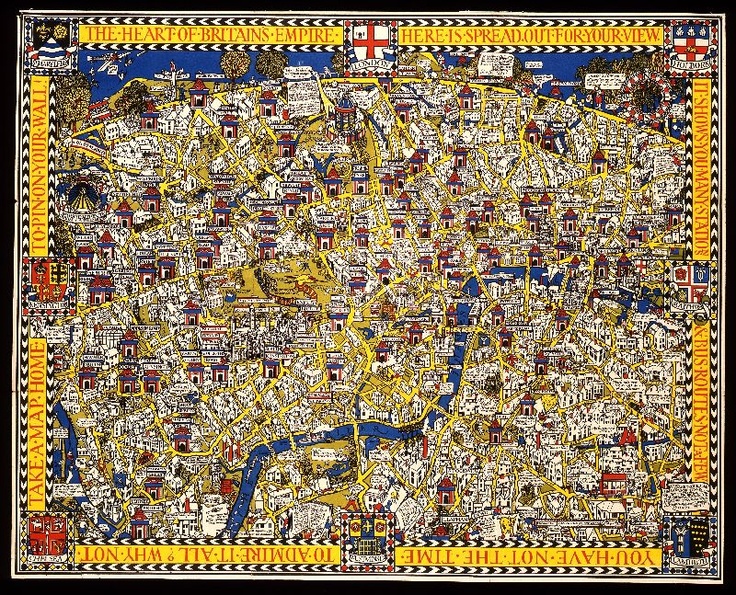
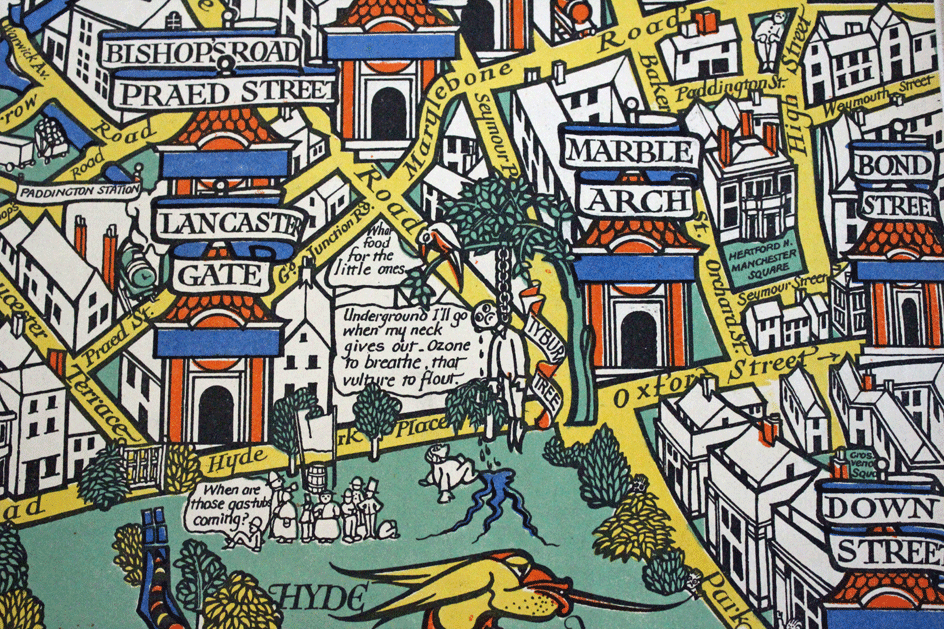
But a tran­sit sys­tem, even the for­mi­da­ble Lon­don Under­ground, is only as good as its maps. Eric Gill, the Arts and Crafts move­ment lumi­nary who helped design the Tube’s type­face, asked his archi­tect-car­tog­ra­ph­er-graph­ic design­er broth­er Mac­Don­ald to come up with an eye-catch­ing one. In the result, writes the Anti­quar­i­an Book­sellers’ Asso­ci­a­tion of Amer­i­ca’s Elis­a­beth Bur­don, “all the attrac­tions and ameni­ties of Lon­don are laid before the view­er in a man­ner which is both visu­al­ly excit­ing and yet with­in a com­pre­hen­si­ble struc­ture; the city is pre­sent­ed in the man­ner of a medieval walled town, the curved hori­zon recall­ing the medieval world map’s enclos­ing cir­cle, all bound­ed by a dec­o­ra­tive bor­der in which coats of arms evoke a sense of sta­bil­i­ty and tra­di­tion.”

wonderground-detail-2

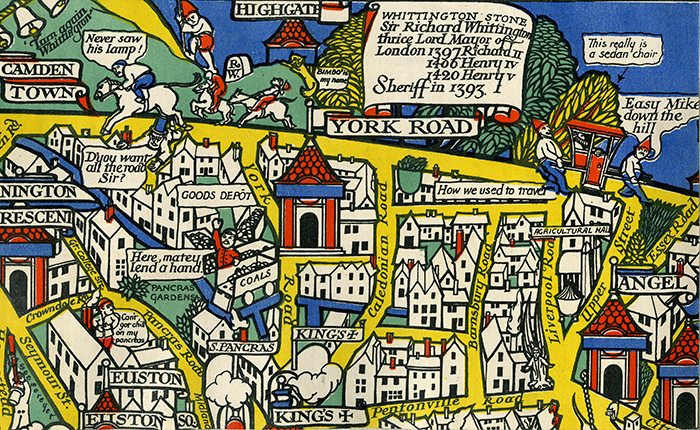
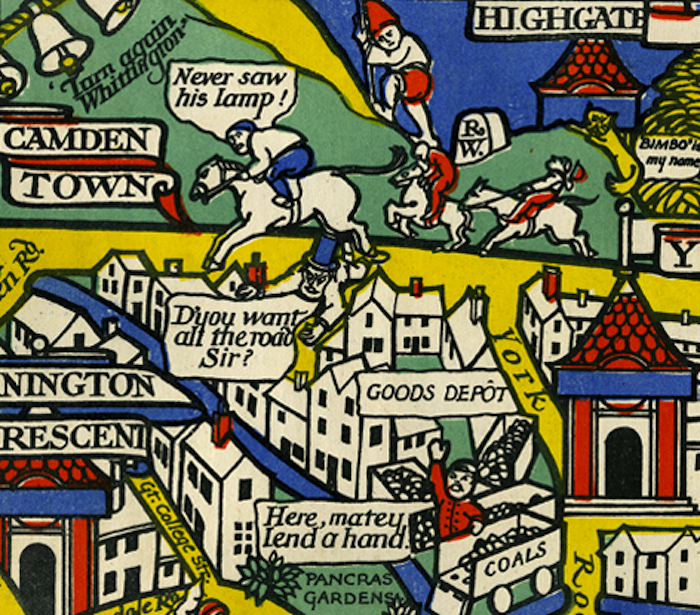
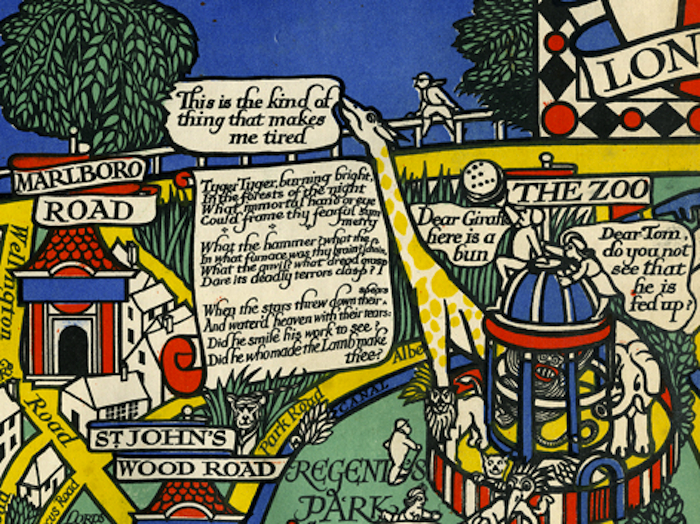
Apart from its degree of his­tor­i­cal astute­ness and car­to­graph­i­cal sound­ness, Gill’s “Won­der­ground Map,” as Lon­don­ers came to call it, con­tained enough humor that some of the pas­sen­gers who con­sult­ed it missed their trains due to sheer amuse­ment. Kir­by points out that, “on the Har­row Road, a farm work­er till­ing the soil cries ‘Har­row­ing work, this!’ an excla­ma­tion which is coun­tered by the query ‘What is work, is it a herb?’ deliv­ered by an effete gen­tle­man near­by.” A sign placed at the map’s east­ern edge points the way to “Vic­to­ria Park, Wanstead Flats, Har­wich, Rus­sia and oth­er vil­lages,” while “at Regen­t’s Park Zoo a pre­his­toric-look­ing bird eats a child through the bars of its cage as the child laments, ‘and I promised moth­er I’d be home for tea by five!’ ”

wondergound-detail-1

The Won­der­ground Map attained such pop­u­lar­i­ty that it became the first Lon­don Under­ground poster sold com­mer­cial­ly for homes and offices, and remains on sale more than a cen­tu­ry lat­er. You can view the whole thing online, and in zoomable detail, here; if you’d like a print­able ver­sion, you can find one here. The his­to­ry of Lon­don now cred­its it as hav­ing effec­tive­ly “saved” the Tube, whose rep­u­ta­tion for dys­func­tion and dis­com­fort had reached a crit­i­cal point. New­er sub­way sys­tems else­where may have since made great tech­no­log­i­cal leaps beyond the Lon­don Under­ground (as my ex-Lon­don­er friends here in Seoul don’t hes­i­tate to remind me), but we can safe­ly say that none will ever inspire quite so beloved a work of car­tog­ra­phy.

An alter­na­tive ver­sion of the map can be viewed and down­loaded at the David Rum­sey Map Col­lec­tion.

Relat­ed Con­tent:

A Won­der­ful Archive of His­toric Tran­sit Maps: Expres­sive Art Meets Pre­cise Graph­ic Design

Lon­don Mashed Up: Footage of the City from 1924 Lay­ered Onto Footage from 2013

1927 Lon­don Shown in Mov­ing Col­or

2,000 Years of London’s His­tor­i­cal Devel­op­ment, Ani­mat­ed in 7 Min­utes

Prize-Win­ning Ani­ma­tion Lets You Fly Through 17th Cen­tu­ry Lon­don

The Curi­ous Sto­ry of London’s First Cof­fee­hous­es (1650–1675)

The Birth of London’s 1950s Bohemi­an Cof­fee Bars Doc­u­ment­ed in a Vin­tage 1959 News­reel

Based in Seoul, Col­in Mar­shall writes and broad­casts on cities and cul­ture. He’s at work on a book about Los Ange­les, A Los Ange­les Primer, the video series The City in Cin­e­ma, the crowd­fund­ed jour­nal­ism project Where Is the City of the Future?, and the Los Ange­les Review of Books’ Korea Blog. Fol­low him on Twit­ter at @colinmarshall or on Face­book.

The History of Civilization Mapped in 13 Minutes: 5000 BC to 2014 AD

Above, watch “a geopo­lit­i­cal his­to­ry of all empires, nations, king­doms, armies and republics” unfold in 13 min­utes. Cre­at­ed by a YouTu­ber who sim­ply goes by the name “kard­board­king,” the video stitch­es togeth­er “more than 500 world maps span­ning all his­tor­i­cal events.” We start in Sumer, some­where around 5500–4000 BC. And end in 2014, with the world as we know it today.

Kard­board­king is care­ful to point out that the clip fea­tures civ­i­liza­tions with a writ­ing sys­tem and urban cen­ters. Hence “pre-his­tor­i­cal cul­tures” don’t make an appear­ance here. For a tru­ly com­pre­hen­sive his­to­ry of the world, see: The His­to­ry of the World in 46 Lec­tures From Colum­bia Uni­ver­si­ty.

If you would like to sign up for Open Culture’s free email newslet­ter, please find it here. It’s a great way to see our new posts, all bun­dled in one email, each day.

If you would like to sup­port the mis­sion of Open Cul­ture, con­sid­er mak­ing a dona­tion to our site. It’s hard to rely 100% on ads, and your con­tri­bu­tions will help us con­tin­ue pro­vid­ing the best free cul­tur­al and edu­ca­tion­al mate­ri­als to learn­ers every­where. You can con­tribute through Pay­Pal, Patre­on, and Ven­mo (@openculture). Thanks!

Relat­ed Con­tent:

Free: Nation­al Geo­graph­ic Lets You Down­load Thou­sands of Maps from the Unit­ed States Geo­log­i­cal Sur­vey

Down­load 67,000 His­toric Maps (in High Res­o­lu­tion) from the Won­der­ful David Rum­sey Map Col­lec­tion

The His­to­ry of Car­tog­ra­phy, the “Most Ambi­tious Overview of Map Mak­ing Ever,” Now Free Online

New York Pub­lic Library Puts 20,000 Hi-Res Maps Online & Makes Them Free to Down­load and Use

Free Online His­to­ry Cours­es

by | Permalink | Make a Comment ( 6 ) |

Free: National Geographic Lets You Download Thousands of Maps from the United States Geological Survey

quad map

Briefly not­ed: Nation­al Geo­graph­ic has built a web inter­face that allows any­one to find any quad in the Unit­ed States, and then down­load and print it. Dur­ing past decades, these quads (topo­graph­ic maps) were print­ed by the Unit­ed States Geo­log­i­cal Sur­vey (USGS) on giant bus-sized press­es. But now they’ve been pre-processed to print on stan­dard print­ers found in most homes.

To access the maps, click here, pick a loca­tion, then start zoom­ing in until you see red icons. Then choose the geo­graph­i­cal­ly-appro­pri­ate icon and print/download a map in PDF for­mat.

If you would like to sign up for Open Culture’s free email newslet­ter, please find it here. It’s a great way to see our new posts, all bun­dled in one email, each day.

If you would like to sup­port the mis­sion of Open Cul­ture, con­sid­er mak­ing a dona­tion to our site. It’s hard to rely 100% on ads, and your con­tri­bu­tions will help us con­tin­ue pro­vid­ing the best free cul­tur­al and edu­ca­tion­al mate­ri­als to learn­ers every­where. You can con­tribute through Pay­Pal, Patre­on, and Ven­mo (@openculture). Thanks!

via Metafil­ter

Relat­ed Con­tent:

Down­load 67,000 His­toric Maps (in High Res­o­lu­tion) from the Won­der­ful David Rum­sey Map Col­lec­tion

The His­to­ry of Car­tog­ra­phy, the “Most Ambi­tious Overview of Map Mak­ing Ever,” Now Free Online

New York Pub­lic Library Puts 20,000 Hi-Res Maps Online & Makes Them Free to Down­load and Use

by | Permalink | Make a Comment ( 3 ) |

« Go BackMore in this category... »
Quantcast