GPS Tracking Reveals the Secret Lives of Outdoor Cats

We track sharksrhi­no, and bears, so why not Boo Boo Kit­tyPeanut, and Pump­kin?

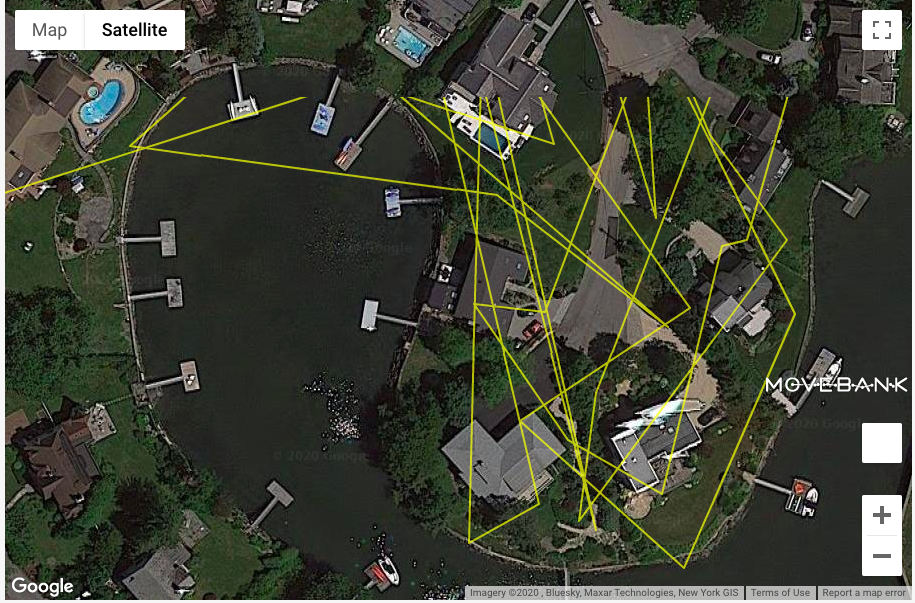
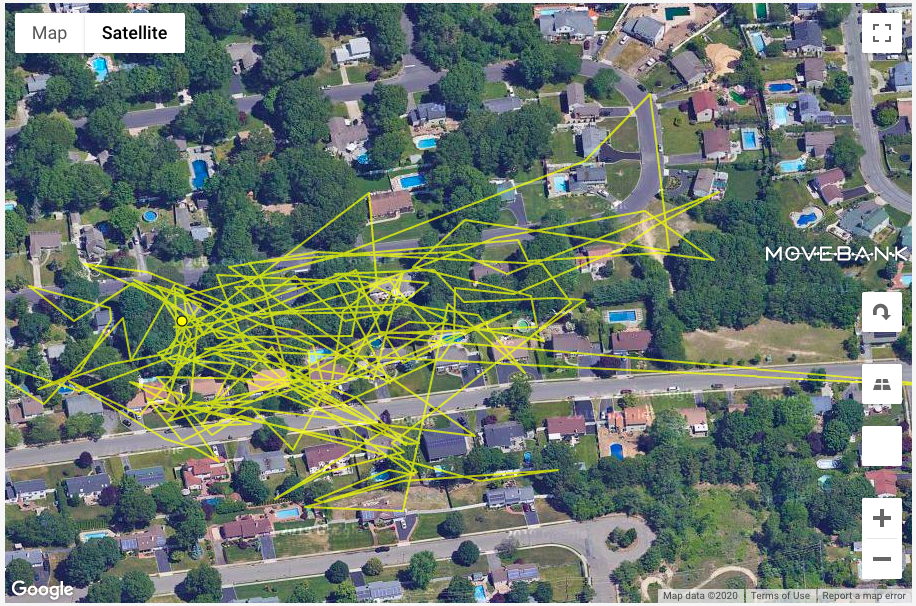
The Long Island feline res­i­dents volunteered—or more accu­rate­ly, were volunteered—by their human com­pan­ions to par­tic­i­pate in a domes­tic cat move­ment study as part of the inter­na­tion­al Cat Track­er project.

Each beast was out­fit­ted with a GPS track­er-enhanced har­ness, which they wore for a week.

(Many cat own­ers will find that alone some­thing of an achieve­ment.)

In total, almost a thou­sand house­holds in four coun­tries took part—the Unit­ed StatesNew ZealandAus­tralia, and the UK.

Sci­en­tists were par­tic­u­lar­ly inter­est­ed to learn the degree of may­hem these cher­ished pets were vis­it­ing on sur­round­ing wildlife in their off hours.

Any­one who’s been left a present of a fresh­ly mur­dered baby bun­ny, mole, or wing­less bat can prob­a­bly guess.

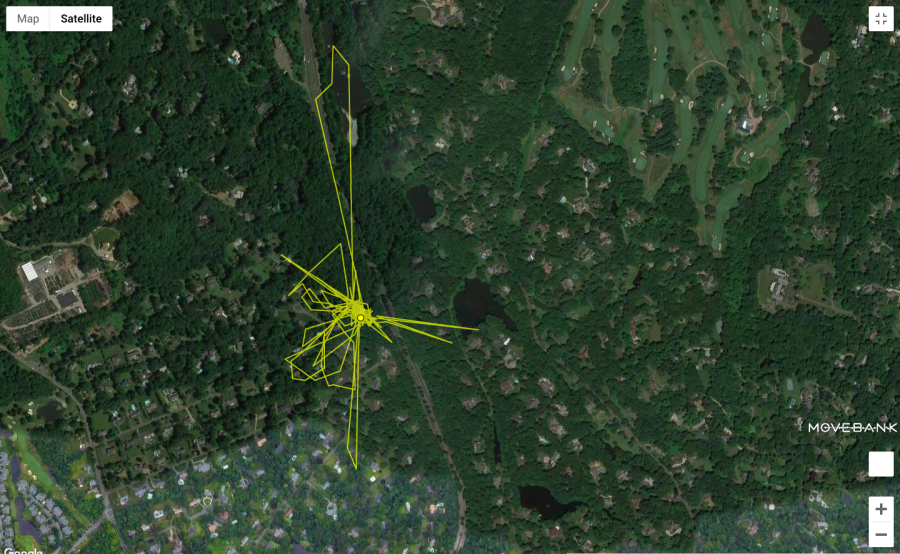
It’s a con­sid­er­able amount, though by and large the domes­ti­cat­ed par­tic­i­pants stuck close to home, rarely trav­el­ing more than two foot­ball fields away from the com­forts of their own yards. The impulse to keep the food bowl with­in easy range con­fines their hunt­ing activ­i­ties to a fair­ly tight area. Woe to the field mice who set up shop there.

Their move­ments also revealed the per­il they put them­selves in, cross­ing high­ways, roads, and park­ing lots. Researcher Hei­dy Kikil­lus, who tracked cats in New Zealand, report­ed that a num­ber of her group’s sub­jects wound up in a fatal encounter with a vehi­cle.

Gen­er­al­ly speak­ing, gen­der, age, and geog­ra­phy play a part in how far a cat roams, with males, younger ani­mals, and coun­try dwellers cov­er­ing more ground. Unsur­pris­ing­ly, those who have not been neutered or spayed tend to have a freer range too.

“With­out the moti­va­tions of food and sex, most cats seem con­tent to be home­bod­ies,” zool­o­gist Roland Kays, one of the US Project lead­ers, not­ed.

Amer­i­can cit­i­zen sci­en­tists who’d like to enroll their cat can find infor­ma­tion and the nec­es­sary forms on the Cat Track­er web­site.

The cat-less and those with indoor cats can enjoy pho­tos of select par­tic­i­pants and explore their tracks here.

And what bet­ter fall craft than a DIY cat track­ing GPS har­ness?

via Nation­al Geo­graph­ic

Relat­ed Con­tent: 

In 1183, a Chi­nese Poet Describes Being Domes­ti­cat­ed by His Own Cats

An Ani­mat­ed His­to­ry of Cats: How Over 10,000 Years the Cat Went from Wild Preda­tor to Sofa Side­kick

How Humans Domes­ti­cat­ed Cats (Twice)

Ayun Hal­l­i­day is an author, illus­tra­tor, the­ater mak­er and Chief Pri­ma­tol­o­gist of the East Vil­lage Inky zine.  Fol­low her @AyunHalliday.

Sounds of the Forest: A Free Audio Archive Gathers the Sounds of Forests from All Over the World

Some of my fond­est mem­o­ries are of hik­ing the Olympic Nation­al For­est in Wash­ing­ton State and the forests of the Shenan­doah Val­ley in Vir­ginia, seek­ing the kind of silence one can only find in busy ecosys­tems full of birds, insects, wood­land crea­tures, rustling leaves, etc. This expe­ri­ence can be trans­for­ma­tive, a full immer­sion in what acoustic ecol­o­gist Gor­don Hemp­ton calls a “nat­ur­al acoustic sys­tem,” the end­less inter­play of calls and respons­es that evolved to har­mo­nize over mil­len­nia.

Trag­i­cal­ly, human noise pol­lu­tion encroach­es on the acoustic space of such refuges, and cli­mate change may irrev­o­ca­bly alter their nature. But they will be pre­served, in dig­i­tal record­ings at least, thanks in part to the efforts of a project called Sounds of the For­est, which has been doc­u­ment­ing the preg­nant silences of forests around the world and has so far col­lect­ed audio files from six con­ti­nents, with west­ern Europe most heav­i­ly rep­re­sent­ed.

The Sounds of the For­est library, acces­si­ble via its inter­ac­tive map or Sound­cloud page, “will form an open source library,” the project announces, “to be used by any­one to lis­ten to and cre­ate from.”

Nature lovers can con­tribute their own record­ings, help­ing to fill in the many remain­ing areas on the map with­out rep­re­sen­ta­tion. “Vis­it a wood­land,” the project rec­om­mends, “recharge under the canopy and record your sounds of the for­est.” The site gives spe­cif­ic instruc­tions for how to upload audio file sub­mis­sions.

Sounds of the For­est came out of the annu­al Tim­ber Fes­ti­val, an inter­na­tion­al gath­er­ing in the UK’s Nation­al For­est, which is the “bold­est envi­ron­men­tal­ly-led regen­er­a­tion project: the cre­ation of England’s first new for­est in a thou­sand years… an imag­i­na­tive and ambi­tious state­ment of sus­tain­able devel­op­ment.” When the pan­dem­ic scut­tled plans for an in-per­son 2020 Tim­ber Fes­ti­val, orga­niz­ers con­ceived of the sound files as a way to bring the world togeth­er in a vir­tu­al for­est gath­er­ing. They are also for­ag­ing mate­r­i­al for next year’s fest, in which “select­ed artists will be respond­ing to the sounds that are gath­ered, cre­at­ing music, audio, art­work or some­thing else incred­i­ble.”

If you can’t make it to Tim­ber Fes­ti­val 2021 next sum­mer, or to your for­est refuge of choice this autumn, you can still immerse your­self in the restora­tive sounds of forests world­wide. Open the sound map, click on a file, close your eyes, and imag­ine your­self in Nel­son Lakes Nation­al Park in New Zealand, Yasuni Nation­al Park at night in Ecuador, or Chernyaevsky For­est in Rus­sia. Expe­ri­enc­ing the busy silences of nature brings us back to ourselves—or to the ancient parts of our­selves that once also har­mo­nized with the nat­ur­al world.


via Kot­tke

Relat­ed Con­tent:

How to Find Silence in a Noisy World

The British Library’s “Sounds” Archive Presents 80,000 Free Audio Record­ings: World & Clas­si­cal Music, Inter­views, Nature Sounds & More

Free: Down­load the Sub­lime Sights & Sounds of Yel­low­stone Nation­al Park

10 Hours of Ambi­ent Arc­tic Sounds Will Help You Relax, Med­i­tate, Study & Sleep

Josh Jones is a writer and musi­cian based in Durham, NC. Fol­low him at @jdmagness

A Beautiful 1897 Illustrated Book Shows How Flowers Become Art Nouveau Designs

The art of draw­ing is not the art of observ­ing forms and objects alone, it is not mere mim­ic­ry of these objects; it is the art of know­ing how far and where­in, and with what just lim­i­ta­tions, those forms and objects can be repro­duced in a pic­ture, or in a dec­o­ra­tive work. — Eugène Gras­set, 1896

Flow­ers loomed large in Art Nou­veau, from the volup­tuous flo­ral head­pieces that crowned Alphonse Mucha’s female fig­ures to the stained glass ros­es favored by archi­tect Charles Ren­nie Mack­in­tosh.

Graph­ic design­er Eugène Gras­set’s 1897 book, Plants and Their Appli­ca­tion to Orna­ment, vivid­ly demon­strates the ways in which nature was dis­tilled into pop­u­lar dec­o­ra­tive motifs at the end of the 19th-cen­tu­ry.


Twen­ty-four flow­er­ing plants were select­ed for con­sid­er­a­tion, from hum­ble spec­i­mens like dan­de­lions and this­tle to such Art Nou­veau heavy hit­ters as pop­pies and iris­es.

Each flower is rep­re­sent­ed by a real­is­tic botan­i­cal study, with two addi­tion­al col­or plates in which its form is flat­tened out and mined for its dec­o­ra­tive, styl­is­tic ele­ments.


The plates were ren­dered by Grasset’s stu­dents at the Ă‰cole GuĂ©rin, young artists whom he had “for­bid­den to con­de­scend to the art of base and servile imi­ta­tion”:

The art of draw­ing is not the art of observ­ing forms and objects alone, it is not mere mim­ic­ry of these objects; it is the art of know­ing how far and where­in, and with what just lim­i­ta­tions, those forms and objects can be repro­duced in a pic­ture, or in a dec­o­ra­tive work.

He also expect­ed stu­dents to hone their pow­ers of obser­va­tion through intense study of the organ­ic struc­tures that would pro­vide their inspi­ra­tion, becom­ing inti­mate­ly acquaint­ed with the char­ac­ter of petal, leaf, and stem:

Beau­ti­ful lines are the foun­da­tion of all beau­ty. In a work of art, what­ev­er it be, appar­ent or hid­den sym­me­try is the vis­i­ble or secret cause of the plea­sure we feel. Every­thing that is cre­at­ed must have some rep­e­ti­tion in its parts to be under­stood, retained in the mem­o­ry, and per­ceived as a whole

When it came to adorn­ing house­hold imple­ments such as vas­es and plates, Gras­set insist­ed that dec­o­ra­tive ele­ments exist in har­mo­ny with their hosts, snip­ing that any artist who would dis­tort form with ill con­sid­ered flour­ish­es should make a bas-relief instead.

Thus­ly do chrysan­the­mum stems pro­vide log­i­cal-look­ing bal­last for a chan­de­lier, and a dandelion’s curved leaves hug the con­tours of a table leg.

Gras­set’s best known stu­dent, Mau­rice Pil­lard Verneuil, whose career spanned Art Nou­veau to Art Deco, absorbed and artic­u­lat­ed the master’s teach­ings:


It is no longer the nature (artists) see that they rep­re­sent, that they tran­scribe, but the nature that they aspire to see; nature more per­fect and more beau­ti­ful and of which they have the inte­ri­or vision.


View Eugène Grasset’s Plants and Their Appli­ca­tion to Orna­ment as part of the New York Pub­lic Library’s Dig­i­tal Col­lec­tions here. Or find illus­tra­tions at Raw­Pix­el.

via The Pub­lic Domain Review

Relat­ed Con­tent:

His­toric Man­u­script Filled with Beau­ti­ful Illus­tra­tions of Cuban Flow­ers & Plants Is Now Online (1826 )

Beau­ti­ful Hand-Col­ored Japan­ese Flow­ers Cre­at­ed by the Pio­neer­ing Pho­tog­ra­ph­er Ogawa Kazu­masa (1896)

Dis­cov­er Emi­ly Dickinson’s Herbar­i­um: A Beau­ti­ful Dig­i­tal Edi­tion of the Poet’s Col­lec­tion of Pressed Plants & Flow­ers Is Now Online

Ayun Hal­l­i­day is an author, illus­tra­tor, the­ater mak­er and Chief Pri­ma­tol­o­gist of the East Vil­lage Inky zine.  Fol­low her @AyunHalliday.

Hear the Sound Of Endangered Birds Get Turned Into Electronic Music

Bird-watch­ing is hav­ing a moment, thanks to the pan­dem­ic.

As non-essen­tial work­ers adjust­ed to spend­ing more time at home, their ears adjust­ed to the increas­ing­ly non-for­eign sound of bird­song out­side their win­dows.

Those sweet tweets are no doubt large­ly respon­si­ble for the record break­ing turnout at this year’s Glob­al Big Day, the Cor­nell Lab of Ornithol­o­gy’s annu­al bird­ing event, held ear­li­er this spring.

50,000 par­tic­i­pants logged 2.1 mil­lion indi­vid­ual obser­va­tions, and 6,479 species.

Appar­ent­ly, there are even more birds in this world than there are sour­dough starters…

…though for the imme­di­ate future, civic-mind­ed bird­watch­ers will be con­fin­ing their obser­va­tions to the imme­di­ate vicin­i­ty, as a mat­ter of pub­lic health.

We look for­ward to the day when bird enthu­si­asts resid­ing out­side of Belize, Mex­i­co, or Guatemala can again trav­el to the Yucatán Penin­su­la in hopes of a face-to-face encounter with the Black Cat Bird.

Til then, the ani­mat­ed video above, in which a Black Cat­bird unwit­ting­ly duets with Belize’s Gar­i­fu­na Col­lec­tive, makes a sooth­ing place hold­er.

The cat­bird and the col­lec­tive appear along with nine oth­er elec­tron­ic musi­cian / endan­gered native bird teams on the fundrais­ing album, A Guide to the Bird­song of Mex­i­co, Cen­tral Amer­i­ca & the Caribbean.

Black-cheeked Ant-Tan­ag­er joins NILLO, a pro­duc­er and DJ from Cos­ta Rica who draws musi­cal inspi­ra­tion from the trib­al com­mu­ni­ties around him.

Siete Catorce, a pro­duc­er who helped pop­u­lar­ize the pop­u­lar bor­der genre known as rui­dosĂłn—a mix of cumbia and pre­his­pan­ic trib­al sounds—is paired with a Yel­low-head­ed Par­rot.

Jor­dan “Time Cow” Chung of Equiknoxx seam­less­ly inte­grates a Jamaican Black­bird into his unique brand of organ­ic, exper­i­men­tal dance­hall.

The album fol­lows 2015’s Guide to the Bird­song of South Amer­i­ca, and as with its pre­de­ces­sor, 100% of the prof­its will be donat­ed to region­al orga­ni­za­tions focused on birds and con­ser­va­tion—Birds Caribbean, La Aso­ciaciĂłn Orni­tolĂłg­i­ca de Cos­ta Rica, and Mexico’s Fun­da­cion TXORI.

Birds, as the project’s founder, Robin Perkins, told Gizmodo’s Earth­er, are the most musi­cal ani­mals in the world:

There’s some­thing real­ly nice about focus­ing on endan­gered species and songs that are dis­ap­pear­ing and not being pre­served and to use music to raise aware­ness about the species. I believe music has a big pow­er for social activism and social change and for envi­ron­men­tal change.

Lis­ten to A Guide to the Bird­song of Mex­i­co, Cen­tral Amer­i­ca & the Caribbean for free on Spo­ti­fy.

Buy the album or indi­vid­ual tracks on Band­camp to ben­e­fit the char­i­ties above.

Robin Perkins’ lim­it­ed edi­tion prints of the fea­tured birds also ben­e­fit the bird-focused region­al char­i­ties and can be pur­chased here.

via MyMod­ern­Met

Relat­ed Con­tent:

Explore an Inter­ac­tive Ver­sion of The Wall of Birds, a 2,500 Square-Foot Mur­al That Doc­u­ments the Evo­lu­tion of Birds Over 375 Mil­lion Years

The Bird Library: A Library Built Espe­cial­ly for Our Fine Feath­ered Friends

Cor­nell Launch­es Archive of 150,000 Bird Calls and Ani­mal Sounds, with Record­ings Going Back to 1929

What Kind of Bird Is That?: A Free App From Cor­nell Will Give You the Answer

Down­load 435 High Res­o­lu­tion Images from John J. Audubon’s The Birds of Amer­i­ca

Ayun Hal­l­i­day is an author, illus­tra­tor, the­ater mak­er and Chief Pri­ma­tol­o­gist of the East Vil­lage Inky zine. Fol­low her @AyunHalliday.

Explore Flowcharts That Japanese Aquariums Use to Document the Romantic Lives of Penguins

In recent years, view­ers the world over have been binge-watch­ing a Japan­ese real­i­ty show called Ter­race House. The New York­er’s Troy Pat­ter­son describes its for­mat thus: “Three men and three women move into an ele­gant pad for a spell, while oth­er­wise con­duct­ing their lives as usu­al. The mem­bers of the cast are above aver­age in their cam­era-readi­ness and their civil­i­ty, and in no oth­er dis­cernible way.” Fueled not by the self-pro­mo­tion­al show­boat­ing and ginned-up resent­ment that have become con­ven­tions of Ter­race House’s West­ern pre­de­ces­sors, “the show’s slow-burn­ing action is sparked by the hon­est fric­tion of minor per­son­al­i­ty flaws and con­flict­ing per­son­al needs,” mak­ing it “clos­er to a nature doc­u­men­tary than to the exploita­tion films that one has come to expect from real­i­ty tele­vi­sion.”

If view­ing human beings the way we’re used to view­ing nature can give us such sat­is­fac­tion, how about view­ing nature the way we’re used to view­ing human beings? Japan, as John­ny Wald­man reports at Spoon and Tam­a­go, has led the way in both rever­sals: “Two aquar­i­ums in Japan, Kyoto Aquar­i­um and Sum­i­da Aquar­i­um, keep obses­sive tabs on their pen­guins and main­tain an updat­ed flow­chart that visu­al­izes all their pen­guin dra­ma.”

Wald­man quotes Japan-based researcher Oliv­er Jia as tweet­ing the fact that “Pen­guin dra­ma actu­al­ly isn’t total­ly unex­pect­ed. They’re known to be vicious ani­mals who cheat on their part­ners and steal oth­er’s chil­dren. So basi­cal­ly, your aver­age day in Los Ange­les” — the cra­dle, one might add, of the real­i­ty-TV indus­try.

Though the lives of pen­guins may, in the eyes of the aquar­i­um-vis­it­ing lay­man, appear to con­sist entire­ly of swim­ming, eat­ing fish, and stand­ing around, the ani­mals’ “roman­tic escapades are fair­ly easy to observe,” at least accord­ing to Wald­man’s trans­la­tion of the pen­guin care­tak­ers at the Sum­i­da Aquar­i­um. “Wing-flap­ping is a sign of affec­tion and cou­ples can be seen groom­ing each oth­er. Pen­guins who are get­ting over a break-up will often refuse to eat.” This is the kind of obser­va­tion­al data that inform the inten­sive­ly detailed (and cute­ness-opti­mized) pen­guin-rela­tion­ship dia­grams seen here, high-res­o­lu­tion ver­sions of which you can down­load from the Kyoto Aquar­i­um and Sum­i­da Aquar­i­um’s web sites. Now that Ter­race House has come to an end, per­haps the time has come on Japan­ese real­i­ty tele­vi­sion for a bit of non-human dra­ma.

via Spoon and Tam­a­go

Relat­ed Con­tent:

Act of Love: A Strange, Won­der­ful Visu­al Dic­tio­nary of Ani­mal Courtship

See Pen­guins Wear­ing Tiny “Pen­guin Books” Sweaters, Knit­ted by the Old­est Man in Aus­tralia

Japan­ese Design­er Cre­ates Incred­i­bly Detailed & Real­is­tic Maps of a City That Doesn’t Exist

The First Muse­um Ded­i­cat­ed to Japan­ese Folk­lore Mon­sters Is Now Open

Dis­cov­er the Japan­ese Muse­um Ded­i­cat­ed to Col­lect­ing Rocks That Look Like Human Faces

Meet Con­go the Chimp, London’s Sen­sa­tion­al 1950s Abstract Painter

Based in Seoul, Col­in Mar­shall writes and broad­casts on cities, lan­guage, and cul­ture. His projects include the book The State­less City: a Walk through 21st-Cen­tu­ry Los Ange­les and the video series The City in Cin­e­ma. Fol­low him on Twit­ter at @colinmarshall, on Face­book, or on Insta­gram.

The Bird Library: A Library Built Especially for Our Fine Feathered Friends

“The two things I love most are nov­els and birds,” said Jonathan Franzen in a Guardian pro­file not long ago. “They’re both in trou­ble, and I want to advo­cate for both of them.” Chances are that even that famous­ly inter­net-averse nov­el­ist-turned-bird­watch­er would enjoy the online attrac­tion called The Bird Library, “where the need to feed meets the need to read.” Its live Youtube stream shows the goings-on of a tiny library built espe­cial­ly for our feath­ered friends. “Perched in a back­yard in the city of Char­lottesville,” writes Atlas Obscu­ra’s Claire Voon, “it is the pas­sion project of librar­i­an Rebec­ca Flow­ers and wood­work­er Kevin Cwali­na, who brought togeth­er their skills and inter­ests to show­case the lives of their back­yard birds.”

Recent vis­i­tors, Voon adds, “have includ­ed a strik­ing rose-breast­ed gros­beak, a car­di­nal that looks like it’s vap­ing, and a trio of mourn­ing doves seem­ing­ly caught in a seri­ous meet­ing.” The Bird Library’s web site offers an archive of images cap­tur­ing the insti­tu­tion’s wee reg­u­lars, all accom­pa­nied by enliven­ing cap­tions. (“Why did the bird go to the library?” “He was look­ing for book­worms.”)

Just as year-round bird­watch­ing brings plea­sures dis­tinct from more casu­al ver­sions of the pur­suit, year-round view­ing of The Bird Library makes for a deep­er appre­ci­a­tion not just of the vari­ety of species rep­re­sent­ed among its patrons — the cre­ators have count­ed 20 so far — but for the sea­son­al changes in the space’s decor, espe­cial­ly around Christ­mas­time.

As long­time view­ers know, this isn’t the orig­i­nal Bird Library. “In late 2018 we demol­ished the old Bird Library and start­ed design and devel­op­ment of a new and improved Bird Library 2.0! Com­plete with a large con­crete base for increased capac­i­ty and a big­ger cir­cu­la­tion desk capa­ble of feed­ing all our guests all day long.” Just as libraries for humans need occa­sion­al ren­o­va­tion, so, it seems, do libraries for birds — a con­cept that could soon expand out­side Vir­ginia. “Cwali­na hopes to even­tu­al­ly pub­lish an open-access plan for a sim­i­lar bird library, so that oth­er bird­ers can build their own ver­sions,” reports Voon. And a bird-lov­ing 21st-cen­tu­ry Andrew Carnegie steps for­ward to ensure their archi­tec­tur­al respectabil­i­ty, might we sug­gest going with mod­ernism?

via Atlas Obscu­ra

Relat­ed Con­tent:

Mod­ernist Bird­hous­es Inspired by Bauhaus, Frank Lloyd Wright and Joseph Eich­ler

Free Enter­tain­ment for Cats and Dogs: Videos of Birds, Squir­rels & Oth­er Thrills

Down­load 435 High Res­o­lu­tion Images from John J. Audubon’s The Birds of Amer­i­ca

Explore an Inter­ac­tive Ver­sion of The Wall of Birds, a 2,500 Square-Foot Mur­al That Doc­u­ments the Evo­lu­tion of Birds Over 375 Mil­lion Years

RIP Todd Bol, Founder of the Lit­tle Free Library Move­ment: He Leaves Behind 75,000 Small Libraries That Pro­mote Read­ing World­wide

McDonald’s Opens a Tiny Restau­rant — and It’s Only for Bees

Based in Seoul, Col­in Mar­shall writes and broad­casts on cities, lan­guage, and cul­ture. His projects include the book The State­less City: a Walk through 21st-Cen­tu­ry Los Ange­les and the video series The City in Cin­e­ma. Fol­low him on Twit­ter at @colinmarshall, on Face­book, or on Insta­gram.

David Lynch Recounts His Surreal Dream of Being a German Solider Dying on D‑Day

Some of last week’s major head­lines:

Police forcibly remove a large num­ber of peace­able pro­tes­tors from the area in front of a Wash­ing­ton DC church, so a 73-year-old white man can be pho­tographed stand­ing there alone, hold­ing a prop bible.

An unarmed 75-year-old white man approach­es a Buf­fa­lo police offi­cer at a protest and is shoved so force­ful­ly that he cracks his skull open, lying uncon­scious and bleed­ing as mem­bers of the force step past him with­out offer­ing assis­tance. But first the weath­er, as per­ceived by a 74-year-old white man peer­ing out the win­dow of his stu­dio of his Hol­ly­wood Hills home (one of three), pri­or to shar­ing a dream in which he is a Ger­man sol­dier dying on D‑Day….

What makes this news­wor­thy?

The date and the iden­ti­ty of the self-appoint­ed weath­er­man, film­mak­er David Lynch.

For the record, June 6, 2020 start­ed out cloudy and a bit chilly. The hope just off Mul­hol­land Dri­ve was for increased “gold­en sun­shine” in the after­noon.

(One does won­der how much time this ama­teur spends out­doors.)

76 years ear­li­er, an absolute­ly accu­rate weath­er fore­cast was essen­tial for the Allied Inva­sion of France. Mul­ti­ple mete­o­ro­log­i­cal teams con­tributed obser­va­tions and exper­tise to ensure that con­di­tions would be right, or right enough, for the inva­sion Gen­er­al Dwight D. Eisen­how­er envi­sioned.

As author William Bryant Logan details in Air: The Rest­less Shaper of the World:

In the end the Allies won the day because in order to pre­dict the weath­er, they act­ed like the weath­er. Com­pet­ing groups jos­tled and maneu­vered, each try­ing to pres­sure the oth­ers into accept­ing their point of view. In just the same way, the high- and low-pres­sure cells fought and spun into one anoth­er over the Atlantic. The fore­cast­ers rein­forced their own ideas, and none of their ideas was the win­ner,  just as each gyre and each cen­ter of low and high pres­sure pressed against the oth­ers, squeez­ing out the future among them. The Ger­mans, on the oth­er hand, believ­ing that they could con­quer uncer­tain­ty by fiat, declared that weath­er and peo­ple would con­form to their assump­tions. They were proved wrong. The Allies appeared on the beach­es of Nor­mandy, just like a sur­prise storm.

Lynch’s D‑Day anniver­sary report for Los Ange­les was his 27th, part of a dai­ly project launched with­out expla­na­tion on May 11.

His emo­tion­al weath­er seems to run cool. He relays his his­toric life or death uncon­scious encounter (it involves a machine gun) in much the same tone that he uses for report­ing on South­ern California’s pleas­ant late spring tem­per­a­tures. For the record, Lynch was born 593 days after D‑Day, and has no plans for a WWII feature—or any oth­er big screen project—in the fore­see­able future.

In a vis­it with The Guardian’s Rory Car­roll, he expressed how tele­vi­sion has become the medi­um best suit­ed to the sort of long and twist‑y nar­ra­tives he finds compelling—like art, life, and rein­car­na­tion:

Life is a short trip but always con­tin­u­ing. We’ll all meet again. In enlight­en­ment you real­ize what you tru­ly are and go into immor­tal­i­ty. You don’t ever have to die after that.

So maybe he real­ly was a luck­less 16-year-old Ger­man sol­dier…

One whose cur­rent incarnation’s foun­da­tion cre­at­ed a fund to pro­vide no-cost Tran­scen­den­tal Med­i­ta­tion instruc­tion to vet­er­ans as a way of cop­ing with Post-Trau­mat­ic Stress. Lynch named the fund in hon­or of Jer­ry Yellin, a fel­low TM prac­ti­tion­er and peace activist who, as an Amer­i­can fight­er pilot, flew the final com­bat mis­sion of World War II on August 14, 1945.

Sub­scribe to Lynch’s YouTube chan­nel to stay abreast of his dai­ly weath­er reports, like the install­ment from June 3, below, which finds him voic­ing his sup­port for Black Lives Mat­ter.

Relat­ed Con­tent:

David Lynch Cre­ates Dai­ly Weath­er Reports for Los Ange­les: How the Film­mak­er Pass­es Time in Quar­an­tine

David Lynch Releas­es an Ani­mat­ed Film Online: Watch Fire (Pozar)

David Lynch Teach­es an Online Course on Film & Cre­ativ­i­ty

Ayun Hal­l­i­day is an author, illus­tra­tor, the­ater mak­er and Chief Pri­ma­tol­o­gist of the East Vil­lage Inky zine.  Her dai­ly art-in-iso­la­tion project is close­ly tied to the weath­er in New York City.  Fol­low her @AyunHalliday.

Soothing, Uplifting Resources for Parents & Caregivers Stressed by the COVID-19 Crisis

When COVID-19 closed schools and shut­tered the­aters and con­cert venues, response was swift.

Stars rang­ing from the Cincin­nati zoo’s hip­po Fiona to Hamilton’s Lin-Manuel Miran­da leapt to share free con­tent with sud­den­ly home­bound view­ers.

Coldplay’s front­man, Chris Mar­tin, sep­a­rat­ed from his band­mates by inter­na­tion­al bor­ders, played a mini gig at home, as did coun­try star Kei­th Urban, with his wife, Nicole Kid­man, lurk­ing in the back­ground.

Chore­o­g­ra­ph­er Deb­bie Allen got peo­ple off the couch with free dance class­es on Insta­gram.

Audi­ble pledged to pro­vide free audio­books for lit­tle kids and teens for the dura­tion.

An embar­rass­ment of rich­es for those whose expe­ri­ence of COVID-19 is some­where between extend­ed snow day and stay­ca­tion…

But what about care­givers who sud­den­ly find them­selves pro­vid­ing 24–7 care for elders with demen­tia, or neu­ro-atyp­i­cal adult chil­dren whose upend­ed rou­tine is wreak­ing hav­oc on their emo­tions?

“I know peo­ple are hap­py that the schools have closed but I just lost crit­i­cal work­day hours and if/when day hab clos­es I will have to take low-paid med­ical leave AND we will not have any breaks from care­giv­ing some­one with 24–7 needs and aggres­sive, loud behav­iors. I feel com­plete­ly defeat­ed,” one friend writes.

24 hours lat­er:

We just lost day hab, effec­tive tomor­row. My mes­sages for in-home ser­vices haven’t been returned yet. Full on pan­ic mode.

What can we do to help light­en those loads when we’re barred from phys­i­cal inter­ac­tion, or enter­ing each other’s homes?

We combed through our archive, with an eye toward the most sooth­ing, uplift­ing con­tent, appro­pri­ate for all ages, start­ing with pianist Paul Bar­ton’s clas­si­cal con­certs for ele­phants in Kan­chanaburi, Thai­land, above.

Calm­ing videos:

Hours of sooth­ing  nature footage from the BBC.

Com­muters in New­castle’s Hay­mar­ket Bus Sta­tion Play­ing Beethoven 

Pink Floyd’s David Gilmour’s Musi­cal Take on Shakespeare’s Son­net 18

Guid­ed Imagery Med­i­ta­tion from Johns Hop­kins All Children’s Hos­pi­tal

Four clas­sic per­for­mances from the “Father of Bossa Nova” João Gilber­to

The Insects’ Christ­mas, a 1913: Stop Motion  Ani­ma­tion

Mul­ti­ple sea­sons of Bob Ross!

60+ Free Char­lie Chap­lin Films Online

Home­made Amer­i­can Music, a 1980 doc­u­men­tary on rur­al south­east­ern tra­di­tion­al music and musi­cians

Win­sor McKay’s Ger­tie the Dinosaur

Calm­ing Music and Audio:

Metal­li­ca, REM, Led Zep­pelin & Queen Sung in the Style of Gre­go­ri­an Chant

18 Hours of Free Guid­ed Med­i­ta­tions

Weight­less, the most relax­ing song ever made

Calm­ing Piano, Jazz & Harp Cov­ers of Music from Hayao Miyaza­ki Films

240 Hours of Relax­ing, Sleep-Induc­ing Sounds from Sci-Fi Video Games: From Blade Run­ner to Star Wars

Simon & Gar­funkel Sing “The Sound of Silence” 45 Years After Its Release

We’ve also got a trove of free col­or­ing books and pages, though care­givers should vet the con­tent before shar­ing it with some­one who’s like­ly to be dis­turbed by med­ical illus­tra­tion and images of medieval demons…

Read­ers, if you know a resource that might buy care­givers and their agi­tat­ed, house­bound charges a bit of peace, please add it in the com­ments below.

Relat­ed Con­tent:

The Ther­a­peu­tic Ben­e­fits of Ambi­ent Music: Sci­ence Shows How It Eas­es Chron­ic Anx­i­ety, Phys­i­cal Pain, and ICU-Relat­ed Trau­ma

Free Guid­ed Imagery Record­ings Help Kids Cope with Pain, Stress & Anx­i­ety

Chill Out to 70 Hours of Ocean­scape Nature Videos Filmed by BBC Earth

Ayun Hal­l­i­day is an author, illus­tra­tor, the­ater mak­er and Chief Pri­ma­tol­o­gist of the East Vil­lage Inky zine.  Fol­low her @AyunHalliday.

« Go BackMore in this category... »
Quantcast