6 Minute Reprieve From the World’s Troubles, Courtesy of Tilda Swinton, Countertenor Anthony Roth Costanzo, and Five Springer Spaniels

This video of Til­da Swin­ton’s Springer Spaniels cavort­ing in pas­toral Scot­land to a Han­del aria per­formed by coun­tertenor Antho­ny Roth Costan­zo won’t cure what ails you, but it is def­i­nite­ly good med­i­cine.

Swin­ton and her part­ner, artist San­dro Kopp, filmed the beau­ti­ful beasts in such a way as to high­light their dog­gy exu­ber­ance, whether mov­ing as a pack or tak­ing a solo turn.

The title of the aria, “Rompo i Lac­ci,” from the sec­ond act of Flavio, trans­lates to “I break the laces,” and there’s no mis­tak­ing the joy Rosy, Dora, Louis, Dot, and Snow­bear take in being off the leash.

Flash­backs to their roly­poly pup­py selves are cute, but it’s the feath­ery ears and tails of the adult dogs that steal the show as they bound around beach and field.

The film­mak­ers get a lot of mileage from their stars’ lolling pink tongues and will­ing­ness to vig­or­ous­ly launch them­selves toward any out of frame treat.

We’ve nev­er seen a ten­nis ball achieve such beau­ty.

There’s also some fun to be had in spe­cial effects where­in the dogs are dou­bled by a mir­ror effect and lat­er, when one of them turns into a canine Rorschach blot.

The video was orig­i­nal­ly screened as part of Costan­zo’s mul­ti-media Glass Han­del instal­la­tion for Opera Philadel­phia, an explo­ration into how opera can make the hairs on the back of our neck stand up.

Relat­ed Con­tent:

Stephen Fry Hosts “The Sci­ence of Opera,” a Dis­cus­sion of How Music Moves Us Phys­i­cal­ly to Tears

How a Philip Glass Opera Gets Made: An Inside Look

Til­da Swin­ton Recites Poem by Rumi While Reek­ing of Vetiv­er, Heliotrope & Musk

Ayun Hal­l­i­day is an author, illus­tra­tor, the­ater mak­er and Chief Pri­ma­tol­o­gist of the East Vil­lage Inky zine. Fol­low her @AyunHalliday.

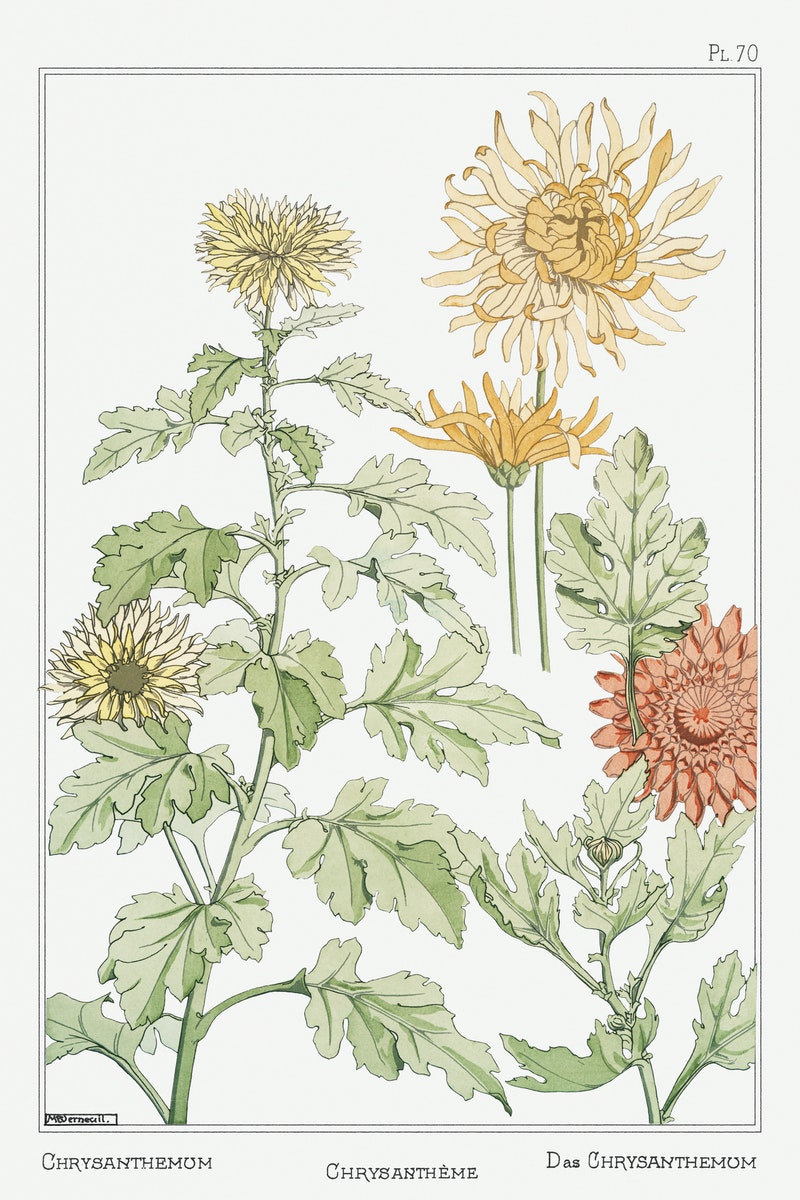
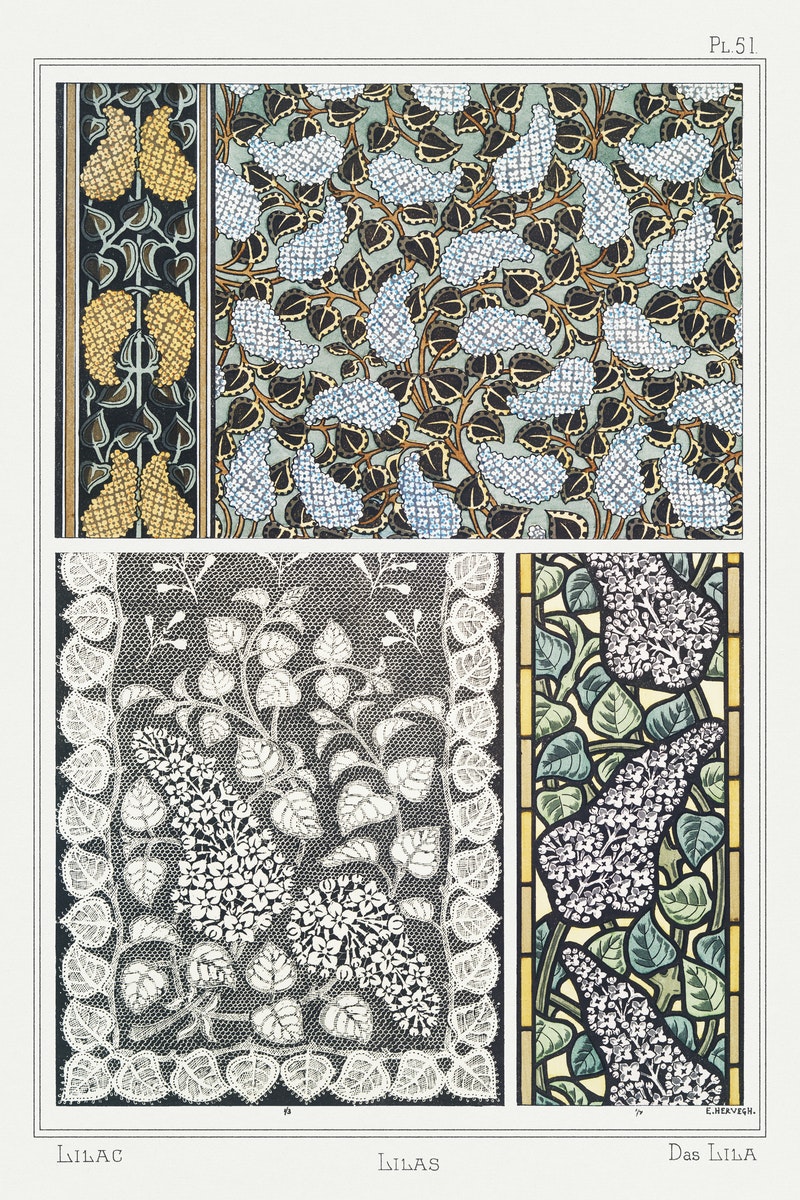
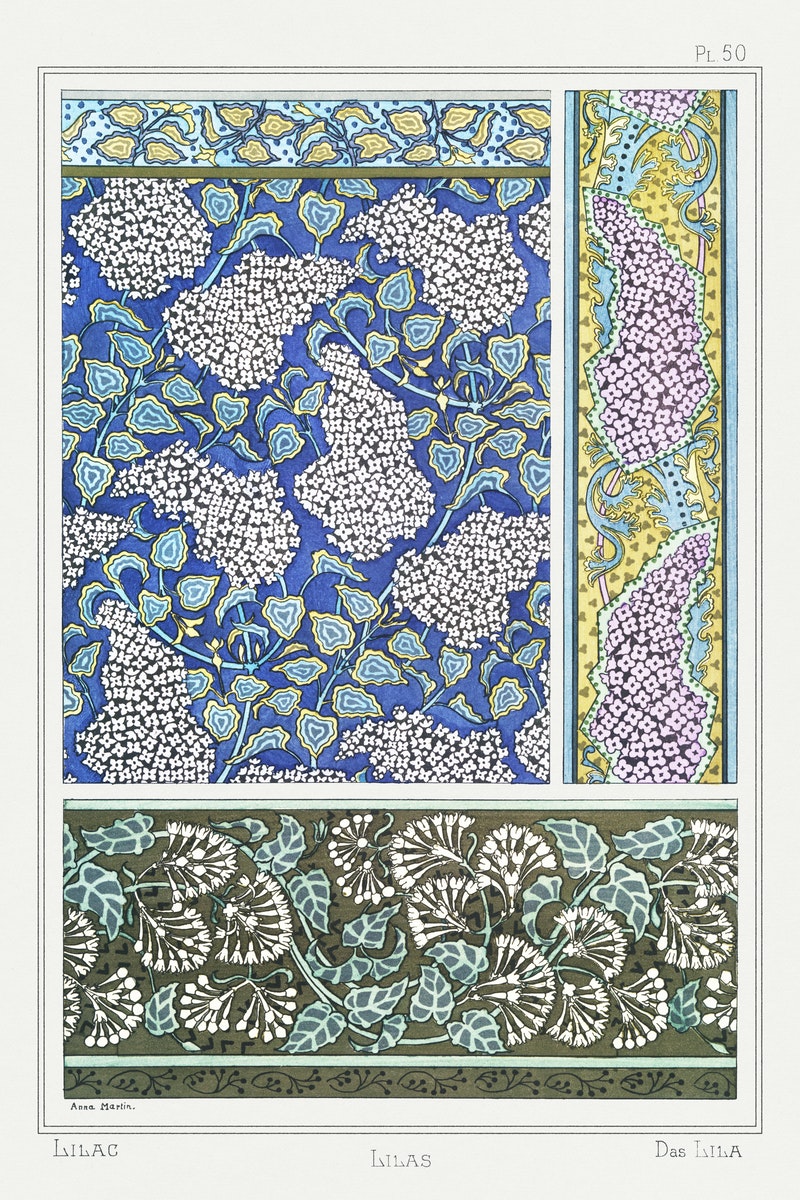
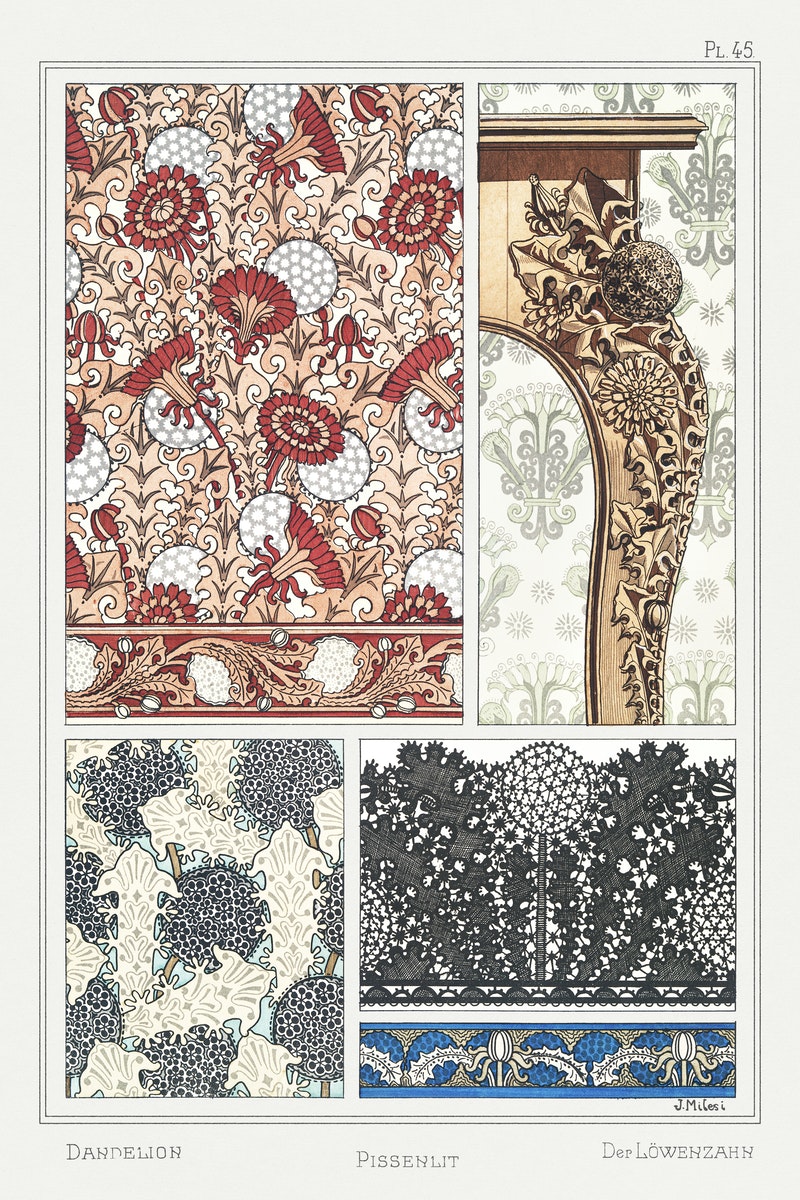
The Biodiversity Heritage Library Makes 150,000 High-Res Illustrations of the Natural World Free to Download

You may have heard of “plant blind­ness,” a con­di­tion defined about 20 years ago that has start­ed to get more press in recent years. As its name sug­gests, it refers to an inabil­i­ty to iden­ti­fy or even notice the many plant species around us in our every­day lives. Some have con­nect­ed it to a poten­tial­ly more wide­spread afflic­tion they call “nature deficit dis­or­der,” which is also just what it sounds like: a set of impair­ments brought on by insuf­fi­cient expo­sure to the nat­ur­al world. One might also draw a line from these con­cepts to our atti­tudes about cli­mate change, or to our ever-less-inter­rupt­ed immer­sion in the dig­i­tal world. But if any part of that dig­i­tal world can open our eyes to nature once again, it’s the Bio­di­ver­si­ty Her­itage Library (present also on Flickr and Insta­gram.)

Pre­vi­ous­ly fea­tured here on Open Cul­ture for its vast archive of two mil­lion illus­tra­tions of the nat­ur­al world, the BHL has received more cov­er­age this year for the more than 150,000 it’s made avail­able for copy­right-free down­load. Hyper­al­ler­gic’s Hakim Bishara quotes Hen­ry David Thore­au — “We need the ton­ic of wild­ness. We can nev­er get enough of nature” — before writ­ing of how thrilled Thore­au would have been by the exis­tence of such a resource for images of nature.

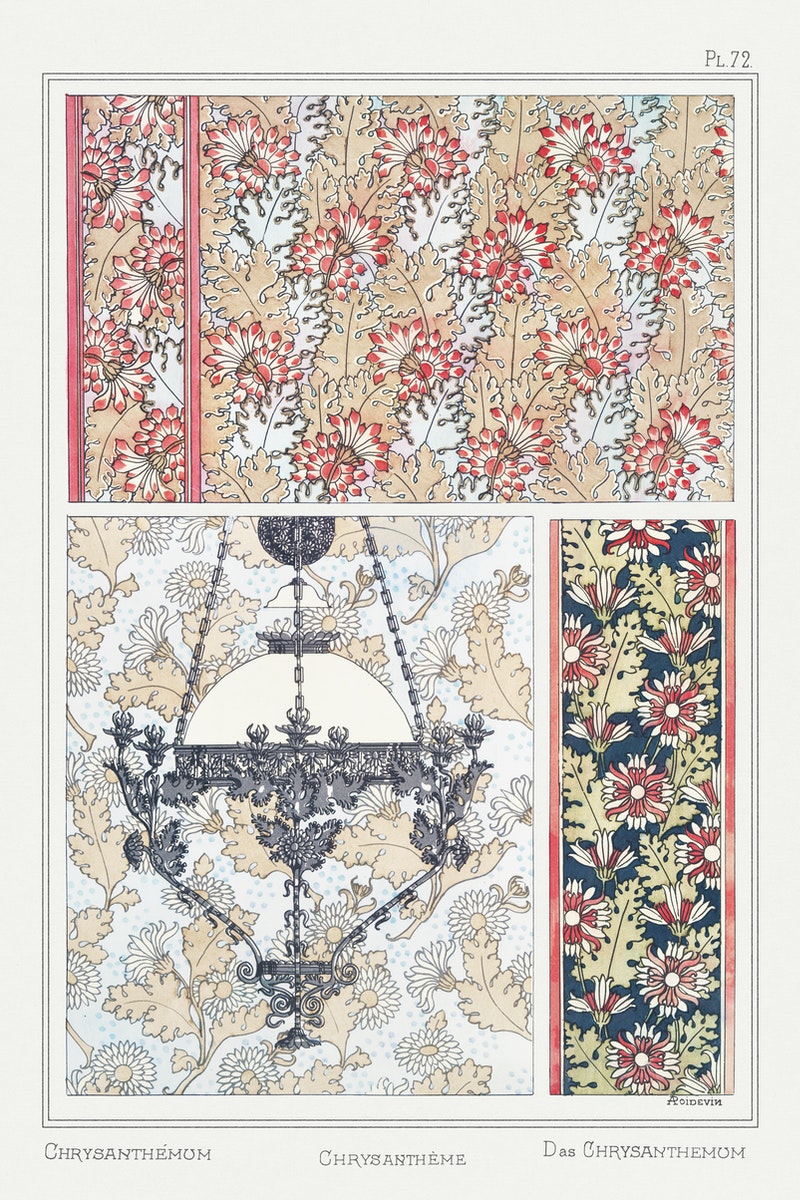
These images include “ani­mal sketch­es, his­tor­i­cal dia­grams, botan­i­cal stud­ies, and sci­en­tif­ic research col­lect­ed from hun­dreds of thou­sands of jour­nals and libraries across the world,” some dat­ing to the 15th cen­tu­ry. He high­lights “Joseph Wolf’s 19th-cen­tu­ry book Zoo­log­i­cal Sketch­es, con­tain­ing about 100 lith­o­graphs depict­ing wild ani­mals in London’s Regent’s Park” and “water­col­ors depict­ing flow­ers indige­nous to the Hawai­ian islands” as well as “an 1833 DIY Taxidermist’s Man­u­al.”

As Smithsonian.com’s There­sa Machemer notes, “The prac­tice of cre­at­ing detailed illus­tra­tions of flo­ra and fau­na, whether to doc­u­ment an expe­di­tion or a med­ical prac­tice, gained pop­u­lar­i­ty well before pho­tog­ra­phy was up to the task.” Hence such ambi­tious projects as the Unit­ed States gov­ern­men­t’s com­mis­sion­ing, in 1866, of water­col­or paint­ings depict­ing every fruit known to man. But even today, “an illus­tra­tion can offer more clar­i­ty than a pho­to­graph,” as you’ll find when you zoom in on any of the BHL’s high-res­o­lu­tion illus­tra­tions. Accord­ing to the BHL, “a world­wide con­sor­tium of nat­ur­al his­to­ry, botan­i­cal, research, and nation­al libraries,” its mis­sion is to pro­vide “access to the world’s col­lec­tive knowl­edge about bio­di­ver­si­ty,” in order to help researchers “doc­u­ment Earth’s species and under­stand the com­plex­i­ties of swift­ly-chang­ing ecosys­tems in the midst of a major extinc­tion cri­sis and wide­spread cli­mate change.” But by reveal­ing how our pre­de­ces­sors saw nature, it can also help all of us see nature again. Access the illus­tra­tions here.

Relat­ed Con­tent:

Two Mil­lion Won­drous Nature Illus­tra­tions Put Online by The Bio­di­ver­si­ty Her­itage Library

Ernst Haeckel’s Sub­lime Draw­ings of Flo­ra and Fau­na: The Beau­ti­ful Sci­en­tif­ic Draw­ings That Influ­enced Europe’s Art Nou­veau Move­ment (1889)

In 1886, the US Gov­ern­ment Com­mis­sioned 7,500 Water­col­or Paint­ings of Every Known Fruit in the World: Down­load Them in High Res­o­lu­tion

Watch 50 Hours of Nature Sound­scapes from the BBC: Sci­en­tif­i­cal­ly Proven to Ease Stress and Pro­mote Hap­pi­ness & Awe

A Shaz­am for Nature: A New Free App Helps You Iden­ti­fy Plants, Ani­mals & Oth­er Denizens of the Nat­ur­al World

New Study: Immers­ing Your­self in Art, Music & Nature Might Reduce Inflam­ma­tion & Increase Life Expectan­cy

Based in Seoul, Col­in Mar­shall writes and broad­casts on cities, lan­guage, and cul­ture. His projects include the book The State­less City: a Walk through 21st-Cen­tu­ry Los Ange­les and the video series The City in Cin­e­ma. Fol­low him on Twit­ter at @colinmarshall or on Face­book.

How Humans Domesticated Cats (Twice)

Depend­ing on how you feel about cats, the feline sit­u­a­tion on the island of Cyprus is either the stuff of a delight­ful children’s sto­ry or a hor­ror film to be avoid­ed at all cost.

Despite being sur­round­ed on all sides by water, the cat pop­u­la­tion—an esti­mat­ed 1.5 mil­lion—cur­rent­ly out­num­bers human res­i­dents. The over­whelm­ing major­i­ty are fer­al, though as we learn in the above episode of PBS’ EONS, they, too, can be con­sid­ered domes­ti­cat­ed. Like the oth­er 600,000,000-some liv­ing mem­bers of Felis Catus on plan­et Earth—which is to say the type of beast we asso­ciate with lit­ter­box­es, laser point­ers, and Ten­der Vittles—they are descend­ed from a sin­gle sub­species of African wild­cat, Felis Sil­vestris Lybi­ca.

While there’s no sin­gle nar­ra­tive explain­ing how cats came to dom­i­nate Cyprus, the sto­ry of their glob­al domes­ti­ca­tion is not an uncom­mon one:

An ancient effi­cien­cy expert real­ized that herd­ing cats was a much bet­ter use of time than hunt­ing them, and the idea quick­ly spread to neigh­bor­ing com­mu­ni­ties.

Kid­ding. There’s no such thing as herd­ing cats (though there is a Chica­go-based cat cir­cus, whose founder moti­vates her skate­board-rid­ing, bar­rel-rolling, high-wire-walk­ing stars with pos­i­tive rein­force­ment…)

Instead, cats took a com­men­sal path to domes­ti­ca­tion, lured by their bel­lies and cel­e­brat­ed curios­i­ty.

Ol’ Felis (Felix!) Sil­vestris (Suf­ferin’ Suc­co­tash!Lybi­ca couldn’t help notic­ing how human set­tle­ments boast­ed gen­er­ous sup­plies of food, includ­ing large num­bers of tasty mice and oth­er rodents attract­ed by the grain stores.

Her inad­ver­tent human hosts grew to val­ue her pest con­trol capa­bil­i­ties, and cul­ti­vat­ed the rela­tion­ship… or at the very least, refrained from devour­ing every cat that wan­dered into camp.

Even­tu­al­ly, things got to the point where one 5600-year-old spec­i­men from north­west­ern Chi­na was revealed to have died with more mil­let than mouse meat in its system—a pet in both name and pop­u­lar sen­ti­ment.

Chow chow chow.

Inter­est­ing­ly, while today’s house cats’ gene pool leads back to that one sub-species of wild mack­er­el-tab­by, it’s impos­si­ble to iso­late domes­ti­ca­tion to a sin­gle time and place.

Both arche­o­log­i­cal evi­dence and genome analy­sis sup­port the idea that cats were domes­ti­cat­ed both 10,000 years ago in South­west Asia… and then again in Egypt 6500 years lat­er.

At some point, a human and cat trav­eled togeth­er to Cyprus and the rest is his­to­ry, an Inter­net sen­sa­tion and an if you can’t beat em, join em tourist attrac­tion.

Such high end island hotels as Pissouri’s Colum­bia Beach Resort and TUI Sen­satori Resort Atlanti­ca Aphrodite Hills in Paphos have start­ed cater­ing to the ever-swelling num­bers of unin­vit­ed, four-legged locals with a robust reg­i­men of health­care, shel­ter, and food, served in feline-spe­cif­ic tav­er­nas.

An island char­i­ty known as Cat P.A.W.S. (Pro­tect­ing Ani­mals With­out Shel­ter) appeals to vis­i­tors for dona­tions to defray the cost of neu­ter­ing the mas­sive fer­al pop­u­la­tion.

Some­times they even man­age to send a fur­ry Cyprus native off to a new home with a for­eign hol­i­day­mak­er.

Relat­ed Con­tent:

An Ani­mat­ed His­to­ry of Cats: How Over 10,000 Years the Cat Went from Wild Preda­tor to Sofa Side­kick

Medieval Cats Behav­ing Bad­ly: Kit­ties That Left Paw Prints … and Peed … on 15th Cen­tu­ry Man­u­scripts

A New Pho­to Book Doc­u­ments the Won­der­ful Home­made Cat Lad­ders of Switzer­land

Ayun Hal­l­i­day is an author, illus­tra­tor, the­ater mak­er and Chief Pri­ma­tol­o­gist of the East Vil­lage Inky zine.  Join her in NYC on Mon­day, Feb­ru­ary 3 when her month­ly book-based vari­ety show, Necro­mancers of the Pub­lic Domain cel­e­brates New York, The Nation’s Metrop­o­lis (1921). Fol­low her @AyunHalliday.

The Art & Philosophy of Bonsai

We all know what to think of when we hear the term bon­sai: dwarf trees. Or so Shi­nobu Noza­ki titled his book, the very first major pub­li­ca­tion on the sub­ject in Eng­lish. Dwarf Trees came out in the 1930s, not long after the Japan­ese art of bon­sai start­ed draw­ing seri­ous inter­na­tion­al atten­tion. But the art itself goes back as far as the sixth cen­tu­ry, when Japan­ese embassy employ­ees and stu­dents of Bud­dhism return­ing from sojourns in Chi­na brought back all the lat­est things Chi­nese, includ­ing plants grow­ing in con­tain­ers. By six or sev­en cen­turies lat­er, as scrolls show us today, Japan had tak­en that hor­ti­cul­tur­al tech­nique and refined it into a prac­tice based on not just minia­tur­iza­tion but pro­por­tion, asym­me­try, poignan­cy, and era­sure of the artist’s traces, one that pro­duces the kind of trees-in-minia­ture we rec­og­nize as art­works, and even mas­ter­works, today.

It hard­ly needs say­ing that bon­sai trees don’t take shape by them­selves. As the name, which means “tray plant­i­ng” (盆栽), sug­gests, a work of bon­sai must begin by plant­i­ng a spec­i­men in a small con­tain­er. From then on, it demands dai­ly atten­tion in not just the pro­vi­sion of the prop­er amounts of water and sun­light but also care­ful trim­ming and adjust­ment with trim­mers, hooks, wire, and every­thing else in the bon­sai cul­ti­va­tor’s sur­pris­ing­ly large suite of tools.

You can see a Japan­ese mas­ter of the art named Chi­ako Yamamo­to in action in “Bon­sai: The End­less Rit­u­al,” the BBC Earth Unplugged video at the top of the post. “Shap­ing nature in this way demands ever­last­ing devo­tion with­out the prospect of com­ple­tion,” says its nar­ra­tor, a point under­scored by one bon­sai under Yamamo­to’s care, orig­i­nal­ly plant­ed by her grand­fa­ther over a cen­tu­ry ago.

You’ll find even old­er bon­sai at the Nation­al Bon­sai Muse­um at the U.S. Nation­al Arbore­tum in Wash­ing­ton D.C. In the video “Bon­sai Will Make You a Bet­ter Per­son,” cura­tor Jack Sus­tic — an Amer­i­can first exposed to bon­sai in the mil­i­tary, while sta­tioned in Korea — shows off a Japan­ese white pine “in train­ing” since the year 1625. That unusu­al ter­mi­nol­o­gy reflects the fact that no work of bon­sai even attains a state of com­plete­ness. “They’re always grow­ing,” say Sus­tic. “They’re always chang­ing. It’s nev­er a fin­ished art­work.” In Nation­al Geo­graph­ic’s “Amer­i­can Shokunin” just above, the tit­u­lar bon­sai cul­ti­va­tor (shokunin has a mean­ing sim­i­lar to “crafts­man” or “arti­san”), Japan-trained, Ore­gon-based Ryan Neil, expands on what bon­sai teach­es: not just how to artis­ti­cal­ly grow small trees that resem­ble big ones, but what it takes to com­mune with nature and attain mas­tery.

“A mas­ter is some­body who, every sin­gle day, tries to pur­sue per­fec­tion at their cho­sen endeav­or,” says Neil. “A mas­ter does­n’t retire. A mas­ter does­n’t stop. They do it until they’re dead.” And as a work of bon­sai lit­er­al­ly out­lives its cre­ator, the pur­suit con­tin­ues long after they’re dead. The bon­sai mas­ter must be aware of the aes­thet­ic and philo­soph­i­cal val­ues held by the gen­er­a­tions who came before them as well as the gen­er­a­tions that will come after. Wabi sabi, as bon­sai prac­ti­tion­er Pam Woythal defines it, is “the Japan­ese art of find­ing beau­ty in imper­fec­tion and pro­fun­di­ty in nature, of accept­ing the nat­ur­al cycle of growth, decay, and death.” Shibu­mi (or in its adjec­ti­val form shibui) is, in the words of I Am Bon­sai’s Jonathan Rodriguez, “the sim­ple sub­tle details of the sub­ject,” man­i­fest for exam­ple in “the appar­ent sim­ple tex­ture that bal­ances sim­plic­i­ty and com­plex­i­ty.” Looked at cor­rect­ly, a bon­sai tree — leaves, branch­es, pot, and all — reminds us of the impor­tant ele­ments of life and the impor­tant ele­ments of art, and of the fact that those ele­ments aren’t as far apart as we assume.

Relat­ed Con­tent:

This 392-Year-Old Bon­sai Tree Sur­vived the Hiroshi­ma Atom­ic Blast & Still Flour­ish­es Today: The Pow­er of Resilience

Kintsu­gi: The Cen­turies-Old Japan­ese Craft of Repair­ing Pot­tery with Gold & Find­ing Beau­ty in Bro­ken Things

The Philo­soph­i­cal Appre­ci­a­tion of Rocks in Chi­na & Japan: A Short Intro­duc­tion to an Ancient Tra­di­tion

Wabi-Sabi: A Short Film on the Beau­ty of Tra­di­tion­al Japan

Dis­cov­er the Japan­ese Muse­um Ded­i­cat­ed to Col­lect­ing Rocks That Look Like Human Faces

Watch Japan­ese Wood­work­ing Mas­ters Cre­ate Ele­gant & Elab­o­rate Geo­met­ric Pat­terns with Wood

Based in Seoul, Col­in Mar­shall writes and broad­casts on cities, lan­guage, and cul­ture. His projects include the book The State­less City: a Walk through 21st-Cen­tu­ry Los Ange­les and the video series The City in Cin­e­ma. Fol­low him on Twit­ter at @colinmarshall or on Face­book.

How to Find Silence in a Noisy World

“Take a walk at night,” wrote avant-garde com­pos­er Pauline Oliv­eros in her 1974 “Son­ic Med­i­ta­tions,” a set of instruc­tions for what she called deep lis­ten­ing. “Walk so silent­ly that the bot­tom of your feet become ears.” Lis­ten­ing to silence opens up rich new worlds of sound. It can be a life-chang­ing expe­ri­ence.

“It’s hard to imag­ine that a sound can trans­form some­one’s life, but it hap­pened to me,” says acoustic ecol­o­gist Gor­don Hemp­ton in the short 360-degree doc­u­men­tary above, “How to Find Silence in a Noisy World.” Hemp­ton learned to walk silent­ly while car­ry­ing a micro­phone, doc­u­ment­ing his lis­ten­ing jour­ney through remote places like the Hoh Rain­for­est in Wash­ing­ton state, con­sid­ered one of the qui­etest places in North Amer­i­ca.

“By hold­ing a micro­phone, I became a bet­ter lis­ten­er. I learned that the micro­phone doesn’t lis­ten for what’s impor­tant, it doesn’t judge, it doesn’t inter­fere.” The micro­phone, that is, has no ego. Record­ed and ampli­fied, the silence of the Hoh becomes cacoph­o­ny, or a sym­pho­ny, depend­ing on how we describe it. Maybe any descrip­tion gets in the way of lis­ten­ing. “Just lis­ten,” says Hemp­ton. “Silence is the poet­ics of space. What it means to be in a place… Silence isn’t the absence of some­thing, but the pres­ence of every­thing

If silence is full of sound, why might we crave it when we’re stressed? Because we are bom­bard­ed by noise pol­lu­tion, “sounds that have noth­ing to do with the nat­ur­al acoustic sys­tem.” These sounds have been encroach­ing on places like the Hoh Rain­for­est for many decades, and Hemp­ton has doc­u­ment­ed their incur­sion over the past 30 years, build­ing a col­lec­tion of over 100 record­ings “equipped with a 3‑D micro­phone sys­tem that repli­cates human hear­ing,” notes Brain Pick­ings.

“Ema­nat­ing from his col­lec­tion… is the idea that ‘there is a fun­da­men­tal fre­quen­cy for each habitat’—a tonal qual­i­ty that shapes the sense of place and qual­i­ty of pres­ence.” Hempton’s work com­ple­ments the nature record­ings of Bernie Krause, for­mer musi­cian turned renowned expert on nat­ur­al sound, whose the­o­ry of bio­pho­ny describes how nat­ur­al sounds work togeth­er to fill in the spec­trum, each one estab­lish­ing its own spe­cif­ic band­width so as not to drown out the oth­ers.

Nat­ur­al sounds cre­ate a kind of self-reg­u­lat­ing har­mo­ny. In order to ful­ly inhab­it the space we’re in, we must be able to hear them. But as the record­ings made by Hemp­ton and Krause show us, humans have a unique abil­i­ty to feel our­selves deeply immersed in oth­er places, too, by lis­ten­ing to record­ings of their silences. Hemp­ton implies that record­ings may soon be all we have left.

“Silence,” he says, “is on the verge of extinc­tion. There is not one place left on plan­et Earth that is set aside and off lim­its to noise pol­lu­tion.” It inter­feres with the cycles of mat­ing ani­mals, dis­rupts call and response pat­terns ecosys­tems use to coor­di­nate them­selves. Silence is part of a glob­al biofeed­back sys­tem, telling us to qui­et down, slow down, and become part of all that’s hap­pen­ing around us. We ignore it to our great detri­ment.

via Brain Pick­ings

Relat­ed Con­tent:

The British Library’s “Sounds” Archive Presents 80,000 Free Audio Record­ings: World & Clas­si­cal Music, Inter­views, Nature Sounds & More

Free: Down­load the Sub­lime Sights & Sounds of Yel­low­stone Nation­al Park

10 Hours of Ambi­ent Arc­tic Sounds Will Help You Relax, Med­i­tate, Study & Sleep

Josh Jones is a writer and musi­cian based in Durham, NC. Fol­low him at @jdmagness

Behold the New York City Street Tree Map: An Interactive Map That Catalogues the 700,000 Trees Shading the Streets of New York City

It may sound odd, but one of the things I miss most about liv­ing in New York City is the abil­i­ty to hop on a bus or train, or walk a few blocks from home, and end up loung­ing in a for­est, the cacoph­o­ny of traf­fic reduced to a dim hum, squir­rels bound­ing around, birds twit­ter­ing away above. Such urban respites are plen­ti­ful in NYC thanks to its 10,542 acres of forest­ed land, “about half as much as the Con­ga­ree Swamp in South Car­oli­na,” notes James Bar­ron at The New York Times, in one of the most dense­ly pop­u­lat­ed urban areas in the coun­try.

“Most of the city’s for­est is deep in parks”—in Cen­tral Park, of course, and also Prospect Park and River­side, and dozens of small­er oases, and the lush Botan­i­cal Gar­dens in the Bronx. The city’s forests are sub­ject to the usu­al pres­sures oth­er wood­ed areas face: cli­mate change, inva­sive species, etc.

They are also depen­dent on a well-fund­ed Parks Depart­ment and non­prof­its like the Nat­ur­al Areas Con­ser­van­cy for the preser­va­tion and upkeep not only of the large parks but of the trees that shade city streets in all five bor­oughs.

Luck­i­ly, the city and non­prof­it groups have been work­ing togeth­er to plan for what the conservancy’s senior ecol­o­gist, Helen For­gione, calls “future forests,” using big data to map out the best paths for urban wood­land. The NYC Parks depart­ment has been busy com­pil­ing fig­ures, and you can find all of their tree stats at the New York City Street Tree Map, which “brings New York City’s urban for­est to your fin­ger­tips. For the first time,” the Parks depart­ment writes, “you have access to infor­ma­tion about every street tree in New York City.”

Large forest­ed parks on the inter­ac­tive map appear as flat green fields—the depart­ment has not count­ed each indi­vid­ual tree in Cen­tral Park. But the map gives us fine, gran­u­lar detail when it comes to street trees, allow­ing users to zoom in to every inter­sec­tion and click on col­ored dots that rep­re­sent each tree, for exam­ple lin­ing Avenue D in the East Vil­lage or Flat­bush Avenue in Brook­lyn. You can search spe­cif­ic loca­tions or comb through city­wide sta­tis­tics for the big pic­ture. At the time of this writ­ing, the project has mapped 694,249 trees, much of that work under­tak­en by vol­un­teers in the TreesCount! 2015 ini­tia­tive.

There are many more trees yet to map, and the department’s forestry team updates the site dai­ly. Out of 234 species iden­ti­fied, the most com­mon is the Lon­don Plan­e­tree, rep­re­sent­ing 12% of the trees on the map. Oth­er pop­u­lar species include the Lit­tle­leaf Lin­den, Nor­way Maple, Pin Oak, and Ginko. Some oth­er stats show the eco­log­i­cal ben­e­fits of urban trees, includ­ing the amount of ener­gy con­served (667,590,884 kWh, or $84,279,933.06) and amount of car­bon diox­ide reduced (612,100 tons).

Vis­it the New York City Street Tree Map for the full, vir­tu­al tour of the city’s trees, and marvel—if you haven’t expe­ri­enced the city’s vibrant tree life firsthand—at just how green the empire city’s streets real­ly are.

Relat­ed Con­tent:

New York Pub­lic Library Puts 20,000 Hi-Res Maps Online & Makes Them Free to Down­load and Use

New York City: A Social His­to­ry (A Free Online Course from N.Y.U.) 

The Secret Lan­guage of Trees: A Charm­ing Ani­mat­ed Les­son Explains How Trees Share Infor­ma­tion with Each Oth­er

Josh Jones is a writer and musi­cian based in Durham, NC. Fol­low him at @jdmagness

Chill Out to 70 Hours of Oceanscape Nature Videos Filmed by BBC Earth

Those who har­bor a deep-seat­ed fear of the water may want to look for oth­er meth­ods of stress relief than BBC Earth’s relax­ing 10-hour video loops, but every­one else is encour­aged to take a dip in these stun­ning nat­ur­al worlds, pre­sent­ed with­out com­men­tary or back­ground music.

All sev­en 10-hour playlists are salt-water based: coral reefscoast­linesdeep oceanopen ocean, frozen seasocean sur­faces, and sea forests.

As in most com­pelling nature doc­u­men­taries, non-human crea­tures loom large, but unlike such BBC Earth offer­ings as Creepi­est Insect Moments or Ants Attack Ter­mite Mounds, there’s a benign, live-and-let-live vibe to the pro­ceed­ings.

Unsur­pris­ing­ly, the pho­tog­ra­phy is breath­tak­ing, and the uses of these marathon-length por­traits are man­i­fold: med­i­ta­tion tool, sleep aid, child soother, social media decom­pres­sor, trav­el­ogue, and—less calmingly—call to action.

Sci­ence tells us that many of these life forms, and the ocean in which they dwell, are in seri­ous dan­ger, thanks to decades of human dis­re­gard for the envi­ron­ment. This is an oppor­tu­ni­ty to immerse our­selves in what we stand to lose while it’s still pos­si­ble to do some­thing about it.

If that thought seems too depress­ing, there’s also strong sci­en­tif­ic evi­dence that nature doc­u­men­taries such as these pro­mote increased feel­ings of well­be­ing

What are you wait­ing for?

Click here to trav­el the oceans with polar bears, jel­ly­fish, dol­phins, sea­hors­es, bright­ly col­ored trop­i­cal fish and oth­er crea­tures of the deep, com­pli­ments of BBC’s Earth’s Ocean­scapes playlists.

Relat­ed Con­tent:

Watch­ing Nature Doc­u­men­taries Can Pro­duce “Real Hap­pi­ness,” Finds a Study from the BBC and UC-Berke­ley

Bob Odenkirk & Errol Mor­ris Cre­ate Comedic Shorts to Help You Take Action Against Glob­al Warm­ing: Watch Them Online

Do Octopi Dream? An Aston­ish­ing Nature Doc­u­men­tary Sug­gests They Do

Ayun Hal­l­i­day is an author, illus­tra­tor, the­ater mak­er and Chief Pri­ma­tol­o­gist of the East Vil­lage Inky zine.  Join her in NYC on Mon­day, Novem­ber 4 when her month­ly book-based vari­ety show, Necro­mancers of the Pub­lic Domain cel­e­brates Louise Jor­dan Miln’s “Woo­ings and Wed­dings in Many Climes (1900). Fol­low her @AyunHalliday.

Watching Nature Documentaries Can Produce “Real Happiness,” Finds a Study from the BBC and UC-Berkeley

Hol­ly­wood sci­ence fic­tion films imag­ine future humans in worlds that are no longer green, or nev­er were—from Soy­lent Green’s dying Earth to that of Inter­stel­lar. And from Soy­lent Green to Ad Astra, humans in the future expe­ri­ence plant and ani­mal life as sim­u­la­tions on a screen, in hyper­re­al pho­tog­ra­phy and video meant to paci­fy and com­fort. Maybe we live in that world already, to some extent, with apoc­a­lyp­tic films and sci­ence fic­tion express­ing a col­lec­tive mourn­ing for the extinc­tions brought on by cli­mate change.

“Over the course of my lifetime—I’m 46,” writes Wash­ing­ton Post art crit­ic Sebas­t­ian Smee, “the plan­et has lost more than half of its wildlife pop­u­la­tions, accord­ing to the World Wildlife Fund.” Sure­ly this brute fact explains the immense pop­u­lar­i­ty of high pro­duc­tion-val­ue nature doc­u­men­taries, the anti­dote to apoc­a­lyp­tic futur­ism. They have become “block­buster events,” argues Ed Yong at The Atlantic, with fan­doms as fierce as any.

Viewed “from the per­spec­tive of the future,” writes Smee, nature doc­u­men­taries “are great art. Maybe the great­est of our time.” But can view­ing film and pho­tographs of nature pro­duce in us the feel­ings of awe and won­der that poets, artists, and philoso­phers have described feel­ing in actu­al nature for cen­turies? BBC Earth, pro­duc­er of sev­er­al major block­buster nature doc­u­men­tary series, under­took some psy­cho­log­i­cal research to find out, part­ner­ing with researchers from the Uni­ver­si­ty of Cal­i­for­nia, Berke­ley.

The team exam­ined the effects of watch­ing the BBC’s Plan­et Earth II doc­u­men­tary series rel­a­tive to oth­er kinds of pro­grams. “It is a deep human intu­ition that view­ing nature and being in nature is good for the mind and body,” they write in the study, titled “Explor­ing the Emo­tion­al State of ‘Real Hap­pi­ness.’” (Socio­bi­ol­o­gist E.O. Wil­son coined the term “bio­phil­ia” to describe the evolved pref­er­ence for nat­ur­al beau­ty.) Does screen­time equal phys­i­cal time spent out­doors? Not exact­ly, but nature doc­u­men­taries can low­er stress lev­els and, yes, pro­duce feel­ings of “real hap­pi­ness.”

There have been sev­er­al pre­vi­ous such stud­ies. The authors cite one in which a few min­utes of the orig­i­nal series Plan­et Earth “led peo­ple, com­pared to con­trol par­tic­i­pants, to feel 45.6% more awe and 31.4% more grat­i­tude, but no shifts in feel­ings of neg­a­tive emo­tions such as fear and sad­ness.” The Plan­et Earth II study may be the largest of its kind, with almost 3,500 par­tic­i­pants in the U.S., around a thou­sand in the U.K., India, and Aus­tralia, each, and around 500 in both South Africa and Sin­ga­pore for a total of approx­i­mate­ly 7,500 view­ers.

Par­tic­i­pants across a range of age groups, from 16 to 55 and over, were shown short clips of a vari­ety of TV pro­grams, includ­ing clips from Plan­et Earth II. They were sur­veyed on an array of emo­tion­al respons­es before and after each view­ing. The study also mea­sured stress lev­els using the Per­ceived Stress Scale (PSS), and used a facial map­ping tech­nol­o­gy called CrowdE­mo­tion to track phys­i­cal respons­es. The researchers aggre­gat­ed the data and con­trolled for pop­u­la­tion size in each coun­try.

The find­ings are fas­ci­nat­ing. Across the scale, Plan­et Earth II clips gen­er­at­ed more feel­ings of hap­pi­ness and awe, with clips from news and enter­tain­ment shows caus­ing more fear. In most of the study’s mea­sures, these good feel­ings peaked high­est at the low­er demo­graph­ic age range of 16–24. Younger view­ers showed greater pos­i­tive emo­tion­al respons­es in facial map­ping and sur­vey data, a fact con­sis­tent with BBC rat­ings data show­ing that 16–34 year-olds make up around 41% of the audi­ence share for Plan­et Earth II.

“This younger group,” note the authors, “was more like­ly to expe­ri­ence sig­nif­i­cant pos­i­tive shifts in emo­tion.” They also start­ed out, before view­ing the clips, with sig­nif­i­cant­ly more envi­ron­men­tal anx­i­ety, scor­ing high­ly on the stress scale. 71% described them­selves as “extreme­ly wor­ried about the state of the world’s envi­ron­ment and what it will mean for my future.” A small­er per­cent­age showed the low­est lev­el of agree­ment with the state­ment “I reg­u­lar­ly get out­side and enjoy spend­ing time with nature.”

For near­ly all of the study’s view­ers, nature doc­u­men­taries seemed to pro­duce at least fleet­ing feel­ings of “real hap­pi­ness.” For many, they may also be a way of coun­ter­ing fears of the future, and com­pen­sat­ing in advance for a loss of the nat­ur­al beau­ty that remains. Unfor­tu­nate­ly, the study did not mea­sure the num­ber of par­tic­i­pants who viewed Plan­et Earth II and oth­er “block­buster” nature doc­u­men­taries as a call to action against envi­ron­men­tal destruc­tion. Maybe that’s a sub­ject for anoth­er study. Read the full Plan­et Earth II study results here. And if you’re feel­ing stressed, watch thir­ty min­utes of “Visu­al Sound­scapes,” pre­sent­ed by Plan­et Earth II, above.

Relat­ed Con­tent:

How the Japan­ese Prac­tice of “For­est Bathing”—Or Just Hang­ing Out in the Woods—Can Low­er Stress Lev­els and Fight Dis­ease

Becom­ing: A Short Time­lapse Film Shows a Sin­gle Cell Mor­ph­ing Into a Com­plete, Com­plex Liv­ing Organ­ism

Do Octopi Dream? An Aston­ish­ing Nature Doc­u­men­tary Sug­gests They Do

Josh Jones is a writer and musi­cian based in Durham, NC. Fol­low him at @jdmagness.

« Go BackMore in this category... »
Quantcast