One thing I’ll miss about President Obama is his ability to deliver a good joke at the White House Correspondents’ Dinner. My favorite line from Saturday night:
And then there’s Ted Cruz. Ted had a tough week. He went to Indiana –- Hoosier country –- stood on a basketball court, and called the hoop a “basketball ring.” What else is in his lexicon? Baseball sticks? Football hats? But sure, I’m the foreign one.
Bern!
And it’s always nice to see John Boehner and Obama sharing a good joke around a smoke. Fast forward to the 27 minute mark for that.
Below, we also have Larry Wilmore’s cutting routine:
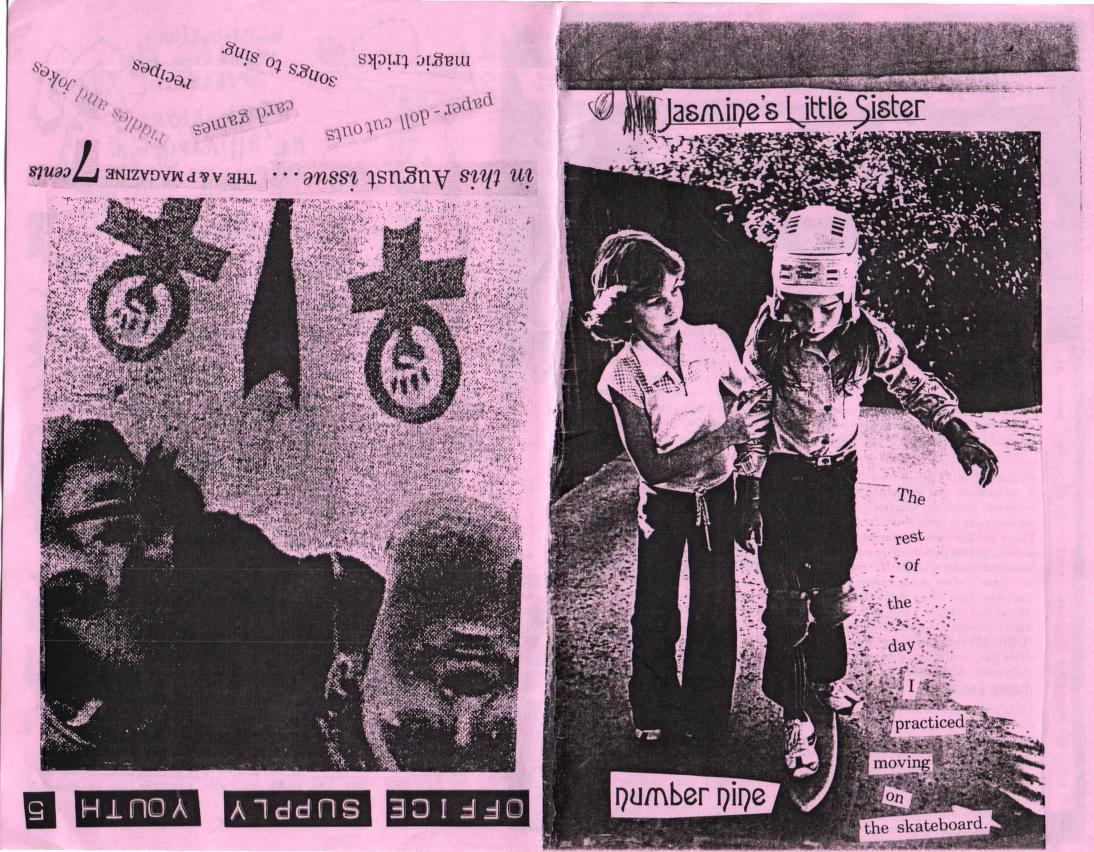
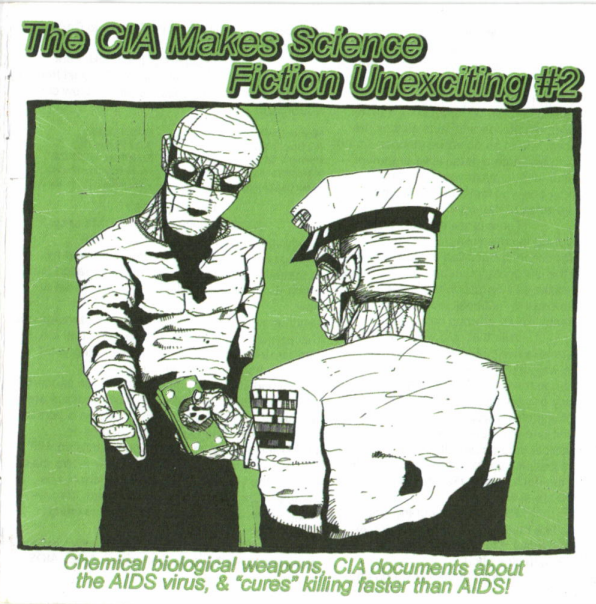
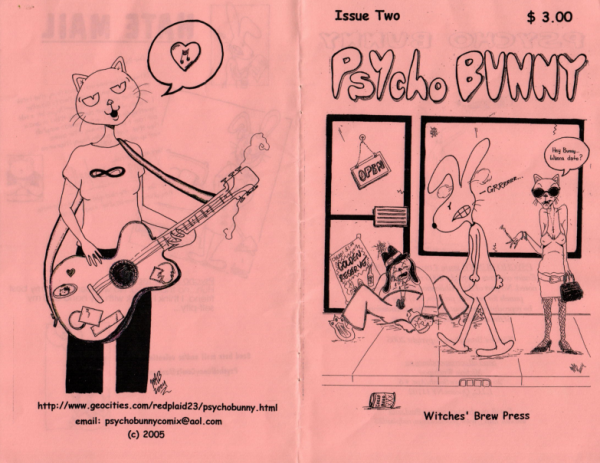
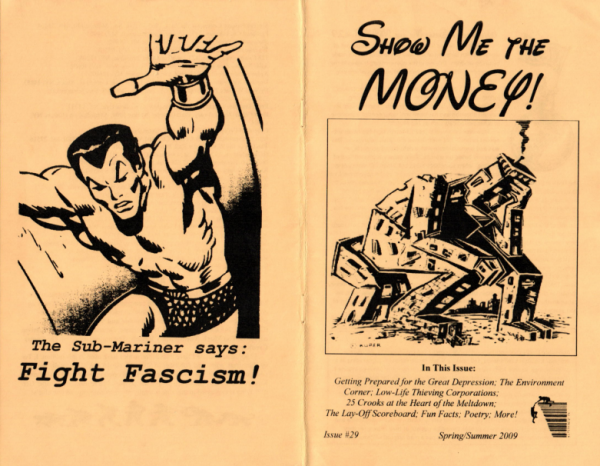
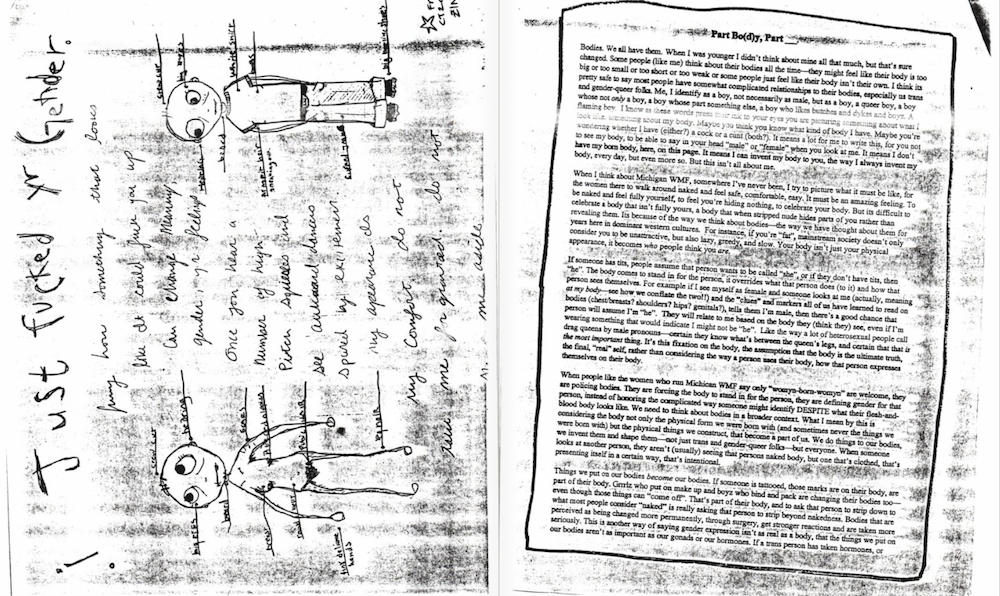
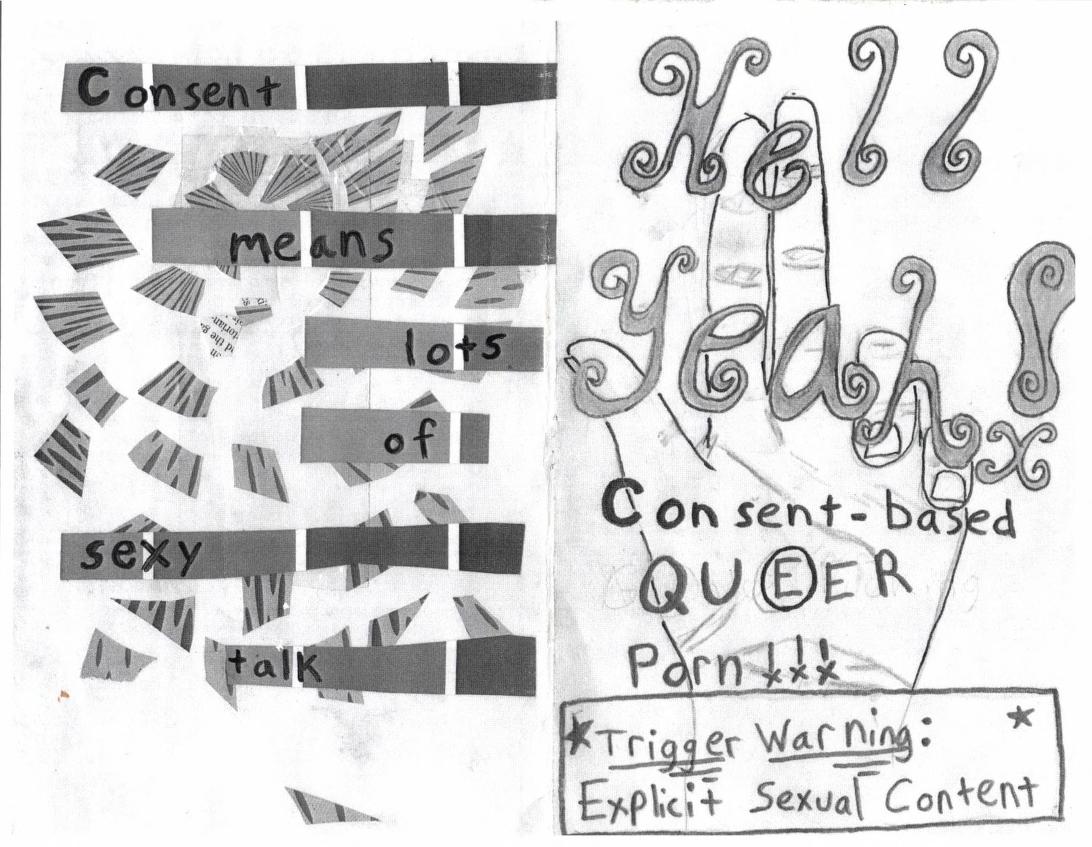
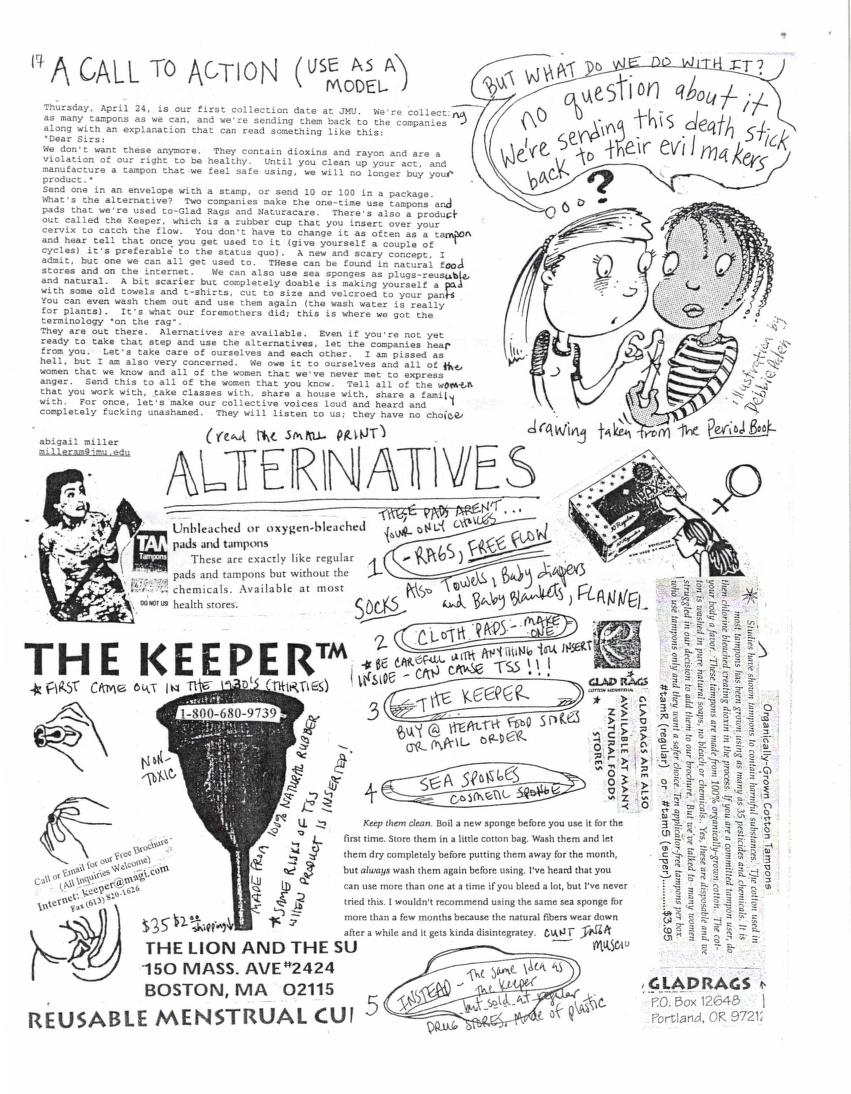
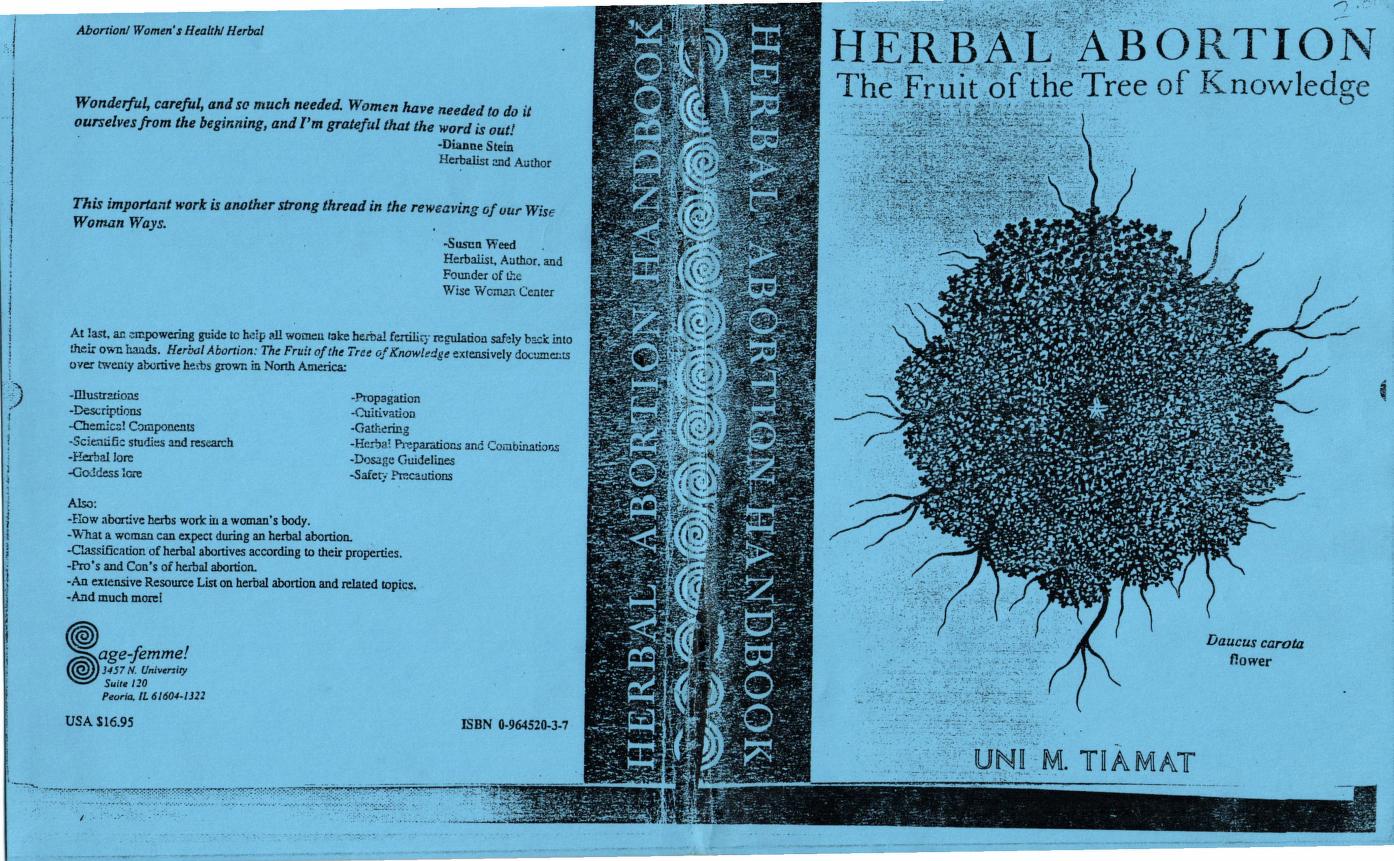
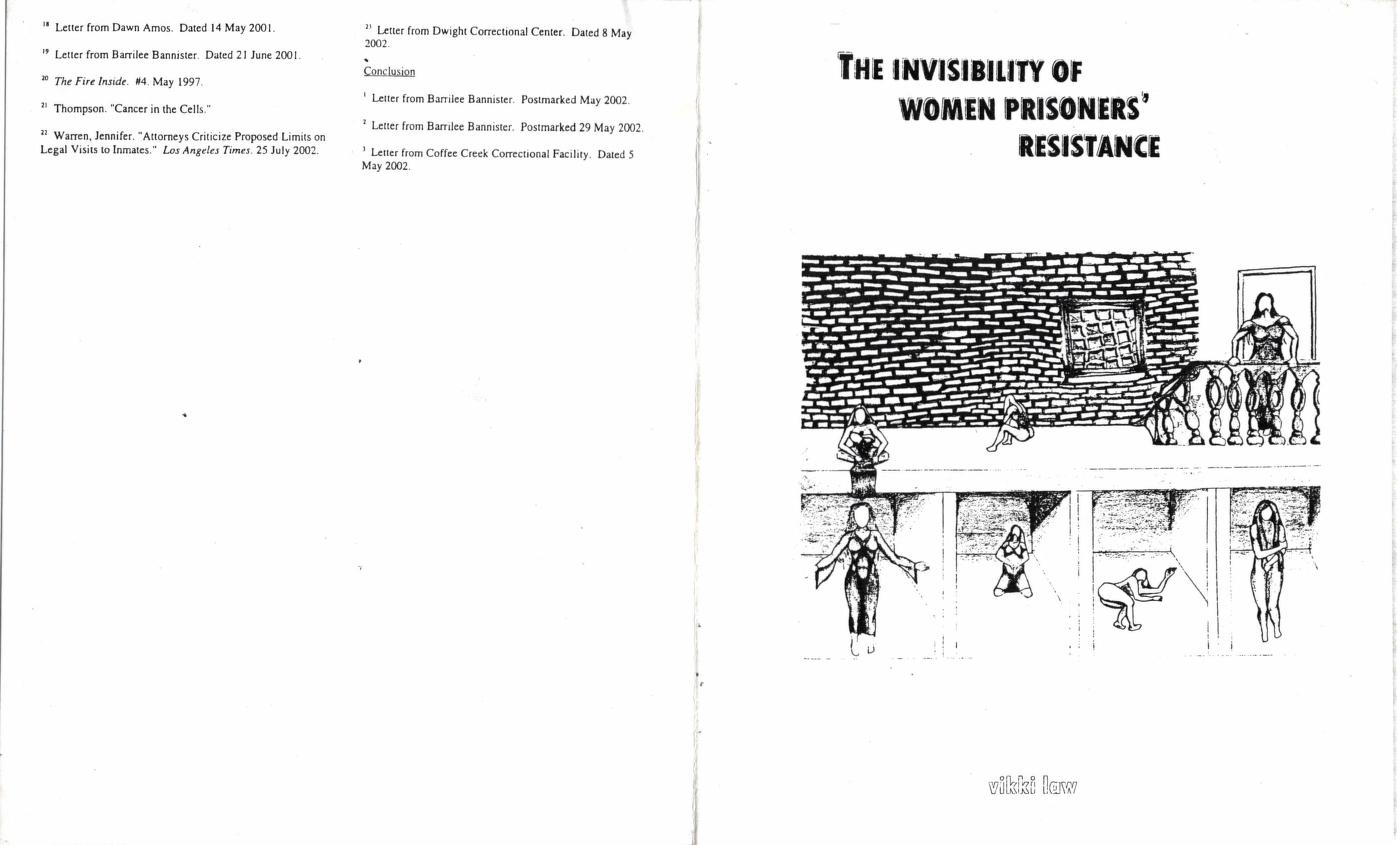
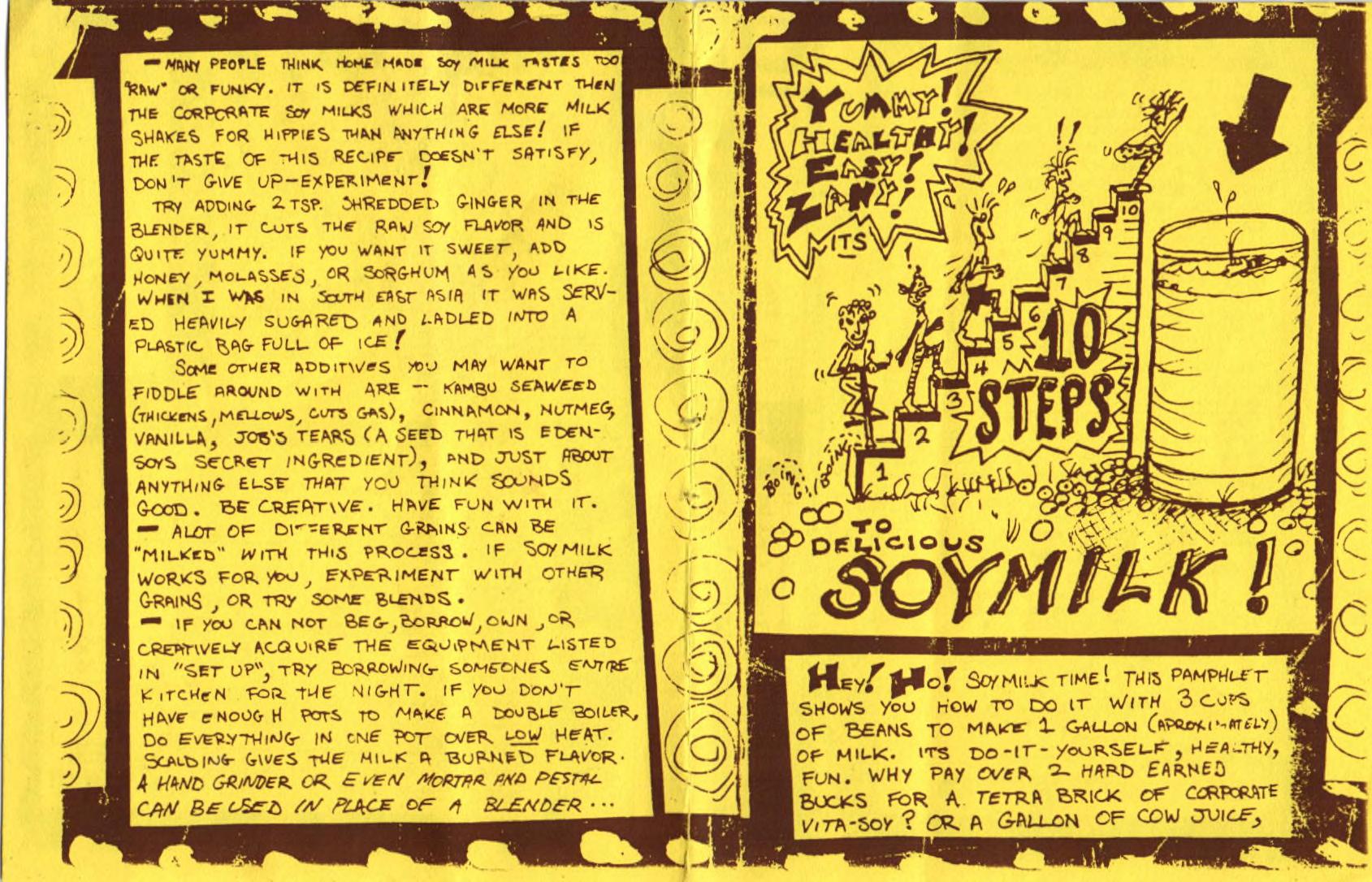
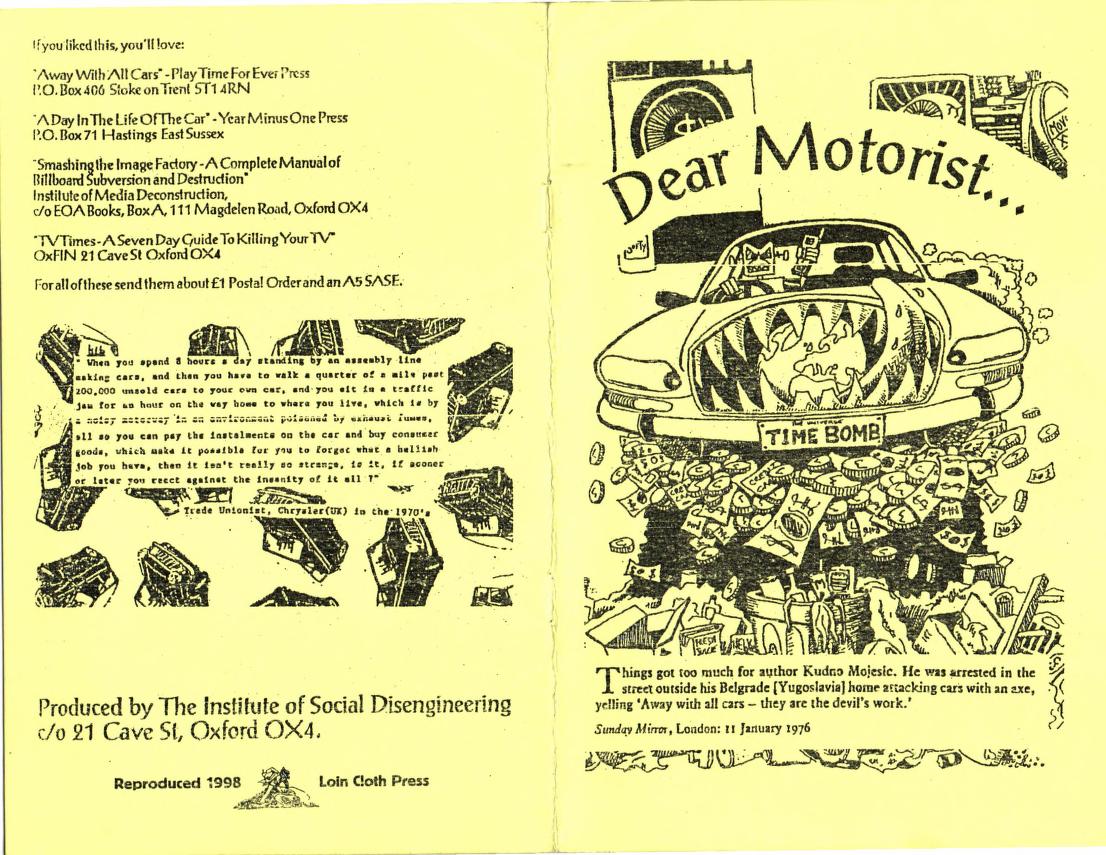
No matter how many readers they attract, the creators of these small-circulation labors of love take their agendas very seriously. Whether the ultimate goal is to inform, to agitate, to smear or to celebrate, their contents are as raw as the cut-and-paste aesthetic that provided their defacto look, pre-Etsy.
While some zinesters are good about preserving master copies and donating back issues to zine libraries, many others’ titles fall through the cracks of history, as the makers age out of the practice, or move on to other interests.
Individual zines’ best chance at survival lies in academia, where experienced archivists and fleets of interns have the time and resources to catalogue and digitize thousands of poorly photocopied, often handwritten pages.
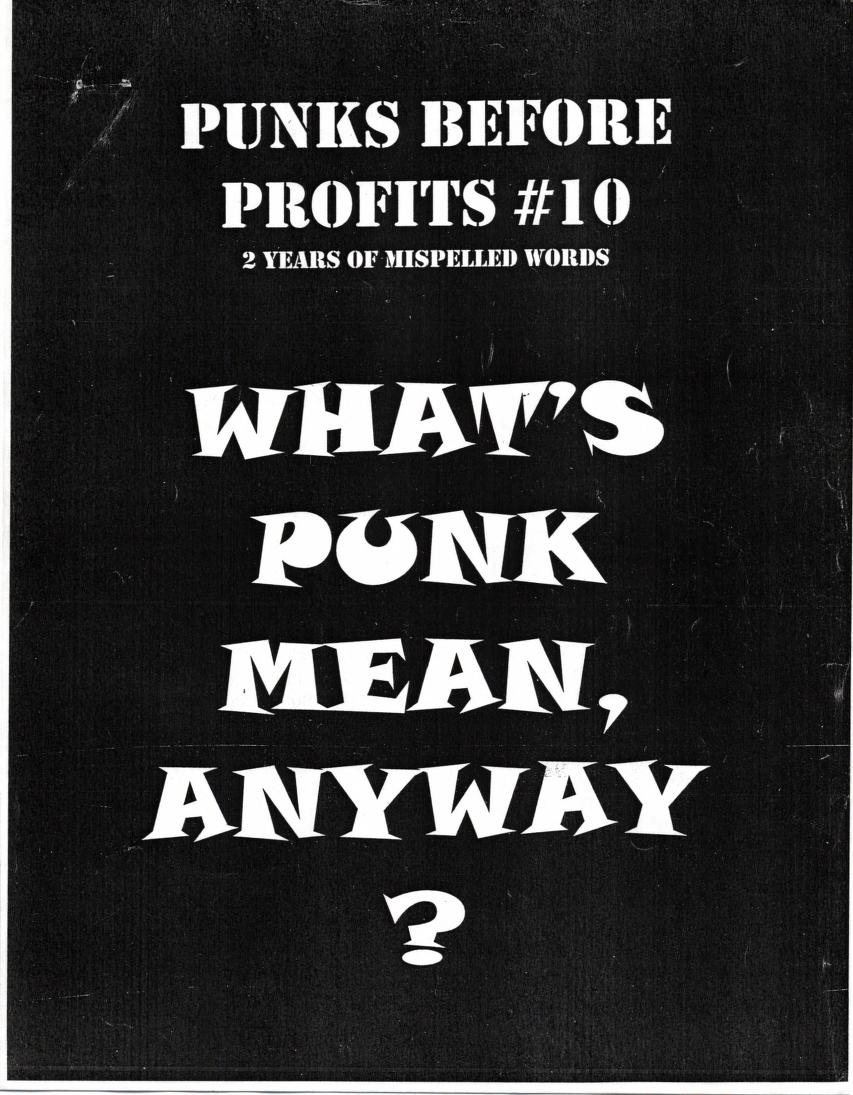
Unsurprisingly, the largest number of titles falls into the Music category. Before the Internet, punk shows were the most reliable channel of zinely distribution, and few of these fanzines are devoid of political content.
Below, Kansas University English professor Frank Farmer (who arranged for the donation) and archivist Becky Schulte discuss the importance of “counter-public documents” and zine culture.
Earlier this month Spike Lee and Bernie Sanders, two Brooklyn natives, sat down and talked about politics and the state of our nation. Now, with the New York primary right around the corner, Spike drew on his filmmaking talents and directed a five-minute political campaign film for Bernie. It’s called simply “Wake Up,” and it features cameos by Dr. Cornel West, Susan Sarandon, and Harry Belafonte.
I can’t recall another instance where a major filmmaker shot an ad for a presidential candidate. If we’re overlooking something obvious (or less obvious), let us know in the comments and we’ll maybe feature it during this campaign season.
If you would like to support the mission of Open Culture, consider making a donation to our site. It’s hard to rely 100% on ads, and your contributions will help us continue providing the best free cultural and educational materials to learners everywhere. You can contribute through PayPal, Patreon, and Venmo (@openculture). Thanks!
As with all of our political debates, those over “political correctness” have become even more polarized, vitriolic, and outsized than when I was in college at the height of the first culture wars, when it often seemed to me like just new etiquette for increasingly pluralist campuses and workplaces. Now, people use the phrase to refer to any call for basic human decency and intellectual honesty—and use it to dismiss such calls out of hand. On the other hand, many efforts at curbing or criticizing certain kinds of speech can seem genuinely, unnecessarily, repressive. Whether it’s an illiberal college group pressuring their university to disinvite entertainers or shut down debates, or fanatical gunmen threatening, and taking, the lives of journalists or bloggers, the stakes over what can and can’t be said have grown exponentially.
Have we reached a crisis of “Orwellian” proportions in the U.S.? I’d hesitate to say so, given the overuse and abuse of Orwell’s name and ideas as a catch-all for societal dysfunction. We have rallies in which tens of thousands gather to cheer for the demonization and slander of entire people groups. It hardly seems to me that anyone’s losing their freedom of speech any time soon. But John Cleese in the Big Think video above makes an argument about a particular kind of political correctness that he defines as “the idea that you have to be protected from any kind of uncomfortable emotion.” Describing this kind of speech policing as pathological, Cleese refers to a theory of a psychiatrist friend, Robin Skinner, that people who can’t control their own emotions “have to start to control other people’s behavior.”
Cleese doesn’t blanketly impugn the motives of all activists for politically correct speech. He notes a similar trajectory as I have when it comes to college campuses. “Political correctness,” he says, “has been taken from being a good idea, which is ‘let’s not be mean, and particularly to people who are not able to look after themselves very well,’ to the point where any kind of criticism of any individual or group can be labeled cruel.” Perhaps he’s right. (And Cleese is by no means the first comic to say so—and to swear off college campuses.) In any case, his observations about the necessary relationship of comedy to criticism or offense are dead on, as well as his conclusion that once the humor’s gone, so “goes a sense of proportion, and… you’re living in 1984.” I can’t think of a book, or a society, with less humor in it.
One point of interest: Political Correctness means a great many things to a great many people. For some it is about agency and self-determination, and righting historical wrongs so as not to perpetuate them in the present. For others, it tends more toward a patronizing activist crusade on behalf, as Cleese says in his definition of the term, of “people who are not able to look after themselves.” While he calls a little of this latter attitude a good thing, George Carlin saw it as condescending and disingenuous. By no means a respecter of any party ideology, Carlin described even seemingly innocuous forms of politically correct language as fascism masquerading as manners.
In my experience, few people can make arguments against politically correct language without occasionally falling into the trap of proving its point. But Carlin and Cleese make thoughtful cases, especially when they use humor—as Carlin did over an entire career of railing against the speech police. In his bit above on the increasing insistence on ungainly euphemisms and puffed-up jargon, he demonstrates what Cleese calls the effective antidote to a political movement run riot: a sense of proportion—as well as a sense of compassion.
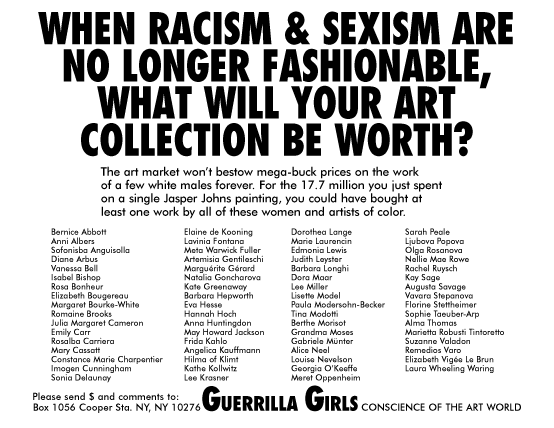
Henrietta Louisa Koenen was born a century before the Guerrilla Girls, but her collecting habits are a strong argument for honorary, posthumous membership in the activist group.
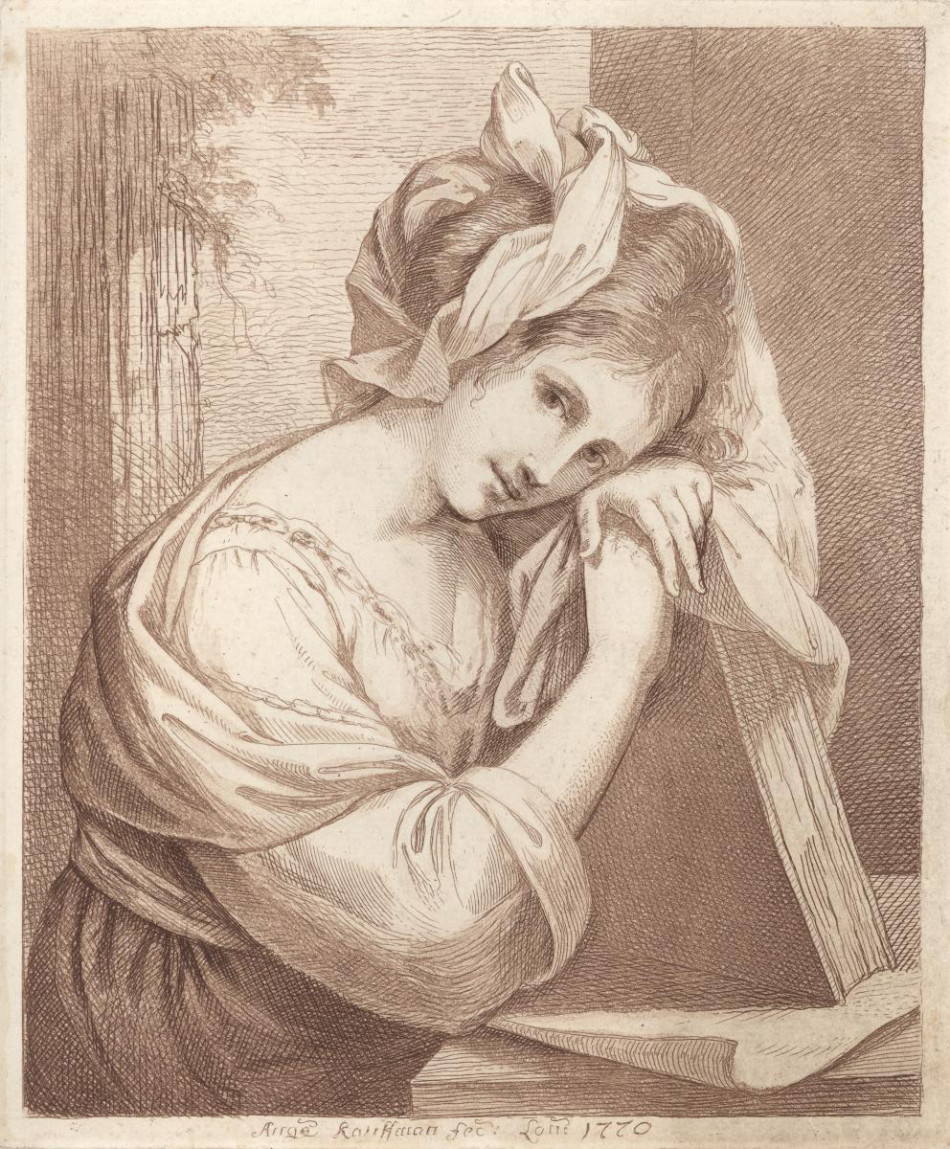
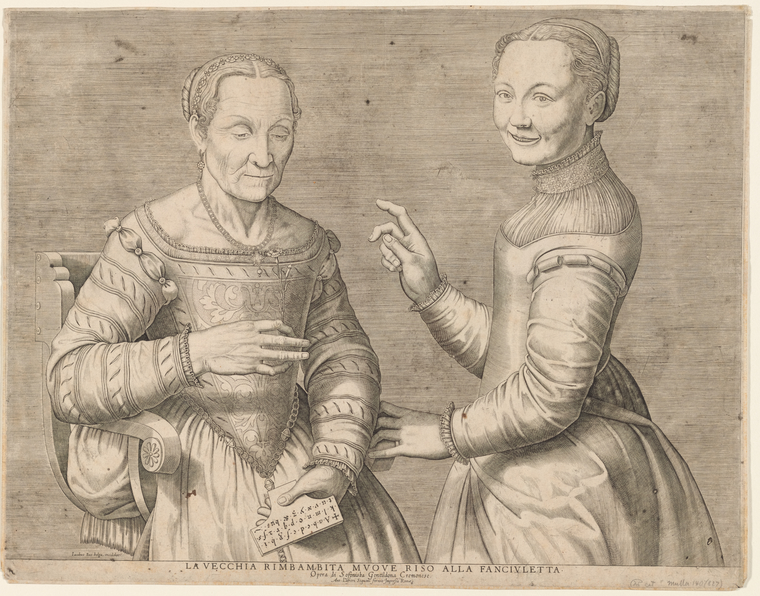
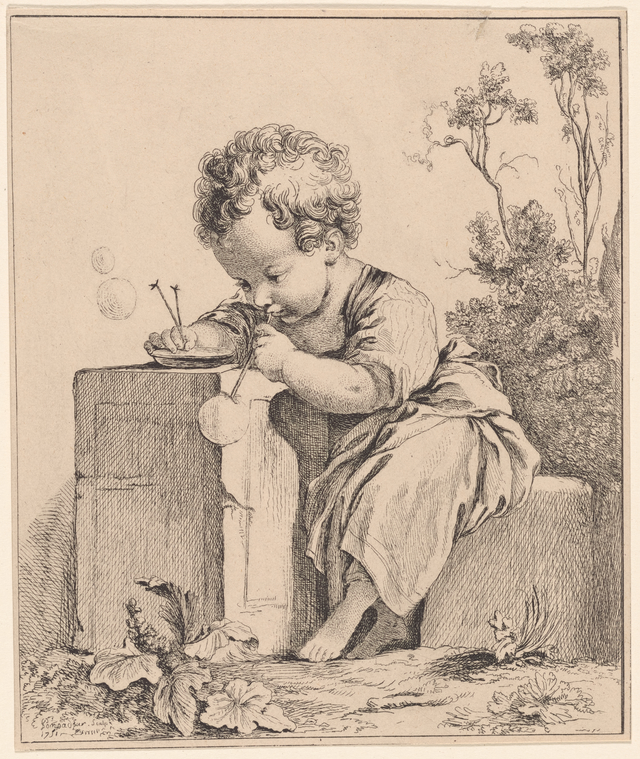
The wife of the Rijksmuseum’s Print Room’s first director, Koenen spent over three decades acquiring prints by female artists, though discouragingly few of the 827 women in her collection achieved much in the way of recognition for their work.
(And it would be unseemly not to credit American art dealer Samuel Putnam Avery, for donating Koenen’s collection to the library at the turn of the last century, twenty years after her death.)
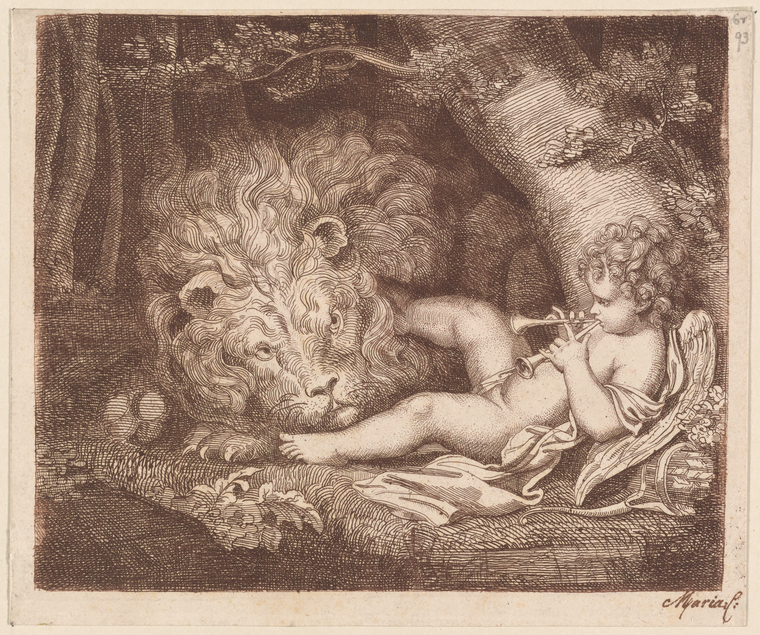
And Maria Cosway’s Music Has Charms, at the top of this post, was a family affair, with Cosway printing husband Richard’s celestial rendering of daughter Louisa Paolina Angelica. (Mrs. Cosway was also an accomplished composer and painter of miniatures and mythological scenes, though history has decreed her most enduring claim to fame should be her hold over a besotted Thomas Jefferson.)
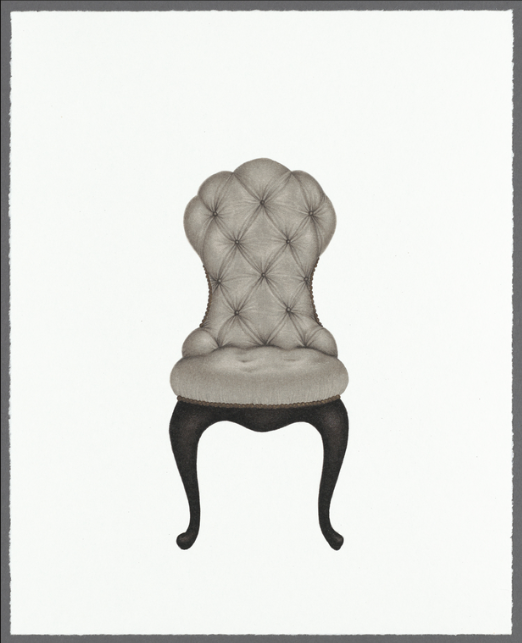
I believe that the domestic objects with which we spend our lives retain traces of our histories and tell stories about our pasts. These prints are part of an ongoing series of portraits of chairs drawn in the way we imagine them to be. Two of the chairs in this series were drawn from existing objects with a rich history, while the rest are imagined character studies.
Her thoughts seem particularly germane, when the “lesser genres” of ornament, still-life, and landscape were by default frequent subjects for the female artists in Koenen’s collection. Propriety deemed the fairer sex should not be party to the nude figure studies that significant religious and historical scenes so often demanded.
(Channel your inner Guerrilla Girl by performing an image search on Rape of the Sabine Women, and imagining the models as aspirant artists themselves, confined to such subject matter as violets and laundry day.)
That’s not to say domestic subjects can’t prove divine.
View the online brochure for New York Public Library’s Printing Women: Three Centuries of Female Printmakers, 1570–1900 exhibition here. The exhibition at The New York Public Library ends May 27th, 2016.
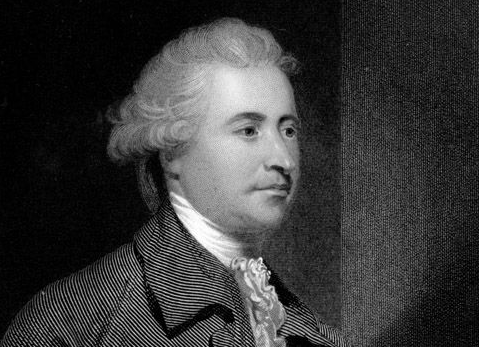
“The only thing necessary for the triumph of evil is for good men to do nothing.” It’s a quote routinely attributed to Edmund Burke. But it turns out falsely so. Apparently, he never uttered these words. At best, the essence of the quote can be traced back to the utilitarian philosopher John Stuart Mill, who delivered an 1867 inaugural address at the University of St. Andrews and stated: “Let not any one pacify his conscience by the delusion that he can do no harm if he takes no part, and forms no opinion. Bad men need nothing more to compass their ends, than that good men should look on and do nothing. He is not a good man who, without a protest, allows wrong to be committed in his name, and with the means which he helps to supply, because he will not trouble himself to use his mind on the subject.”
If you came to this page looking for Burke to help support ideas of social upheaval, we’d suggest watching the video below, or better yet reading Reflections on the Revolution in France, a fundamental text in the canon of conservative literature where Burke cautioned against abrupt or violent social change.
If you would like to support the mission of Open Culture, consider making a donation to our site. It’s hard to rely 100% on ads, and your contributions will help us continue providing the best free cultural and educational materials to learners everywhere. You can contribute through PayPal, Patreon, and Venmo (@openculture). Thanks!
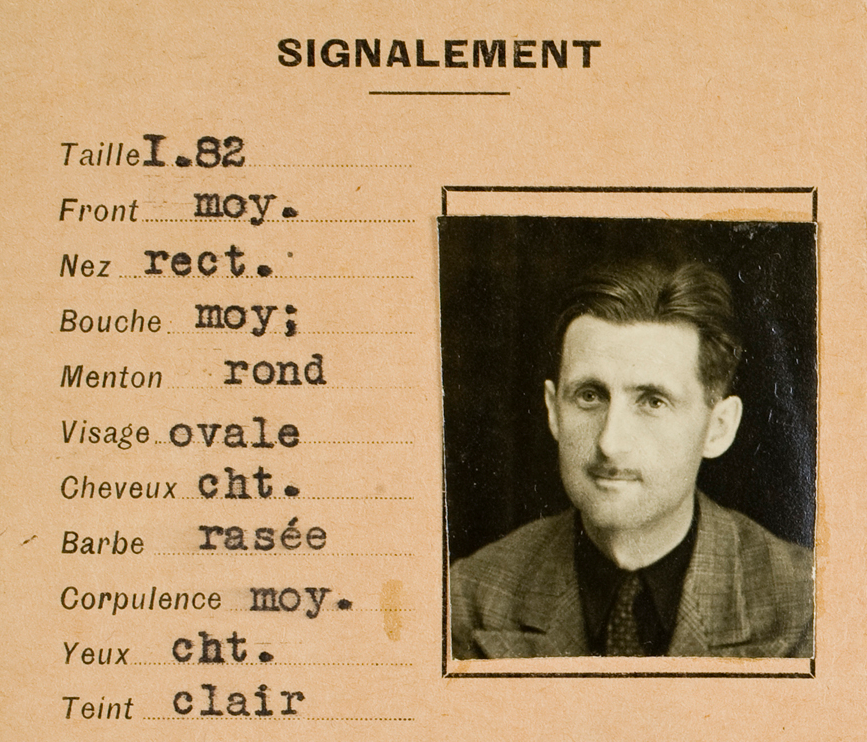
Journalist, essayist, and novelist Eric Blair, better known as George Orwell, has the distinction of writing not just one, but two of the most well-known cautionary novels about totalitarian governments: 1984 and Animal Farm. You’ve likely read at least one of them, perhaps both, and you’ve likely seen either or both of the film adaptations based on these books. Were this the totality of Orwell’s legacy, it would surely be secure for many decades to come—and perhaps many hundreds of years. Who knows how our descendants will remember us; but whether they manage to fully transcend authoritarianism or still wrestle with it many generations later, the name of Orwell may forever be associated with its threatening rise.
And yet, had Orwell never written a word of fictional prose, we would probably still invoke his name as an important journalistic witness to the 20th century’s bloodiest conflicts over fascism. He directly participated in the Spanish Civil War, fighting with the Marxist resistance group POUM (Partido Obrero de Unificación Marxista). The horrific takeover of Spain by Francisco Franco, with help from Hitler’s Luftwaffe, paralleled the Nazi’s gradual takeover of Western Europe, and the experience changed not only Orwell’s outlook, but that of Europeans generally. As he wrote in his personal account of the war, Homage to Catalonia, “People then had something we haven’t got now. They didn’t think of the future as something to be terrified of….”
Orwell’s tour of duty in Spain ended in 1937 when he was shot in the throat; later he and his wife Eileen were charged with “rabid Trotskyism” by pro-Soviet Spanish communists. The Orwells retired to Morocco to recuperate. There, Orwell began keeping a diary, which he maintained until 1942, chronicling his impressions and experiences throughout the war years as he and Eileen made their way out of Morocco and back to England. You can follow their journeys in a Google Maps project here. And you can read all of Orwell’s diary entries at the website of The Orwell Prize, “Britain’s most prestigious prize for political writing.” The Prize site began blogging Orwell’s entries in 2008—70 years to the day after the first entry—and continued in “real time” thereafter until 2012.
The first entries reveal little, showing us “a largely unknown Orwell, whose great curiosity is focused on plants, animals, woodwork,” and other domestic concerns. Then, from about September, 1938 on, we see “the Orwell whose political observations and critical thinking have enthralled and inspired generations since his death in 1950. Whether writing about the Spanish Civil War or sloe gin, geraniums or Germany, Orwell’s perceptive eye and rebellion against the ‘gramophone mind’ he so despised are obvious.” These diaries—posted with explanatory footnotes—preserve a keen eyewitness to history, one who had been tested in war and seen firsthand the danger fascism posed. Orwell’s experiences gave him material for the novels for which we best remember him. And his personal and journalistic accounts give us a gripping firsthand portrait of life under the threat of Nazi victory.
The long-looming 2016 United States presidential election has already got many of us, even (or maybe especially) non-Americans, instinctively flinching at anything that smacks of political campaigning. Given that the noise has nothing to do but intensify, how do we stay sane for the duration of the year, not to mention able to tell the credible claims from the incredible?
I recommend getting some perspective with a visit to the Internet Archive’s newly opened Political TV Ad Archive. Its creators have, “after sifting through more than 100,000 hours of broadcast television coverage and counting,” organized “more than 30,000 ad airings” into a site meant to, in the words of Internet Archive’s Television Archive Managing Editor Nancy Watzman, “bring journalists, researchers, and the public resources to help hold politicians accountable for the messages they deliver in TV ads.” A formidable task, given that the current storm of political ads in which we find ourselves comes as only the latest visit of the larger blizzard of political ads that has swirled around us since Eisenhower answered America 55 years ago.
At this point, even the most well-informed and media-literate among us face a difficult search for clarity amid all the slantedly aggressive “messaging,” and so the Political TV Ad Archive has accompanied its data with links to “fact-checking and follow-the-money journalism by the project’s partners,” which include the American Press Institute, the Center for Public Integrity, FactCheck.org, and The Washington Post’s Fact Checker. “Before the primaries are over, the public in key primary states will be buried in campaign ads generating more heat than light,” Watzman quotes Television Archive director Roger Macdonald as saying, highlighting the ease with which it lets us “have a better chance at separating lies from truths and learn who is paying for the ads.”
What has the project found so far? To take examples just from its scrutiny of the candidates drawing the most media attention, partner Politifact “rated a claim in this Donald Trump campaign ad as ‘Pants on Fire’ because it proclaimed that Trump would ‘stop illegal immigration by building a wall on our southern border that Mexico will pay for,’ while showing footage not of Mexican immigrants, but rather of refugees streaming into Morocco that had been pulled from an Italian news network.”
On the other side of the great divide, partner FactCheck.org “reported that a Hillary Clinton TV ad that claimed that drug prices had doubled in the last seven years was inaccurate,” claiming that “brand-name drug prices on average have more than doubled” when “more than 80 percent of filled prescriptions are generic drugs, and those prices have declined by nearly 63 percent, that same report says.”
The lesson to take away so far: ads are ads, and political ads are even more so. We have no defense against them but what facts we learn and what degree of hair-trigger skepticism we bring to the table, both of which tools like the Political TV Ad Archive can only increase. Evaluate these flurries of claims from all sides as best you can without getting too obsessive about it, and you’ll surely survive 2016 with your reason intact, and even a thing or two learned about the dark arts of political advertisement. Stay smart out there, ladies and gentlemen — especially if you live in a swing state.
We're hoping to rely on loyal readers, rather than erratic ads. Please click the Donate button and support Open Culture. You can use Paypal, Venmo, Patreon, even Crypto! We thank you!
Open Culture scours the web for the best educational media. We find the free courses and audio books you need, the language lessons & educational videos you want, and plenty of enlightenment in between.