Watch Star Trek Continues: The Critically-Acclaimed, Fan-Made Sequel to the Original TV Series

Despite its lega­cy and influ­ence, the orig­i­nal Star Trek ran three sea­sons (or 79 episodes in total) before NBC can­celed the show in June, 1969. Only in syn­di­ca­tion did Star Trek achieve cult sta­tus, and did its grow­ing num­ber of fans start to won­der: What if Star Trek had con­tin­ued? How would the sto­ry have played out? Enter Star Trek Con­tin­ues, a crit­i­cal­ly-acclaimed, fan-pro­duced web­series cre­at­ed by direc­tor and actor Vic Mignogna.

If you ask the son of Gene Rod­den­ber­ry, the cre­ator of the orig­i­nal TV series, Star Trek Con­tin­ues has man­aged to cre­ate a bona fide sequel. “I do have to say … I’m pret­ty damn sure my dad would con­sid­er this canon. The fact that you do sto­ries that mean some­thing, that have depth, that make us all think a lit­tle bit… I real­ly think he would applaud you guys.”

The Wall Street Jour­nal adds to this:

[Star Trek Con­tin­ues] comes fright­en­ing­ly close to repli­cat­ing the orig­i­nal series, in the sets, make-up and hair­styles, cos­tumes and music… The art direc­tion pre­cise­ly cap­tures the Day-Glo visu­als of ear­ly col­or TV. Most remark­able is Mr. Mignogna; no actor play­ing, for instance, James Bond has imi­tat­ed Sean Con­nery out­right, but Mr. Mignogna comes so scar­i­ly close to the dynam­ic, stac­ca­to ener­gy of William Shat­ner that we keep for­get­ting we’re look­ing at anoth­er actor.

Thanks to fund­ing raised by two Kick­starter cam­paigns, you can now watch 5 episodes. Click play and watch the episodes on a Youtube playlist above, from start to fin­ish. Or watch them on the offi­cial Star Trek Con­tin­ues web­site, where, among oth­er things, you can take a 360 vir­tu­al tour of the set. You can also make a dona­tion, which will help sup­port the 6th episode due out in May, and anoth­er 7 episodes beyond that.

If you would like to sign up for Open Culture’s free email newslet­ter, please find it here. It’s a great way to see our new posts, all bun­dled in one email, each day.

If you would like to sup­port the mis­sion of Open Cul­ture, con­sid­er mak­ing a dona­tion to our site. It’s hard to rely 100% on ads, and your con­tri­bu­tions will help us con­tin­ue pro­vid­ing the best free cul­tur­al and edu­ca­tion­al mate­ri­als to learn­ers every­where. You can con­tribute through Pay­Pal, Patre­on, and Ven­mo (@openculture). Thanks!

Relat­ed Con­tent:

How Isaac Asi­mov Went from Star Trek Crit­ic to Star Trek­Fan & Advi­sor

Nichelle Nichols Explains How Mar­tin Luther King Con­vinced Her to Stay on Star Trek

The Com­plete Star Wars “Fil­mu­men­tary”: A 6‑Hour, Fan-Made Star Wars Doc­u­men­tary, with Behind-the-Scenes Footage & Com­men­tary

Hard­ware Wars: The Moth­er of All Star Wars Fan Films (and the Most Prof­itable Short Film Ever Made)

Star Wars Uncut: The Epic Fan Film

by | Permalink | Make a Comment ( 39 ) |

Hear The Alan Parson Project’s Prog-Rock Interpretation of Isaac Asimov’s, I Robot (1977)

Pro­gres­sive rock, at its best, meant bring­ing in tech­niques and influ­ences not, up to that point, com­mon in rock music. Part of this meant employ­ing a kind of tech­ni­cal vir­tu­os­i­ty more often heard in more estab­lished musi­cal tra­di­tions, and anoth­er part meant draw­ing from a wider and deep­er pool of musi­cal and cul­tur­al influ­ences than did oth­er rock com­po­si­tions. The Alan Par­sons Project estab­lished their prog-rock cre­den­tials right out of the gate with their intri­cate­ly craft­ed debut album Tales of Mys­tery and Imag­i­na­tion, not just based on the work of Edgar Allan Poe but includ­ing a read­ing from that work by none oth­er than Orson Welles.

How to fol­low up a record like that? For an answer, Par­sons and his col­lab­o­ra­tor in the Project Eric Woolf­son turned from the past toward the future — or rather, toward Isaac Asi­mov’s vision of the future.

I Robot appeared in 1977, hav­ing tak­en its inspi­ra­tion in the stu­dio from Asi­mov’s Robot series, a uni­verse of sto­ries and nov­els which posit­ed the inven­tion of machines with some­thing resem­bling human con­scious­ness.

Asi­mov very much liked the idea of the album, but couldn’t—a pro­duc­tion com­pa­ny hav­ing bought the rights to his 1950 book I, Robotgrant per­mis­sion for a legal­ly straight adap­ta­tion. And so Par­sons and Woolf­son stayed out of trou­ble by remov­ing the com­ma from their title, and work­ing for­ward from Asi­mov’s con­cepts rather than ref­er­enc­ing them direct­ly. The result stands up to the test of time bet­ter than most sci­ence fic­tion, and cer­tain­ly bet­ter than most prog rock. You can lis­ten and judge for your­self on Spo­ti­fy, where the album recent­ly appeared free to lis­ten. (Don’t have Spo­ti­fy’s soft­ware yet? You can down­load it here.)

You can also watch the rough but still haunt­ing ear­ly music video for its hit “I Would­n’t Want to Be Like You” at the top of the post. The album on the whole proved quite suc­cess­ful, due in large part, of course, to its musi­cal crafts­man­ship and endur­ing sto­ry, described by the lin­er notes as that of “the rise of the machine and the decline of man, which para­dox­i­cal­ly coin­cid­ed with his dis­cov­ery of the wheel.” But the tim­ing could­n’t have hurt: I Robot came out just a few weeks after Star Wars, which stoked again human­i­ty’s inter­est in far-flung real­i­ties, out­er space jour­neys, near-mys­ti­cal high tech­nolo­gies, and machines com­ing to life. In the words of Par­sons him­self, “there was a whole new gen­er­a­tion of sci-fi lovers,” and his music had an impor­tant place in that gen­er­a­tion’s sound­track.

Relat­ed Con­tent:

Hear Orson Welles Read Edgar Allan Poe on a Cult Clas­sic Album by The Alan Par­sons Project

Isaac Asi­mov Pre­dicts in 1964 What the World Will Look Like Today — in 2014

Isaac Asimov’s Favorite Sto­ry “The Last Ques­tion” Read by Isaac Asi­mov— and by Leonard Nimoy

Free: Isaac Asimov’s Epic Foun­da­tion Tril­o­gy Dra­ma­tized in Clas­sic Audio

Isaac Asi­mov Explains the Ori­gins of Good Ideas & Cre­ativ­i­ty in Nev­er-Before-Pub­lished Essay

Isaac Asi­mov Explains His Three Laws of Robots

Leonard Nimoy Reads Ray Brad­bury Sto­ries From The Mar­t­ian Chron­i­cles & The Illus­trat­ed Man (1975–76)

Based in Seoul, Col­in Mar­shall writes and broad­casts on cities and cul­ture. He’s at work on a book about Los Ange­les, A Los Ange­les Primer, the video series The City in Cin­e­ma, the crowd­fund­ed jour­nal­ism project Where Is the City of the Future?, and the Los Ange­les Review of Books’ Korea Blog. Fol­low him on Twit­ter at @colinmarshall or on Face­book.

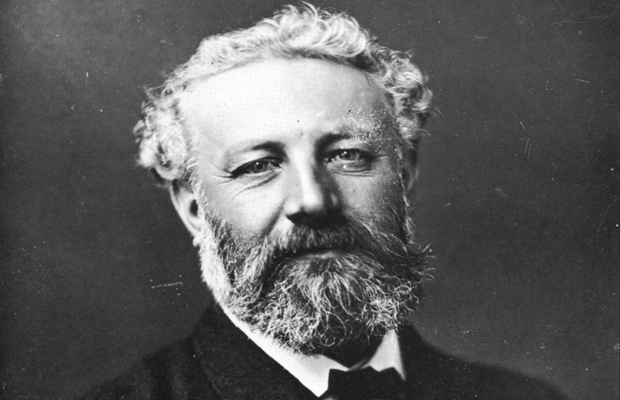
Jules Verne Accurately Predicts What the 20th Century Will Look Like in His Lost Novel, Paris in the Twentieth Century (1863)

jules-verne

Sci­ence fic­tion, they say, does­n’t real­ly deal with the future; it uses the set­ting of the future as a way to deal with the present. That would explain all the stan­dard pre­pos­ter­ous tropes you reg­u­lar­ly see in the gen­re’s less grace­ful­ly aging nov­els and films: jet­packs, fly­ing cars, holo-phones, that sort of thing. So when you look into sci-fi’s back pages and do come across the occa­sion­al accu­rate or even semi-accu­rate pre­dic­tion of the future — that is, an accu­rate pre­dic­tion of our present — it real­ly jumps out at you. Many such pre­dic­tions have jumped out at read­ers from the pages of Jules Verne’s lost sec­ond nov­el, Paris in the Twen­ti­eth Cen­tu­ry.

Orig­i­nal­ly writ­ten in 1863 but not pub­lished until found at the bot­tom of a vault in 1994, the book’s score­card of seem­ing­ly bang-on ele­ments of the then-future include the explo­sion of sub­ur­ban liv­ing and shop­ping and large-scale high­er edu­ca­tion; career women; syn­the­siz­er-dri­ven elec­tron­ic music and a record­ing indus­try to sell it; ever more advanced forms of ever crud­er enter­tain­ment; cities of ele­va­tor-equipped, auto­mat­i­cal­ly sur­veilled sky­scrap­ers elec­tri­cal­ly illu­mi­nat­ed all night long; gas-pow­ered cars, the roads they dri­ve on, and the sta­tions where they fill up; sub­ways, mag­net­i­cal­ly-pro­pelled trains, and oth­er forms of rapid tran­sit; fax machines as well as a very basic inter­net-like com­mu­ni­ca­tion sys­tem; the elec­tric chair; and weapons of war too dan­ger­ous to use.

You may sense that the young Verne did not see the future, which takes its form in the nov­el of Paris in 1960, as a utopia. In fact, he went a lit­tle too far in using the set­ting and its sto­ry of an artis­tic soul adrift in a cul­tur­al­ly dead, progress-wor­ship­ing tech­noc­ra­cy to express his own anx­i­eties about the 19th cen­tu­ry and its rise of con­glom­er­a­tion, automa­tion, and mech­a­niza­tion — or so thought his pub­lish­er, who believed the book’s bleak pre­dic­tions, even if accu­rate, would fail to win over the com­mon read­er. “My dear Verne,” he wrote in his rejec­tion let­ter to the author, “even if you were a prophet, no one today would believe this prophe­cy… they sim­ply would not be inter­est­ed in it.”


But over 150 years lat­er, the pre­dic­tions of Paris in the Twen­ti­eth Cen­tu­ry do inter­est us, or at least those of us who won­der whether we’ve hand­ed too much of our human­i­ty over to the realms of tech­nol­o­gy, finance, and enter­tain­ment. Even if Richard Bern­stein, review­ing the nov­el in The New York Times when it final­ly saw pub­li­ca­tion, found its satire “weak, inno­cent and ado­les­cent in light of what actu­al­ly hap­pened in the 20th cen­tu­ry,” it has giv­en us more than ever to talk about today. To get in on the con­ver­sa­tion, have a lis­ten to the episode of the Futil­i­ty Clos­et pod­cast on the book just above. Do you think Verne accu­rate­ly fore­saw our cur­rent con­di­tion — or does his dystopia still lie in wait?

Relat­ed Con­tent:

How French Artists in 1899 Envi­sioned Life in the Year 2000: Draw­ing the Future

Isaac Asi­mov Pre­dicts in 1964 What the World Will Look Like Today

In 1964, Arthur C. Clarke Pre­dicts the Inter­net, 3D Print­ers and Trained Mon­key Ser­vants

Wal­ter Cronkite Imag­ines the Home of the 21st Cen­tu­ry … Back in 1967

The Inter­net Imag­ined in 1969

In 1900, Ladies’ Home Jour­nal Pub­lish­es 28 Pre­dic­tions for the Year 2000

Philip K. Dick Makes Off-the-Wall Pre­dic­tions for the Future: Mars Colonies, Alien Virus­es & More (1981)

Niko­la Tesla’s Pre­dic­tions for the 21st Cen­tu­ry: The Rise of Smart Phones & Wire­less, The Demise of Cof­fee, The Rule of Eugen­ics (1926/35)

In 1968, Stan­ley Kubrick Makes Pre­dic­tions for 2001: Human­i­ty Will Con­quer Old Age, Watch 3D TV & Learn Ger­man in 20 Min­utes

In 1911, Thomas Edi­son Pre­dicts What the World Will Look Like in 2011: Smart Phones, No Pover­ty, Libraries That Fit in One Book

Mark Twain Pre­dicts the Inter­net in 1898: Read His Sci-Fi Crime Sto­ry, “From The ‘Lon­don Times’ in 1904”

Future Shock: Orson Welles Nar­rates a 1972 Film About the Per­ils of Tech­no­log­i­cal Change

Based in Seoul, Col­in Mar­shall writes and broad­casts on cities and cul­ture. He’s at work on a book about Los Ange­les, A Los Ange­les Primer, the video series The City in Cin­e­ma, the crowd­fund­ed jour­nal­ism project Where Is the City of the Future?, and the Los Ange­les Review of Books’ Korea Blog. Fol­low him on Twit­ter at @colinmarshall or on Face­book.

See The Empire Strikes Back as a Silent Film — Precisely How George Lucas Imagined the Star Wars Films

The rush to rank the lat­est Star Wars movie The Force Awak­ens against its pre­de­ces­sors has got the series’  legions of fans look­ing back with even more scruti­ny than usu­al at those six chap­ters of this appar­ent­ly nev­er-end­ing cin­e­mat­ic space opera. While Star Wars fans have been known to argue amongst them­selves, quite a few of them do agree on cer­tain broad­er points of assess­ment: about as many of them call 1980’s The Empire Strikes Back as the best of the bunch as call 1999’s The Phan­tom Men­ace the worst. (The worst Star Wars movie, the worst movie, the worst thing — take your pick.)

Much time and ener­gy has gone into the dis­cus­sion of what makes The Phan­tom Men­ace so bad, but what makes The Empire Strikes Back so good? We can get some insight into the mat­ter from the video above, which con­verts the much-ref­er­enced, oft-par­o­died duel between Luke Sky­walk­er and Darth Vad­er, com­plete with the big reveal of parent­age and ensu­ing wail, into a scratchy, twitchy, title card-punc­tu­at­ed, piano-scored (but still faith­ful to John Williams’ com­po­si­tion) arti­fact from some­time around 1920. I’ve heard it said that the best songs, how­ev­er heav­i­ly pro­duced in their best-known ren­di­tion, work just as well by their very nature when played on noth­ing but a gui­tar or piano. The Empire Strikes Back, by the same token, works as a silent film.

This all, if you believe Star Wars cre­ator George Lucas, comes down to music. “Star Wars films are basi­cal­ly silent movies,” he says in the inter­view clip just above. “The music has a very large role in car­ry­ing the sto­ry, more than it would in a nor­mal movie. In most movies, the sto­ry is car­ried by the dia­logue — in Star Wars films, the music car­ries the sto­ry.” Every install­ment in the series, from the most beloved to the most exe­crat­ed, has to hop from world to world quick­ly while advanc­ing the sto­ry, and Lucas sees the music as the “con­nec­tive tis­sue” that makes it work: “With­out that music there to smooth it out and take you from point A to point B in an ele­gant way, it becomes very jerky and con­fused, and the sto­ry does­n’t work very well — the film does­n’t work very well.” Does the the­o­ry hold for the also Williams-scored The Force Awak­ens? Let the debate begin.

Relat­ed Con­tent:

16 Great Star Wars Fan Films, Doc­u­men­taries & Video Essays to Get You Ready for Star Wars: The Force Awak­ens

Hard­ware Wars: The Moth­er of All Star Wars Fan Films (and the Most Prof­itable Short Film Ever Made)

Fans Recon­struct Authen­tic Ver­sion of Star Wars, As It Was Shown in The­aters in 1977

Star Wars Uncut: The Epic Fan Film

The Empire Strikes Back Uncut: A New Fan-Made, Shot-for-Shot Remake of the 1980 Sci-Fi Clas­sic

The Exis­ten­tial Star Wars: Sartre Meets Darth Vad­er

Watch a New Star Wars Ani­ma­tion, Drawn in a Clas­sic 80s Japan­ese Ani­me Style

Based in Seoul, Col­in Mar­shall writes and broad­casts on cities and cul­ture. He’s at work on a book about Los Ange­les, A Los Ange­les Primer, the video series The City in Cin­e­ma, the crowd­fund­ed jour­nal­ism project Where Is the City of the Future?, and the Los Ange­les Review of Books’ Korea Blog. Fol­low him on Twit­ter at @colinmarshall or on Face­book.

Hear 6 Classic Philip K. Dick Stories Adapted as Vintage Radio Plays

As you can prob­a­bly tell if you’ve inter­act­ed with any of his hard-core fans, the sci­ence fic­tion of Philip K. Dick has a way of get­ting into read­ers’ heads. What bet­ter way to adapt it, then, than in the medi­um of radio dra­ma, with its direct route into the head through the ears? Sci­ence fic­tion in gen­er­al pro­vid­ed radio dra­ma with a good deal of bread-and-but­ter sub­ject mat­ter since pret­ty much its incep­tion, and suit­ably so: its pro­duc­ers did­n’t have to both­er design­ing dis­tant worlds, alien races and elab­o­rate­ly futur­is­tic tech­nolo­gies when, with the right sound design, the lis­ten­ers would design it all them­selves in their imag­i­na­tions.

But does it real­ly do jus­tice to Dick to call his work “sci­ence fic­tion”? Sure, he knocked out a fair few straight-ahead (or sub-straight-ahead) sci-fi pot­boil­ers in his pro­duc­tive career, but many of his writ­ings, despite their rough edges, qual­i­fy under Wal­ter Ben­jam­in’s def­i­n­i­tion of great works of lit­er­a­ture, which “either dis­solve a genre or invent one.”

Some of Dick­’s nov­els and sto­ries even seem to do both at once, cre­at­ing their own par­tic­u­lar (as well as pecu­liar) psy­cho­log­i­cal space in the process. Can radio dra­ma ren­der a Dick­ian world of mul­ti­lay­ered real­i­ty and rich para­noia as eas­i­ly as it does so many Mar­t­ian colonies, laser guns, and sen­tient com­put­ers? So you can judge that for your­self, we sub­mit today for your approval six radio plays adapt­ed from Dick­’s sto­ries.

From the series Mind Webs, which ran on Wis­con­sin pub­lic radio from the 1970s to the 90s, we have “Impos­tor,” “The Pre­serv­ing Machine,” and “The Builder.”

From NBC’s ven­er­a­ble X Minus One, which defined sci-fi at the tail end of old time radio’s “Gold­en Age,” we have “Colony” and “The Defend­ers.”

Into the mix we also throw Sci-Fi Radio’s “Sales Pitch,” Dick­’s satir­i­cal tale of a self-mar­ket­ing robot.  Some of this mate­r­i­al, of course, sounds not ter­ri­bly dif­fer­ent than the whiz-bang sto­ries of out­er-space adven­ture chil­dren of the 1950s grew up lov­ing.

But some of it sounds alto­geth­er more, well… Dick­ian. Those chil­dren of the 1950s, after all, grew into the twen­tysome­things of the late 1960s and 70s, who knew a thing or two about tun­ing in to a dif­fer­ent head­space.

Find these sto­ries list­ed in our col­lec­tion, 1,000 Free Audio Books: Down­load Great Books for Free.

Relat­ed Con­tent:

Lis­ten to 188 Dra­ma­tized Sci­ence Fic­tion Sto­ries by Ursu­la K. Le Guin, Isaac Asi­mov, Philip K. Dick, J.G. Bal­lard & More

X Minus One: More Clas­sic 1950s Sci-Fi Radio from Asi­mov, Hein­lein, Brad­bury & Dick

Dimen­sion X: The 1950s Sci­Fi Radio Show That Dra­ma­tized Sto­ries by Asi­mov, Brad­bury, Von­negut & More

Philip K. Dick Makes Off-the-Wall Pre­dic­tions for the Future: Mars Colonies, Alien Virus­es & More (1981)

The Penul­ti­mate Truth About Philip K. Dick: Doc­u­men­tary Explores the Mys­te­ri­ous Uni­verse of PKD

33 Sci-Fi Sto­ries by Philip K. Dick as Free Audio Books & Free eBooks

Based in Seoul, Col­in Mar­shall writes and broad­casts on cities and cul­ture. He’s at work on a book about Los Ange­les, A Los Ange­les Primer, the video series The City in Cin­e­ma, the crowd­fund­ed jour­nal­ism project Where Is the City of the Future?, and the Los Ange­les Review of Books’ Korea Blog. Fol­low him on Twit­ter at @colinmarshall or on Face­book.

How Isaac Asimov Went from Star Trek Critic to Star Trek Fan & Advisor

asimov star trek

When we think of a sci­ence fic­tion, most of us doubt­less think of a Star Trek. Since the orig­i­nal series made its tele­vi­sion debut almost a half-cen­tu­ry ago, the spec­u­la­tive future it cre­at­ed has come to stand, in many minds, as the very mod­el of the sci­ence-fic­tion­al enter­prise (as it were). But the insti­tu­tion of Star Trek in all its forms — TV shows, movies, movies made out of TV shows, nov­els, video games, action fig­ures, and so on — still has its detrac­tors, and back at the very begin­ning it hard­ly looked like a sure suc­cess. Geek.com’s list of five things that near­ly killed off Star Trek includes a failed pilot, a near-fir­ing of Leonard Nimoy, and the words of no less a sci­ence-fic­tion titan than Isaac Asi­mov.

Star Trek,wrote its cre­ator Gene Rod­den­ber­ry in 1966, “almost did not get on the air because it refused to do juve­nile sci­ence fic­tion, because it refused to put a ‘Lassie’ aboard the space ship, and because it insist­ed on hir­ing Dick Math­e­son, Har­lan Elli­son, A.E. Van Vogt, Phil Farmer, and so on.” This came as part of a response to Asi­mov, who, in a TV Guide arti­cle enti­tled “What Are a Few Galax­ies Among Friends?,” crit­i­cized Star Trek for get­ting the sci­ence wrong. He cites, for exam­ple, a line about a gaseous cloud “one-half light year out­side the Galaxy,” which he likens to “say­ing a house is one-half yard out­side the Mis­sis­sip­pi Basin.”

Mea­sure­ment flubs aside, Star Trek, despite its can­cel­la­tion after three sea­sons, had become so big by the ear­ly 1970s that its fans had begun to put on whole con­ven­tions ded­i­cat­ed to the show. You can see in the clip above one such event in 1973, which pro­vides proof that even Asi­mov had turned fan. He speaks of his appre­ci­a­tion for the show three times dur­ing the video, now describ­ing Star Trek as the “san­est” and “most mean­ing­ful” pro­gram of its kind, one that “tack­led real social prob­lems,” was “not devot­ed entire­ly to adven­ture,” and had “ful­ly real­ized char­ac­ters” (cit­ing Mr. Spock as Exhib­it A). He may still have object­ed to the infa­mous split infini­tive “to bold­ly go” (once a nit­pick­er, always a nit­pick­er), but he still thought the show “real­ly pre­sent­ed the broth­er­hood of intel­li­gence.”

After Asi­mov wrote his ini­tial cri­tique in TV Guide, he and Gene Rod­den­ber­ry exchanged let­ters, and the two for­mi­da­ble sci-fi minds became friends and even col­lab­o­ra­tors there­after. A 1967 Time mag­a­zine pro­file described Asi­mov as “bat­ting out books on a new elec­tric type­writer, emerg­ing only occa­sion­al­ly to watch Star Trek (his favorite TV show),” and he went on to become an advi­sor to the show. A Let­ters of Note post on Rod­den­ber­ry and Asi­mov’s cor­re­spon­dence con­tains a 1967 exchange where­in they put their heads togeth­er to solve the prob­lem of how to give Cap­tain Kirk lines as good as the ones that nat­u­ral­ly go to a more unusu­al char­ac­ter like Spock. Since Asi­mov also con­tributed orig­i­nal ideas to the show, after hav­ing gone on record as a fan, I won­der: does that mean, in some sense, that Isaac Asi­mov wrote Star Trek fan fic­tion?

Relat­ed Con­tent:

Klin­gon for Eng­lish Speak­ers: Sign Up for a Free Course Com­ing Soon

Isaac Asi­mov Pre­dicts in 1964 What the World Will Look Like Today — in 2014

Free: Isaac Asimov’s Epic Foun­da­tion Tril­o­gy Dra­ma­tized in Clas­sic Audio

Isaac Asi­mov Explains the Ori­gins of Good Ideas & Cre­ativ­i­ty in Nev­er-Before-Pub­lished Essay

Isaac Asi­mov Explains His Three Laws of Robots

Isaac Asimov’s Favorite Sto­ry “The Last Ques­tion” Read by Isaac Asi­mov— and by Leonard Nimoy

Based in Seoul, Col­in Mar­shall writes and broad­casts on cities and cul­ture. He’s at work on a book about Los Ange­les, A Los Ange­les Primer, the video series The City in Cin­e­maand the crowd­fund­ed jour­nal­ism project Where Is the City of the Future? Fol­low him on Twit­ter at @colinmarshall or on Face­book.

Mœbius & Jodorowsky’s Sci-Fi Masterpiece, The Incal, Brought to Life in a Tantalizing Animation

Last year we fea­tured art­work from the Dune movie that nev­er was, a col­lab­o­ra­tion between Ale­jan­dro Jodor­owsky, the mys­ti­cism-mind­ed Chilean direc­tor of such oft-described-as-mind-blow­ing pic­tures as El Topo and The Holy Moun­tain, and the artist Jean Giraud, bet­ter known as Mœbius, cre­ator of oft-described-as-mind-blow­ing comics as Arzach, Blue­ber­ry, and The Air­tight GarageIf ever a meet­ing of two cre­ative minds made more sense, I haven’t heard about it. Alas, Jodor­owsky and Mœbius’ work did­n’t lead to their own Dune movie, but it did­n’t mark the end of their artis­tic part­ner­ship, as any­one who’s read The Incal knows full well.

Telling a meta­phys­i­cal, satir­i­cal, space-oper­at­ic sto­ry in the form of com­ic books orig­i­nal­ly pub­lished through­out the 1980s (with sequel and pre­quel series to come over the fol­low­ing 25 years), The Incal on the page became the fullest real­iza­tion of Jodor­owsky and Mœbius’ com­bined vision.

Its suc­cess made it a log­i­cal can­di­date for film adap­ta­tion, and so direc­tor Pas­cal Blais brought togeth­er artists from Heavy Met­al mag­a­zine (in which Mœbius first pub­lished some of his best known work) to make it hap­pen. It result­ed in noth­ing more than a trail­er, but what a trail­er; you can watch a recent­ly revamped edi­tion of the one Blais and his col­lab­o­ra­tors put togeth­er in the 1980s at the top of the post.

Any Incal fan who watch­es this spruced-up trail­er will imme­di­ate­ly want noth­ing more in this life than to see a fea­ture-film ver­sion of dis­solute pri­vate inves­ti­ga­tor John DiFool, his con­crete seag­ull Deepo, and the tit­u­lar all-pow­er­ful crys­tal that sets the sto­ry in motion. And any­one not yet ini­ti­at­ed into the sci­ence-fic­tion “Jodoverse” for which The Incal forms the basis will want to plunge into the com­ic books at the ear­li­est oppor­tu­ni­ty. Per­haps Blais will one day ful­ly revive the project; until then, we’ll have to con­tent our­selves with Luc Besson’s The Fifth Ele­ment (with its Mœbius-devel­oped pro­duc­tion design, sim­i­lar enough to The Incal’s to have sparked a law­suit) and maybe, just maybe, a live-action adap­ta­tion from Dri­ve direc­tor Nicholas Wind­ing Refn.

Relat­ed Con­tent:

Moe­bius’ Sto­ry­boards & Con­cept Art for Jodorowsky’s Dune

The Inscrutable Imag­i­na­tion of the Late Com­ic Artist Mœbius

Moe­bius Gives 18 Wis­dom-Filled Tips to Aspir­ing Artists (1996)

French Stu­dent Sets Inter­net on Fire with Ani­ma­tion Inspired by Moe­bius, Syd Mead & Hayao Miyaza­ki

Mœbius Illus­trates Paulo Coelho’s Inspi­ra­tional Nov­el The Alchemist (1998)

Mœbius Illus­trates Dante’s Par­adiso

Based in Seoul, Col­in Mar­shall writes and broad­casts on cities and cul­ture. He’s at work on a book about Los Ange­les, A Los Ange­les Primer, the video series The City in Cin­e­maand the crowd­fund­ed jour­nal­ism project Where Is the City of the Future? Fol­low him on Twit­ter at @colinmarshall or on Face­book.

Hear Ursula K. Le Guin’s Story, “The End” Dramatized: A Rare Audio Treat

le guin

Cre­ative Com­mons image by Gor­thi­an

Mind Webs, a 1970’s radio series cre­at­ed by WHA Radio in Wis­con­sin, fea­tured dra­ma­tized read­ings of clas­sic sci fi sto­ries by the likes of Arthur C. Clarke, Ray Brad­bury and Philip K. Dick. You can learn more about the series, and access a com­plete set of record­ings here. Below, we’ve high­light­ed for you a drama­ti­za­tion of an Ursu­la K. Le Guin sto­ry, “The End.” It’s rare to encounter an audio record­ing of a Le Guin sto­ry online, so we hope you enjoy. “The End” is now added to our col­lec­tion: 1,000 Free Audio Books: Down­load Great Books for Free. And if you’re look­ing to immerse your­self in Le Guin’s fic­tion, give her ground­break­ing nov­el The Left Hand of Dark­ness a try. It won the Hugo and Neb­u­la Awards (the top award for fan­ta­sy/s­ci-fi nov­els) in 1969.

Look­ing for free, pro­fes­sion­al­ly-read audio books from Audible.com? Here’s a great, no-strings-attached deal. If you start a 30 day free tri­al with Audible.com, you can down­load two free audio books of your choice. Get more details on the offer here.

And note this: Audiobooks.com also has a free tri­al offer where you can down­load a free audio­book. Details.

« Go BackMore in this category... »
Quantcast