17th Century Scientist Gives First Description of Alien Life: Hear Passages from Christiaan Huygens’ Cosmotheoros (1698)

Astro­bi­ol­o­gists can now extrap­o­late the evo­lu­tion­ary char­ac­ter­is­tics of pos­si­ble alien life, should it exist, giv­en the wealth of data avail­able on inter­plan­e­tary con­di­tions. But our ideas about aliens have drawn not from sci­ence but from what Adri­an Hor­ton at The Guardian calls “an engross­ing feed­back loop” of Hol­ly­wood films, comics books, and sci-fi nov­els. A lit­tle over three-hun­dred years ago — hav­ing nev­er heard of H.G. Wells or the X‑Files — Dutch sci­en­tist Chris­ti­aan Huy­gens answered the ques­tion of what alien life might look like in his work Cos­moth­e­o­ros, pub­lished after his death in 1698.

Every­one knows the names Galileo and Isaac New­ton, and near­ly every­one knows their major accom­plish­ments, but we find much less famil­iar­i­ty with Huy­gens, even though his achieve­ments “make him the great­est sci­en­tist in the peri­od between Galileo and New­ton,” notes the Pub­lic Domain Review.

Those achieve­ments include the dis­cov­ery of Saturn’s rings and its moon, Titan, the inven­tion of the first refract­ing tele­scope, a detailed map­ping of the Ori­on Neb­u­la, and some high­ly notable advance­ments in math­e­mat­ics. (Maybe we — Eng­lish speak­ers, that is — find his last name hard to pro­nounce?)

Huy­gens was a rev­o­lu­tion­ary thinker. After Coper­ni­cus, it became clear to him that “our plan­et is just one of many,” as schol­ar Hugo A. van den Berg writes, “and not set apart by any spe­cial con­sid­er­a­tion oth­er than the acci­den­tal fact that we hap­pen to be its inhab­i­tants.” Using the pow­ers of obser­va­tion avail­able to him, he the­o­rized that the inhab­i­tants of Jupiter and Sat­urn (he used the term “Plan­e­tar­i­ans”) must pos­sess “the Art of Nav­i­ga­tion,” espe­cial­ly “in hav­ing so many Moons to direct their Course…. And what a troop of oth­er things fol­low from this allowance? If they have Ships, they must have Sails and Anchors, Ropes, Pil­lies, and Rud­ders…”

“We may well laugh at Huy­gens,” van den Berg writes, “But sure­ly in our own cen­tu­ry, we are equal­ly parochial in our own way. We invari­ably fail to imag­ine what we fail to imag­ine.” Our ideas of aliens fly­ing space­craft already seem quaint giv­en mul­ti­ver­sal and inter­di­men­sion­al modes of trav­el in sci­ence fic­tion. Huy­gens had no cul­tur­al “feed­back loop.” He was mak­ing it up as he went. “In con­trast to Huy­gens’ astro­nom­i­cal works, Cos­moth­e­o­ros is almost entire­ly spec­u­la­tive,” notes van den Berg — though his spec­u­la­tions are through­out informed and guid­ed by sci­en­tif­ic rea­son­ing.

To under­mine the idea of Earth as spe­cial, cen­tral, and unique, “a thing that no Rea­son will per­mit,” Huy­gens wrote — meant pos­ing a poten­tial threat to “those whose Igno­rance or Zeal is too great.” There­fore, he willed his broth­er to pub­lish Cos­moth­e­o­ros after his death so that he might avoid the fate of Galileo. Already out of favor with Louis XIV, whom Huy­gens had served as a gov­ern­ment sci­en­tist, he wrote the book while back at home in The Hague, “fre­quent­ly ill with depres­sions and fevers,” writes the Pub­lic Domain Review. What did Huy­gens see in his cos­mic imag­i­na­tion of the sail­ing inhab­i­tants of Jupiter and Sat­urn? Hear for your­self above in a read­ing of Huy­gens’ Cos­moth­e­o­ros from Voic­es of the Past.

Huy­gens’ descrip­tions of intel­li­gent alien life derive from his lim­it­ed obser­va­tions about human and ani­mal life, and so he pro­pos­es the neces­si­ty of human-like hands and oth­er appendages, and rules out such things as an “elephant’s pro­boscis.” (He is par­tic­u­lar­ly fix­at­ed on hands, though some alien humanoids might also devel­op wings, he the­o­rizes.) Like all alien sto­ries to come, Huy­gens’ spec­u­la­tions, how­ev­er log­i­cal­ly he presents them, say “more about our­selves,” as Hor­ton writes, “our fears, our anx­i­eties, our hope, our adapt­abil­i­ty — than any poten­tial out­side vis­i­tor.” His descrip­tions show that while he did not need to place Earth at the cen­ter of the cos­mos, he mea­sured the cos­mos accord­ing to a very human scale.

Relat­ed Con­tent:

What Do Aliens Look Like? Oxford Astro­bi­ol­o­gists Draw a Pic­ture, Based on Dar­win­ian The­o­ries of Evo­lu­tion

Carl Sagan Sent Music & Pho­tos Into Space So That Aliens Could Under­stand Human Civ­i­liza­tion (Even After We’re Gone)

Richard Feyn­man: The Like­li­hood of Fly­ing Saucers

Josh Jones is a writer and musi­cian based in Durham, NC. Fol­low him at @jdmagness

Hear Philip K. Dick’s Famous Metz Speech: “If You Find this World Bad, You Should See Some of the Others” (1977)

A news­pa­per arti­cle about this speech could well be titled: AUTHOR CLAIMS TO HAVE SEEN GOD BUT CAN’T GIVE ACCOUNT OF WHAT HE SAW. — PKD

In 1977, cult writer Philip K. Dick arrived at a sci­ence fic­tion con­ven­tion in Metz, France to deliv­er a speech called, “If You Find this World Bad, You Should See Some of the Oth­ers.” (Read an edit­ed tran­script here.) The audi­ence would leave bewil­dered, mys­ti­fied. His talk ranged wide­ly across such top­ics as cos­mo­log­i­cal time, the pos­si­bil­i­ty of the uni­verse as a com­put­er sim­u­la­tion, the expe­ri­ence of deja vu, and the oppres­sive regime of Richard Nixon. It would become a sort of rebus for decod­ing Dick’s fic­tion.

If the “Metz address” were only a key to the strange occur­rences in nov­els like A Scan­ner Dark­ly, Flow My Tears, The Police­man Said, and The Man in the High Cas­tle, it would be an extra­or­di­nary doc­u­ment for Philip K. Dick fans.

But just as Dick claimed that the events of his 1981 nov­el V.A.L.I.S. were real– he had actu­al­ly had a vision­ary encounter with “God” after den­tal surgery in 1974 — so here he claims to have actu­al­ly expe­ri­enced, or remem­bered, mul­ti­ple real­i­ties and, after said encounter, to have rec­og­nized them all as true.

I, in my sto­ries and nov­els, often write about coun­ter­feit worlds, semi-real worlds, as well as deranged pri­vate worlds inhab­it­ed, often, by just one per­son, while, mean­time, the oth­er char­ac­ters either remain in their own worlds through­out or are some­how drawn into one of the pecu­liar ones. …At no time did I have a the­o­ret­i­cal or con­scious expla­na­tion for my pre­oc­cu­pa­tion with these plu­ri­form pseudoworlds, but now I think I under­stand. What I was sens­ing was the man­i­fold or par­tial­ly actu­al­ized real­i­ties lying tan­gent to what evi­dent­ly is the most actu­al­ized one, the one that the major­i­ty of us, by con­sen­sus gen­tium, agree on.

“The world of Flow My Tears is an actu­al (or rather once actu­al) alter­nate world, and I remem­ber it in detail. I do not know who else does. Maybe no one else does. per­haps all of you were always — have always been — here. But I was not. In nov­el after nov­el, sto­ry after sto­ry, over a twen­ty-five year peri­od, I wrote repeat­ed­ly about a par­tic­u­lar oth­er land­scape, a dread­ful one. In March 1974, I under­stood why. …I had good rea­son to. My nov­els and sto­ries were, with­out my real­iz­ing it con­scious­ly, auto­bi­o­graph­i­cal. It was — this return of mem­o­ry — the most extra­or­di­nary expe­ri­ence of my life. …

The nar­row­er sub­ject of his speech, Dick says by way of intro­duc­tion, is “orthog­o­nal time,” or “right-angle time.” To explain this he calls up an image of par­al­lel uni­vers­es over­lap­ping at the edges of a “lat­er­al axis.” These blend and “come into focus,” as an enti­ty he calls “the Pro­gramer-Repro­gram­mer” changes the vari­ables, while a “coun­ter­en­ti­ty” he calls the “Dark Coun­ter­play­er” tries to mess things up. Despite the use of soft­ware terms, Dick’s imagery seems to draw as much from chess, or Tao­ism, as com­put­er sci­ence. The inter­play of programmer/counterprogrammer is a dialec­tic, result­ing in new syn­the­ses. God is not an inde­pen­dent, self-exis­tent being but some­thing more akin to Atman, “the view of the old­est reli­gion of India, and to some extent… of Spin­oza and Alfred North White­head …. God with­in the uni­verse… The Sufi say­ing [from Rumi] ‘The work­man is invis­i­ble with­in the work­shop’ applies here.”

We can­not see the work­ings of this mys­ti­cal intel­li­gence except when the illu­sion of seam­less­ness breaks down and mem­o­ries of past or alter­nate lives intrude. These are not mem­o­ries of a lin­ear time, but of oth­er pos­si­ble present times, all exist­ing at once just out of focus. Dystopi­an police states, an alter­nate present ruled by Nazi Ger­many and Impe­r­i­al Japan… These cur­rent­ly exist, Dick says, on the orthog­o­nal line of time, only we can­not see them because the vari­ables, and our mem­o­ries, have been changed to suit the lat­est ver­sion of real­i­ty, a syn­the­sis and updat­ed improve­ment. How­ev­er, it’s entire­ly pos­si­ble that we’re all expe­ri­enc­ing slight­ly dif­fer­ent real­i­ties, depend­ing on the “mem­o­ries” of alter­nate presents leak­ing into our expe­ri­ence.

Thus, the talk’s title: not only could the world be worse, he says, but it is cur­rent­ly worse in the mul­ti­verse of reject­ed alter­nate worlds we can’t (or can’t quite) see. Here, at the end of his speech, Dick gets the­o­log­i­cal, and tele­o­log­i­cal, again, claim­ing to have seen a vision of a “park­like” world that “was not what my Chris­t­ian train­ing had pre­pared me for at all.” His descrip­tion sounds ripped from the cov­er of a 70s pulp fan­ta­sy nov­el, com­plete with a naked god­dess and an alien “land­scape beyond a gold­en rec­tan­gle door­way.” He takes pains to dis­tance his vision from the Chris­t­ian gar­den of Eden, but his final remarks sound more like C.S. Lewis than the para­noid, drug-addled con­spir­acist his audi­ence might have been pre­pared to meet:

The best I can do …is to play the role of prophet, of ancient prophets and such ora­cles as the sibyl at Del­phi, and to talk of a won­der­ful gar­den world, much like that which once our ances­tors are said to have inhab­it­ed — in fact, I some­times imag­ine it to be exact­ly that same world restored, as if a false tra­jec­to­ry of our world will even­tu­al­ly be ful­ly cor­rect­ed and once more we will be where once, many thou­sands of years ago, we lived and were hap­py.

…I believe I know a great secret. When the work of restora­tion is com­plet­ed, we will not even remem­ber the tyran­nies, the cru­el bar­barisms of the Earth we inhab­it­ed… the vast body of pain and grief and loss and dis­ap­point­ment with­in us will be expunged as if it had nev­er been. I believe that process is tak­ing place now, has always been tak­ing place now. And, mer­ci­ful­ly, we are already being per­mit­ted to for­get that which for­mer­ly was. And per­haps in my nov­els and sto­ries I have done wrong to urge you to remem­ber.

Was Philip K. Dick out of his mind? He sounds per­fect­ly lucid in oth­er inter­views he gave at the same time, and dis­miss­es the notion that his ideas are the prod­uct of men­tal ill­ness. Travis Diehl writes at Art Papers that Dick has come to seem more like an actu­al than a self-styled prophet in the decades since this inter­view, and his “para­noia comes to seem more and more like pre­science,” fore­see­ing the major themes of The Matrix, Jean Baudrillard’s post­mod­ern clas­sic Sim­u­lacra and Sim­u­la­tion, and favorite philoso­pher of Sil­i­con Val­ley Nick Bostrom.

What­ev­er the source of the author’s expe­ri­ences, “the rup­ture that pushed Dick’s life toward a knowl­edge of oth­er worlds — towards gno­sis — was an aes­thet­ic one: Dick’s visions appeared accom­pa­nied, or induced, by art,” and it was only by means of art that he claimed to appre­hend them. “Our God is the deus abscon­di­tus: the hid­den god.” We can­not know what it is, he says. But this does not exempt us from the mak­ing and remak­ing of the world. No one is — to use a cur­rent term of art — a non-playable char­ac­ter. “Con­cealed though the form is,” Dick says, “the lat­ter will con­front us; we are involved in it — in fact, we are instru­ments by which it is accom­plished.”

Relat­ed Con­tent: 

Hear VALIS, an Opera Based on Philip K. Dick’s Meta­phys­i­cal Nov­el

Robert Crumb Illus­trates Philip K. Dick’s Infa­mous, Hal­lu­ci­na­to­ry Meet­ing with God (1974)

The Penul­ti­mate Truth About Philip K. Dick: Doc­u­men­tary Explores the Mys­te­ri­ous Uni­verse of PKD

Josh Jones is a writer and musi­cian based in Durham, NC. Fol­low him at @jdmagness

How Doctor Who First Started as a Family Educational TV Program (1963)


Those who grew up with the BBC sci-fi series Doc­tor Who watched from “behind the sofa,” a pop­u­lar phrase asso­ci­at­ed with the show for the rub­bery, bug-eyed mon­sters it held in store each week for loy­al view­ers. Although it may be hard for those who didn’t expe­ri­ence it in their for­ma­tive years to under­stand, Doc­tor Who has fre­quent­ly been vot­ed the scari­est TV show of all time, over gris­li­er, big-bud­get series like The Walk­ing Dead, and has done so with­out los­ing its sense of humor, a tes­ta­ment to the con­ceit of “regen­er­a­tion” keep­ing things fresh by updat­ing the Doc­tor and his com­pan­ions every few years.

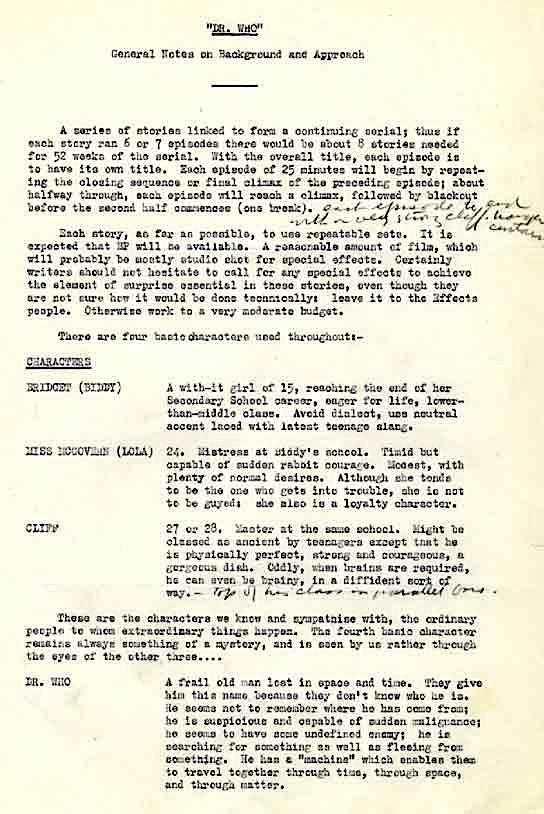
Space mon­sters, Daleks, Cyber­men, and a revolv­ing cast, how­ev­er, were not part of Doc­tor Who’s orig­i­nal remit. The show began as an edu­ca­tion­al pro­gram on the BBC, and this explains many of its inte­gral parts, which have remained through­out its first run from 1963 to 1989 and its revival from 2005 to the present. These ele­ments include the TARDIS, com­pan­ions of var­i­ous ages, the Coal Hill School, and the Doc­tor him­self, a Time Lord from the plan­et Gal­lifrey with inter­stel­lar tech­nol­o­gy and a dodgy mem­o­ry.

We find the core premise in the show’s pilot episode and orig­i­nal 4‑part series, An Unearth­ly Child, which intro­duced William Hart­nell as the Doc­tor, Car­ole Ann Ford as his grand­daugh­ter, Susan Fore­man (orig­i­nal­ly named Bar­bara, or “Bid­dy”), and Jaque­line Hill and William Rus­sell as school teach­ers Bar­bara Wright and Ian Chester­ton. BBC dra­ma head Syd­ney New­man had tasked writ­ers with cre­at­ing a fam­i­ly edu­ca­tion­al show to meet the network’s pub­lic ser­vice man­date, and came up with the idea of a sci­ence fic­tion show as a way to have char­ac­ters vis­it his­tor­i­cal peri­ods and talk about sci­ence in an enter­tain­ing way.

Doc­tor Who’s ear­ly his­tor­i­cal sto­ries empha­size edu­ca­tion by down­play­ing the programme’s fan­ta­sy with min­i­mal sci­ence-fic­tion ele­ments,” writes Tom Stew­ard at Dele­tion. The idea of a time machine big­ger on the inside than the out­side came from New­man. Writer Antho­ny Coburn turned it into a police box after a note from New­man ask­ing for a “tan­gi­ble” sym­bol. New­man “instruct­ed writ­ers to ‘get across the basis of teach­ing of edu­ca­tion­al expe­ri­ence.’ ” When they came back with a sto­ry about Daleks, he balked: “No bug-eyed mon­sters,” he wrote, no alien bad­dies, no actors in rub­ber suits. This was to be a seri­ous show about seri­ous edu­ca­tion­al sub­jects. Script changes and tech­ni­cal chal­lenges meant months of set­back and delays.

It was dif­fi­cult for some crit­ics to take the result­ing four episode arc par­tic­u­lar­ly seri­ous­ly. The first episode showed Bar­bara and Ian dis­cov­er­ing the TARDIS in a Lon­don junk­yard. Then they are all trans­port­ed to the pre­his­toric past, where they observe (and escape) a pow­er strug­gle among pre­his­toric cave peo­ple. (Guardian crit­ic Mary Crozi­er lament­ed that the “wigs and fur­ry pelts and clubs were all ludi­crous.”) The show’s debut was also inaus­pi­cious: Novem­ber 23, 1963, the day after John F. Kennedy’s assas­si­na­tion. The BBC reran the first episode the next week and picked up anoth­er 2 mil­lion view­ers.

Still, it had become clear after the first series that in order to sur­vive, Doc­tor Who would have “to give the pub­lic what they want­ed,” Stew­ard writes, “rather than what was good for them.” Thus, the Daleks debuted in the sec­ond sea­son, and by the mid-60s, his­tor­i­cal sto­ries were replaced with “fan­tasies in his­tor­i­cal cos­tume fea­tur­ing anachro­nis­tic vil­lains or mon­sters.” The show became a week­ly crea­ture fea­ture and intro­duced ter­ri­fy­ing vil­lains like Davros, the Daleks’ cre­ator, a cross between a Strangelove-like Nazi sci­en­tist and Star Wars’ clone-hap­py Emper­or Pal­pa­tine (Davros came first).

The cos­tumes may look sil­ly in hind­sight, but as child­hood Who fan Char­lie Jane Anders writes at io9, “those of us who are adults now did­n’t have huge screen HD tele­vi­sions when we were kids.” (And those of us who remem­ber it, remem­ber being ter­ri­fied by equal­ly goofy cos­tum­ing in The Land of the Lost.) Look past the low-bud­get effects and Doc­tor Who becomes pure hor­ror, explor­ing very dark ter­ri­to­ry with only a son­ic screw­driv­er, a few friends, and a quirky sense of humor — or 13 quirky sens­es of humor, includ­ing Jodie Whit­tak­er’s as the cur­rent Doc­tor and first woman to fill the role.

As you can see from the clips of the first episode above, Doc­tor Who estab­lished its weird air of exis­ten­tial dread from the start with Delia Der­byshire’s oth­er­world­ly theme and some avant-garde cam­era effects in lieu of big­ger-bud­get spec­ta­cles. The show did not retain much from its edu­ca­tion­al begin­nings aside from the key char­ac­ters and the look and feel of the TARDIS. It was “seen to have failed as ped­a­gogy,” writes Stew­ard, but as a body of sci­ence fic­tion lore that con­tin­ues to stay rel­e­vant, it has all sorts of lessons to teach about courage, com­pan­ion­ship, and the val­ue of the right tool for the right job.

Relat­ed Con­tent:

30 Hours of Doc­tor Who Audio Dra­mas Now Free to Stream Online

The Fas­ci­nat­ing Sto­ry of How Delia Der­byshire Cre­at­ed the Orig­i­nal Doc­tor Who Theme

A Detailed, Track-by-Track Analy­sis of the Doc­tor Who Theme Music

Josh Jones is a writer and musi­cian based in Durham, NC. Fol­low him at @jdmagness

Carl Sagan Tells Johnny Carson What’s Wrong with Star Wars: “They’re All White” & There’s a “Large Amount of Human Chauvinism in It” (1978)

Is Star Wars sci­ence fic­tion or fan­ta­sy? Dif­fer­ent fans make dif­fer­ent argu­ments, some even opt­ing for a third way, claim­ing that the ever-mul­ti­ply­ing sto­ries of its ever-expand­ing fic­tion­al uni­verse belong to nei­ther genre. Back in 1978, the year after the release of the orig­i­nal Star Wars film (which no one then called “A New Hope,” let alone “Episode Four”), the ques­tion was approached by no less a pop­u­lar sci­en­tif­ic per­son­al­i­ty than Carl Sagan. It hap­pened on nation­al tele­vi­sion, as the astronomer, cos­mol­o­gist, writer, and tele­vi­sion host in his own right sat oppo­site John­ny Car­son. “The eleven-year-old in me loved them,” Sagan says in the clip above of Star WarsClose Encoun­ters of the Third Kind, and oth­er then-recent space-themed block­busters. “But they could’ve made a bet­ter effort to do things right.”

Every­one remem­bers how Star Wars sets its stage: “A long time ago in a galaxy far, far away.” But right there, Sagan has a prob­lem. Despite its remote­ness from us, this galaxy hap­pens also to be pop­u­lat­ed by human beings, “the result of a unique evo­lu­tion­ary sequence, based upon so many indi­vid­u­al­ly unlike­ly, ran­dom events on the Earth.”

So Homo sapi­ens could­n’t have evolved on any oth­er plan­et, Car­son asks, let alone one in anoth­er galaxy? “It’s extreme­ly unlike­ly that there would be crea­tures as sim­i­lar to us as the dom­i­nant ones in Star Wars.” He goes on to make a more spe­cif­ic cri­tique, one pub­li­cized again in recent years as ahead of its time: “They’re all white.” That is, in the skins of most of the movie’s char­ac­ters, “not even the oth­er col­ors rep­re­sent­ed on the Earth are present, much less greens and blues and pur­ples and oranges.”

Car­son responds, as any­one would, by bring­ing up Star Warscan­ti­na scene, with its rogue’s gallery of var­i­ous­ly non-humanoid habitués. “But none of them seemed to be in charge of the galaxy,” Sagan points out. “Every­body in charge of the galaxy seemed to look like us. I thought there was a large amount of human chau­vin­ism in it.” That no medal is bestowed upon Chew­bac­ca, despite his hero­ics, Sagan declares an exam­ple of “anti-Wook­iee dis­crim­i­na­tion” — with tongue in cheek, grant­ed, but point­ing up how much more inter­est­ing sci­ence fic­tion could be if it relied a lit­tle less on human con­ven­tions and drew a lit­tle more from sci­en­tif­ic dis­cov­er­ies. Not that Star Wars is nec­es­sar­i­ly sci­ence fic­tion. “It was a shootout, was­n’t it?” Car­son asks. “A West­ern in out­er space.” John­ny nev­er did hes­i­tate to call ’em as he saw ’em.

Relat­ed Con­tent:

Fans Recon­struct Authen­tic Ver­sion of Star Wars, As It Was Shown in The­aters in 1977

The Com­plete Star Wars “Fil­mu­men­tary”: A 6‑Hour, Fan-Made Star Wars Doc­u­men­tary, with Behind-the-Scenes Footage & Com­men­tary

Carl Sagan Pre­dicts the Decline of Amer­i­ca: Unable to Know “What’s True,” We Will Slide, “With­out Notic­ing, Back into Super­sti­tion & Dark­ness” (1995)

Carl Sagan on the Impor­tance of Choos­ing Wise­ly What You Read (Even If You Read a Book a Week)

Blade Run­ner: The Pil­lar of Sci-Fi Cin­e­ma that Siskel, Ebert, and Stu­dio Execs Orig­i­nal­ly Hat­ed

Based in Seoul, Col­in Mar­shall writes and broad­casts on cities, lan­guage, and cul­ture. His projects include the Sub­stack newslet­ter Books on Cities, the book The State­less City: a Walk through 21st-Cen­tu­ry Los Ange­les and the video series The City in Cin­e­ma. Fol­low him on Twit­ter at @colinmarshall or on Face­book.

The Life & Art of Hilma Af Klint: A Short Art History Lesson on the Pioneering Abstract Artist

Like many artists whose abstrac­tions cement­ed their lega­cy, Hilma af Klint was trained to paint por­traits, botan­i­cals, and land­scapes.

The nat­u­ral­ist works of her ear­ly adult­hood depict bour­geois, late-19th cen­tu­ry Swedish life, and, by asso­ci­a­tion, the sort of sub­ject mat­ter and approach that were deemed most fit­ting for a female artist, even in a soci­ety where women were allowed to work along­side men.

But some­thing else was afoot with Hilma, as artist and edu­ca­tor Paul Priest­ley points out in the above episode from his Art His­to­ry School series.

Her 10-year-old sister’s death from the flu may have caused her to lean into an exist­ing inter­est in spir­i­tu­al­ism, but as Iris Müller-West­er­mann, direc­tor of Mod­er­na Museet Malmö told The Guardian’s Kate Kell­away, the “math­e­mat­i­cal, sci­en­tif­ic, musi­cal, curi­ous” teen was like­ly moti­vat­ed by her own thirst for knowl­edge as by this fam­i­ly tragedy:

 You have to under­stand this was the age when nat­ur­al sci­ences went beyond the vis­i­ble: Hein­rich Hertz dis­cov­ered elec­tro­mag­net­ic waves [1886], Wil­helm Rönt­gen invent­ed the x‑ray [1895]…Hilma is like Leonar­do – she want­ed to under­stand who we are as human beings in the cos­mos.

Her inter­est in the occult did not make her an out­sider. Spir­i­tu­al­ism was con­sid­ered a respectable intel­lec­tu­al pre­oc­cu­pa­tion. Abstract painters Vasi­ly Kandin­skyPiet Mon­dri­anKasimir Male­vich and Fran­tisek Kup­ka were also using their art to try and get at that which the eye could not see.

All but Hilma were hailed as pio­neers.

The New York Times review of Los Ange­les Coun­ty Muse­um of Art’s 1986 exhib­it The Spir­i­tu­al in Art: Abstract Paint­ing 1890–1985, men­tions some of their spir­i­tu­al bona fides:

They were gen­er­at­ed by such ven­tures into mys­ti­cism as Theos­o­phy, Anthro­pos­o­phy, Rosi­cru­cian­ism, East­ern phi­los­o­phy, and var­i­ous East­ern and West­ern reli­gions. Spir­i­tu­al ideas were not periph­er­al to these artists’ lives, not some­thing that hap­pened to pop into their minds as they stood by their can­vas. Kup­ka par­tic­i­pat­ed in seances and was a prac­tic­ing medi­um. Kandin­sky attend­ed pri­vate fetes involved with mag­ic, black mass­es and pagan rit­u­als. Mon­dri­an was a mem­ber of the Dutch Theo­soph­i­cal Soci­ety and lived briefly in the quar­ters of the French Theo­soph­i­cal Soci­ety in Paris. He said once that he ”got every­thing from the Secret Doc­trine” of Theos­o­phy, which was an attempt by its founder Hele­na Petro­v­na Blavatsky to do noth­ing less than read, digest and syn­the­size all reli­gions. It has been known for some time how much of Mon­dri­an’s sym­bol­ism — includ­ing the ubiq­ui­tous ver­ti­cal and hor­i­zon­tal lines — and how much of his utopi­anism, was shaped by Theo­soph­i­cal doc­trine.

Review­er Michael Bren­son devotes one sen­tence to Hilma, “a pre­vi­ous­ly unknown Swedish artist whose some­what mechan­i­cal abstract paint­ings and draw­ings of organ­ic, geo­met­ri­cal forms were marked by Theos­o­phy and Anthro­pos­o­phy.”

Thir­ty-five years lat­er, she’s receiv­ing much more cred­it. As Priest­ley says in his video biog­ra­phy, Hilma, and not Kandin­sky, is now hailed as the first painter to exper­i­ment with abstrac­tion.

Would Hilma have wel­comed such a dis­tinc­tion?

She main­tained that she was but a receiv­ing instru­ment for Amaliel, a “high mas­ter” from anoth­er dimen­sion, who made con­tact dur­ing the séances she par­tic­i­pat­ed in reg­u­lar­ly with four friends who met week­ly to prac­tice auto­mat­ic draw­ing and writ­ing.

Amaliel charged her with cre­at­ing the art­work for the inte­ri­or of a tem­ple that was part of the high mas­ters’ vision. The Guggenheim’s class­room mate­ri­als for The Paint­ings for the Tem­ple note that her friends warned Hilma against accept­ing this oth­er­world­ly com­mis­sion, “that the inten­si­ty of this kind of spir­i­tu­al engage­ment could dri­ve her into mad­ness.”

But Hilma threw her­self into the assign­ment, pro­duc­ing 111 paint­ings dur­ing a one-and-a-half year peri­od, claim­ing:

The pic­tures were paint­ed direct­ly through me, with­out any pre­lim­i­nary draw­ings and with great force. I had no idea what the paint­ings were sup­posed to depict; nev­er­the­less, I worked swift­ly and sure­ly, with­out chang­ing a sin­gle brush­stroke.

For what­ev­er rea­son, the paint­ings proved too much for Rudolph Stein­er, the founder of the Anthro­po­soph­i­cal Soci­ety, whom she had invit­ed to view them, pay­ing his trav­el expens­es in hope that he would pro­vide a detailed analy­sis and inter­pre­ta­tion of the images. Instead, he coun­seled her that no one would under­stand them, and that the only course of action would be to keep the paint­ings out of sight and out of mind for fifty years. To do oth­er­wise might endan­ger her health.

A dis­ap­point­ing response that ulti­mate­ly led to the paint­ings being socked away for an even longer peri­od.

Good news for Kandin­sky… and pos­si­bly for Stein­er.

At any rate, the com­pe­ti­tion was coerced into elim­i­nat­ing her­self, inad­ver­tent­ly plant­i­ng the seeds for some major, if delayed art world excite­ment. Hilma, who died more than forty years before the L.A. Coun­ty Muse­um show, was not able to bask in the atten­tion on any earth­ly plane.

For those curi­ous in a take that is not entire­ly root­ed in the art world, Light­forms Art Cen­ter in Hud­son, New York host­ed a recent Hilma Af Klint exhib­it. Their strong ties to the Anthro­po­soph­i­cal com­mu­ni­ty make for some inter­est­ing exhib­it com­men­tary.

Relat­ed Con­tent: 

The Com­plete Works of Hilma af Klint Are Get­ting Pub­lished for the First Time in a Beau­ti­ful, Sev­en-Vol­ume Col­lec­tion

New Hilma af Klint Doc­u­men­tary Explores the Life & Art of the Trail­blaz­ing Abstract Artist

Dis­cov­er Hilma af Klint: Pio­neer­ing Mys­ti­cal Painter and Per­haps the First Abstract Artist

Ayun Hal­l­i­day is an author, illus­tra­tor, the­ater mak­er and Chief Pri­ma­tol­o­gist of the East Vil­lage Inky zine. Fol­low her @AyunHalliday.

Pretty Much Pop: A Culture Podcast #95 Considers Joss Whedon’s The Nevers

Mark, Eri­ca, and Bri­an dis­cuss the HBO Max show out Vic­to­ri­an-era super-pow­ered fem­i­nine out­casts, helmed and now aban­doned by the cre­ator of Buffy the Vam­pire Slay­er, Fire­fly, etc. It’s jam packed with steam­punk gad­gets, fisticuffs, social injus­tice, and far too many char­ac­ters and plot threads to keep track of. Giv­en that the sea­son was reduced to a half sea­son in light of the pan­dem­ic, does it still work? Does know­ing the com­plaints about Joss Whe­don affect our con­sump­tion of the show? Is this a faux fem­i­nism where women must under­go tor­ture to gain strength?

Here are a few arti­cles we con­sid­ered:

Hear more of this pod­cast at prettymuchpop.com. This episode includes bonus dis­cus­sion that you can access by sup­port­ing the pod­cast at patreon.com/prettymuchpop. This pod­cast is part of the Par­tial­ly Exam­ined Life pod­cast net­work.

Pret­ty Much Pop: A Cul­ture Pod­cast is the first pod­cast curat­ed by Open Cul­ture. Browse all Pret­ty Much Pop posts.

Why Do Tech Billionaires Make for Good TV Villains? Pretty Much Pop #93 Considers “Made for Love,” et al.

The tech genius has become the go-to bad guy in recent films: They’re our mod­ern mad sci­en­tists with all imag­in­able resources and sci­ence at their com­mand, able to release dystopic tech­nol­o­gy to sur­veil, con­trol, and pos­si­bly mur­der us. Even Lex Luthor was made into a “tech bro” in Bat­man v. Super­man.

Your Pret­ty Much Pop hosts Mark Lin­sen­may­er, Eri­ca Spyres, and Bri­an dis­cuss the HBO Max series Made for Love star­ring Cristin Mil­i­oti, as well as Alex Gar­land’s Devs, Mike Judge’s Sil­i­con Val­ley, and Jed Rothestein’s doc­u­men­tary WeWork: Or the Mak­ing and Break­ing of a $47 Bil­lion Uni­corn. How does this trope work in com­e­dy vs. seri­ous media? How does it relate to real-life tech moguls? Can women be vil­lains of this sort, or is a cri­tique of tox­ic mas­culin­i­ty part of this sort of depic­tion?

To learn more, read what we read:

Hear more of this pod­cast at prettymuchpop.com. This episode includes bonus dis­cus­sion that you can access by sup­port­ing the pod­cast at patreon.com/prettymuchpop. This pod­cast is part of the Par­tial­ly Exam­ined Life pod­cast net­work.

Pret­ty Much Pop: A Cul­ture Pod­cast is the first pod­cast curat­ed by Open Cul­ture. Browse all Pret­ty Much Pop posts.

Do We Need Yet More Films About Time Loops? A Pretty Much Pop Discussion (#80) of Groundhog Day and its Descendents

Tine loop­ing, where a char­ac­ter is doomed to repeat the same day (or hour, or longer peri­od) is a sci-fi trope dat­ing back more than a cen­tu­ry, but real­ly entered Amer­i­can con­scious­ness with the 1993 Bill Mur­ray film Ground­hog Day. Since then, and espe­cial­ly in the last five years, there have been numer­ous iter­a­tions of this idea in var­i­ous gen­res from racial police-shoot­ing dra­ma to teen sex com­e­dy. But do we need more of this? What are the philo­soph­i­cal ideas involved, and how do these change with tweaks to the sce­nario?

Mark, Eri­ca, Bri­an, and return­ing guest Ken Ger­ber dis­cuss not only the very recent and pop­u­lar for­ays into this genre with Hulu’s Palm Springs and Net­flix’s Russ­ian Doll, but also touch on Edge of Tomor­row, Repeaters, 12:01 PM, Before I Fall, The Fare, and episodes of The Twi­light Zone, Star Trek: Dis­cov­ery, The X‑Files, and Rick & Morty.

There are of course oth­er film and TV uses of this trope. For a rel­a­tive­ly full list, you can see this wiki page list­ing time loop films and this oth­er wiki page dis­cussing lit­er­ary antecedents. Also see the “Ground­hog Day” Loop page on tvtropes.org, and here’s a rel­e­vant red­dit thread.

Here are more arti­cles:

Watch the 12:01 PM 1990 short film. This bonus episode of the 11.22.63 pod­cast had a great dis­cus­sion of time loop media includ­ing the Ken Grim­wood nov­el Replay and the short sto­ry “12:01 P.M.” and its sequels. You can read the 1941 Mal­colm Jame­son sto­ry “Dou­bled and Redou­bled” online. As a fore­run­ner to the time loop idea, check out the very short 1892 chil­dren’s sto­ry “Christ­mas Every Day” by William Dean How­ells, where time does move for­ward with its con­se­quences, but it’s always Christ­mas!

We talked a lit­tle about Hap­py Death Day with its cos­tume design­er in our ep. 38 and got into time trav­el more gen­er­al­ly with Ken in ep. 22 and into “weird sit­u­a­tions” in our Twi­light Zone ep. 52. You may also enjoy Wes Alwan’s (sub)Text pod­cast dis­cussing the psy­cho­log­i­cal impli­ca­tions of Ground­hog Day.

Check out the time loop movie bin­go card that Bri­an put togeth­er (with ground­hog pic­ture by Ken):

Hear more of this pod­cast at prettymuchpop.com. This episode includes bonus dis­cus­sion that you can access by sup­port­ing the pod­cast at patreon.com/prettymuchpop. This pod­cast is part of the Par­tial­ly Exam­ined Life pod­cast net­work.

Pret­ty Much Pop: A Cul­ture Pod­cast is the first pod­cast curat­ed by Open Cul­ture. Browse all Pret­ty Much Pop posts.


« Go BackMore in this category... »
Quantcast