Akira Kurosawa’s Advice to Aspiring Filmmakers: Write, Write, Write and Read

We should all learn from the best, and in the domain of cin­e­ma, that means study­ing under mas­ters like Aki­ra Kuro­sawa. Though now near­ly twen­ty years gone, the Japan­ese film­mak­er known as “the Emper­or” left behind not just one of the most impres­sive bod­ies of direc­to­r­i­al work in exis­tence — RashomonSev­en Samu­raiThrone of BloodRan, and much else besides — but a gen­er­ous quan­ti­ty of words. In addi­tion to the volu­mi­nous mate­ri­als relat­ed to the films them­selves, he wrote the book Some­thing Like an Auto­bi­og­ra­phy, gave in-depth inter­views, and offered film­mak­ing advice to estab­lished col­leagues and young aspi­rants alike.

“If you gen­uine­ly want to make films,” Kuro­sawa tells the next gen­er­a­tion of direc­tors in the clip above, “then write screen­plays. All you need to write a script is paper and a pen­cil. It’s only through writ­ing scripts that you learn specifics about the struc­ture of film and what cin­e­ma is.”

This brings to mind the sto­ry of how, long unable to find fund­ing for Kage­musha, he wrote and re-wrote its screen­play, then, still unable to go into pro­duc­tion, paint­ed the entire film, shot by shot. Such per­sis­tence requires no lit­tle strength of patience and dis­ci­pline, the very kind one builds through rig­or­ous writ­ing prac­tice. Kuro­sawa quotes Balzac: “The most essen­tial and nec­es­sary thing is the for­bear­ance to face the dull task of writ­ing one word at a time.”

Take it one word at a time: appar­ent­ly cre­ators as osten­si­bly dif­fer­ent as Balzac, Kuro­sawa, and Stephen King agree on how to han­dle the writ­ing process. And to write, Kuro­sawa adds, you must read. “Young peo­ple today don’t read books,” he says, echo­ing an oft-heard com­plaint. “It’s impor­tant that they at least do a cer­tain amount of read­ing. Unless you have a rich reserve with­in, you can’t cre­ate any­thing. Mem­o­ry is the source of your cre­ation. Whether it’s from read­ing or from your own real-life expe­ri­ence, you can’t cre­ate unless you have some­thing inside your­self.” Or, as Wern­er Her­zog more recent­ly put it: “Read, read, read, read, read, read, read, read, read… read, read… read.” But per Kuro­sawa, don’t for­get to write — and when the writ­ing gets tough, do any­thing but give up.

If you would like to sign up for Open Culture’s free email newslet­ter, please find it here. It’s a great way to see our new posts, all bun­dled in one email, each day.

If you would like to sup­port the mis­sion of Open Cul­ture, con­sid­er mak­ing a dona­tion to our site. It’s hard to rely 100% on ads, and your con­tri­bu­tions will help us con­tin­ue pro­vid­ing the best free cul­tur­al and edu­ca­tion­al mate­ri­als to learn­ers every­where. You can con­tribute through Pay­Pal, Patre­on, and Ven­mo (@openculture). Thanks!

Relat­ed Con­tent:

Aki­ra Kurosawa’s List of His 100 Favorite Movies

Aki­ra Kuro­sawa & Gabriel Gar­cía Márquez Talk About Film­mak­ing (and Nuclear Bombs) in Six Hour Inter­view

Aki­ra Kuro­sawa to Ing­mar Bergman: “A Human Is Not Real­ly Capa­ble of Cre­at­ing Real­ly Good Works Until He Reach­es 80”

Aki­ra Kuro­sawa Paint­ed the Sto­ry­boards For Scenes in His Epic Films: Com­pare Can­vas to Cel­lu­loid

How Aki­ra Kuro­sawa Used Move­ment to Tell His Sto­ries: A Video Essay

Based in Seoul, Col­in Mar­shall writes and broad­casts on cities and cul­ture. He’s at work on a book about Los Ange­les, A Los Ange­les Primer, the video series The City in Cin­e­ma, the crowd­fund­ed jour­nal­ism project Where Is the City of the Future?, and the Los Ange­les Review of Books’ Korea Blog. Fol­low him on Twit­ter at @colinmarshall or on Face­book.

Jorge Luis Borges Creates a List of 16 Ironic Rules for Writing Fiction

“Jorge Luis Borges 1951, by Grete Stern” via Wiki­me­dia Com­mons.

When we first read the work of Jorge Luis Borges, we may wish to write like him. When we soon dis­cov­er that nobody but Borges can write like Borges, we may wish instead that we could have col­lab­o­rat­ed with him. Once, he and his lumi­nary-of-Argen­tine-lit­er­a­ture col­leagues, friend and fre­quent col­lab­o­ra­tor Adol­fo Bioy Casares and Bioy Casares’ wife Silv­ina Ocam­po, got togeth­er to com­pose a sto­ry about a writer from the French coun­try­side. Though they nev­er did fin­ish it, one piece of its con­tent sur­vives: a list of six­teen rules, drawn up by Borges, for the writ­ing of fic­tion.

Or at least that’s how Bioy Casares told it to the French mag­a­zine L’Herne, which reprint­ed the list. Instead of six­teen rec­om­men­da­tions for what a writer of fic­tion should do, Borges play­ful­ly pro­vid­ed a list of six­teen pro­hi­bi­tions–things writ­ers of fic­tion should nev­er let slip into their work.

  1. Non-con­formist inter­pre­ta­tions of famous per­son­al­i­ties. For exam­ple, describ­ing Don Juan’s misog­y­ny, etc.
  2. Gross­ly dis­sim­i­lar or con­tra­dic­to­ry two­somes like, for exam­ple, Don Quixote and San­cho Pan­za, Sher­lock Holmes and Wat­son.
  3. The habit of defin­ing char­ac­ters by their obses­sions; like Dick­ens does, for exam­ple.
  4. In devel­op­ing the plot, resort­ing to extrav­a­gant games with time and space in the man­ner of Faulkn­er, Borges, and Bioy Casares.
  5. In poet­ry, char­ac­ters or sit­u­a­tions with which the read­er can iden­ti­fy.
  6. Char­ac­ters prone to becom­ing myths.
  7. Phras­es, scenes inten­tion­al­ly linked to a spe­cif­ic time or a spe­cif­ic epoch; in oth­er words, local fla­vor.
  8. Chaot­ic enu­mer­a­tion.
  9. Metaphors in gen­er­al, and visu­al metaphors in par­tic­u­lar. Even more con­crete­ly, agri­cul­tur­al, naval or bank­ing metaphors. Absolute­ly un-advis­able exam­ple: Proust.
  10. Anthro­po­mor­phism
  11. The tai­lor­ing of nov­els with plots that are rem­i­nis­cent of anoth­er book. For exam­ple, Ulysses by Joyce and Homer’s Odyssey.
  12. Writ­ing books that resem­ble menus, albums, itin­er­aries, or con­certs.
  13. Any­thing that can be illus­trat­ed. Any­thing that may sug­gest the idea that it can be made into a movie.
  14. Crit­i­cal essays, any his­tor­i­cal or bio­graph­i­cal ref­er­ence.  Always avoid allu­sions to authors’ per­son­al­i­ties or pri­vate lives. Above all, avoid psy­cho­analy­sis.
  15. Domes­tic scenes in police nov­els; dra­mat­ic scenes in philo­soph­i­cal dia­logues. And, final­ly:
  16. Avoid van­i­ty, mod­esty, ped­erasty, lack of ped­erasty, sui­cide.

The astute read­er will find much more of the coun­ter­in­tu­itive about this list than its focus on what not to do. Did­n’t Borges him­self spe­cial­ize in non-con­formist inter­pre­ta­tions, espe­cial­ly of exist­ing lit­er­a­ture? Don’t some of his most mem­o­rable char­ac­ters obsess over things, like imag­in­ing a human being into exis­tence or cre­at­ing a map the size of the ter­ri­to­ry, to the exclu­sion of all oth­er char­ac­ter­is­tics? Could­n’t he con­jure up the most exot­ic set­tings — even when draw­ing upon mem­o­ries of his native Buenos Aires — in the fewest words? And who else bet­ter used myths, metaphors, and games with time and space for his own, idio­syn­crat­ic lit­er­ary pur­pos­es?

But those who’ve spent real time read­ing Borges know that he also always wrote with a strong, if sub­tle, sense of humor. He had just the kind of sen­si­bil­i­ty that would pro­duce an iron­ic, self-par­o­dy­ing list such as this, though his­to­ry has­n’t record­ed whether his, Bioy Casares’, and Ocam­po’s young provin­cial writer would have per­ceived it in that way or pious­ly hon­ored its dic­tates. Borges does, how­ev­er, seem to have fol­lowed the bit about nev­er writ­ing “any­thing that may sug­gest the idea that it can be made into a movie” to the let­ter. I yield to none in my appre­ci­a­tion for Alex Cox’s cin­e­mat­ic inter­pre­ta­tion of Death and the Com­pass, but I enjoy even more the fact that Borges’ imag­i­na­tion has kept Hol­ly­wood stumped.

via lasesana/fae­na

Relat­ed Con­tent:

Jorge Luis Borges’ Favorite Short Sto­ries (Read 7 Free Online)

Jorge Luis Borges Selects 74 Books for Your Per­son­al Library

Jorge Luis Borges’ 1967–8 Nor­ton Lec­tures On Poet­ry (And Every­thing Else Lit­er­ary)

Bud­dhism 101: A Short Intro­duc­to­ry Lec­ture by Jorge Luis Borges

Borges: Pro­file of a Writer Presents the Life and Writ­ings of Argentina’s Favorite Son, Jorge Luis Borges

7 Tips from Edgar Allan Poe on How to Write Vivid Sto­ries and Poems

Kurt Vonnegut’s 8 Tips on How to Write a Good Short Sto­ry

Based in Seoul, Col­in Mar­shall writes and broad­casts on cities and cul­ture. He’s at work on a book about Los Ange­les, A Los Ange­les Primer, the video series The City in Cin­e­ma, the crowd­fund­ed jour­nal­ism project Where Is the City of the Future?, and the Los Ange­les Review of Books’ Korea Blog. Fol­low him on Twit­ter at @colinmarshall or on Face­book.

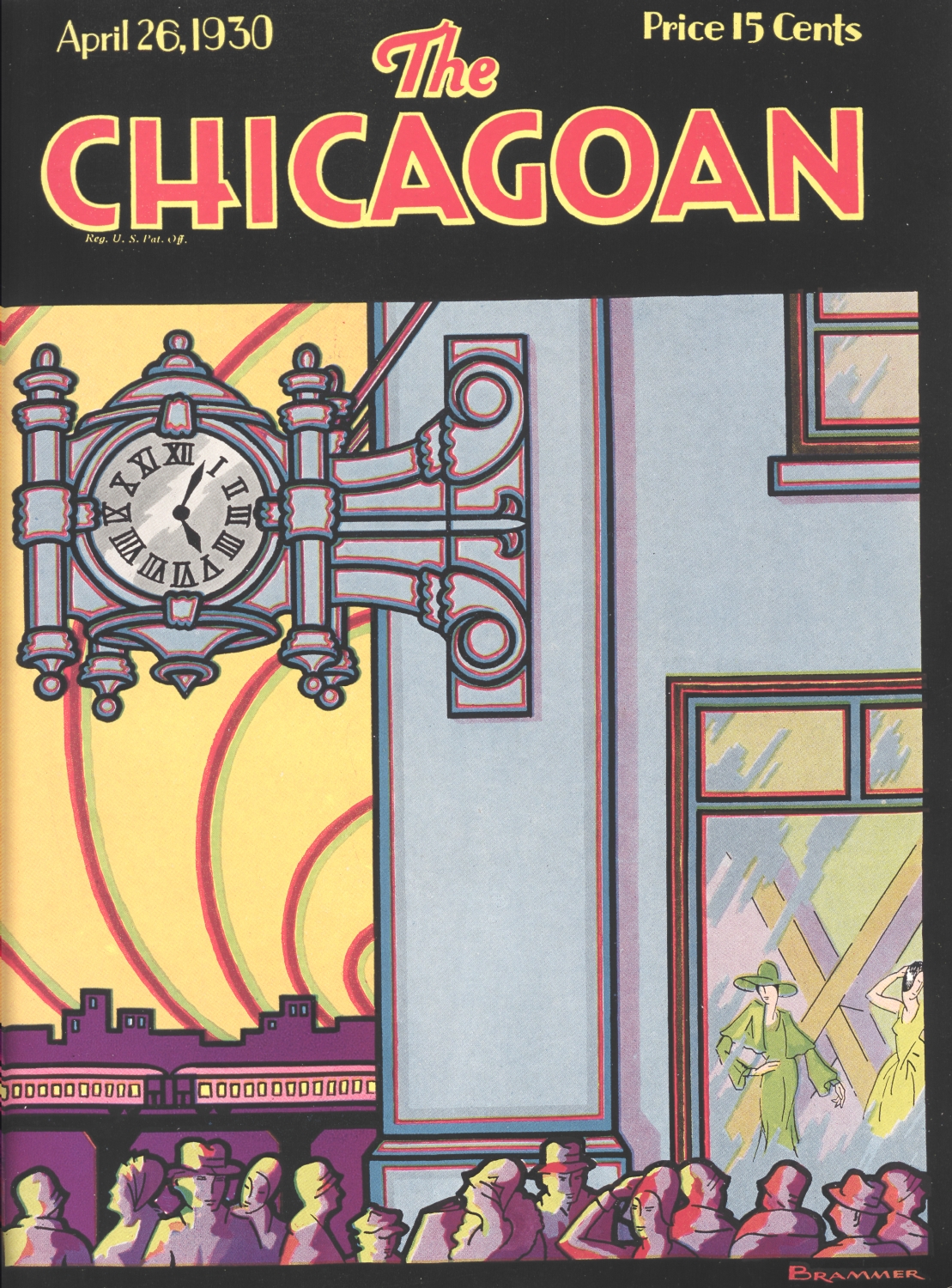
New Archive Presents The Chicagoan, Chicago’s Jazz-Age Answer to The New Yorker (1926 to 1935)

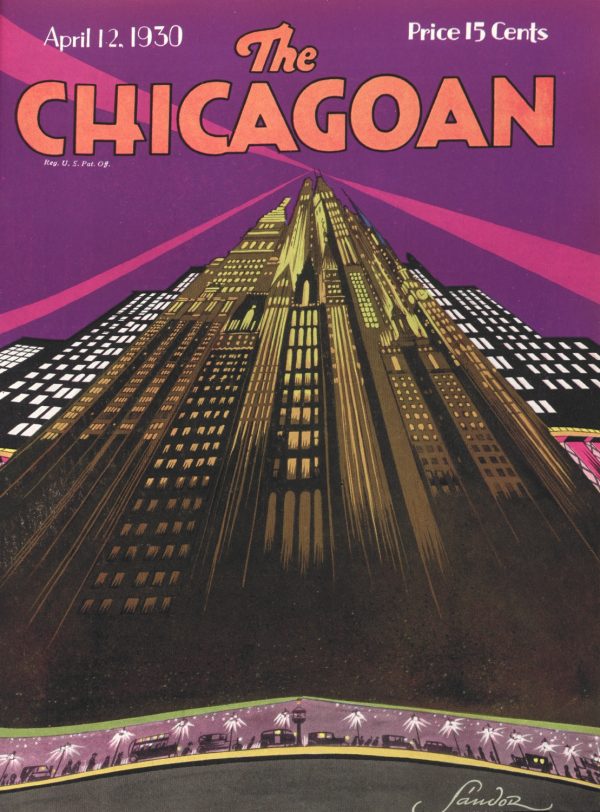
Chicagoan April 12

Copy­right The Quigley Pub­lish­ing Com­pa­ny, a Divi­sion of QP Media, Inc.

Chicago’s famed “sec­ond city com­plex” did­n’t spring from organ­ic feel­ings of infe­ri­or­i­ty, but rather from the poi­so­nous pen of vis­it­ing New Yorker writer, A.J. Liebling:

Seen from the taxi, on the long ride in from the air­port, the place looked slow­er, shab­bier, and, in defi­ance of all chronol­o­gy, old­er than New York… the low build­ings, the indus­tri­al plants, and the rail­road cross­ings at grade pro­duced less the feel­ing of being in a great city than of rid­ing through an end­less suc­ces­sion of fac­to­ry-town main streets. 

- A.J. Liebling, Chica­go: The Sec­ond City, 1952

The Man­hat­tan born jour­nal­ist’s obser­va­tions about the tod­dlin’ town are plain­ly those formed by an out­sider, albeit one who har­bored no designs on becom­ing an insid­er.

The Chicagoan, a home­grown pub­li­ca­tion that inten­tion­al­ly mim­ic­ked The New York­er in both design and con­tent, offers a dif­fer­ent take. From 1926 to 1935, it strove to coun­ter­act the city’s thug­gish rep­u­ta­tion (Al Capone, any­one?) by draw­ing atten­tion to its cul­tur­al offer­ings and high soci­ety doings.

Out­side of Chica­go, no one cared much. Hav­ing failed to repli­cate The New Yorker’s nation­al suc­cess, it fold­ed, leav­ing behind very few sur­viv­ing copies.

Neil Har­ris, a Uni­ver­si­ty of Chica­go Pro­fes­sor Emer­i­tus of His­to­ry, has right­ed that wrong by arrang­ing for the uni­ver­si­ty library’s near com­plete col­lec­tion of Chicagoans to be uploaded to a search­able online data­base.

The cov­ers have a Jazz Age vibran­cy, as do arti­cles, adver­tise­ments, and car­toons aimed at Chicago’s smart set. There’s even a Helen Hokin­son car­toon, in the form of a Bor­den cheese ad.

A search for Lieblings yield­ed but two:

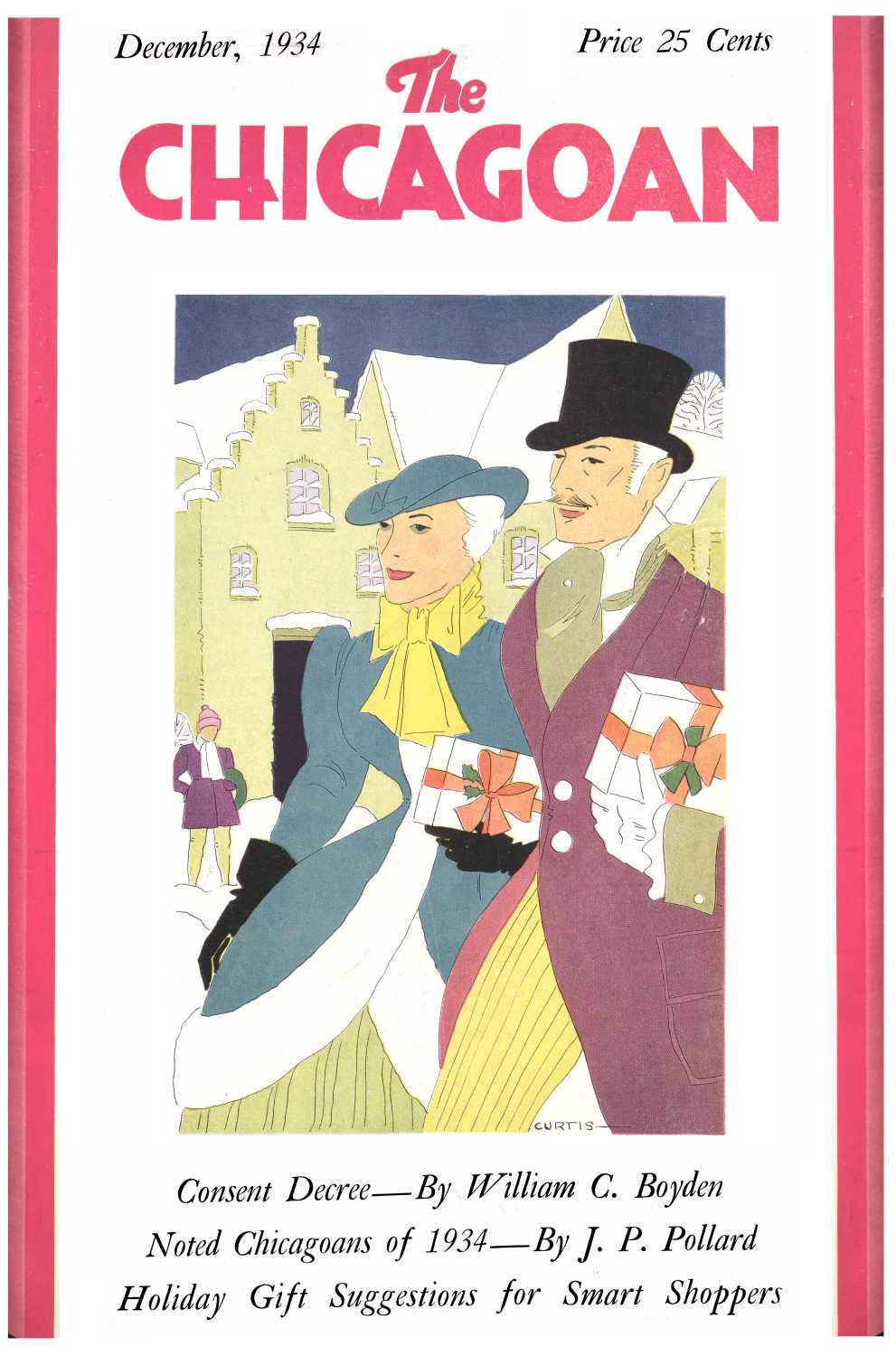
Chicagoan December

Copy­right The Quigley Pub­lish­ing Com­pa­ny, a Divi­sion of QP Media, Inc.

One from Decem­ber 1, 1934, above, name checks pianist Emil Liebling in an arti­cle revis­it­ing the 1897 Christ­mas issue of anoth­er bygone Chica­go paper, the Sat­ur­day Evening Her­ald.

Chicagoan April 26

Copy­right The Quigley Pub­lish­ing Com­pa­ny, a Divi­sion of QP Media, Inc.

Four years ear­li­er, in Vol. 9, No. 3, Robert Pollack’s Musi­cal Notes col­umn made men­tion of Leonard Liebling, a crit­ic for the New York Amer­i­can… (I can hear A.J. beyond-the-grave snick­er­ing even now).

You can browse the pages of The Chicagoan here. For fur­ther read­ing, see Pro­fes­sor Har­ris’ book, The Chicagoan: A Lost Mag­a­zine of the Jazz Age.

via Messy N Chic

Relat­ed Con­tent:

Par­ti­san Review Now Free Online: Read All 70 Years of the Pre­em­i­nent Lit­er­ary Jour­nal (1934–2003)

The Pulp Fic­tion Archive: The Cheap, Thrilling Sto­ries That Enter­tained a Gen­er­a­tion of Read­ers (1896–1946)

The Best Mag­a­zine Arti­cles Ever, Curat­ed by Kevin Kel­ly

Ayun Hal­l­i­day is an author, illus­tra­tor, the­ater mak­er and Chief Pri­ma­tol­o­gist of the East Vil­lage Inky zine.  Her lat­est script, Fawn­book, is avail­able in a dig­i­tal edi­tion from Indie The­ater Now.  Fol­low her @AyunHalliday.

8 Writers on How to Face Writer’s Block and the Blank Page: Margaret Atwood, Jonathan Franzen, Joyce Carol Oates & More

For those who write for a liv­ing, the issue of writer’s block doesn’t come up as often as tele­vi­sion and movies may have oth­ers believe. Sure, there’s plen­ty of times where the words don’t flow like they should. Or a writer may find they’ve writ­ten dri­v­el and start again. Or the begin­ning proves elu­sive. Or the end proves tricky. But that cliché of the har­ried writer, sit­ting in front of a blank sheet of paper (maybe with the daunt­ing “Chap­ter One” hov­er­ing at the top)? Maybe not so much.

In this short video made for the Louisiana Chan­nel (a YouTube chan­nel for the Louisiana Muse­um of Mod­ern Art in Den­mark), the blank page is any­thing but ter­ri­fy­ing for the eight authors inter­viewed.

“I don’t think writer’s block actu­al­ly exists,” says Philipp Mey­er. “It’s basi­cal­ly inse­cu­ri­ty. It’s your own inter­nal crit­ic turned up to a high­er lev­el than it’s sup­posed to be at that moment…The point is to get some­thing down on paper.”

Alaa Al-Aswany makes the most philo­soph­i­cal point, call­ing writ­ing the “con­flict between what you want to say and what you could say.”

Many of the authors inter­viewed, like Jonathan Franzen, Lydia Davis, and Joyce Car­ol Oates agree on a sim­i­lar point: the writer’s mind must have prepped and writ­ten and researched long before the body sits and the hands write. “By the time I come to the blank page I have many things to say,” Oates says.

For oth­er writ­ers, the blank page is a sym­bol of poten­tial. For David Mitchell it’s a door that opens onto infin­i­ty. For Mar­garet Atwood, the page “beck­ons you in to write some­thing on it. It must be filled.”

Daniel Kehlmann fills his in long­hand and calls it “deeply sat­is­fy­ing” even though writ­ing that first draft is the “least joy­ful part of writ­ing.”

In the final minute, David Mitchell does tack­le the idea of a writer’s block, but his sug­ges­tion is not worth spoil­ing, so go ahead and watch the whole thing. And if you’re a writer watch­ing this video because you’re procrastinating…get back to work!

Relat­ed Con­tent:

Stephen King Cre­ates a List of 96 Books for Aspir­ing Writ­ers to Read

The Dai­ly Habits of Famous Writ­ers: Franz Kaf­ka, Haru­ki Muraka­mi, Stephen King & More

Ray Brad­bury Gives 12 Pieces of Writ­ing Advice to Young Authors (2001)

Ted Mills is a free­lance writer on the arts who cur­rent­ly hosts the artist inter­view-based FunkZone Pod­cast. You can also fol­low him on Twit­ter at @tedmills, read his oth­er arts writ­ing at tedmills.com and/or watch his films here.

In the Only Surviving Recording of Her Voice, Virginia Woolf Explains Why Writing Isn’t a “Craft” (1937)

The lit­er­ary voice of Vir­ginia Woolf comes to us from a life lived ful­ly in the ser­vice of lit­er­a­ture, a life devot­ed, we might say, to the “craft of writ­ing.” That earnest expres­sion gets tossed around inno­cent­ly enough in var­i­ous gram­mat­i­cal forms. Writ­ers craft sen­tences and para­graphs and set about craft­ing worlds for char­ac­ters to inhab­it. Describ­ing writ­ing as a craft seems a corol­lary to our cur­rent util­i­tar­i­an think­ing that lit­er­a­ture should serve us, not we it; that we should jus­ti­fy our time spent read­ing and writ­ing by talk­ing about the use-val­ue of these activ­i­ties. Vir­ginia Woolf had lit­tle use for these sen­ti­ments.

In an essay offer­ing guid­ance on how to read lit­er­a­ture, for exam­ple, she asks rhetor­i­cal­ly whether there are “not some pur­suits that we prac­tice because they are good in them­selves, and some plea­sures that are final?” Is not read­ing among these? Just as she decries read­ing as a pro­fes­sion­al task, Woolf cri­tiques the idea of writ­ing as a form of “Crafts­man­ship” in an essay with that title that she deliv­ered as a talk on BBC radio in 1937 as part of a series called “Words Fail Me.” In the excerpt above, the only sur­viv­ing record­ing of Woolf’s voice, she reads the open­ing para­graphs of her essay, stat­ing upfront that she finds “some­thing incon­gru­ous, unfit­ting, about the term ‘crafts­man­ship’ when applied to words.”

“Craft,” ways Woolf, applies to “mak­ing use­ful objects out of sol­id mat­ter,” and it also stands as a syn­onym for “cajol­ery, cun­ning, deceit.” In either usage, the word mis­char­ac­ter­izes the act of writ­ing. “Words,” Woolf says, echo­ing her con­tem­po­rary Oscar Wilde, “nev­er make any­thing that is use­ful.” She offers us many col­or­ful exam­ples to make the point, and argues also that words can­not be deceit­ful since “they are the truest” of all things and “seem to live for­ev­er.” These qual­i­ties of lan­guage, it’s use­less­ness and truth­ful­ness, make the prac­tice of writ­ing as “craft” impos­si­ble, since writ­ers do not work by “find­ing the right words and putting them in the right order,” like one would build a house.

Words do not coop­er­ate in neat and tidy ways. Indeed, “to lay down any laws for such irreclaimable vagabonds is worse than use­less,” says Woolf, “A few tri­fling rules of gram­mar and spelling are all the con­straint we can put on them.” Rather than think­ing of words as raw mate­r­i­al we assem­ble by rote, or as incan­ta­to­ry sym­bols in mag­i­cal for­mu­lae, we should think of words as sen­tient enti­ties who “like peo­ple to think and feel before they use them.” Words, says Woolf in her mel­liflu­ous voice, “are high­ly sen­si­tive, eas­i­ly made self-con­scious” and “high­ly demo­c­ra­t­ic, too.”

Against mod­ern con­cep­tions of writ­ing as a prac­ti­cal craft, in her time and ours, Woolf tells us that words “hate being use­ful; they hate mak­ing mon­ey; they hate being lec­tured about in pub­lic. In short, they hate any­thing that stamps them with one mean­ing or con­fines them to one atti­tude, for it is in their nature to change.” At best, she sug­gests, we can change with them, but we can­not con­trol them or shape and bend them to our ends.

Relat­ed Con­tent:

Vir­ginia Woolf Offers Gen­tle Advice on “How One Should Read a Book”

The Steamy Love Let­ters of Vir­ginia Woolf and Vita Sackville-West (1925–1929)

An Ani­mat­ed Intro­duc­tion to Vir­ginia Woolf

Josh Jones is a writer and musi­cian based in Durham, NC. Fol­low him at @jdmagness

Stephen King on the Magic Moment When a Young Writer Reads a Published Book and Says: “This Sucks. I Can Do Better.”

Go to a book­store.

Tell the clerk you’re an aspir­ing writer.

You’ll be direct­ed to a shelf—possibly an entire section—brimming with prompts, exer­cis­es, for­mu­lae, and Jedi mind tricks. Round out your pur­chase with a jour­nal, a fan­cy pen, or an inspi­ra­tional quote in book­mark form.

Few of author Stephen King’s books would be at home in this sec­tion, but his 2000 mem­oir, On Writ­ing, a com­bi­na­tion of per­son­al his­to­ry and prac­ti­cal advice, cer­tain­ly is. The writ­ing rules list­ed there­in are numer­ous enough to yield a top 20. He makes no bones about read­ing being a manda­to­ry activ­i­ty:

If you don’t have time to read, you don’t have the time (or the tools) to write. Sim­ple as that.

Not sur­pris­ing­ly, giv­en his prodi­gious out­put, he also believes that writ­ers must write dai­ly. Prac­tice helps shape a writer’s voice. Dai­ly prac­tice keeps him or her on inti­mate terms with char­ac­ters and plot.

Got that?

Nose to the grind­stone, young writer! Quit look­ing for fairy god­moth­ers and mak­ing excus­es! Though you might be able to fast track to the mag­i­cal moment King revealed in a 2003 speech at Yale, above.

Go back to the book­store.

Ask the clerk to point you toward the shelves of what­ev­er genre has tra­di­tion­al­ly made your flesh crawl. Chick litvam­pire erot­i­caman­ly air­plane reads. Select the most odi­ous seem­ing title. Buy it. Read it. And heed the words of King:

There’s a mag­ic moment, a real­ly mag­ic moment if you read enough, it will always come to you if you want to be a writer, when you put down some book and say, This real­ly sucks. I can do bet­ter than this, and this got pub­lished!

(It’s real­ly more of a spon­ta­neous­ly occur­ring rite of pas­sage than mag­ic moment, but who are we to fault Stephen King for giv­ing it a crowd-pleas­ing super­nat­ur­al spin?)

Relat­ed Con­tent:

Stephen King’s Top 20 Rules for Writ­ers

Stephen King Cre­ates a List of 96 Books for Aspir­ing Writ­ers to Read

Stephen King Cre­ates a List of 82 Books for Aspir­ing Writ­ers (to Sup­ple­ment an Ear­li­er List of 96 Rec­om­mend Books)

Ayun Hal­l­i­day is an author, illus­tra­tor, and Chief Pri­ma­tol­o­gist of the East Vil­lage Inky zine. Fol­low her @AyunHalliday.

How to Jumpstart Your Creative Process with William S. Burroughs’ Cut-Up Technique

The inner crit­ic cre­ates writer’s block and sti­fles adven­tur­ous writ­ing, hems it in with safe clichés and over­think­ing. Every writer has to find his or her own way to get free of that sour­puss ratio­nal­ist who insists on stran­gling each thought with log­i­cal analy­sis and fit­ting each idea into an oppres­sive pre­de­ter­mined scheme or ide­ol­o­gy. William S. Bur­roughs, one of the most adven­tur­ous writ­ers to emerge from the mid-20th cen­tu­ry, famous­ly employed what he called the cut-up method.

Devel­oped by Bur­roughs and painter Brion Gysin, this lit­er­ary take on the col­lage tech­nique used by avant-garde artists like Georges Braque orig­i­nat­ed with Sur­re­al­ist Tris­tan Tzara, who “pro­posed to cre­ate a poem on the spot by pulling words out of a hat.” The sug­ges­tion was so provoca­tive, Bur­roughs claims in his essay “The Cut-Up Method,” that cut-ups were there­after “ground­ed… on the Freudi­an couch.”

Since Bur­roughs and Gysin’s lit­er­ary rede­ploy­ment of the method in 1959, it has proved use­ful not only for poets and nov­el­ists, but for song­writ­ers like David Bowie and Kurt Cobain. And any frus­trat­ed nov­el­ist, poet, or song­writer may use it to shake off the habit­u­al thought pat­terns that cage cre­ativ­i­ty or choke it off entire­ly. How so?

Well, it’s best at this point to defer to the author­i­ty, Bur­roughs him­self, who explains the cut-up tech­nique thus:

The method is sim­ple. Here is one way to do it. Take a page. Like this page. Now cut down the mid­dle and cross the mid­dle. You have four sec­tions: 1 2 3 4 … one two three four. Now rearrange the sec­tions plac­ing sec­tion four with sec­tion one and sec­tion two with sec­tion three. And you have a new page. Some­times it says much the same thing. Some­times some­thing quite different–(cutting up polit­i­cal speech­es is an inter­est­ing exercise)–in any case you will find that it says some­thing and some­thing quite def­i­nite. Take any poet or writer you fan­cy. Here­say, or poems you have read over many times. The words have lost mean­ing and life through years of rep­e­ti­tion. Now take the poem and type out select­ed pas­sages. Fill a page with excerpts. Now cut the page. You have a new poem. As many poems as you like.

Bur­roughs gives us “one way” to do it. There may be infi­nite oth­ers, and it’s up to you to find what works. I myself have pushed through a cre­ative funk by mak­ing mon­tages from scraps of ancient poet­ry and phras­es of mod­ern pop, clichés ripped from the head­lines and eso­teric quotes from obscure reli­gious texts—pieced togeth­er more or less at ran­dom, then edit­ed to fit the form of a song, poem, or what­ev­er. Vir­tu­al cut-and-paste makes scis­sors unnec­es­sary, but the phys­i­cal act may pre­cip­i­tate epipha­nies. “Images shift sense under the scis­sors,” Bur­roughs writes; then he hints at a synes­the­sia expe­ri­ence: “smell images to sound sight to sound sound to kines­thet­ic.”

Who is this method for? Every­one, Bur­roughs asserts. “Cuts ups are for every­one,” just as Tzara remarked that “poet­ry is for every­one.” No need to have estab­lished some exper­i­men­tal art world bona fides, or even call one­self an artist at all; the method is “exper­i­men­tal in the sense of being some­thing to do.” In the short video at the top, you can hear Bur­roughs explain the tech­nique fur­ther, adding his occult spin on things by not­ing that many cut-ups “seem to refer to future events.” On that account, we may sus­pend belief.

As Jen­nie Skerl notes in her essay on Bur­roughs, cut-up the­o­ry “par­al­lels avant-garde lit­er­ary the­o­ry” like Jacques Derrida’s Decon­struc­tion. “All writ­ing is in fact cut ups,” writes Bur­roughs, mean­ing not that all writ­ing is pieced togeth­er with scis­sors and glue, but that it’s all “a col­lage of words read heard over­heard.” This the­o­ry should lib­er­ate us from oner­ous notions of orig­i­nal­i­ty and authen­tic­i­ty, tied to ideas of the author as a sui gener­is, all-know­ing god and the text as an expres­sion of cos­mi­cal­ly ordered mean­ing. (Anoth­er sur­re­al­ist writ­ing method, the game of Exquis­ite Corpse, makes the point lit­er­al.) All that meta­phys­i­cal bag­gage weighs us down. Every­thing’s been done—both well and badly—before, Bur­roughs writes. Fol­low his meth­ods and his insis­tent cre­ative max­im and you can­not make a mistake—“Assume that the worst has hap­pened,” he writes, “and act accord­ing­ly.”

Relat­ed Con­tent:

How David Bowie, Kurt Cobain & Thom Yorke Write Songs With William Bur­roughs’ Cut-Up Tech­nique

The “Priest” They Called Him: A Dark Col­lab­o­ra­tion Between Kurt Cobain & William S. Bur­roughs

How William S. Bur­roughs Used the Cut-Up Tech­nique to Shut Down London’s First Espres­so Bar (1972)

Josh Jones is a writer and musi­cian based in Durham, NC. Fol­low him at @jdmagness.

Aaron Sorkin, Creator of The West Wing & The Social Network, Teaches Screenwriting in an Online Class

FYI: If you sign up for a Mas­ter­Class course by click­ing on the affil­i­ate links in this post, Open Cul­ture will receive a small fee that helps sup­port our oper­a­tion.

Sports NightThe West WingThe Amer­i­can Pres­i­dentThe Social Net­work — hard­ly shame­ful items to appear on any­one’s résumé. Sure, peo­ple dis­agree about the likes of Stu­dio 60 on the Sun­set Strip and The News­room, but we’ve all got to admit that when Aaron Sorkin writes, he hits more than he miss­es, and even the sup­posed miss­es have more of inter­est about them than many oth­ers’ hits. How does this mas­ter of the mod­ern Amer­i­can scene — its con­cerns, its per­son­al­i­ties, its con­ver­sa­tions, its pol­i­tics — do it? You can find out in his Screen­writ­ing course on Mas­ter­Class, the new plat­form for online instruc­tion as giv­en by big-name doers of high-pro­file work.

Back in May, we fea­tured Mas­ter­Class’s offer­ing of Wern­er Her­zog on film­mak­ing, and though most every­one can enjoy hear­ing the man behind Aguirre, the Wrath of GodFitz­car­ral­do, and Griz­zly Man talk for five hours, not every­one can sum­mon the will to make movies like those. Sorkin, by con­trast, uses his also con­sid­er­able cre­ative vital­i­ty to a dif­fer­ent end entire­ly, writ­ing snap­py scripts that bring his own com­pelling idio­syn­crasies to main­stream film and tele­vi­sion.

But he start­ed, accord­ing to Mas­ter­Class, by writ­ing his first screen­play on the hum­ble medi­um of cock­tail nap­kins — cock­tail nap­kins that became A Few Good Men. Since then, he’s come up with “rules of sto­ry­telling, dia­logue, char­ac­ter devel­op­ment, and what makes a script actu­al­ly sell,” now ready to share with his online stu­dents.

In fact, he gives one away for free in the trail­er above: “No one in real life starts a sen­tence with, ‘Damn it.’ ” That alone may get you writ­ing your own Oscar-win­ning screen­play, thus sav­ing you the $90 fee for the whole five-hour course, but Sorkin goes on to tease his meth­ods for break­ing through his “con­stant state of writer’s block” to craft dia­logue as he con­ceives of that process: “Tak­ing some­thing some­one has just said, hold­ing them in your hand, and then punch­ing them in the face with it.” He also makes ref­er­ence to Aris­totle’s Poet­ics, mak­ing his own lec­tur­ing sound like the very same high-and-low, intel­lec­tu­al and vis­cer­al cock­tail that his fans so enjoy in the dia­logue he writes. “The worst crime you can com­mit,” he warns, “is telling the audi­ence some­thing they already know,” and it sounds as if, in teacher mode to his audi­ence of aspir­ing screen­writ­ers, he plans on fol­low­ing his own advice.

Note: You can get a year-long pass to all Mas­ter­class cours­es for $180. Or give any indi­vid­ual course as a gift.

Relat­ed Con­tent:

Wern­er Her­zog Will Teach His First Online Course on Film­mak­ing

10 Tips From Bil­ly Wilder on How to Write a Good Screen­play

Ray­mond Chan­dler: There’s No Art of the Screen­play in Hol­ly­wood

Based in Seoul, Col­in Mar­shall writes and broad­casts on cities and cul­ture. He’s at work on a book about Los Ange­les, A Los Ange­les Primer, the video series The City in Cin­e­ma, the crowd­fund­ed jour­nal­ism project Where Is the City of the Future?, and the Los Ange­les Review of Books’ Korea Blog. Fol­low him on Twit­ter at @colinmarshall or on Face­book.

« Go BackMore in this category... »
Quantcast