Roberto Bolaño’s 12 Tips on “the Art of Writing Short Stories”

Bolano Advice

For some cer­tain roman­tic rea­sons, a seg­ment of the Eng­lish-lan­guage read­ing pop­u­la­tion fell in love with Rober­to Bolaño in the first few years of this mil­len­ni­um. One invari­ably glimpsed Bolaño’s award-win­ning 1998 nov­el The Sav­age Detec­tives on end­ta­bles and night­stands after its trans­la­tion in 2007, with or with­out book­marks. When 2666—the Chilean writer’s dizzy­ing­ly enor­mous work on the dark­est of events in 1990’s North­ern Mexico—appeared, it did so posthu­mous­ly, fur­ther ele­vat­ing Bolaño’s lit­er­ary out­law mythos. In addi­tion to being a hard-bit­ten Trot­sky­ist nomad, Bolaño—who died of liv­er fail­ure in 2003—was said to have been a hero­in addict and alco­holic. Nei­ther was the case, writes Hec­tor Tobar in the LA Times, quot­ing a Mex­i­co City-based jour­nal­ist on the author: “He had a super bor­ing dai­ly life. It was a life built around his own writ­ing rit­u­als and habits.”

For all his leg­endary exploits as a glo­be­trot­ting jour­nal­ist and poet, Bolaño also seems to have built his life around read­ing. “Read­ing,” Bolaño has said, “is more impor­tant than writ­ing.” He finds much com­pa­ny with this state­ment among fel­low writ­ers. Pat­ti Smith, for exam­ple, who urges read­ing “any­thing by Bolaño,” could also “rec­om­mend a mil­lion” books to any­one who asks. A much short­er but still chal­leng­ing list of hers reveals a deep and broad invest­ment in lit­er­a­ture. William S. Bur­roughs, who prob­a­bly did­n’t read Bolaño but worked in a sim­i­lar­ly hal­lu­ci­na­to­ry vein, taught a class on “Cre­ative Read­ing” that was only sec­on­dar­i­ly a class on writ­ing, filled with exam­ple after exam­ple from writer after trea­sured writer. The best writ­ing advice writ­ers can dis­pense, it seems, is this: Read.

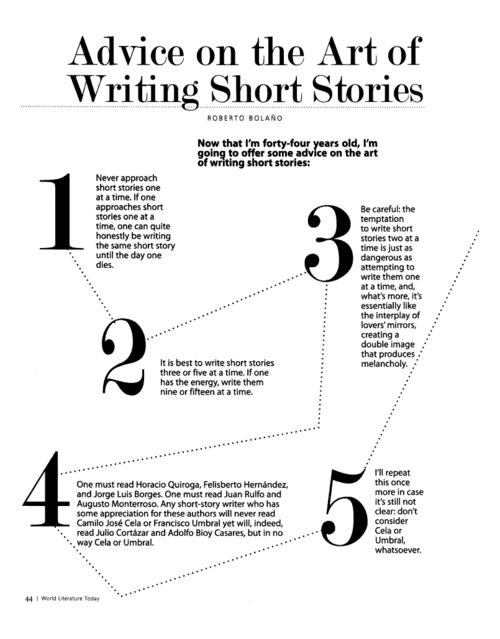
Such is the approach of Bolaño him­self, in a short, pithy essay on how to write short sto­ries. He begins in a per­func­to­ry way, almost with a sigh: “Now that I’m forty-four years old, I’m going to offer some advice on the art of writ­ing short sto­ries.” The advice, found in the graph­ic form above on The Paris Review’s Tum­blr and reprint­ed in a non-fic­tion col­lec­tion titled Between Paren­the­sis, quick­ly becomes exu­ber­ant­ly pedan­tic, per­me­at­ing the bound­aries of its neat­ly ordered list form with tongue mov­ing from cheek to cheek. Does he real­ly mean that we should read “the notable Pseu­do-Long­i­nus” on the sub­lime? Or to suggest—after insis­tent ref­er­ence to sev­er­al essen­tial Latin Amer­i­can writ­ers’ writers—that “with Edgar Allan Poe, we would all have more than enough good mate­r­i­al to read”? Prob­a­bly. But the gist, with more than enough sin­cer­i­ty, is this: Read the greats, who­ev­er they are, and read them often.

See Bolaño’s com­plete text here at Elec­tric Cere­al and an excerpt­ed ver­sion below.


(1) Nev­er approach short sto­ries one at a time. If one approach­es short sto­ries one at a time, one can quite hon­est­ly be writ­ing the same short sto­ry until the day one dies. 

(2) It is best to write short sto­ries three or five at a time. If one has the ener­gy, write them nine or fif­teen at a time.

(4) One must read Hora­cio Quiroga, Felis­ber­to Hernán­dez, and Jorge Luis Borges. One must read Juan Rul­fo and Augus­to Mon­ter­roso. Any short-sto­ry writer who has some appre­ci­a­tion for these authors will nev­er read Cami­lo José Cela or Fran­cis­co Umbral yet will, indeed, read Julio Cortázar and Adol­fo Bioy Casares, but in no way Cela or Umbral. 

(5) I’ll repeat this once more in case it’s still not clear: don’t con­sid­er Cela or Umbral, what­so­ev­er.

(6) A short-sto­ry writer should be brave. It’s a sad fact to acknowl­edge, but that’s the way it is.

(9) The hon­est truth is that with Edgar Allan Poe, we would all have more than enough good mate­r­i­al to read. 

(10) Give thought to point num­ber 9. Think and reflect on it. You still have time. Think about num­ber 9. To the extent pos­si­ble, do so on bend­ed knees. 

(12) Read these books and also read Anton Chekhov and Ray­mond Carv­er, for one of the two of them is the best writer of the twen­ti­eth cen­tu­ry.

Relat­ed Con­tent:

Pat­ti Smith’s List of Favorite Books: From Rim­baud to Susan Son­tag

Junot Díaz’s Syl­labi for His MIT Writ­ing Class­es, and the Nov­els on His Read­ing List

Pre­dict Which 21st Cen­tu­ry Nov­els Will Enter the Lit­er­ary Canon? And Which Over­rat­ed Ones Won’t?

Josh Jones is a writer and musi­cian based in Durham, NC. Fol­low him at @jdmagness

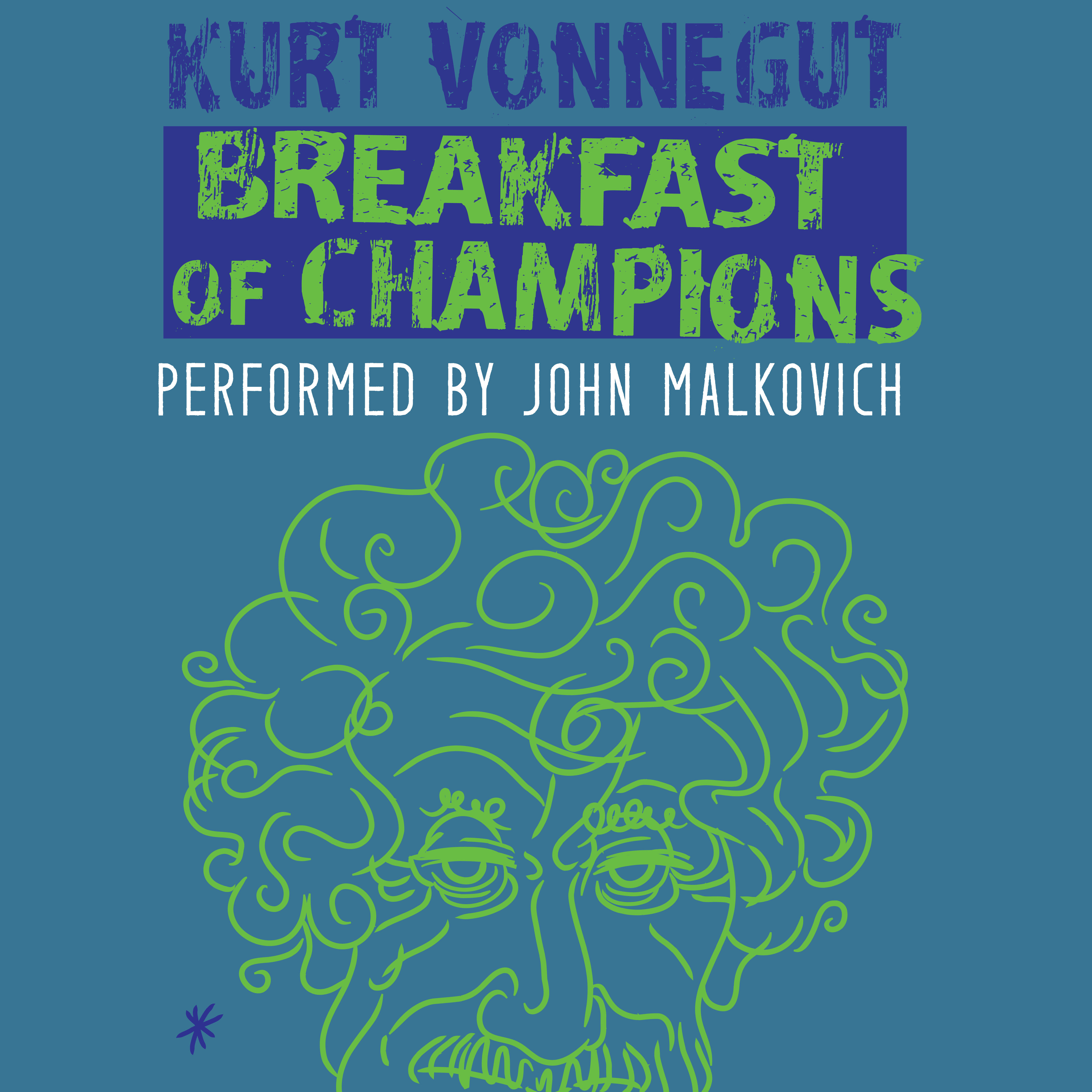
Hear John Malkovich Read From Breakfast of Champions, Then Hear Kurt Vonnegut Do the Same

breakfastofchampionscover2
In high school when I was try­ing to write sur­re­al­is­tic short sto­ries in the vein of Richard Brauti­gan, despite not real­ly under­stand­ing 90 per­cent of Richard Brauti­gan, my Eng­lish teacher rec­om­mend­ed I start read­ing Kurt Von­negut, so lat­er that day I went down to our city’s sci-fi book/comic book store and bought on her rec­om­men­da­tion Break­fast of Cham­pi­ons. A com­ic nov­el, it was breezy and fun, and by gum, had car­toons in it! (One was of a cat’s but­t­hole, the effect of which on a high schooler’s mind can­not be over­stat­ed.)

But, I admit, I haven’t read it since–the world and my tsun­doku is too big for rereadings–and maybe you haven’t read it at all, or per­haps it’s your favorite book. It was the nov­el Von­negut pub­lished four years after his best known work Slaugh­ter­house Five. When he grad­ed his nov­els in his 1981 “Auto­bi­o­graph­i­cal Col­lage” Palm Sun­day he gave Break­fast a C. It’s cer­tain­ly one of his most ram­bling nov­els, where he brings back Slaugh­ter­house Five’s sci-fi author Kil­go­re Trout and pairs him with the delu­sion­al Dwayne Hoover, and unpacks all the dark parts of Amer­i­can his­to­ry, from racism to cap­i­tal­ism to envi­ron­men­tal degra­da­tion in pas­sages both sober and bleak­ly com­ic.

John Malkovich does­n’t seem like the obvi­ous choice to read Von­negut for this audio­book, a short excerpt of which can be heard above. (Note: you can down­load the com­plete Malkovich read­ing for free via Audi­ble’s Free Tri­al pro­gram.) But the pas­sage is key in that it intro­duces the mar­ti­ni cock­tail lounge ori­gins of the book’s title, and Malkovich brings out the droll irony of Vonnegut’s writ­ing, espe­cial­ly the way he rolls the word “schiz­o­phre­nia” off his tongue. There’s a bit of the schizoid in every author, let­ting a world of char­ac­ters speak through them like a medi­um.

For com­par­i­son, check out this ear­li­er Open Cul­ture post about Von­negut read­ing a long sec­tion from Break­fast of Cham­pi­ons in 1970. The author chuck­les at some of his more com­ic pas­sages, and the audi­ence roars along. The tim­ing is that of a standup rou­tine, but this opening—one assumes its the opening—would go on to be furi­ous­ly rewrit­ten, drop­ping the first per­son style. It’s an alter­na­tive uni­verse Break­fast that can only leave one to won­der how the rest of the nov­el might have been han­dled.

h/t Ayun

Relat­ed con­tent:

Richard Brautigan’s Sto­ry, ‘One After­noon in 1939,’ Read From a Wood­en Spool

Kurt Vonnegut’s 8 Tips on How to Write a Good Short Sto­ry

22-Year-Old P.O.W. Kurt Von­negut Writes Home from World War II: “I’ll Be Damned If It Was Worth It”

Ted Mills is a free­lance writer on the arts who cur­rent­ly hosts the FunkZone Pod­cast. You can also fol­low him on Twit­ter at @tedmills, read his oth­er arts writ­ing at tedmills.com and/or watch his films here.

Umberto Eco’s Advice to Aspiring Writers

Umber­to Eco, now 83 years old, has some advice to pass along to the young.

In March, the Ital­ian semi­oti­cian, philoso­pher, lit­er­ary crit­ic, and nov­el­ist — and, of course, author of Fou­cault’s Pen­du­lum — pub­lished How to Write a The­sisIt’s a wit­ty, irrev­er­ent and prac­ti­cal guide for the stu­dent labor­ing over a the­sis or dis­ser­ta­tion. Josh Jones has more on that here.

Now, in a new­ly-released video from The Louisiana Chan­nel (a media out­let based in Den­mark), Eco turns his atten­tion toward aspir­ing writ­ers. And his wise coun­sel comes down to this: Keep your ego in check, make sure your ambi­tions are real­is­tic, put in the time and the hard work, and don’t shoot for the Nobel Prize in Lit­er­a­ture straight out of the gate. That, Eco says, kills every lit­er­ary career. He’ll also tell you that writ­ing is “10% inspi­ra­tion and 90% per­spi­ra­tion.” They’re tru­isms — you dis­cov­er when you’re an octo­ge­nar­i­an — that turn out to be true.

Find more tips for aspir­ing writ­ers below.

If you would like to sign up for Open Culture’s free email newslet­ter, please find it here. It’s a great way to see our new posts, all bun­dled in one email, each day.

If you would like to sup­port the mis­sion of Open Cul­ture, con­sid­er mak­ing a dona­tion to our site. It’s hard to rely 100% on ads, and your con­tri­bu­tions will help us con­tin­ue pro­vid­ing the best free cul­tur­al and edu­ca­tion­al mate­ri­als to learn­ers every­where. You can con­tribute through Pay­Pal, Patre­on, and Ven­mo (@openculture). Thanks!

Relat­ed Con­tent:

Ernest Hem­ing­way Cre­ates a Read­ing List for a Young Writer, 1934

Ray Brad­bury Gives 12 Pieces of Writ­ing Advice to Young Authors (2001)

Toni Mor­ri­son Dis­pens­es Writ­ing Wis­dom in 1993 Paris Review Inter­view

John Steinbeck’s Six Tips for the Aspir­ing Writer and His Nobel Prize Speech

Stephen King Cre­ates a List of 96 Books for Aspir­ing Writ­ers to Read

Kurt Von­negut Gives Advice to Aspir­ing Writ­ers in a 1991 TV Inter­view

by | Permalink | Make a Comment ( 1 ) |

10 Writing Tips from Legendary Writing Teacher William Zinsser

zinsser merged 2

Image used with per­mis­sion by Mark Ostow/Yale Alum­ni Mag­a­zine

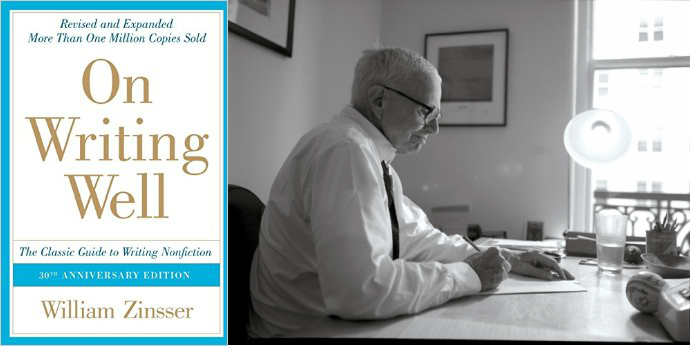
Author William Zinss­er died at his Man­hat­tan home on Tues­day, May 12, 2015. The 92-year-old left behind one of the clas­sics of writ­ing instruc­tion man­u­als as his lega­cy, On Writ­ing Well. Since its first print­ing in 1976, the book has sold 1.5 mil­lion copies, and Zinss­er made sure to update the book often. He loved the rev­o­lu­tion in writ­ing that com­put­ers brought, call­ing it a mir­a­cle.

Nev­er have so many Amer­i­cans writ­ten so pro­fuse­ly and with so few inhi­bi­tions. Which means that it wasn’t a cog­ni­tive prob­lem after all. It was a cul­tur­al prob­lem, root­ed in that old buga­boo of Amer­i­can edu­ca­tion: fear.

Zinss­er stressed sim­plic­i­ty and effi­cien­cy, but also style and enthu­si­asm. Here are 10 of his many tips for improv­ing your writ­ing.

1. Don’t make lazy word choic­es: “You’ll nev­er make your mark as a writer unless you devel­op a respect for words and a curios­i­ty about their shades of mean­ing that is almost obses­sive. The Eng­lish lan­guage is rich in strong and sup­ple words. Take the time to root around and find the ones you want.”

2. On the oth­er hand, avoid jar­gon and big words: “Clear think­ing becomes clear writ­ing; one can’t exist with­out the oth­er. It’s impos­si­ble for a mud­dy thinker to write good Eng­lish.”

3. Writ­ing is hard work: “A clear sen­tence is no acci­dent. Very few sen­tences come out right the first time, or even the third time. Remem­ber this in moments of despair. If you find that writ­ing is hard, it’s because it is hard.”

4. Write in the first per­son: “Writ­ing is an inti­mate trans­ac­tion between two peo­ple, con­duct­ed on paper, and it will go well to the extent that it retains its human­i­ty.”

5. And the more you keep in first per­son and true to your­self, the soon­er you will find your style: “Sell your­self, and your sub­ject will exert its own appeal. Believe in your own iden­ti­ty and your own opin­ions. Writ­ing is an act of ego, and you might as well admit it.

6. Don’t ask who your audi­ence is…you are the audi­ence: “You are writ­ing pri­mar­i­ly to please your­self, and if you go about it with enjoy­ment you will also enter­tain the read­ers who are worth writ­ing for.”

7. Study the mas­ters but also your con­tem­po­raries: “Writ­ing is learned by imi­ta­tion. If any­one asked me how I learned to write, I’d say I learned by read­ing the men and women who were doing the kind of writ­ing I want­ed to do and try­ing to fig­ure out how they did it.”

8. Yes, the the­saurus is your friend: “The The­saurus is to the writer what a rhyming dic­tio­nary is to the songwriter–a reminder of all the choices–and you should use it with grat­i­tude. If, hav­ing found the scalawag and the scape­grace, you want to know how they dif­fer, then go to the dic­tio­nary.”

9. Read every­thing you write out loud for rhythm and sound: “Good writ­ers of prose must be part poet, always lis­ten­ing to what they write.”

10. And don’t ever believe you are going to write any­thing defin­i­tive: “Decide what cor­ner of your sub­ject you’re going to bite off, and be con­tent to cov­er it well and stop.”

Zinss­er fol­lows his own advice, in that this book (pick up a copy here) is a joy to read, with a rol­lick­ing humor and an infec­tious enthu­si­asm. May he rest in peace!

Final­ly, as some­one who can’t stand to hear the word ‘unique’ mod­i­fied, Zinss­er has this to say: “…being ‘rather unique’ is no more pos­si­ble than being rather preg­nant.’”

Relat­ed Con­tent

David Ogilvy’s 1982 Memo “How to Write” Offers 10 Pieces of Time­less Advice

Ray Brad­bury Offers 12 Essen­tial Writ­ing Tips and Explains Why Lit­er­a­ture Saves Civ­i­liza­tion

Writ­ing Tips by Hen­ry Miller, Elmore Leonard, Mar­garet Atwood, Neil Gaiman & George Orwell

Ted Mills is a free­lance writer on the arts who cur­rent­ly hosts the FunkZone Pod­cast. You can also fol­low him on Twit­ter at @tedmills, read his oth­er arts writ­ing at tedmills.com and/or watch his films here.

David Ogilvy’s 1982 Memo “How to Write” Offers 10 Pieces of Timeless Advice

david-ogilvy_unpublished

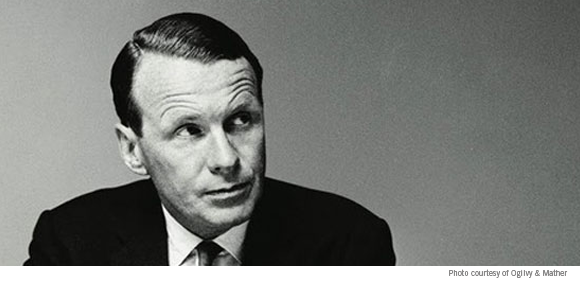
Nobody ever went broke writ­ing a read­able guide to writ­ing in Eng­lish, espe­cial­ly those that rise to the ranks of stan­dard rec­om­men­da­tions along­side Strunk and White’s The Ele­ments of Style and William Zinsser’s On Writ­ing WellBoth of those books endorse and exem­pli­fy the virtue of brevi­ty, but even such short vol­umes take a great deal longer to read and inter­nal­ize than this emi­nent­ly to-the-point Eng­lish style guide by the “Pope of Mod­ern Adver­tis­ing,” (and, for his part, a fan of Roman and Raphael­son’s Writ­ing That Works) David Ogilvy, orig­i­nal­ly com­posed in the form of an inter­nal memo.

Ogilvy sent it out on Sep­tem­ber 7th, 1982, direct­ing it to every­one employed at Ogilvy & Math­er, the respect­ed ad agency he’d found­ed more than thir­ty years before. “The memo was enti­tled ‘How to Write,’ ” says Lists of Note, “and con­sist­ed of the fol­low­ing list of advice:”

1. Read the Roman-Raphael­son book on writ­ing. Read it three times.

2. Write the way you talk. Nat­u­ral­ly.

3. Use short words, short sen­tences and short para­graphs.

4. Nev­er use jar­gon words like recon­cep­tu­al­ize, demas­si­fi­ca­tion, atti­tu­di­nal­ly, judg­men­tal­ly. They are hall­marks of a pre­ten­tious ass.

5. Nev­er write more than two pages on any sub­ject.

6. Check your quo­ta­tions.

7. Nev­er send a let­ter or a memo on the day you write it. Read it aloud the next morning—and then edit it.

8. If it is some­thing impor­tant, get a col­league to improve it.

9. Before you send your let­ter or your memo, make sure it is crys­tal clear what you want the recip­i­ent to do.

10. If you want ACTION, don’t write. Go and tell the guy what you want.

And since we all send out more writ­ten com­mu­ni­ca­tion today than we would have in 1982, the points on this list have only grown more advis­able with time. “The bet­ter you write, the high­er you go in Ogilvy & Math­er,” Ogilvy adds. “Peo­ple who think well, write well.” Amid all this prac­ti­cal advice, we’d do well not to for­get that essen­tial con­nec­tion between word and thought. I like to quote a favorite Twit­ter apho­rist of mine — and, per Ogilvy’s warn­ing, I’ve checked my quo­ta­tion first — on the sub­ject: “Peo­ple say they can’t draw when they mean they can’t see, and that they can’t write when they mean they can’t think.”

For more on the meth­ods of Ogilvy the self-described “lousy copy­writer” (but “good edi­tor”), see also Lists of Note’s sis­ter site Let­ters of Note, which has a 1955 let­ter where­in he lays out his work habits. A seem­ing­ly effec­tive one involves “half a bot­tle of rum and a Han­del ora­to­rio on the gramo­phone.” Your mileage may vary.

via Lists of Note

Relat­ed Con­tent:

Stephen King’s Top 20 Rules for Writ­ers

Ray Brad­bury Offers 12 Essen­tial Writ­ing Tips and Explains Why Lit­er­a­ture Saves Civ­i­liza­tion

Kurt Vonnegut’s 8 Tips on How to Write a Good Short Sto­ry

Writ­ing Tips by Hen­ry Miller, Elmore Leonard, Mar­garet Atwood, Neil Gaiman & George Orwell

Col­in Mar­shall writes on cities, lan­guage, Asia, and men’s style. He’s at work on a book about Los Ange­les, A Los Ange­les Primer, and the video series The City in Cin­e­maFol­low him on Twit­ter at @colinmarshall or on Face­book.

Kurt Vonnegut’s 8 Tips on How to Write a Good Short Story

When it came to giv­ing advice to writ­ers, Kurt Von­negut was nev­er dull. He once tried to warn peo­ple away from using semi­colons by char­ac­ter­iz­ing them as “trans­ves­tite her­maph­ro­dites rep­re­sent­ing absolute­ly noth­ing.” And, in a mas­ter’s the­sis reject­ed by The Uni­ver­si­ty of Chica­go, he made the tan­ta­liz­ing argu­ment that “sto­ries have shapes which can be drawn on graph paper, and that the shape of a giv­en society’s sto­ries is at least as inter­est­ing as the shape of its pots or spear­heads.” In this brief video, Von­negut offers eight essen­tial tips on how to write a short sto­ry:

  1. Use the time of a total stranger in such a way that he or she will not feel the time was wast­ed.
  2. Give the read­er at least one char­ac­ter he or she can root for.
  3. Every char­ac­ter should want some­thing, even if it is only a glass of water.
  4. Every sen­tence must do one of two things–reveal char­ac­ter or advance the action.
  5. Start as close to the end as pos­si­ble.
  6. Be a sadist. No mat­ter how sweet and inno­cent your lead­ing char­ac­ters, make awful things hap­pen to them–in order that the read­er may see what they are made of.
  7. Write to please just one per­son. If you open a win­dow and make love to the world, so to speak, your sto­ry will get pneu­mo­nia.
  8. Give your read­ers as much infor­ma­tion as pos­si­ble as soon as pos­si­ble. To heck with sus­pense. Read­ers should have such com­plete under­stand­ing of what is going on, where and why, that they could fin­ish the sto­ry them­selves, should cock­roach­es eat the last few pages.

Von­negut put down his advice in the intro­duc­tion to his 1999 col­lec­tion of mag­a­zine sto­ries, Bagom­bo Snuff Box. But for every rule (well, almost every rule) there is an excep­tion. “The great­est Amer­i­can short sto­ry writer of my gen­er­a­tion was Flan­nery O’Con­nor,” writes Von­negut. “She broke prac­ti­cal­ly every one of my rules but the first. Great writ­ers tend to do that.”

Now if you want to learn to write with style, that’s anoth­er sto­ry. And Von­negut has advice on that too here.

via Brain­Pick­ings

If you would like to sign up for Open Culture’s free email newslet­ter, please find it here. It’s a great way to see our new posts, all bun­dled in one email, each day.

If you would like to sup­port the mis­sion of Open Cul­ture, con­sid­er mak­ing a dona­tion to our site. It’s hard to rely 100% on ads, and your con­tri­bu­tions will help us con­tin­ue pro­vid­ing the best free cul­tur­al and edu­ca­tion­al mate­ri­als to learn­ers every­where. You can con­tribute through Pay­Pal, Patre­on, and Ven­mo (@openculture). Thanks!

Relat­ed Con­tent:

“Wear Sun­screen”: The Sto­ry Behind the Com­mence­ment Speech That Kurt Von­negut Nev­er Gave

Kurt Von­negut Dia­grams the Shape of All Sto­ries in a Master’s The­sis Reject­ed by U. Chica­go

Kurt Von­negut Explains “How to Write With Style”

22-Year-Old P.O.W. Kurt Von­negut Writes Home from World War II: “I’ll Be Damned If It Was Worth It”

by | Permalink | Make a Comment ( 33 ) |

Leo Tolstoy’s 17 “Rules of Life:” Wake at 5am, Help the Poor, & Only Two Brothel Visits Per Month

tolstoy rules 2

Many aspir­ing epic nov­el­ists sure­ly would­n’t mind writ­ing like Leo Tol­stoy. But can you write like the writer you admire with­out liv­ing like the writer you admire? Biogra­phies reveal plen­ty of facts about how the author of such immor­tal vol­umes as War and Peace and Anna Karen­i­na passed his 82 years, none more telling than that even Leo Tol­stoy strug­gled to live like Leo Tol­stoy. “I must get used to the idea, once and for all, that I am an excep­tion­al human being,” he wrote in 1853, at age 25, under­scor­ing that “I have not met one man who is moral­ly as good as I am, or ready to sac­ri­fice every­thing for his ide­al, as I am.”

Clear­ly, exces­sive mod­esty did­n’t count among Tol­stoy’s faults. Sev­en years before mak­ing that dec­la­ra­tion, he had already envi­sioned for him­self a life of virtue and indus­try, lay­ing out what he called his “rules of life,” per­haps a fore­shad­ow­ing of his search for a rig­or­ous­ly reli­gious life with­out belief in a high­er being. The web­site Tol­stoy Ther­a­py has post­ed a selec­tion of these rules, which com­mand­ed him as fol­lows:

  • Wake at five o’clock
  • Go to bed no lat­er than ten o’clock
  • Two hours per­mis­si­ble for sleep­ing dur­ing the day
  • Eat mod­er­ate­ly
  • Avoid sweet foods
  • Walk for an hour every day
  • Vis­it a broth­el only twice a month
  • Love those to whom I could be of ser­vice
  • Dis­re­gard all pub­lic opin­ion not based on rea­son
  • Only do one thing at a time
  • Dis­al­low flights of imag­i­na­tion unless nec­es­sary

To this list of pre­cepts drawn up at the dawn of his adult life, most of which would­n’t seem out of place as any of our 21st-cen­tu­ry new year’s res­o­lu­tions, Tol­stoy lat­er added these:

  • Nev­er to show emo­tion
  • Stop car­ing about oth­er peo­ple’s opin­ion of myself
  • Do good things incon­spic­u­ous­ly
  • Keep away from women
  • Sup­press lust by work­ing hard
  • Help those less for­tu­nate

Even if you haven’t read much about Tol­stoy’s life, you may sense in some of these gen­er­al prin­ci­ples evi­dence of bat­tles with par­tic­u­lar impuls­es: observe, for instance, how his twice-month­ly lim­it on broth­el vis­its becomes the much more strin­gent and much less real­is­tic for­bid­dance of women entire­ly. But per­haps his tech­nique of work­ing hard, how­ev­er well or poor­ly it sup­pressed his lust (the man did father four­teen chil­dren, after all), ben­e­fit­ed him in the end, giv­en the vast and (often lit­er­al­ly) weighty body of work he left behind.

“Between ‘rules of life’ and life itself, what a chasm!” exclaims biog­ra­ph­er Hen­ri Troy­at in Tol­stoy. But as rich with inter­est as we find books like that, we ulti­mate­ly care about writ­ers not because of how they live, but because of how they write. The young Tol­stoy knew that, too; “the pub­li­ca­tion of Child­hood and ‘The Raid’ hav­ing made him, in his own eyes, a gen­uine man of let­ters,” writes Troy­at, “he soon added no less peremp­to­ry ‘Rules of Writ­ing’ to his ‘Rules of Life’:”

  • When you crit­i­cize your work, always put your­self in the posi­tion of the most lim­it­ed read­er, who is look­ing only for enter­tain­ment in a book.
  • The most inter­est­ing books are those in which the author pre­tends to hide his own opin­ion and yet remains faith­ful to it.
  • When reread­ing and revis­ing, do not think about what should be added (no mat­ter how admirable the thoughts that come to mind) … but about how much can be tak­en away with­out dis­tort­ing the over­all mean­ing.

Then again, War and Peace has in the mod­ern day become a byword for sheer length, and few read­ers not already steeped in 19th-cen­tu­ry Russ­ian lit­er­a­ture would turn to Tol­stoy for pure enter­tain­ment. Per­haps the writer’s life implic­it­ly adds one caveat atop all the ever-stricter rules he made for him­self while liv­ing it: nobody’s per­fect.

via Tol­stoy Ther­a­py

Relat­ed con­tent:

Leo Tol­stoy Cre­ates a List of the 50+ Books That Influ­enced Him Most (1891)

Rare Record­ing: Leo Tol­stoy Reads From His Last Major Work in Four Lan­guages, 1909

Vin­tage Footage of Leo Tol­stoy: Video Cap­tures the Great Nov­el­ist Dur­ing His Final Days

The Com­plete Works of Leo Tol­stoy Online: New Archive Will Present 90 Vol­umes for Free (in Russ­ian)

Leo Tolstoy’s Fam­i­ly Recipe for Mac­a­roni and Cheese

Stephen King’s Top 20 Rules for Writ­ers

Ray Brad­bury Offers 12 Essen­tial Writ­ing Tips and Explains Why Lit­er­a­ture Saves Civ­i­liza­tion

Col­in Mar­shall hosts and pro­duces Note­book on Cities and Cul­ture as well as the video series The City in Cin­e­ma and writes essays on cities, lan­guage, Asia, and men’s style. He’s at work on a book about Los Ange­les, A Los Ange­les Primer. Fol­low him on Twit­ter at @colinmarshall or on Face­book.

Umberto Eco’s How To Write a Thesis: A Witty, Irreverent & Highly Practical Guide Now Out in English

577px-Umberto_Eco_02

Image by Uni­ver­sità Reg­gio Cal­abria, released under a C BY-SA 3.0 license.

In gen­er­al, the how-to book—whether on bee­keep­ing, piano-play­ing, or wilder­ness survival—is a dubi­ous object, always run­ning the risk of bor­ing read­ers into despair­ing apa­thy or hope­less­ly per­plex­ing them with com­plex­i­ty. Instruc­tion­al books abound, but few suc­ceed in their mis­sion of impart­ing the­o­ret­i­cal wis­dom or keen, prac­ti­cal skill. The best few I’ve encoun­tered in my var­i­ous roles have most­ly done the for­mer. In my days as an edu­ca­tor, I found abstract, dis­cur­sive books like Robert Scholes’ Tex­tu­al Pow­er or poet and teacher Marie Ponsot’s lyri­cal Beat Not the Poor Desk infi­nite­ly more salu­tary than more down-to-earth books on the art of teach­ing. As a some­time writer of fic­tion, I’ve found Milan Kundera’s idio­syn­crat­ic The Art of the Nov­el—a book that might have been titled The Art of Kun­dera—a great deal more inspir­ing than any num­ber of oth­er well-mean­ing MFA-lite pub­li­ca­tions. And as a self-taught audio engi­neer, I’ve found a book called Zen and the Art of Mix­ing—a clas­sic of the genre, even short­er on tech­ni­cal spec­i­fi­ca­tions than its name­sake is on motor­cy­cle maintenance—better than any oth­er dense, dia­gram-filled man­u­al.

How I wish, then, that as a one­time (long­time) grad stu­dent, I had had access to the Eng­lish trans­la­tion, just pub­lished this month, of Umber­to Eco’s How to Write a The­sis, a guide to the pro­duc­tion of schol­ar­ly work worth the name by the high­ly cel­e­brat­ed Ital­ian nov­el­ist and intel­lec­tu­al. Writ­ten orig­i­nal­ly in Ital­ian in 1977, before Eco’s name was well-known for such works of fic­tion as The Name of the Rose and Foucault’s Pen­du­lum, How to Write The­sis is appro­pri­ate­ly described by MIT Press as read­ing: “like a nov­el”: “opin­ion­at­ed… fre­quent­ly irrev­er­ent, some­times polem­i­cal, and often hilar­i­ous.”

For exam­ple, in the sec­ond part of his intro­duc­tion, after a rather dry def­i­n­i­tion of the aca­d­e­m­ic “the­sis,” Eco dis­suades a cer­tain type of pos­si­ble read­er from his book, those stu­dents “who are forced to write a the­sis so that they may grad­u­ate quick­ly and obtain the career advance­ment that orig­i­nal­ly moti­vat­ed their uni­ver­si­ty enroll­ment.” These stu­dents, he writes, some of whom “may be as old as 40” (gasp), “will ask for instruc­tions on how to write a the­sis in a month.” To them, he rec­om­mends two pieces of advice, in full knowl­edge that both are clear­ly “ille­gal”:

(a) Invest a rea­son­able amount of mon­ey in hav­ing a the­sis writ­ten by a sec­ond par­ty. (b) Copy a the­sis that was writ­ten a few years pri­or for anoth­er insti­tu­tion. (It is bet­ter not to copy a book cur­rent­ly in print, even if it was writ­ten in a for­eign lan­guage. If the pro­fes­sor is even min­i­mal­ly informed on the top­ic, he will be aware of the book’s exis­tence.

Eco goes on to say that “even pla­gia­riz­ing a the­sis requires an intel­li­gent research effort,” a caveat, I sup­pose, for those too thought­less or lazy even to put the required effort into aca­d­e­m­ic dis­hon­esty.

Instead, he writes for “stu­dents who want to do rig­or­ous work” and “want to write a the­sis that will pro­vide a cer­tain intel­lec­tu­al sat­is­fac­tion.” Eco doesn’t allow for the fact that these groups may not be mutu­al­ly exclu­sive, but no mat­ter. His style is loose and con­ver­sa­tion­al, and the unse­ri­ous­ness of his dog­mat­ic asser­tions belies the lib­er­at­ing tenor of his advice. For all of the fun Eco has dis­cussing the whys and where­for­es of aca­d­e­m­ic writ­ing, he also dis­pens­es a wealth of prac­ti­cal hows, mak­ing his book a rar­i­ty among the small pool of read­able How-tos. For exam­ple, Eco offers us “Four Obvi­ous Rules for Choos­ing a The­sis Top­ic,” the very bedrock of a doc­tor­al (or mas­ters) project, on which said project tru­ly stands or falls:

1. The top­ic should reflect your pre­vi­ous stud­ies and expe­ri­ence. It should be relat­ed to your com­plet­ed cours­es; your oth­er research; and your polit­i­cal, cul­tur­al, or reli­gious expe­ri­ence.

2. The nec­es­sary sources should be mate­ri­al­ly acces­si­ble. You should be near enough to the sources for con­ve­nient access, and you should have the per­mis­sion you need to access them.

3. The nec­es­sary sources should be man­age­able. In oth­er words, you should have the abil­i­ty, expe­ri­ence, and back­ground knowl­edge need­ed to under­stand the sources.

4. You should have some expe­ri­ence with the method­olog­i­cal frame­work that you will use in the the­sis. For exam­ple, if your the­sis top­ic requires you to ana­lyze a Bach vio­lin sonata, you should be versed in music the­o­ry and analy­sis.

Hav­ing suf­fered the throes of propos­ing, then actu­al­ly writ­ing, an aca­d­e­m­ic the­sis, I can say with­out reser­va­tion that, unlike Eco’s encour­age­ment to pla­gia­rism, these four rules are not only help­ful, but nec­es­sary, and not near­ly as obvi­ous as they appear. Eco goes on in the fol­low­ing chap­ter, “Choos­ing the Top­ic,” to present many exam­ples, gen­er­al and spe­cif­ic, of how this is so.

Much of the remain­der of Eco’s book—though writ­ten in as live­ly a style and shot through with wit­ti­cisms and profundity—is grave­ly out­dat­ed in its minute descrip­tions of research meth­ods and for­mat­ting and style guides. This is pre-inter­net, and tech­nol­o­gy has—sadly in many cases—made redun­dant much of the foot­work he dis­cuss­es. That said, his star­tling takes on such top­ics as “Must You Read Books?,” “Aca­d­e­m­ic Humil­i­ty,” “The Audi­ence,” and “How to Write” again offer indis­pens­able ways of think­ing about schol­ar­ly work that one gen­er­al­ly arrives at only, if at all, at the com­ple­tion of a long, painful, and most­ly bewil­der­ing course of writ­ing and research.

FYI: You can down­load Eco’s book, How to Write a The­sis, as a free audio­book if you want to try out Audible.com’s no-risk, 30-day free tri­al pro­gram. Find details here.

Relat­ed Con­tent:

The Books You Think Every Intel­li­gent Per­son Should Read: Crime and Pun­ish­ment, Moby-Dick & Beyond (Many Free Online)

“Lol My The­sis” Show­cas­es Painful­ly Hilar­i­ous Attempts to Sum up Years of Aca­d­e­m­ic Work in One Sen­tence

Steven Pinker Uses The­o­ries from Evo­lu­tion­ary Biol­o­gy to Explain Why Aca­d­e­m­ic Writ­ing is So Bad

Wern­er Herzog’s Rogue Film School: Apply & Learn the Art of Gueril­la Film­mak­ing & Lock-Pick­ing

Josh Jones is a writer and musi­cian based in Durham, NC. Fol­low him at @jdmagness

« Go BackMore in this category... »
Quantcast