H.P. Lovecraft Gives Five Tips for Writing a Horror Story, or Any Piece of “Weird Fiction”

lovecraft hp

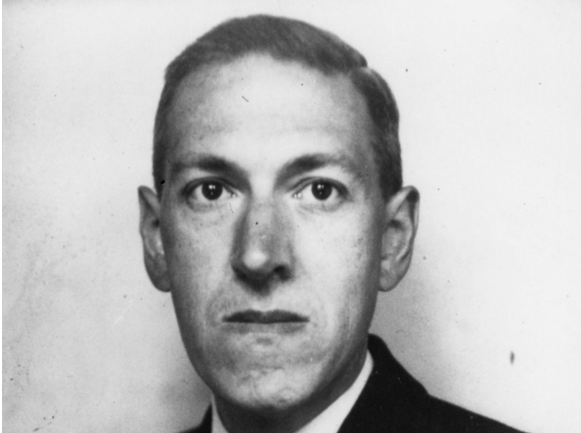
Image by Lucius B. Trues­dell, via Wiki­me­dia Com­mons

Though the term “weird fic­tion” came into being in the 19th century—originally used by Irish goth­ic writer Sheri­dan Le Fanu—it was picked up by H.P. Love­craft in the 20th cen­tu­ry as a way, pri­mar­i­ly, of describ­ing his own work. Love­craft pro­duced copi­ous amounts of the stuff, as you can see from our post high­light­ing online col­lec­tions of near­ly his entire cor­pus. He also wrote in depth about writ­ing itself. He did so in gen­er­al­ly pre­scrip­tive ways, as in his 1920 essay “Lit­er­ary Com­po­si­tion,” and in ways spe­cif­ic to his cho­sen mode—as in the 1927 “Super­nat­ur­al Hor­ror in Lit­er­a­ture,” in which he defined weird fic­tion very dif­fer­ent­ly than Le Fanu or mod­ern authors like Chi­na Miéville. For Love­craft,

The true weird tale has some­thing more than secret mur­der, bloody bones, or a sheet­ed form clank­ing chains accord­ing to rule. A cer­tain atmos­phere of breath­less and unex­plain­able dread of out­er, unknown forces must be present; and there must be a hint, expressed with a seri­ous­ness and por­ten­tous­ness becom­ing its sub­ject, of that most ter­ri­ble con­cep­tion of the human brain–a malign and par­tic­u­lar sus­pen­sion or defeat of those fixed laws of Nature which are our only safe­guard against the assaults of chaos and the dae­mons of unplumbed space.

Here we have, broad­ly, the tem­plate for a very Love­craft­ian tale indeed. Ten years lat­er, in a 1937 essay titled “Notes on Writ­ing Weird Fic­tion,” Love­craft would return to the theme and elab­o­rate more ful­ly on how to pro­duce such an arti­fact.

Weird Fic­tion, wrote Love­craft in that lat­er essay, is “obvi­ous­ly a spe­cial and per­haps a nar­row” kind of “sto­ry-writ­ing,” a form in which “hor­ror and the unknown or the strange are always close­ly con­nect­ed,” and one that “fre­quent­ly emphasize[s] the ele­ment of hor­ror because fear is our deep­est and strongest emo­tion.” Although Love­craft self-dep­re­cat­ing­ly calls him­self an “insignif­i­cant ama­teur,” he nonethe­less sit­u­ates him­self in the com­pa­ny of “great authors” who mas­tered hor­ror writ­ing of one kind or anoth­er: “[Lord] Dun­sany, Poe, Arthur Machen, M.R. James, Alger­non Black­wood, and Wal­ter de la Mare.” Even if you only know the name of Poe, it’s weighty com­pa­ny indeed.

But be not intimidated—Lovecraft wasn’t. As our tra­di­tion­al hol­i­day cel­e­bra­tion of fear approach­es, per­haps you’d be so inclined to try your hand at a lit­tle weird fic­tion of your own. You should cer­tain­ly, Love­craft would stress, spend some time read­ing these writ­ers’ works. But he goes fur­ther, and offers us a very con­cise, five point “set of rules” for writ­ing a weird fic­tion sto­ry that he says might be “deduced… if the his­to­ry of all my tales were ana­lyzed.” See an abridged ver­sion below:

  1. Pre­pare a syn­op­sis or sce­nario of events in the order of their absolute occur­rence—not the order of their nar­ra­tions.

This is a prac­tice adhered to by writ­ers from J.K. Rowl­ing and William Faulkn­er to Nor­man Mail­er. It seems an excel­lent gen­er­al piece of advice for any kind of fic­tion.

  1. Pre­pare a sec­ond syn­op­sis or sce­nario of events—this one in order of nar­ra­tion (not actu­al occur­rence), with ample full­ness and detail, and with notes as to chang­ing per­spec­tive, stress­es, and cli­max.
  1. Write out the story—rapidly, flu­ent­ly, and not too critically—following the sec­ond or nar­ra­tive-order syn­op­sis. Change inci­dents and plot when­ev­er the devel­op­ing process seems to sug­gest such change, nev­er being bound by any pre­vi­ous design.

It may be that the sec­ond rule is made just to be bro­ken, but it pro­vides the weird fic­tion prac­ti­tion­er with a begin­ning. The third stage here brings us back to a process every writer on writ­ing, such as Stephen King, will high­light as key—free, unfet­tered draft­ing, fol­lowed by…

  1. Revise the entire text, pay­ing atten­tion to vocab­u­lary, syn­tax, rhythm of prose, pro­por­tion­ing of parts, niceties of tone, grace and con­vinc­ing­ness of tran­si­tions…

And final­ly….

  1. Pre­pare a neat­ly typed copy—not hes­i­tat­ing to add final revi­so­ry touch­es where they seem in order.

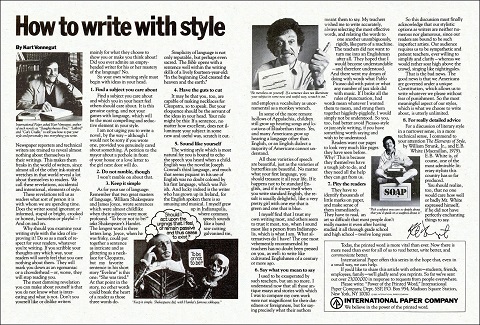
You will notice right away that these five “rules” tell us noth­ing about what to put in our weird fic­tion, and could apply to any sort of fic­tion at all, real­ly. This is part of the admirably com­pre­hen­sive qual­i­ty of the oth­er­wise suc­cinct essay. Love­craft tells us why he writes, why he writes what he writes, and how he goes about it. The con­tent of his fic­tion­al uni­verse is entire­ly his own, a method of visu­al­iz­ing “vague, elu­sive, frag­men­tary impres­sions.” Your mileage, and your method, will indeed vary.

Love­craft goes on to describe “four dis­tinct types of weird sto­ry” that fit “into two rough categories—those in which the mar­vel or hor­ror con­cerns some con­di­tion or phe­nom­e­non, and those in which it con­cerns some action of per­sons in con­nec­tion with a bizarre con­di­tion or phe­non­menon.” If this doesn’t clear things up for you, then per­haps a care­ful read­ing of Lovecraft’s com­plete “Notes on Writ­ing Weird Fic­tion” will. Ulti­mate­ly, how­ev­er, “there is no one way” to write a sto­ry. But with some practice—and no small amount of imagination—you may find your­self join­ing the com­pa­ny of Poe, Love­craft, and a host of con­tem­po­rary writ­ers who con­tin­ue to push the bound­aries of weird fic­tion past the some­times parochial, often pro­found­ly big­ot­ed, lim­its that Love­craft  set out.

Relat­ed Con­tent:

H.P. Lovecraft’s Clas­sic Hor­ror Sto­ries Free Online: Down­load Audio Books, eBooks & More

Love­craft: Fear of the Unknown (Free Doc­u­men­tary)

Stephen King’s Top 20 Rules for Writ­ers

Writ­ing Tips by Hen­ry Miller, Elmore Leonard, Mar­garet Atwood, Neil Gaiman & George Orwell

Josh Jones is a writer and musi­cian based in Durham, NC. Fol­low him at @jdmagness

Steven Pinker Identifies 10 Breakable Grammatical Rules: “Who” Vs. “Whom,” Dangling Modifiers & More

The sense of style

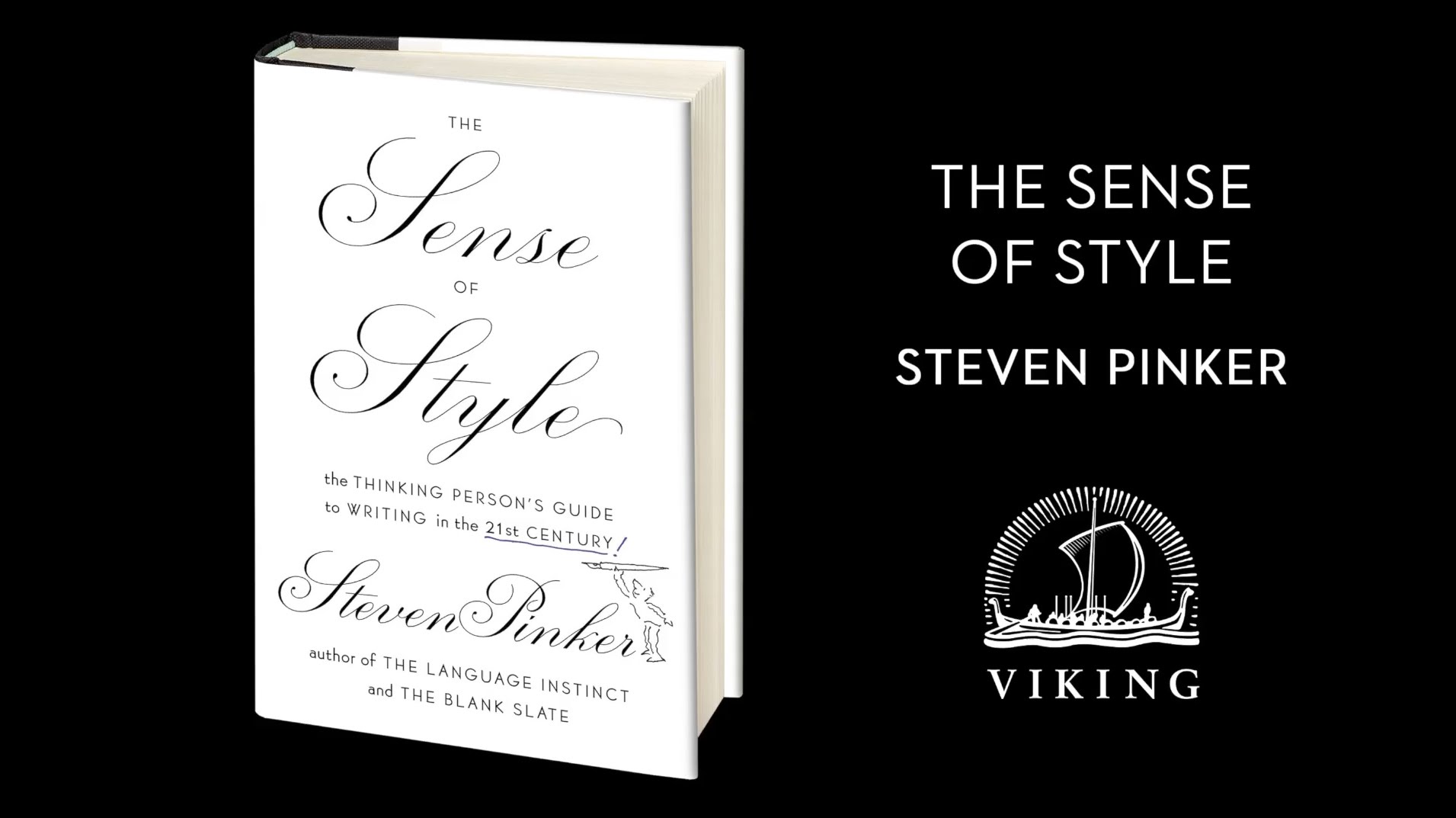
We’ve pre­vi­ous­ly fea­tured Har­vard cog­ni­tive sci­en­tist Steven Pinker dis­cussing writ­ing at a Har­vard con­fer­ence on the sub­ject. In that case, the focus was nar­row­ly on aca­d­e­m­ic writ­ing, which, he has uncon­tro­ver­sial­ly claimed, “stinks.” Now—“not con­tent with just poach­ing” in the land of the scribes, writes Charles McGrath at The New York Times Sun­day Book Review—Pinker has dared to “set him­self up as a game­keep­er” with a new book—The Sense of Style: The Think­ing Person’s Guide to Writ­ing in the 21st Cen­tu­ry. The grandiose title sug­gests to McGrath that the sci­en­tist intends to sup­plant that most ven­er­a­ble, and most dat­ed, clas­sic writer’s text by Strunk and White. He’s gone from chid­ing his fel­low schol­ars to writ­ing pre­scrip­tions for us all.

But if this seems out of bounds, wait until you hear what he sug­gests. Instead of issu­ing even more seem­ing­ly arbi­trary, bur­den­some com­mands, Pinker aims to free us from the tyran­ny of the sense­less in grammar—or, as he calls it in an arti­cle at The Guardian, from “folk­lore and super­sti­tion.” Below are five of the ten “com­mon issues of gram­mar” Pinker selects “from those that repeat­ed­ly turn up in style guides, pet-peeve lists, news­pa­per lan­guage columns and irate let­ters to the edi­tor.” In each case, he explains the absur­di­ty of strict adher­ence and offers sev­er­al per­fect­ly rea­son­able excep­tions that require no cor­rec­tion to clar­i­fy their mean­ing.

  1. Begin­ning sen­tences with con­junc­tions

We have almost cer­tain­ly all been taught in some fash­ion or anoth­er that this is a no-no. “That’s because teach­ers need a sim­ple way” to teach chil­dren “how to break sen­tences.” The “rule,” Pinker says, is “mis­in­for­ma­tion” and “inap­pro­pri­ate for adults.” He cites only two exam­ples here, both using the con­junc­tion “because”: John­ny Cash’s “Because you’re mine, I walk the line,” and the stock parental non-answer, “Because I said so.” And yet (see what I did?), oth­er con­junc­tions, like “and,” “but,” “yet,” and “so” may also “be used to begin a sen­tence when­ev­er the claus­es being con­nect­ed are too long or com­pli­cat­ed to fit com­fort­ably into a sin­gle megasen­tence.”

  1. Dan­gling mod­i­fiers

Hav­ing taught Eng­lish com­po­si­tion for sev­er­al years, and thus hav­ing read sev­er­al hun­dred scram­bled stu­dent essays, I find this one dif­fi­cult to con­cede. The dan­gling modifier—an espe­cial­ly easy error to make when writ­ing quickly—too eas­i­ly cre­ates con­fu­sion or down­right unin­tel­li­gi­bil­i­ty. Pinker does admit since the sub­jects of dan­gling mod­i­fiers “are inher­ent­ly ambigu­ous,” they might some­times “inad­ver­tent­ly attract a read­er to the wrong choice, as in ‘When a small boy, a girl is of lit­tle inter­est.’” But, he says, this is not a gram­mat­i­cal error. Here are a few “dan­glers” he sug­gests as “per­fect­ly accept­able”:

“Check­ing into the hotel, it was nice to see a few of my old class­mates in the lob­by.”

“Turn­ing the cor­ner, the view was quite dif­fer­ent.”

“In order to con­tain the epi­dem­ic, the area was sealed off.”

  1. Who and Whom

I once had a stu­dent ask me if “whom” was an archa­ic affec­ta­tion that would make her writ­ing sound forced and unnat­ur­al. I had to admit she had an excel­lent point, no mat­ter what our over­priced text­book said. In most cas­es, even if cor­rect­ly used, whom can indeed sound “for­mal verg­ing on pompous.” Though they seem straight­for­ward enough, “the rules for its prop­er use,” writes Pinker, “are obscure to many speak­ers, tempt­ing them to drop ‘whom’ into their speech when­ev­er they want to sound posh,” and to gen­er­al­ly use the word incor­rect­ly. Despite “a cen­tu­ry of nag­ging by pre­scrip­tive gram­mar­i­ans,” the dis­tinc­tion between “who” and “whom” seems any­thing but sim­ple, and so one’s use of it—as with any tricky word or usage—should be care­ful­ly cal­i­brat­ed “to the com­plex­i­ty of the con­struc­tion and the degree of for­mal­i­ty” the writ­ing calls for. Put plain­ly, know how you’re using “whom” and why, or stick with the unob­jec­tion­able “who.”

  1. Very unique

Often­times we find the most innocu­ous-sound­ing, com­mon sense usages called out by uptight pedants as ungram­mat­i­cal when there’s no seem­ing rea­son why they should be. The phrase “very unique,” a descrip­tion that may not strike you as exces­sive­ly weird or back­ward, hap­pens to be “one of the com­mon­est insults to the sen­si­bil­i­ty of the purist.” This is because, such nar­row thinkers claim, as with oth­er cat­e­gor­i­cal expres­sions like “absolute” or “incom­pa­ra­ble,” some­thing either is or it isn’t, in the same way that one either is or isn’t preg­nant: “refer­ring to degrees of unique­ness is mean­ing­less,” says the log­ic, in the case of absolute adjec­tives. Of course, it seems to me that one can absolute­ly refer to degrees of preg­nan­cy. In any case, writes Pinker, “unique­ness is not like preg­nan­cy […]; it must be defined rel­a­tive to some scale of mea­sure­ment.” Hence, “very unique,” makes sense, he says. But you should avoid it on aes­thet­ic grounds. “’Very,’” he says, “is a sog­gy mod­i­fi­er in the best of cir­cum­stances.” How about “rather unique?” Too posh-sound­ing?

  1. That and which

I breathed an audi­ble sigh on encoun­ter­ing this one, because it’s a rule I find par­tic­u­lar­ly irk­some. Of note is that Pinker, an Amer­i­can, is writ­ing in The Guardian, a British pub­li­ca­tion, where things are much more relaxed for these two rel­a­tive pro­nouns. In U.S. usage, “which” is reserved for nonrestrictive—or option­al claus­es: “The pair of shoes, which cost five thou­sand dol­lars, was hideous.” For restric­tive claus­es, those “essen­tial to the mean­ing of the sen­tence,” we use “that.” Pinker takes the exam­ple of a sen­tence in a doc­u­men­tary on “Imel­da Marcos’s vast shoe col­lec­tion.” In such a case, of course, we would need that bit about the price; hence, “The pair of shoes that cost £5,000 was hideous.”

It’s a rea­son­able enough dis­tinc­tion, and “one part of the rule,” Pinker says, “is cor­rect.” We would rarely find some­one writ­ing “The pair of shoes, that cost £5,000…” after all. It prob­a­bly looks awk­ward to our eyes (though I’ve seen it often enough). But there’s sim­ply no good rea­son, he says, why we can’t use “which” freely, as the Brits already do, to refer to things both essen­tial and non-. “Great writ­ers have been using it for cen­turies,” Pinker points out, cit­ing who­ev­er (or “whomev­er”) trans­lat­ed that “ren­der unto Cae­sar” bit in the King James Bible and Franklin Roosevelt’s “a day which will live in infamy.” QED, I’d say. And any­way, “which” is so much love­li­er a word than “that.”

See Pinker’s Guardian piece for his oth­er five anti-rules and free your­self up to write in a more nat­ur­al, less stilt­ed way. That is, if you already have some mas­tery of basic Eng­lish. As Pinker right­ly observes, “any­one who has read an inept stu­dent paper [um-hm], a bad Google trans­la­tion, or an inter­view with George W. Bush can appre­ci­ate that stan­dards of usage are desir­able in many areas of com­mu­ni­ca­tion.” How do we know when a rule is use­ful and when it impedes “clear and grace­ful prose?” It’s real­ly no mys­tery, Pinker says. “Look it up.” It sounds like his book might help put things into bet­ter per­spec­tive than most writ­ing guides, how­ev­er. You can also hear him dis­cuss his acces­si­ble and intu­itive writ­ing advice in the KQED inter­view with Michael Kras­ny above.

Relat­ed Con­tent:

Steven Pinker Uses The­o­ries from Evo­lu­tion­ary Biol­o­gy to Explain Why Aca­d­e­m­ic Writ­ing is So Bad

Steven Pinker Explains the Neu­ro­science of Swear­ing (NSFW)

Steven Pinker: “Dear Human­ists, Sci­ence is Not Your Ene­my”

Josh Jones is a writer and musi­cian based in Durham, NC. Fol­low him at @jdmagness

Haruki Murakami Lists the Three Essential Qualities For All Serious Novelists (And Runners)

free-murakami-stories

Image by wakari­m­a­sita, via Wiki­me­dia Com­mons

We’ve brought you a wealth of Haru­ki Muraka­mi late­ly, and for good rea­son. Not only does the wild­ly pop­u­lar Japan­ese nov­el­ist have a new nov­el out, he also has an upcom­ing novel­la, The Strange Library, a 96-page sto­ry about, well, a “strange trip to the library,” due from Knopf on Decem­ber 2nd. Admirably pro­lif­ic, writ­ing rough­ly 3–4 nov­els per decade since his first in 1979, and a few col­lec­tions of sto­ries and essays, the noto­ri­ous­ly shy Muraka­mi took to writ­ing some­what late in life at age 30, and to run­ning even lat­er at 33. The lat­ter pur­suit gave him a great deal of mate­r­i­al for his essay col­lec­tion What I Talk About When I Talk About Run­ning.

Like oth­er authors who write non­fic­tion pieces on their avocations—Jamaica Kin­caid on gar­den­ing, Hem­ing­way on hunt­ing—in his run­ning book, Muraka­mi can’t help but turn his pas­sion for fit­ness into a metaphor for read­ing and writ­ing. Giv­en his nat­ur­al ret­i­cence, he begins, with a dis­claimer: “a gen­tle­man shouldn’t go on and on about what he does to stay fit.”

Nev­er­the­less, the ultra-marathon­er can’t help but indulge. At one point, the writ­ing on run­ning turns to writ­ing on writ­ing, and a sum­ma­ry of the qual­i­ties the good nov­el­ist must have. Read his thoughts con­densed below.

Tal­ent:

Like Flan­nery O’Connor, whose thoughts on the MFA degree we quot­ed a few days ago, Muraka­mi frames tal­ent as an attribute that can’t be taught or bought. For the writer, tal­ent is “more of a pre­req­ui­site than a nec­es­sary qual­i­ty […] No mat­ter how much enthu­si­asm and effort you put into writ­ing, if you total­ly lack lit­er­ary tal­ent you can for­get about being a nov­el­ist.” One feels this should go with­out say­ing, but for what­ev­er rea­son, it seems that more peo­ple enter­tain the idea of becom­ing a writer longer in life than that of becom­ing, say, a musi­cian or a painter. Maybe this is why Muraka­mi then makes an anal­o­gy to music as a pur­suit in which, ide­al­ly, nat­ur­al apti­tude is indis­pens­able. But in men­tion­ing two of his favorite com­posers, Schu­bert and Mozart, Muraka­mi makes the point that these are exam­ples of artists “whose genius went out in a blaze of glo­ry.” He is quick to point out that “for the vast major­i­ty of us this isn’t the mod­el we fol­low.” The nov­el­ist as run­ner, we might say, should train for a career run­ning marathons.

Focus:

Muraka­mi-as-run­ner, an Econ­o­mist review mus­es, is “if not a mad­man […] a very focused man.” One would have to be to fin­ish 27 marathons, includ­ing a 62-mile mon­ster in Hokkai­do, and sev­er­al triathlons. The qual­i­ties that serve him in his phys­i­cal dis­ci­pline are also those he iden­ti­fies as nec­es­sary in the nov­el­ist. Muraka­mi defines focus as “the abil­i­ty to con­cen­trate all your lim­it­ed tal­ents on whatever’s crit­i­cal at the moment. With­out that you can’t accom­plish any­thing of val­ue.” He “gen­er­al­ly concentrate[s] on work for three or four hours every morn­ing. I sit at my desk and focus total­ly on what I’m writ­ing. I don’t see any­thing else, I don’t think about any­thing else.” Murakami’s run­ning mem­oir may con­tain “long descrip­tions of train­ing sched­ules and diet,” but when it comes to writ­ing, there seems to be one over­whelm­ing­ly sin­gu­lar way to go about things. Just sit down and do it.

Endurance:

Con­sid­er your­self more of a sprint­er? Maybe stick to short sto­ries. “If you con­cen­trate on writ­ing three or four hours a day and feel tired after a week of this,” Muraka­mi chides, “you’re not going to be able to write a long work. What’s need­ed of the writer of fiction—at least one who hopes to write a novel—is the ener­gy to focus every day for half a year, or a year, or two years. For­tu­nate­ly, these two disciplines—focus and endurance—are dif­fer­ent from tal­ent, since they can be acquired and sharp­ened through train­ing.” The act of acqui­si­tion, Muraka­mi writes, “is a lot like the train­ing of mus­cles I wrote of a moment ago. [It] involves the same process as jog­ging every day to strength­en your mus­cles and devel­op a runner’s physique.”

Clear­ly there’s lit­tle room for spac­ing out wait­ing around for inspi­ra­tion. To extend the anal­o­gy, this might be likened to the rare desire one gets to try a new, chal­leng­ing rou­tine, an impulse that wanes pret­ty quick­ly once things get painful and dull. But in writ­ing, Muraka­mi sug­gests, some­times it’s enough just to show up. He refers to the dis­ci­pline of Ray­mond Chan­dler, who “made sure he sat down at his desk every sin­gle day and con­cen­trat­ed” even if he wrote not a word. It’s a fit­ting image for what Muraka­mi describes as the writer’s need to “trans­mit the object of your focus to your entire body.” I won­der if it’s not going too far to claim that this sen­tence betrays the real sub­ject of Murakami’s run­ning book.

via 99u

Relat­ed Con­tent:

Pat­ti Smith Reviews Haru­ki Murakami’s New Nov­el, Col­or­less Tsuku­ru Taza­ki and His Years of Pil­grim­age

Haru­ki Murakami’s Pas­sion for Jazz: Dis­cov­er the Novelist’s Jazz Playlist, Jazz Essay & Jazz Bar

In Search of Haru­ki Muraka­mi: A Doc­u­men­tary Intro­duc­tion to Japan’s Great Post­mod­ernist Nov­el­ist

Josh Jones is a writer and musi­cian based in Durham, NC. Fol­low him at @jdmagness

Flannery O’Connor Explains the Limited Value of MFA Programs: “Competence By Itself Is Deadly”

flannery-reading-e1366303327545

Flan­nery O’Connor once wrote, “because fine writ­ing rarely pays, fine writ­ers usu­al­ly end up teach­ing, and the [MFA] degree, how­ev­er worth­less to the spir­it, can be expect­ed to add some­thing to the flesh.” That phrase “worth­less to the spir­it” con­tains a great deal of the neg­a­tive atti­tude O’Connor expressed toward the insti­tu­tion­al­iza­tion of cre­ative writ­ing in MFA pro­grams like the one she helped make famous at the Uni­ver­si­ty of Iowa. The ver­biage comes from an essay she wrote for the alum­ni mag­a­zine of the Geor­gia Col­lege for Women after com­plet­ing her degree in 1947, quot­ed in the Chad Har­bach-edit­ed col­lec­tion of essays MFA vs. NYC. Although fresh from the pro­gram, O’Connor was already on her way to lit­er­ary suc­cess, hav­ing pub­lished her first sto­ry, “The Gera­ni­um,” the year pre­vi­ous and begun work on her first nov­el, Wise Blood. Nev­er­the­less, her insights on the MFA are not par­tic­u­lar­ly san­guine.

On the one hand, she writes with char­ac­ter­is­tic dark humor, writ­ing pro­grams can serve as alter­na­tives to “the poor house and the mad house.” In grad­u­ate school, “the writer is encour­aged or at least tol­er­at­ed in his odd ways.” An MFA pro­gram may offer some small respite from the lone­li­ness and hard­ship of the writ­ing life, and ulti­mate­ly pro­vide a cre­den­tial to be “pro­nounced upon by his future employ­ers should they chance to be of the acad­e­my.” But the time and effort (not to men­tion the expense, unless one is ful­ly fund­ed) may not be worth the cost, O’Connor sug­gests. Her own pro­gram at Iowa was “designed to cov­er the writer’s tech­ni­cal needs […], and to pro­vide him with a lit­er­ary atmos­phere which he would not be able to find else­where. The writer can expect very lit­tle else.”

Lat­er, in her col­lec­tion of essays Mys­tery and Man­ners, O’Connor expressed sim­i­lar sen­ti­ments. Con­clud­ing a lengthy dis­cus­sion on the very lim­it­ed role of the teacher of cre­ative writ­ing, she con­cludes that “the teacher’s work is large­ly neg­a­tive […] a mat­ter of say­ing ‘This doesn’t work because…’ or ‘This does work because….’” Remark­ing on the com­mon obser­va­tion that uni­ver­si­ties sti­fle writ­ers, O’Con­nor writes, “My opin­ion is that they don’t sti­fle enough of them. There’s many a best-sell­er that could have been pre­vent­ed by a good teacher.” Cre­ative writ­ing teach­ers may nod their heads in agree­ment, and shake them in frus­tra­tion. But we should return to that phrase “worth­less to the spir­it,” for while MFA pro­grams may turn out “com­pe­tent” writ­ers of fic­tion, O’Con­nor admits, they can­not pro­duce “fine writ­ing”:

In the last twen­ty years the col­leges have been empha­siz­ing cre­ative writ­ing to such an extent that you almost feel that any idiot with a nick­el’s worth of tal­ent can emerge from a writ­ing class able to write a com­pe­tent sto­ry. In fact, so many peo­ple can now write com­pe­tent sto­ries that the short sto­ry as a medi­um is in dan­ger of dying of com­pe­tence. We want com­pe­tence, but com­pe­tence by itself is dead­ly. What is need­ed is the vision to go with it, and you do not get this from a writ­ing class.

O’Connor prob­a­bly over­es­ti­mates the degree to which “any idiot” can learn to write with com­pe­tence, but her point is clear. She wrote these words in the mid-fifties, in an essay titled “The Nature and Aim of Fic­tion.” As Harbach’s new essay col­lec­tion demon­strates, the debate about the val­ue of MFA programs—which have expand­ed expo­nen­tial­ly since O’Connor’s day—has not by any means been set­tled. And while there are cer­tain­ly those writ­ers, she notes wry­ly, who can “learn to write bad­ly enough” and “make a great deal of mon­ey,” the true artist may be in the same posi­tion after the MFA as they were before it, com­pelled to “chop a path in the wilder­ness of his own soul; a dis­heart­en­ing process, life­long and lone­some.”

via Every­thing That Ris­es

Relat­ed Con­tent:

William S. Bur­roughs Teach­es a Free Course on Cre­ative Read­ing and Writ­ing (1979)

Toni Mor­ri­son, Nora Ephron, and Dozens More Offer Advice in Free Cre­ative Writ­ing “Mas­ter Class”

Flan­nery O’Connor: Friends Don’t Let Friends Read Ayn Rand (1960)

Flan­nery O’Connor Reads ‘Some Aspects of the Grotesque in South­ern Fic­tion’ (c. 1960)

Flan­nery O’Connor’s Satir­i­cal Car­toons: 1942–1945

Josh Jones is a writer and musi­cian based in Durham, NC. Fol­low him at @jdmagness

Haruki Murakami’s Passion for Jazz: Discover the Novelist’s Jazz Playlist, Jazz Essay & Jazz Bar

Any seri­ous read­er of Haru­ki Muraka­mi — and even most of the casu­al ones — will have picked up on the fact that, apart from the work that has made him quite pos­si­bly the world’s most beloved liv­ing nov­el­ist, the man has two pas­sions: run­ning and jazz. In his mem­oir What I Talk About When I Talk About Run­ning, he tells the sto­ry of how he became a run­ner, which he sees as inex­tri­ca­bly bound up with how he became a writer. Both per­son­al trans­for­ma­tions occurred in his ear­ly thir­ties, after he sold Peter Cat, the Tokyo jazz bar he spent most of the 1970s oper­at­ing. Yet he hard­ly put the music behind him, con­tin­u­ing to main­tain a siz­able per­son­al record library, weave jazz ref­er­ences into his fic­tion, and even to write the essay col­lec­tions Por­trait in Jazz and Por­trait in Jazz 2.

Murakami Short

Image comes from Ilana Simons’ ani­mat­ed intro­duc­tion to Muraka­mi

“I had my first encounter with jazz in 1964 when I was 15,” Muraka­mi writes in the New York Times. “Art Blakey and the Jazz Mes­sen­gers per­formed in Kobe in Jan­u­ary that year, and I got a tick­et for a birth­day present. This was the first time I real­ly lis­tened to jazz, and it bowled me over. I was thun­der­struck.” Though unskilled in music him­self, he often felt that, in his head, “some­thing like my own music was swirling around in a rich, strong surge. I won­dered if it might be pos­si­ble for me to trans­fer that music into writ­ing. That was how my style got start­ed.”


He found writ­ing and jazz sim­i­lar endeav­ors, in that both need “a good, nat­ur­al, steady rhythm,” a melody, “which, in lit­er­a­ture, means the appro­pri­ate arrange­ment of the words to match the rhythm,” har­mo­ny, “the inter­nal men­tal sounds that sup­port the words,” and free impro­vi­sa­tion, where­in, “through some spe­cial chan­nel, the sto­ry comes welling out freely from inside. All I have to do is get into the flow.”

With Peter Cat long gone, fans have nowhere to go to get into the flow of Murakami’s per­son­al  jazz selec­tions. Still, at the top of the post, you can lis­ten to a playlist of songs men­tioned in Por­trait in Jazz, fea­tur­ing Chet Bak­er, Char­lie Park­er, Stan Getz, Bill Evans, and Miles Davis. (You can find anoth­er extend­ed playlist of 56 songs here.) Should you make the trip out to Tokyo, you can also pay a vis­it to Cafe Roku­ji­gen, pro­filed in the short video just above, where Muraka­mi read­ers con­gre­gate to read their favorite author’s books while lis­ten­ing to the music that, in his words, taught him every­thing he need­ed to know to write them. And else­where on the very same sub­way line, you can also vis­it the old site of Peter Cat: just fol­low in the foot­steps tak­en by A Geek in Japan author Héc­tor Gar­cía, who set out to find it after read­ing Murakami’s rem­i­nis­cences in What I Talk About When I Talk About Run­ning. And what plays in the great emi­nence-out­sider of Japan­ese let­ters’ ear­buds while he runs? “I love lis­ten­ing to the Lovin’ Spoon­ful,” he writes. Hey, you can’t spin to Thelo­nious Monk all the time.

Relat­ed Con­tent:

Muraka­mi, Japan’s Jazz and Base­ball-Lov­ing Post­mod­ern Nov­el­ist

A 56-Song Playlist of Music in Haru­ki Murakami’s Nov­els: Ray Charles, Glenn Gould, the Beach Boys & More

In Search of Haru­ki Muraka­mi, Japan’s Great Post­mod­ernist Nov­el­ist

Haru­ki Muraka­mi Trans­lates The Great Gats­by, the Nov­el That Influ­enced Him Most

1959: The Year that Changed Jazz

Col­in Mar­shall hosts and pro­duces Note­book on Cities and Cul­ture and writes essays on cities, lan­guage, Asia, and men’s style. He’s at work on a book about Los Ange­les, A Los Ange­les Primer. Fol­low him on Twit­ter at @colinmarshall or on Face­book.

Theodor Adorno’s Philosophy of Punctuation

Adorno

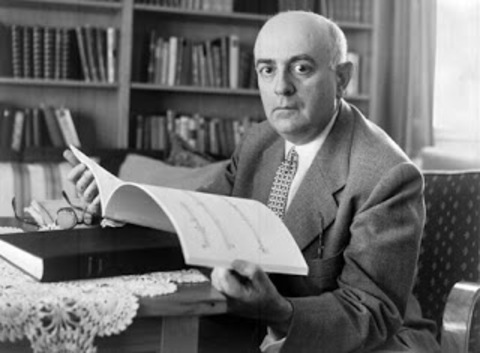
Ger­man crit­i­cal the­o­rist Theodor Adorno is known for many things, but a light touch isn’t one of them. His work includes despair­ing post-fas­cist ethics and a study on the soci­ol­o­gy and psy­chol­o­gy of fas­cism. Those who dig deep­er into his cat­a­log may know his rig­or­ous­ly philo­soph­i­cal Neg­a­tive Dialec­tics or dense, opaque Aes­thet­ic The­o­ry. Giv­en the seri­ous­ly heavy nature of these books, you might be sur­prised, as I was, to read the para­graph below:

An excla­ma­tion point looks like an index fin­ger raised in warn­ing; a ques­tion mark looks like a flash­ing light or the blink of an eye. A colon, says Karl Kraus, opens its mouth wide: woe to the writer who does not fill it with some­thing nour­ish­ing. Visu­al­ly, the semi­colon looks like a droop­ing mous­tache; I am even more aware of its gamey taste. With self-sat­is­fied peas­ant cun­ning, Ger­man quo­ta­tion marks («> >) lick their lips.

The skill­ful deploy­ment of apho­rism seems typ­i­cal; the play­ful­ness not so much. But Adorno’s short essay, “punc­tu­a­tion marks,” takes a sober turn short­ly there­after, and for good rea­son. Punc­tu­a­tion is seri­ous busi­ness. Sound­ing much more like the Adorno I know, the dour Marx­ist writes, “His­to­ry has left its residue in punc­tu­a­tion marks, and it is his­to­ry, far more than mean­ing or gram­mat­i­cal func­tion, that looks out at us, rigid­i­fied and trem­bling slight­ly, from every mark of punc­tu­a­tion.” Okay.

Well, Adorno would just hate what I’m about to do, but—hey—this is the inter­net; who has the time and con­cen­tra­tion to tra­verse the rocky course of thought he carves out in his work? Maybe you? Good, read the full essay. Not you? See below for some bite-sized high­lights.

Punc­tu­a­tion as music: “punc­tu­a­tion marks,” Adorno writes, “are marks of oral deliv­ery.” As such, they func­tion like musi­cal nota­tion. “The com­ma and the peri­od cor­re­spond to the half-cadence and the authen­tic cadence.” Excla­ma­tion points are “like silent cym­bal clash­es, ques­tion marks like musi­cal upbeats.” Colons are like “dom­i­nant sev­enth chords.” Adorno, a musi­col­o­gist and com­pos­er him­self, heard things in these sym­bols most of us prob­a­bly don’t.

The semi­colon: There is no mark of punc­tu­a­tion that Adorno rejects out­right. All have their place and pur­pose. He does decry the mod­ernist ten­den­cy to most­ly leave them out, since “then they sim­ply hide.” But Adorno reserves a spe­cial pride of place for the semi­colon. He claims that “only a per­son who can per­ceive the dif­fer­ent weights of strong and weak phras­ings in musi­cal form” can under­stand the dif­fer­ence between semi­colon and com­ma. He dif­fer­en­ti­ates between the Greek and Ger­man semi­colon. And he express­es alarm “that the semi­colon is dying out.” This, he claims, is due to a fear of “page-long paragraphs”—the kind he often writes. It is “a fear cre­at­ed by the marketplace—by the con­sumer who does not want to tax him­self.” Right, I told you, he would hate the inter­net, though he seems to thrive—posthumously—on Twit­ter.

Quo­ta­tion marks: While Adorno accepts every punc­tu­a­tion mark as mean­ing­ful, he does not accept all uses of them. In the case of the quo­ta­tion mark, his advice is pre­cise­ly what I have received, and have passed on to over­ly glib and thought­less stu­dents. Quo­ta­tion marks, he writes, should only be used for direct quotes, “and if need be when the text wants to dis­tance itself from a word it is refer­ring to.” This can include writ­ing words as words (the word “word” is a word…). Adorno rejects quo­ta­tion marks as an “iron­ic device.” This usage presents “a pre­de­ter­mined judg­ment on the sub­ject”; it offers a “blind ver­dict.”

The ellip­sis: On this mark, Adorno becomes very prick­ly, par­tic­u­lar, and, well… ellip­ti­cal. Three dots “sug­gests an infini­tude of thoughts and asso­ci­a­tions.” Two is the mark of a hack. I leave it to you to parse his rea­son­ing.

The dash: First, we have “the seri­ous dash,” in which “thought becomes aware of its frag­men­tary char­ac­ter.” Dash­es may sig­nal “mute lines into the past, wrin­kles on the brow” of the text, ”uneasy silence.” Dash­es need not con­nect thoughts. The “desire to con­nect every­thing,” Adorno writes, is the mark of “lit­er­ary dilet­tantes.” Thus the “mod­ern dash” is debased, a symp­tom of “the pro­gres­sive degen­er­a­tion of lan­guage.” It pre­pares us “in a fool­ish way for sur­pris­es that by that very token are no longer sur­pris­ing.” Adorno also prefers anoth­er use of dashes—more below.

Paren­the­ses: Par­en­thet­i­cal phras­es (like this) cre­ate “enclaves” and admit the “super­flu­ous­ness” of their con­tents, which is why many style­books frown upon them. Their use in this way “capitulate[s] to pedan­tic philis­tin­ism.” The “cau­tious writer”—writes punc­til­ious­ly cau­tious Adorno—will place par­en­thet­i­cals between dash­es, “which block off par­en­thet­i­cal mate­r­i­al from the flow of the sen­tence with­out shut­ting it up in a prison.” The paren­the­ses do have their place, as do all marks of punc­tu­a­tion in Adorno’s lex­i­cal the­o­ry. But prob­a­bly only if you are Proust.

Read­ing Adorno—on punc­tu­a­tion and any­thing else—can be intim­i­dat­ing. His eru­di­tion, his dis­dain for care­less­ness, mid­dle­brow expe­di­en­cy, and the crude forms of expres­sion giv­en birth by com­merce of all kinds: these are atti­tudes that can seem at times like over­bear­ing elit­ism. And yet, Adorno under­stands the bur­den­some nature of writ­ing pre­scrip­tions. “The writer,” he admits, “is in a per­ma­nent predica­ment when it comes to punc­tu­a­tion marks: if one were ful­ly aware while writ­ing, one would sense the impos­si­bil­i­ty of ever using a mark of punc­tu­a­tion cor­rect­ly and would give up writ­ing alto­geth­er.” Far too many have done so. We “can­not trust in the rules,” nor can we ignore them. What to do? Err on the side of the abstemious says our pok­er-faced Ger­man Strunk; to avoid slop­pi­ness or rote mis­use, fol­low an Epi­cure­an mean: “bet­ter too few than too many.”

Relat­ed Con­tent:

Cor­mac McCarthy’s Three Punc­tu­a­tion Rules, and How They All Go Back to James Joyce

The Curi­ous His­to­ry of Punc­tu­a­tion: Author Reveals the Begin­nings of the #, ¶, ☞, and More

Hear Theodor Adorno’s Avant-Garde Musi­cal Com­po­si­tions

Josh Jones is a writer and musi­cian based in Durham, NC. Fol­low him at @jdmagness

5 Wonderfully Long Literary Sentences by Samuel Beckett, Virginia Woolf, F. Scott Fitzgerald & Other Masters of the Run-On

TheFaulknerPortable

Despite its occa­sion­al use in spo­ken mono­logue, the Very Long Lit­er­ary Sen­tence prop­er­ly exists in the mind (hence “stream-of-con­scious­ness”), since the most wordy of lit­er­ary exha­la­tions would exhaust the lungs’ capac­i­ty. Mol­ly Bloom’s 36-page, two-sen­tence run-on solil­o­quy at the close of Joyce’s Ulysses takes place entire­ly in her thoughts. Faulkner’s longest sentence—smack in the mid­dle of Absa­lom, Absa­lom! —unspools in Quentin Compson’s tor­tured, silent rumi­na­tions. Accord­ing to a 1983 Guin­ness Book of Records, this mon­ster once qual­i­fied as literature’s longest at 1,288 words, but that record has long been sur­passed, in Eng­lish at least, by Jonathan Coe’s The Rotter’s Club, which ends with a 33-page-long, 13,955 word sen­tence. Czech and Pol­ish nov­el­ists have writ­ten book-length sen­tences since the six­ties, and French writer Math­ias Énard puts them all to shame with a one-sen­tence nov­el 517 pages long, though its sta­tus is “com­pro­mised by 23 chap­ter breaks that alle­vi­ate eye strain,” writes Ed Park in the New York Times. Like Faulkner’s glo­ri­ous run-ons, Jacob Sil­ver­man describes Énard’s one-sen­tence Zone as trans­mut­ing “the hor­rif­ic into some­thing sub­lime.”

Are these lit­er­ary stunts kin to Philippe Petit’s high­wire chal­lenges—under­tak­en for the thrill and just to show they can be done? Park sees the “The Very Long Sen­tence” in more philo­soph­i­cal terms, as “a futile hedge against sep­a­ra­tion, an unwill­ing­ness to part from loved ones, the world, life itself.” Per­haps this is why the very long sen­tence seems most expres­sive of life at its fullest and most expan­sive. Below, we bring you five long lit­er­ary sen­tences culled from var­i­ous sources on the sub­ject. These are, of course, not the “5 longest,” nor the “5 best,” nor any oth­er superla­tive. They are sim­ply five fine exam­ples of The Very Long Sen­tence in lit­er­a­ture. Enjoy read­ing and re-read­ing them, and please leave your favorite Very Long Sen­tence in the com­ments.

At The New York­er’s “Book Club,” Jon Michaud points us toward this long sen­tence, from Samuel Beckett’s Watt. We find the title char­ac­ter, “an obses­sive­ly ratio­nal ser­vant,” attempt­ing to “see a pat­tern in how his mas­ter, Mr. Knott, rearranges the fur­ni­ture.”

Thus it was not rare to find, on the Sun­day, the tall­boy on its feet by the fire, and the dress­ing table on its head by the bed, and the night-stool on its face by the door, and the was­hand-stand on its back by the win­dow; and, on the Mon­day, the tall­boy on its back by the bed, and the dress­ing table on its face by the door, and the night-stool on its back by the win­dow and the was­hand-stand on its feet by the fire; and on the Tues­day…

Here, writes Michaud, the long sen­tence con­veys “a des­per­ate attempt to nail down all the pos­si­bil­i­ties in a giv­en sit­u­a­tion, to keep the world under con­trol by enu­mer­at­ing it.”

The next exam­ple, from Poyn­ter, achieves a very dif­fer­ent effect. Instead of list­ing con­crete objects, the sen­tence below from F. Scott Fitzgerald’s The Great Gats­by opens up into a series of abstract phras­es.

Its van­ished trees, the trees that had made way for Gatsby’s house, had once pan­dered in whis­pers to the last and great­est of all human dreams; for a tran­si­to­ry enchant­ed moment man must have held his breath in the pres­ence of this con­ti­nent, com­pelled into an aes­thet­ic con­tem­pla­tion he nei­ther under­stood nor desired, face to face for the last time in his­to­ry with some­thing com­men­su­rate to his capac­i­ty for won­der.

Cho­sen by The Amer­i­can Schol­ar edi­tors as one of the “ten best sen­tences,” the pas­sage, writes Roy Peter Clark, achieves quite a feat: “Long sen­tences don’t usu­al­ly hold togeth­er under the weight of abstrac­tions, but this one sets a clear path to the most impor­tant phrase, plant­ed firm­ly at the end, ‘his capac­i­ty for won­der.’”

Jane Wong at Tin House’s blog “The Open Bar” quotes the hyp­not­ic sen­tence below from Jamaica Kincaid’s “The Let­ter from Home.”

I milked the cows, I churned the but­ter, I stored the cheese, I baked the bread, I brewed the tea, I washed the clothes, I dressed the chil­dren; the cat meowed, the dog barked, the horse neighed, the mouse squeaked, the fly buzzed, the gold­fish liv­ing in a bowl stretched its jaws; the door banged shut, the stairs creaked, the fridge hummed, the cur­tains bil­lowed up, the pot boiled, the gas hissed through the stove, the tree branch­es heavy with snow crashed against the roof; my heart beat loud­ly thud! thud!, tiny beads of water grew folds, I shed my skin…

Kincaid’s sen­tences, Wong writes, “have the abil­i­ty to simul­ta­ne­ous­ly sus­pend and pro­pel the read­er. We trust her semi-colons and fol­low until we are sur­prised to find the peri­od. We stand on that rock of a period—with water all around us, and ask: how did we get here?”

The blog Paper­back Writer brings us the “puz­zle” below from noto­ri­ous long-sen­tence-writer Vir­ginia Woolf’s essay “On Being Ill”:

Con­sid­er­ing how com­mon ill­ness is, how tremen­dous the spir­i­tu­al change that it brings, how aston­ish­ing, when the lights of health go down, the undis­cov­ered coun­tries that are then dis­closed, what wastes and deserts of the soul a slight attack of influen­za brings to view, what precipices and lawns sprin­kled with bright flow­ers a lit­tle rise of tem­per­a­ture reveals, what ancient and obdu­rate oaks are uproot­ed in us by the act of sick­ness, how we go down into the pit of death and feel the water of anni­hi­la­tion close above our heads and wake think­ing to find our­selves in the pres­ence of the angels and harpers when we have a tooth out and come to the sur­face in the dentist’s arm-chair and con­fuse his “Rinse the Mouth —- rinse the mouth” with the greet­ing of the Deity stoop­ing from the floor of Heav­en to wel­come us – when we think of this, as we are fre­quent­ly forced to think of it, it becomes strange indeed that ill­ness has not tak­en its place with love and bat­tle and jeal­ousy among the prime themes of lit­er­a­ture.

Blog­ger Rebec­ca quotes Woolf as a chal­lenge to her read­ers to become bet­ter writ­ers. “This sen­tence is not some­thing to be feared,” she writes, “it is some­thing to be embraced.”

Final­ly, from The Barnes & Noble Book Blog, we have the very Mol­ly Bloom-like sen­tence below from John Updike’s Rab­bit, Run:

But then they were mar­ried (she felt awful about being preg­nant before but Har­ry had been talk­ing about mar­riage for a while and any­way laughed when she told him in ear­ly Feb­ru­ary about miss­ing her peri­od and said Great she was ter­ri­bly fright­ened and he said Great and lift­ed her put his arms around under her bot­tom and lift­ed her like you would a child he could be so won­der­ful when you didn’t expect it in a way it seemed impor­tant that you didn’t expect it there was so much nice in him she couldn’t explain to any­body she had been so fright­ened about being preg­nant and he made her be proud) they were mar­ried after her miss­ing her sec­ond peri­od in March and she was still lit­tle clum­sy dark-com­plect­ed Jan­ice Springer and her hus­band was a con­ceit­ed lunk who wasn’t good for any­thing in the world Dad­dy said and the feel­ing of being alone would melt a lit­tle with a lit­tle drink.

Sen­tences like these, writes Barnes & Noble blog­ger Han­na McGrath, “demand some­thing from the read­er: patience.” That may be so, but they reward that patience with delight for those who love lan­guage too rich for the pinched lim­i­ta­tions of worka­day gram­mar and syn­tax.

Relat­ed Con­tent:

Open­ing Sen­tences From Great Nov­els, Dia­grammed: Loli­ta, 1984 & More

Lists of the Best Sen­tences — Open­ing, Clos­ing, and Oth­er­wise — in Eng­lish-Lan­guage Nov­els

Cor­mac McCarthy’s Three Punc­tu­a­tion Rules, and How They All Go Back to James Joyce

Josh Jones is a writer and musi­cian based in Durham, NC. Fol­low him at @jdmagness

The CIA’s Style Manual & Writer’s Guide: 185 Pages of Tips for Writing Like a Spook

cia style guide

Along with top­pling demo­c­ra­t­i­cal­ly elect­ed gov­ern­ments, fun­nel­ing mon­ey ille­gal­ly to dubi­ous polit­i­cal groups and pro­duc­ing porno­graph­ic movies about heads of state, the Cen­tral Intel­li­gence Agency has also been fiendish­ly good at manip­u­lat­ing lan­guage. After all, this is the orga­ni­za­tion that made “water­board­ing” seem much more accept­able, at least to the Wash­ing­ton elite, by rebrand­ing it as “enhanced inter­ro­ga­tion tech­niques.” Anoth­er CIA turn of phrase, “extra­or­di­nary ren­di­tion,” sounds so much bet­ter to the ear than “ille­gal kid­nap­ping and tor­ture.”

Not too long ago, the CIA’s style guide, called the Style Man­u­al and Writ­ers Guide for Intel­li­gence Pub­li­ca­tions, was post­ed online. “Good intel­li­gence depends in large mea­sure on clear, con­cise writ­ing,” writes Fran Moore, Direc­tor of Intel­li­gence in the fore­word. And con­sid­er­ing the agency’s deft­ness with the writ­ten word, it shouldn’t come as a sur­prise that it’s remark­ably good. Some high­lights:

  • The guide likes the Oxford or ser­i­al com­ma. “Most author­i­ties on Eng­lish usage rec­om­mend [the ser­i­al com­ma], and it is the rule for CIA pub­li­ca­tions.”
  • It favors using adjec­tives and adverbs spar­ing­ly. “Let nouns and verbs show their pow­er.”
  • In all cas­es, it favors Amer­i­can over British spellings, even prop­er names. Thus, “Labor Par­ty” not “Labour Par­ty.” And for that mat­ter, the guide isn’t ter­ri­bly keen on using phras­es like “apro­pos” and “faux pas.” “For­eign expres­sions should be avoid­ed because they sound hack­neyed.”
  • It wise­ly dis­cour­ages writ­ers, or any­one real­ly, from ever using the word “enthused.”
  • And they cau­tion against using excla­ma­tion points. “Because intel­li­gence reports are expect­ed to be dis­pas­sion­ate, this punc­tu­a­tion mark should rarely, if ever, be used.”

And then there are some rules that will remind you this guide is the prod­uct of a par­tic­u­lar­ly shad­owy arm of the U.S. Gov­ern­ment.

  • The guide makes a point of defin­ing “dis­in­for­ma­tion” as opposed to “mis­in­for­ma­tion.” “Dis­in­for­ma­tion refers to the delib­er­ate plant­i­ng of false reports. Mis­in­for­ma­tion equates in mean­ing but does not car­ry the same devi­ous con­no­ta­tion.” Now you know.
  • Unde­clared wars, like Viet­nam, should be spelled with an uncap­i­tal­ized “w.” Same goes for the “Kore­an war” and the “Falk­lands war.” It goes on to argue that the writer should “avoid ‘Yom Kip­pur war’ which is slangy.” Pre­sum­ably, the CIA prefers the term “The 1973 Arab-Israeli war.”
  • The con­fus­ing split between Chi­na and Tai­wan – each refus­es to rec­og­nize the oth­er — is rep­re­sent­ed con­fus­ing­ly here too. “For what was once called Nation­al­ist Chi­na or the Repub­lic of Chi­na, use only Tai­wan, both as noun and as adjec­tive. … Avoid Tai­wanese as an adjec­tive refer­ring to the island’s admin­is­tra­tion or its offi­cials (and do not use the term Tai­wanese gov­ern­ment.)”

It’s unclear whether or not the guide is being used for the CIA’s queasi­ly flip, pro­found­ly unfun­ny Twit­ter account.

If you’re look­ing for a more con­ven­tion­al style guide, remem­ber that Strunk & White’s Ele­ments of Style is also online.

Relat­ed Con­tent:

How to Spot a Com­mu­nist Using Lit­er­ary Crit­i­cism: A 1955 Man­u­al from the U.S. Mil­i­tary

How the CIA Secret­ly Fund­ed Abstract Expres­sion­ism Dur­ing the Cold War

Don­ald Duck’s Bad Nazi Dream and Four Oth­er Dis­ney Pro­pa­gan­da Car­toons from World War II

Jonathan Crow is a Los Ange­les-based writer and film­mak­er whose work has appeared in Yahoo!, The Hol­ly­wood Reporter, and oth­er pub­li­ca­tions. You can fol­low him at @jonccrow.

« Go BackMore in this category... »
Quantcast