Behold the Medieval Wound Man: The Poor Soul Who Illustrated the Injuries a Person Might Receive Through War, Accident or Disease
Do you swoon at the sight of blood?
Suffer paper cuts as major trauma?
Cover your eyes when the knife comes out in the horror movie?
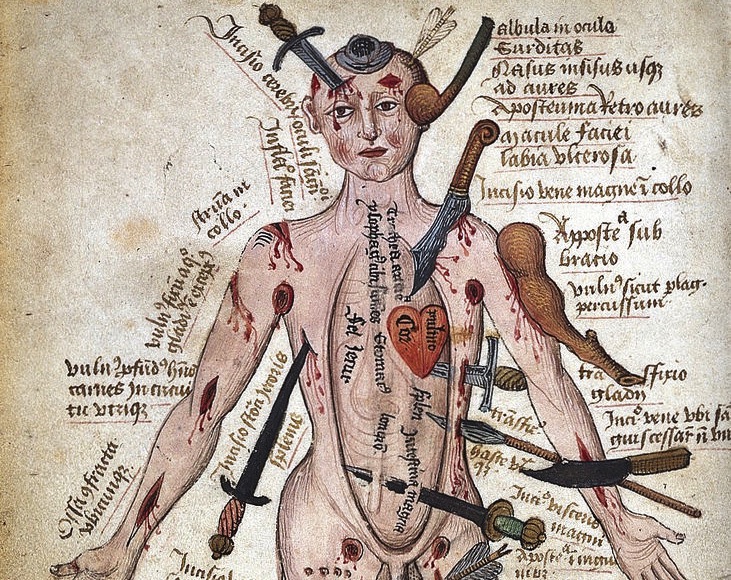
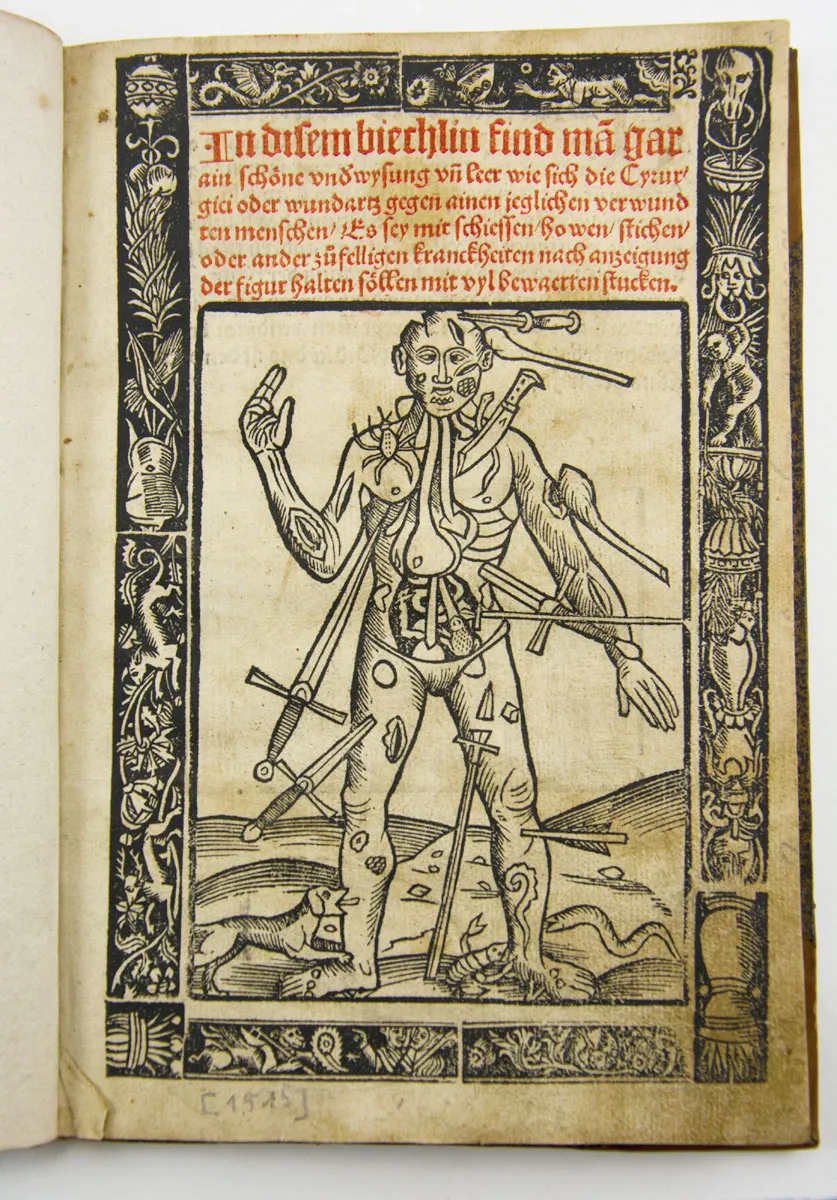
If so, and also if not, fall to your knees and give thanks that you’re not the Wound Man, above.
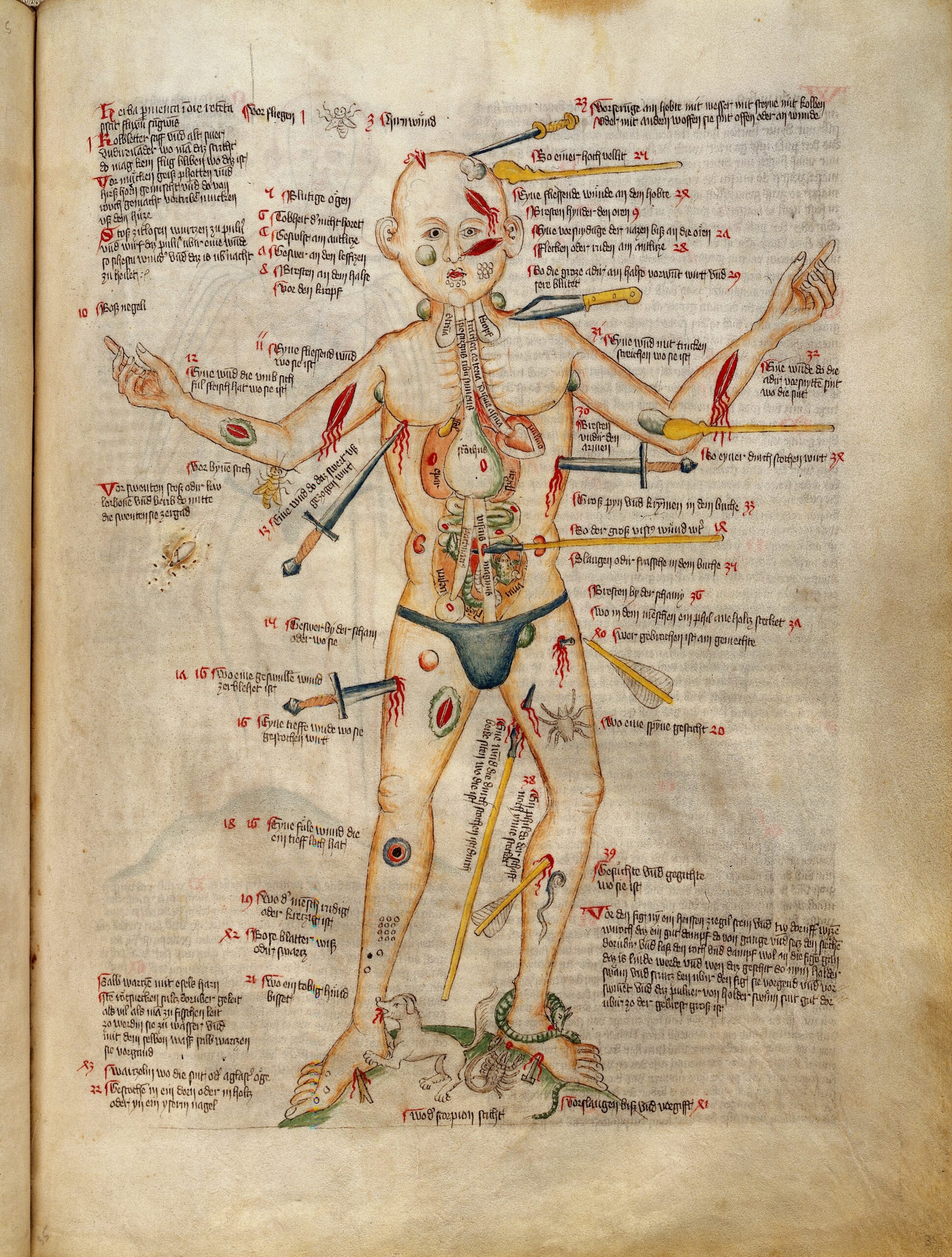
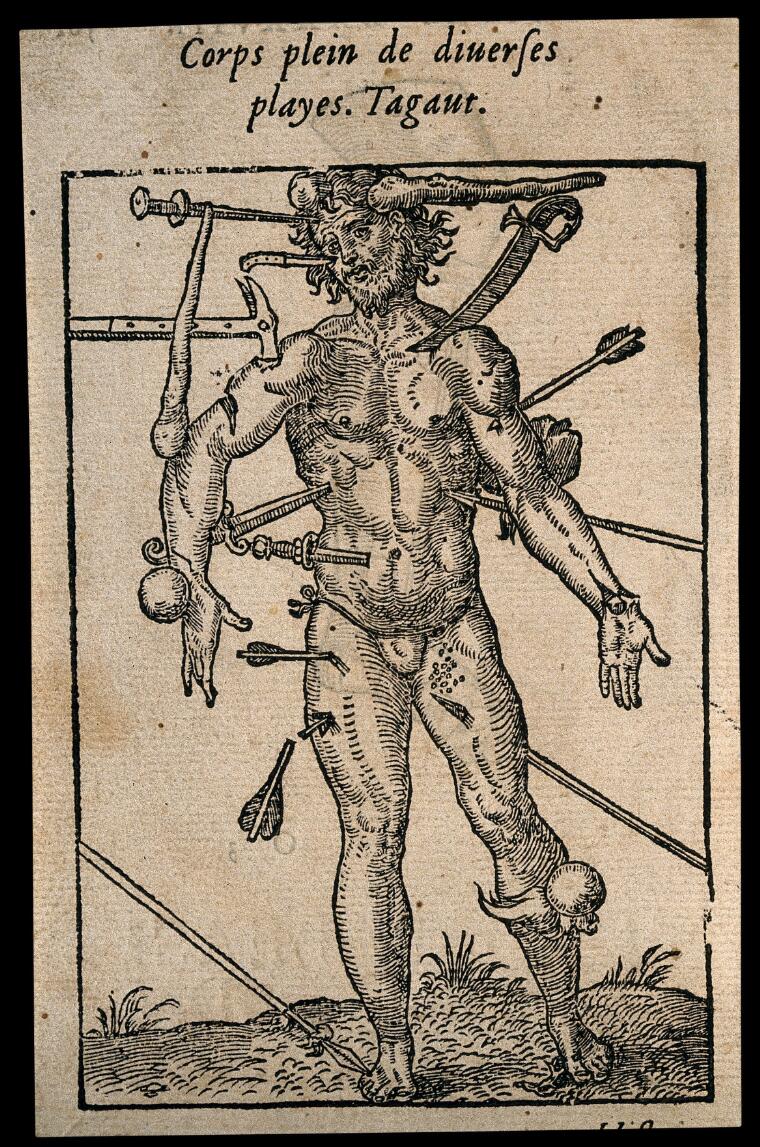
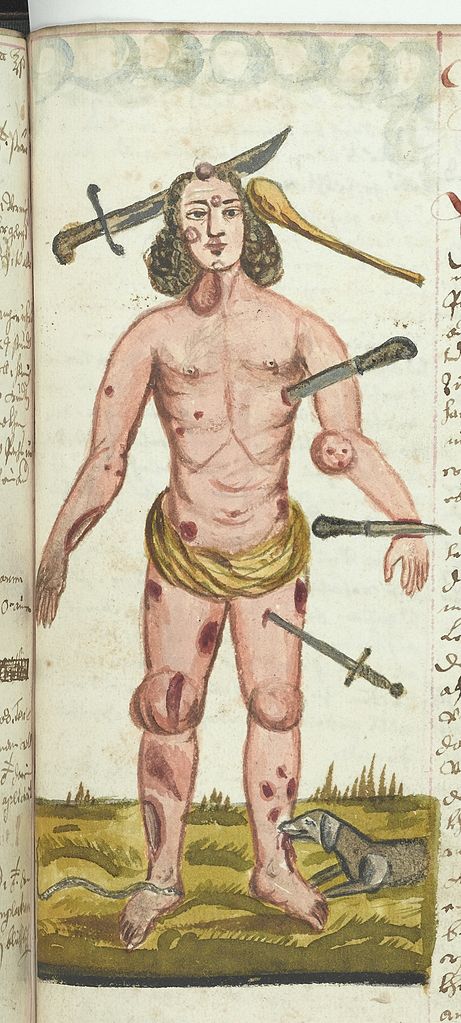
A staple of medieval medical history, he’s a grisly compendium of the injuries and external afflictions that might befall a mortal of the period- insect and animal bites, spilled entrails, abscesses, boils, infections, plague-swollen glands, piercings and cuts, both accidental and deliberately inflicted.
Any one of these troubles should be enough to fell him, yet he remains upright, displaying every last one of them simultaneously, his expression stoic.
He’s hard to look at, but as art historian Jack Hartnell , author of Medieval Bodies: Life, Death and Art in the Middle Ages writes in British Art Studies:
The Wound Man was not a figure designed to inspire fear or to menace. On the contrary, he represented something more hopeful: an imaginative and arresting herald of the powerful knowledge that could be channelled and dispensed through the practice of medieval medicine.
A valuable educational resource for surgeons for some three centuries, he began cropping up in southern Germany in the early 1400s. In an essay for the Public Domain Review, Hartnell notes how these early specimens served “as a human table of contents”, directing interested parties to the specific passages in the various medical texts where information on existing treatments could be found.

The protocol for injuries to the intestines or stomach called for stitching the wound up with a fine thread and sprinkling it with an antihemorrhagic powder made from wine, hematite, nutmeg, white frankincense, gum arabic, bright red sap from the Dracaena cinnabari tree and a restorative quantity of mummy.
The Wound Man evolved along with medical knowledge, weapons of warfare and art world trends.
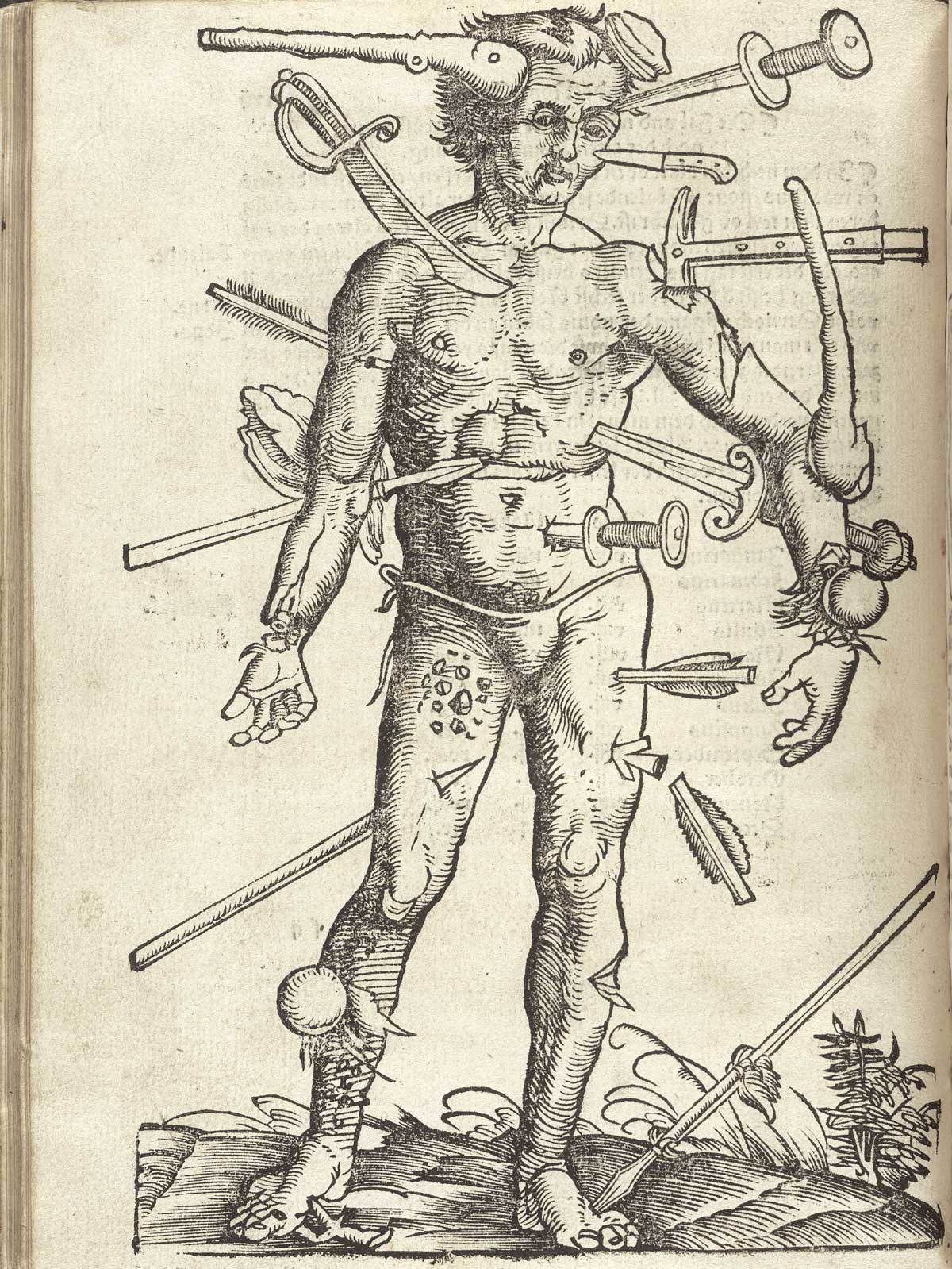
The woodcut Wound Man in Hans von Gersdorff’s 1517 landmark Fieldbook of Surgery introduces cannonballs to the ghastly mix.
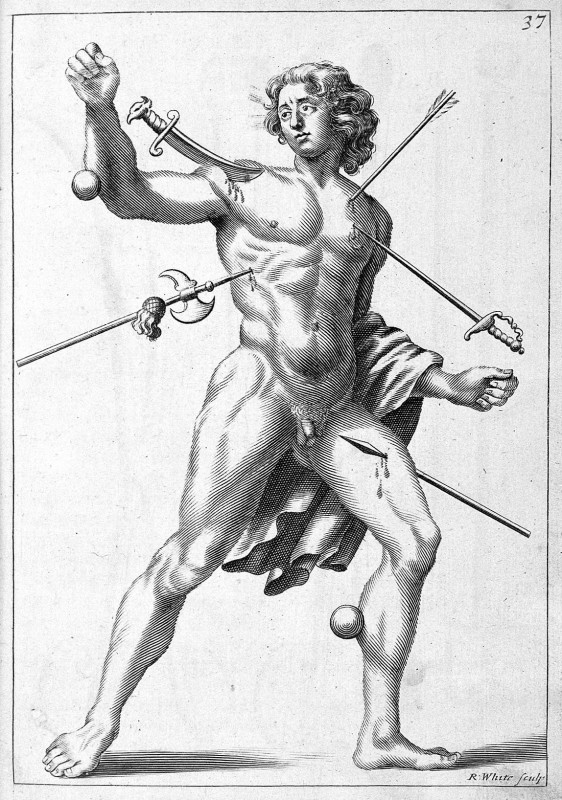
And the engraver Robert White’s Wound Man in British surgeon John Browne’s 1678 Compleat Discourse of Wounds loses the loincloth and grows his hair, morphing into a neoclassical beauty in the Saint Sebastian mold.
Surgical knowledge eventually outpaced the Wound Man’s usefulness, but popular culture is far from ready for him to lay down and die, as evidenced by recent cameos in episodes of Hannibal and the British comedy quiz show, QI.
Delve into the history of the Wound Man in Jack Hartnell’s British Art Studies article “Wording the Wound Man.”
Related Content
1,000-Year-Old Illustrated Guide to the Medicinal Use of Plants Now Digitized & Put Online
- Ayun Halliday is the Chief Primatologist of the East Village Inky zine and author, most recently, of Creative, Not Famous: The Small Potato Manifesto. Follow her @AyunHalliday.
Read More...Meet the Hyperpolyglots, the People Who Can Mysteriously Speak Up to 32 Different Languages
Polyglot, as its Greek roots take no great pains to conceal, means the speaking of multiple languages. Somewhat less obvious is the meaning of the associated term hyperpolylot. “Coined two decades ago, by a British linguist, Richard Hudson, who was launching an Internet search for the world’s greatest language learner,” the New Yorker’s Judith Thurman writes, it refers not just to the speaking of multiple languages but the speaking of many languages. How many is “many”? “The accepted threshold is eleven,” which disqualifies even most of us avid language connoisseurs. But Vaughn Smith easily makes the cut.
You can meet this formidable hyperpolyglot in the Washington Post video above, which complements Jessica Contrera’s story in the paper. Smith grew up in D.C. speaking not just English but Spanish, his mother’s native language. On his father’s side of the family, distant cousins from Belgium expanded Smith’s linguistic worldview further still.
At 46 years of age, he now speaks just about as many languages, “with at least 24 he speaks well enough to carry on lengthy conversations. He can read and write in eight alphabets and scripts. He can tell stories in Italian and Finnish and American Sign Language. He’s teaching himself Indigenous languages, from Mexico’s Nahuatl. to Montana’s Salish. The quality of his accents in Dutch and Catalan dazzle people from the Netherlands and Spain.”
Unlike his fellow hyperpolyglot Ioannis Ikonomou, profiled in the Great Big Story video above, Smith is not a translator. Nor does he work as a linguist, a diplomat, or anything else you’d expect. “Vaughn has been a painter, a bouncer, a punk rock roadie and a Kombucha delivery man,” writes Contrera. “He was once a dog walker for the Czech art collector Meda Mládková, the widow of an International Monetary Fund governor,” which was “the closest he ever came to having a career that utilized his languages.” Having brought him most recently to the profession of carpet cleaning, Smith’s life resembles a beloved genre of American story: that of the undiscovered working-class genius, most popularly told by movies like Good Will Hunting. Contrera’s investigation adds a chapter in line with a major 21st-century trend in reportage: the brain activity-revealing functional magnetic resonance imaging (fMRI) scan.
Under the fMRI scanner, “Vaughn works through a series of tests, reading English words, watching blue squares move around and listening to languages, some he knows and some he doesn’t.” The results were surprising: “the parts of Vaughn’s brain used to comprehend language are far smaller and quieter than mine,” writes the monoglot Contrera. “Even when we are reading the same words in English, I am using more of my brain and working harder than he ever has to.” Perhaps “Vaughn was born with his language areas being smaller and more efficient”; perhaps “his brain started out like mine, but because he learned so many languages while it was still developing, his dedication transformed his anatomy.” Smith himself seems to have enjoyed the experience — not that it took his mind off a matter of great importance even to the less intensive language-learners: keeping his Duolingo streak intact.
Related content:
Learn 48 Languages Online for Free: Spanish, Chinese, English & More
The Tree of Languages Illustrated in a Big, Beautiful Infographic
A Map Showing How Much Time It Takes to Learn Foreign Languages: From Easiest to Hardest
Based in Seoul, Colin Marshall writes and broadcasts on cities, language, and culture. His projects include the Substack newsletter Books on Cities, the book The Stateless City: a Walk through 21st-Century Los Angeles and the video series The City in Cinema. Follow him on Twitter at @colinmarshall or on Facebook.
Read More...Why Predator — A Discussion of the Film Franchise on Pretty Much Pop: A Culture Podcast #133

Thanks to the new film Prey by Dan Trachtenberg and Patrick Aison, we now have six films (starting with 1987’s Predator) featuring the dreadlocked, camouflaged, infrared-seeing race of alien hunters who have apparently been flying around collecting our skulls for 300 years.
Thankfully, the new film is good, and adds to the recent spate of Indigenous-centered media, with its young, female Comanche protagonist taking on evil French bison-killers, her sexist peers, and a mountain lion, in addition to a relatively low-tech version of what many comic books have called a Yautja.
We talk about what makes for a good Predator film, the appeal of the monster (and when in the films it gets revealed), the pacing of the films, the music, direction, effects, humor, social commentary, and more.
A few of the articles we consulted included:
- “ ‘Prey’ takes the Predator franchise to the great plains, 300 years ago” from NPR
- “Every Movie in the Predator Franchise, Ranked” by Michael Heiskell
- “A History of the Predator Franchise from 1987 to 2022″ by Shane Smith
This marks the first episode of Pretty Much Pop season three, where Mark Linsenmayer’s recurring co-hosts will by default tentatively be those you will hear today: Philosophy prof/entertainment writer Lawrence Ware, novelist/writing prof Sarahlyn Bruck, and ex-musician, ex-philosophy grad student, and now ex-research manager Al Baker. The various convocations of musicians, comedians, et al, will still happen too, but will at least alternate with some permutation of that core group.
Hear more Pretty Much Pop. Support the show and hear bonus talking for this and nearly every other episode at patreon.com/prettymuchpop or by choosing a paid subscription through Apple Podcasts. This podcast is part of the Partially Examined Life podcast network.
Pretty Much Pop: A Culture Podcast is the first podcast curated by Open Culture. Browse all Pretty Much Pop posts.
Read More...When Marlon Brando Refused the Oscar for His Role in The Godfather to Support the Rights of Native Americans (1973)
At the 45th Academy Awards, Marlon Brando won the Best Actor award for his performance in The Godfather — but sent a Native American civil rights activist named Sacheen Littlefeather to decline it on his behalf. “The twenty-six-year-old activist took the stage in a fringed buckskin dress and moccasins,” writes the New Yorker’s Michael Schulman. “When she explained that Brando’s reasons for refusing the award were Hollywood’s mistreatment of Native Americans and the standoff in Wounded Knee, South Dakota, there were loud boos and scattered cheers.”
More seventies things have happened, but surely not many. With time, Schulman writes, “the whole thing cemented into a pop-culture punch line: preening actor, fake Indian” — the “crying Indian” environmental PSA had aired just a few years before — “kitschy Hollywood freak show. But what if it wasn’t that at all?”
Almost half a century later, this notable chapter in Oscars history has come back into the news in the wake of the Academy of Motion Picture Arts and Sciences’ official apology to Littlefeather. It’s now more widely understood who Littlefeather is, and what Brando was going for when he made her his emissary that night in 1973.
Brando wasn’t especially hesitant to explain his actions even at the time: less than three months after the event, he laid out all his reasons on The Dick Cavett Show. “I don’t think that people generally realize what the motion picture industry has done to the American Indian,” he tells Cavett. “As a matter of fact, all ethnic groups.” He then runs down the “silly renditions of human behavior” delivered nightly on television, highlighting the phenomenon of “Indian children seeing Indians represented as savage, as ugly, as nasty, vicious, treacherous, drunken.”
Such clichéd portrayals were what Brando meant to address by speaking through Littlefeather. But the public’s immediate reaction, as Cavett puts it, went along the lines of, “There’s Brando jumping on a social-cause bandwagon now, getting in on the Indians.” They’d forgotten that the actor’s connection with Native American causes went back at least to 1964, when he was arrested at a Pacific Northwest “fish-in” by the Puyallup tribe protesting the denial of their treaty rights. And as Littlefeather’s fêting by the Academy shows, that connection has long survived even Brando himself.
Related content:
Albert Einstein Sports a Native American Headdress and a Peace Pipe at the Grand Canyon, 1931
The Godfather Without Brando?: It Almost Happened
Based in Seoul, Colin Marshall writes and broadcasts on cities, language, and culture. His projects include the Substack newsletter Books on Cities, the book The Stateless City: a Walk through 21st-Century Los Angeles and the video series The City in Cinema. Follow him on Twitter at @colinmarshall or on Facebook.
Read More...The Most Distant Places Visited by the Romans: Africa, Scandinavia, China, India, Arabia & Other Far-Flung Lands
As we still say today, all roads lead to Rome. Or at least they did at the height of its power, which historians tend to place in the second century. It was in that century that the Greco-Egyptian polymath Ptolemy wrote his book Geography, whose description of all known lands inspired an unprecedentedly detailed world map. As Ptolemy’s map illustrates, “the Romans, for all their rhetoric about universal empire, were aware that the world was much larger than their domains.” So says ancient-history Youtuber Garrett Ryan in “The Most Distant Places Visited by the Romans,” a video essay from his channel Told in Stone.
Ryan explains what history has recorded of “the vast range and reach of Roman merchants and adventurers,” who made it to Africa, Scandinavia, India, and even China. Some may have been motivated by pure wanderlust (the ancient Roman equivalent of Eurail-hopping college graduates, perhaps) but surely most of them would have set out on such long, arduous, and even dangerous journeys with glory and wealth in mind.
It was the promise of spices, frankincense, and myrrh, for instance, that drew Roman traders to Arabia Felix (or modern-day Yemen), despite the region’s reputation for being “overrun by flying snakes.”
However impressive ancient Rome’s geographical knowledge, they clearly had yet to get the details straight. But they knew enough to bring back from a variety of far-flung lands not just tall tales but treasures unavailable elsewhere, turning the metropole into a reflection of the world. Few such items would have been as visible in Rome as silk, “an indispensable luxury used in everything from legionary standards to the robes of the emperors.” That material came from China, most often purchased through dealers in Central Asia and India. But some particularly adventurous Romans made it not just to the Middle Kingdom but into the very palace of the Chinese emperor. All those roads to Rome were, after all, two-way streets.
Related content:
A Map Showing How the Ancient Romans Envisioned the World in 40 AD
Ancient Rome’s System of Roads Visualized in the Style of Modern Subway Maps
The First Work of Science Fiction: Read Lucian’s 2nd-Century Space Travelogue A True Story
Based in Seoul, Colin Marshall writes and broadcasts on cities, language, and culture. His projects include the Substack newsletter Books on Cities, the book The Stateless City: a Walk through 21st-Century Los Angeles and the video series The City in Cinema. Follow him on Twitter at @colinmarshall, on Facebook, or on Instagram.
Read More...Doctors in Brussels Can Now Prescribe Museum Visits as Treatments for Stress, Anxiety & Depression
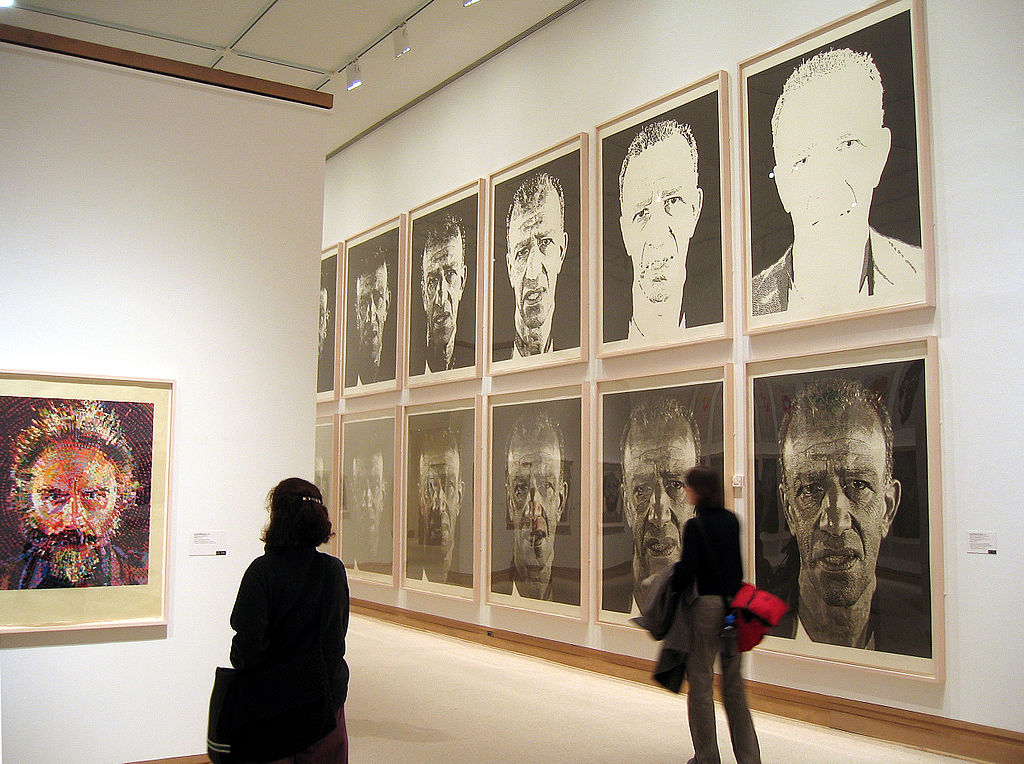
Image by Tomás Fano, via Wikimedia Commons
When COVID-19 was fast spreading across the world, we featured ways to visit a variety of cultural institutions without leaving home here on Open Culture. Lo those two and a half years ago, online museum-going seemed like the healthiest option. Now, with pandemic-related restrictions being loosened and even scrapped all over the world, the time has come to get back out there, or rather in there, spending time at one’s favorite cultural institutions. Indeed, a trip to the museum is just what the doctor ordered — in Brussels, literally.
“Starting this month, doctors at the Brugmann Hospital, one of Brussels’ largest health centers, are able to prescribe their patients visits to a number of cultural institutions managed by the city” as part of treatments for “stress, anxiety and depression.” So reports Smithsonian.com’s Molly Enking, adding that “those with a prescription for free entrance can tour ancient underground pathways in the Sewer Museum, check out textiles from the 1500s at the Fashion and Lace Museum, or stroll through the galleries at the CENTRALE contemporary art center, among other activities.”
They can also enjoy the Manneken Pis Wardrobe, a museum showcasing the thousand different outfits of the eponymous urinating statue, a symbol of Brussels for centuries now. Seeing as Manneken Pis “has brought a smile to the face of countless tourists from around the world,” writes Politico’s Ana Fota, it makes sense to see if he can do the same for those most in need of it. As Fota quotes Brugmann University Hospital psychiatrist Vincent Lustygier as saying when asked how a place like the Sewer Museum can help the depressed, “Why not try? We are going to test it and see.”
The evaluation should come in six months, the declared period of this “pilot program” that has granted museum visits the status of psychological treatments. Inspired by a similar policy implemented in Montreal back in 2018, it does have a fair bit of research behind it. As the Guardian’s Jennifer Rankin reports, “a review by the World Health Organization in 2019 concluded that arts could help people experiencing mental illnesses and urged greater collaboration between culture and public health professionals.” The definition of culture here could expand well beyond museums: surely there’s also research to do on, say, the undeniable therapeutic value of a good plate of moules-frites.
Related content:
Your Brain on Art: The Emerging Science of Neuroaesthetics Probes What Art Does to Our Brains
Alain de Botton Shows How Art Can Answer Life’s Big Questions in Art as Therapy
Based in Seoul, Colin Marshall writes and broadcasts on cities, language, and culture. His projects include the Substack newsletter Books on Cities, the book The Stateless City: a Walk through 21st-Century Los Angeles and the video series The City in Cinema. Follow him on Twitter at @colinmarshall, on Facebook, or on Instagram.
Read More...How the World Trade Center Was Rebuilt: A Visual Exploration of a 20-Year Project
The World Trade Center was not at first a beloved work of architecture, but over time it settled into its place on the New York skyline, gaining wide acceptance as an icon of the city. Its destruction on September 11, 2001 greatly intensified that symbolic power, especially as expressed by the image of Minoru Yamasaki’s Twin Towers. But as longtime New Yorkers (or at least longtime Lower Manhattanites) remember, the WTC consisted of more than a pair of skyscrapers. Dating from America’s era of “urban renewal,” with its ambitions of building cities within cities, it also incorporated several shorter office buildings, a hotel, and an underground shopping mall.
In other words, the WTC was a complex — which also happens to be just the adjective to describe the property-rights situation in the wake of its devastation. Talk of the imperative to rebuild began very soon indeed after September 11, but organizing a rise from the ashes was, predictably, easier said than done. As explained in “How the World Trade Center Was Rebuilt,” the video essay above from Youtube channel Neo, the Port Authority of New York and New Jersey first had to re-acquire the leases from all the different major tenants involved. And then there was the task of negotiating with Larry Silverstein.
Having developed the original 7 World Trade Center building in 1980, Silverstein long had his eye on the whole shebang. He finally managed to sign a 99-year lease-purchase agreement on the complex on July 24, 2001 — surely one of this century’s signal cases of bad timing. But he did jump into the task of rebuilding as soon as possible, completing the new 7 World Trade Center just five years later. According to the story told in the video, it would hardly be an exaggeration to characterize the project of redeveloping the WTC site as a grudge match between Silverstein and the Port Authority, with their dueling visions of the proper way to fill that highly-charged space.
That project continues still today, just over two decades after the terrorist attacks that brought the Twin Towers down. David Childs’ 1776-foot-tall “twisting glass monolith” One World Trade Center opened in 2014, but the much-delayed Ronald O. Perelman Performing Arts Center at the World Trade Center is still under construction, as is the new 2 World Trade Center. With its recent completion, Santiago Calatrava’s St. Nicholas Greek Orthodox Church joins his existing World Trade Center Transportation Hub. Topped by a structure called the Oculus, designed (if not flawlessly) to open to the sky once a year on September 11, that striking transit complex also includes an expansive Westfield shopping mall: a juxtaposition of memory and commerce with power of its own as a symbol of twenty-first century America.
Related content:
New York’s Lost Skyscraper: The Rise and Fall of the Singer Tower
Watch a Timelapse Video Showing the Creation of New York City’s Skyline: 1500 to Present
Based in Seoul, Colin Marshall writes and broadcasts on cities, language, and culture. His projects include the Substack newsletter Books on Cities, the book The Stateless City: a Walk through 21st-Century Los Angeles and the video series The City in Cinema. Follow him on Twitter at @colinmarshall, on Facebook, or on Instagram.
Read More...Why Mapmakers Once Thought California Was an Island
In the opening of John Carpenter’s Escape from L.A., an earthquake separates Los Angeles from the mainland, and the city is repurposed into “the deportation point for all people found undesirable or unfit to live in a new, moral America.” The film’s premise (like that of Escape from New York, which it follows) taps into a deeply held sentiment about its setting. Los Angeles has long been seen as an absurd concentration of all the qualities that make California unlike the rest of the United States. California remains a state apart in a metaphorical sense, but there was a time when it was also thought to be a state apart, literally: that is to say, an island.
The word California originates in a novel, published in 1510, called Sergas de Esplandián. In that book it refers to “an island populated by black women without any men existing there. On the entire island, there was no metal other than gold.” Author Garci Rodríguez de Montalvo’s tantalizing description of California — as well as of the “beautiful and robust bodies” of its women — got Spanish seafarers curious about the extent to which it could have been based in reality.
(At that time, the mass-printed novel was still an enrapturing new development.) This account comes from Youtuber Johnny Harris’ video above, “The Biggest Mapping Mistake of All Time,” which connects this fantastical literary invention to centuries of geographical misconception.
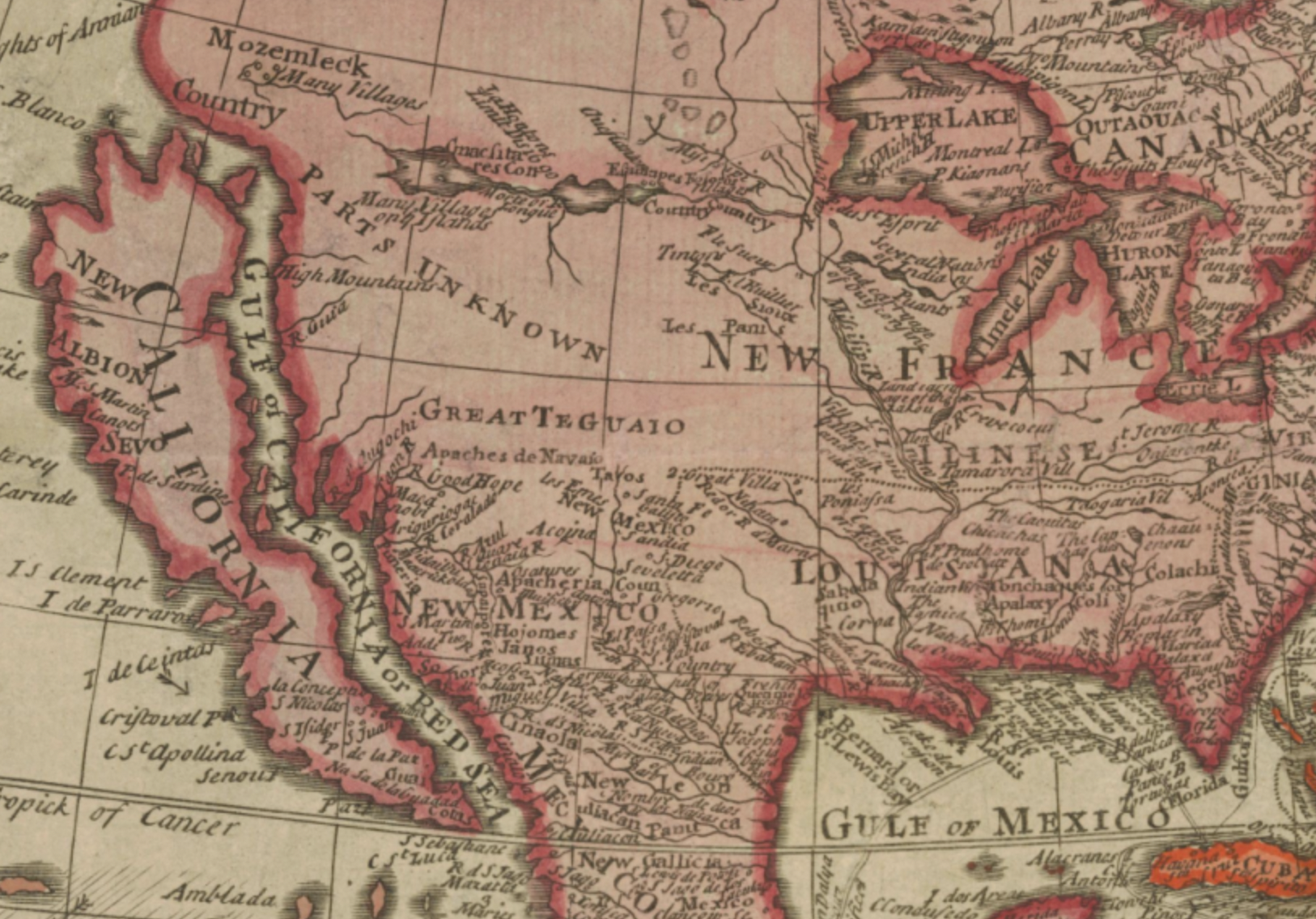
The conquistador Hernán Cortés seems to have been the first prominent figure to feel the pull of California. And he certainly wasn’t the last, despite never quite having managed to pin the place down. Spain’s most ardent California enthusiasts held so fast to the notion of its being an island that it spread elsewhere in Europe, and eventually to London. With the perception thus legitimized, California appeared disconnected from the North American coast on maps printed as far away as Japan. Harris credits California’s “mythical pull,” then as now, with making it “a place where people go to dream big” — and often “to chase dreams that aren’t grounded in any sense of reality.” Fortunately, he himself lives in Washington D.C., where delusions are wholly unknown.
Related content:
The History of Cartography, the “Most Ambitious Overview of Map Making Ever,” Now Free Online
The 38 States of America: Geography Professor Creates a Bold Modern Map of America (1973)
Based in Seoul, Colin Marshall writes and broadcasts on cities, language, and culture. His projects include the Substack newsletter Books on Cities, the book The Stateless City: a Walk through 21st-Century Los Angeles and the video series The City in Cinema. Follow him on Twitter at @colinmarshall, on Facebook, or on Instagram.
Read More...Revisit Louise Brooks’ Most Iconic Role in the Too-Sexy-for-Weimar Silent Film Pandora’s Box (1928)
“There is no Garbo, there is no Dietrich, there is only Louise Brooks.” — Henri Langlois
On this side of the 20th century, it’s hard to imagine a time in cinema history when Louise Brooks wasn’t an international silent icon, as revered as Dietrich or Garbo. But the actress with the unmistakable black helmet of hair nearly ended her career forgotten. She gave up the industry in 1938, after refusing the sexual advances of Columbia Pictures boss, Harry Cohn. “Brooks left Hollywood for good in 1940,” Geoffrey Macnab writes at The Independent, “drifted back to Kansas where, as a fallen Hollywood star, she was both envied for her success and despised for her failure.”
She would move to New York, work briefly as a press agent, then on the sales floor at Saks Fifth Avenue, after which, as she wrote in her autobiography Lulu in Hollywood, her New York friends “cut her off forever.”
Her two most legendary films, made in Berlin with German director G.W. Pabst, were critical and commercial failures only screened in heavily-edited versions upon release. Most of her silent Hollywood “flapper” comedies were deemed (even by Brooks herself) hardly worthy of preservation. It would take later critics and cinephiles like Kenneth Tynan and Henri Langlois, famed director of the Cinémathèque Française in 1950’s Paris, to resurrect her.
By 1991, Brooks was famous enough (again) to warrant a hit New Wave anthem by Orchestral Maneuvers in the Dark, who introduced a new, young audience to Pandora’s Box in their video (top) cut together from scenes of Pabst’s film. Pandora’s Box (see the trailer above) combines two plays by Frank Wedekind in a contemporary story about Berlin’s sexually free atmosphere during the Weimar era. Brooks plays Lulu, a seductress who lures men, and eventually herself, to ruin. “In her Hollywood films,” writes Macnab, “Brooks had been used (in her own words) as a ‘pretty flibbertigibbet.’ With Pabst as her director, she became an actress.”
As Brooks was rediscovered (learn more about her in the documentary below) and achieved a second round of fame as an essayist and memoirist — so too were the films of Pabst, who also directed Brooks in Diary of a Lost Girl. Both films had been shown in truncated versions. Pandora’s Box, especially, caused a stir on its release, upsetting even Weimar censors. German critics were unimpressed and audiences objected to the casting of the American Brooks. (Its American release substituted a happy ending for the film’s downbeat conclusion, Macnab notes, “one of the strangest death sequences in cinema: creepy, erotic and with a perverse tenderness.”)
According to Charles Silver, film curator at the Museum of Modern Art, “audiences of 1928 were not ready for the film’s boldness and frankness, even in few-holds-barred Weimar Berlin,” a city Brooks described with her usual candor:
… the café bar was lined with the higher-priced trollops. The economy girls walked the street outside. On the corner stood the girls in boots, advertising flagellation. Actor’s agents pimped for the ladies in luxury apartments in the Bavarian Quarter. Race-track touts at the Hoppegarten arranged orgies for groups of sportsmen. The nightclub Eldorado displayed an enticing line of homosexuals dressed as women. At the Maly, there was a choice of feminine or collar-and-tie lesbians. Collective lust roared unashamed at the theatre. In the revue Chocolate Kiddies, when Josephine Baker appeared naked except for a girdle of bananas, it was precisely as Lulu’s stage entrance was described by Wedekind: ‘They rage there as in a menagerie when the meat appears at the cage.’
Despite the film’s initial failure, in Berlin and in the character of Lulu, Brooks had found herself. “It was clever of Pabst to know,” she wrote, “that I possessed the tramp essence of Lulu.” A fiercely independent artist to the end, she rejected the opinions of critics and audiences, and heaped praise upon Pabst and “his truthful picture of this world of pleasure… when Berlin rejected its reality… and sex was the business of the town.”
You can purchase a copy of Pandora’s Box on DVD, courtesy of Criterion.
Related Content:
10 Classic German Expressionist Films: From Nosferatu to The Cabinet of Dr. Caligari
Enjoy the Greatest Silent Films Ever Made in Our Collection of 101 Free Silent Films Online
Josh Jones is a writer and musician based in Durham, NC. Follow him at @jdmagness
Read More...Goodbye to the Nakagin Capsule Tower, Tokyo’s Strangest and Most Utopian Apartment Building
On many of my trips to Japan I’ve stayed at the Capsule Inn Osaka, which is exactly where and what it sounds like. To any foreigner the place would be an intriguing novelty, but to those interested in Japanese architecture it also has great historical value. Designed by architect Kurokawa Kisho, the Capsule Inn Osaka opened in 1979 as the world’s first capsule hotel, a form of lodging now widely regarded as no less quintessentially Japanese than the ryokan. At that point Kurokawa had already been advancing capsule as an architectural unit for years, contributing a “capsule house” and capsule-based corporate pavilions to the Osaka World Expo 1970, and even building a curious masterwork of the genre in Tokyo’s Nakagin Capsule Tower.
The other architects involved in Expo ’70 included Tange Kenzo, Kawazoe Noboru, Maki Fumihiko, Kikutake Kiyonori, and Isozaki Arata — all associated to one degree or another with Metabolism, an architectural movement inspired by the rapid economic growth, enormous urban expansion, and unprecedented technological change then transforming postwar Japan. The Metabolists “approached the city as a living organism consisting of elements with different metabolic cycles,” writes Lin Zhongjie in Kenzo Tange and the Metabolist Movement: Urban Utopias of Modern Japan. “To accommodate a city’s growth and regeneration, Metabolists advanced transformable technologies based on prefabricated components and the replacement of obsolete parts according to varying life cycles.”
When it opened in 1972, the Nakagin Capsule Tower did so as the first fully realized Metabolist project. Abroad in Japan host Chris Broad introduces it as “not only my favorite building in all of Tokyo, but in all of Japan.” He also contextualizes it within a brief history of Metabolism, as well as of the postwar Japanese society that fired up its practitioners’ aesthetically brazen, techno-Utopian ideals. Geared to the work-dominated, peripatetic lifestyle of what Kurokawa called “homo movens,” the Nakagin Capsule Tower actually consisted of two concrete cores onto which were bolted 140 capsules (architectural theorist Charles Jencks likened their aspect to “superimposed washing machines”), each a self-contained living space replete with cutting-edge amenities up to and including a bathtub ashtray Sony reel-to-reel tape player.
Kurokawa envisioned the capsules being replaced every 25 years over a lifetime of centuries. Alas, the difficulty of such an operation meant that the originals were simply left in, and by the end of the twentieth century many had badly deteriorated. “Ironically,” writes Lin, “Tokyo is growing and transforming itself so rapidly that it even outpaces the ‘metabolism’ that the Metabolists envisioned, and requires renewals on the scale of entire buildings instead of individual capsules.” First announced in 2007, the year of Kurokawa’s death, the building’s demolition began this past April, and it has occasioned such tributes as Studio Ito’s elegiac animation just above. The Nakagin Capsule Tower stood for half a century, long outliving Metabolism itself, but its capsules will now scatter across the world, suggesting that there was something to the biological metaphor all along.
Related content:
Why Do People Hate Modern Architecture?: A Video Essay
New York’s Lost Skyscraper: The Rise and Fall of the Singer Tower
Building Without Nails: The Genius of Japanese Carpentry
Based in Seoul, Colin Marshall writes and broadcasts on cities, language, and culture. His projects include the Substack newsletter Books on Cities, the book The Stateless City: a Walk through 21st-Century Los Angeles and the video series The City in Cinema. Follow him on Twitter at @colinmarshall, on Facebook, or on Instagram.
Read More...Support Us
We're hoping to rely on loyal readers, rather than erratic ads. Please click the Donate button and support Open Culture. You can use Paypal, Venmo, Patreon, even Crypto! We thank you!

About Us

Open Culture scours the web for the best educational media. We find the free courses and audio books you need, the language lessons & educational videos you want, and plenty of enlightenment in between.
Advertise With Us
FREE UPDATES!
GET OUR DAILY EMAIL
Get the best cultural and educational resources on the web curated for you in a daily email. We never spam. Unsubscribe at any time.
FOLLOW ON SOCIAL MEDIA
Open Culture editor Dan Colman scours the web for the best educational media. He finds the free courses and audio books you need, the language lessons & movies you want, and plenty of enlightenment in between.
Advertise With Us


.jpg)