The “Most Secretive Library in the World”: The Future Library Will Collect 100 Original Manuscripts by Margaret Atwood, David Mitchell & More, to Be Read for the First Time in 2114
Should intelligent life of some form or another still inhabit the planet in the year 6939, such beings might come upon an “800-pound tube of an alloy of copper and chromium called Cupaloy” that was buried 50 feet beneath what was once Queens. The first time capsule, lowered under the Westinghouse exhibit at the 1939 New York World’s Fair contains “35 items one might find in any run-of-the-mill Smith family household,” as Jinwoo Chong writes at Untapped Cities, “including copies of Life magazine, a Sears and Roebuck catalog, cigarettes and seeds of wheat, corn, alfalfa and soy.”
The Future Library, a time capsule-like project presently in the works, takes a very different approach to the concept. “A forest is growing in Norway,” explains an introductory video on creator Katie Paterson’s website. “In 100 years it will become an anthology of books.” The books that will be printed from 1,000 trees planted in Nordmarka, north of Oslo, will not, however, transmit mining and navigational instructions, but a full range of human emotion and personal experience. Or so we might assume. Unlike the 1939 time capsule, we’ll never know what’s inside them.
Scottish artist Paterson has planned a library of 100 creative works of fiction, non-fiction, and poetry—one manuscript submitted every year until 2114, when she intends them all to be printed in 3,000 copies each and read for the first time. Almost none of us will be there to witness the event, yet “the timescale is… not vast in cosmic terms,” she says. “It is beyond our current lifespans, but close enough to come face to face with it, to comprehend and relativize,” unlike the incomprehensible future of H.G. Wells’ The Time Machine or the far-off world for which Westinghouse designed their capsule.
Nonetheless, technological, and perhaps even evolutionary, change has increased exponentially in the past several decades, as have the possibilities for global extinction events. Margaret Atwood, the first author to submit an unpublished, unread manuscript to the Future Library in 2014, is characteristically less than sanguine about the existence of future readers for her manuscript, entitled Scribbler Moon. “It’s very optimistic to believe that there will still be people in 100 years,” she says in the short video above, and “that those people will still be reading.” Atwood imagines a near-future that may not even recognize our time.
Which words that we use today will be different, archaic, obsolete? Which new words will have entered the language? We don’t know what footnotes we will need. Will they have computers? Will they call them something else? What will they think smartphones are? Will that word still exist?
Writers for the project are chosen by the Future Library’s board of trustees. After the canny selection of Atwood, they chose the equally on-the-nose David Mitchell, author of Cloud Atlas, who calls the library “the Ark of Literature.” It is a strange ark, filled with animals few people living now will likely ever see. “The world’s most secretive library,” The Guardian calls it. In 2016, Icelandic novelist and poet Sjón submitted his mysterious text. The fourth work came from Turkish novelist Elif Shafak, who named the project “a secular act of faith.”
The latest writer chosen is Man Booker-winning South Korean novelist Han Kang, who described the Future Library as a literal expression of the writer’s thoughts on their duty to posterity: “I cannot survive 100 years from now, of course. No one who I love can survive, either. This relentless fact has made me reflect on the essential part of my life. Why do I write? Who am I talking to, when I write?” Did Jane Austen imagine her readers of 100 years later? Could she ever have imagined us?
Not only is the Future Library an act of literary faith, but it is an ecological one. “The next 96 years do not look promising for the seedlings,” writes Merve Emre at The New York Times, “which are more vulnerable than their ancestors to all manner of man-made disasters.” The project symbolically binds together the fates of the book and the trees, making “the physicality of culture palpable by insisting that we confront the long, laborious process of preserving language.”
In 2020, the collection of manuscripts will be moved to a “Silent Room” in Oslo, a “womb-shaped chamber facing the forest, lined with wood from its trees.” Visitors can come and venerate these secretive future relics in their ribbon-wrapped gray boxes. But their contents—should the ambitious endeavor go as planned—will remain as elusive as the shape of our collective future 100 years from now.
Related Content:
Aldous Huxley to George Orwell: My Hellish Vision of the Future is Better Than Yours (1949)
Josh Jones is a writer and musician based in Durham, NC. Follow him at @jdmagness
Read More...Bette Davis Divorced: “She Read Too Much,” Says Husband (1938)
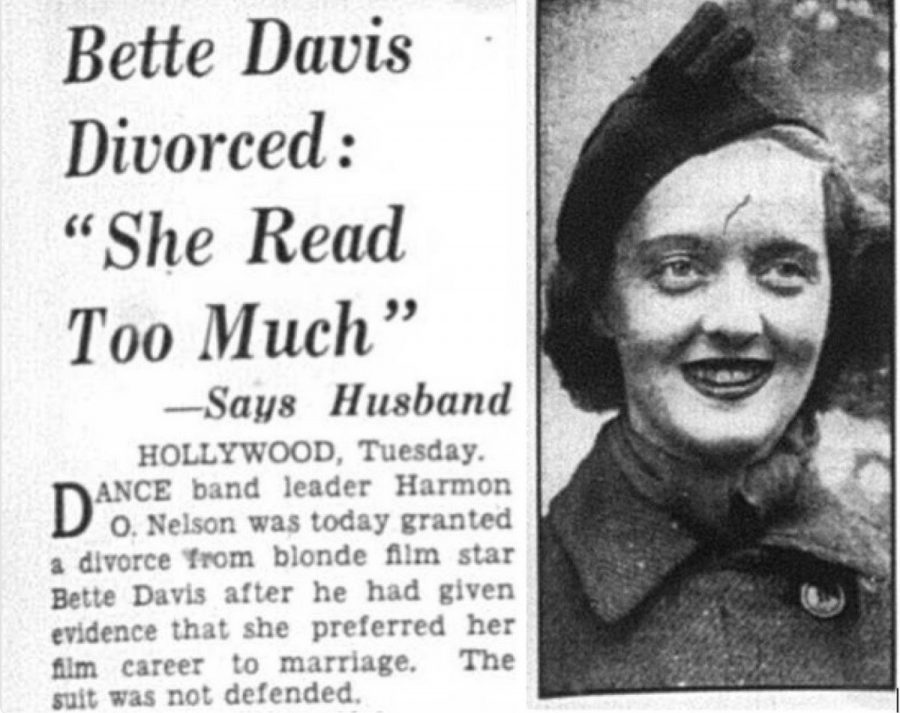
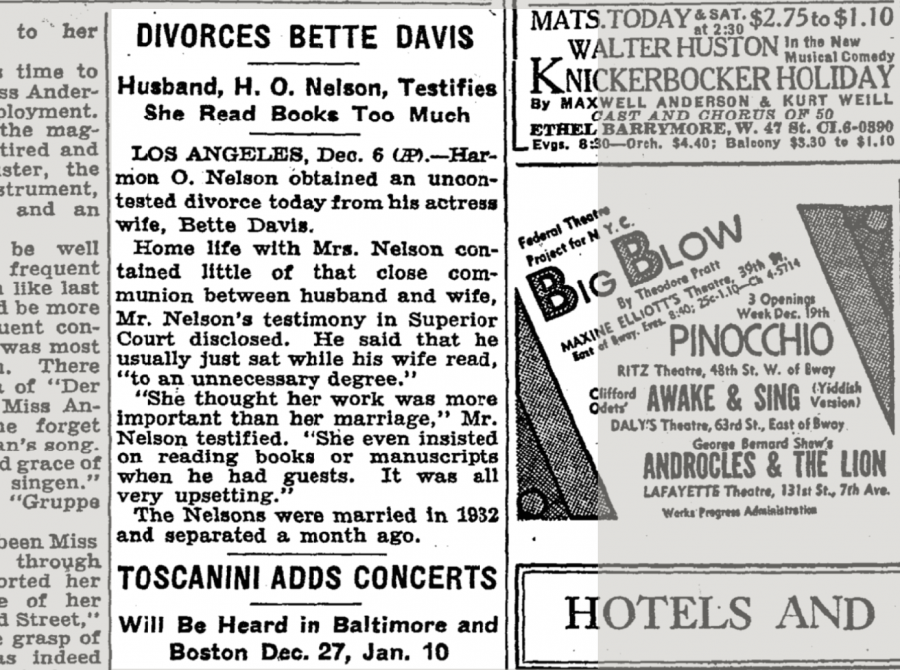
On December 7, 1938, The New York Times reported on the dissolution of Bette Davis’ marriage with Harmon “Oscar” Nelson. The stated reason for the divorce? The actress read too much. The report goes on to say: Harmon “usually just sat there while his wife read ‘to an unnecessary degree.” “She thought her work was more important than her marriage.” “She even insisted on reading books or manuscripts when [Harmon] had guests. It was all very upsetting.”
Davis later discussed the emotional gulf that had separated the husband and wife. She also addressed an affair with business magnate Howard Hughes–something that apparently got mentioned in the divorce proceedings but not the pages of The New York Times itself.
If you would like to support the mission of Open Culture, consider making a donation to our site. It’s hard to rely 100% on ads, and your contributions will help us continue providing the best free cultural and educational materials to learners everywhere. You can contribute through PayPal, Patreon, and Venmo (@openculture). Thanks!
Related Content:
Albert Einstein Imposes on His First Wife a Cruel List of Marital Demands
The Irrepressible Bette Davis Recalls Her Good and Bad Days Kissing in the Movies
Read More...157 Animated Minimalist Mid-Century Book Covers
Graphic and motion designer Henning M. Lederer can’t get enough of those minimalist midcentury book covers.
Apparently, the over-the-top pulp scenarios that inspire fellow period cover enthusiast Todd Alcott leave Lederer cold.
He’s drawn to the stark, the geometric, the abstract. No heaving bosoms, no forbidden love, though there’s no denying that sex was a topic of great clinical interest to several of the authors featured above, including psychiatrists Charles Rycroft, H. R. Beech, and R.D. Laing.
Visually, the psycho-analytic titles appear interchangeable with the more straightforward texts in this, Lederer’s third in a series of lightly animated period book covers:
The Intelligent Woman’s Guide to Atomic Radiation
Medical Complications During Pregnancy
Generalized Thermodynamics
Pinwheels, ripples, and scrolling harlequin patterns abound. Stare at them long enough if you want to cure your insomnia or become one with the universe.
Tilman Grundig’s soundtrack ensures that the playing field will stay level. No title is singled out for extra sonic attention.
That said, Noise by Rupert Taylor, an expert consultant in acoustics and noise control, stands apart for the humor and narrative sensibility of its visual representation.
Perhaps that’s why Lederer saved it for last.
To date, he’s animated 157 covers. Enjoy them all above.
Related Content:
The Art of Sci-Fi Book Covers: From the Fantastical 1920s to the Psychedelic 1960s & Beyond
French Bookstore Blends Real People’s Faces with Book Cover Art
Ayun Halliday is an author, illustrator, theater maker and Chief Primatologist of the East Village Inky zine. Join her in NYC on Monday, November 12 for another monthly installment of her book-based variety show, Necromancers of the Public Domain. Follow her @AyunHalliday.
Read More...The Library of Congress Makes Thousands of Fabulous Photos, Posters & Images Free to Use & Reuse
The history of the venerable Library of Congress demonstrates the vast importance that the founders of the U.S. accorded to reading and studying. It may be one of the country’s most durable institutions, “the oldest federal cultural institution in the nation,” it proclaims. While partisan rancor, war, and violence recur, the LoC has stolidly held an ever-increasingly diverse collection of artifacts sitting peacefully alongside each other on several hundred miles of shelves, a monument to the life of the mind that ought to get more attention.
Touting itself as “the largest library in the world,” its collections “are universal, not limited by subject, format, or national boundary, and include research materials from all parts of the world and in more than 450 languages.”
Its first materials were, of course, books—including over six-thousand books purchased from Thomas Jefferson’s private collection after the British burned the original library down in 1814. Now, it “adds approximately 12,000 items to the collection daily,” in every possible format one can imagine.

And since its digital collections came online, anyone, anywhere in the world can call up these vast resources with an internet connection and a few clicks. Though we tend to take such things for granted in our fervidly distracted times, a little reflection should remind us of how incredible that is. But before we wax too rhapsodic, let’s remember there’s a business end to the LoC and it’s called the U.S. Copyright Office, that guardian of intellectual property that both ensures creators can profit from their labors and prevents the free and open use of so many enriching materials long after those creators have need of them.
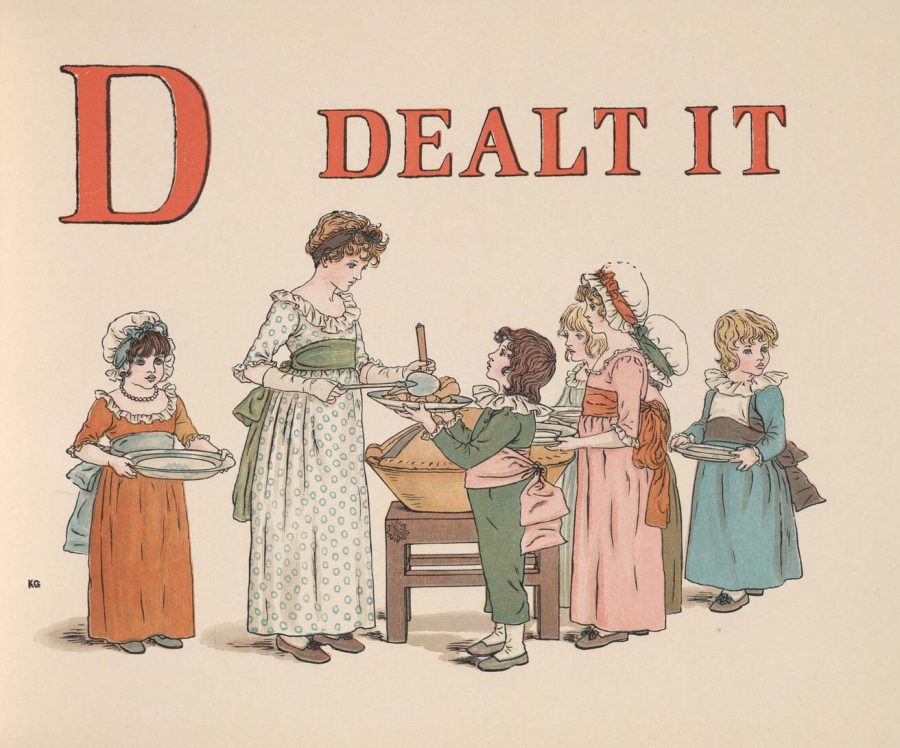
But the Library has done its digital users a service in this regard as well, with its “Free to Use and Reuse Sets,” a sizable collection of images that the Library “believes… is either in the public domain, has no known copyright, or has been cleared by the copyright owner for public use.” (The use of the word “believes” seems to leave room for doubt, but if you got it with permission from the LoC, you’re probably safe.) Need photographs of Abraham Lincoln—and scans of his speeches, letters, and “dueling instructions”—for that book you’re writing? You’re covered with this gallery. Need a collection of classic children’s books for your website (or your reading pleasure)? Here you go.
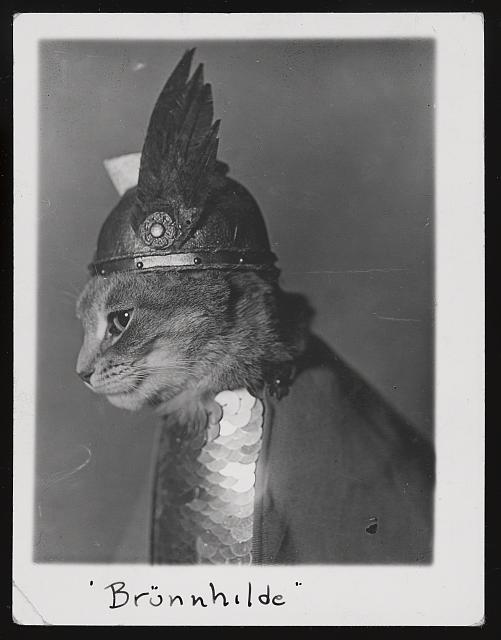
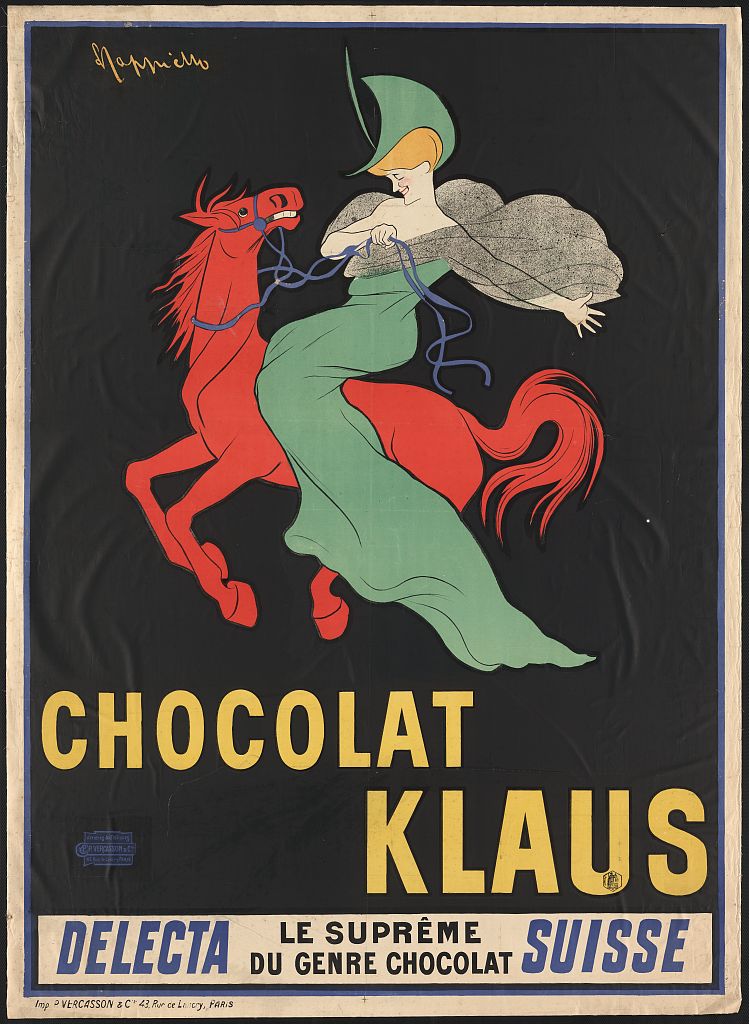
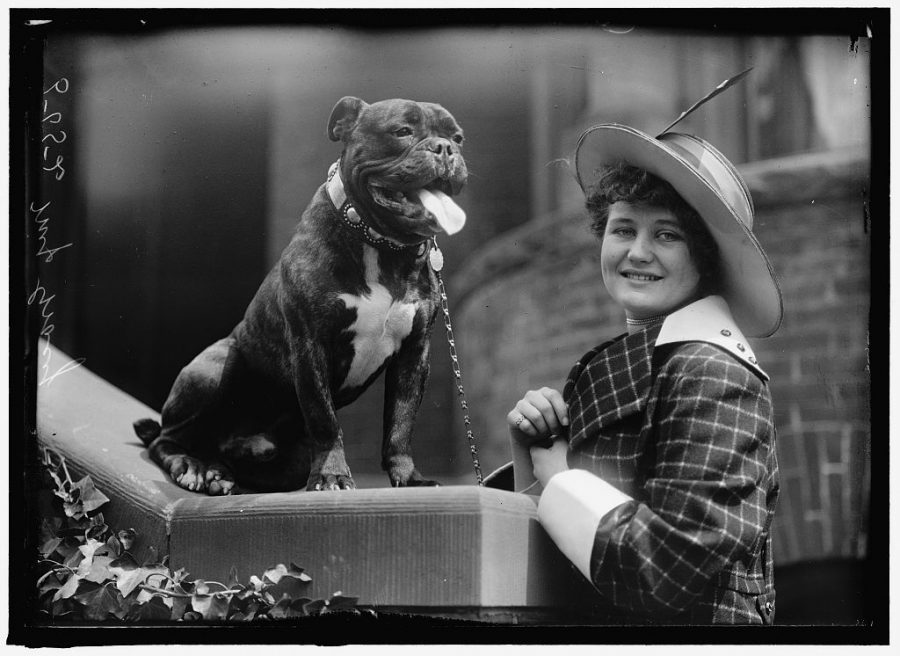
From the graphic genius of vintage WPA and travel posters to iconic jazz portraits by William Gottlieb to baseball cards to endlessly quaint and quirky American roadside attractions to pictures of dogs and their people… you never know when you might need such images, but when you do you now know where to find them. Want to know what’s in the set called “Not an Ostrich”? A valkyrie cat named Brunnhilde, for one thing, and much more here.
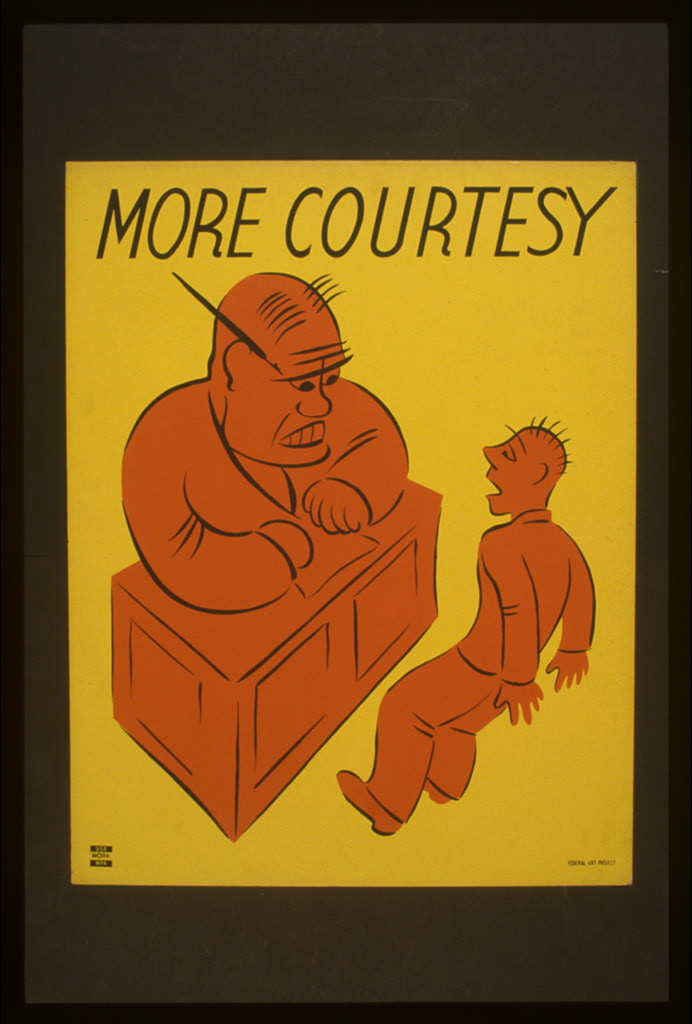
The Library currently highlights its “Poster Parade”—a set of posters from the 1890s to the 1960s featuring “travel, commercial products, war propaganda, entertainment, and more”—in collaboration with Poster House, a museum opening in New York next year. These range from delectable art nouveau ads to shouty broadsides telling you to drink your milk, brush your teeth, or have “More Courtesy.” Sensible prescriptions, but we also need more knowledge, study, and thought. Start at the LoC’s Digital Collections here and harvest your free to use and reuse images here.
If you would like to support the mission of Open Culture, consider making a donation to our site. It’s hard to rely 100% on ads, and your contributions will help us continue providing the best free cultural and educational materials to learners everywhere. You can contribute through PayPal, Patreon, and Venmo (@openculture). Thanks!
Related Content:
The Library of Congress Makes 25 Million Records From Its Catalog Free to Download
Getty Images Makes 35 Million Photos Free to Use Online
Josh Jones is a writer and musician based in Durham, NC. Follow him at @jdmagness.
Read More...
The Philosophy of Hayao Miyazaki: A Video Essay on How the Traditional Japanese Religion Shinto Suffuses Miyazaki’s Films
Even if you’ve never watched it before, you always know a Studio Ghibli movie when you see one, and even more so in the case of a Studio Ghibli movie directed by Hayao Miyazaki. That goes for his work’s common aesthetic qualities as well as its common thematic ones, the latter of which run deep, all the way down to the traditional Japanese religion of Shinto. Or so, anyway, argues “The Philosophy of Miyazaki,” the Wisecrack video essay above that finds in Shinto, a belief system premised on the notion that “we share our world with a variety of gods and spirits called kami,” the qualities that give “the films of Miyazaki and his team of badasses at Studio Ghibli that extra Miyazaki feel.”
Even viewers with no knowledge of Shinto and its role in Japanese society — where 80 percent of the population professes to practice its traditions — can sense that “a recurrent theme running throughout all of Miyazaki’s films is a love for nature.” Going back at least as far as 1984’s World Wildlife Federation-approved Nausicaä of the Valley of the Wind, whose heroine takes up the fight on behalf of a race of large bugs, Miyazaki’s work has depicted the exploitation of nature by the many and the defense of nature by the few.
None of his films have rendered kami quite so vividly as My Neighbor Totoro, the titular creature being just one of the woodland spirits that surround and even inhabit a human family’s house. In the worldviews of both Shinto teaching and Miyazaki’s cinema, nature isn’t just nature but “part of the divine fabric of reality, and as such deserves our respect.”
This contrasts sharply with Aristotle’s claim that “nature has made all things specifically for the sake of man,” and indeed to America’s idea of Manifest Destiny and the consequent subjugation of all things to human use. Anyone who’s only seen one or two of Miyazaki’s movies would be forgiven for assuming that he considers all technology evil, but a closer viewing (especially of his “final” film The Wind Rises about the designer of the Zero fighter plane, which depicts the invention itself as a thing of beauty despite its use in war) reveals a subtler message: “Because we’re focused on nature only through the lens of science and technology, we’re blinded to the true essence of things.” We’ll learn to live in a proper balance with nature only when we learn to see that essence, and Miyazaki has spent his career doing his part to reveal it to us.
Related Content:
Watch Hayao Miyazaki Animate the Final Shot of His Final Feature Film, The Wind Rises
How the Films of Hayao Miyazaki Work Their Animated Magic, Explained in 4 Video Essays
Watch Moebius and Miyazaki, Two of the Most Imaginative Artists, in Conversation (2004)
Based in Seoul, Colin Marshall writes and broadcasts on cities, language, and culture. His projects include the book The Stateless City: a Walk through 21st-Century Los Angeles and the video series The City in Cinema. Follow him on Twitter at @colinmarshall or on Facebook.
Read More...Growing Up Surrounded by Books Has a Lasting Positive Effect on the Brain, Says a New Scientific Study
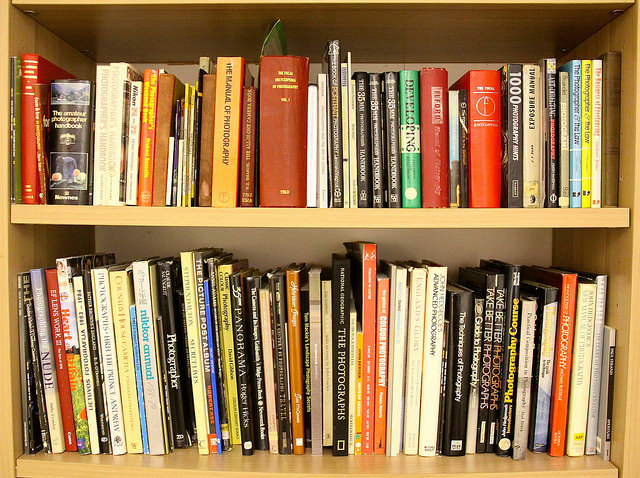
Image by George Redgrave, via Flickr Commons
Somewhere in the annals of the internet–if this sprawling, near-sentient thing we call the internet actually has annals–there is a fine, fine quote by filmmaker John Waters:
We need to make books cool again. If you go home with somebody and they don’t have books, don’t fuck them. Don’t let them explore you until they’ve explored the secret universes of books. Don’t let them connect with you until they’ve walked between the lines on the pages.
Books are cool, if you have to withhold yourself from someone for a bit in order for them to realize this then do so.
I like to think all of us here on Open Culture are on the same page as Mr. Waters and there’s reason to celebrate: researchers at the Australian National University have reported that growing up in a household filled with books can lead to proficiency in literacy, numeracy, and information communication technology, even if you don’t go on to university.
Basically, being around books is good for you.
You can read the full study by Joanna Sikora here at Social Science Research, which used data from 160,000 adults from 31 countries. The data came from a survey that asked people ages 25 to 65 to think back on being 16 years old. How many books were they surrounded by at home during that time?
The average number at home was 115 books, though in Norway the average size was 212 books and in Turkey it was 27. Needless to say, no matter the size of the library, having books in the home was a good thing. The researches also found that literacy rates climbed as the number of books climbed, but at some point–350 books to be exact–these rates plateau’d.
In comparison, a person who had not grown up around books but had earned a university degree wound up being just as literate as someone with a large home library and only nine years of schooling.
According to Sikora, “Early exposure to books in [the] parental home matters because books are an integral part of routines and practices that enhance lifelong cognitive competencies.”
What does that bode for a more digital future? The study seems to suggest that while books are not going away any time soon, it is indeed this book-based literacy that leads many of us to online sites like Open Culture, where we spend our time reading articles like this one. (Instead of, you know, watching cat videos or playing Fortnite.)
So the next time you fret that your stack of unread books is a bad thing, don’t worry. It’s doing wonders for your mental health, whether you know it or not.
Related Content:
China’s New Luminous White Library: A Striking Visual Introduction
Ted Mills is a freelance writer on the arts who currently hosts the artist interview-based FunkZone Podcast and is the producer of KCRW’s Curious Coast. You can also follow him on Twitter at @tedmills, read his other arts writing at tedmills.com and/or watch his films here.
Read More...Hear How Queen’s “Bohemian Rhapsody” Would Sound If Sung by Johnny Cash, David Bowie, Janis Joplin, Frank Sinatra & 38 Other Artists
I consider Freddy Mercury and Michael Jackson as the greatest performers of all time. Their vocal abilities are what I look up to as a vocalist. — Anthony Vincent
Anthony Vincent, the creator of Ten Second Songs, has a flowing mane, a lean physique, and the cocksure manner of a 20th century rock god.
He also spends hours in his home studio, peering at a computer monitor through reading glasses.
His latest effort, above, Queen’s “Bohemian Rhapsody” in the style of 42 other artists, could seem like a gimmick at first glance.
Consider, however, all the research, time, and musicianship that went into it.
The YouTube star disappeared from the internet for a month in order to tackle the beast that fans had long been begging him for.
He emerged from this self-imposed sabbatical refreshed, recommending that perhaps “everyone should start producing songs in multiple styles just so they too could take a vacation from social media.”
Good idea, though I doubt many of us can mimic the wide range of vocal styles the largely self taught Vincent does, from Muse’s lead singer Matt Belamy’s fabled high notes to the late Joe Strummer’s extremely English punk attitude to Janis Joplin at her most unfettered.
He also displays an impressive facility with a variety of arrangements and instruments, though a couple of off-handed comments in the Making Of video, below, may not endear him to drummers, despite his obvious respect for the essential role percussion plays in structuring his projects.
Various elements suggested which artist to pair with each bite-sized section of “Bohemian Rhapsody,” including similarity of lyrics, notes, and arrangements. (“Mama mia” was a no brainer…as was “Mama, didn’t mean to make you cry.”)
By definition, the multi-style “Bohemian Rhapsody” required him to look beyond his own personal favorites for artists to highlight, a process he applies to all of his mash ups. As he said in a 2015 interview with Radio Metal:
Obviously I don’t listen to Enya in my free time, I don’t go and put on a Gregorian chant and listen to it to relax. If I’m going to put an artist in there, it’s because I have some kind of respect for them in some way… At first my intention was to promote my business and now my intentions are to show that there are different ways that a song can be heard and that there’s nothing wrong with liking different things. You shouldn’t be afraid of what you don’t understand. Just because someone is growling doesn’t mean it’s bad. It’s just a way of expressing a song, there is really nothing else to it.
His “Bohemian Rhapsody” tribute is comprised of over 1800 carefully labelled tracks, an inspiring display of digital organization as well as technical prowess.
While some of Vincent’s chosen 42—David Bowie, Dream Theater—did cover “Bohemian Rhapsody” in its entirety, an unfortunate side effect of his impersonations are the way they whet our appetite for full covers we’ll never get to enjoy from the likes of Johnny Cash, Prince, Frank Sinatra, Aretha Franklin….
Ultimately, no one can hold a candle to the original, but there’s no harm in trying.
Readers, do you have a favorite from the line up below? Anyone you wish you could add to the list?
01. Queen
02. Me
03. The Chordettes
04. Johnny Cash
05. David Bowie
06. Ozzy Osbourne
07. Frank Sinatra
08. Sam Cooke
09. Boyz II Men
10. Daft Punk
11. Janis Joplin
12. Scott Joplin (King Of Ragtime)
13. Skrillex
14. Hendrix (Michael Winslow Version)
15. Kenny G
16. Bobby McFerrin
17. Star Wars
18. N.W.A.
19. Kendrick Lamar
20. System Of A Down
21. Elvis Presley
22. BOLLYWOOD
23. Bad Religion
24. Bruno Mars
25. Death Grips
26. Chuck Berry
27. Michael jackson
28. The Clash
29. Ray Charles
30. Aretha Franklin
31. Soggy Bottom Boys
32. Death
33. ABBA
34. Ghost
35. Muse
36. Vitas
37. Medieval Music
38. Frankie Valli and the Four Seasons
39. Tool
40. Prince
41. Nirvana
42. Dream Theater
Related Content:
Queen’s “Bohemian Rhapsody” Played by 28 Trombone Players
Ayun Halliday is an author, illustrator, theater maker and Chief Primatologist of the East Village Inky zine. Join her in NYC on Monday, November 12 for another monthly installment of her book-based variety show, Necromancers of the Public Domain. Follow her @AyunHalliday.
Read More...George Washington Writes to the First Jewish Congregation of Newport, Rhode Island: “The Government… Gives to Bigotry No Sanction, to Persecution No Assistance” (1790)
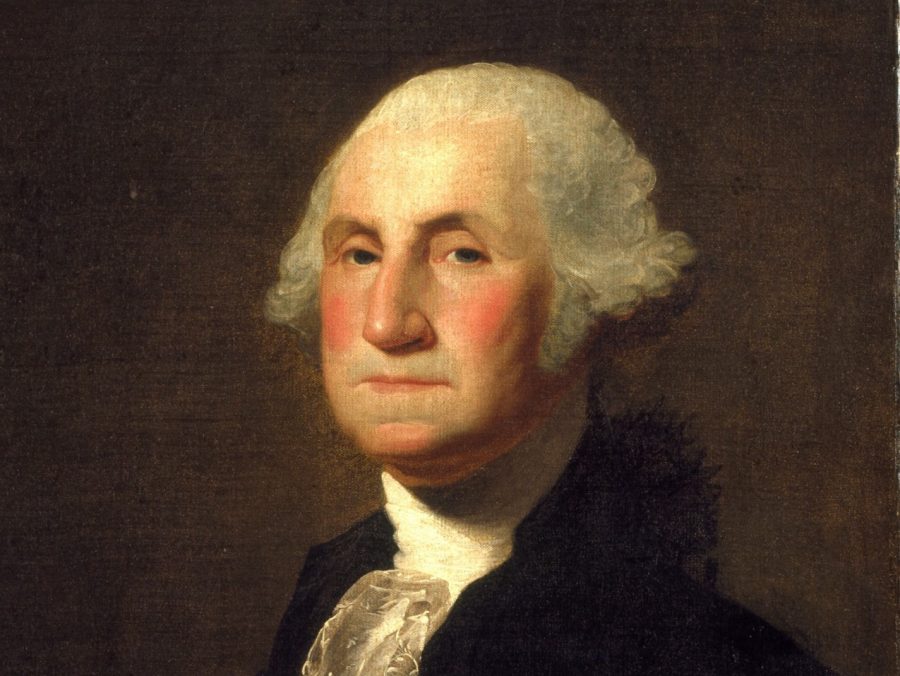
In the early United States, devout Christians who would impose their beliefs on others were in the minority among the country’s founders. Thomas Jefferson’s views on the subject are well-known. Much more conservative than Jefferson, fellow Virginian George Washington made frequent statements on religion as part of the essential texture of public life. But while Washington discussed religion as a communal affair with important social and political dimensions, like Jefferson he endorsed religious liberty and freedom of conscience and belief.
Washington went further in defense of religious minorities than the hugely influential theorist of religious toleration, John Locke. The principle of toleration was unique in Europe and England, where “state-sponsored religion was the norm,” as Newport, Rhode Island’s historic Touro Synagogue explains.
But the idea was usually taken to mean that “non-Christians were to be ‘tolerated’ for their beliefs” in a paternalist sense, “with the hope that ‘Jews, Turks, and Infidels” would become Christian.” Washington, however, declared:
It is now no more that toleration is spoken of, as if it was by the indulgence of one class of people, that another enjoyed the exercise of their inherent natural rights. For happily the Government of the United States, which gives to bigotry no sanction, to persecution no assistance requires only that they who live under its protection should demean themselves good citizens, in giving it on all occasions their effectual support.
These words come from Washington’s short 1790 letter to the “the Hebrew Congregation in Newport, Rhode Island,” the first in a series of letters written to citizens of Newport after he and then-secretary of state Jefferson made a visit. The address responds directly to a letter of welcome read to him on his arrival in the city by Moses Seixas, an official of the first Jewish congregation in Newport, which states:
Deprived as we heretofore have been of the invaluable rights of free Citizens, we now (with a deep sense of gratitude to the Almighty disposer of all events) behold a Government, erected by the Majesty of the People—a Government, which to bigotry gives no sanction, to persecution no assistance—but generously affording to All liberty of conscience, and immunities of Citizenship: deeming every one, of whatever Nation, tongue, or language, equal parts of the great governmental Machine….
As did many such proclamations, the document glosses the brutal contradiction of slavery, indigenous slaughter, and actual discrimination religious minorities faced. Nonetheless, the democratic principles Seixas outlined so accorded with Washington’s ideals that the first president repeated key phrases verbatim. This is no mere pandering. When Washington arrived in Newport in 1790, state legislatures were in the process of ratifying what was then the Third Amendment to the Constitution, which we know as the First, prohibiting the establishment of state religion and granting freedom of the press.
Arguments over religious liberty were fierce, and toleration had strict limits. In some states “the rights of minority groups such as Baptists, Presbyterians, Catholics and Quakers were restricted,” notes Touro. “In most states, non-Christians were denied the rights of full citizenship, such as holding public office. Even in religiously liberal Rhode Island, Jews were not allowed to vote.” While the First Amendment “did little to erase these injustices,” Washington’s letter set out ideal conditions in which the country’s “enlarged and liberal policy” granted “liberty of conscience and immunities of citizenship” to all.
That Washington would make such claims in Rhode Island bears particular significance given that the state is “most noted as the place where religious freedom was actually born,” writes former Ambassador and UN Delegate John Loeb. The colony’s 1663 charter “set forth the first political entity in the world to separate the church from the state.” Washington’s statement one hundred and twenty-seven years later “applied—and continues to apply—to every American,” Loeb argues, despite its specific address “to a small group of Jewish citizens.” But that specific address matters. It promised inclusion and protection to a community that had faced centuries of terror.
As historian Melvin Urofsky writes, the letter “to the Hebrew Congregation,” like many other such statements made by the founders, “is a treasure to the entire nation”—a nation that “recognized,” at least in words, “diversity for what it was, one of the country’s greatest assets, and took as its motto E Pluribus Unum—Out of Many, One. The separation of church and state, and with it the freedom of religion enshrined in the First Amendment to the Constitution, has made the United States a beacon of hope to oppressed peoples everywhere.”
Read Washington’s concise “Letter to the Hebrew Congregation in Newport, Rhode Island” here.
Related Content:
Harvard Launches a Free Online Course to Promote Religious Tolerance & Understanding
Josh Jones is a writer and musician based in Durham, NC. Follow him at @jdmagness
Read More...The Model Book of Calligraphy (1561–1596): A Stunningly Detailed Illuminated Manuscript Created over Three Decades
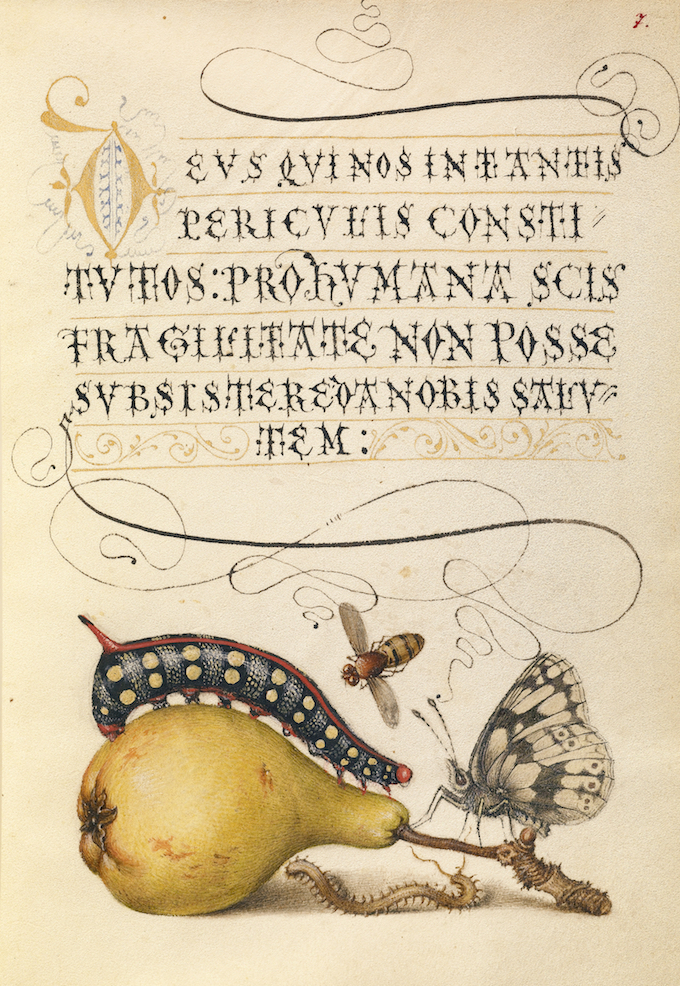
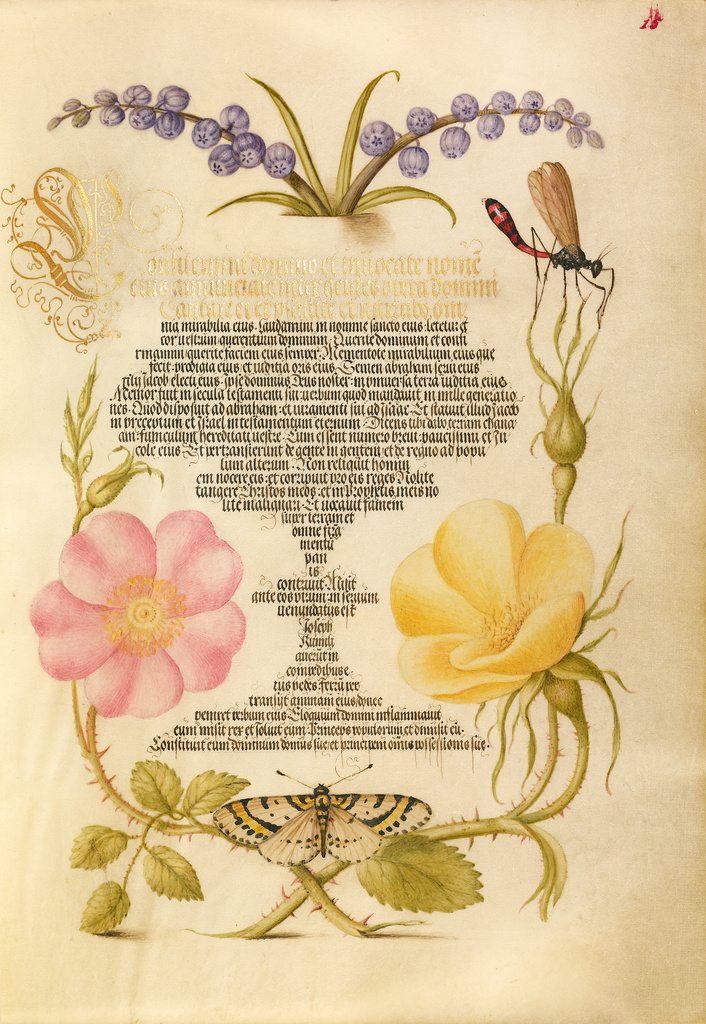
Whenever a technology develops just enough to become interesting, someone inevitably pushes it to extremes. In the case of that reliable and long-lived technology known as the book, writers and artists were looking for ways to maximize its potential as a device for conveying the written word and the drawn image as far back as the 16th century. One particularly glorious example, The Model Book of Calligraphy, has come available online, to view or download, thanks to the Getty. This decades-spanning collaboration shows off not just the artistic writing implied by the title but illustrations whose vividness and detail remain striking even today.
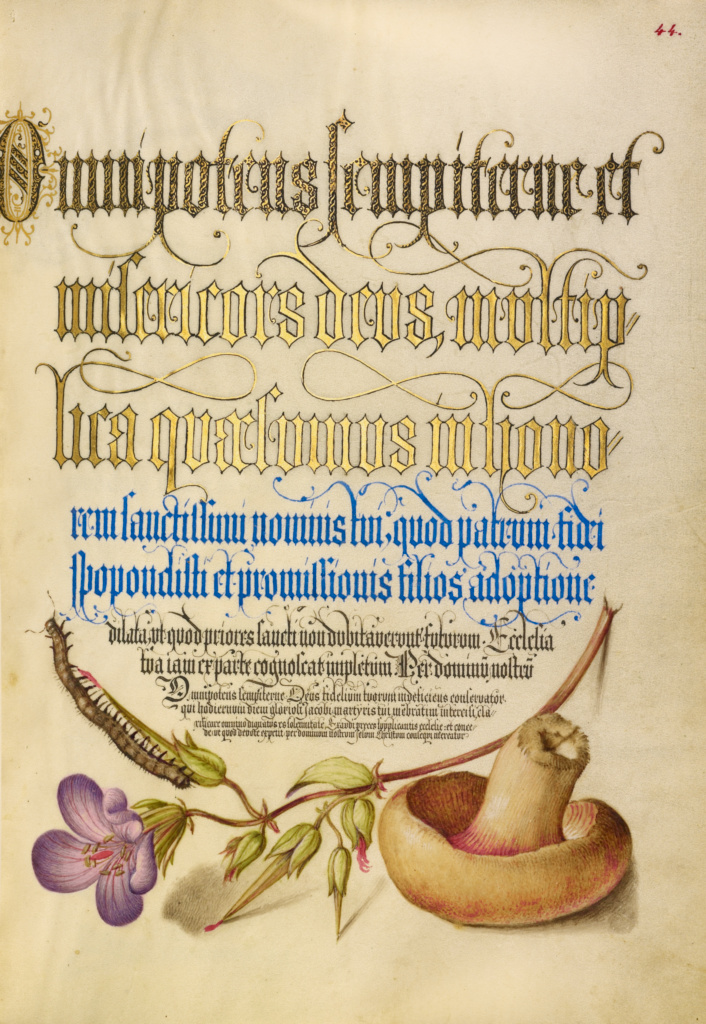
“In the 1500s, as printing became the most common method of producing books, intellectuals increasingly valued the inventiveness of scribes and the aesthetic qualities of writing,” says the Getty’s site.
“From 1561 to 1562, Georg Bocskay, the Croatian-born court secretary to the Holy Roman Emperor Ferdinand I, created this Model Book of Calligraphy in Vienna to demonstrate his technical mastery of the immense range of writing styles known to him.”
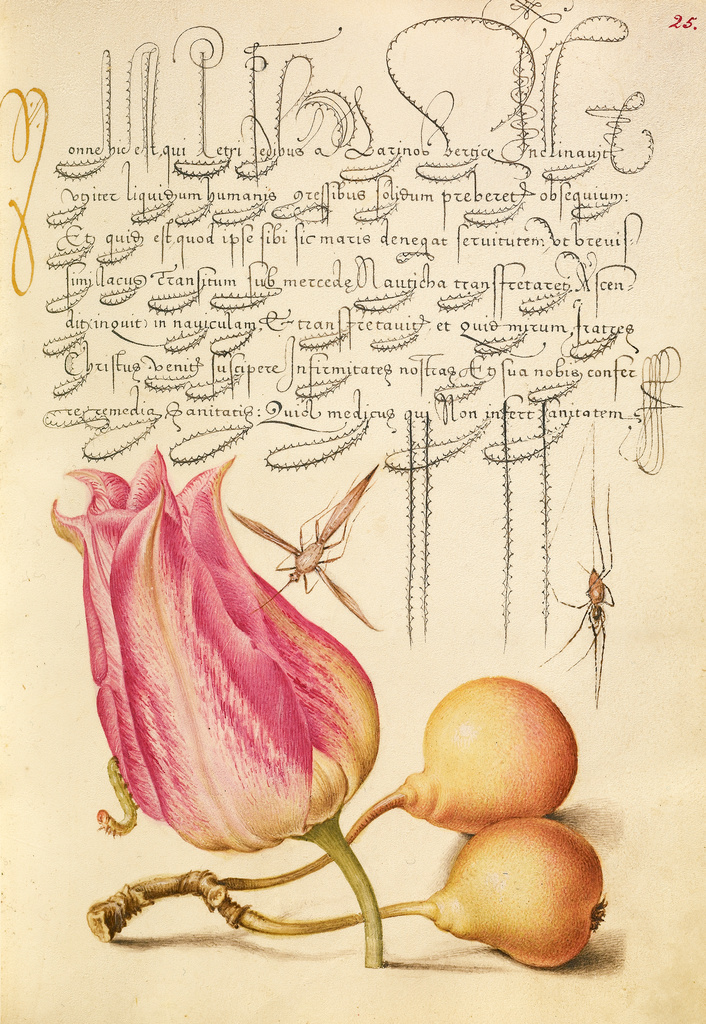
Three decades later, “Emperor Rudolph II, Ferdinand’s grandson, commissioned Joris Hoefnagel” — a Flemish artist well known at the time for his specialization in subjects to do with natural history — “to illuminate Bocskay’s model book. Hoefnagel added fruit, flowers, and insects to nearly every page, composing them so as to enhance the unity and balance of the page’s design. It was one of the most unusual collaborations between scribe and painter in the history of manuscript illumination.”
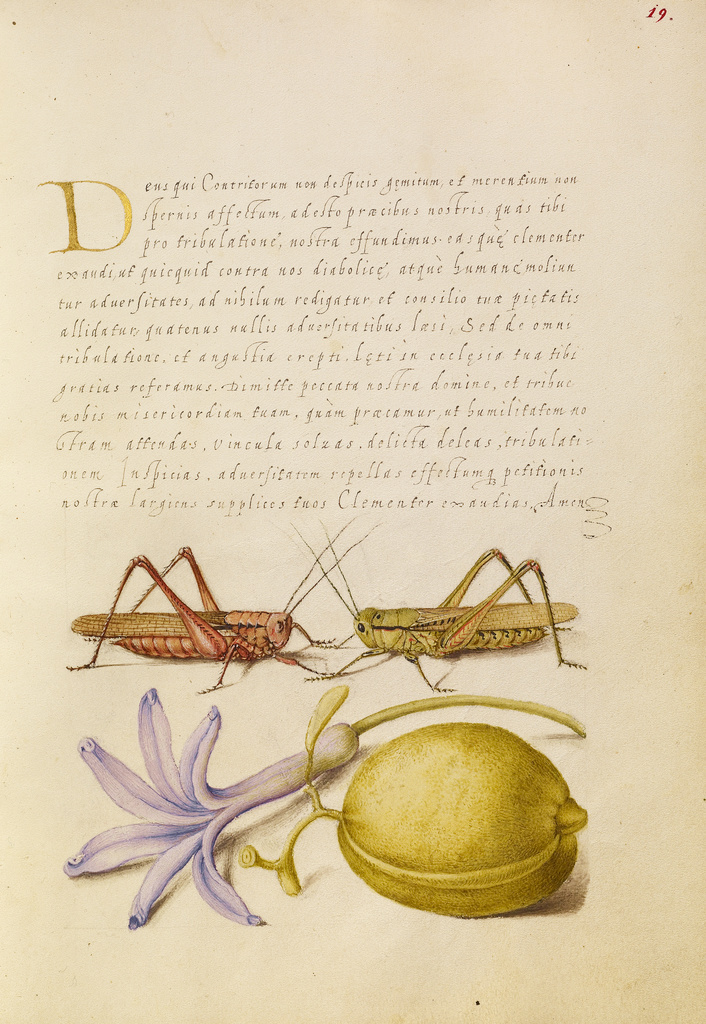
What we see when we flip through (or zoom in to great levels of digital detail on) The Model Book of Calligraphy’s 184 pages may look like a unified work executed all at once (see them all at the bottom of this page), but it actually combines the sensibilities of not just two creators separated by not just the art forms in which they specialized but more than thirty years of time. Hoefnagel, however, didn’t stay entirely out of the realm of the textual: though most of what he brought to the manuscript takes the form of illuminations, he also added an entirely new section on writing the alphabet. He understood the importance of not just well-crafted pictures and text but their appealing integration, a concept familiar to any designer working in today’s forms of cutting-edge media — as books were four centuries ago. You can purchase print editions that reproduce portions or the entirety of The Model Book of Calligraphy.
Related Content:
Based in Seoul, Colin Marshall writes and broadcasts on cities, language, and culture. His projects include the book The Stateless City: a Walk through 21st-Century Los Angeles and the video series The City in Cinema. Follow him on Twitter at @colinmarshall or on Facebook.
Read More...Edgar Allan Poe’s “The Raven” Gets Released on Instagram as a Digital “Insta Novel”: It’s Free from The New York Public Library
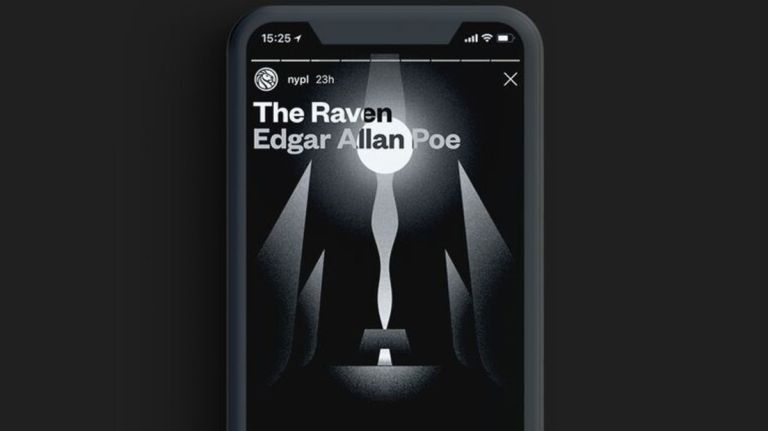
Back in August, we highlighted a new initiative by the New York Public Library. An institution that’s hip with our times, the NYPL released on Instagram a digital version of Lewis Carroll’s Alice’s Adventures in Wonderland. Now, in the Halloween spirit, comes a digital adaptation of Edgar Allan Poe’s classic tale, “The Raven.” They write:
“The Raven” includes a unique series of animations produced by Psyop and Studio AKA that takes readers on an ominous procession through a stark psychological landscape where the differing perspectives of both the Raven and Poe’s protagonist are depicted. The viewpoints steadily intercut and converge as the animation builds to its disquieting climax, as the door creaks open revealing “darkness there and nothing more.”
Read “The Raven” on Instagram here. And keep an eye out for NYPL’s upcoming adaptation of “The Metamorphosis” by Franz Kafka. It’s due out by the end of the year.
If you would like to support the mission of Open Culture, consider making a donation to our site. It’s hard to rely 100% on ads, and your contributions will help us continue providing the best free cultural and educational materials to learners everywhere. You can contribute through PayPal, Patreon, and Venmo (@openculture). Thanks!
Related Content:
900 Free Audio Books: Download Great Books for Free
The Raven: a Pop-up Book Brings Edgar Allan Poe’s Classic Supernatural Poem to 3D Paper Life
Gustave Doré’s Splendid Illustrations of Edgar Allan Poe’s “The Raven” (1884)
A Reading of Edgar Allan Poe’s “The Raven” in 100 Celebrity Voices
Read More...
Support Us
We're hoping to rely on loyal readers, rather than erratic ads. Please click the Donate button and support Open Culture. You can use Paypal, Venmo, Patreon, even Crypto! We thank you!

About Us

Open Culture scours the web for the best educational media. We find the free courses and audio books you need, the language lessons & educational videos you want, and plenty of enlightenment in between.
Advertise With Us

FREE UPDATES!
GET OUR DAILY EMAIL
Get the best cultural and educational resources on the web curated for you in a daily email. We never spam. Unsubscribe at any time.
FOLLOW ON SOCIAL MEDIA

Open Culture editor Dan Colman scours the web for the best educational media. He finds the free courses and audio books you need, the language lessons & movies you want, and plenty of enlightenment in between.
Advertise With Us

