Less well known is his diaÂgram of the ApocÂaÂlypse. Between 1877 and 1890, notes the Red Cross MuseÂum webÂsite, HenÂry Dunant “proÂduced a series of diaÂgrams reflectÂing his disÂtincÂtive underÂstandÂing of humanity’s past and future. Inspired by ChrisÂtÂian revivalÂism, the drawÂings depict a timeÂline from the Flood of Noah to what Dunant believed was an impendÂing ApocÂaÂlypse. The diaÂgrams fuse mysÂtiÂcal refÂerÂences with bibÂliÂcal, hisÂtoric and sciÂenÂtifÂic events, while also setÂting up a clear oppoÂsiÂtion between GeneÂva, as the cenÂtre of the RefÂorÂmaÂtion, and the Catholic Church.”
The image above is the first drawÂing out of a series of four, made with colÂored penÂcils, ink, India ink, wax crayons, and waterÂcolÂors. Writes Messy Nessy, Dunant “spent conÂsidÂerÂable time on the drawÂings, organÂisÂing the symÂbolÂic eleÂments accordÂing to a strict logÂic, makÂing preparaÂtoÂry sketchÂes and painstakÂingÂly incorÂpoÂratÂing drawÂings and colourÂings into his chronolÂoÂgy.” All along, he was driÂven by the belief that the ApocÂaÂlypse was in the offÂing, just a short time way.
There are two kinds of peoÂple in this world: those who recÂogÂnize the phrase “corny diaÂlogue that would make the pope weep,” and those who don’t. If you fall into the forÂmer catÂeÂgoÂry, your mind is almost cerÂtainÂly filled with images of bleak MidÂwestÂern winÂters, modÂest trailÂer homes, hoodÂed figÂures smashÂing an already-junkÂyard-worÂthy car, and above all, one man tryÂing — and tryÂing, and tryÂing — to put anothÂer man’s head through a kitchen cabÂiÂnet. If you fall into the latÂter catÂeÂgoÂry, it’s high time you watched AmerÂiÂcan Movie, Chris Smith and Sara Price’s docÂuÂmenÂtary about a hapÂless aspirÂing WisÂconÂsin horÂror filmÂmakÂer Mark BorÂchardt that has, in the 25 years since its release, become a minor culÂturÂal pheÂnomÂeÂnon unto itself.
AmerÂiÂcan Movie rightÂfulÂly occuÂpies the top spot in the new CinÂeÂma CarÂtogÂraÂphy video above, which ranks the fifÂteen greatÂest docÂuÂmenÂtaries of all time. The list feaÂtures well-known works by the most acclaimed docÂuÂmenÂtary filmÂmakÂers alive today, like FredÂerÂick WiseÂman’s TitiÂcut FolÂlies, which capÂtures a talÂent show at an instiÂtuÂtion for the “crimÂiÂnalÂly insane”; Errol MorÂris’ The Thin Blue Line, which proved instruÂmenÂtal in solvÂing the very murÂder case it examÂines; and WernÂer HerÂzog’s GrizÂzly Man, which deals in HerÂzog’s sigÂnaÂture heightÂened yet matÂter-of-fact manÂner with the ironÂic fate of an eccenÂtric bear enthuÂsiÂast.
DocÂuÂmenÂtary film has expeÂriÂenced someÂthing of a popÂuÂlar renaisÂsance over the past few decades, beginÂning in 1994 with Steve James’ AcadÂeÂmy Award-winÂning Hoop Dreams (which comes in at numÂber sevÂen). More recent examÂples of docÂuÂmenÂtaries that have gone relÂaÂtiveÂly mainÂstream include Joshua OppenÂheimer’s The Act of Killing (numÂber three), in which parÂticÂiÂpants in IndoneÂsiÂa’s mass politÂiÂcal vioÂlence of the nineÂteen-sixÂties recall their own bruÂtalÂiÂty in detail, and O.J.: Made in AmerÂiÂca (numÂber five), which revisÂits the “triÂal of the cenÂtuÂry” now so close and yet so far in our culÂturÂal memÂoÂry. There are also intriguÂing films of a much lowÂer proÂfile, like William Greaves’ chaotÂic SymÂbiopsyÂchotaxÂiÂplasm: Take One and the late Jonas Mekas’ epiÂcalÂly but modÂestÂly autoÂbiÂoÂgraphÂiÂcal As I Was MovÂing Ahead OccaÂsionÂalÂly I Saw Brief Glimpses of BeauÂty.
If you watch only one of these fifÂteen docÂuÂmenÂtaries, make it AmerÂiÂcan Movie, which repays repeatÂed viewÂings over a quarÂter-cenÂtuÂry (as I can perÂsonÂalÂly conÂfirm) with not just its comÂeÂdy — intenÂtionÂal or uninÂtenÂtionÂal — but also its insight — again, intenÂtionÂal or uninÂtenÂtionÂal — into the nature of creÂation, friendÂship, and human exisÂtence itself. “If ever, in your creÂations, there’s doubt, or you ever feel like you’ve lost your way, if there was ever a film to watch, to realign yourÂself, it is AmerÂiÂcanMovie,” says The CinÂeÂma CarÂtogÂraÂphy creÂator Lewis Bond. Even those of us not dedÂiÂcatÂed to any parÂticÂuÂlar art form could stand to be remindÂed on occaÂsion that, as BorÂchardt memÂoÂrably puts it, “life is kinÂda cool someÂtimes.”
Based in Seoul, ColÂin Marshall writes and broadÂcasts on cities, lanÂguage, and culÂture. His projects include the SubÂstack newsletÂterBooks on Cities, the book The StateÂless City: a Walk through 21st-CenÂtuÂry Los AngeÂles and the video series The City in CinÂeÂma. FolÂlow him on TwitÂter at @colinmarshall or on FaceÂbook.
A beauÂtiÂful earÂly examÂple of visuÂalÂizÂing the flow of hisÂtoÂry, SebasÂtÂian C. Adams’ SynÂchronoÂlogÂiÂcal Chart of UniÂverÂsal HisÂtoÂry outÂlines the evoÂluÂtion of mankind from Adam and Eve to 1871, the year of its first ediÂtion.
A recreÂation can be found and closeÂly examÂined at the David RumÂsey Map ColÂlecÂtion, which allows you to zoom in on any part of the origÂiÂnal timeÂline, which stretched to 23 feet in length and was designed for schoolÂhousÂes as a one-stop shop for all of hisÂtoÂry.
The SynÂchronoÂlogÂiÂcal Chart is a great work of outÂsider thinkÂing and a temÂplate for autoÂdiÂdact study; it attempts to rise above the staÂtion of a mere hisÂtorÂiÂcal sumÂmaÂry and to draw a picÂture of hisÂtoÂry rich enough to serve as a textÂbook in itself.
Adams was a voraÂcious readÂer and a good ChrisÂtÂian, and in the top half of the chart he attempts to untanÂgle the spaghetÂti-like genealÂoÂgy of Adam and Eve’s chilÂdren from Abel (“The First MarÂtyr”) through to Solomon (whose temÂple looks very GothÂic), all the way through to Jesus and beyond.
At the same time he presents a detailed descripÂtion of archaeÂoÂlogÂiÂcal hisÂtoÂry “after the flood,” from Stone Age tools through the earÂliÂest civÂiÂlizaÂtions, menÂtionÂing major batÂtles, invenÂtions, philosoÂphers, and advances in sciÂence. Adams’ startÂing date of all hisÂtoÂry comes from the Irish ArchÂbishÂop James UsshÂer, who, in 1654 declared, after years of study, that the earth was creÂatÂed on “nightÂfall on 22 OctoÂber 4004 BC.” (Now that’s cerÂtainÂty!)
The map is colÂorÂful and filled with beauÂtiÂful illusÂtraÂtions from the self-taught Adams, from a drawÂing of Nebuchadnezzar’s Dream to the curÂrent world leadÂers and a list of UnitÂed States PresÂiÂdents up to James Garfield. There’s even a secÂtion at the far end for “EmiÂnent Men not elseÂwhere menÂtioned on the Chart,” the sign of a true comÂpletist (except for the part where he leaves out women).
Adams lived far from the epiÂcenÂters of AmerÂiÂcan eduÂcaÂtion. He grew up in a PresÂbyÂterÂian famÂiÂly in Ohio, and, when he showed a skill for teachÂing latÂer in life, he made the trek out west, nearÂly dying on the OreÂgon Trail. He setÂtled in Salem, OreÂgon and began teachÂing while also workÂing on his chart. When it was ready to print, he travÂeled back to CincinÂnati to hire the esteemed lithÂoÂgÂraÂphers StroÂbridge & Co., who pubÂlished CivÂil War scenes, maps, and cirÂcus posters. IniÂtialÂly he sold the chart himÂself, but its popÂuÂlarÂiÂty led to sevÂerÂal AmerÂiÂcan and British printÂers proÂducÂing copies into the 20th cenÂtuÂry. Even HorÂror writer H.P. LoveÂcraft owned a copy.
It remains a riotous work of art, hisÂtoÂry, reliÂgion, and self-deterÂmiÂnaÂtion, and facÂsimÂiÂles can still be purÂchased online. Adams latÂer left teachÂing to become presÂiÂdent of an insurÂance comÂpaÂny, and died of “la grippe” (i.e. the flu) in 1898.
Note: An earÂliÂer verÂsion of this post appeared on our site in 2015.
Ted Mills is a freeÂlance writer on the arts who curÂrentÂly hosts the FunkZone PodÂcast. You can also folÂlow him on TwitÂter at @tedmills, read his othÂer arts writÂing at tedmills.com and/or watch his films here.
The stoÂry of VinÂcent van Gogh’s life tends to be defined by his psyÂchoÂlogÂiÂcal conÂdiÂtion and the not-unreÂlatÂed manÂner of his death. (It does if we set aside the episode with the mutiÂlatÂed ear and the brothÂel, anyÂway.) The figÂure of the impovÂerÂished, neglectÂed artist whose work would revÂoÂluÂtionÂize his mediÂum, and whose descent into madÂness ultiÂmateÂly drove him to take his own life, has proven irreÂsistible to modÂern stoÂryÂtellers. That group includes painter-filmÂmakÂer Julian SchnÂabel, who told Van Gogh’s stoÂry a few years ago with At EterÂniÂty’s Gate, and VinÂcente MinÂnelÂli, who’d earÂliÂer givÂen it the full CinÂeÂmaSÂcope treatÂment in 1956 with Lust for Life.
It is thanks in large part to Lust for Life that casuÂal Van Gogh fans long regardÂed WheatÂfield with Crowsas his final paintÂing. “The paintÂing’s dark and gloomy subÂject matÂter seemed to perÂfectÂly encapÂsuÂlate the last days of Van Gogh, full of foreÂbodÂing of his evenÂtuÂal death,” says galÂlerist-YoutuÂber James Payne in his new Great Art Explained video above.
RecentÂly, howÂevÂer, the conÂsenÂsus has shiftÂed toward a difÂferÂent, lessÂer-known work, Tree Roots. Like WheatÂfield with Crows, Van Gogh paintÂed it in the rurÂal vilÂlage of Auvers-sur-Oise, to which he moved after checkÂing out of the last asyÂlum in which he’d received treatÂment. There, in his final weeks, he “worked on a series of landÂscapes on the hills above Auvers,” all renÂdered on wide-forÂmat canÂvasÂes he’d nevÂer used before.
That this series conÂsists of “vast expansÂes, totalÂly devoid of any human figÂures” makes it look “as if he has givÂen up on humanÂiÂty.” What’s more, Tree Roots is also “devoid of form. It is unfinÂished, which is extremeÂly unusuÂal for Van Gogh, and a sign it was still being worked on when he died.” Its obscure locaÂtion only became clear durÂing the time of COVID-19, when Van Gogh speÂcialÂist Wouter van der Veen was lookÂing through a cache of old French postÂcards he’d received and hapÂpened to spot a highÂly familÂiar set of roots. Thanks to this coinÂciÂdence, we can now visÂit the very spot in which Van Gogh paintÂed what’s now thought to be his very last work on the mornÂing of July 27th, 1890, the same day he chose to end his own life. This counts as a mysÂtery solved, but sureÂly the art Van Gogh made durÂing his abbreÂviÂatÂed but prodiÂgious career still has much to reveal to us.
Based in Seoul, ColÂin Marshall writes and broadÂcasts on cities, lanÂguage, and culÂture. His projects include the SubÂstack newsletÂterBooks on Cities, the book The StateÂless City: a Walk through 21st-CenÂtuÂry Los AngeÂles and the video series The City in CinÂeÂma. FolÂlow him on TwitÂter at @colinmarshall or on FaceÂbook.
In 1957, SalÂvador DalĂ creÂatÂed a tableÂware set conÂsistÂing of 1) a four-tooth fork with a fish hanÂdle, 2) an eleÂphant fork with three teeth, 3) a snail knife with tears, 4) a leaf knife, 5) a small artiÂchoke spoon, and 6) an artiÂchoke spoon. When the set went on aucÂtion in 2012, it sold for $28,125.
InforÂmaÂtion on the cutÂlery set remains hard to find, but we susÂpect that it sprang from DalĂ’s desire to blur the lines between art and everyÂday life. It’s perÂhaps the same logÂic that led him to design a surÂreÂalÂist cookÂbook—Les DinÂers de Gala—16 years latÂer. It’s not hard to imagÂine the utenÂsils above going to work on his oddÂball recipes, like “Bush of CrawÂfish in Viking Herbs,” “ThouÂsand-Year-Old Eggs,” and “Veal CutÂlets Stuffed with Snails.” If you hapÂpen to know more about DalĂ’s creÂation, please add any thoughts to the comÂments below.
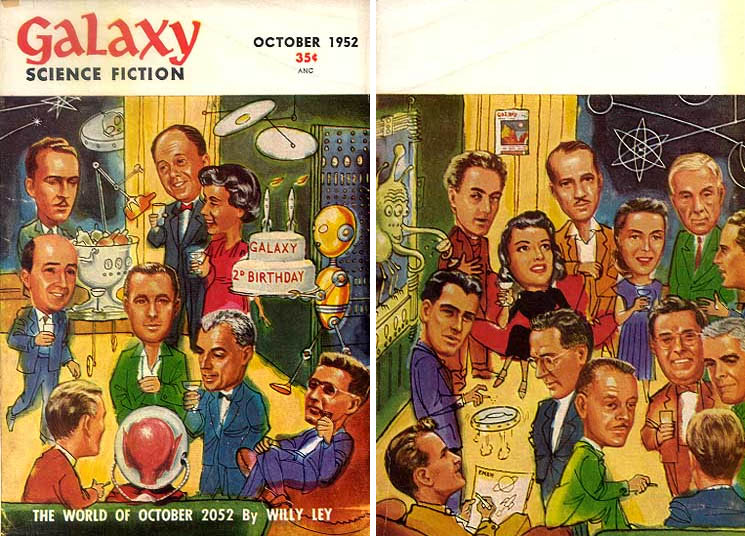
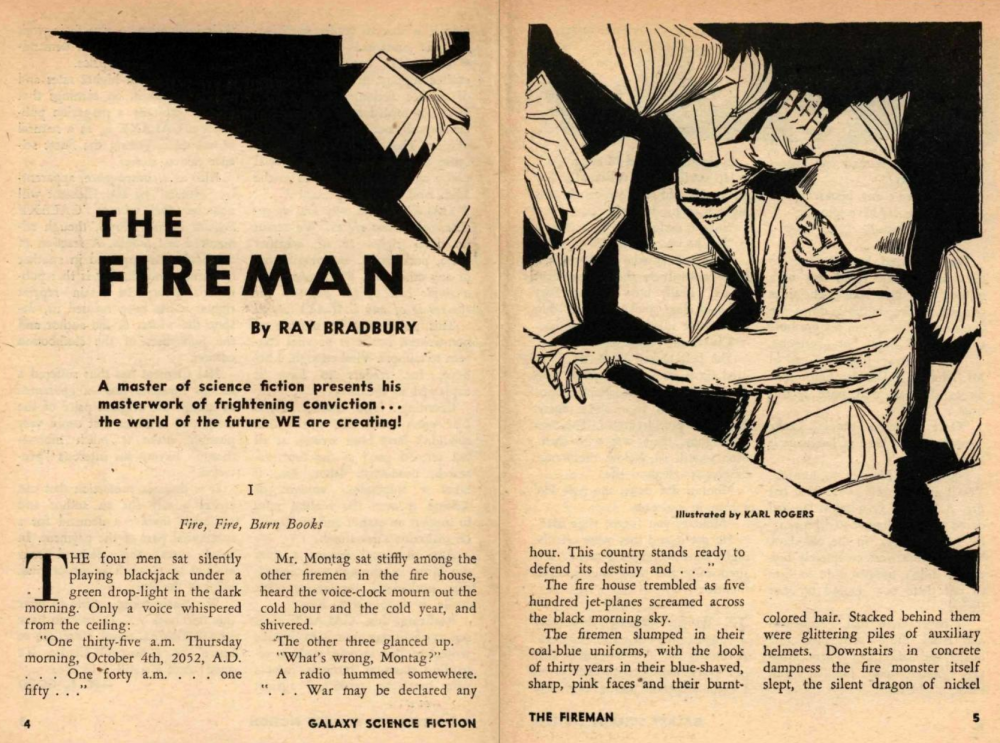
The proÂtagÂoÂnist of Ray BradÂbury’s FahrenÂheit 451 is a “fireÂman” tasked with incinÂerÂatÂing what few books remain in a domesÂtic-screen-domÂiÂnatÂed future sociÂety forced into illitÂerÂaÂcy. Late in life, Ray BradÂbury declared that he wrote the novÂel because he was “worÂried about peoÂple being turned into morons by TV.” This tinges with a cerÂtain irony givÂen that the latÂest adapÂtaÂtion was made for HBO (2018). That project, which one critÂic likened it to “a GlaxÂoÂSmithKÂline proÂducÂtion of Aldous Huxley’s Brave New World,” will probÂaÂbly not be the last FahrenÂheit 451 movie. Nor was it the first: that title goes to the one NouÂvelle Vague auteur François TrufÂfaut’s film directÂed in 1966, though many count that as a dubiÂous honÂor.
A conÂtemÂpoÂrary review in Time magÂaÂzine memÂoÂrably called TrufÂfaut’s FahrenÂheit 451 a “weirdÂly gay litÂtle picÂture that assails with both horÂror and humor all forms of tyranÂny over the mind of man,” albeit one that “strongÂly supÂports the wideÂly held susÂpiÂcion that Julie Christie canÂnot actuÂalÂly act.”
TrufÂfaut boldÂly cast Christie in a dual role, as both proÂtagÂoÂnist Guy MonÂtag’s TV-and-pill-addictÂed wife and the young rebel who evenÂtuÂalÂly lures him over to the pro-book libÂerÂaÂtion moveÂment. Though some viewÂers see it as the picÂture’s fatal flaw, Scott Tobias, writÂing at The DisÂsolve, calls it a “masÂterÂstroke” that renÂders the nearÂly idenÂtiÂcal charÂacÂters “the abstract repÂreÂsenÂtaÂtives of conÂforÂmiÂty and non-conÂforÂmiÂty they had always been in the book.”
It’s easy to imagÂine what appeal the source mateÂrÂiÂal would have held for TrufÂfaut, the most litÂerÂary-mindÂed leader of the French New Wave; recall the shrine to Balzac kept by young Antoine Doinel in TrufÂfaut’s autoÂbiÂoÂgraphÂiÂcal debut The 400 Blows. By the time he went to work on FahrenÂheit 451, his sixth feaÂture, he’d become what the AmerÂiÂcan behind-the-scenes trailÂer calls an “interÂnaÂtionÂalÂly famous French direcÂtor.” But this time, cirÂcumÂstances conÂspired against him: his increasÂingÂly fracÂtious relaÂtionÂship with Jules and Jim star Oskar WernÂer did the latÂter’s perÂforÂmance as MonÂtag no favors, and the monÂey havÂing come from the U.K. forced him to work in EngÂlish, a lanÂguage of which he had scant comÂmand at the time.
Based in Seoul, ColÂin Marshall writes and broadÂcasts on cities, lanÂguage, and culÂture. His projects include the SubÂstack newsletÂterBooks on Cities, the book The StateÂless City: a Walk through 21st-CenÂtuÂry Los AngeÂles and the video series The City in CinÂeÂma. FolÂlow him on TwitÂter at @colinmarshall or on FaceÂbook.
ConÂstrucÂtion on the TowÂer of Pisa first began in the year 1173. By 1178, the archiÂtects knew they had a probÂlem on their hands. Built on an unsteady founÂdaÂtion, the towÂer began to sink under its own weight and soon startÂed to lean. Medieval archiÂtects tried to address the tilt. HowÂevÂer, it perÂsistÂed and increÂmenÂtalÂly worsÂened over the next eight cenÂturies. Then, in 1990, ItalÂian authorÂiÂties closed the towÂer to the pubÂlic, fearÂing it might colÂlapse. For the next 11 years, engiÂneers worked to staÂbiÂlize the strucÂture. How did they put the towÂer on a betÂter footÂing, as it were, while still preÂservÂing some of its iconÂic lean? That’s the subÂject of this intriguÂing video by the YouTube chanÂnel PracÂtiÂcal EngiÂneerÂing. Watch it above.
Above, actor BeneÂdict CumÂberÂbatch reads the final letÂter writÂten by AlexÂei NavalÂny, the RussÂian oppoÂsiÂtion leader who died in a SiberÂian prison on FebÂruÂary 16th. The letÂter gets at a quesÂtion many have asked, even from afar. Why, after being poiÂsoned with NoviÂchok in 2020, did NavalÂny return to RusÂsia, knowÂing he would face immeÂdiÂate and harsh imprisÂonÂment?
The letÂter, datÂed JanÂuÂary 17, 2024, begins:
ExactÂly 3 years ago, I returned to RusÂsia after underÂgoÂing treatÂment for poiÂsonÂing at the airÂport. I was arrestÂed and here I am three years in. For three years, I’ve been answerÂing the same quesÂtion. Inmates ask it plainÂly and directÂly. Prison adminÂisÂtraÂtion staff [ask it] cauÂtiousÂly, with the recorders off. Why did you come back?
For a counÂtry now used to cynÂiÂcism and corÂrupÂtion, the answer is disÂmayÂing:
It’s actuÂalÂly very simÂple. I have my counÂtry and my conÂvicÂtions and I don’t want to renounce either my counÂtry or my conÂvicÂtions.… If your conÂvicÂtions are worth anyÂthing, you should be ready to stand up for them and, if necÂesÂsary, make some sacÂriÂfices. And if you’re not ready, then you have no conÂvicÂtions at all. You just think you do. But those are not conÂvicÂtions and
prinÂciÂples, just thoughts in your head.
NavalÂny ends the letÂter with a preÂdicÂtion: “Putin’s state is unviÂable. One day we’ll look at its place and it will be gone. VicÂtoÂry is inevitable but, for now, we must not give up…” Rest in peace AlexÂei NavalÂny.
Since the J. Paul GetÂty MuseÂum launched its Open ConÂtent proÂgram back in 2013, we’ve been feaÂturÂing their efforts to make their vast colÂlecÂtion of culÂturÂal artiÂfacts freely accesÂsiÂble online. They’ve released not just digÂiÂtized works of art, but also a great many art hisÂtoÂry texts and art books in genÂerÂal. Just this week, they announced an expanÂsion of access to their digÂiÂtal archive, in that they’ve made nearÂly 88,000 images free to downÂload on their Open ConÂtent dataÂbase under CreÂative ComÂmons Zero (CC0). That means “you can copy, modÂiÂfy, disÂtribÂute and perÂform the work, even for comÂmerÂcial purÂposÂes, all withÂout askÂing perÂmisÂsion.”
The GetÂty sugÂgests that you “add a print of your favorite Dutch still life to your gallery wall or creÂate a showÂer curÂtain using the IrisÂes by Van Gogh.” But if you search the open conÂtent in their archive yourÂself, you can sureÂly get much more creÂative than that.
The porÂtal’s interÂface lets you search by creÂation date (with a timeÂline graph stretchÂing back to the year 6000 BC), mediÂum (from agate and alabaster to woodÂcut and zinc), object type (includÂing paintÂings, phoÂtographs, and sculpÂtures, of course, but also akroÂteÂria, horse trapÂpings, and tweezÂers), and culÂture. The selecÂtion reflects the wide manÂdate of the GetÂty’s colÂlecÂtion, which encomÂpassÂes as many of the civÂiÂlizaÂtions of the world as it does the eras of human hisÂtoÂry.
Based in Seoul, ColÂin Marshall writes and broadÂcasts on cities, lanÂguage, and culÂture. His projects include the SubÂstack newsletÂterBooks on Cities, the book The StateÂless City: a Walk through 21st-CenÂtuÂry Los AngeÂles and the video series The City in CinÂeÂma. FolÂlow him on TwitÂter at @colinmarshall or on FaceÂbook.
Sergei BonÂdarchuk directÂed an 8‑hour film adapÂtaÂtion of War and Peace (1966–67), which endÂed up winÂning an Oscar for Best ForÂeign PicÂture. When he was in Los AngeÂles as a guest of honÂor at a parÂty, HolÂlyÂwood royÂalÂty like John Wayne, John Ford, and BilÂly Wilder lined up to meet the RussÂian filmÂmakÂer. But the only perÂson that BonÂdarchuk was truÂly excitÂed to meet was Ray BradÂbury. BonÂdarchuk introÂduced the author to the crowd of bemused A‑listers as “your greatÂest genius, your greatÂest writer!”
Ray BradÂbury spent a lifeÂtime craftÂing stoÂries about robots, MarÂtians, space travÂel and nuclear doom and, in the process, turned the forÂmerÂly disÂrepÂutable genre of Sci-Fi/ÂFanÂtaÂsy into someÂthing respectable. He influÂenced legions of writÂers and filmÂmakÂers on both sides of the Atlantic from Stephen King to Neil Gaiman to FranÂcois TrufÂfaut, who adaptÂed his most famous novÂel, FahrenÂheit 451, into a movie.
That film wasn’t the only adapÂtaÂtion of Bradbury’s work, of course. His writÂings have been turned into feaÂture films, TV movies, radio shows and even a video game for the ComÂmodore 64. DurÂing the wanÂing days of the Cold War, a handÂful of SoviÂet aniÂmaÂtors demonÂstratÂed their esteem for the author by adaptÂing his short stoÂries.
Vladimir SamÂsonov directÂed Bradbury’s Here There Be Tygers, which you can see above. A spaceÂship lands on an Eden-like planÂet. The humans inside are on a misÂsion to extract all the natÂurÂal resources posÂsiÂble from the planÂet, but they quickÂly realÂize that this isn’t your ordiÂnary rock. “This planÂet is alive,” declares one of the charÂacÂters. Indeed, not only is it alive but it also has the abilÂiÂty to grant wishÂes. Want to fly? Fine. Want to make streams flow with wine? Sure. Want to sumÂmon a nubile maidÂen from the earth? No probÂlem. EveryÂone seems enchantÂed by the planÂet except one dark-heartÂed jerk who seems hell-bent on comÂpletÂing the misÂsion.
Samsonov’s movie is stylÂized, spooky and rather beauÂtiÂful – a bit like as if Andrei Tarkovsky had directÂed Avatar.
AnothÂer one of Bradbury’s shorts, There Will Come Soft Rain, has been adaptÂed by Uzbek direcÂtor NazÂim TyuhÂladziev (also spelled NozÂim To’laho’jayev). The stoÂry is about an autoÂmatÂed house that conÂtinÂues to cook and clean for a famÂiÂly of four unaware that they all perÂished in a nuclear exploÂsion. While Bradbury’s verÂsion works as a comÂment on both AmerÂiÂcan conÂsumerism and genÂerÂal Cold War dread, Tyuhladziev’s verÂsion goes for a more reliÂgious tact. The robot that runs the house looks like a mechanÂiÂcal snake (GarÂden of Eden, anyÂone?). The robot and the house become undone by an errant white dove. The aniÂmaÂtion might not have the polÂish of a DisÂney movie, but it is surÂprisÂingÂly creepy and poignant.
Note: An earÂliÂer verÂsion of this post appeared on our site in 2014.
Jonathan Crow is a Los AngeÂles-based writer and filmÂmakÂer whose work has appeared in Yahoo!, The HolÂlyÂwood Reporter, and othÂer pubÂliÂcaÂtions. You can folÂlow him at @jonccrow.
Few of us grow up drinkÂing cofÂfee, but once we start drinkÂing it, even fewÂer of us ever stop. AccordÂing to legÂend, the earÂliÂest such case was a ninth-cenÂtuÂry EthiopiÂan goatherd named KalÂdi, who noticed how much enerÂgy his rumiÂnant charges seemed to draw from eatÂing parÂticÂuÂlar red berries. After chewÂing a few of them himÂself, he expeÂriÂenced the first cafÂfeine buzz in human hisÂtoÂry. Despite almost cerÂtainÂly nevÂer havÂing existÂed, KalÂdi now lends his name to a variÂety of cofÂfee shops around the world, everyÂwhere from Addis AbaÂba to Seoul, where I live.
His stoÂry also opens the aniÂmatÂed TED-Ed video above, “How HumanÂiÂty Got Hooked on CofÂfee.” We do know, explains its narÂraÂtor, that “at some point before the fourÂteen-hunÂdreds, in what’s now Ethiopia, peoÂple began forÂagÂing for wild cofÂfee in the forÂest underÂgrowth.” EarÂly on, peoÂple conÂsumed cofÂfee plants by drinkÂing tea made with their leaves, eatÂing their berries with butÂter and salt, and — in what proved to be the most endurÂing method — “dryÂing, roastÂing, and simÂmerÂing its cherÂries into an enerÂgizÂing elixir.” Over the years, demand for this elixir spread throughÂout the Ottoman Empire, and in the fullÂness of time made its way outÂward to both Asia and Europe.
In no EuroÂpean city did cofÂfee catch on as aggresÂsiveÂly as it did in LonÂdon, whose cofÂfee housÂes proÂlifÂerÂatÂed in the mid-sevÂenÂteenth-cenÂtuÂry and became “social and intelÂlecÂtuÂal hotbeds.” LatÂer, “Paris’ cofÂfee housÂes hostÂed EnlightÂenÂment figÂures like Diderot and Voltaire, who allegedÂly drank 50 cups of cofÂfee a day.” (In fairÂness, it was a lot weakÂer back then.) ProÂducÂing and transÂportÂing the ever-increasÂing amounts of cofÂfee imbibed in these and othÂer cenÂters of human civÂiÂlizaÂtion required world-spanÂning impeÂrÂiÂal operÂaÂtions, which were comÂmandÂed with just the degree of cauÂtion and senÂsiÂtivÂiÂty one might imagÂine.
The world’s first comÂmerÂcial espresÂso machine was showÂcased in Milan in 1906, a sigÂnal moment in the indusÂtriÂalÂizaÂtion and mechÂaÂnizaÂtion of the cofÂfee expeÂriÂence. By the mid-nineÂteen-fifties, “about 60 perÂcent of U.S. facÂtoÂries incorÂpoÂratÂed cofÂfee breaks.” More recent trends have emphaÂsized “speÂcialÂty cofÂfees with an emphaÂsis on qualÂiÂty beans and brewÂing methÂods,” as well as cerÂtiÂfiÂcaÂtion for cofÂfee proÂducÂtion using “minÂiÂmum wage and susÂtainÂable farmÂing.” WhatÂevÂer our conÂsidÂerÂaÂtions when buyÂing cofÂfee, many of us have made it an irreÂplaceÂable eleÂment of our ritÂuÂals both perÂsonÂal and proÂfesÂsionÂal. Not to say what we’re addictÂed: this is the 3,170th Open CulÂture post I’ve writÂten, but only the 3,150th or so that I’ve writÂten while drinkÂing cofÂfee.
Based in Seoul, ColÂin Marshall writes and broadÂcasts on cities, lanÂguage, and culÂture. His projects include the SubÂstack newsletÂterBooks on Cities, the book The StateÂless City: a Walk through 21st-CenÂtuÂry Los AngeÂles and the video series The City in CinÂeÂma. FolÂlow him on TwitÂter at @colinmarshall or on FaceÂbook.
We're hoping to rely on loyal readers, rather than erratic ads. Please click the Donate button and support Open Culture. You can use Paypal, Venmo, Patreon, even Crypto! We thank you!
Open Culture scours the web for the best educational media. We find the free courses and audio books you need, the language lessons & educational videos you want, and plenty of enlightenment in between.