Terry Gilliam’s Lost Animations from Monty Python and the Holy Grail Are Now Online

This year marks the 40th anniver­sary of Mon­ty Python and the Holy Grail and as the group has always been upfront about shame­less­ly milk­ing their fans for cash, there’s a new ver­sion of the Blu-Ray out, and a new print tour­ing the world. John Cleese and Eric Idle are cur­rent­ly also on an Amer­i­can tour, shar­ing the stage as a duo for the first time. Michael Palin has a book tour for the third vol­ume of his diaries. Ter­ry Jones is still work­ing on movies and plug­ging char­i­ties on his Twit­ter stream. Ter­ry Gilliam has an auto­bi­og­ra­phy com­ing out this month. And Gra­ham Chap­man, despite his beau­ti­ful plumage, is still dead.

How­ev­er, the Pythons are giv­ing a few things away and one of them is the above com­pi­la­tion of unused ani­ma­tions by Gilliam from the Holy Grail. They can be found on the new Blu-Ray, but the group’s offi­cial Youtube chan­nel is shar­ing them-—first with Gilliam’s com­men­tary, then with sound effects—for free.

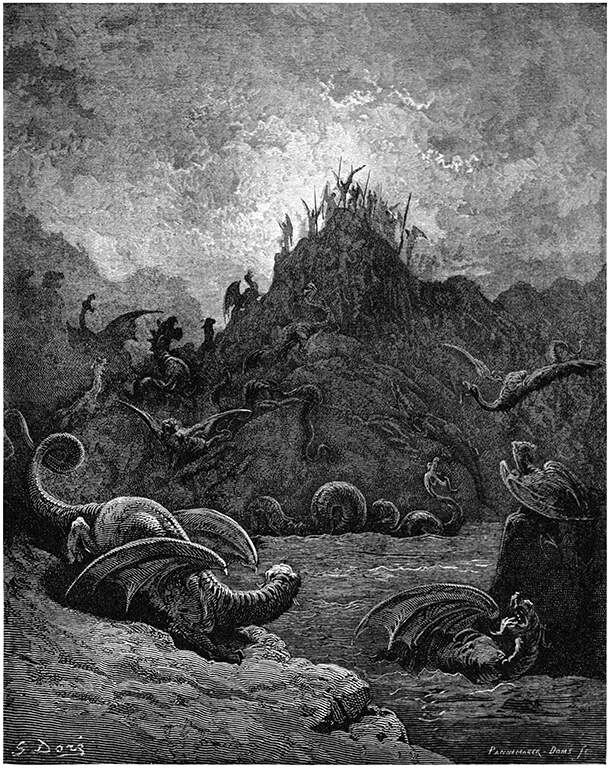
These ani­ma­tions are links between the skits that make up Holy Grail, and include drag­ons, giants, and a very large snail. Gilliam took a lot of the illus­tra­tions that he didn’t do him­self from a book on illu­mi­nat­ed man­u­scripts, and, see­ing them all togeth­er in one go, one can imag­ine an alter­na­tive uni­verse where the ani­ma­tor makes an entire movie this way. (On the com­men­tary track, he half-jok­ing­ly describes him­self as “the man who could have gone on to become a great ani­ma­tor but was forced into live action film.”)

As per Python, a lot of the com­men­tary track berates the view­er for throw­ing mon­ey away on a redun­dant ver­sion of what the con­sumer prob­a­bly owns, and how Gilliam isn’t get­ting paid enough to do this. (Cue some coinage sound effects and Gilliam gets back on mic.)

If this kind of archiv­ing is going on, it would be inter­est­ing to know the sta­tus of Gilliam’s oth­er ani­ma­tions for both Python and the var­i­ous shows he did in the years run­ning up to it. There are indeed some inter­est­ing ear­ly works out there that need a facelift.

As for Gilliam and the Holy Grail, he says he doesn’t watch it:

I’m glad it makes a lot of mon­ey and keeps me in the style I’ve grown accus­tomed to. But watch it again? Why? We’ve got lives to lead.

via Digg

Relat­ed con­tent:

Ter­ry Gilliam Reveals the Secrets of Mon­ty Python Ani­ma­tions: A 1974 How-To Guide

Mon­ty Python and the Holy Grail Re-Imag­ined as an Epic, Main­stream Hol­ly­wood Film

Watch Ter­ry Gilliam’s Ani­mat­ed Short, The Christ­mas Card (1968)

John Cleese’s Eulo­gy for Gra­ham Chap­man: ‘Good Rid­dance, the Free-Load­ing Bas­tard, I Hope He Fries’

Ted Mills is a free­lance writer on the arts who cur­rent­ly hosts the FunkZone Pod­cast. You can also fol­low him on Twit­ter at @tedmills, read his oth­er arts writ­ing at tedmills.com and/or watch his films here.

William Faulkner Draws Maps of Yoknapatawpha County, the Fictional Home of His Great Novels

faulkner-Portable map

If you’ve ever had dif­fi­cul­ty pro­nounc­ing the word Yok­na­p­ataw­pha—the fic­tion­al Mis­sis­sip­pi coun­ty where William Faulkn­er set his best-known fiction—you can take instruc­tion from the author him­self. Dur­ing his time as writer-in-res­i­dence at the Uni­ver­si­ty of Vir­ginia, Faulkn­er gave stu­dents a brief les­son on his pro­nun­ci­a­tion of the Chick­a­saw-derived word, which, as he says, sounds like it’s spelled.

If you’ve ever had dif­fi­cul­ty get­ting around in Yoknapatawpha—getting the lay of the land, as it were—Faulkner has stepped in again to help his read­ers. He drew sev­er­al maps of vary­ing lev­els of detail that show Yok­na­p­ataw­pha, its coun­ty seat of Jef­fer­son in the cen­ter, and var­i­ous key char­ac­ters’ plan­ta­tions, cross­roads, camps, stores, hous­es, etc. from the fif­teen nov­els and sto­ry cycles set in the author’s native Mis­sis­sip­pi.

Per­haps the most repro­duced of Faulkner’s maps, above, comes from 1946’s The Portable Faulkn­er and was drawn by the author at the request of edi­tor Mal­colm Cow­ley. We see named on the map the loca­tions of set­tings in The Unvan­quished, Sanc­tu­ary, The Sound and the Fury, The Ham­let, Go Down, Moses, Light in August, and the sto­ries “A Rose for Emi­ly” and “Old Man,” among oth­ers. This map, dat­ed 1945, had an impor­tant pre­de­ces­sor, how­ev­er: the map below, the final page in Faulkner’s epic tragedy Absa­lom, Absa­lom! Most read­ers of that nov­el, myself includ­ed, have thought of Quentin Compson’s deeply con­flict­ed, repeat­ed asser­tions that he doesn’t hate the South as the novel’s con­clu­sion. It’s a pas­sion­ate speech as mem­o­rable, and as final, as Mol­ly Bloom’s silent “Yes” at the end of Joyce’s Ulysses. Not so, writes Faulkn­er schol­ar Robert Ham­blin, the nov­el actu­al­ly ends after Quentin, and after the appen­dix’s chronol­o­gy and geneal­o­gy; the nov­el tru­ly ends with the map.

What Ham­blin wants us to acknowl­edge is that the map cre­ates more ambi­gu­i­ty than it resolves. The map, he says “is more than a graph­ic rep­re­sen­ta­tion of an actu­al place”—or in this case, a fic­tion­al place based on an actu­al place—“it is simul­ta­ne­ous­ly a metaphor.” While it fur­ther attempts to sit­u­ate the nov­el in his­to­ry, giv­ing Yok­na­p­ataw­pha the tan­gi­bil­i­ty of Thomas Hardy’s fic­tion­al Wes­sex or Sher­wood Anderson’s Wines­burg, Ohio, the map also ele­vates the coun­ty to a myth­ic dimen­sion, like “Bullfinch’s maps depict­ing the set­tings of the Greek and Roman myths and the wan­der­ings of Ulysses, Sir Thomas More’s map of Utopia, Jonathan Swift’s maps of the trav­els of Lemuel Gul­liv­er.”

faulkner-Absalom map

The Portable Faulkn­er map at the top of the post appears “in a style unlike Faulkner’s” and was “much reduced for pub­li­ca­tion in first and sub­se­quent print­ings,” A Com­pan­ion to William Faulkn­er tells us. The Absa­lom map, on the oth­er hand, appeared in a first, lim­it­ed-edi­tion of the nov­el in 1936, hand-drawn and let­tered in red and black ink, a col­or-cod­ing fea­ture com­mon to “Faulkner’s many hand-made books.” Click the image, then click it again to zoom in and read the details. You’ll notice a num­ber of odd things. For one, Faulkn­er gives equal atten­tion to nam­ing loca­tions and describ­ing events that occurred in oth­er Yok­na­p­ataw­pha nov­els, main­ly mur­ders, deaths, and var­i­ous crimes and hard­ships. For anoth­er, his neat cap­i­tal let­ter­ing repro­duces the let­ter “N” back­wards sev­er­al times, but just as many times he writes it nor­mal­ly, occa­sion­al­ly doing both in the same word or name—a styl­is­tic quirk that is not repro­duced in The Portable Faulkn­er map.

Final­ly, in con­trast to the map at the top, which Faulkn­er gives his name to as one who “sur­veyed & mapped” the ter­ri­to­ry,” in the Absa­lom map, he lists himself—beneath the town and coun­ty names, square mileage, and pop­u­la­tion count by race—as “sole own­er & pro­pri­etor.” Against Alfred Korzybski’s famous dic­tum, Tok­izane Sanae insists that at least when it comes to lit­er­ary maps, “Map is Ter­ri­to­ry… proof of new­ly con­quered own­er­ship of a land”—the ter­ri­to­ry of a deed. Suit­ably, Faulkn­er ends a nov­el obsessed with own­er­ship and prop­er­ty with a state­ment of own­er­ship and property—over his entire fic­tion­al uni­verse. In an iron­ic exag­ger­a­tion of the pow­er of sur­vey­ors, car­tog­ra­phers, archi­tects, and their landown­ing employ­ers, the map “spa­tial­izes and visu­al­izes the con­cept of a myth­i­cal soil and the pow­er of this God.” In that sense, it forces us to view all of the Mis­sis­sip­pi nov­els not as his­tor­i­cal fic­tion, but as episodes in a great reli­gious mythol­o­gy, with the same depth and res­o­nance as ancient scrip­ture or polit­i­cal alle­go­ry.

sancmap

If we wish to see Faulkner’s map this way—a zoom out into an aer­i­al shot at the end of an epic picture—then we’re unlike­ly to find it of much use as a guide to the plain-faced logis­tics of his fic­tion. It’s unclear to me that Faulkn­er intend­ed it that way, as much as it’s unclear that Ezra Pound and T.S. Eliot’s foot­notes to The Waste Land serve any pur­pose except to dis­tract and con­fuse read­ers. But of course read­ers have been using those foot­notes, and Faulkner’s map, as guide­lines to their respec­tive texts for decades any­way, not­ing incon­sis­ten­cies and find­ing mean­ing­ful cor­re­spon­dences where they can. One inter­est­ing exam­ple of such a use of Faulkner’s map­mak­ing comes to us from the site of a com­pre­hen­sive Uni­ver­si­ty of Vir­ginia Faulkn­er course that cov­ers a bulk of the Yok­na­p­ataw­pha books. The project, “Map­ping Faulkn­er,” begins with a con­sid­er­ably spars­er Yok­na­p­ataw­pha map, one prob­a­bly made “late in his life” and which “seems unfin­ished,” lack­ing most of the place names and descrip­tions, and cer­tain­ly the assertive sig­na­ture. With over­laid blue let­ter­ing, the site does what the Absa­lom map does not—gives each nov­el, or 9 of them any­way, its own map, with dis­crete bound­aries between events, char­ac­ters, and time peri­ods.

If Faulkn­er want­ed us to see the books as man­i­fes­ta­tions of a sin­gu­lar con­scious­ness, all radi­at­ing from a sin­gle source of wis­dom, this project iso­lates each nov­el, and its themes. In the map of Sanc­tu­ary, above, only loca­tions from that nov­el appear. On the page itself, a click on the cir­cu­lar mark­ings under each locale brings up a win­dow with anno­ta­tions and page ref­er­ences. The appa­ra­tus might at first appear to be a use­ful guide through the noto­ri­ous­ly dif­fi­cult nov­els, pro­vid­ed Faulkn­er meant the loca­tions to actu­al­ly cor­re­spond to the text in this way. But what are we to do with this visu­al infor­ma­tion? Lack­ing any leg­end, we can’t use the map to judge scale and dis­tance. And by remov­ing all of the oth­er events occur­ring in the vicin­i­ty in the span of around a hun­dred years or so, the maps denude the nov­els of their greater con­text, the pur­pose to which their “own­er & pro­pri­etor” devot­ed them at the end of Absa­lom, Absa­lom! Faulkner’s maps, as works of art in their own right, extend “the trag­ic view of life and his­to­ry that the Sut­pen nar­ra­tive has already con­veyed” in Absa­lom, Absa­lom!, writes Ham­blin: “Through the hand­writ­ten entries that Faulkn­er made,” in that map, the most com­plete drawn in the author’s own hand, “the land­scape of Yok­na­p­ataw­pha is pre­sent­ed pri­mar­i­ly as a set­ting for grief, vil­lainy, and death.”

View more maps by Faulkn­er here.

Relat­ed Con­tent:

The Art of William Faulkn­er: Draw­ings from 1916–1925

Rev­el in The William Faulkn­er Audio Archive on the Author’s 118th Birth­day

William Faulkn­er Resigns From His Post Office Job With a Spec­tac­u­lar Let­ter (1924)

Josh Jones is a writer and musi­cian based in Durham, NC. Fol­low him at @jdmagness

Postage Stamps from Bhutan That Double as Playable Vinyl Records

Bhutan_record_stamps

The tiny, Himalayan king­dom of Bhutan has a unique nation­al aspi­ra­tion that sets it apart from its neigh­bors, Chi­na and India. (And cer­tain­ly the Unit­ed States too.) Rather than increas­ing its gross nation­al prod­uct, Bhutan has instead made it a goal to increase the Gross Nation­al Hap­pi­ness of its cit­i­zens. There’s wealth in health, not just mon­ey, the Bhutanese have argued. And since the 197os, the coun­try has tak­en a holis­tic approach to devel­op­ment, try­ing to increase the spir­i­tu­al, phys­i­cal, and envi­ron­men­tal health of its peo­ple. And guess what? The strat­e­gy is pay­ing off. A 2006 glob­al sur­vey con­duct­ed by Busi­ness Week found that Bhutan is the hap­pi­est coun­try in Asia and the eighth-hap­pi­est coun­try in the world.

It’s per­haps only a nation devot­ed to hap­pi­ness that could throw its sup­port behind this — postage stamps that dou­ble as playable vinyl records. Cre­at­ed by an Amer­i­can entre­pre­neur Burt Todd in the ear­ly 70s, at the request of the Bhutanese roy­al fam­i­ly, the “talk­ing stamps” shown above could be stuck on a let­ter and then lat­er played on a turntable. Accord­ing to Tod­d’s 2006 obit­u­ary in The New York Times, one stamp “played the Bhutanese nation­al anthem,” and anoth­er deliv­ered “a very con­cise his­to­ry of Bhutan.” Thanks to WFMU, our favorite inde­pen­dent free form radio sta­tion, you can hear clips of talk­ing stamps above and below. Don’t you feel hap­pi­er already?

via The Reply All Pod­cast

Fol­low Open Cul­ture on Face­book and Twit­ter and share intel­li­gent media with your friends. Or bet­ter yet, sign up for our dai­ly email and get a dai­ly dose of Open Cul­ture in your inbox. And if you want to make sure that our posts def­i­nite­ly appear in your Face­book news­feed, just fol­low these sim­ple steps.

Relat­ed Con­tent:

How to Clean Your Vinyl Records with Wood Glue

Sovi­et Hip­sters Boot­legged West­ern Pop Music on Dis­card­ed X‑Rays: Hear Orig­i­nal Audio Sam­ples

How Vinyl Records Are Made: A Primer from 1956

by | Permalink | Make a Comment ( 2 ) |

Watch Dismaland — The Official Unofficial Film, A Cinematic Journey Through Banksy’s Apocalyptic Theme Park

After a frus­trat­ing day spent deal­ing with a tena­cious ghost in my two-year-old lap­top, I’d much rather vis­it the drea­ry bemuse­ment park, Dis­ma­land, than that soul­less, slick-sur­faced “genius” bar. It just feels more real, some­how.

Sad­ly for those of us in gloomy, defeatist moods, Dis­ma­land, the artist Banksy’s high con­cept, mul­ti­ple acre instal­la­tion, was nev­er intend­ed to be a per­ma­nent fix­ture. It went the way of Cinderella’s coach ear­li­er this fall, but not before pho­tog­ra­ph­er Jamie Bright­more man­aged to squeeze in amongst the great throngs of British curios­i­ty seek­ers, cam­era in hand.

The weath­er was drea­ry for his three vis­its, and a secu­ri­ty guard denud­ed him of his tri­pod, but he still man­aged to cap­ture the dystopi­an scene on behalf of arm­chair trav­el­ers every­where. A cat­a­logue of hor­rors awaits you above in Dis­ma­land: The Offi­cial Unof­fi­cial Film. He also paid close atten­tion to the sound design of the apoc­a­lyp­tic get­away, under­stand­ing the audio com­po­nent to such grim exhibits as Relent­less Paparazzi and the hor­ri­fy­ing mer­ry-wheel, Cor­po­rate Scan­dal.

The artist, a true Dis­ma­teer, shares more about his time at the least hap­py place on earth here.

Relat­ed Con­tent:

Banksy Cre­ates a Tiny Repli­ca of The Great Sphinx Of Giza In Queens

Pat­ti Smith Presents Top Web­by Award to Banksy; He Accepts with Self-Mock­ing Video

Ayun Hal­l­i­day is an author, illus­tra­tor, and Chief Pri­ma­tol­o­gist of the East Vil­lage Inky zine. Her play, Fawn­book, opens in New York City lat­er this fall. Fol­low her @AyunHalliday

A Young Hunter S. Thompson Appears on the Classic TV Game Show, To Tell the Truth (1967)

Once upon a time, avant-garde com­posers, sur­re­al­ist painters, and Gonzo jour­nal­ists made guest appear­ances on the most main­stream Amer­i­can game shows. It does­n’t hap­pen much any­more.

We’ve shown you John Cage per­form on I’ve Got a Secret in 1960; Sal­vador Dalí do his Dalí schtick on What’s My Line in 1952; and a young Frank Zap­pa turn a bicy­cle into a musi­cal instru­ment on The Steve Allen Show in ’63. Now we can add to the list a young Hunter S. Thomp­son mak­ing an appear­ance on To Tell the Truth, one of the longest-run­ning TV game shows in Amer­i­can his­to­ry. The episode (above) aired on Feb­ru­ary 20, 1967, the year after Thomp­son pub­lished his first major book of jour­nal­ism, Hel­l’s Angels: The Strange and Ter­ri­ble Saga of the Out­law Motor­cy­cle Gangs. (See him get con­front­ed by the Angels here.)

If you’re not famil­iar with the show, To Tell the Truth works like this:

The show fea­tures a pan­el of four celebri­ties whose object is the cor­rect iden­ti­fi­ca­tion of a described con­tes­tant who has an unusu­al occu­pa­tion or expe­ri­ence. This cen­tral char­ac­ter is accom­pa­nied by two impos­tors who pre­tend to be the cen­tral char­ac­ter; togeth­er, the three per­sons are said to belong to a “team of chal­lengers.” The celebri­ty pan­elists ques­tion the three con­tes­tants; the impos­tors are allowed to lie but the cen­tral char­ac­ter is sworn “to tell the truth”. After ques­tion­ing, the pan­el attempts to iden­ti­fy which of the three chal­lengers is telling the truth and is thus the cen­tral char­ac­ter.

Giv­en the whole premise of the show, Thomp­son, only 30 years old, was still an unrec­og­niz­able face on Amer­i­ca’s cul­tur­al scene. But, with the pub­li­ca­tion of Fear and Loathing in Las Vegas just around the cor­ner, all of that was about to change.

If you would like to sign up for Open Culture’s free email newslet­ter, please find it here. It’s a great way to see our new posts, all bun­dled in one email, each day.

If you would like to sup­port the mis­sion of Open Cul­ture, con­sid­er mak­ing a dona­tion to our site. It’s hard to rely 100% on ads, and your con­tri­bu­tions will help us con­tin­ue pro­vid­ing the best free cul­tur­al and edu­ca­tion­al mate­ri­als to learn­ers every­where. You can con­tribute through Pay­Pal, Patre­on, and Ven­mo (@openculture). Thanks!

via @WFMU

Relat­ed Con­tent:

Hunter S. Thomp­son Gets Con­front­ed by The Hell’s Angels

Read 18 Lost Sto­ries From Hunter S. Thompson’s For­got­ten Stint As a For­eign Cor­re­spon­dent

Hunter S. Thomp­son, Exis­ten­tial­ist Life Coach, Gives Tips for Find­ing Mean­ing in Life

Read 10 Free Arti­cles by Hunter S. Thomp­son That Span His Gonzo Jour­nal­ist Career (1965–2005)

Hunter S. Thomp­son Inter­views Kei­th Richards

by | Permalink | Make a Comment ( 1 ) |

Maurice Sendak Illustrates Tolstoy in 1963 (with a Little Help from His Editor)

sendak_tolstoy5

Even those of us who know noth­ing else of Mau­rice Sendak’s work know Where the Wild Things Are, almost always because we read and found our­selves cap­ti­vat­ed by it in our own child­hoods — if, of course, our child­hoods hap­pened in 1963 or lat­er. Though that year saw the pub­li­ca­tion of that best-known of Sendak’s many works as an illus­tra­tor and writer — and indeed, quite pos­si­bly the best-known chil­dren’s book of the twen­ti­eth cen­tu­ry, illus­trat­ed or writ­ten by any­one — the world got some­thing else intrigu­ing from Sendak at the same time: an illus­trat­ed edi­tion of Leo Tol­stoy’s 1852 auto­bi­o­graph­i­cal nov­el Nikolenka’s Child­hood.

sendak_tolstoy1

At Brain­pick­ings, Maria Popo­va writes of the strug­gle Sendak, then a young and inse­cure artist at the begin­ning of his career, endured to com­plete this less­er-known project: “His youth­ful inse­cu­ri­ty, how­ev­er, presents a beau­ti­ful par­al­lel to the com­ing-of-age themes Tol­stoy explores. The illus­tra­tions, pre­sent­ed here from a sur­viv­ing copy of the 1963 gem, are as ten­der and soul­ful as young Sendak’s spir­it.” Here we’ve select­ed a few of the images that Popo­va gath­ered from this out-of-print book; to see more, do have a look at her orig­i­nal post.

sendak_tolstoy15

Lat­er in life Sendak explained his anx­i­ety about accom­pa­ny­ing the words of the man who wrote War and Peace: “You can’t illus­trate Tol­stoy. You’re com­pet­ing with the great­est illus­tra­tor in the world. Pic­tures bring him down and just limp along.” At Let­ters of Note, you can read the words of encour­age­ment writ­ten to the young Sendak by his edi­tor Ursu­la Nord­strom, who acknowl­edged that, “sure, Tol­stoy and Melville have a lot of fur­ni­ture in their books and they also know a lot of facts, but that isn’t the only sort of genius, you know that. Yes, Tol­stoy is won­der­ful (his pub­lish­er asked me for a quote) but you can express as much emo­tion and ‘cohe­sion and pur­pose’ in some of your draw­ings as there is in War and Peace. I mean that.”

sendak_tolstoy12

Again, find more of Sendak’s illus­tra­tions of Tol­stoy’s Nikolenka’s Child­hood at Brain­Pick­ings. Used copies can be found on Abe­Books.

Relat­ed Con­tent:

Mau­rice Sendak Sent Beau­ti­ful­ly Illus­trat­ed Let­ters to Fans — So Beau­ti­ful a Kid Ate One

Mau­rice Sendak’s Bawdy Illus­tra­tions For Her­man Melville’s Pierre: or, The Ambi­gu­i­ties

The Only Draw­ing from Mau­rice Sendak’s Short-Lived Attempt to Illus­trate The Hob­bit

Mau­rice Sendak’s Emo­tion­al Last Inter­view with NPR’s Ter­ry Gross, Ani­mat­ed by Christoph Nie­mann

An Ani­mat­ed Christ­mas Fable by Mau­rice Sendak (1977)

Col­in Mar­shall writes else­where on cities, lan­guage, Asia, and men’s style. He’s at work on a book about Los Ange­les, A Los Ange­les Primer, the video series The City in Cin­e­maand the crowd­fund­ed jour­nal­ism project Where Is the City of the Future? Fol­low him on Twit­ter at @colinmarshall or on Face­book.

How to Sing Two Notes At Once (aka Polyphonic Overtone Singing): Lessons from Singer Anna-Maria Hefele

Last year we drew your atten­tion to the video above from Munich-based singer Anna-Maria Hefele in which she gives us a stun­ning demon­stra­tion of poly­phon­ic over­tone singing. It’s a tech­nique com­mon to Tuva, Inu­it, and Xhosa cul­tures but large­ly unfa­mil­iar to us in West­ern music.

Many read­ers point­ed out that Hefele’s fine exam­ple of her tech­nique did not in fact show us how to do it, only that it could be done in a vari­ety of dif­fer­ent, all equal­ly impres­sive, ways. Well, today, we bring you a series of lessons Hefele has post­ed as a response to her first video’s pop­u­lar­i­ty. In each of these videos, she offers detailed instruc­tions on how to har­ness the pow­er of your voice to sing two notes at once.

Before begin­ning Hefele’s course, you may wish to get a more the­o­ret­i­cal overview of how poly­phon­ic singing works. For that pur­pose, the video above gives us a visu­al rep­re­sen­ta­tion of the over­tones in Hefele’s voice. As she demon­strates via spec­tro­gram, her nor­mal singing voice con­tains sev­er­al tones at once already, which we typ­i­cal­ly hear as only one note. Sim­i­lar­ly, eth­no­mu­si­col­o­gist and stu­dent of throat singing Mark van Ton­geren explains at Smith­son­ian Folk­ways, “every­one con­tin­u­ous­ly when you’re speak­ing [or singing] pro­duces a whole spec­trum of sound.” The throat singing method involves alter­ing the voice to enhance over­tones. Hefele uses some slight­ly dif­fer­ent tech­niques to “fil­ter,” as she puts it, spe­cif­ic tones in her voice.

The first intro­duc­tion to the over­tone fil­ter­ing tech­nique comes to us in Les­son 1 above. Hefele demon­strates how to move from tone to tone by grad­u­al­ly tran­si­tion­ing to dif­fer­ent vow­el sounds. She also teas­es the sec­ond and third lessons, below, which show how to ampli­fy spe­cif­ic tones once you have iso­lat­ed them. Hefele is a per­son­able and engag­ing instructor—she would, I imag­ine, make an excel­lent lan­guage teacher as well—and her cheeky pre­sen­ta­tion takes us into the show­er with her in Les­son 2, the best place, unsur­pris­ing­ly, to prac­tice your poly­phon­ic over­tone singing. And to hear how Hefele uses her vocal tech­niques in beau­ti­ful­ly haunt­ing, almost oth­er­world­ly music, make sure to watch this solo per­for­mance from 2012 or hear this Hilde­gard von Bin­gen choral com­po­si­tion adapt­ed to Hefele’s poly­phon­ic solo voice.

H/T Natal­ie in the UK

Relat­ed Con­tent:

Watch Stephen Sond­heim Teach a Kid How to Sing “Send In the Clowns”

Bri­an Eno Lists the Ben­e­fits of Singing: A Long Life, Increased Intel­li­gence, and a Sound Civ­i­liza­tion

Dutch­man Mas­ters the Art of Singing Led Zeppelin’s “Stair­way to Heav­en” Back­wards

Josh Jones is a writer and musi­cian based in Durham, NC. Fol­low him at @jdmagness

When Frank Zappa & Miles Davis Played a Drug Dealer and a Pimp on Miami Vice

For all the neon-Fer­rari-and-raw-silk gar­ish­ness the show now seems to embody, Mia­mi Vice (1984–1990) paid uncom­mon atten­tion to cul­tur­al detail. Music, for instance, did­n’t get thrown onto its sound­track, but care­ful­ly select­ed to reflect both the mid-80s zeit­geist and the aes­thet­ic of a par­tic­u­lar episode. Any time you tuned in, you could hear the likes of Devo, Phil Collins, The Tubes, Depeche Mode, or the Alan Par­sons project behind the action. Some­times you could also see musi­cians onscreen, involved in the action, albeit musi­cians of a some­what dif­fer­ent kind: the inno­v­a­tive exper­i­men­tal com­pos­er and rock­er Frank Zap­pa, for instance, once appeared as “weasel dust” deal­er Mario Fuente.

That hap­pened on “Pay­back,” the nine­teenth episode of Mia­mi Vice’s sec­ond sea­son which aired on March 14, 1986, a clip of which you can watch at the top of the post. (Nat­u­ral­ly, the scene takes place on a boat staffed with armed thugs and biki­ni girls.) If, after the cliffhang­er it ends on, you sim­ply must see the whole thing, you may be able to watch the full episode on Hulu. The same goes for Novem­ber 8, 1985’s “Junk Love,” anoth­er episode from the same sea­son with no less dis­tin­guished a musi­cian guest star than Miles Davis.

miles on miami vice

“The idea is that Crock­ett and Tubbs arrest the own­er of a whore­house,” writes Dan­ger­ous Minds’ Mar­tin Schnei­der, “a dude named ‘Ivory Jones’ — played by Miles.” And while “most of Davis’ dia­logue is semi-incom­pre­hen­si­ble… you haven’t lived until you’ve seen the genius behind Bitch­es Brew croak, ‘Watch that big cab­in cruis­er, he has a thing about them.’ ” We’ve embed­ded part of “Junk Love” just below, which, since “Ivory is a scum­bag but col­lab­o­rat­ing with the local con­stab­u­lary,” offers “plen­ty of scenes of him hang­ing out with Crock­ett and Tubbs.” Add to this Leonard Cohen’s 1986 role as malev­o­lent French secret ser­vice agent Fran­cois Zolan, and you real­ize that Mia­mi Vice has turned out to cater straight to cul­tur­al­ly omniv­o­rous 21st cen­tu­ry view­ers: those who can appre­ci­ate Songs of Love and Hate as well as a neon Fer­rari, Freak Out! as much as raw silk, and Devo as much as Davis.

Relat­ed Con­tent:

Watch Frank Zap­pa Play Michael Nesmith on The Mon­kees (1967)

The Paint­ings of Miles Davis

Frank Zap­pa Debates Cen­sor­ship on CNN’s Cross­fire (1986)

Col­in Mar­shall writes else­where on cities, lan­guage, Asia, and men’s style. He’s at work on a book about Los Ange­les, A Los Ange­les Primer, the video series The City in Cin­e­maand the crowd­fund­ed jour­nal­ism project Where Is the City of the Future? Fol­low him on Twit­ter at @colinmarshall or on Face­book.

An Animated Introduction to Jane Austen

From Alain de Bot­ton’ School of Life comes the lat­est in a series of ani­mat­ed intro­duc­tions to influ­en­tial lit­er­ary fig­ures. Pre­vi­ous install­ments gave us a look at the life and work of Mar­cel Proust and Vir­ginia Woolf. This one takes us inside the lit­er­ary world of Jane Austen. And, as always, de Bot­ton puts an accent on how read­ing lit­er­a­ture can change your life. “Jane Austen’s nov­els are so read­able and so inter­est­ing…” notes The School of Life Youtube chan­nel,” because she wasn’t an ordi­nary kind of nov­el­ist: she want­ed her work to help us to be bet­ter and wis­er peo­ple. Her nov­els [avail­able on this list] had a phi­los­o­phy of per­son­al devel­op­ment at their heart.” The video above expands on that idea. Enjoy.

Relat­ed Con­tent:

An Intro­duc­tion to the Lit­er­ary Phi­los­o­phy of Mar­cel Proust, Pre­sent­ed in a Mon­ty Python-Style Ani­ma­tion

An Ani­mat­ed Intro­duc­tion to Vir­ginia Woolf

Jane Austen Used Pins to Edit Her Aban­doned Man­u­script, The Wat­sons

Down­load 55 Free Online Lit­er­a­ture Cours­es: From Dante and Mil­ton to Ker­ouac and Tolkien

Down­load the Major Works of Jane Austen as Free eBooks & Audio Books

by | Permalink | Make a Comment ( 1 ) |

Music That Helps You Sleep: Minimalist Composer Max Richter, Pop Phenom Ed Sheeran & Your Favorites

I admit it now, I was once an avid lis­ten­er of the sooth­ing new age music of Enya. At the time, in my musi­cal cir­cles, this was not cool, and at the time I cared about such things. So Enya was my guilty secret. I didn’t need to work that hard to hide my affec­tion. I only lis­tened to Enya at night, as I lay in bed alone and drift­ed off. I used my Enya cas­sette tapes (yes tapes), you see, to put myself to sleep.

I’ve had oth­er sleep favorites. Beethoven, Mozart, Bach… inter­pre­ta­tions of Beethoven, Mozart, and Bach by syn­the­siz­er wiz­ard Wendy Car­los…. It may seem dis­parag­ing to say that a cer­tain composer’s music lulls one to sleep, but I think it’s just the oppo­site. So does com­pos­er and musi­cian Max Richter, who has cre­at­ed an eight-hour piece called “Sleep” that is “meant to be slept through,” says Richter. (There’s also a one hour ver­sion that’s more read­i­ly avail­able for pur­chase.) Its gen­tle waves of strings, voice, piano, and synths are like a musi­cal Lethe one floats on into obliv­ion.

Richter has per­formed the piece with oth­er musi­cians, just recent­ly overnight on a Sep­tem­ber 27th BBC Radio 3 broad­cast, “the longest live broad­cast,” writes The New York­er, “of a sin­gle piece of music in the station’s his­to­ry.” The small audi­ence in atten­dance most­ly stayed awake. One mem­ber report­ed­ly hal­lu­ci­nat­ed. The com­po­si­tion con­sists of thir­ty-one themed move­ments (Hear “Dream 3 (in the midst of my life)” above). Lovers of mod­ern min­i­mal­ist com­posers like Philip Glass and William Basin­s­ki will notice sim­i­lar uses of drone notes and rep­e­ti­tion in “Sleep.” You may even hear a touch of Enya….

Richter’s is the per­fect music to accom­pa­ny me into dream­land; even those move­ments that include a vocal­ist use the voice as a word­less, ethe­re­al instru­ment, as so many ambi­ent musi­cians do. I’ve come across more than a few favorite ambi­ent and min­i­mal­ist com­posers late at night, when Spo­ti­fy begins rec­om­mend­ing sleep playlists. “Sleep,” it turns out, “is one of Spotify’s most pop­u­lar cat­e­gories,” accord­ing to Bill­board. How­ev­er, the “world’s favorite choice when choos­ing music to unwind” may sur­prise you: red-head­ed Eng­lish singer/songwriter Ed Sheer­an.

I’m not per­son­al­ly a fan of his music, but even if I were, I can’t imag­ine lis­ten­ing to it as I set­tle down to sleep. Nonethe­less, mil­lions of peo­ple stream Sheer­an’s songs on repeat at bed­time, along with oth­er pop artists like Ellie Gould­ing, John Leg­end, Sam Smith, and Rihan­na. To each their own, I guess. Hear a playlist of the most-streamed “sleep” music on Spo­ti­fy above. (If you don’t have Spotify’s free soft­ware, down­load it here.) If none of these tunes do it for you, con­sid­er giv­ing iTunes’ 27th most pop­u­lar pod­cast, Sleep With Me, a chance. Or, let us know in the com­ments below what music, if any, helps calm your nerves and soothe your tired brain as you climb into bed after a long day.

Relat­ed Con­tent:

Stream 58 Hours of Free Clas­si­cal Music Select­ed to Help You Study, Work, or Sim­ply Relax

Music That Helps You Write: A Free Spo­ti­fy Playlist of Your Selec­tions

Free Audio: Go the F–k to Sleep Nar­rat­ed by Samuel L. Jack­son

Josh Jones is a writer and musi­cian based in Durham, NC. Fol­low him at @jdmagness

The History of the Blues in 50 Riffs: From Blind Lemon Jefferson (1928) to Joe Bonamassa (2009)

If you’ve ever had any doubt, for some rea­son or oth­er, that rock and roll descend­ed direct­ly from the blues, the video above, a his­to­ry of the blues in 50 riffs, should con­vince you. And while you might think a blues his­to­ry that ends in rock n roll would start with Robert John­son, this gui­tarist reach­es back to the coun­try blues of Blind Lemon Jefferson’s “Black Snake Moan” from 1928 then moves through leg­en­dar­i­ly tune­ful play­ers like Skip James and Rev­erend Gary Davis before we get to the infa­mous Mr. John­son.

Big Bill Broonzy is, as he should be, rep­re­sent­ed. Oth­er coun­try blues greats like soft-spo­ken farmer Mis­sis­sip­pi John Hurt and hard­ened felon Lead Bel­ly, “King of the 12 String Gui­tar,” are not. Say what you will about that. The record­ings these artists made with Okeh Records and Alan Lomax, despite their com­mer­cial fail­ure in the 30s, mid­wifed the blues revival of the fifties and six­ties. Hear Lead Bel­ly’s ver­sion of folk bal­lad “Gal­lows Pole” above, a song Led Zep­pelin made famous. Lead Belly’s acoustic blues inspired every­one from John Foger­ty to Skif­fle King Lon­nie Done­gan, Pete Seeger to Jim­my Page, as did the root­sy coun­try blues of Light­nin’ Hop­kins, who is includ­ed in the 50 riffs. As are John Lee Hook­er, Mud­dy Waters, Howl­in’ Wolf, and BB King’s elec­tric styles—all of them picked up by blues rock revival­ists, includ­ing, of course, Jimi Hen­drix.

Hendrix’s “Red House” riff makes the cut here, as we move slow­ly into rock and roll. But before we get to Hen­drix, we must first check in with two oth­er Kings, Fred­die and Albert—especially Albert. Hen­drix “was star struck,” says Rolling Stone, “when his hero [Albert King] opened for him at the Fill­more in 1967.” For his part, King said, “I taught [Hen­drix] a les­son about the blues. I could have eas­i­ly played his songs, but he couldn’t play mine.” See King play “Born Under a Bad Sign” in 1981, above, and hear why Hen­drix wor­shipped him.

Mis­sis­sip­pi blues moved to Mem­phis, Chica­go, New York and to Texas, where by the 70s and 80s, ZZ Top and Ste­vie Ray Vaugh­an added their own south­west road­house swag­ger. (No John­ny Win­ter, alas.) Many peo­ple will be pleased to see Irish rock­er Rory Gal­lagher in the mix, and amused that The Blues Broth­ers get a men­tion. Many more usu­al sus­pects appear, and a few unusu­al picks. I’m very glad to hear a brief R.L. Burn­side riff. The White Stripes, Tedeschi Trucks Band, and Joe Bona­mas­sa round things out into the 2010’s. Every­one will miss their favorite blues play­er. (As usu­al, the pow­er­house gospel blues gui­tarist Sis­ter Roset­ta Tharpe gets over­looked.) I would love to see includ­ed in any his­to­ry of blues such obscure but bril­liant gui­tarists as Evan Johns (above), whose rock­a­bil­ly blues gui­tar freak­outs sound like noth­ing else. Or John Dee Hole­man, below, whose effort­less, under­stat­ed rhythm play­ing goes unmatched in my book.

Like so many of the blues­men who came before them, these gen­tle­men seem to rep­re­sent a dying breed. And yet the blues lives on and evolves in artists like Gary Clark Jr., The Black Keys, and Alaba­ma Shakes. And of course there’s the prodi­gy Bona­mas­sa, whom you absolute­ly have to see below at age 12, jam­ming with exper­i­men­tal coun­try speed demon Dan­ny Gatton’s band (he gets going around 1:05).

If you’re miss­ing your favorites, give them a shout out below. Who do you think has to be includ­ed in any his­to­ry of the blues—told in riffs or otherwise—and why?

Relat­ed Con­tent:

The Thrill is Gone: See B.B. King Play in Two Elec­tric Live Per­for­mances

R. Crumb’s Heroes of Blues, Jazz & Coun­try Fea­tures 114 Illus­tra­tions of the Artist’s Favorite Musi­cians

Watch Rock Pio­neer Sis­ter Roset­ta Tharpe Wow Audi­ences With Her Gospel Gui­tar

Zep­pelin Took My Blues Away: An Illus­trat­ed His­to­ry of Zeppelin’s “Copy­right Indis­cre­tions”

Josh Jones is a writer and musi­cian based in Durham, NC. Fol­low him at @jdmagness


  • Great Lectures

  • Sign up for Newsletter

  • About Us

    Open Culture scours the web for the best educational media. We find the free courses and audio books you need, the language lessons & educational videos you want, and plenty of enlightenment in between.


    Advertise With Us

  • Archives

  • Search

  • Quantcast