Things to Come, the 1936 Sci-Fi Film Written by H.G. Wells, Accurately Predicts the World’s Very Dark Future

“We live in inter­est­ing, excit­ing, and anx­ious times,” declares the boom­ing nar­ra­tion that opens the movie trail­er above. Truer words were nev­er spo­ken about our age — or about the mid-1930s, the times to which the nar­ra­tor actu­al­ly refers. But the pic­ture itself tells a sto­ry about the future, one extend­ing deep into the 21st cen­tu­ry: a hun­dred-year saga of decades-long war, a new Dark Age, and, by the mid-2050s, a rebuild­ing of soci­ety as a kind of indus­tri­al Utopia run by a tech­no­crat­ic world gov­ern­ment. It will sur­prise no one famil­iar with his sen­si­bil­i­ty that the screen­play for the film, Things to Come, came from the mind of H.G. Wells. Watch it in full on YouTube or Archive.org.

Welles had made his name long before with imag­i­na­tive nov­els like The Time MachineThe Island of Doc­tor More­auThe Invis­i­ble Man, and The War of the Worlds (find them in our list of Free eBooks), all pub­lished in the pre­vi­ous cen­tu­ry. By the time the oppor­tu­ni­ty came around to make a big-bud­get cin­e­ma spec­ta­cle with pro­duc­er Alexan­der Kor­da and direc­tor William Cameron Men­zies, con­ceived in part as a rebuke to Fritz Lang’s Metrop­o­lis, the writer had set­tled into his role as a kind of “emi­nent for­tune teller,” as New York Times crit­ic Frank Nugent described him in his review of the col­lab­o­ra­tion’s final prod­uct.

“Typ­i­cal Well­sian con­jec­ture,” Nugent con­tin­ues, “it ranges from the rea­son­ably pos­si­ble to the rea­son­ably fan­tas­tic; but true or false, fan­ci­ful or log­i­cal, it is an absorb­ing, provoca­tive and impres­sive­ly staged pro­duc­tion.” It includ­ed work from not just impor­tant fig­ures in the his­to­ry of film­mak­ing (Men­zies, for instance, invent­ed the job of pro­duc­tion design­er) but the his­to­ry of art as well, such as the Bauhaus’ Lás­zló Moholy-Nagy. You can watch and judge for your­self the free ver­sion of Things to Come avail­able on YouTube or, much prefer­able to the cinephile, the restored and much-sup­ple­ment­ed Cri­te­ri­on Col­lec­tion edi­tion, whose extras include unused footage that more ful­ly shows Moholy-Nagy’s con­tri­bu­tions.

At the time, this much-bal­ly­hooed spec­ta­cle-prophe­cy drew respons­es not just from movie crit­ics, but from oth­er emi­nent writ­ers as well. In his Cri­te­ri­on essay “Whith­er Mankind?”, Geof­frey O’Brien quotes those of both Jorge Luis Borges and George Orwell. “The heav­en of Wells and Alexan­der Kor­da, like that of so many oth­er escha­tol­o­gists and set design­ers, is not much dif­fer­ent than their hell, though even less charm­ing,” Borges com­plained of the envi­sioned near-per­fec­tion of its dis­tant future. Wells, like many 19th-cen­tu­ry vision­ar­ies, instinc­tive­ly asso­ci­at­ed tech­no­log­i­cal progress with the moral vari­ety, but Borges saw a dif­fer­ent sit­u­a­tion in the present, when “the pow­er of almost all tyrants aris­es from their con­trol of tech­nol­o­gy.”

Things to Come has, how­ev­er, received ret­ro­spec­tive cred­it for pre­dict­ing glob­al war just ahead. In its first act, the Lon­don-like Every­town suf­fers an aer­i­al bomb­ing raid which sets the whole civ­i­liza­tion-destroy­ing con­flict in motion. Not long after the real Blitz came, Orwell looked back at the film and wrote, omi­nous­ly, that “much of what Wells has imag­ined and worked for is phys­i­cal­ly there in Nazi Ger­many. The order, the plan­ning, the State encour­age­ment of sci­ence, the steel, the con­crete, the air­planes, are all there, but all in the ser­vice of ideas appro­pri­ate to the Stone Age.” Or, in Nugen­t’s chill­ing words of 1936, “There’s noth­ing we can do now but sit back and wait for the holo­caust. If Mr. Wells is right, we are in for an inter­est­ing cen­tu­ry.”

If you would like to sign up for Open Culture’s free email newslet­ter, please find it here. It’s a great way to see our new posts, all bun­dled in one email, each day.

If you would like to sup­port the mis­sion of Open Cul­ture, con­sid­er mak­ing a dona­tion to our site. It’s hard to rely 100% on ads, and your con­tri­bu­tions will help us con­tin­ue pro­vid­ing the best free cul­tur­al and edu­ca­tion­al mate­ri­als to learn­ers every­where. You can con­tribute through Pay­Pal, Patre­on, and Ven­mo (@openculture). Thanks!

Relat­ed Con­tent:

The Great Leonard Nimoy Reads H.G. Wells’ Sem­i­nal Sci-Fi Nov­el The War of the Worlds

H.G. Wells Inter­views Joseph Stal­in in 1934; Declares “I Am More to The Left Than You, Mr. Stal­in”

The Dead Authors Pod­cast: H.G. Wells Com­i­cal­ly Revives Lit­er­ary Greats with His Time Machine

Metrop­o­lis: Watch a Restored Ver­sion of Fritz Lang’s Mas­ter­piece (1927)

Jules Verne Accu­rate­ly Pre­dicts What the 20th Cen­tu­ry Will Look Like in His Lost Nov­el, Paris in the Twen­ti­eth Cen­tu­ry (1863)

Based in Seoul, Col­in Mar­shall writes and broad­casts on cities and cul­ture. He’s at work on a book about Los Ange­les, A Los Ange­les Primer, the video series The City in Cin­e­ma, the crowd­fund­ed jour­nal­ism project Where Is the City of the Future?, and the Los Ange­les Review of Books’ Korea Blog. Fol­low him on Twit­ter at @colinmarshall or on Face­book.

What Makes Vertigo the Best Film of All Time? Four Video Essays (and Martin Scorsese) Explain

Ver­ti­go is the great­est motion pic­ture of all time. Or so say the results of the lat­est round of respect­ed film mag­a­zine Sight & Sound’s long-run­ning crit­ics poll, in which Alfred Hitch­cock­’s James Stew­art- and Kim Novak- (and San Fran­cis­co-) star­ring psy­cho­log­i­cal thriller unseat­ed Cit­i­zen Kane from the top spot. For half a cen­tu­ry, Orson Welles’ direc­to­r­i­al debut seemed like it would for­ev­er occu­py the head of the cin­e­mat­ic table, its sta­tus dis­put­ed only by the unim­pressed mod­ern view­ers who, hav­ing attend­ed a revival screen­ing or hap­pened across it on tele­vi­sion, com­plain that they don’t under­stand all the crit­i­cal fuss. The new cham­pi­on has giv­en them a dif­fer­ent ques­tion to ask: what makes Ver­ti­go so great, any­way?

Like Cit­i­zen Kane in 1941, Ver­ti­go flopped at the box office in 1958, but Hitch­cock­’s film drew more neg­a­tive reviews, its crit­ics sound­ing baf­fled, dis­mis­sive, or both. Even Welles report­ed­ly dis­liked it, and Hitch­cock kept it out of cir­cu­la­tion him­self between 1973 and his death in 1980, a peri­od when cinephiles — and cinephile-film­mak­ers, such as a cer­tain well-known Ver­ti­go enthu­si­ast called Mar­tin Scors­ese — regard­ed it as a sacred doc­u­ment. Only in 1984 did Ver­ti­go re-emerge, by which point it bad­ly need­ed an exten­sive audio­vi­su­al restora­tion. It received just that in 1996, speed­ing up its ascent to acclaim, in progress at least since it first appeared on the Sight & Sound poll, in eighth place, in 1982.

“Why, after watch­ing Ver­ti­go more than, say, 30 times, are we con­fi­dent that there are things to dis­cov­er in it — that some aspects remain ambigu­ous and uncer­tain, unfath­omably com­plex, even if we scru­ti­nize every look, every cut, every move­ment of the cam­era?” asks crit­ic Miguel Marías in an essay on the film at Sight & Sound. He lists many rea­sons, and many more exist than that. But nobody can appre­ci­ate a work with so many pure­ly cin­e­mat­ic strengths with­out actu­al­ly watch­ing it, which per­haps makes the video essay a bet­ter form for exam­in­ing the pow­er of what we have come to rec­og­nize as Hitch­cock­’s mas­ter­piece.

“Only one film had been capa­ble of por­tray­ing impos­si­ble mem­o­ry — insane mem­o­ry,” says the nar­ra­tor of Chris Mark­er’s essay film Sans Soleil: “Alfred Hitch­cock­’s Ver­ti­go.” B. Kite and Alexan­der Points-Zol­lo’s three-part “Ver­ti­go Vari­a­tions” at the Muse­um of the Mov­ing Image uses Mark­er’s inter­pre­ta­tion, as well as many oth­ers, to see from as many angles as pos­si­ble Hitch­cock­’s “impos­si­ble object: a gim­crack plot stud­ded with strange gaps that nonethe­less rides a pulse of pecu­liar neces­si­ty, a field of asso­ci­a­tion that simul­ta­ne­ous­ly expands and con­tracts like its famous trick shot, a ghost sto­ry whose spir­its linger even after hav­ing been appar­ent­ly explained away, and a study of obses­sion that becomes an obses­sive object in its own right.”

The pop­u­lar explain­er known as the Nerd­writer looks at how Hitch­cock blocks a scene by break­ing down the vis­it by Stew­art’s trau­ma­tized, retired police detec­tive pro­tag­o­nist to the office of a for­mer col­lege class­mate turned ship­build­ing mag­nate. The con­ver­sa­tion they have sets the sto­ry in motion, and Hitch­cock took the place­ment of his actors and his cam­era in each and every shot as seri­ous­ly as he took every oth­er aspect of the film. Col­or, for instance: anoth­er video essay­ist, work­ing under the ban­ner of Soci­ety of Geeks, iden­ti­fies Hitch­cock­’s use of rich Tech­ni­col­or as a mech­a­nism to height­en the emo­tions, with, as crit­ic Jim Emer­son writes it, “red sug­gest­ing Scot­tie’s fear/caution/hesitancy when it comes to romance, and its oppo­site green, sug­gest­ing the Edenic bliss (and/or watery obliv­ion) of his infat­u­a­tion.” Ava Burke iso­lates anoth­er of Hitch­cock­’s visu­al devices in use: the mir­ror­ing that fills the view­ing expe­ri­ence with visu­al echoes both faint and loud.

When he got to work on Ver­ti­go, Hitch­cock had already made more than forty films in just over three decades as a film­mak­er. Though often labeled a “mas­ter of sus­pense” dur­ing his life­time, he instinc­tive­ly learned and deeply inter­nal­ized a vast range of film­mak­ing tech­niques that film schol­ars, as well as his suc­ces­sors in film­mak­ing, con­tin­ue to take apart, scru­ti­nize, and put back togeth­er again. This most re-watch­able of his pic­tures (and one that, accord­ing to sev­er­al of the crit­ics and video essay­ists here, trans­forms utter­ly upon the sec­ond view­ing) makes use of the full spec­trum of Hitch­cock­’s mas­tery as well as the full spec­trum of his fix­a­tions. Whether or not you con­sid­er it the great­est motion pic­ture of all time, if you love the art of cin­e­ma, you by def­i­n­i­tion love Ver­ti­go.

Relat­ed Con­tent:

22 Free Hitch­cock Movies Online

Alfred Hitchcock’s Sev­en-Minute Edit­ing Mas­ter Class

The Eyes of Hitch­cock: A Mes­mer­iz­ing Video Essay on the Expres­sive Pow­er of Eyes in Hitchcock’s Films

5 Hours of Free Alfred Hitch­cock Inter­views: Dis­cov­er His The­o­ries of Film Edit­ing, Cre­at­ing Sus­pense & More

Aban­doned Alter­nate Titles for Two Great Films: Kubrick’s Dr. Strangelove and Hitchcock’s Ver­ti­go

Watch 25 Alfred Hitch­cock Trail­ers, Excit­ing Films in Their Own Right

Mar­tin Scors­ese Reveals His 12 Favorite Movies (and Writes a New Essay on Film Preser­va­tion)

The 10 Great­est Films of All Time Accord­ing to 846 Film Crit­ics

Based in Seoul, Col­in Mar­shall writes and broad­casts on cities and cul­ture. He’s at work on a book about Los Ange­les, A Los Ange­les Primer, the video series The City in Cin­e­ma, the crowd­fund­ed jour­nal­ism project Where Is the City of the Future?, and the Los Ange­les Review of Books’ Korea Blog. Fol­low him on Twit­ter at @colinmarshall or on Face­book.

Watch Russian Futurist Vladimir Mayakovsky Star in His Only Surviving Film, The Lady and the Hooligan (1918)

Tall and dash­ing, with the face of a box­er and glow­er­ing stare of a gang­ster, Russ­ian Futur­ist poet, painter, direc­tor, and actor Vladimir Mayakovsky (1893–1930) came by his intim­i­dat­ing look hon­est­ly. As a teenage activist, he car­ried an unli­censed gun, freed female polit­i­cal pris­on­ers, and “was dis­missed from gram­mar school,” short­ly after join­ing the Social Demo­c­ra­t­ic Labor Par­ty in 1908; “He spent much of the next two years in prison,” writes the Acad­e­my of Amer­i­can Poets, “due to his polit­i­cal activ­i­ties.” A com­mit­ted Bol­she­vik through­out his career, Mayakovsky cel­e­brat­ed the Rev­o­lu­tion with poems and plays and devot­ed his tal­ents to the Par­ty, becom­ing a rare exam­ple of an avant-garde artist who makes pop­ulist art.

In many ways, Mayakovsky’s career seems rep­re­sen­ta­tive, even exem­plary, of the Futur­ist move­ment. Uncrit­i­cal­ly adopt­ing Com­mu­nist doc­trine and embrac­ing whole­sale inno­va­tion, these artists fell vic­tim to the same forces, as Social­ist Real­ism increas­ing­ly became the offi­cial Sovi­et style and the rigid, bland arbiter of Par­ty taste.

In 1912, Mayakovsky signed a man­i­festo with oth­er Futur­ists “A Slap in the Face of Pub­lic Taste,” propos­ing, among oth­er things, to “throw Pushkin, Dos­to­evsky, Tol­stoy, etc., etc. over­board from the Ship of Moder­ni­ty.” Of oth­er pop­u­lar writ­ers of the time, includ­ing Max­im Gorky and Ivan Bunin, the Futur­ists declared, “From the heights of sky­crap­ers we gaze at their insignif­i­cance!…”

By 1918, Mayakovsky was a star. That year, he made three films, “for each of which he authored the sce­nario,” writes biog­ra­ph­er Edward James Brown, “and played the prin­ci­pal part.” Two of the films have dis­ap­peared, the third, The Young Lady and the Hooli­gan, you can watch above. “A sto­ry of hope­less love,” the film stars Mayakovsky as the tit­u­lar hooli­gan who falls for a new schoolmistress “sent into the slums to teach adult class­es.” The hooli­gan enrolls and changes his ways, but is then killed trag­i­cal­ly in a fight. Spoil­er alert: “Before dying he begs his moth­er to have the teacher come to him. She comes, she kiss­es him on the lips, and he dies.”

The silent film, based on an 1885 Ital­ian play called The Work­ers’ Young Schoolmistress, seems to have lit­tle to do with Sovi­et dog­ma, and yet it received tremen­dous acclaim, and became an instru­ment of pro­pa­gan­da, shown in mass screen­ings in Moscow and Leningrad on May Day of 1919. Film schol­ar Mari­na Burke sug­gests some of the rea­sons for its pop­u­lar­i­ty: “many of the scenes are shot out­doors, and the film is rich in nat­u­ral­is­tic details of cur­rent Sovi­et con­di­tions”— the real­ist depic­tion of work­ers’ lives res­onat­ed wide­ly with real-life work­ers. And yet, Mayakovsky’s film also dis­plays those char­ac­ter­is­tics that make him a dis­tinct­ly un-Sovi­et artist and would some­times put him at odds with the State’s over­bear­ing dog­ma­tism.

Mayakovsky plays the hooli­gan in a “dis­con­cert­ing­ly mod­ern, dis­af­fect­ed-young-man style” that reminds crit­ic Mal­colm Le Grice of “a kind of pre­cur­sor to Rebel With­out a Cause, with Mayakovsky as a slight­ly improb­a­ble James Dean.” The poet was too much an indi­vid­ual to play an ide­al­ized every­man. Each of the pro­tag­o­nists in his three film draw from life—three ver­sions of the artist who wrote crit­i­cal poems like “A Talk with a Tax Col­lec­tor” and satir­i­cal plays that made the State uneasy, even as he extolled its virtues at pub­lic events.

Mayakovsky would also not make strict­ly real­ist art, hav­ing dis­avowed its “filthy stig­mas” the year pre­vi­ous in his Futur­ist Man­i­festo. The nat­u­ral­ist scenes in The Young Lady and the Hooli­gan “are inter­spersed,” writes Burke, “with flights of fan­cy that are almost sur­re­al­ist in tone,” such as the school­teacher men­aced by danc­ing let­ters. Despite its con­ven­tion­al, sen­ti­men­tal plot and struc­ture, Mayakovsky’s only sur­viv­ing film presents us with a com­pli­cat­ed, ambiva­lent work, almost “a par­o­dy of roman­tic fic­tion films,” and—like all of his work—the swag­ger­ing expres­sion of a thor­ough­ly indi­vid­ual artist.

The Young Lady and the Hooli­gan will be added to our col­lec­tion of Silent Films, a sub­set of our meta list 4,000+ Free Movies Online: Great Clas­sics, Indies, Noir, West­erns, Doc­u­men­taries & More.

Relat­ed Con­tent:

Hear Russ­ian Futur­ist Vladimir Mayakovsky Read His Strange & Vis­cer­al Poet­ry

Down­load 144 Beau­ti­ful Books of Russ­ian Futur­ism: Mayakovsky, Male­vich, Khleb­nikov & More (1910–30)

Three Essen­tial Dadaist Films: Ground­break­ing Works by Hans Richter, Man Ray & Mar­cel Duchamp

Josh Jones is a writer and musi­cian based in Durham, NC. Fol­low him at @jdmagness

5 Hours of Free Alfred Hitchcock Interviews: Discover His Theories of Film Editing, Creating Suspense & More

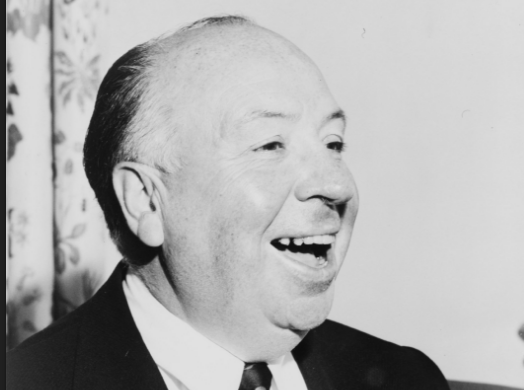
hitchcock photo

Image by Fred Palum­bo, via Wiki­me­dia Com­mons

Here’s an audio col­lec­tion worth shar­ing with the cinephiles among you. Alfred Hitch­cock Inter­views (embed­ded below) brings togeth­er 12 inter­views record­ed over sev­er­al decades, col­lec­tive­ly run­ning five hours and four min­utes. If you need Spo­ti­fy’s soft­ware, down­load it here. Then tune into Track 3 and hear Hitch­cock describe his three the­o­ries of film edit­ing. Track 10 lets you lis­ten to his 33-minute “Mas­ters of Cin­e­ma” inter­view record­ed in 1972. And Track 12 presents a 96-minute “Mas­ter Class” on film­mak­ing. This audio col­lec­tion will be housed in our col­lec­tion, 1,000 Free Audio Books: Down­load Great Books for Free.

If you would like to sign up for Open Culture’s free email newslet­ter, please find it here. It’s a great way to see our new posts, all bun­dled in one email, each day.

If you would like to sup­port the mis­sion of Open Cul­ture, con­sid­er mak­ing a dona­tion to our site. It’s hard to rely 100% on ads, and your con­tri­bu­tions will help us con­tin­ue pro­vid­ing the best free cul­tur­al and edu­ca­tion­al mate­ri­als to learn­ers every­where. You can con­tribute through Pay­Pal, Patre­on, and Ven­mo (@openculture). Thanks!

Relat­ed Con­tent:

22 Free Hitch­cock Movies Online

Watch Alfred Hitch­cock Make Cameo Appear­ances in 37 of His Films (Plus Free Hitch­cock Films Online)

The Eyes of Hitch­cock: A Mes­mer­iz­ing Video Essay on the Expres­sive Pow­er of Eyes in Hitchcock’s Films

by | Permalink | Make a Comment ( 2 ) |

The Poetry of Mining Beautiful White Italian Marble Captured in a Short Film

Did any­one ever tru­ly want to be a coal min­er? The work was dirty, dan­ger­ous, and poor­ly com­pen­sat­ed, the work­ers exploit­ed and their unions blocked by cal­low employ­ers.

Coal pro­duc­tion is in a state of ter­mi­nal decline, but the old phrase “it’s not min­ing coal” endures.

How­ev­er hard your job may be, it’s not coal min­ing.

It’s prob­a­bly not con­tem­po­rary mar­ble min­ing either. This may strike you as a pity, after view­ing excerpts from Il Capo, film­mak­er Yuri Ancar­ani’s dreamy 15-minute doc­u­men­tary, set in the Bet­togli quar­ry in Tus­cany.

As cap­tured above, the shirt­less quar­ry boss’s silent instruc­tions to work­ers pry­ing enor­mous slabs of mar­ble from the bar­ren white land­scape with indus­tri­al exca­va­tors are unbe­liev­ably lyri­cal.

Con­sid­er your­self lucky if your job is even a frac­tion as poet­ic.

Mar­ble min­ing seems as though it might also be a secret to stay­ing fit—and tan—well into mid­dle age.

I do won­der if van­i­ty caused our mid­dle aged hero to doff his noise-can­cel­ing head­phones while the cam­era rolled. These mas­sive slabs do not go down light­ly, thus the neces­si­ty of non-ver­bal com­mu­ni­ca­tion.

The film­mak­er states that he was with the del­i­ca­cy of his subject’s “light, pre­cise and deter­mined” move­ments. The quar­ry crew might not find their boss’ phys­i­cal­i­ty rem­i­nis­cent of a con­duc­tor guid­ing an orches­tra through a par­tic­u­lar­ly sen­si­tive move­ment, but those who caught the film at one of the many gal­leries, fes­ti­vals, and muse­ums where it has screened report­ed­ly do.

Clear­ly, Ancar­ani has an attrac­tion to work tran­spir­ing in unusu­al land­scapes. Il Capo is a part of his Mal­a­dy of Iron tril­o­gy, which also doc­u­ments time spent with divers oper­at­ing from a sub­ma­rine deep below the ocean’s sur­face and a sur­gi­cal robot whose move­ments inside the human body are con­trolled via joy­stick.

via Now­ness

Relat­ed Con­tent:

How the Egypt­ian Pyra­mids Were Built: A New The­o­ry in 3D Ani­ma­tion

The Mak­ing of a Stein­way Grand Piano, From Start to Fin­ish

Elec­tric Gui­tars Made from the Detri­tus of Detroit

- Ayun Hal­l­i­day is an author, illus­tra­tor, the­ater mak­er and Chief Pri­ma­tol­o­gist of the East Vil­lage Inky zine.  Her lat­est script, Fawn­book, is avail­able in a dig­i­tal edi­tion from Indie The­ater Now.  Fol­low her @AyunHalliday.

Tilda Swinton Gets a Portrait Drawn by Art Critic John Berger

In the win­ter of 2012, just before Christ­mas, a car­ful of Britons made their way through the snow to a house in rur­al France. The roads would soon close, but no mat­ter; they’d planned to make some apple crum­bles, do some draw­ing, and enjoy some con­ver­sa­tion. This may all sound nor­mal enough, but the car did­n’t con­tain your aver­age cot­tage-stay­ing hol­i­day­mak­ers: the crit­ic and film­mak­er Col­in Mac­Cabe rode in it, as did Til­da Swin­ton, the actress as famed for her per­for­mances as for her range of artis­tic and intel­lec­tu­al inter­ests. They’d come to shoot a doc­u­men­tary on the occu­pant of the house at which they’d arrived: artist, crit­ic, writer, and self-described “sto­ry­teller” John Berg­er.

The nov­el G. won Berg­er the Book­er prize in 1972 (half of the prize mon­ey from which he famous­ly donat­ed to Britain’s Black Pan­ther Par­ty), but most of his read­ers encounter him through that same year’s Ways of See­ing, a text on the ide­ol­o­gy of images that ranks among the twen­ty most influ­en­tial aca­d­e­m­ic books of all time.

He and Swin­ton first became friends in the late 1980s, when she played a small part in a film based on one of his short sto­ries, in which he him­self also appeared. “The old intel­lec­tu­al and the young actress imme­di­ate­ly formed a close bond,” writes The Inde­pen­dent’s Geof­frey McNab.

“Both were born in Lon­don, on 5 Novem­ber — Berg­er in 1926, Swin­ton in 1960 — and their shared birth­day has, as Swin­ton puts it, ‘formed a bedrock to our com­plic­i­ty, the prac­ti­cal fan­ta­sy of twin­ship.’ ” This they dis­cuss in the McCabe-direct­ed “Ways of Lis­ten­ing,” the first of a quar­tet of seg­ments that con­sti­tute the new doc­u­men­tary The Sea­sons In Quin­cy: Four Por­traits of John Berg­er, a co-pro­duc­tion of Birk­beck, Uni­ver­si­ty of Lon­don’s Derek Jar­man Lab. “Some­times I think it’s as though, in anoth­er life, we met or did some­thing,” says Berg­er as he draws Swin­ton’s por­trait. “We are aware of it in some depart­ment which isn’t mem­o­ry, although it’s quite close to mem­o­ry. Maybe, in anoth­er life, we… touched togeth­er.”

“Ways of Lis­ten­ing” cap­tures an extend­ed con­ver­sa­tion between Berg­er and Swin­ton, though it also fea­tures their nar­ra­tion. In this scene, Berg­er reads from his recent med­i­ta­tion on the prac­tice of draw­ing for his book Ben­to’s Sketch­book: “We who draw do so not only to make some­thing vis­i­ble to oth­ers, but also to accom­pa­ny some­thing invis­i­ble to its incal­cu­la­ble des­ti­na­tion.” (Swin­ton, for her part, reads from Spin­oza.) But the talk returns to what brought them togeth­er in the first place. “Maybe we made an appoint­ment to see each oth­er again, in this life,” Berg­er pro­pos­es. “The fifth of Novem­ber. But it was­n’t the same year. That did­n’t mat­ter. We weren’t in that kind of time.”

“We got off at the same sta­tion.”

“Exact­ly.”

Relat­ed Con­tent:

Til­da Swin­ton Recites Poem by Rumi While Reek­ing of Vetiv­er, Heliotrope & Musk

Wittgen­stein: Watch Derek Jarman’s Trib­ute to the Philoso­pher, Fea­tur­ing Til­da Swin­ton (1993)

Watch David Bowie’s New Video for ‘The Stars (Are Out Tonight)’ With Til­da Swin­ton

The Moby Dick Big Read: Til­da Swin­ton & Oth­ers Read a Chap­ter a Day from the Great Amer­i­can Nov­el

The 20 Most Influ­en­tial Aca­d­e­m­ic Books of All Time: No Spoil­ers

Based in Seoul, Col­in Mar­shall writes and broad­casts on cities and cul­ture. He’s at work on a book about Los Ange­les, A Los Ange­les Primer, the video series The City in Cin­e­ma, the crowd­fund­ed jour­nal­ism project Where Is the City of the Future?, and the Los Ange­les Review of Books’ Korea Blog. Fol­low him on Twit­ter at @colinmarshall or on Face­book.

Gene Wilder Recalls the Beginnings of His Creative Life in Two Hilarious, Poignant Stories

We’d grown accus­tomed to his face—that wry, dis­tinc­tive mug, smirk­ing at us from beneath his Willy Won­ka pur­ple top hat in mil­lions of pro­lif­er­at­ing Con­de­scend­ing Won­ka memes, the epit­o­me of arch­ness and smug con­de­scen­sion. Apolo­gies to John­ny Depp, but no one else could have so per­fect­ly inhab­it­ed Roald Dahl’s mer­cu­r­ial can­dy­man like Gene Wilder, who passed away yes­ter­day from Alzheimer’s at the age of 83. Wilder’s Won­ka may casu­al­ly tor­ture his spoiled child guests, but we remem­ber him as a sadist with a heart of gold.

Willy Won­ka and the Choco­late Fac­to­ry, like Pee Wee’s Big Adven­ture, is one of those rare films beloved both by chil­dren and adults (or at least I remem­ber them that way); many future gen­er­a­tions will dis­cov­er Wilder’s man­ic bril­liance in his col­lab­o­ra­tions with Mel Brooks—Blaz­ing Sad­dles, Young Franken­stein, The Pro­duc­ers—and with Richard Pry­or, his friend and fre­quent com­ic foil. And those who lived through the 80s will also remem­ber Wilder for one of the great romances of the decade.

Wilder and Gil­da Rad­ner were a com­e­dy pow­er cou­ple whose mar­riage end­ed trag­i­cal­ly with her death from ovar­i­an can­cer in 1989. That same year he received a diag­no­sis of non-Hodgkin’s lym­phoma. “Wilder was dev­as­tat­ed by Radner’s death,” writes Vari­ety, “and only worked inter­mit­tent­ly after that.” But he nev­er lost his sharp, mad­cap sense of humor and deep well of gen­uine vul­ner­a­bil­i­ty as his career shift­ed into low­er gears in the ensu­ing decades. (He won an Emmy in 2003 for a guest role on Will & Grace and pub­lished a nov­el in 2007).

Wilder was always hap­py to share his cre­ative insights and sto­ries with fans, giv­ing fre­quent inter­views in the last few years and appear­ing on pan­els like that above, a 1999 forum on “The Won­ders of Cre­ativ­i­ty” with Jane Alexan­der, Dan­ny Glover, and oth­ers. Wilder shares a hilar­i­ous­ly irrev­er­ent sto­ry from his child­hood about how he learned to con­scious­ly make oth­er peo­ple laugh by prac­tic­ing on his moth­er after she’d had a heart attack.

This anec­dote gives way to anoth­er, both laugh out loud fun­ny and heart­break­ing at once, of young, 1st-grade Gene (then Jer­ry Sil­ber­man) fac­ing rejec­tion from a teacher (“That stu­pid lady”) who told him his art­work wasn’t good enough to hang on the wall. The hurt stayed with him, so that in 1984, he tells us, “I began paint­ing. Now I try to paint every day of my life.” Wilder com­mu­ni­cates his cre­ative phi­los­o­phy through per­son­al vignettes like these, col­or­ful­ly illus­trat­ing how he became an actor Pauline Kael called “a superb tech­ni­cian… [and] an inspired orig­i­nal.”

In the ani­mat­ed Blank on Blank inter­view clip above—taken from his 2007 con­ver­sa­tion with Let­ty Cot­tin Pogre­bin at the 92nd Street Y after the debut of his novel—Wilder opens with anoth­er ver­sion of the sto­ry about his moth­er, the source, he says of his con­fi­dence as an actor. He began his career in the the­ater in the ear­ly six­ties, and says he “felt on stage, or in the movies, I could do what­ev­er I want­ed to. I was free.” He also talks about actors’ mys­te­ri­ous moti­va­tions:

If you ask an actor, “Why do you want to act?,” I don’t think most of them know the real rea­sons. After sev­en and a half years of analy­sis, I have a fair­ly good idea why. My ana­lyst said, “Well, it’s bet­ter than run­ning around naked in Cen­tral Park, isn’t it?”

Wilder then tells the sto­ry of how he sug­gest­ed Willy Wonka’s dra­mat­ic entrance to the film’s director—insisted on it, in fact, as a con­di­tion for tak­ing the part. “From that time on,” he said of the character’s first moments on screen, “no one will know if I’m lying or telling the truth.” That was the comedic genius of Gene Wilder, may it live for­ev­er in some of the most sweet­ly hys­ter­i­cal and wicked­ly fun­ny char­ac­ters in film his­to­ry. Learn more about Wilder’s life and long career in the ret­ro­spec­tive doc­u­men­tary below.

Relat­ed Con­tent:

Anne Ban­croft and Mel Brooks Sing “Sweet Geor­gia Brown” Live…and in Pol­ish

John Cleese’s Phi­los­o­phy of Cre­ativ­i­ty: Cre­at­ing Oases for Child­like Play

Richard Pry­or Does Ear­ly Stand-Up Com­e­dy Rou­tine in New York, 1964

Josh Jones is a writer and musi­cian based in Durham, NC. Fol­low him at @jdmagness

The Best 100 Movies of the 21st Century (So Far) Named by 177 Film Critics

Mulholland Drive Cover

When prompt­ed to think of the cin­e­mat­ic peaks of the 20th cen­tu­ry, or of spe­cif­ic decades like the 1930s, the 1970s, or the 1990s, we can usu­al­ly thread up spe­cif­ic exam­ples in the pro­jec­tor of our mind right away. Grand Illu­sion and Gone with the Wind! Taxi Dri­ver and The God­fa­therPulp Fic­tion and Far­go! But in this cen­tu­ry it gets trick­i­er. This prob­a­bly does­n’t have to do with a pre­cip­i­tous drop in the qual­i­ty of cin­e­ma itself, nor with a lack of films to con­sid­er — indeed, the 2000s and 2010s so far have bur­dened cinephiles with more crit­i­cal­ly-acclaimed pic­tures than they can get around to see­ing.

The rel­a­tive recen­cy of the movies of the 21st cen­tu­ry presents some­thing of a chal­lenge, since the zeit­geist has­n’t had quite enough time to digest most of them. And what now con­sti­tutes the “zeit­geist,” any­way? We live in a post­mod­ern time, we often read, and that usu­al­ly seems to mean that a greater vari­ety of aes­thet­ic sen­si­bil­i­ties, his­tor­i­cal peri­ods, and world cul­tures now coex­ist for us on an essen­tial­ly lev­el play­ing field than ever before. The expe­ri­ence of the mod­ern movie­go­er reflects this con­di­tion, as does the BBC’s list of the 21st cen­tu­ry’s 100 great­est films (so far), the top ten of which fol­low:

  1. Mul­hol­land Dri­ve (David Lynch, 2001)
  2. In the Mood for Love (Wong Kar-wai, 2000)
  3. There Will Be Blood (Paul Thomas Ander­son, 2007)
  4. Spir­it­ed Away (Hayao Miyaza­ki, 2001)
  5. Boy­hood (Richard Lin­klater, 2014)
  6. Eter­nal Sun­shine of the Spot­less Mind (Michel Gondry, 2004)
  7. The Tree of Life (Ter­rence Mal­ick, 2011)
  8. Yi Yi: A One and a Two (Edward Yang, 2000)
  9. A Sep­a­ra­tion (Asghar Farha­di, 2011)
  10. No Coun­try for Old Men (Joel and Ethan Coen, 2007)

To pro­duce the list, the BBC sur­veyed 177 crit­ics “from every con­ti­nent except Antarc­ti­ca. Some are news­pa­per or mag­a­zine review­ers, oth­ers write pri­mar­i­ly for web­sites; aca­d­e­mics and cin­e­ma cura­tors are well-rep­re­sent­ed too.” They note that they include the year 2000, though not tech­ni­cal­ly part of the cen­tu­ry, since “not only did we all cel­e­brate the turn of the mil­len­ni­um on 31 Decem­ber 1999, but the year 2000 was a land­mark in glob­al cin­e­ma, and, in par­tic­u­lar, saw the emer­gence of new clas­sics from Asia like noth­ing we had ever seen before,” not just Yi Yi and In the Mood for Love but Ang Lee’s Crouch­ing Tiger, Hid­den Drag­on a bit down the list.

France, though a coun­try close­ly asso­ci­at­ed with mid-20th-cen­tu­ry cin­e­ma, makes an admirable show­ing here with the likes of Agnès Var­da’s The Glean­ers & I, Michael Haneke’s Caché, Claire Denis’ White Mate­r­i­al, and Jean-Luc Godard­’s voy­age into 3D, Good­bye to Lan­guage. Some films shame­ful­ly over­looked at their ini­tial release, like Ken­neth Lon­er­gan’s Mar­garet and Andrew Dominik’s The Assas­si­na­tion of Jesse James by the Cow­ard Robert Ford, appear here as per­haps a pre­lude to their right­ful redis­cov­ery. We can tell which auteurs have defined the cin­e­mat­ic cen­tu­ry so far by the pres­ence of more than one of their works: the late Abbas Kiarosta­mi’s Ten and Cer­ti­fied Copy both appear, as do three films by Thai­land’s Apichat­pong Weerasethakul and six by those still-ambi­tious once-wun­derkinds of Amer­i­can cin­e­ma, the Ander­sons Wes and Paul Thomas.

Most of these movies exploit, to a deep­er extent than the crit­i­cal­ly acclaimed pic­tures of decades pre­vi­ous, the cre­ation of dream­like expe­ri­ences pos­si­ble in film. None do it more vivid­ly, per­haps, than the occu­pi­er of the top spot, David Lynch’s Mul­hol­land Dri­ve. The selec­tion will sur­prise some read­ers, and oth­ers not at all. What makes that par­tic­u­lar movie so good? Con­ve­nient­ly, the BBC pro­vides on the side­bar a link to an arti­cle by Luke Buck­mas­ter explain­ing just that.

Buck­mas­ter com­pares Mul­hol­land Dri­ve to Cit­i­zen Kane, “writer/director Orson Welles’ esteemed 1941 fea­ture film debut – BBC Culture’s crit­ics poll of the 100 great­est Amer­i­can films last year put Kane at num­ber one. If Kane can be viewed as an essay on the nuts and bolts of film-mak­ing – a mas­ter­class in tech­ni­cal process­es, from mon­tage to deep focus, dis­solves and the manip­u­la­tion of mise en scèneMul­hol­land Dri­ve’s appeal is more the­mat­ic and con­cep­tu­al. It is less a demon­stra­tion of how great cin­e­ma is achieved than what great cin­e­ma can achieve, its capac­i­ty for ideas seem­ing­ly end­less.” May the remain­ing 84 years of the 21st cen­tu­ry find that capac­i­ty more end­less still.

See the BBC’s com­plete list here.

Relat­ed Con­tent:

1,150 Free Movies Online: Great Clas­sics, Indies, Noir, West­erns, etc.

The 10 Great­est Films of All Time Accord­ing to 846 Film Crit­ics

The 10 Great­est Films of All Time Accord­ing to 358 Film­mak­ers

120 Artists Pick Their Top 10 Films in the Cri­te­ri­on Col­lec­tion

Based in Seoul, Col­in Mar­shall writes and broad­casts on cities and cul­ture. He’s at work on a book about Los Ange­les, A Los Ange­les Primer, the video series The City in Cin­e­ma, the crowd­fund­ed jour­nal­ism project Where Is the City of the Future?, and the Los Ange­les Review of Books’ Korea Blog. Fol­low him on Twit­ter at @colinmarshall or on Face­book.

« Go BackMore in this category... »
Quantcast