Ted Turner Asks Carl Sagan “Are You a Socialist?;” Sagan Responds Thoughtfully (1989)

Social­ism should not be a scare word in the U.S. Were it not for social­ists like Eugene V. Debs and the labor move­ments orga­nized around his pres­i­den­tial cam­paigns in the ear­ly 20th cen­tu­ry, reforms like the 8‑hour work­day, work­er safe­ty pro­tec­tions, women’s suf­frage, min­i­mum wage, the abo­li­tion of child labor, and vaca­tion and sick time would like­ly nev­er have made it into a major party’s plat­form. The lega­cy of this strain of social­ism in the U.S. endured, Jill Lep­ore writes at The New York­er, “in Pro­gres­sive-era reforms, in the New Deal, and in Lyn­don Johnson’s Great Soci­ety,” all wide­ly sup­port­ed by self-described lib­er­als.

Yet while social­ist poli­cies are broad­ly pop­u­lar in the U.S., the word may as well be a writhing, high-volt­age wire in main­stream dis­course. The same was true in the Rea­gan 80s, when so many pro­gres­sive reforms were undone: mil­i­tary spend­ing bal­looned, social spend­ing was cut to the bone, and home­less­ness became a major cri­sis, exac­er­bat­ed by the A.I.D.S. epi­dem­ic the admin­is­tra­tion mocked and ignored. In 1989, at the end of the president’s two terms, Ted Turn­er lobbed the charge of “social­ism” at Carl Sagan in a CNN inter­view. The astro­physi­cist and famed sci­ence com­mu­ni­ca­tor refused to take the bait.

Rather than denounc­ing or dis­tanc­ing him­self from social­ists, he made it clear that the label was less impor­tant to him than the mate­r­i­al con­di­tions under which mil­lions of peo­ple suf­fered as a result of delib­er­ate pol­i­cy choic­es that could be oth­er­wise. “I’m not sure what a ‘social­ist’ is… I’m talk­ing about mak­ing peo­ple self-reliant, peo­ple able to take care of them­selves,” he says, in an echo of Debs’ praise of the virtue of “sand.” But this sort of self-reliance is not the same thing as the kind of myth­ic, Old West rugged indi­vid­u­al­ism of con­ser­vatism.

Sagan acknowl­edges the real­i­ty that self-reliance, and sur­vival, are impos­si­ble with­out the basic neces­si­ties of life, and that the coun­try has the means to ensure its cit­i­zens have them.

I believe the gov­ern­ment has a respon­si­bil­i­ty to care for the peo­ple…. There are coun­tries which are per­fect­ly able to do that. The Unit­ed States is an extreme­ly rich coun­try, it’s per­fect­ly able to do that. It choos­es not to. It choos­es to have home­less peo­ple.

Sagan men­tions the U.S. infant mor­tal­i­ty rate, which then placed the coun­try at “19th in the world” because of a refusal to spend the mon­ey on health­care need­ed to save more infant lives. “I think it’s a dis­grace,” he says. Instead, bil­lions were allo­cat­ed to the mil­i­tary, espe­cial­ly the Strate­gic Defense Ini­tia­tive, called Star Wars: “They’ve already spent some­thing like $20 bil­lion dol­lars on it, if these guys are per­mit­ted to go ahead they will spend a tril­lion dol­lars on Star Wars.”

Is object­ing to a vast waste of the country’s resources and human poten­tial “social­ism”? Sagan doesn’t care what it’s called—the word doesn’t scare him away from point­ing to the facts of inequal­i­ty. The prob­lems have only wors­ened since then. Mil­i­tary spend­ing has grown to an obscene amount—more than the next ten coun­tries com­bined. The fig­ure usu­al­ly giv­en, $705 bil­lion, is actu­al­ly more like $934 bil­lion, as Kim­ber­ly Amadeo explains at The Bal­ance.

“Monop­o­lies have risen again,” writes Lep­ore, “and income inequal­i­ty has spiked back up to where it was in Debs’ life­time.” Newsweek reports that in 2018, “America’s Health Rank­ings found that the U.S. was ranked 33rd out of the 36 Orga­ni­za­tion for Eco­nom­ic Co-oper­a­tion and Devel­op­ment coun­tries for infant mor­tal­i­ty.” We have only just begun to reck­on with the dev­as­tat­ing pol­i­cy out­comes exposed by the coro­n­avirus. As Sagan would say, these prob­lems are not acci­den­tal; they are the result of delib­er­ate choic­es. We could have a very dif­fer­ent society—one that invests its resources in peo­ple instead of weapons, in life instead of death. And we could call it what­ev­er we want­ed.

See the full Sagan-Turn­er inter­view here.

Relat­ed Con­tent:

Watch a Young Carl Sagan Appear in His First TV Doc­u­men­tary, The Vio­lent Uni­verse (1969)

Carl Sagan Pre­dicts the Decline of Amer­i­ca: Unable to Know “What’s True,” We Will Slide, “With­out Notic­ing, Back into Super­sti­tion & Dark­ness” (1995)

Carl Sagan’s “Baloney Detec­tion Kit”: A Toolk­it That Can Help You Sci­en­tif­i­cal­ly Sep­a­rate Sense from Non­sense

Josh Jones is a writer and musi­cian based in Durham, NC. Fol­low him at @jdmagness

How Vividly Colorized Photos Helped Introduce Japan to the World in the 19th Century

Since the mid-20th cen­tu­ry hey­day of Sony tran­sis­tor radios, the world has asso­ci­at­ed Japan with high tech­nol­o­gy. But between the mid-17th and mid-19th cen­tu­ry, the world could bare­ly asso­ciate Japan with any­thing at all. The iso­la­tion­ist pol­i­cy of sakoku, or “closed coun­try,” kept the Land of the Ris­ing Sun vir­tu­al­ly free of out­side influ­ence — espe­cial­ly West­ern reli­gious and colo­nial influ­ence — until, in 1853, the Amer­i­can Navy com­modore Matthew Per­ry rolled up in his “Black Ships” and demand­ed an open­ing of its ports. There­after, accord­ing to the Vox Dark­room video above, “for­eign­ers com­ing to Japan brought their clothes, their cul­ture, and their cam­eras.”

The cam­eras in par­tic­u­lar made it pos­si­ble for every­one around the world to final­ly get a glimpse of this mys­te­ri­ous island nation they’d pre­vi­ous­ly known only in their imag­i­na­tion. Pho­tog­ra­phy, itself an excit­ing­ly new tech­nol­o­gy at the time, rapid­ly boomed in the new­ly opened Japan as an indus­try.

“Pho­tog­ra­phers — most­ly Euro­pean, but some Japan­ese — doc­u­ment­ed Japan’s land­scape and peo­ple, cre­at­ing col­lectible and high­ly prized images of Japan­ese cul­ture,” first in black-and-white and sub­se­quent­ly with ear­ly col­oriza­tion meth­ods. Then, as would hap­pen over and over again in sub­se­quent decades, West­ern tech­nol­o­gy and Japan­ese crafts­man­ship unit­ed to take it to the next lev­el.

An Ital­ian-British pho­tog­ra­ph­er named Felice Beato “made expert-qual­i­ty hand-col­or­ing the defin­ing char­ac­ter­is­tic of this era of Japan­ese pho­tog­ra­phy,” draw­ing on a “large body of high­ly trained arti­sans from the ukiyo‑e wood­block print indus­try.” By the time for­eign­ers began using cam­eras to cap­ture images of Japan­ese life, the Japan­ese had already been cap­tur­ing Japan­ese life with ukiyo‑e, or “pic­tures of the float­ing world,” for cen­turies. Pho­tog­ra­phers soon dis­cov­ered they could tap into the “exper­tise of patient pre­ci­sion in the appli­ca­tion of col­or on to flat images that had been in place in Japan for gen­er­a­tions.”

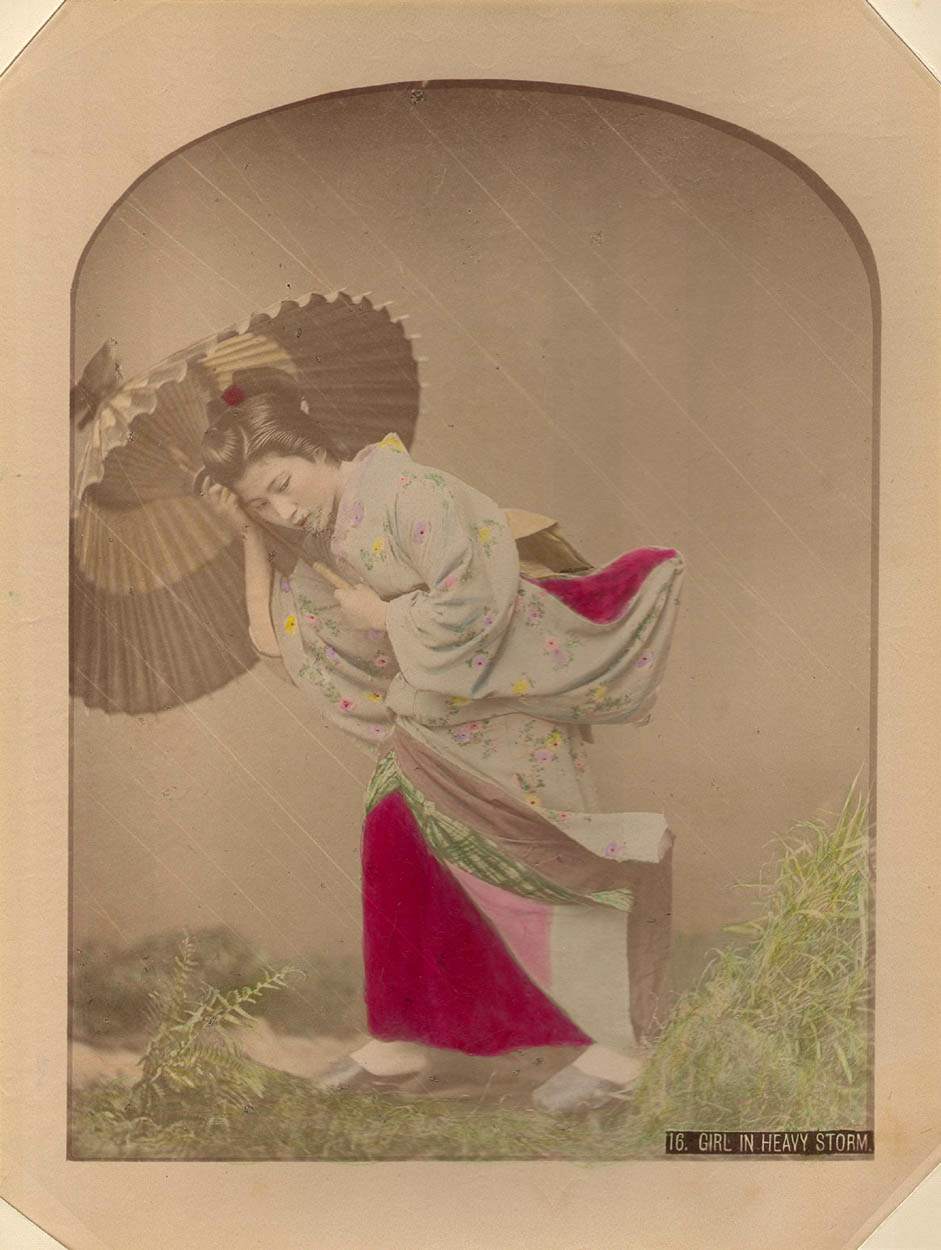
This new wave of Japan­ese “col­or” pho­tog­ra­phy stu­dios set them­selves apart with mas­ter­ful water­col­or­ing that “added to the sense of real­ism in these images, which made them even more col­lectible.” Some pho­tog­ra­phers, such as Kusak­abe Kim­bei, got even more artis­tic, “stag­ing elab­o­rate, some­times myth­ic scenes of Japan­ese cul­ture” in the stu­dio, then adding not just water­col­ors but oth­er visu­al effects: in Girl in Heavy Storm, the pho­to­graph above, “the ‘rain’ is sim­u­lat­ed by scratch­es into the glass plate neg­a­tive.” Her kimono is also pinned in places to the back­ground, all in the name of cap­tur­ing anoth­er of the indus­try’s “sup­pos­ed­ly typ­i­cal scenes of Japan­ese life.” Even when it’s right before your eyes, Japan is in the imag­i­na­tion.

Relat­ed Con­tent:

1850s Japan Comes to Life in 3D, Col­or Pho­tos: See the Stereo­scop­ic Pho­tog­ra­phy of T. Ena­mi

Hand-Col­ored 1860s Pho­tographs Reveal the Last Days of Samu­rai Japan

Hand-Col­ored Pho­tographs from 19th Cen­tu­ry Japan: 110 Images Cap­ture the Wan­ing Days of Tra­di­tion­al Japan­ese Soci­ety

Down­load Hun­dreds of 19th-Cen­tu­ry Japan­ese Wood­block Prints by Mas­ters of the Tra­di­tion

Watch Vin­tage Footage of Tokyo, Cir­ca 1910, Get Brought to Life with Arti­fi­cial Intel­li­gence

Watch Chill­ing Footage of the Hiroshi­ma & Nagasa­ki Bomb­ings in Restored Col­or

Based in Seoul, Col­in Mar­shall writes and broad­casts on cities, lan­guage, and cul­ture. His projects include the Sub­stack newslet­ter Books on Cities, the book The State­less City: a Walk through 21st-Cen­tu­ry Los Ange­les and the video series The City in Cin­e­ma. Fol­low him on Twit­ter at @colinmarshall, on Face­book, or on Insta­gram.

Watch the Dadaist Masterpiece Ghosts Before Breakfast (1928): Hans Richter’s Film Was So Avant Garde It Was Desecrated by the Nazis

The hats won’t stay on heads. The bowtie won’t be tied. The gun can’t shoot and the tar­get can’t keep still. When objects them­selves rebel, some­thing ter­ri­ble is upon the land, and anar­chism will out. This is one of the take­aways from painter Hans Richter’s 1928 DADA short film Ghosts Before Break­fast, or Vor­mit­tagsspuk in its orig­i­nal Ger­man (lit­er­al­ly “Morn­ing Spook”). And you might take that a very dif­fer­ent way than the audi­ence in 1928. That is fine. This is Dada. It is a bomb thrown into the mind.

But actu­al events and prob­lems sur­round the film and its after­math. By the end of the 1920s Richter was near­ly two decades into his abstract/cubist paint­ing career, and at the begin­ning of the decade he had already been exper­i­ment­ing with the rel­a­tive­ly new medi­um of film. His 1921 Rhyth­mus 21 was one of the first films to attempt to bring abstract ideas–shapes, light, rhythm– to the medi­um. Writ­ing in a Ger­man peri­od­i­cal around 1926, he said “…cin­e­ma can ful­fill cer­tain promis­es made by the ancient arts, in the real­iza­tion of which paint­ing and film become close neigh­bors and work togeth­er.”

Ah, but could music and silent film work togeth­er? In 1927 he was asked by the Ges­sellschaft Fur Neu Musik in Berlin to work with com­pos­er Paul Hin­demith on a piece to screen at their annu­al fes­ti­val. Hin­demith sug­gest­ed some­thing pleas­ant, some­thing set in the coun­try­side. Richter ran out of time and shot some­thing in an impro­vi­sa­tion­al style. But, you know, some­times dead­lines real­ly bring out the best in peo­ple. If the lega­cy of Ghosts Before Break­fast is any indi­ca­tion, it did. It’s con­sid­ered by many to be one of the best Dada films for pure inven­tion and play­ful­ness.

If Ghosts has any nar­ra­tive it’s this: objects con­found their human own­ers, while a clock relent­less­ly counts down the min­utes to noon, a play on the Ger­man phrase “Es ist fünf vor zwölf,” lit­er­al­ly “five min­utes to 12” or “time in run­ning out.” (There’s also a duck).

Richter throws it all in: there’s back­wards film, neg­a­tive film, cut-out and stop-motion ani­ma­tion, in-cam­era spe­cial effects. And as a through­line, one of the sim­plest effects: four, then three, then two ghost­ly bowler hats float­ing in the sky, just out of the reach of their own­ers.

And the artist called in his friends to help: Richter used Bauhaus stu­dent and sculp­tor Wern­er Gra­eff, Hin­demith him­self, com­pos­er Dar­ius Mil­haud and his cousin/wife Madeleine Mil­haud, and film edi­tor Willi Pfer­dekamp to pop­u­late the film.

Ghosts has a trag­ic after­life: the Nazis burned the orig­i­nal film and the score Hin­demith wrote for it. How­ev­er that has left a flow­er­ing of music in its wake, as com­posers have tried to fill the gap: Ian Gar­den­er, Jean Has­se, the band The Real Tues­day Weld, and oth­ers. Steve Roden com­posed four ver­sions for a LACMA ret­ro­spec­tive of Richter’s work, using var­i­ous Dadaist tac­tics, includ­ing record­ing a Hin­demith vinyl he had pre­pared with sand­pa­per.

All scores have resist­ed per­fect syn­chro­niza­tion, how­ev­er. Indeed, in 1947 Richter him­self spoke out against that desire:

We should find a way to let the sound and the pic­ture move on its own in the same direc­tion, but nev­er­the­less, sep­a­rate­ly. This refers to the spo­ken word as well as to the musi­cal and oth­er sounds.

Near­ly 100 years old, Ghosts Before Break­fast is still set­ting the table for us, ready with a strong brew of truth.

Relat­ed Con­tent:

The First Mas­ter­pieces of Abstract Film: Hans Richter’s Rhyth­mus 21 (1921) & Viking Eggeling’s Sym­phonie Diag­o­nale (1924)

Watch Dreams That Mon­ey Can Buy, a Sur­re­al­ist Film by Man Ray, Mar­cel Duchamp, Alexan­der Calder, Fer­nand Léger & Hans Richter

Dada Was Born 100 Years Ago: Cel­e­brate the Avant-Garde Move­ment Launched by Hugo Ball on July 14, 1916

Ted Mills is a free­lance writer on the arts who cur­rent­ly hosts the Notes from the Shed pod­cast and is the pro­duc­er of KCR­W’s Curi­ous Coast. You can also fol­low him on Twit­ter at @tedmills, and/or watch his films here.

Jazz Typefaces Capture the Essence of 100 Iconic Jazz Musicians

In the 1950s and 60s, one record label stood “like a bea­con,” writes Robin Kin­ross at Eye, among a host of Civ­il Rights era inde­pen­dents that helped jazz “escape the racial-com­mer­cial con­straints applied by White Amer­i­cans, and find its own place, unpa­tro­n­ised and rel­a­tive­ly free of exploita­tion.” That label, Blue Note, ush­ered in the birth of the cool—both cool jazz and its many hip signifiers—as much through graph­ic design as through its metic­u­lous approach to record­ing.

Blue Note album cov­ers may seem prin­ci­pal­ly dis­tin­guished by the pho­tog­ra­phy of Fran­cis Wolff, whose instincts behind the cam­era pro­duced visu­al icon after icon. But the label’s style depend­ed on the lay­out, graph­ic design, and let­ter­ing of Reid Miles, who drew on min­i­mal­ist Swiss trends in “over 500 album cov­ers for Blue Note Records,” design­er Rea­gan Ray writes. “He pio­neered the use of cre­ative­ly-arranged type over mono­chro­mat­ic pho­tog­ra­phy, which is a style that is still wide­ly used in graph­ic design today.”

As we not­ed in a recent post on Blue Note’s leg­endary design team, Reid’s let­ter­ing some­times edged the pho­tog­ra­phy to the mar­gins, or off the cov­er alto­geth­er. Jazz greats were giv­en the free­dom to cre­ate the music they want­ed, but it was the design­ers who had to sell their cre­ativ­i­ty to the pub­lic in a visu­al lan­guage.

They had done so with dis­tinc­tive type­faces before Reid, of course. But the art of let­ter­ing became far more inter­est­ing through his influ­ence, both more play­ful and more refined at the same time.

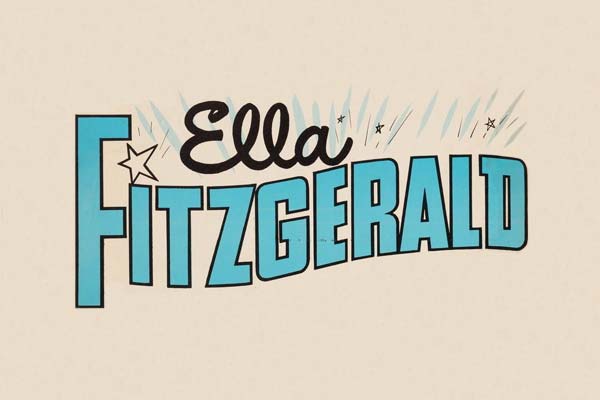
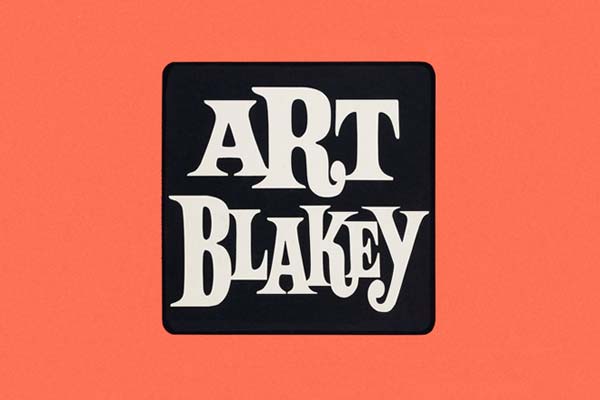
Since type­face has always played a sig­nif­i­cant role in the music’s com­mer­cial suc­cess, Ray decid­ed to com­pile sev­er­al hun­dred sam­plings of album let­ter­ing of jazz musician’s names, “for easy brows­ing and analy­sis” of type­face as an essen­tial ele­ment all on its own. The gallery may attempt “to cov­er most of the genre’s sig­nif­i­cant musi­cians,” but there are, Ray admits, many inevitable omis­sions.

Nonethe­less, it’s a for­mi­da­ble visu­al record of the var­i­ous looks of jazz in let­ter­ing, and the visu­al iden­ti­ties of its biggest artists over the course of sev­er­al decades. Ray does not name any of the design­ers, which is frus­trat­ing, but those in the know will rec­og­nize the work of Reid and oth­ers like album cov­er pio­neer Alex Stein­weiss. You may well spot let­ter­ing by Mil­ton Glaser, whom Ray pre­vi­ous­ly cov­ered in a huge curat­ed gallery of the famous designer’s album art.

The names behind the big names mat­ter, but it’s the musi­cians them­selves these indi­vid­u­al­ized type­faces are meant to imme­di­ate­ly evoke. Con­sid­er just how well most all of these exam­ples do just that—representing each artist’s music, peri­od, and image with the per­fect font and graph­ic arrange­ment, each one a unique logo. Some­what like the music it rep­re­sents, Ray’s gallery is, itself, a col­lec­tive tour-de-force per­for­mance of visu­al jazz.

Vis­it Ray’s gallery here.

via Kot­tke

Relat­ed Con­tent:

The Impos­si­bly Cool Album Cov­ers of Blue Note Records: Meet the Cre­ative Team Behind These Icon­ic Designs

Clas­sic Jazz Album Cov­ers Ani­mat­ed & Brought to Life

The Ground­break­ing Art of Alex Stein­weiss, Father of Record Cov­er Design

Josh Jones is a writer and musi­cian based in Durham, NC. Fol­low him at @jdmagness

Dear Facebook, This is How You’re Breaking Democracy: A Former Facebook Insider Explains How the Platform’s Algorithms Polarize Our Society

Is this what we want? A post-truth world where tox­i­c­i­ty and trib­al­ism trump bridge build­ing and con­sen­sus seek­ing? —Yaël Eisen­stat

It’s an increas­ing­ly famil­iar occur­rence.

A friend you’ve enjoyed recon­nect­ing with in the dig­i­tal realm makes a dra­mat­ic announce­ment on their social media page. They’re delet­ing their Face­book account with­in the next 24 hours, so shoot them a PM with your email if you’d like to stay in touch.

Such deci­sions used to be spurred by the desire to get more done or return to neglect­ed pas­times such as read­ing, paint­ing, and going for long uncon­nect­ed nature walks.

These announce­ments could induce equal parts guilt and anx­i­ety in those of us who depend on social media to get the word out about our low-bud­get cre­ative projects, though being prone to Inter­net addic­tion, we were near­ly as like­ly to be the one mak­ing the announce­ment.

For many, the break was tem­po­rary. More of a social media fast, a chance to reeval­u­ate, rest, recharge, and ulti­mate­ly return.

Legit­i­mate con­cerns were also raised with regard to pri­va­cy. Who’s on the receiv­ing end of all the sen­si­tive infor­ma­tion we’re offer­ing up? What are they doing with it? Is some­one lis­ten­ing in?

But in this elec­tion year, the deci­sion to quit Face­book is apt to be dri­ven by the very real fear that democ­ra­cy as we know it is at stake.

For­mer CIA ana­lyst, for­eign ser­vice offi­cer, andfor six monthsFacebook’s Glob­al Head of Elec­tions Integri­ty Ops for polit­i­cal adver­tis­ing, Yaël Eisen­stat, address­es these pre­oc­cu­pa­tions in her TED Talk, “Dear Face­book, This is How You’re Break­ing Democ­ra­cy,” above.

Eisen­stat con­trasts the civil­i­ty of her past face-to-face ”hearts and minds”-based engage­ments with sus­pect­ed ter­ror­ists and anti-West­ern cler­ics to the polar­iza­tion and cul­ture of hatred that Facebook’s algo­rithms foment.

As many users have come to sus­pect, Face­book rewards inflam­ma­to­ry con­tent with ampli­fi­ca­tion. Truth does not fac­tor into the equa­tion, nor does sin­cer­i­ty of mes­sage or mes­sen­ger.

Lies are more engag­ing online than truth. As long as [social media] algo­rithms’ goals are to keep us engaged, they will feed us the poi­son that plays to our worst instincts and human weak­ness­es.

Eisen­stat, who has val­ued the ease with which Face­book allows her to main­tain rela­tion­ships with far-flung friends, found her­self effec­tive­ly demot­ed on her sec­ond day at the social media giant, her title revised, and her access to high lev­el meet­ings revoked. Her hir­ing appears to have been pure­ly orna­men­tal, a pal­lia­tive ruse in response to mount­ing pub­lic con­cern.

As she remarked in an inter­view with The Guardian’s Ian Tuck­er ear­li­er this sum­mer:

They are mak­ing all sorts of reac­tive changes around the mar­gins of the issues, [to sug­gest] that they are tak­ing things seri­ous­ly – such as build­ing an ad library or ver­i­fy­ing that polit­i­cal adver­tis­ers reside in the coun­try in which they adver­tis­ing – things they should have been doing already. But they were nev­er going to make the fun­da­men­tal changes that address the key sys­temic issues that make Face­book ripe for manip­u­la­tion, viral mis­in­for­ma­tion and oth­er ways that the plat­form can be used to affect democ­ra­cy.

In the same inter­view she assert­ed that Facebook’s recent­ly imple­ment­ed over­sight board is lit­tle more than an inter­est­ing the­o­ry that will nev­er result in the total over­haul of its busi­ness mod­el:

First of all, it’s anoth­er exam­ple of Face­book putting respon­si­bil­i­ty on some­one else. The over­sight board does not have any author­i­ty to actu­al­ly address any of the poli­cies that Face­book writes and enforces, or the under­ly­ing sys­temic issues that make the plat­form absolute­ly rife for dis­in­for­ma­tion and all sorts of bad behav­iour and manip­u­la­tion.

The sec­ond issue is: it’s basi­cal­ly an appeal process for con­tent that was already tak­en down. The big­ger ques­tion is the con­tent that remains up. Third, they are not even going to be oper­a­tional until late fall and, for a com­pa­ny that claims to move fast and break things, that’s absurd.

Nine min­utes into her TED Talk, she offers con­crete sug­ges­tions for things the Face­book brass could do if it was tru­ly seri­ous about imple­ment­ing reform:

  • Stop ampli­fy­ing and rec­om­mend­ing dis­in­for­ma­tion and bias-based hatred, no mat­ter who is behind itfrom con­spir­a­cy the­o­rists to our cur­rent pres­i­dent.
  • Dis­con­tin­ue per­son­al­iza­tion tech­niques that don’t dif­fer­en­ti­ate between tar­get­ed polit­i­cal con­tent and tar­get­ed ads for ath­let­ic footwear.
  • Retrain algo­rithms to focus on a met­rics beyond what users click or linger on.
  • Imple­ment safe­ty fea­tures that would ensure that sen­si­tive con­tent is reviewed before it is allowed to go viral.

Hope­ful­ly view­ers are not feel­ing maxed out on con­tact­ing their rep­re­sen­ta­tives, as gov­ern­ment enforce­ment is Eisenstat’s only pre­scrip­tion for get­ting Face­book to alter its prod­uct and prof­it mod­el. And that will require sus­tained civic engage­ment.

She sup­ple­ments her TED Talk with rec­om­men­da­tions for arti­fi­cial intel­li­gence engi­neer Guil­laume Chaslot’s insid­er per­spec­tive op-ed “The Tox­ic Poten­tial of YouTube’s Feed­back Loop” and The Fil­ter Bub­ble: How the New Per­son­al­ized Web Is Chang­ing What We Read and How We Think by MoveOn.org’s for­mer Exec­u­tive Direc­tor, Eli Paris­er.

Your clued-in Face­book friends have no doubt already point­ed you to the doc­u­men­tary The Social Dilem­ma, which is now avail­able on Net­flix. Or per­haps to Jaron Lanier’s Ten Argu­ments for Delet­ing Your Social Media Accounts Right Now.

Read the tran­script of Yaël Eisenstat’s TED Talk here.

Relat­ed Con­tent: 

The Prob­lem with Face­book: “It’s Keep­ing Things From You”

The Case for Delet­ing Your Social Media Accounts & Doing Valu­able “Deep Work” Instead, Accord­ing to Com­put­er Sci­en­tist Cal New­port

This Is Your Kids’ Brains on Inter­net Algo­rithms: A Chill­ing Case Study Shows What’s Wrong with the Inter­net Today

Ayun Hal­l­i­day is an author, illus­tra­tor, the­ater mak­er and Chief Pri­ma­tol­o­gist of the East Vil­lage Inky zine. Fol­low her @AyunHalliday.

Watch a Young Carl Sagan Appear in His First TV Documentary, The Violent Universe (1969)

Much of the world got to know Carl Sagan through Cos­mos: A Per­son­al Voy­age, the thir­teen-part PBS series on the nature of the uni­verse — and the inten­si­ty of Sagan’s own pas­sion to dis­cov­er that nature. First aired in 1980, it would become the most wide­ly watched series in the his­to­ry of Amer­i­can pub­lic tele­vi­sion. But it’s not as if Sagan had been lan­guish­ing in obscu­ri­ty before: he’d been pub­lish­ing pop­u­lar books since the ear­ly 1970s, and 1977’s The Drag­ons of Eden: Spec­u­la­tions on the Evo­lu­tion of Human Intel­li­gence won him a Pulitzer Prize. When Cos­mos made its impact, some view­ers may even have remem­bered its host from a series of sim­i­lar­ly themed broad­casts a decade ear­li­er, The Vio­lent Uni­verse.

Pro­duced by the BBC in 1969 and broad­cast just three months before the Apol­lo 11 moon land­ingThe Vio­lent Uni­verse (view­able above) explains in five parts a range of dis­cov­er­ies made dur­ing the then-recent “rev­o­lu­tion in astron­o­my,” includ­ing infrared galax­ies, neu­tri­nos, pul­sars and quasars, red giants and white dwarfs.

In so doing it includes footage tak­en in obser­va­to­ries not just across the Earth — Eng­land, Puer­to Rico, Hol­land, Cal­i­for­na — but high above it in orbit and even deep inside it, beneath the bad­lands of South Dako­ta. One install­ment pays a vis­it to Kōchi, the rur­al Japan­ese pre­fec­tur­al cap­i­tal where gui­tarist-astronomer Tsu­to­mu Seki makes his home — and his small home obser­va­to­ry, where he had worked to co-dis­cov­er Comet Ikeya–Seki just four years before.

All of this inter­na­tion­al mate­r­i­al — or rather inter­stel­lar mate­r­i­al — is anchored in the stu­dio by tele­vi­sion jour­nal­ist Robert Mac­Neil, lat­er of PBS’ The MacNeil/Lehrer Report, and a cer­tain pro­fes­sor of astron­o­my at Cor­nell Uni­ver­si­ty by the name of Carl Sagan. Despite exud­ing a more delib­er­ate seri­ous­ness than he would in Cos­mos, the young Sagan nev­er­the­less explains the astro­nom­i­cal and astro­phys­i­cal con­cepts at hand with a clar­i­ty and vig­or that would have made them imme­di­ate­ly clear to tele­vi­sion audi­ences of half a cen­tu­ry ago, and indeed still makes them clear to the Youtube audi­ences of today. Apart, per­haps, from its Twi­light Zone-style theme music The Vio­lent Uni­verse has in its visu­al ele­ments aged more grace­ful­ly than the 70s series that made Sagan into a sci­ence icon. And how many oth­er oth­er pub­lic-tele­vi­sion doc­u­men­taries about the uni­verse include poet­ry recita­tions from Richard Bur­ton?

via Boing­Bo­ing

Relat­ed Con­tent:

Carl Sagan, Stephen Hawk­ing & Arthur C. Clarke Dis­cuss God, the Uni­verse, and Every­thing Else

Carl Sagan Presents Six Lec­tures on Earth, Mars & Our Solar Sys­tem … For Kids (1977)

Carl Sagan Explains Evo­lu­tion in an Eight-Minute Ani­ma­tion

Carl Sagan on the Virtues of Mar­i­jua­na (1969)

Carl Sagan Issues a Chill­ing Warn­ing to Amer­i­ca in His Final Inter­view (1996)

The Pio­neer­ing Physics TV Show, The Mechan­i­cal Uni­verse, Is Now on YouTube: 52 Com­plete Episodes from Cal­tech

Based in Seoul, Col­in Mar­shall writes and broad­casts on cities, lan­guage, and cul­ture. His projects include the Sub­stack newslet­ter Books on Cities, the book The State­less City: a Walk through 21st-Cen­tu­ry Los Ange­les and the video series The City in Cin­e­ma. Fol­low him on Twit­ter at @colinmarshall, on Face­book, or on Insta­gram.

The Grateful Dead Movie: Watch It Free Online

The Grate­ful Dead Movie doc­u­ments “a tour-end­ing five night stand at the Win­ter­land Ball­room in Octo­ber 1974. These were their last shows with the Wall of Sound, and the film includes amaz­ing per­for­mances of many favorites like One More Sat­ur­day Night, Goin’ Down The Road Feel­in’ Bad, Truckin’, Sug­ar Magnolia/Sunshine Day­dream, Stel­la Blue, Casey Jones, and Morn­ing Dew.”

Enjoy it online, rather than hav­ing to drop $90 for a DVD. The Grate­ful Dead Movie will be added to our list of Free Doc­u­men­taries, a sub­set of our col­lec­tion, 4,000+ Free Movies Online: Great Clas­sics, Indies, Noir, West­erns, Doc­u­men­taries & More.

If you would like to sign up for Open Culture’s free email newslet­ter, please find it here. It’s a great way to see our new posts, all bun­dled in one email, each day.

If you would like to sup­port the mis­sion of Open Cul­ture, con­sid­er mak­ing a dona­tion to our site. It’s hard to rely 100% on ads, and your con­tri­bu­tions will help us con­tin­ue pro­vid­ing the best free cul­tur­al and edu­ca­tion­al mate­ri­als to learn­ers every­where. You can con­tribute through Pay­Pal, Patre­on, and Ven­mo (@openculture). Thanks!

Relat­ed Con­tent:

The Grate­ful Dead’s “Rip­ple” Played by Musi­cians Around the World

Every Grate­ful Dead Song Anno­tat­ed in Hyper­text: Web Project Reveals the Deep Lit­er­ary Foun­da­tions of the Dead’s Lyrics

10,173 Free Grate­ful Dead Con­cert Record­ings in the Inter­net Archive

by | Permalink | Make a Comment ( 1 ) |

GPS Tracking Reveals the Secret Lives of Outdoor Cats

We track sharksrhi­no, and bears, so why not Boo Boo Kit­tyPeanut, and Pump­kin?

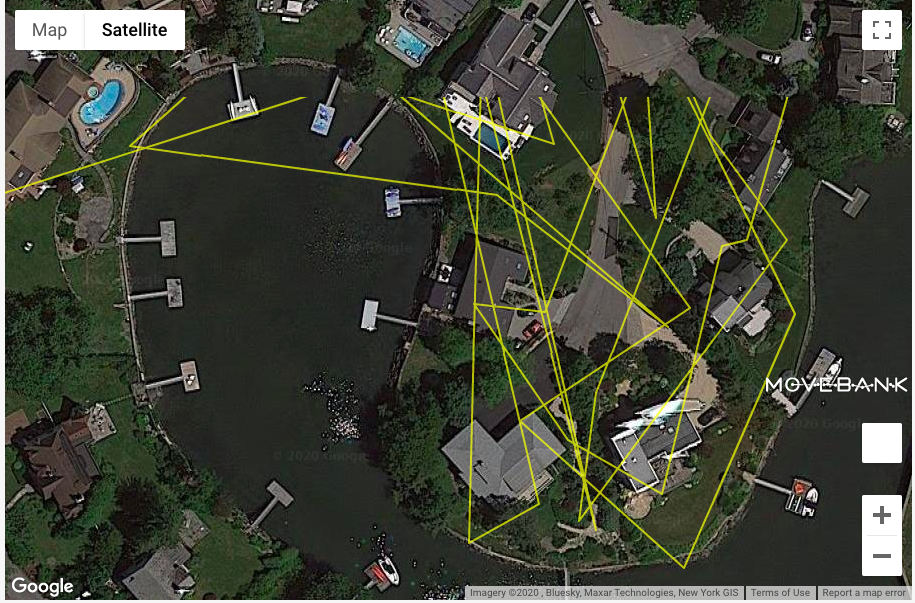
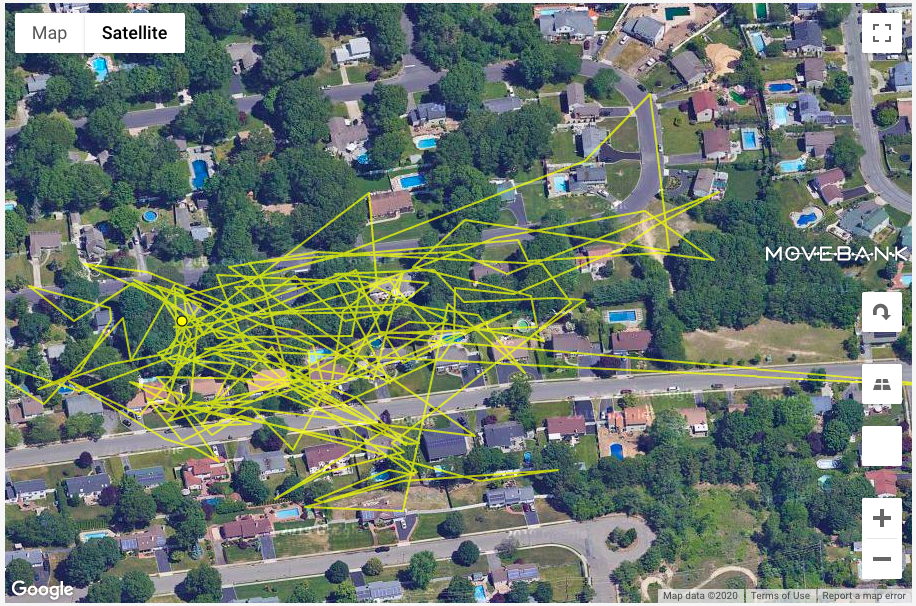
The Long Island feline res­i­dents volunteered—or more accu­rate­ly, were volunteered—by their human com­pan­ions to par­tic­i­pate in a domes­tic cat move­ment study as part of the inter­na­tion­al Cat Track­er project.

Each beast was out­fit­ted with a GPS track­er-enhanced har­ness, which they wore for a week.

(Many cat own­ers will find that alone some­thing of an achieve­ment.)

In total, almost a thou­sand house­holds in four coun­tries took part—the Unit­ed StatesNew ZealandAus­tralia, and the UK.

Sci­en­tists were par­tic­u­lar­ly inter­est­ed to learn the degree of may­hem these cher­ished pets were vis­it­ing on sur­round­ing wildlife in their off hours.

Any­one who’s been left a present of a fresh­ly mur­dered baby bun­ny, mole, or wing­less bat can prob­a­bly guess.

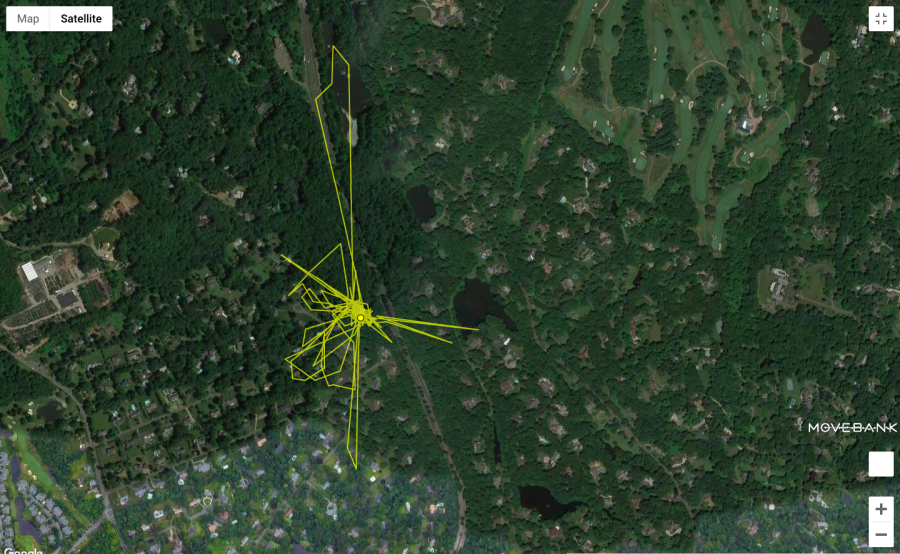
It’s a con­sid­er­able amount, though by and large the domes­ti­cat­ed par­tic­i­pants stuck close to home, rarely trav­el­ing more than two foot­ball fields away from the com­forts of their own yards. The impulse to keep the food bowl with­in easy range con­fines their hunt­ing activ­i­ties to a fair­ly tight area. Woe to the field mice who set up shop there.

Their move­ments also revealed the per­il they put them­selves in, cross­ing high­ways, roads, and park­ing lots. Researcher Hei­dy Kikil­lus, who tracked cats in New Zealand, report­ed that a num­ber of her group’s sub­jects wound up in a fatal encounter with a vehi­cle.

Gen­er­al­ly speak­ing, gen­der, age, and geog­ra­phy play a part in how far a cat roams, with males, younger ani­mals, and coun­try dwellers cov­er­ing more ground. Unsur­pris­ing­ly, those who have not been neutered or spayed tend to have a freer range too.

“With­out the moti­va­tions of food and sex, most cats seem con­tent to be home­bod­ies,” zool­o­gist Roland Kays, one of the US Project lead­ers, not­ed.

Amer­i­can cit­i­zen sci­en­tists who’d like to enroll their cat can find infor­ma­tion and the nec­es­sary forms on the Cat Track­er web­site.

The cat-less and those with indoor cats can enjoy pho­tos of select par­tic­i­pants and explore their tracks here.

And what bet­ter fall craft than a DIY cat track­ing GPS har­ness?

via Nation­al Geo­graph­ic

Relat­ed Con­tent: 

In 1183, a Chi­nese Poet Describes Being Domes­ti­cat­ed by His Own Cats

An Ani­mat­ed His­to­ry of Cats: How Over 10,000 Years the Cat Went from Wild Preda­tor to Sofa Side­kick

How Humans Domes­ti­cat­ed Cats (Twice)

Ayun Hal­l­i­day is an author, illus­tra­tor, the­ater mak­er and Chief Pri­ma­tol­o­gist of the East Vil­lage Inky zine.  Fol­low her @AyunHalliday.

« Go BackMore in this category... »
Quantcast