Scientists Create an Interactive Map of the 13 Emotions Evoked by Music: Joy, Sadness, Desire, Annoyance, and More

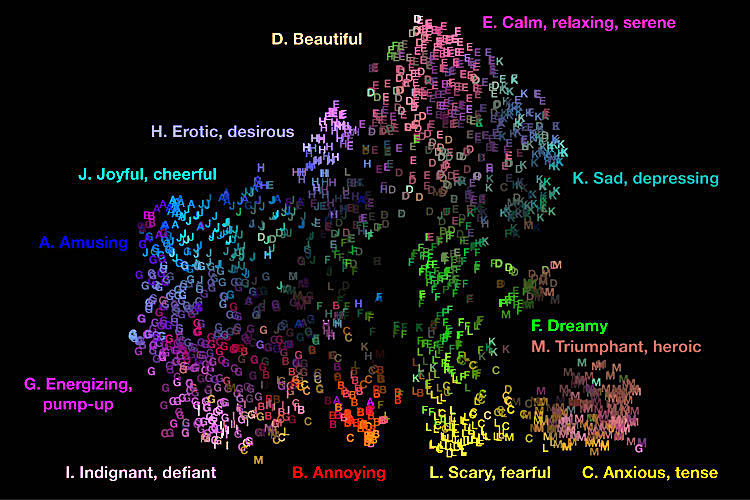
Most of our playlists today are filled with music about emo­tions: usu­al­ly love, of course, but also excite­ment, defi­ance, anger, dev­as­ta­tion, and a host of oth­ers besides. We lis­ten to these songs in order to appre­ci­ate the musi­cian­ship that went into them, but also to indulge in their emo­tions for our­selves. As for what exact­ly evokes these feel­ings with­in us, lyrics only do part of the job, and per­haps a small part at that. In search of a more rig­or­ous con­cep­tion of which son­ic qual­i­ties trig­ger which emo­tions in lis­ten­ers — and a mea­sure­ment of how many kinds of emo­tions music can trig­ger — sci­en­tists at UC Berke­ley have con­duct­ed a cross-cul­tur­al research project and used the data to make an inter­ac­tive lis­ten­ing map.

The study’s cre­ators, a group includ­ing psy­chol­o­gy pro­fes­sor Dacher Kelt­ner (found­ing direc­tor of the Greater Good Sci­ence Cen­ter) and neu­ro­science doc­tor­al stu­dent Alan Cowen, “sur­veyed more than 2,500 peo­ple in the Unit­ed States and Chi­na about their emo­tion­al respons­es to these and thou­sands of oth­er songs from gen­res includ­ing rock, folk, jazz, clas­si­cal, march­ing band, exper­i­men­tal and heavy met­al.” So writes Berkley News’ Yas­min Anwar, who sum­ma­rizes the broad­er find­ings as fol­lows: “The sub­jec­tive expe­ri­ence of music across cul­tures can be mapped with­in at least 13 over­ar­ch­ing feel­ings: Amuse­ment, joy, eroti­cism, beau­ty, relax­ation, sad­ness, dreami­ness, tri­umph, anx­i­ety, scari­ness, annoy­ance, defi­ance, and feel­ing pumped up.”

Many lis­ten­er respons­es can’t have been ter­ri­bly sur­pris­ing. “Vivaldi’s ‘Four Sea­sons’ made peo­ple feel ener­gized. The Clash’s ‘Rock the Cas­bah’ pumped them up. Al Green’s ‘Let’s Stay Togeth­er’ evoked sen­su­al­i­ty and Israel (Iz) Kamakawiwoʻole’s ‘Some­where over the Rain­bow’ elicit­ed joy.

Mean­while, heavy met­al was wide­ly viewed as defi­ant and, just as its com­pos­er intend­ed, the show­er scene score from the movie Psy­cho trig­gered fear.” The cul­tur­al influ­ence of Hitch­cock, one might object, has by now tran­scend­ed all bound­aries, but accord­ing to the study even Chi­nese clas­si­cal music gets the same basic emo­tions across to Chi­nese and non-Chi­nese lis­ten­ers alike.

Still, all respectable art, even or per­haps espe­cial­ly an abstract one such as music, leaves plen­ty of room for per­son­al inter­pre­ta­tion. You can check your own emo­tion­al respons­es against those of the Berke­ley sur­vey’s respon­dents with its inter­ac­tive lis­ten­ing map. Just roll your cur­sor over any of point on its emo­tion­al ter­ri­to­ries, and you’ll hear a short clip of the song lis­ten­ers placed there. On the penin­su­la of cat­e­go­ry H, “erot­ic, desirous,” you’ll hear Chris Isaak, Wham!, and a great many sax­o­phon­ists; down in the nether­lands of cat­e­go­ry G, “ener­giz­ing, pump-up,” Rick Ast­ley’s immor­tal­ized “Nev­er Gonna Give You Up” and Alien Ant Far­m’s nov­el­ty cov­er of “Smooth Crim­i­nal.” Anwar also notes that “The Shape of You,” Ed Sheeran’s inescapable hit, “sparks joy” — but if I have to hear it one more time at the gym, I can assure you my own emo­tion­al response won’t be quite so pos­i­tive.

Relat­ed Con­tent:

Daniel Lev­itin Shows How Musi­cians Com­mu­ni­cate Emo­tion

Watch Clas­si­cal Music Get Per­fect­ly Visu­al­ized as an Emo­tion­al Roller Coast­er Ride

The Ther­a­peu­tic Ben­e­fits of Ambi­ent Music: Sci­ence Shows How It Eas­es Chron­ic Anx­i­ety, Phys­i­cal Pain, and ICU-Relat­ed Trau­ma

Neu­rosym­pho­ny: A High-Res­o­lu­tion Look into the Brain, Set to the Music of Brain Waves

An Inter­ac­tive Map of the 2,000+ Sounds Humans Use to Com­mu­ni­cate With­out Words: Grunts, Sobs, Sighs, Laughs & More

Based in Seoul, Col­in Mar­shall writes and broad­casts on cities, lan­guage, and cul­ture. His projects include the Sub­stack newslet­ter Books on Cities, the book The State­less City: a Walk through 21st-Cen­tu­ry Los Ange­les and the video series The City in Cin­e­ma. Fol­low him on Twit­ter at @colinmarshall or on Face­book.

A Data Visualization of Every Italian City & Town Founded in the BC Era


Ancient peo­ple did not think about his­to­ry the way most of us do. It made no dif­fer­ence to con­tem­po­rary read­ers of the pop­u­lar Roman his­to­ri­an, Livy (the “JK Rowl­ing of his day”), that “most of the flesh and blood of [his] nar­ra­tive is fic­ti­tious,” and “many of the sto­ries are not real­ly Roman but Greek sto­ries reclothed in Roman dress,” his­to­ri­an Robert Ogilvie writes in an intro­duc­tion to Livy’s Ear­ly His­to­ry of Rome. Ancient his­to­ri­ans did not write to doc­u­ment facts, but to illus­trate moral, philo­soph­i­cal, and polit­i­cal truths about what they saw as immutable human nature.

Much of what we know about Roman antiq­ui­ty comes not from ancient Roman his­to­ry but from mod­ern arche­ol­o­gy (which is still mak­ing “amaz­ing” new dis­cov­er­ies about Roman cities). The remains of Rome at its apogee date from the time of Livy, who was like­ly born in 59 BC and died cir­ca 12 AD. A con­tem­po­rary, and pos­si­bly a friend, of Augus­tus, the his­to­ri­an lived through a peri­od of immense growth in which the new empire spread across the con­ti­nent, found­ing, build­ing, and con­quer­ing towns and cities as it went — a time, he wrote, when “the might of an impe­r­i­al peo­ple is begin­ning to work its own ruin.”

Livy pre­ferred to look back — “turn my eyes from the trou­bles,” he said — “more than sev­en hun­dred years,” to the date long giv­en for the found­ing of Rome, 753 BC, which seemed ancient enough to him. Mod­ern arche­ol­o­gists have found, how­ev­er, that the city prob­a­bly arose hun­dreds of years ear­li­er, hav­ing been con­tin­u­ous­ly inhab­it­ed since around 1000 BC. Livy’s own pros­per­ous but provin­cial city of Pad­ua only became incor­po­rat­ed into the Roman empire a few decades before his birth. Accord­ing to Livy him­self, Pad­ua was first found­ed in 1183 BC by the Tro­jan prince Antenor…  if you believe the sto­ries….

The point is that ancient Roman dates are sus­pect when they come from lit­er­ary sources (or “his­to­ries”) rather than arti­facts and archae­o­log­i­cal dat­ing meth­ods. What is the dis­tri­b­u­tion of such dates across arti­cles about ancient Rome on Wikipedia? Who could say. But the sheer num­ber of doc­u­ments and arti­facts left behind by the Romans and the peo­ple they con­quered and sub­dued make it easy to recon­struct the his­tor­i­cal stra­ta of Euro­pean cities — though we should allow for more than a lit­tle exag­ger­a­tion, dis­tor­tion, and even fic­tion in the data.

The maps you see here use Wikipedia data to visu­al­ize towns and cities in mod­ern-day Italy found­ed before the first cen­tu­ry — that is, every Ital­ian set­tle­ment of any kind with a “BC” cit­ed in its asso­ci­at­ed arti­cle. Many of these were found­ed by the Romans in the 2nd or 3rd cen­tu­ry BC. Many cities, like Pom­peii, Milan, and Livy’s own Pad­ua, were con­quered or slow­ly tak­en over from ear­li­er peo­ples. Anoth­er ver­sion of the visu­al­iza­tion, above, shows a dis­tri­b­u­tion by col­or of the dates from 10,000 BC to 10 BC. It makes for an equal­ly strik­ing way to illus­trate the his­to­ry, and pre­his­to­ry, of Italy up to Livy’s time — that is, accord­ing to Wikipedia.

The cre­ator of the visu­al­iza­tions obtained the data by scrap­ing 8000 Ital­ian Wikipedia arti­cles for men­tions of “BC” (or “AC” in Ital­ian). Even if we all agreed the open online ency­clo­pe­dia is an author­i­ta­tive source (and we cer­tain­ly do not), we’d still be left with the prob­lem of ancient dat­ing in cre­at­ing an accu­rate map of ancient Roman and Ital­ian his­to­ry. Unre­li­able data does not improve in pic­ture form. But data visu­al­iza­tions can, when com­bined with care­ful schol­ar­ship and good research, make dry lists of num­bers come alive, as Livy’s sto­ries made Roman his­to­ry, as he knew it, live for his read­ers.

See the creator’s dataset below and learn more here.

count 1152

mean 929.47

std 1221.89

min 2

25% 196

50% 342.5

75% 1529.5

max 10000

Relat­ed Con­tent: 

The Roads of Ancient Rome Visu­al­ized in the Style of Mod­ern Sub­way Maps

Rome’s Colos­se­um Will Get a New Retractable Floor by 2023 — Just as It Had in Ancient Times

A Vir­tu­al Tour of Ancient Rome, Cir­ca 320 CE: Explore Stun­ning Recre­ations of The Forum, Colos­se­um and Oth­er Mon­u­ments

Josh Jones is a writer and musi­cian based in Durham, NC. Fol­low him at @jdmagness

Pretty Much Pop: A Culture Podcast #95 Considers Joss Whedon’s The Nevers

Mark, Eri­ca, and Bri­an dis­cuss the HBO Max show out Vic­to­ri­an-era super-pow­ered fem­i­nine out­casts, helmed and now aban­doned by the cre­ator of Buffy the Vam­pire Slay­er, Fire­fly, etc. It’s jam packed with steam­punk gad­gets, fisticuffs, social injus­tice, and far too many char­ac­ters and plot threads to keep track of. Giv­en that the sea­son was reduced to a half sea­son in light of the pan­dem­ic, does it still work? Does know­ing the com­plaints about Joss Whe­don affect our con­sump­tion of the show? Is this a faux fem­i­nism where women must under­go tor­ture to gain strength?

Here are a few arti­cles we con­sid­ered:

Hear more of this pod­cast at prettymuchpop.com. This episode includes bonus dis­cus­sion that you can access by sup­port­ing the pod­cast at patreon.com/prettymuchpop. This pod­cast is part of the Par­tial­ly Exam­ined Life pod­cast net­work.

Pret­ty Much Pop: A Cul­ture Pod­cast is the first pod­cast curat­ed by Open Cul­ture. Browse all Pret­ty Much Pop posts.

Sci-Fi “Portal” Connects Citizens of Lublin & Vilnius, Allowing Passersby Separated by 376 Miles to Interact in Real Time

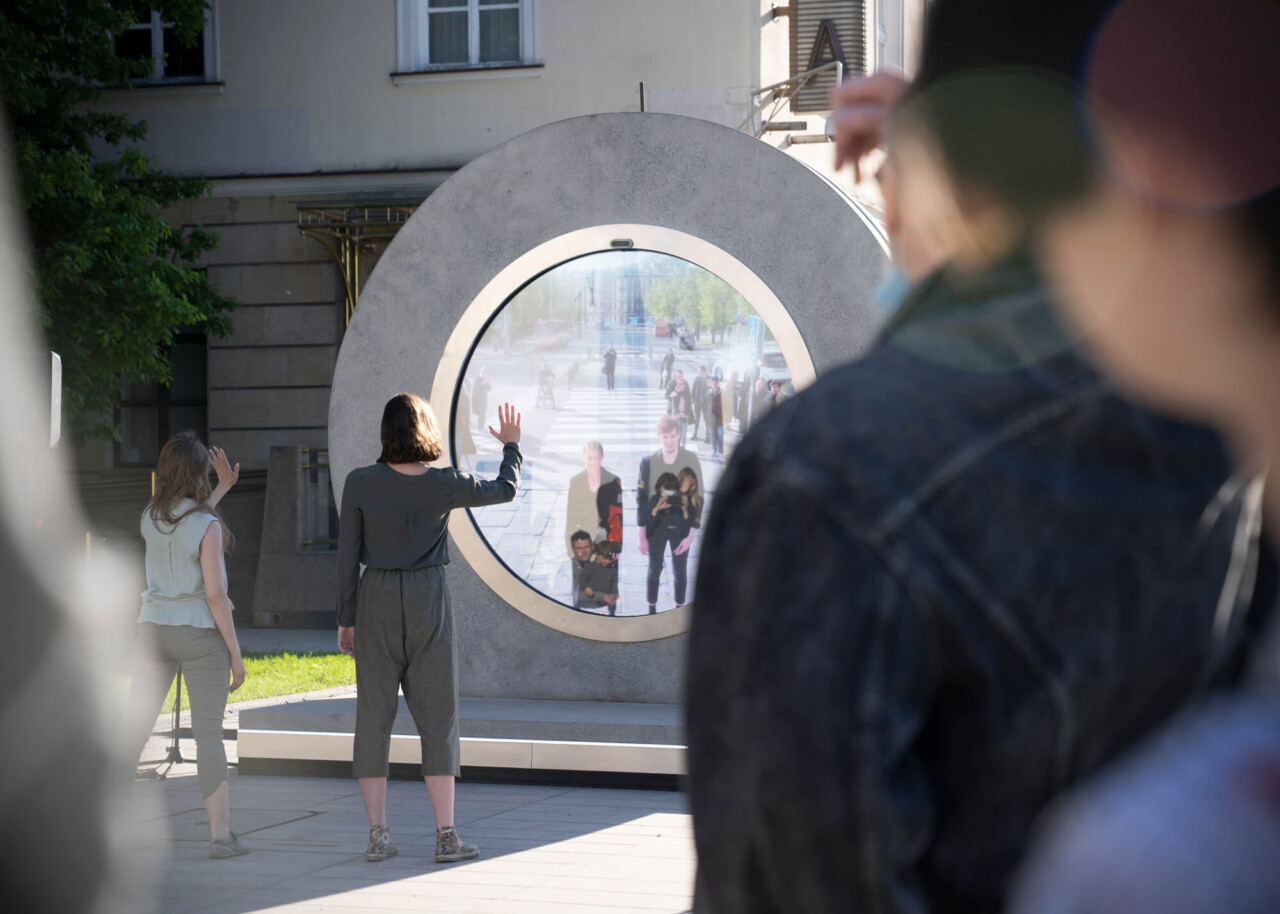
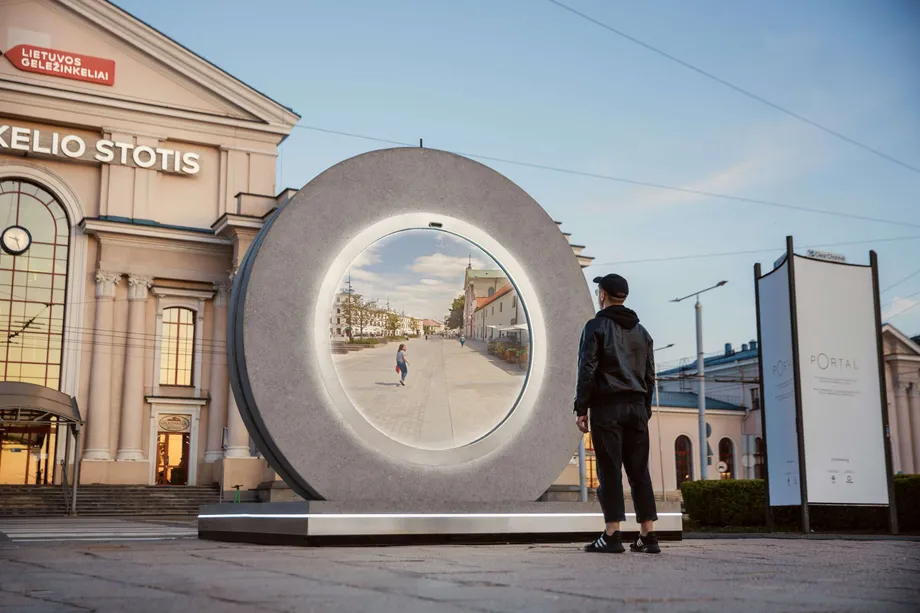
Can we ever tran­scend our ten­den­cy to divide up the world into us and them? The his­to­ry of Europe, which polit­i­cal the­o­rist Ken­neth Minogue once called “plau­si­bly summed up as prepar­ing for war, wag­ing war, or recov­er­ing from war,” offers few con­sol­ing answers. But per­haps it isn’t for his­to­ry, much less for the­o­ry or pol­i­tics, to dic­tate the future prospects for the uni­ty of mankind. Art and tech­nol­o­gy offer anoth­er set of views on the mat­ter, and it’s art and tech­nol­o­gy that come togeth­er in Por­tal, a recent­ly launched project that has con­nect­ed Vil­nius, Lithua­nia and Lublin, Poland with twin instal­la­tions. More than just a sculp­tur­al state­ment, each city’s por­tal offers a real-time, round-the-clock view of the oth­er.

“In both Vil­nius and Lublin,” writes My Mod­ern Met’s Sara Barnes, “the por­tals are with­in the urban land­scape; they are next to a train sta­tion and in the city cen­tral square, respec­tive­ly. This allows for plen­ty of engage­ment, on either end, with the peo­ple of a city 376 miles apart. And, in a larg­er sense, the por­tals help to human­ize cit­i­zens from anoth­er place.”

Images released of the inter­ac­tion between passer­by and their local por­tal show, among oth­er actions, wav­ing, cam­era phone-shoot­ing, syn­chro­nized jump­ing, and just plain star­ing. Though more than one com­par­i­son has been made to the Star­gate, the image also comes to mind of the apes around the mono­lith in 2001: A Space Odyssey, react­ing as best they can to a pre­vi­ous­ly unimag­ined pres­ence in their every­day envi­ron­ment.

Iron­i­cal­ly, the basic tech­nol­o­gy employed by the Por­tal project is noth­ing new. At this point we’ve all looked into our phone and com­put­er screens and seen a view from per­haps much far­ther than 376 miles away, and been seen from that dis­tance as well. But the coro­n­avirus-induced world­wide expan­sion of tele­con­fer­enc­ing has, for many, made the under­ly­ing mechan­ics seem some­what less than mirac­u­lous. Con­ceived years before trav­el restric­tions ren­dered next to impos­si­ble the actu­al vis­it­ing of human beings else­where on the con­ti­nent, let alone on the oth­er side of the world, Por­tal has set up its first instal­la­tions at a time when they’ve come to feel like some­thing the world needs. “Res­i­dents in Reyk­javik, Ice­land, and Lon­don, Eng­land can expect a por­tal in their city in the future,” notes Barnes — and if those two can feel tru­ly con­nect­ed with Europe, there may be hope for the one­ness of the human race yet.

via Colos­sal/MyMod­ern­Met

Relat­ed Con­tent:

Street Artist Cre­ates an Opti­cal Illu­sion That Lets Peo­ple See the Art Inside a Shut­tered Muse­um in Flo­rence

This Huge Crash­ing Wave in a Seoul Aquar­i­um Is Actu­al­ly a Gigan­tic Opti­cal Illu­sion

See Web Cams of Sur­re­al­ly Emp­ty City Streets in Venice, New York, Lon­don & Beyond

Dis­cov­er Euro­peana Col­lec­tions, a Por­tal of 48 Mil­lion Free Art­works, Books, Videos, Arti­facts & Sounds from Across Europe

The His­to­ry of Europe from 400 BC to the Present, Ani­mat­ed in 12 Min­utes

Haru­ki Muraka­mi Nov­els Sold in Pol­ish Vend­ing Machines

Based in Seoul, Col­in Mar­shall writes and broad­casts on cities, lan­guage, and cul­ture. His projects include the Sub­stack newslet­ter Books on Cities, the book The State­less City: a Walk through 21st-Cen­tu­ry Los Ange­les and the video series The City in Cin­e­ma. Fol­low him on Twit­ter at @colinmarshall or on Face­book.

How Egyptian Papyrus Is Made: Watch Artisans Keep a 5,000-Year-Old Art Alive

In 2013, French Egyp­tol­o­gist Pierre Tal­let dis­cov­ered in an exca­va­tion site near the Red Sea “entire rolls of papyrus, some a few feet long and still rel­a­tive­ly intact, writ­ten in hiero­glyph­ics as well as hier­at­ic, the cur­sive script the ancient Egyp­tians used for every­day com­mu­ni­ca­tion,” Alexan­der Stille writes at Smith­son­ian. The scrolls con­tained the “Diary of Mer­er,” the jour­nals of an offi­cial who led a trans­porta­tion crew, and who observed the build­ing of the largest of the pyra­mids. It has been called “the great­est dis­cov­ery in Egypt in the 21st cen­tu­ry.”

The dis­cov­ery of the diary entries and oth­er papyri at the site “pro­vide a nev­er-before-seen snap­shot of the ancients putting fin­ish­ing touch­es on the Great Pyra­mid.” It is also sig­nif­i­cant since Tal­let found “the old­est known papyri in the world” and has helped give researchers greater insight into how papyrus was used by ancient Egyp­tians for care­ful record-keep­ing — in both the lan­guage of priests and scribes and that of ordi­nary mer­chants — since around 3000 BC.

Papyrus was “pro­duced exclu­sive­ly in Egypt, where the papyrus plant grew” notes Uni­ver­si­ty of Michi­gan Libraries, but “papyrus (the writ­ing mate­r­i­al) was export­ed through­out the clas­si­cal world, and it was the most pop­u­lar writ­ing mate­r­i­al for the ancient Greeks and Romans,” becom­ing the most used plat­form for writ­ing by the first cen­tu­ry AD. That changed with the intro­duc­tion of parch­ment and, lat­er, paper; “the large plan­ta­tions in Egypt which used to cul­ti­vate high-grade papyrus for man­u­fac­ture dis­ap­peared,” as did the knowl­edge of papyrus-mak­ing for around 1000 years.

But papyrus (the paper) has come back, even if wild papyri plants are dis­ap­pear­ing as Egypt’s cli­mate changes. While schol­ars in the 20th cen­tu­ry tried, unsuc­cess­ful­ly, to recon­struct papyrus-mak­ing using ancient sources like Pliny’s Nat­ur­al His­to­ry, Egypt­ian crafts­peo­ple in the 1970s rein­vent­ed the process using their own meth­ods, as you can see in the Busi­ness Insid­er video above. “The indus­try thrived, sell­ing papyrus art to tourists,” the video notes, but it has fall­en on hard times as the plants go extinct and demand falls away.

Learn above how mod­ern Egypt­ian papyrus-mak­ers, scribes, and illus­tra­tors ply their trade — a fair­ly good indi­ca­tor of how the ancients must have done it. There may be lit­tle demand for papyrus, or for parch­ment, for that mat­ter, and maybe paper will final­ly go the way of these obso­lete com­mu­ni­ca­tions tech­nolo­gies before long. But as long as there are those who retain the knowl­edge of these arts, we’ll have an inti­mate phys­i­cal con­nec­tion to the writ­ers, artists, and bureau­crats of empires past.

Relat­ed Con­tent: 

A 3,000-Year-Old Painter’s Palette from Ancient Egypt, with Traces of the Orig­i­nal Col­ors Still In It

Harvard’s Dig­i­tal Giza Project Lets You Access the Largest Online Archive on the Egypt­ian Pyra­mids (Includ­ing a 3D Giza Tour)

Who Built the Egypt­ian Pyra­mids & How Did They Do It?: New Arche­o­log­i­cal Evi­dence Busts Ancient Myths

Learn to Play Senet, the 5,000-Year Old Ancient Egypt­ian Game Beloved by Queens & Pharaohs

Josh Jones is a writer and musi­cian based in Durham, NC. Fol­low him at @jdmagness

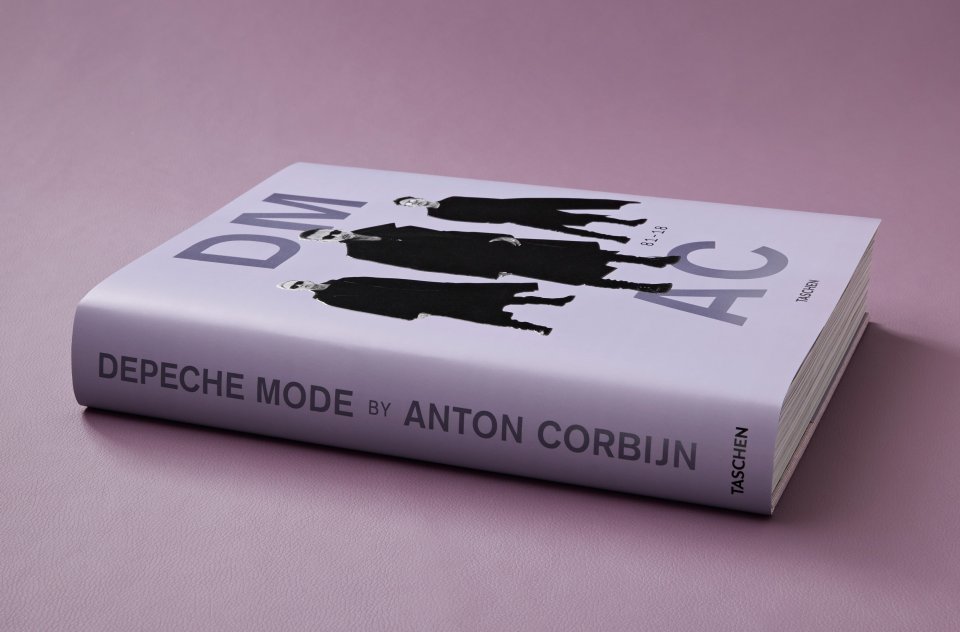
An Illustrated History of Depeche Mode by Anton Corbijn

Last year, pho­tog­ra­ph­er Anton Cor­bi­jn released a new book, MOOD/MODE, show­cas­ing work out­side the bound­aries of the rock pho­tog­ra­phy world in which he’d made his name. But no mat­ter whom he’s pho­tograph­ing, Cor­bi­jn brings a high seri­ous­ness to the endeav­or that he explains as part of his reli­gious upbring­ing in the book’s intro­duc­tion. “My Protes­tant back­ground always marked & influ­enced my por­trait pho­tog­ra­phy. Mankind. Human­i­ty. Empa­thy,” he writes, were the ideals he absorbed as a child. Such beliefs “kept me from doing work that lacked a deep­er pur­pose.”

Cor­bi­jn grew up in a small vil­lage out­side Rot­ter­dam, Jean-Jacques Naudet writes. “His father and many oth­er male mem­bers of his fam­i­ly were pas­tors. Life was strict and sim­ple, on Sun­day every­body dressed in black. Reli­gion was omnipresent.”

He moved away to the city and began tak­ing pho­tos of the music scene at 17. But the look and feel of his ear­ly life nev­er left him. It was this aes­thet­ic that attract­ed Depeche Mode, one of Corbijn’s longest-run­ning musi­cal col­lab­o­ra­tors and a band who were no strangers to brood­ing in black and mak­ing reli­gious ref­er­ences and appeals to human­i­ty.

“We were seen as just a pop band,” says Depeche Mode’s Mar­tin Gore. “We thought that Anton had a cer­tain seri­ous­ness, a cer­tain grav­i­ty to his work, that would help us get away from that.” Cor­bi­jn first helped them refine their look in mid-80s and “was able to give the Depeche Mode sound, that we were begin­ning to cre­ate, a visu­al iden­ti­ty,” says singer Dave Gahan. That iden­ti­ty is now the sub­ject of a new book from Taschen that col­lects “over 500 pho­tographs from Anton Corbijn’s per­son­al archives,” notes the arts pub­lish­er, “some nev­er seen before, as well as stage set designs, sketch­es, album cov­ers, and per­son­al obser­va­tions” about the “world’s biggest cult band.”


Cor­bi­jn became such an inte­gral part of Depeche Mode’s suc­cess, the band con­sid­ered him “a ver­i­ta­ble unseen mem­ber of the group,” writes Post-Punk.com, medi­at­ing their image not only through pho­tog­ra­phy but also live pro­jec­tions and, of course, music videos. They were able to achieve “a kind of cult sta­tus,” says Gore in the mini-doc­u­men­tary above, which also has an inter­view with Cor­bi­jn. The pho­tog­ra­ph­er walks us through his his­to­ry with the leg­endary synth pio­neers (whom he did not like at first), begin­ning with the first image he shot of them in 1981, when founder Vince Clarke was still in the band.

Clarke leans behind Gahan’s left shoul­der, the full band framed by a stone arch. To Gahan’s right is an enor­mous cru­ci­fix. It set a tone for the work­ing rela­tion­ship to come. “There has to be an ele­ment of the per­son in the pho­to­graph,” says Cor­bi­jn of his por­trai­ture, “but there also has to be an ele­ment of the pho­tog­ra­ph­er.” It took anoth­er few years after that first shoot, he tells The Guardian, but he real­ized “how good their music and my visu­als actu­al­ly went togeth­er.… They had soul.” You can order a copy of the new book, Depeche Mode by Anton Cor­bi­jn from Taschen here.

Relat­ed Con­tent: 

A Visu­al His­to­ry of The Rolling Stones Doc­u­ment­ed in a Beau­ti­ful, 450-Page Pho­to Book by Taschen

Depeche Mode Before They Were Actu­al­ly Depeche Mode: Stream Their Ear­ly Demo Record­ings from 1980

Lost Depeche Mode Doc­u­men­tary Is Now Online: Watch Our Hob­by is Depeche Mode

Depeche Mode Releas­es a Goose­bump-Induc­ing Cov­er of David Bowie’s “Heroes”


Discover the Ghost Towns of Japan–Where Scarecrows Replace People, and a Man Lives in an Abandoned Elementary School Gym

In recent years, the major cities of Japan have felt as big and bustling as ever. But more than a lit­tle of that urban ener­gy has come at a cost to the coun­try­side, whose ongo­ing depop­u­la­tion since the Sec­ond World War has become the stuff of count­less mourn­ful pho­to essays. Japan is, of course, well-known as the kind of soci­ety that keeps a rur­al train sta­tion in ser­vice just to take a sin­gle pupil to school. But in many of these areas, the day even­tu­al­ly comes when there’s no one left to teach. After not just the stu­dents but the fac­ul­ty and staff have cleared out, what to do with the schools them­selves? If you’re any­thing like Aoki Yohei (known to all as “Yo-chan”), you just move your­self on in.

In one of the school’s many rooms Aoki runs a café, roast­ing cof­fee on the premis­es, and in oth­ers he’s set up a hos­tel. In anoth­er space he’s cre­at­ed a record­ing stu­dio out­fit­ted with gui­tars, drums, key­boards, and much else besides. This sort of thing would hard­ly be pos­si­ble with­in the con­fines of a Tokyo apart­ment, and Aoki accom­plished it all after quit­ting his salary­man job with­out a plan.

Or rather he did it noupu­ran, to use one of the many Eng­lishisms he drops in the inter­view with Tokyo Lens vlog­ger Norm Naka­mu­ra in the video at the top of the post. The school is in Ehime, one of the four pre­fec­tures of Shikoku, the sec­ond-small­est of Japan’s main islands. Though pic­turesque, its loca­tion is also deep enough in the moun­tains to seem for­bid­ding­ly remote, but the Ehime-born Aoki seems to have had no com­punc­tion about it.

Ehime faces the Seto Inland Sea, the areas sur­round­ing which Japa­nol­o­gist Don­ald Richie described in the 1960s as pos­sess­ing “the last places on earth where men rise with the sun and where streets are dark and silent by nine at night.” But for Naka­mu­ra, nine is the hour to set out in search of unex­plained sounds and creepy vibes. Alas, even his best pro­duc­tion efforts can’t mask the obvi­ous seren­i­ty of the prop­er­ty. He encoun­ters much more eeri­ness else­where on Shikoku: Nagoro Vil­lage, the vast major­i­ty of whose inhab­i­tants aren’t human beings but ful­ly dressed, scare­crow-like dolls. Each and every one was craft­ed by Tsuki­mi Ayano, a native who returned from Osa­ka to find most every­one she’d known long gone. As for Nagoro’s own ele­men­tary school, aban­doned for some 20 years now, just wait until you see what “Ayano-san” has done with its gym.

Relat­ed Con­tent:

Moun­tain Monks: A Vivid Short Doc­u­men­tary on the Monks Who Prac­tice an Ancient, Once-For­bid­den Reli­gion in Japan

Hōshi: A Short Doc­u­men­tary on the 1300-Year-Old Hotel Run by the Same Japan­ese Fam­i­ly for 46 Gen­er­a­tions

Dis­cov­er the Japan­ese Muse­um Ded­i­cat­ed to Col­lect­ing Rocks That Look Like Human Faces

When Our World Became a de Chiri­co Paint­ing: How the Avant-Garde Painter Fore­saw the Emp­ty City Streets of 2020

Pho­tog­ra­ph­er Revis­its Aban­doned Movie Sets for Star Wars and Oth­er Clas­sic Films in North Africa

Based in Seoul, Col­in Mar­shall writes and broad­casts on cities, lan­guage, and cul­ture. His projects include the Sub­stack newslet­ter Books on Cities, the book The State­less City: a Walk through 21st-Cen­tu­ry Los Ange­les and the video series The City in Cin­e­ma. Fol­low him on Twit­ter at @colinmarshall or on Face­book.

A Duck Gets a Prosthetic Leg & Waddles Along

Wad­dles the Duck was born with a man­gled left leg. So what does his care­tak­er–Ben Wein­man, the gui­tarist of Sui­ci­dal Ten­den­cies–do? Gets him a 3D print­ed pros­thet­ic, with the help of Der­rick Cam­pana, a Cer­ti­fied Pet Pros­theti­cist at Bion­ic Pets, notes Laugh­ing Squid. And, for a brief moment, the world’s ok.

If you would like to sign up for Open Culture’s free email newslet­ter, please find it here. It’s a great way to see our new posts, all bun­dled in one email, each day.

If you would like to sup­port the mis­sion of Open Cul­ture, con­sid­er mak­ing a dona­tion to our site. It’s hard to rely 100% on ads, and your con­tri­bu­tions will help us con­tin­ue pro­vid­ing the best free cul­tur­al and edu­ca­tion­al mate­ri­als to learn­ers every­where. You can con­tribute through Pay­Pal, Patre­on, and Ven­mo (@openculture). Thanks!

« Go BackMore in this category... »
Quantcast