The Oldest Unopened Bottle of Wine in the World (Circa 350 AD)

Image by Immanuel Giel, via Wiki­me­dia Com­mons

It’s an old TV and movie trope: the man of wealth and taste, often but not always a supervil­lain, offers his dis­tin­guished guest a bot­tle of wine, his finest, an ancient vin­tage from one of the most ven­er­a­ble vine­yards. We might fol­low the motif back at least to Edgar Allan Poe, whose “Cask of Amon­til­la­do” puts an espe­cial­ly devi­ous spin on the trea­sured bottle’s sin­is­ter con­no­ta­tions.

If our suave and pos­si­bly dead­ly host were to offer us the bot­tle you see here, we might hard­ly believe it, and would hard­ly be keen to drink it, though not for fear of being mur­dered after­ward. The Römer­wein, or Spey­er wine bottle—so called after the Ger­man region where it was dis­cov­ered in the exca­va­tion of a 4th cen­tu­ry AD Roman nobleman’s tomb—dates “back to between 325 and 359 AD,” writes Aban­doned Spaces, and has the dis­tinc­tion of being “the old­est known wine bot­tle which remains unopened.”

A 1.5 liter “glass ves­sel with ampho­ra-like stur­dy shoul­ders” in the shape of dol­phins, the bot­tle is of no use to its own­er, but no one is cer­tain what would hap­pen to the liq­uid if it were exposed to air, so it stays sealed, its thick stop­per of wax and olive oil main­tain­ing an impres­sive­ly her­met­ic envi­ron­ment. Sci­en­tists can only spec­u­late that the liq­uid inside has prob­a­bly lost most of its ethanol con­tent. But the bot­tle still con­tains a good amount of wine, “dilut­ed with a mix of var­i­ous herbs.”

The Römer­wein resides at the His­tor­i­cal Muse­um of the Palati­nate in Spey­er, which seems like an incred­i­bly fas­ci­nat­ing place if you hap­pen to be pass­ing through. You won’t get to taste ancient Roman wine there, but you may, per­haps, if you trav­el to the Uni­ver­si­ty of Cata­nia in Sici­ly where in 2013, sci­en­tists recre­at­ed ancient wine-mak­ing tech­niques, set up a vine­yard, and fol­lowed the old ways to the let­ter, using wood­en tools and strips of cane to tie their vines.

They pro­ceed­ed, writes Tom Kingston at The Guardian, “with­out mech­a­niza­tion, pes­ti­cides or fer­til­iz­ers.” Only the organ­ic stuff for Roman vint­ners.

The team has faith­ful­ly fol­lowed tips on wine grow­ing giv­en by Vir­gil in the Geor­gics, his poem about agri­cul­ture, as well as by Col­umel­la, a first cen­tu­ry AD grow­er, whose detailed guide to wine­mak­ing was relied on until the 17th cen­tu­ry.

Those ancient wine­mak­ers added hon­ey and water to their wine, as well as herbs, to sweet­en and spice things up. And unlike most Ital­ians today who “drink mod­er­ate­ly with meals,” ancient Romans “were more giv­en to drunk­en carous­ing.” Maybe that’s what the gen­tle­man in the Spey­er tomb hoped to be doing in his Roman after­life.

Note: An ear­li­er ver­sion of this post appeared on our site in 2017.

Relat­ed Con­tent:

2000-Year-Old Bot­tle of White Wine Found in a Roman Bur­ial Site

Bars, Beer & Wine in Ancient Rome: An Intro­duc­tion to Roman Nightlife and Spir­its

Archae­ol­o­gists Dis­cov­er an Ancient Roman Snack Bar in the Ruins of Pom­peii

Dis­cov­er the Old­est Beer Recipe in His­to­ry From Ancient Sume­ria, 1800 B.C.

Josh Jones is a writer and musi­cian based in Durham, NC. Fol­low him at @jdmagness

Discover the World’s Oldest Surviving Cookbook, De Re Coquinaria, from Ancient Rome

West­ern schol­ar­ship has had “a bias against study­ing sen­su­al expe­ri­ence,” writes Reina Gat­tuso at Atlas Obscu­ra, “the rel­ic of an Enlight­en­ment-era hier­ar­chy that con­sid­ered taste, touch, and fla­vor taboo top­ics for sober aca­d­e­m­ic inquiry.” This does not mean, how­ev­er, that cook­ing has been ignored by his­to­ri­ans. Many a schol­ar has tak­en Euro­pean cook­ing seri­ous­ly, before recent food schol­ar­ship expand­ed the canon. For exam­ple, in a 1926 Eng­lish trans­la­tion of an ancient Roman cook­book, Joseph Dom­mers Vehling makes a strong case for the cen­tral­i­ty of food schol­ar­ship.

“Any­one who would know some­thing worth­while about the pri­vate and pub­lic lives of the ancients,” writes Vehling, “should be well acquaint­ed with their table.” Pub­lished as Cook­ery and Din­ing in Impe­r­i­al Rome (and avail­able here at Project Guten­berg and at the Inter­net Archive), it is, he says, the old­est known cook­book in exis­tence.

The book, orig­i­nal­ly titled De Re Coquinar­ia, is attrib­uted to Api­cius and may date to the 1st cen­tu­ry A.C.E., though the old­est sur­viv­ing copy comes from the end of the Empire, some­time in the 5th cen­tu­ry. As with most ancient texts, copied over cen­turies, redact­ed, amend­ed, and edit­ed, the orig­i­nal cook­book is shroud­ed in mys­tery.

The cook­book’s author, Api­cius, could have been one of sev­er­al “renowned gas­tronomers of old Rome” who bore the sur­name. But whichev­er “famous eater” was respon­si­ble, over 2000 years lat­er the book has quite a lot to tell us about the Roman diet. (All of the illus­tra­tions here are by Vehling, who includes over two dozen exam­ples of ancient prac­tices and arti­facts.)

Meat played an impor­tant role, and “cru­el meth­ods of slaugh­ter were com­mon.” But the kind of meat avail­able seems to have changed dur­ing Apicius’s time:

With the increas­ing short­age of beef, with the increas­ing facil­i­ties for rais­ing chick­en and pork, a rever­sion to Api­cian meth­ods of cook­ery and diet is not only prob­a­bly but actu­al­ly seems inevitable. The ancient bill of fare and the ancient meth­ods of cook­ery were entire­ly guid­ed by the sup­ply of raw materials—precisely like ours. They had no great food stores nor very effi­cient mar­ket­ing and trans­porta­tion sys­tems, food cold stor­age. They knew, how­ev­er, to take care of what there was. They were good man­agers.

But veg­e­tar­i­ans were also well-served. “Api­cius cer­tain­ly excels in the prepa­ra­tion of veg­etable dish­es (cf. his cab­bage and aspara­gus) and in the uti­liza­tion of parts of food mate­ri­als that are today con­sid­ered infe­ri­or.” This appar­ent need to use every­thing, and to some­times heav­i­ly spice food to cov­er spoilage, may have led to an unusu­al Roman cus­tom. As How Stuff Works puts it, “cooks then were revered if they could dis­guise a com­mon food item so that din­ers had no idea what they were eat­ing.”

As for the recipes them­selves, well, any attempt to dupli­cate them will be at best a broad interpretation—a trans­la­tion from ancient meth­ods of cook­ing by smell, feel, and cus­tom to the mod­ern way of weights and mea­sures. Con­sid­er the fol­low­ing recipe:

WINE SAUCE FOR TRUFFLES

PEPPER, LOVAGE, CORIANDER, RUE, BROTH, HONEY AND A LITTLE OIL.

ANOTHER WAY: THYME, SATURY, PEPPER, LOVAGE, HONEY, BROTH AND OIL.

I fore­see much frus­trat­ing tri­al and error (and many hope­ful sub­sti­tu­tions for things like lovage or rue or “sat­u­ry”) for the cook who attempts this. Some foods that were plen­ti­ful­ly avail­able could cost hun­dreds now to pre­pare for a din­ner par­ty.

SEAFOOD MINCES ARE MADE OF SEA-ONION, OR SEA CRAB, FISH, LOBSTER, CUTTLE-FISH, INK FISH, SPINY LOBSTER, SCALLOPS AND OYSTERS. THE FORCEMEAT IS SEASONED WITH LOVAGE, PEPPER, CUMIN AND LASER ROOT.

Vehling’s foot­notes most­ly deal with ety­mol­o­gy and define unfa­mil­iar terms (“laser root” is wild fen­nel), but they pro­vide lit­tle prac­ti­cal insight for the cook. “Most of the Api­cian direc­tions are vague, hasti­ly jot­ted down, care­less­ly edit­ed,” much of the ter­mi­nol­o­gy is obscure: “with the advent of the dark ages, it ceased to be a prac­ti­cal cook­ery book.” We learn, instead, about Roman ingre­di­ents and home eco­nom­ic prac­tices, insep­a­ra­ble from Roman eco­nom­ics more gen­er­al­ly, accord­ing to Vehling.

He makes a judg­ment of his own time even more rel­e­vant to ours: “Such atroc­i­ties as the will­ful destruc­tion of huge quan­ti­ties of food of every descrip­tion on the one side and the starv­ing mul­ti­tudes on the oth­er as seen today nev­er occurred in antiq­ui­ty.” Per­haps more cur­rent his­to­ri­ans of antiq­ui­ty would beg to dif­fer, I wouldn’t know.

But if you’re just look­ing for a Roman recipe that you can make at home, might I sug­gest the Rose Wine?

ROSE WINE

MAKE ROSE WINE IN THIS MANNER: ROSE PETALS, THE LOWER WHITE PART REMOVED, SEWED INTO A LINEN BAG AND IMMERSED IN WINE FOR SEVEN DAYS. THEREUPON ADD A SACK OF NEW PETALS WHICH ALLOW TO DRAW FOR ANOTHER SEVEN DAYS. AGAIN REMOVE THE OLD PETALS AND REPLACE THEM BY FRESH ONES FOR ANOTHER WEEK; THEN STRAIN THE WINE THROUGH THE COLANDER. BEFORE SERVING, ADD HONEY SWEETENING TO TASTE. TAKE CARE THAT ONLY THE BEST PETALS FREE FROM DEW BE USED FOR SOAKING.

You could prob­a­bly go with red or white, though I’d haz­ard Api­cius went with a fine vinum rubrum. This con­coc­tion, Vehling tells us in a help­ful foot­note, dou­bles as a lax­a­tive. Clever, those Romans. Read the full Eng­lish trans­la­tion of the ancient Roman cook­book here.

Note: An ear­li­er ver­sion of this post appeared on our site in 202o.

Relat­ed Con­tent: 

How to Make the Old­est Recipe in the World: A Recipe for Net­tle Pud­ding Dat­ing Back 6,000 BC

The Old­est Unopened Bot­tle of Wine in the World (Cir­ca 350 AD)

Cook Real Recipes from Ancient Rome: Ostrich Ragoût, Roast Wild Boar, Nut Tarts & More

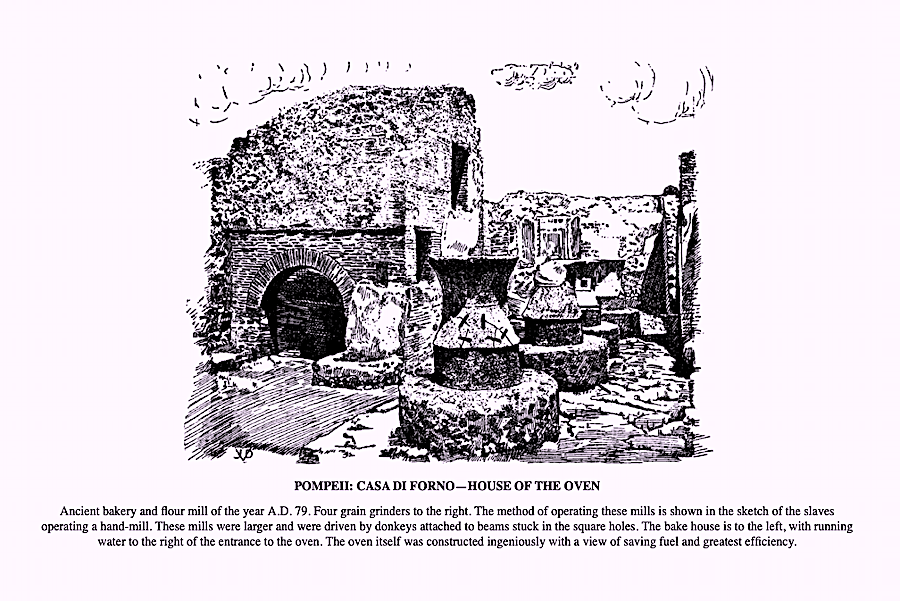
How to Bake Ancient Roman Bread Dat­ing Back to 79 AD: A Video Primer

The World’s Old­est Cook­book: Dis­cov­er 4,000-Year-Old Recipes from Ancient Baby­lon

Josh Jones is a writer and musi­cian based in Durham, NC. 

Why Knights Fought Snails in Medieval Illuminated Manuscripts

The snail may leave a trail of slime behind him, but a lit­tle slime will do a man no harm… whilst if you dance with drag­ons, you must expect to burn.

- George R. R. Mar­tin, The Mys­tery Knight

As any Game of Thrones fan knows, being a knight has its down­sides. It isn’t all pow­er, glo­ry, advan­ta­geous mar­riages and gifts rang­ing from cas­tles to bags of gold.

Some­times you have to fight a tru­ly for­mi­da­ble oppo­nent.

We’re not talk­ing about bun­nies here, though there’s plen­ty of doc­u­men­ta­tion to sug­gest medieval rab­bits were tough cus­tomers.

As Vox Almanac’s Phil Edwards explains, above, the many snails lit­ter­ing the mar­gins of 13th-cen­tu­ry man­u­scripts were also fear­some foes.

Boars, lions, and bears we can under­stand, but … snails? Why?

The­o­ries abound.

Detail from Brunet­to Latini’s Li Livres dou Tre­sor

Edwards favors the one in medieval­ist Lil­ian M. C. Randall’s 1962 essay “The Snail in Goth­ic Mar­gin­al War­fare.”

Ran­dall, who found some 70 instances of man-on-snail com­bat in 29 man­u­scripts dat­ing from the late 1200s to ear­ly 1300s, believed that the tiny mol­lusks were stand ins for the Ger­man­ic Lom­bards who invad­ed Italy in the 8th cen­tu­ry.

After Charle­magne trounced the Lom­bards in 772, declar­ing him­self King of Lom­bardy, the van­quished turned to usury and pawn­broking, earn­ing the enmi­ty of the rest of the pop­u­lace, even those who required their ser­vices.

Their pro­fes­sion con­ferred pow­er of a sort, the kind that tends to get one labelled cow­ard­ly, greedy, mali­cious … and easy to put down.

Which rather begs the ques­tion why the knights going toe-to- …uh, fac­ing off against them in the mar­gins of these illu­mi­nat­ed man­u­scripts look so damn intim­i­dat­ed.

(Con­verse­ly why was Rex Harrison’s Dr. Dolit­tle so unafraid of the Giant Pink Sea Snail?)

Detail from from MS. Roy­al 10 IV E (aka the Smith­field Dec­re­tals)

Let us remem­ber that the doo­dles in medieval mar­gin­a­lia are edi­to­r­i­al car­toons wrapped in enig­mas, much as today’s memes would seem, 800 years from now. What­ev­er point—or joke—the scribe was mak­ing, it’s been obscured by the mists of time.

And these things have a way of evolv­ing. The snail vs. knight motif dis­ap­peared in the 14th-cen­tu­ry, only to resur­face toward the end of the 15th, when any exist­ing sig­nif­i­cance would very like­ly have been tai­lored to fit the times.

Detail from The Mac­cles­field Psalter

Oth­er the­o­ries that schol­ars, art his­to­ri­ans, blog­gers, and arm­chair medieval­ists have float­ed with regard to the sym­bol­ism of these rough and ready snails haunt­ing the mar­gins:

The Res­ur­rec­tion

The high cler­gy, shrink­ing from prob­lems of the church

The slow­ness of time

The insu­la­tion of the rul­ing class

The aristocracy’s oppres­sion of the poor

A cri­tique of social climbers

Female sex­u­al­i­ty (isn’t every­thing?)

Vir­tu­ous humil­i­ty, as opposed to knight­ly pride

The snail’s reign of ter­ror in the gar­den (not so sym­bol­ic, per­haps…)

A prac­ti­cal-mind­ed Red­dit com­menter offers the fol­low­ing com­men­tary:

I like to imag­ine a monk draw­ing out his fan­tas­ti­cal day­dreams, the snail being his neme­sis, leav­ing unsight­ly trails across the page and him build­ing up in his head this great vic­to­ry where­in he van­quish­es them for­ev­er, nev­er again to be plagued by the beast­ly bug­gers while cre­at­ing his mas­ter­pieces.

Read­ers, any oth­er ideas?

Detail from The Gor­leston Psalter

Note: An ear­li­er ver­sion of this post appeared on our site in 2019.

Relat­ed Con­tent:

Killer Rab­bits in Medieval Man­u­scripts: Why So Many Draw­ings in the Mar­gins Depict Bun­nies Going Bad

Medieval Cats Behav­ing Bad­ly: Kit­ties That Left Paw Prints … and Peed … on 15th Cen­tu­ry Man­u­scripts

The Aberdeen Bes­tiary, One of the Great Medieval Illu­mi­nat­ed Man­u­scripts, Now Dig­i­tized in High Res­o­lu­tion & Made Avail­able Online

A Rab­bit Rides a Char­i­ot Pulled by Geese in an Ancient Roman Mosa­ic (2nd cen­tu­ry AD)

Ayun Hal­l­i­day is an author, illus­tra­tor, the­ater mak­er in New York City.

by | Permalink | Make a Comment ( 2 ) |

Watch Joan Baez Endearingly Imitate Bob Dylan (1972)

Joan Baez was already her­ald­ed as the “Queen of Folk” by the time Robert Zim­mer­man aka Bob Dylan arrived in New York City. Many things brought him to the bur­geon­ing folk scene there, but Baez was the siren who called to a young Dylan through his tele­vi­sion set long before he met her. He was smit­ten. He would write much lat­er in Chron­i­cles, Vol. 1, that she had “A voice that drove out bad spir­its… she sang in a voice straight to God… Noth­ing she did didn’t work.”

And for a cou­ple of years they became col­lab­o­ra­tors, part­ners, lovers, and folk roy­al­ty. It was Baez who intro­duced a then-unknown Dylan to the crowds at the 1963 New­port Folk Fes­ti­val. But soon, for­tunes changed: Dylan became an unstop­pable cul­tur­al force and Baez would be on the receiv­ing end of sev­er­al betray­als, artis­tic and oth­er­wise.

An excerpt from an Earl Scrug­gs doc­u­men­tary, the cute video above, shot by David Hoff­man and post­ed on his YouTube chan­nel, shows Baez imi­tat­ing Dylan after she sings a verse of “It Ain’t Me Babe”. (She does this while hold­ing her baby and try­ing to get it to drink from a pitch­er, too.) A 16-year-old Ricky Skaggs—not look­ing any­thing like a teenager—accompanies her on gui­tar.

For one thing she does a crackin’ good Dylan impres­sion. The oth­er is watch­ing the emo­tion behind that impression—there’s a lot of his­to­ry there, a bit of sad­ness, a bit of nos­tal­gia, noth­ing bit­ter or mean, but evi­dence of a shared life togeth­er that once exist­ed.

By this time in 1972, Dylan’s voice had matured. The croon­er on Nashville Sky­line was a dif­fer­ent per­son from the man on Blonde on Blonde, all those rough cor­ners sand­ed off and the reg­is­ter deep­ened. Yet when any­one imi­tates Dylan, they head on back to those mid-‘60s albums, the “bray­ing beat­nik” as writer Rob Jones calls him. (Jones posits that Dylan has had eight par­tic­u­lar voic­es dur­ing his career.)

Remem­ber, as Slate’s Carl Wil­son points out, when Dylan first start­ed out, he was com­mend­ed for his voice, and was con­sid­ered  “one of the most com­pelling white blues singers ever record­ed,” by Robert Shel­ton, who wrote the copy on the back cov­er of Dylan’s 1962 debut album. He came from a tra­di­tion of both Woody Guthrie and Howl­in’ Wolf, and sev­er­al oth­er idio­syn­crat­ic singers who didn’t sound like Frank Sina­tra. (Although Dylan’s last few projects have been cov­ers from the Great Amer­i­can Song­book.)

Dylan him­self, in a 2015 award accep­tance speech, turned his ire towards crit­ics of his voice:

Crit­ics have been giv­ing me a hard time since Day One. Crit­ics say I can’t sing. I croak. Sound like a frog. Why don’t crit­ics say that same thing about Tom Waits? Crit­ics say my voice is shot. That I have no voice. [Why] don’t they say those things about Leonard Cohen? Why do I get spe­cial treat­ment? Crit­ics say I can’t car­ry a tune and I talk my way through a song. Real­ly? I’ve nev­er heard that said about Lou Reed. Why does he get to go scot-free? … Slur my words, got no dic­tion. Have you peo­ple ever lis­tened to Charley Pat­ton or Robert John­son, Mud­dy Waters? … “Why me, Lord?” I would say that to myself.

Fast for­ward to the present and Dylan’s voice shows the wear of years of per­form­ing and years of indul­gence. It’s grav­el­ly and phleg­mat­ic, smoky and whiskey-soaked, but Wil­son points out: “Even the rasp and burr of his late voice, sev­er­al keen lis­ten­ers have noticed, is very much like a more gen­uine copy of the old-blues­man tim­bre he pre­ten­tious­ly affect­ed as a young man. It’s almost like this is what he’s been aim­ing toward.”

Note: An ear­li­er ver­sion of this post appeared on our site in 2018.

Relat­ed Con­tent:

Com­pare the “It Ain’t Me Babe” Scene from A Com­plete Unknown to the Real Bob Dylan & Joan Baez Per­for­mance at the New­port Folk Fes­ti­val

Joan Baez Live in 1965: Full Con­cert

Bob Dylan Explains Why Music Has Been Get­ting Worse

17-Year-Old Joan Baez Per­forms at Famous “Club 47” in Cam­bridge, MA (1958)

Bob Dylan’s Famous Tele­vised Press Con­fer­ence After He Went Elec­tric (1965)

Ted Mills is a free­lance writer on the arts.

by | Permalink | Make a Comment ( 2 ) |

What Is Kabbalah? An Introduction to the Jewish Mystical Tradition

Though the pop-cul­tur­al moment that gave rise to the asso­ci­a­tion has passed, when many of us hear about Kab­bal­ah, we still think of Madon­na. Her study of that Jew­ish-mys­tic school of thought in the nine­teen-nineties has been cred­it­ed, at least in part, with the son­ic trans­for­ma­tion that led to her hit album Ray of Light.  A few years lat­er, when she record­ed the theme song for the 2002 James Bond movie Die Anoth­er Day, she man­aged to include in its music video such Kab­bal­is­tic imagery as the Hebrew let­ters lamed, aleph, and vav — which come, as Reli­gion for Break­fast cre­ator Andrew M. Hen­ry says in the video above, from one of the 72 names of God accord­ing to Jew­ish tra­di­tion.

But what, exact­ly, is Kab­bal­ah? That’s the ques­tion Hen­ry takes it upon him­self to answer, attempt­ing to sep­a­rate the real thing from the pop-cul­tur­al ephemera that’s come to sur­round it.

This entails first going back to the ear­li­est Kab­bal­ists, “Jew­ish teach­ers, the­olo­gians, and philoso­phers” among “the edu­cat­ed elite of medieval Europe, liv­ing in Spain and France, writ­ing new and inno­v­a­tive stud­ies on Jew­ish texts and con­cepts about mys­ti­cal con­tem­pla­tion of the divine realms, the nature of God, the pur­pose of human­i­ty, and the cre­ation of the uni­verse.” They searched, and their suc­ces­sors have con­tin­ued to search, for secret divine wis­dom orig­i­nal­ly vouch­safed to Moses at Mount Sinai.

The word kab­bal­ah can be trans­lat­ed as “that which has been received,” but that may make the enter­prise sound sim­pler than it is. Hen­ry frames Kab­bal­ah as a series of tra­di­tions “encom­pass­ing sev­er­al modes of read­ing, a library of texts, a series of con­cepts, and a range of prac­tices with­in Judaism that is con­cerned with mys­ti­cal con­tem­pla­tion.” But what­ev­er their dif­fer­ences, most Kab­bal­ists revere con­cepts like Ein Sof, “an infi­nite imper­son­al god or supreme enti­ty or supreme enti­ty that we can­not describe with our own human fac­ul­ties,” and vast works like the nov­el­is­tic Zohar, or “The Book of Radi­ance,” in which “even the search for mys­ti­cal knowl­edge becomes sex­u­al­ized”: an aspect that, giv­en the skill with which she’s craft­ed her provoca­tive pop-icon image, Madon­na could hard­ly fail to appre­ci­ate.

Relat­ed con­tent:

The Tal­mud Is Final­ly Now Avail­able Online

Wal­ter Benjamin’s Philo­soph­i­cal Thought Pre­sent­ed by Two Exper­i­men­tal Films

The Ancient Greeks Who Con­vert­ed to Bud­dhism

The Ark Before Noah: Dis­cov­er the Ancient Flood Myths That Came Before the Bible

2,000-Year-Old Man­u­script of the Ten Com­mand­ments Gets Dig­i­tized: See/Download the “Nash Papyrus” in High Res­o­lu­tion

3,500 Occult Man­u­scripts Will Be Dig­i­tized & Made Freely Avail­able Online, Thanks to Da Vin­ci Code Author Dan Brown

Based in Seoul, Col­in Marshall writes and broad­casts on cities, lan­guage, and cul­ture. His projects include the Sub­stack newslet­ter Books on Cities and the book The State­less City: a Walk through 21st-Cen­tu­ry Los Ange­les. Fol­low him on the social net­work for­mer­ly known as Twit­ter at @colinmarshall.

2,178 Occult Books Now Digitized & Put Online, Thanks to the Ritman Library and Da Vinci Code Author Dan Brown

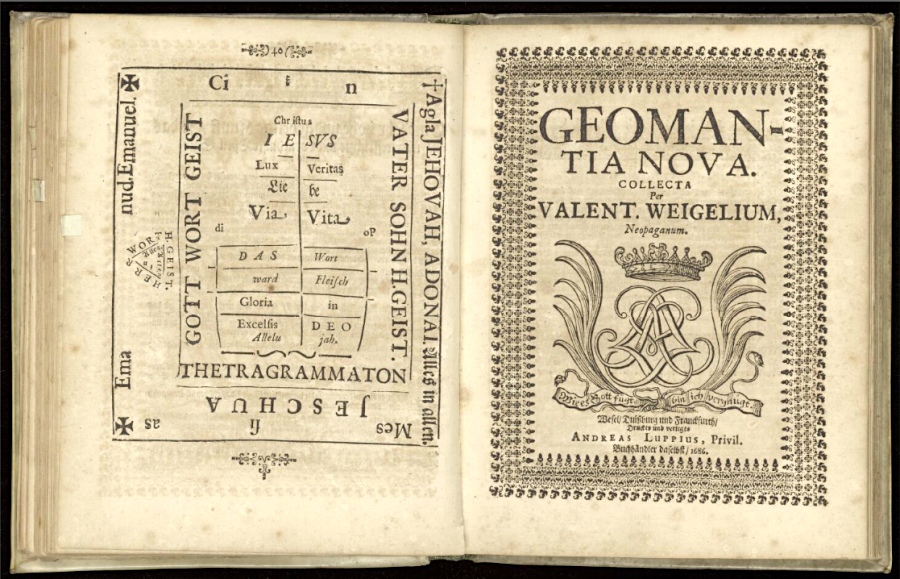
In 2018 we brought you some excit­ing news. Thanks to a gen­er­ous dona­tion from Da Vin­ci Code author Dan Brown, Amsterdam’s Rit­man Library—a siz­able col­lec­tion of pre-1900 books on alche­my, astrol­o­gy, mag­ic, and oth­er occult subjects—has been dig­i­tiz­ing thou­sands of its rare texts under a dig­i­tal edu­ca­tion project cheek­i­ly called “Her­met­i­cal­ly Open.” We are now pleased to report that the first 2,178 books from the Rit­man project have come avail­able in their online read­ing room.

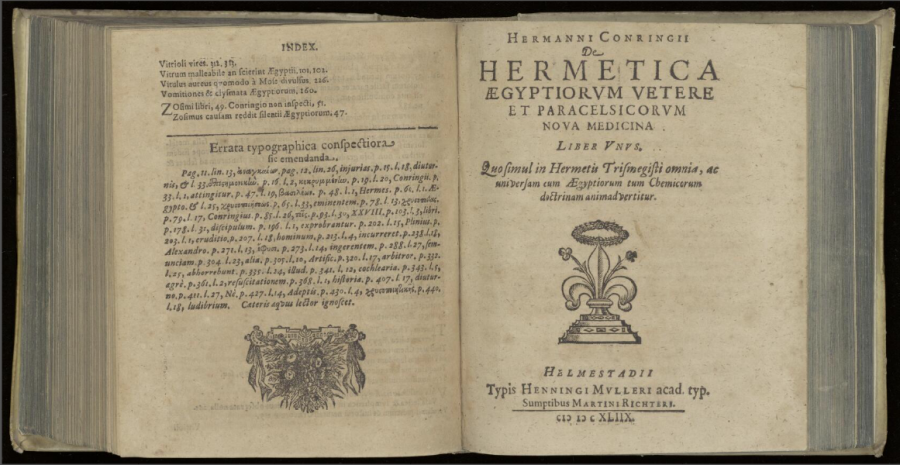
Vis­i­tors should be aware that these books are writ­ten in sev­er­al dif­fer­ent Euro­pean lan­guages. Latin, the schol­ar­ly lan­guage of Europe through­out the Medieval and Ear­ly Mod­ern peri­ods, pre­dom­i­nates, and it’s a pecu­liar Latin at that, laden with jar­gon and alchem­i­cal ter­mi­nol­o­gy. Oth­er books appear in Ger­man, Dutch, and French. Read­ers of some or all of these lan­guages will of course have an eas­i­er time than mono­lin­gual Eng­lish speak­ers, but there is still much to offer those vis­i­tors as well.

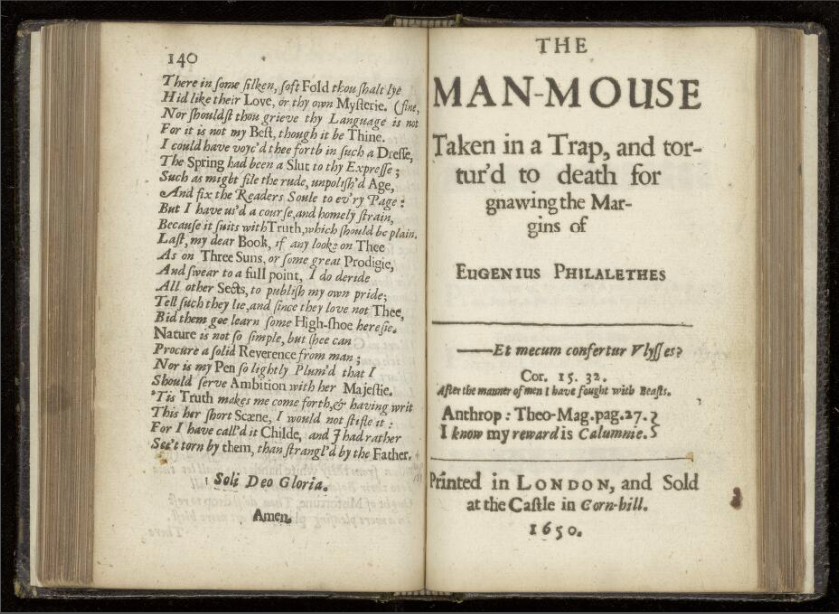
In addi­tion to the plea­sure of pag­ing through an old rare book, even vir­tu­al­ly, Eng­lish speak­ers can quick­ly find a col­lec­tion of read­able books by click­ing on the “Place of Pub­li­ca­tion” search fil­ter and select­ing Cam­bridge or Lon­don, from which come such notable works as The Man-Mouse Takin in a Trap, and tortur’d to death for gnaw­ing the Mar­gins of Euge­nius Phi­lalethes, by Thomas Vaugh­an, pub­lished in 1650.

The lan­guage is archaic—full of quirky spellings and uses of the “long s”—and the con­tent is bizarre. Those famil­iar with this type of writ­ing, whether through his­tor­i­cal study or the work of more recent inter­preters like Aleis­ter Crow­ley or Madame Blavatsky, will rec­og­nize the many for­mu­las: The trac­ing of mag­i­cal cor­re­spon­dences between flo­ra, fau­na, and astro­nom­i­cal phe­nom­e­na; the care­ful pars­ing of names; astrol­o­gy and lengthy lin­guis­tic ety­molo­gies; numero­log­i­cal dis­cours­es and philo­soph­i­cal poet­ry; ear­ly psy­chol­o­gy and per­son­al­i­ty typ­ing; cryp­tic, cod­ed mythol­o­gy and med­ical pro­ce­dures. Although we’ve grown accus­tomed through pop­u­lar media to think­ing of mag­i­cal books as cook­books, full of recipes and incan­ta­tions, the real­i­ty is far dif­fer­ent.

Encoun­ter­ing the vast and strange trea­sures in the online library, one thinks of the type of the magi­cian rep­re­sent­ed in Goethe’s Faust, holed up in his study,

Where even the wel­come day­light strains
But duski­ly through the paint­ed panes.
Hemmed in by many a top­pling heap
Of books worm-eat­en, gray with dust,
Which to the vault­ed ceil­ing creep

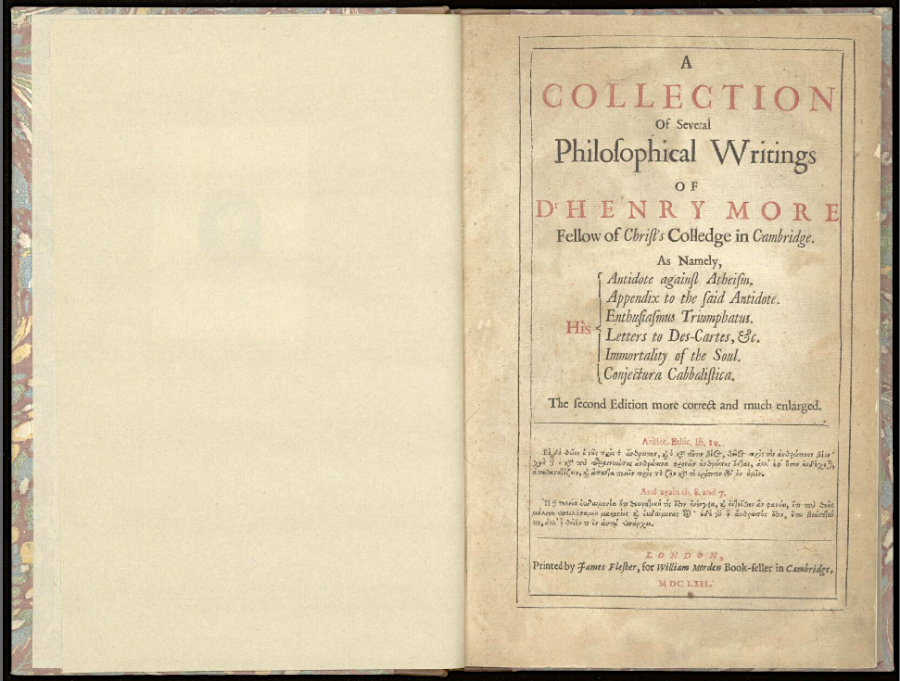
The library doesn’t only con­tain occult books. Like the weary schol­ar Faust, alchemists of old “stud­ied now Phi­los­o­phy / And Jurispru­dence, Med­i­cine,— / And even, alas! The­ol­o­gy.” Click on Cam­bridge as the place of pub­li­ca­tion and you’ll find the work above by Hen­ry More, “one of the cel­e­brat­ed ‘Cam­bridge Pla­ton­ists,’” the Lin­da Hall Library notes, “who flour­ished in mid-17th-cen­tu­ry and did their best to rec­on­cile Pla­to with Chris­tian­i­ty and the mechan­i­cal phi­los­o­phy that was begin­ning to make inroads into British nat­ur­al phi­los­o­phy.” Those who study Euro­pean intel­lec­tu­al his­to­ry know well that More’s pres­ence in this col­lec­tion is no anom­aly. For a few hun­dred years, it was dif­fi­cult, if not impos­si­ble, to sep­a­rate the pur­suits of the­ol­o­gy, phi­los­o­phy, med­i­cine, and sci­ence (or “nat­ur­al phi­los­o­phy”) from those of alche­my and astrol­o­gy. (Isaac New­ton is a famous exam­ple of a mathematician/scientist/alchemist/believer in strange apoc­a­lyp­tic pre­dic­tions.) Enter the Rit­man’s new dig­i­tal col­lec­tion of occult texts here.

Note: An ear­li­er ver­sion of this post appeared on our site in 2018.

Relat­ed Con­tent:

A Big Archive of Occult Record­ings: His­toric Audio Lets You Hear Trances, Para­nor­mal Music, Glos­so­lalia & Oth­er Strange Sounds (1905–2007)

Dis­cov­er The Key of Hell, an Illus­trat­ed 18th-Cen­tu­ry Guide to Black Mag­ic (1775)

Isaac Newton’s Recipe for the Myth­i­cal ‘Philosopher’s Stone’ Is Being Dig­i­tized & Put Online (Along with His Oth­er Alche­my Man­u­scripts)

Aleis­ter Crow­ley Reads Occult Poet­ry in the Only Known Record­ings of His Voice (1920)

The Sur­re­al Paint­ings of the Occult Magi­cian, Writer & Moun­taineer, Aleis­ter Crow­ley

Josh Jones is a writer and musi­cian based in Durham, NC. 

by | Permalink | Make a Comment ( 2 ) |

The Stunt That Ended Buster Keaton’s Brilliant Career

Buster Keaton’s pen­chant and skill for comedic stunts made him one of the biggest stars of the silent-film era.  Nobody at the time imag­ined that he would still be engag­ing in dan­ger­ous-look­ing prat­falls 40 years lat­er in his sev­en­ties, espe­cial­ly since his career seemed to have come to an end in 1926. That was the year of his Civ­il War-set film The Gen­er­al, which, though now crit­i­cal­ly respect­ed, left con­tem­po­rary audi­ences cold. Flops are, per­haps, inevitable, but this one hap­pened to incor­po­rate into the pic­ture the most expen­sive shot in cin­e­ma his­to­ry to date. As a result, says the Ming video above, “Keaton was nev­er giv­en con­trol over his films again.”

Iron­i­cal­ly, unlike the cin­e­mat­ic images that had made him famous, the $42,000 shot in The Gen­er­al did not put its direc­tor-star in appar­ent mor­tal per­il, depict­ing only a rail­road bridge col­laps­ing while a train cross­es it. Though undoubt­ed­ly impres­sive, it would­n’t have been what peo­ple went to a Buster Keaton movie to see.

Here was a man will­ing, after all, to fly from the back of a mov­ing street­car, dan­gle off the edge of a water­fall, risk being crushed by an entire wall of a house, and even break his neck — though he did­n’t dis­cov­er that he’d done so until eleven years lat­er. Mak­ing these and all of Keaton’s oth­er famous stunts involved con­sid­er­able amounts of both cal­cu­lat­ed dan­ger and movie mag­ic.

Some of that movie mag­ic was con­ceived by Keaton him­self, the first film­mak­er, in Quentin Taran­ti­no’s words, to “use cin­e­ma itself to be the joke.” Few per­form­ers could have adapt­ed so well to the medi­um of silent film, with its realms of silent com­e­dy just wait­ing to be opened. And after sound had been around for a few decades, long­time movie­go­ers start­ed to feel like cin­e­ma had lost some of the visu­al exu­ber­ance that it once pos­sessed. By that time, luck­i­ly, Keaton had emerged from his long post-Gen­er­al peri­od of hard-drink­ing malaise, ready to appear not just in the movies again, but also on tele­vi­sion, delight­ing the gen­er­a­tions who remem­bered his ear­li­er work and fas­ci­nat­ing those too young to rec­og­nize him. Even today, when we find our­selves laugh­ing at a scene of elab­o­rate­ly orches­trat­ed phys­i­cal dan­ger, we are, in some sense, wit­ness­ing Keaton’s lega­cy.

Relat­ed con­tent:

30 Buster Keaton Films: “The Great­est of All Com­ic Actors,” “One of the Great­est Film­mak­ers of All Time”

Watch the Only Time Char­lie Chap­lin & Buster Keaton Per­formed Togeth­er On-Screen (1952)

Char­lie Chap­lin & Buster Keaton Go Toe to Toe (Almost) in a Hilar­i­ous Box­ing Scene Mash Up from Their Clas­sic Silent Films

A Super­cut of Buster Keaton’s Most Amaz­ing Stunts

101 Free Silent Films: The Great Clas­sics

The Gen­er­al, “Per­haps the Great­est Film Ever Made,” and 20 Oth­er Buster Keaton Clas­sics Free Online

Based in Seoul, Col­in Marshall writes and broad­casts on cities, lan­guage, and cul­ture. His projects include the Sub­stack newslet­ter Books on Cities and the book The State­less City: a Walk through 21st-Cen­tu­ry Los Ange­les. Fol­low him on the social net­work for­mer­ly known as Twit­ter at @colinmarshall.

Tim Burton Visits a Paris Video Store & Talks About His Favorite Movies

Tim Bur­ton grew up watch­ing Japan­ese mon­ster movies in Bur­bank, which must explain a good deal about his artis­tic sen­si­bil­i­ty. It seems to be for that rea­son, in any case, that the new Kon­bi­ni “Vidéo Club” episode above takes him first to the Asian cin­e­ma sec­tion of JM Vidéo, one of Paris’ last two DVD rental shops. Ear­ly and repeat­ed expo­sure to such kai­ju clas­sics as Hon­da Ishirō’s Godzil­la and The War of the Gar­gan­tuas may have instilled him with an affec­tion for poor Eng­lish dub­bing, but it did­n’t rob him of his abil­i­ty to appre­ci­ate more refined (if equal­ly vis­cer­al) exam­ples of Japan­ese film like Shindō Kane­to’s Oni­ba­ba and Kuroneko.

Bur­ton describes those pic­tures as dream­like, a qual­i­ty he goes on to praise in oth­er selec­tions from a vari­ety of dif­fer­ent eras and cul­tures. Even cinephiles who don’t share his par­tic­u­lar taste in view­ing mate­r­i­al — bound on one end, it seems, by The Pas­sion of Joan of Arc and The Cab­i­net of Dr. Cali­gari, and on the oth­er by I Was a Teenage Were­wolf and The Brain That Would­n’t Die, with the likes of Jason and the Arg­onauts and The Fly in between — have to admit that this indi­cates a deep under­stand­ing of cin­e­ma itself.

It may be the art form whose expe­ri­ence is most sim­i­lar to dream­ing, but only occa­sion­al­ly through­out its his­to­ry have par­tic­u­lar films attained the sta­tus of the tru­ly oneir­ic. One sus­pects that Bur­ton knows them all.

In fact, one of the twen­ty-first cen­tu­ry’s most notable addi­tions to the canon of the dream­like won the Palme d’Or with Bur­ton’s involve­ment. This video includes his brief rem­i­nis­cences of being on the jury at the 2010 Cannes Film Fes­ti­val, where Apichat­pong Weerasethakul’s Uncle Boon­mee Who Can Recall His Past Lives took the top prize. That same year saw the release of Bur­ton’s own Alice in Won­der­land, which he describes as “the most chaot­ic movie I’ve ever made.” In 2019, he direct­ed his sec­ond live-action Dis­ney adap­ta­tion Dum­bo, which, though hard­ly a pas­sion project, was­n’t with­out its auto­bi­o­graph­i­cal res­o­nances: “At that point, I kind of felt like Dum­bo,” he admits, “a weird crea­ture trapped at Dis­ney.” Per­haps that long on-and-off cor­po­rate asso­ci­a­tion final­ly hav­ing come to an end, or so he sug­gests, means he’ll now be freer than ever to draw from the depths of his own cin­e­mat­ic sub­con­scious­ness.

Relat­ed con­tent:

Tim Bur­ton: A Look Inside His Visu­al Imag­i­na­tion

Watch Vin­cent, Tim Burton’s Ani­mat­ed Trib­ute to Vin­cent Price & Edgar Allan Poe (1982)

Tim Burton’s Hansel and Gre­tel Shot on 16mm Film with Ama­teur Japan­ese Actors (1983)

David Cro­nen­berg Vis­its a Video Store & Talks About His Favorite Movies

Christo­pher Nolan Vis­its a Paris Video Store & Talks with Cil­lian Mur­phy About the Films That Influ­enced Him

Watch The Cab­i­net of Dr. Cali­gari, the Influ­en­tial Ger­man Expres­sion­ist Hor­ror Film (1920)

Based in Seoul, Col­in Marshall writes and broad­casts on cities, lan­guage, and cul­ture. His projects include the Sub­stack newslet­ter Books on Cities and the book The State­less City: a Walk through 21st-Cen­tu­ry Los Ange­les. Fol­low him on the social net­work for­mer­ly known as Twit­ter at @colinmarshall.

« Go BackMore in this category... »
Quantcast