The Met Puts 650+ Japanese Illustrated Books Online: Marvel at Hokusai’s One Hundred Views of Mount Fuji and More

There are cer­tain Japan­ese wood­block prints many of us can pic­ture in our minds: Hoku­sai Kat­sushika’s The Great Wave off Kana­gawa, Uta­gawa Hiroshige’s Sud­den Show­er over Shin-Ōhashi bridge and Atake, Kita­gawa Uta­maro’s Three Beau­ties of the Present Day. Even when we find vast archives of such works, known as ukiyo‑e or “pic­tures of the float­ing world,” we tend to appre­ci­ate the works them­selves one piece at a time; we imag­ine them on walls, not in books. But it was in books that much of the work of ukiyo‑e mas­ters first appeared in the first place. Hoku­sai, Hiroshige, and Uta­maro, as the three are usu­al­ly called, “are best known today for their wood­block prints, but also excelled at illus­tra­tions for deluxe poet­ry antholo­gies and pop­u­lar lit­er­a­ture.”

So writes John Car­pen­ter, Cura­tor of the Depart­ment of Asian Art at the Met­ro­pol­i­tan Muse­um of Art, describ­ing the “fell swoop” in which the Met acquired “a superb col­lec­tion of Japan­ese books to com­ple­ment its excel­lent hold­ings in paint­ings and prints of the Edo peri­od (1615–1868).” Once the per­son­al col­lec­tion of Arthur and Char­lotte Ver­sh­bow, these books came into the muse­um’s pos­ses­sion in 2013, and have now come avail­able to browse on and even down­load from its web site.

Car­pen­ter describes the col­lec­tion as “par­tic­u­lar­ly strong in works by ukiyo‑e artists, but includes rep­re­sen­ta­tive exam­ples of all the var­i­ous schools of Japan­ese art. Includ­ed in the col­lec­tion of some 250 titles — more than 400 vol­umes — are numer­ous mas­ter­pieces of wood­block print­ing, many of which are near­ly impos­si­ble to find in such fine con­di­tion today.”

You’ll find in the Met’s online col­lec­tion not just the vol­umes from the Ver­sh­bow col­lec­tion, but “over 650 eigh­teenth- and nine­teenth-cen­tu­ry Japan­ese illus­trat­ed books” in total. Selec­tions include edi­tions of Uta­maro’s Gifts of the Ebb Tide (The Shell Book), Hiroshige’s Pic­ture Book of the Sou­venirs of Edo (the name of Tokyo in his day), and Hoku­sai’s One Hun­dred Views of Mount Fuji. You can also find books full of the work of ukiyo‑e mas­ters of whom you may not have heard, such as Kat­sukawa Shun­shō’s Mir­ror of Yoshi­wara Beau­ties, Kitao Masanobu’s A New Record Com­par­ing the Hand­writ­ing of the Cour­te­sans of the Yoshi­wara, and Uta­gawa Kunisada’s That Pur­ple Image in Mag­ic Lantern Shows. Though few of us today know Kunisada’s name, in the ear­ly to mid-nine­teenth cen­tu­ry his pop­u­lar rep­u­ta­tion far exceed­ed those of Hoku­sai, Hiroshige, and Uta­maro — not least because of how many could enjoy his work in books like these. Enter the col­lec­tion here.

Relat­ed Con­tent:

1,000+ His­toric Japan­ese Illus­trat­ed Books Dig­i­tized & Put Online by the Smith­son­ian: From the Edo & Meji Eras (1600–1912)

Enter a Dig­i­tal Archive of 213,000+ Beau­ti­ful Japan­ese Wood­block Prints

Down­load Hun­dreds of 19th-Cen­tu­ry Japan­ese Wood­block Prints by Mas­ters of the Tra­di­tion

1,000+ His­toric Japan­ese Illus­trat­ed Books Dig­i­tized & Put Online by the Smith­son­ian: From the Edo & Meji Eras (1600–1912)

Get Free Draw­ing Lessons from Kat­sushi­ka Hoku­sai, Who Famous­ly Paint­ed The Great Wave of Kana­gawa: Read His How-To Book, Quick Lessons in Sim­pli­fied Draw­ings

Based in Seoul, Col­in Mar­shall writes and broad­casts on cities, lan­guage, and cul­ture. His projects include the book The State­less City: a Walk through 21st-Cen­tu­ry Los Ange­les and the video series The City in Cin­e­ma. Fol­low him on Twit­ter at @colinmarshall or on Face­book.

Radical Women: Stream the Getty’s Podcast That Features Six Major 20th-Century Artists, All Female


Only recent­ly has “actor” become an accept­able gen­der-neu­tral term for per­form­ers of stage and screen.

Pri­or to that, we had “actor” and “actress,” and while there may have been some prob­lem­at­ic assump­tions con­cern­ing the type of woman who might be drawn to the pro­fes­sion, there was arguably lin­guis­tic par­i­ty between the two words.

Not so for artists.

In the not-so-dis­tant past, female artists invari­ably found them­selves referred to as “female artists.”

Not great, when male artists were referred to as (say it with me) “artists.”

The new sea­son of the Getty’s pod­cast Record­ing Artists pays trib­ute to six sig­nif­i­cant post-war artists—two Abstract Expres­sion­ists, a por­traitist, a per­for­mance artist and exper­i­men­tal musi­cian, and a print­mak­er who pro­gressed to assem­blage and col­lage works with an overt­ly social mes­sage.

Hope­ful­ly you won’t need to reach for your smelling salts upon dis­cov­er­ing that all six artists are female:

Alice Neel

Lee Kras­ner

Betye Saar

Helen Franken­thaler

Yoko Ono

and Eva Hesse

Host Helen Molesworth is also female, and up until recent­ly, served as the much admired Chief Cura­tor of LA’s Muse­um of Con­tem­po­rary Art. (Accord­ing to artist Lor­na Simp­son’s take on Molesworth’s abrupt dis­missal: “Women who have a point of view and stand by it are often pun­ished. Just because you get rid of Helen Molesworth doesn’t mean you have solved ‘the prob­lem.’)

Molesworth, who is joined by two art world guests per episode—some of them (gasp!) non-female—is the per­fect choice to con­sid­er the impact of the Rad­i­cal Women who give this sea­son its sub­ti­tle.

We also hear from the artists them­selves, in excepts from taped ’60s and ’70s-era inter­views with his­to­ri­ans Cindy Nemser and Bar­bara Rose.

Their can­did remarks give Molesworth and her guests a lot to con­sid­er, from the dif­fi­cul­ties of main­tain­ing a con­sis­tent artis­tic prac­tice after one becomes a moth­er to racial dis­crim­i­na­tion. A lot of atten­tion is paid to his­tor­i­cal con­text, even when it’s warts and all.

The late Alice Neel, a white artist best remem­bered for her por­traits of her black and brown East Harlem neigh­bors and friends, cracks wise about butch les­bians in Green­wich Vil­lage, prompt­ing Molesworth to remark that she thinks she—or any artist of her acquaintance—could have “eas­i­ly” swayed Neel to can the homo­pho­bic remarks.

It’s also pos­si­ble that Neel, who died in 1984, would have kept step with the times and made the nec­es­sary cor­rec­tion unprompt­ed, were she still with us today.


A cou­ple of the sub­jects, Yoko Ono and Betye Saar, are alive …and active­ly cre­at­ing art, though it’s their past work that seems to be the source of great­est fas­ci­na­tion.

When New York City’s Muse­um of Mod­ern Art reopened its doors fol­low­ing a major phys­i­cal and philo­soph­i­cal reboot, vis­i­tors were treat­ed to The Leg­ends of Black Girl’s Win­dow, an exhi­bi­tion of the 94-year-old Saar’s work from the ‘60s and ‘70s. New York­er crit­ic Doreen St. Félix bemoaned the “absence of explic­it­ly black-fem­i­nist works,” par­tic­u­lar­ly The Lib­er­a­tion of Aunt Jemi­ma, a mixed media assem­blage, Molesworth dis­cuss­es at length in the pod­cast episode ded­i­cat­ed to Saar.

MoMA also played host to a mas­sive exhi­bi­tion of Ono’s ear­ly work in 2015, prompt­ing the New York Times crit­ic Hol­land Cot­ter to pro­nounce her “imag­i­na­tive, tough-mind­ed and still under­es­ti­mat­ed.”

This is a far cry bet­ter than New York Times crit­ic Hilton Kramer’s dis­missal of Neel’s 1974 ret­ro­spec­tive at the Whit­ney, when the artist was 74 years old:

… the Whit­ney, which can usu­al­ly be count­ed on to do the wrong thing, devot­ed a solo exhi­bi­tion to Alice Neel, whose paint­ings (we can be rea­son­ably cer­tain) would nev­er have been accord­ed that hon­or had they been pro­duced by a man. The pol­i­tics of the sit­u­a­tion required that a woman be giv­en an exhi­bi­tion, and Alice Neel’s paint­ing was no doubt judged to be suf­fi­cient­ly bizarre, not to say inept, to qual­i­fy as some­thing ‘far out.’”

Twen­ty six years lat­er, his opin­ion of Neel’s tal­ent had not mel­lowed, though he had the polit­i­cal sense to dial down the misog­y­ny in his scathing Observ­er review of Neel’s third show at the Whit­ney…or did he? In cit­ing cura­tor Ann Temkin’s obser­va­tion that Neel paint­ed “with the eye of a car­i­ca­tur­ist” he makes sure to note that Neel’s sub­ject Annie Sprin­kle, “the porn star who became a per­for­mance artist, is her­self a car­i­ca­ture, no mock­ery was need­ed.”

One has to won­der if he would have described the artist’s nude self-por­trait at the age of 80 as that of “a geri­atric ruin” had the artist been a man.

Lis­ten to all six episodes of Record­ing Artists: Rad­i­cal Women and see exam­ples of each subject’s work here.

And while nei­ther Saar nor Ono added any cur­rent com­men­tary to the pod­cast, we encour­age you to check out the inter­views below in which they dis­cuss their recent work in addi­tion to reflect­ing on their long artis­tic careers:

“‘It’s About Time!’ Betye Saar’s Long Climb to the Sum­mit” (The New York Times, 2019)

“The Big Read – Yoko Ono: Imag­ine The Future” (NME, 2018)

via Hyper­al­ler­gic

Relat­ed Con­tent:

A Space of Their Own, a New Online Data­base, Will Fea­ture Works by 600+ Over­looked Female Artists from the 15th-19th Cen­turies

Women Who Draw: Explore an Open Direc­to­ry That Show­cas­es the Work of 5,000+ Female Illus­tra­tors

A New Archive Tran­scribes and Puts Online the Diaries & Note­books of Women Artists, Art His­to­ri­ans, Crit­ics and Deal­ers

Ayun Hal­l­i­day is an author, illus­tra­tor, the­ater mak­er and Chief Pri­ma­tol­o­gist of the East Vil­lage Inky zine.  Join her in NYC on Mon­day, Feb­ru­ary 3 when her month­ly book-based vari­ety show, Necro­mancers of the Pub­lic Domain cel­e­brates New York: The Nation’s Metrop­o­lis (1921). Fol­low her @AyunHalliday.

The Visionary Mystical Art of Carl Jung: See Illustrated Pages from The Red Book

Carl Jung’s Liber Novus, bet­ter known as The Red Book, has only recent­ly come to light in a com­plete Eng­lish trans­la­tion, pub­lished by Nor­ton in a 2009 fac­sim­i­le edi­tion and a small­er “reader’s edi­tion” in 2012. The years since have seen sev­er­al exhi­bi­tions of the book, which “could pass for a Bible ren­dered by a medieval monk,” writes art crit­ic Peter Frank, “espe­cial­ly for the care with which Jung entered his writ­ing as ornate Goth­ic script.”

Jung “refused to think of him­self as an ‘artist’” but “it’s no acci­dent the Liber Novus has been exhib­it­ed in muse­ums, or func­tioned as the nucle­us of ‘Ency­clo­pe­dic Palace,’ the sur­vey of vision­ary art in the 2013 Venice Bien­nale.” Jung’s elab­o­rate paint­ings show him “every bit the artist the medieval monk or Per­sian courtier was; his art hap­pened to be ded­i­cat­ed not to the glo­ry of God or king, but that of the human race.”

One could more accu­rate­ly say that Jung’s book was ded­i­cat­ed to the mys­ti­cal uncon­scious, a much more neb­u­lous and ocean­ic cat­e­go­ry. The “ocean­ic feeling”—a phrase coined in 1927 by French play­wright Romain Rol­land to describe mys­ti­cal oneness—so annoyed Sig­mund Freud that he dis­missed it as infan­tile regres­sion.

Freud’s antipa­thy to mys­ti­cism, as we know, did not dis­suade Jung, his one­time stu­dent and admir­er, from div­ing in and swim­ming to the deep­est depths. The voy­age began long before he met his famous men­tor. At age 11, Jung lat­er wrote in 1959, “I found that I had been in a mist, not know­ing how to dif­fer­en­ti­ate myself from things; I was just one among many things.”

Jung con­sid­ered his elab­o­rate dream/vision journal—kept from 1913 to 1930, then added to spo­rad­i­cal­ly until 1961—“the cen­tral work in his oeu­vre,” says Jung schol­ar Sonu Sham­dasani in the Rubin Muse­um intro­duc­tion above. “It is lit­er­al­ly his most impor­tant work.”

And yet it took Dr. Sham­dasani “three years to con­vince Jung’s fam­i­ly to bring the book out of hid­ing,” notes NPR. “It took anoth­er 13 years to trans­late it.” Part of the rea­son his heirs left the book hid­den in a Swiss vault for half a cen­tu­ry may be evi­dent in the only por­tion of the Red Book to appear in Jung’s life­time. “The Sev­en Ser­mons of the Dead.”

Jung had this text pri­vate­ly print­ed in 1916 and gave copies to select friends and fam­i­ly mem­bers. He com­posed it in 1913 in a peri­od of Gnos­tic stud­ies, dur­ing which he entered into vision­ary trance states, tran­scrib­ing his visions in note­books called the “Black Books,” which would lat­er be rewrit­ten in The Red Book.

You can see a page of Jung’s metic­u­lous­ly hand-let­tered man­u­script above. The “Ser­mons,” he wrote in a lat­er inter­pre­ta­tion, came to him dur­ing an actu­al haunt­ing:

The atmos­phere was thick, believe me! Then I knew that some­thing had to hap­pen. The whole house was filled as if there were a crowd present, crammed full of spir­its. They were packed deep right up to the door, and the air was so thick it was scarce­ly pos­si­ble to breathe. As for myself, I was all a‑quiver with the ques­tion: “For God’s sake, what in the world is this?” Then they cried out in cho­rus, “We have come back from Jerusalem where we found not what we sought/’ That is the begin­ning of the Septem Ser­mones. 

The strange, short “ser­mons” are dif­fi­cult to cat­e­go­rize. They are awash in Gnos­tic the­ol­o­gy and occult terms like “plero­ma.” The great mys­ti­cal one­ness of ocean­ic feel­ing also took on a very sin­is­ter aspect in the demigod Abraxas, who “beget­teth truth and lying, good and evil, light and dark­ness, in the same word and in the same act. Where­fore is Abraxas ter­ri­ble.”

There are tedious, didac­tic pas­sages, for con­verts only, but much of Jung’s writ­ing in the “Sev­en Ser­mons,” and through­out The Red Book, is filled with strange obscure poet­ry, com­ple­ment­ed by his intense illus­tra­tions. Jung “took on the sim­i­lar­ly styl­ized and beau­ti­ful man­ners of non-west­ern word-image con­fla­tion,” writes Frank, “includ­ing Per­sian minia­ture paint­ing and east Asian cal­lig­ra­phy.”

If The Red Book is, as Sham­dasani claims, Jung’s most impor­tant work—and Jung him­self, though he kept it qui­et, seemed to think it was—then we may in time come to think of him as not only as an inspir­er of eccen­tric artists, but as an eccen­tric artist him­self, on par with the great illu­mi­na­tors and vision­ary mys­tic poet/painters.

Relat­ed Con­tent:

Carl Jung: Tarot Cards Pro­vide Door­ways to the Uncon­scious, and Maybe a Way to Pre­dict the Future

The Famous Break Up of Sig­mund Freud & Carl Jung Explained in a New Ani­mat­ed Video

Carl Jung Explains His Ground­break­ing The­o­ries About Psy­chol­o­gy in a Rare Inter­view (1957)

Josh Jones is a writer and musi­cian based in Durham, NC. Fol­low him at @jdmagness

China’s 8,000 Terracotta Warriors: An Animated & Interactive Introduction to a Great Archaeological Discovery

Unless you’re a Chi­nese his­to­ry buff, the name of Qin Shi Huang may not imme­di­ate­ly ring a bell. But per­haps his accom­plish­ments will sound famil­iar. “He con­quered the war­ring states that sur­round­ed him, cre­at­ing the first uni­fied Chi­nese empire” — mak­ing him the very first emper­or of Chi­na — “and enact­ed a num­ber of mea­sures to cen­tral­ize his admin­is­tra­tion and bol­ster infra­struc­ture,” writes Smithsonian.com’s Brig­it Katz. “In addi­tion to stan­dard­iz­ing weights, mea­sures and the writ­ten lan­guage, the young ruler con­struct­ed a series of for­ti­fi­ca­tions that lat­er became the basis for the Great Wall.”

Sec­ond only to the Great Wall as an ancient Chi­nese arti­fact of note is Emper­or Qin’s army: not the liv­ing army he main­tained to defend and expand his empire, fear­some though it must have been, but the even more impres­sive one made out of ter­ra­cot­ta.

“In 1974, farm­ers dig­ging a well near their small vil­lage stum­bled upon one of the most impor­tant finds in archae­o­log­i­cal his­to­ry,” says the TED-Ed les­son writ­ten by Megan Camp­isi and Pen-Pen Chen above: “a vast under­ground cham­ber sur­round­ing the emper­or’s tomb, and con­tain­ing more than 8,000 life-size clay sol­diers, ready for bat­tle,” all com­mis­sioned by Qin, who after ascend­ing to the throne at age thir­teen “began the con­struc­tion of a mas­sive under­ground necrop­o­lis filled with mon­u­ments, arti­facts, and an army to accom­pa­ny him into the next world and con­tin­ue his rule.”

Qin’s ceram­ic sol­diers, 200 more of which have been dis­cov­ered over the past decade, have stood ready in bat­tle for­ma­tion for well over 2000 years now. Stored in the same area’s under­ground cham­bers are 130 char­i­ots with 520 hors­es, 150 cav­al­ry hors­es, and a vari­ety of musi­cians, acro­bats, work­ers, gov­ern­ment offi­cials, and exot­ic ani­mals — all made of ter­ra­cot­ta, all life-size, and each with its own painstak­ing­ly craft­ed unique­ness. They pop­u­late what we now call a necrop­o­lis, an elab­o­rate­ly designed “city of the dead” built around a mau­soleum. You can get a 360-degree view of a sec­tion of Qin’s necrop­o­lis above, as well as a deep­er look into its his­tor­i­cal back­ground from the BBC doc­u­men­tary New Secrets of the Ter­ra­cot­ta War­riors, the BBC doc­u­men­tary above, and this episode of PBS’ Secrets of the Dead.

Why direct so much mate­r­i­al and labor to such a seem­ing­ly obscure project? Qin, who also showed a great inter­est in search­ing far-flung lands for life-pro­long­ing elixirs, must have con­sid­ered build­ing a well-pop­u­lat­ed necrop­o­lis a rea­son­able bet to secure for him­self a place in eter­ni­ty. Nor was such an endeav­or with­out prece­dent, and in fact Qin’s ver­sion rep­re­sent­ed a civ­i­liz­ing step for­ward for the necrop­o­lis. “Ruth­less as he was,” write Camp­isi and Chen, he at least “chose to have ser­vants and sol­diers built for this pur­pose, rather than hav­ing liv­ing ones sac­ri­ficed to accom­pa­ny him, as had been prac­ticed in Egypt, West Africa, Ana­to­lia, parts of North Amer­i­ca,” and even pre­vi­ous Chi­nese dynas­ties. “You can’t take it with you,” we often hear today regard­ing the amass­ment of wealth in one’s life­time — but maybe, as Qin must have thought, you can take them.

Relat­ed Con­tent:

One of World’s Old­est Books Print­ed in Mul­ti-Col­or Now Opened & Dig­i­tized for the First Time

How Ancient Greek Stat­ues Real­ly Looked: Research Reveals Their Bold, Bright Col­ors and Pat­terns

Roman Stat­ues Weren’t White; They Were Once Paint­ed in Vivid, Bright Col­ors

What Ancient Chi­nese Phi­los­o­phy Can Teach Us About Liv­ing the Good Life Today: Lessons from Harvard’s Pop­u­lar Pro­fes­sor, Michael Puett

3D Scans of 7,500 Famous Sculp­tures, Stat­ues & Art­works: Down­load & 3D Print Rodin’s Thinker, Michelangelo’s David & More

Based in Seoul, Col­in Mar­shall writes and broad­casts on cities, lan­guage, and cul­ture. His projects include the book The State­less City: a Walk through 21st-Cen­tu­ry Los Ange­les and the video series The City in Cin­e­ma. Fol­low him on Twit­ter at @colinmarshall or on Face­book.

When Salvador Dali Met Sigmund Freud, and Changed Freud’s Mind About Surrealism (1938)

The close asso­ci­a­tions between Sur­re­al­ism and Freudi­an psy­cho­analy­sis were lib­er­al­ly encour­aged by the most famous pro­po­nent of the move­ment, Sal­vador Dalí, who con­sid­ered him­self a devot­ed fol­low­er of Freud. We don’t have to won­der what the founder of psy­cho­analy­sis would have thought of his self-appoint­ed pro­tégé.

We have them record­ing, in their own words, their impres­sions of their one and only meeting—which took place in July of 1938, at Freud’s home in Lon­don. Freud was 81, Dali 34. We also have sketch­es Dali made of Freud while the two sat togeth­er. Their mem­o­ries of events, shall we say, dif­fer con­sid­er­ably, or at least they seemed total­ly bewil­dered by each oth­er. (Freud pro­nounced Dali a “fanat­ic.”)

In any case, There’s absolute­ly no way the encounter could have lived up to Dali’s expec­ta­tions, as the Freud Muse­um Lon­don notes:

[Dalí] had already trav­elled to Vien­na sev­er­al times but failed to make an intro­duc­tion. Instead, he wrote in his auto­bi­og­ra­phy, he spent his time hav­ing “long and exhaus­tive imag­i­nary con­ver­sa­tions” with his hero, at one point fan­ta­siz­ing that he “came home with me and stayed all night cling­ing to the cur­tains of my room in the Hotel Sach­er.”

Freud was cer­tain­ly not going to indulge Dalí’s pecu­liar fan­tasies, but what the artist real­ly want­ed was val­i­da­tion of his work—and maybe his very being. “Dali had spent his teens and ear­ly twen­ties read­ing Freud’s works on the uncon­scious,” writes Paul Gal­lagher at Dan­ger­ous Minds, “on sex­u­al­i­ty and The Inter­pre­ta­tion of Dreams.” He was obsessed. Final­ly meet­ing Freud in ’38, he must have felt “like a believ­er might feel when com­ing face-to-face with God.”

He brought with him his lat­est paint­ing The Meta­mor­pho­sis of Nar­cis­sus, and an arti­cle he had pub­lished on para­noia. This, espe­cial­ly, Dali hoped would gain the respect of the elder­ly Freud.

Try­ing to inter­est him, I explained that it was not a sur­re­al­ist diver­sion, but was real­ly an ambi­tious­ly sci­en­tif­ic arti­cle, and I repeat­ed the title, point­ing to it at the same time with my fin­ger. Before his imper­turbable indif­fer­ence, my voice became invol­un­tar­i­ly sharp­er and more insis­tent.

On being shown the paint­ing, Freud sup­pos­ed­ly said, “in clas­sic paint­ings I look for the uncon­scious, but in your paint­ings I look for the con­scious.” The com­ment stung, though Dali wasn’t entire­ly sure what it meant. But he took it as fur­ther evi­dence that the meet­ing was a bust. Sketch­ing Freud in the draw­ing below, he wrote, “Freud’s cra­ni­um is a snail! His brain is in the form of a spiral—to be extract­ed with a nee­dle!”

One might see why Freud was sus­pi­cious of Sur­re­al­ists, “who have appar­ent­ly cho­sen me as their patron saint,” he wrote to Ste­fan Zweig, the mutu­al friend who intro­duced him to Dali. In 1921, poet and Sur­re­al­ist man­i­festo writer André Bre­ton “had shown up unin­vit­ed on [Freud’s] doorstep.” Unhap­py with his recep­tion, Bre­ton pub­lished a “bit­ter attack,” call­ing Freud an “old man with­out ele­gance” and lat­er accused Freud of pla­gia­riz­ing him.

Despite the mem­o­ry of this nas­ti­ness, and Freud’s gen­er­al dis­taste for mod­ern art, he could­n’t help but be impressed with Dali. “Until then,” he wrote to Zweig, “I was inclined to look upon the sur­re­al­ists… as absolute (let us say 95 per­cent, like alco­hol), cranks. That young Spaniard, how­ev­er, with his can­did and fanat­i­cal eyes, and his unde­ni­able tech­ni­cal mas­tery, has made me recon­sid­er my opin­ion.”

via Dan­ger­ous Minds

Relat­ed Con­tent:

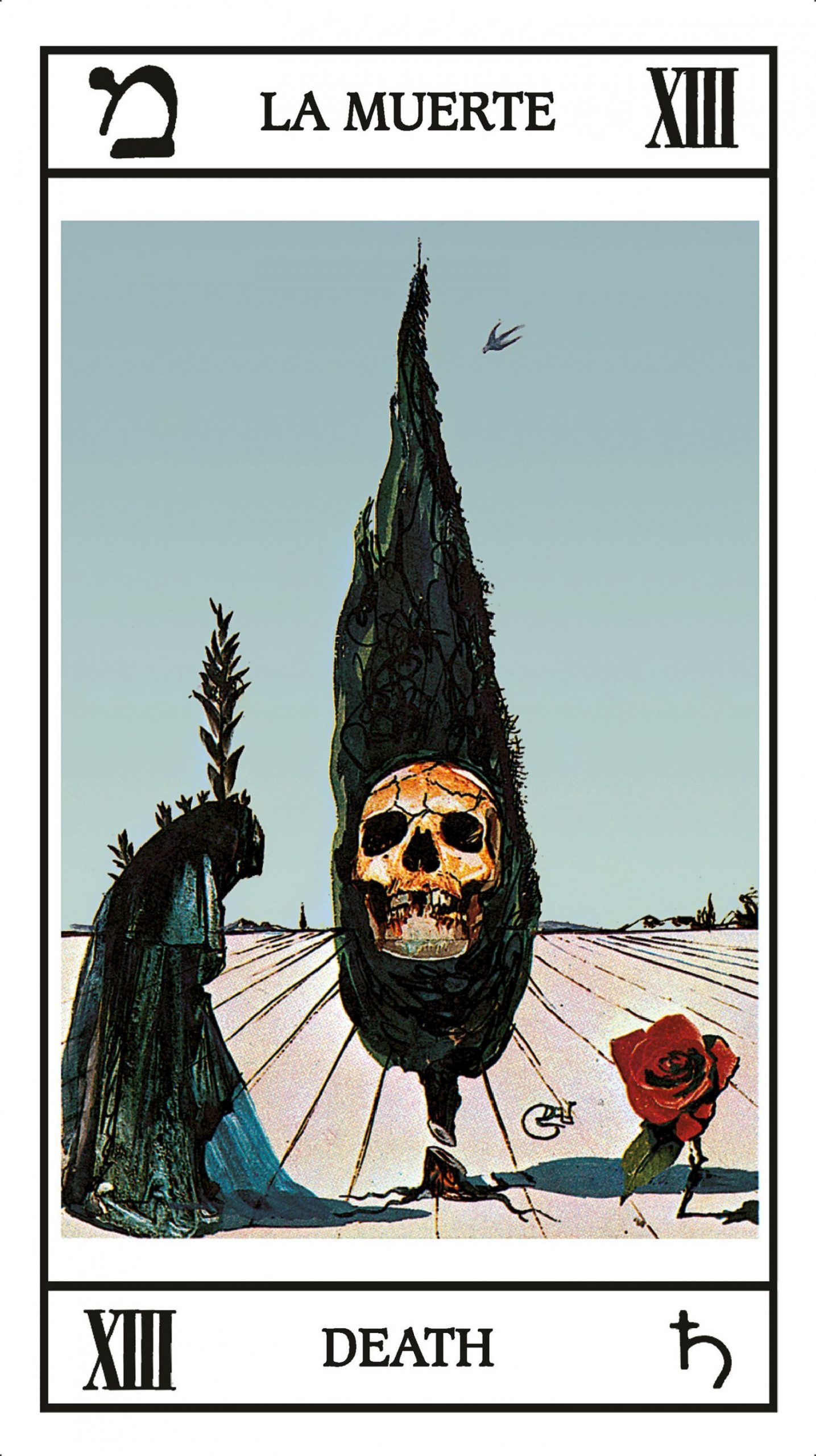
Sal­vador Dalí’s Tarot Cards Get Re-Issued: The Occult Meets Sur­re­al­ism in a Clas­sic Tarot Card Deck

George Orwell Reviews Sal­vador Dali’s Auto­bi­og­ra­phy: “Dali is a Good Draughts­man and a Dis­gust­ing Human Being” (1944)

The Famous Break Up of Sig­mund Freud & Carl Jung Explained in a New Ani­mat­ed Video

Josh Jones is a writer and musi­cian based in Durham, NC. Fol­low him at @jdmagness

A Medical Student Creates Intricate Anatomical Embroideries of the Brain, Heart, Lungs & More

My first thought upon see­ing the del­i­cate, anato­my-based work of the 23-year-old embroi­dery artist and med­ical stu­dent Emmi Khan was that the Girl Scouts must have expand­ed the cat­e­gories of skills eli­gi­ble for mer­it badges.

(If mem­o­ry serves, there was one for embroi­dery, but it cer­tain­ly didn’t look like a cross-sec­tioned brain, or a sinus cav­i­ty.)

Clos­er inspec­tion revealed that the cir­cu­lar views of Khan’s embroi­deries are not quite as tiny as the round badges stitched to high achiev­ing Girl Scouts’ sash­es, but rather still framed in the wood­en hoops that are an essen­tial tool of this artist’s trade.

Meth­ods both sci­en­tif­ic and artis­tic are a source of fas­ci­na­tion for Khan, who began tak­ing needle­work inspi­ra­tion from anato­my as an under­grad study­ing bio­med­ical sci­ences. As she writes on her Mol­e­c­u­lart web­site:

Sci­ence has par­tic­u­lar meth­ods: it is fun­da­men­tal­ly objec­tive, con­trolled, empir­i­cal. Sim­i­lar­ly, art has par­tic­u­lar meth­ods: there is an empha­sis on sub­jec­tiv­i­ty and explo­ration, but there is also an ele­ment of reg­u­la­tion regard­ing how art is cre­at­ed… e.g. what type of nee­dle to use to embroi­der or how to prime a can­vas.

The pro­ce­dures and tech­niques adopt­ed by sci­en­tists and artists may be very dif­fer­ent. Ulti­mate­ly, how­ev­er, they both have a com­mon aim. Artists and sci­en­tists both want to 1) make sense of the vast­ness around them in new ways, and 2) present and com­mu­ni­cate it to oth­ers through their own vision. 

A glimpse at the flow­ers, intri­cate stitch­es, and oth­er dain­ties that pop­u­late her Pin­ter­est boards offers a fur­ther peek into Khan’s meth­ods, and might prompt some read­ers to pick up a nee­dle them­selves, even those with no imme­di­ate plans to embroi­der a kary­otype or The Cir­cle of Willis, the cir­cu­lar anas­to­mo­sis of arter­ies at the base of the brain.

The Cardiff-based med­ical stu­dent delights in embell­ish­ing her thread­ed obser­va­tions of inter­nal organs with the occa­sion­al dec­o­ra­tive element—sunflowers, posies, and the like…

She makes her­self avail­able on social media to answer ques­tions on sub­jects rang­ing from embroi­dery tips to her rela­tion­ship to sci­ence as a devout Mus­lim, and to share works in progress, like a set of lungs that embody the Four Sea­sons, com­mis­sioned by a cus­tomer in the States.

To see more of Emmi Khan’s work, includ­ing a down­load­able anatom­i­cal flo­ral heart embroi­dery pat­tern, vis­it Mol­e­c­u­larther Insta­gram page, or her Etsy shop.

via Colos­sal

Relat­ed Con­tent:

Behold an Anatom­i­cal­ly Cor­rect Repli­ca of the Human Brain, Knit­ted by a Psy­chi­a­trist

An Artist Cro­chets a Life-Size, Anatom­i­cal­ly-Cor­rect Skele­ton, Com­plete with Organs

Watch Nina Paley’s “Embroi­der­ma­tion,” a New, Stun­ning­ly Labor-Inten­sive Form of Ani­ma­tion

Ayun Hal­l­i­day is an author, illus­tra­tor, the­ater mak­er and Chief Pri­ma­tol­o­gist of the East Vil­lage Inky zine.  Join her in NYC on Mon­day, Feb­ru­ary 3 when her month­ly book-based vari­ety show, Necro­mancers of the Pub­lic Domain cel­e­brates New York: The Nation’s Metrop­o­lis (1921). Fol­low her @AyunHalliday.

How to Draw Like an Architect: An Introduction in Six Videos

That we pass through life with­out real­ly per­ceiv­ing our sur­round­ings has long been a com­mon­place. How can we cure our­selves of this regret­table con­di­tion? Before we can learn to notice more of what’s around us, we must have a process to test how much we already notice. Many artists and all archi­tects already have one: draw­ing, the process of record­ing one’s per­cep­tions direct­ly onto the page. But while artists may take their lib­er­ties with phys­i­cal real­i­ty — it isn’t called “artis­tic license” by coin­ci­dence — archi­tects draw with more rep­re­sen­ta­tion­al­ly rig­or­ous expec­ta­tions in mind.

Though we can height­en our aware­ness of the built envi­ron­ment around us by prac­tic­ing archi­tec­tur­al draw­ing, we need not learn only from archi­tects. In the video at the top of the post, a Youtu­ber named Shadya Camp­bell who deals with cre­ativ­i­ty more gen­er­al­ly offers a primer on how to draw build­ings — or, per­haps less intim­i­dat­ing­ly, on “archi­tec­tur­al doo­dles for begin­ners.” As an exam­ple, she works through a draw­ing of Paris’ Notre-Dame cathe­dral (mere weeks, inci­den­tal­ly, before the fire of last April so dra­mat­i­cal­ly altered its appear­ance), using a sim­ple head-on view­point that nev­er­the­less pro­vides plen­ty of oppor­tu­ni­ty to prac­tice cap­tur­ing its shapes and fill­ing in its details.

Below that, archi­tect Llyan Aus­tria goes a step fur­ther by intro­duc­ing a few draw­ing prac­tices from the pro­fes­sion under the ban­ner of his “top six archi­tec­ture sketch­ing tech­niques.” Much of his guid­ance has to do with draw­ing some­thing as sim­ple — or as seem­ing­ly sim­ple — as a line: he rec­om­mends begin­ning with the most gen­er­al out­lines of a space or build­ing and fill­ing in the details lat­er, empha­siz­ing the start and end of each line, and let­ting the lines that meet over­lap. To get slight­ly more tech­ni­cal, he also intro­duces the meth­ods of per­spec­tive, used to make archi­tec­tur­al draw­ings look more real­is­ti­cal­ly three-dimen­sion­al.

When you intro­duce per­spec­tive to your draw­ings, you have three types to choose from, one-point, two-point, and three-point. A draw­ing in one-point per­spec­tive, the sim­plest of the three, has only a sin­gle “van­ish­ing point,” the point at which all of its par­al­lel lines seem to con­verge, and is most com­mon­ly used to ren­der inte­ri­ors (or to com­pose shots in Stan­ley Kubrick movies). In two-point per­spec­tive, two van­ish­ing points make pos­si­ble more angles of view­ing, look­ing not just straight down a hall, for exam­ple, but at the cor­ner of a build­ing’s exte­ri­or. With the third van­ish­ing point incor­po­rat­ed into three-point per­spec­tive, you can draw from a high angle, the “bird’s eye view,” or a low angle, the “wor­m’s eye view.”

You can learn how to draw from all three types of per­spec­tive in “How to Draw in Per­spec­tive for Begin­ners,” a video from Youtube chan­nel Art of Wei. Below that comes the more specif­i­cal­ly archi­tec­ture-mind­ed “How to Draw a House in Two Point Per­spec­tive” from Tom McPher­son­’s Cir­cle Line Art School. After a lit­tle prac­tice, you’ll soon be ready to enrich your archi­tec­tur­al draw­ing skills, how­ev­er rudi­men­ta­ry they may be, with advice both by and for archi­tec­ture pro­fes­sion­als. At his chan­nel 30X40 Design Work­shop, archi­tect Eric Rein­holdt has pro­duced videos on all aspects of the prac­tice, and below you’ll find his video of “essen­tial tips” on how to draw like an archi­tect.”

In this video and anoth­er on archi­tec­tur­al sketch­ing, Rein­holdt offers such prac­ti­cal advice as pulling your pen or pen­cil instead of push­ing it, mov­ing your arm rather than just piv­ot­ing at the wrist, and mak­ing “sin­gle, con­tin­u­ous, con­fi­dent strokes.” He also goes over the impor­tance of line weight — that is, the rel­a­tive dark­ness and thick­ness of lines — and how it can help view­ers to feel what in a draw­ing is sup­posed to be where. But we can’t ben­e­fit from any of this if we don’t also do as he says and make draw­ing a habit, switch­ing up our loca­tion and mate­ri­als as nec­es­sary to keep our minds engaged. That goes whether we have a pro­fes­sion­al or edu­ca­tion­al inter­est in archi­tec­ture or whether we just want to learn to see the ever-shift­ing mix­ture of man­made and nat­ur­al forms that sur­rounds us in all its rich­ness.

Relat­ed Con­tent:

How to Write Like an Archi­tect: Short Primers on Writ­ing with the Neat, Clean Lines of a Design­er

How to Draw the Human Face & Head: A Free 3‑Hour Tuto­r­i­al

Car­toon­ist Lyn­da Bar­ry Teach­es You How to Draw

Mil­ton Glaser Draws Shake­speare & Explains Why Draw­ing is the Key to Under­stand­ing Life

The Ele­ments of Draw­ing: A Free Course from Oxford

Watch 50+ Doc­u­men­taries on Famous Archi­tects & Build­ings: Bauhaus, Le Cor­busier, Hadid & Many More

Based in Seoul, Col­in Mar­shall writes and broad­casts on cities, lan­guage, and cul­ture. His projects include the book The State­less City: a Walk through 21st-Cen­tu­ry Los Ange­les and the video series The City in Cin­e­ma. Fol­low him on Twit­ter at @colinmarshall or on Face­book.

Art Record Covers: A Book of Over 500 Album Covers Created by Famous Visual Artists

The list of musi­cians who are also visu­al artists goes on and on. We’re all famil­iar with the biggest names: David Bowie, Pat­ti Smith, Miles Davis, Joni Mitchell, Cap­tain Beef­heart, etc, etc, etc. Less­er-known alter­na­tive and indie artists like Stone Ros­es gui­tarist John Squire and Austin singer/songwriter Daniel John­ston cre­at­ed icon­ic imagery that adorned their album cov­ers and mer­chan­dise.

Such mul­ti­tal­ent­ed indi­vid­u­als embody the kin­ship of sound and vision. But so too do the many col­lab­o­ra­tions between musi­cians and fine artists—hun­dreds of whom have gift­ed their tal­ents to album cov­ers of every con­ceiv­able kind.

Aside from obvi­ous, his­toric exam­ples (Andy Warhol’s Vel­vet Under­ground cov­ers come imme­di­ate­ly to mind) such col­lab­o­ra­tions are often hid­ing in plain sight. Per­haps you did not know, for exam­ple, that the allur­ing yet mys­te­ri­ous deep blue pho­to­graph of Björk on the cov­er of her remix album Telegram is by Nobuyoshi Ara­ki, one of Japan’s most admired and pro­lif­ic fine art pho­tog­ra­phers.

Maybe you were unaware of how Con­cep­tu­al artist Bar­bara Kruger, whose work “speaks truth to pow­er,” con­tributed to the look of the 90s activist indus­tri­al hip-hop group Con­sol­i­dat­ed. Or how Yay­oi Kusama leant her eye-pop­ping dots to Towa Tei’s boun­cy, elec­tron­ic pop for the for­mer Deee-Lite DJ’s 2013 album Lucky.

We all know that Pat­ti Smith’s debut album, Hors­es, fea­tures an icon­ic cov­er pho­to by her friend Robert Map­plethor­pe. But did you know that the cov­er of Metallica’s 1996 album Load is a pho­to­graph­ic study by artist Andreas Ser­ra­no—of Piss Christ fame—that min­gles cow blood and his own semen between sheets of plex­i­glass?

You’ll find hun­dreds more such col­lab­o­ra­tions, though few as vis­cer­al, in Taschen’s new book Art Record Cov­ers, a cel­e­bra­tion of sound and vision in pop­u­lar music. True to the arts publisher’s rep­u­ta­tion for cof­fee table books the size of cof­fee tables, this sur­vey is a com­pre­hen­sive as they come.

The book presents 500 cov­ers and records by visu­al artists from the 1950s through to today, explor­ing how mod­ernism, Pop Art, Con­cep­tu­al Art, post­mod­ernism, and var­i­ous forms of con­tem­po­rary art prac­tice have all informed this col­lat­er­al field of visu­al pro­duc­tion and sup­port­ed the mass dis­tri­b­u­tion of music with defin­ing imagery that swift­ly and sug­ges­tive­ly evokes an aur­al encounter.

Along the way, we find Jean-Michel Basquiat’s urban hiero­glyphs for his own Tar­town record label, Banksy’s sten­ciled graf­fi­ti for Blur, Damien Hirst’s sym­bol­ic skull for the Hours, and a skew­ered Sal­vador Dalí but­ter­fly on Jack­ie Gleason’s Lone­some Echo.

Edi­tor Francesco Spamp­ina­to, an art his­to­ri­an study­ing at the Sor­bonne Nou­velle in Paris, has most­ly kept the focus on pop, rock, punk, met­al, alter­na­tive, and indie. Includ­ing the full breadth of jazz, avant-garde, and oth­er world musics would offer exam­ples enough to jus­ti­fy anoth­er vol­ume or two of Art Record Cov­ers.

The focus is suit­ably broad, nonethe­less, to show how “visu­al and music pro­duc­tion have had a par­tic­u­lar­ly inti­mate rela­tion­ship… since the dawn of mod­ernism…. From Lui­gi Russolo’s 1913 Futur­ist man­i­festo L’Arte dei Rumori (The Art of Noise) to Mar­cel Duchamp’s 1925 dou­ble-sided discs Rotore­liefs.” It’s also a great way to dis­cov­er new art and new music, and to see the inter­re­la­tion­ships between them in entire­ly new ways. Order a copy of Art Record Cov­ers here.

Relat­ed Con­tent:  

7 Rock Album Cov­ers Designed by Icon­ic Artists: Warhol, Rauschen­berg, Dalí, Richter, Map­plethor­pe & More

The Impos­si­bly Cool Album Cov­ers of Blue Note Records: Meet the Cre­ative Team Behind These Icon­ic Designs

Enter the Cov­er Art Archive: A Mas­sive Col­lec­tion of 800,000 Album Cov­ers from the 1950s through 2018

Josh Jones is a writer and musi­cian based in Durham, NC. Fol­low him at @jdmagness

« Go BackMore in this category... »
Quantcast