As we noted back in March, investor Ray Dalio has published his latest bestseller, Principles for Dealing with the Changing World: Why Nations Succeed and Fail. A history of the rise and fall of empires over the last 500 years, the book uses the past to contemplate the future, particularly the fate of the United States and China. Today, for Teacher Appreciation Week, Dalio has announced that he’s willing to give a copy of the book “to any high school or college educator who wants it—and to all of their students if they intend to have them read it.” He writes:
Since releasing my book and animated video [above], Principles for Dealing with the Changing World Order, many people have told me that both would be helpful for teaching history in schools and asked me if I would help make that happen. So, during this Teacher Appreciation Week I will give a copy of the book to any high school or college educator who wants it—and to all of their students if they intend to have them read it. And if there’s a lot of interest, I’d be happy to extend the offer past this week. Of course, the Youtube video is already free and easily available and I encourage you to check that out if you want an overview of what’s in the book.
When you sign up, let me know if you’re interested in me hosting a live online session for classrooms, which I’ll do if people would like it. If you are not an educator but know some who might be interested in this offer, please share this link with them.
If you would like to support the mission of Open Culture, consider making a donation to our site. It’s hard to rely 100% on ads, and your contributions will help us continue providing the best free cultural and educational materials to learners everywhere. You can contribute through PayPal, Patreon, and Venmo (@openculture). Thanks!
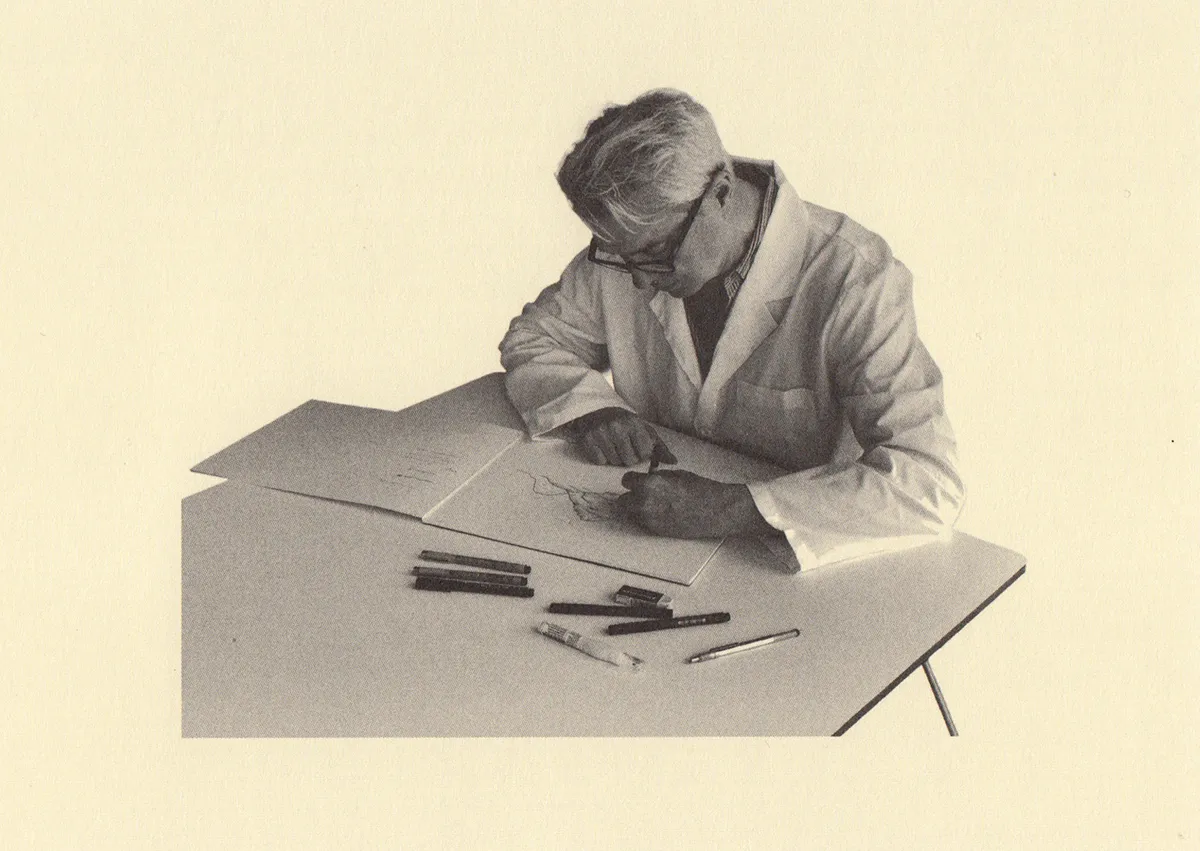
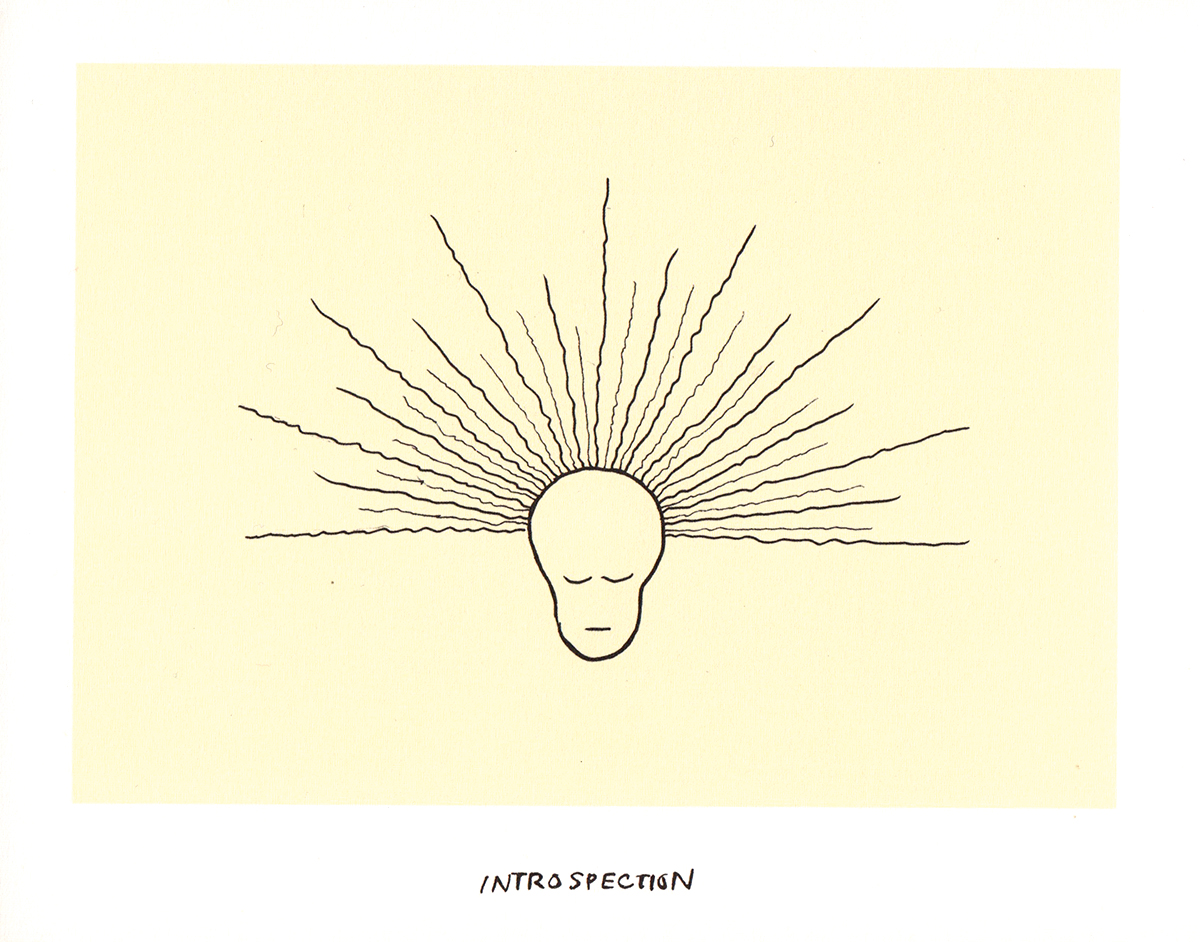
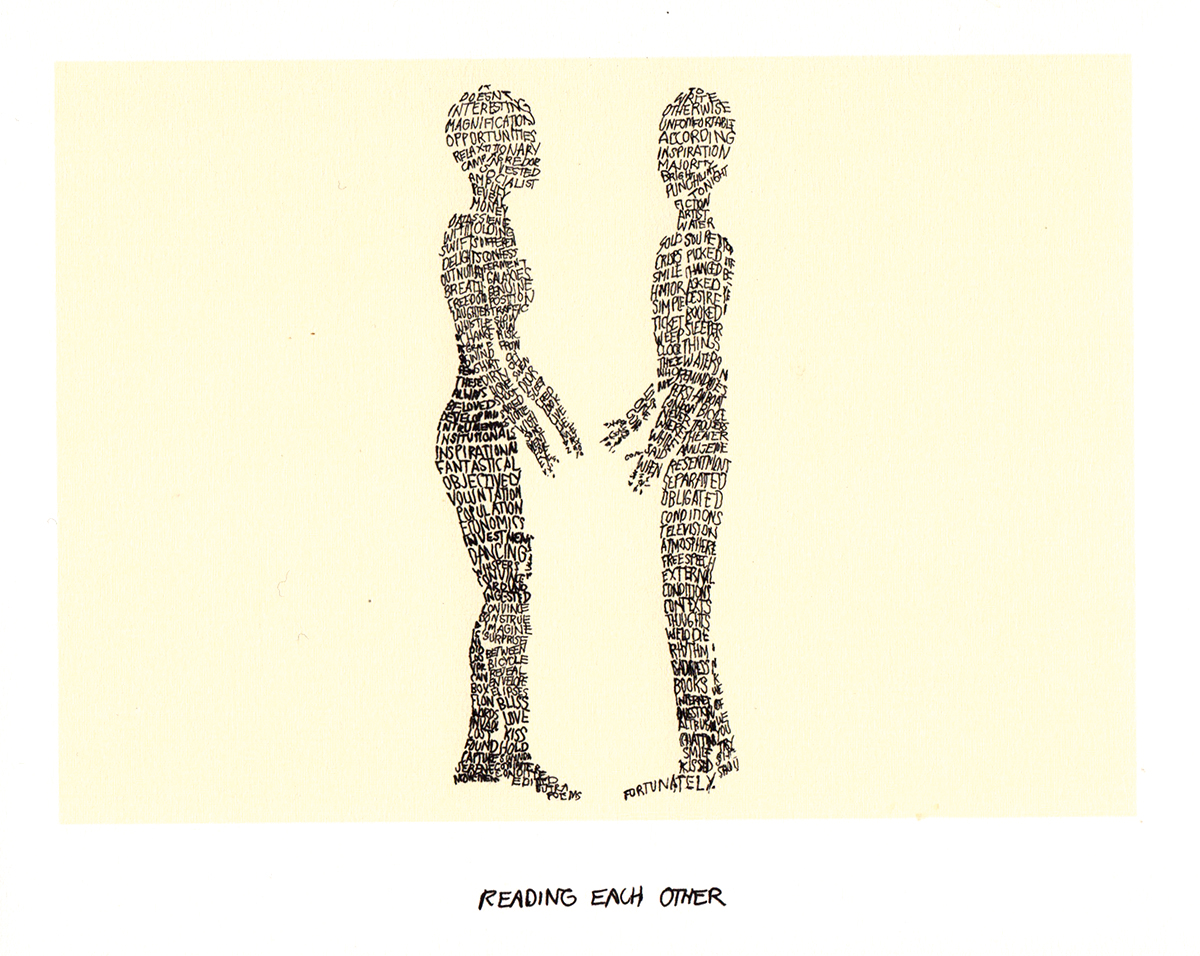
What does David Byrne know about the history of the world in his new book A History of the World (in Dingbats)? As much as he knows about psycho killers, burning down houses, and “non-rational logic,” the subject of a show at New York’s Pace Gallery this past February featuring elaborate doodles Byrne calls “dingbats.” That is to say, he knows quite a lot about the history of the world. Or maybe, it hardly matters. “Burning Down the House” is not really about arson.
The new book presents us, instead of history, with a “cross between Codex Seraphinianusand E.E. Cumming’s little-known philosophical line drawings,” Maria Popova writes at The Marginalian. It is a work of the hopefulness of imagination; a statement about how “non-rational logic” can shape reality.
“The way things were,” Byrne writes, “the way we made things, it turns out, none of it was inevitable — none of it is the way things have to be.” Popova calls the project an “illustrated history of the possible future.”
“Created while under quarantine,” notes publisher Phaidon — the drawings “expand on the dingbat, a typographic ornament used to illuminate or break up blocks of text.” Byrne says he was inspired by the little illustrations in The New Yorker, though he took the concept much further. He writes text in each themed section that echoes the anxiety, contemplation, and strange excitement of life in lockdown: thoughts on what has been lost to us and on the life that might emerge in a world remade by a virus.
Byrne reminds us that history is “a story we tell ourselves.… These stories we tell ourselves about the world are not fixed.” Nor are the stories we each tell ourselves about who we are as individuals. These are ideas the artist has explored in projects ranging from his first book, 1995’s Strange Ritual, to his work with Luaka Bop, his world music label, to the album/Broadway show/feature film/picture book AmericanUtopia — all projects concerned with expanding the boundaries of our shared human narrative.
Stories are lessons we send to ourselves — some remain vibrant and relevant while others are only useful for a moment. They serve myriad purposes that are often beyond our ken, for better or worse, and sometimes both at the same time.
How can we know when it’s time to let go, to move into a history of the future rather than the past? “Only you can find the way,” he writes, “in the city in your head.” It is our task to sift the stories that serve us from those that don’t, through critical reflection, the play of the imagination, and making new connections between our minds and bodies:
In the new world the rules have changed — or at least there is the possibility of change.
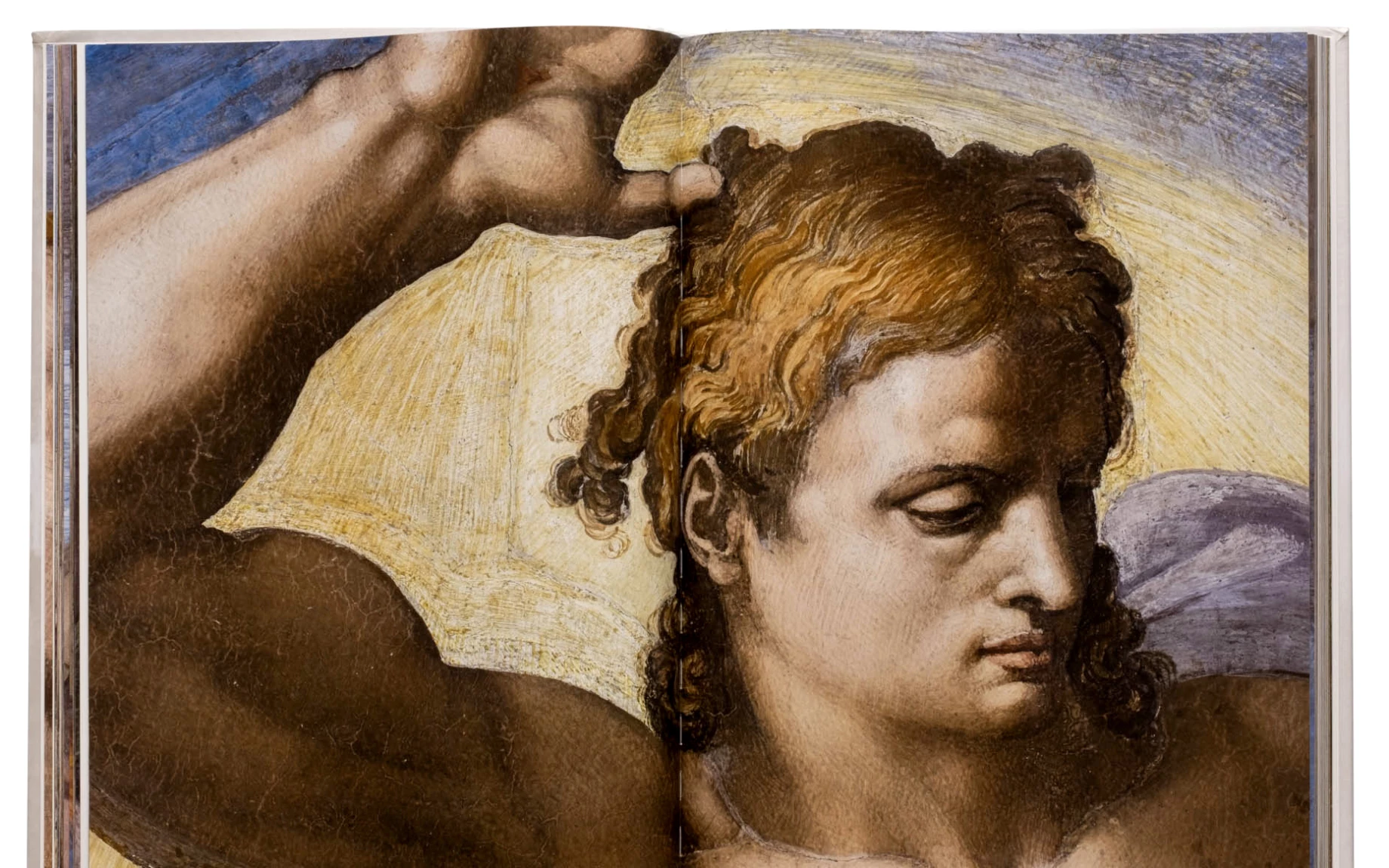
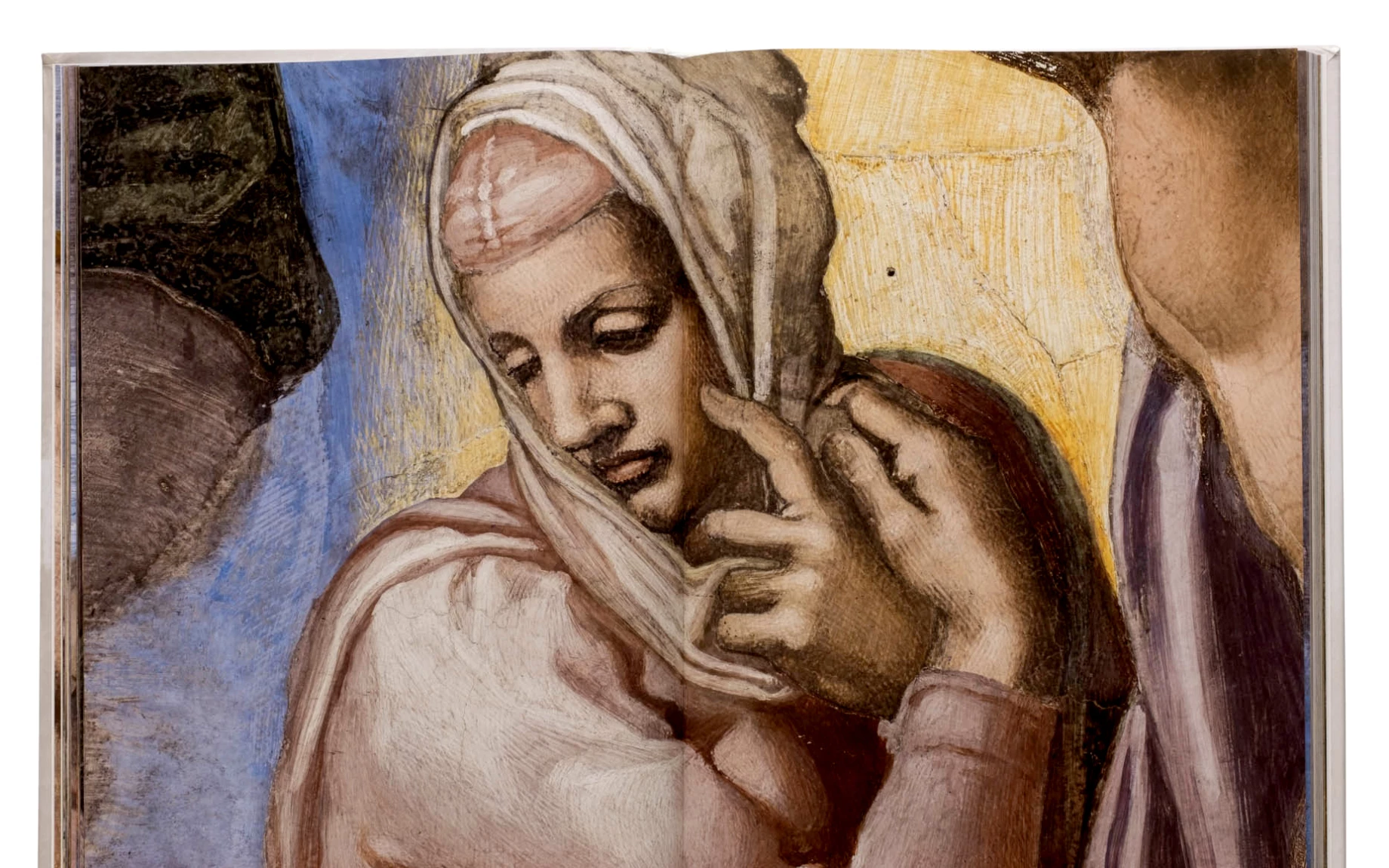
Michelangelo didn’t want to paint the ceiling of the Sistine Chapel. Having considered himself more of a sculptor than a painter — and, given his skill with stone, not without cause — he felt that taking on such an ambitious project could bring him to ruin. But one does not simply turn down a job offer from the Vatican, and especially not when one is among the most respected artists in sixteenth-century Italy. In the event, Michelangelo proved equal to the task, or rather, much more than equal: he completed his ceiling frescoes in 1512 for Pope Julius II, and 23 years later was commissioned again by Pope Paul III to paint the Last Judgment over the altar.
Long before Michelangelo touched a brush to the Sistine Chapel’s ceiling, a team of painters including Sandro Botticelli, Pietro Perugino, and Pinturicchio had already adorned the building’s interior with frescoes depicting the lives of Moses and Jesus Christ.
The fruit of a half-decade-long collaboration between the Vatican and two publishers, Callaway Arts & Entertainment and Scripta Maneant, The Sistine Chapeldemanded 65 nights of consecutive work from its photographers, who shot 270,000 high-resolution images. Capturing the masterworks on the walls and ceiling down to the textures of their paint and brushstrokes necessitated climbing up on scaffolding, just as Michelangelo himself famously did to make his contributions in the first place. Limited by the Vatican to a print run of 1,999 copies, the set is now available for purchase at AbeBooks, though it will cost you $22,000. In a sense that’s a small price to pay, for as Goethe put it, “without having seen the Sistine Chapel one can form no appreciable idea of what one man is capable of achieving.” Find The Sistine Chapelbook collection here.
Based in Seoul, Colin Marshall writes and broadcasts on cities, language, and culture. His projects include the Substack newsletterBooks on Cities, the book The Stateless City: a Walk through 21st-Century Los Angeles and the video series The City in Cinema. Follow him on Twitter at @colinmarshall or on Facebook.
Each year in mid-September, we celebrate Banned Books Week, and each year I see a handful of people arguing that the celebration, or memorial, is self indulgent and out of touch. No one in the U.S. seriously tries to ban books, right? Book banning — as Gayle King said last September on CBS Mornings — is “an issue we tend to associate with the past.”
Yet even before the recent moral panics over “critical race theory” and gender and sexuality issues, teachers and librarians would have strongly disagreed that attempts to ban books ever went away. Books are challenged all the time in front of school boards, and have, many times in the recent past, appeared on lists handed around by state and federal legislators.
The latest round of book bannings represents an escalation, rather than a return, of the tactic. Not that lawmakers are likely to have read any of 850 or so books on a recent list of suspects. But too many seem eager to endorse bills that restrict what students can read, teachers can teach, and libraries can lend — legislation solely based on the standard of “comfort.” As in… if the facts of American history make some students (or their parents) uncomfortable, then damn the facts of American history.….
Ta-Nahasi Coates — whose Between the World and Me was banned in some communities in 2020 — tells King that this is no coincidence. “For most of American history,” he says, “African American authors have not had the purchase on the American conscience that they do right now.” The same goes for LGBTQ authors and writers from other marginalized groups, whose books are challenged and banned in schools and libraries with aggressive frequency.
What Coates calls a “purchase on the American conscience” is what we might also call empathy — a quality that good writing inspires in curious readers, and that many people seem to find threatening. Every democracy, however, must learn that it is “ignorance [that] is dangerous,” as president of the New York Public Library Tony Marx writes, “breading hate and division.” Learning about, and caring about, the experiences of others does the opposite.
To keep banned books freely available to readers who want access to them, the New York Public Library has partnered with publishers in a project called Books for Allto reach readers wherever they may be. Marx emphatically states the need for such an effort:
The recent instances of both attempted and successful book banning — primarily on titles that explore race, LGBTQ+ issues, religion, and history — are extremely disturbing and amount to an all-out attack on the very foundation of our democracy.… The Library’s role is to make sure no perspective, no idea, no identity is erased.
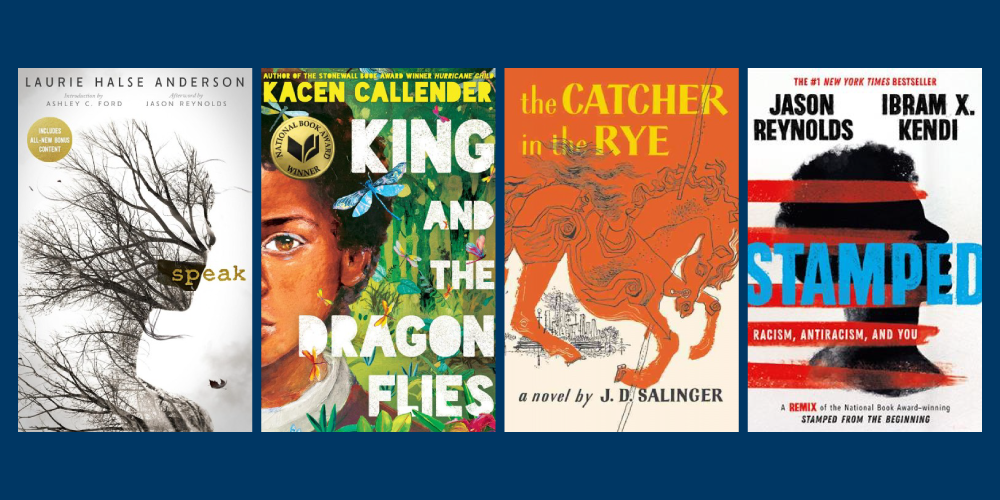
There are currently four books offered under the project’s aegis through the end of May, and they’re available to readers across the United States:
Speak | Laurie Halse Anderson (Square Fish / Macmillan Publishers)
King and the Dragonflies | Kacen Callender (Scholastic)
Stamped: Racism, Antiracism, and You | Jason Reynolds and Ibram X. Kendi (Little, Brown Books for Young Readers / Hachette Book Group)
The Catcher in the Rye | J.D. Salinger (Little, Brown and Company / Hachette Book Group)
To access these titles, all of which have faced bans or challenges, you will need to download the NYPL’s free reader app, SimplyE, for iOS or Android–all from the Books for All site. Then you can read the book right away “with our without a library card,” the library notes. “No waits, no fines.”
One hopes the Books for All project will expand to offer more titles from the increasingly greater number of books being pushed out of public view because they make those in power uncomfortable. Or, better yet, one hopes that dozens of similar projects will arise; that the slogan “books for all” can become a reality, regardless of who makes policy. Learn more and sign up for your free SimplyE account at the Books for All site.
Generations and generations of Americans dissatisfied with life in their hometowns have acted on the same migratory impulse: to go west. Many have done so in order to make their fortunes, but a fair few have been seeking varieties of satisfaction altogether less tangible. In the human spirt in general and the American spirit in particular, there is a yearning for “secret knowledge” of reality’s hidden workings. Those whose spirits most yearn for that knowledge tend to end up in California, the logical end of American civilization. There they’ve found vibrant communities of yogis, spiritualists, Aenerians, theosophists, healers, Unarians, alchemists, Rosicrucians, witches, tarot readers, astrologers… the list goes on.
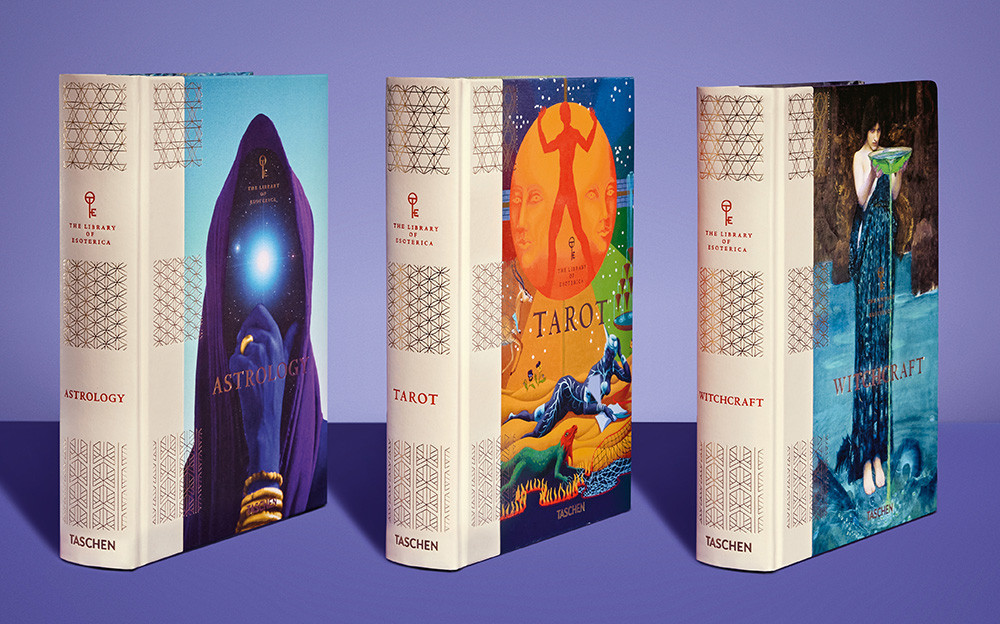
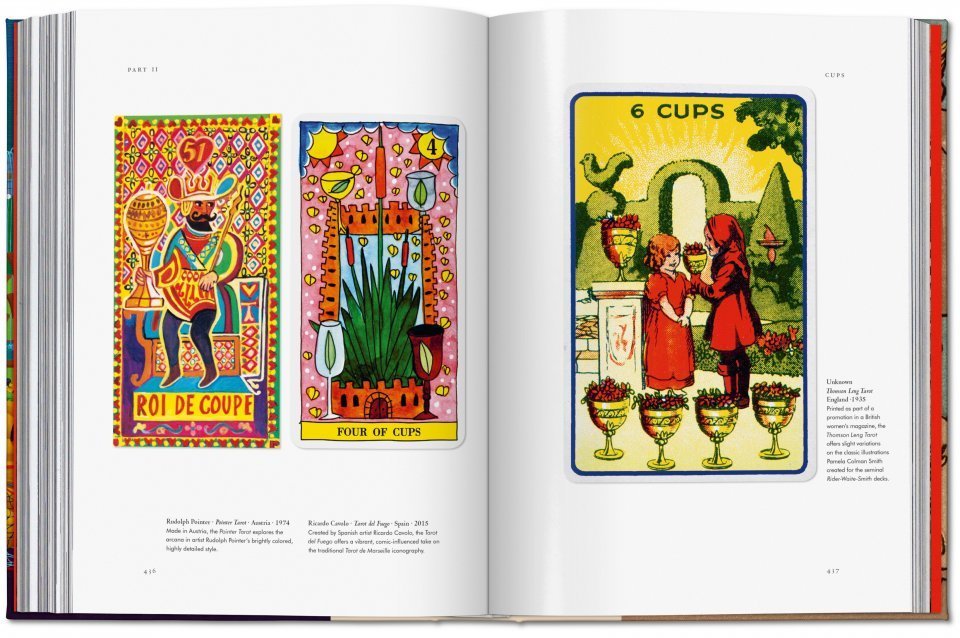
More recently, California has also been home to Taschen’s American headquarters, the acclaimed publishers of lavishly produced books on art and culture with no compunction about exploring the fringes of human experience. A couple of years ago we featured their visual history of tarot Divine Decks here on Open Culture; now they’ve put out a three-volume coffee-table Library of Esoterica that includes books on not just tarot but astrology and witchcraft as well.
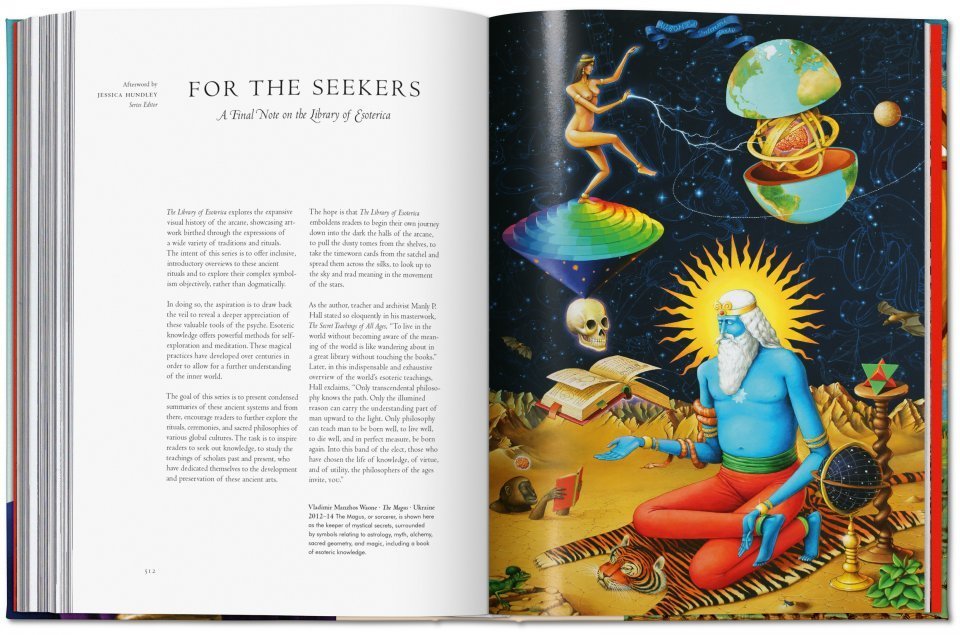
Assembled and designed to Taschen’s usual aesthetically painstaking standard, the set comes edited by writer and filmmaker Jessica Hundley, who used the opportunity to open the most “inclusive and seductive way into these practices, which is through the art” they’ve inspired.
That’s what she told Los Angeles Times’ Steffie Nelson, who writes that “Hundley has been fascinated by alternative spiritualities and the occult since she was a goth-punk teenager on the East Coast.” Later she moved to Los Angeles, “drawn to the city’s legacy of esoteric exploration and its renown as a place where dreams are made manifest and identity is mutable.” This project’s worldwide search for art and other materials related to these fields of esoterica began at Los Angeles’ own Philosophical Research Society, founded in the nineteen-thirties by mystic Manly P. Hall. With its richly reproduced imagery and accompanying explanatory essays, the Library of Esoterica offers a reading experience liable to open anyone’s doors of perception. The age of Aquarius may be over, but there’s a seeker born every minute.
Based in Seoul, Colin Marshall writes and broadcasts on cities, language, and culture. His projects include the Substack newsletterBooks on Cities, the book The Stateless City: a Walk through 21st-Century Los Angeles and the video series The City in Cinema. Follow him on Twitter at @colinmarshall or on Facebook.
I once had to tell a ten-year-old that the Harry Potter book series was not a historical literary classic but a recent publishing phenomenon that occurred in my lifetime. She was amazed, but she wasn’t silly for thinking that the books might date from a faraway past. They do, after all, make frequent reference to figures from centuries when alchemy flourished in Europe, and magicians like Paracelsus and Nicholas Flamel (both of whom appear in Potter books and spin-offs) plied their solitary craft, such as it was. Should we call it magic, early science, occult religion, outsider art, or some admixture of the above?
We can call it “black magic,” but the term was not, as the Christians thought, a reference to the devil, but to the soil of the Nile. “Derived from the Arabic root ‘kimia,’” writes the Public Domain Review, “from the Coptic ‘khem’ (referring to the fertile black soil of the Nile delta), the word ‘alchemy’ alludes to the dark mystery of the primordial or First Matter (the Khem).”
Finding this first substance constitutes “the alchemist’s central goal – along with the discovery of the Stone of Knowledge (The Philosopher’s Stone) and the key to Eternal Youth.”
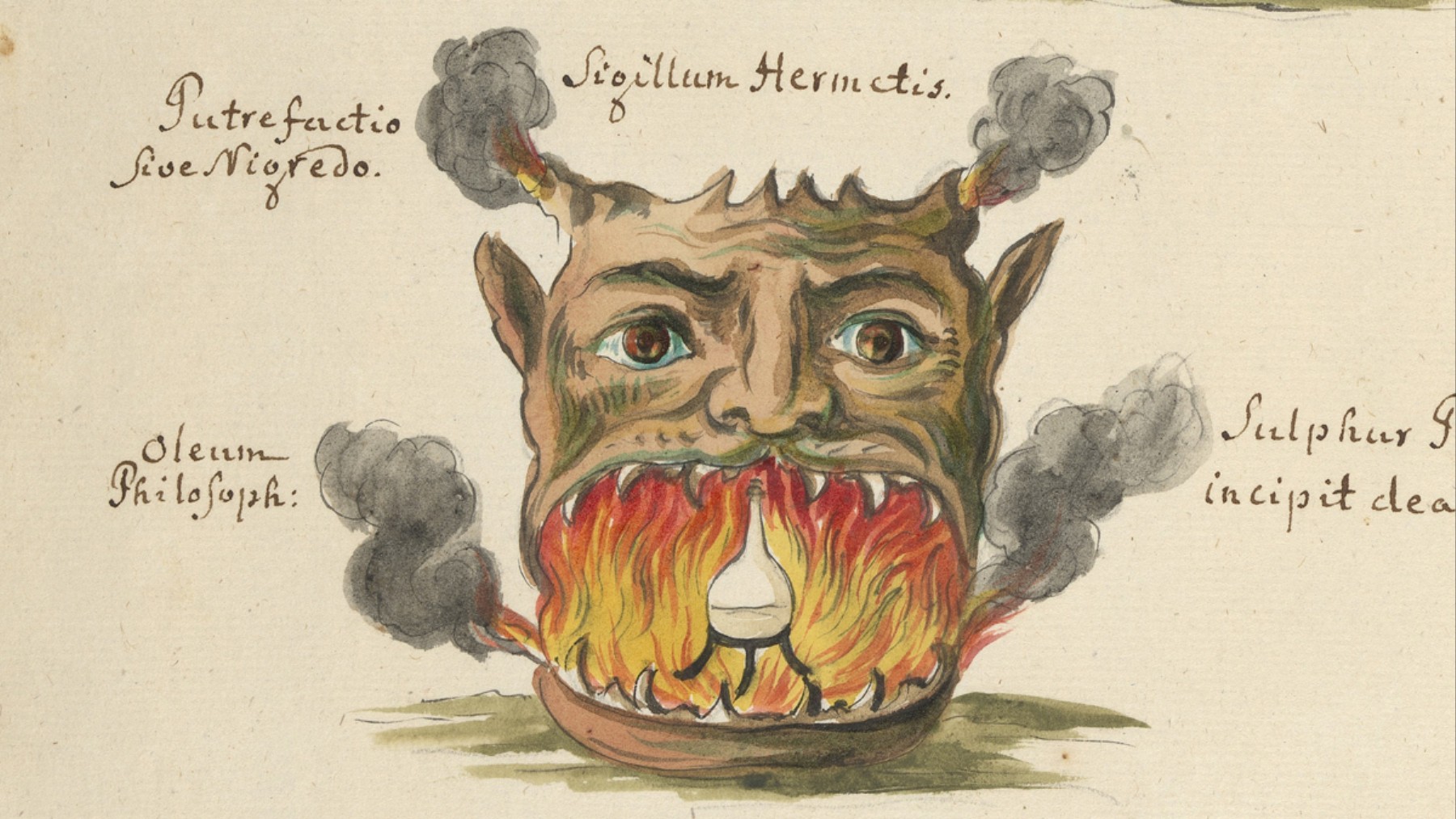
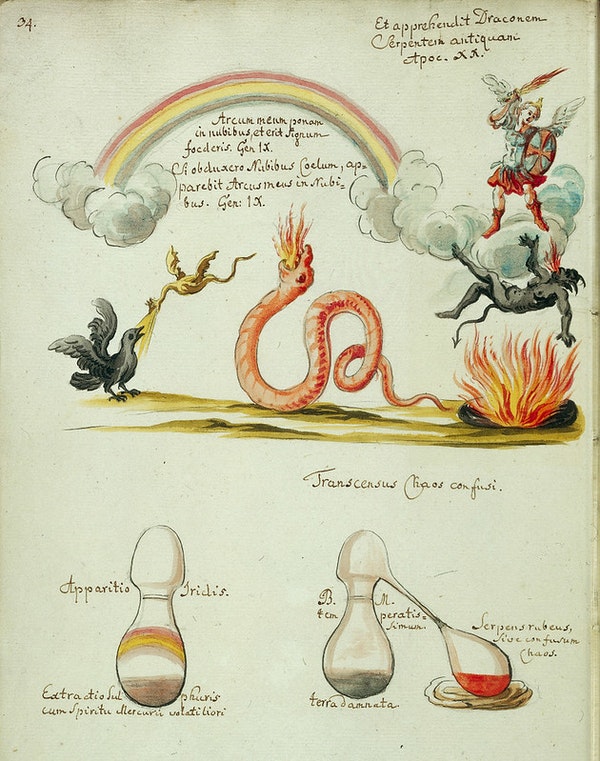
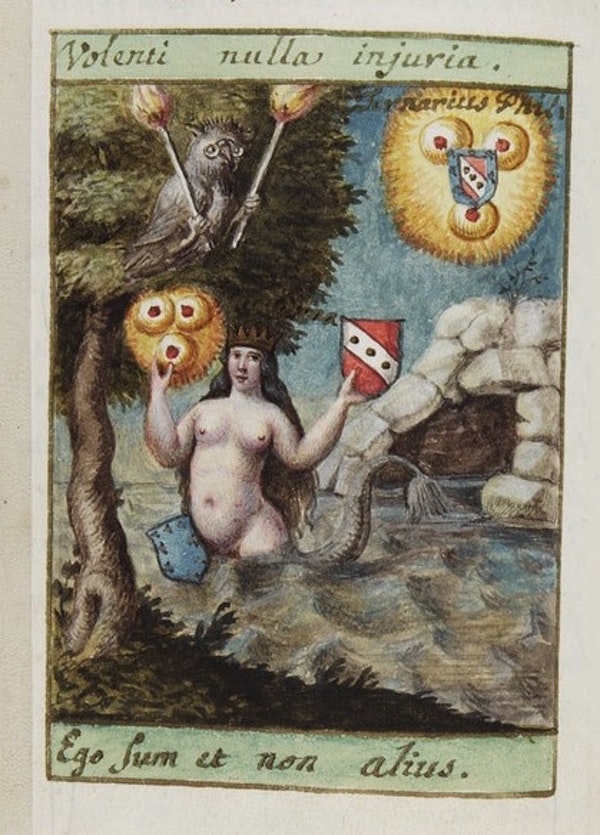
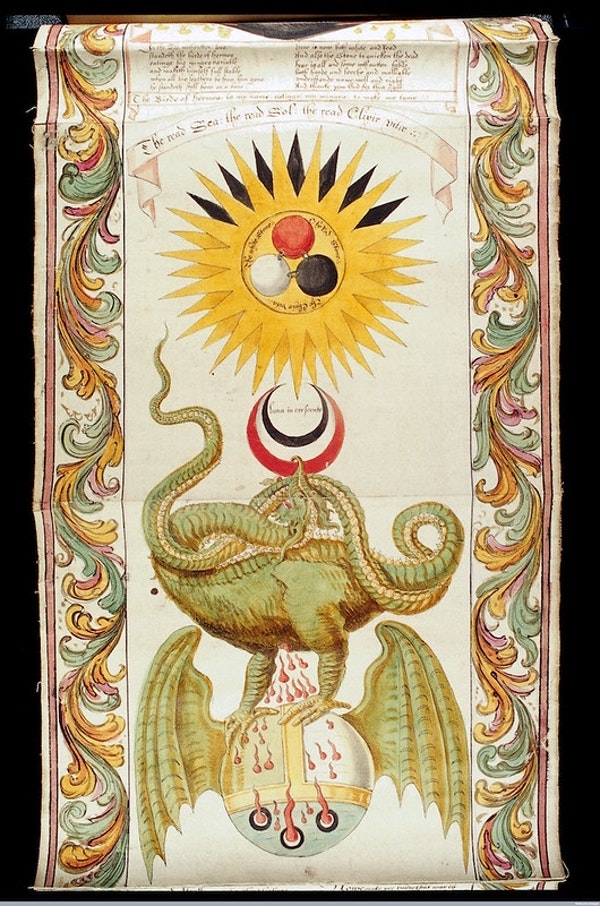
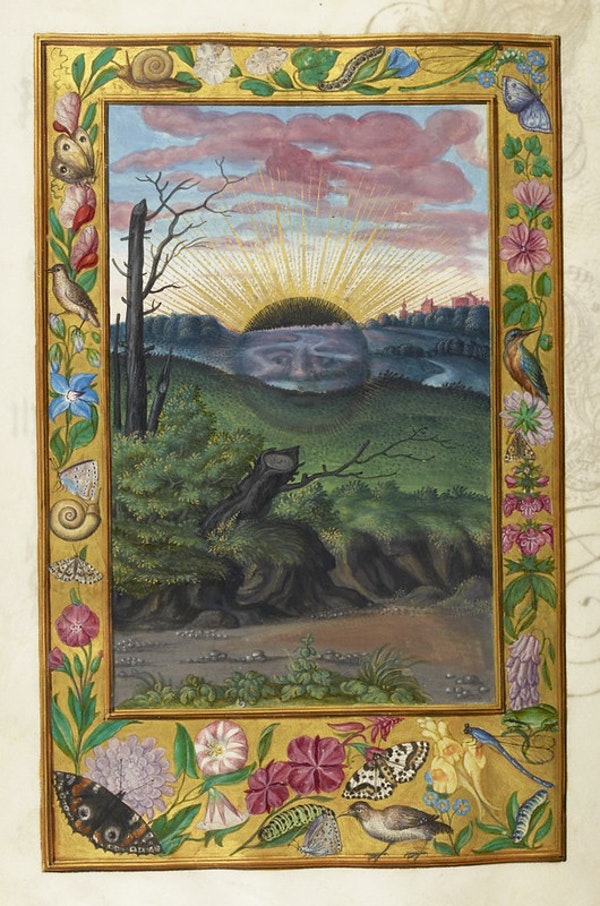
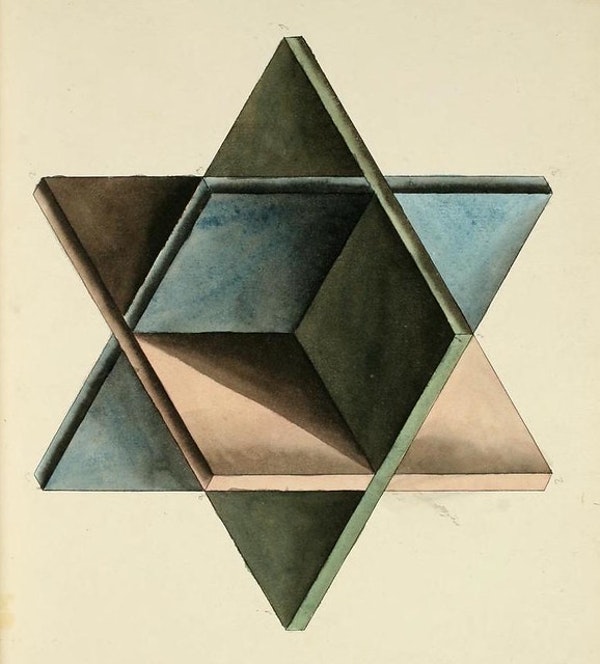
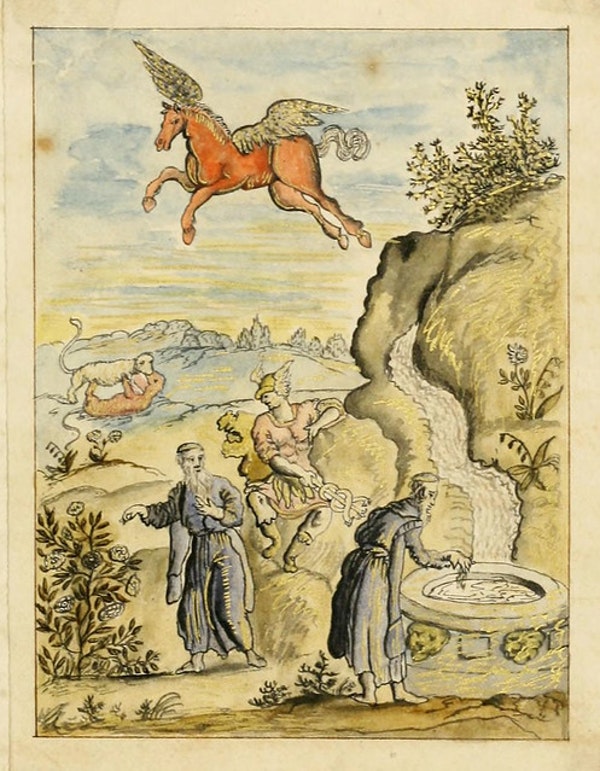
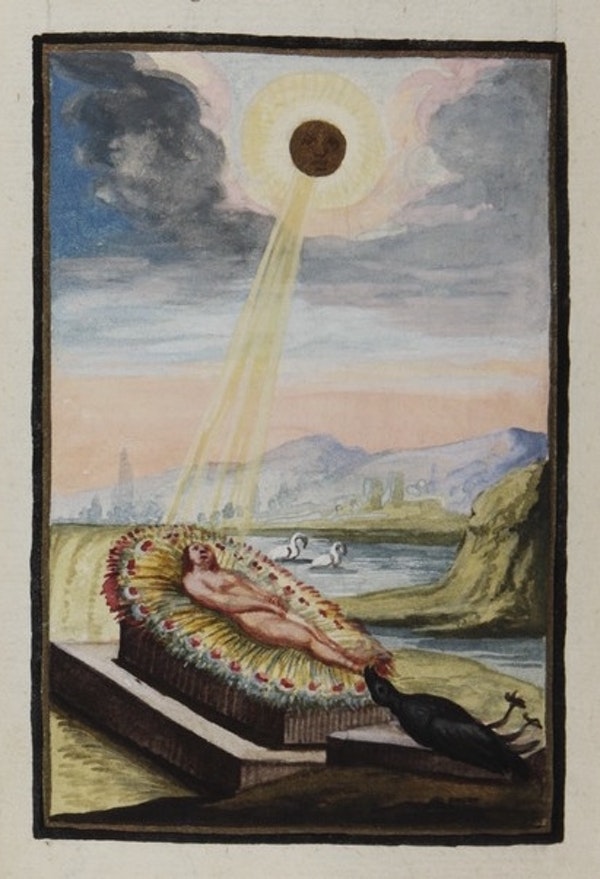
In the description above, we can see the roots of Rowling’s fictions and the origins of many a world-shaping modern myth. Alchemists study and change matter to produce certain effects – just as early scientists did – and it may surprise us to learn just how fervently some well-known early scientists, most especially Isaac Newton, pursued the alchemical course. But the essence of alchemy was imagination, and the artists who depicted alchemical rituals, magical creatures, mystical symbols, etc. had no shortage of it, as we see in the images here, drawn from Wellcome Images and the Manley Palmer Hall collection at the Internet Archive.
The images are strange, surreal, cryptic, and seem to reference no known reality. They are the inspiration for centuries of occult art and esoteric literature. But each one also had practical intent — to illustrate mysterious, often secretive processes for discovering the foundations of the universe, and profiting from them. If these techniques look nothing like our modern methods for doing the same, that’s for good reason, but it doesn’t mean that alchemy has nothing to do with science. It is, rather, science’s weird distant ancestor. See more alchemical images at the Public Domain Review.
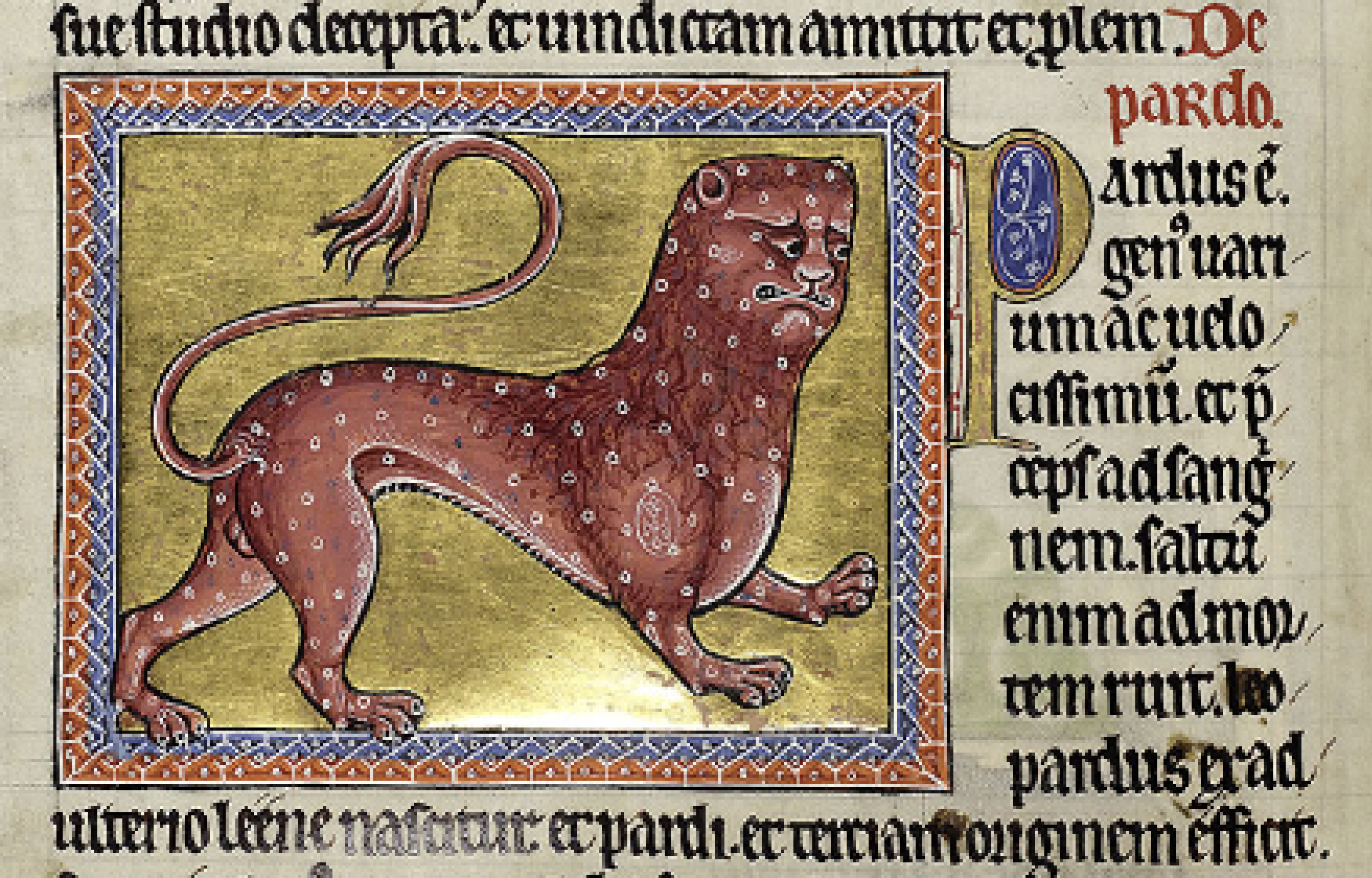
What should you do if you come across a manticore? Would you even know how to identify it? An unlikely occurrence, you say? Perhaps. But if you lived in Europe in the Middle Ages – and you were the type to believe such tales – you might expect to see one someday. Wouldn’t it be useful to have a field guide? You’d want it on paper (or parchment): no one’s carrying smartphones in misty 13th century York or over the rocky highlands of 15th century Lombardy. You could consult a reigning expert of the time, such as Sir John Mandeville, who either saw such things as blemmyae (headless humans with faces in their chests) near Ethiopia, or made them up. But this didn’t matter much. Truth and fiction didn’t have such rigid boundaries. Yet books were rare, and anyway, few people could read. If only there were YouTube.…
“Medieval zoology is bizarre,” says the narrator of the video above — a brief “Field Guide to Bizarre Medieval Monsters” — “because half the creatures don’t even exist, and those that do look very, very strange.” Your average medieval European couldn’t visit zoos full of exotic animals (rare exceptions like the Tower of London Menagerie notwithstanding), nor could they travel the world and see what creatures thrived in other climes.
They were forced to rely on the garbled accounts, or outright lies, of sailors, merchants, and other travelers, and the odd illustrations found in illuminated manuscripts. These blended travelogue, native folk elements, the weird imaginings of alchemy and demonology, and the myths and legends of medieval romance to create “a world where mythology and biology blend together.”
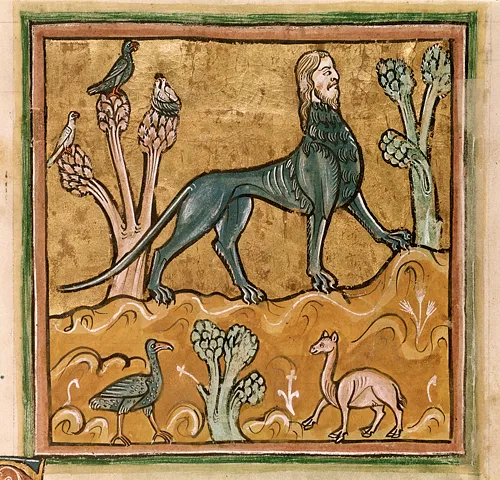
Dragons, unicorns, dog-headed saints.… You’ll find these and many more in the video field guide at the top and others online from the Cleveland Museum of Art and Medievalists.net, which describes our friend the manticore as a creature “having the head of a man, the body of a lion, and the tail of a scorpion.”
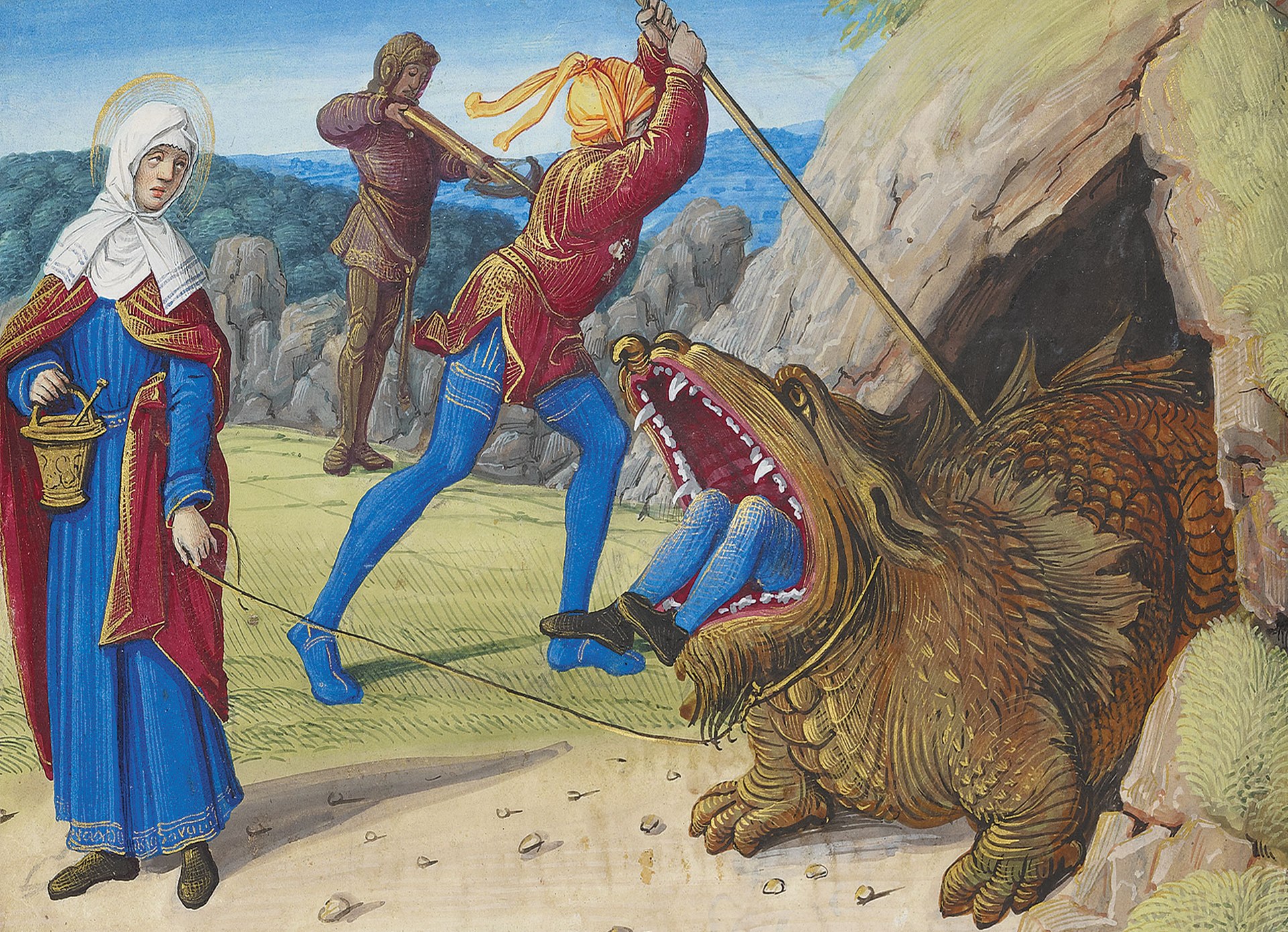
Many ancient and medieval monsters were hybrids of different animals, such as the Tarasque, which our field guide narrator explains lies “somewhere between a dragon and a tortoise.”
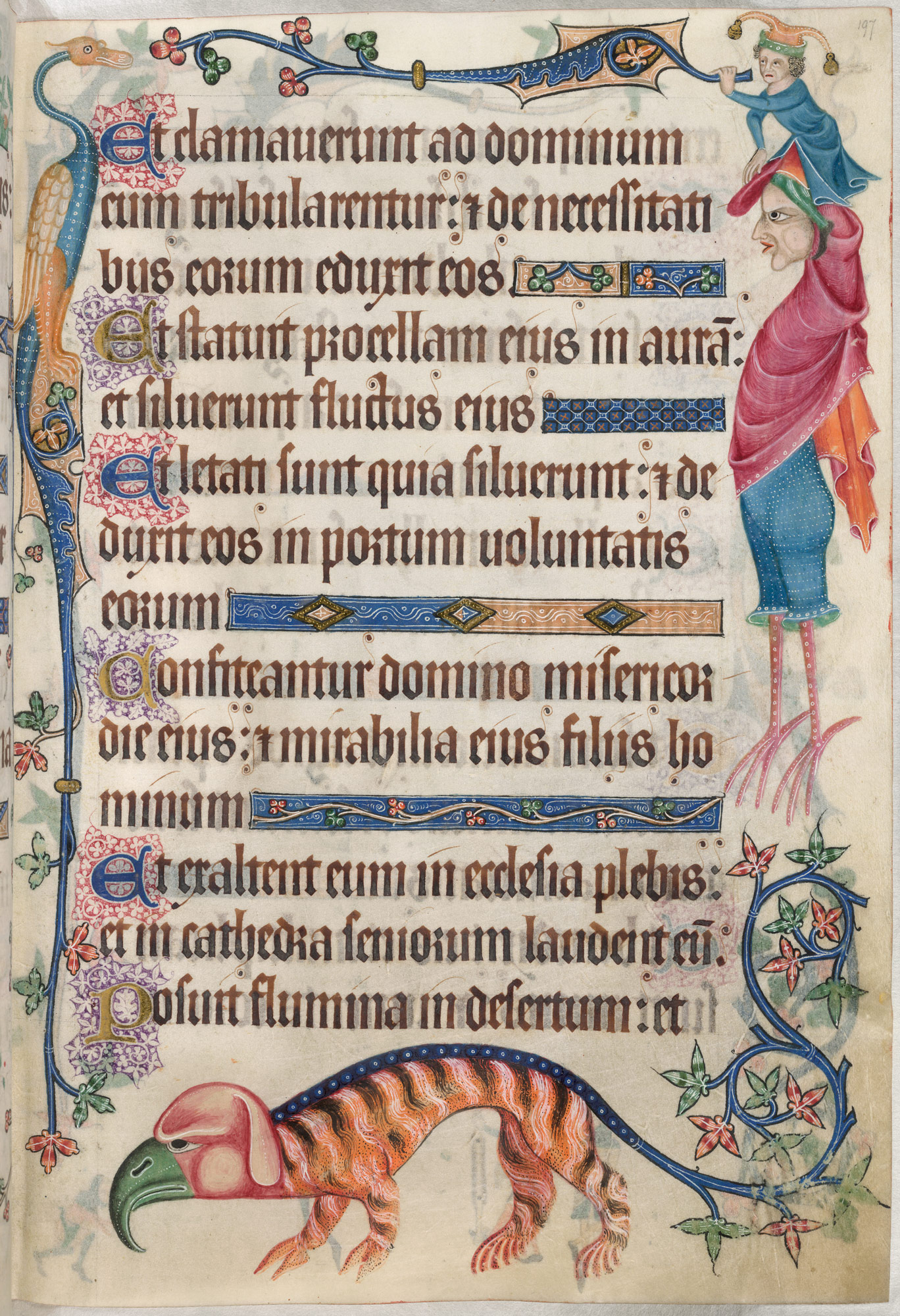
To find out its origins, you’ll have to keep watching. To read the original sources of this bizarre medieval zoology, see the British Library’s Medieval Monster’s collection, which includes aviaries, bestiaries, miscellanies, books of hours, and psalters, like the big page above from the Luttrell Psalter, a striking example of monstrous illustration. While we may never expect to see any of these creatures in the flesh, we can see more of them on the page (or screen) than anyone who lived in medieval Europe.
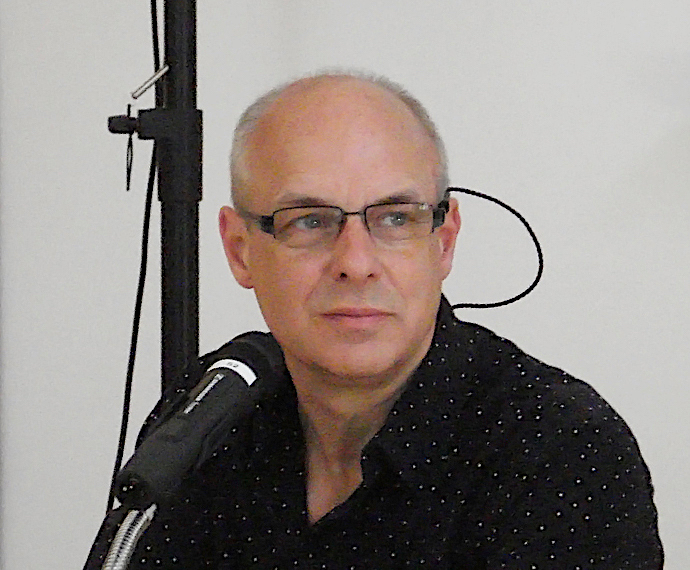
Artist and music producer Brian Eno wrote one of my very favorite books: A Year with Swollen Appendices, which takes the form of his personal diary of the year 1995 with essayistic chapters (the “swollen appendices”) on topics like “edge culture,” generative music, new ways of , pretension, CD-ROMs (a relevant topic back then), and payment structures for recording artists (a relevant topic again today). It also includes a fair bit of Eno’s correspondence with Stewart Brand, once editor of the Whole Earth Catalog and now president of the Long Now Foundation, “a counterpoint to today’s accelerating culture” meant to “help make long-term thinking more common” and “creatively foster responsibility in the framework of the next 10,000 years.”
It so happens that Eno now sits on the Long Now Foundation’s board and has had a hand in some of its projects. Naturally, he contributed suggested reading material to the foundation’s Manual of Civilization, a collection of books humanity could use to rebuild civilization, should it need rebuilding. Eno’s full list, which spans history, politics, philosophy, sociology, architecture, design, nature, and literature, runs as follows:
We're hoping to rely on loyal readers, rather than erratic ads. Please click the Donate button and support Open Culture. You can use Paypal, Venmo, Patreon, even Crypto! We thank you!
Open Culture scours the web for the best educational media. We find the free courses and audio books you need, the language lessons & educational videos you want, and plenty of enlightenment in between.