Bill Gates Picks 5 Good Books for a Lousy Year

2020 has been a ter­ri­ble year. But that has­n’t stopped Bill Gates (as is his cus­tom) from choos­ing, he says, “five books that I enjoyed—some because they helped me go deep­er on a tough issue, oth­ers because they offered a wel­come change of pace.”

Below, you can read, in his own words, the selec­tions he pub­lished here.

Range: Why Gen­er­al­ists Tri­umph in a Spe­cial­ized World, by David Epstein. I start­ed fol­low­ing Epstein’s work after watch­ing his fan­tas­tic 2014 TED talk on sports per­for­mance. In this fas­ci­nat­ing book, he argues that although the world seems to demand more and more specialization—in your career, for example—what we actu­al­ly need is more peo­ple “who start broad and embrace diverse expe­ri­ences and per­spec­tives while they progress.” His exam­ples run from Roger Fed­er­er to Charles Dar­win to Cold War-era experts on Sovi­et affairs. I think his ideas even help explain some of Microsoft’s suc­cess, because we hired peo­ple who had real breadth with­in their field and across domains. If you’re a gen­er­al­ist who has ever felt over­shad­owed by your spe­cial­ist col­leagues, this book is for you. More on the book here.

The New Jim Crow: Mass Incar­cer­a­tion in the Age of Col­or­blind­nessby Michelle Alexan­der. Like many white peo­ple, I’ve tried to deep­en my under­stand­ing of sys­temic racism in recent months. Alexander’s book offers an eye-open­ing look into how the crim­i­nal jus­tice sys­tem unfair­ly tar­gets com­mu­ni­ties of col­or, and espe­cial­ly Black com­mu­ni­ties. It’s espe­cial­ly good at explain­ing the his­to­ry and the num­bers behind mass incar­cer­a­tion. I was famil­iar with some of the data, but Alexan­der real­ly helps put it in con­text. I fin­ished the book more con­vinced than ever that we need a more just approach to sen­tenc­ing and more invest­ment in com­mu­ni­ties of col­or. More on the book here.

The Splen­did and the Vile: A Saga of Churchill, Fam­i­ly, and Defi­ance Dur­ing the Blitzby Erik Lar­son. Some­times his­to­ry books end up feel­ing more rel­e­vant than their authors could have imag­ined. That’s the case with this bril­liant account of the years 1940 and 1941, when Eng­lish cit­i­zens spent almost every night hud­dled in base­ments and Tube sta­tions as Ger­many tried to bomb them into sub­mis­sion. The fear and anx­i­ety they felt—while much more severe than what we’re expe­ri­enc­ing with COVID-19—sounded famil­iar. Lar­son gives you a vivid sense of what life was like for aver­age cit­i­zens dur­ing this awful peri­od, and he does a great job pro­fil­ing some of the British lead­ers who saw them through the cri­sis, includ­ing Win­ston Churchill and his close advis­ers. Its scope is too nar­row to be the only book you ever read on World War II, but it’s a great addi­tion to the lit­er­a­ture focused on that trag­ic peri­od. More on the book here.

The Spy and the Trai­tor: The Great­est Espi­onage Sto­ry of the Cold Warby Ben Mac­in­tyre. This non­fic­tion account focus­es on Oleg Gordievsky, a KGB offi­cer who became a dou­ble agent for the British, and Aldrich Ames, the Amer­i­can turn­coat who like­ly betrayed him. Macintyre’s retelling of their sto­ries comes not only from West­ern sources (includ­ing Gordievsky him­self) but also from the Russ­ian per­spec­tive. It’s every bit as excit­ing as my favorite spy nov­els. More on the book here.

Breath from Salt: A Dead­ly Genet­ic Dis­ease, a New Era in Sci­ence, and the Patients and Fam­i­lies Who Changed Med­i­cine, by Bijal P. Trive­di. This book is tru­ly uplift­ing. It doc­u­ments a sto­ry of remark­able sci­en­tif­ic inno­va­tion and how it has improved the lives of almost all cys­tic fibro­sis patients and their fam­i­lies. This sto­ry is espe­cial­ly mean­ing­ful to me because I know fam­i­lies who’ve ben­e­fit­ed from the new med­i­cines described in this book. I sus­pect we’ll see many more books like this in the com­ing years, as bio­med­ical mir­a­cles emerge from labs at an ever-greater pace. More on the book here.

If you would like to sign up for Open Culture’s free email newslet­ter, please find it here. It’s a great way to see our new posts, all bun­dled in one email, each day.

If you would like to sup­port the mis­sion of Open Cul­ture, con­sid­er mak­ing a dona­tion to our site. It’s hard to rely 100% on ads, and your con­tri­bu­tions will help us con­tin­ue pro­vid­ing the best free cul­tur­al and edu­ca­tion­al mate­ri­als to learn­ers every­where. You can con­tribute through Pay­Pal, Patre­on, and Ven­mo (@openculture). Thanks!

Relat­ed Con­tent:

Bill Gates Describes His Biggest Fear: “I Rate the Chance of a Wide­spread Epi­dem­ic Far Worse Than Ebo­la at Well Over 50 Per­cent” (2015)

Take Big His­to­ry: A Free Short Course on 13.8 Bil­lion Years of His­to­ry, Fund­ed by Bill Gates

Bill Gates Rec­om­mends 5 Thought-Pro­vok­ing Books to Read This Sum­mer

How Bill Gates Reads Books

Bill Gates Names His New Favorite Book of All Time

by | Permalink | Make a Comment ( 10 ) |

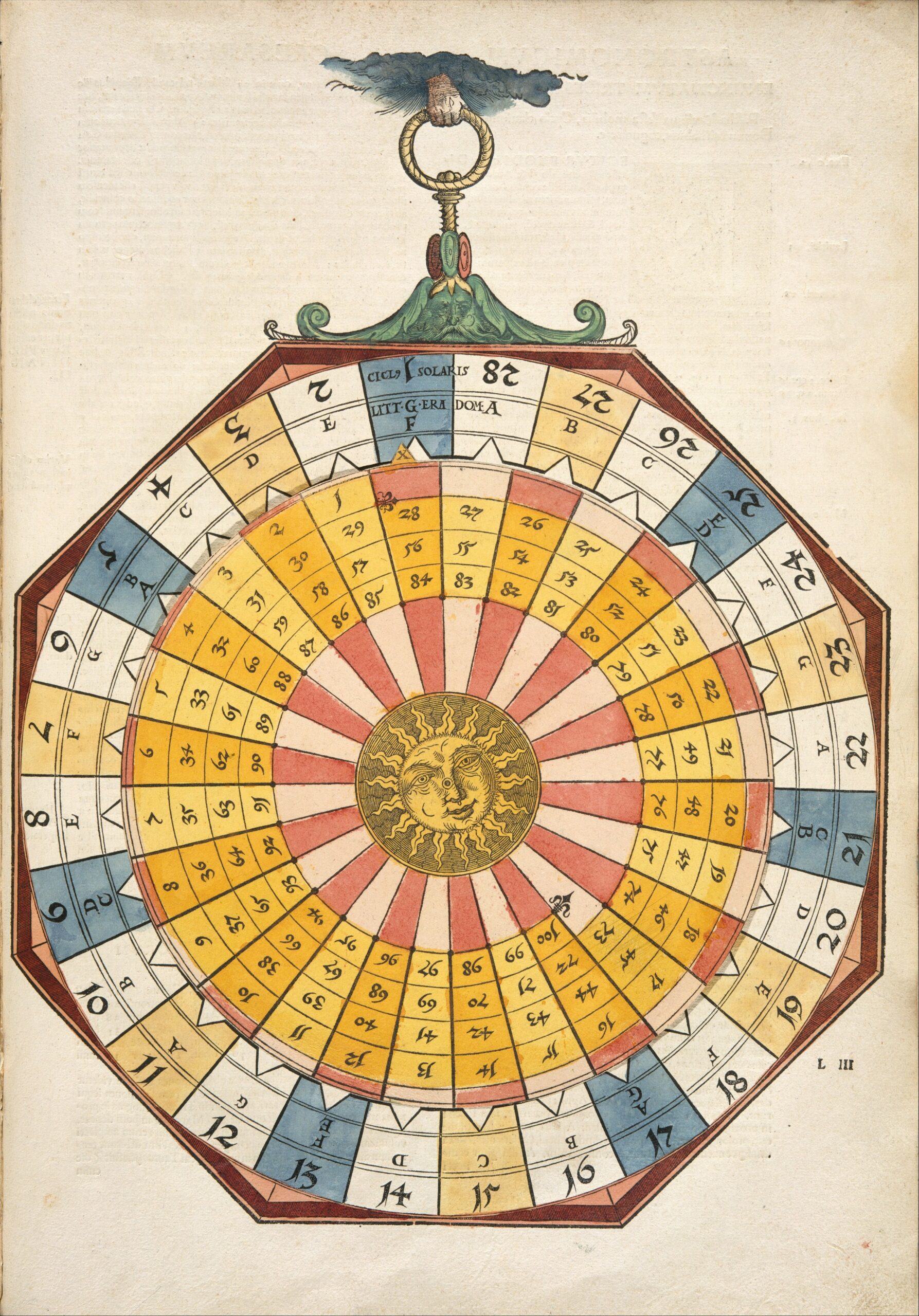
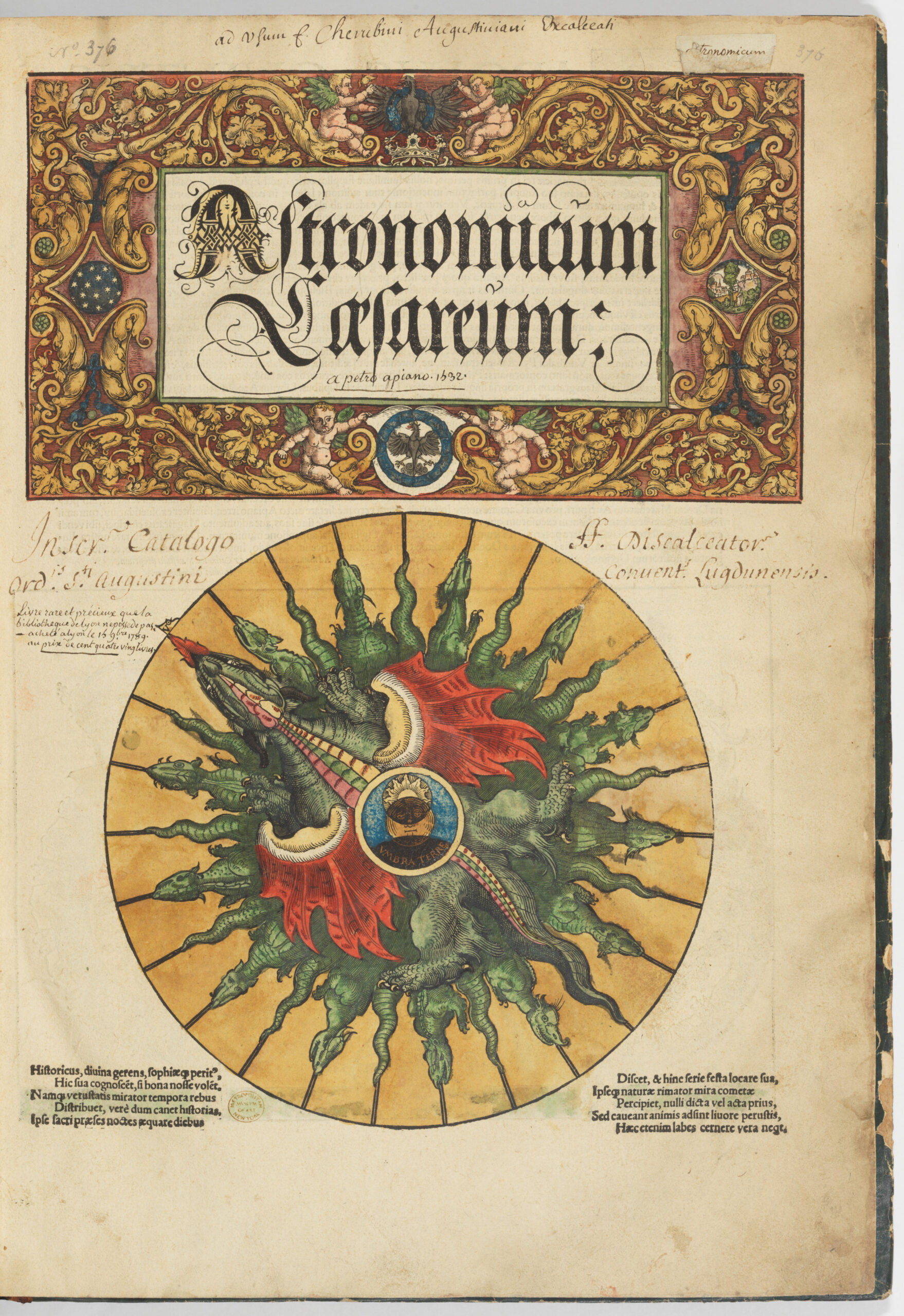
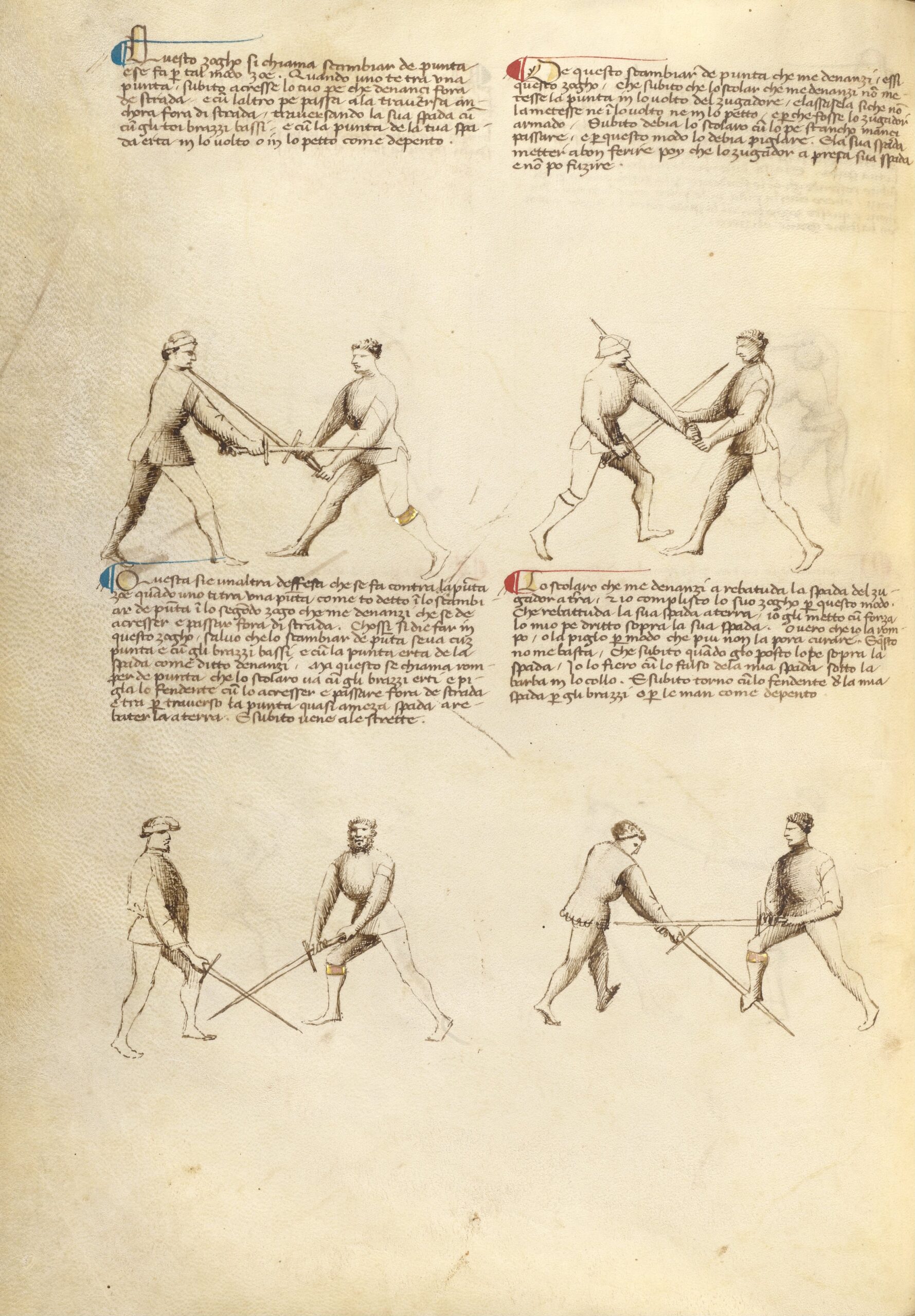
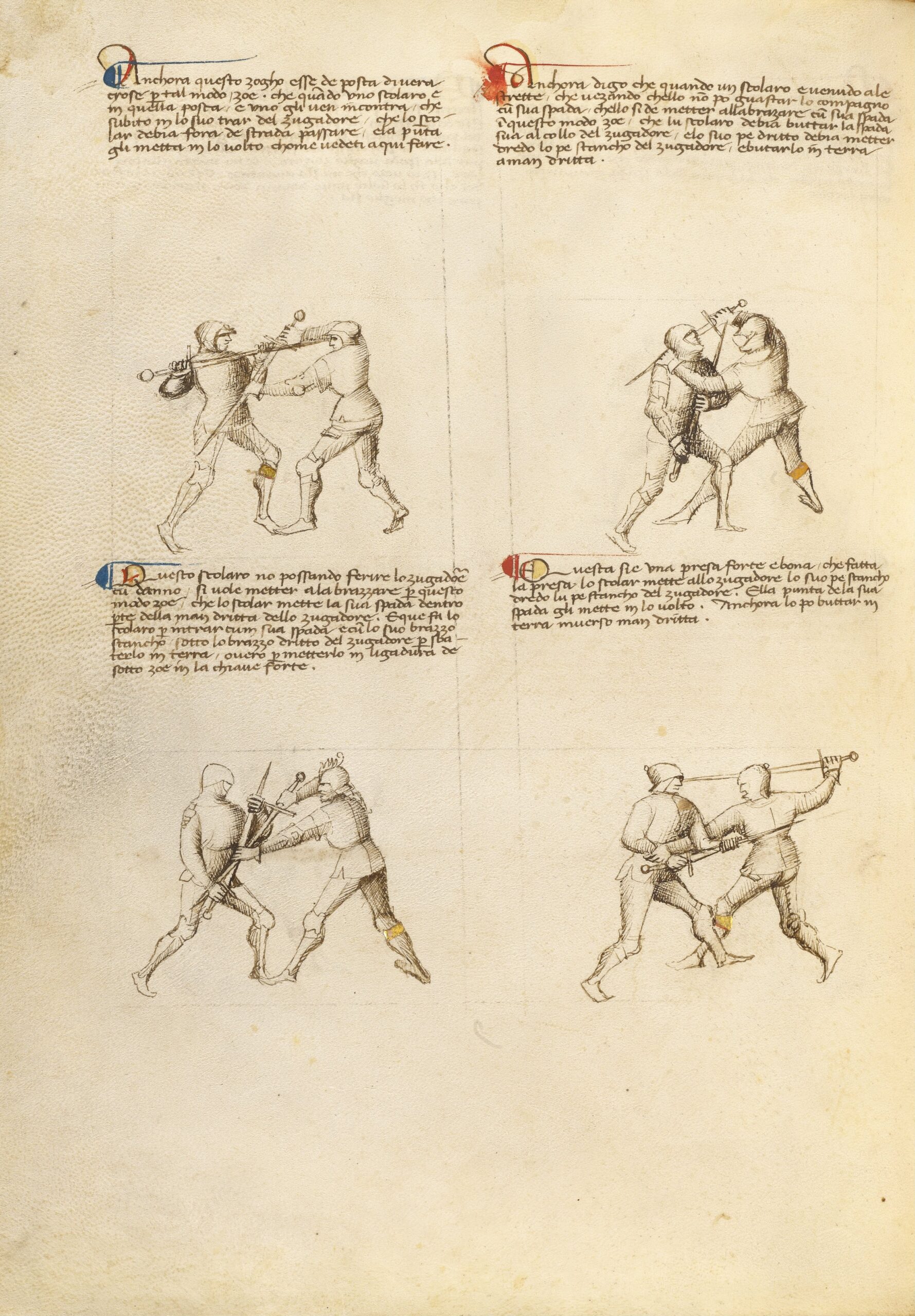
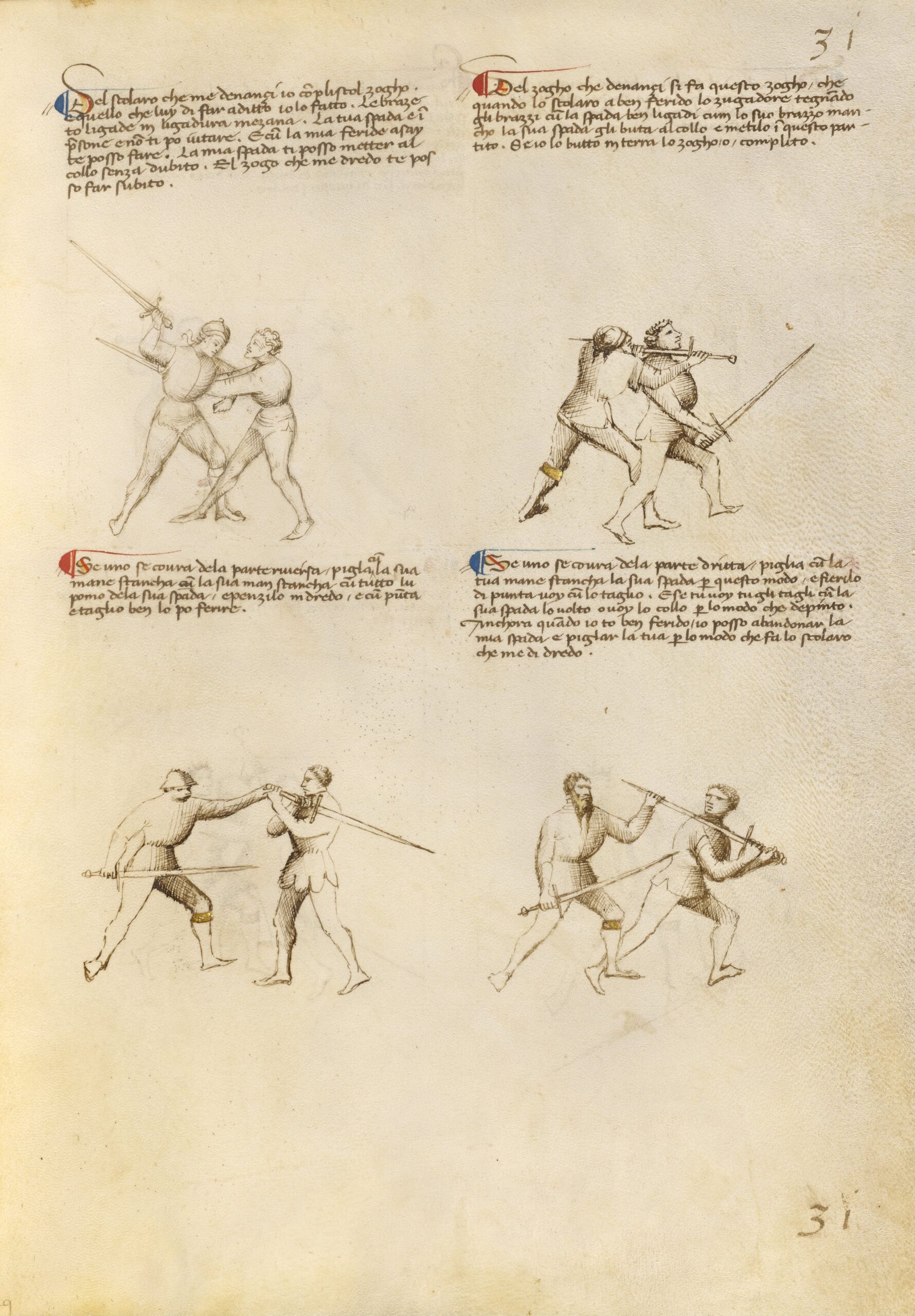
160,000+ Medieval Manuscripts Online: Where to Find Them

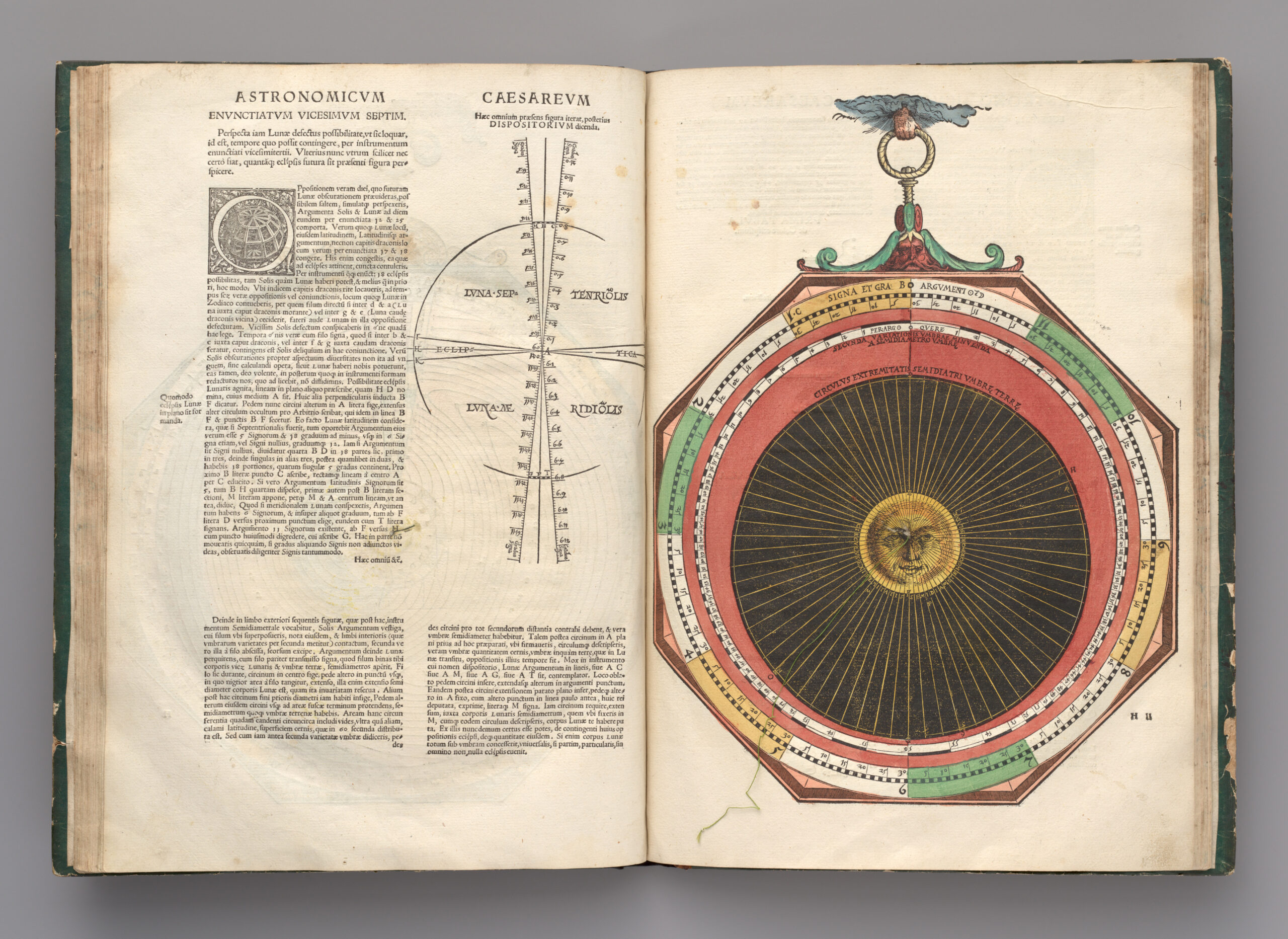
“Man­u­scripts are the most impor­tant medi­um writ­ing has ever had,” declares the Cen­tre for the Study of Man­u­script Cul­tures at the Uni­ver­sität Ham­burg. Under the influ­ence of a cer­tain pre­sen­tist bias, this can be hard to believe. We are con­di­tioned by what Mar­shall McLuhan described as The Guten­berg Galaxy: each of us is in some way what he called (in gen­dered lan­guage) a “Guten­berg Man.” From this point of view, “man­u­script tech­nol­o­gy,” as he wrote in 1962, does “not have the inten­si­ty or pow­er of exten­sion to cre­ate publics on a nation­al scale.” It seems quaint, archa­ic, too rar­i­fied to have much influ­ence.

It may be the case, as McLuhan writes, that the print­ing press and the mod­ern nation state arose togeth­er, but this is not nec­es­sar­i­ly an unqual­i­fied mea­sure of progress. Print has had a few hun­dred years—however, “for thou­sands of years,” Uni­ver­sität Ham­burg reminds us, “man­u­scripts have had a deter­min­ing influ­ence on all cul­tures that were shaped by them.” McLuhan him­self was a dis­tin­guished schol­ar and a devot­ed Catholic who no doubt under­stood this very well. One sus­pects less­er writ­ers might avoid the man­u­script, in its incred­i­ble com­plex­i­ty, because it’s not only a dif­fer­ent kind, it is a dif­fer­ent species of media alto­geth­er.

Man­u­script cul­ture is its own field of study for good rea­son. We are gen­er­al­ly talk­ing about texts writ­ten on parch­ment or vel­lum, which are, after all, treat­ed ani­mal skins. Paper is eas­i­er to repro­duce, but has a much short­er shelf life. No two man­u­scripts are the same, some dif­fer from each oth­er wild­ly: vari­ants, inter­po­la­tions, redac­tions, era­sures, palimpses­ts, etc. are stan­dard, requir­ing spe­cial train­ing in edi­to­r­i­al meth­ods. Then there’s the lan­guages and the hand­writ­ing…. It can be for­bid­ding, but there are oth­er, more sur­mount­able rea­sons this field has been so her­met­ic until the recent past.

The pri­ma­ry sources have been inac­ces­si­ble, hid­den away in spe­cial col­lec­tions, and the schol­ar­ship and ped­a­gogy have been clois­tered behind uni­ver­si­ty walls. Open access dig­i­tal pub­lish­ing and free online cours­es and mate­ri­als have changed the sit­u­a­tion rad­i­cal­ly. And it is rapid­ly becom­ing the case that most man­u­script libraries have major, and expand­ing, online col­lec­tions, often scanned in high res­o­lu­tion, some­times with tran­scrip­tions, and usu­al­ly with addi­tion­al resources explain­ing prove­nance and oth­er such impor­tant details.

Indeed, there are thou­sands of man­u­script pages online from well over a thou­sand years, and you’ll find them dig­i­tized at the links to sev­er­al ven­er­a­ble insti­tu­tions of preser­va­tion and high­er learn­ing below. There is, of course, no rea­son we can­not appre­ci­ate this long his­tor­i­cal tra­di­tion for pure­ly aes­thet­ic rea­sons. So many Medieval man­u­scripts are works of art in their own right. But if we want to get into the grit­ty details, we can start by learn­ing how such illu­mi­nat­ed medieval man­u­scripts were made: a lost art, but not, thanks to the dura­bil­i­ty of parch­ment, a lost tra­di­tion.

Learn even more at the links below.

Relat­ed Con­tent:

How Illu­mi­nat­ed Medieval Man­u­scripts Were Made: A Step-by-Step Look at this Beau­ti­ful, Cen­turies-Old Craft

How to Make a Medieval Man­u­script: An Intro­duc­tion in 7 Videos

How the Bril­liant Col­ors of Medieval Illu­mi­nat­ed Man­u­scripts Were Made with Alche­my

Behold the Beau­ti­ful Pages from a Medieval Monk’s Sketch­book: A Win­dow Into How Illu­mi­nat­ed Man­u­scripts Were Made (1494)

Josh Jones is a writer and musi­cian based in Durham, NC. Fol­low him at @jdmagness


The Dune Graphic Novel: Experience Frank Herbert’s Epic Sci-Fi Saga as You’ve Never Seen It Before

Like so many major motion pic­tures slat­ed for a 2020 release, Denis Vil­leneu­ve’s Dune has been bumped into 2021. But fans of Frank Her­bert’s epic sci­ence-fic­tion saga haven’t had to go entire­ly with­out adap­ta­tions this year, since last month saw the release of the first Dune graph­ic nov­el. Writ­ten by Kevin J. Ander­son and Frank Her­bert’s son Bri­an Her­bert, co-authors of twelve Dune pre­quel and sequel nov­els, this 160-page vol­ume con­sti­tutes just the first part of a tril­o­gy intend­ed to visu­al­ly retell the sto­ry of the first Dune book. This tri­par­tite break­down seems to have been a wise move: the many adap­tors (and would-be) adap­tors of the lin­guis­ti­cal­ly, mytho­log­i­cal­ly, and tech­no­log­i­cal­ly com­plex nov­el have found out over the decades, it’s easy to bite off more Dune than you can chew.

Audi­ences, too, can only digest so much Dune at a sit­ting them­selves. “The par­tic­u­lar chal­lenge to adapt­ing Dune, espe­cial­ly the ear­ly part, is that there is so much infor­ma­tion to be con­veyed — and in the nov­el it is done in prose and dia­log, rather than action — we found it chal­leng­ing to por­tray visu­al­ly,” says Ander­son in an inter­view with the Hol­ly­wood Reporter.

“For­tu­nate­ly, the land­scape is so sweep­ing, we could show breath­tak­ing images as a way to con­vey that back­ground.” This is the land­scape of the desert plan­et Arrakis, source of a sub­stance known as “spice.” Used as a fuel for space trav­el, spice has become the most pre­cious sub­stance in the galaxy, and its con­trol is bit­ter­ly strug­gled over by numer­ous roy­al hous­es. (Any resem­blance to Earth­’s petro­le­um is, of course, entire­ly coin­ci­den­tal.)

The main nar­ra­tive thread of the many run­ning through Dune fol­lows Paul Atrei­des, scion of the House Atrei­des. With his fam­i­ly sent to run Arrakis, Paul finds him­self at the cen­ter of polit­i­cal intrigue, plan­e­tary rev­o­lu­tion, and even a clan­des­tine scheme to cre­ate a super­hu­man sav­ior. Though Her­bert and Ander­son have pro­duced a faith­ful adap­ta­tion, the graph­ic nov­el “trims the sto­ry down to its most icon­ic touch­stone scenes,” as Thom Dunn puts it in his Boing Boing review (adding that it hap­pens to focus in “a lot of the same scenes as David Lynch did with his glo­ri­ous­ly messy film adap­ta­tion”). This stream­lin­ing also employs tech­niques unique to graph­ic nov­els: to retain the book’s shift­ing omni­scient nar­ra­tion, for exam­ple, “differ­ent­ly col­ored cap­tion box­es present inner mono­logues from dif­fer­ent char­ac­ters like voiceovers so as not to inter­rupt the scene.”

As if telling the sto­ry of Dune at a graph­ic nov­el­’s pace was­n’t task enough, Ander­son, Her­bert and their col­lab­o­ra­tors also have to con­vey its unusu­al and rich­ly imag­ined world — in not just words, of course, but images. “Dune has had a lot of visu­al inter­pre­ta­tions over the years, from Lynch’s bizarre pseu­do-peri­od piece treat­ment to the mod­ern tele­vised mini-series’ more grit­ty inter­pre­ta­tion,” writes Poly­gon’s Char­lie Hall. While “Villeneuve’s vibe appears to take its inspi­ra­tion from more futur­is­tic sci­ence fic­tion — all angles and chunky armor,” the graph­ic nov­el­’s artists Raúl Allén and Patri­cia Martín “opt for some­thing a bit more steam­punk.” These choic­es all fur­ther what Bri­an Her­bert describes as a mis­sion to “bring a young demo­graph­ic to Frank Herbert’s incred­i­ble series.” Such read­ers have shown great enthu­si­asm for sto­ries of teenage pro­tag­o­nists who grow to assume a cen­tral role in the strug­gle between good and evil — not that, in the world of Dune, any con­flict is quite so sim­ple.

Relat­ed Con­tent:

Watch the First Trail­er for Dune, Denis Villeneuve’s Adap­ta­tion of Frank Herbert’s Clas­sic Sci-Fi Nov­el

A Side-by-Side, Shot-by-Shot Com­par­i­son of Denis Villeneuve’s 2020 Dune and David Lynch’s 1984 Dune

Why You Should Read Dune: An Ani­mat­ed Intro­duc­tion to Frank Herbert’s Eco­log­i­cal, Psy­cho­log­i­cal Sci-Fi Epic

The 14-Hour Epic Film, Dune, That Ale­jan­dro Jodor­owsky, Pink Floyd, Sal­vador Dalí, Moe­bius, Orson Welles & Mick Jag­ger Nev­er Made

Moe­bius’ Sto­ry­boards & Con­cept Art for Jodorowsky’s Dune

The Dune Col­or­ing & Activ­i­ty Books: When David Lynch’s 1984 Film Cre­at­ed Count­less Hours of Pecu­liar Fun for Kids

Based in Seoul, Col­in Mar­shall writes and broad­casts on cities, lan­guage, and cul­ture. His projects include the Sub­stack newslet­ter Books on Cities, the book The State­less City: a Walk through 21st-Cen­tu­ry Los Ange­les and the video series The City in Cin­e­ma. Fol­low him on Twit­ter at @colinmarshall, on Face­book, or on Insta­gram.

David Byrne Turns His Acclaimed Musical American Utopia into a Picture Book for Grown-Ups, with Vivid Illustrations by Maira Kalman

What­ev­er your feel­ings about the sen­ti­men­tal, light­heart­ed 1960 Dis­ney film Pollyan­na, or the 1913 nov­el on which it’s based, it’s fair to say that his­to­ry has pro­nounced its own judg­ment, turn­ing the name Pollyan­na into a slur against exces­sive opti­mism, an epi­thet reserved for adults who dis­play the guile­less, out-of-touch naïveté of chil­dren. Pit­ted against Pollyanna’s effer­ves­cence is Aunt Pol­ly, too caught up in her grown-up con­cerns to rec­og­nize, until it’s almost too late, that maybe it’s okay to be hap­py.

Maybe we all have to be a lit­tle like prac­ti­cal Aunt Pol­ly, but do we also have a place for Pollyan­nas? Can that not also be the role of the mod­ern artist? David Byrne hasn’t been wait­ing for per­mis­sion to spread joy in his late career. Con­tra the com­mon wis­dom of most adults, a cou­ple years back Byrne began to gath­er pos­i­tive news sto­ries under the head­ing Rea­sons to Be Cheer­fulnow an online mag­a­zine.

Then, Byrne had the audac­i­ty to call a 2018 album, tour, and Broad­way show Amer­i­can Utopia, and the gall to have Spike Lee direct a con­cert film with the same title, and release it smack in the mid­dle of 2020, a year all of us will be glad to see in hind­sight. Byrne’s two-year endeav­or can be seen as his answer to “Amer­i­can Car­nage,” the grim phrase that began the Trump era.

As if all that weren’t enough, Amer­i­can Utopia is now an “impres­sion­is­tic, sweet­ly illus­trat­ed adult pic­ture book,” as Lily Mey­er writes at NPR, “a sooth­ing and uplift­ing, if some­what neb­u­lous, expe­ri­ence of art.” Work­ing with artist Maira Kalman, Byrne has turned his con­cep­tu­al musi­cal into some­thing like a “book-length poem… filled with charm­ing illus­tra­tions of trees, dancers, and par­ty-hat­ted dogs.”

Byrne’s project is not naive, Maria Popo­va argues at Brain Pick­ings, it’s Whit­manesque, a sal­vo of irre­press­ible opti­mism against “a kind of pes­simistic ahis­tor­i­cal amne­sia” in which we “judge the defi­cien­cies of the present with­out the long vic­to­ry ledger of past and fall into despair.” Amer­i­can Utopia doesn’t artic­u­late this so much as per­form it, either with bare feet and gray suits onstage or the vivid col­ors of Kalman’s draw­ings, “light­ly at odds,” Mey­er notes, “with Byrne’s words, trans­form­ing their plain opti­mism into a more nuanced appeal.”

Amer­i­can Utopia the book, like the musi­cal before it, was writ­ten and drawn before the pan­dem­ic. Do Byrne and Kalman still have rea­sons to be cheer­ful post-COVID? Just last week, they sat down with Isaac Fitzger­ald for Live Talks LA to dis­cuss it. You can see the whole, hour-long con­ver­sa­tion just above. Kalman con­fess­es she’s still in “qui­et shock,” but finds hope in his­tor­i­cal per­spec­tive and “incred­i­ble peo­ple out there doing fan­tas­tic things.”

Byrne takes us on one of his fas­ci­nat­ing inves­ti­ga­tions into the his­to­ry of thought, ref­er­enc­ing a the­o­rist named Aby War­burg who saw in the sum total of art a kind “ani­mat­ed life” that con­nects us, past, present, and future, and who remind­ed him, “Yes, there are oth­er ways of think­ing about things!” Per­haps the vision­ary and the Pollyan­naish need not be so far apart. See sev­er­al more of Kalman and Byrne’s beau­ti­ful­ly opti­mistic pages from Amer­i­can Utopia, the book, at Brain Pick­ings.

Relat­ed Con­tent:  

David Byrne’s Amer­i­can Utopia: A Sneak Pre­view of Spike Lee’s New Con­cert Film

David Byrne Launch­es Rea­sons to Be Cheer­ful, an Online Mag­a­zine Fea­tur­ing Arti­cles by Byrne, Bri­an Eno & More

David Byrne Curates a Playlist of Great Protest Songs Writ­ten Over the Past 60 Years: Stream Them Online

Watch Life-Affirm­ing Per­for­mances from David Byrne’s New Broad­way Musi­cal Amer­i­can Utopia

Josh Jones is a writer and musi­cian based in Durham, NC. Fol­low him at @jdmagness
A Visual History of The Rolling Stones Documented in a Beautiful, 450-Page Photo Book by Taschen

There is a cer­tain look that screams rock ‘n’ roll—one part out­law bik­er, one part psy­che­del­ic magi­cian, one part pimp, one part cir­cus per­former…. But where did it come from? We could trace it back to Link Wray, Lit­tle Richard, Elvis, Screamin’ Jay Hawkins. But the Rolling Stones refined and per­fect­ed the look, as they refined and per­fect­ed the slurred, sham­bling bar­room blues that became a sig­na­ture sound at their peak. Even punks who reject­ed the rock star image couldn’t help look­ing like Kei­th Richards at times. It’s unavoid­able. The Bea­t­les turned rock into immac­u­late cham­ber pop. The Stones turned it into pure, raw, greasy sleaze, and bless them for it.

“Ear­ly on,” says pho­tog­ra­ph­er Ethan Rus­sell, who pho­tographed them dur­ing 1969 and 1972 tours, “the Rolling Stones had this phe­nom­e­nal edgi­ness in their image, and they were able to car­ry it into the age of imagery and stay out in front of it. The way the Stones have inhab­it­ed their images is one rea­son they have been able to stay a rel­e­vant act over all these years.”

For the band’s 50th anniver­sary in 2012, they came up with the idea of a mas­sive pho­to book with Taschen that col­lects hun­dreds of pho­tographs from the span of their career. The pho­tos “range from the Stones’ nascent days as blues-crazed boy musi­cians in hound­stooth jack­ets,” notes The New York Times, “to their most recent years as the leather-faced but styl­ish­ly ven­er­a­ble elders of rock ‘n’ roll.”

The book also charts the band’s line­up changes along the way, cap­tur­ing bril­liant and trag­ic Bri­an Jones, under­rat­ed Mick Tay­lor, and under­stat­ed Bill Wyman, who left in the ear­ly 90s. Over the years, a cou­ple dozen famous pho­tog­ra­phers have immor­tal­ized them: David Bai­ley, Herb Ritts, Peter Beard, Andy Warhol, David LaChapelle, Annie Lei­bovitz, Gered Mankowitz, Cecil Beat­on, Anton Cor­bi­jn, and so many more—all rep­re­sent­ed here in glo­ri­ous full-col­or spreads. The over 500-page book also includes essays from writ­ers like David Dal­ton, Walde­mar Januszczak, and Luc Sante and an appen­dix with a time­line, discog­ra­phy, and bios of the pho­tog­ra­phers.

The Rolling Stones also fea­tures images from the Stones’ archives in New York and Lon­don, adding “an equal­ly extra­or­di­nary, more pri­vate side to their sto­ry,” writes Taschen. First pub­lished in 2012, the book will soon be reis­sued in an updat­ed edi­tion for 2020. Need a gift for the Stones super­fan in your life? Con­sid­er a ring­ing endorse­ment from anoth­er rock star, Antho­ny Bour­dain, who called the book his favorite: “icon­ic then, icon­ic now,” says Bour­dain, “they wrote the book on what it meant to be rock stars: how to look, dress, behave.… They were the first rock and roll aris­to­crats.” Pick up a copy of Taschen’s The Rolling Stones on Ama­zon.

Relat­ed Con­tent: 

Watch the Rolling Stones Play “You Can’t Always Get What You Want” While Social Dis­tanc­ing in Quar­an­tine

The Rolling Stones Release a Long Lost Track Fea­tur­ing Led Zeppelin’s Jim­my Page

The Rolling Stones Release a Time­ly Track, “Liv­ing in a Ghost Town”: Their First New Music in Eight Years

Josh Jones is a writer and musi­cian based in Durham, NC. Fol­low him at @jdmagness
Why Butt Trumpets & Other Bizarre Images Appeared in Illuminated Medieval Manuscripts

In illu­mi­nat­ed man­u­scripts, Medieval Europe can seem more like Mon­ty Python and the Holy Grail than the grim tales of grey-faced, mildewed kings, monks, knights, and peas­ants turned out by the Hol­ly­wood dozen. Yes, life could be bru­tal, bloody, dis­ease-rid­den, but it could also be absur­dist and unin­ten­tion­al­ly hilar­i­ous, qual­i­ties that reach their apex in the weird­ness of Hierony­mus Bosch’s “painful, hor­ri­ble” musi­cal instru­ments in his Gar­den of Earth­ly Delights.

While Bosch paint­ed his night­mar­ish cacoph­o­nies, Medieval scribes’ cats peed and left inky foot­prints on 15th cen­tu­ry man­u­scripts, with­in whose illus­trat­ed pages, rab­bits play church organs, valiant knights do bat­tle with giant snails, and a naked man blows a trum­pet with his rear end (a pre­cur­sor to the man in Bosch’s paint­ing with a flute stuck in his rear.) “These bizarre images,” TED Ed notes, “paint­ed with squir­rel-hair brush­es on vel­lum or parch­ment by monks, nuns, and urban crafts­peo­ple, pop­u­late the mar­gins of the most prized books from the Mid­dle Ages.”

The ani­mat­ed video les­son at the top by Michelle Brown “explores the rich his­to­ry and tra­di­tion of illu­mi­nat­ed man­u­scripts” in their eccen­tric­i­ty and seem­ing silli­ness. The ani­mal motifs in mar­gin­al illus­tra­tions were nei­ther aim­less doo­dles nor inside jokes. They were alle­gor­i­cal fig­ures descend­ed from the menageries of Medieval bes­tiaries, repeat­ed the­mat­i­cal­ly to rep­re­sent human vices and virtues. Rab­bits, for exam­ple, rep­re­sent­ed lust, and their music-mak­ing was a vir­tu­ous sub­li­ma­tion of the same.

These asso­ci­a­tions weren’t always so clear, espe­cial­ly when they were explic­it­ly reli­gious. The por­cu­pine pick­ing fruit from its spine could rep­re­sent either dev­il or sav­ior, depend­ing on con­text. The uni­corn, which can only be killed with its head in the lap of a vir­gin, might stand for sex­u­al temp­ta­tion or the sac­ri­fice of Christ. But the few read­ers in this man­u­script cul­ture would have rec­og­nized the ref­er­ences and allu­sions, although, like all signs, the illus­tra­tions com­mu­ni­cate sev­er­al dif­fer­ent, even con­tra­dic­to­ry, mean­ings at once.

And what of the butt trum­pet? It is “like­ly short­hand to express dis­ap­proval with, or add an iron­ic spin to, the action in the text.” The butt trum­pet, ladies and gen­tle­men, is as adver­tised: that most ven­er­a­ble of expres­sions, the fart joke, to which there is no wit­ty reply and which—as scat­o­log­i­cal humor can do—might be sly­ly sub­ver­sive polit­i­cal cri­tique. Lit­er­ate or not, Medieval Euro­peans spoke a lan­guage of sym­bols that stood in for whole folk tra­di­tions and the­olo­gies. The butt trum­pet, how­ev­er, is just objec­tive­ly, crude­ly fun­ny, prob­a­bly as much to the artists who drew them as to those of us, hun­dreds of years lat­er, encoun­ter­ing them for the first time. See sev­er­al more exam­ples here and learn more about Medieval and Renais­sance man­u­scripts here.

Relat­ed Con­tent:

Lis­ten to a Record­ing of a Song Writ­ten on a Man’s Butt in a 15-Cen­tu­ry Hierony­mus Bosch Paint­ing

The Flute of Shame: Dis­cov­er the Instrument/Device Used to Pub­licly Humil­i­ate Bad Musi­cians Dur­ing the Medieval Peri­od

Why Knights Fought Snails in Illu­mi­nat­ed Medieval Man­u­scripts

Josh Jones is a writer and musi­cian based in Durham, NC. Fol­low him at @jdmagness
A Look into the Wondrous Life & Expansive Work of the Late Jan Morris, Who Wrote the Entire World

Jan Mor­ris spent her long life and career writ­ing about the world. Her volu­mi­nous body of work includes books about coun­tries like Spain, the Unit­ed States, and her ances­tral home­land of Wales; cities like Oxford, Tri­este, and Syd­ney; and even city-states like Hong Kong and her beloved (if some­times resent­ed) Venice. And yet, as she declared on CBS Sun­day Morn­ing twen­ty years ago, “I hate being called a trav­el writer, and I don’t believe I am one. When I go to a place, I describe its effect upon my own sen­si­bil­i­ty. I’m not telling the read­er what they’re going to find there; I’m just telling peo­ple what effect the place has had upon me.” To The Paris Review she called her­self a “a bel­letrist, an old-fash­ioned word,” and a bel­letrist “most­ly con­cerned with place.”

“It’s hard not to be fas­ci­nat­ed by Jan Mor­ris,” says Observ­er edi­tor Robert McCrum in the BBC pro­file just above. This would be true of any writer who had seen and con­sid­ered so much of the Earth, which in Mor­ris’ case also hap­pens to include the top of Mt. Ever­est, con­quered in 1953 along with the his­to­ry-mak­ing expe­di­tion of Sir Edmund Hillary.

She reached the sum­mit as a he, hav­ing lived for her first forty or so years as James Mor­ris; becom­ing Jan, in her per­cep­tion, con­sti­tut­ed a jour­ney of anoth­er kind. “I have inter­pret­ed this thing roman­ti­cal­ly, coy­ly, and tweely as some sort of a quest that has been imposed upon me,” she said in a 1974 talk-show appear­ance pro­mot­ing her nar­ra­tive of tran­si­tion Conun­drum — “an arro­gant book, an ego­tis­ti­cal book about myself, and I’m afraid that you must take it or leave it.”

Just as Mor­ris nev­er called her­self a trav­el writer, she nev­er spoke of hav­ing under­gone a sex change. “I did not change sex,” she told her final inter­view­er, The Guardian’s Tim Adams. “I real­ly absorbed one into the oth­er. I’m a bit of each now.” For her many read­ers, this great­ly deep­ens her val­ue as an observ­er. “I’ve writ­ten as an out­sider, always,” as she puts it to McCrum. “I’ve nev­er pre­tend­ed to get inside the spir­it, or the thoughts of oth­er cul­tures, oth­er peo­ple, oth­er cities, even. I’m always the onlook­er.” And yet this very nature made her, among oth­er things, “the kind­est, shrewdest and most inde­fati­ga­ble mas­ter por­traitist of cities,” as her fel­low writer of place Pico Iyer tweet­ed in response to the news of her death on Novem­ber 20 at the age of 94.

Among Mor­ris’ work not filed under “trav­el” one finds sub­jects like Abra­ham Lin­coln, the Japan­ese Bat­tle­ship Yam­a­to, and the rise and fall of the British Empire. To my mind, this his­tor­i­cal per­spec­tive did a good deal to make her a mod­el “city crit­ic,” and one whose work lights the way for writ­ers of place to come. She con­tin­ued pub­lish­ing that work up until the end — and indeed will con­tin­ue past it, a delib­er­ate­ly posthu­mous vol­ume called Alle­go­riz­ings hav­ing been com­plet­ed years ago. “When I die, which I’m going to one of these days, I think peo­ple will be able to say that I’ve writ­ten an awful lot of books about the whole world at a par­tic­u­lar moment,” Mor­ris said in a recent inter­view on BBC Radio 3’s The Verb. She enjoyed a longer moment, not to men­tion a wider expanse, than most; through her writ­ing, we’ll car­ry on enjoy­ing it our­selves.

Relat­ed Con­tent:

Venice in Beau­ti­ful Col­or Images 125 Years Ago: The Rial­to Bridge, St. Mark’s Basil­i­ca, Doge’s Palace & More

Watch the Rise and Fall of the British Empire in an Ani­mat­ed Time-Lapse Map ( 519 A.D. to 2014 A.D.)

Watch Sir Edmund Hillary Describe His Ever­est Ascent, on the 60th Anniver­sary of His Climb

The Dig­i­tal Trans­gen­der Archive Fea­tures Books, Mag­a­zines & Pho­tos Telling the His­to­ry of Trans­gen­der Cul­ture

The Best Writ­ing Advice Pico Iyer Ever Received

Based in Seoul, Col­in Mar­shall writes and broad­casts on cities, lan­guage, and cul­ture. His projects include the Sub­stack newslet­ter Books on Cities, the book The State­less City: a Walk through 21st-Cen­tu­ry Los Ange­les and the video series The City in Cin­e­ma. Fol­low him on Twit­ter at @colinmarshall, on Face­book, or on Insta­gram.

A 1913 Children’s Book Lampoons Duchamp, Picasso & Other Avant-Garde Artists: Read The Cubies’ ABC Online

Igor Stravin­sky’s The Rite of Spring pre­miered in 1913, and its vio­lent break from musi­cal and chore­o­graph­ic tra­di­tion, so the sto­ry goes, pushed the gen­teel Parisian audi­ence to vio­lent rebel­lion. That tale may have grown taller over the past cen­tu­ry, but pub­lic dis­taste for then-nov­el trends in all forms of “mod­ern art” has left a paper trail. Here we have a par­tic­u­lar­ly amus­ing exhib­it, and long an obscure one: The Cubies’ ABC, a pic­ture book by a cou­ple named Mary Mills and Earl Har­vey Lyall. They were inspired by anoth­er major cul­tur­al event of 1913, the Inter­na­tion­al Exhi­bi­tion of Mod­ern Art, or “Armory Show,” which offered the Unit­ed States of Amer­i­ca its first look at ground­break­ing work by Mar­cel Duchamp, Pablo Picas­so, and Wass­i­ly Kandin­sky, among a host of oth­er for­eign artists.

The Lyalls, evi­dent­ly, were not impressed. In order to ridicule what they seem to have con­sid­ered the pre­ten­sions of the avant-garde, they came up with the Cubies, a trio of angu­lar, wild-haired trou­ble­mak­ers bent on dis­card­ing all estab­lished con­ven­tions in the name of Ego, the Future, and Intu­ition.

Those three con­cepts get their own pages in this alpha­bet­i­cal­ly orga­nized book, as do artists — not that the authors would uniron­i­cal­ly grant them the title — like Duchamp, “the Deep-Dyed Deceiv­er, who, draw­ing accor­dions, labels them stairs”; Kandin­sky, painter of “Kute ‘impro­vi­sa­tions’ ”; and even Gertrude Stein, “elo­quent scribe of the Futur­ist soul.” X stands, of course, for “the Xit,” a direc­tion “Xtreme­ly allur­ing when Cubies invite us to study their Art.”

“We tend to for­get, now that the Cubists and Futur­ists have become as inte­gral to the his­to­ry of art as the painters of the Dutch Gold­en Age and the Ital­ian Renais­sance, how hos­tile most peo­ple — even most artists — felt toward the non-rep­re­sen­ta­tion­al inno­va­tions of the artists on dis­play at the Armory,” says the Pub­lic Domain Review, where you can read The Cubies’ ABC in full.

You can also buy a copy of the reprint orga­nized by gal­lerist Fran­cis Nau­mann in com­mem­o­ra­tion of the Armory show’s cen­te­nary. “Peo­ple in those days thought that they could stop mod­ern art in its tracks,” says Nau­mann in New York­er piece on the book. Did the Lyalls think the Cubies’ antics would land a deci­sive blow against abstrac­tion and sub­jec­tiv­i­ty? Then again, could they have imag­ined us enjoy­ing them more than a hun­dred years lat­er, in a time unknow­able to even the most far-sight­ed Futur­ist?

Relat­ed Con­tent:

Take a Vir­tu­al Tour of the 1913 Exhi­bi­tion That Intro­duced Avant-Garde Art to Amer­i­ca

The Nazi’s Philis­tine Grudge Against Abstract Art and The “Degen­er­ate Art Exhi­bi­tion” of 1937

The Guggen­heim Puts Online 1700 Great Works of Mod­ern Art from 625 Artists

24,000 Vin­tage Car­toons from the Library of Con­gress Illus­trate the His­to­ry of This Mod­ern Art Form (1780–1977)

The Anti-Slav­ery Alpha­bet: 1846 Book Teach­es Kids the ABCs of Slavery’s Evils

Based in Seoul, Col­in Mar­shall writes and broad­casts on cities, lan­guage, and cul­ture. His projects include the Sub­stack newslet­ter Books on Cities, the book The State­less City: a Walk through 21st-Cen­tu­ry Los Ange­les and the video series The City in Cin­e­ma. Fol­low him on Twit­ter at @colinmarshall, on Face­book, or on Insta­gram.

« Go BackMore in this category... »
Quantcast