Winnie the Pooh Went Into the Public Domain, and Someone Already Turned the Story Into a Slasher Film: Watch the Trailer for Winnie-The-Pooh: Blood and Honey

Deep in the Hun­dred Acre Wood

Where Christo­pher Robin plays

You’ll find the enchant­ed neigh­bor­hood

Of Christo­pher’s child­hood days…

Those sweet­ly sen­ti­men­tal lyrics were penned not by A.A. Milne, cre­ator of Win­nie-The-Pooh but rather the Acad­e­my-Award win­ning song­writ­ing team of broth­ers Robert and Richard Sher­man, who also penned the scores of Mary Pop­pins, Chit­ty Chit­ty Bang Bang, and The Jun­gle Book.

If you are under the age of 60, chances are your con­cept of Pooh, Eey­ore, Piglet, Kan­ga, Roo, Owl, Rab­bit and Tig­ger is informed by Win­nie the Pooh and Hon­ey Tree, the 1966 Dis­ney car­toon that launched a suc­cess­ful fran­chise, not E.H. Shepherd’s charm­ing illus­tra­tions for the 1926 book, Win­nie the Pooh, which entered the pub­lic domain this year.

This means that Milne’s work can be freely repro­duced or reworked, though Dis­ney retains the copy­right to their ani­mat­ed char­ac­ter designs.

Jen­nifer Jenk­ins, direc­tor of the Cen­ter for the Study of the Pub­lic Domain at Duke Uni­ver­si­ty, told the Wash­ing­ton Post that the bulk of the inquiries she field­ed in the lead up to 2022’s pub­lic domain titles becom­ing avail­able had to do with Win­nie the Pooh:

I can’t get over how peo­ple are freak­ing out about Win­nie-the-Pooh in a good way. Every­one has a very spe­cif­ic sto­ry of the first time they read it or their par­ents gave them a doll or they [have] sto­ries about their kids…It’s the Ted Las­so effect.We need a win­dow into a world where peo­ple or ani­mals behave with decen­cy to one anoth­er.”

Ummm…

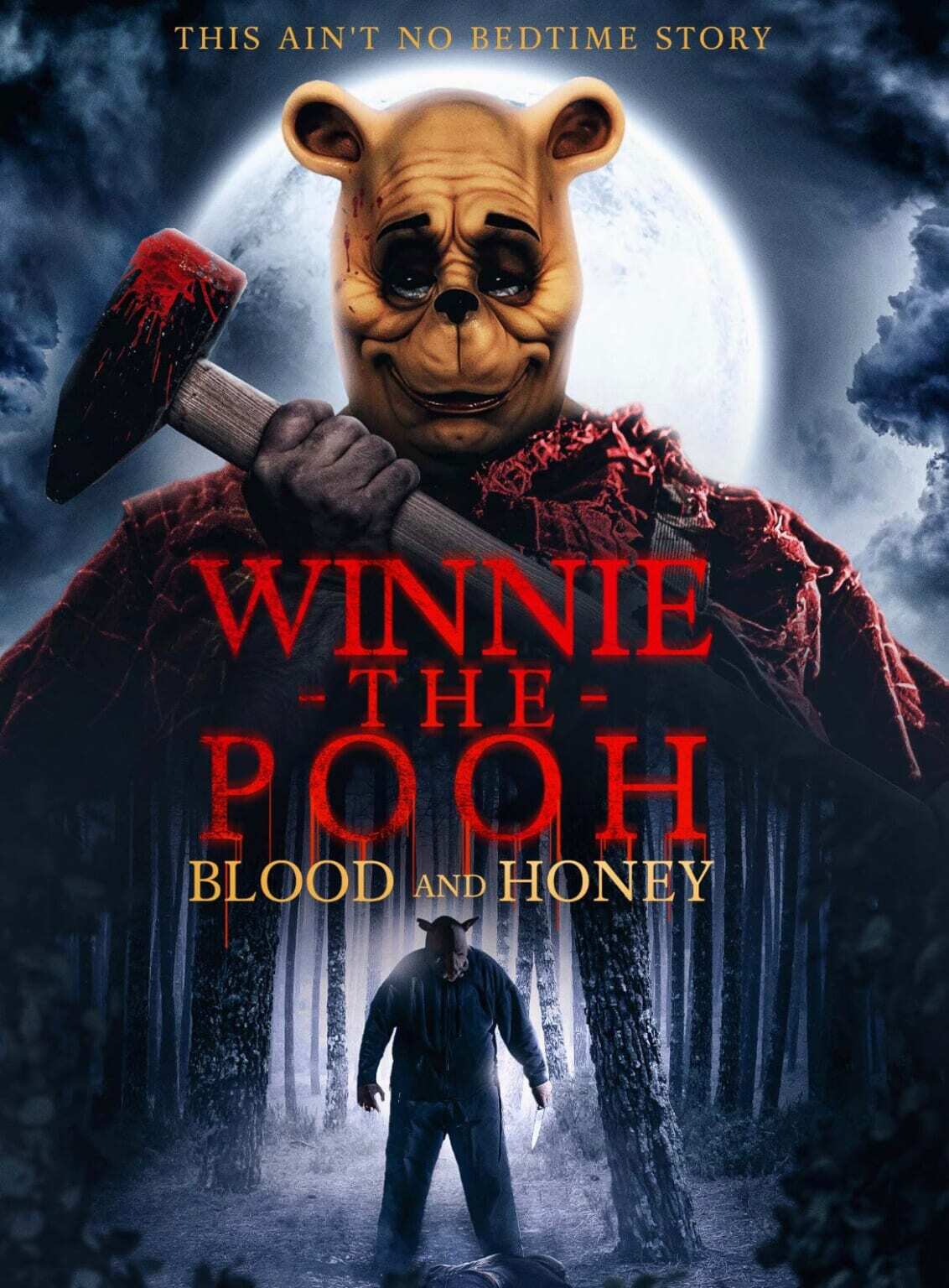
Judg­ing by the trail­er for their upcom­ing live action, low bud­get fea­ture, Win­nie the Pooh: Blood and Hon­ey, Jagged Edge, a Lon­don-based hor­ror pro­duc­tion com­pa­ny, is not much inter­est­ed in Ted Las­so good vibes, though they do man­age to stay with­in the lim­its of the law, equip­ping a black clad Piglet with threat­en­ing tusks, and dress­ing the tit­u­lar “sil­ly old bear” in a red shirt that doesn’t exact­ly scream Tum­my Song.

More like Texas Chain­saw Mas­sacre.

Pro­duc­er-Direc­tor Rhys Frake-Water­field whose as-yet-unre­leased cred­its include Peter Pan’s Nev­er­land Night­mare and Spi­ders on a Plane told Vari­ety that “we did as much as we could to make sure [the film] was only based on the 1926 ver­sion:”

When you see the cov­er for this and you see the trail­ers and the stills and all that, there’s no way any­one is going to think this is a child’s ver­sion of it.

Here’s hop­ing he’s right.

The trail­er traf­fics freely in slash­er flick tropes:

A biki­ni clad young woman relax­ing, obliv­i­ous­ly, in a hot tub.

A hand held cam­era track­ing a des­per­ate, and prob­a­bly doomed, escape attempt through the woods.

Unnerv­ing warn­ings writ­ten in blood (or pos­si­bly hon­ey?)

The child­ish scrawl on the sign demar­cat­ing the 100 Acre Wood is both faith­ful to the orig­i­nal, and unmis­tak­ably sin­is­ter.

Equal­ly dis­turb­ing is the let­ter­ing on Eeyore’s home­made grave mark­er. (SPOILER: as per Vari­ety, a starv­ing Pooh and Piglet ate him…and appar­ent­ly dis­card­ed a human skull near­by.)

The “enchant­ed neigh­bor­hood of Christo­pher’s child­hood days” has gone decid­ed­ly down­hill.

Direc­tor Frake-Water­field paints Pooh and Piglet as the pri­ma­ry vil­lains, but sure­ly the col­lege-bound Christo­pher Robin deserves some of the blame for aban­don­ing his old friends.

On the oth­er hand, when a col­lege-bound Andy tossed his beloved child­hood play­things in a give­away box at the begin­ning of Toy Sto­ry 3, Buzz and Woody did not go on a mur­der­ous ram­page.

As Frake-Water­field described Pooh and Piglet’s devo­lu­tion to Huff­Post:

Because they’ve had to fend for them­selves so much, they’ve essen­tial­ly become fer­al. So they’ve gone back to their ani­mal roots. They’re no longer tame: they’re like a vicious bear and pig who want to go around and try and find prey.

An inter­view with Dread Cen­tral offers a graph­ic taste of the vio­lent may­hem they inflict, even as Christo­pher Robin, as clue­less as a biki­ni clad inno­cent in a hot tub, bleats, “We used to be friends, why are you doing this!?”

Unsur­pris­ing­ly, the film’s tagline is “This Ain’t No Bed­time Sto­ry.”

View pro­duc­tion pho­tos, if you dare, here.

- Ayun Hal­l­i­day is the Chief Pri­ma­tol­o­gist of the East Vil­lage Inky zine and author, most recent­ly, of Cre­ative, Not Famous: The Small Pota­to Man­i­festo Her alle­giance has long been with the 1926 ver­sion. Fol­low her @AyunHalliday.

Relat­ed Con­tent 

What’s Enter­ing the Pub­lic Domain in 2022: The Sun Also Ris­es, Win­nie-the-Pooh, Buster Keaton Come­dies & More

Hear the Clas­sic Win­nie-the-Pooh Read by Author A.A. Milne in 1929

The Orig­i­nal Stuffed Ani­mals That Inspired Win­nie the Pooh

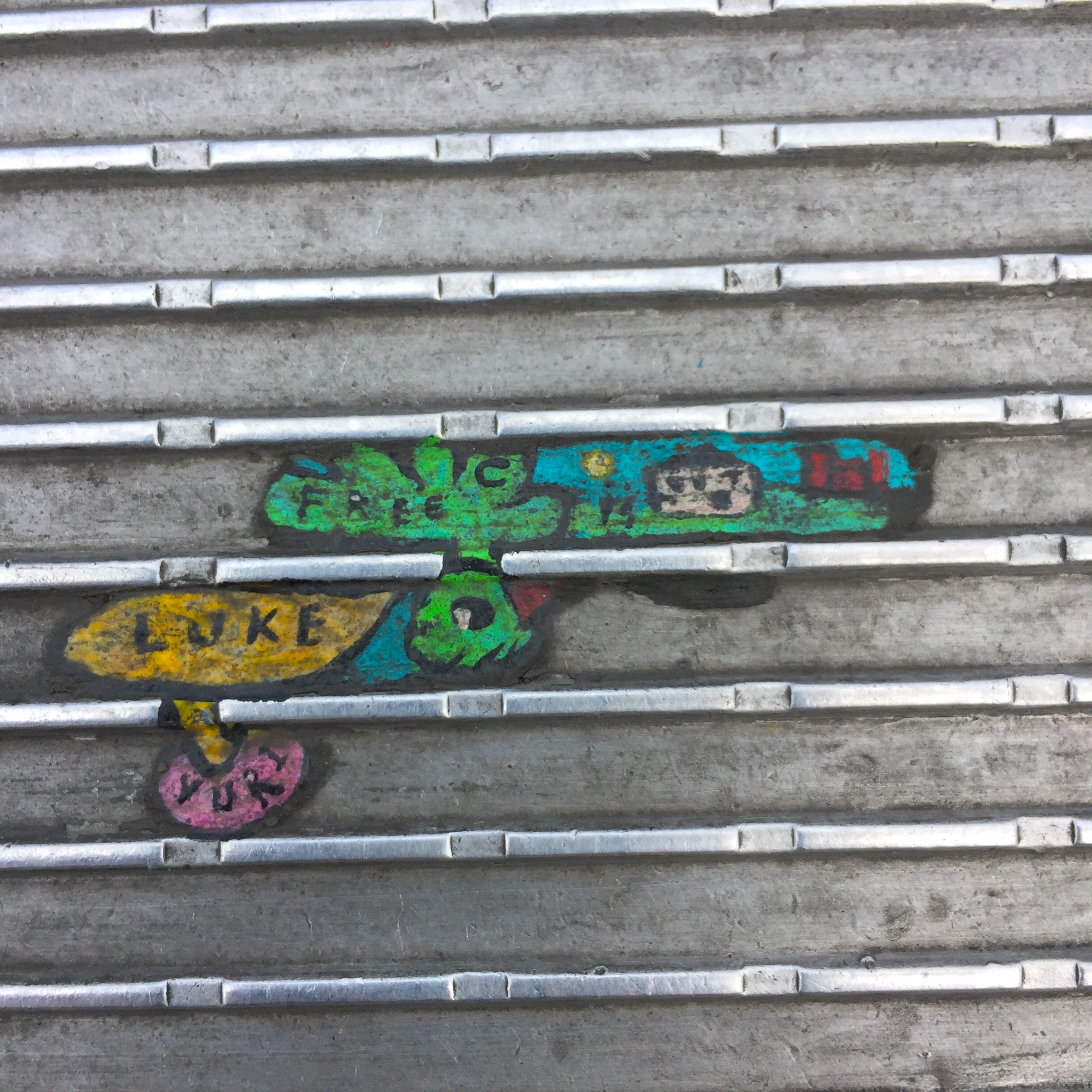
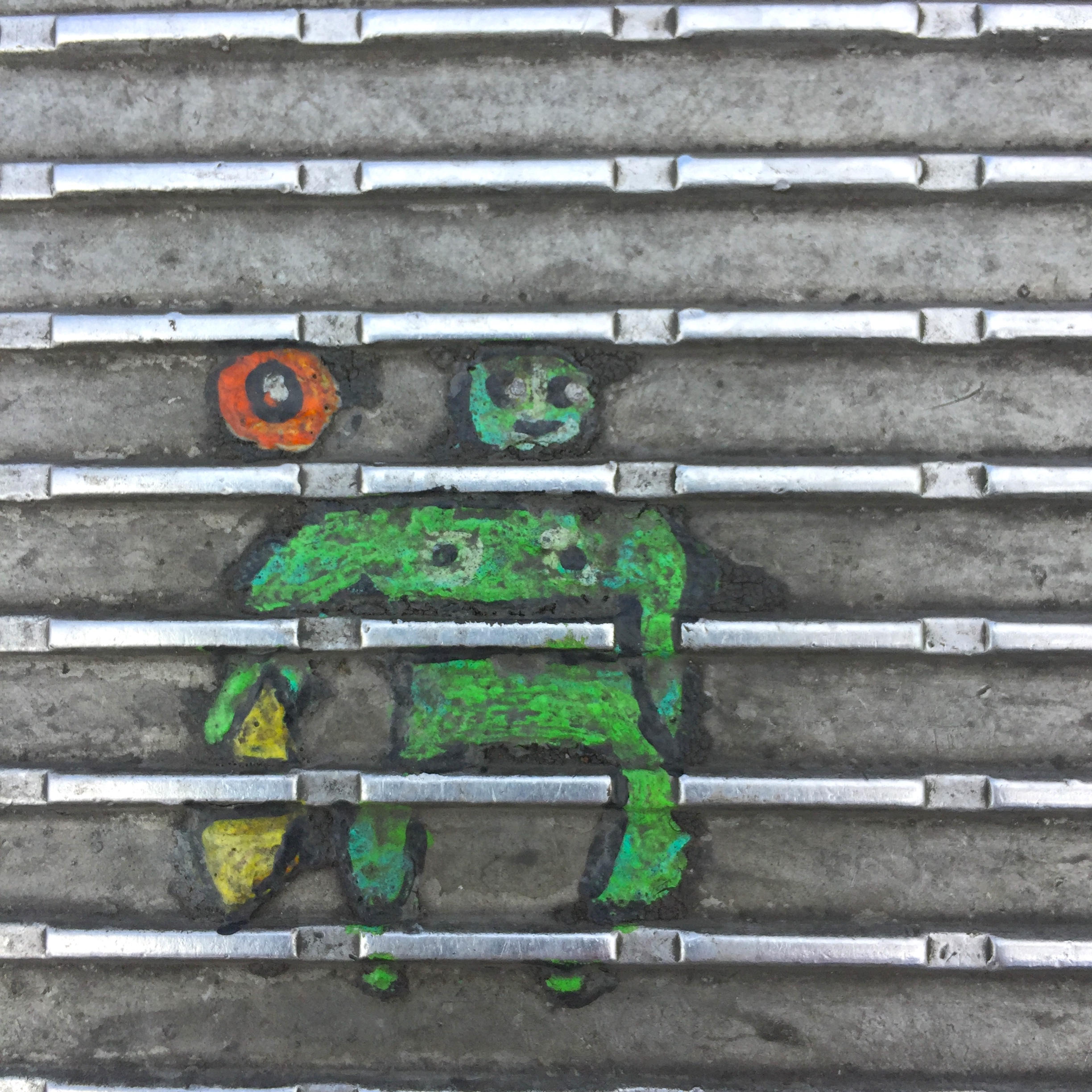
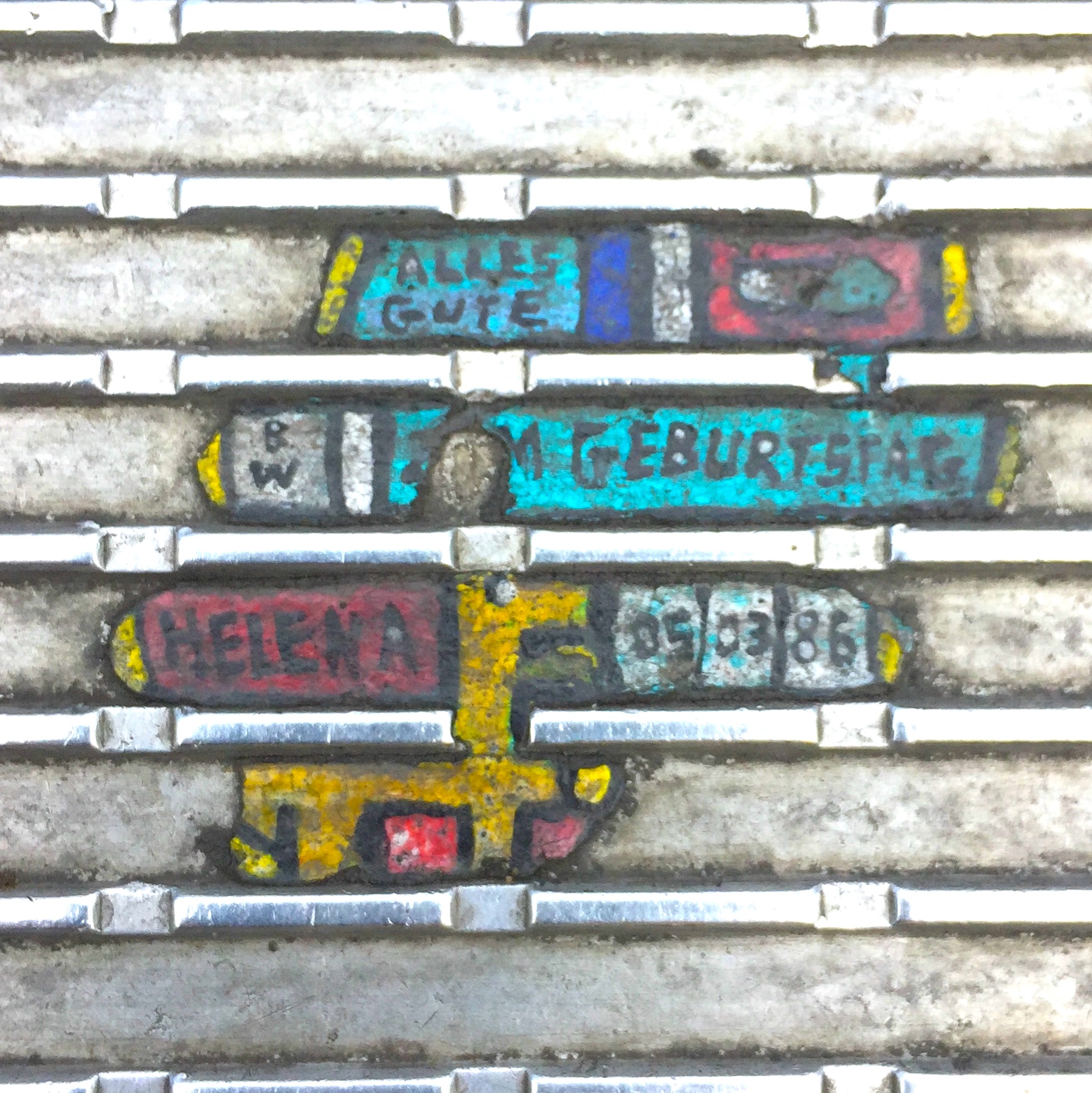
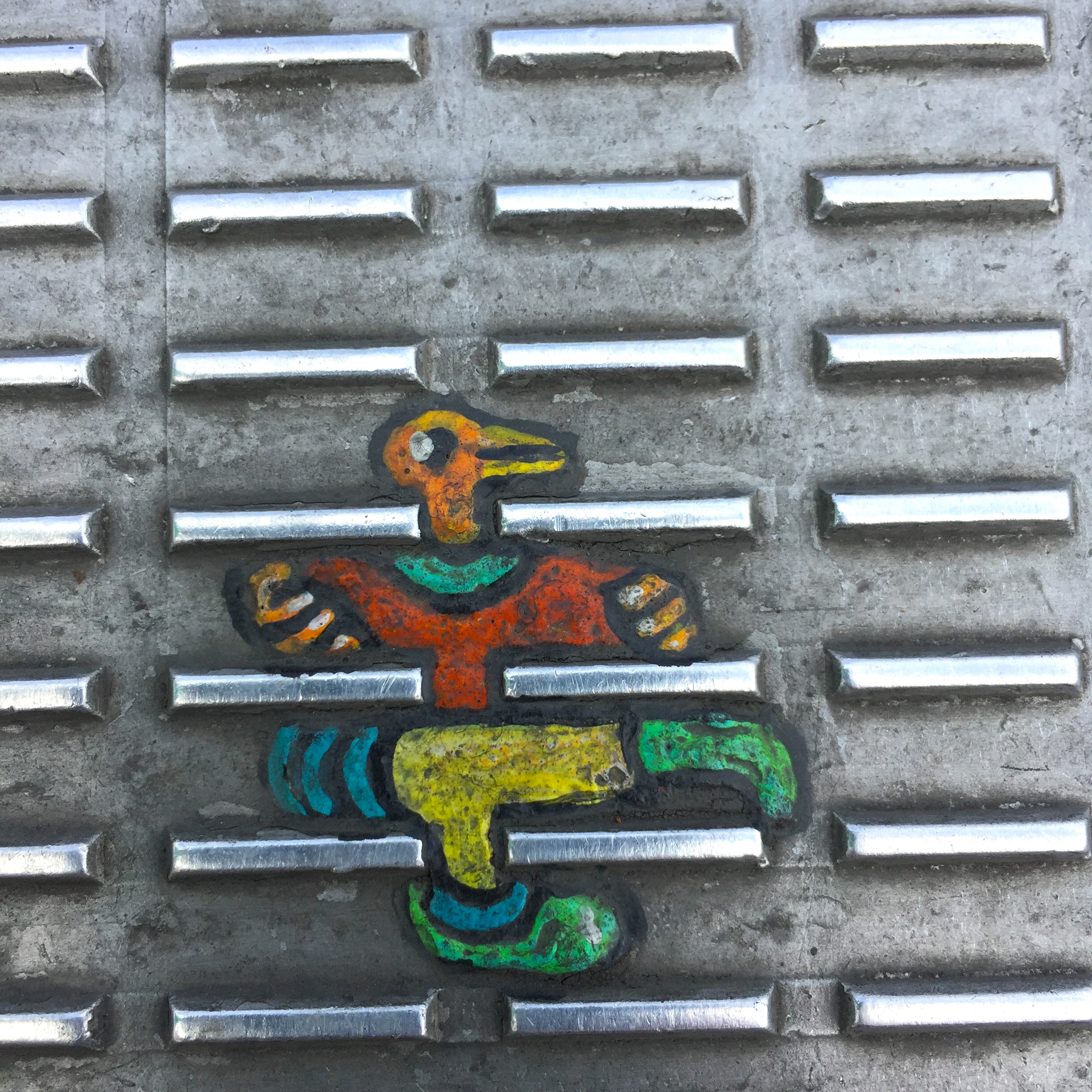
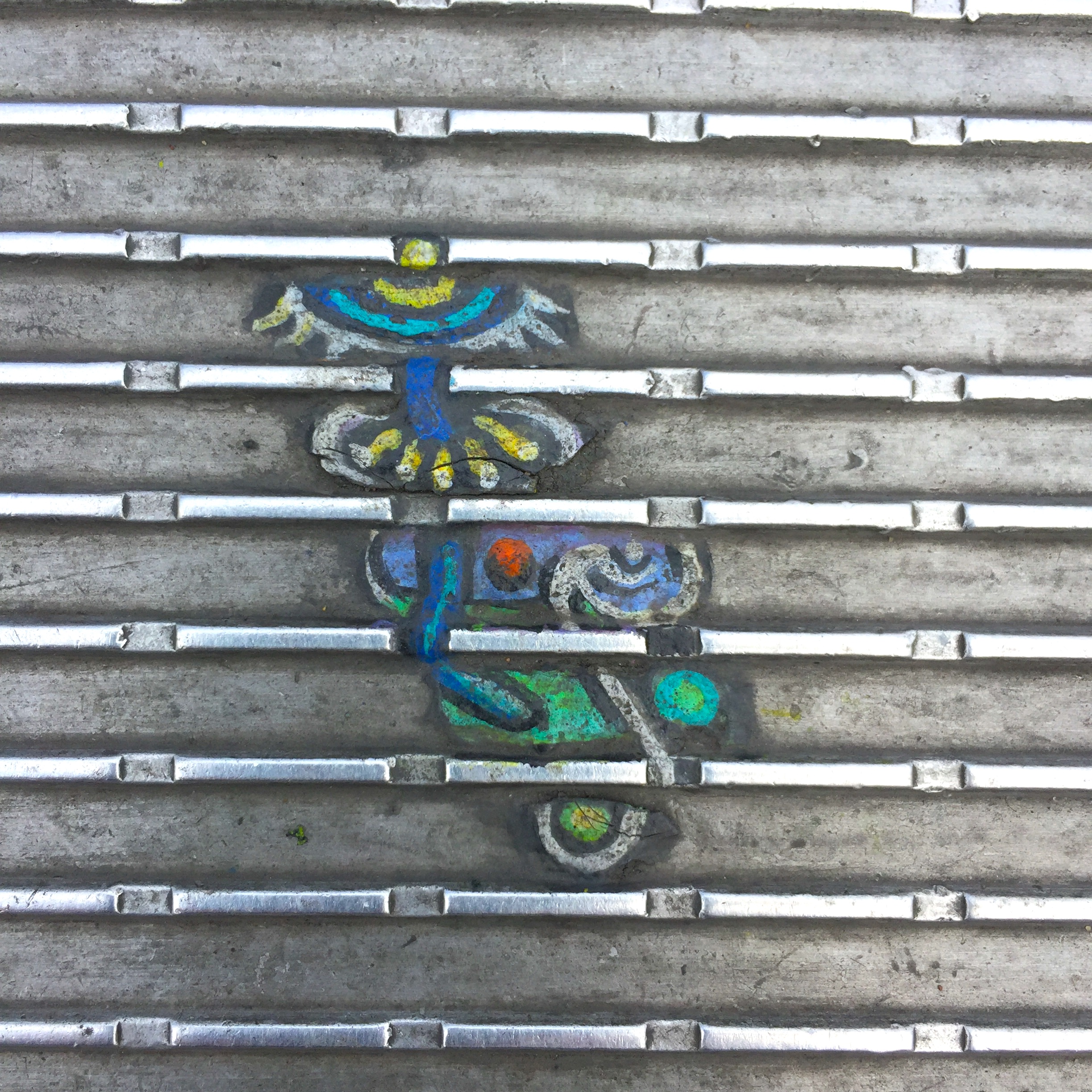
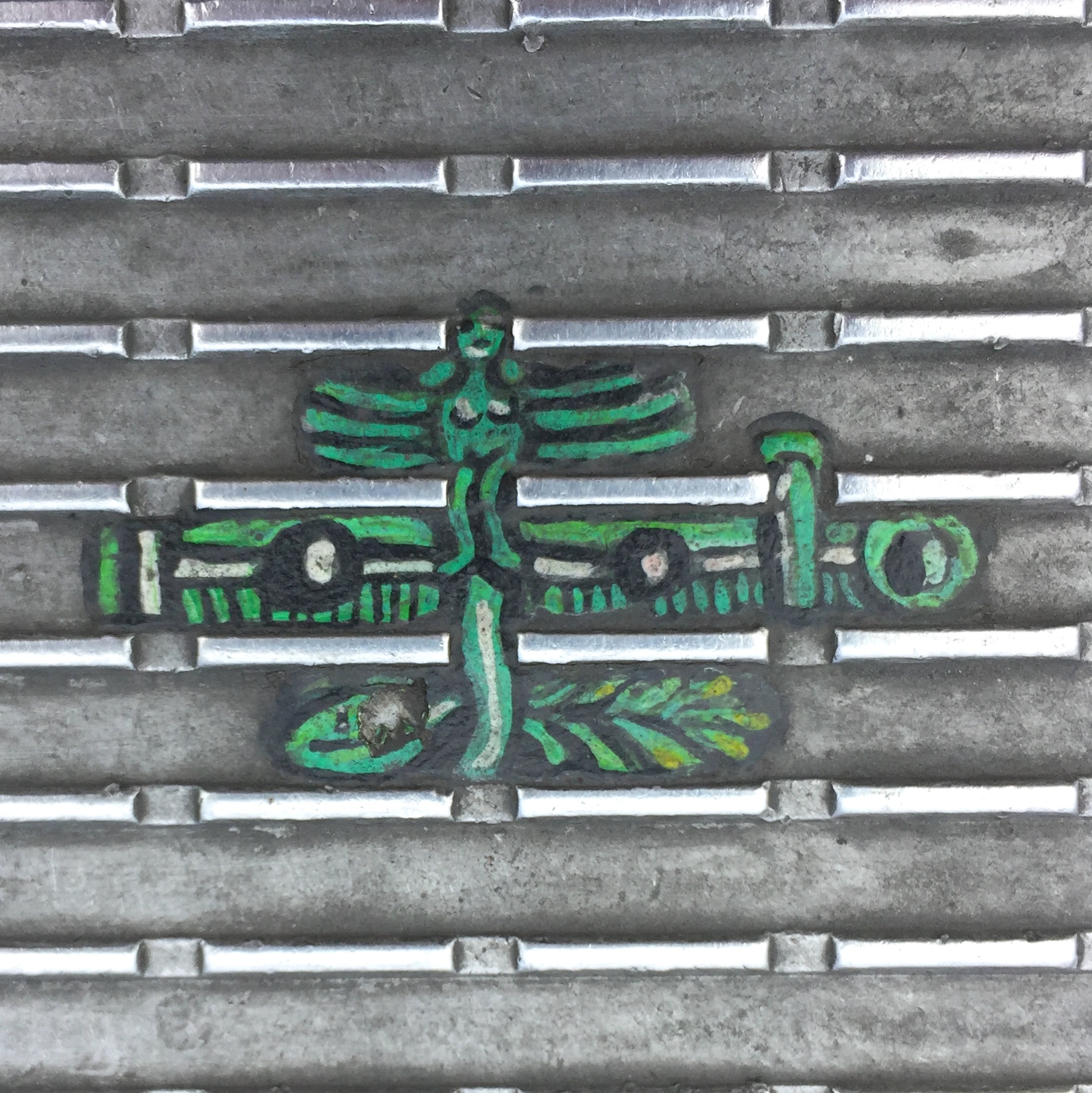
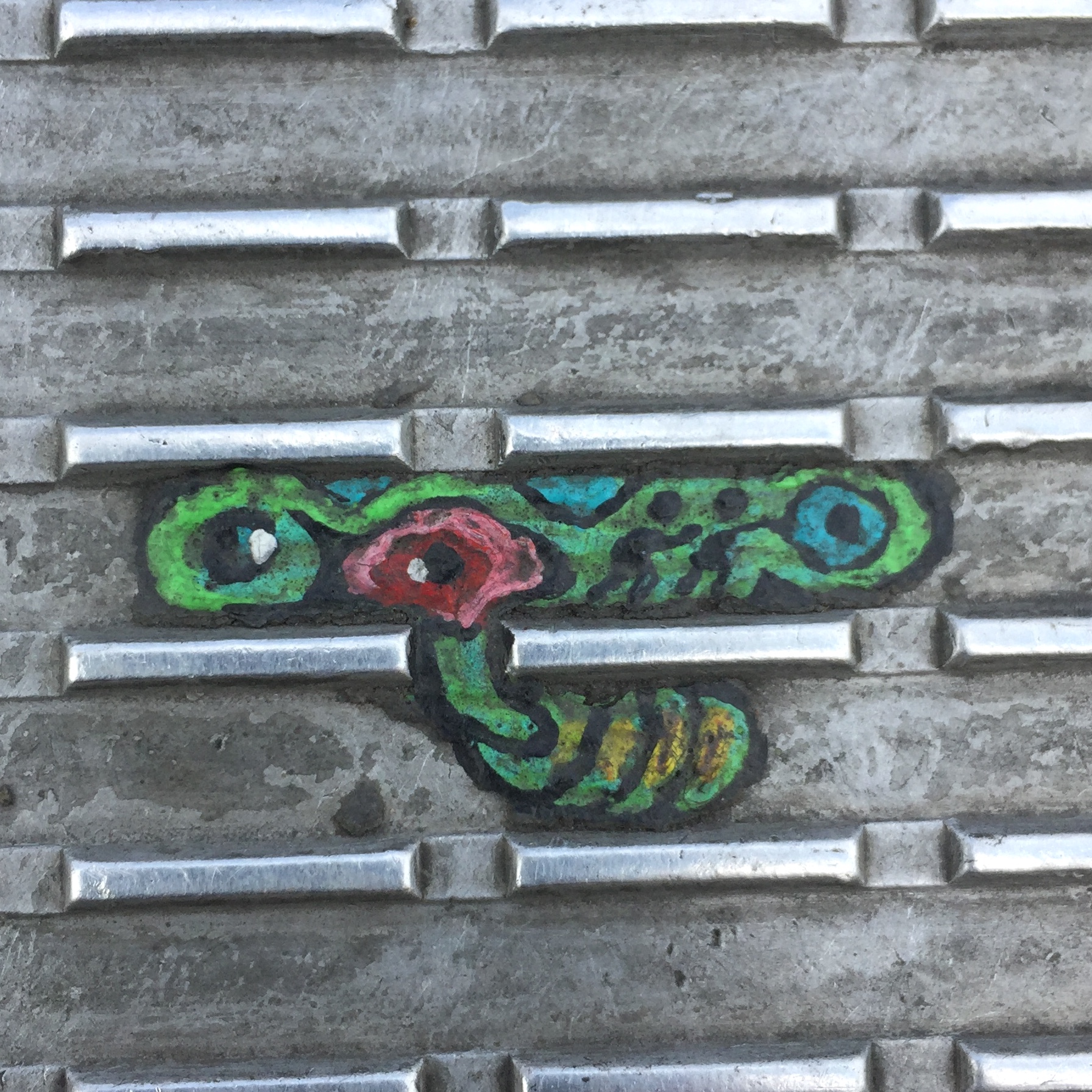
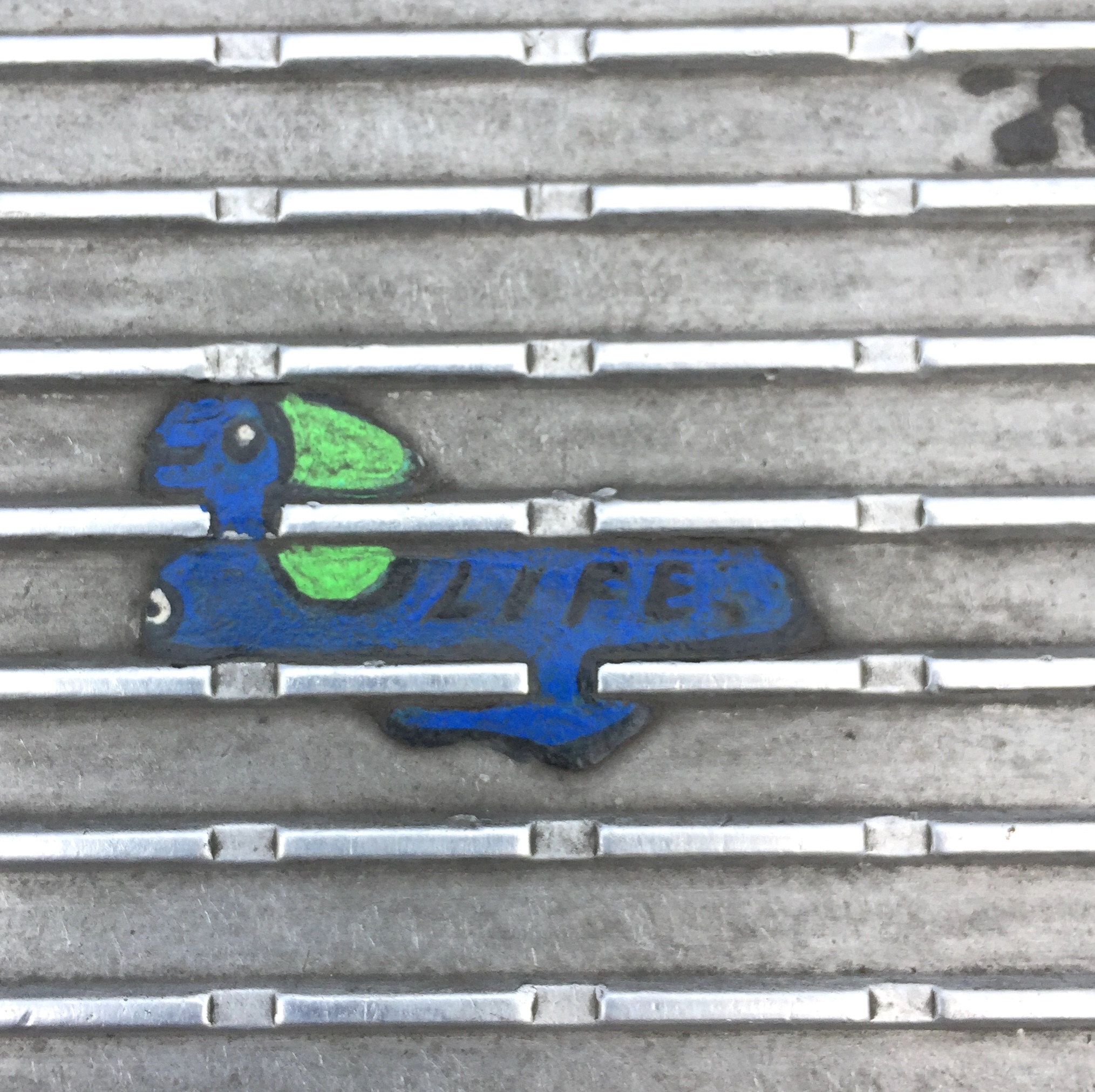
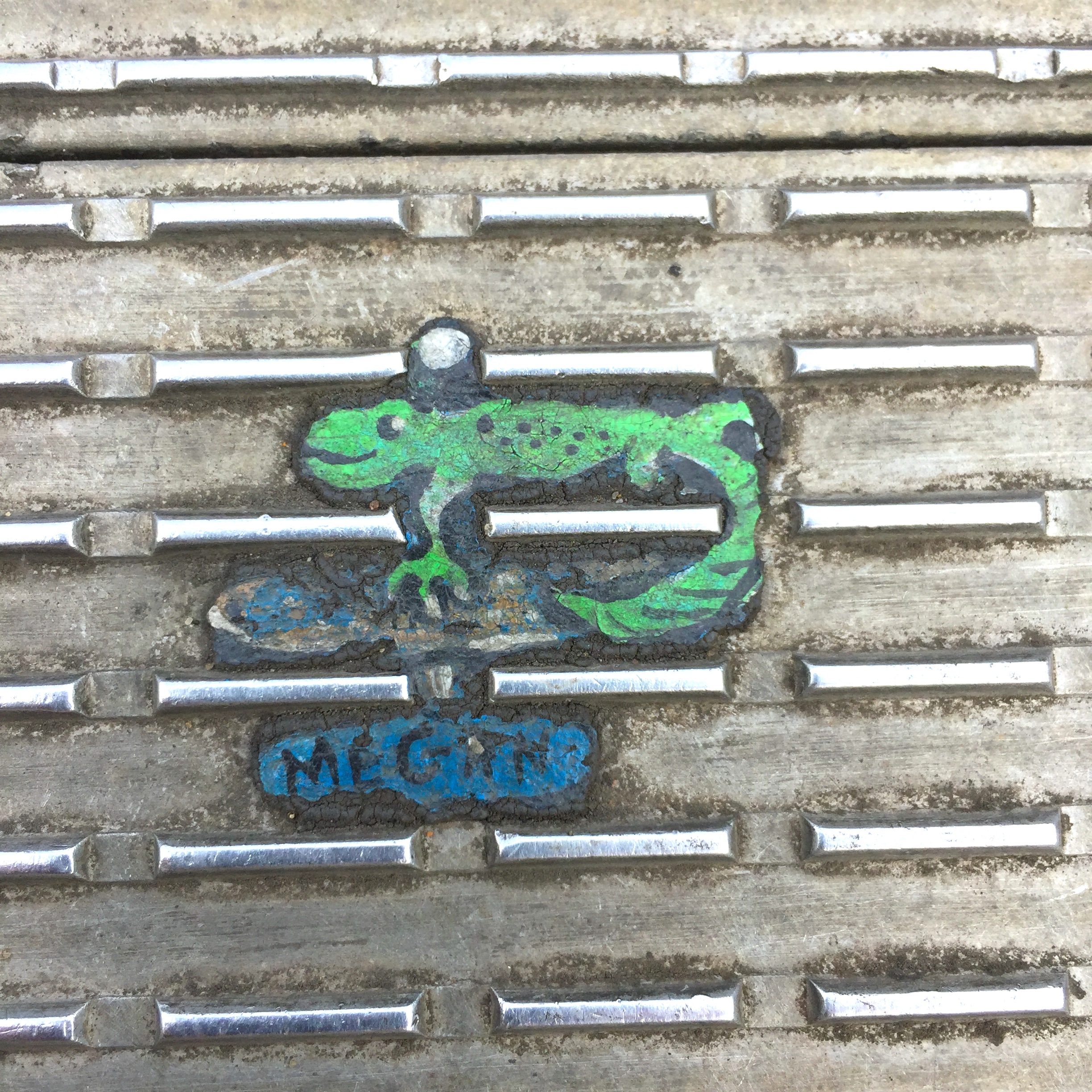
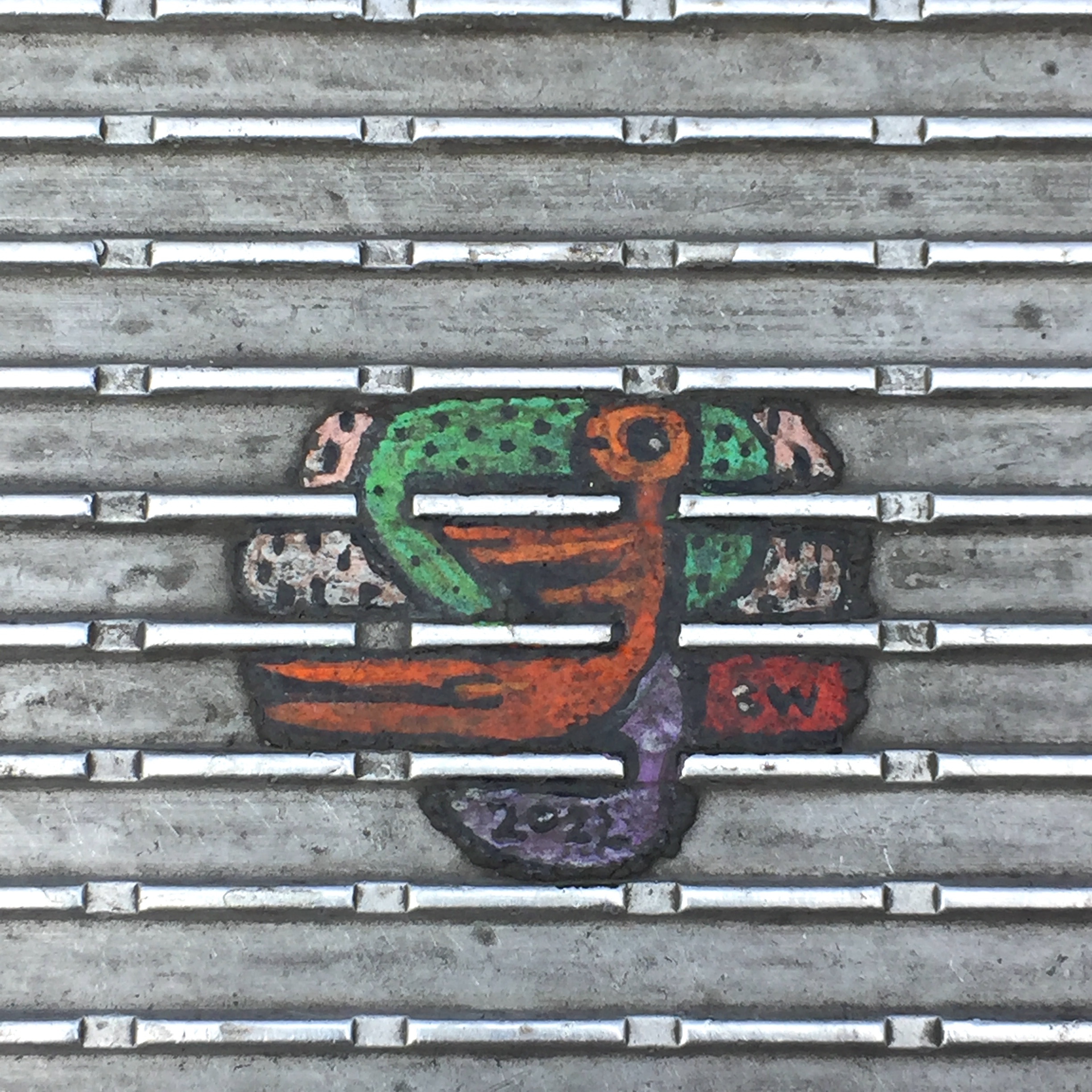
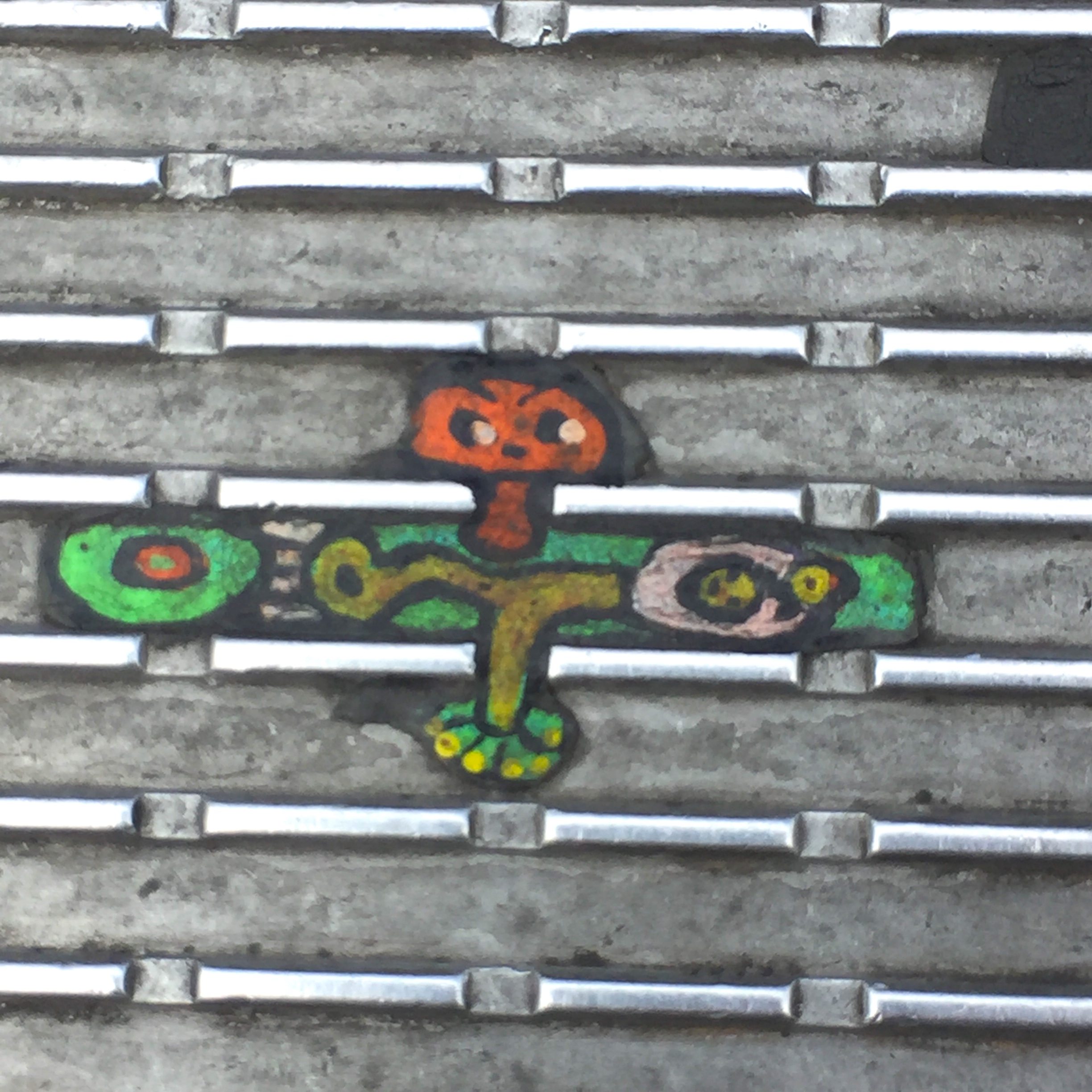
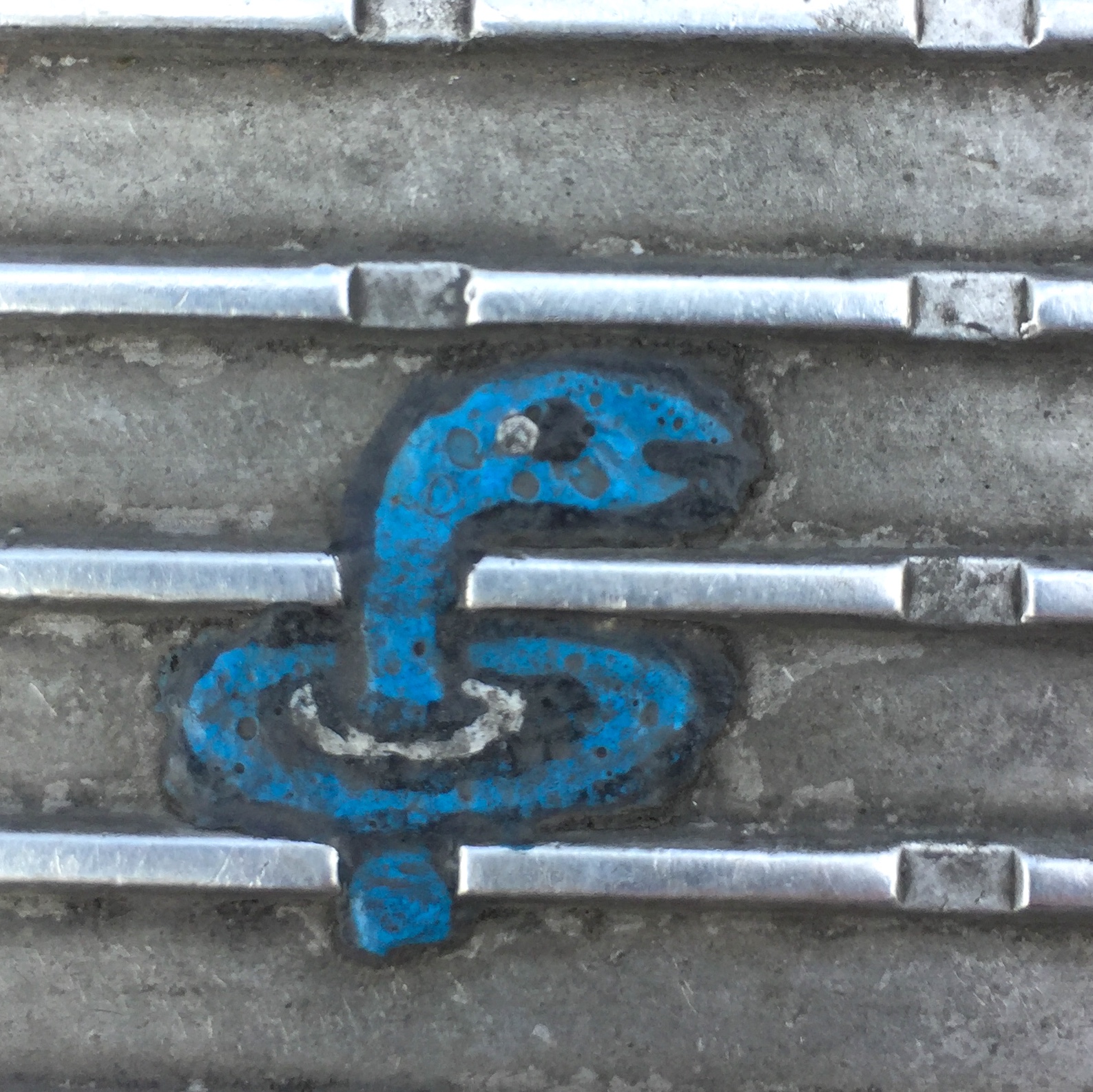
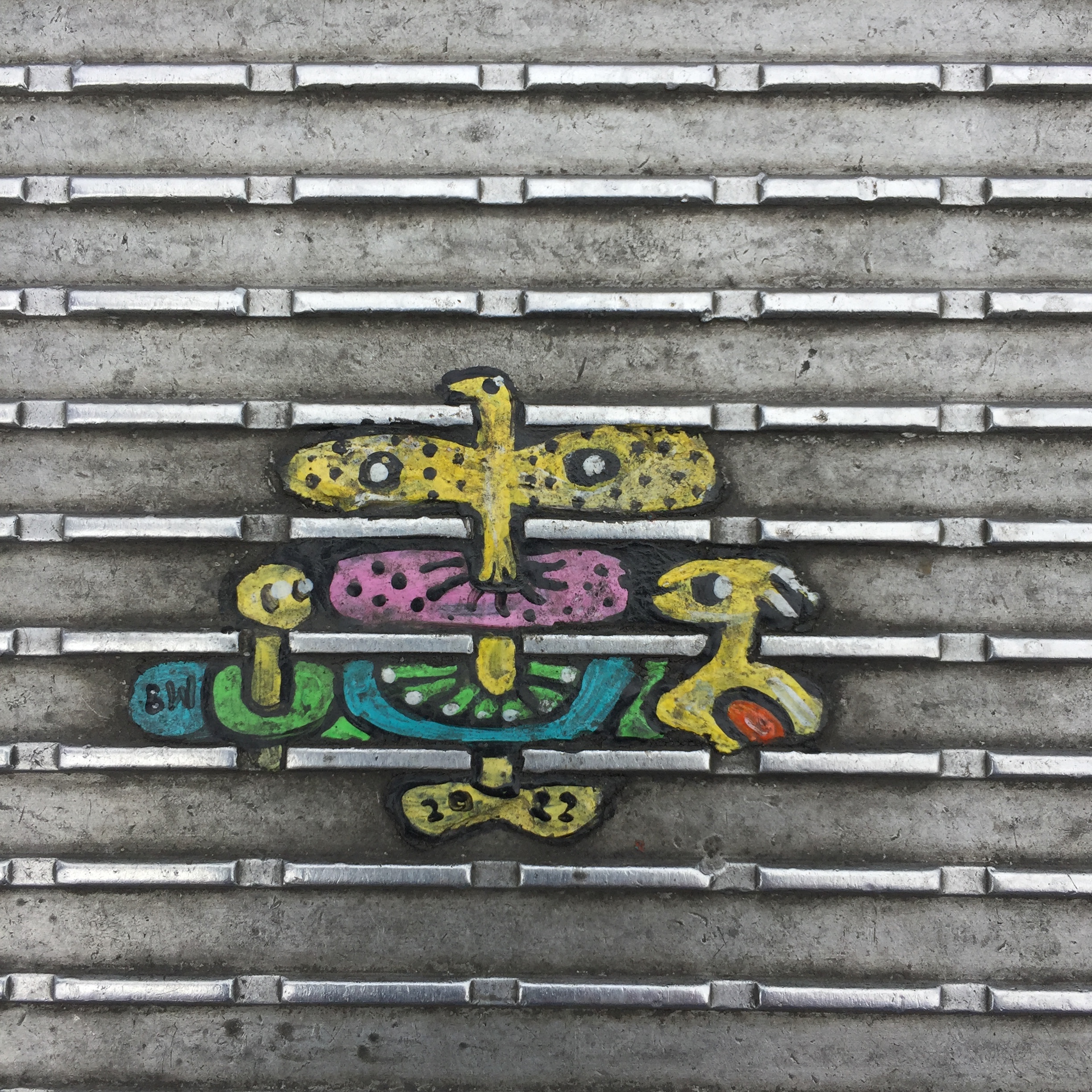
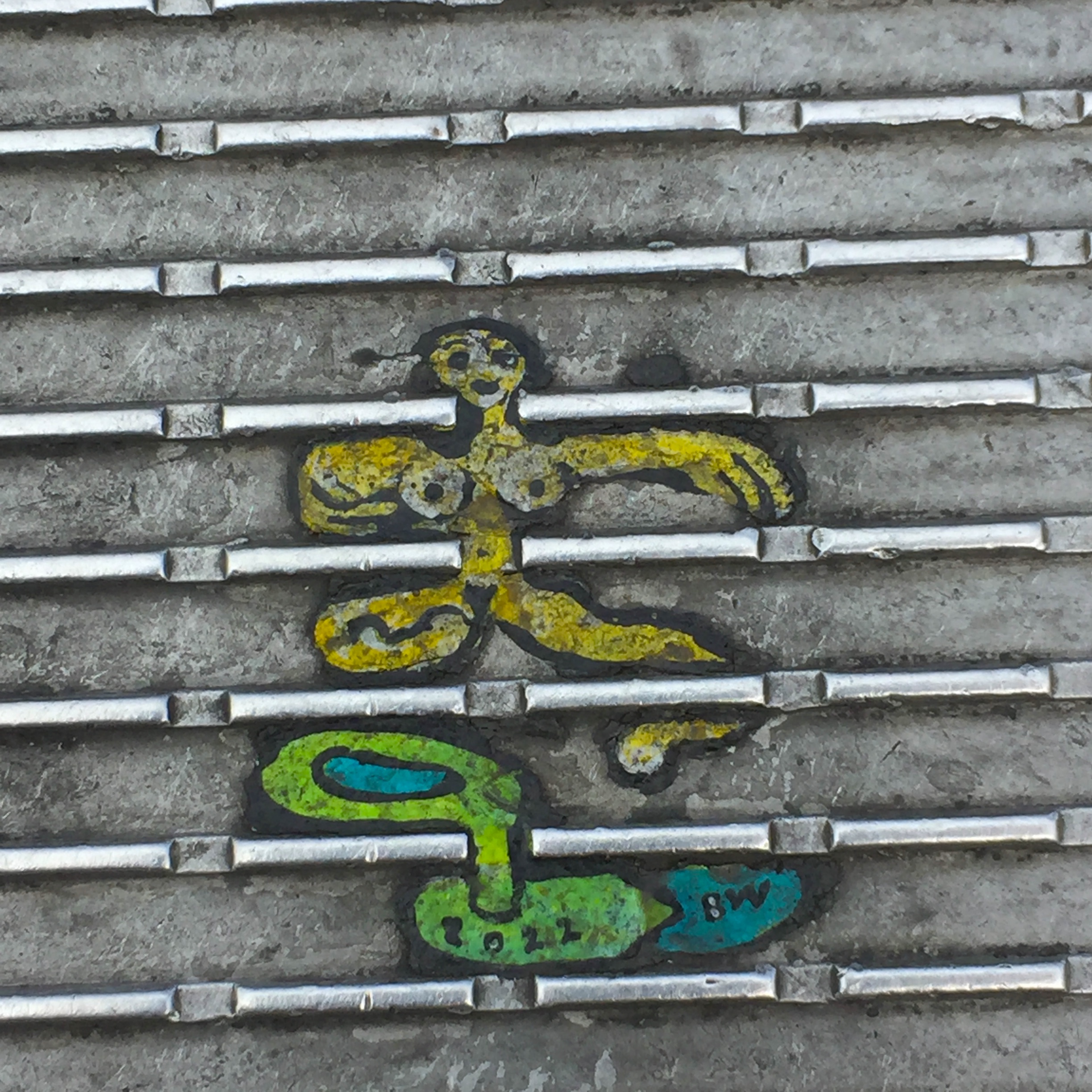
Behold a Secret Gallery of Art Created Using Discarded Gum on London’s Millennium Bridge

Through­out his­to­ry, deter­mined artists have worked on avail­able sur­faces — scrap wood, card­board, walls…

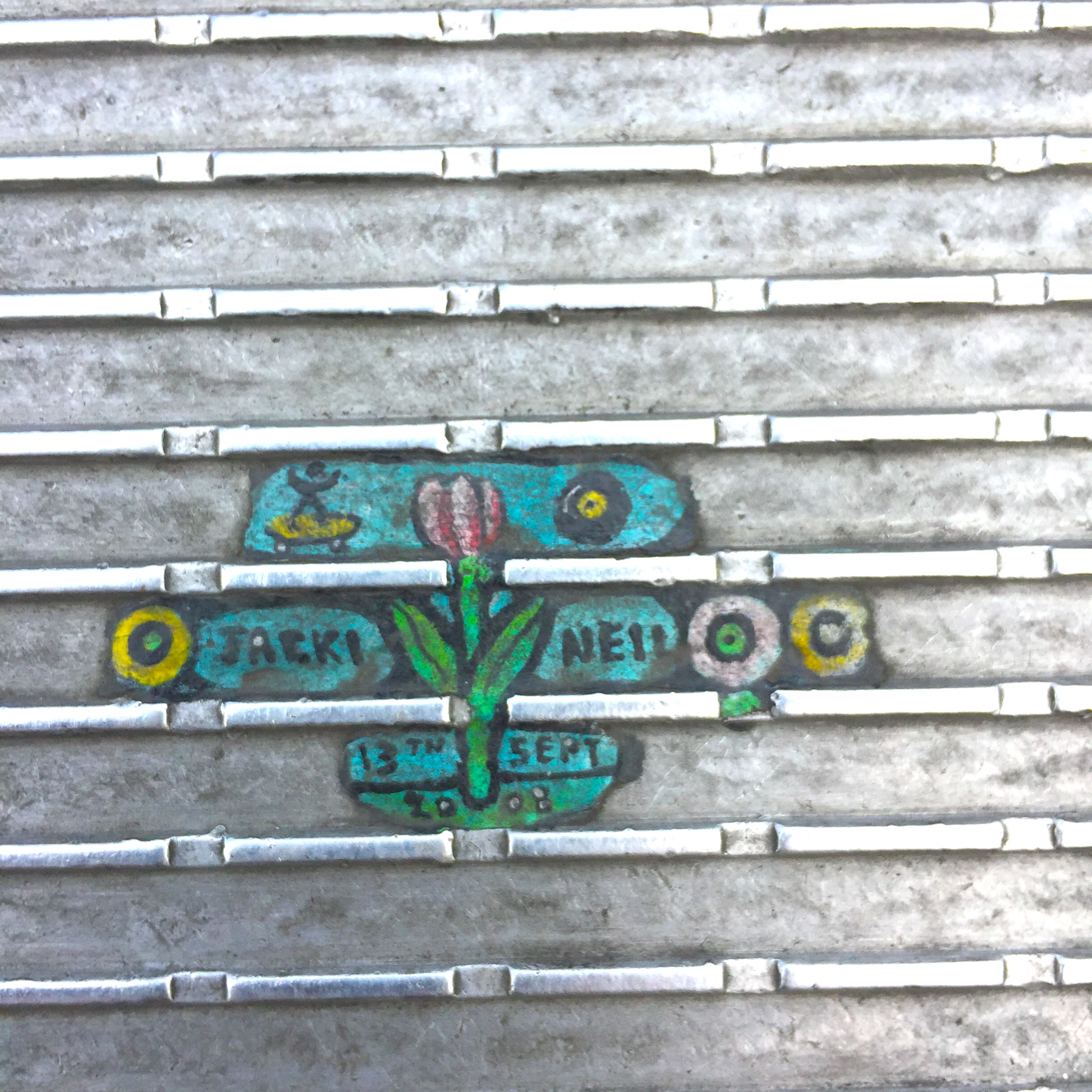
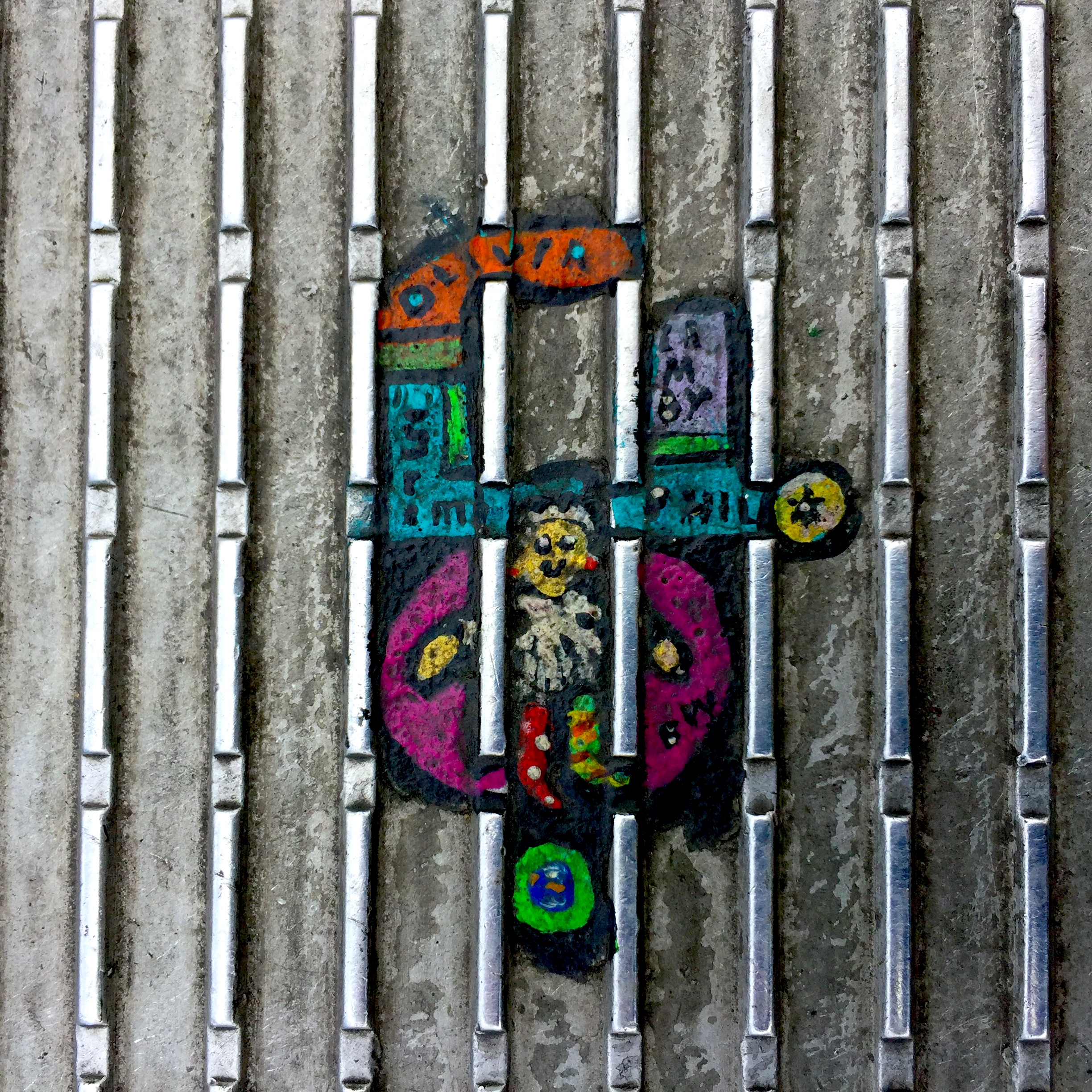
Ben Wil­son has cre­at­ed thou­sands of works using chew­ing gum as his can­vas.

Specif­i­cal­ly, chew­ing gum spat out by care­less strangers.

His work has become a defin­ing fea­tur­ing of London’s Mil­len­ni­um Bridge, a mod­ern struc­ture span­ning the Thames, and con­nect­ing such South Bank attrac­tions as Tate Mod­ern and the Shake­speare’s Globe with St. Paul’s Cathe­dral to the north.

A 2021 pro­file in The Guardian doc­u­ments the cre­ation process:

The tech­nique is very pre­cise. He first soft­ens the oval of flat­tened gum a lit­tle with a blow­torch, sprays it with lac­quer and then applies three coats of acrylic enam­el, usu­al­ly to a design from his lat­est book of requests that come from peo­ple who stop and crouch and talk. He uses tiny mod­el­ers’ brush­es, quick-dry­ing his work with a lighter flame as he goes along, and then seals it with more lac­quer. Each paint­ing takes a few hours and can last for many years.

Unsur­pris­ing­ly, Wil­son works very, very small.

For every Mil­len­ni­um Bridge pedes­tri­an who’s hip to the ever-evolv­ing solo exhi­bi­tion under­foot, there are sev­er­al hun­dred who remain com­plete­ly obliv­i­ous.

Stoop to admire a minia­ture por­trait, abstract, or com­mem­o­ra­tive work, and the bulk of your fel­low pedes­tri­ans will give you a wide berth, though every now and then a con­cerned or curi­ous par­ty will stop to see what the deal is.

Wil­son, who works sprawled on the bridge’s met­al treads, his nose close to touch­ing his tiny, untra­di­tion­al can­vas, receives a sim­i­lar response, as described in Zachary Den­man’s short doc­u­men­tary, Chew­ing Gum Man:

They make think I’ve fall­en over and they may think I’ve had a car­diac arrest or some­thing, so I’ve had lots of ambu­lances turn­ing up…I’ve had loads of police.

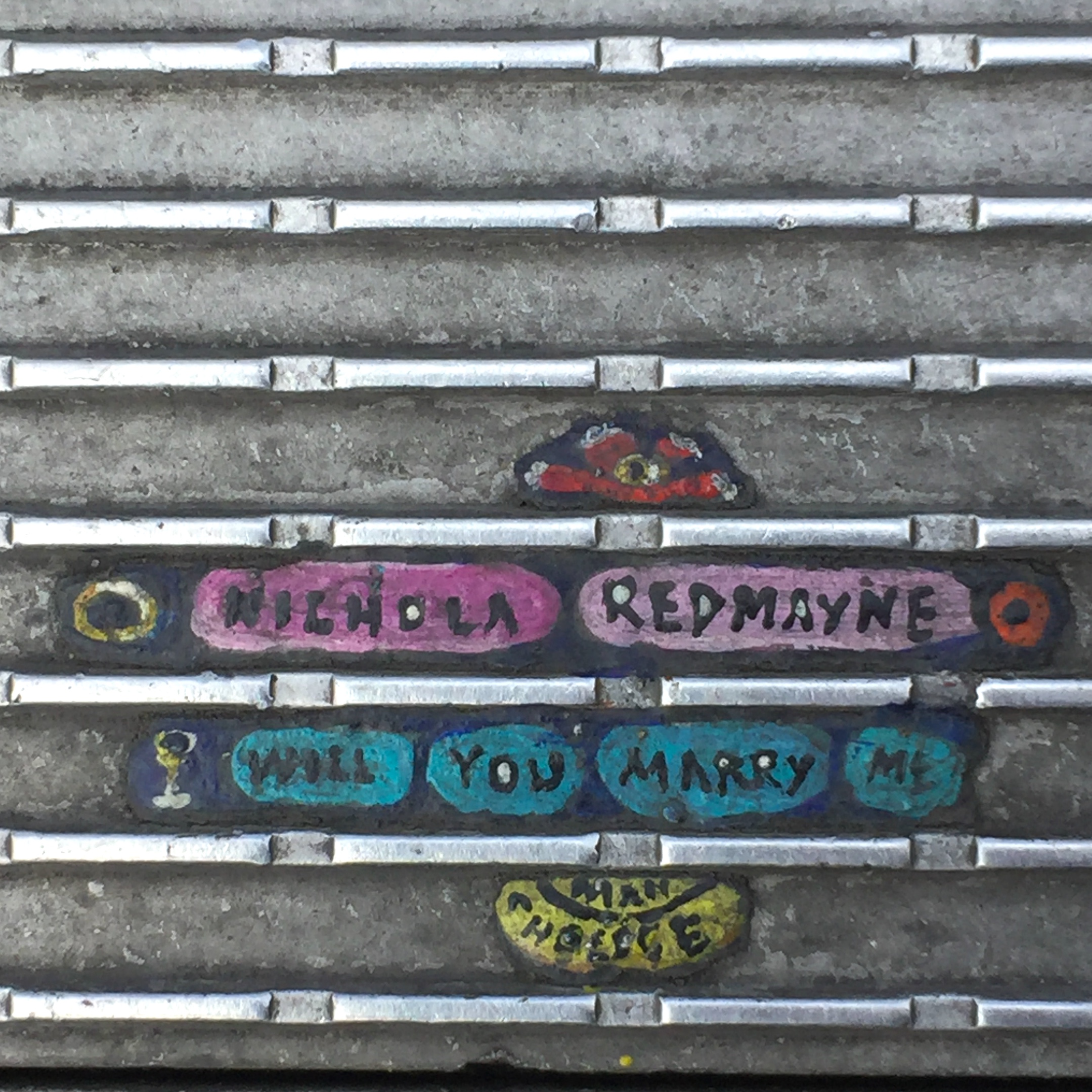
His sub­jects are sug­gest­ed by the shape of the spat out gum, by friends, by strangers who stop to watch him work:

I’ve had to deal with peo­ple memo­ri­al­iz­ing peo­ple who have been mur­dered. Peo­ple who have been so lone­ly, or remem­ber­ing favorite pets; peo­ple who are des­ti­tute in all sorts of ways. It goes from pro­pos­al pic­tures, ‘Will you mar­ry me?’, to peo­ple who I drew when they were kids and they now have their own kids.

Like any street artist, Wilson’s had his share of run ins with the law, includ­ing a wrong­ful 2010 arrest for crim­i­nal dam­age, when a crowd of school­child­ren who’d been enthu­si­as­ti­cal­ly watch­ing an itty bit­ty St. Pauls tak­ing shape on a blob of gum wit­nessed him being dragged off by his feet. (He asked if he could fin­ish the pic­ture first…)

He may not get per­mis­sion to cre­ate the pub­lic works he goes out dai­ly to cre­ate, but he con­tributes by clear­ing the area of lit­ter, and as he points out, paint­ing on dis­card­ed gum doesn’t con­sti­tute defac­ing anyone’s actu­al prop­er­ty:

Tech­ni­cal­ly in one sense, I’m work­ing with­in the law …if I paint on chew­ing gum, it’s like find­ing No Man’s Land or com­mon ground. It’s a space which is not under the juris­dic­tion of a local or nation­al gov­ern­ment.


See more of Ben Wilson’s work in his online Gum Gallery.

Pho­tos in this arti­cle tak­en by Ayun Hal­l­i­day, 2022. All rights reserved.

- Ayun Hal­l­i­day is the Chief Pri­ma­tol­o­gist of the East Vil­lage Inky zine and author, most recent­ly, of Cre­ative, Not Famous: The Small Pota­to Man­i­festo.  Fol­low her @AyunHalliday.
Enter the Franz Kafka Caption Contest for a Chance to Win a New Book of the Author’s Drawings (Until June 13)

Imag­ine if Franz Kaf­ka were charged with pick­ing the win­ning entries in The New York­er’s week­ly car­toon cap­tion con­test.

The punch­lines might become a lit­tle more obscure.

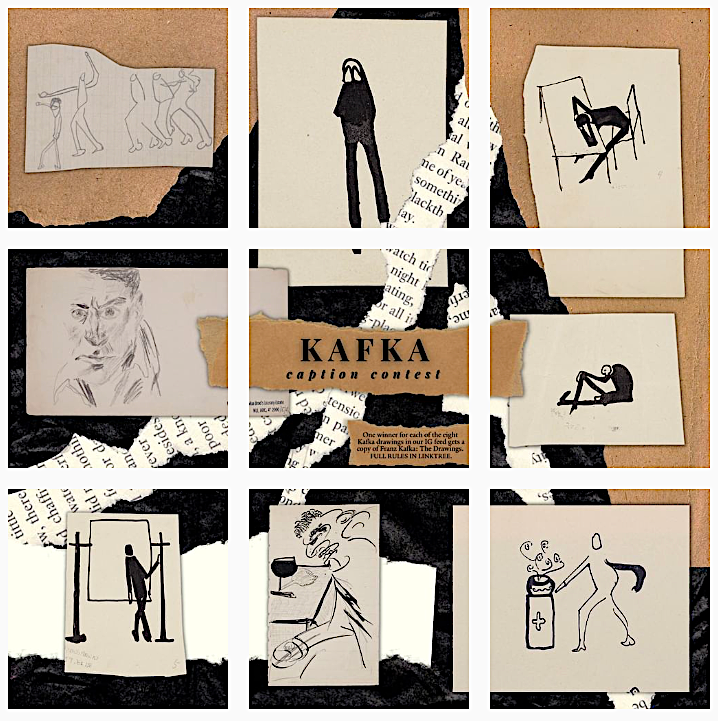
If that idea fills you with per­verse plea­sure, per­haps you should tod­dle over to Yale Uni­ver­si­ty Press’s Insta­gram to con­tribute some pos­si­ble cap­tions for eight of the inky draw­ings the tor­tured author made in a black note­book between 1901 and 1907.

The intend­ed mean­ing of these images, includ­ed in the new book, Franz Kaf­ka: The Draw­ings, are as up for grabs as any uncap­tioned car­toon on the back page of The New York­er.

In Con­ver­sa­tions with Kaf­ka, author Gus­tav Janouch recalled how their sig­nif­i­cance proved elu­sive even to their cre­ator, and also the frus­tra­tion his friend expressed regard­ing his artis­tic abil­i­ties:

I should so like to be able to draw. As a mat­ter of fact, I am always try­ing to. But noth­ing comes of it. My draw­ings are pure­ly per­son­al pic­ture writ­ing, whose mean­ing even I can­not dis­cov­er after a time.

Kaf­ka seems to have gone eas­i­er on him­self in a 1913 let­ter to fiancée Felice Bauer:

I was once a great drafts­man, you know… These draw­ings gave me greater sat­is­fac­tion in those days—it’s years ago—than any­thing else.

Artist Philip Har­ti­gan, who ref­er­enced the draw­ings in a jour­nal and sketch­book class for writ­ing stu­dents nails it when he describes how Kafka’s “quick min­i­mum move­ments … con­vey the typ­i­cal despair­ing mood of his fic­tion in just a few lines.”

You have until June 13 to make explic­it what Kaf­ka did not by leav­ing your pro­posed cap­tion for each draw­ing as a com­ment on Yale Uni­ver­si­ty Press’s Insta­gram, along the hash­tag #Kafka­Cap­tion­Con­test.

Win­ners will receive a copy of  Franz Kaf­ka: The Draw­ings. Entries will be judged by edi­tor Andreas Kilch­er of and the­o­rist Judith But­ler, who con­tributed an essay that you might con­sid­er min­ing for mate­r­i­al:

Was it a muf­fled death? Or per­haps it was no death at all, just a tum­bling of inter­course, a sex­u­al flur­ry?

Yes, that might go nice­ly with Kafka’s draw­ing of a seat­ed fig­ure col­lapsed over a table, below.

https://images.app.goo.gl/mGfZzLcpRXuyqqU68

Some alter­nate pro­pos­als from con­test hope­fuls:

I need­ed to bathe my bat­tered knuck­les with my tears.

He stud­ied his new­ly acquired rare stamp with a pow­er­ful loupe.

How can I make sure that all my let­ters and papers will be destroyed after my death? I know — I’ll ask my clos­est friend to take care of it!

This last is a ref­er­ence to Kafka’s lit­er­ary execu­tor, Max Brod, who defied Kafka’s explic­it wish that all of his work be burned upon his death, save The Meta­mor­pho­sis, and five short sto­ries: The Judg­ment, The Stok­er, In the Penal Colony, A Coun­try Doc­tor and A Hunger Artist.

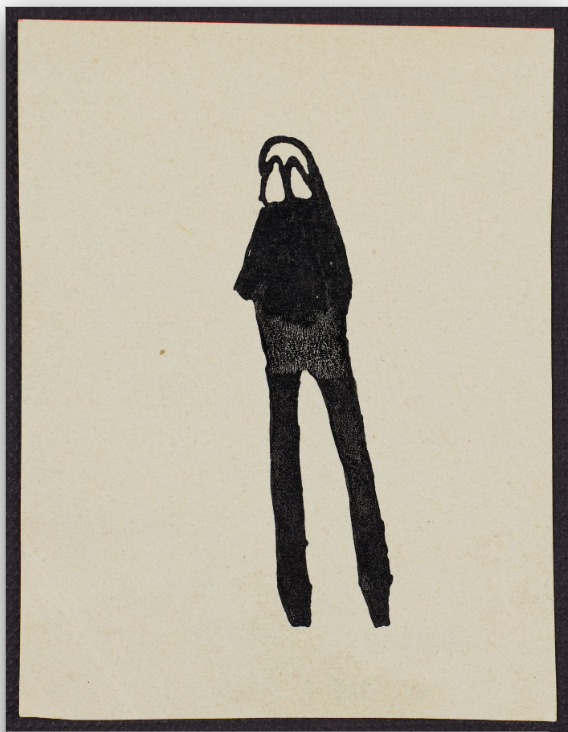
Brod cut Kafka’s draw­ing of the stand­ing fig­ure, above, from his sketch­book and kept in an enve­lope with a few oth­ers. Some of the cur­rent cap­tion sug­ges­tions for this haunt­ing, nev­er before seen image:

my face is an umbrel­la to my tears

I could­n’t face myself.

I am the Wal­rus goo goo g’joob

https://images.app.goo.gl/e6v8xbuRin3qWcS56

Of the eight draw­ings in the cap­tion con­test, Drinker, may offer the most nar­ra­tive pos­si­bil­i­ties. A rep­re­sen­ta­tive sam­pling of the inven­tive­ness that’s come over the tran­som thus­far:

I, peri­od

Angered by the impu­dence of the caber­net, i had only the courage to berate its shad­ow

Wait­er! There’s a roach in my wine.

Enter Yale Uni­ver­si­ty Press’ Kaf­ka Cap­tion Con­test (or get a feel for the com­pe­ti­tion) here. Entries will be accept­ed through June 13. Full con­test rules are here. Good luck!

Explore the draw­ings and oth­er con­tents of Franz Kafka’s black note­book here.

Pur­chase Franz Kaf­ka: The Draw­ings, the first book to pub­lish the entire­ty of the author’s graph­ic out­put, here.

- Ayun Hal­l­i­day is the Chief Pri­ma­tol­o­gist of the East Vil­lage Inky zine and author, most recent­ly, of Cre­ative, Not Famous: The Small Pota­to Man­i­festo.  Fol­low her @AyunHalliday.
The Vincent van Gogh “Starry Night” LEGO Set Is Now Available: It’s Created in Collaboration with MoMA

Vin­cent Van Gogh’s The Star­ry Night is one of the most pop­u­lar and eas­i­ly rec­og­nized paint­ings on earth. If you haven’t seen it per­son, you’ve prob­a­bly seen it repro­duced on a post­card, a tote bag, or a t‑shirt.

Musi­cian Shel­don Clarke was a Star­ry Night vir­gin when he start­ed work­ing as a secu­ri­ty offi­cer at the Muse­um of Mod­ern Art:

I knew noth­ing about Vin­cent or Star­ry Night before I start­ed work­ing here. And I remem­ber the first time I stood at that painting…first of all, I was so amazed at the reac­tion of the pub­lic. There was always a group of peo­ple just fight­ing to look at it or take pic­tures or take self­ies and I was just curi­ous to know like, who is this painter and why is every­one so excit­ed to see this piece?

Now, Clarke is suf­fi­cient­ly well versed to hold forth on both the nature of the art­work and cir­cum­stances in which the artist cre­at­ed it. He is, with Senior Paint­ings Con­ser­va­tor Anny Avi­ram,  Asso­ciate Cura­tor Cara Manes, and Robert Kastler, direc­tor of Imag­ing and Visu­al Resources, one of four MoMA staffers to give some con­text, while try­ing their hands at the new Star­ry Night LEGO set.

A col­lab­o­ra­tion between MoMA and LEGO, the set rein­ter­prets Van Gogh’s thick impas­to brush­work in 2316 tiny plas­tic bricks, includ­ing a mini fig­ure of the artist, equipped with paint­brush, palette, easel, and an adjustable arm for posi­tion­ing him at suf­fi­cient dis­tance to gain per­spec­tive on his world famous work.

The set is the win­ning entry in a LEGO Ideas com­pe­ti­tion. Design­er Tru­man Cheng, a 25-year-old LEGO fan and PhD can­di­date focus­ing on  med­ical robot­ics and mag­net­ic con­trolled sur­gi­cal endo­scopes. He had long want­ed to ren­der The Star­ry Night in LEGO, bu its exe­cu­tion required a light­bulb moment:

One day, I was just play­ing with LEGO parts, and I real­ized that stack­ing LEGO plates togeth­er at ran­dom inter­vals looks a lot like van Gogh’s icon­ic brush strokes. I couldn’t help but won­der what the full paint­ing would look like with this build style.

As Avi­ram and Kastler point out, the set cleaves faith­ful­ly to Van Gogh’s lim­it­ed palette. Some LEGO fans report that build­ing up the blue back­ground lay­ers is the most chal­leng­ing aspect of assem­bling the 11”x14.5” kit:

I’m 54 and the col­ors, being kind of close, were play­ing games with my eyes. LOL This is my favorite LEGO of all time! In clos­ing, if you haven’t heard the song, Vin­cent  by Don McLean, I sug­gest you take a lis­ten to this song as you stare at this LEGO mas­ter­piece.

Order LEGO’s Vin­cent van Gogh - The Star­ry Night set from Ama­zon.

Relat­ed Con­tent 

Vin­cent Van Gogh’s “The Star­ry Night”: Why It’s a Great Paint­ing in 15 Min­utes

The Unex­pect­ed Math Behind Van Gogh’s “Star­ry Night”

Zoom Into a Super High Res­o­lu­tion Pho­to of Van Gogh’s “The Star­ry Night”

1,000+ Art­works by Vin­cent Van Gogh Dig­i­tized & Put Online by Dutch Muse­ums: Enter Van Gogh World­wide

Down­load Vin­cent van Gogh’s Col­lec­tion of 500 Japan­ese Prints, Which Inspired Him to Cre­ate “the Art of the Future”

- Ayun Hal­l­i­day is the Chief Pri­ma­tol­o­gist of the East Vil­lage Inky zine and author, most recent­ly, of Cre­ative, Not Famous: The Small Pota­to Man­i­festo.  Fol­low her @AyunHalliday.

Draw Along with Beloved Cartoonist & Educator Lynda Barry: Free Drawing Exercises Online

How do you res­cue a day that’s gone pear shaped?

Stop­ping to drink a glass of water is one of our long­time go tos.

If there’s a box of match­es handy, we might per­form Yoko Ono’s Light­ning Piece.

Most recent­ly, we’ve tak­en to grab­bing some paper and a trusty black felt tip to spend a few min­utes doing one of beloved car­toon­ist and edu­ca­tor Lyn­da Bar­ry’s all-ages draw-alongs.

Bar­ry began upload­ing these videos ear­ly in the pan­dem­ic, for “friends at home who are about to turn four or five or six or sev­en or any age real­ly.”

Each demon­stra­tion begins with an oval. There’s no pro­logue. Just dive on in and copy the motions of Barry’s slow mov­ing, refresh­ing­ly unman­i­cured hands, cap­tured in a DIY god shot.

Less than four min­utes lat­er, voila! A smil­ing croc­o­dile! (It’s mag­i­cal how a facial expres­sion can be changed with one sim­ple line.)

The sound­tracks to these lit­tle nar­ra­tion-free exer­cis­es are an extra treat. We’ve always admired Barry’s musi­cal taste. It’s a real mood boost­er to cov­er a chee­tah in spots to the tune of a marim­ba orches­tra.

Barry’s also a big cumbia fan, con­jur­ing a kit­ty to Lito Bar­ri­en­tos’ Cumbia En Do Menor, a lion to Los Mir­los’ Cumbia de los Pajar­i­tos, and a Stegosaurus to Romu­lo Caicedo’s Cumbia Cavela.

Now that you’ve got a chee­tah under your belt, you’re ready to progress to a Scor­pi­onLeop­ard, one of Draw Along with Lyn­da B’s “strange ani­mals.”

Bar­ry does offer some com­men­tary as these cryp­tids take shape.

We sus­pect her pio­neer­ing work with a group of four-year-olds in the Uni­ver­si­ty of Wisconsin’s Draw Bridge pro­gram leads her to antic­i­pate the sorts of burn­ing ques­tions a pre-school­er might have with regard to these beasts. Her class­room expe­ri­ence is evi­dent. Where­as oth­ers might think a steady stream of bright chat­ter is nec­es­sary to keep very young par­tic­i­pants engaged, Bar­ry’s thought­ful words devel­op in real time along with her draw­ing:

This is a tough ani­mal. It has a big stinger on the back. This is a rough ani­mal… angry.  Put the eye­brows like this. It makes them look angry. What kind of teeth do you think this ani­mal has? I don’t think they have lit­tle bit­ty teeth. I think they have big fangs.

Oth­ers in the “strange ani­mal” fam­i­ly: a Cat­DogSeal­Fish, an octo­phant, and a cat­ter­fly (fea­tur­ing a cameo by Barry’s inquis­i­tive pooch’s snout.)

Draw along with Lyn­da Bar­ry on this YouTube playlist.

Relat­ed Con­tent 

Lyn­da Bar­ry on How the Smart­phone Is Endan­ger­ing Three Ingre­di­ents of Cre­ativ­i­ty: Lone­li­ness, Uncer­tain­ty & Bore­dom

Watch Car­toon­ist Lyn­da Barry’s Two-Hour Draw­ing Work­shop

Lyn­da Barry’s Won­der­ful­ly Illus­trat­ed Syl­labus & Home­work Assign­ments from Her UW-Madi­son Class, “The Unthink­able Mind”

- Ayun Hal­l­i­day is the Chief Pri­ma­tol­o­gist of the East Vil­lage Inky zine and author, most recent­ly, of Cre­ative, Not Famous: The Small Pota­to Man­i­festo.  Fol­low her @AyunHalliday.

The Rembrandt Book Bracelet: Behold a Functional Bracelet Featuring 1400 Rembrandt Drawings

Admit­ted­ly jew­el­ry is not one of our areas of exper­tise, but when we hear that a bracelet costs €10,000, we kind of expect it to have a smat­ter­ing of dia­monds.

Design­ers Lyske Gais and Lia Duinker are get­ting that amount for a wrist­let com­prised chiefly of five large paper sheets print­ed with high res images down­loaded free from the Rijksmu­se­um’s exten­sive dig­i­tal archive of Rem­brandt draw­ings and etch­ings.

Your aver­age pawn­bro­ker would prob­a­bly con­sid­er its 18-karat gold clasp, or pos­si­bly the cus­tom-made wood­en box in which it can be stored when not in use the most pre­cious thing about this orna­ment.

An ardent bib­lio­phile or art lover is per­haps bet­ter equipped to see the book bracelet’s val­ue.

Each gilt edged page — 1400 in all — fea­tures an image of a hand, sourced from 303 down­loaded Rem­brandt works.

An illus­tra­tion on the design­ers’ Duinker and Dochters web­site details the painstak­ing process where­by the book­bracelet takes shape in 8‑page sec­tions, or sig­na­tures, cross stitched tight­ly along­side each oth­er on a paper band. Put it on, and you can flip through Rem­brandt hands, Rolodex-style. When you want to do the dish­es or take a show­er, just pack it flat into that cus­tom box.

Gais and Duinker also include an index, which is handy for those times when you don’t feel like hunt­ing and peck­ing around your own wrist in search of a hand that appeared in the Flute Play­er or  Christ cru­ci­fied between the two mur­der­ers.

The Rembrandt’s Hands and a Lion’s Paw bracelet, titled like a book and pub­lished in a lim­it­ed edi­tion of 10, nabbed first prize in the 2015 Rijksstu­dio Awards, a com­pe­ti­tion that chal­lenges design­ers to cre­ate work inspired by the Rijksmuseum’s col­lec­tion.

(2015’s sec­ond prize went to an assort­ment of con­serves and condi­ments that harkened to Johannes Hannot’s 1668 Still Life with Fruit. 2014’s win­ner was a palette of eye­shad­ow and some eye­lin­ers inspired by Jan Adam Kruseman’s 1833 Por­trait of Ali­da Christi­na Assink and a Leen­dert van der Cooghen sketch.)

But what about that spe­cial art lov­ing bib­lio­phile who already has every­thing, includ­ing a Rem­brandts Hands and a Lions Paw boekarm­band?

Maybe you could get them Col­lier van hond­jes, Gais and Duinker’s fol­low up to the book bracelet, a rub­ber chok­er with an attached 112-page book pen­dant show­cas­ing Rem­brandt dogs sourced from var­i­ous museum’s dig­i­tal col­lec­tions.

Pur­chase Rem­brandt’s Hands and a Lions Paw lim­it­ed edi­tion book bracelet here.

And embark on mak­ing your own improb­a­ble thing inspired by a high res image in the Rijksmu­se­um’s Rijks Stu­dio here.

via Colos­sal/Neatora­ma

– Ayun Hal­l­i­day is the Chief Pri­ma­tol­o­gist of the East Vil­lage Inky zine and cre­ator, most recent­ly of Cre­ative, Not Famous: The Small Pota­to Man­i­festo.  Fol­low her @AyunHalliday.
Explore MoMA’s Collection of Modern & Contemporary Art Every Time You Open a New Browser Tab

There are brows­er exten­sions designed to increase your pro­duc­tiv­i­ty every time you open a new tab.

Oth­ers use pos­i­tive affir­ma­tions, inspir­ing quotes, and nature pho­tog­ra­phy to put your day on the right track.

We here­by announce that we’re switch­ing our set­tings and alle­giance to New Tab with MoMA.

After installing this exten­sion, you’ll be treat­ed to a new work of mod­ern and con­tem­po­rary art from The Muse­um of Mod­ern Art’s col­lec­tion when­ev­er you open a new tab in Chrome.

If you can steal a few min­utes, click what­ev­er image comes up to explore the work in greater depth with a cura­tor’s descrip­tion, links to oth­er works in the col­lec­tion by the same artist, and in some cas­es instal­la­tion views, inter­views and/or audio seg­ments.

Expect a few gift shop heavy hit­ters like Vin­cent Van Gogh’s The Star­ry Night, but also less­er known works not cur­rent­ly on view, like Yay­oi Kusama’s Vio­let Obses­sion, a row­boat slip­cov­ered in elec­tric pur­ple “phal­lic pro­tru­sions.”

Vio­let Obses­sion’s New Tab with MoMA link not only shows you how it was dis­played in the 2010 exhi­bi­tion Mind and Mat­ter: Alter­na­tive Abstrac­tions, 1940s to Now, you can also tog­gle around the instal­la­tion view to explore oth­er works in the same gallery.

You can hear audio of Kusama describ­ing how she “encrust­ed” the boat in soft sculp­ture pro­tu­ber­ances in her favorite pink­ish-pur­ple hue “to con­quer my fear of sex:”

Boats can come and go lim­it­less­ly and move ahead on the water. The boat, hav­ing over­come my obses­sion would move on for­ev­er, car­ry­ing me onboard

A link to a 1999 inter­view with Grady T. Turn­er in BOMB allows Kusama to give fur­ther con­text for the work, part of a sculp­ture series she con­ceives of as Com­pul­sion Fur­ni­ture:

My sofas, couch­es, dress­es, and row­boats bris­tle with phal­lus­es. … As an obses­sion­al artist I fear every­thing I see. At one time, I dread­ed every­thing I was mak­ing.

That’s a pret­ty robust art his­to­ry les­son for the price of open­ing a new tab, though such deep dives can def­i­nite­ly come at the expense of pro­duc­tiv­i­ty.

We weren’t expect­ing the 3‑dimensional nature of some of the works our tabs yield­ed up.

Stop, Repair, Pre­pare: Vari­a­tions on Ode to Joy for a Pre­pared Piano, No.12008 by Jen­nifer Allo­ra and Guiller­mo Calzadil­la required a live musi­cian to play Ode to Joy from Lud­wig van Beethoven’s Ninth Sym­pho­ny upside down and back­wards, from a hole carved into the cen­ter of a grand piano.

Frances Ben­jamin John­ston’s plat­inum print, Stair­way of the Trea­sur­er’s Res­i­dence: Stu­dents at Work from the Hamp­ton Album 1899–1900, is per­haps more eas­i­ly grasped if you can’t go too far down the rab­bit hole with the art­work appear­ing in your new tab.

An excerpt from the 2019 pub­li­ca­tion, MoMA High­lights: 375 Works from The Muse­um of Mod­ern Art, New York pro­vides a brief bio of both John­ston, “a pro­fes­sion­al pho­tog­ra­ph­er, not­ed for her por­traits of Wash­ing­ton politi­cians and her images of coal min­ers, iron­work­ers, and women labor­ers in New Eng­land tex­tile mills” and the Hamp­ton Insti­tute, Book­er T Washington’s alma mater.

Book­mark such bite-sized cul­tur­al his­to­ry breaks, and cir­cle back when you have more time.

Speak­ing of which, allow us to leave you with this thought from artist Felix Gon­za­lez-Tor­res, cre­ator of 1991’s time-based instal­la­tion Unti­tled (Per­fect Lovers), a par­tic­u­lar­ly con­cep­tu­al offer­ing from New Tab with MoMA:

Time is some­thing that scares me… or used to. This piece I made with the two clocks was the scari­est thing I have ever done. I want­ed to face it. I want­ed those two clocks right in front of me, tick­ing.

Set your Chrome Brows­er up to use New Tab with MoMA here

Relat­ed Con­tent 

MoMA’s Online Cours­es Let You Study Mod­ern & Con­tem­po­rary Art and Earn a Cer­tifi­cate

How to Make Comics: A Four-Part Series from the Muse­um of Mod­ern Art

The Muse­um of Mod­ern Art (MoMA) Puts Online 90,000 Works of Mod­ern Art

- Ayun Hal­l­i­day is the Chief Pri­ma­tol­o­gist of the East Vil­lage Inky zine and author, most recent­ly, of Cre­ative, Not Famous: The Small Pota­to Man­i­festo.  Fol­low her @AyunHalliday.
Free Coloring Books from The Public Domain Review: Download & Color Works by Hokusai, Albrecht Dürer, Harry Clarke, Aubrey Beardsley & More

Did you some­how miss that the Pub­lic Domain Review has got­ten in on the adult col­or­ing book craze?

If so, don’t feel bad. There were prob­a­bly a lot of oth­er news items vying for your atten­tion back in March of 2020, when the first vol­ume was released “for diver­sion, enter­tain­ment and relax­ation in times of self-iso­la­tion.”

By the time the sec­ond vol­ume made its debut less than two months lat­er, the first had been down­loaded some 30,000 times.

Tell your scarci­ty men­tal­i­ty to stand down. You may be late to the par­ty, but all 40 images can still be down­loaded for free, “to ease and aid plea­sur­able focus in these odd­est of times.”

It’s our belief that odd times call for odd images so we’re repro­duc­ing some of our favorites below, though be advised there are also plen­ty of calm­ing botan­i­cal prints and grace­ful maid­ens for those crav­ing a less chal­leng­ing col­or­ing expe­ri­ence.

Behold Saint Antho­ny Tor­ment­ed by Demons by Mar­tin Schon­gauer (c. 1470–75), above!

And below, the 13-year-old Michelangelo’s repro­duc­tion in tem­pera on a wood pan­el. Biog­ra­phers Gior­gio Vasari and Ascanio Con­divi both told how the young artist vis­it­ed the fish mar­ket, seek­ing inspi­ra­tion for the demons’ scales. Per­haps you will be inspired by the bare­ly teenaged High Renais­sance master’s palette, though it’s YOUR col­or­ing page, so you do you.

In “Fill­ing in the Blanks: A Pre­his­to­ry of the Adult Col­or­ing Craze”, his­to­ri­ans Melis­sa N. Mor­ris and Zach Carmichael recount how pub­lish­er Robert Say­er’s illus­trat­ed book, The Florist, “for the use & amuse­ment of Gen­tle­men and Ladies” was pub­lished with the explic­it under­stand­ing that read­ers were meant to col­or in its botan­i­cal­ly semi-inac­cu­rate images:


Com­prised of pic­tures of var­i­ous flow­ers, the author gives his (pre­sum­ably) adult read­ers detailed instruc­tions for paint mix­ing and col­or choice (includ­ing the delight­ful sound­ing “gall-stone brown”).

Per­haps you will bring some of Sayer’s sug­gest­ed col­ors to bear on the above image from Parisian book­seller Richard Breton’s Les songes dro­la­tiques de Pan­ta­gru­el (1565), a col­lec­tion of 120 grotesque wood­cut fig­ures intend­ed as a trib­ute to the bawdy writer (and priest!) François Rabelais, or a pos­si­bly just a can­ny mar­ket­ing ploy.

Next, let’s col­or this perky fel­low from Gio­van­ni Bat­tista Nazari’s famous alchem­i­cal trea­tise on metal­lic trans­mu­ta­tion, Del­la tra­mu­ta­tione metal­li­ca sog­ni tre from 1599. 

The “winged pig in the world” by Dutch engraver and map­mak­er Cor­nelis Anthon­isz doesn’t look very cheer­ful, does he? He’s on top of the impe­r­i­al orb, but he’s also an alle­go­ry of the cor­rupt world. Hope­ful­ly, this will get sort­ed by the time pigs fly.

As to Ambroise Paré’s 1598 ren­der­ing of a “cam­phur” … well, let’s just say THIS is what a prop­er uni­corn should look like.

Accord­ing to an anno­tat­ed check­list that accom­pa­nied the Met­ro­pol­i­tan Museum’s Clois­ters’ 75th Anniver­sary exhi­bi­tion Search for the Uni­corn, Paré, a pio­neer­ing French bar­ber sur­geon, claimed that it live(d) in the Ara­bi­an Desert, and that its horn can cure var­i­ous mal­adies, espe­cial­ly poi­son­ing.”

There’s a lot to unpack there. Think about it as you col­or.

Hoku­sai, Albrecht Dür­er, and Aubrey Beard­s­ley, are among the artists whose work you’ll encounter, “arranged in vague order of dif­fi­cul­ty — from a sim­ple 17th-cen­tu­ry kimono pat­tern to an intri­cate thou­sand-flow­ered illus­tra­tion.”

Down­load Vol­ume 1 of the Pub­lic Domain Review Col­or­ing book in US Let­ter or A4 for­mat.

And here is Vol­ume 2 in US Let­ter or A4 for­mat.

Relat­ed Con­tent 

Free Col­or­ing Books from 101 World-Class Libraries & Muse­ums: Down­load and Col­or Hun­dreds of Free Images

A Free Shake­speare Col­or­ing Book: While Away the Hours Col­or­ing in Illus­tra­tions of 35 Clas­sic Plays

Down­load 150 Free Col­or­ing Books from Great Libraries, Muse­ums & Cul­tur­al Insti­tu­tions: The British Library, Smith­son­ian, Carnegie Hall & More

The Dro­lat­ic Dreams of Pan­ta­gru­el: 120 Wood­cuts Envi­sion the Grotesque Inhab­i­tants of Rabelais’ World (1565)

- Ayun Hal­l­i­day is the Chief Pri­ma­tol­o­gist of the East Vil­lage Inky zine and author, most recent­ly, of Cre­ative, Not Famous: The Small Pota­to Man­i­festo.  Fol­low her @AyunHalliday.

« Go BackMore in this category... »
Quantcast