Alice in Wonderland Syndrome: The Real Perceptual Disorder That May Have Shaped Lewis Carroll’s Creative World

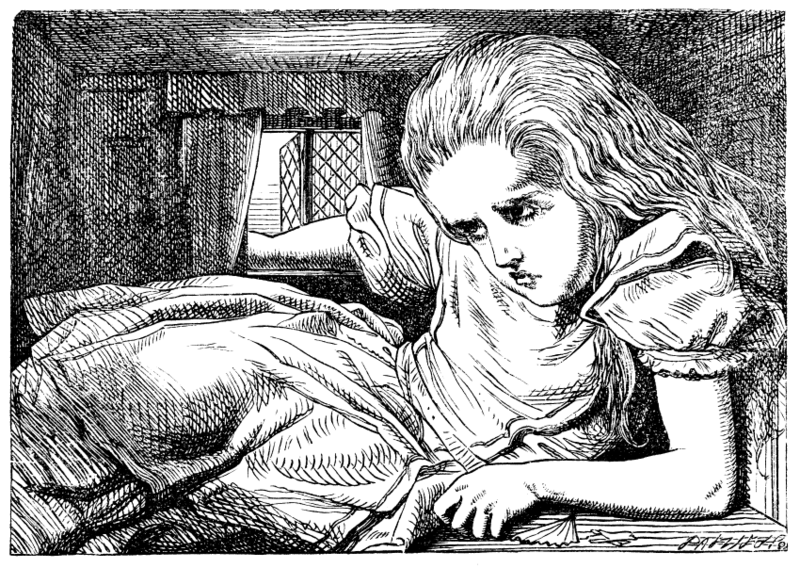
Alice’s Adven­tures in Won­der­land isn’t just a beloved chil­dren’s sto­ry: it’s also a neu­ropsy­cho­log­i­cal  syn­drome. Or rather the words “Alice in Won­der­land,” as Lewis Car­rol­l’s book is com­mon­ly known, have also become attached to a con­di­tion that, though not harm­ful in itself, caus­es dis­tor­tions in the suf­fer­er’s per­cep­tion of real­i­ty. Oth­er names include dys­metrop­sia or Tod­d’s syn­drome, the lat­ter of which pays trib­ute to the con­sul­tant psy­chi­a­trist John Todd, who defined the dis­or­der in 1955. He described his patients as see­ing some objects as much larg­er than they real­ly were and oth­er objects as much small­er, result­ing in chal­lenges not entire­ly unlike those faced by Alice when put by Car­roll through her grow­ing-and-shrink­ing paces.

Todd also sug­gest­ed that Car­roll had writ­ten from expe­ri­ence, draw­ing inspi­ra­tion from the hal­lu­ci­na­tions he expe­ri­enced when afflict­ed with what he called “bil­ious headache.”  The trans­for­ma­tions Alice feels her­self under­go­ing after she drinks from the “DRINK ME” bot­tle and eats the “EAT ME” cake are now known, in the neu­ropsy­cho­log­i­cal lit­er­a­ture, as macrop­sia and microp­sia.

“I was in the kitchen talk­ing to my wife,” writes nov­el­ist Craig Rus­sell of one of his own bouts of the lat­ter. “I was huge­ly ani­mat­ed and full of ener­gy, hav­ing just put three days’ worth of writ­ing on the page in one morn­ing and was burst­ing with ideas for new books. Then, quite calm­ly, I explained to my wife that half her face had dis­ap­peared. As I looked around me, bits of the world were miss­ing too.”

Though “many have spec­u­lat­ed that Lewis Car­roll took some kind of mind-alter­ing drug and based the Alice books on his hal­lu­ci­na­to­ry expe­ri­ences,” writes Rus­sell, “the truth is that he too suf­fered from the con­di­tion, but in a more severe and pro­tract­ed way,” com­bined with ocu­lar migraine. Rus­sell also notes that the sci-fi vision­ary Philip K. Dick, though “nev­er diag­nosed as suf­fer­ing from migrain­ous aura or tem­po­ral lobe epilep­sy,” left behind a body of work that has has giv­en rise to “a grow­ing belief that the expe­ri­ences he described were attrib­ut­able to the lat­ter, par­tic­u­lar­ly.” Suit­ably, clas­sic Alice in Won­der­land syn­drome “tends to be much more com­mon in child­hood” and dis­ap­pear in matu­ri­ty. One suf­fer­er doc­u­ment­ed in the sci­en­tif­ic lit­er­a­ture is just six years old, younger even than Car­rol­l’s eter­nal lit­tle girl — pre­sum­ably, an eter­nal seer of real­i­ty in her own way.

Relat­ed Con­tent:

A Beau­ti­ful 1870 Visu­al­iza­tion of the Hal­lu­ci­na­tions That Come Before a Migraine

Behold Lewis Carroll’s Orig­i­nal Hand­writ­ten & Illus­trat­ed Man­u­script for Alice’s Adven­tures in Won­der­land (1864)

Lewis Carroll’s Pho­tographs of Alice Lid­dell, the Inspi­ra­tion for Alice in Won­der­land

Ralph Steadman’s Warped Illus­tra­tions of Alice’s Adven­tures in Won­der­land on the Story’s 150th Anniver­sary

Alice’s Adven­tures in Won­der­land, Illus­trat­ed by Sal­vador Dalí in 1969, Final­ly Gets Reis­sued

Curi­ous Alice — The 1971 Anti-Drug Movie Based on Alice in Won­der­land That Made Drugs Look Like Fun

Based in Seoul, Col­in Mar­shall writes and broad­casts on cities, lan­guage, and cul­ture. His projects include the Sub­stack newslet­ter Books on Cities, the book The State­less City: a Walk through 21st-Cen­tu­ry Los Ange­les and the video series The City in Cin­e­ma. Fol­low him on Twit­ter at @colinmarshall or on Face­book.

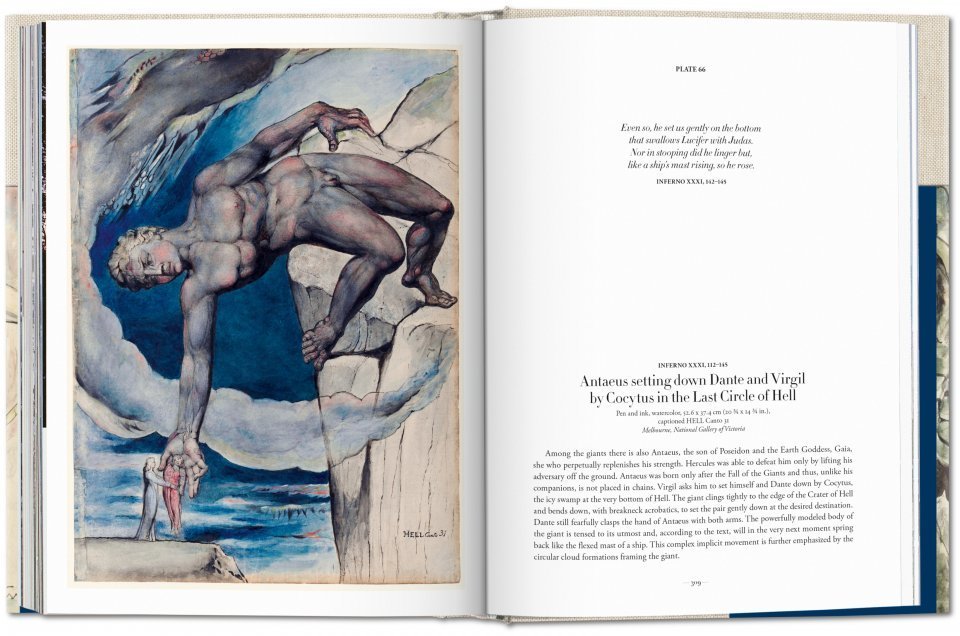
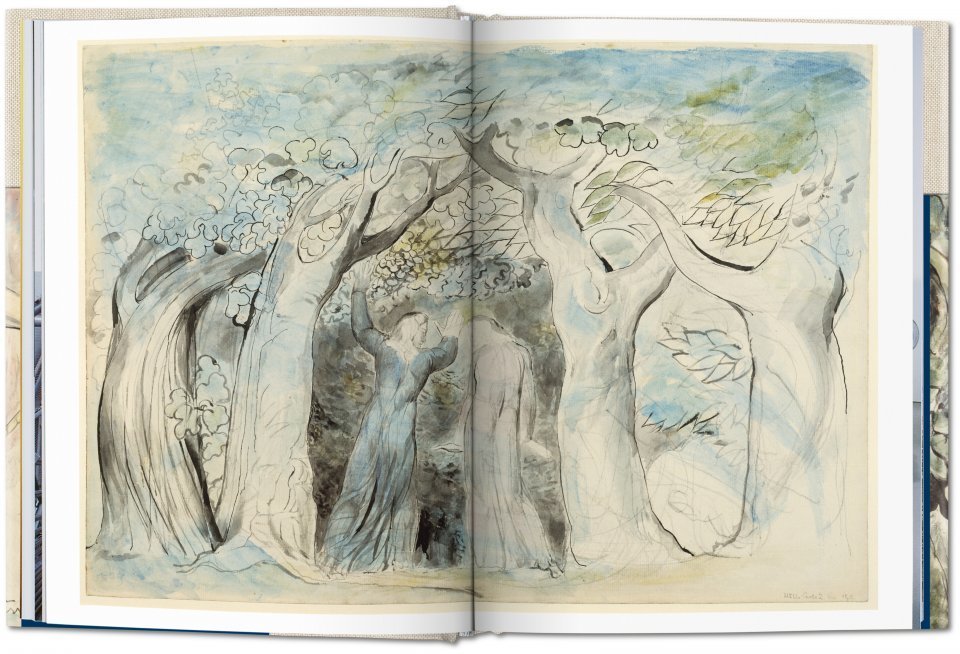
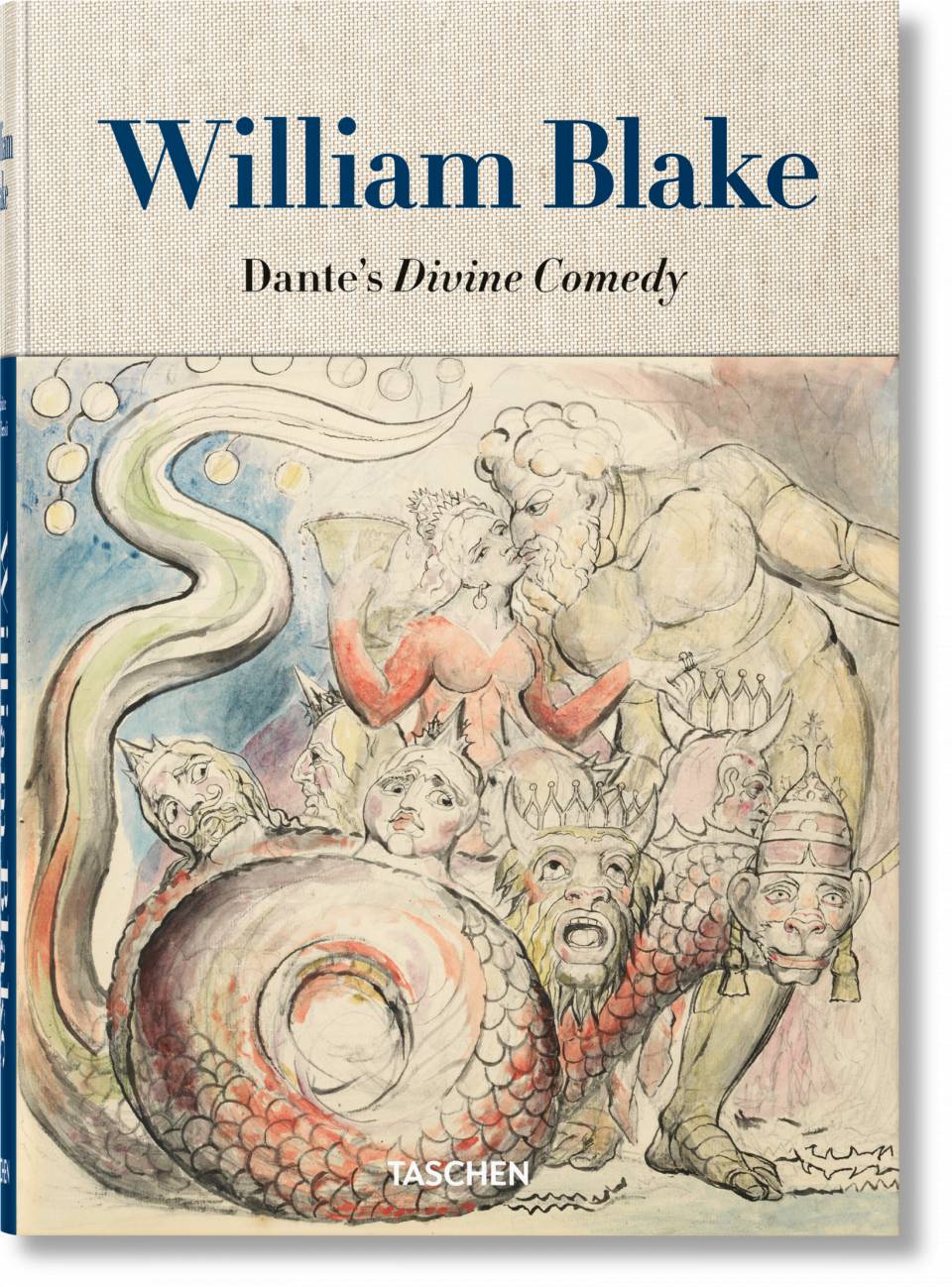
William Blake’s 102 Illustrations of The Divine Comedy Collected in a Beautiful Book from Taschen

In his book on the Tarot, Ale­jan­dro Jodor­owsky describes the Her­mit card as rep­re­sent­ing mid-life, a “pos­i­tive cri­sis,” a mid­dle point in time; “between life and death, in a con­tin­u­al cri­sis, I hold up my lit lamp — my con­scious­ness,” says the Her­mit, while con­fronting the unknown. The fig­ure recalls the image of Dante in the open­ing lines of the Divine Com­e­dy. In Mandelbaum’s trans­la­tion at Columbi­a’s Dig­i­tal Dante, we see evi­dent sim­i­lar­i­ties:

When I had jour­neyed half of our life’s way,
I found myself with­in a shad­owed for­est,
for I had lost the path that does not stray.

Ah, it is hard to speak of what it was,
that sav­age for­est, dense and dif­fi­cult,
which even in recall renews my fear:

so bitter—death is hard­ly more severe!

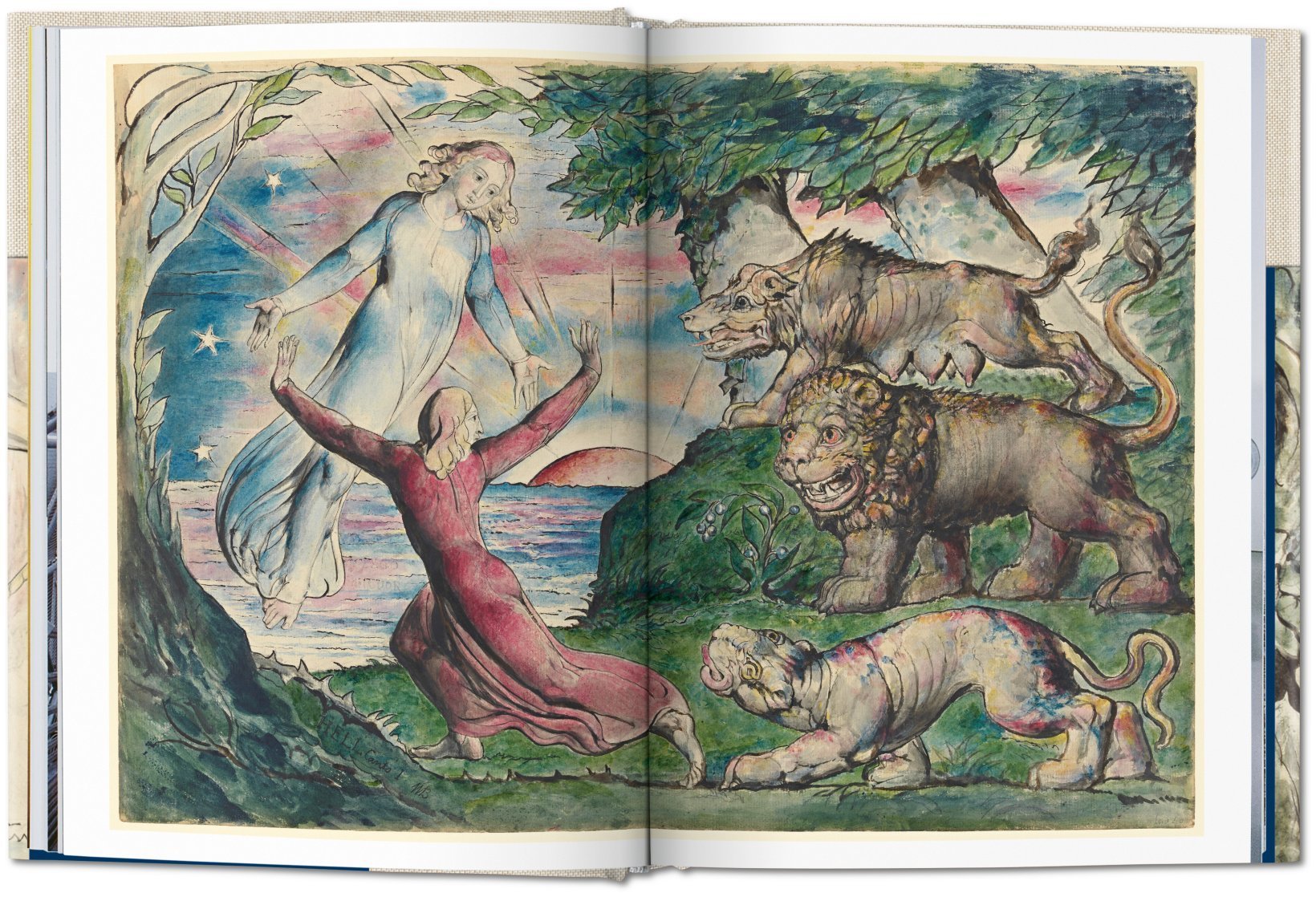
This is not to say the lit­er­ary Dante and occult Her­meti­cism are his­tor­i­cal­ly relat­ed; only they emerged from the same matrix, a medieval Catholic Europe steeped in mys­te­ri­ous sym­bols. The Her­mit is a por­tent, mes­sen­ger, and guide, an aspect rep­re­sent­ed by the poet Vir­gil, whom William Blake — in 102 water­col­or illus­tra­tions made between 1824 and 1827 — dressed in blue to rep­re­sent spir­it, while Dante wears his usu­al red — the col­or, in Blake’s sys­tem, of expe­ri­ence.

Blake did not read the Divine Com­e­dy as a medieval Catholic believ­er but as a vision­ary 18th and 19th cen­tu­ry Eng­lish artist and poet who invent­ed his own reli­gion. He “taught him­self Ital­ian in order to be able to read the orig­i­nal” and had a “ com­plex rela­tion­ship” with the text, writes Dante schol­ar Sil­via De San­tis.

His inter­pre­ta­tion drew from a “wide­spread ‘selec­tive use’” of the poet,” dat­ing from 16th cen­tu­ry Eng­lish Protes­tant read­ings which saw Dante’s satir­i­cal skew­er­ing of cor­rupt indi­vid­u­als as indict­ments of the insti­tu­tions they rep­re­sent — the church and state for which Blake had no love.

Approach­ing the project at the end of his life, not the mid­dle, Blake drew pri­mar­i­ly on themes that Dante schol­ar Robin Kil­patrick describes as a “search­ing analy­sis of all of the polit­i­cal and eco­nom­ic fac­tors that had destroyed Flo­rence .… Hell is a diag­no­sis of what, in so many ways, can prove to be divi­sive in human nature. Sin, for Dante, is not trans­gres­sion of an ordi­nary kind … against some law… it’s a trans­gres­sion against love.”

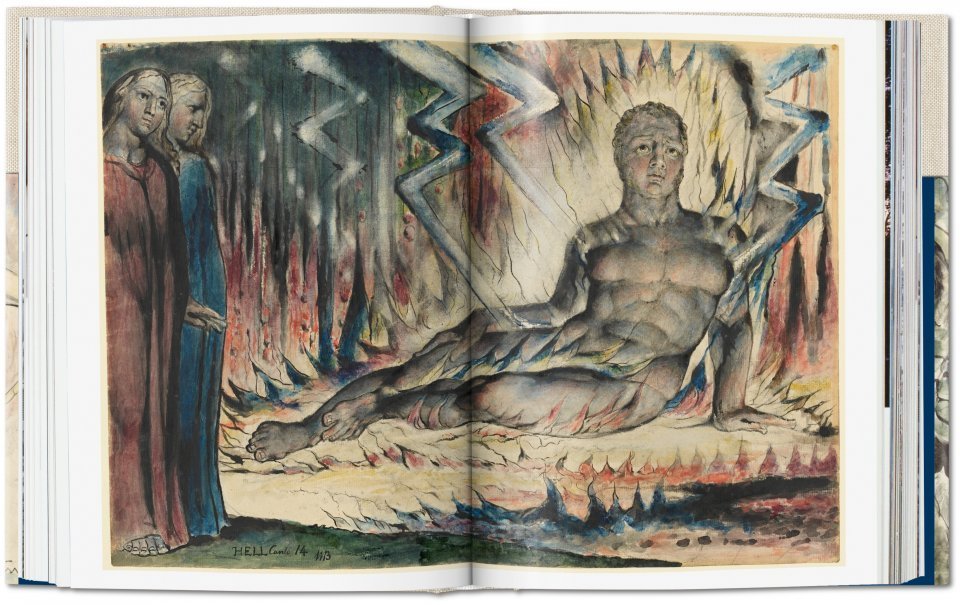
Blake died before he could fin­ish the series, com­mis­sioned by his friend John Lin­nell in 1824. He had intend­ed to engrave all 102 illus­tra­tions, con­ceived, he wrote, “dur­ing a fort­night’s ill­ness in bed.” You can see all of his stun­ning water­col­ors online here and find them lov­ing­ly repro­duced in a new book pub­lished by Taschen with essays by Blake and Dante experts, help­ing con­tex­tu­al­ize two poets who found a com­mon lan­guage across a span of 500 years. The book, orig­i­nal­ly priced at $150, now sells for $40. A beau­ti­ful XL edi­tion sells at a high­er price.

Relat­ed Con­tent:

Rarely-Seen Illus­tra­tions of Dante’s Divine Com­e­dy Are Now Free Online, Cour­tesy of the Uffizi Gallery

A Dig­i­tal Archive of the Ear­li­est Illus­trat­ed Edi­tions of Dante’s Divine Com­e­dy (1487–1568)

Explore Divine Com­e­dy Dig­i­tal, a New Dig­i­tal Data­base That Col­lects Sev­en Cen­turies of Art Inspired by Dante’s Divine Com­e­dy

Josh Jones is a writer and musi­cian based in Durham, NC. Fol­low him at @jdmagness.

100 Days of Dante: Join the Largest Divine Comedy Reading Group in the World (Starts September 8)

This year marks the 700th anniver­sary of Dante Alighier­i’s death — which means it also marks the 701st anniver­sary of his great work the Div­ina Com­me­dia, known in Eng­lish as the Divine Com­e­dy. We’ve all got to go some time, and it’s some­how suit­able that Dante went not long after telling the tale of his own jour­ney through the after­life, com­plete with stops in Hell, Pur­ga­to­ry, and Par­adise. It remains a jour­ney we can all take and re-take — and inter­pre­tive­ly grap­ple with — still these sev­en cen­turies lat­er. Start­ing this month, you can take it as a group tour, so to speak, by join­ing 100 Days of Dante, the largest Dante read­ing group in the world.

A project of Bay­lor Uni­ver­si­ty’s Hon­ors Col­lege (with sup­port from sev­er­al oth­er Amer­i­can edu­ca­tion­al insti­tu­tions), 100 Days of Dante has launched a web site “through which mod­ern seek­ers and pil­grims can fol­low the great epic poem with free video pre­sen­ta­tions three times a week.”

So writes Aleteia’s John Burg­er, who explains that “the three books of the Divine Com­e­dy, known in Ital­ian as Infer­noPur­ga­to­rio, and Par­adiso, are divid­ed into 33 chap­ters known as can­tos. [Infer­no actu­al­ly had 34.] Each video will present one can­to, with com­men­tary on it from lead­ing experts in Dante stud­ies.” You can also read the entire work on 100 Days of Dan­te’s web site, in Eng­lish or Ital­ian — a lan­guage Dan­te’s own poet­ry did much to shape.

Nobody inter­est­ed in the lan­guage of Italy, let alone the coun­try’s his­to­ry and cul­ture, can do with­out expe­ri­enc­ing the Divine Com­e­dy. One of 100 Days of Dante’s aims is a re-empha­sis of its nature as a thor­ough­ly reli­gious work, one that ren­ders in vivid, some­times har­row­ing detail the world­view held by Chris­tians of Dan­te’s place and time. But believ­er or oth­er­wise, you can join in the read­ing from when it begins on Sep­tem­ber 8, to when it con­cludes on East­er 2022. You may well find, as the long Italy-res­i­dent Eng­lish writer and trans­la­tor Tim Parks observes, that Dante has a way of slip­ping through con­ve­nient inter­pre­ta­tive frame­works cul­tur­al, his­tor­i­cal, and even reli­gious. “Long after the fires of Hell have burned them­selves out,” he writes, “the debate about the Div­ina Com­me­dia rages on.” Find more edu­ca­tion­al resources on Dante and The Divine Com­e­dy below.

Relat­ed Con­tent:

A Free Online Course on Dante’s Divine Com­e­dy from Yale Uni­ver­si­ty

An Illus­trat­ed and Inter­ac­tive Dante’s Infer­no: Explore a New Dig­i­tal Com­pan­ion to the Great 14th-Cen­tu­ry Epic Poem

A Dig­i­tal Archive of the Ear­li­est Illus­trat­ed Edi­tions of Dante’s Divine Com­e­dy (1487–1568)

Visu­al­iz­ing Dante’s Hell: See Maps & Draw­ings of Dante’s Infer­no from the Renais­sance Through Today

Explore Divine Com­e­dy Dig­i­tal, a New Dig­i­tal Data­base That Col­lects Sev­en Cen­turies of Art Inspired by Dante’s Divine Com­e­dy

Why Should We Read Dante’s Divine Com­e­dy? An Ani­mat­ed Video Makes the Case

Based in Seoul, Col­in Mar­shall writes and broad­casts on cities, lan­guage, and cul­ture. His projects include the Sub­stack newslet­ter Books on Cities, the book The State­less City: a Walk through 21st-Cen­tu­ry Los Ange­les and the video series The City in Cin­e­ma. Fol­low him on Twit­ter at @colinmarshall or on Face­book.

A 94-Year-Old English Teacher and Her Former Students Reunite in Their Old Classroom & Debate the Merits of Bob Dylan’s Nobel Prize

In fic­tion the inspi­ra­tional high-school Eng­lish teacher is a cliché, despite (or indeed due to) the fact that so many of us have had at least one of them in real life. For gen­er­a­tions of stu­dents who passed through San Fran­cis­co’s pres­ti­gious Low­ell High School, that teacher was Flossie Lewis. Long after her retire­ment, she went sur­pris­ing­ly viral in a 2016 PBS inter­view clip about her thoughts on aging. It seemed she retained her pow­er to inspire, not just for her more than sev­en mil­lion online view­ers, but also for the PBS pro­duc­ers who lat­er reunit­ed her with her for­mer stu­dents in the very same class­room where she once taught them.

You can see this reunion take place in the video above, which also includes Flossie telling her own sto­ry of hav­ing fled Brook­lyn spin­ster­hood on a Grey­hound bus head­ed west. “I could com­mand the atten­tion of a class,” she says of the source of her pow­er as a teacher. “I had a voice. I had that kind of per­son­al­i­ty that did not seem teacher­ly, but was provoca­tive.”

One­time stu­dent Daniel Han­dler, bet­ter known as the nov­el­ist Lemo­ny Snick­et, cred­its Flossie with an “abil­i­ty to star­tle.” Anoth­er, now an archi­tect, remem­bers “grav­i­tas” — and his hav­ing been “intim­i­dat­ed by her name. Flossie is a very unusu­al name.” Or at least it is today, its pop­u­lar­i­ty (dri­ven, it seems, by the Bobb­sey Twins books) hav­ing peaked in the ear­ly 20th cen­tu­ry.

Flossie is also rep­re­sen­ta­tive of her gen­er­a­tion in anoth­er way: not par­tic­u­lar­ly car­ing for the music of Bob Dylan. Though she can’t have been thrilled with that gui­tar-play­ing (rel­a­tive) young­ster’s 2016 Nobel Prize for Lit­er­a­ture, she’s will­ing to hear her stu­dents out on the sub­ject. “The triv­ial task before us is to decide whether Bob­by Dylan is worth the lau­re­ate,” she declares to the group of Low­ell alum­ni gath­ered in her old class­room. Now all mid­dle-aged, her for­mer stu­dents include Dylan defend­ers and Dylan deniers alike, but what unites them are their undimmed mem­o­ries of their teacher’s mix­ture of rig­or, com­pas­sion, and sheer eccen­tric­i­ty. As one of them recalls, “You read us a son­net from Shake­speare and said, ‘It’s no good.’ ” What­ev­er his gen­er­a­tional rel­e­vance, the poet from Hib­bing may nev­er have stood a chance.

Relat­ed Con­tent:

Hear Bob Dylan’s New­ly-Released Nobel Lec­ture: A Med­i­ta­tion on Music, Lit­er­a­ture & Lyrics

Bob Dylan Reads From T.S. Eliot’s Great Mod­ernist Poem The Waste Land

“Tan­gled Up in Blue”: Deci­pher­ing a Bob Dylan Mas­ter­piece

David Fos­ter Wallace’s 1994 Syl­labus: How to Teach Seri­ous Lit­er­a­ture with Light­weight Books

Bene­dict Cum­ber­batch Reads Albert Camus’ Touch­ing Thank You Let­ter to His Ele­men­tary School Teacher

Come­di­an Ricky Ger­vais Tells a Seri­ous Sto­ry About How He Learned to Write Cre­ative­ly

Based in Seoul, Col­in Mar­shall writes and broad­casts on cities, lan­guage, and cul­ture. His projects include the Sub­stack newslet­ter Books on Cities, the book The State­less City: a Walk through 21st-Cen­tu­ry Los Ange­les and the video series The City in Cin­e­ma. Fol­low him on Twit­ter at @colinmarshall or on Face­book.

Two Haruki Murakami Stories Adapted into Short Films: Watch Attack on a Bakery (1982) and A Girl, She Is 100% (1983)

At this year’s Cannes Film Fes­ti­val, the Award for Best Screen­play went to Ryusuke Ham­aguchi’s Dri­ve My Car, an adap­ta­tion of a sto­ry by Haru­ki Muraka­mi. So did FIPRESCI Prize, the Prize of the Ecu­meni­cal Jury, and no small amount of crit­i­cal acclaim, sug­gest­ing that the code for trans­lat­ing Muraka­mi onto the screen might final­ly have been cracked. Every now and again over the past forty years, a bold film­mak­er has tak­en on the chal­lenge of turn­ing a work of that most world-famous Japan­ese nov­el­ist into a fea­ture. But until recent­ly, the results have for the most part not been received as espe­cial­ly con­se­quen­tial in and of them­selves.

In gen­er­al, short fic­tion tends to pro­duce more sat­is­fy­ing adap­ta­tions than full-fledged nov­els, and Murakami’s work seems not to be an excep­tion (as under­scored a few years ago by Kore­an auteur Lee Chang-dong’s Burn­ing). Ham­aguchi’s film spins some 40 pages into a run­ning time of near­ly three hours, doing the oppo­site of what oth­er Japan­ese film­mak­ers have done with Murakami’s short sto­ries. In 1982, Nao­to Yamakawa made one of them into Attack on a Bak­ery, a short film run­ning less than twen­ty min­utes; the fol­low­ing year, he made anoth­er into the even short­er A Girl, She is 100%, run­ning less than fif­teen. Today Muraka­mi fans every­where can watch them both on Youtube, com­plete with Eng­lish sub­ti­tles.

The mate­r­i­al will feel famil­iar to Eng­lish-lan­guage Muraka­mi read­ers. A main char­ac­ter of the sto­ry “The Sec­ond Bak­ery Attack” rem­i­nisces about a rob­bery he attempt­ed as a hun­gry young man that went com­i­cal­ly off the rails, in a man­ner sim­i­lar to the one in Yamakawa’s first short. (In 2010 “The Sec­ond Bak­ery Attack,” where­in the now-mar­ried nar­ra­tor robs a fast-food joint with his new bride, itself became a short film direct­ed by Car­los Cuarón, broth­er of Alfon­so.) Though “The Bak­ery Attack” has nev­er been offi­cial­ly pub­lished in Eng­lish, “On See­ing the 100% Per­fect Girl One Beau­ti­ful April Morn­ing” has, and it now stands as one of Murakami’s rep­re­sen­ta­tive short works in that lan­guage; it also, in the orig­i­nal, pro­vides the basis for A Girl, She Is 100%.

“She doesn’t stand out in any way,” Murakami’s nar­ra­tor says of the tit­u­lar fig­ure. “Her clothes are noth­ing spe­cial. The back of her hair is still bent out of shape from sleep. She isn’t young, either — must be near thir­ty, not even close to a ‘girl,’ prop­er­ly speak­ing. But still, I know from fifty yards away: She’s the 100% per­fect girl for me.” Yamakawa dra­ma­tizes a sim­i­lar fleet­ing encounter and the roman­tic spec­u­la­tions that res­onate in the man’s mind. Like the half-baked philo­soph­i­cal and polit­i­cal con­vic­tions of the would-be rob­bers, these inspire the direc­tor to the kind of visu­al and for­mal inven­tive­ness one would expect giv­en his back­ground in Godard and Scors­ese schol­ar­ship. But the only film­mak­er name-checked is Woody Allen, which fans will rec­og­nize as a char­ac­ter­is­tic Muraka­mi ref­er­ence. So as are the inclu­sions of Wag­n­er, D.H. Lawrence, jazz music — and of course, an unex­pect­ed cat.

Relat­ed Con­tent:

Read 12 Sto­ries By Haru­ki Muraka­mi Free Online

Dis­cov­er Haru­ki Murakami’s Adver­to­r­i­al Short Sto­ries: Rare Short-Short Fic­tion from the 1980s

Haru­ki Murakami’s Pas­sion for Jazz: Dis­cov­er the Novelist’s Jazz Playlist, Jazz Essay & Jazz Bar

A 3,350-Song Playlist of Music from Haru­ki Murakami’s Per­son­al Record Col­lec­tion

Mem­o­ran­da: Haru­ki Murakami’s World Recre­at­ed as a Clas­sic Adven­ture Video Game

Based in Seoul, Col­in Mar­shall writes and broad­casts on cities, lan­guage, and cul­ture. His projects include the Sub­stack newslet­ter Books on Cities, the book The State­less City: a Walk through 21st-Cen­tu­ry Los Ange­les and the video series The City in Cin­e­ma. Fol­low him on Twit­ter at @colinmarshall or on Face­book.

Hear Philip K. Dick’s Famous Metz Speech: “If You Find this World Bad, You Should See Some of the Others” (1977)

A news­pa­per arti­cle about this speech could well be titled: AUTHOR CLAIMS TO HAVE SEEN GOD BUT CAN’T GIVE ACCOUNT OF WHAT HE SAW. — PKD

In 1977, cult writer Philip K. Dick arrived at a sci­ence fic­tion con­ven­tion in Metz, France to deliv­er a speech called, “If You Find this World Bad, You Should See Some of the Oth­ers.” (Read an edit­ed tran­script here.) The audi­ence would leave bewil­dered, mys­ti­fied. His talk ranged wide­ly across such top­ics as cos­mo­log­i­cal time, the pos­si­bil­i­ty of the uni­verse as a com­put­er sim­u­la­tion, the expe­ri­ence of deja vu, and the oppres­sive regime of Richard Nixon. It would become a sort of rebus for decod­ing Dick’s fic­tion.

If the “Metz address” were only a key to the strange occur­rences in nov­els like A Scan­ner Dark­ly, Flow My Tears, The Police­man Said, and The Man in the High Cas­tle, it would be an extra­or­di­nary doc­u­ment for Philip K. Dick fans.

But just as Dick claimed that the events of his 1981 nov­el V.A.L.I.S. were real– he had actu­al­ly had a vision­ary encounter with “God” after den­tal surgery in 1974 — so here he claims to have actu­al­ly expe­ri­enced, or remem­bered, mul­ti­ple real­i­ties and, after said encounter, to have rec­og­nized them all as true.

I, in my sto­ries and nov­els, often write about coun­ter­feit worlds, semi-real worlds, as well as deranged pri­vate worlds inhab­it­ed, often, by just one per­son, while, mean­time, the oth­er char­ac­ters either remain in their own worlds through­out or are some­how drawn into one of the pecu­liar ones. …At no time did I have a the­o­ret­i­cal or con­scious expla­na­tion for my pre­oc­cu­pa­tion with these plu­ri­form pseudoworlds, but now I think I under­stand. What I was sens­ing was the man­i­fold or par­tial­ly actu­al­ized real­i­ties lying tan­gent to what evi­dent­ly is the most actu­al­ized one, the one that the major­i­ty of us, by con­sen­sus gen­tium, agree on.

“The world of Flow My Tears is an actu­al (or rather once actu­al) alter­nate world, and I remem­ber it in detail. I do not know who else does. Maybe no one else does. per­haps all of you were always — have always been — here. But I was not. In nov­el after nov­el, sto­ry after sto­ry, over a twen­ty-five year peri­od, I wrote repeat­ed­ly about a par­tic­u­lar oth­er land­scape, a dread­ful one. In March 1974, I under­stood why. …I had good rea­son to. My nov­els and sto­ries were, with­out my real­iz­ing it con­scious­ly, auto­bi­o­graph­i­cal. It was — this return of mem­o­ry — the most extra­or­di­nary expe­ri­ence of my life. …

The nar­row­er sub­ject of his speech, Dick says by way of intro­duc­tion, is “orthog­o­nal time,” or “right-angle time.” To explain this he calls up an image of par­al­lel uni­vers­es over­lap­ping at the edges of a “lat­er­al axis.” These blend and “come into focus,” as an enti­ty he calls “the Pro­gramer-Repro­gram­mer” changes the vari­ables, while a “coun­ter­en­ti­ty” he calls the “Dark Coun­ter­play­er” tries to mess things up. Despite the use of soft­ware terms, Dick’s imagery seems to draw as much from chess, or Tao­ism, as com­put­er sci­ence. The inter­play of programmer/counterprogrammer is a dialec­tic, result­ing in new syn­the­ses. God is not an inde­pen­dent, self-exis­tent being but some­thing more akin to Atman, “the view of the old­est reli­gion of India, and to some extent… of Spin­oza and Alfred North White­head …. God with­in the uni­verse… The Sufi say­ing [from Rumi] ‘The work­man is invis­i­ble with­in the work­shop’ applies here.”

We can­not see the work­ings of this mys­ti­cal intel­li­gence except when the illu­sion of seam­less­ness breaks down and mem­o­ries of past or alter­nate lives intrude. These are not mem­o­ries of a lin­ear time, but of oth­er pos­si­ble present times, all exist­ing at once just out of focus. Dystopi­an police states, an alter­nate present ruled by Nazi Ger­many and Impe­r­i­al Japan… These cur­rent­ly exist, Dick says, on the orthog­o­nal line of time, only we can­not see them because the vari­ables, and our mem­o­ries, have been changed to suit the lat­est ver­sion of real­i­ty, a syn­the­sis and updat­ed improve­ment. How­ev­er, it’s entire­ly pos­si­ble that we’re all expe­ri­enc­ing slight­ly dif­fer­ent real­i­ties, depend­ing on the “mem­o­ries” of alter­nate presents leak­ing into our expe­ri­ence.

Thus, the talk’s title: not only could the world be worse, he says, but it is cur­rent­ly worse in the mul­ti­verse of reject­ed alter­nate worlds we can’t (or can’t quite) see. Here, at the end of his speech, Dick gets the­o­log­i­cal, and tele­o­log­i­cal, again, claim­ing to have seen a vision of a “park­like” world that “was not what my Chris­t­ian train­ing had pre­pared me for at all.” His descrip­tion sounds ripped from the cov­er of a 70s pulp fan­ta­sy nov­el, com­plete with a naked god­dess and an alien “land­scape beyond a gold­en rec­tan­gle door­way.” He takes pains to dis­tance his vision from the Chris­t­ian gar­den of Eden, but his final remarks sound more like C.S. Lewis than the para­noid, drug-addled con­spir­acist his audi­ence might have been pre­pared to meet:

The best I can do …is to play the role of prophet, of ancient prophets and such ora­cles as the sibyl at Del­phi, and to talk of a won­der­ful gar­den world, much like that which once our ances­tors are said to have inhab­it­ed — in fact, I some­times imag­ine it to be exact­ly that same world restored, as if a false tra­jec­to­ry of our world will even­tu­al­ly be ful­ly cor­rect­ed and once more we will be where once, many thou­sands of years ago, we lived and were hap­py.

…I believe I know a great secret. When the work of restora­tion is com­plet­ed, we will not even remem­ber the tyran­nies, the cru­el bar­barisms of the Earth we inhab­it­ed… the vast body of pain and grief and loss and dis­ap­point­ment with­in us will be expunged as if it had nev­er been. I believe that process is tak­ing place now, has always been tak­ing place now. And, mer­ci­ful­ly, we are already being per­mit­ted to for­get that which for­mer­ly was. And per­haps in my nov­els and sto­ries I have done wrong to urge you to remem­ber.

Was Philip K. Dick out of his mind? He sounds per­fect­ly lucid in oth­er inter­views he gave at the same time, and dis­miss­es the notion that his ideas are the prod­uct of men­tal ill­ness. Travis Diehl writes at Art Papers that Dick has come to seem more like an actu­al than a self-styled prophet in the decades since this inter­view, and his “para­noia comes to seem more and more like pre­science,” fore­see­ing the major themes of The Matrix, Jean Baudrillard’s post­mod­ern clas­sic Sim­u­lacra and Sim­u­la­tion, and favorite philoso­pher of Sil­i­con Val­ley Nick Bostrom.

What­ev­er the source of the author’s expe­ri­ences, “the rup­ture that pushed Dick’s life toward a knowl­edge of oth­er worlds — towards gno­sis — was an aes­thet­ic one: Dick’s visions appeared accom­pa­nied, or induced, by art,” and it was only by means of art that he claimed to appre­hend them. “Our God is the deus abscon­di­tus: the hid­den god.” We can­not know what it is, he says. But this does not exempt us from the mak­ing and remak­ing of the world. No one is — to use a cur­rent term of art — a non-playable char­ac­ter. “Con­cealed though the form is,” Dick says, “the lat­ter will con­front us; we are involved in it — in fact, we are instru­ments by which it is accom­plished.”

Relat­ed Con­tent: 

Hear VALIS, an Opera Based on Philip K. Dick’s Meta­phys­i­cal Nov­el

Robert Crumb Illus­trates Philip K. Dick’s Infa­mous, Hal­lu­ci­na­to­ry Meet­ing with God (1974)

The Penul­ti­mate Truth About Philip K. Dick: Doc­u­men­tary Explores the Mys­te­ri­ous Uni­verse of PKD

Josh Jones is a writer and musi­cian based in Durham, NC. Fol­low him at @jdmagness

200 Comic Book Adaptations of Classic Novels Created (1941–1971): Frankenstein, Moby Dick, Hamlet & More

Thanks to “the rise of comics as a ‘respectable’ medi­um,” Ross John­son writes at Barnes and Noble, graph­ic nov­el adap­ta­tions now con­stant­ly reimag­ine lit­er­ary clas­sics for young read­ers. One Goodreads list col­lects over 200 recent graph­ic adap­ta­tions of clas­sics from Austen to Kaf­ka. These adap­ta­tions “aim to hon­or and embell­ish rather than replace the books on which they are based,” writes John­son, “because how could they?” They do, how­ev­er, allow us to “see, lit­er­al­ly and fig­u­ra­tive­ly, the sto­ries we love from new angles.” They also give kids and adults who may not fan­cy them­selves read­ers new ways to access and enjoy lit­er­ary clas­sics.

But are graph­ic adap­ta­tions real­ly a new phe­nom­e­non? They may be new­ly respectable, but they’ve been around since the very dawn of com­ic books as a medi­um. Super­man debuted in 1938, Bat­man in 1939, and in 1941, the first issue of Clas­sics Illus­trat­ed appeared — an adap­ta­tion of The Three Mus­ke­teers, fol­lowed by Ivan­hoe and The Count of Monte Cristo. The series was found­ed by Russ­ian-born pub­lish­er Albert Kan­ter, who imme­di­ate­ly seized on the poten­tial of com­ic books as edu­ca­tion­al tools dur­ing what is now known as the Gold­en Age of Comics.

Even as a pres­tige series sup­pos­ed­ly pro­mot­ing “great lit­er­a­ture,” Clas­sics Illus­trat­ed did not escape the notice of Dr. Fredric Wertham, whose book Seduc­tion of the Inno­cent began the moral pan­ic over com­ic books in the 1950s. Wertham found fault with the graph­ic adap­ta­tions of Dr. Jekyll and Mr. Hyde and Uncle Tom’s Cab­in for reduc­ing the nov­els to their most stereo­typ­i­cal and sen­sa­tion­al­ist ele­ments. It’s the kind of crit­i­cism we might find levied against graph­ic adap­ta­tions of lit­er­a­ture today, and in many cas­es, it may be war­rant­ed.

Few accused these graph­ic lit­er­ary adap­ta­tions of being great art in their own right. But they accom­plished Kanter’s pur­pose of get­ting comics read­ers excit­ed about clas­sic nov­els. The series ran for 30 years, end­ing in 1971, and became an inter­na­tion­al phe­nom­e­non. In Brazil and Greece, it pub­lished adap­ta­tions of authors from those coun­tries.

A Clas­sics Illus­trat­ed Junior series appeared in 1953, bring­ing chil­dren comics ver­sions of folk­tales and myths. After the series first run, spe­cial issues, reprints, and revivals appeared in lat­er decades, as well a series of tele­vi­sion films in the 70s and 80s. You can peruse over 200 of these adap­ta­tions dig­i­tal­ly scanned at the Inter­net Archive, arti­facts of the Gold­en Age and ances­tors of our cur­rent explo­sion of graph­ic nov­el adap­ta­tions of clas­sic lit­er­a­ture. For a deep­er study of this pub­li­ca­tion, you can pur­chase the 2017 book, Clas­sics Illus­trat­ed: A Cul­tur­al His­to­ry.

Relat­ed Con­tent: 

Free: Down­load 15,000+ Free Gold­en Age Comics from the Dig­i­tal Com­ic Muse­um

Free Com­ic Books Turns Kids Onto Physics: Start With the Adven­tures of Niko­la Tes­la

Take a Free Online Course on Mak­ing Com­ic Books, Com­pli­ments of the Cal­i­for­nia Col­lege of the Arts

Josh Jones is a writer and musi­cian based in Durham, NC. Fol­low him at @jdmagness

Hear Sherlock Holmes Stories Read by The Great Christopher Lee

The extend­ed Sher­lock Holmes Uni­verse, as we might call it, has grown so vast in the last cen­tu­ry (as with oth­er fran­chis­es that have uni­vers­es) that it’s pos­si­ble to call one­self a fan with­out ever hav­ing read the source mate­r­i­al. Depend­ing on one’s per­sua­sion, this is either heresy or the inevitable out­come of so much medi­a­tion by Holme­sian high priests, none of whom can resist writ­ing Holmes fan fic­tion of their own. But Sher­lock­ians agree: the true Holmes Canon (yes, it’s cap­i­tal­ized) con­sists of only 60 works — 56 short sto­ries and four nov­els, exclud­ing apoc­rypha. No more, no less. (And they’re in the pub­lic domain!)

The Canon safe­guards Arthur Conan Doyle’s work against the extra-volu­mi­nous flood of pas­tichists, par­o­dists, and imposters appear­ing on the scene since Holmes’ first appear­ance in 1892. (Doyle per­son­al­ly liked Peter Pan author J.M. Barrie’s Holmes par­o­dy, “The Adven­ture of the Two Col­lab­o­ra­tors,” so much he includ­ed it in his auto­bi­og­ra­phy.) The Holmes Canon remains untouch­able for its wit, inge­nu­ity, and the true strange­ness of its detec­tive — a por­trait of per­haps the most emo­tion­al­ly avoidant pro­tag­o­nist in Eng­lish lit­er­a­ture when we first meet him:

All emo­tions, and [love] par­tic­u­lar­ly, were abhor­rent to his cold, pre­cise but admirably bal­anced mind. He was, I take it, the most per­fect rea­son­ing and observ­ing machine that the world has seen, but as a lover he would have placed him­self in a false posi­tion. He nev­er spoke of the soft­er pas­sions, save with a gibe and a sneer. They were admirable things for the observer—excellent for draw­ing the veil from men’s motives and actions. But for the trained rea­son­er to admit such intru­sions into his own del­i­cate and fine­ly adjust­ed tem­pera­ment was to intro­duce a dis­tract­ing fac­tor which might throw a doubt upon all his men­tal results. Grit in a sen­si­tive instru­ment, or a crack in one of his own high-pow­er lens­es, would not be more dis­turb­ing than a strong emo­tion in a nature such as his.

How to make such a cold fish com­pelling? With a host of quirks, an inge­nious mind, a “Bohemi­an soul,” some unsa­vory qual­i­ties, and at least one or two human attach­ments, if you can call them that. Sherlock’s cold, log­i­cal exte­ri­or masks con­sid­er­able pas­sion, inspir­ing fan the­o­ries about an ances­tral rela­tion­ship to Star Trek’s Spock.

But of course, we see Holmes almost entire­ly through the eyes of his side­kick and amanu­en­sis, James Wat­son, who has his bias­es. When Holmes stepped out of the sto­ries and into radio and screen adap­ta­tions, he became his own man, so to speak — or a series of lead­ing men: Basil Rath­bone, John Giel­gud, Ian McK­ellen, Michael Caine, Robert Downey, Jr., Bene­dict Cum­ber­batch, and the late Christo­pher Lee, who played not one of Doyle’s char­ac­ters, but four, begin­ning with his role as Sir Hen­ry Baskerville, with Peter Cush­ing as Holmes, in a 1959 adap­ta­tion.

In 1962, Lee took on the role of Holmes him­self in a Ger­man-Ital­ian pro­duc­tion, Sher­lock Holmes and the Dead­ly Neck­lace, an orig­i­nal sto­ry based on Doyle’s work. He played Holmes’ smarter but unmo­ti­vat­ed old­er broth­er, Mycroft, in 1970, then played a much old­er Holmes twice more in the 90s, paus­ing along the way for the role of Arnaud, a char­ac­ter in anoth­er Doyle adap­ta­tion, The Leather Fun­nel, in 1973 and the nar­ra­tor of a 1985 Holmes doc­u­men­tary, The Many Faces of Sher­lock Holmes. In an extra­or­di­nary career, Lee became an icon in the worlds of hor­ror, sci­ence fic­tion, fan­ta­sy, and Sher­lock Holmes, a genre all its own, into which he fit per­fect­ly.

In the videos here, you can hear Lee read four of the last twelve Holmes sto­ries Doyle wrote in the final decade of his life. These were col­lect­ed in 1927 in The Case-Book of Sher­lock Holmes. We begin, at the top, with the very last of the 56 canon­i­cal sto­ries, “The Adven­ture of Shoscombe Old Place.”  Lee may nev­er have played Dr. Wat­son, but we can imag­ine him bring­ing his famil­iar grav­i­tas to that role, too, as he nar­rates in his deep mel­liflu­ous voice. Find links to 7 more sto­ries from Doyle’s last col­lec­tion, read by Lee, on Metafil­ter, and hear him nar­rate The Many Faces of Sher­lock Holmes, just below.

Relat­ed Con­tent: 

Arthur Conan Doyle Names His 19 Favorite Sher­lock Holmes Sto­ries

Hor­ror Leg­end Christo­pher Lee Reads Bram Stoker’s Drac­u­la

Sher­lock Holmes Is Now in the Pub­lic Domain, Declares US Judge

Read the Lost Sher­lock Holmes Sto­ry That Was Just Dis­cov­ered in an Attic in Scot­land

Josh Jones is a writer and musi­cian based in Durham, NC. Fol­low him at @jdmagness

« Go BackMore in this category... »
Quantcast